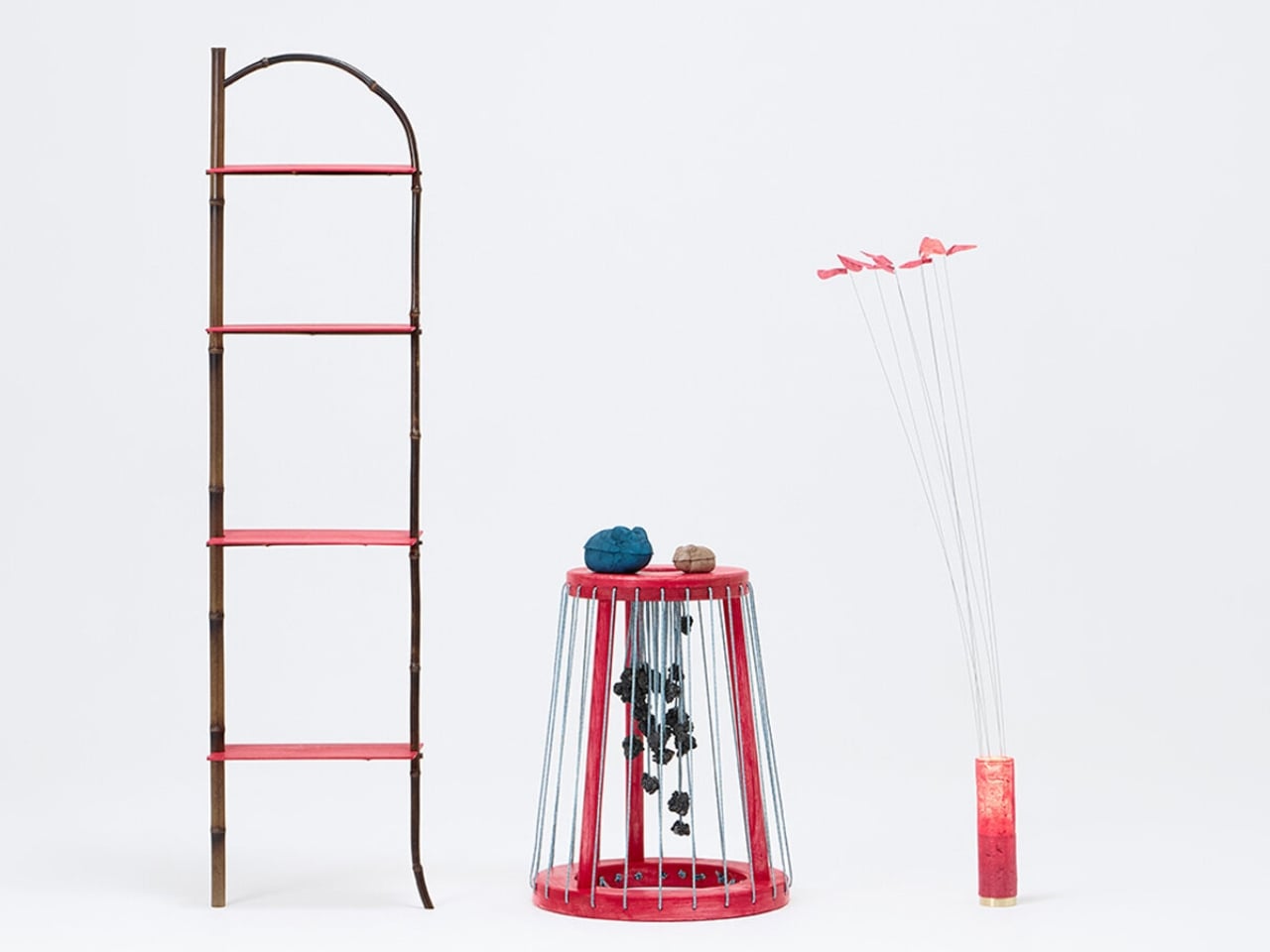

Japan has always had a complicated relationship with the new. On one hand, the country gave us bullet trains, robot hotels, and vending machines that sell everything from hot soup to umbrellas. On the other hand, it is also home to some of the world’s most painstakingly preserved craft traditions, techniques passed down through generations with almost stubborn devotion. What Kyoto-based designer Kenta Yoshizawa has done with his Red Craft collection, known in Japanese as Akai Kogei, is sit right in the middle of that tension and make it look beautiful.
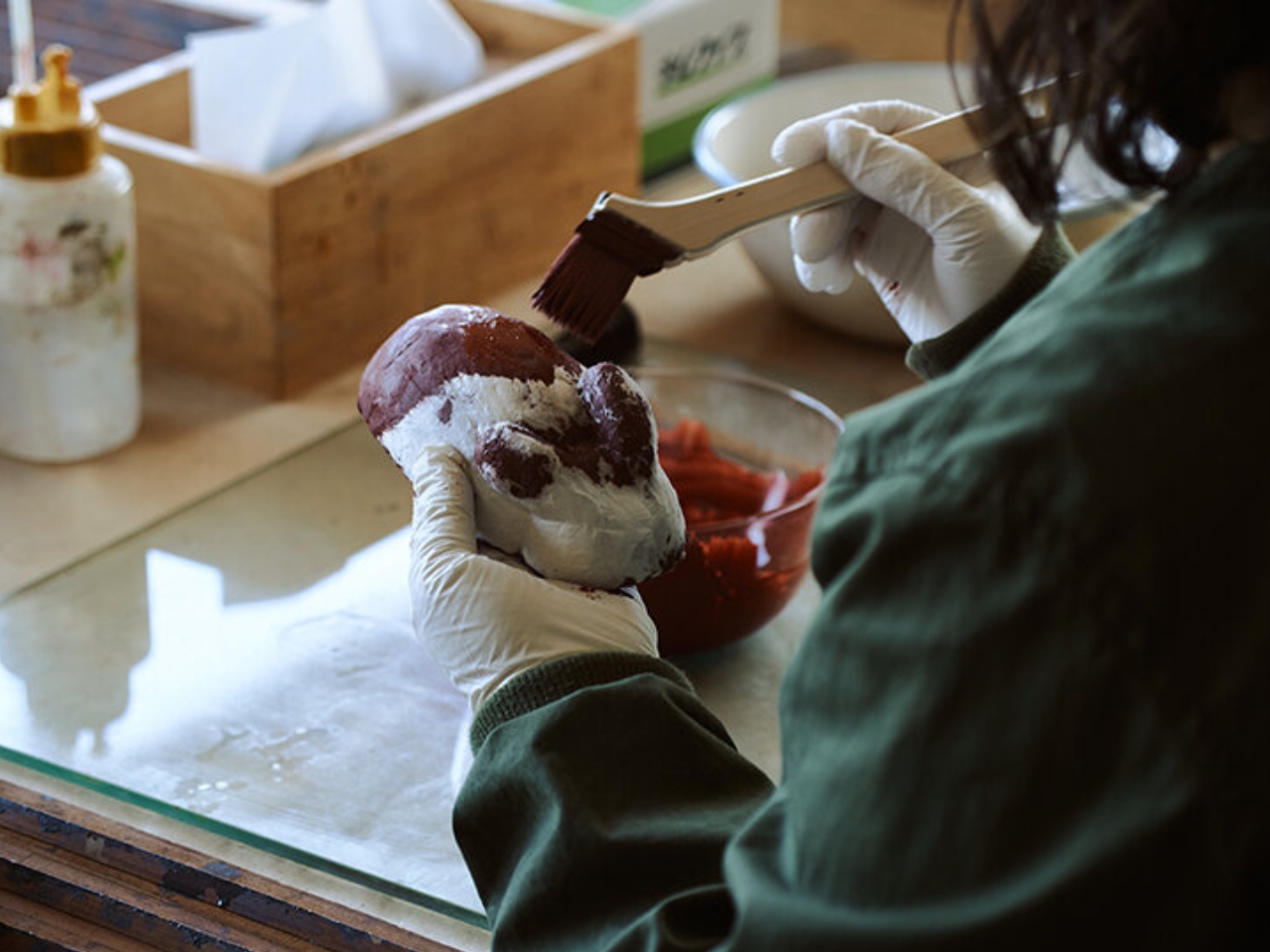
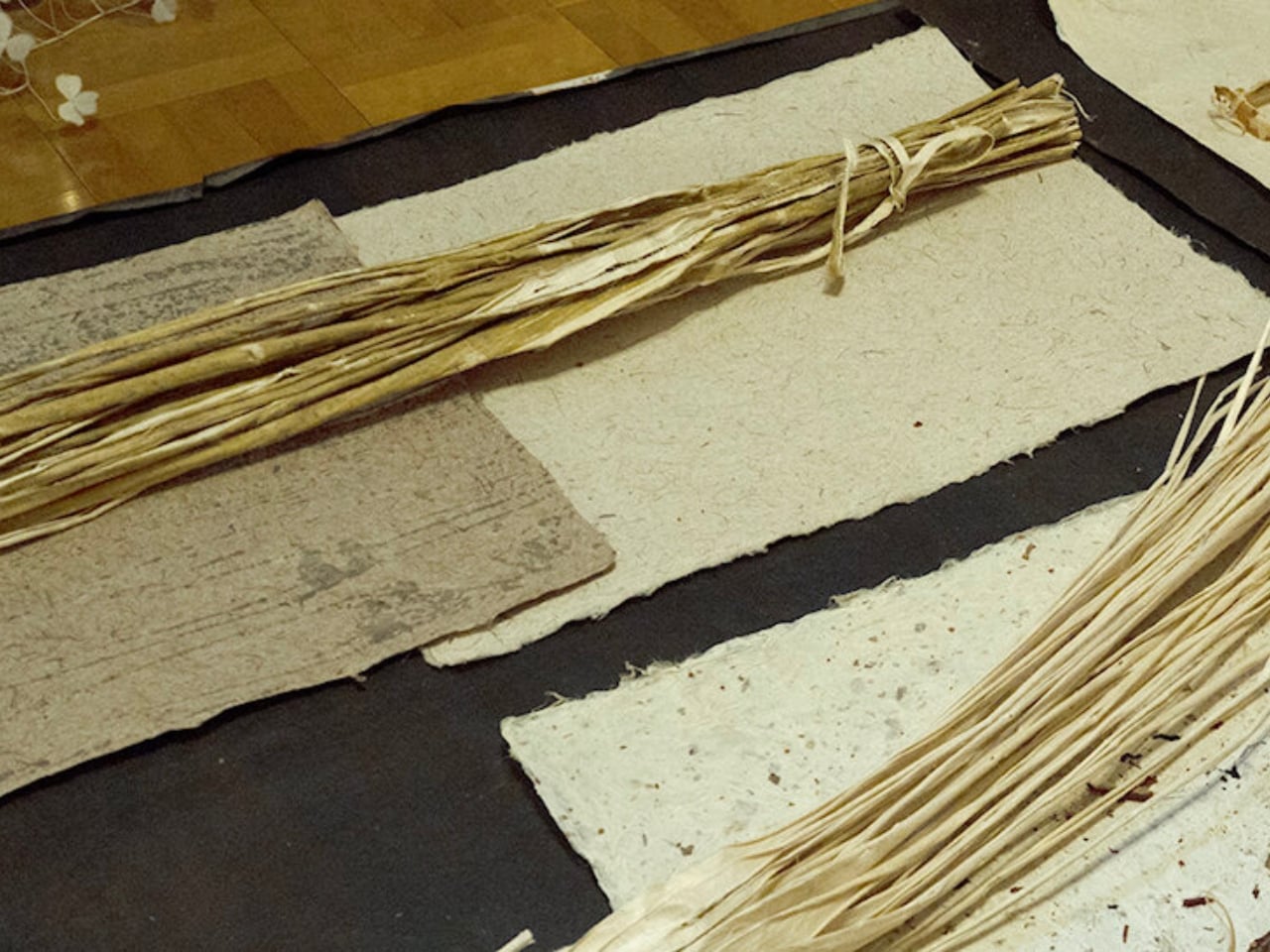
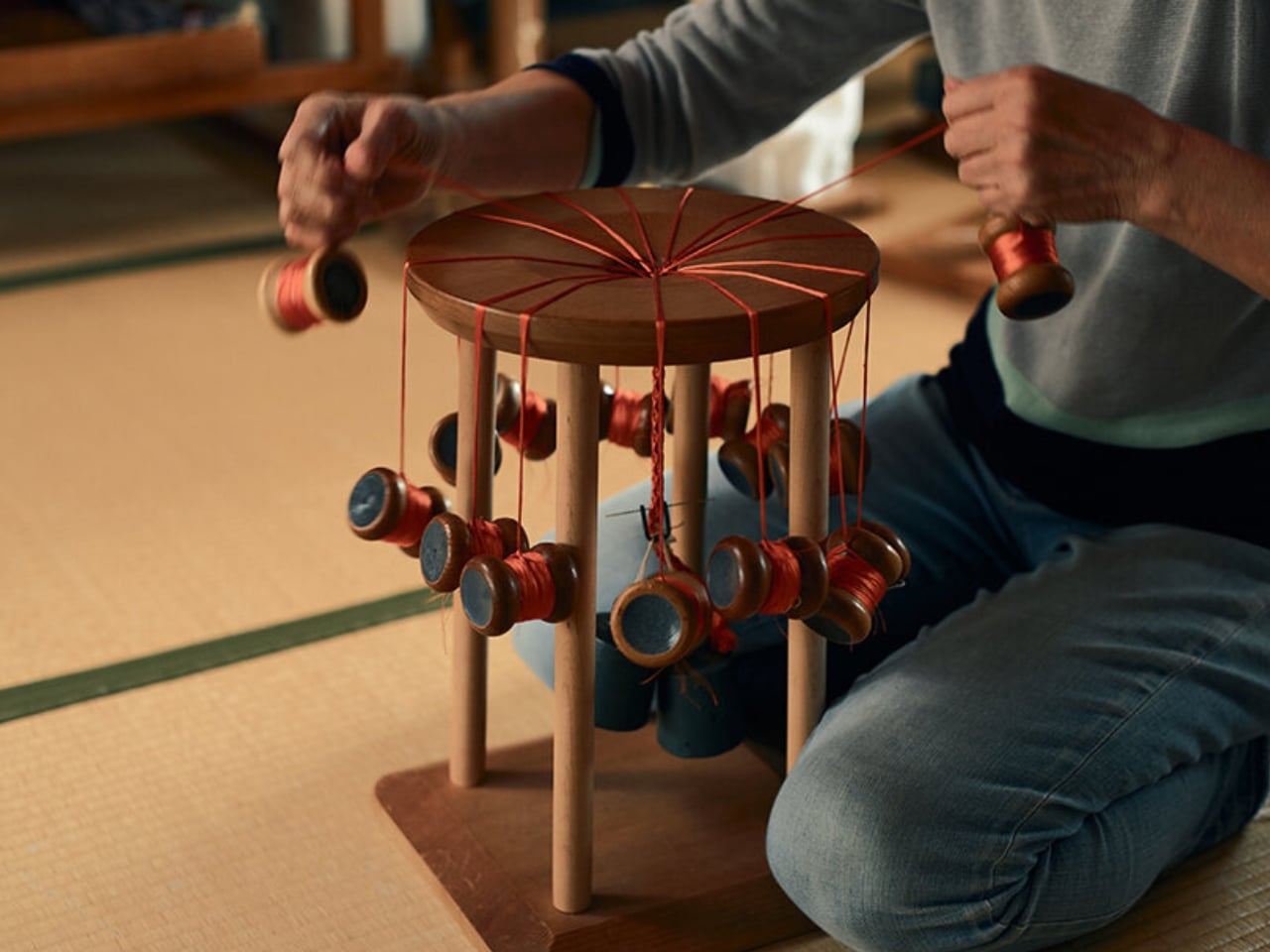
The collection pulls from four traditional Japanese craft practices: bamboo fencing, kumihimo braided cord, washi paper, and urushi lacquer. These are not fringe techniques or obscure hobbies. Kumihimo dates back centuries and was once used to lace samurai armor. Urushi lacquer has been found on artifacts over 9,000 years old. Washi paper holds UNESCO Intangible Cultural Heritage status. Yoshizawa is not working with forgotten relics. He is working with the spine of Japanese material culture, and the result is a set of objects that feel both deeply rooted and genuinely fresh.
Designer: Kenta Yoshizawa
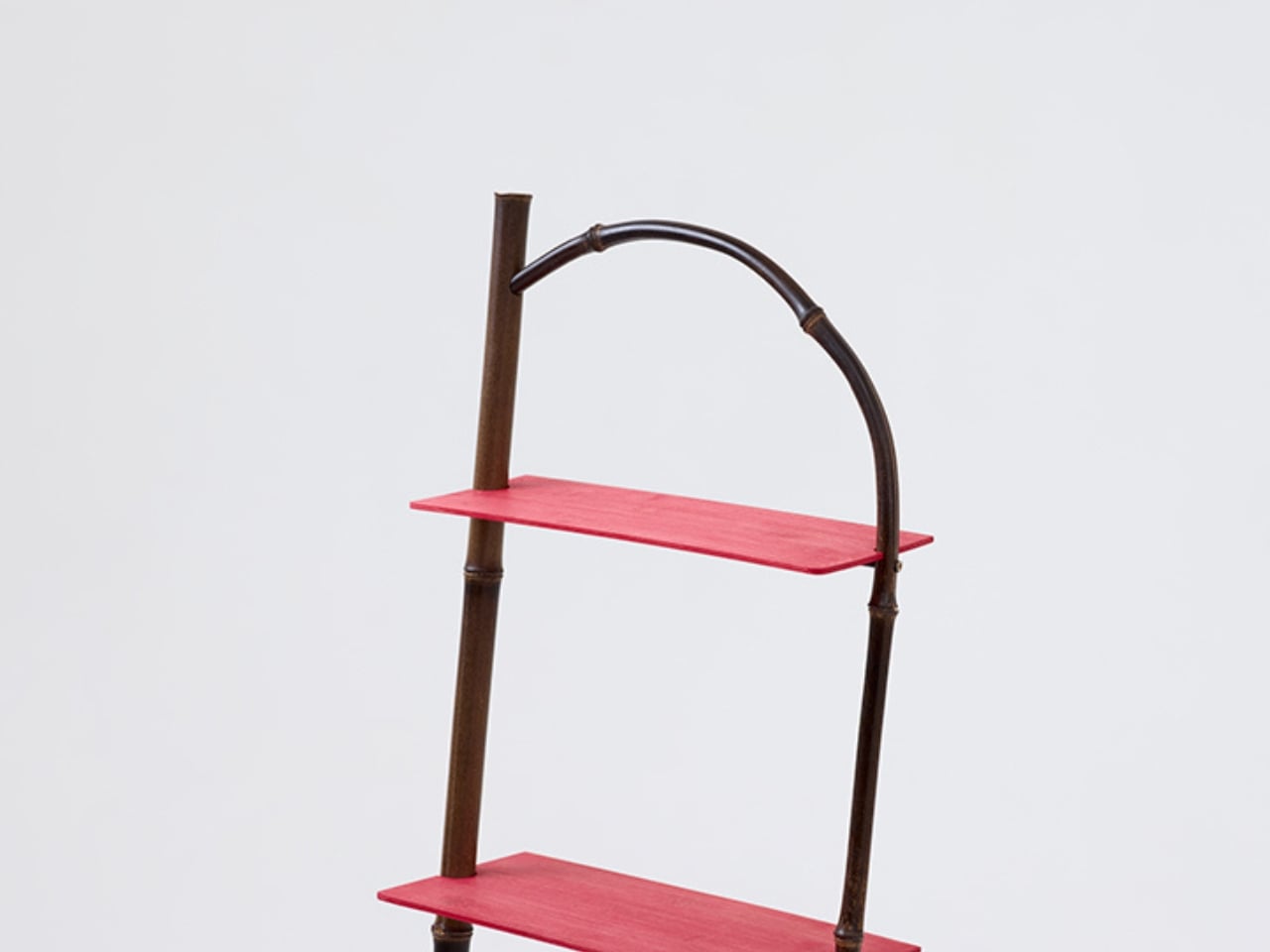
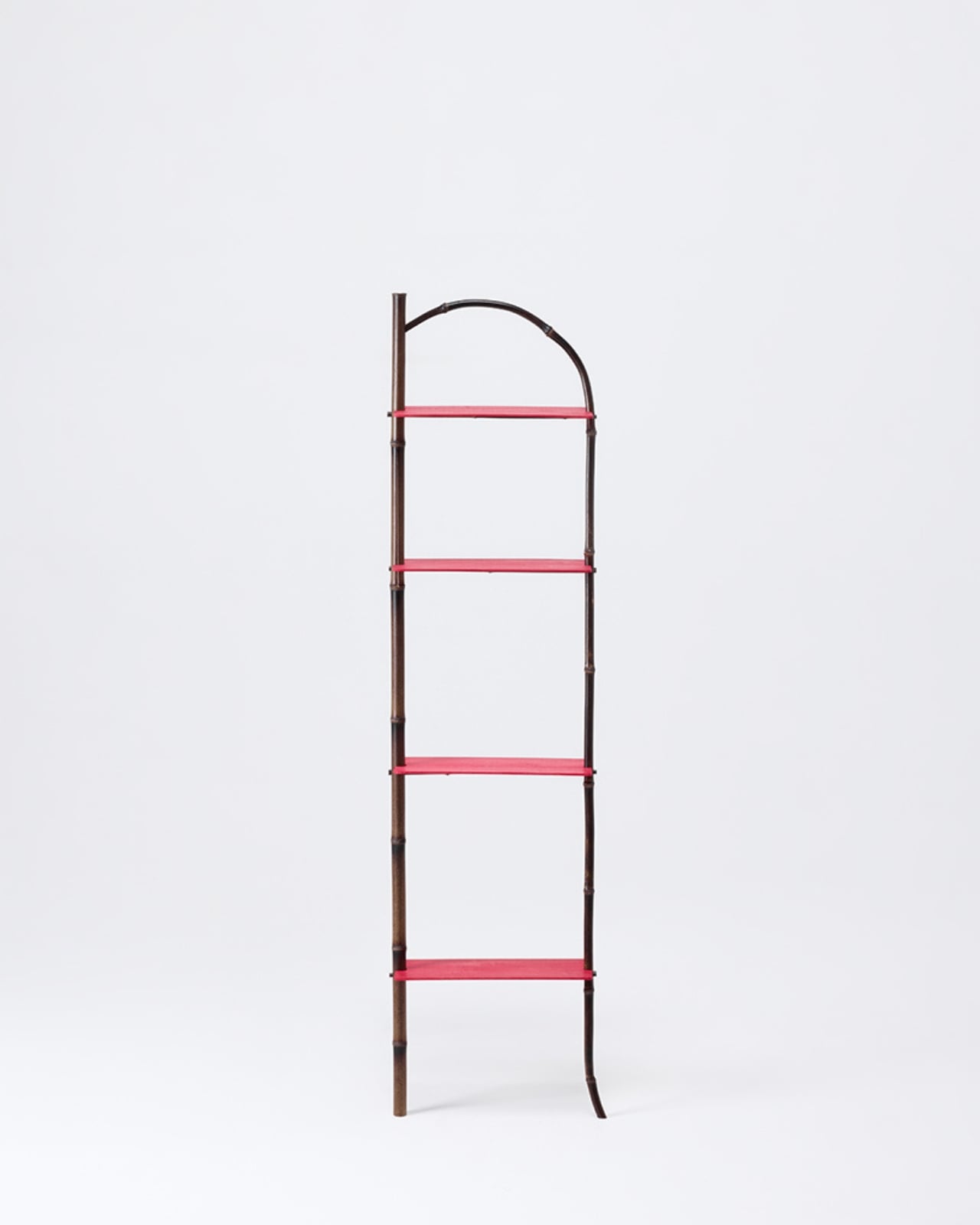
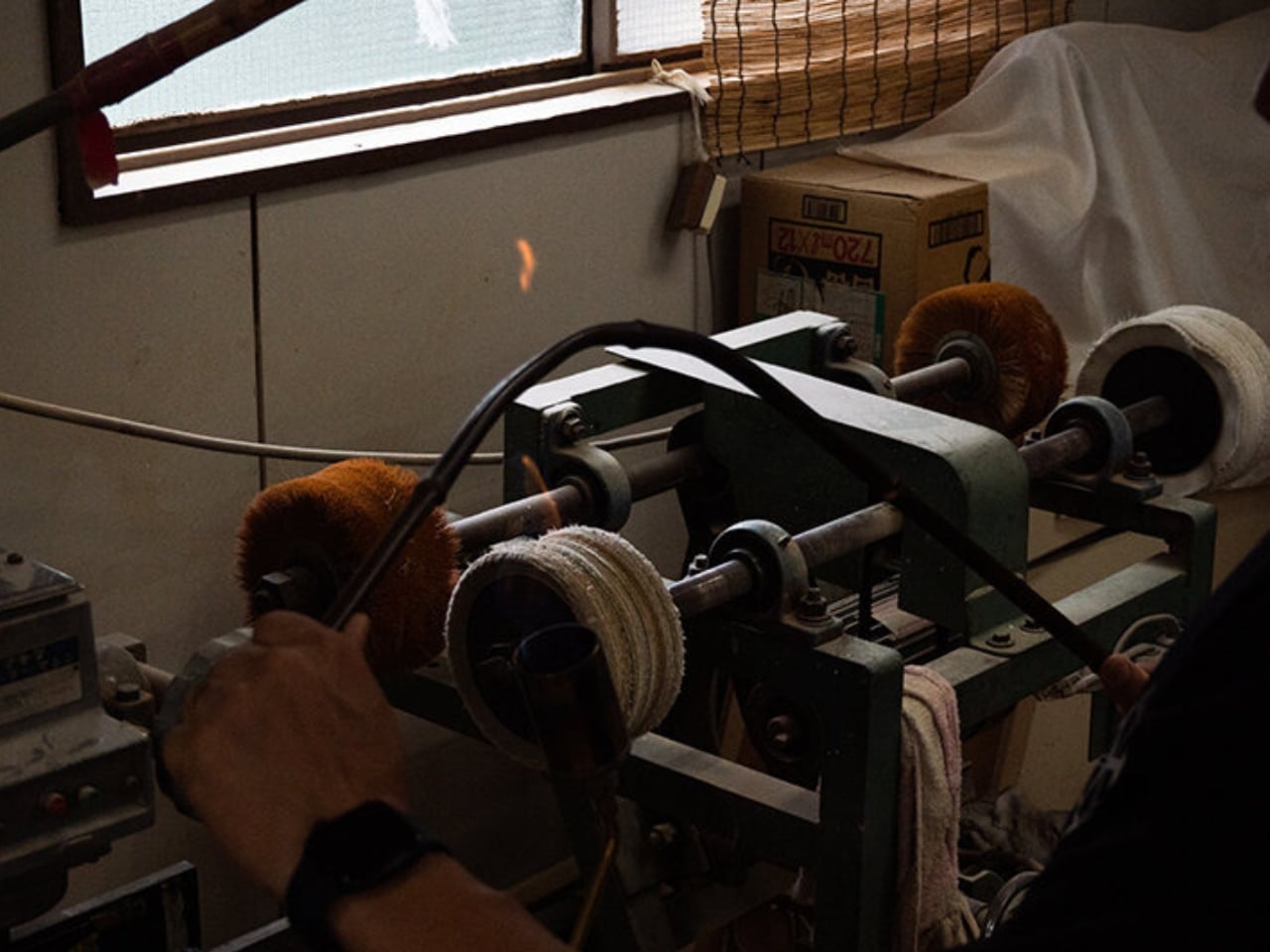
Each piece in the collection has a name that reflects its origins without being heavy-handed about it. The “n shelf” is a leaning shelf that takes the n-shaped profile of a Sodegaki, a traditional bamboo screen, and translates it into a freestanding furniture piece. The bamboo is shaped by hand using a gas burner to heat and bend the material, a process that is as physical and present as any studio practice can get. It is not mimicking the past. It is using the past as a blueprint, then deciding where to go from there.

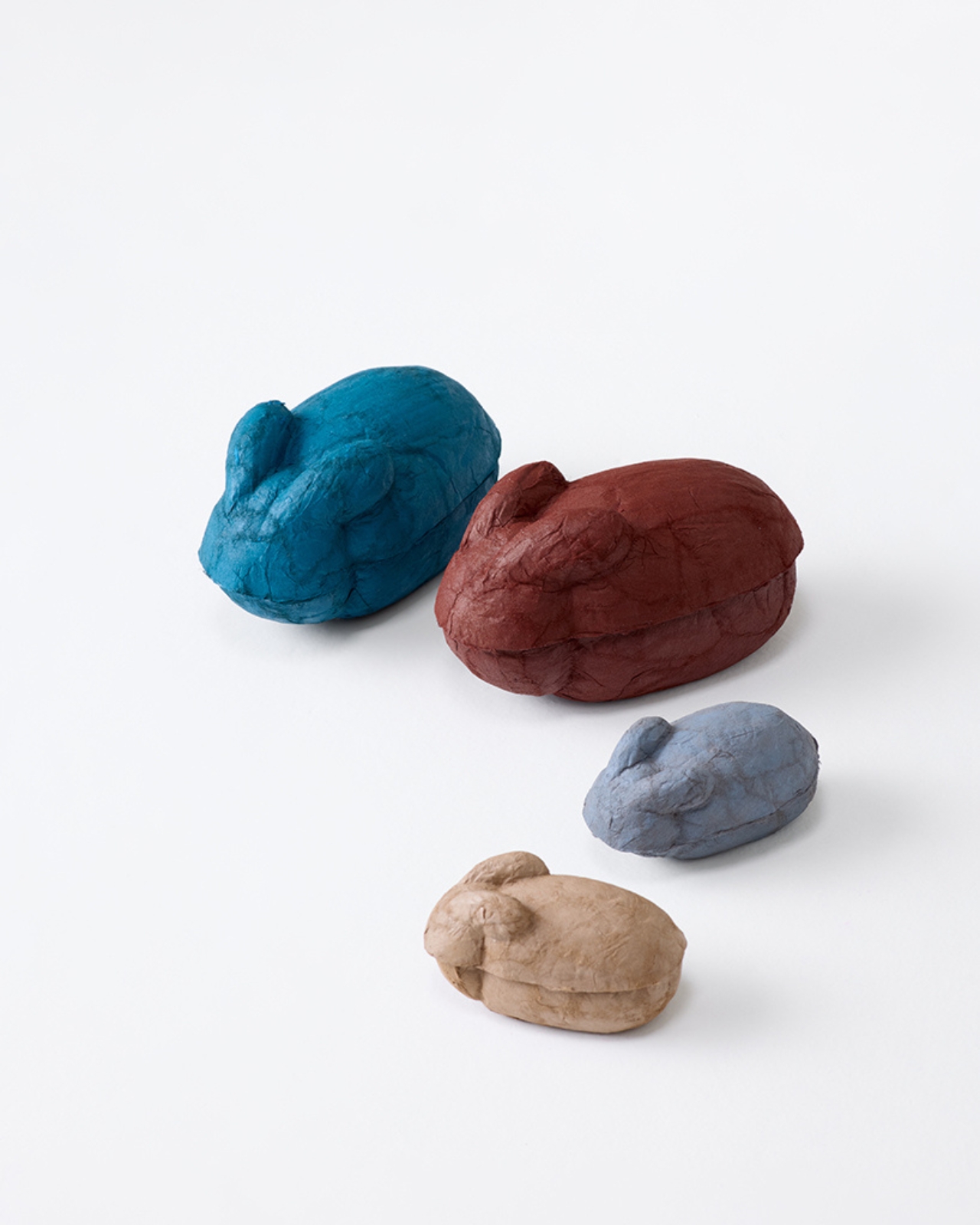
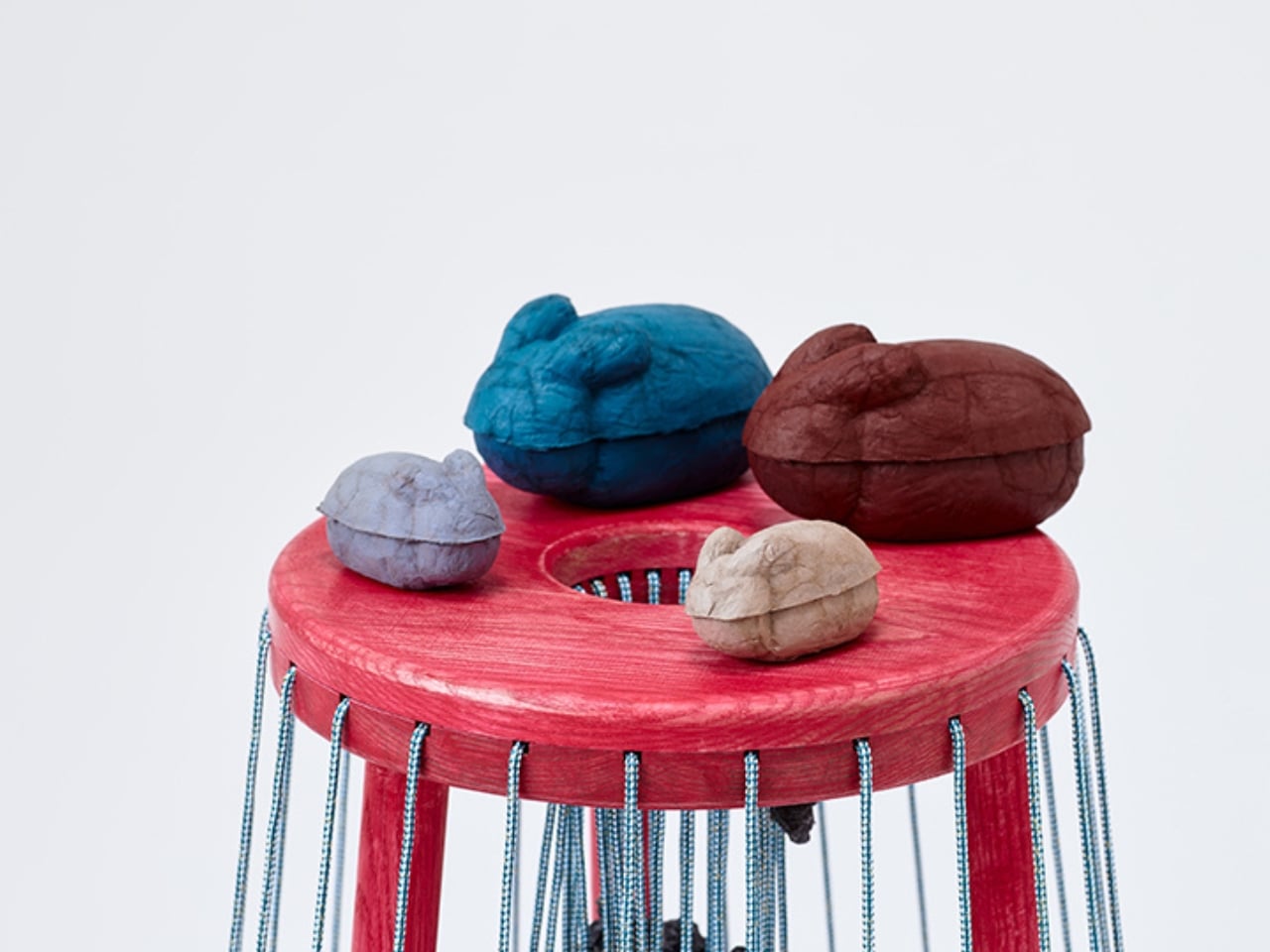
The kumino piece works with braided cord in a way that makes you see kumihimo differently, less as decoration and more as structure with genuine weight and tension. The stickstick and usahako round out the series, incorporating washi paper and urushi lacquer into objects designed for everyday domestic use. All four pieces share the same vibrant red palette, which is both a visual signature and a quiet conceptual statement. Red in Japan carries layered meaning, connected to protection, vitality, and ceremony. Painting an entire collection in it is not an accident.
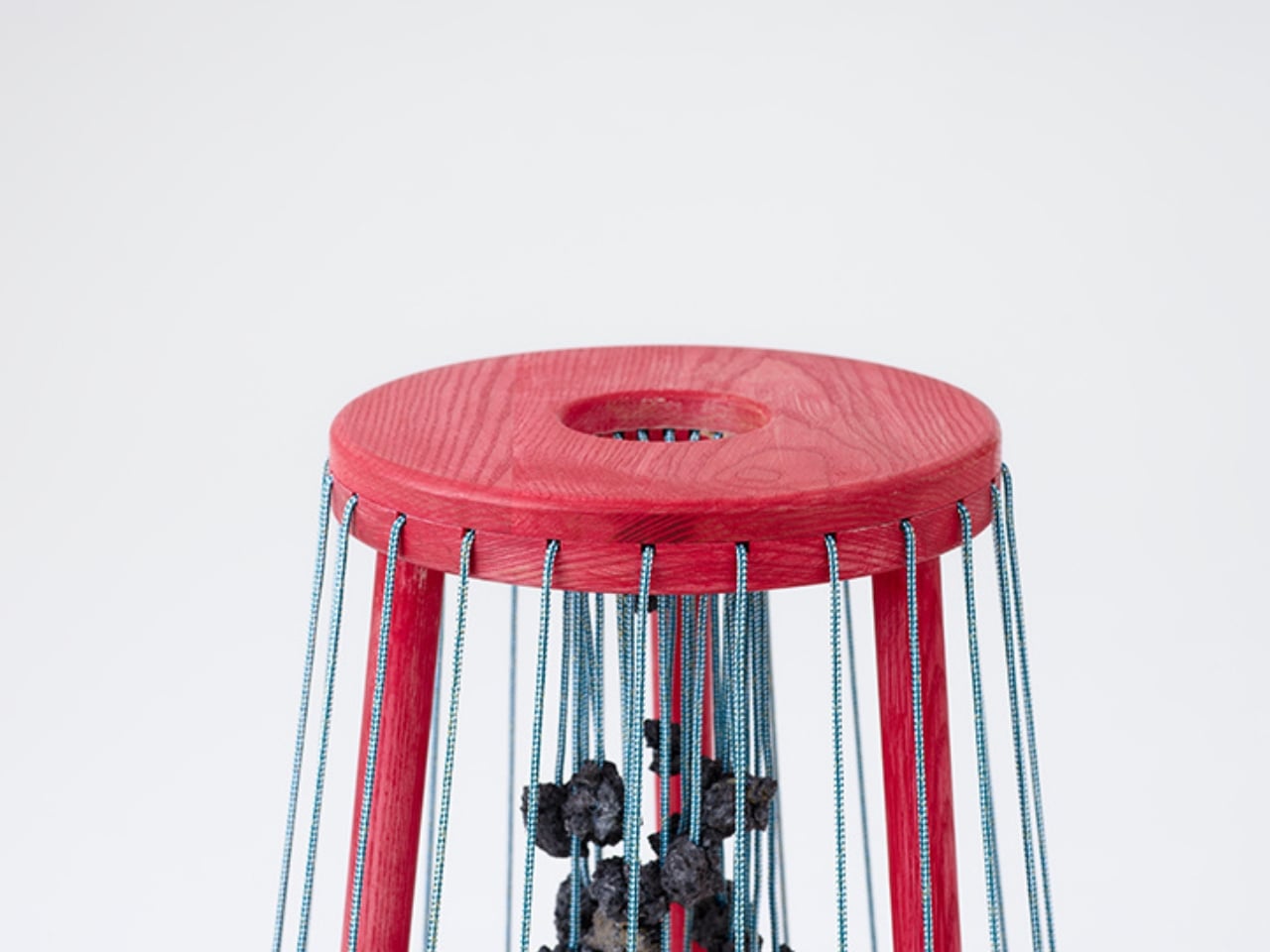
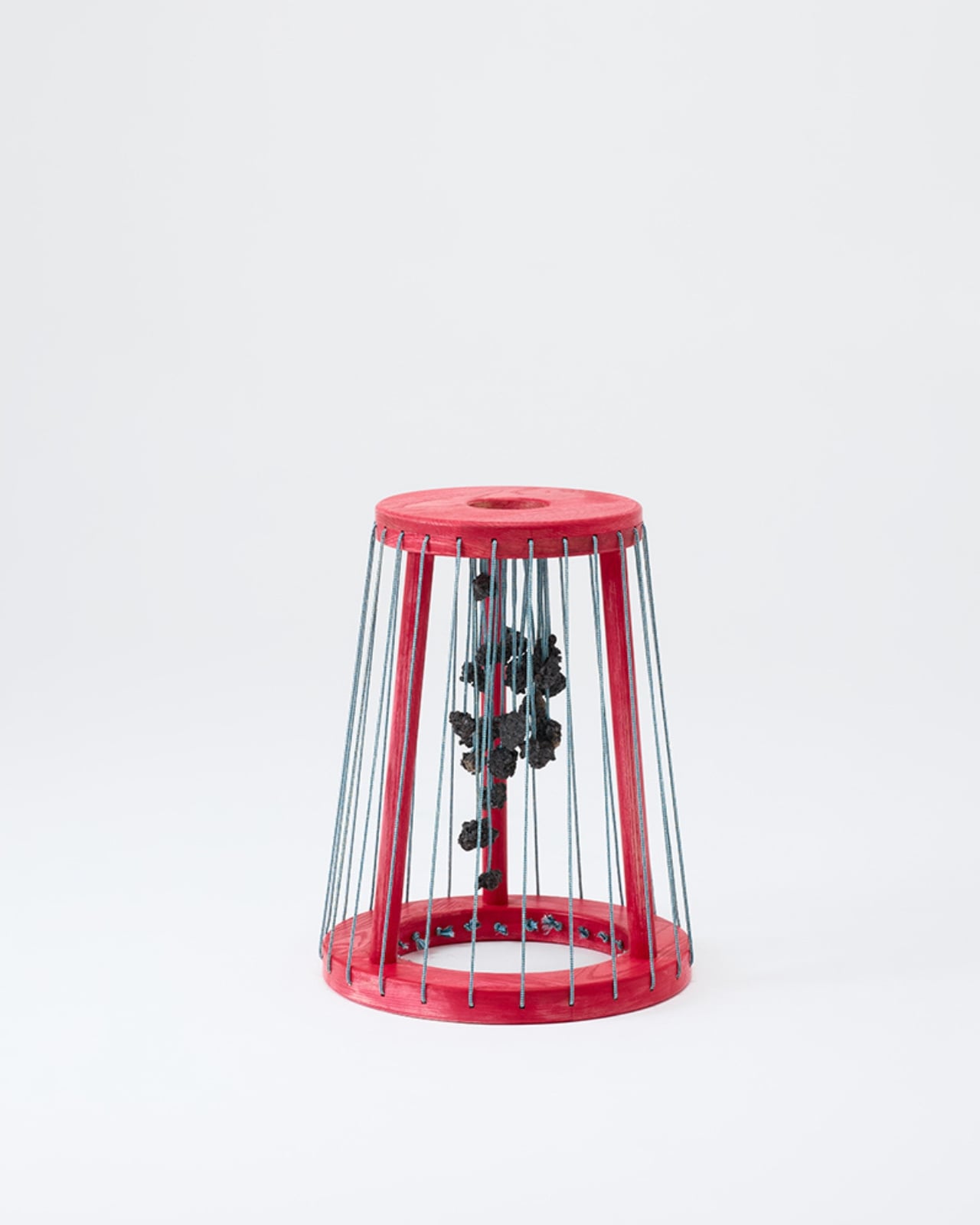
To pull this off with integrity, Yoshizawa worked with actual craft specialists, including Nagaoka Meichiku for the bamboo shelf and Shoen Kumihimo for the braided cord work. That collaboration matters more than it might seem. So much design that attempts to “revive” traditional craft ends up looking like a tribute act, aesthetically referencing a process without truly engaging with it. Having the masters involved, having people who have spent their lives learning these techniques actually make the objects, keeps Red Craft honest. The craft is not a veneer. It is the point.
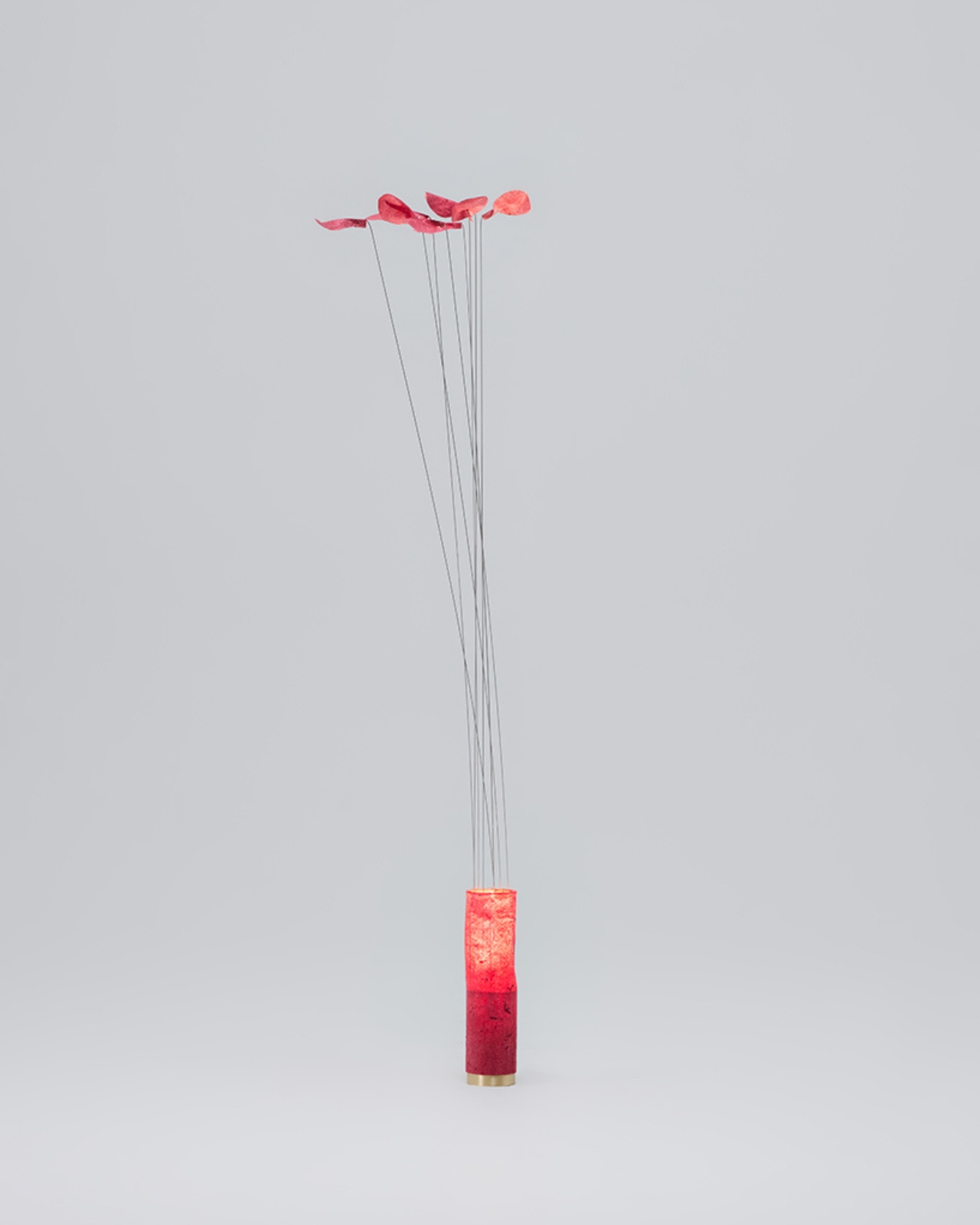
My honest take is that Red Craft is exactly the kind of design we need more of right now. Not because it is nostalgic, but because it refuses to treat tradition as a museum piece. Yoshizawa’s collection asks what these techniques become when they are not preserved behind glass but allowed to do actual work in a contemporary home. The answer, as it turns out, is that they become furniture, lighting, storage. Objects you actually live with.
The things we choose to put in our homes say something about what we value, what we want near us. Choosing an object made with a centuries-old technique, shaped by hand, infused with craft that requires skill and time and human attention, is a different kind of choice than clicking “add to cart” on something designed, manufactured, and shipped in six weeks. That difference matters, even if we do not always articulate why.
Red Craft does not ask you to choose the past over the present. It asks whether there is a version of the present that makes room for both. Given how much of contemporary design feels disposable, the answer Yoshizawa offers feels like a small but genuine relief.