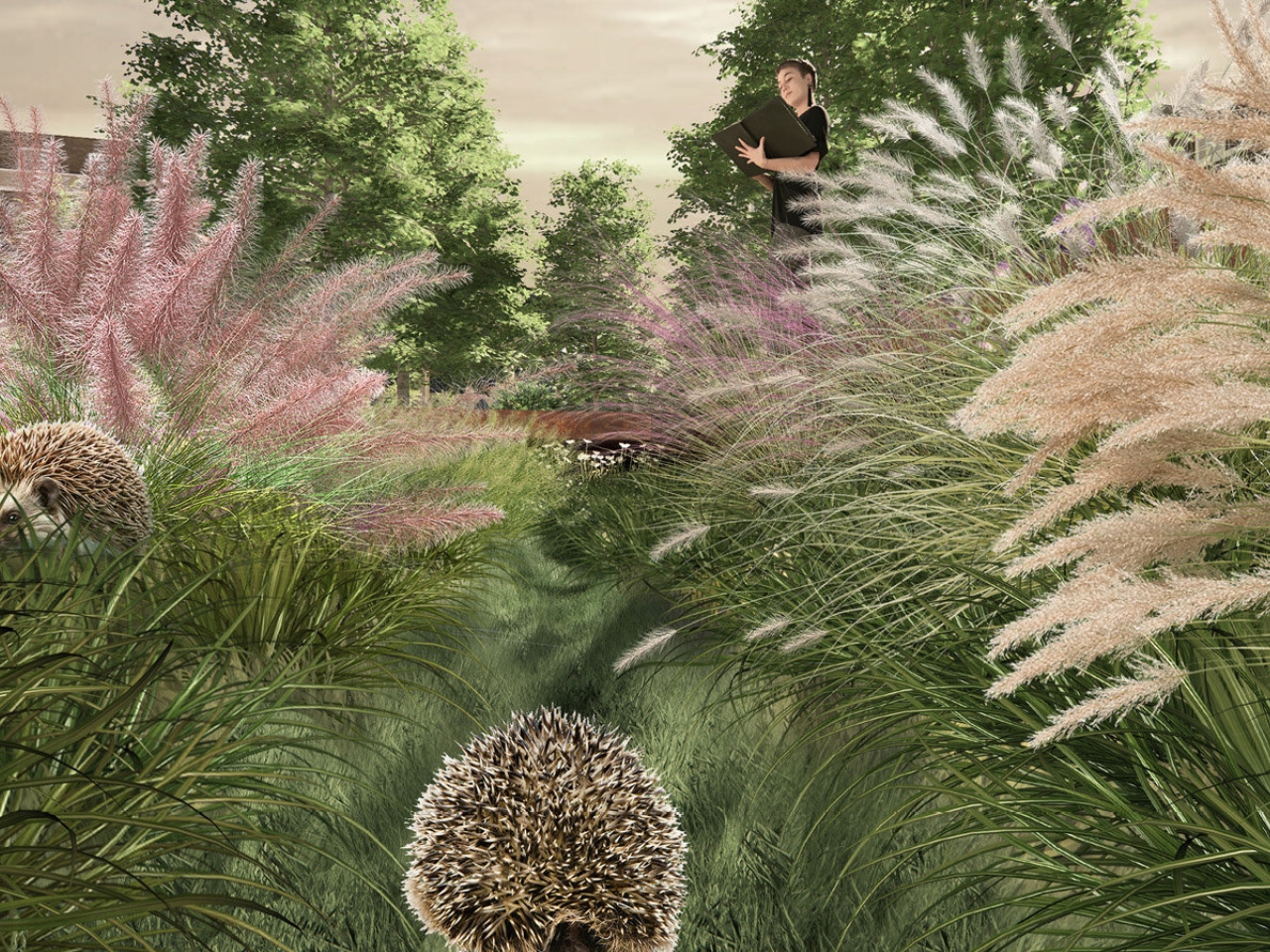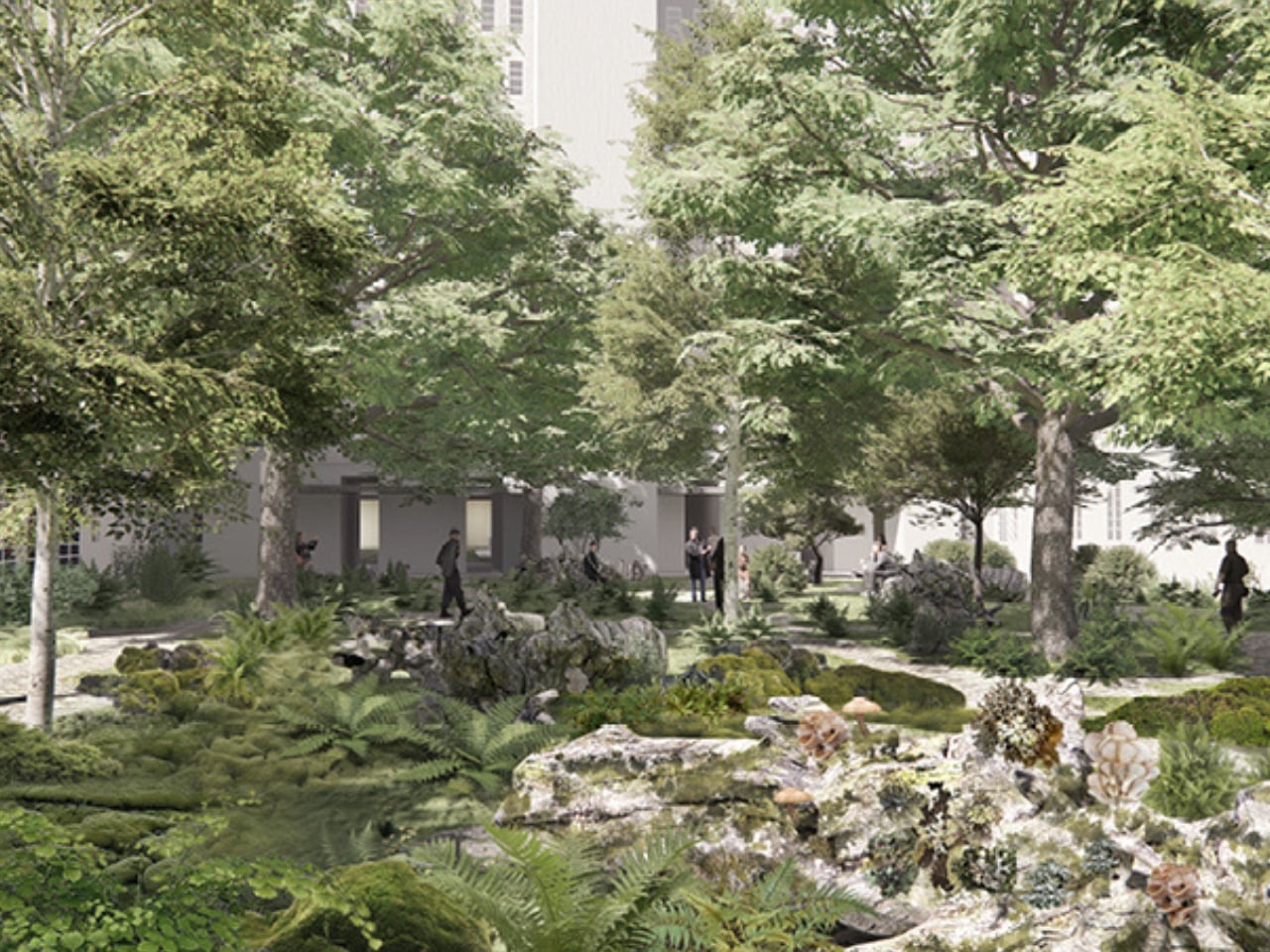

Most of us move through cities without thinking too hard about who else lives there. We navigate subway systems, dodge scooters, queue for coffee, and rarely stop to consider that the concrete corridors we’ve built are, for many species, an impassable wall. Designer and landscape architect Fengyi Wu is thinking about that wall, and her project, Urban Living Library: Reclaiming the Hedgehog Habitat, is one of the more quietly radical ideas to come out of landscape architecture in a while.
The project started as a design research thesis at The Bartlett School of Architecture, University College London, and was developed for the UCL Bloomsbury Campus in London. It went on to win First Prize at the IFLA Europe 2025 Student and Young Professionals Awards, which is notable, but the idea itself is what deserves the spotlight.
Designer: Fengyi Wu
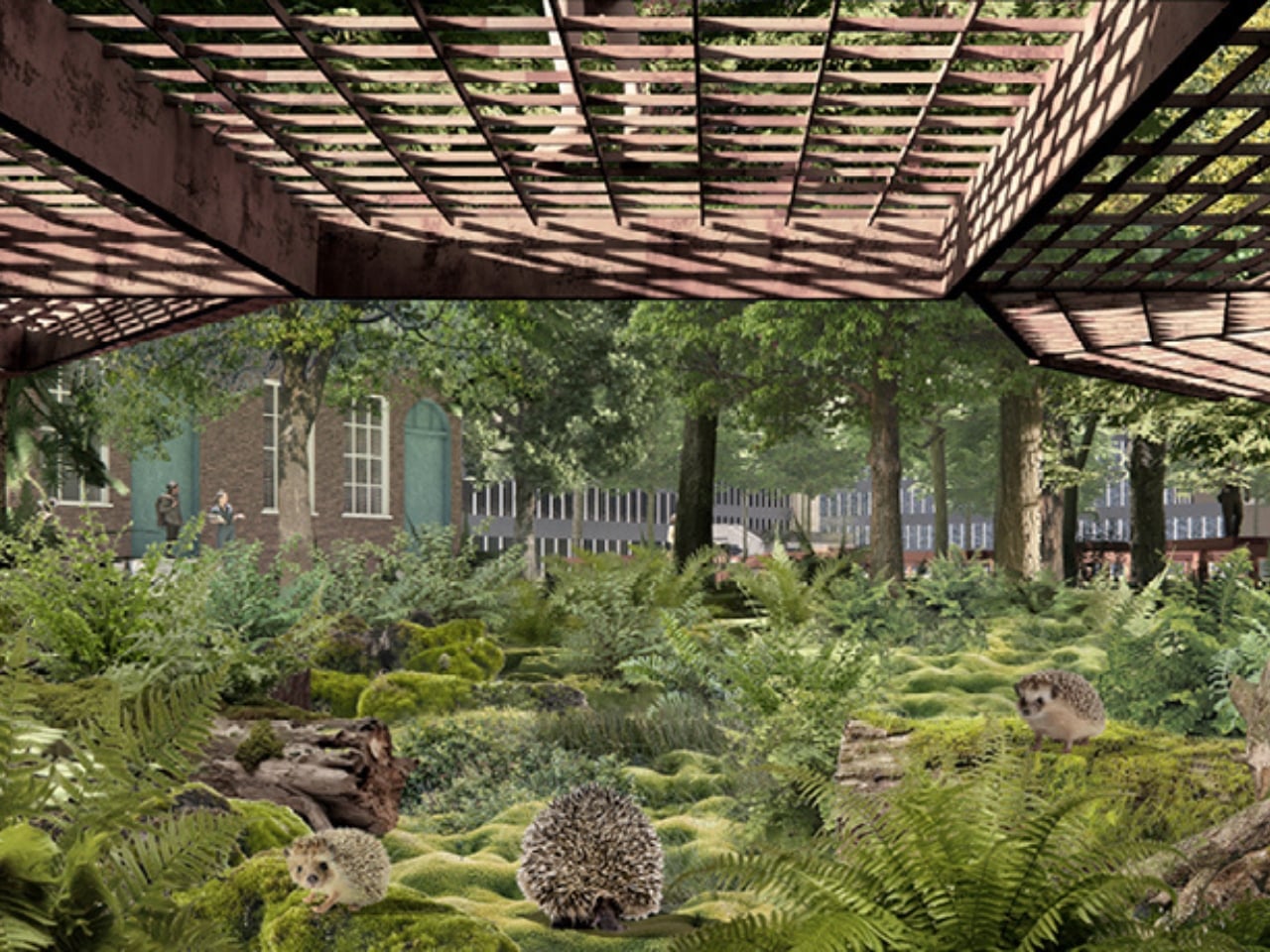
Wu chose the hedgehog as a “flagship species” to guide the entire design strategy. That choice is deliberate and clever. Hedgehogs are not particularly glamorous animals, but they are a useful ecological indicator. They need connected green corridors to move, forage, and survive in cities. When the hedgehog population thrives, it generally means the broader urban ecosystem is in better shape. So instead of designing for the most charismatic species or the most aesthetically pleasing outcome, Wu anchored her vision in something humble, specific, and measurable.
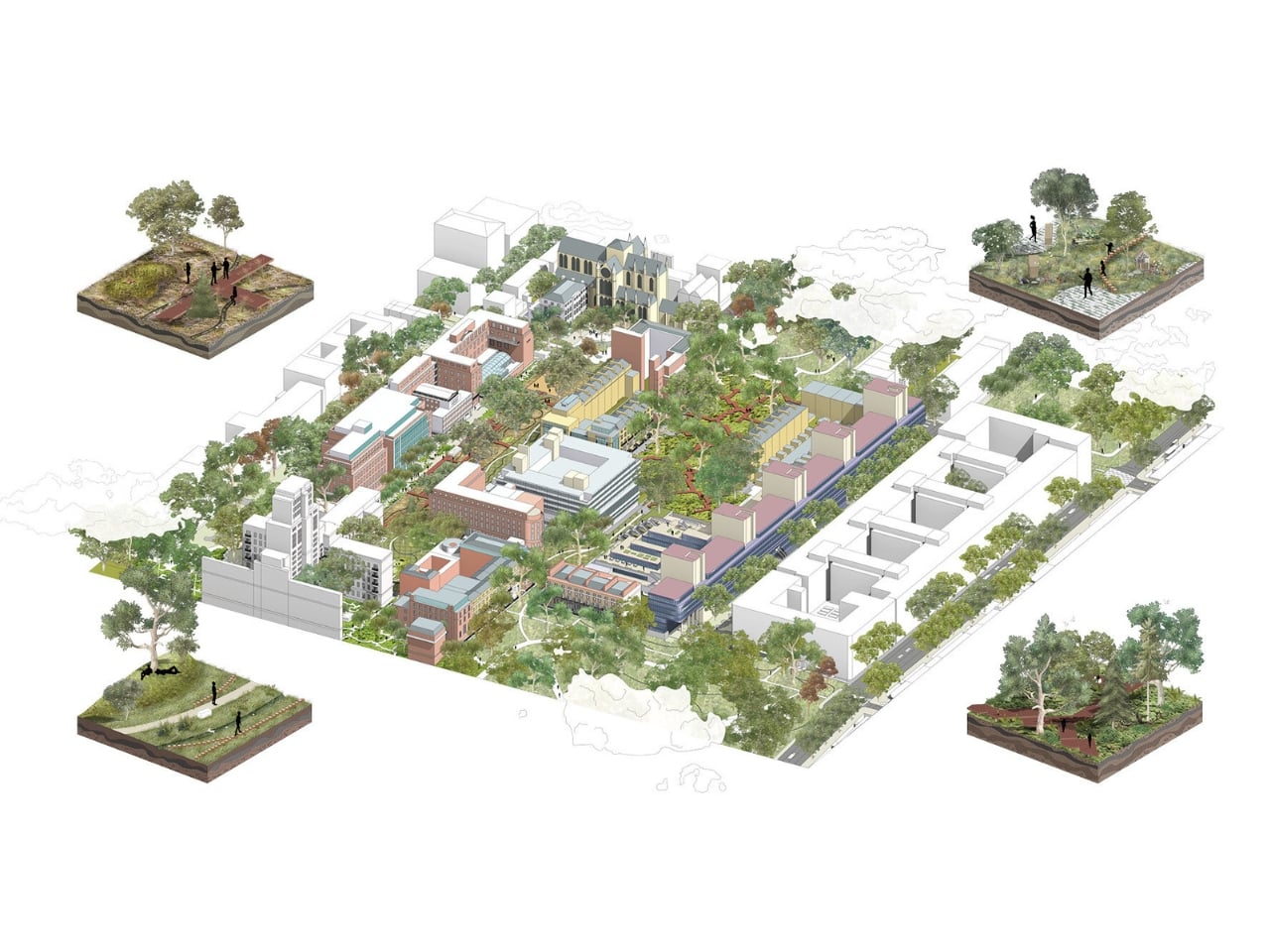
The result is a masterplan that reimagines a university campus as a living ecological library, an environment where biodiversity is not tucked away in a corner garden but woven into the actual spatial experience of the place. Dense planting, wildlife shelters, rainwater landscapes, and sheltered community gathering spaces are arranged into a sequence that creates ecological corridors across the campus. The idea is that people and wildlife move through the same landscape in overlapping but coexisting rhythms.
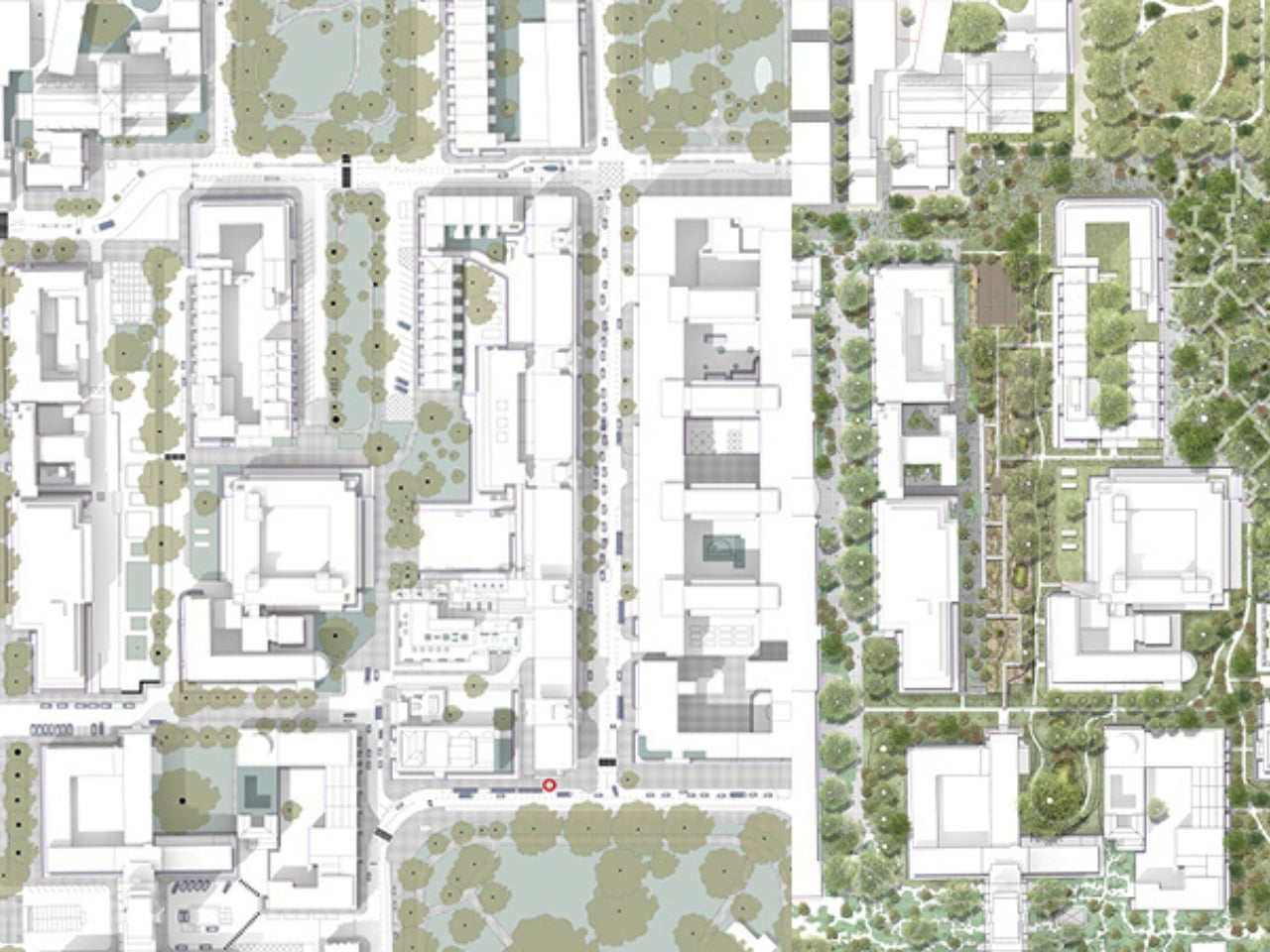
What strikes me about this is that it reframes what a university campus is for. Classrooms generate knowledge, but they keep it contained. This project argues that the landscape itself can be a form of pedagogy, one you absorb just by sitting outside, watching water collect in a moss garden, or noticing which insects show up after a redesigned planting scheme. Outdoor learning, community observation, and direct encounters with nature become part of campus life without requiring any formal instruction. The library metaphor works because the information is there, available to everyone. You just have to look.
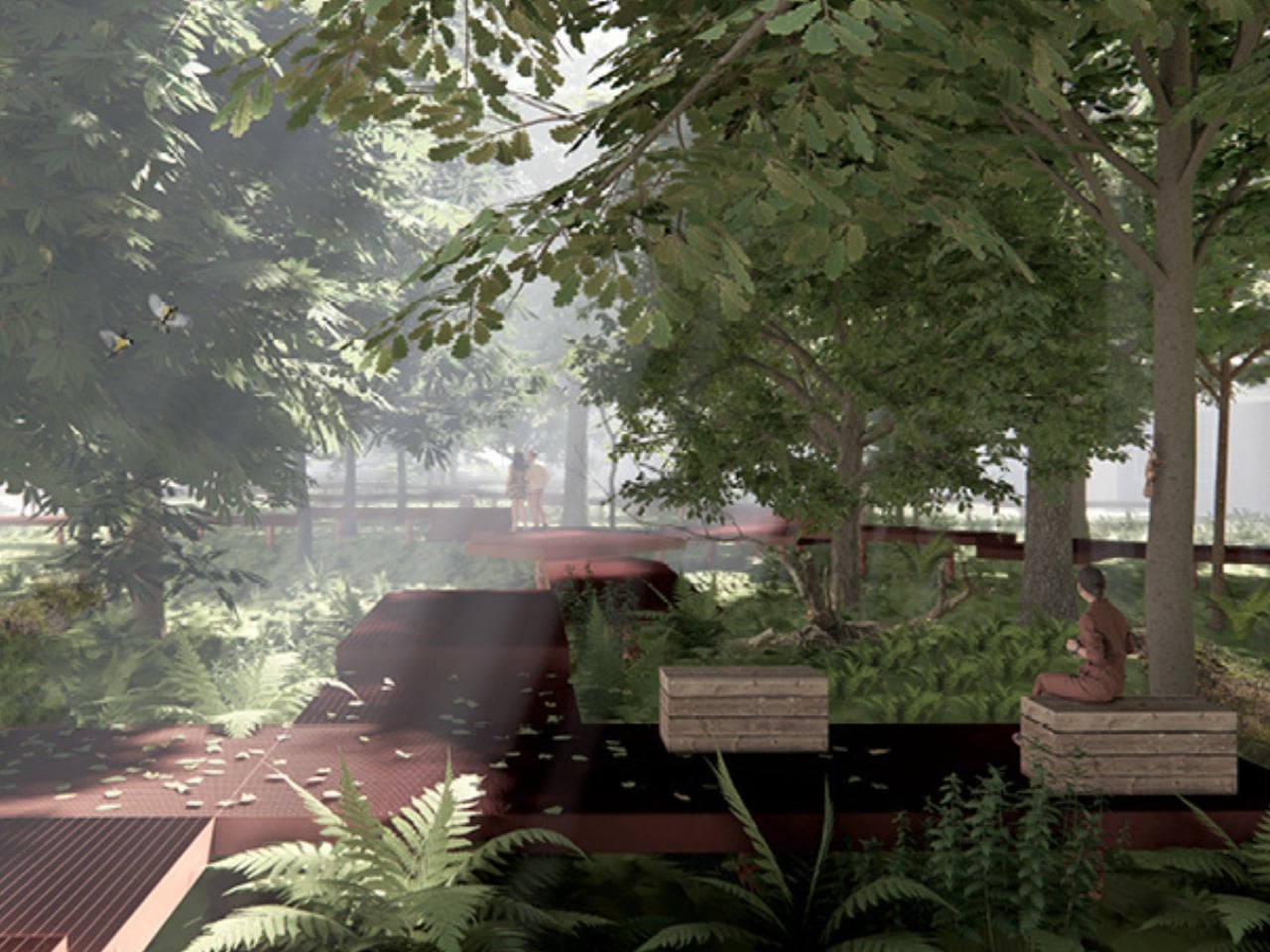
Urban biodiversity is often framed as a luxury problem, something cities will address once they’ve sorted housing, transport, and economic inequality. I understand that framing, but I think it undersells the point. Green corridors and habitat connectivity are infrastructure. They manage rainwater, regulate temperature, support pollinators that urban food systems quietly depend on, and improve the mental health of the people who live near them. Building them now, thoughtfully, is cheaper and more effective than retrofitting a city that has been built in complete indifference to them. Wu’s project is a proof of concept for that kind of thinking at a campus scale.
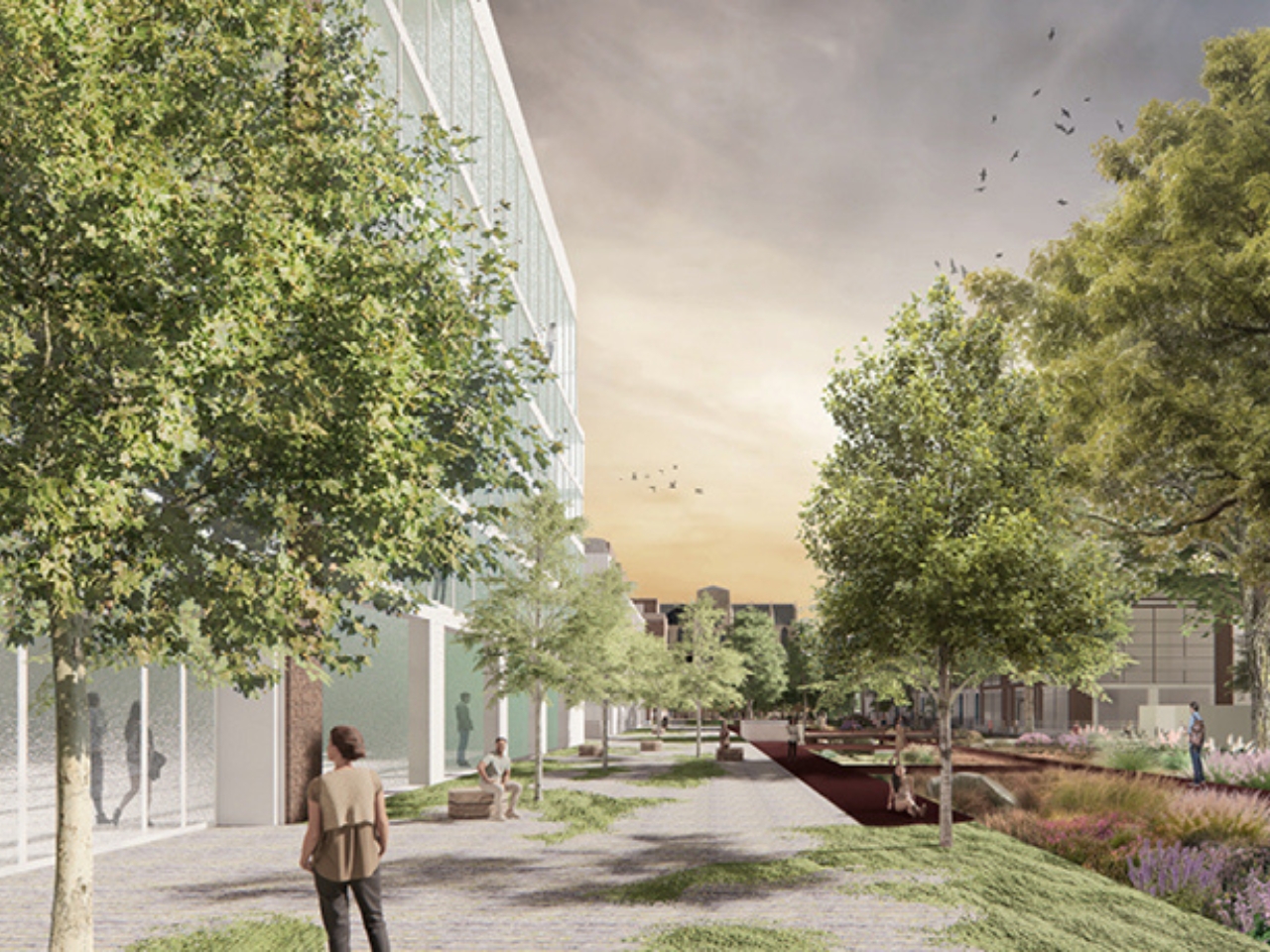
It’s also worth noting that the hedgehog is in actual trouble. British hedgehog populations have declined sharply over the past few decades, and fragmented urban habitats are a significant part of the problem. Roads, walls, and manicured lawns create dead ends for animals that need to travel several kilometers each night to feed. The Urban Living Library doesn’t treat the hedgehog as a mascot. It treats it as a co-resident of the city whose needs are legitimate, even when they conflict with our instinct to pave, mow, and tidy.
The most meaningful design ideas tend to be the ones that shift how you see something you thought you already understood. After spending time with Wu’s project, I haven’t been able to look at an empty patch of campus lawn the same way. Every manicured strip between buildings starts to read as a missed opportunity, a corridor that could be doing something, supporting something, connecting something. That’s the kind of design thinking that deserves to travel beyond architecture school walls.