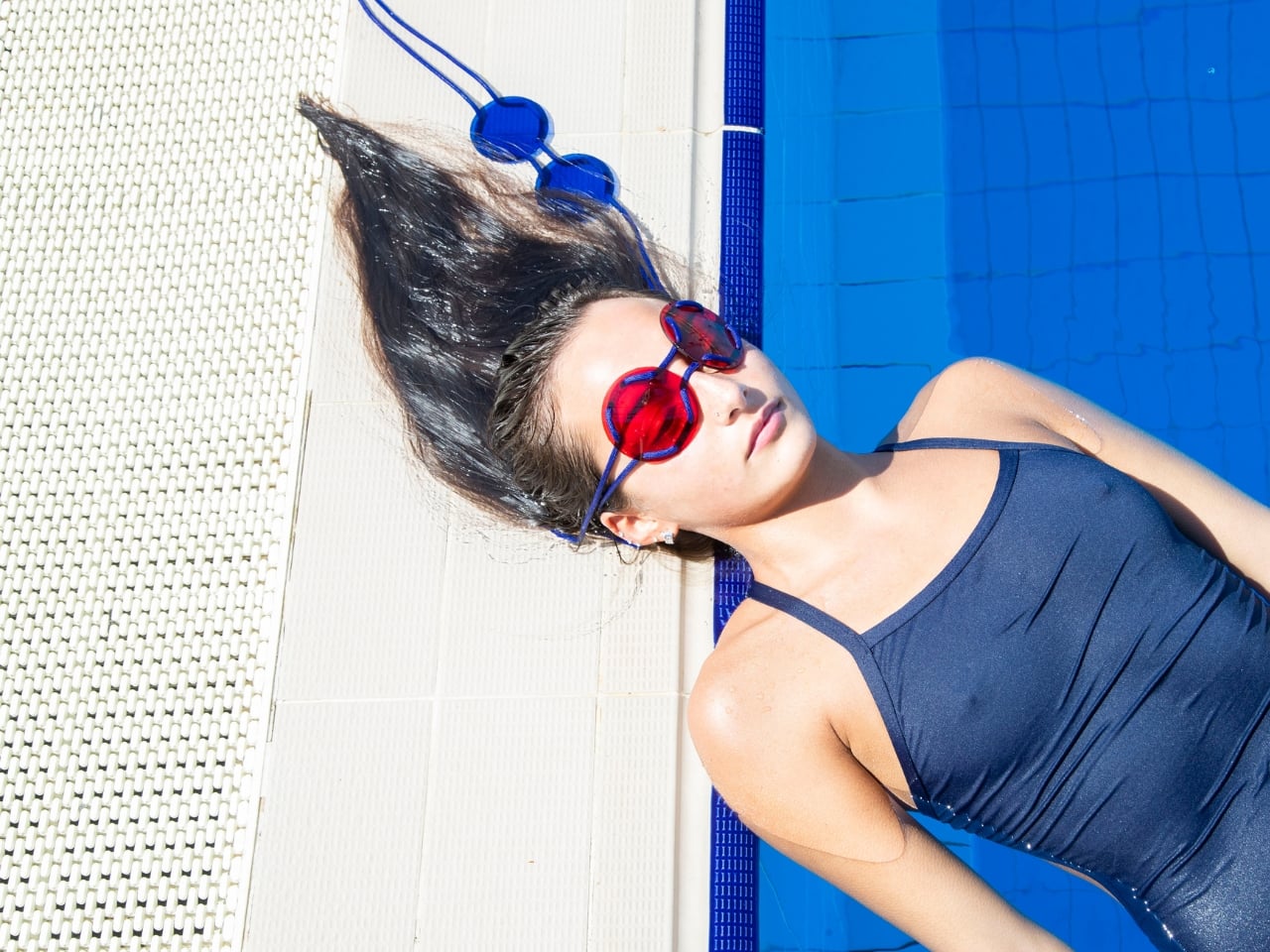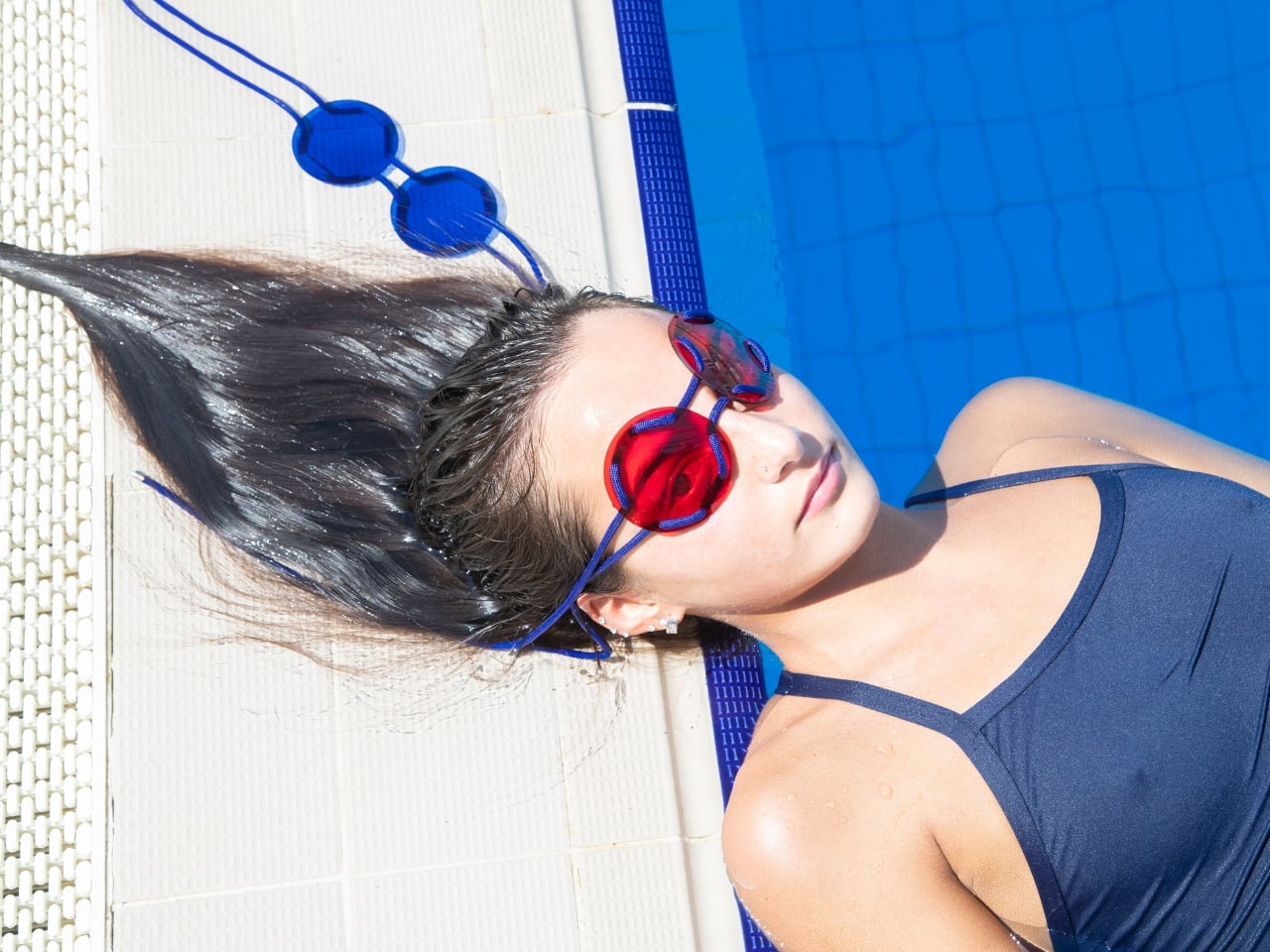

Every summer, I do the same thing. I bring my sunglasses to the beach, spend twenty minutes deciding where to put them once I get in the water, and end up burying them in the sand next to my towel. Sometimes they’re there when I get back. Sometimes they’ve migrated. Sometimes I sit on them. It’s not a good system, and I’ve never really stopped to ask whether the problem is me or the design.
That’s why the Water Glasses project by Tbilisi-based XYZ Integrated Architecture stopped me mid-scroll. Not because it’s flashy or over-designed, but because it addresses something so obvious I can’t believe it’s taken this long. Most sunglasses are built for everything except the exact moments when you most need sun protection: poolside, at the beach, wading through a river. The second the water comes into the picture, the glasses come off, the case comes out (if you remembered to bring one), and suddenly your supposedly practical accessory becomes a liability.
Designer: XYZ Integrated Architecture
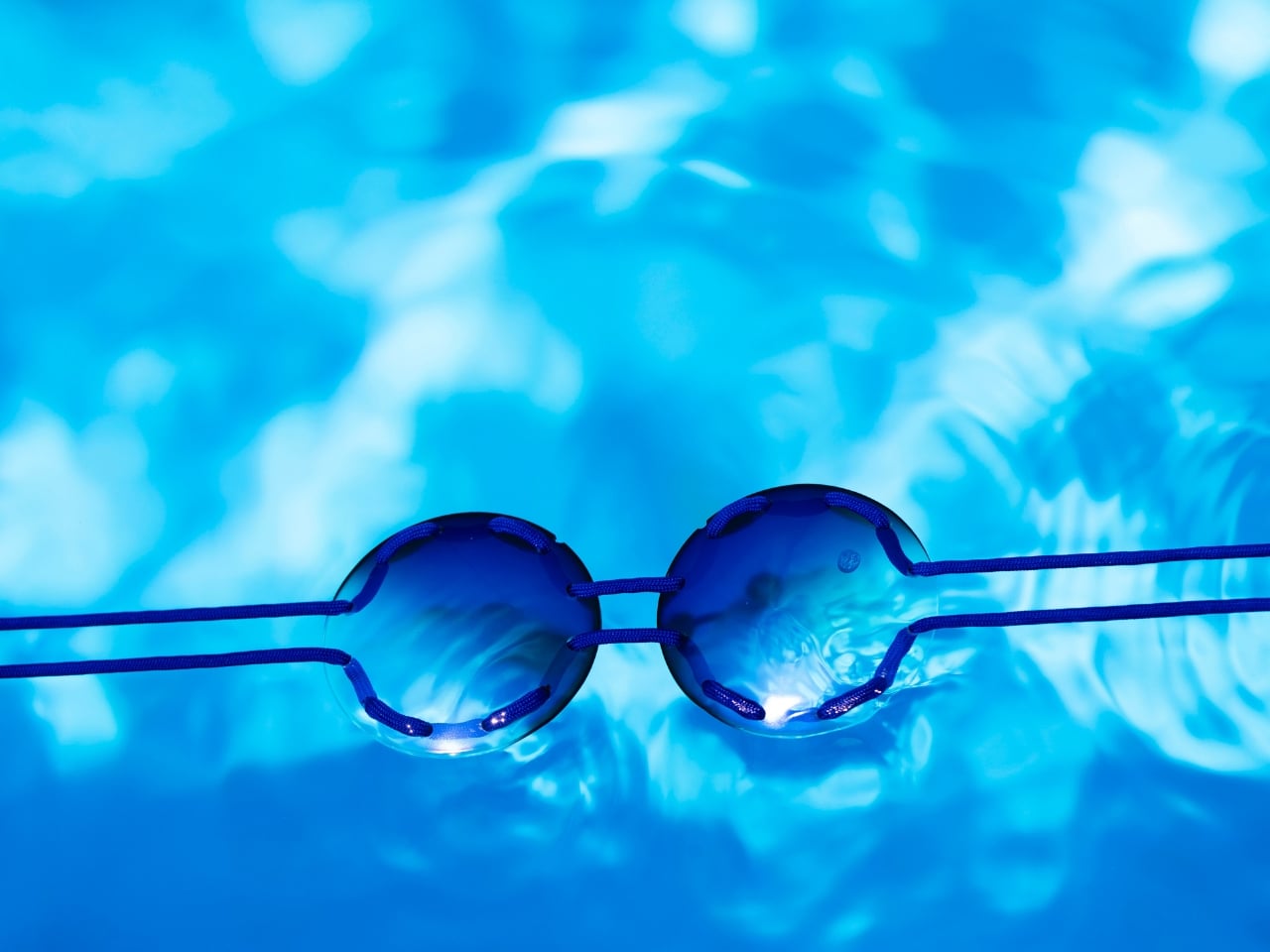
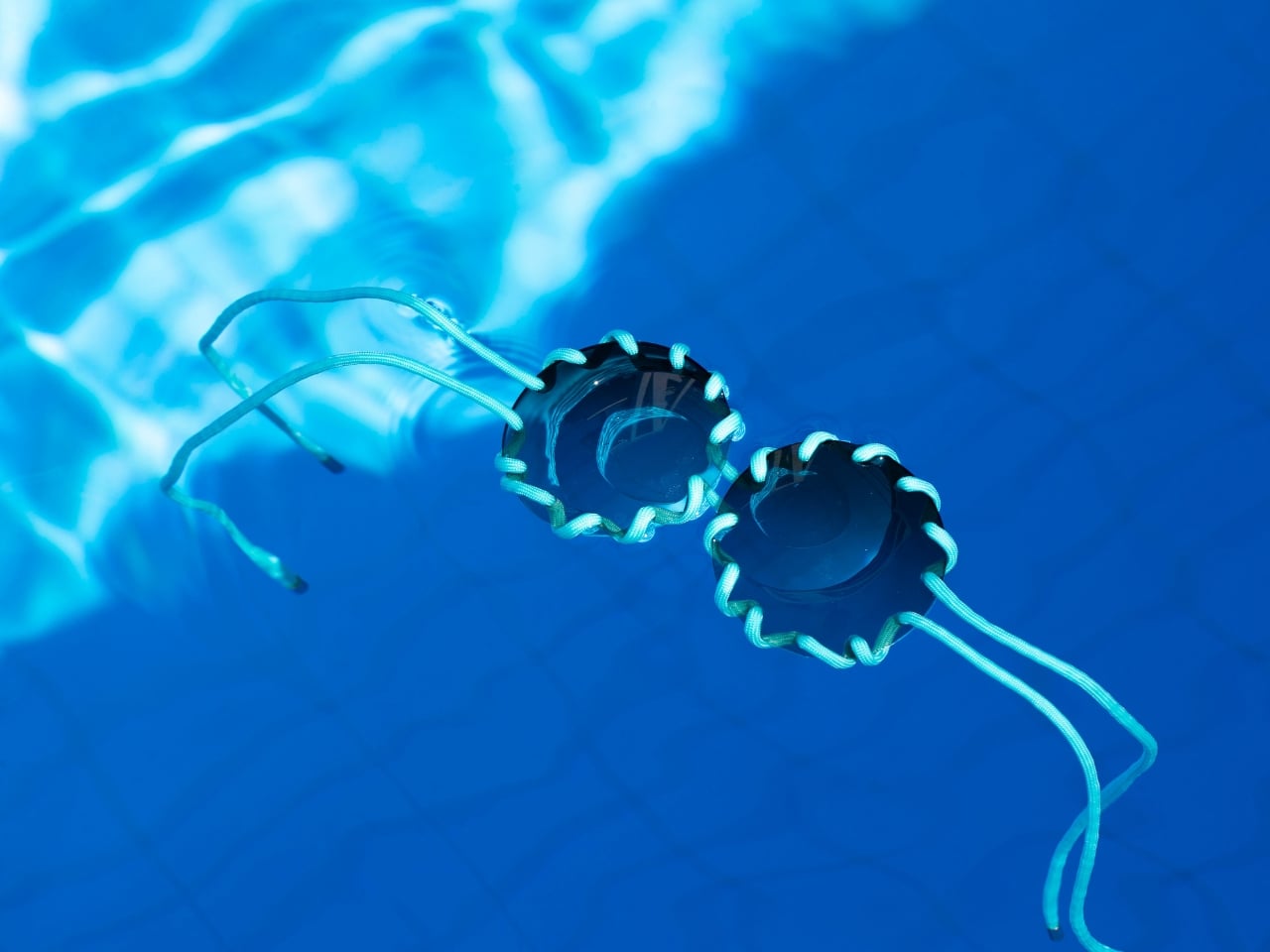
Water Glasses rethink the object from the ground up. The design strips everything back to two elements: lenses and a paracord. No frames, no hinges, no temples. The lenses are threaded onto the cord so they sit on the face when worn, drop below the chin when you don’t need them, and hang around the neck like a necklace the rest of the time. No case, no pocket, no towel burial. They stay with you.
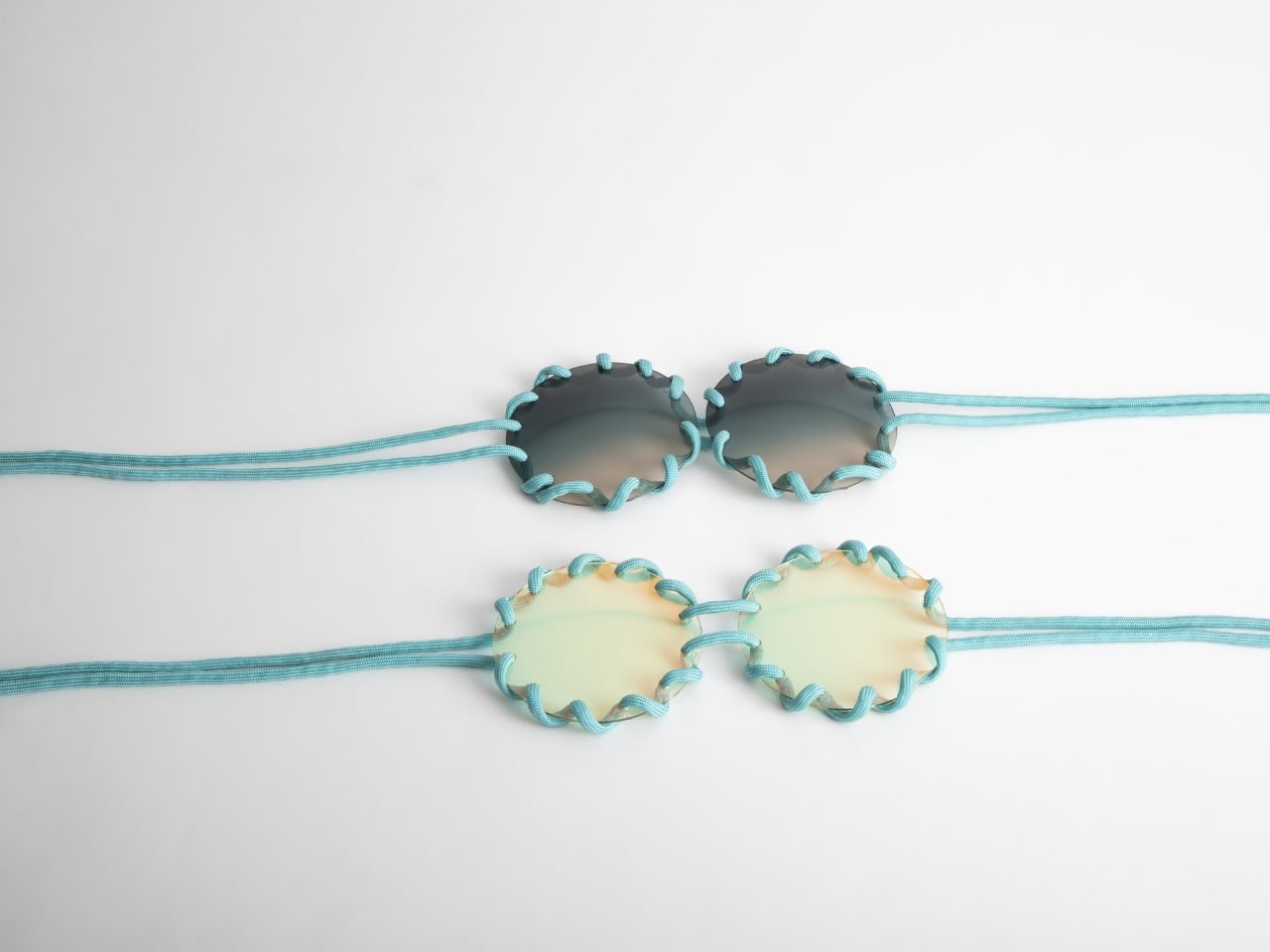


It sounds almost too simple, and I think that’s the point. The studio, which typically operates in the realm of architecture, has been developing this project since 2019, and the refinement shows. The restraint feels deliberate rather than minimal for minimalism’s sake. They’ve essentially asked: what would sunglasses look like if they were designed specifically for the one environment where the existing design completely fails? The answer turns out to be lenses and a cord. That’s either obvious in retrospect or quietly radical, depending on how you look at it.
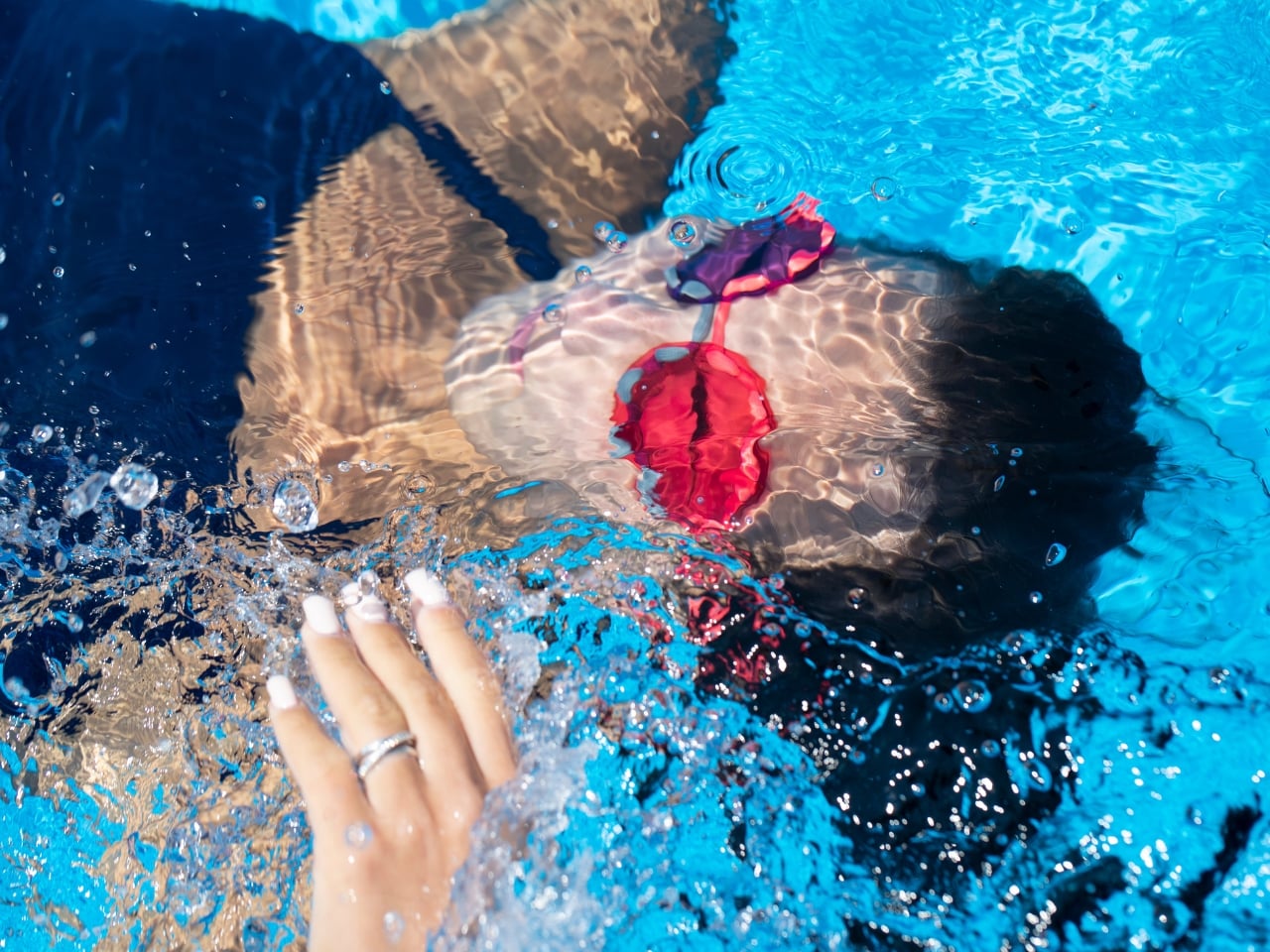
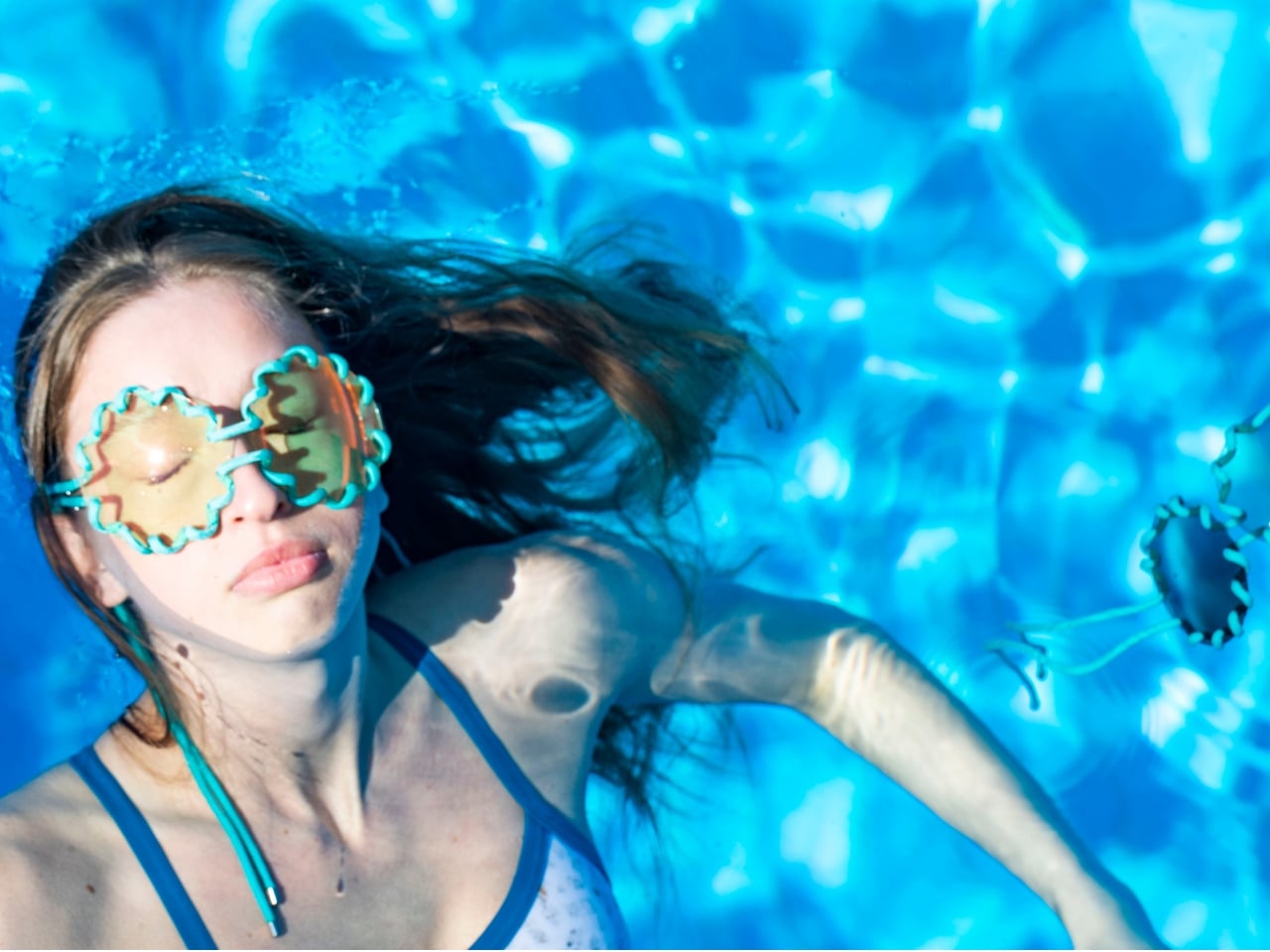
The collection comes in three configurations, with one, two, or three pairs of lenses strung along the cord. The multi-lens versions are where the project gets genuinely interesting. Worn as a necklace or draped across the body, they stop being sunglasses altogether and shift into the territory of wearable sculpture. The photography, shot at Tbilisi Olympic Pool, leans fully into this reading, and it works. The lenses come in vivid colors and irregular shapes, some softly circular, some almost organic with wavy, knotted edges, all of them laced with paracord in contrasting hues. They look like something you’d find at a contemporary jewellery fair as much as at an eyewear launch.
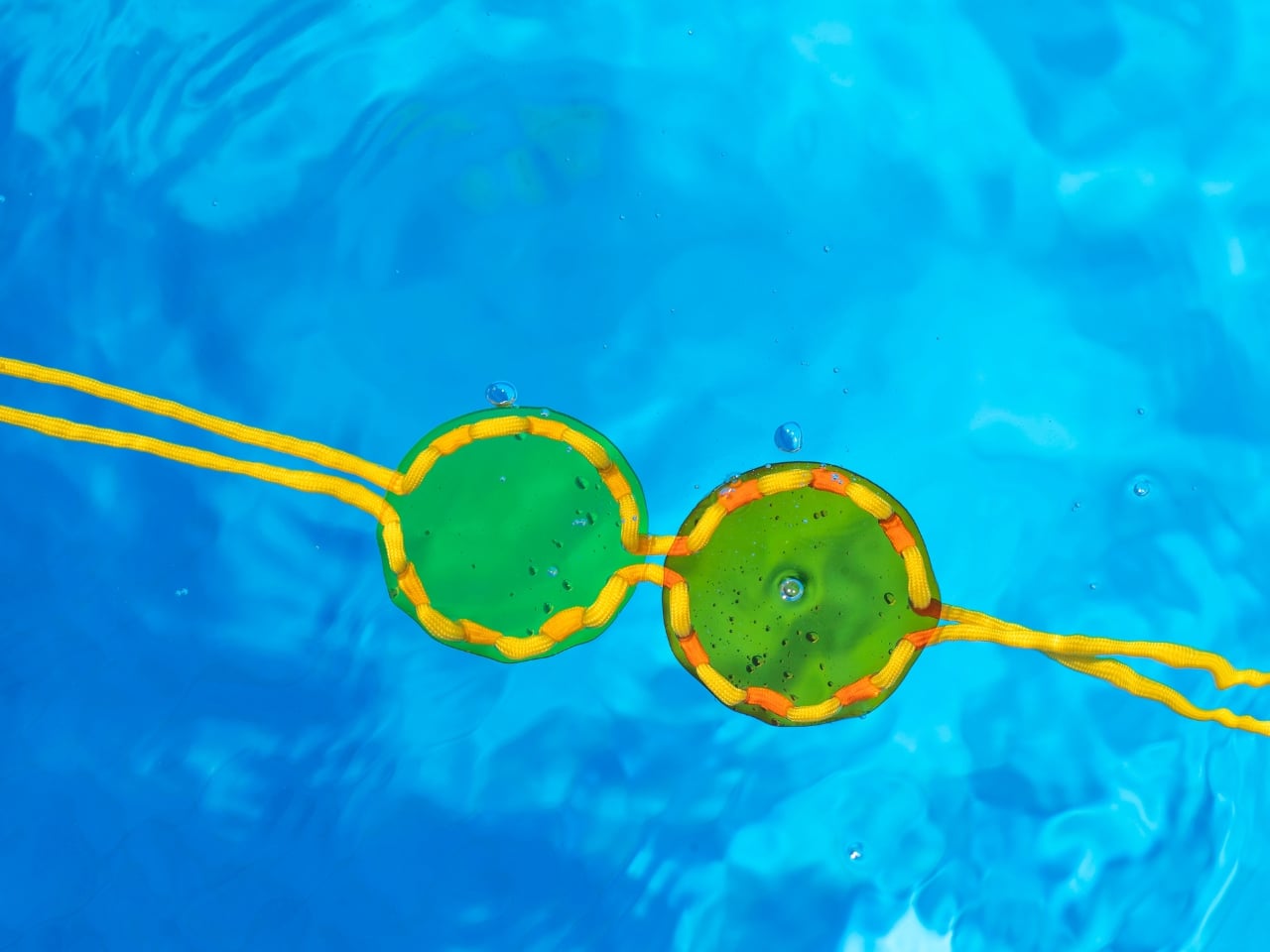
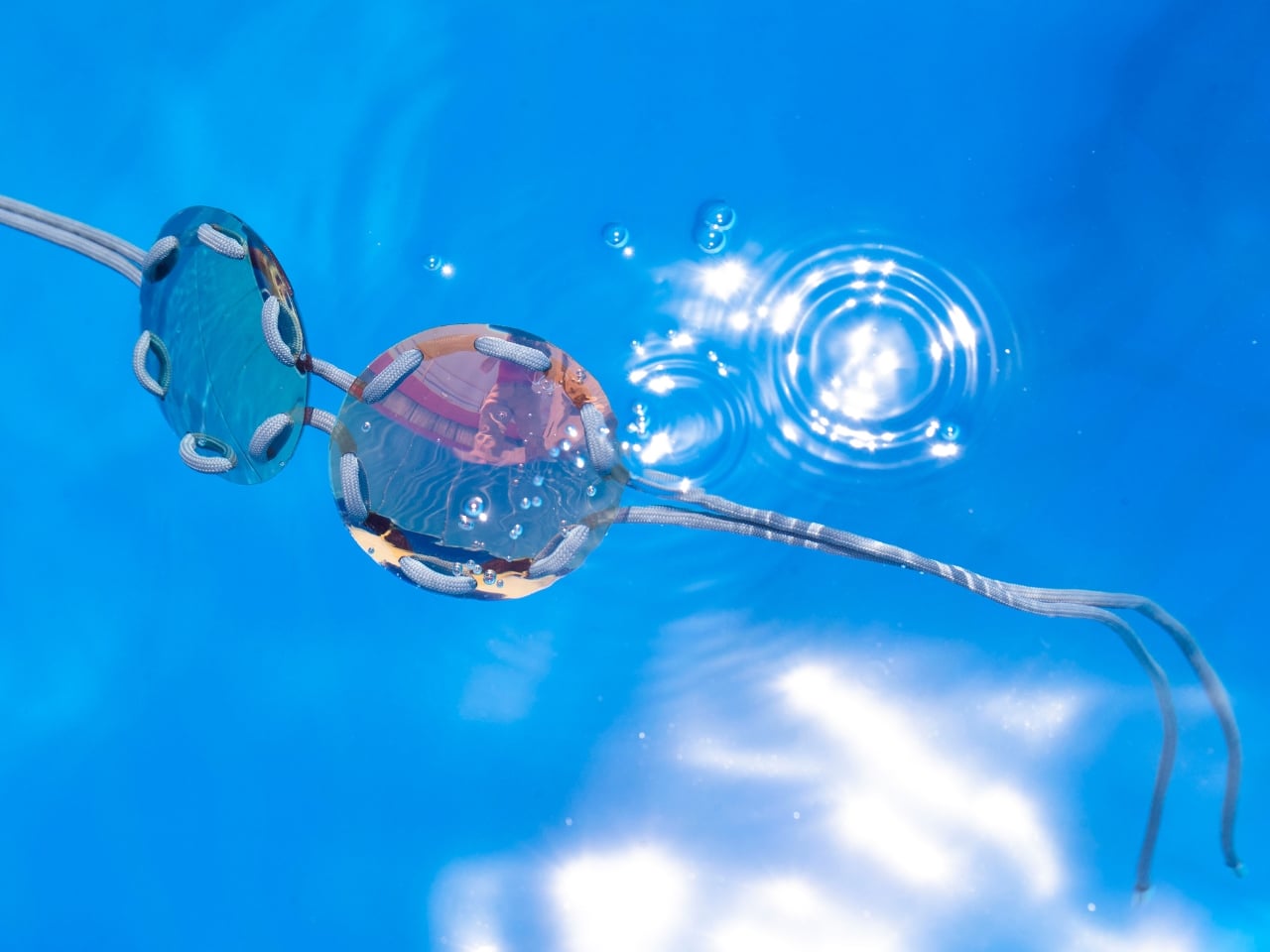
The lenses themselves are produced by Divel Italia, a specialty optics manufacturer, which grounds the project technically even when the visuals feel more like art than product. This matters because a design this stripped back lives or dies on the quality of its components. There’s no frame to absorb any imprecision.
I keep thinking about how much of what we own is really designed to be managed rather than used. A sunglass case is a perfect example of an object that exists purely to protect another object. We accept it as necessary without really questioning why. Water Glasses quietly make the case that a well-designed thing shouldn’t require its own support infrastructure. The cord is the case. The wearing is the storage.
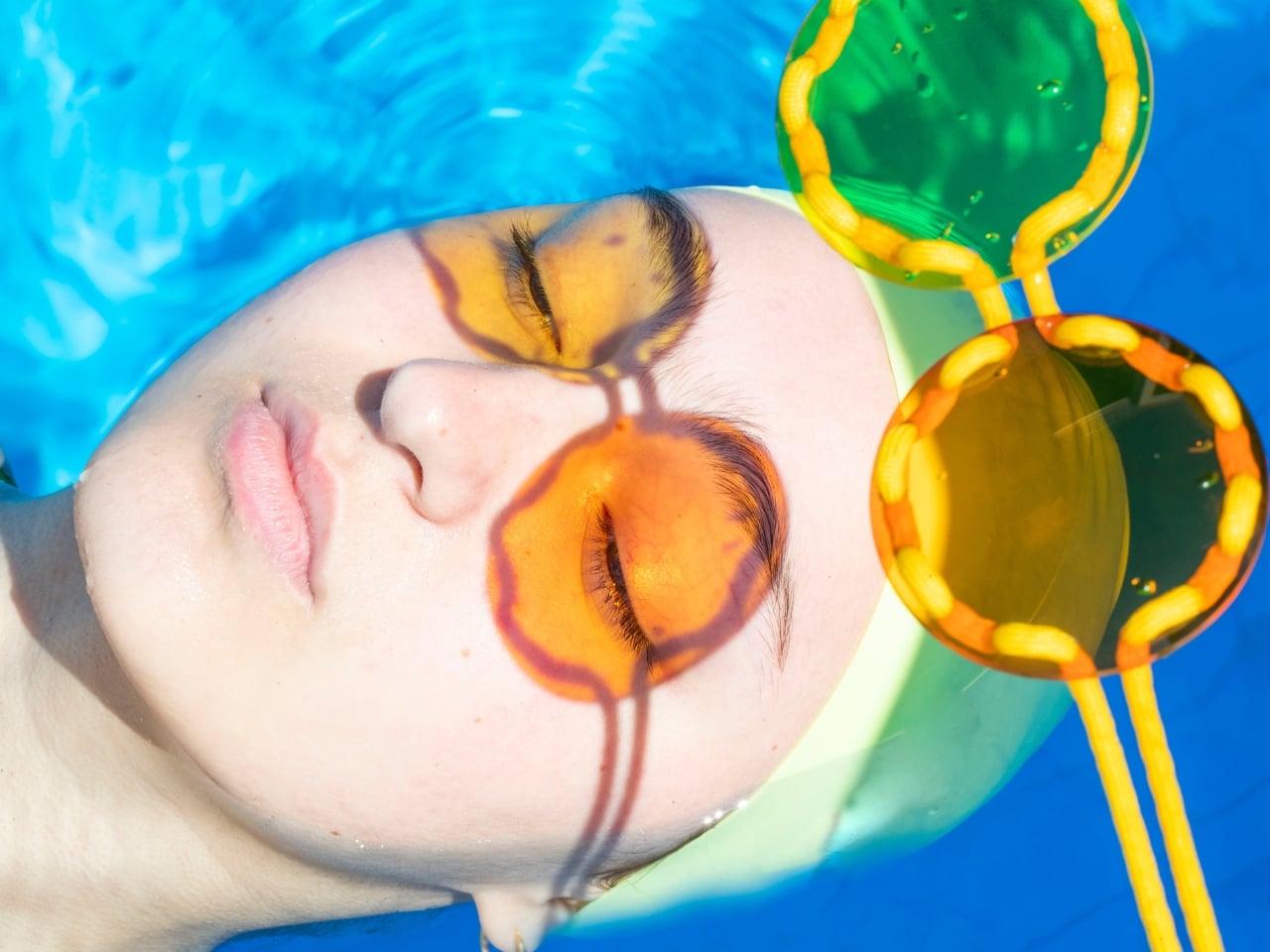
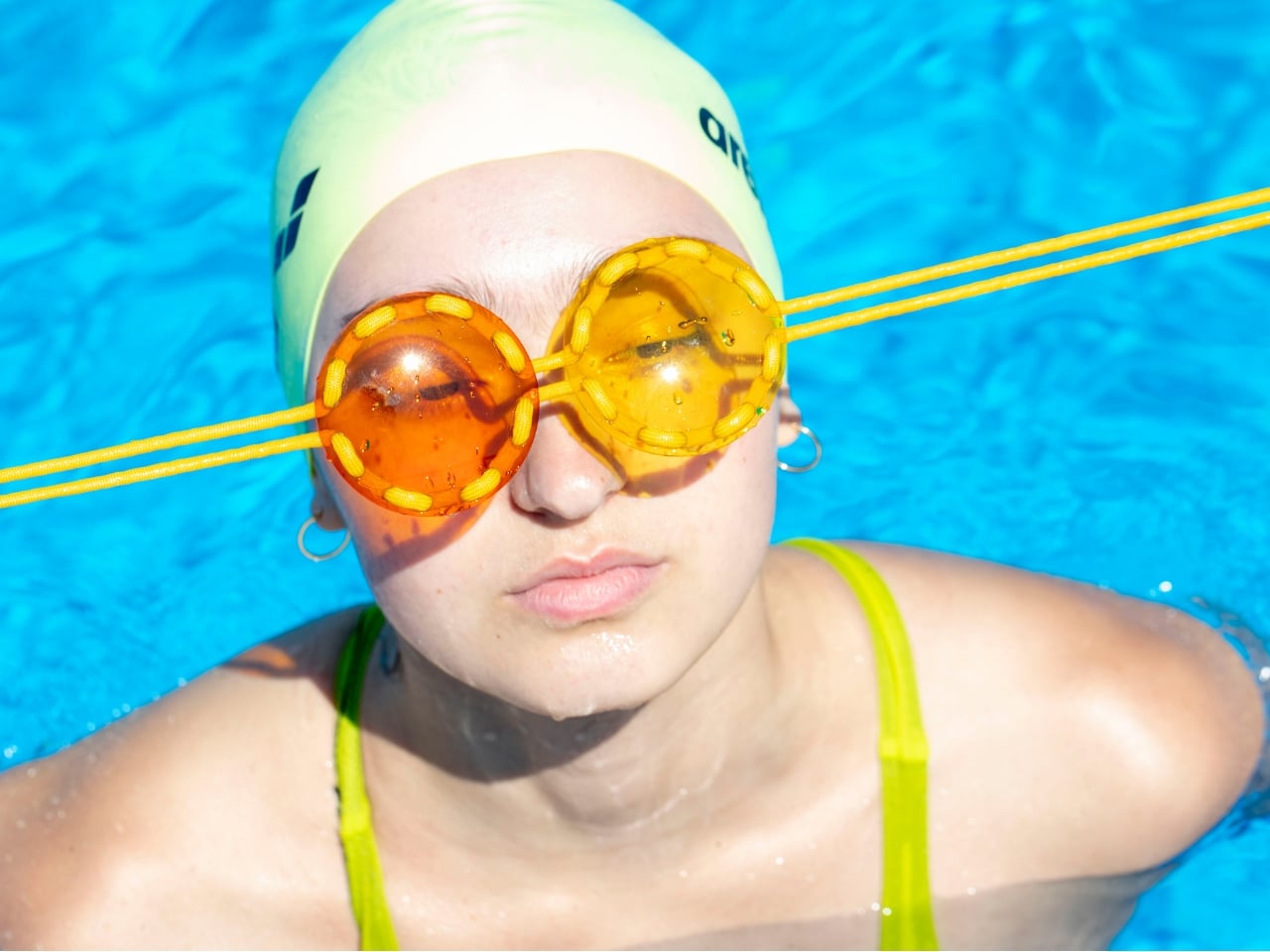
The studio calls it a reexamination of the typology, which is accurate but slightly undersells how pleasantly disruptive the result feels. Conceptual eyewear projects come and go, and most stay safely in the realm of theory. These feel like they could actually sit on your face at a rooftop pool in July, which is the whole point.
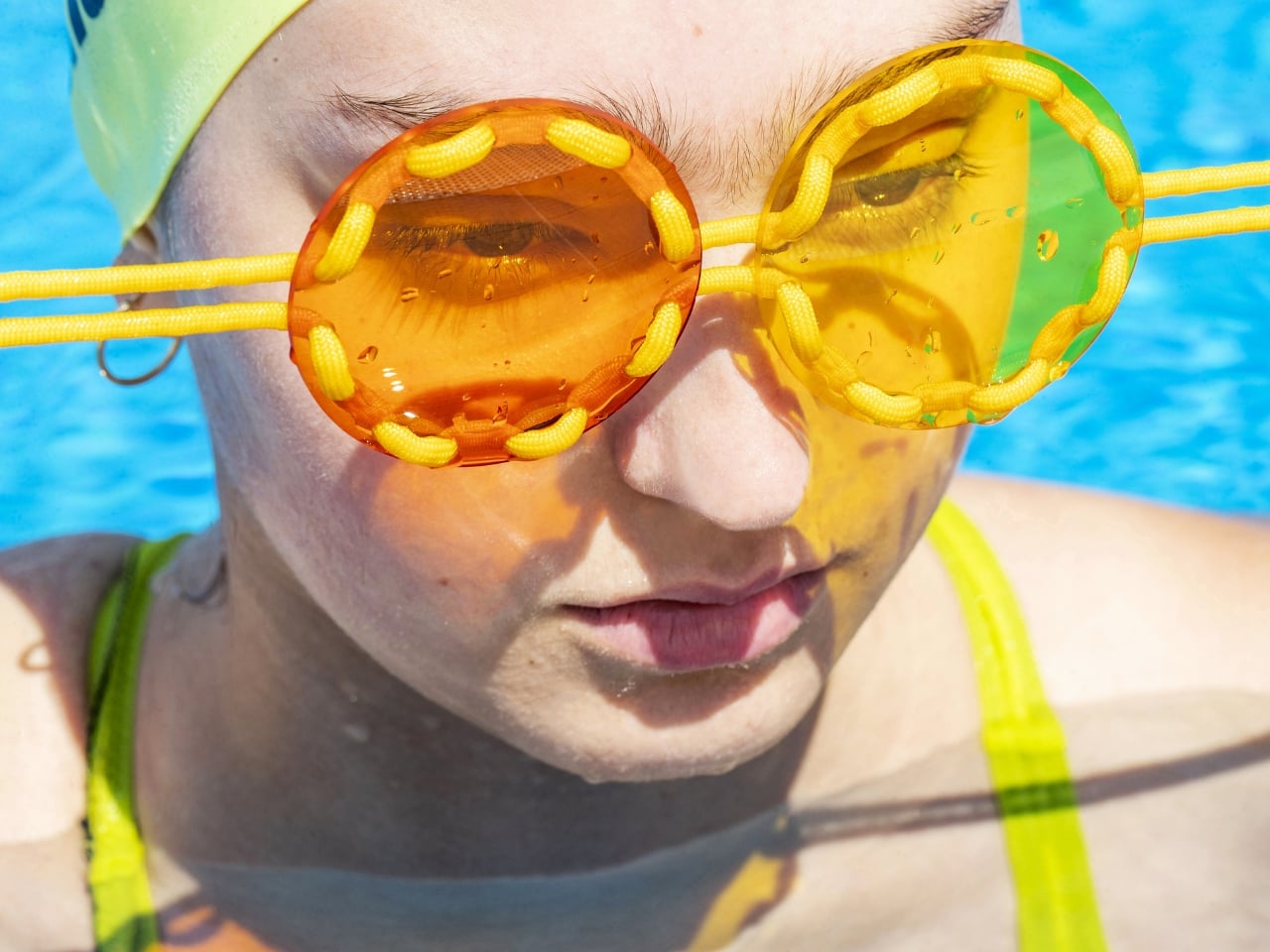
Whether or not they move into full production, Water Glasses do what good design projects are supposed to do: they make you look at a familiar object and wonder why it was ever done any other way. That’s a harder thing to pull off than it looks.