
PROS:
- Dual cameras can handle any kind of occasion or scene
- 10-bit D-Log 2 color profile better supports professional needs
- Easy-to-use ergonomic controls
- Coherent design language across Vlog Combo accessories
CONS:
- Slightly heftier and top-heavy than previous Osmo Pocket models
- 10-bit D-Log 2 isn't available on the 60mm med-tele camera
Compact cameras have gotten remarkably capable over the past few years. Smartphones shoot impressive footage, action cameras have become tiny powerhouses, and entry-level mirrorless setups deliver results that would have seemed professional a decade ago. But most of these smaller options share a common visual limitation: they default to wide-angle perspectives that capture environments and movement well, without always doing the most flattering things to faces and portraits.
That’s the gap the DJI Osmo Pocket 4P is designed to close. Building on the stabilized pocket-gimbal formula that made earlier Pocket cameras popular, this fourth-generation model adds a dedicated 60mm medium-telephoto lens alongside the wide camera, with an f/1.8 aperture purpose-built for more flattering, more cinematic portrait shots. It’s a design decision that shapes not only how the camera performs, but also how it makes you think about framing. But is that enough to make a significant difference, or does the Osmo Pocket 4P have other surprises in store? Read on to find out.
Designer: DJI
Aesthetics
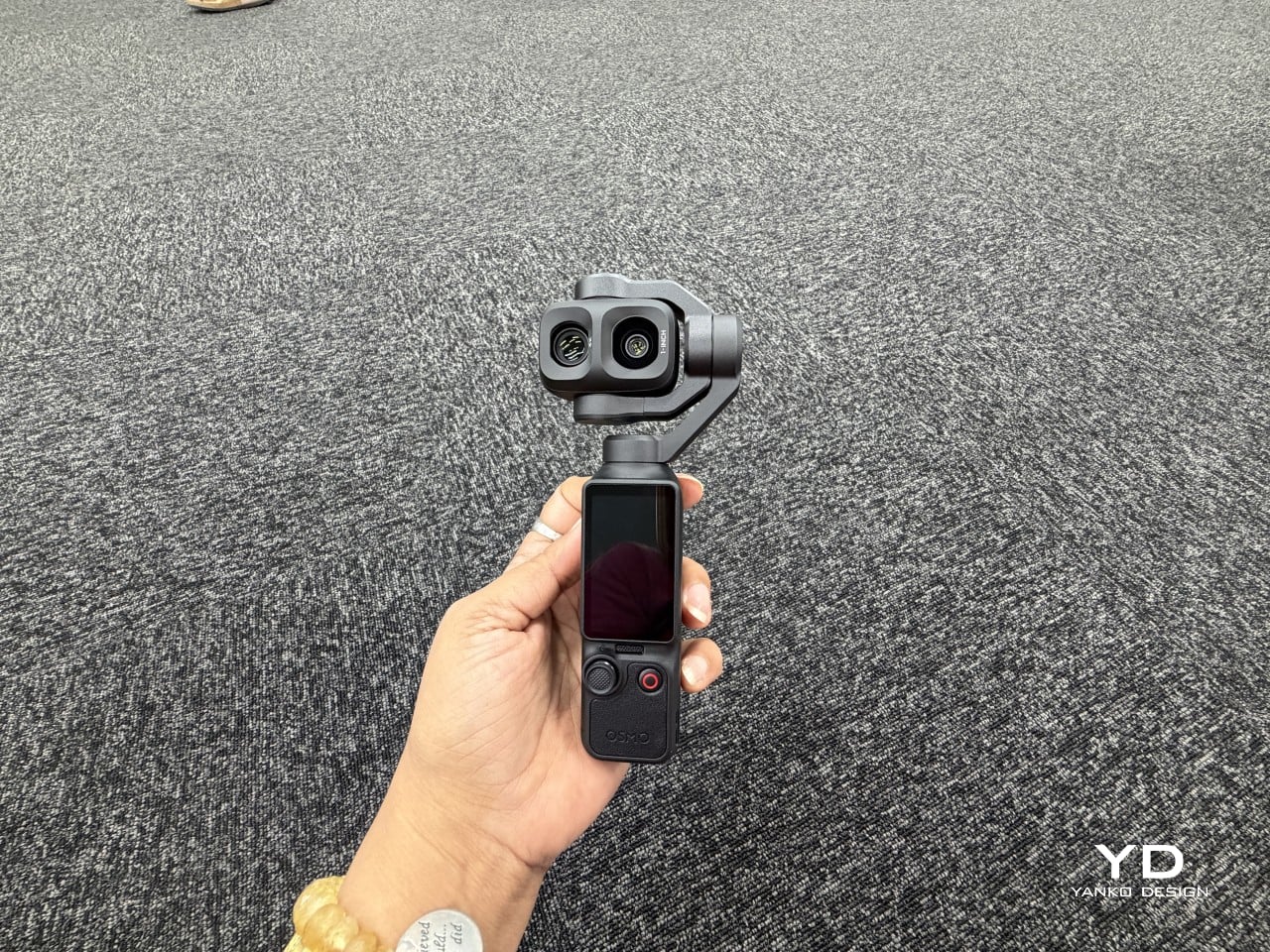
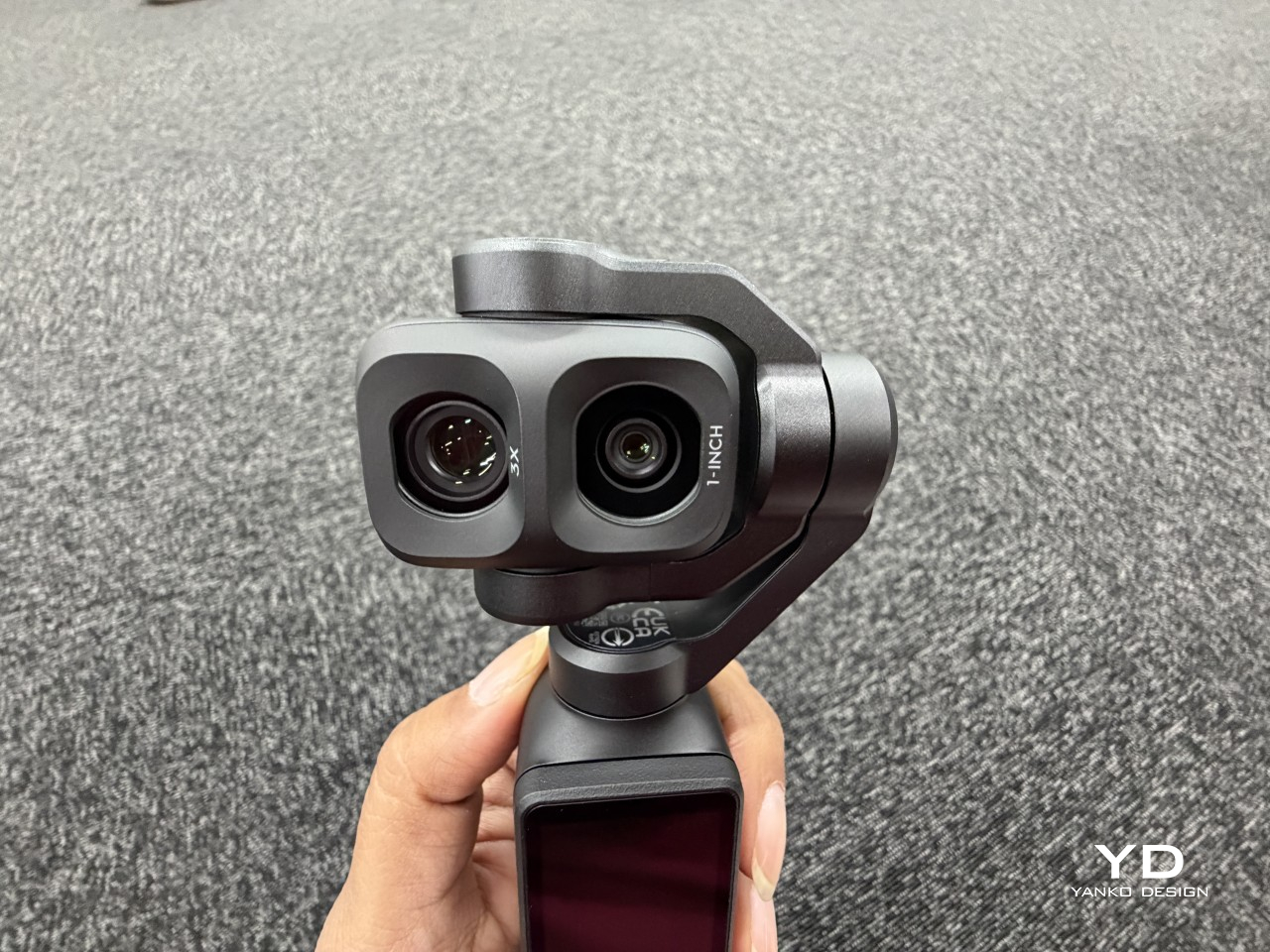
At a glance, the Osmo Pocket 4P still belongs to the same family as its predecessors, with a compact upright body, a small rotating touchscreen, and a stabilized gimbal head on top. Look a little closer, though, and the dual-lens arrangement immediately sets it apart. There’s something more camera-like about it now, in the best possible sense, rather than a gadget that happens to record video.
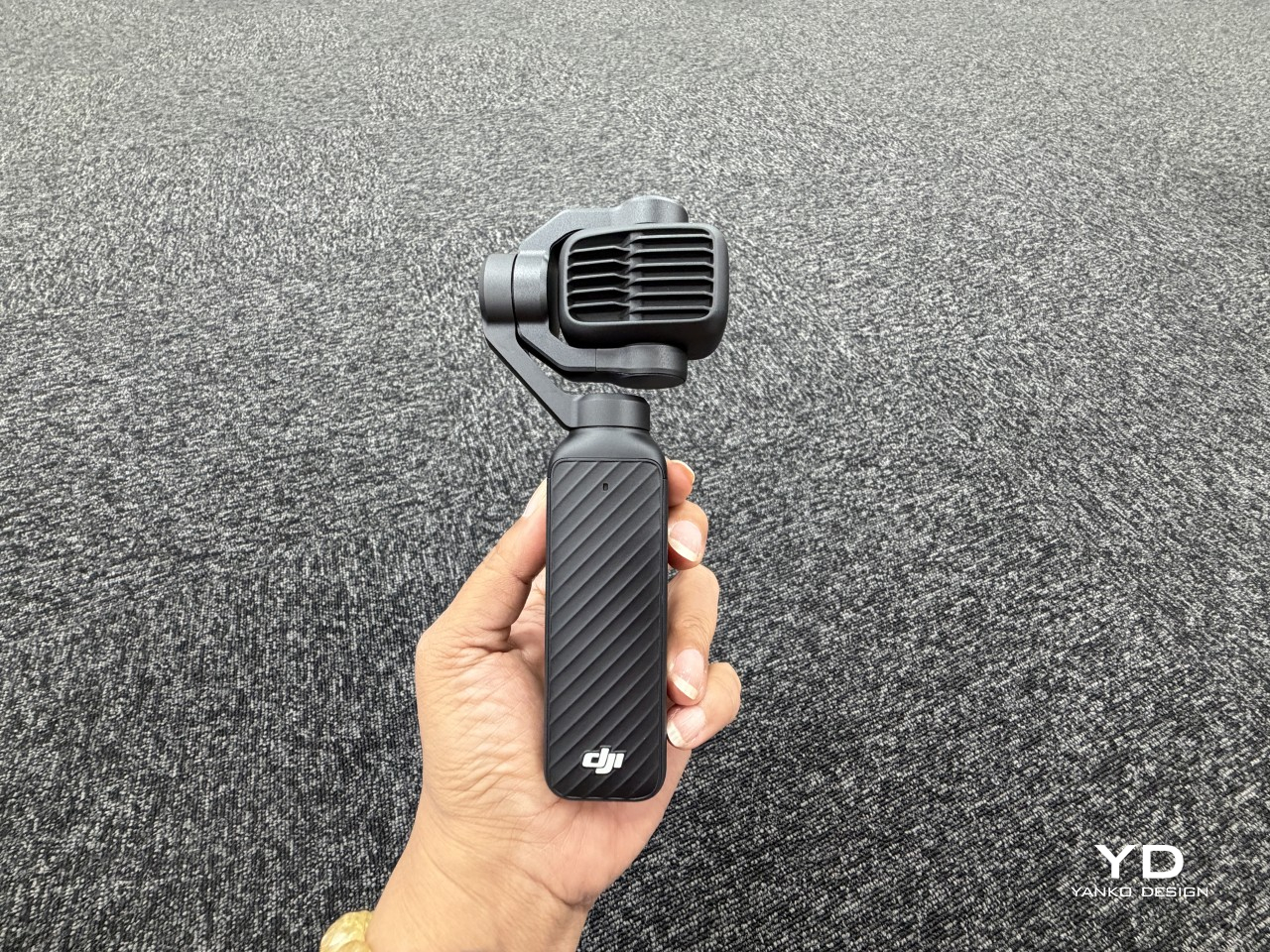
DJI offers the Pocket 4P in two finishes, classic black, which was our review unit, and pearl white, both of which carry a premium, polished feel without going into flashy territory. The materials have that familiar blend of structured plastic and matte-finish surfaces that DJI tends to do well, feeling solid without being unnecessarily heavy. Neither colorway draws attention to itself in an obvious way, which actually works in the camera’s favor as a daily-carry tool.
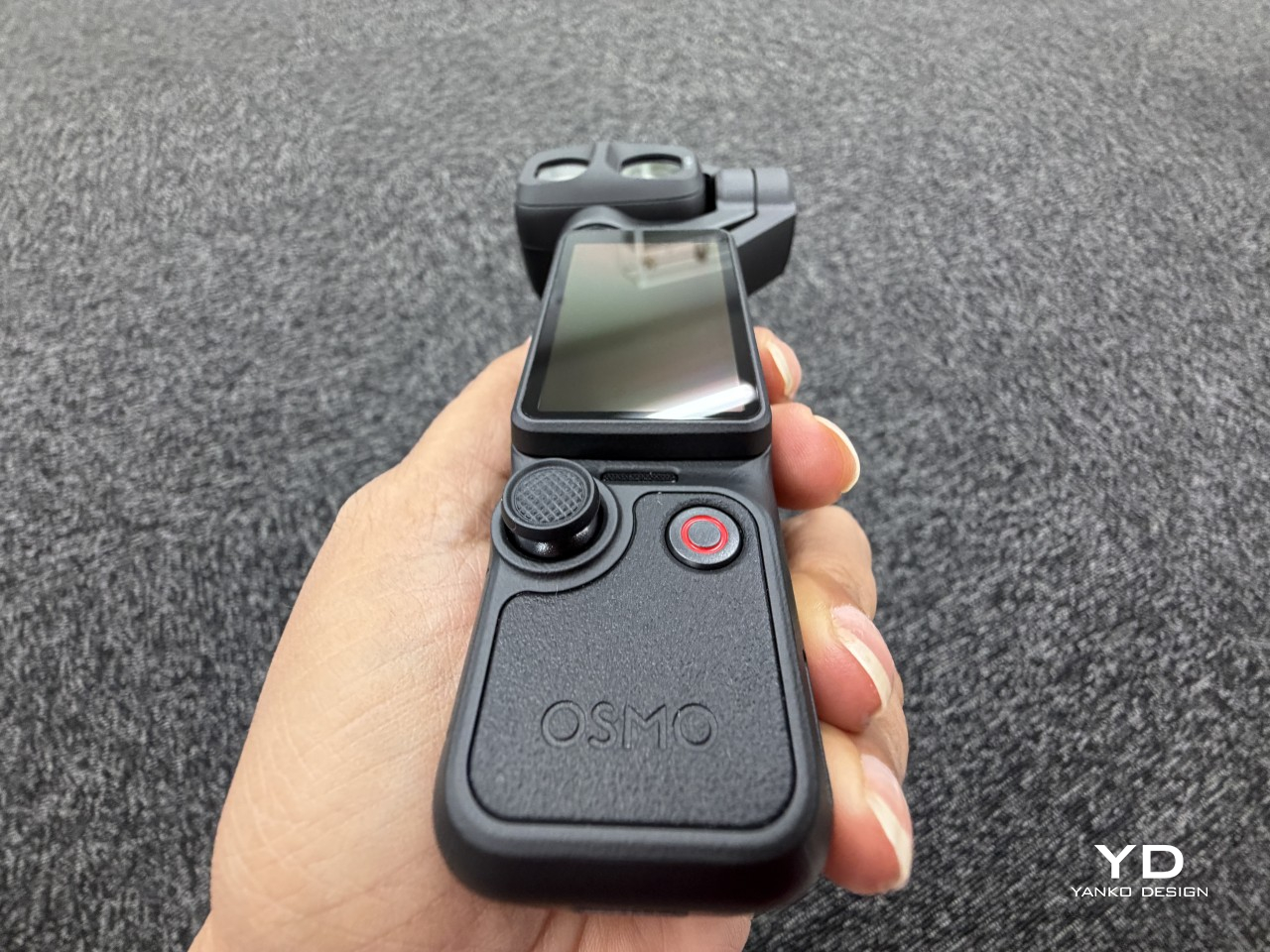
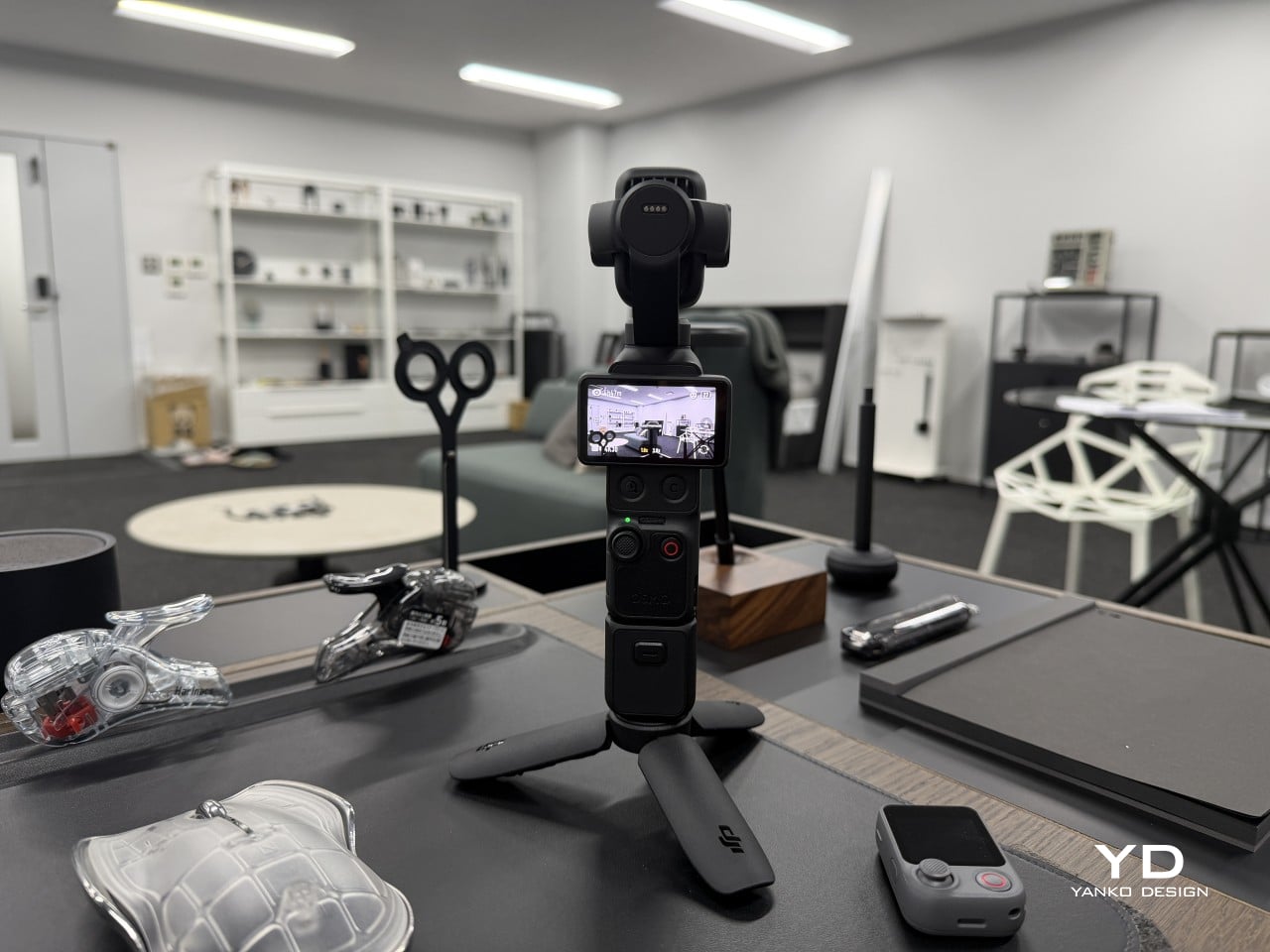
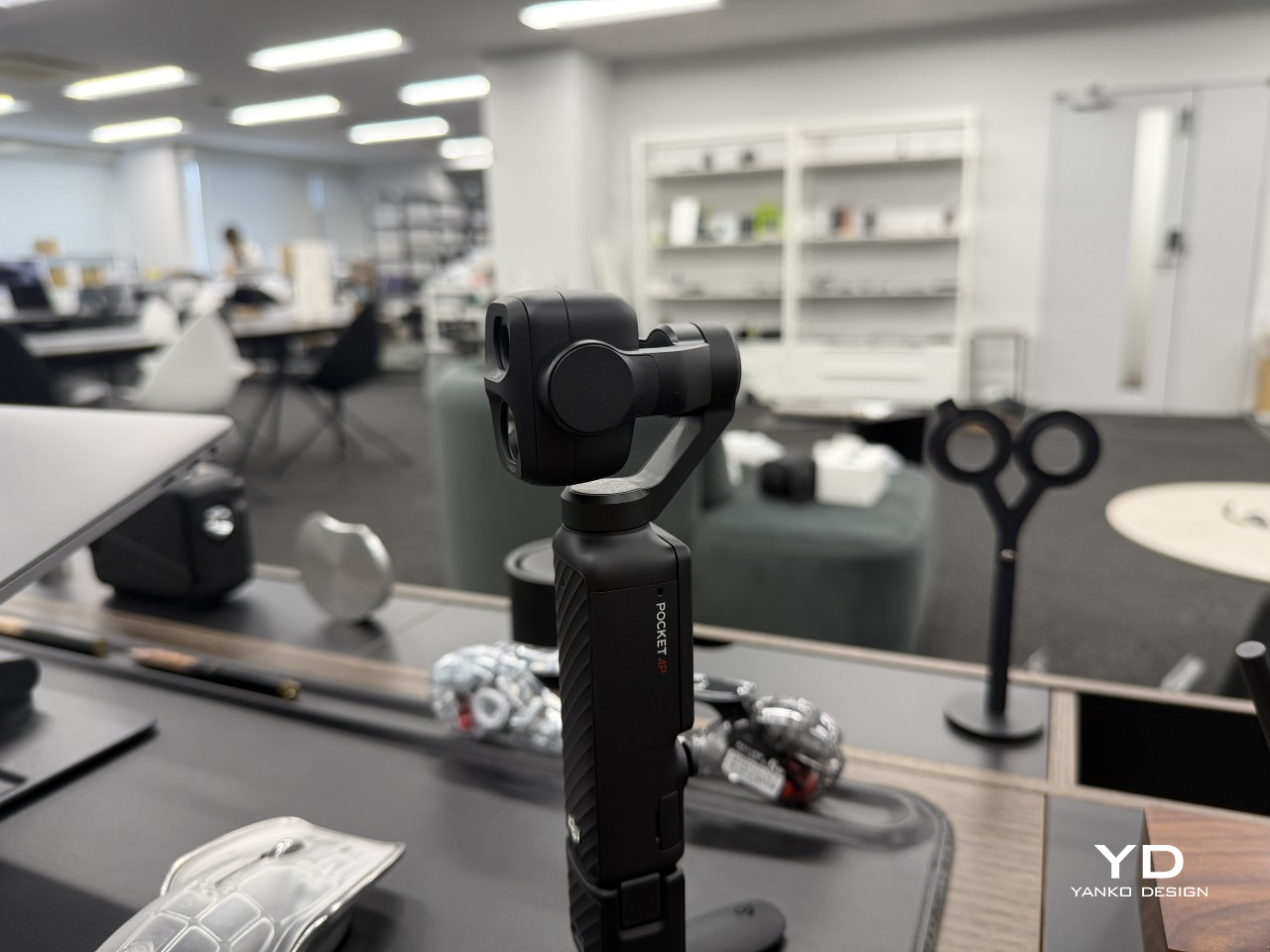
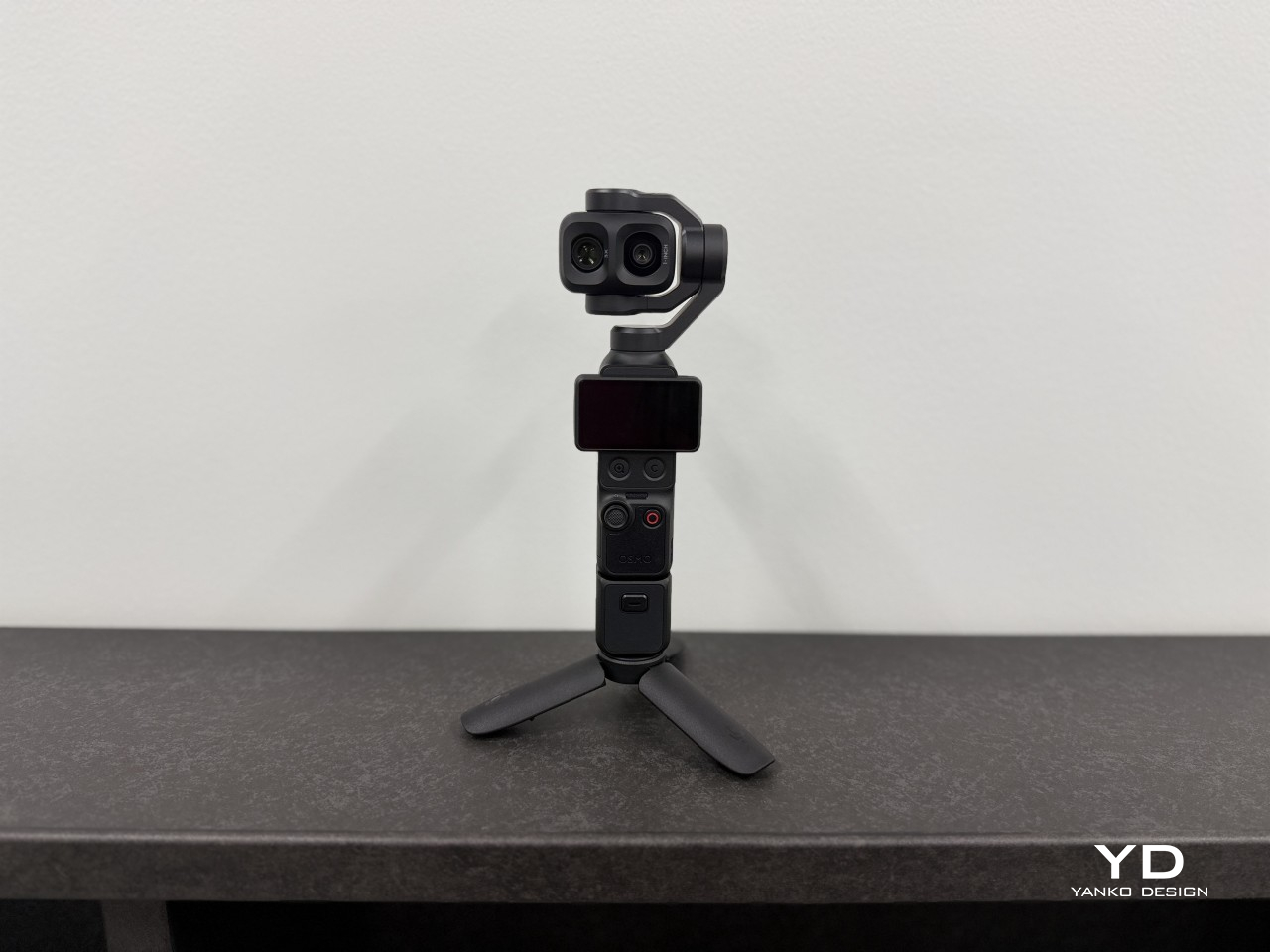
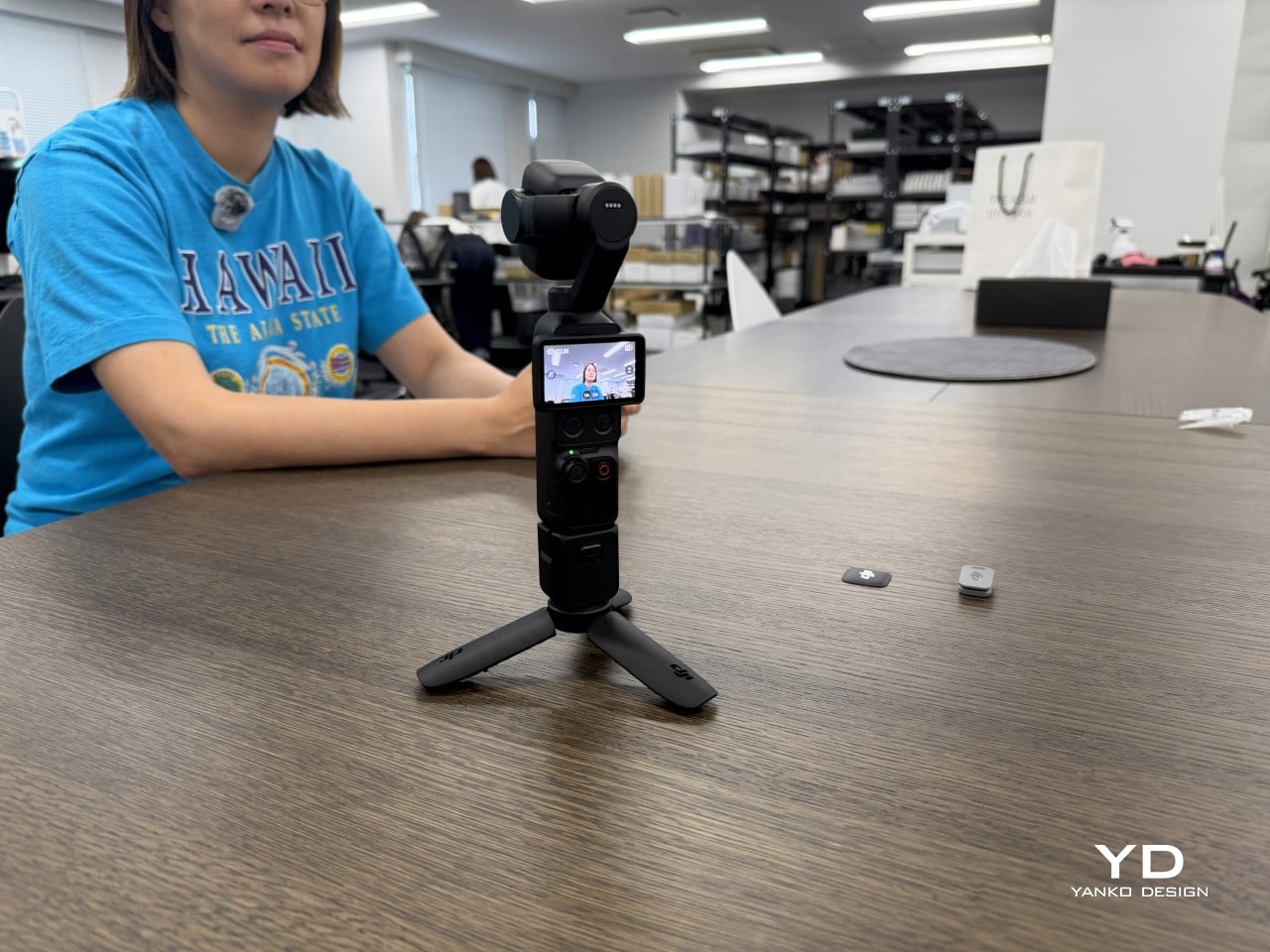
What makes the design feel complete is how the accessories extend the camera’s visual language rather than disrupting it. The fill light clips on cleanly, the handle and tripod give it a more grounded foundation, and the FrameTap remote adds a secondary screen without making the whole setup look like a patchwork rig. Fully assembled for a shoot, the Pocket 4P has the coherent look of a purpose-built creator system, not a Frankenstein of parts.
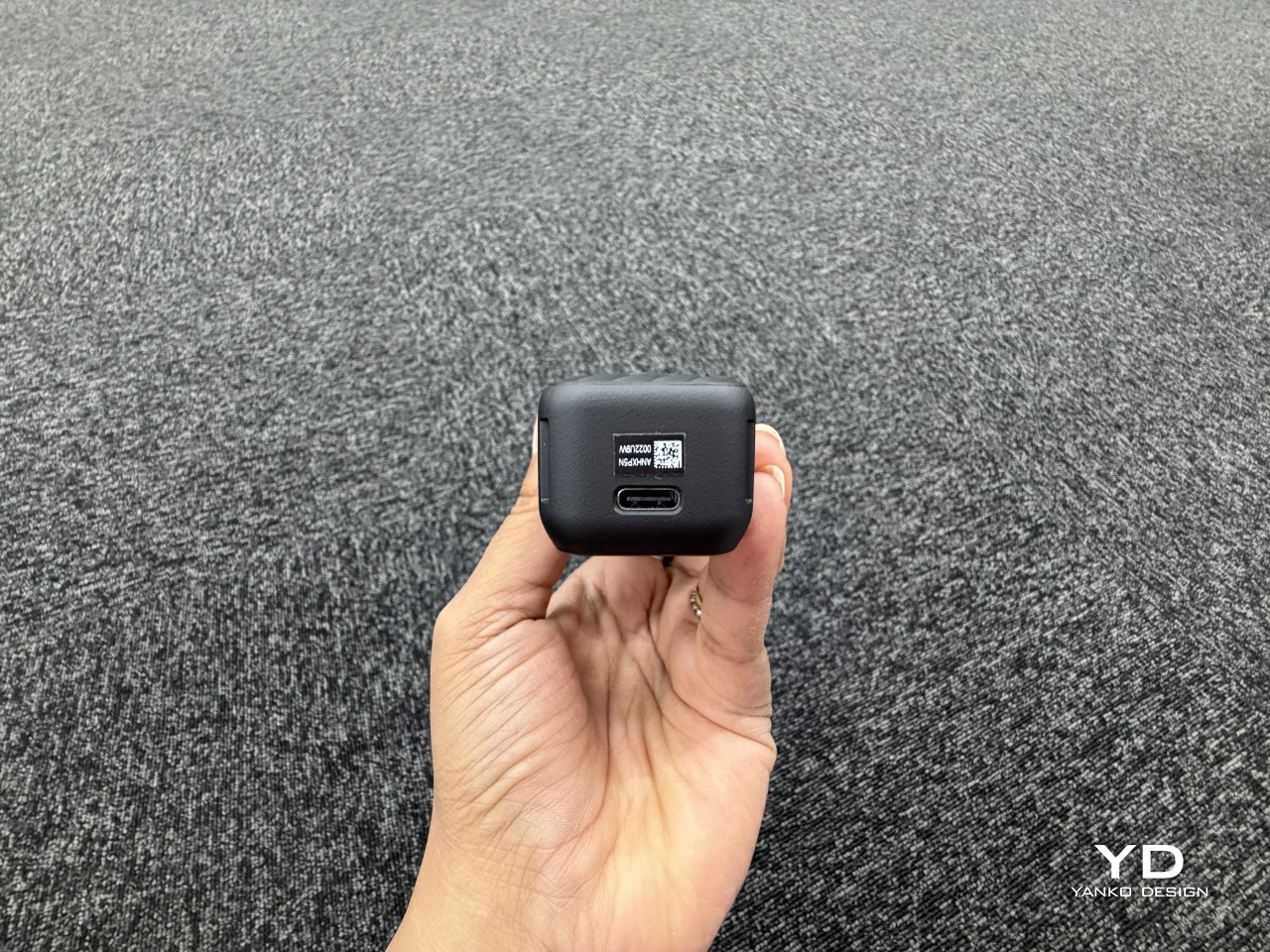
The presence of two lenses changes what the camera communicates even before it’s switched on. Earlier Pocket models read as action-friendly video tools. The Osmo Pocket 4P reads as something closer to an intentional image-making device, and that shift comes almost entirely from the addition of the portrait lens. Rather than simply adding more specs, DJI gave this camera a more considered point of view, and that reads clearly in the design.
Ergonomics
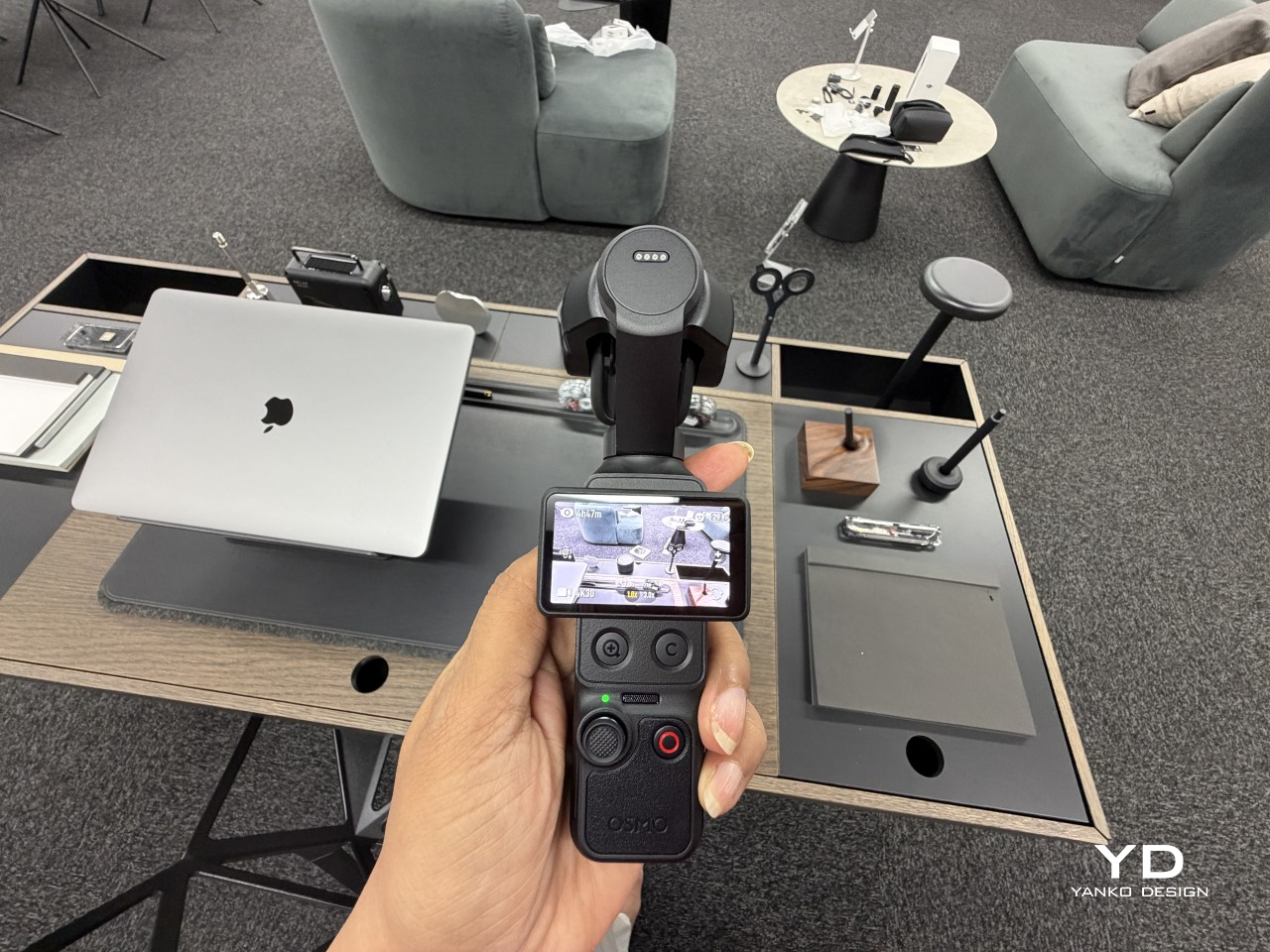
One of the best things about the Osmo Pocket line has always been how easy it is to grab and go, and the Osmo Pocket 4P keeps that up. It slips into a jacket pocket or small bag without fuss, and it’s ready to record almost immediately. Twisting the touchscreen to power it on takes barely a second, which matters more than it sounds when something worth filming is happening right now.
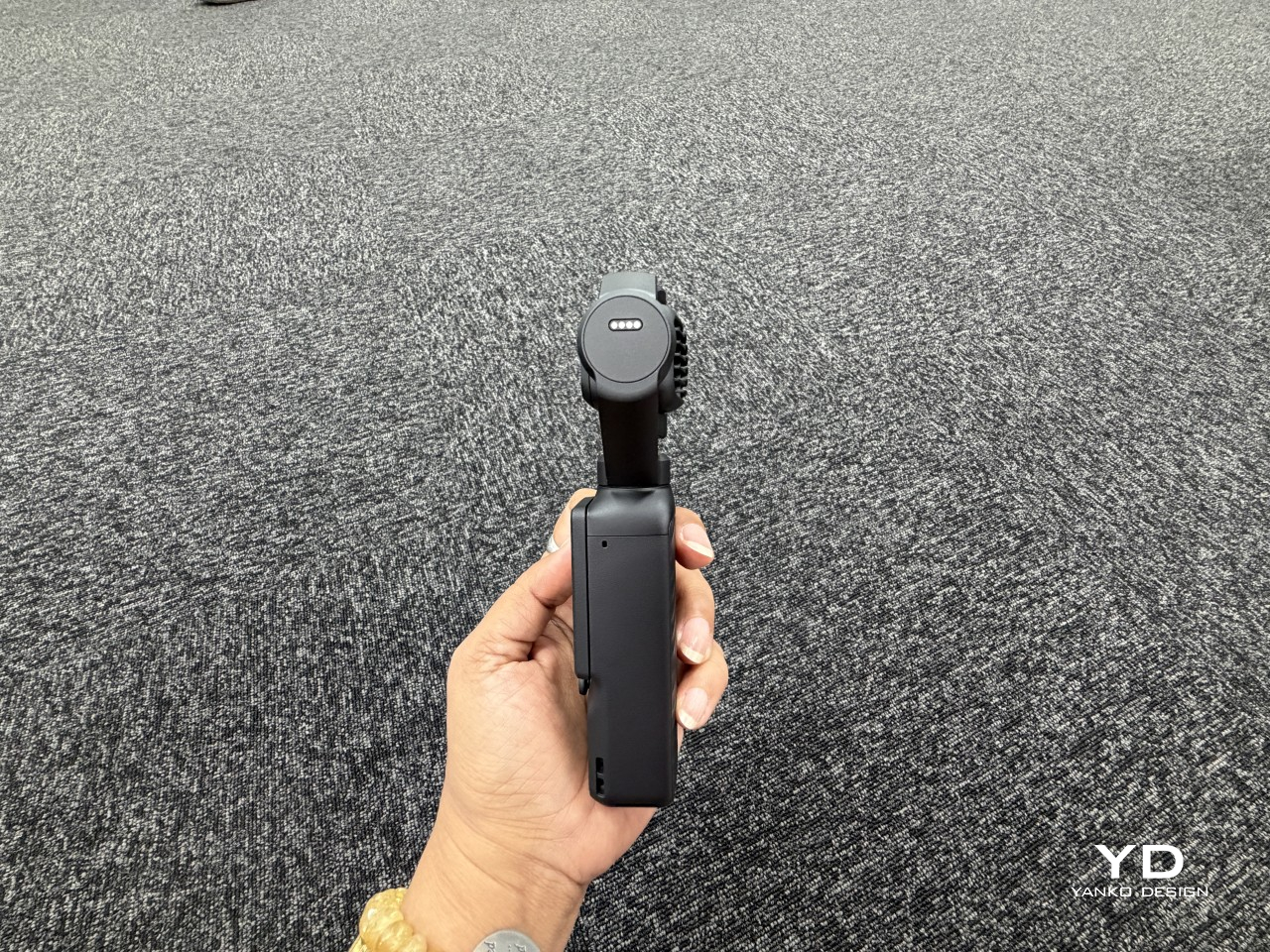
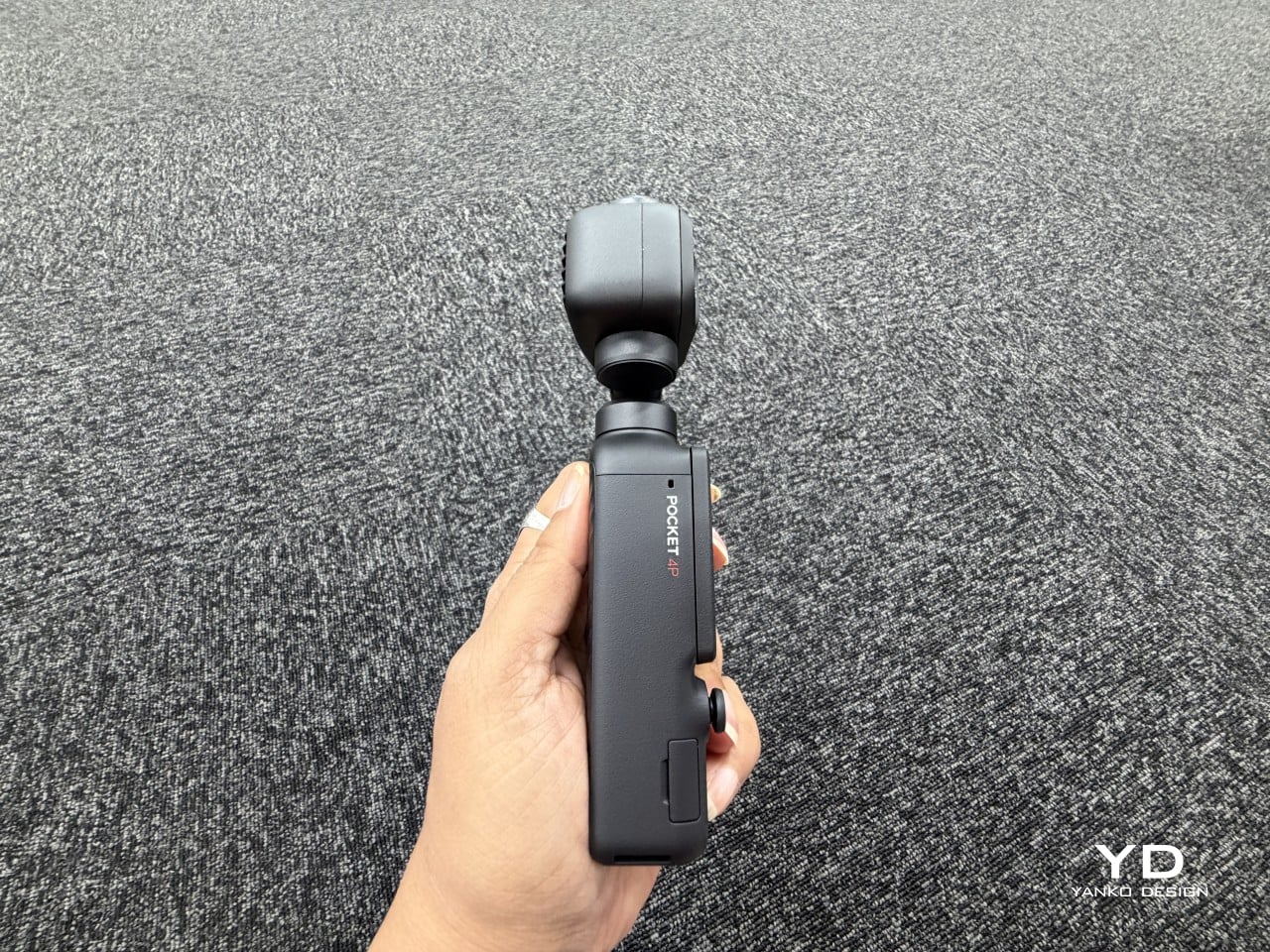
Handling the Pocket 4P day to day is comfortable, especially once the threaded handle is attached. It gives the camera a stable grip and a flexible mounting solution for tripods and other accessories. The touchscreen is compact and works well for quick adjustments, though it favors speed and simplicity over deep menu navigation. That’s a natural consequence of the body’s slim profile and carry-first design philosophy.
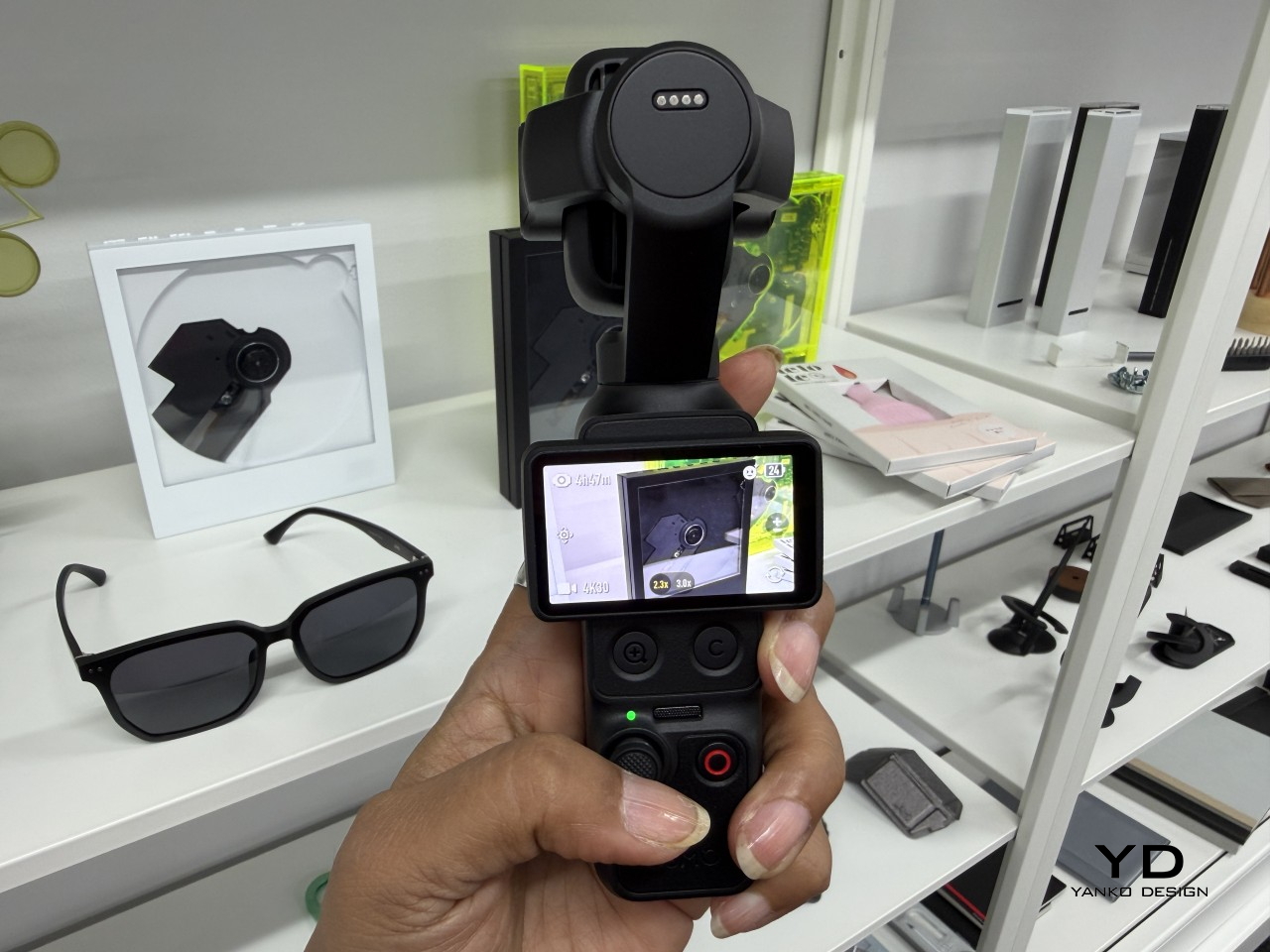
The dual-lens head makes the camera noticeably heavier and more top-heavy than earlier Pocket models, and you’ll feel that difference during longer sessions. But that added mass is a physical consequence of housing a second optical system in such a compact body, which makes it a worthwhile trade. The included handle and mini tripod become genuinely useful for that reason, giving the whole setup a more balanced, natural feel.
Performance
At the heart of the 4P’s imaging system is a 1-inch CMOS sensor paired with a 20mm wide lens, and alongside it, a 1/1.28-inch sensor powering a 60mm medium-telephoto lens with an f/1.8 aperture. Together, they give the camera two genuinely different visual identities: the wide camera for movement, environments, and establishing shots, and the telephoto for faces, details, and compositions where subject isolation matters most.

20mm, f/2.0
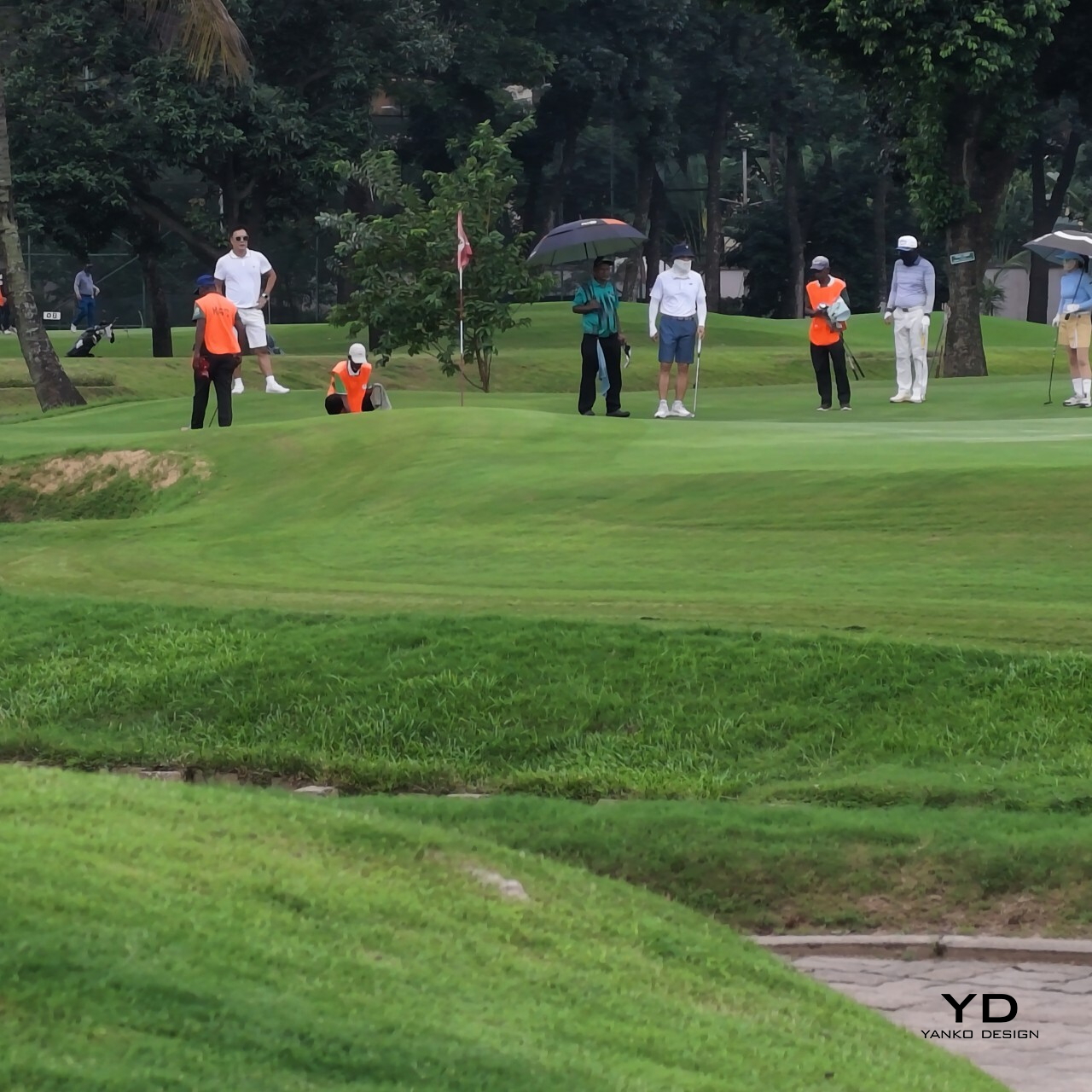
60mm, f/1.8, 3x zoom
The 1-inch sensor on the wide camera carries 17 stops of dynamic range, which means tricky lighting situations, such as backlit faces, strong sunsets, or mixed indoor light, tend to resolve more naturally than you’d expect from something this small. Colors look accurate and grounded rather than oversaturated, and skin tones in particular come through with a warmth and believability that most compact cameras don’t typically manage.
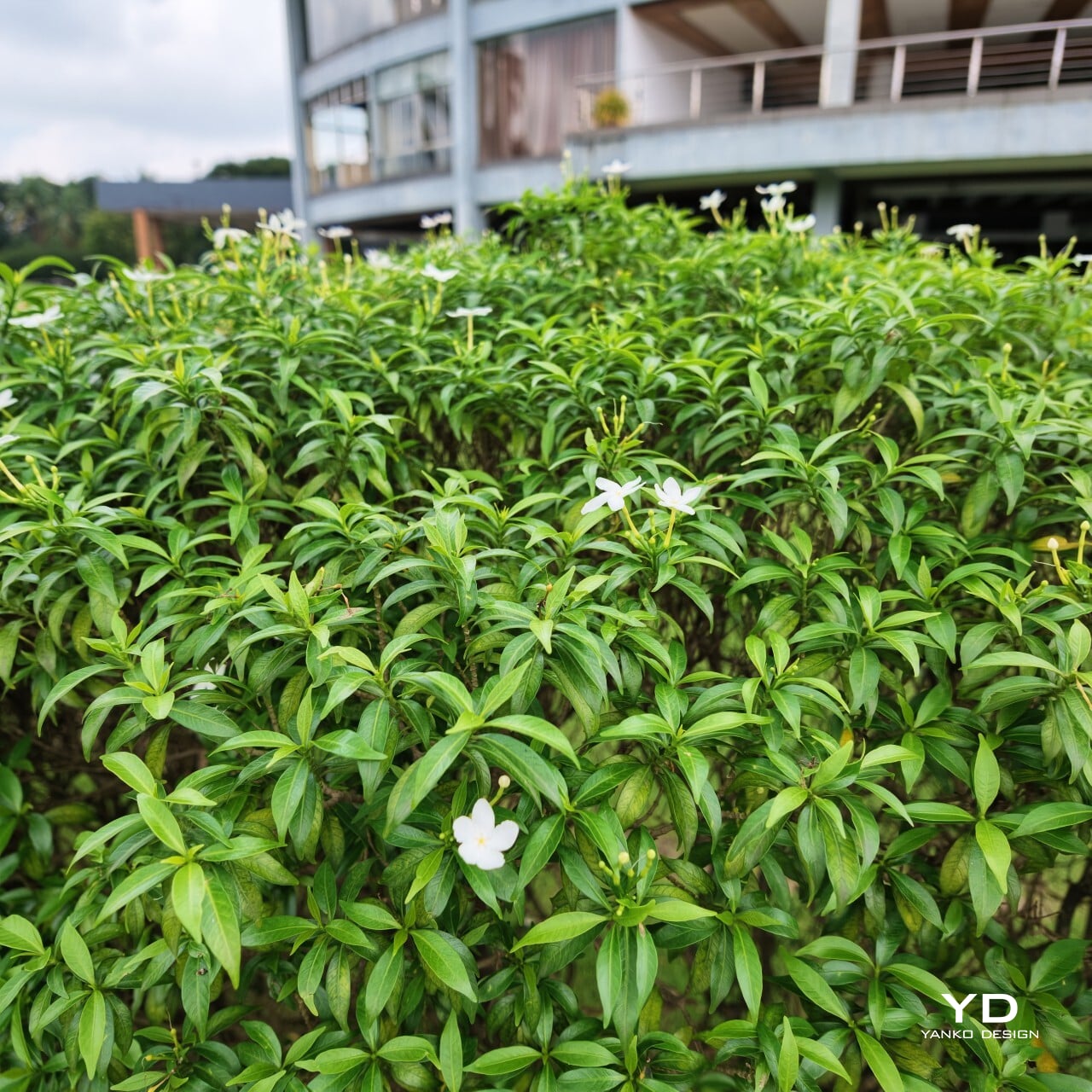
20mm, f/2.0
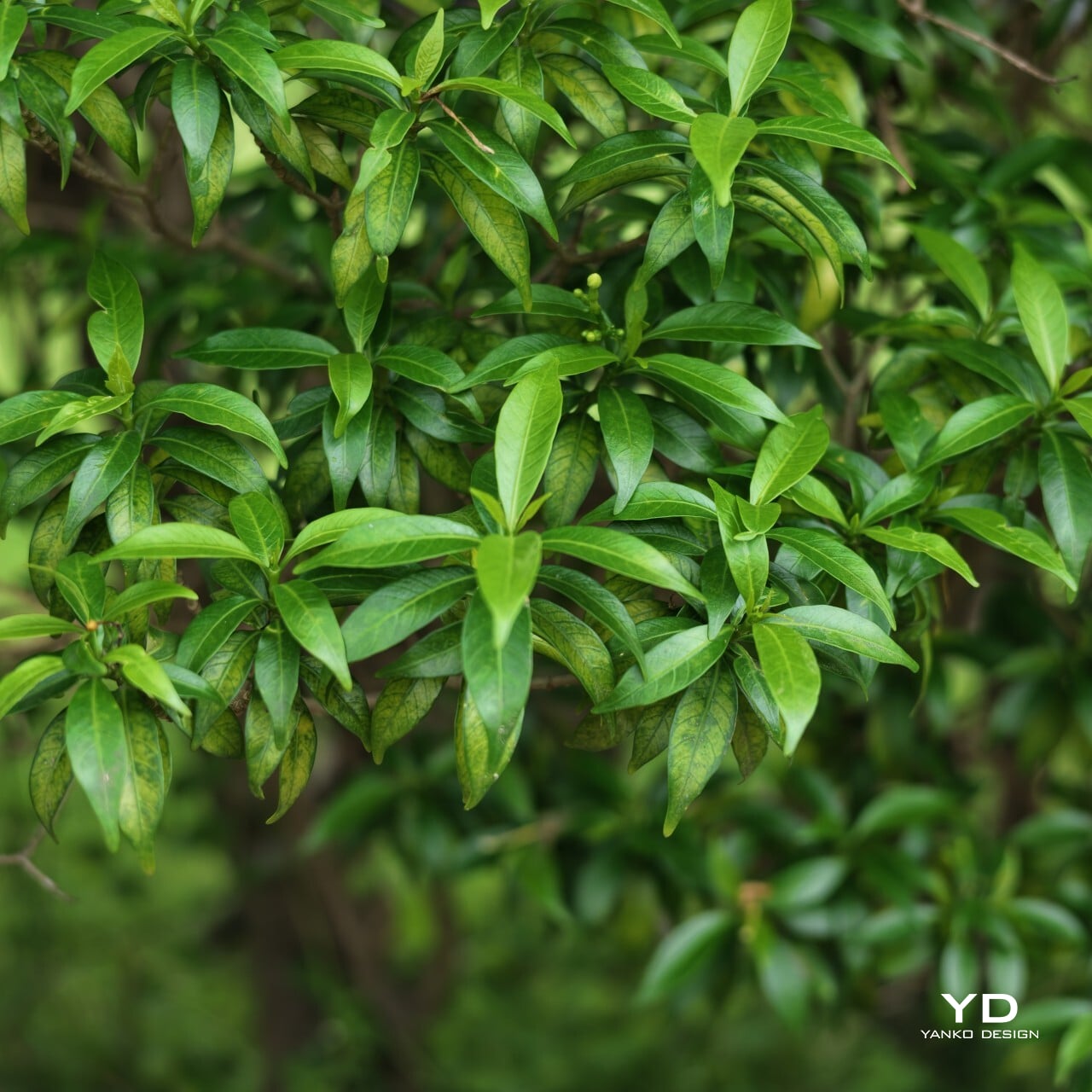
60mm, f/1.8
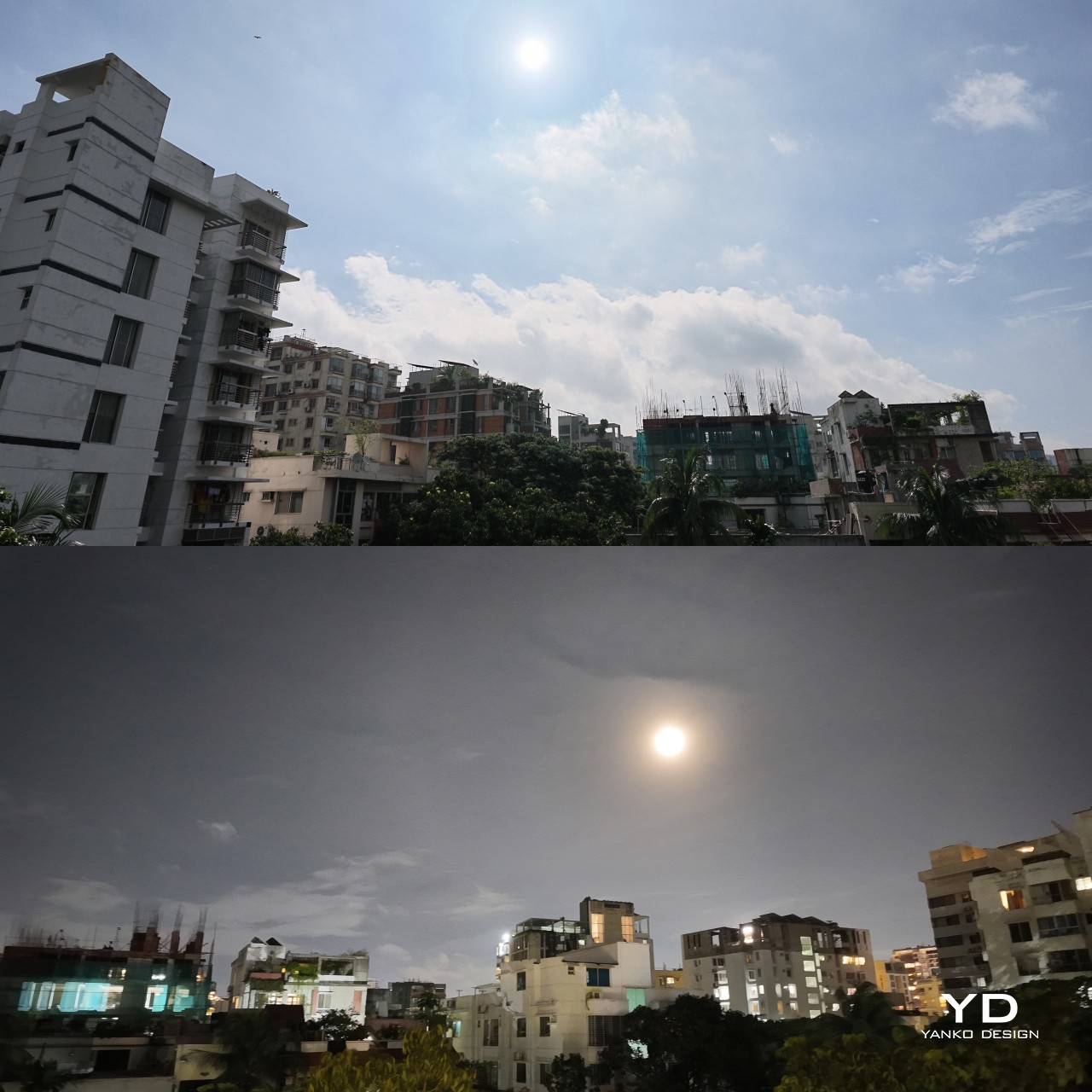
The 60mm telephoto lens is where the Pocket 4P starts telling a more complete story. At f/1.8, it creates a natural compression and background separation that a wide lens simply can’t replicate, which makes portrait shots, talking-head videos, and product close-ups look considerably more flattering and cinematic. Wide-angle lenses can make subjects look slightly distorted, particularly around the edges of the frame. The telephoto doesn’t, and that difference is immediately noticeable.
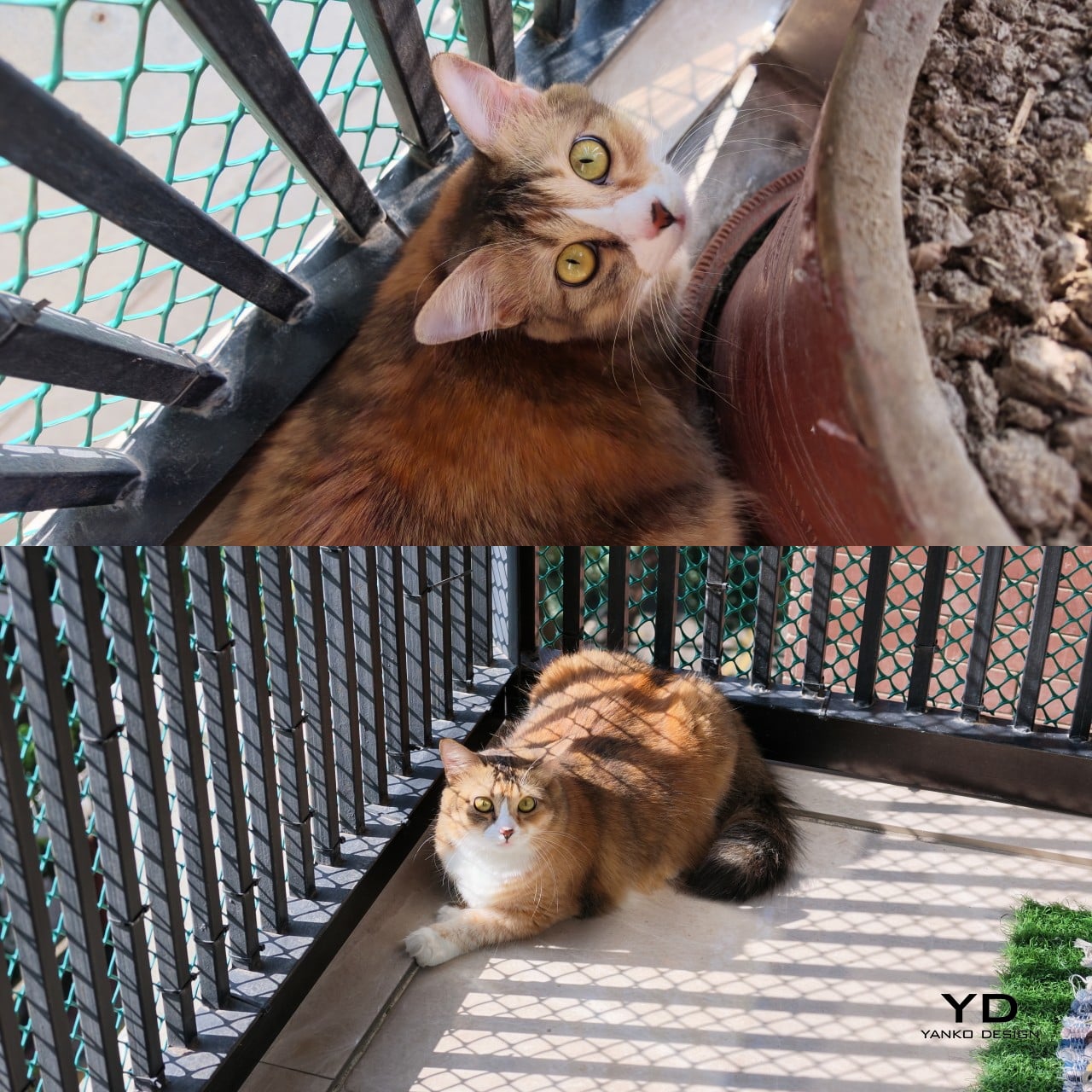
20mm, f/2.0 (Top) | 60mm, f/1.8 (Bottom)
Video recording shows how seriously the Osmo Pocket 4P takes its professional aspirations. It supports 10-bit D-Log 2, a color profile with enough tonal latitude to recover highlights and lift shadows in post-production without the footage falling apart, making grading feel genuinely flexible. The standard color profile also deserves credit for looking natural and grounded straight out of camera, giving creators who don’t want to grade a polished result with minimal effort.
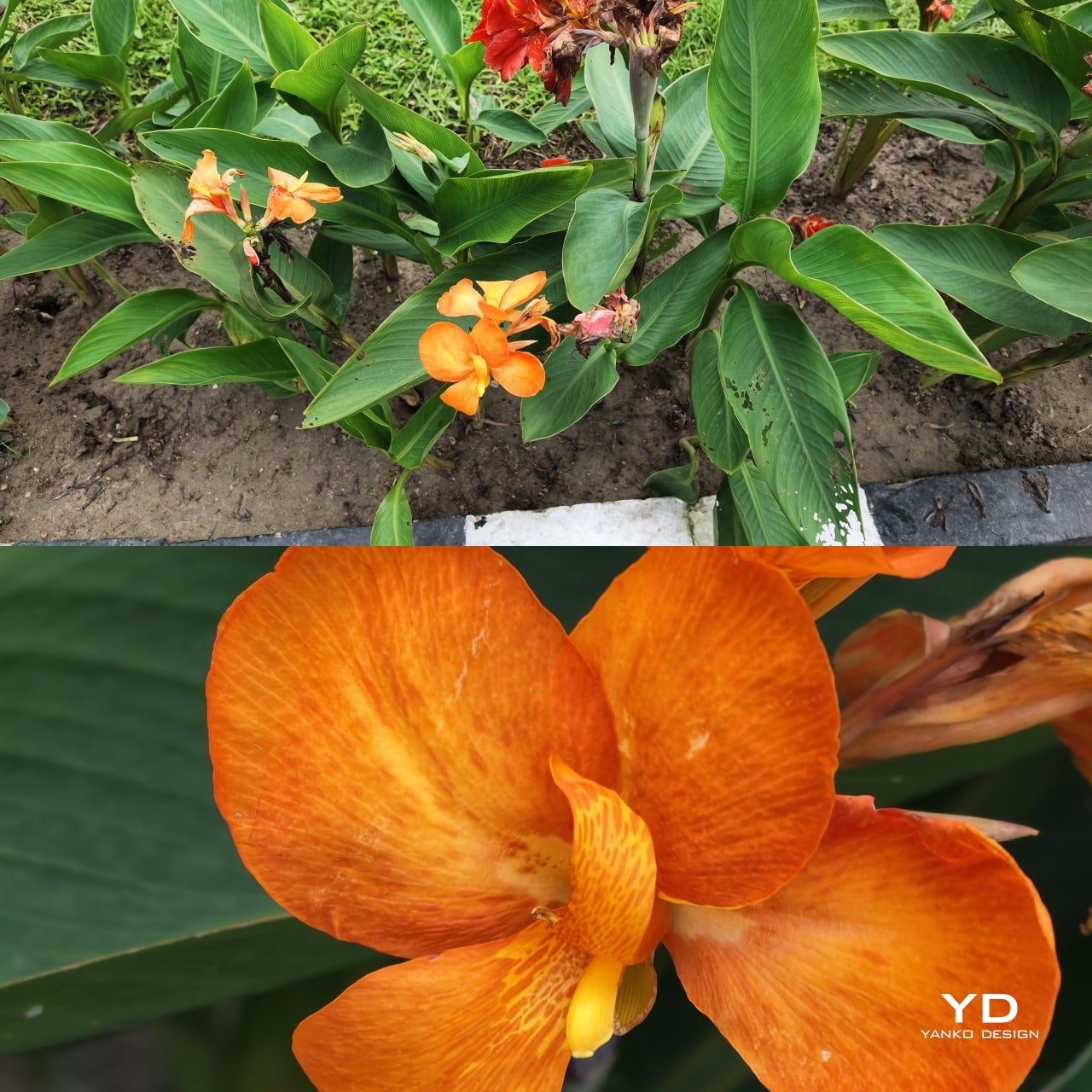
20mm, f/2.0 (Top) | 60mm, f/1.8 (Bottom)
Stabilization comes from a 3-axis mechanical gimbal rather than electronic cropping, keeping footage smooth in a way that feels physically grounded. ActiveTrack 8.0 handles subject tracking reliably enough that solo creators can set the camera up, step in front of it, and let it do the work. Slow-motion recording is equally impressive, with the wide lens supporting exceptionally high frame rates that transform ordinary moments into something far more dramatic.
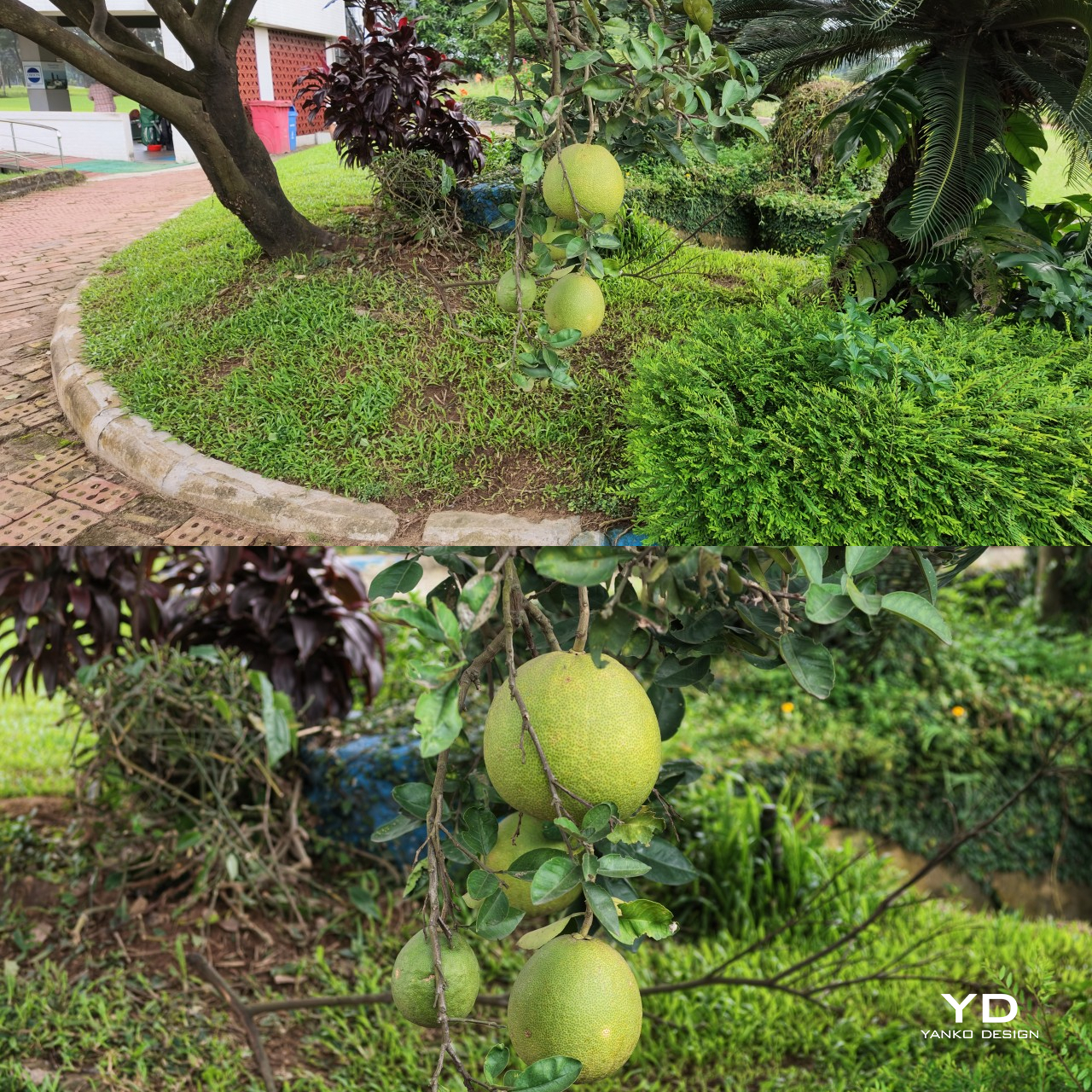
20mm, f/2.0 (Top) | 60mm, f/1.8 (Bottom)
The telephoto camera is best treated as a specialized portrait and close-up lens rather than a full duplicate of the main sensor. It doesn’t support D-Log 2, only 10-bit D-Log, so that color workflow difference is worth planning around before a shoot. The 103GB of built-in storage, fast transfer speeds, and a quick-charging battery that holds up through hours of shooting on a single charge make the overall experience feel refreshingly low-friction.
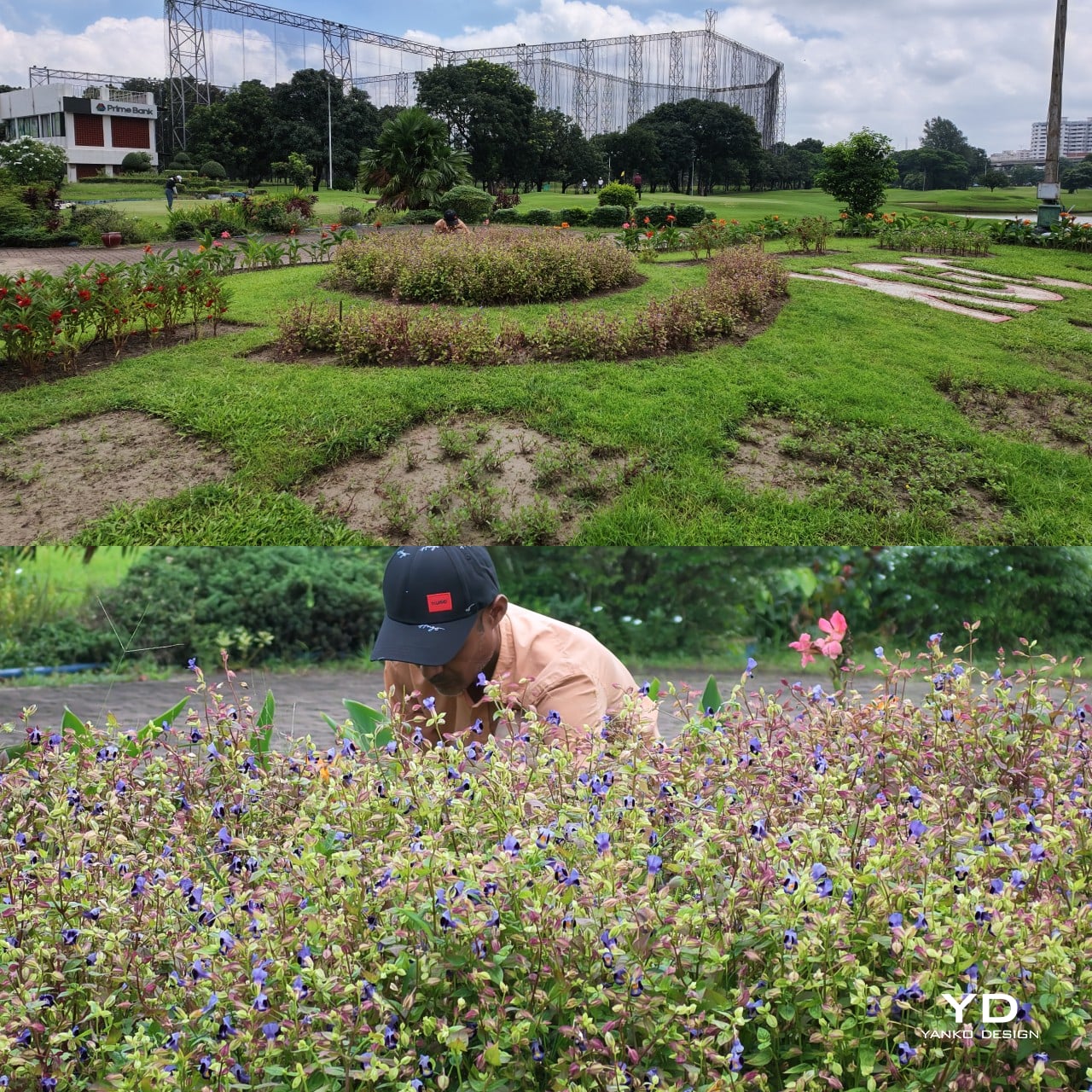
20mm, f/2.0 (Top) | 60mm, f/1.8, 3x zoom (Bottom)
Sustainability
There’s a practical case for the 4P being a more sustainable choice than it might first appear. A compact camera that handles wide landscapes, tight portraits, slow-motion action, and stabilized everyday shots is genuinely harder to outgrow. That kind of versatility tends to extend a product’s useful life, making it less likely that a single creative limitation will push someone toward a hardware upgrade they don’t actually need.
DJI’s ongoing firmware support has already added meaningful features since launch, including 10-bit HDR recording and auto media transfer to compatible iOS devices. The 103GB of built-in storage also means one less memory card to buy, lose, or eventually replace, and the broad accessory ecosystem lets the camera adapt to new shooting scenarios without requiring a full hardware upgrade. That’s a quieter form of sustainability, but a genuine one.
Value
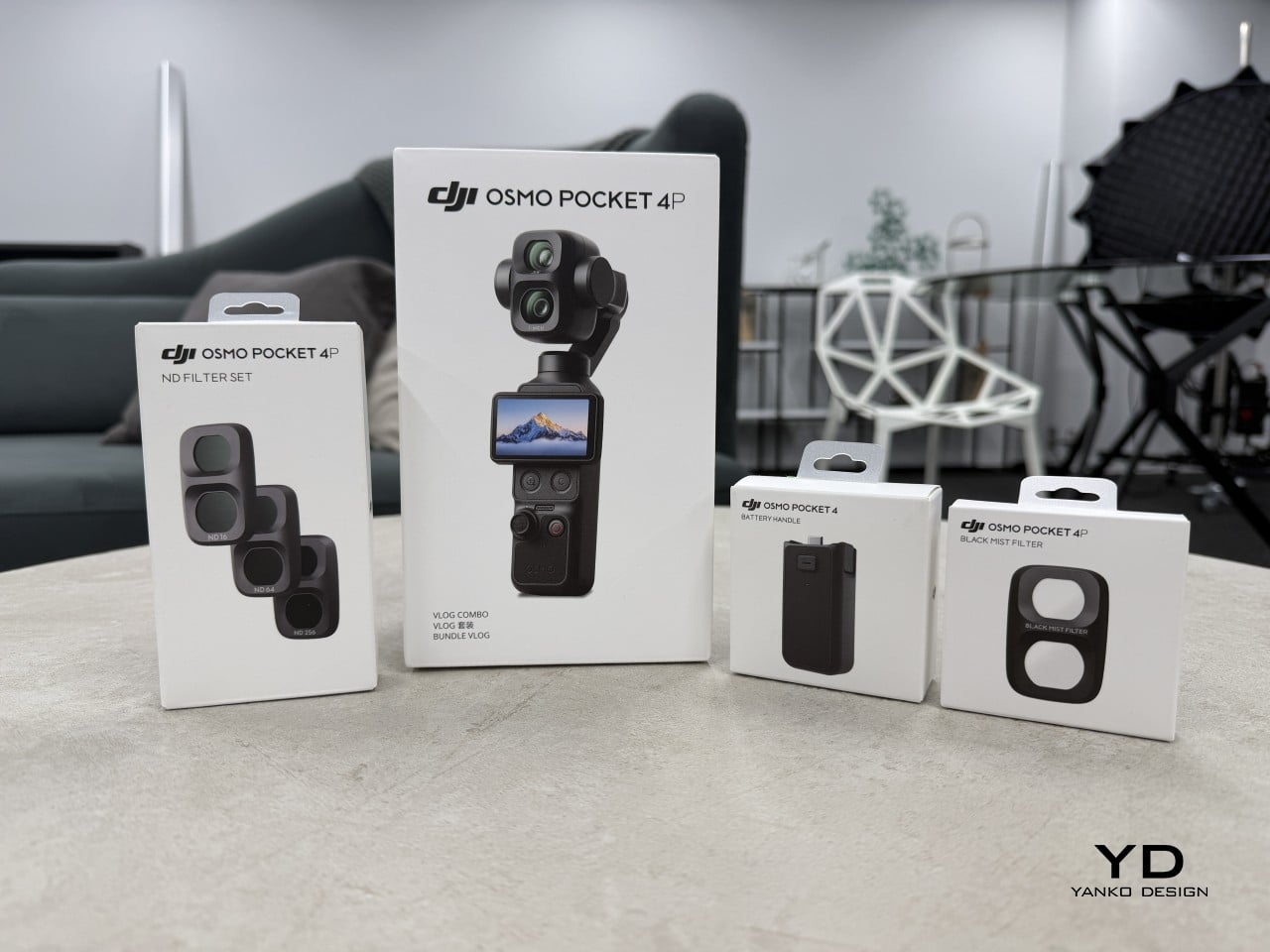
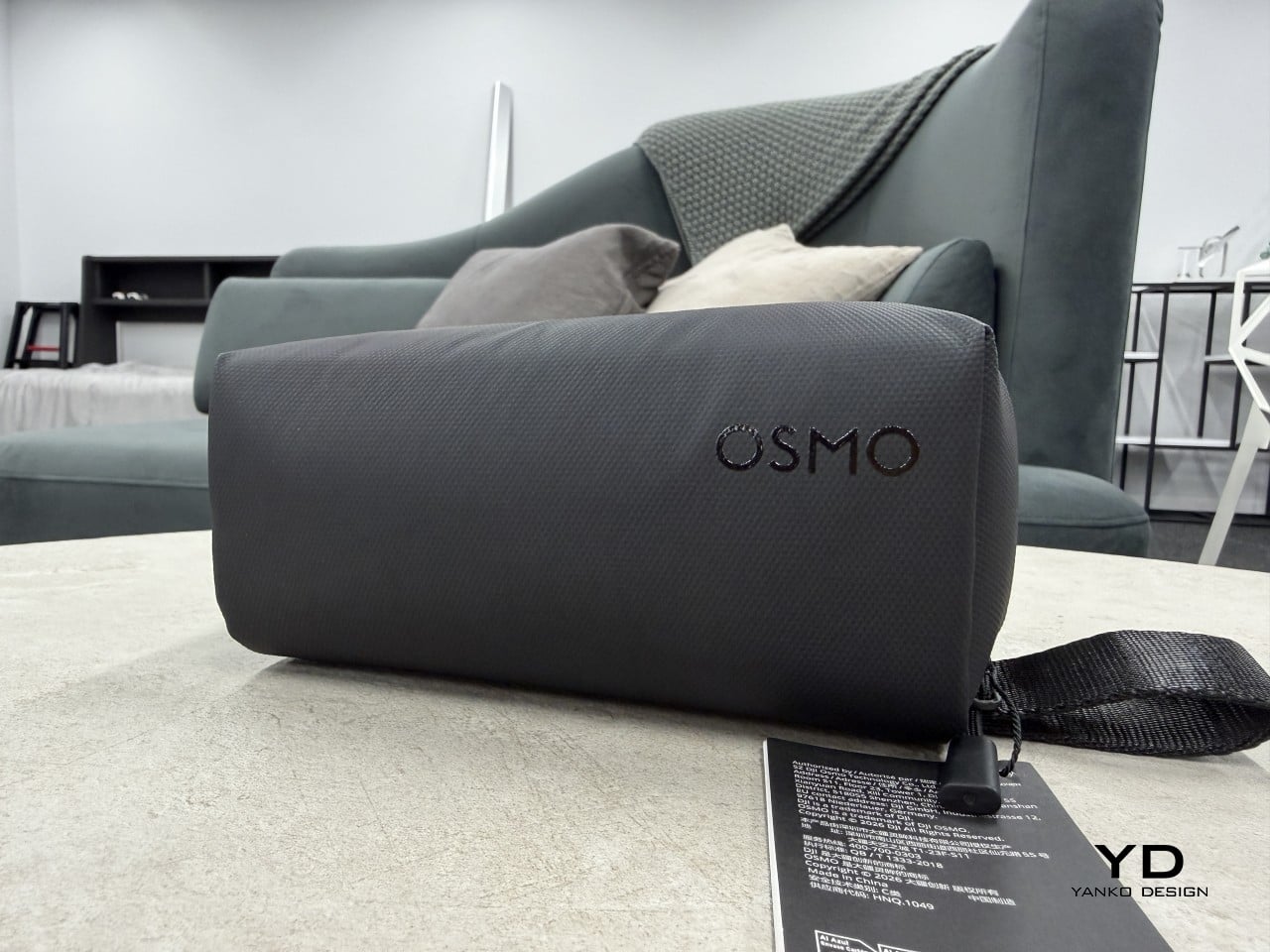
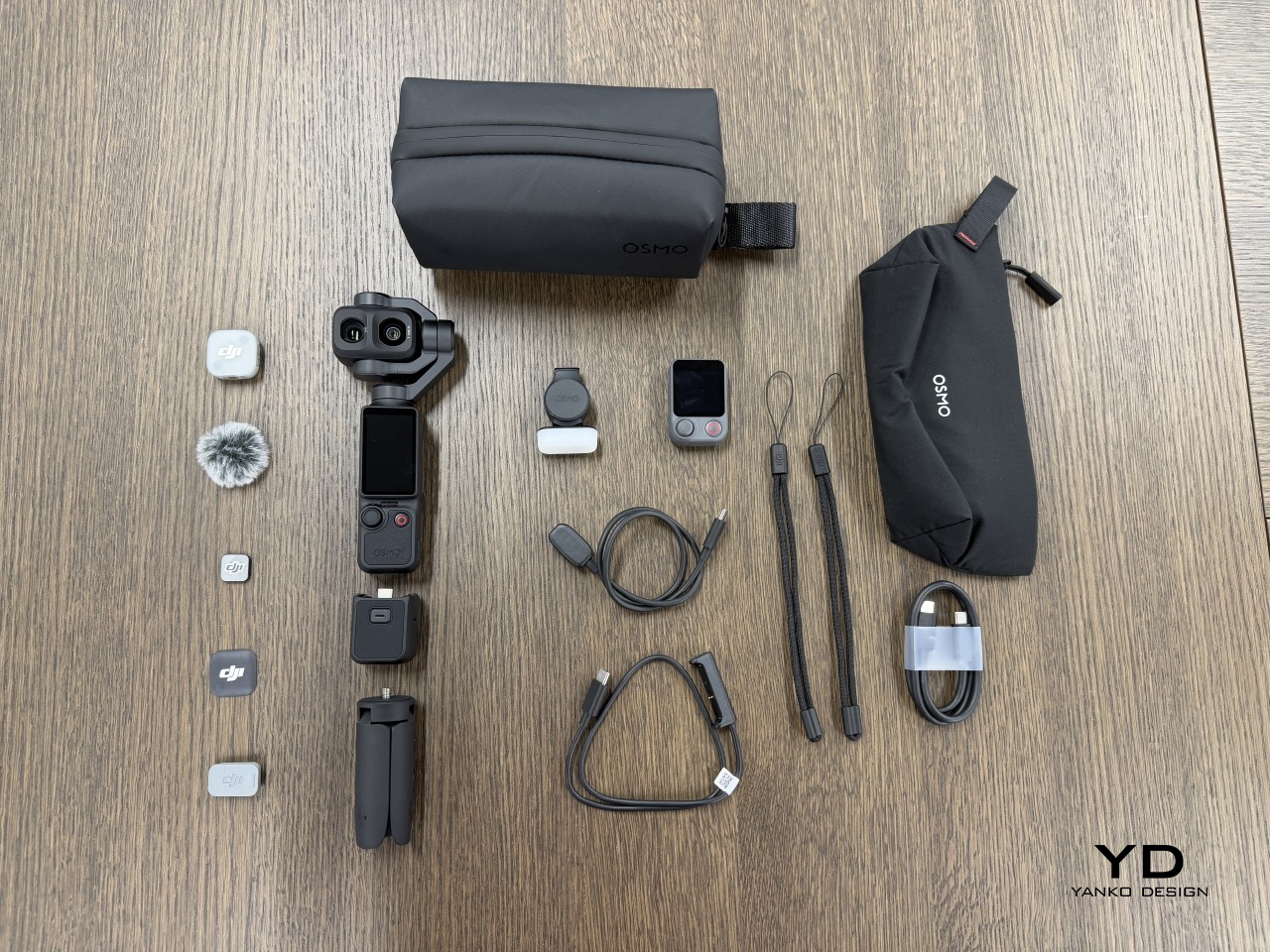
Although available solo, the Osmo Pocket 4P also comes in a Vlog Combo that packs significantly more than just the camera itself. The box includes a threaded handle, FrameTap remote with its own screen, fill light, DJI Mic Mini 2 wireless microphone, mini tripod, and carrying accessories. Pricing it as an assembled creator kit rather than a standalone camera body makes the overall cost feel far more proportionate to what’s actually being offered.
Compared to a smartphone, the Pocket 4P offers better stabilization and a more cinematic image. Compared to an action camera, it brings a portrait lens and a significantly more refined look. And compared to a mirrorless kit with a separate gimbal and microphone, it’s dramatically smaller and faster to deploy. It won’t replace a dedicated mirrorless setup in every scenario, but for most creators, it comes close enough to matter.
Verdict
What makes the DJI Osmo Pocket 4P worth noticing goes beyond better hardware or higher specs. DJI made a considered design decision to add a second lens that genuinely changes how the camera approaches perspective. That 60mm portrait focal length lets it tell more complete visual stories, handling the wide context shots and the tighter, more flattering moments that a single wide lens simply can’t manage as naturally.
For travel creators, vloggers, portrait-focused photographers, and anyone who’s wanted something that shoots more like a serious camera without the bulk, the Osmo Pocket 4P makes a genuinely strong case for itself. There are trade-offs, but they’re manageable, and the overall package in the Vlog Combo configuration is one of the more thoughtfully considered compact creator kits available right now. It’s a camera worth carrying, and more importantly, worth reaching for.