Retro gaming has grown into a legitimate market, but the original hardware it celebrates isn’t getting any younger. The Nintendo 64, now nearly 30 years old, runs on aging components that weren’t built to last indefinitely. Cartridge connectors wear out, capacitors degrade, and the console’s AV outputs don’t talk to modern televisions without adapters. Getting those games onto a screen today usually means compromising on something.
The ModRetro M64 is a new standalone home console designed to play original N64 cartridges on modern TVs, without emulation and without compromise. It doesn’t replicate the exterior of the original machine or rely on nostalgia alone as a design brief. Instead, it rebuilds the N64 experience from scratch, using contemporary hardware to deliver the accuracy that aging original consoles simply can’t guarantee anymore.
Designer: ModRetro
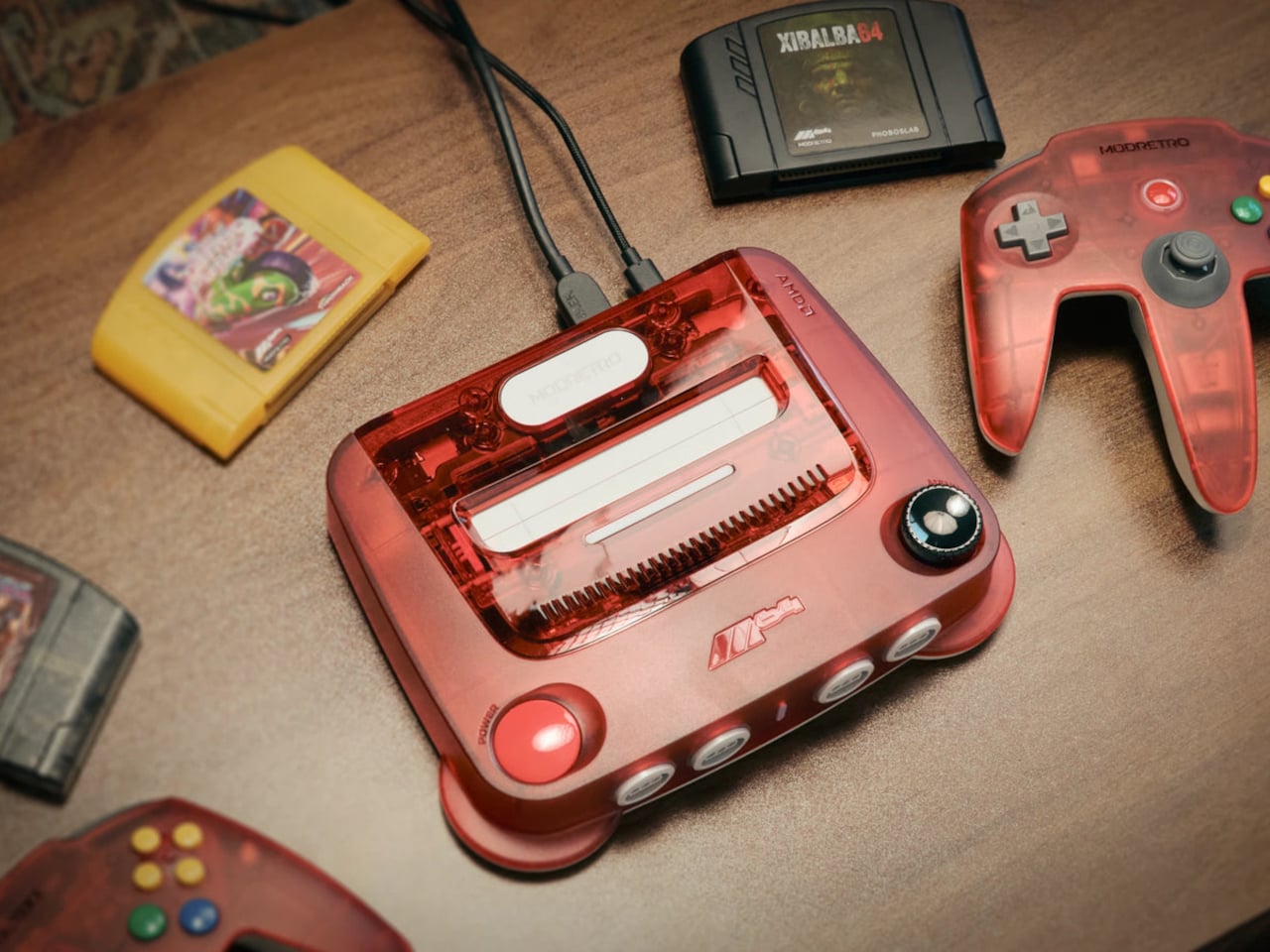

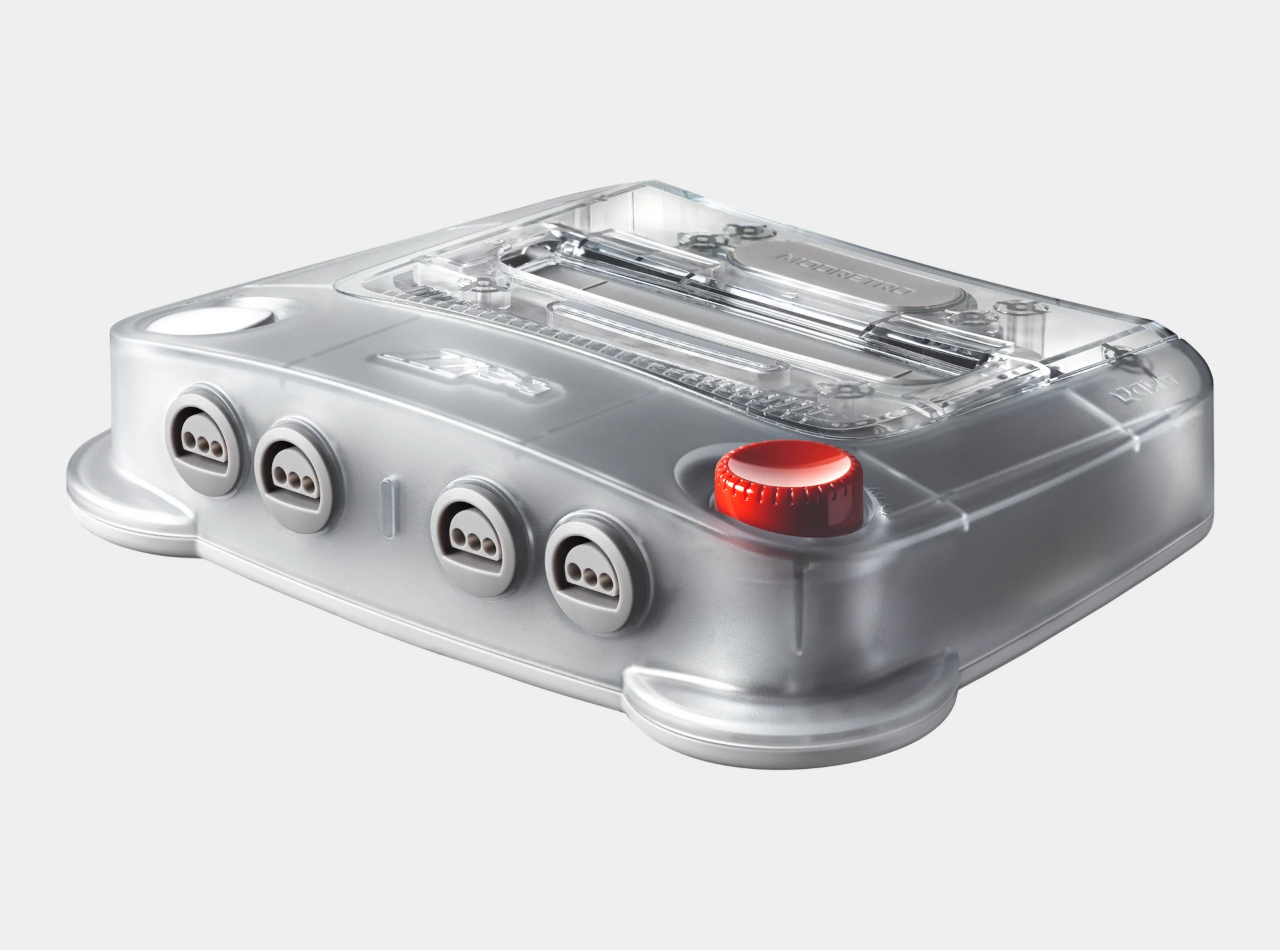

The technology enabling that accuracy is a 16nm AMD Artix UltraScale+ FPGA, which recreates the N64’s hardware at a fundamental level rather than interpreting it through software. Software emulation makes educated guesses about how games should behave, while an FPGA actually rebuilds the circuitry those games were written for. Gameplay timing and audio are identical to the original, and for anyone whose muscle memory is still intact, that precision is the whole point.
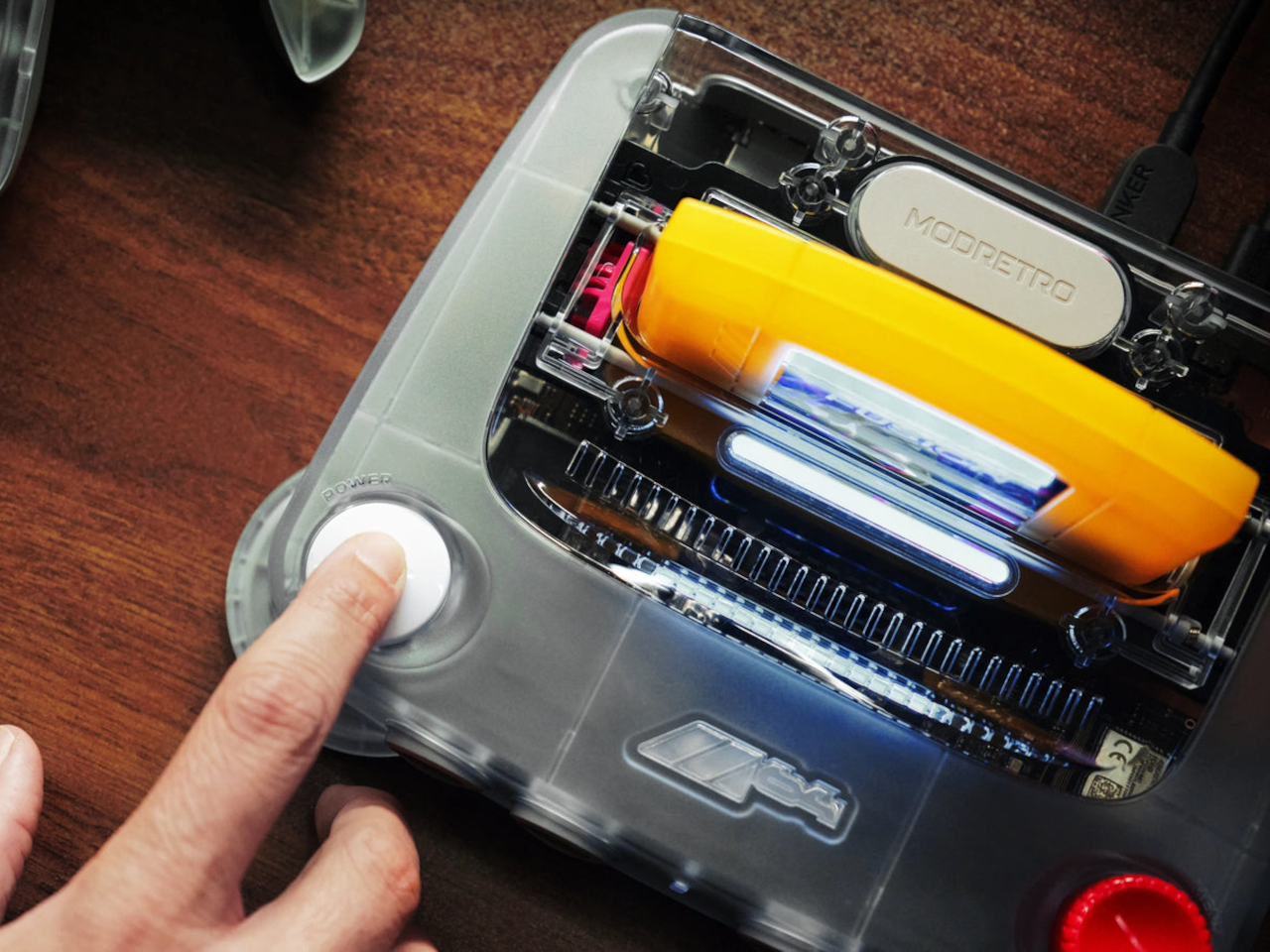
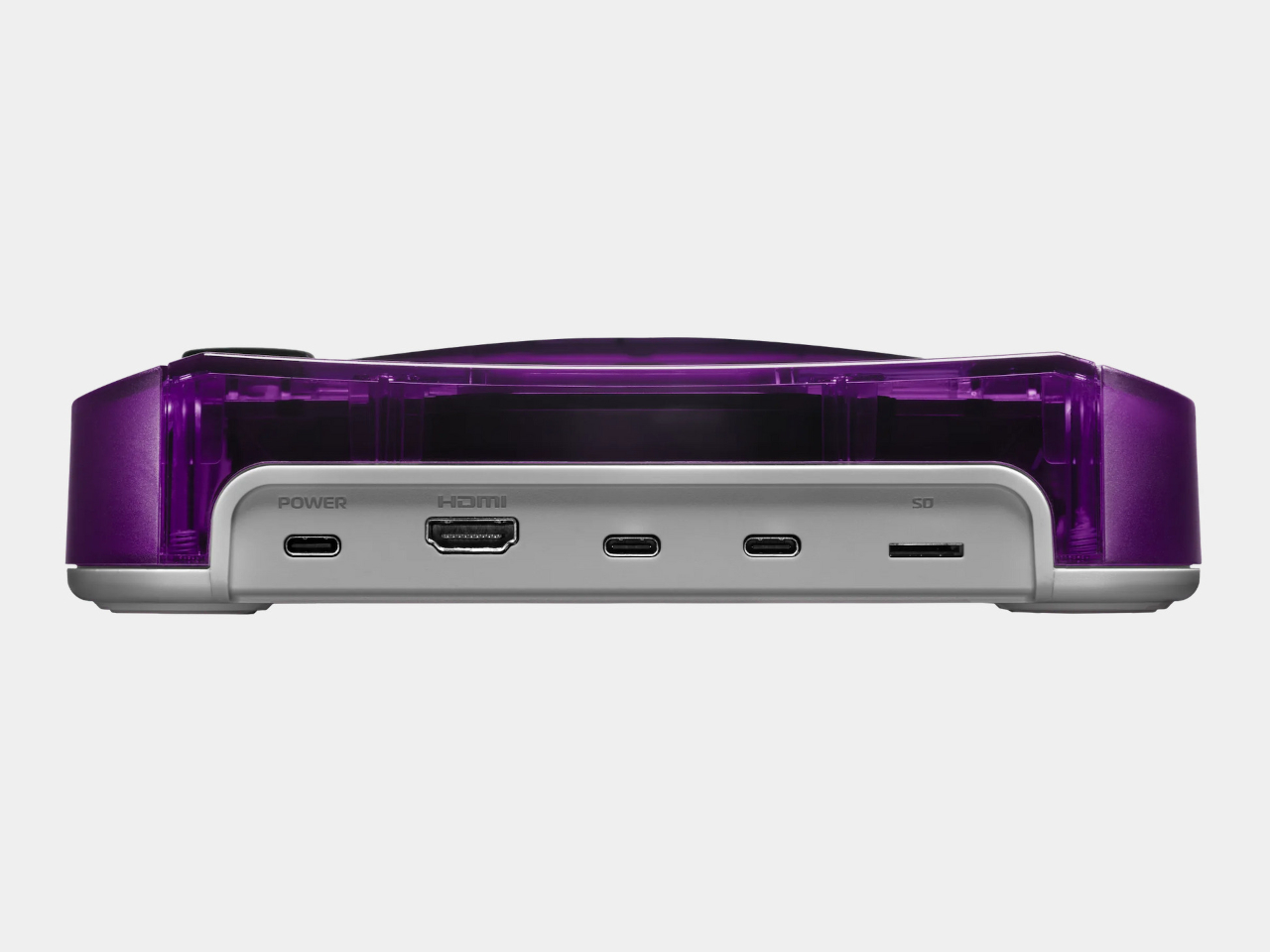
On the output side, the M64 connects via HDMI at 720p, 1080p, 1440p, or 4K, covering every modern display without compromise. Optional CRT filters and scanline effects are available for anyone who’d rather put something closer to the original look back on a flat panel. Overclocking modes are also included, giving certain games a bit more headroom than the original hardware could ever provide.
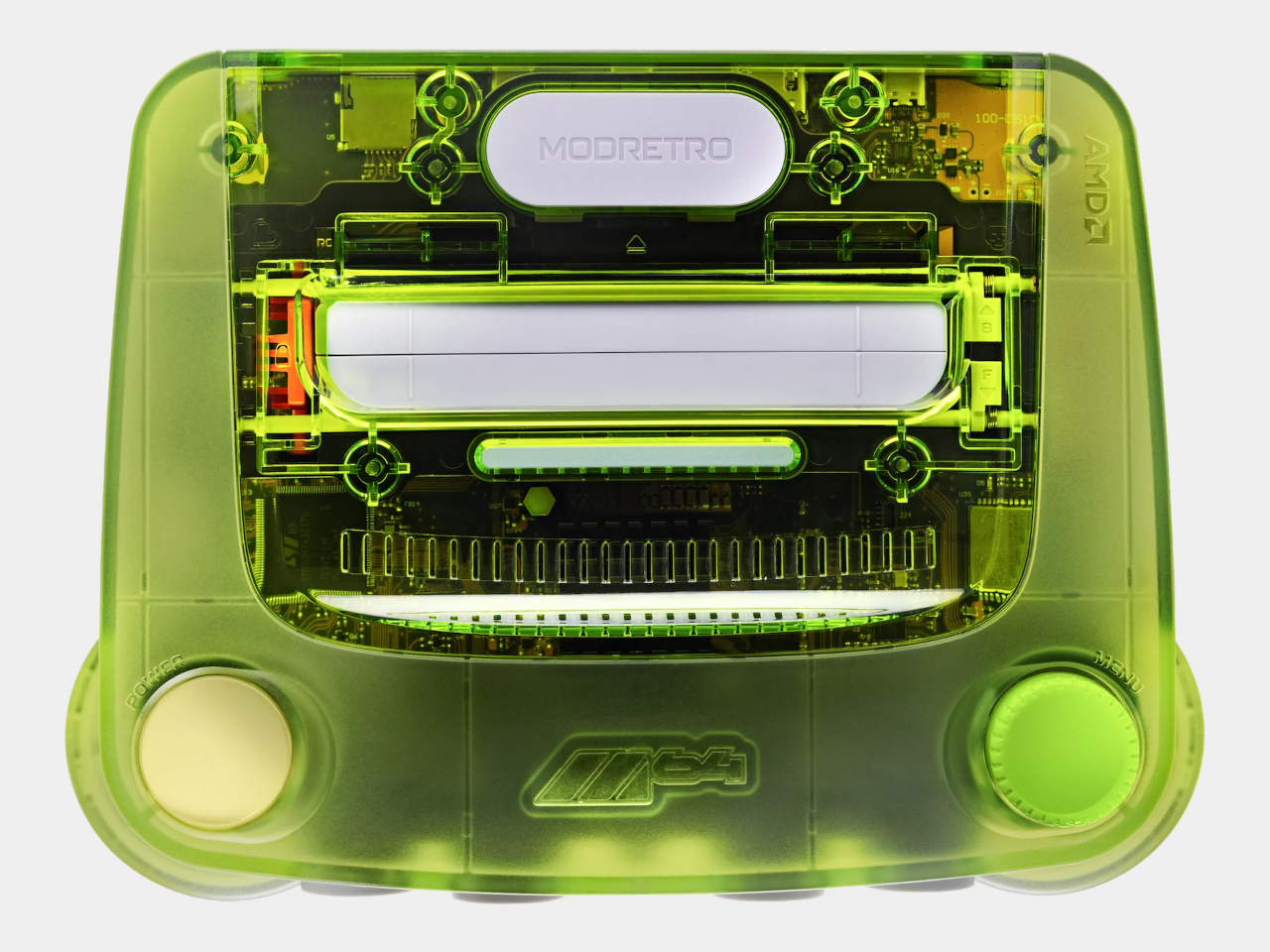
The console boots in roughly five seconds and gets straight to the game, with no logins or account screens in the way. Up to four controllers can be connected at once, making the split-screen multiplayer games that defined the N64 era immediately playable again. It’s the kind of setup that once required a living room full of people negotiating who got which controller.
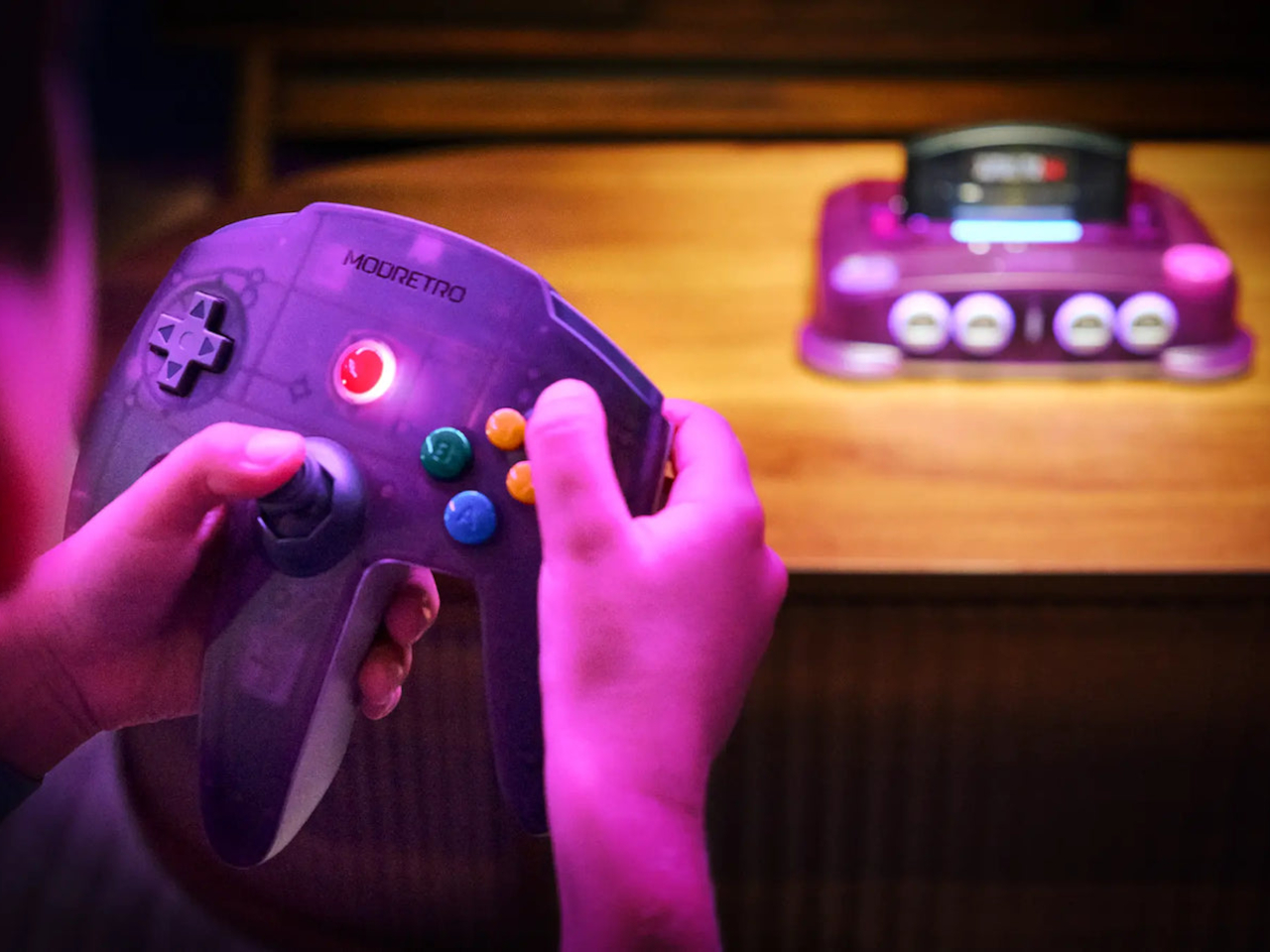
The M64’s design leans into transparency rather than replica styling. The dual-texture transparent shell is a deliberate callback to the translucent plastic era of the late 1990s, when seeing a device’s internals was its own kind of confidence. A built-in LED strip illuminates cartridge artwork from below with adjustable brightness, and a dedicated eject button makes swapping games quick and clean. At 1.6 lbs, it doesn’t demand much shelf space.
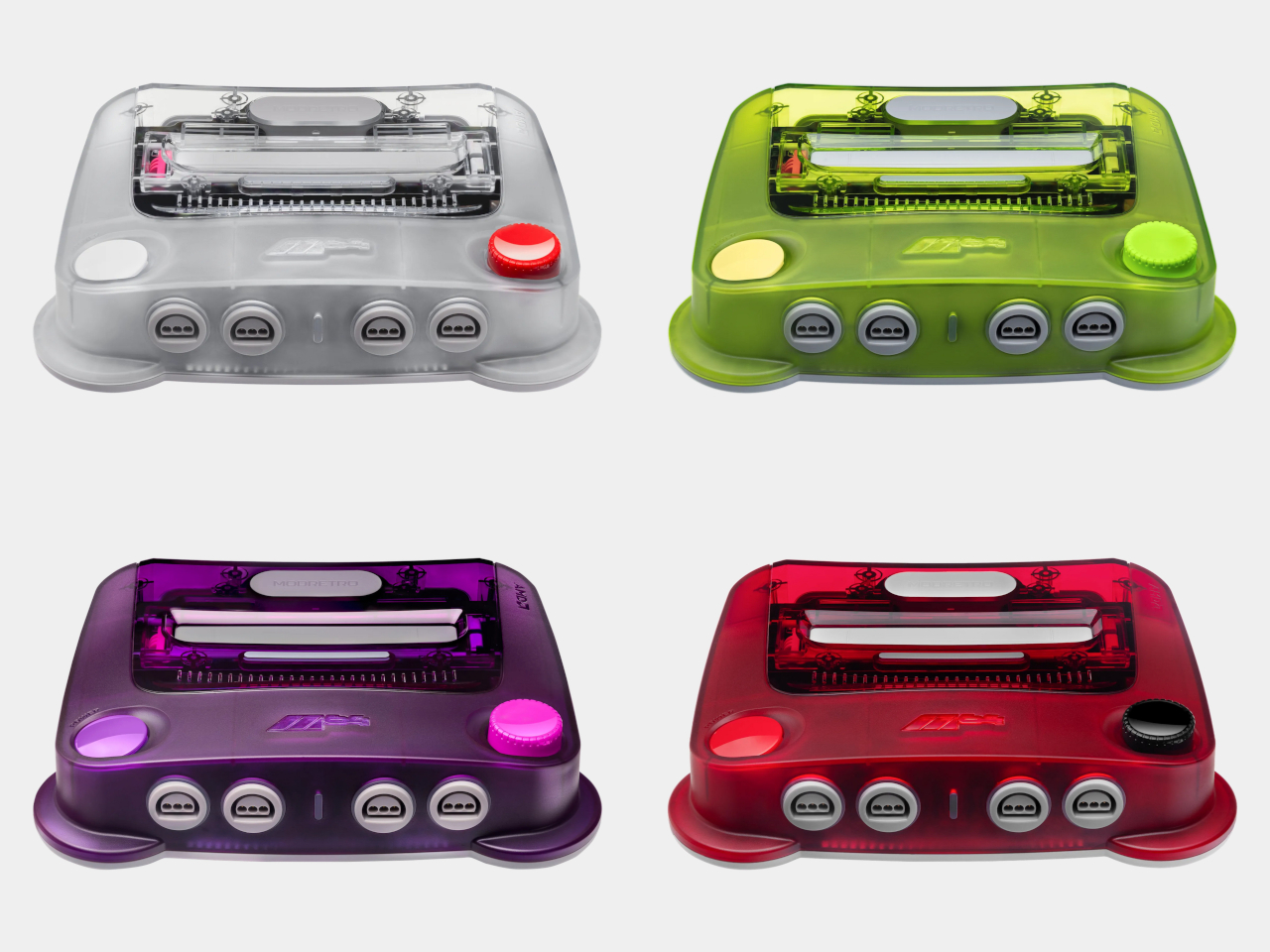
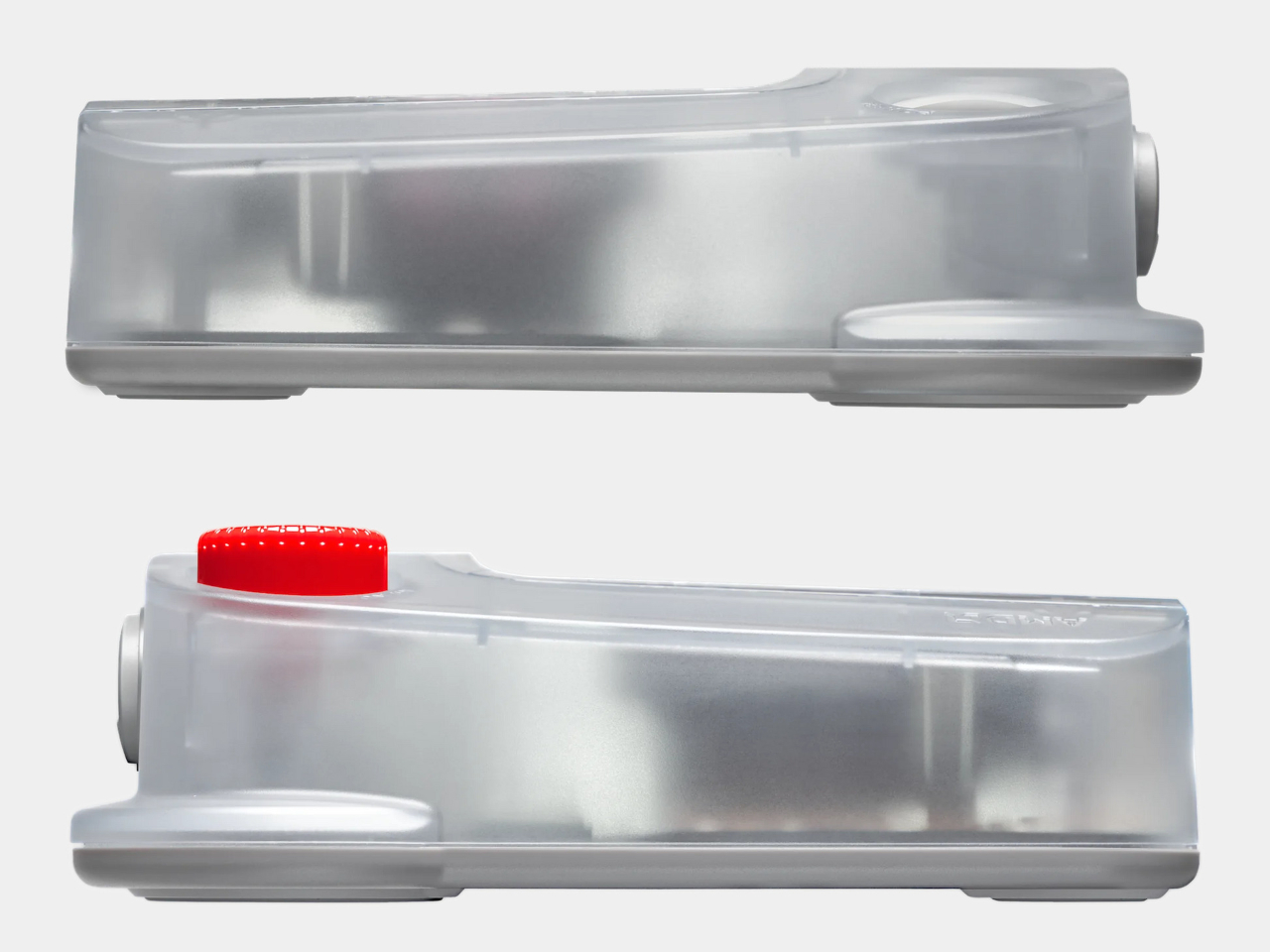
Firmware updates arrive over Wi-Fi or USB, meaning the M64 can gain new features and support for upcoming accessories well after purchase. The hardware contains no adhesives and is designed to be opened and repaired, with a fully open-source, mod-friendly architecture. The circuit board uses gold traces to resist corrosion and improve conductivity, a detail that points to a product built for longevity rather than a planned upgrade cycle.
The box includes the M64 console, a pre-installed 16 GB SD card, a multi-region power adapter, and a power cable; no controller is bundled in, but original N64 controllers and several modern third-party options all work through the four controller ports. The M64 is priced at $229, which isn’t an impulse buy, but for anyone with a box of cartridges waiting somewhere, it’s the machine that makes sense of them.