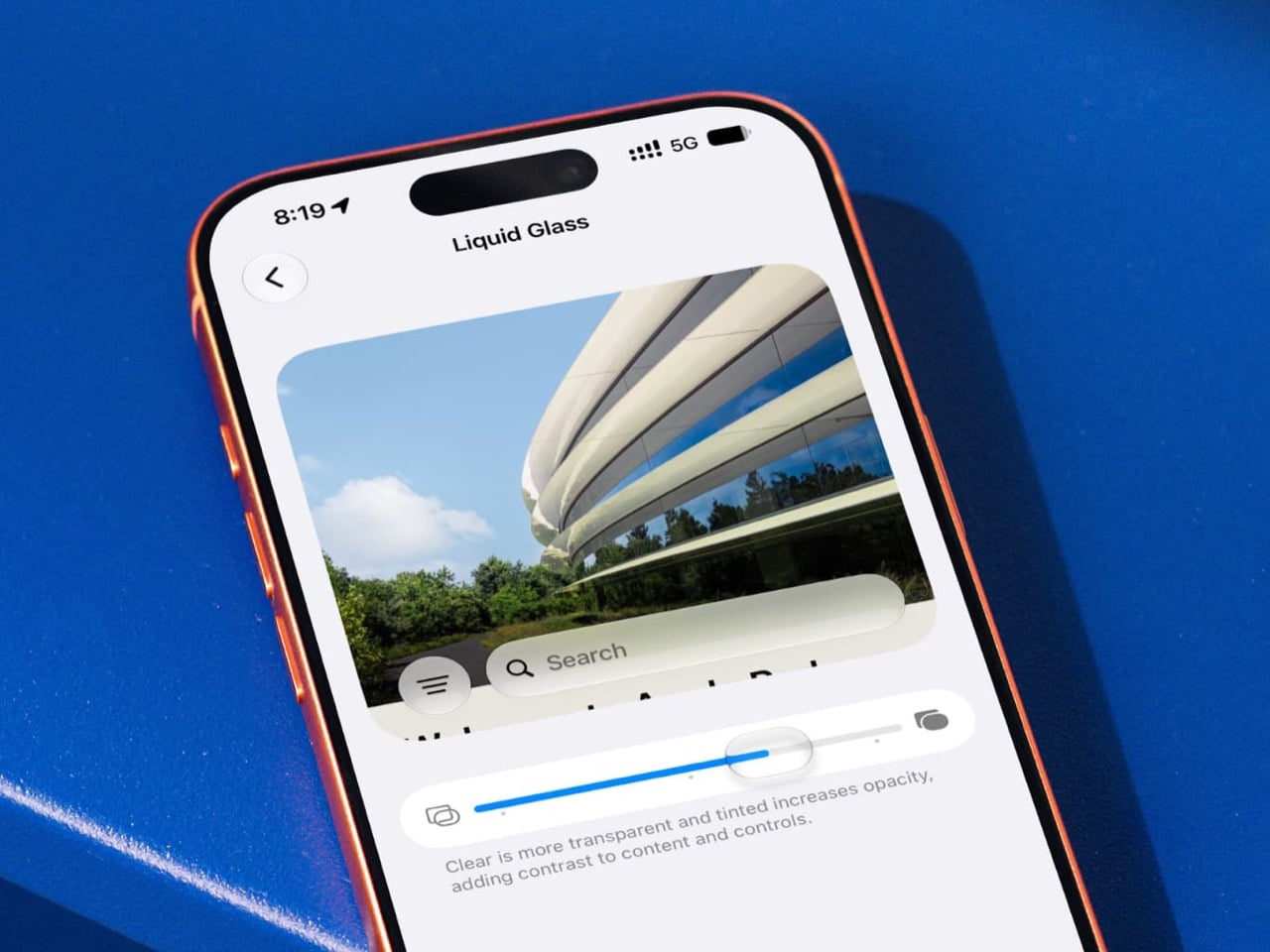

If Liquid Glass is the face of iOS 27, the intensity slider is the part that decides whether that face is wearing reading glasses. Apple never showed it during WWDC 2026, even though it may be the most visually crucial control in the entire redesign. This one setting lets users adjust the strength of the transparency effect system-wide, which means it directly shapes readability, contrast, depth, and the overall vibe of Apple’s biggest interface experiment in years.
That makes its quiet arrival in the public beta feel kind of wild. Apple presented Liquid Glass as a confident design statement, but the slider reveals something more interesting, a design system with a built-in self-correction mechanism. Suddenly the story is not only about what Apple announced on stage. It is about what Apple had to add once the software met real screens, real eyes, and real people who do not want their Control Center looking like a soap bubble.
Designer: Apple


Six weeks separate the WWDC 2026 keynote from iOS 27 Public Beta 2, and in software terms, that is enough time for a lot to shift. Public Beta 1 landed July 13 with the slider and a Siri AI rollout to general users. Beta 2 followed on July 22 with speed improvements, a Screen Time overhaul, and more. Together they paint a picture of iOS 27 that looks noticeably different from what Apple demoed at Apple Park in June.
App icons have been getting the same quiet treatment. Beta builds are shipping with re-layered icons that carry more visual depth than what showed up on stage, tweaking how the foreground and background elements of each icon interact with the glass effect behind them. It reads as subtle in a screenshot and feels significant once you are actually navigating the phone. The whole system carries a different visual weight than the keynote suggested.
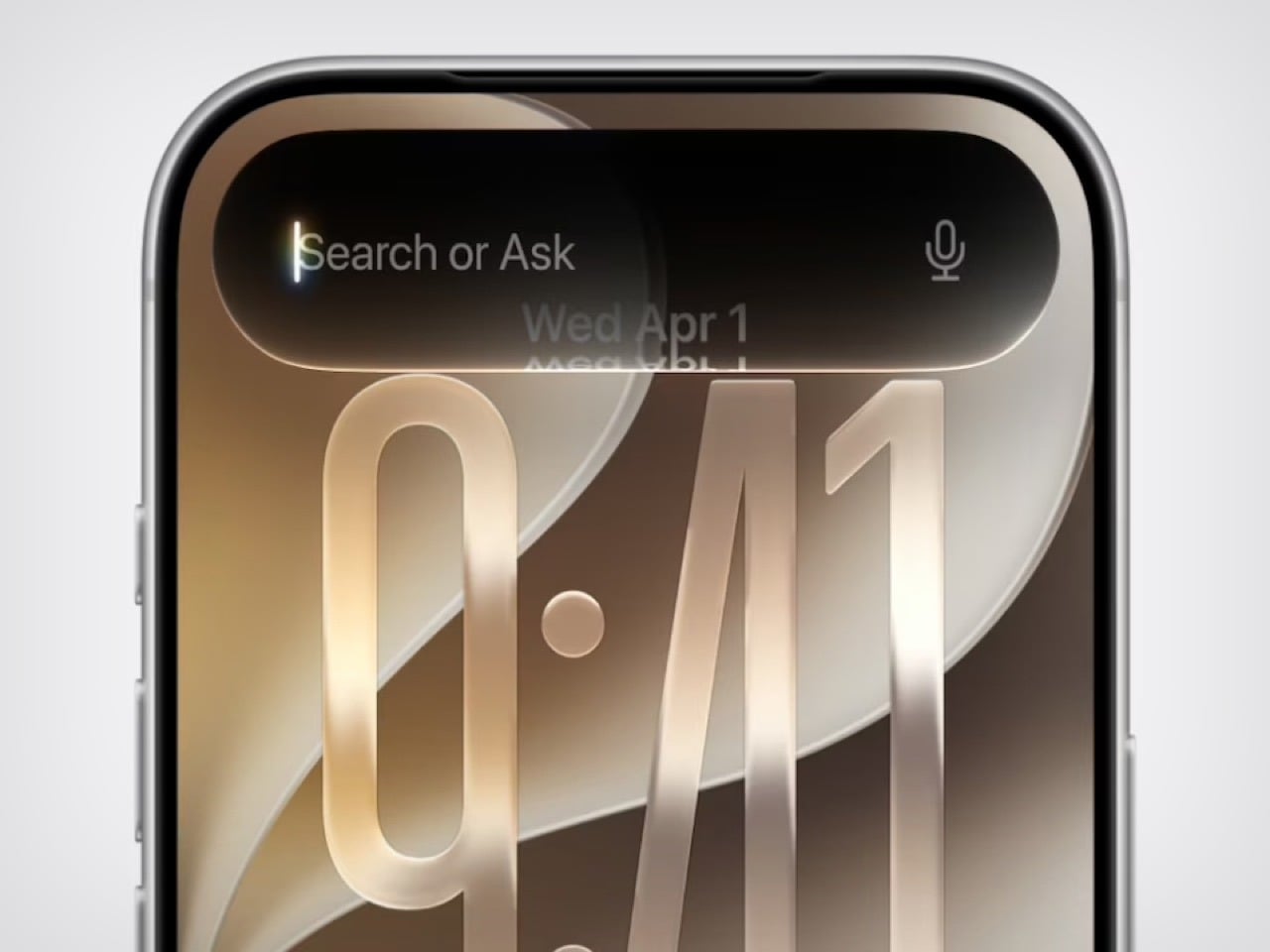
Apple built Siri AI on Google’s Gemini, and that partnership is the backbone of the biggest headline in iOS 27. The revamped assistant can hold context across apps, answer open-ended questions, and dig into your emails, messages, and photos to surface relevant information, putting it in genuine competition with ChatGPT and other conversational AI tools for the first time. What the keynote mostly skipped was how that Gemini handoff surfaces visually inside Siri’s UI, what the latency actually feels like, and how different it is from the ChatGPT integration Apple shipped in iOS 18.
Thirty percent faster app launches, 80% faster AirDrop, 70% faster Photos capture loading. Apple is putting some big performance numbers on the table, benchmarked against an iPhone 11 Pro Max running iOS 26.4.2, which is more specific than the usual “up to” framing with nothing behind it. Whether those gains hold on newer hardware in real daily use is still something beta testers are working out.
macOS 27 Golden Gate is running the same play in parallel, bringing Liquid Glass refinements to the desktop and putting Siri AI inside Spotlight. It also becomes the first macOS to fully drop Intel support and retire Rosetta 2, which is its own headline for a different day. For anyone designing or building for Apple platforms, September is the target, when the stable release lands alongside the iPhone 18 lineup. The betas are the closest thing to a final spec sheet right now, which makes that quiet little slider a pretty loud signal about where Liquid Glass is actually headed.