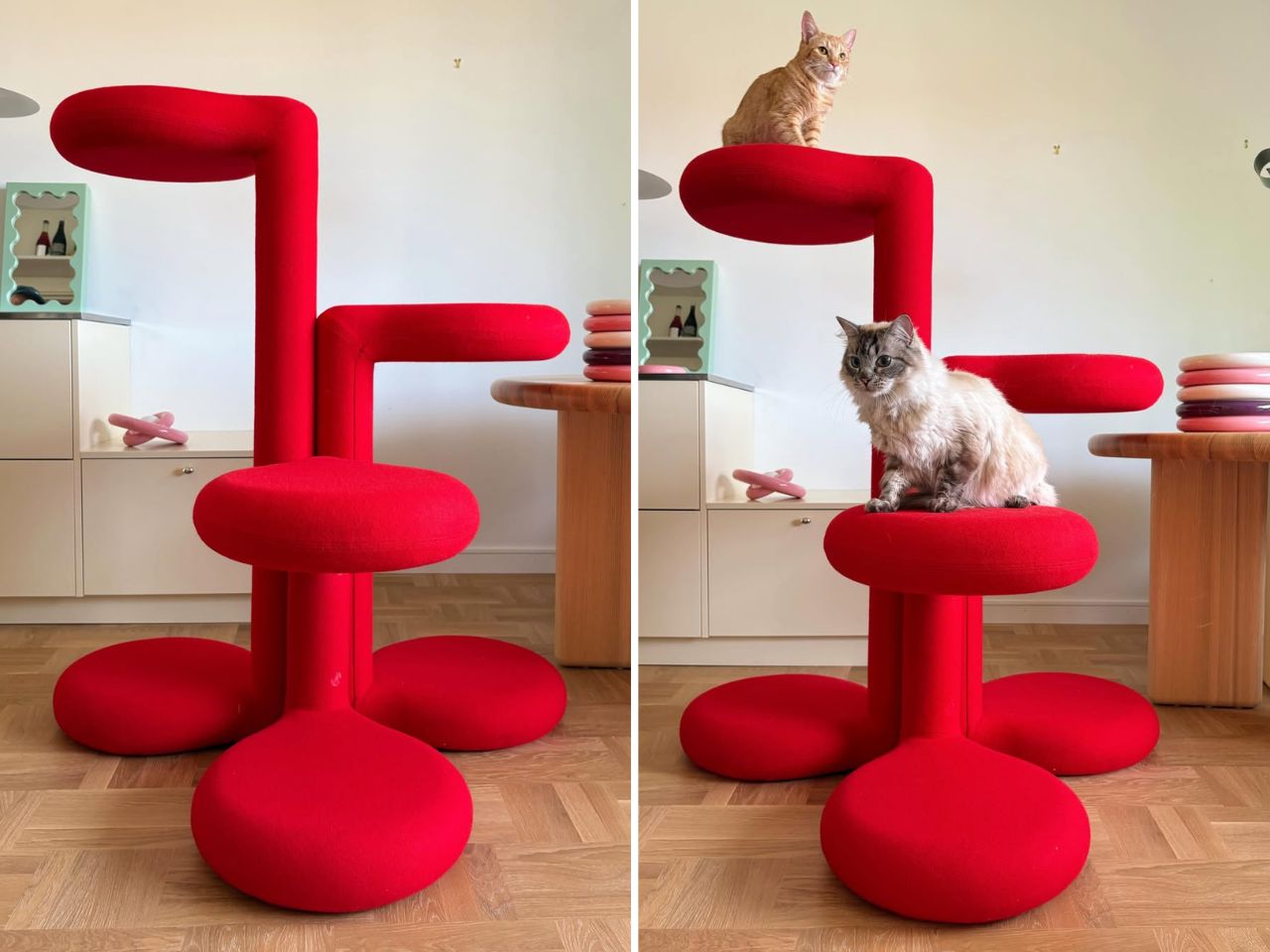

Pet design has spent years stuck in a holding pattern, functional at best, forgettable at worst. The objects built around our animals have rarely been held to the same standard as everything else in a considered home. That’s beginning to change. A new generation of designers is approaching pet products the same way they approach anything else, asking harder questions about form, material, and what the thing is actually trying to do.
What unites these five is a refusal of the usual trade-off. You shouldn’t have to choose between a home that looks intentional and a home that works for your animal. The best pet products start from that premise and find solutions that serve both sides with the same formal intelligence you’d expect from any well-considered object. When a product stops being something you manage around, it becomes something you’re genuinely glad to have.
1. Chunky Cat Tree
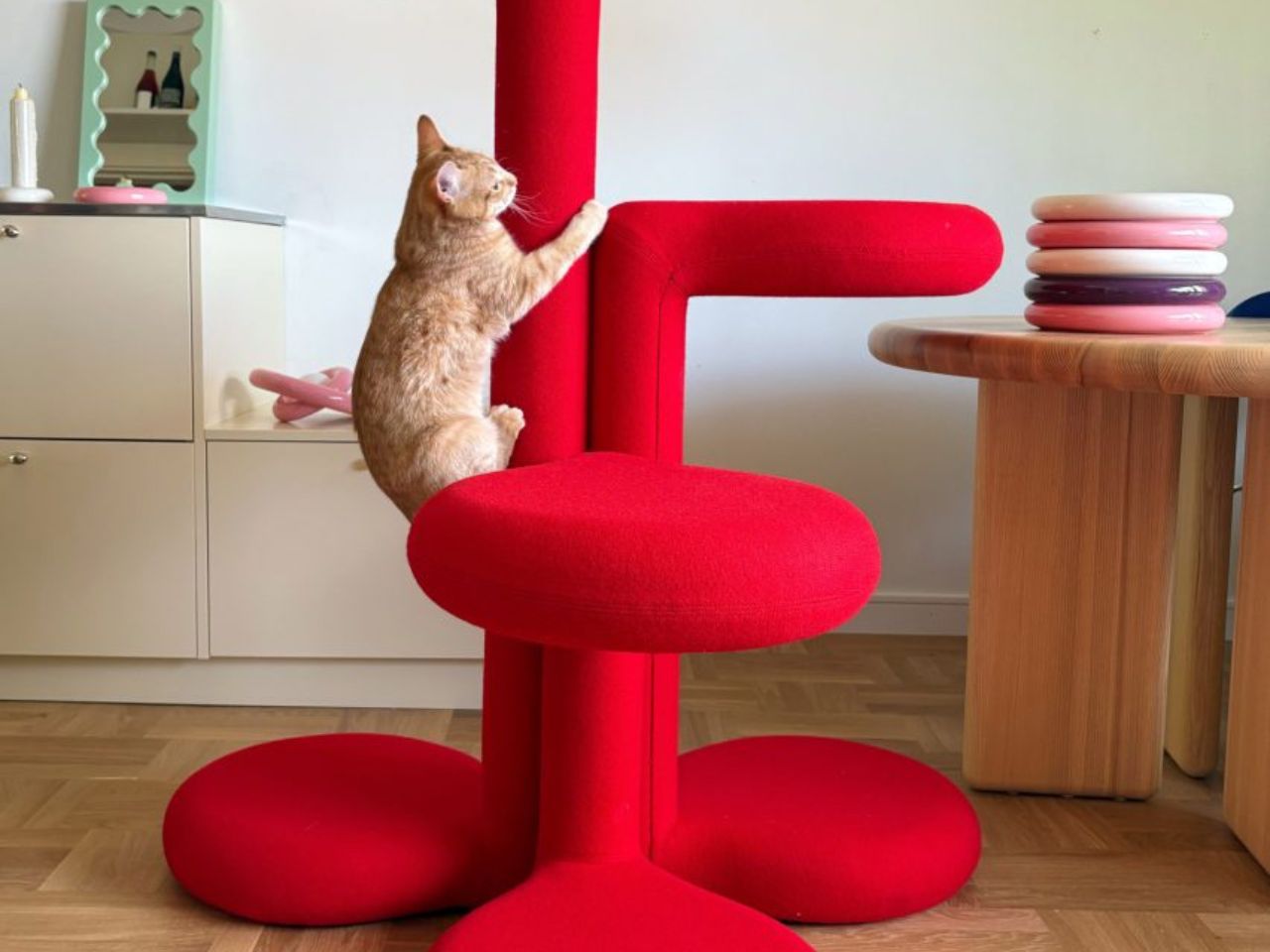
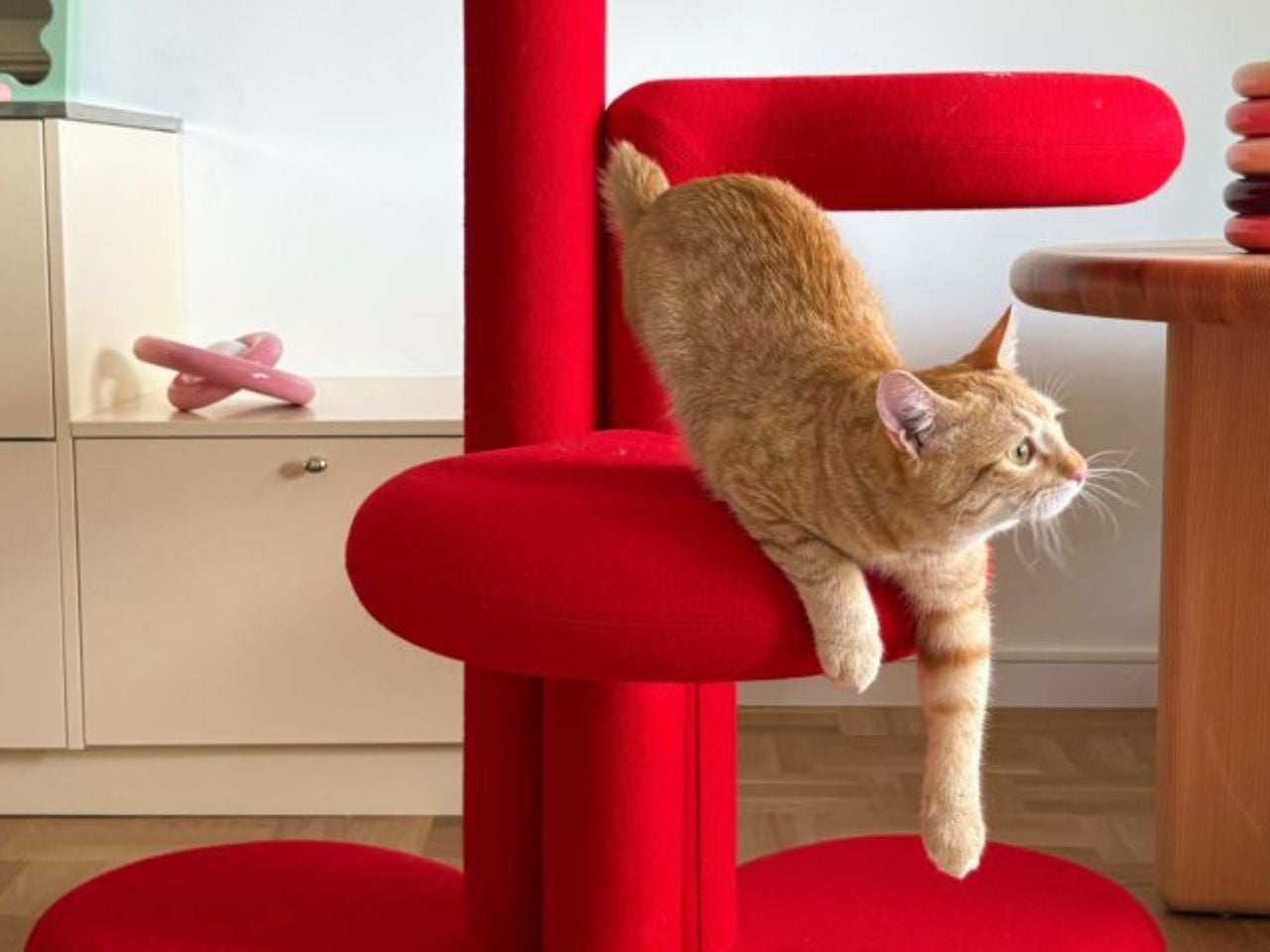
Gustaf Westman has spent his career making objects that stop you mid-room. The Swedish designer’s signature vocabulary, rounded forms, chalky pastels, and a cheerful materiality that makes things feel considered without feeling serious, translates to cat furniture with surprising ease. His pieces don’t ask to be hidden. They ask to be placed. A climbing structure in the Westman language becomes something you actually want in your living room, which is a genuinely rare thing to say about anything designed for a cat.
For cat owners who have spent years tolerating carpet-covered towers tucked behind sofas, this is the product that changes the terms. You stop hiding the furniture and start displaying it, and that shift benefits the cat as much as the room. A well-placed, structurally interesting object is exactly what a cat will engage with rather than ignore. The benefit for you is a home where the animal’s things no longer undercut everything else you’ve worked to make look good.
What we like
- Westman’s palette and rounded forms integrate into a styled interior rather than competing with it
- Treats cat furniture as a genuine design object worthy of deliberate placement
What we dislike
- The distinctive aesthetic is specific enough that it won’t suit every interior equally
- Pricing and availability may limit access for most cat owners
2. Gaenim Cap
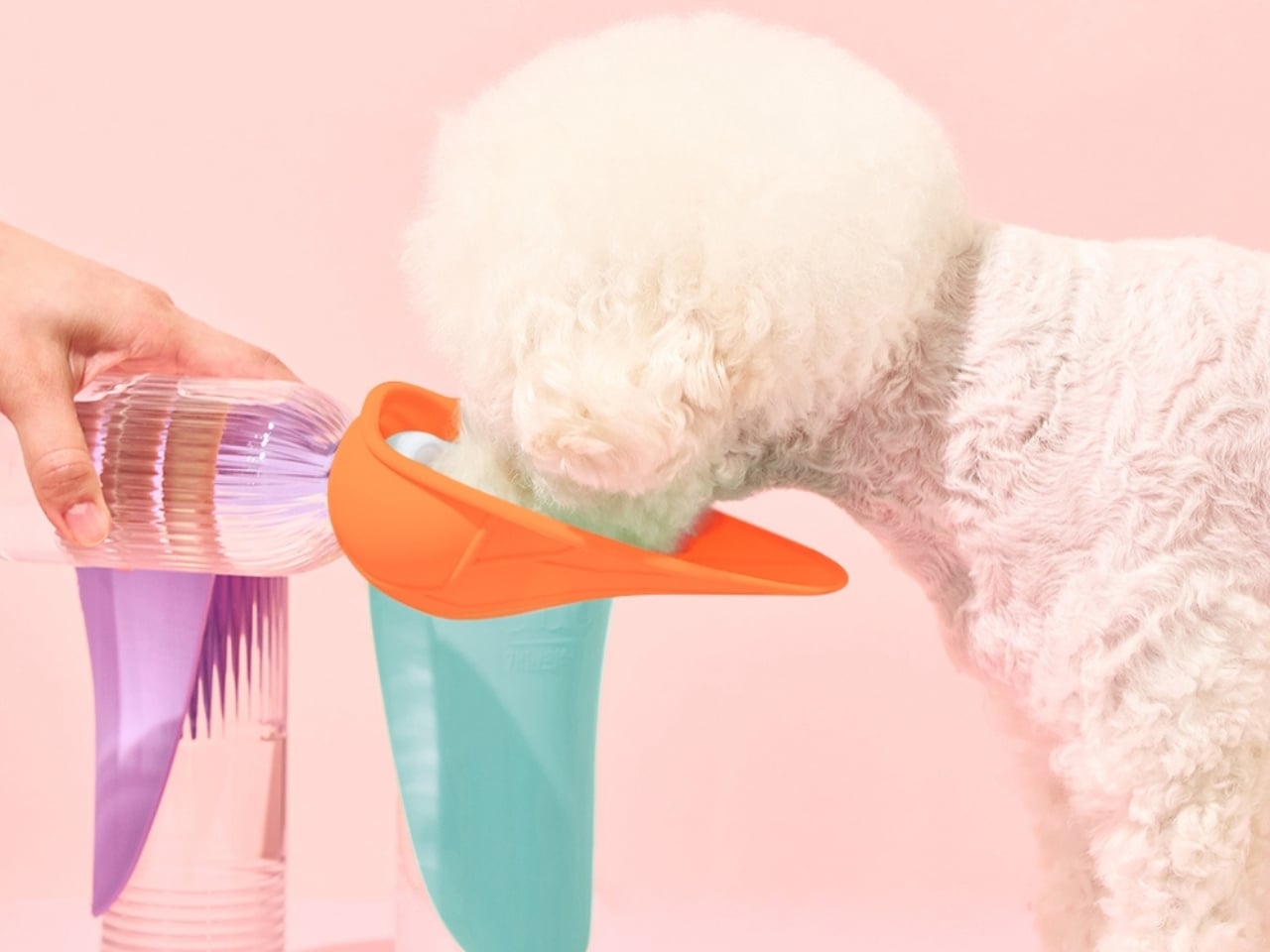
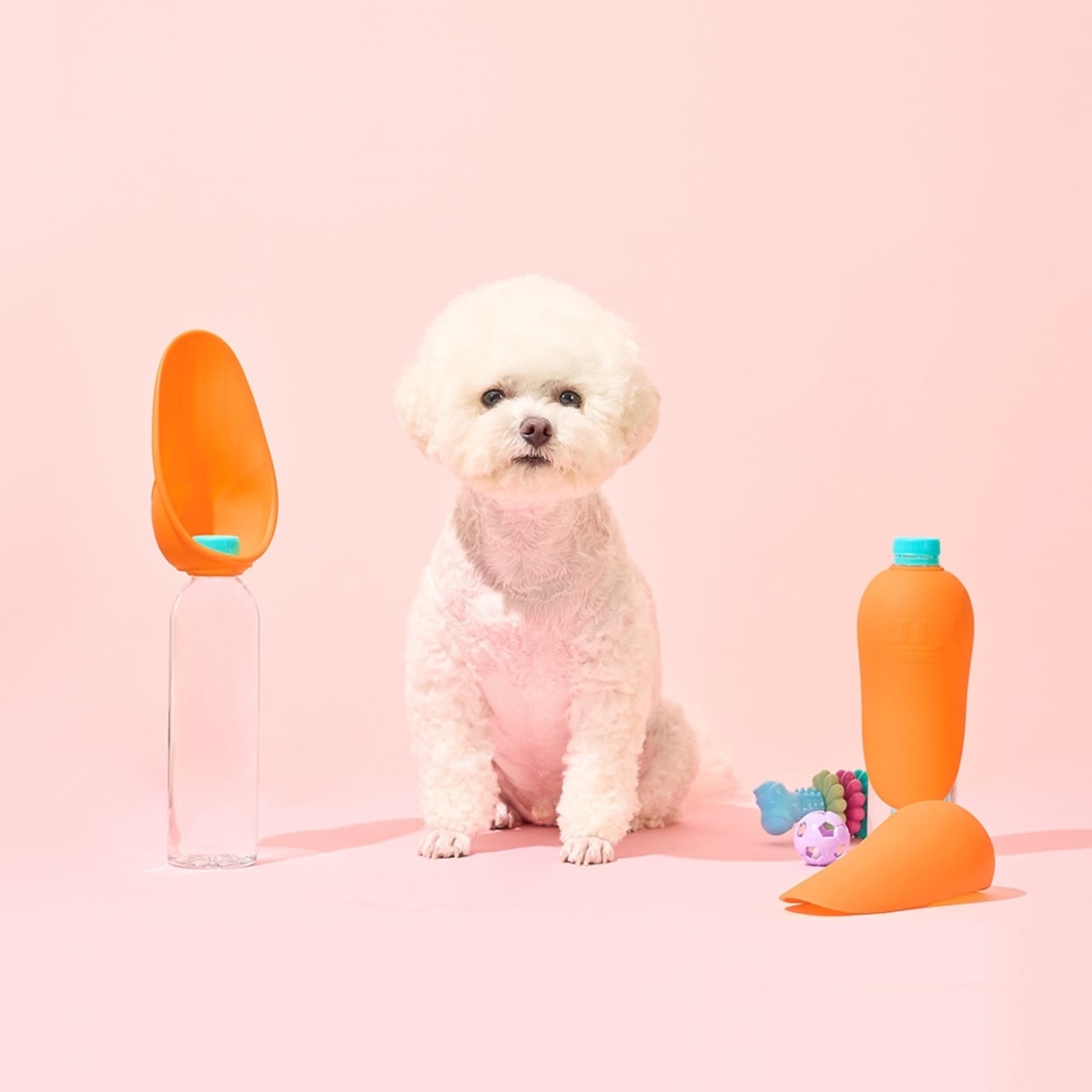

There is a specific kind of design satisfaction reserved for solutions so obvious you wonder why they took this long. A bottle cap that converts any standard water bottle into a pet drinking vessel is exactly that. Thread it onto a bottle you’re already carrying, tilt, and a small reservoir fills for your dog or cat to drink from. At $9, the price becomes part of the argument. This earns its place not through complexity but through the sheer clarity of the idea.
What makes it interesting from a design perspective is what it doesn’t do. It doesn’t add bulk, require charging, or introduce a new object into your bag. It simply replaces the cap on something you’re already carrying. For anyone who walks their dog, hikes, or travels with animals, this is the kind of thinking that makes a product genuinely useful rather than just thoughtfully packaged. The solution is in the reduction, and that’s exactly how it should be.
What we like
- Replaces an existing object rather than adding a new one to your kit
- The $9 price makes it genuinely accessible without compromising the design logic
What we dislike
- Works best with standard bottle threads; compatibility may vary across certain brands
- The bottle determines the reservoir size, so larger dogs may need multiple refills on longer walks
3. GlocalMe Pet Phone
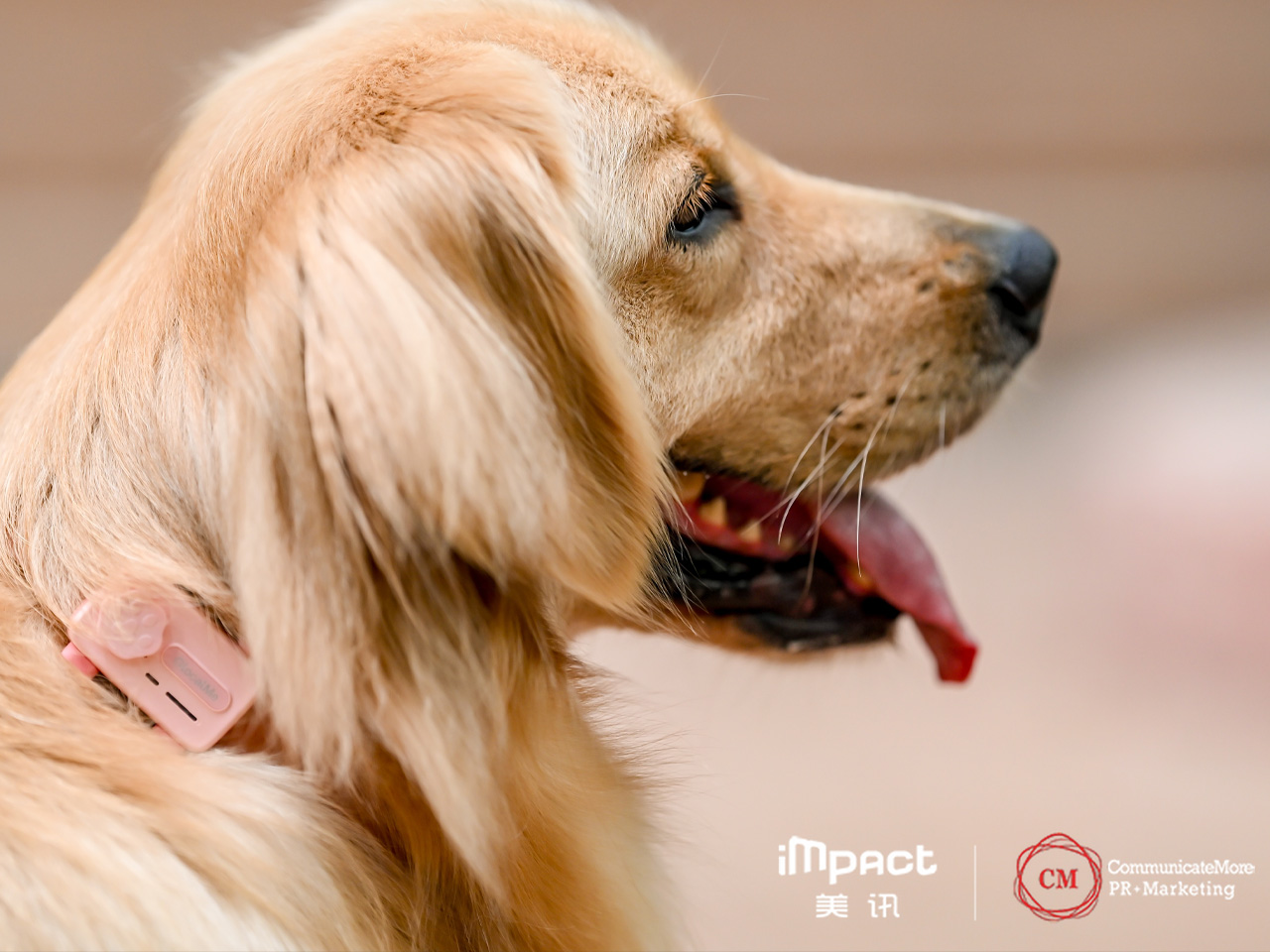
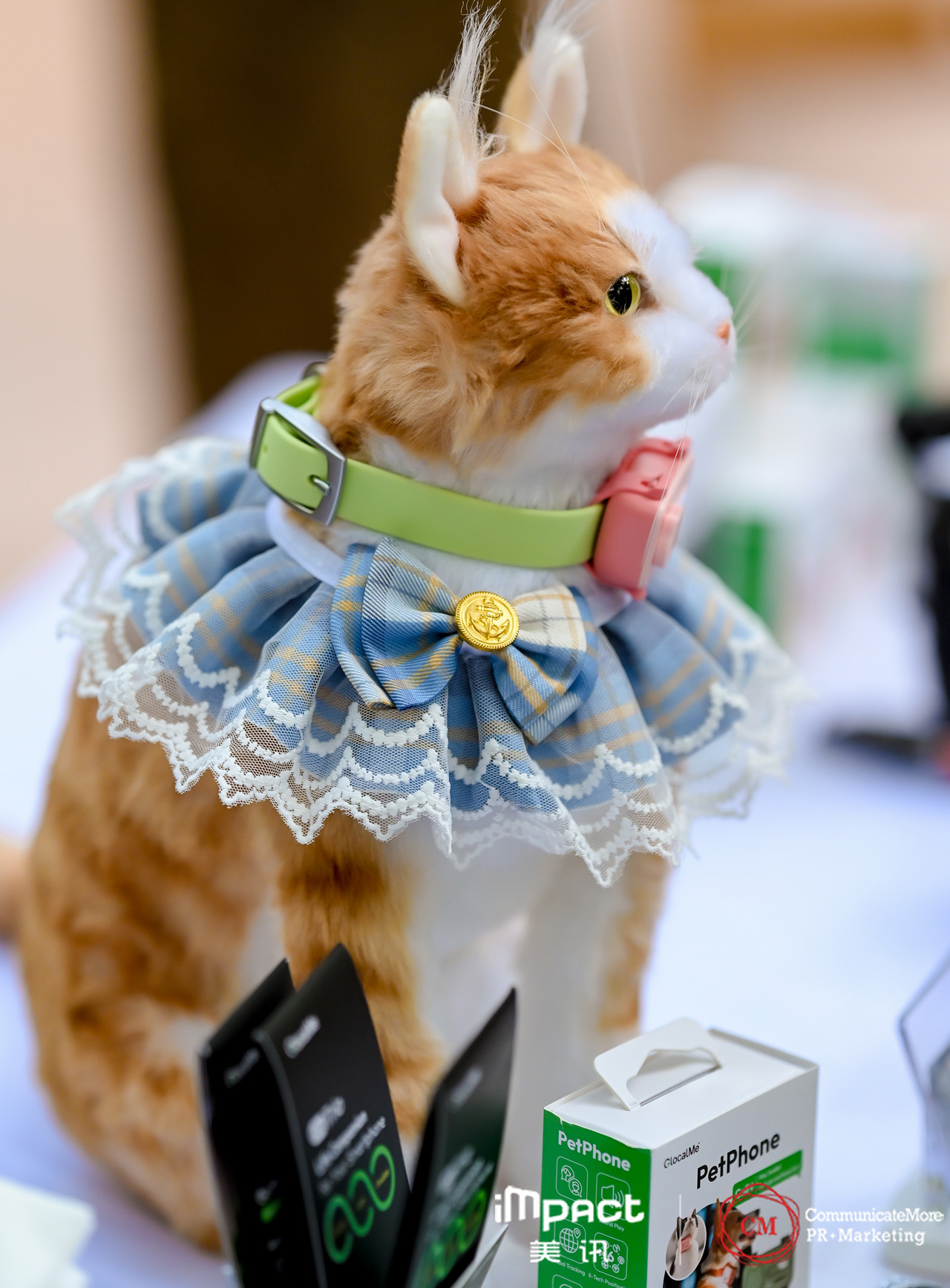

The conceptual leap here is significant. Rather than building pet monitoring features into a companion app or a smartwatch extension, this device treats pet care as a dedicated platform in its own right. A smartphone-like form factor designed exclusively around tracking, monitoring, and caring for your animal brings a level of focus that tacked-on app features cannot match. Health metrics, location, behavioral patterns: it consolidates what would otherwise be scattered across multiple apps into a single, considered object.
The design argument is also about the owner’s relationship with the device itself. When your animal’s care lives in its own dedicated interface rather than competing with your notifications and social feed, the interaction changes. You’re not checking on your pet between emails. You’re engaging with something purpose-built, which makes the monitoring feel intentional rather than incidental. For a generation of pet owners who treat their animals as dependents, that distinction is exactly the kind of thinking that earns product loyalty.
What we like
- Consolidates pet health tracking, location, and care into a single dedicated device
- The purpose-built interface makes monitoring feel intentional rather than an afterthought
What we dislike
- A dedicated device means another screen to charge and update alongside your existing tech
- Works best for single-pet households; multi-pet scenarios add layers of complexity
4. Sloddy
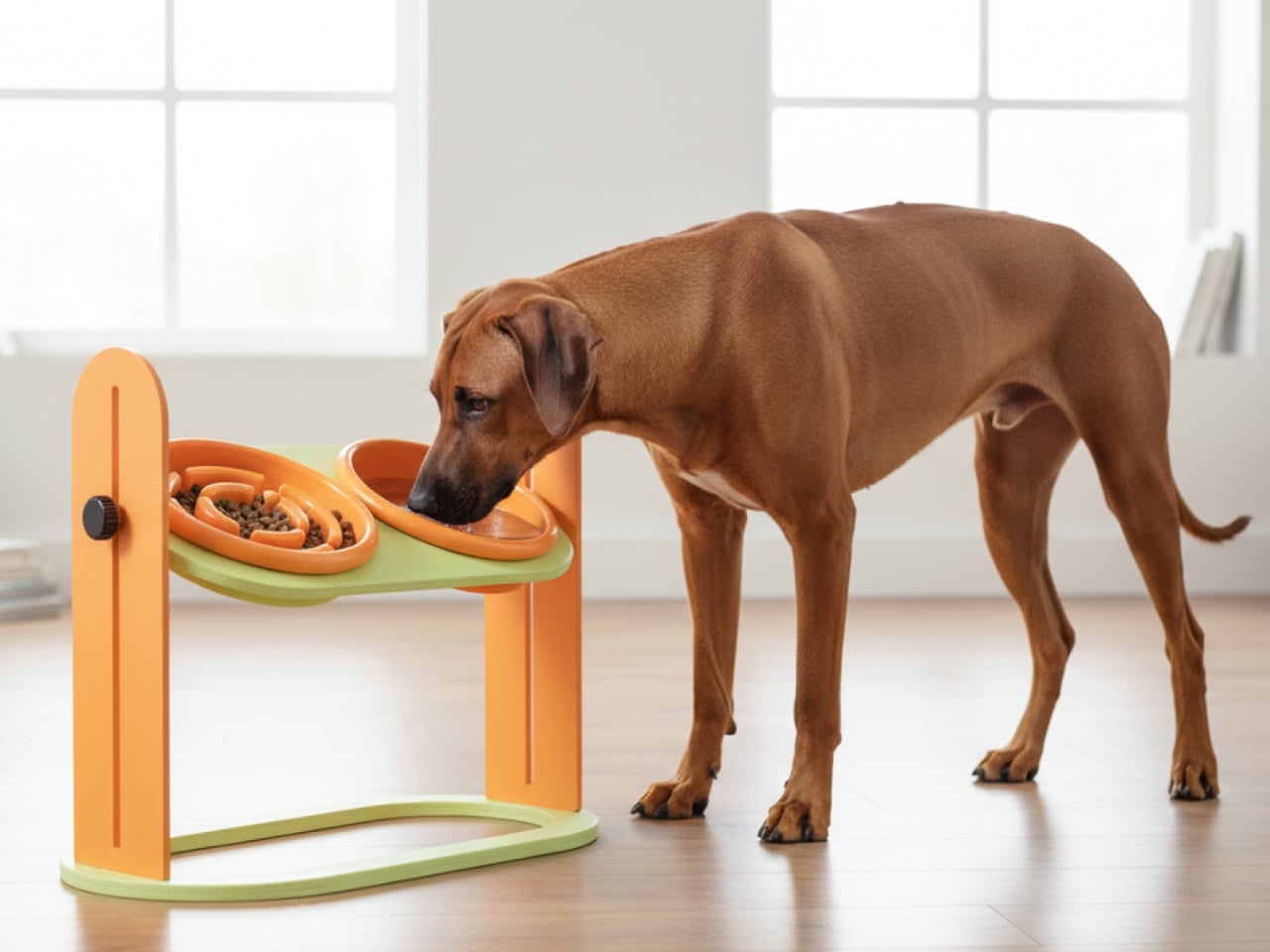
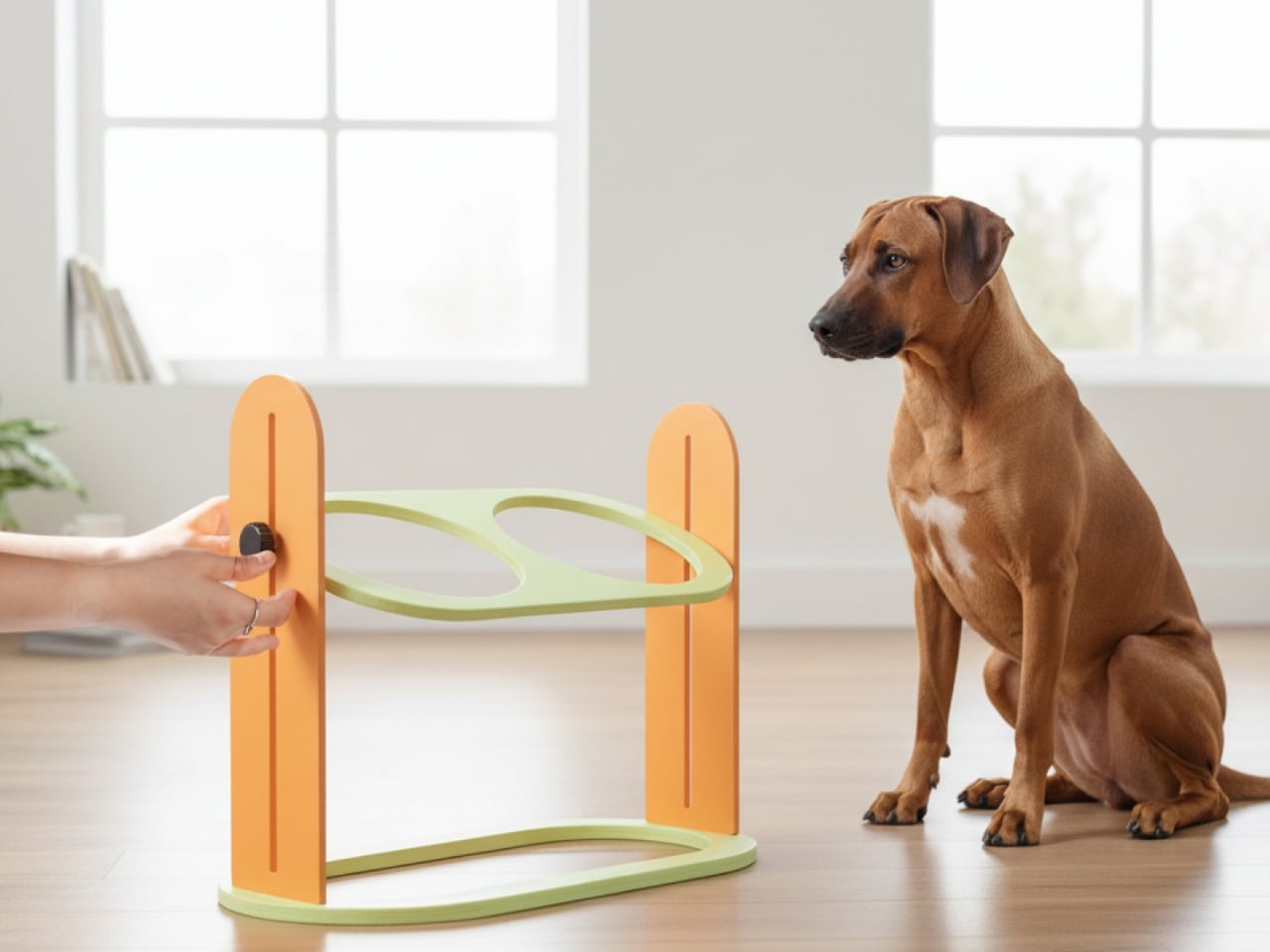
The standard dog bowl is one of the least examined objects in the home, a container that does one thing without much thought about whether that one thing could be done better. This bowl challenges that premise by introducing cognitive engagement into the feeding ritual. Your dog has to work for the food, navigating a surface designed to slow eating and stimulate problem-solving. In doing so, it addresses bloat, anxiety, and boredom simultaneously, three things most feeding bowls pretend don’t exist.
What distinguishes this from the broader category of puzzle feeders is the formal attention paid to the object itself. The bowl reads as a considered piece of kitchenware, not a brightly colored plastic insert you’d move before guests arrived. That balance between function and form is what elevates it. The dog gets the mental engagement it needs. You get something worth leaving on the kitchen floor without it making the space feel like a pet supply store.
What we like
- Addresses slow feeding and mental stimulation without resorting to toy-like aesthetics
- Considered enough in its design language to leave out on the kitchen floor between meals
What we dislike
- The puzzle surface may frustrate smaller breeds or dogs with flat faces
- Cleaning the channels takes noticeably more effort than a standard bowl
5. PawStairs


Pet stairs are a product most owners know they need and spend years avoiding because the available options are genuinely difficult to look at. This modular version in wood finishes solves the aesthetic problem without sacrificing the functional argument. The stairs configure to different heights depending on the furniture they’re serving, so a single product adapts to the sofa or the bed. The wood finish does the visual heavy lifting, making it read as furniture rather than a concession to the animal.
There is also a welfare argument embedded in the design. Older dogs and cats with joint problems need assistance reaching elevated furniture, but the typical foam-and-fabric ramp is something you’d move to a cupboard before guests arrived. A product that stays out because it belongs there is one that actually gets used consistently, and that’s the only way it helps. The modularity matters too: as the animal ages and its needs shift, the configuration can grow with them.
What we like
- The modular system adapts to different furniture heights rather than locking you into one configuration
- Wood finishes integrate with real interior design rather than working against it
What we dislike
- Modularity means multiple components to store when not in use
- Wood surfaces may require added grip strips for older pets with limited mobility
Good Design Doesn’t Stop at the Pet Aisle
The design of pet products has operated with low expectations for too long. These five make the case that the category is capable of the same rigor applied to any other consumer object. When a designer gives genuine attention to a scratching post, a bottle cap, or a feeding bowl, the result isn’t just more attractive. It’s more useful, more consistently used, and genuinely better for the animal. That equation holds regardless of the category.
What’s encouraging is the range. These are not luxury objects for a niche market of design obsessives with cats. A $9 bottle cap sits in the same list as a piece by one of Sweden’s most recognizable designers because both were made with the same underlying intention: to solve a real problem without making the room worse in the process. More of that thinking, across more of the category, is exactly what pet products have been waiting for.