
July is when outdoor gear gets honest. The products that looked good in product photography either hold up to real conditions or reveal exactly why they never should have left the studio. This month’s eight picks have done the work. Each one addresses a specific problem that the outdoor category has been managing adequately for years, then makes adequately feel like an embarrassingly low standard to have accepted.
The list covers the full arc of what a serious camp setup demands: footwear, light, power, shelter, sound, heat, inflation, and the surface you cook on. Eight products, eight design decisions that changed how their categories think about familiar problems. All of them pass the test that matters most. You pack them once and never pull them back out of the kit bag.
1. New Balance TDS MSNB1
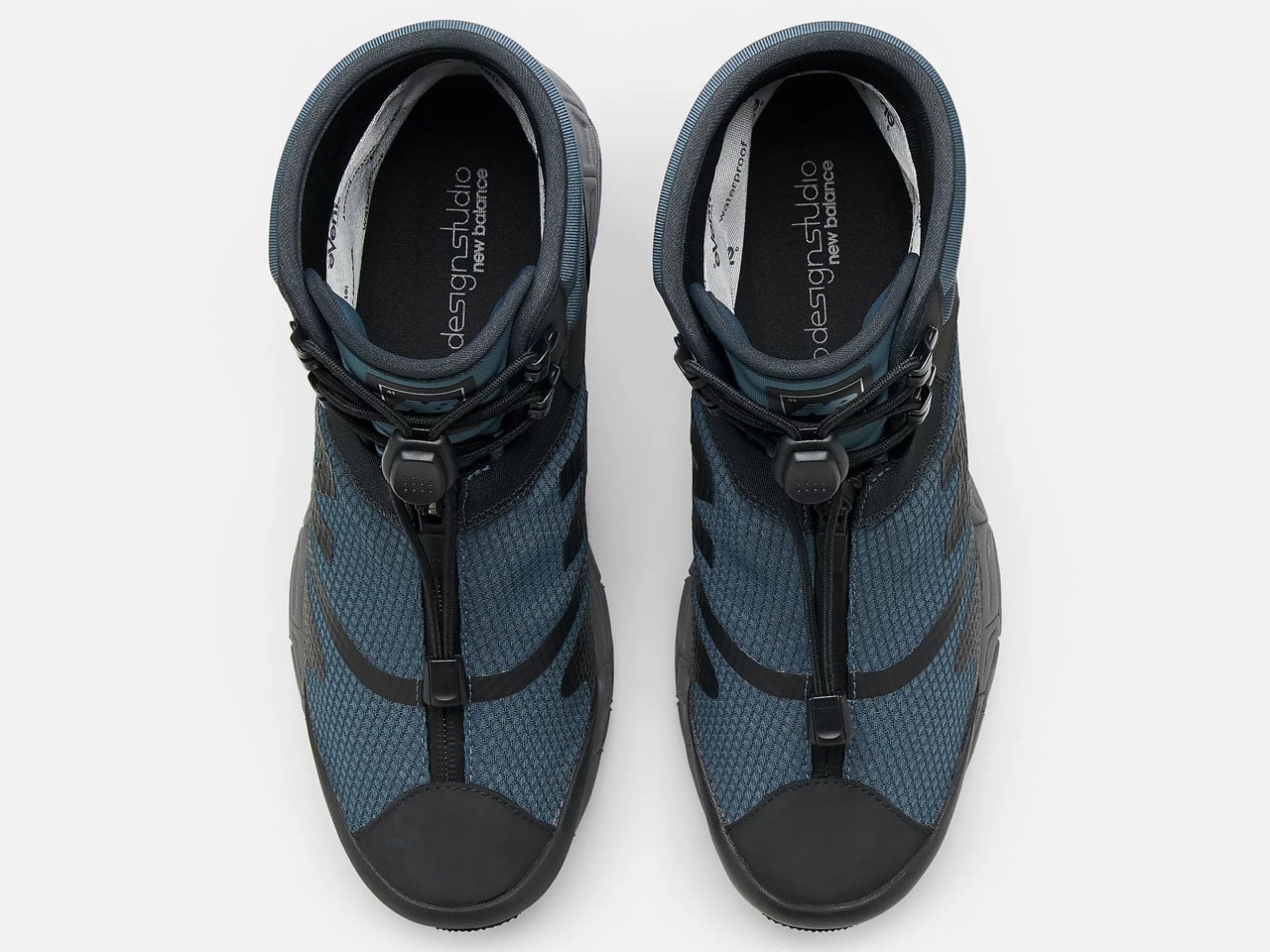
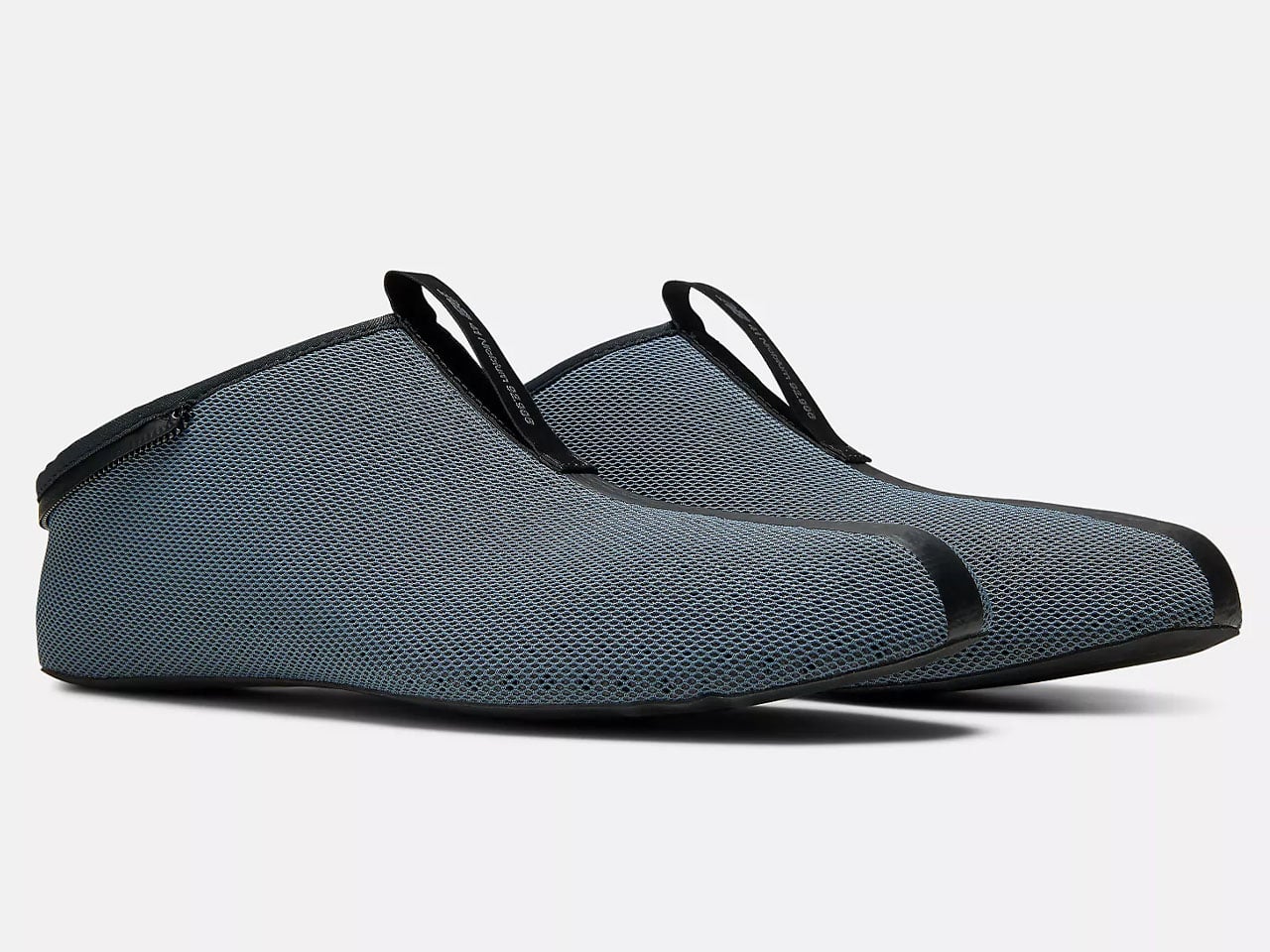
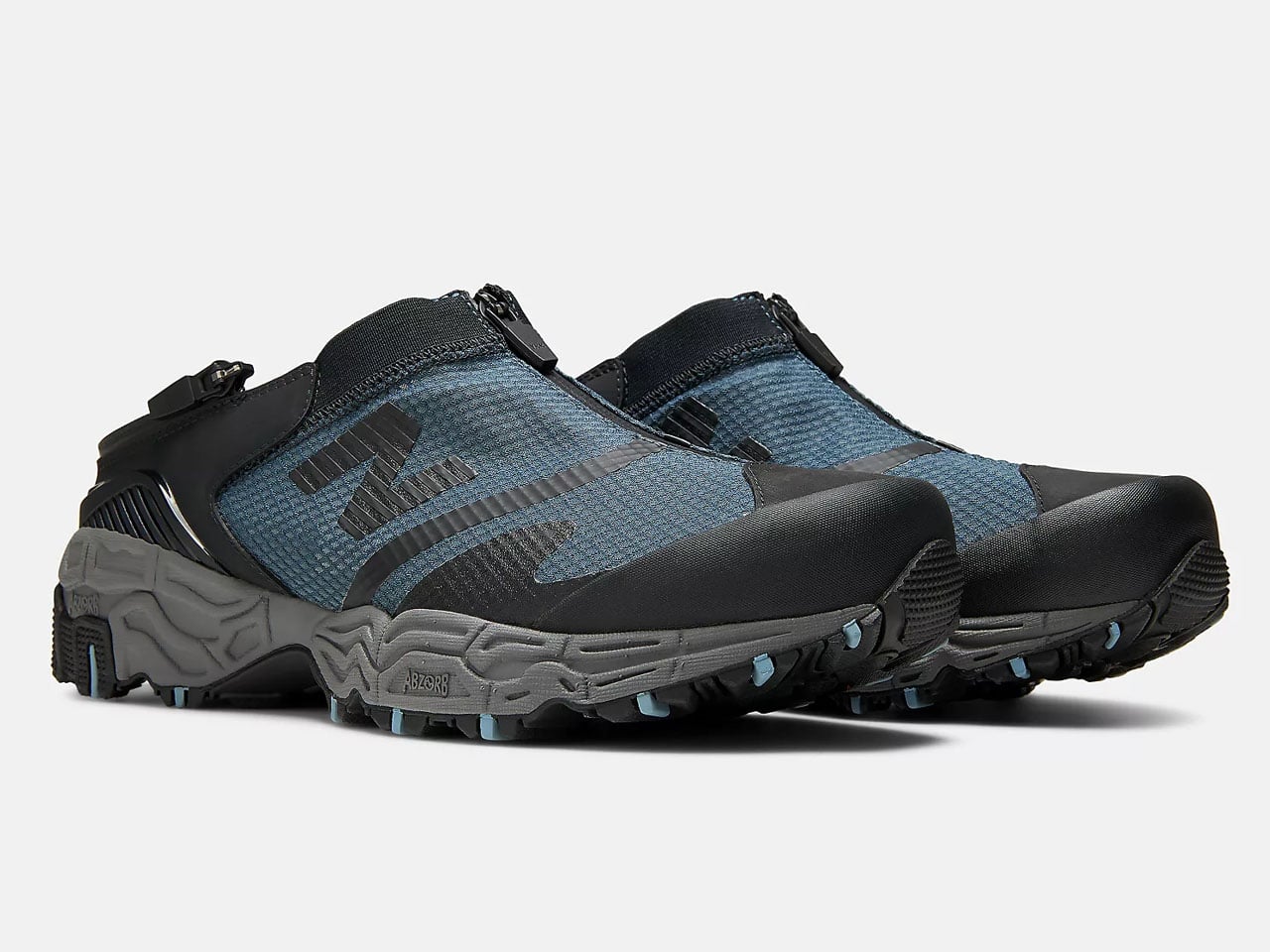
New Balance has been working through modular footwear ideas for years, and the TDS MSNB1 is where that thinking lands with real conviction. Developed alongside Tokyo Design Studio Revive, it revives the 2020 Niobium Concept 1 with the studio’s signature lifestyle sensibility built directly into the construction. The silhouette moves through three distinct configurations: a rugged waterproof boot for the trail, an outdoor mule when the terrain softens, and a camp slipper once the day is done. Three problems, one pair of shoes.
The mechanism behind all three is a zipper system that runs down the tongue and wraps around the heel, allowing components to be assembled or removed without tools, effort, or compromise to any of the individual forms. The upper is built from stretch rip-stop with welded PU overlays and an eVent waterproof membrane, while bungee elastic laces handle closure without external lace hardware. Two colorways: Zinc Blue and the more visually distinct Pistachio Butter.
What we like
- One shoe, three fully resolved configurations that replace what most campers pack as three separate pairs
- Tokyo Design Studio Revive’s involvement brings genuine lifestyle credibility to a performance-first silhouette
What we dislike
- Three hundred dollars places it well above the casual camping footwear bracket
- The bungee lace system takes a few outings to trust on uneven or technical ground fully
2. Camp Napper
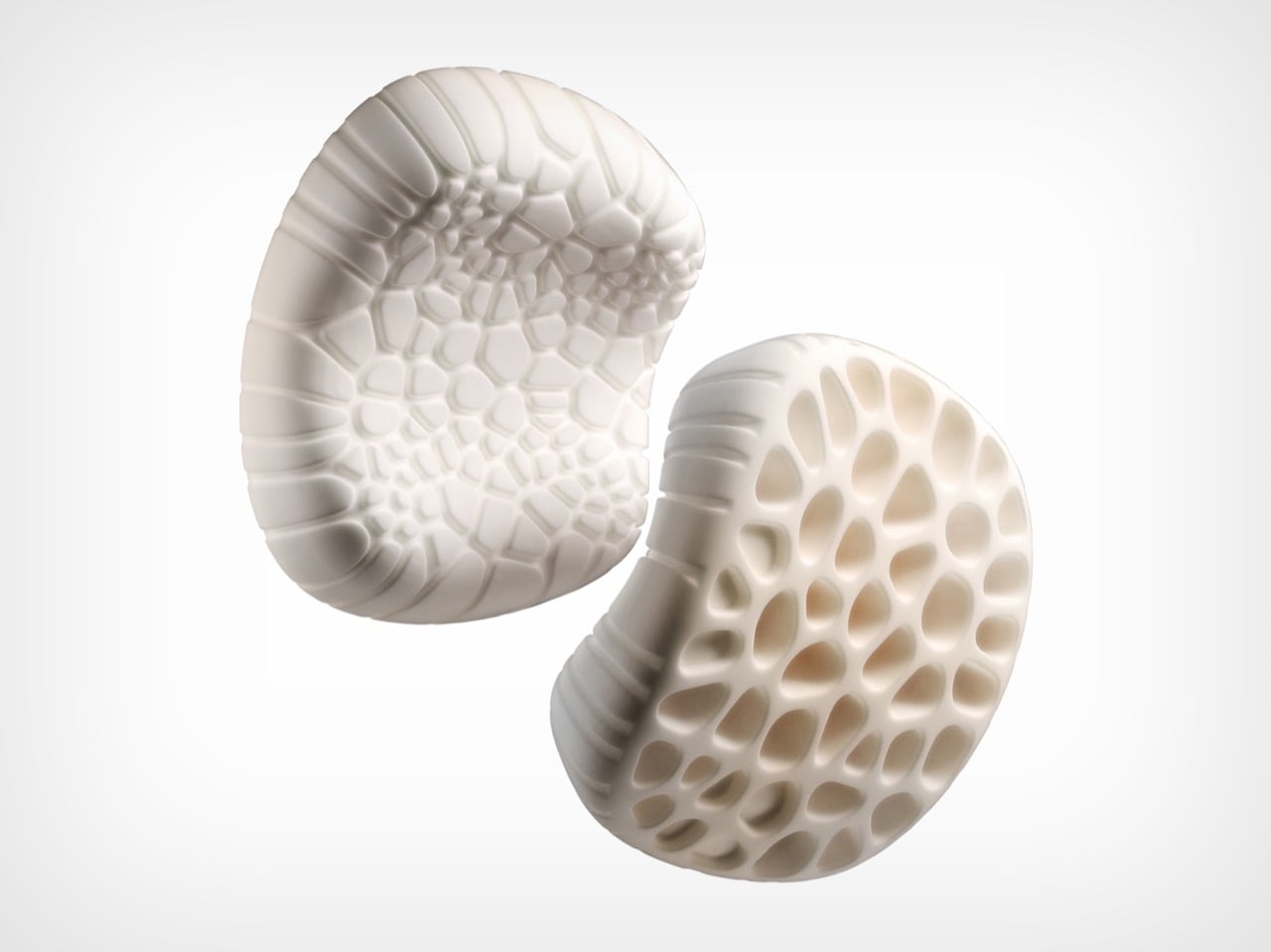

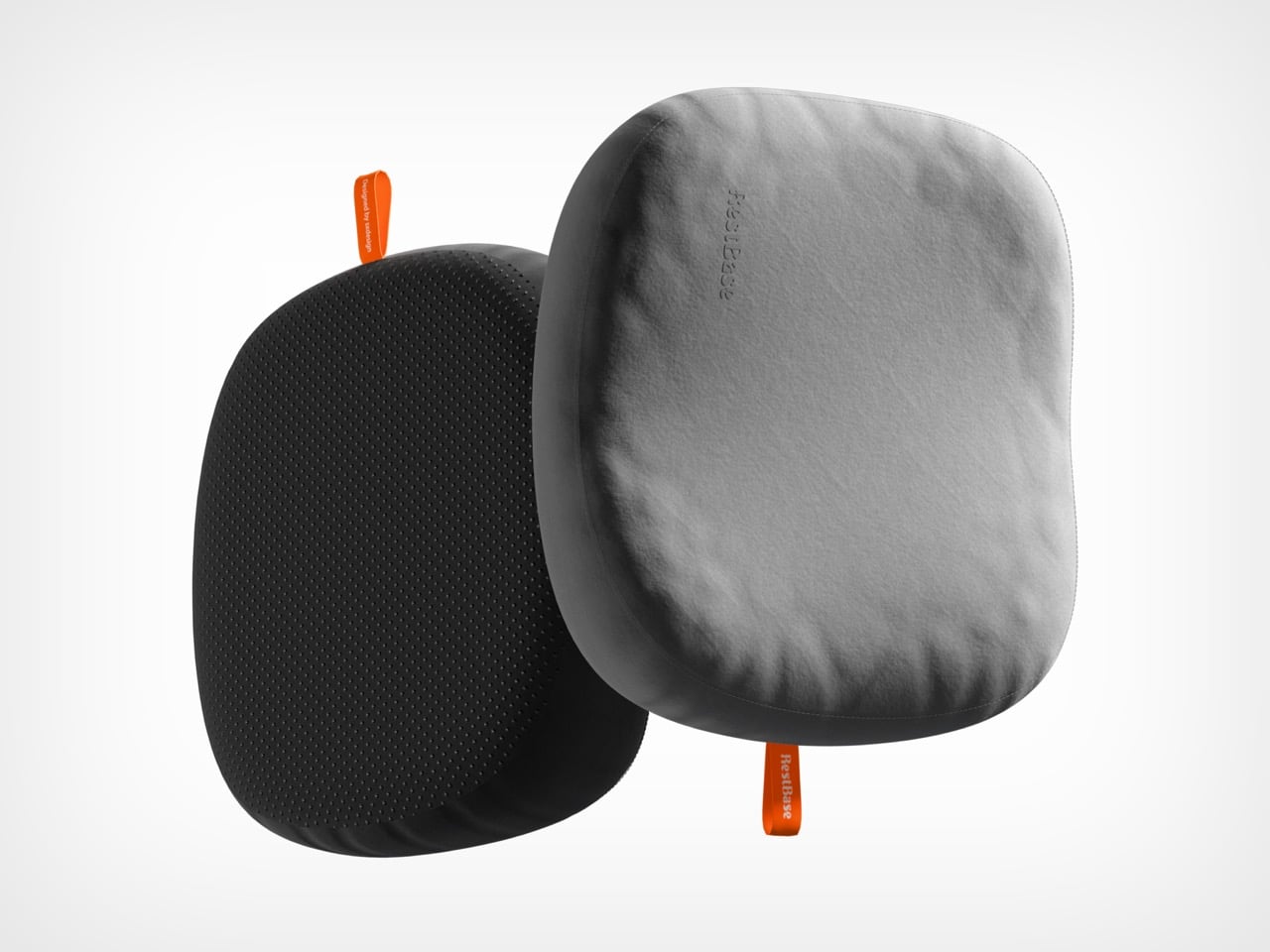
Most camping pillows solve exactly one problem: they pack small. Chen Xu started somewhere more interesting. The Camp Napper draws its form from two biological references. The surface texture of fungal spores shaped the contact face, and the hollow vascular geometry of plant stems informed the core. Voronoi polygon modelling then mapped how pressure distributes beneath a sleeping head, engineering each protrusion and recess to respond to that specific load data rather than convention or instinct.
The front face carries raised cellular structures that increase skin contact area and channel airflow through the same geometry. Four tactile zones on the back face offer orientation-dependent customization, a level of adaptability uncommon in this category. Memory foam holds the bionic form through repeated use, anti-slip rubber particles keep it stable across sleeping pads and hard floors, and the hollow stem-derived core brings total weight to around 400 grams. Packed, it reaches roughly the volume of a water cup. The cellular patterning is not for the trypophobic.
What we like
- Voronoi-mapped surface addresses pressure distribution and airflow through one structural solution, not two separate ones
- Four tactile zones on the back face give orientation-dependent comfort options uncommon in this category
What we dislike
- The cellular surface patterning will be a hard stop for anyone with trypophobia
- No published compression specification for cold-weather performance, where memory foam typically stiffens
3. BLUETTI Handsfree 2
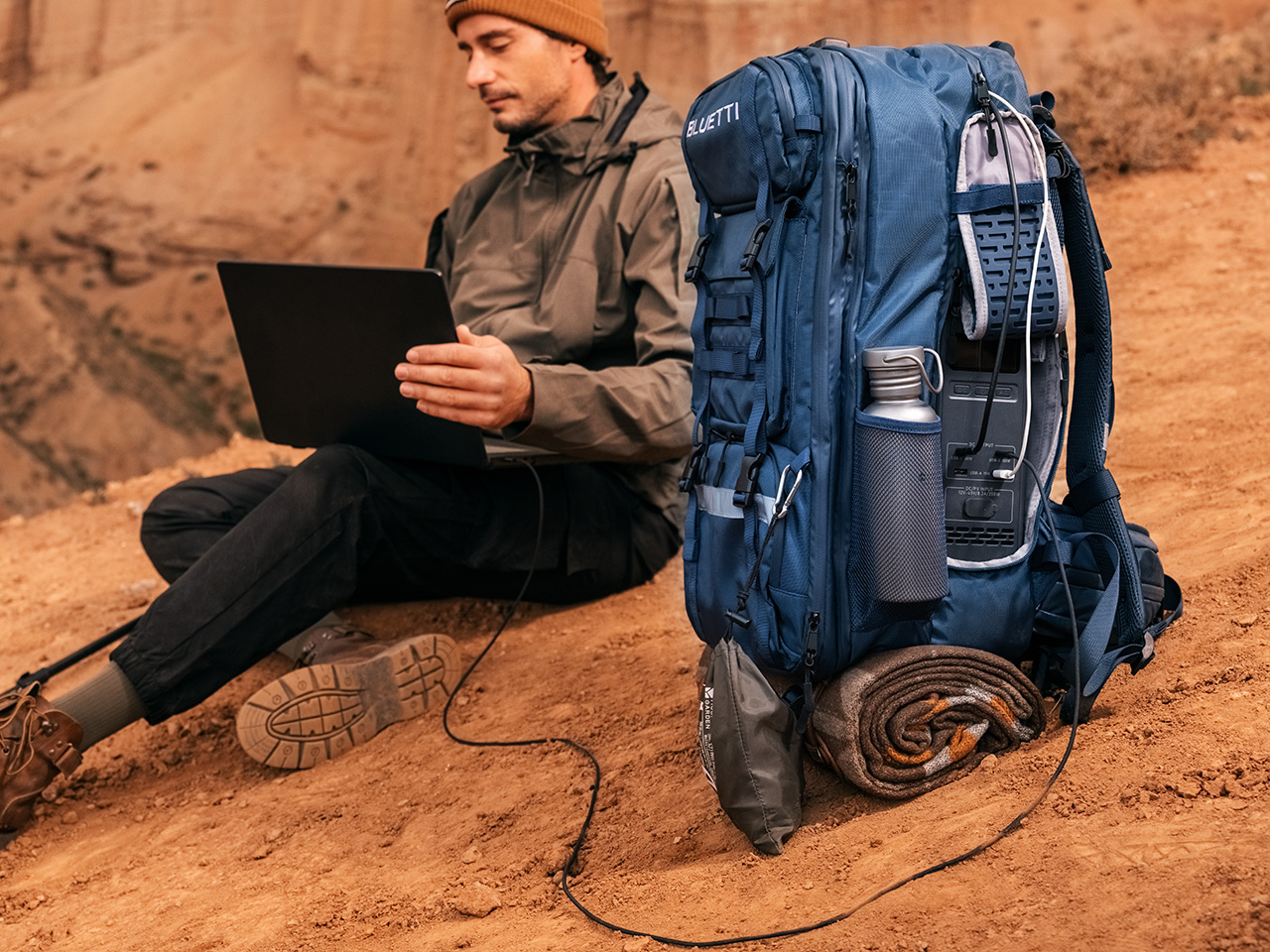
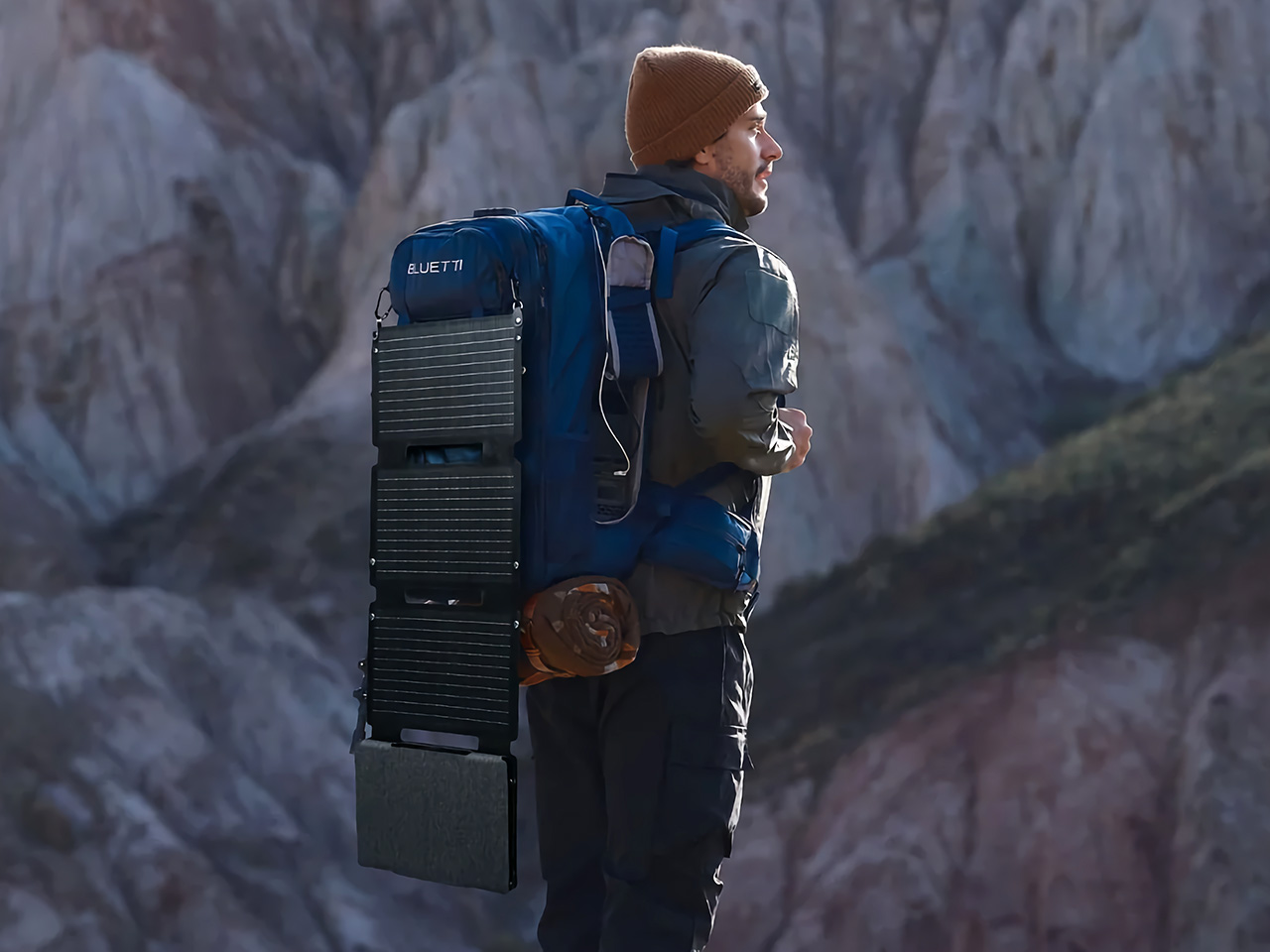
Portable power stations have always had one structural problem: they require a second carry. The BLUETTI Handsfree 2 removes it. A 512Wh LFP power station is integrated directly into a 60-liter backpack, with solar panels mounted to the pack face that charge the unit while you walk. Transit becomes charging time. The pack becomes the power plant, and the hours spent moving between locations stop being hours lost to a depleted battery waiting on a car charger.
The station delivers 700W of continuous output through dual 100W USB-C ports, dual USB-A, and a full AC outlet, with capacity for up to 350W of solar input. The LFP battery is rated for 4,000 charge cycles, placing its useful life comfortably into the next decade. The full system sits at 21.4 pounds, a real consideration on longer trail days. For photographers, van lifers, and anyone running critical devices off-grid, that trade-off is quickly resolved.
What we like
- Solar panels charge the station during transit, converting walking hours into productive charging time
- LFP battery rated for 4,000 cycles delivers reliable daily use across years of regular outdoor use
What we dislike
- The combined 21.4-pound system weight is a genuine consideration on longer or more technical trail days
- Price sits significantly above standard portable power alternatives for casual campers
4. iKamper Skycamp 3.0
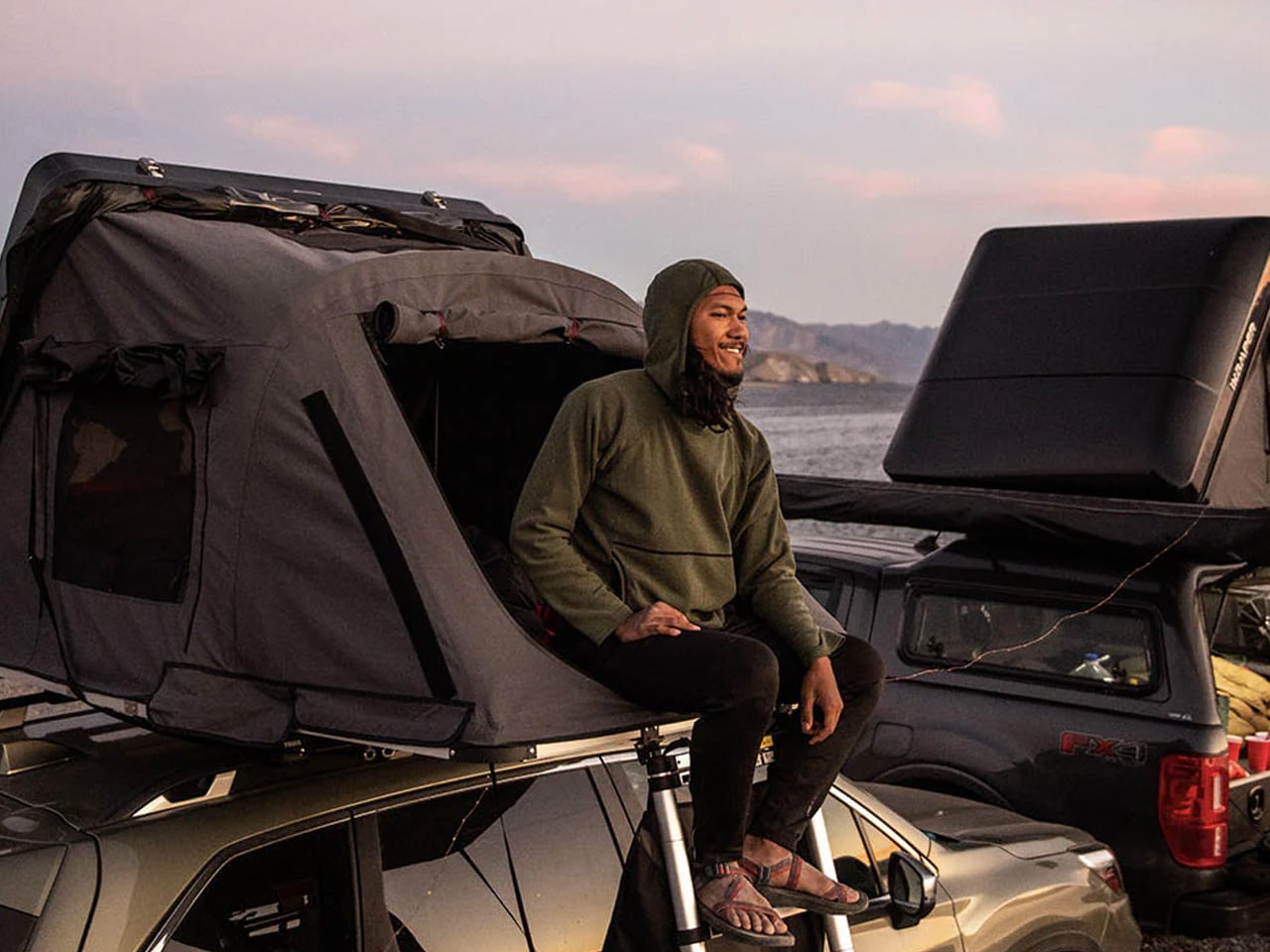
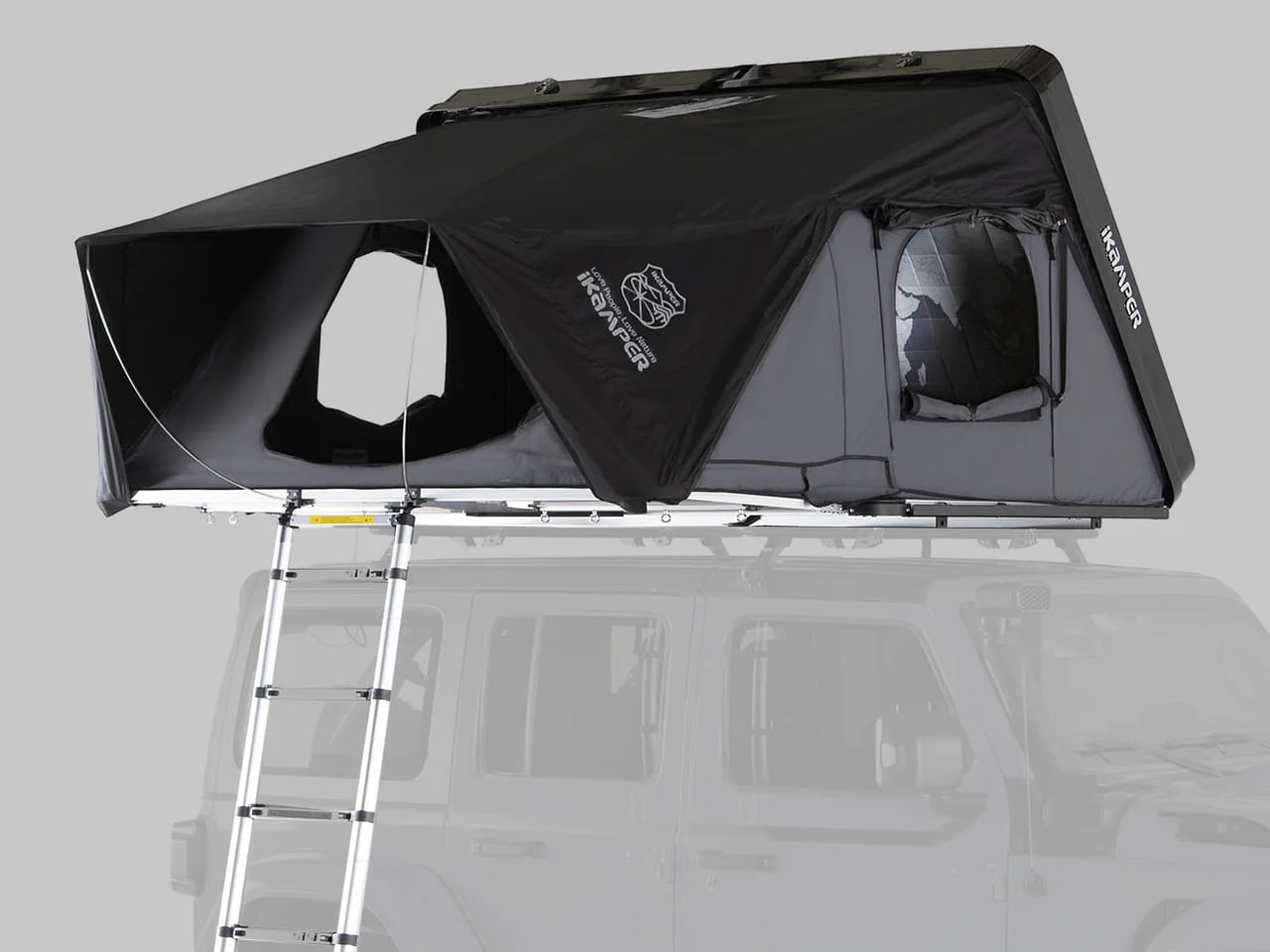
The case for sleeping on a car roof sounds counterintuitive right up until the moment you actually do it. The iKamper Skycamp 3.0 takes under 60 seconds to open from a closed hardshell into a king-size sleeping area with a 9-zone insulated mattress, blackout poly-cotton canvas, and enough interior volume to sit upright. It mounts to any standard roof rack, folds flat for regular highway driving, and eliminates the ground-level problems that experienced campers have been quietly accepting as part of the deal.
The 3.0 revision addresses what earlier versions received measured criticism on: weatherproofing, ladder rigidity, and seam integrity under sustained rain. The aerodynamic FRP hardshell manages highway speeds without lift or noise, and the quilted interior handles both summer heat and serious cold across a genuine four-season range. It sleeps four comfortably and works best as a two-person setup, where the extra space becomes a reason to extend the trip rather than wrap it up on schedule.
What we like
- Sub-60-second deployment from closed hardshell to king-size sleeping area makes spontaneous overnight stops entirely viable
- Four-season construction handles real weather without requiring a specific temperature window to perform
What we dislike
- At 163 pounds, installation requires additional hands and a roof rack rated for significant dynamic load
- Premium price presents a genuine barrier for campers who head out only a handful of times a year
5. TMB The Modular Bottle

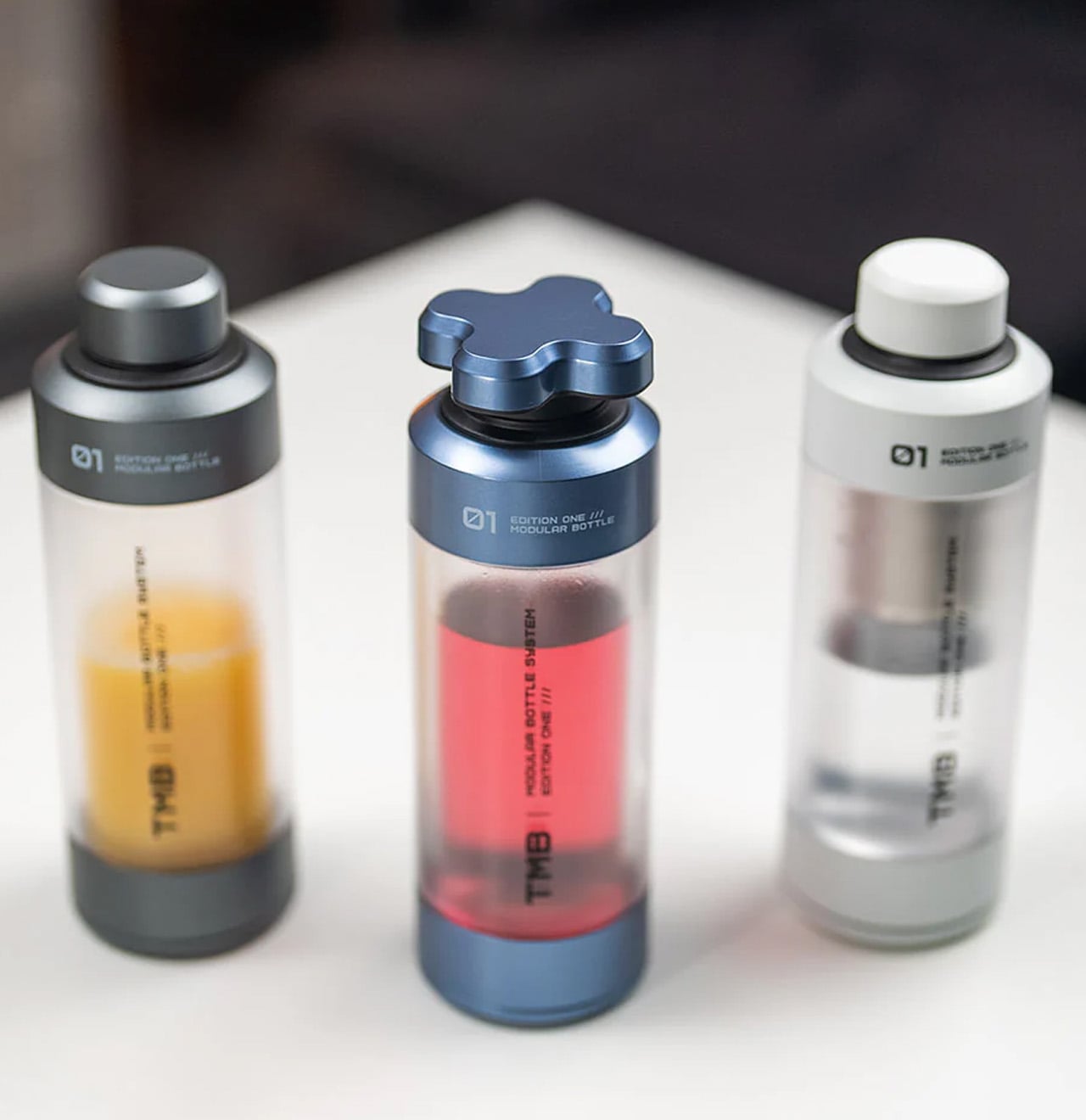

Hydration gear has a design problem few products acknowledge: one bottle cannot simultaneously optimize for commuting, exercise, and trail hiking. The TMB Modular Bottle builds adaptation into the object itself rather than asking the user to compromise. The borosilicate glass interior preserves drink flavor without absorbing taste or odor, a material property that separates it from the steel and plastic alternatives dominating this category. A translucent mid-section gives a constant view of remaining liquid, removing minor but real friction from the outdoor day.
The modular design allows configuration changes based on activity. For camping specifically, the glass interior means whatever goes in tastes like itself rather than the container it traveled in. Easy disassembly addresses the stale odor buildup that makes most reusable bottles genuinely unpleasant after weeks of real use, a problem the category rarely admits exists and rarely solves structurally.
What we like
- Borosilicate glass preserves drink flavor without imparting taste or odor, a material advantage over steel or plastic
- The translucent mid-section gives a real-time view of remaining liquid that opaque bottles hide
What we dislike
- Glass interiors, even borosilicate, carry more breakage risk than steel alternatives in rough outdoor handling
- Modular assembly adds cleaning complexity compared to a single-body bottle
6. Camprit TiStove
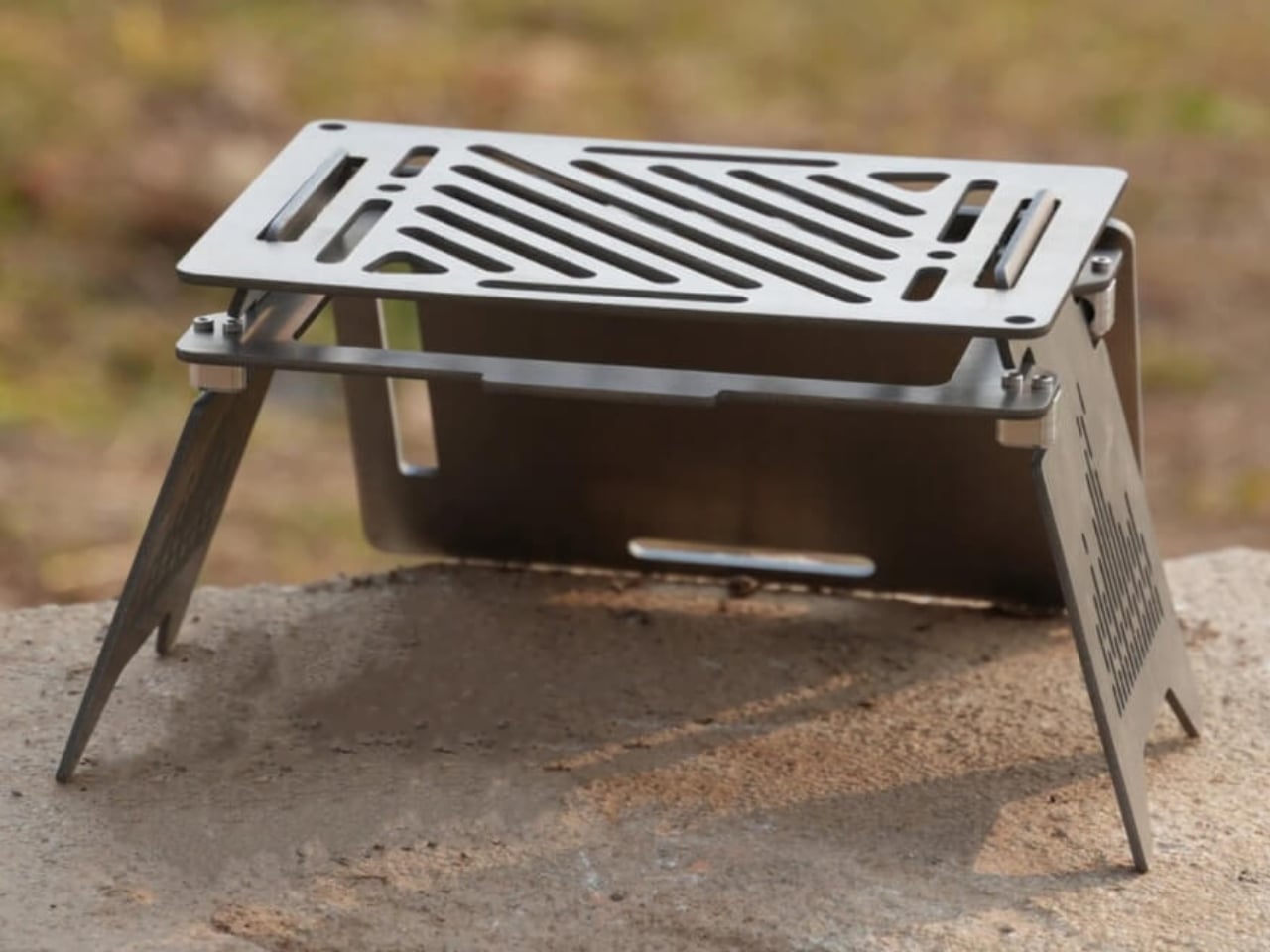
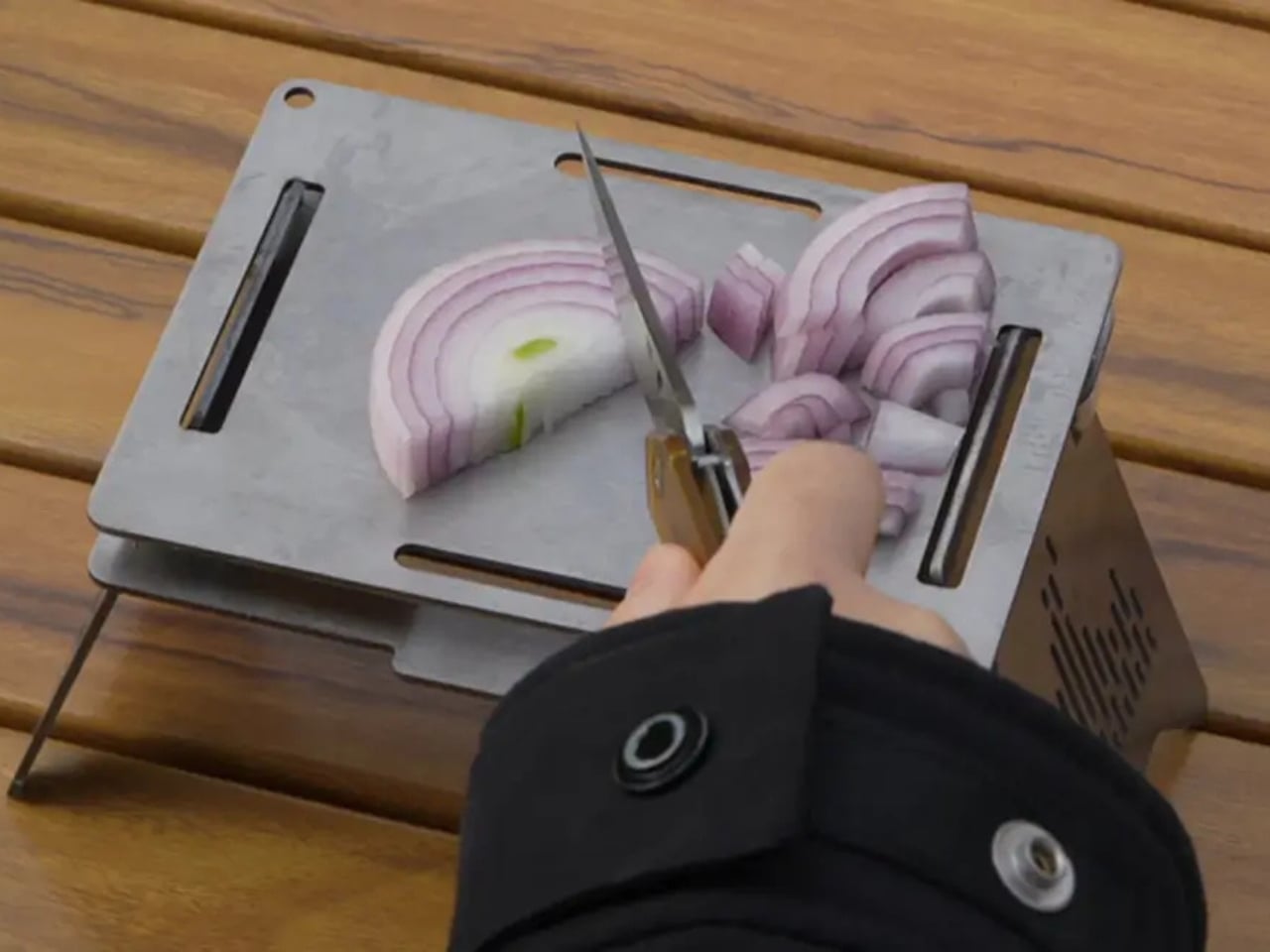
Five flat pieces of Grade 5 titanium: two foldable legs and three interchangeable cooking panels that pack completely flat and come in under 1.5 pounds. Camprit’s insight was direct. Most camp stoves commit you to a single cooking method. The TiStove gives you three, with panels that reconfigure for boiling, grilling, or open-fire cooking. The spare panels double as a windshield. As heat accumulates, the titanium changes color naturally, giving each stove a cooking history that is entirely its own.
What the design removes is as important as what it adds. No ignition system to fail at altitude. No gas canister threading to seize in the cold. No assembly logic that requires a manual at a dark campsite. The pieces lock together mechanically without fasteners and come apart in seconds. Compatible with wood, gas burner, and alcohol, it stays adaptable wherever the trip leads. For anyone who has stood over a failed stove in deteriorating conditions, this addresses that problem at its origin.
What we like
- Packs completely flat at under 1.5 pounds with three interchangeable cooking panel configurations
- Compatible with any fuel source including wood, removing dependency on specific cartridges or canisters
What we dislike
- Nothing is self-contained: a separate burner or fuel source is required out of the box
- Titanium panels need careful stacking during packing to avoid surface contact and scratching in transit
7. FLEXTAIL TINY PUMP 2X


Inflating a sleeping pad by lung at the end of a long trail day is one of camping’s least dignified rituals, and the FLEXTAIL TINY PUMP 2X removes it without adding meaningful weight to the kit. At 96 grams and sized to fit inside a closed fist, it inflates a full sleeping pad in under a minute using AIRVORTECH technology that pushes moisture-free air through the valve, protecting pad materials from the internal condensation damage that repeated lung inflation causes over time. One button. Multiple inflation cycles per charge.
The TINY PUMP 2X earns its slot beyond inflation. It deflates gear for packing, functions as a vacuum pump for compression bags, and directs focused airflow onto embers to get a fire going, a genuinely useful cross-category function that most camp pumps never consider. A lantern mode adds ambient light during tent setup. At 96 grams covering inflation, deflation, vacuum, fire-starting, and ambient lighting, it permanently displaces four separate tools from the kit without a moment of regret.
What we like
- Moisture-free airflow protects sleeping pad materials from internal condensation damage caused by repeated lung inflation
- 96 grams covers five distinct camp functions, replacing multiple tools at almost no weight cost to the pack
What we dislike
- Output pressure suits camping inflatables rather than high-pressure tasks like bike tires or boat chambers
- Lantern mode is ambient rather than functional and not a substitute for dedicated camp lighting
8. Hot Pocket
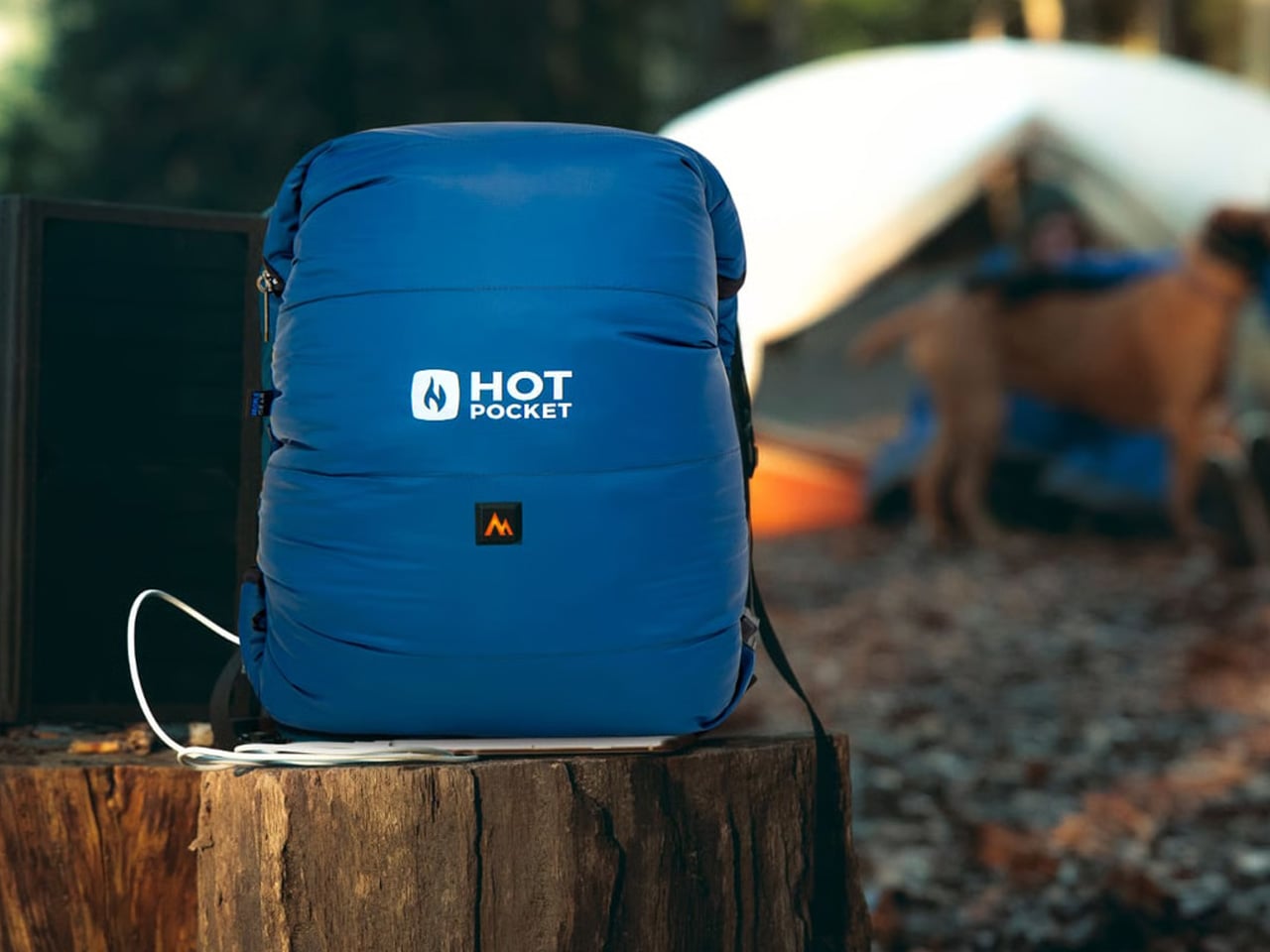
Cold sleeping bag syndrome follows a predictable pattern: zip in, spend the first twenty minutes waiting for body heat to build, arrive at warmth already half-asleep and irritated. The Hot Pocket, created by the Sierra Madre team, breaks that cycle before it starts. Rather than relying on the sleeper’s body to do the thermal work, it pre-heats the insulation directly, so the first moment of contact is already warm rather than a test of patience.
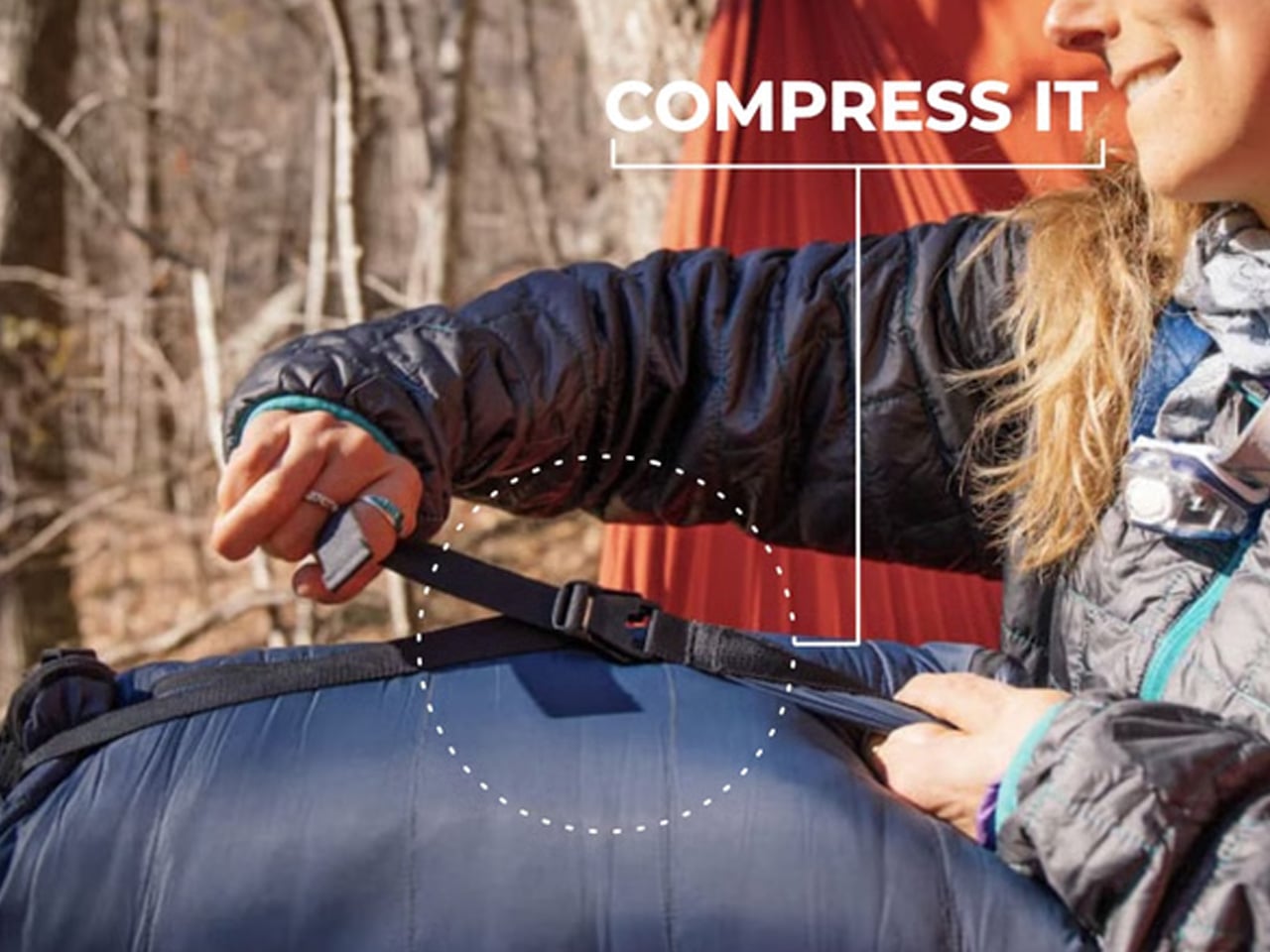
The system is wireless and portable, designed for use beyond the campsite: ski slopes, sports sidelines, anywhere pre-warmed insulation changes the experience. It also handles compression and storage during the day, integrating a task the sleeping bag needed done regardless and adding warmth as a built-in function of the same object. The on-demand heating replaces disposable chemical heat packs, which degrade after a single use and accumulate as waste across a season of regular use.
What we like
- Pre-heating eliminates the body-heat warm-up window that makes the first stretch in a cold sleeping bag genuinely unpleasant
- Integrated compression and heating replace disposable chemical packs with a reusable, on-demand solution
What we dislike
- Wireless operation adds battery management to the camping checklist, with no published battery life data to plan around
- Pre-heating duration and heat retention remain unspecified, making it difficult to judge the product’s actual warming window in practice
The Gear Holds. The Excuses Don’t.
July outdoor gear earns its weight in both directions: what it contributes to the trip and what it removes from the planning. Everything here does both. The New Balance shoe replaces three pairs. The TINY PUMP displaces four separate tools. The design intelligence in this month’s picks is not decorative. It is structural, built into the objects from the first decision made about each one.
The best outdoor gear disappears into the experience. None of these products demand attention or special handling once they are in use. They function across the full range of what a day and night outdoors requires without asking to be managed. That reliability is what separates a product worth keeping in the kit permanently from one that earns a single trip and gets quietly phased out before the next one is ever planned.