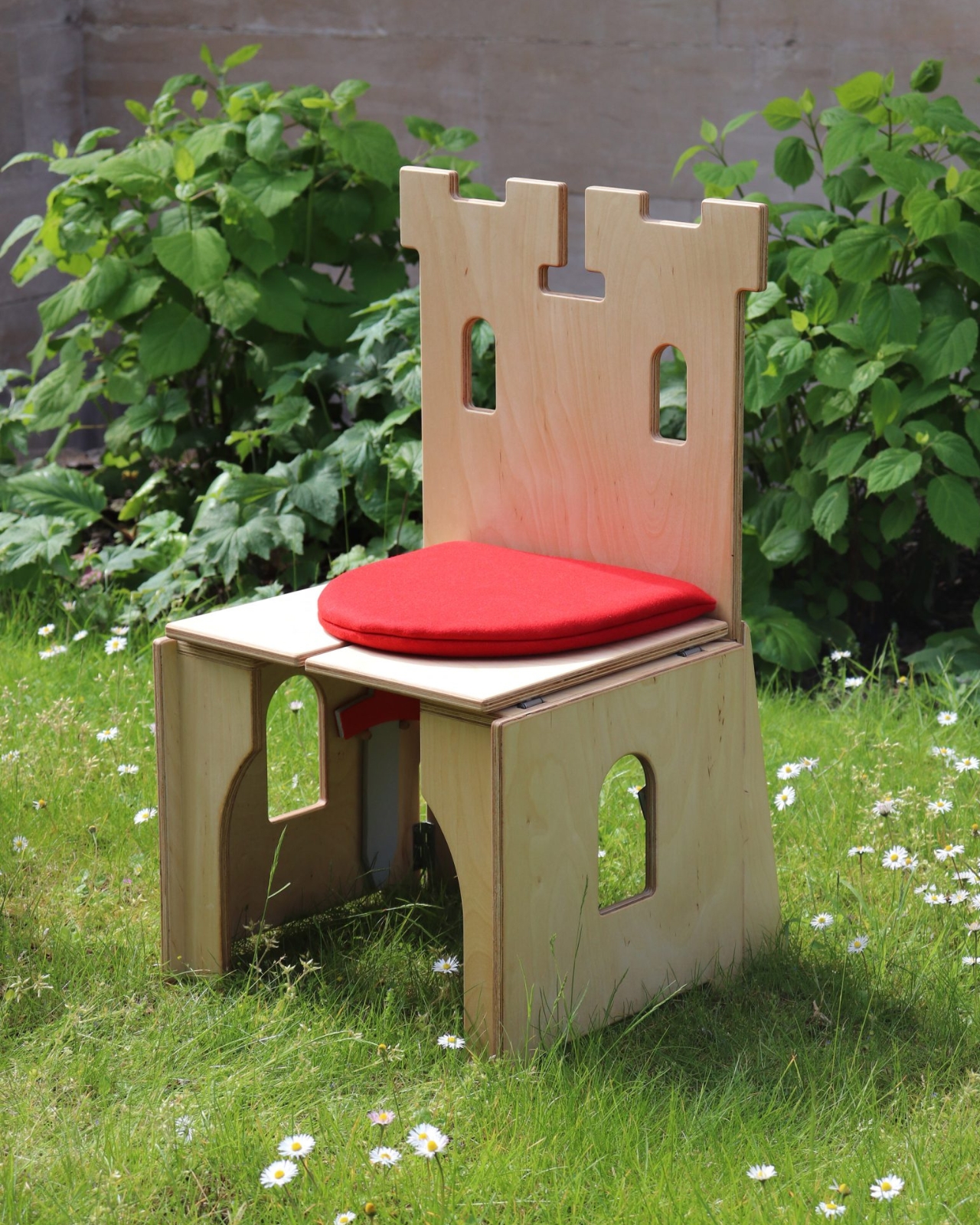

Plywood chairs are everywhere. You’ve seen them stacked in cafes, pulled up to dining tables, photographed on every other design account you follow. They’re functional, they’re affordable, and they’re largely forgettable. So when Irish furniture designer James Murphy sat down to create one for his university final project, the logical thing would have been to make something clean and well-proportioned and move on. Instead, he made a chair that unfolds into a castle, and now I can’t stop thinking about it.
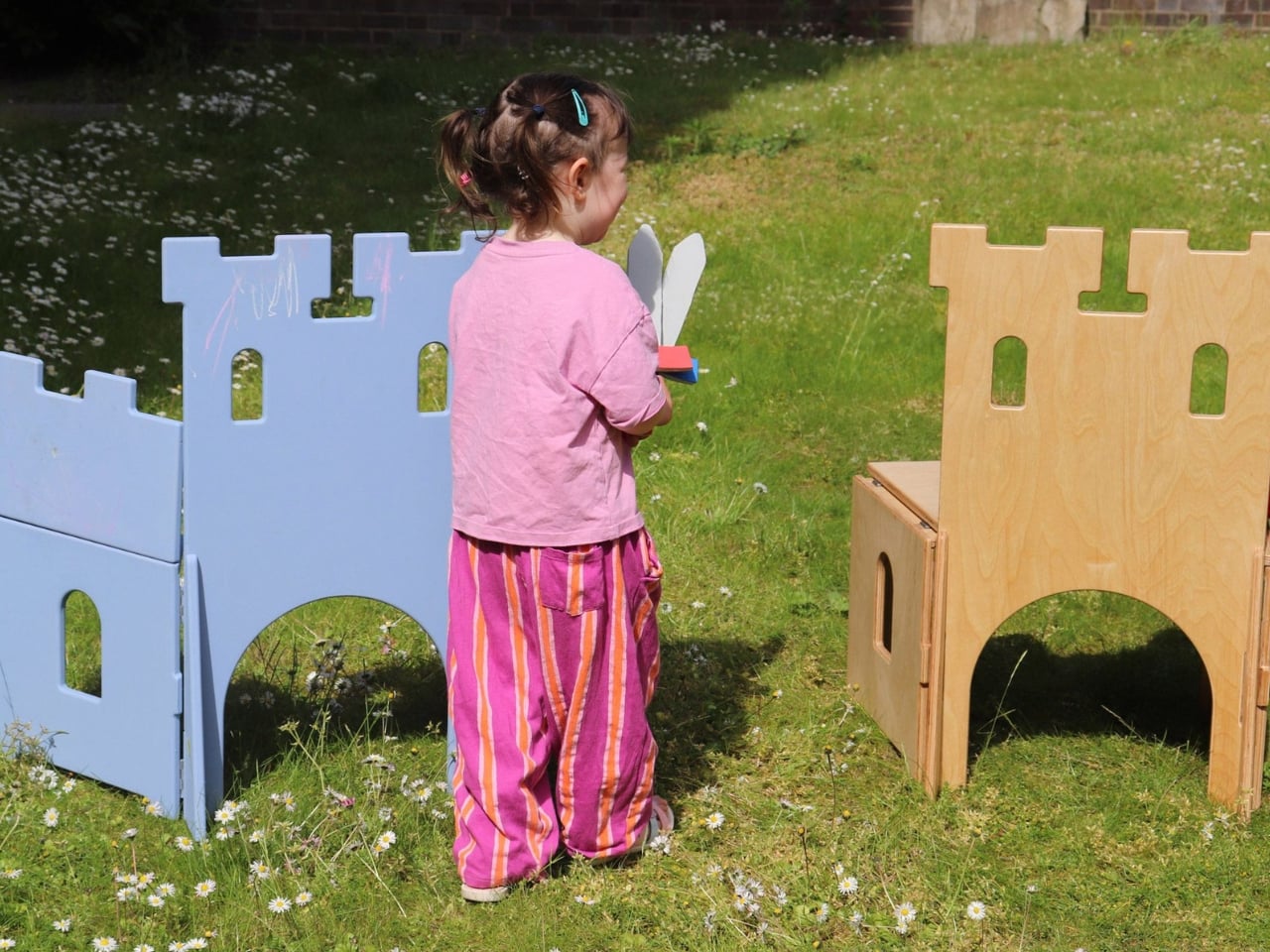
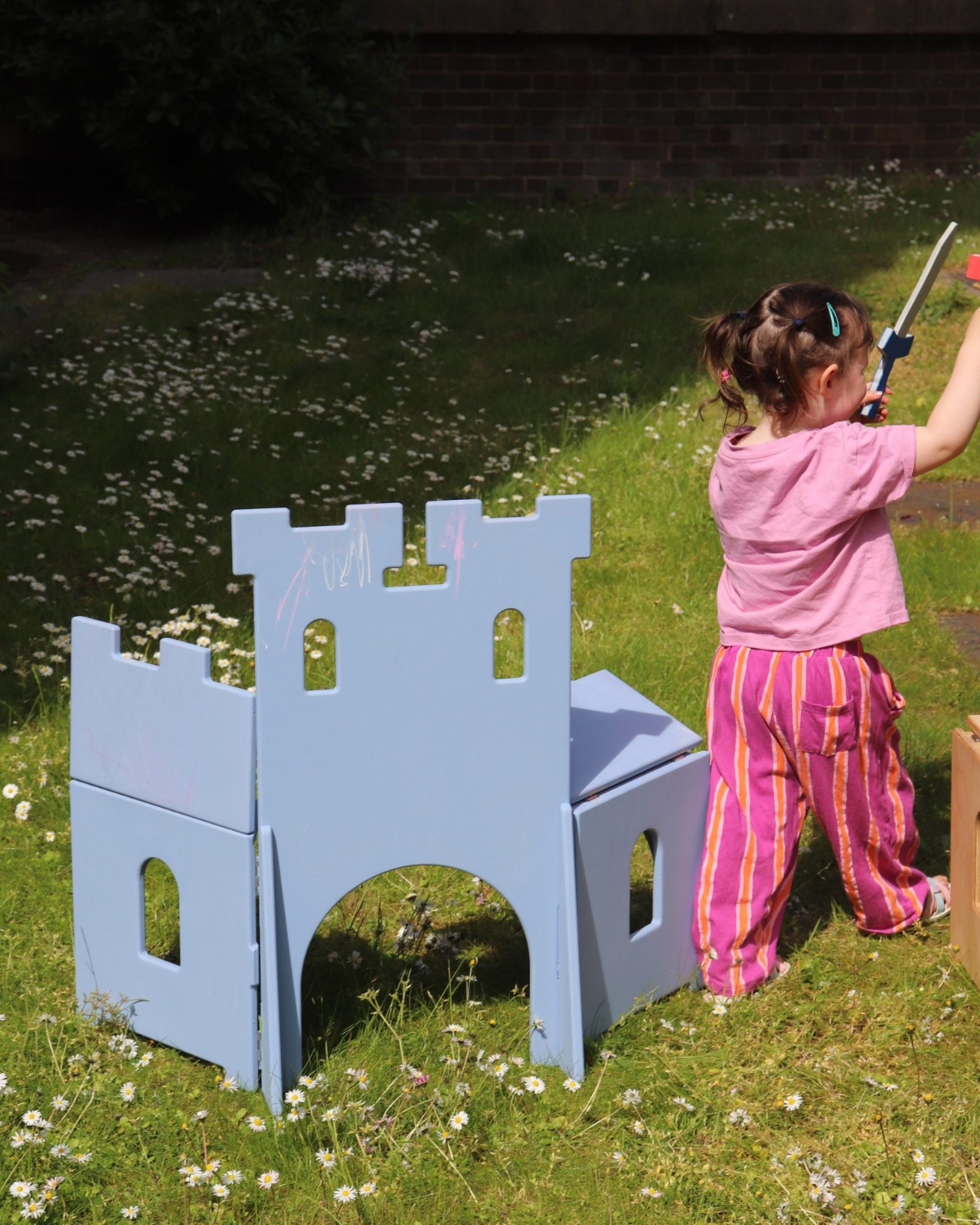
The Casul chair is a children’s seat that, in just two moves, transforms into an abstract plywood castle with battlements, shelves, and enough narrative potential to fuel an entire afternoon. In its closed form, it has the neat, compact profile of a small throne. Flip the seat panels open, fold the legs out to the sides, and suddenly you have something that looks like a doll’s house crossed with a medieval fort. The panels that held the seat become shelves. The window cutouts in the backrest align with the fortifications. The whole thing opens up the way good architecture does: logically, inevitably, like it couldn’t have been designed any other way.
Designer: James Murphy

Murphy’s path to this project is worth noting. He began as a furniture designer, then did a work placement at Lego during university and came back with a new obsession. “Designing products for children is just really fun and rewarding,” he said. His final-year brief became a mission to marry both interests, and also to address something a lot of parents quietly worry about: how to pull kids away from screens without making it feel like a punishment.
The design references he leaned on are genuinely interesting. He looked back at post-war transformable children’s furniture, particularly Hans Brockhage’s Schaukelwagen from the 1950s, a rocking chair that flips into a toy car. That piece had a real ingenuity to it, born from an era when materials were scarce and cleverness was a necessity. Murphy borrowed the spirit of it but updated the logic entirely. The castle setting was a deliberate choice: gender-neutral enough for any child, open-ended enough for any game.
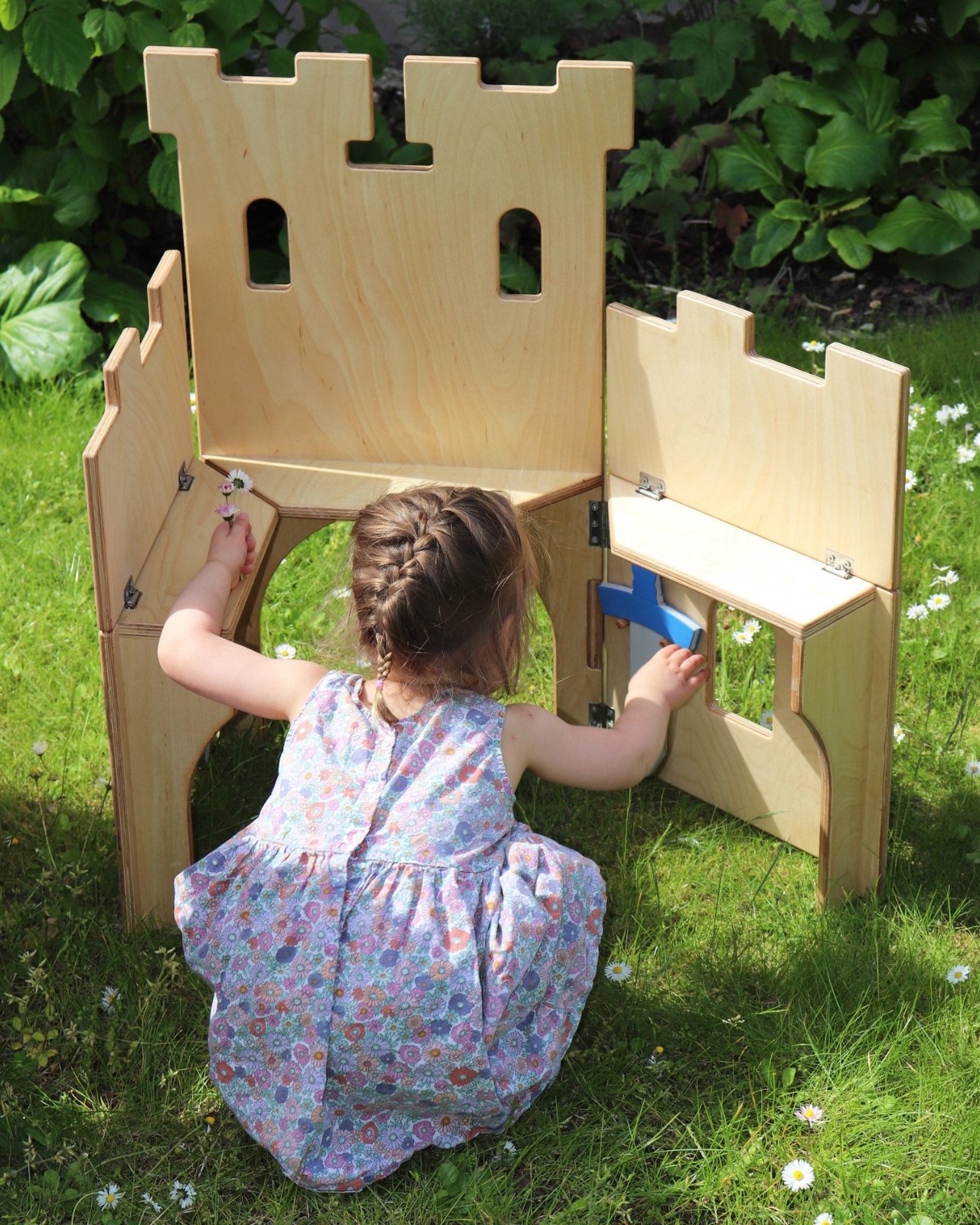
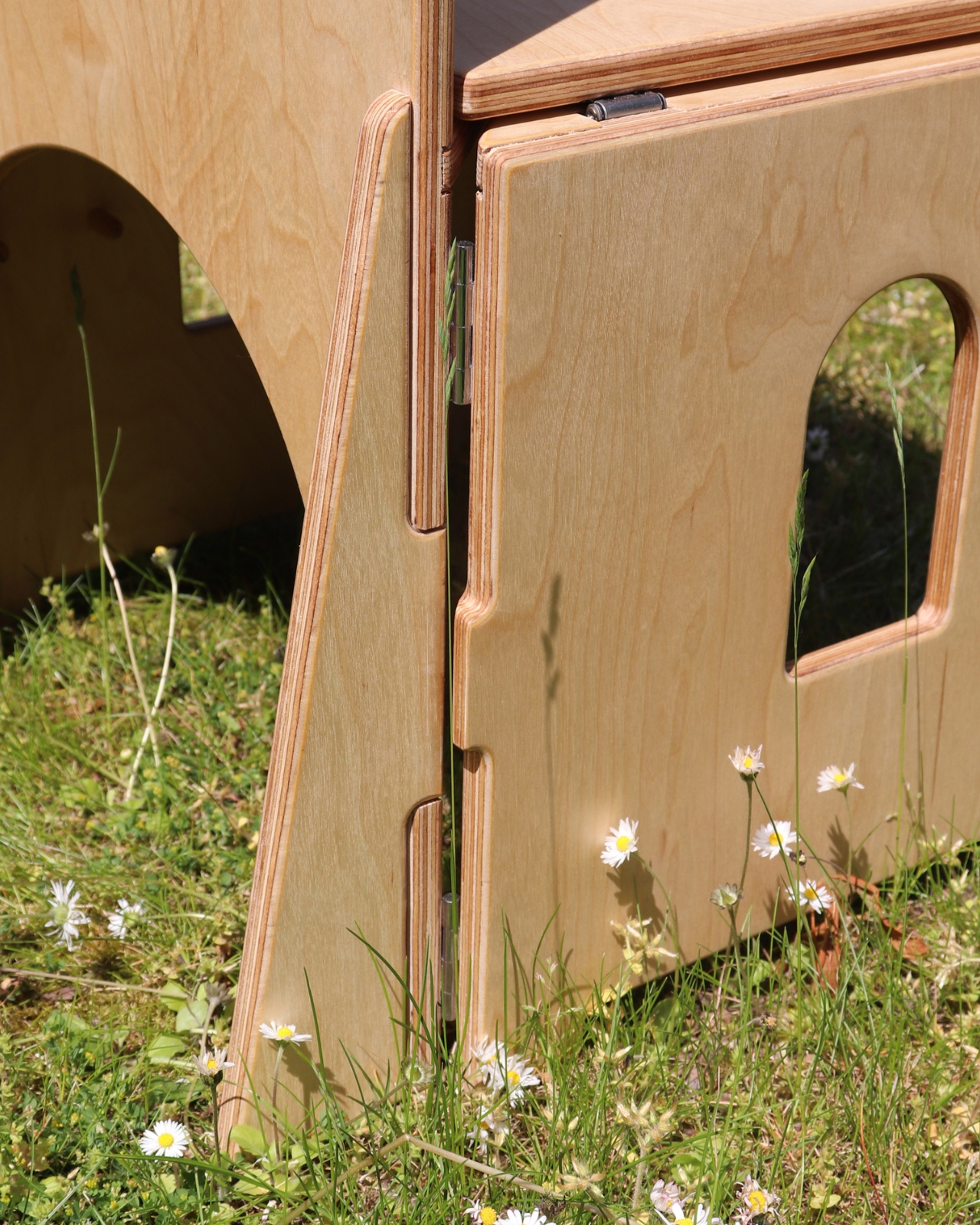
The engineering behind it is more nuanced than it looks. The jigsaw joints cut into the wooden seat panel interlock to keep the chair stable during use, but release easily to form the castle’s outer walls. Specialized friction hinges hold the opened panels at whatever angle the child wants, while also preventing fingers from getting caught. Triangular buttresses at the back keep the whole structure from tipping, and the combined weight of the piece means younger kids can’t accidentally knock it over. Murphy tested a remarkable number of hinge types to get the movement right. “I didn’t even know there were that many types of hinges,” he admitted, which tells you more about the obsessive detail of the process than any portfolio description could.
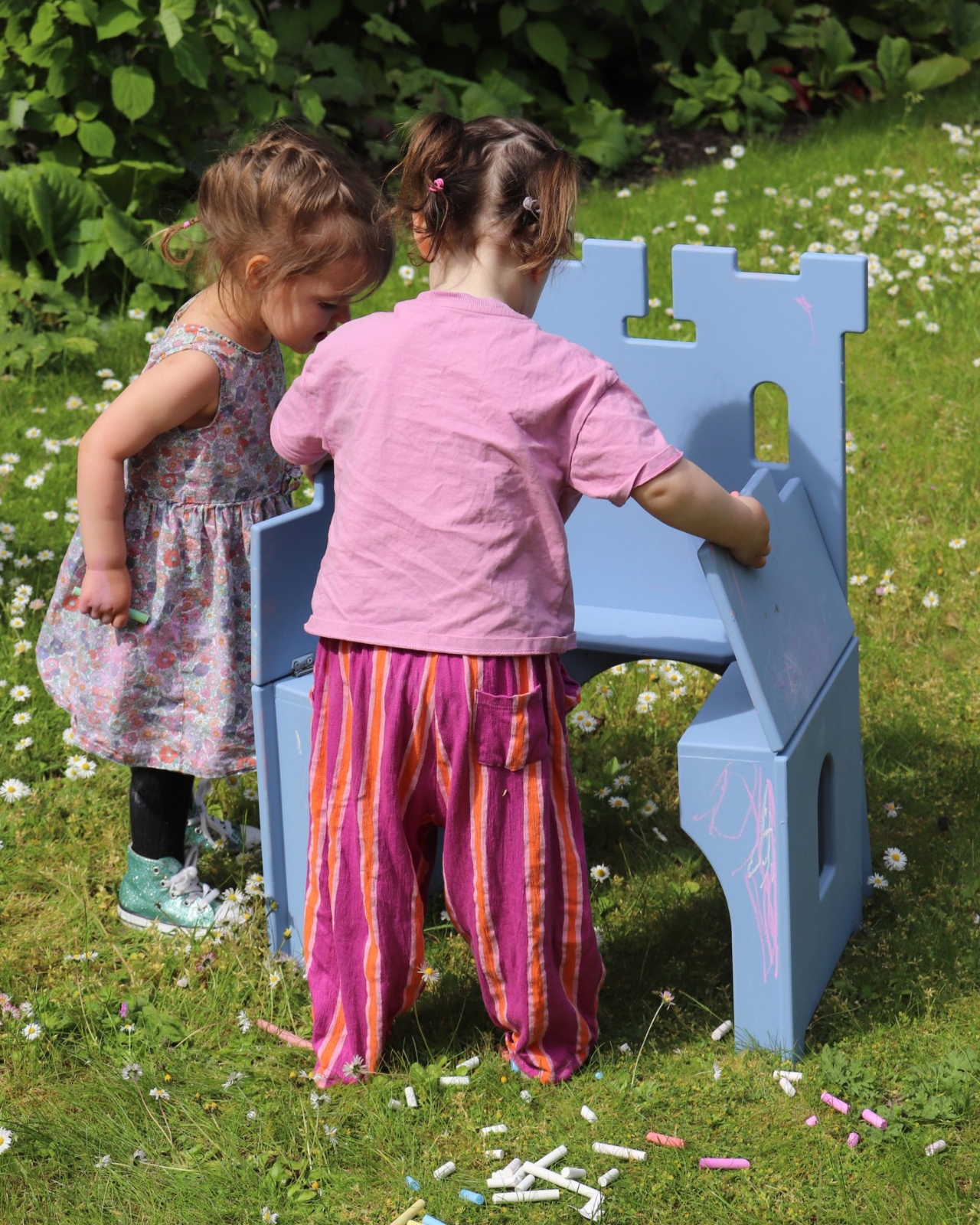
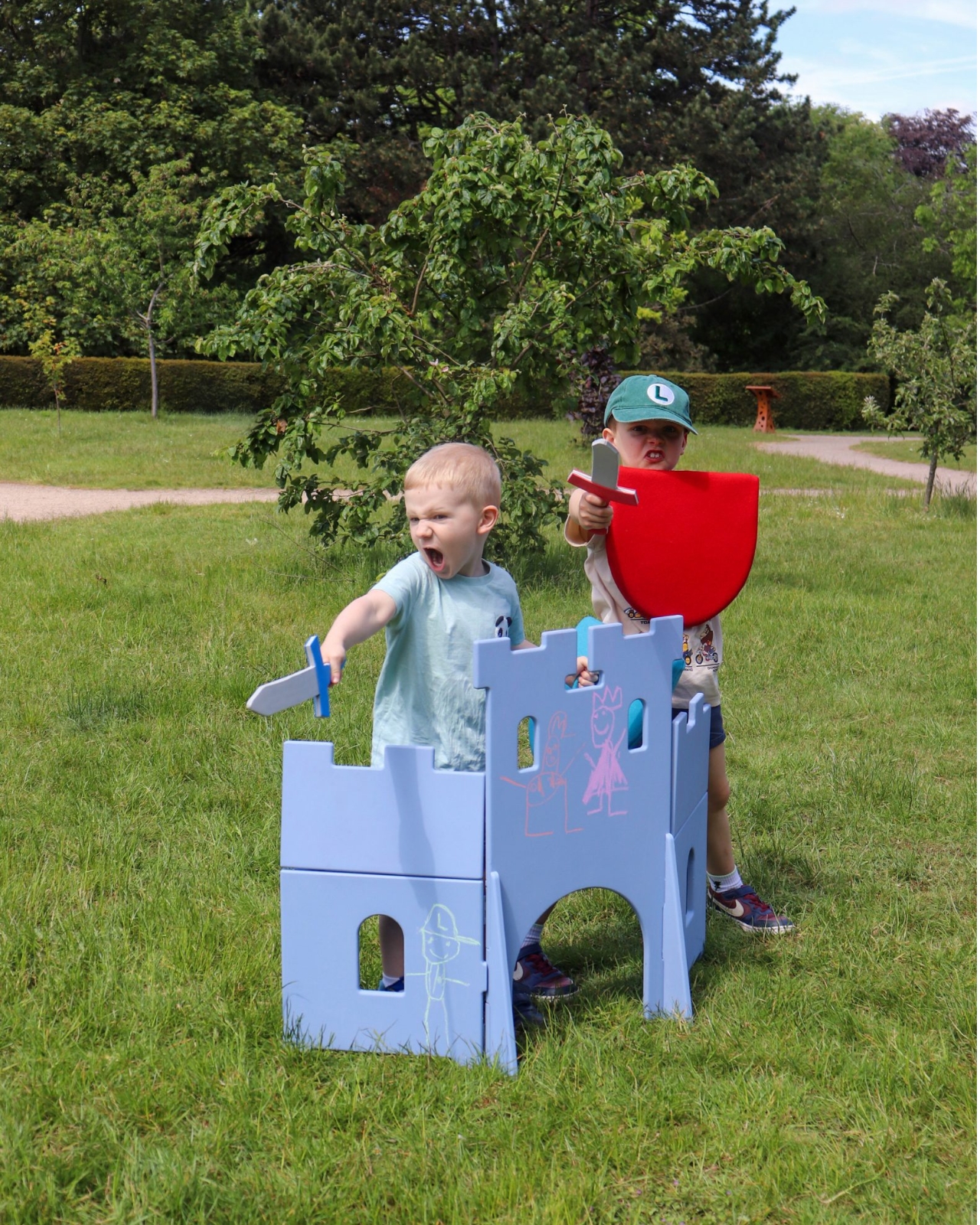
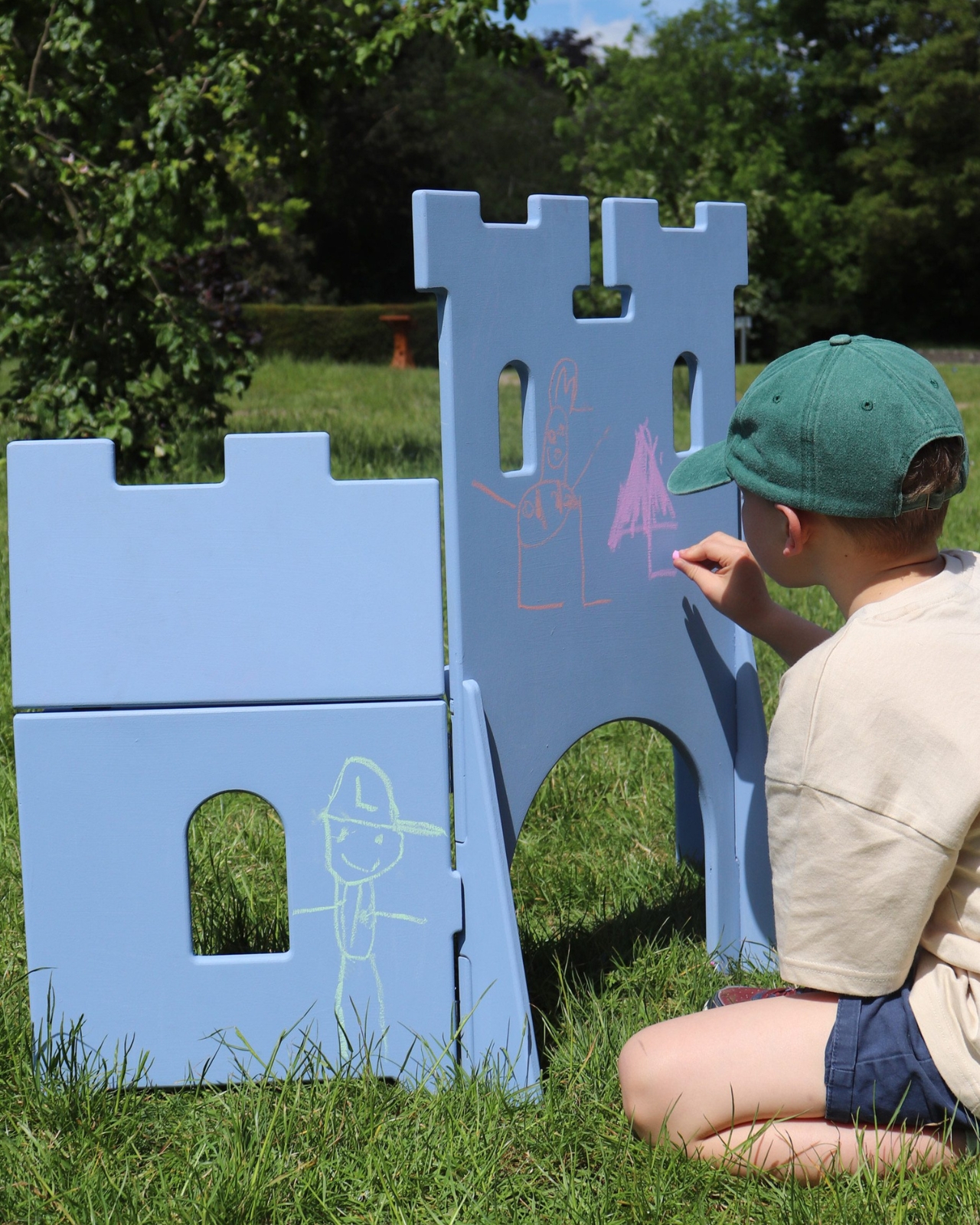
Two versions exist. One is finished in chalkboard paint, so children can redecorate the castle walls as often as they like. The other hides foam swords under the seat and cushions that convert into shields, the kind of detail that makes you realize this was genuinely designed with play behavior in mind, not just aesthetics. Both discoveries came partly from play-testing with real children. A girl who kept wanting to draw all over the clean plywood prototype was the reason the chalkboard version exists. The same test sessions turned the castle into a unicorn cafe, a besieged fort, and Bowser’s Castle from Super Mario, which is probably the most useful design feedback any furniture designer has ever received.
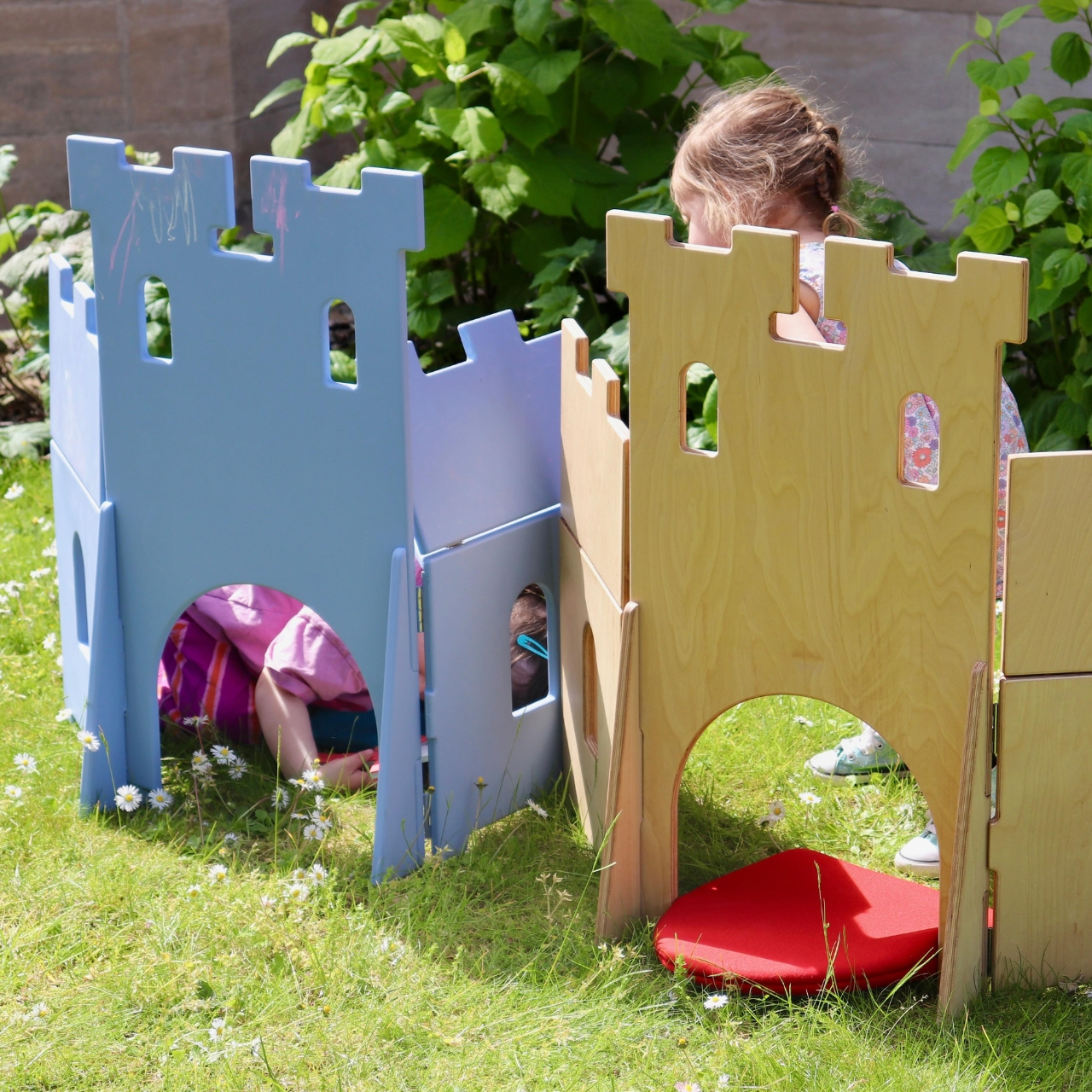

The Casul chair has since won one of the top prizes at London’s New Designers showcase, and it deserves the recognition. Good children’s design is harder than it looks, because the standards are unforgiving. Kids don’t pretend to like things. If a toy doesn’t hold their attention, it’s on the floor in ten minutes. The fact that Murphy’s chair passed that test, across multiple children and multiple imaginary worlds, tells you everything about how well he understood the brief.