The DJI Mavic 4 Pro can fly for around 50 minutes before needing a recharge, but are those numbers sufficient for a drone tasked with surveillance of hundreds of kilometers of pipeline or sensitive zones spanning miles? Nor is there any viable solution for monitoring disaster-struck areas that are too risky for manned flights. The next best option is low-flying unmanned airplanes or VTOLs, but the costs involved are way too high for such tasks.
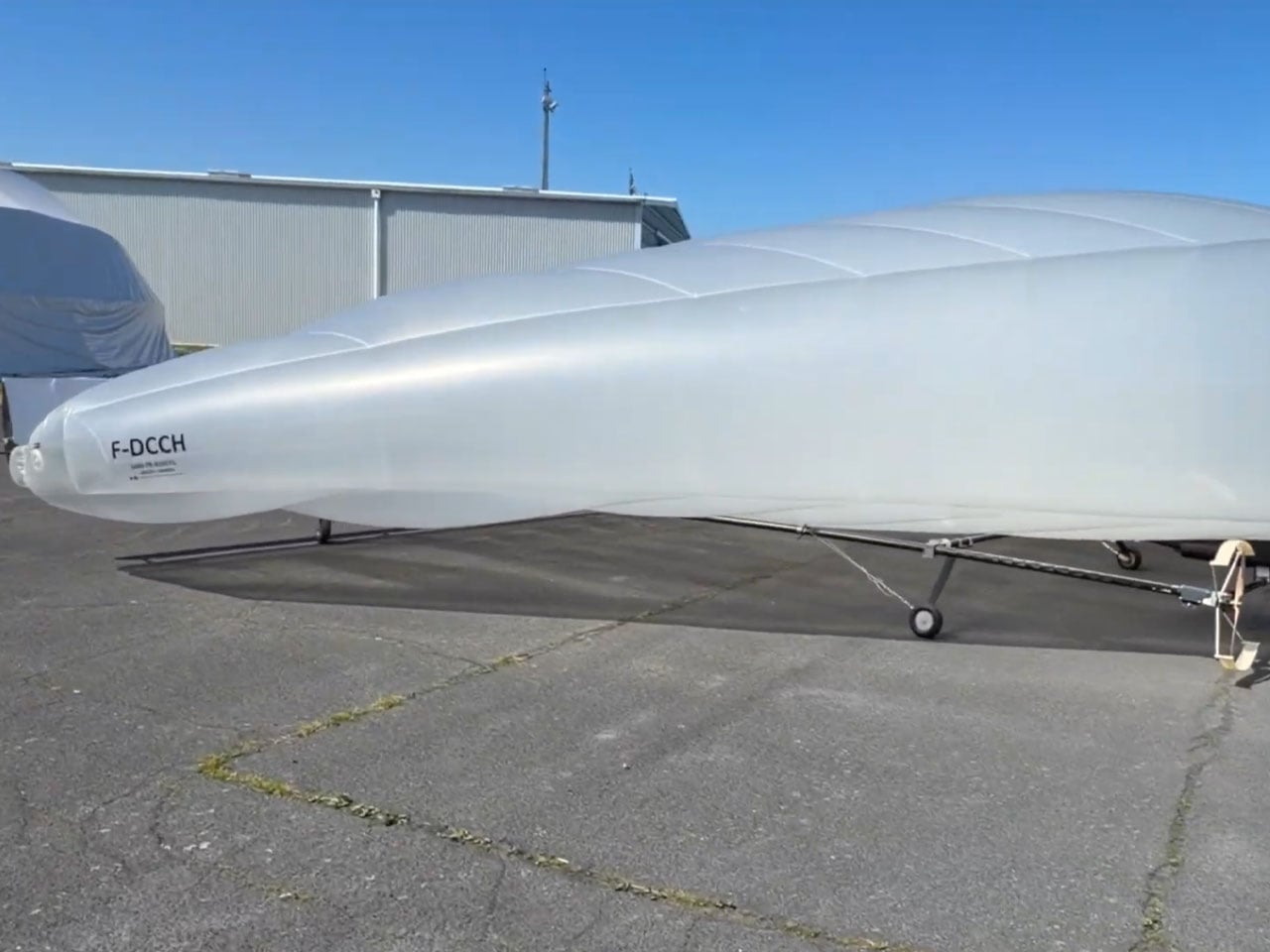
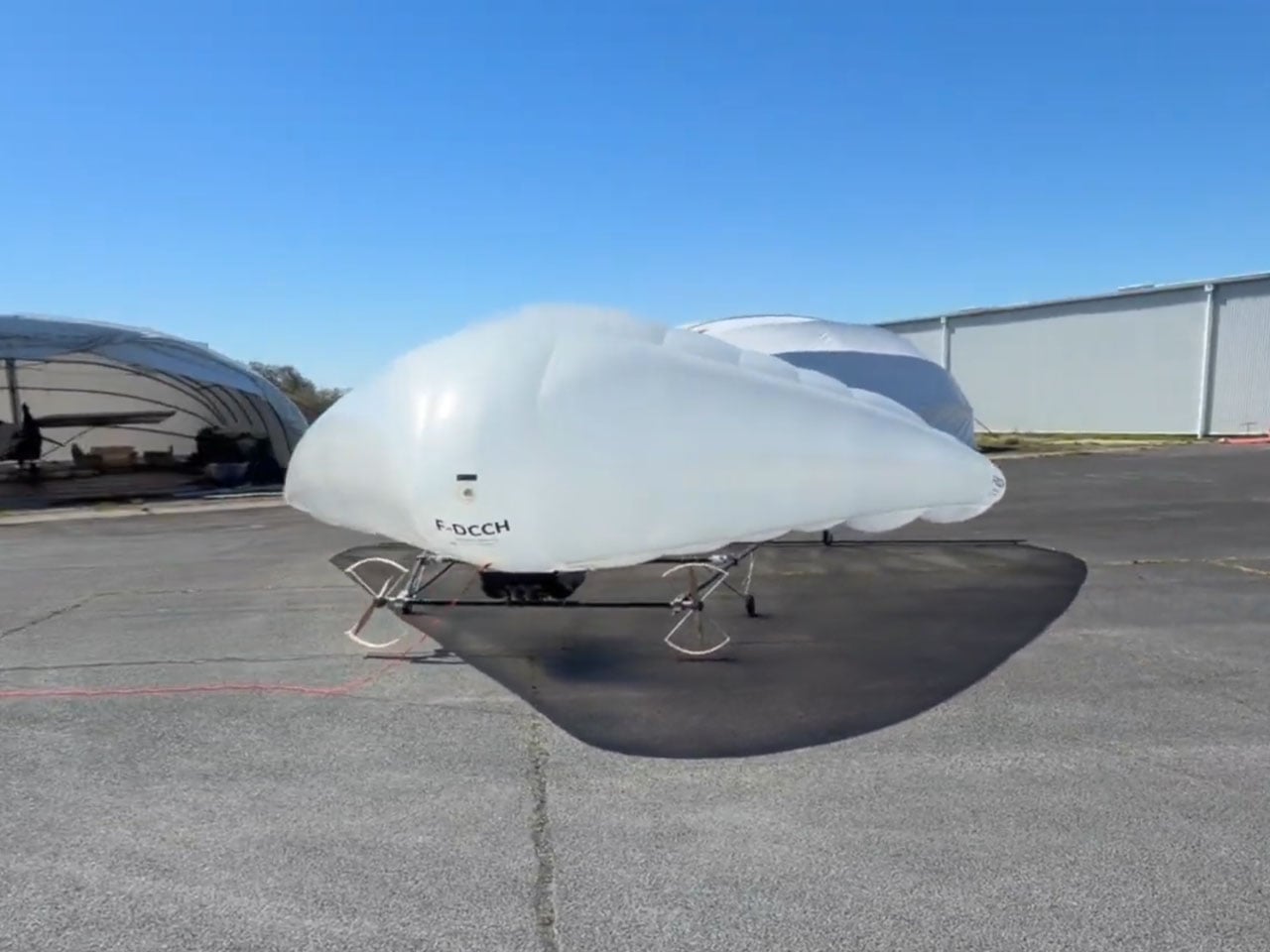
This prompted French aerospace startup Celeste Ecoflyers to design an inflatable fixed-wing aircraft drone that comes tagged with the promise of superior safety and efficiency. Christened daS10, the 8-meter fixed-wing aircraft has a “pressurized textile envelope” and a pneumatic wing that generates lift thanks to the inflated structure. The design ensures the drone can stay in the air for longer without taking up a lot of energy.
Designer: Celeste Ecoflyers
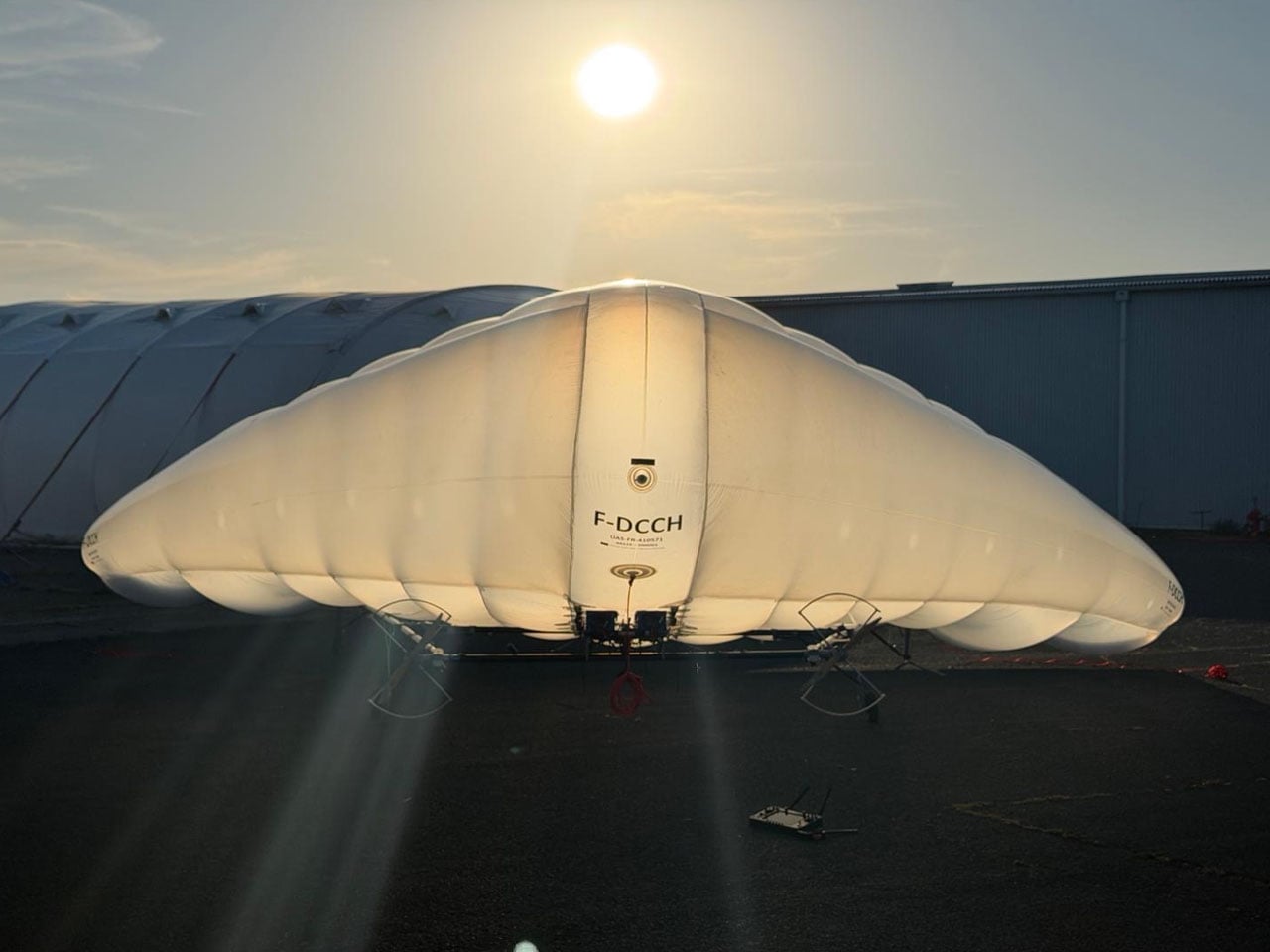
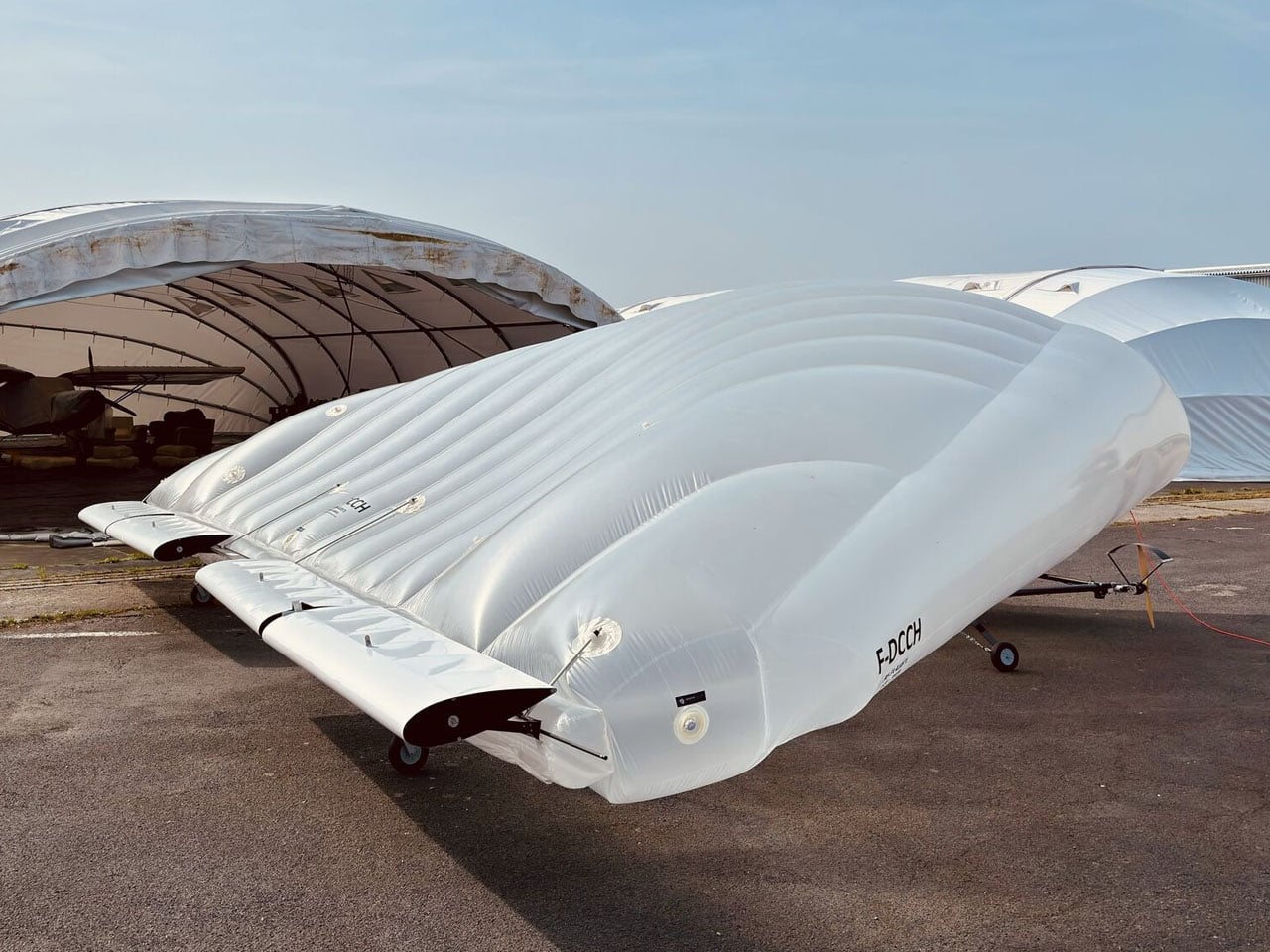
The unmanned craft can be deflated and stored easily in flat form, which makes it highly deployable in any kind of situation. This unique idea comes from the CEO, engineer, and founder Olivier Manette, who happens to be a licensed ULM flight instructor. daS10 is currently in the development stage and recently conducted the initial low-altitude flight tests that lasted a few seconds. More tests are scheduled for Q4 of this year, which will bring it closer to the intended results. When fully operational, the fixed-wing drone can cruise at speeds of up to 50 mph for more than 10 hours in a sortie. That surpasses the JOUAV CW-30E, which can operate for around 480 minutes with a range of 200 kms from base.
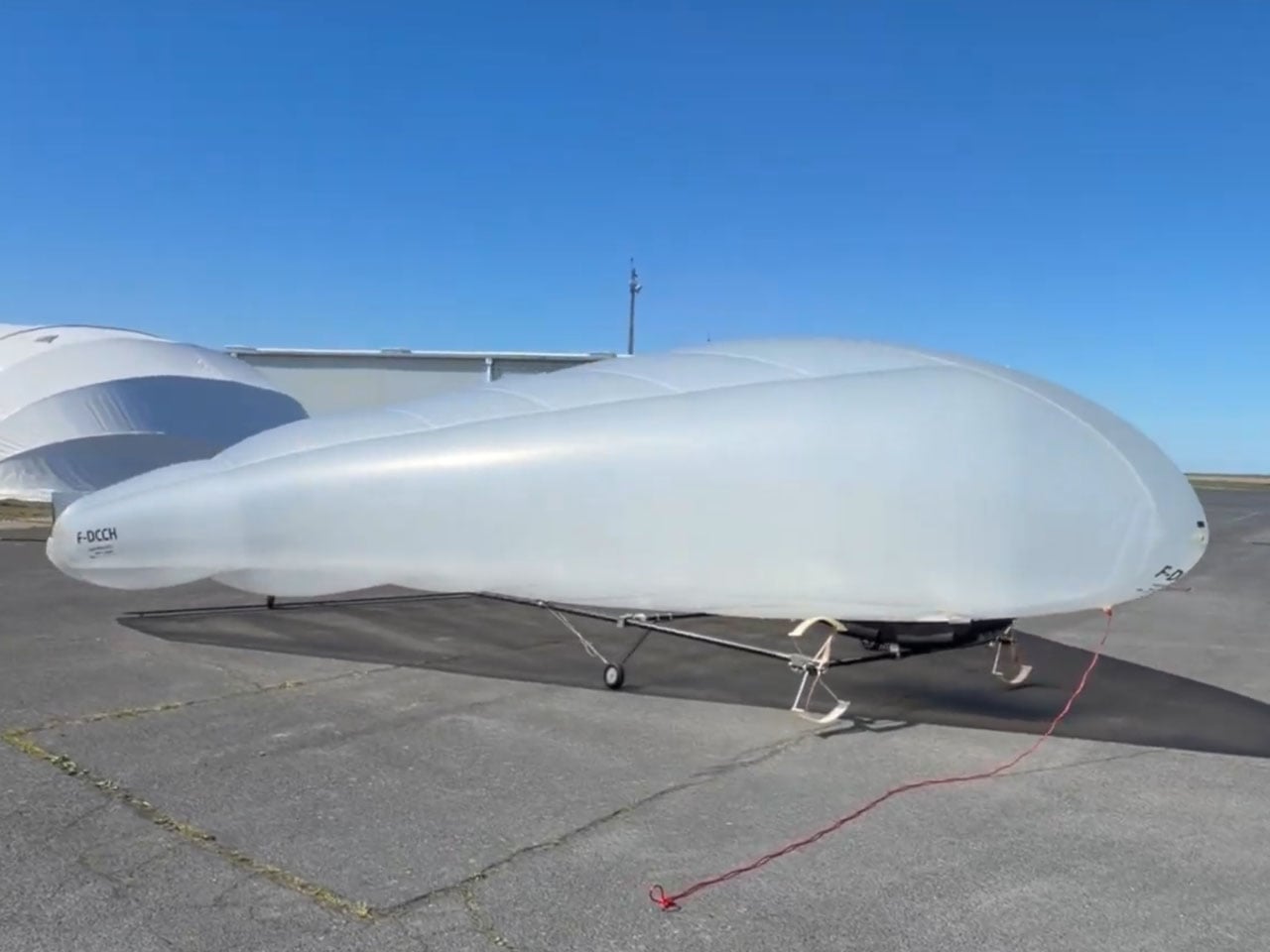
This 8-meter fixed-wing drone is targeted towards commercial operations that require safety and more sustainable logistics. For instance, surveillance of pipelines or energy grids requires a more affordable approach than current solutions. Just for reference, a helicopter flight to inspect a pipeline costs around $2,500 per hour, and this doesn’t include the costs of the pilot or fuel. Also, bad weather and pilot availability can cancel one-fourth of the scheduled flights, hampering the overall operations. This aircraft, capable of generating aerodynamic lift sans any buoyant systems and carrying a payload of 11 lbs, is the ideal replacement for traditional options.
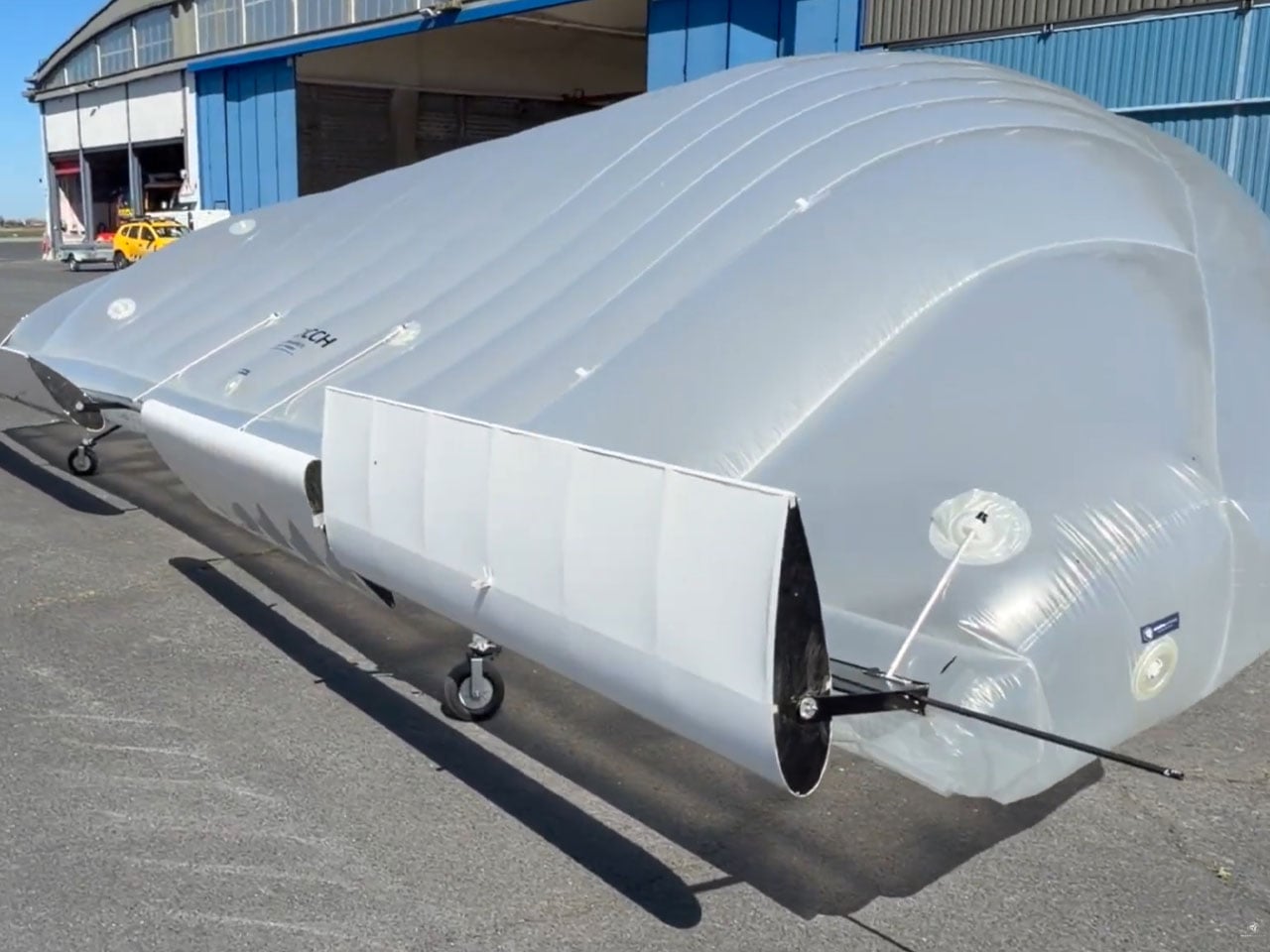
The biggest USP of the daS10 drone is the deflatable wing, which can fold and compress into a smaller volume for easy transportability. That will come in very handy for military operations as well, which require movement of logistics in remote regions. Though it is still early days for the drone, and a lot more engineering challenges lie ahead when it comes to fully scaled flights, the results could be revolutionary for the aviation industry heading towards automation.