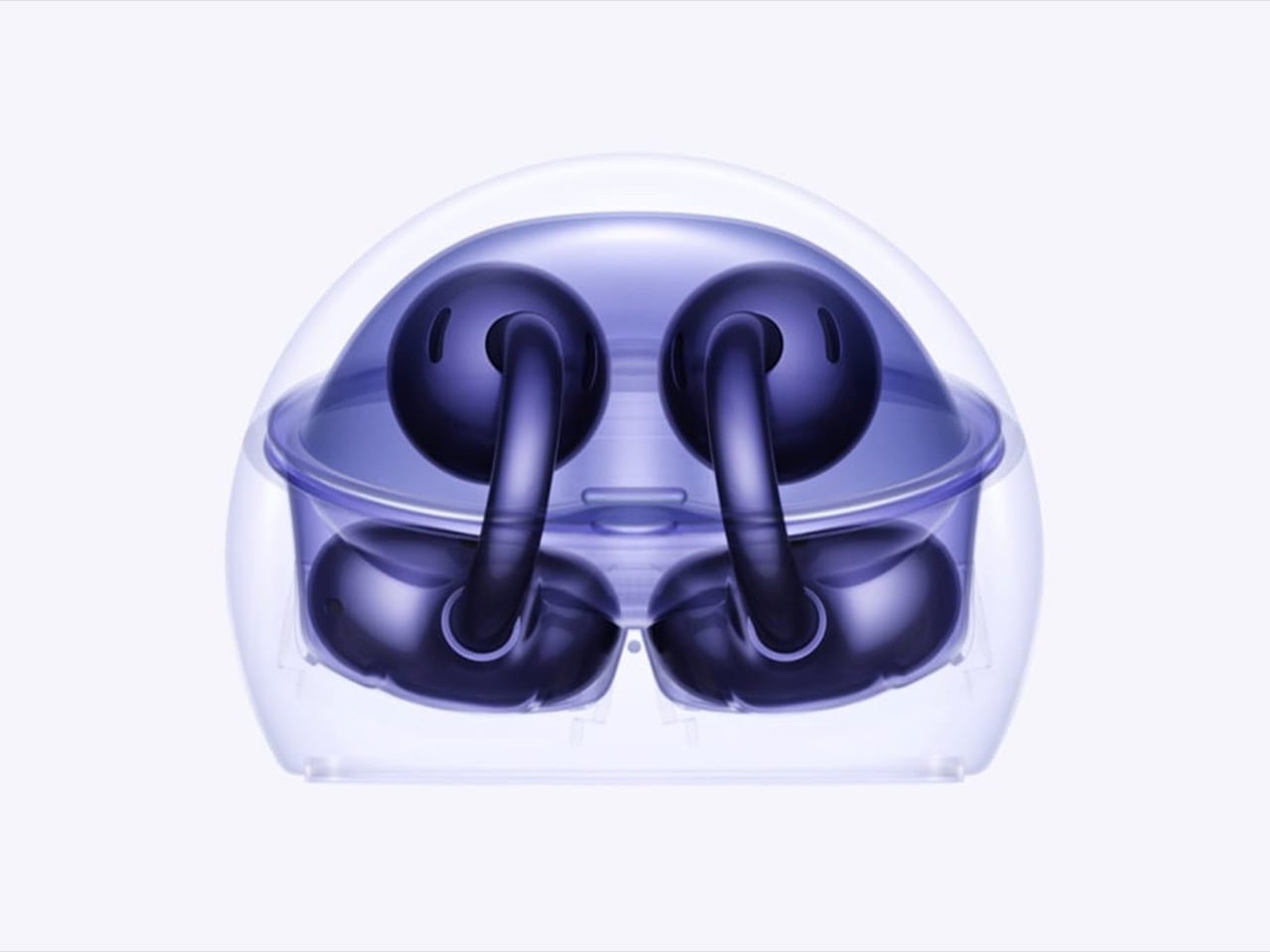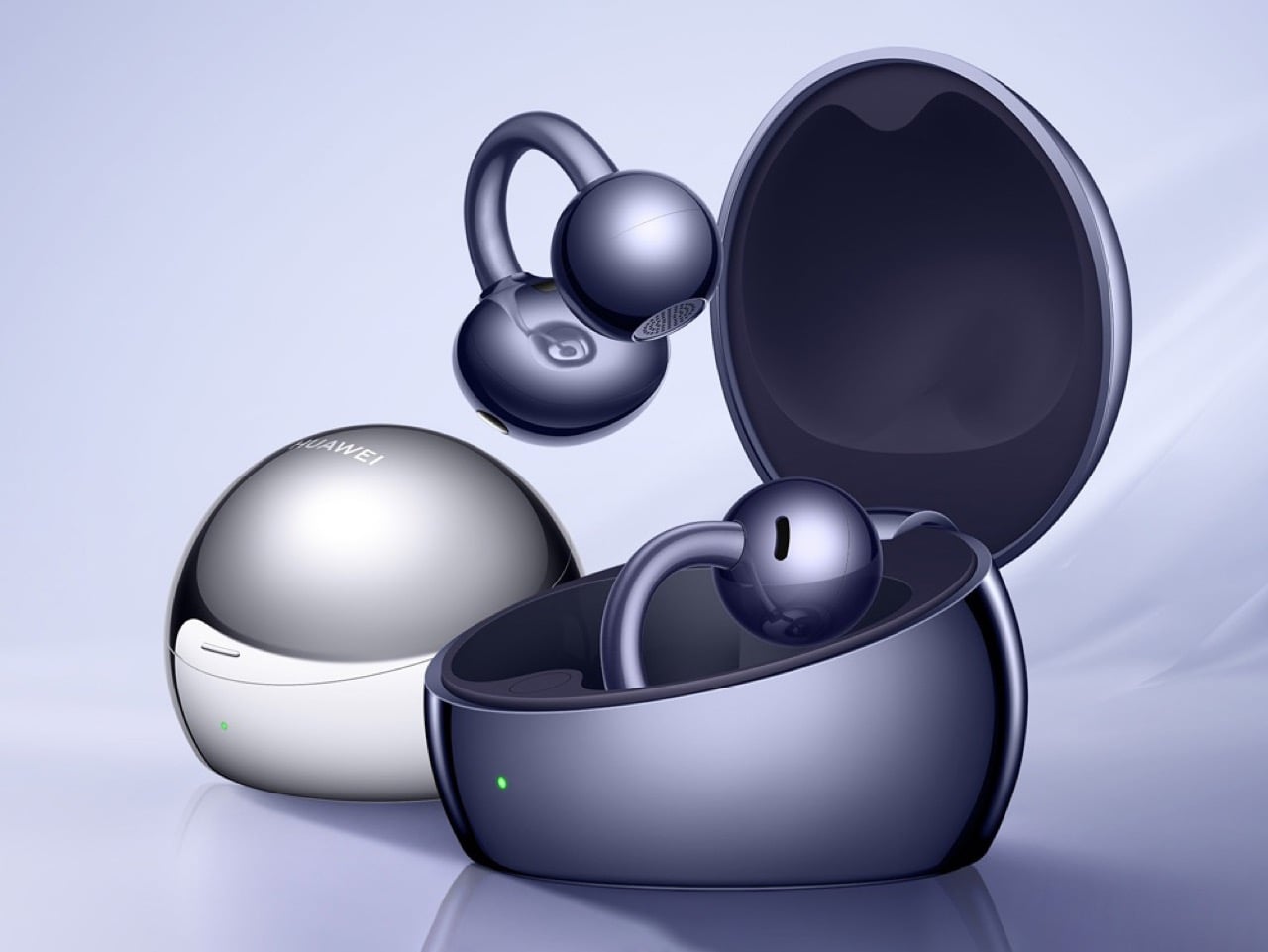
Pop open the case of the FreeClip 2 S and the first thing you notice has nothing to do with earbuds. There is room in there. Real, usable room, enough that Huawei is telling people to drop in a ring or a small pendant alongside the buds themselves. It sounds like a gimmick until you remember how much time people spend fumbling through bags looking for both their earbuds and their jewelry, and how rarely any company bothers to solve two small annoyances with one redesigned object.
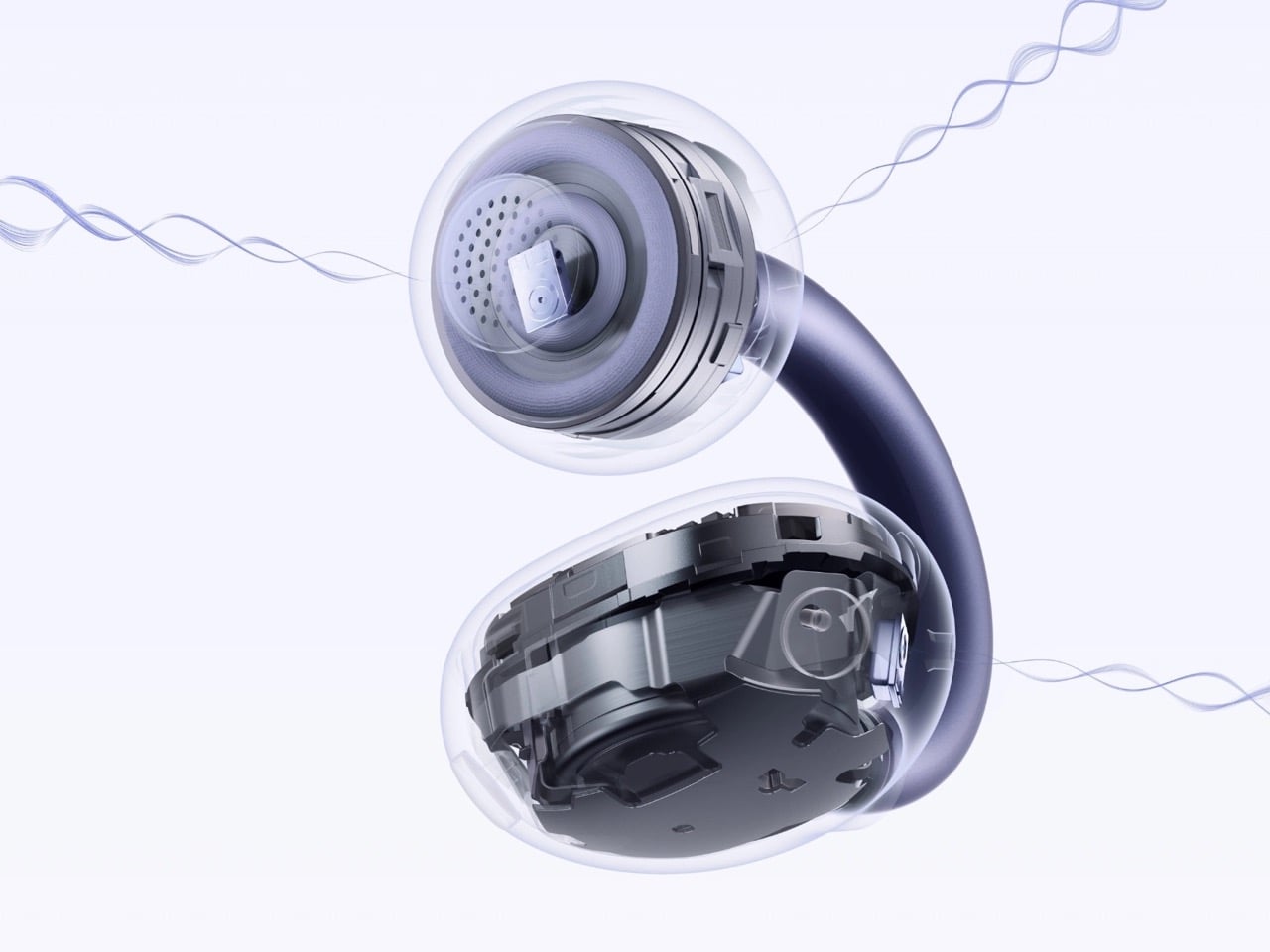
Speaking of space, Huawei found room inside the earbuds too, in the form of spatial audio with dynamic head tracking. It is a feature typically reserved for sealed designs that can isolate sound and rebuild a convincing sense of space around it, and pulling it off on an open-ear bud is a genuinely difficult engineering problem, one most competitors have sidestepped rather than solved. That sits alongside dual 10.8mm drivers, an AI NPU handling adaptive sound, tri-mic call noise cancellation, and IP57 water resistance. Priced around 229 euros globally, with a discounted window running through August 21, 2026, the FreeClip 2 S treats itself as jewelry first and tech second, at least in how Huawei wants you to see it, while quietly pushing open-ear audio further than most of its rivals have dared.
Designer: Huawei
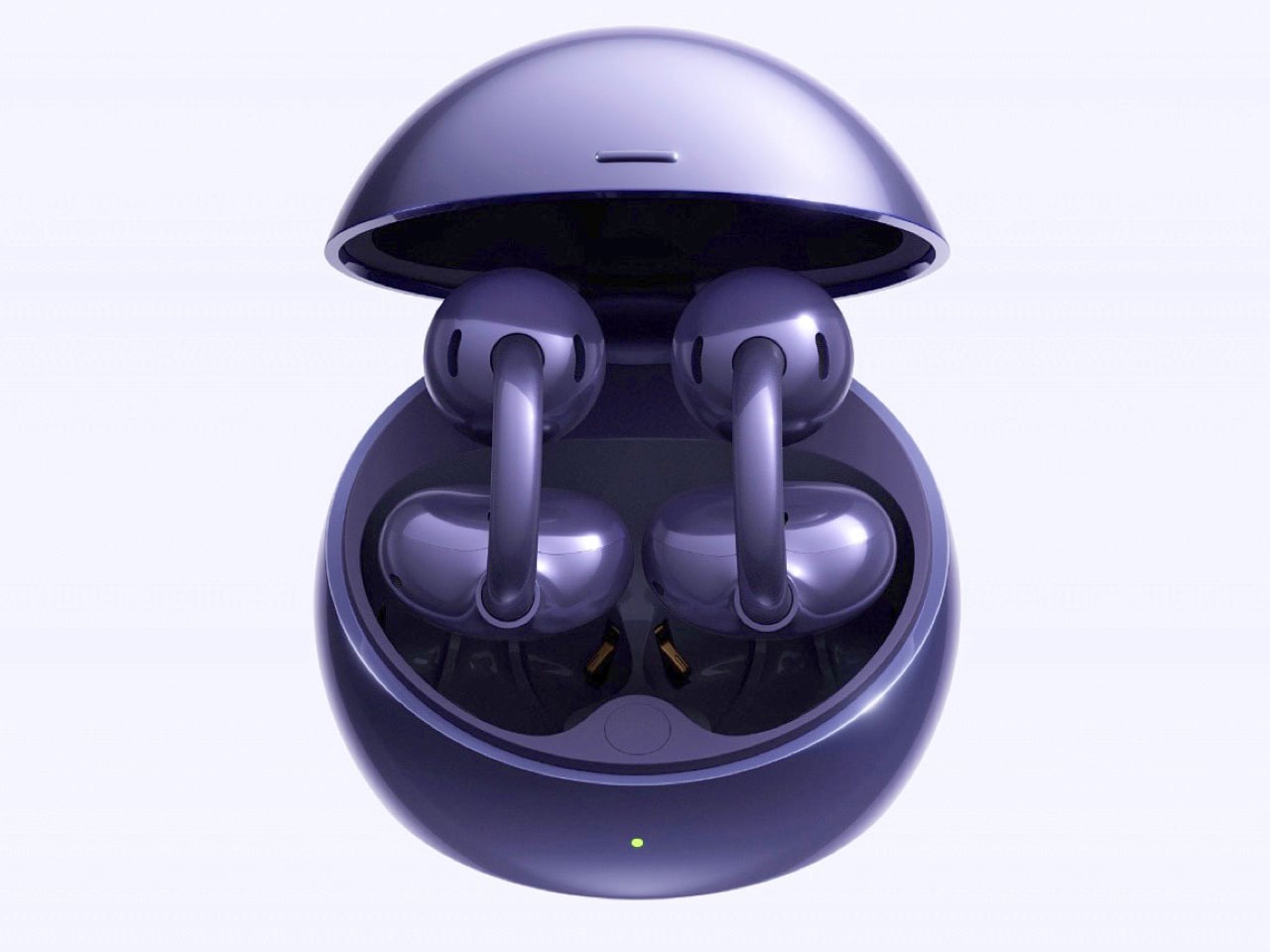
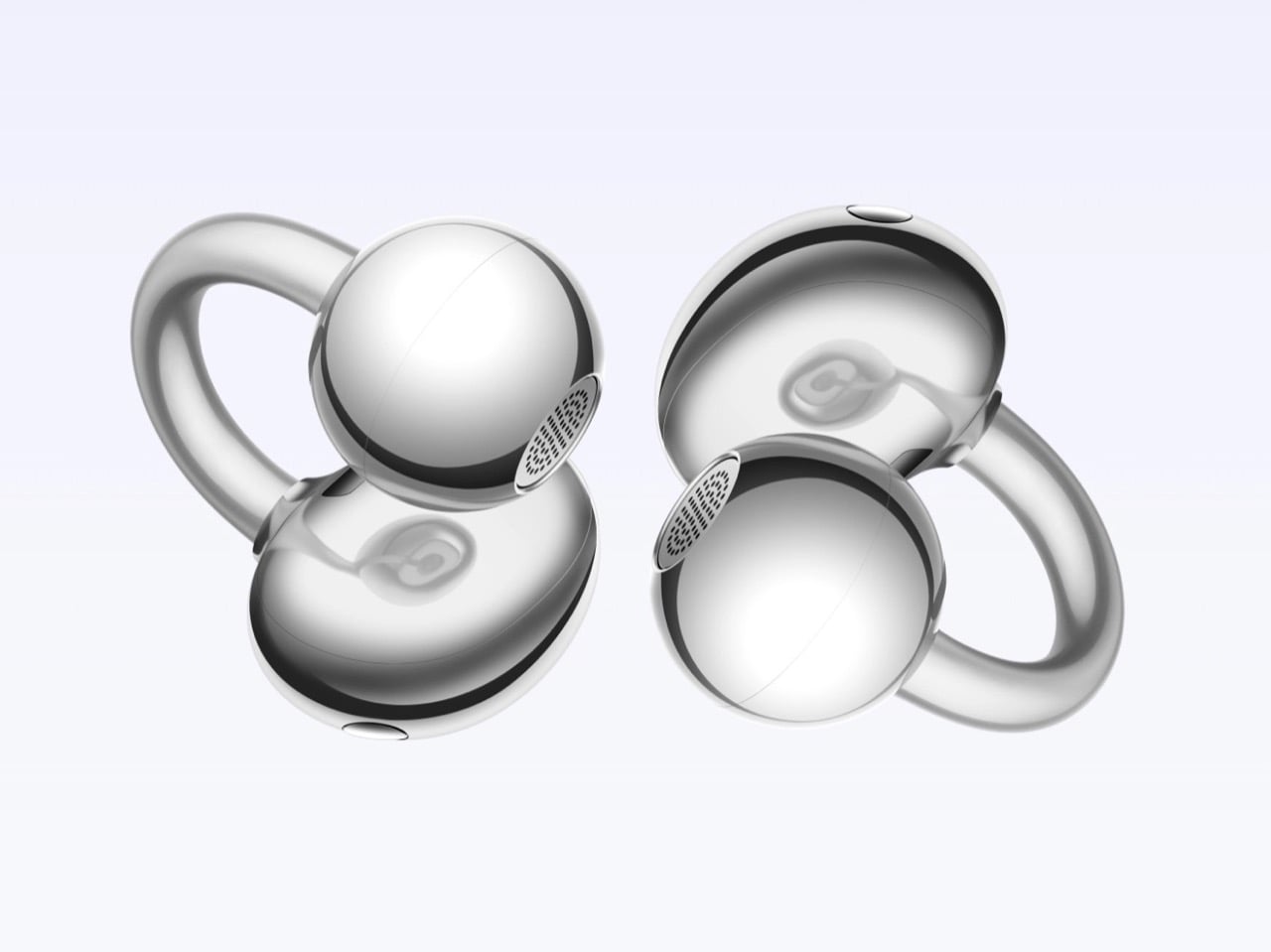
The case redesign alone signals a shift in how Huawei thinks about this product category. Gone is the AirPods style shell that defined the original FreeClip 2, replaced by something almost spherical, larger, and finished in a mirrored metallic coating that photographs like a compact rather than a charging dock. Huawei says the new shape offers 20 percent more internal volume, and rather than leave that space empty, the company built a whole marketing angle around filling it with small accessories. The bundled partnership with French costume jewelry brand Les Néréides makes that pitch explicit, pairing the earbuds with an actual piece of jewelry for buyers who opt into the launch bundle. It is an unusual move for an earbuds case, treating it as a personal object rather than a functional afterthought.
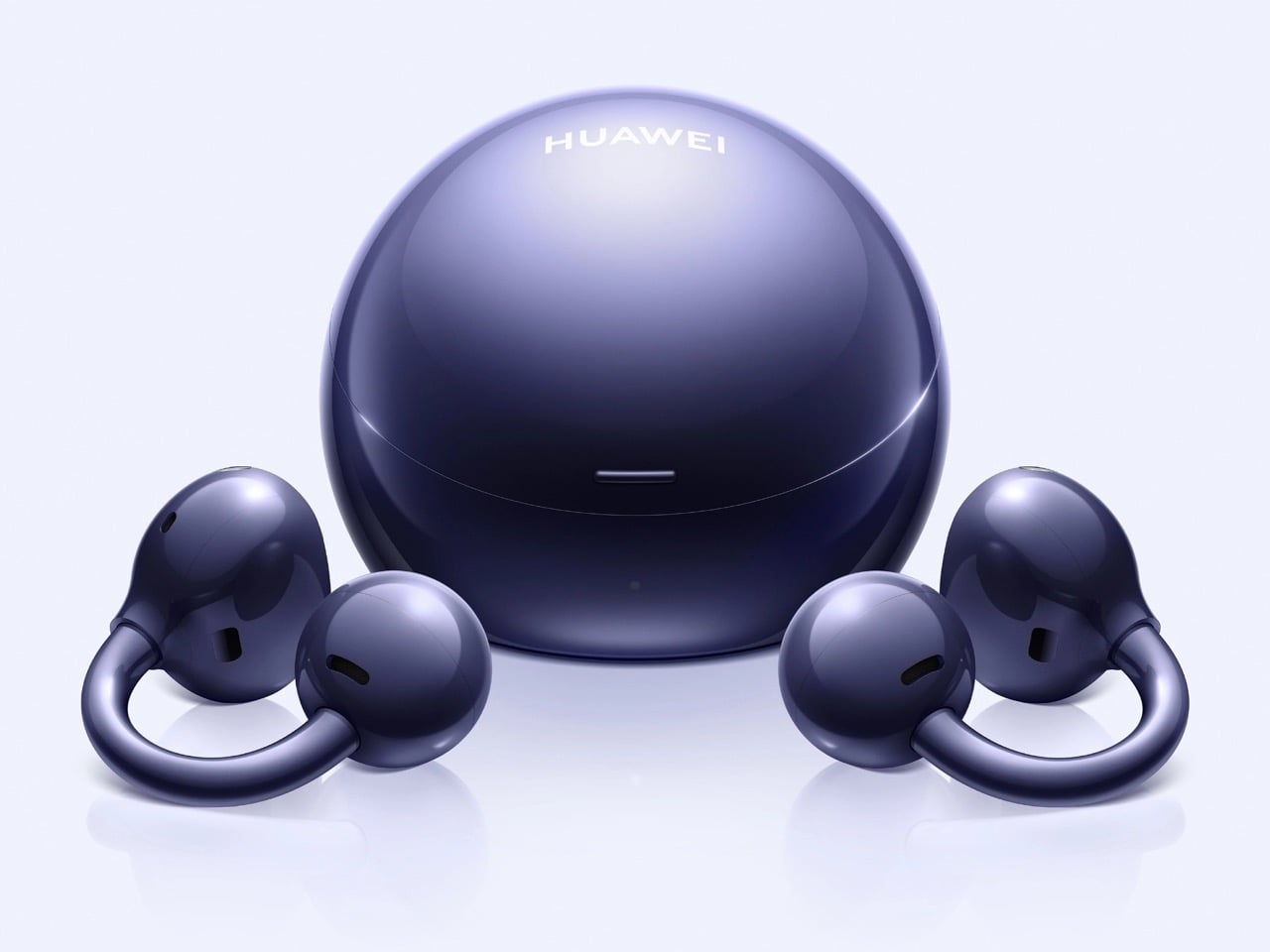
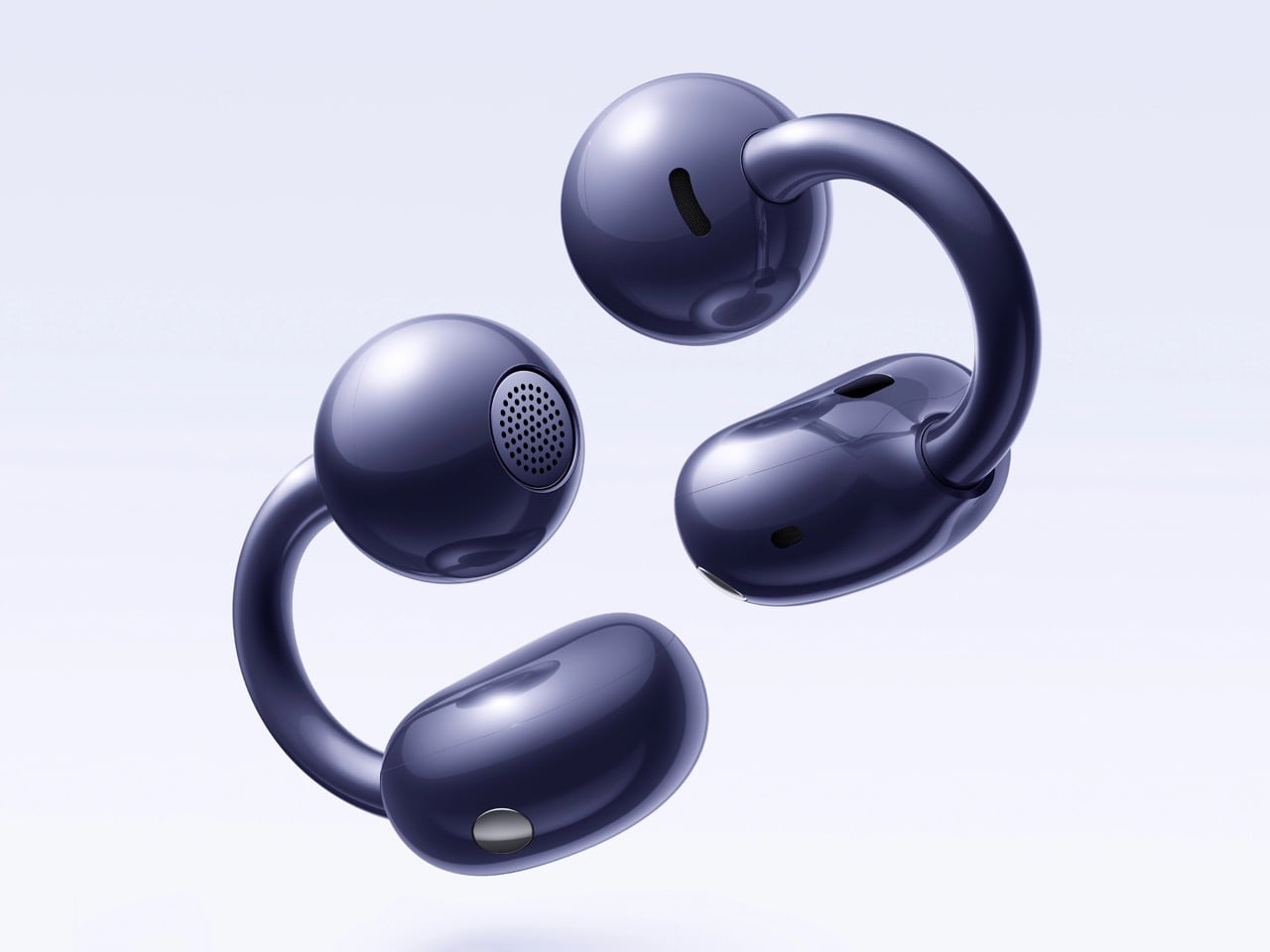
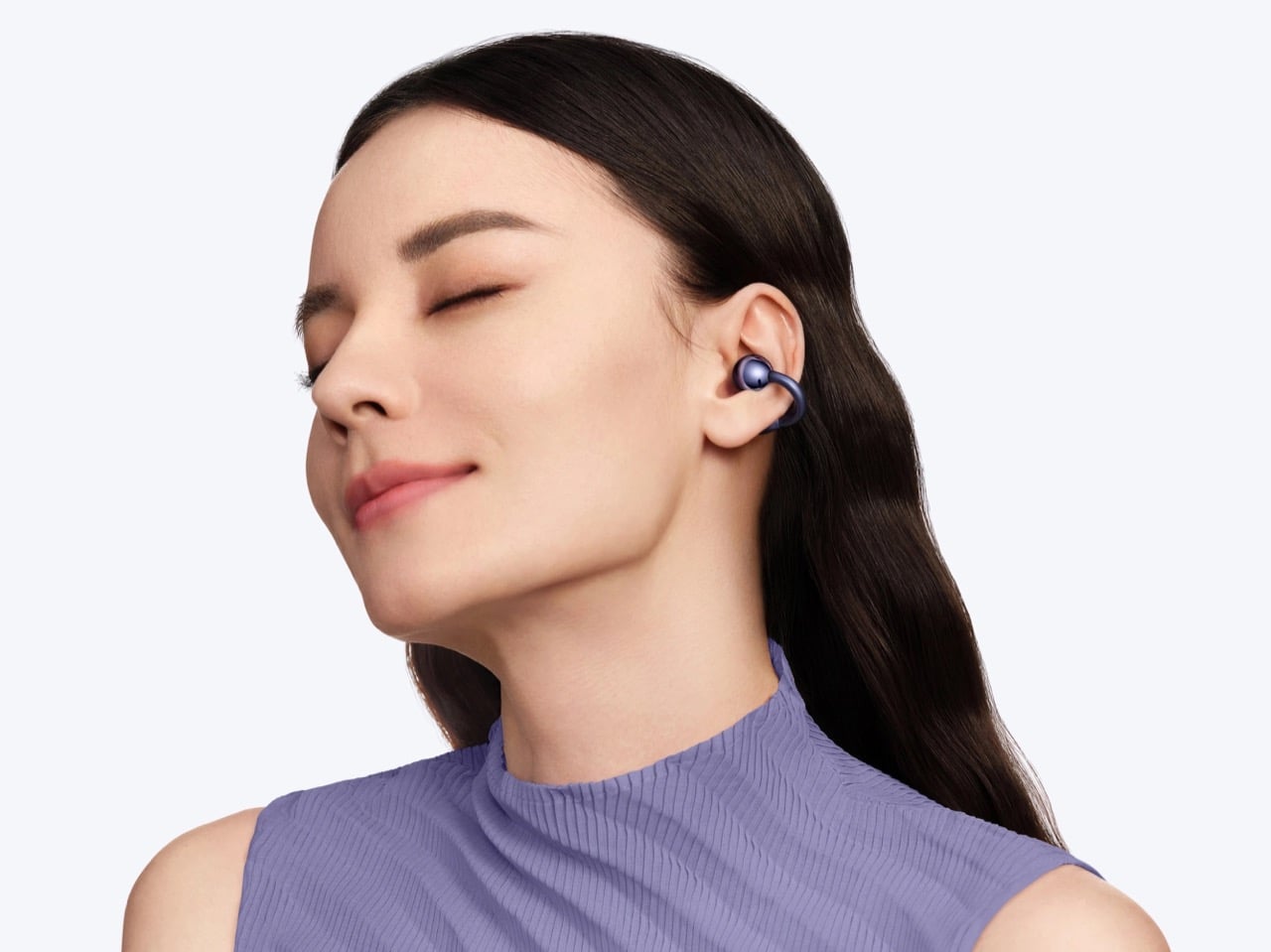
Underneath that redesigned shell, the earbuds themselves got quieter but meaningful updates. Huawei softened the C-bridge by 25 percent and smoothed out the grooves that ran along its surface, chasing a cleaner look and a gentler fit against the ear. The Comfort Bean shape carries over from the original FreeClip 2, still built using data pulled from over 10,000 ear samples worldwide. Each earbud weighs just 5.1 grams, light enough that the open-ear format keeps its core promise of all day wear without the fatigue that sealed buds can cause after a few hours.
Spatial audio remains the headline feature, and for good reason. Dynamic head tracking works best when a sealed fit lets software control exactly what the listener hears, which is why brands like Apple and Sony have largely kept the feature locked to their isolating designs. Huawei pairing it with dual 10.8mm diaphragm drivers and reverse sound wave technology, aimed at cutting down on audio leakage, suggests an attempt to close that gap without sacrificing the open-ear comfort that made the FreeClip line popular in the first place. Whether the tracking feels responsive in real use is something only hands on testing will confirm.
Huawei launched the FreeClip 2 S globally out of Malaysia alongside the Pura 90s series, positioning both as flagship efforts rather than incremental updates. At roughly 221 dollars, the earbuds undercut several open-ear rivals while adding a feature set that reads more like a premium sealed bud’s spec sheet. If the head tracking holds up under real world use, Huawei may have found a way to make open-ear audio feel a lot less like a compromise.