
Summer carry is a different kind of edit. Thinner clothes, shorter pockets, and more time outdoors force a reckoning with whatever has been living in your loadout since winter. Every item has to justify itself against a tighter brief, and the tools that survive that audit share the same quality: maximum function in the smallest footprint, built from materials chosen for longevity rather than appearance. July’s best EDC designs clear that bar across eight distinct categories.
What separates this month’s picks from the broader market is the refusal to mistake complexity for value. None of these objects accumulate features for the sake of a specification sheet. Each one identifies a specific problem, solves it with the least number of moving parts the solution allows, and uses material science to do the work that engineering usually overcomplicates. From tritium physics to a ratchet arc measured in single digits, this is what pocket-worthy design looks like right now.
1. SpinTi — Rotating Titanium Keychain
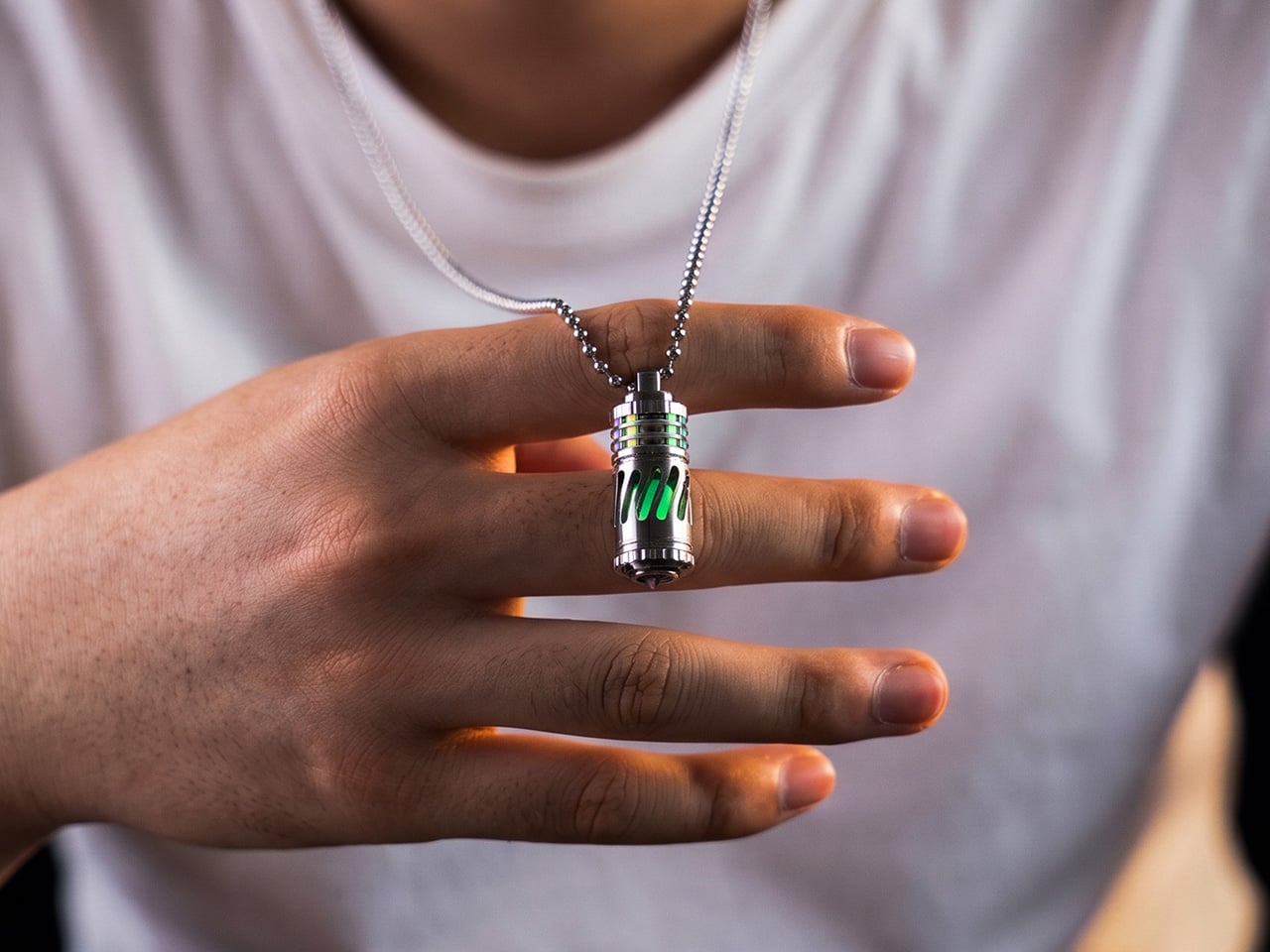


The SpinTi by COMANDI is a rotating tritium keychain that glows continuously for 25 years without batteries, a switch, or any external power source. The glow comes from tritium vials sealed inside the body. As the isotope decays, beta particles strike a phosphor lining and produce steady, passive light through material physics alone. At 35mm long and 8 grams, it is shorter than an AA battery and lighter than two coins, clipping to a keychain without adding any detectable presence.
The rotating mechanism is the second story. The body spins on a solid-state pivot with no bearings, secured by a full metal compression system rather than rubber O-rings. Six tritium vials sit inside a skeletonized Grade 5 titanium shell that exposes the glowing core from every angle. A hardened glass-breaker tip at the tail end adds emergency utility, and the hollow interior fits a micro memory card or emergency capsule. Three titanium finishes and six color combinations mean the SpinTi is a carry object with genuine personality.
What we like:
- 25 years of passive illumination powered entirely by material physics, with zero charging, zero maintenance, and zero reliance on a battery that will eventually die at the wrong moment
- The spinning body and exposed tritium core give it a secondary life as a tactile carry object, which earns it far more daily interactions than a standard keychain piece
What we dislike:
- The glow is intentionally ambient rather than task-lighting bright, which requires adjustment if you approach it expecting anything close to flashlight-level output
- Tritium is regulated in certain countries, so international buyers should confirm local compliance before ordering rather than after
2. Fantom X Wallet
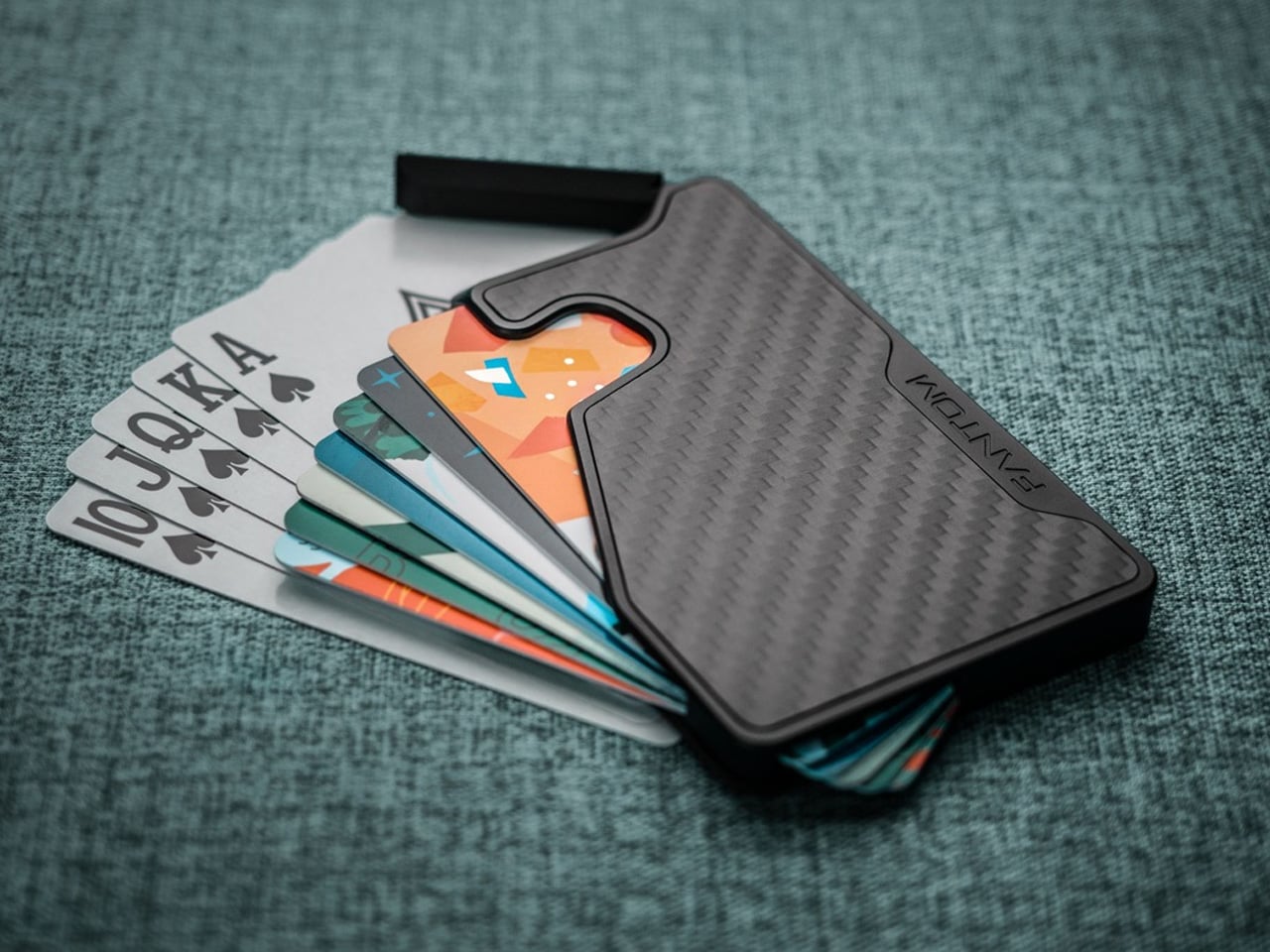
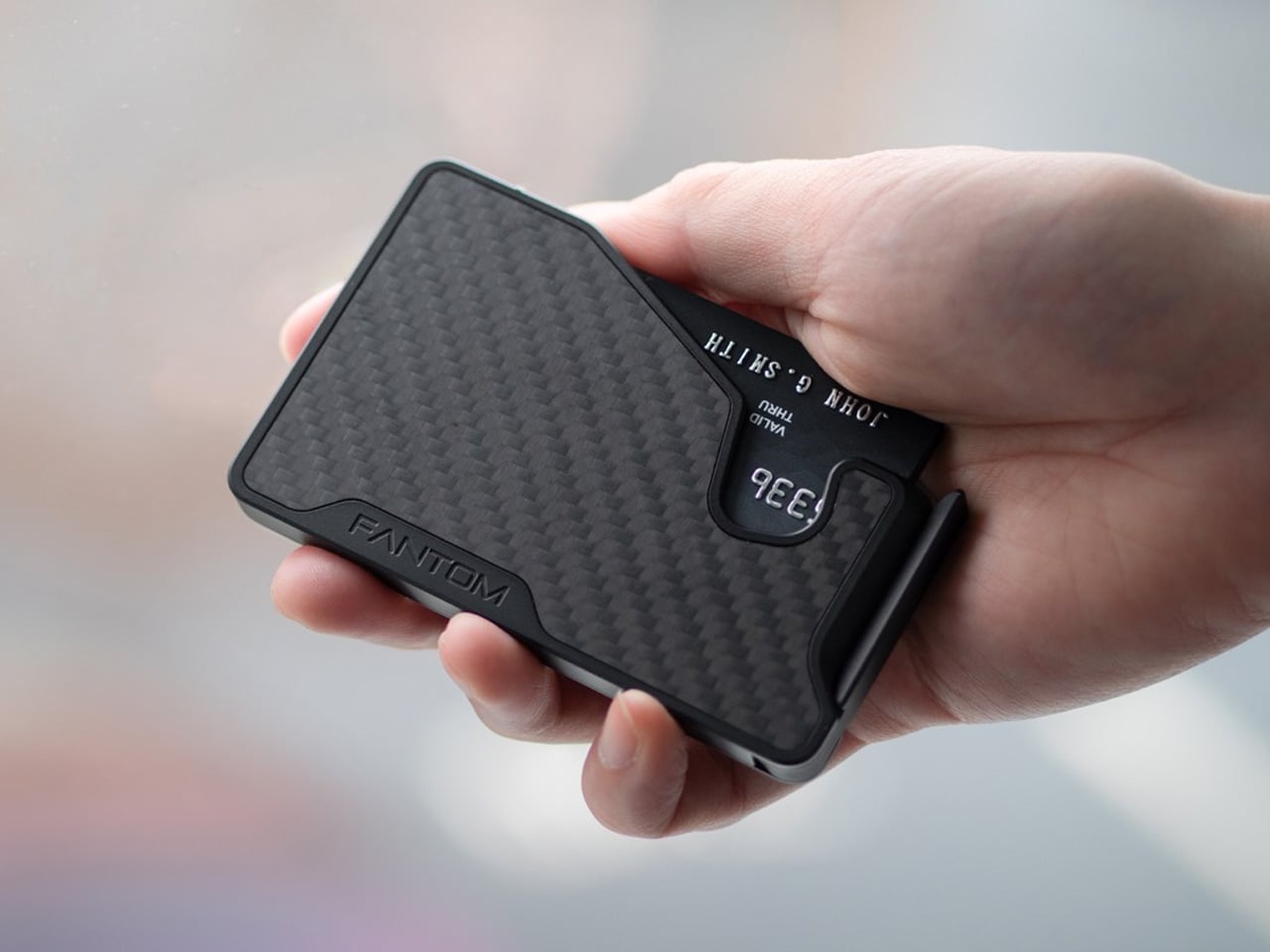
The wallet category has been failing quietly for decades. Leather stitching stretches, bifolds bulk out with receipts nobody asked for, and elastic bands lose tension in months rather than years. The Fantom X approaches the problem as an engineering challenge. The chassis is machined aluminum, the card retention is mechanical, and a spring-loaded ejection system fans your cards in sequence at the press of a button. There are no soft materials involved anywhere in the construction, which means nothing in this wallet degrades.
The design logic draws from product categories where material failure is not tolerated. A bead-blasted aluminum body carries the same rationale as the titanium tools throughout this list: fewer materials, one mechanism, nothing soft that can rot or stretch with use. Cards are organized by the ejection sequence rather than by pocket habit, which introduces a useful kind of intentionality about what actually deserves a slot. At its price point, the Fantom X is a deliberate object rather than a default purchase, and that distinction shows in how it carries.
What we like:
- Machined aluminum construction eliminates the stretching, cracking, and wear patterns that define the lifespan of leather and fabric wallets across every price bracket
- The spring-loaded ejection fans cards in sequence, removing the fumbling that every other slim wallet format still requires at the checkout counter
What we dislike:
- The mechanical ejection system has a learning curve for anyone switching from a traditional bifold, and the first week of carry involves some reorientation
- Cash carry is minimal depending on configuration, which limits practicality for anyone who still moves through the world with notes in their pocket
3. 8-in-1 EDC Scissors
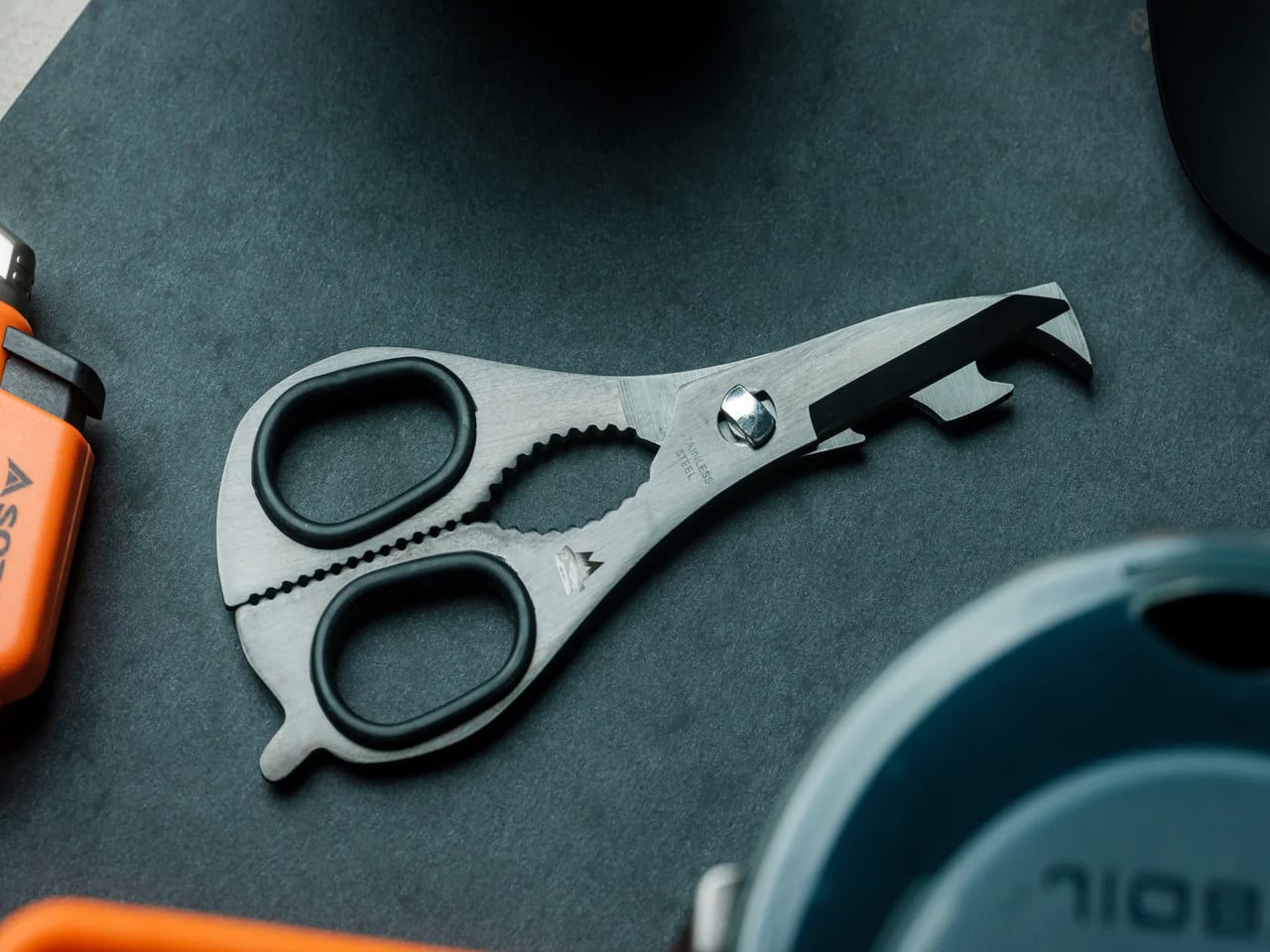
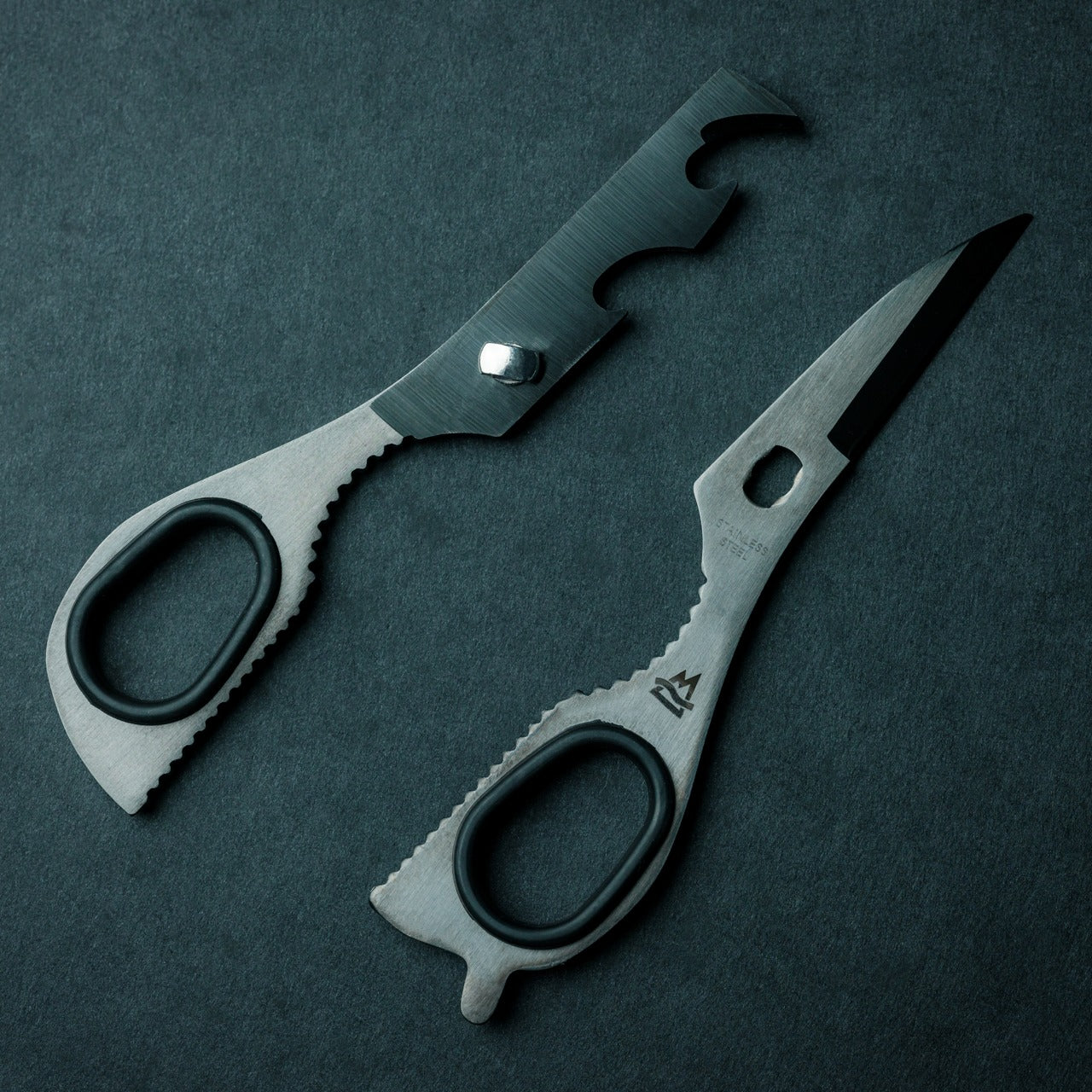

Scissors have a design problem as a carry category. They default to single-function objects that earn exactly one interaction per carry, and the format is usually too dedicated and too long to travel in anything lighter than a jacket. The 8-in-1 EDC Scissors refuse both of those defaults. Eight distinct functions share one compact hinged body, starting with the most natural cutting motion in the hand and building outward from there into wire, packaging, thread, and several tasks that otherwise require reaching for a separate tool.
What earns its place in a summer loadout is the function-to-footprint ratio. A standalone pair of scissors rarely travels because the format seems purpose-limited. This version answers both objections simultaneously. The compact build fits a pocket without the awkward proportions of standard scissors, and the additional functions mean it earns multiple daily interactions rather than waiting for the one task that justifies having it along. It improves the math of what you carry relative to what you can do, which is the only argument any EDC tool needs to make.
What we like:
- Eight functions in one hinged body means fewer individual tools across the whole loadout, and the scissor-first design ensures the primary function is also the most natural to reach for
- The compact form factor resolves both reasons scissors are usually left behind, making this one of the more quietly significant additions a summer carry can make
What we dislike:
- Multi-function tools involve inherent trade-offs, and the secondary functions perform best on light-duty tasks rather than anything requiring sustained or heavy use
- Blade length is limited by the compact body, which affects performance on materials that need more cutting surface to work through cleanly
4. KeyUnity KK08 Titanium Carabiner Knife
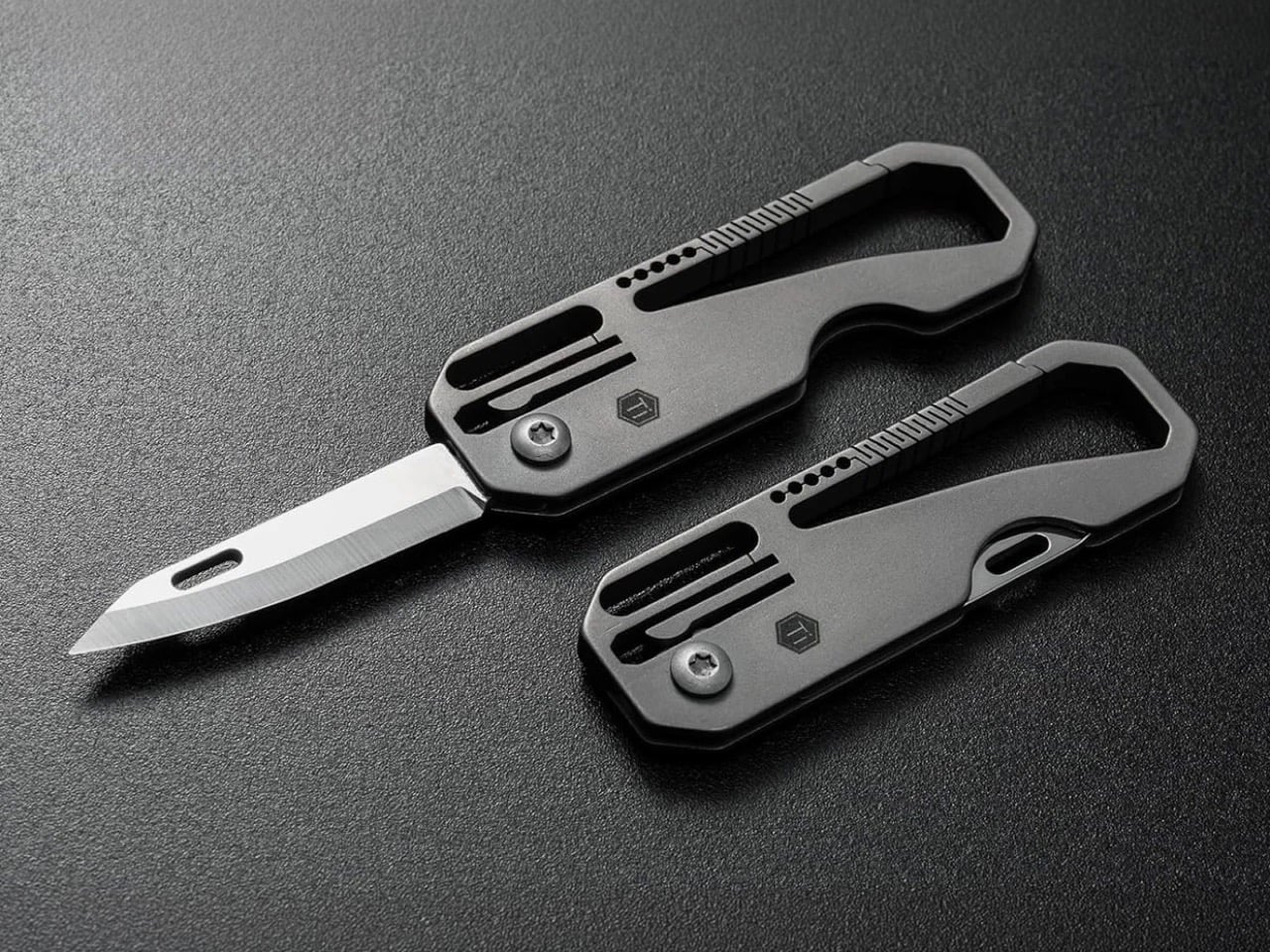
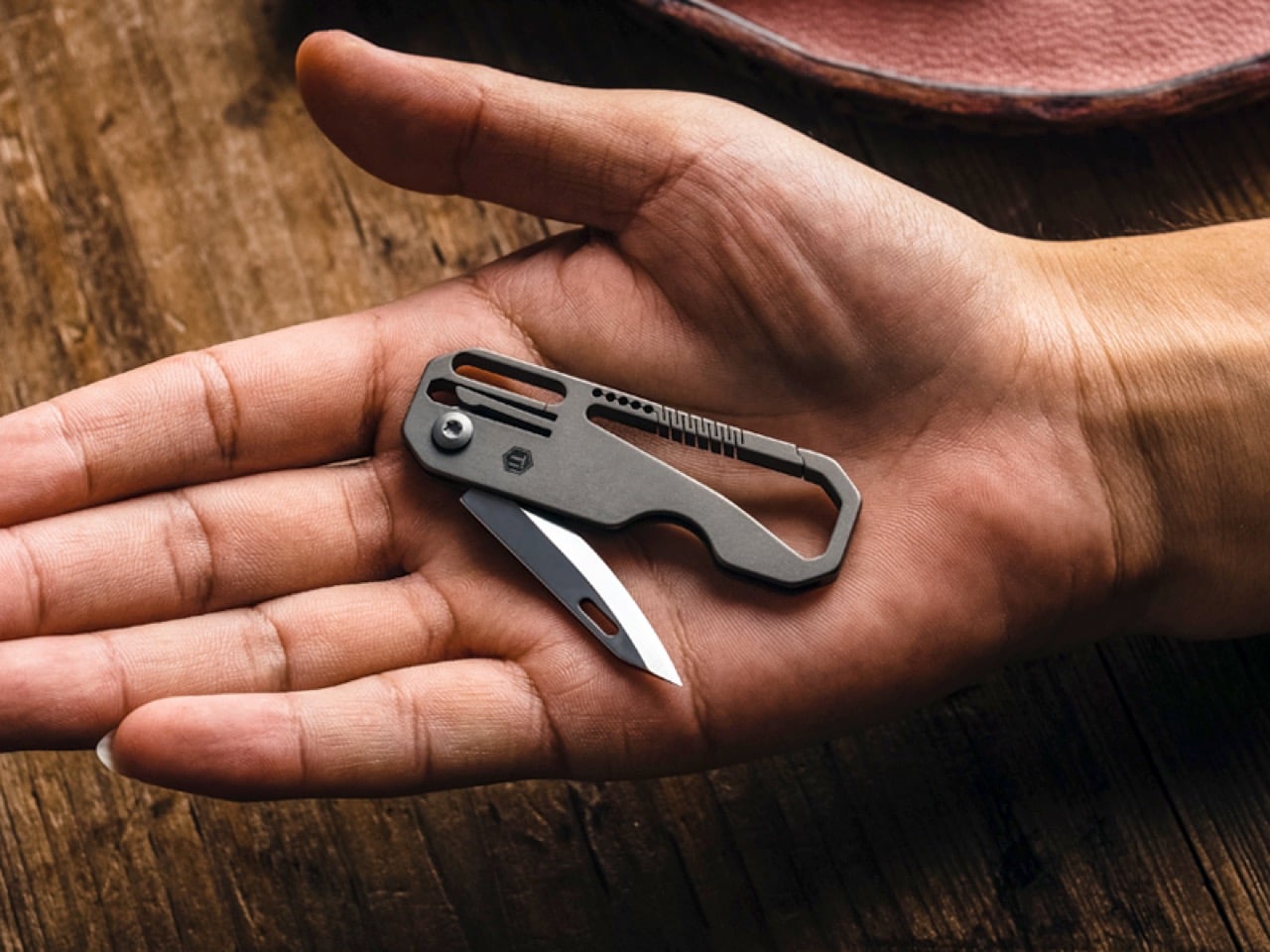
The carabiner is one of the most underutilized platforms in everyday carry. Most examples handle clipping and nothing else, occupying keychain real estate without justifying it with more than a single function. The KeyUnity KK08 corrects that by integrating a deployable blade directly into the gate of a TC4 Grade 5 titanium carabiner. One object handles clipping, carrying, and cutting without requiring any tool swap. The blade locking mechanism operates independently from the carabiner gate, keeping both functions discrete and deliberate.
TC4 titanium earns its place here for the same reason it appears throughout this list. Corrosion-resistant, strong relative to its weight, and completely indifferent to the weather and wear conditions that define outdoor carry. On a carabiner that lives clipped to the outside of a bag or attached to belt hardware, that resistance matters considerably more than it does for a tool living at the bottom of a pocket. The KK08 simplifies the question of what to clip things with by answering a second question at the same time.
What we like:
- Two functions in one form factor means the carabiner earns twice the keychain space it would otherwise occupy, which is the cleanest possible argument for carrying it
- TC4 Grade 5 titanium construction handles outdoor exposure and weather without the corrosion concerns that affect steel alternatives over extended carry
What we dislike:
- The integrated blade deployment requires some familiarity with the gate mechanism before it feels genuinely intuitive when you actually need it
- Carabiner knives occupy a legal gray area in certain jurisdictions, so confirming local blade regulations before daily carry is worth the time it takes
5. CasaBeam Everyday Flashlight
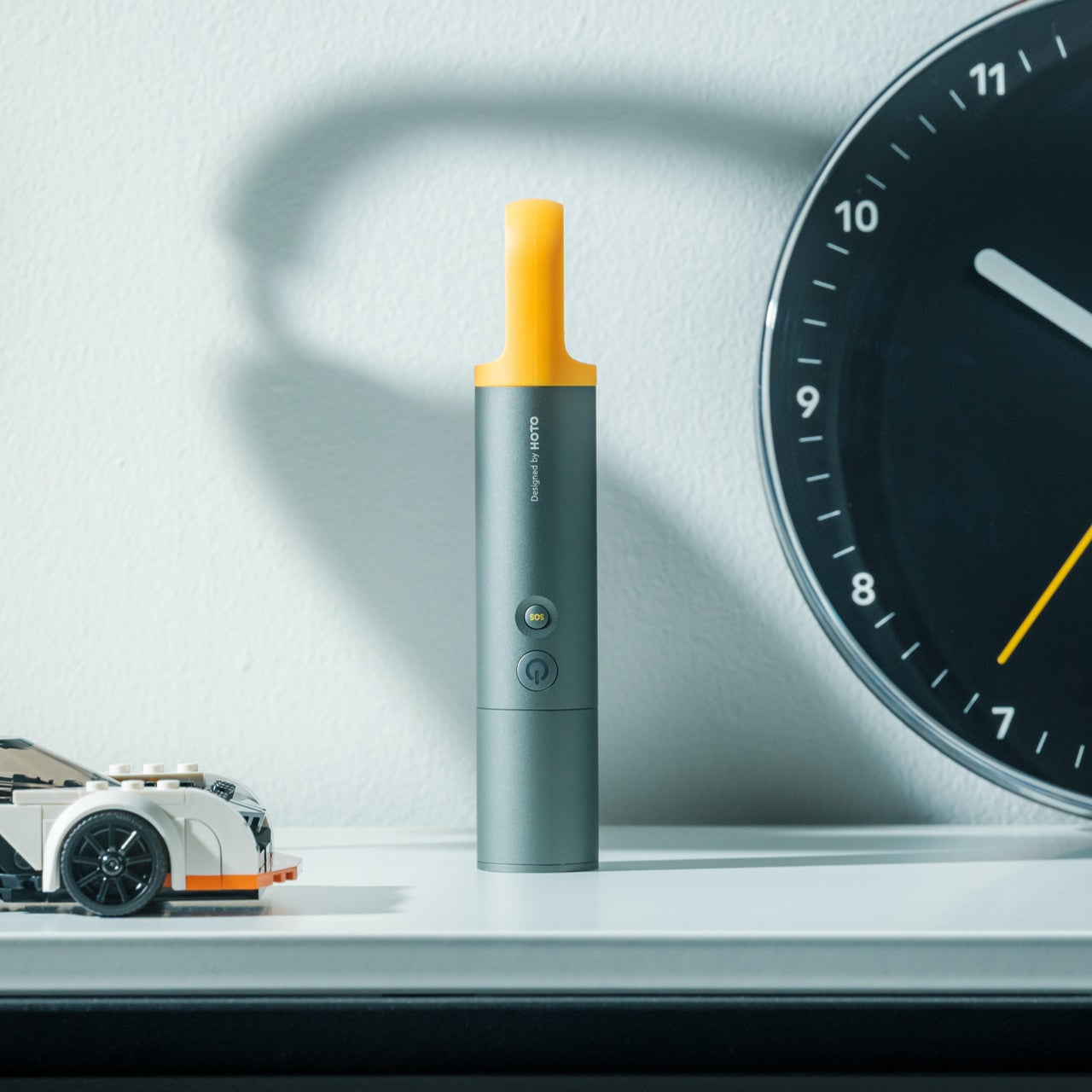

Most flashlights are built around worst-case scenarios. They accumulate modes, strobe functions, and maximum lumen claims that serve their specification sheets more than the person carrying them daily. The CasaBeam starts from a different premise entirely, asking what a light source actually needs to do for someone whose primary use case is the dark stairwell, the campsite, and the bag they cannot find their keys in rather than a search and rescue operation. The result is a form factor that disappears into a normal pocket and controls that are immediate.
The design restraint is what earns it this list. Everyday carry flashlights are more useful when they travel without resistance, which means keeping the body slim enough for a shirt pocket and the interface simple enough to operate without waking up fully. The CasaBeam calibrates for that reality rather than the marketing reality of maximum output. It is the light you reach for rather than the one sitting in the bottom of a bag because you forgot it was there. In a category full of tools designed for exceptional circumstances, it is designed for Tuesday.
What we like:
- The form factor is calibrated for actual daily carry rather than the bulkier profile that tactical flashlights impose on pockets, bags, and shirt pockets in warmer months
- Output and controls are immediate, which removes the mode-cycling friction that makes other compact flashlights slower to deploy when the situation actually calls for light
What we dislike:
- Output is optimized for everyday use rather than maximum throw, so if long-distance or high-lumen performance is a regular professional requirement, this is not the right tool
- The restrained profile means it will not satisfy anyone whose primary need is maximum brightness, and that trade-off is deliberate rather than an oversight
6. Gerber Shard
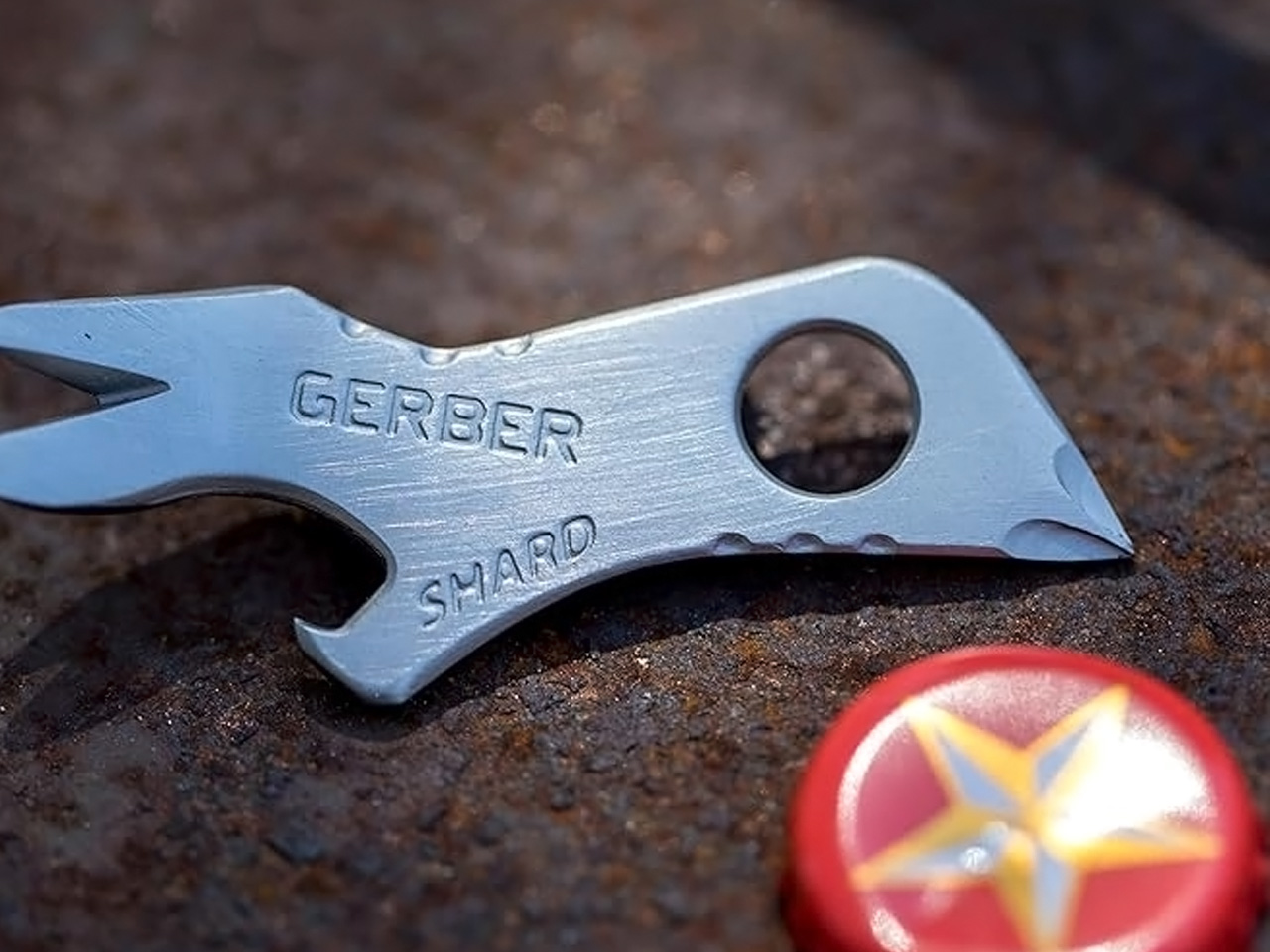
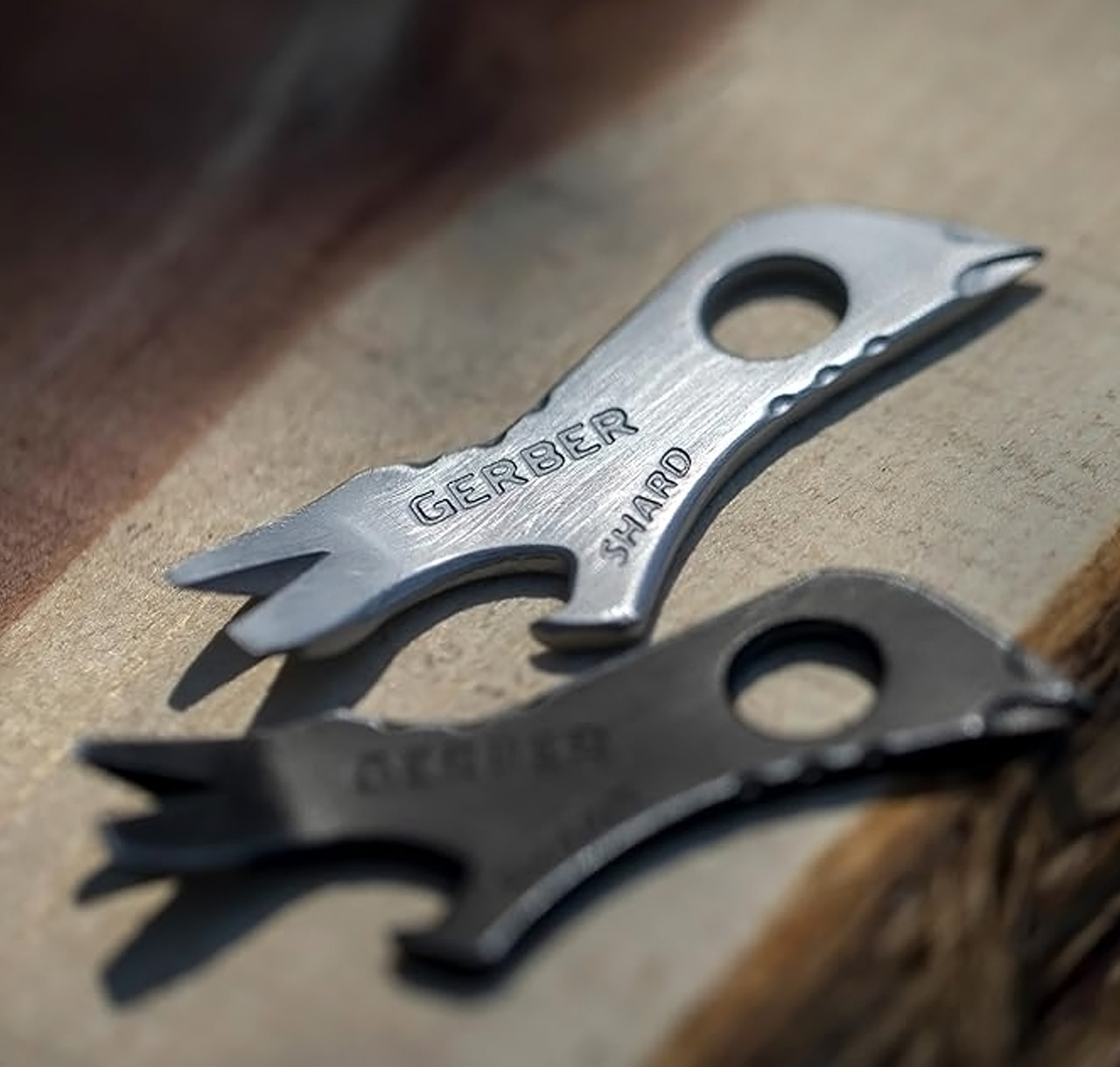

The Gerber Shard makes the most compelling case in this roundup for the no-moving-parts approach. One flat piece of steel handles a pry bar, a bottle opener, a small flathead slot, a cross-driver tip, an O2 tank wrench, and a wire stripper. There are no hinges, no springs, and no failure points because there is nothing to fail. It weighs under 10 grams, clips to any keychain, and passes through airport security without any conversation about blade classifications or tool allowances.
Six functions stamped into a single body at a price point that makes it genuinely disposable is a different kind of design achievement than a machined titanium multitool. The Shard works because it identifies which functions a keychain tool realistically needs and eliminates everything beyond that. At $13, replacing it if it is lost or left behind costs less than most lunches. That accessibility and durability of use is its own form of reliability, and it makes the Shard one of the most honest tool designs on the market regardless of what it sits next to in a lineup like this one.
What we like:
- No moving parts means nothing jams, seizes, or wears out, making it the lowest-maintenance tool on this list by a margin that no amount of titanium or precision machining closes
- TSA compliance and a sub-10-gram weight mean it travels everywhere without restriction, conversation, or the second thought that most other carry tools require at security
What we dislike:
- Single-material construction limits what the Shard can handle, and tasks requiring more leverage, sharper edges, or greater grip pressure fall outside its realistic capability
- The utilitarian aesthetic is exactly right for what it is, but it will not satisfy anyone who wants their carry tools to hold up as design objects in their own right
7. Titaner Swing Ratchet System


A standard ratchet needs 15 to 30 degrees of swing arc to advance a single tooth. That is a workable trade-off in open space and a complete failure in the places where screws actually live: behind cables, inside recessed housings, angled into corners that a straight tool cannot reach. The Titaner Swing Ratchet compresses that arc to 4 degrees, which means it can cycle in gaps where conventional ratchets physically cannot complete a single turn. CNC-engraved directional markers on both sides of the core remove guesswork from direction selection.
At 29.8 grams, it sits 40 percent lighter than a traditional ratchet while delivering full torque through a modular system that accepts different bit configurations. Summer projects — tightening outdoor furniture, adjusting bikes, assembling camp gear before a trip — involve screws in confined locations far more often than they involve screws in clear open space. A ratchet that reaches those positions at under 30 grams earns its pocket space across a full season rather than sitting in a bag waiting for a task large enough to justify bringing it out.
What we like:
- A 4-degree swing arc allows operation in spaces so confined that standard ratchets cannot cycle at all, which is the one problem none of the other tools on this list even attempt to solve
- At 29.8 grams, it is light enough for genuine daily carry rather than tool-bag-only use, which changes how often it actually gets used
What we dislike:
- The ultra-compact ratchet head performs well across most carry tasks but can feel less assured under heavy torque loads compared to a full-sized alternative with more leverage
- It earns its pocket space most clearly if fastener access is a regular part of your week; for occasional use the weight-to-frequency ratio may not justify the carry
8. Retrowave Radio
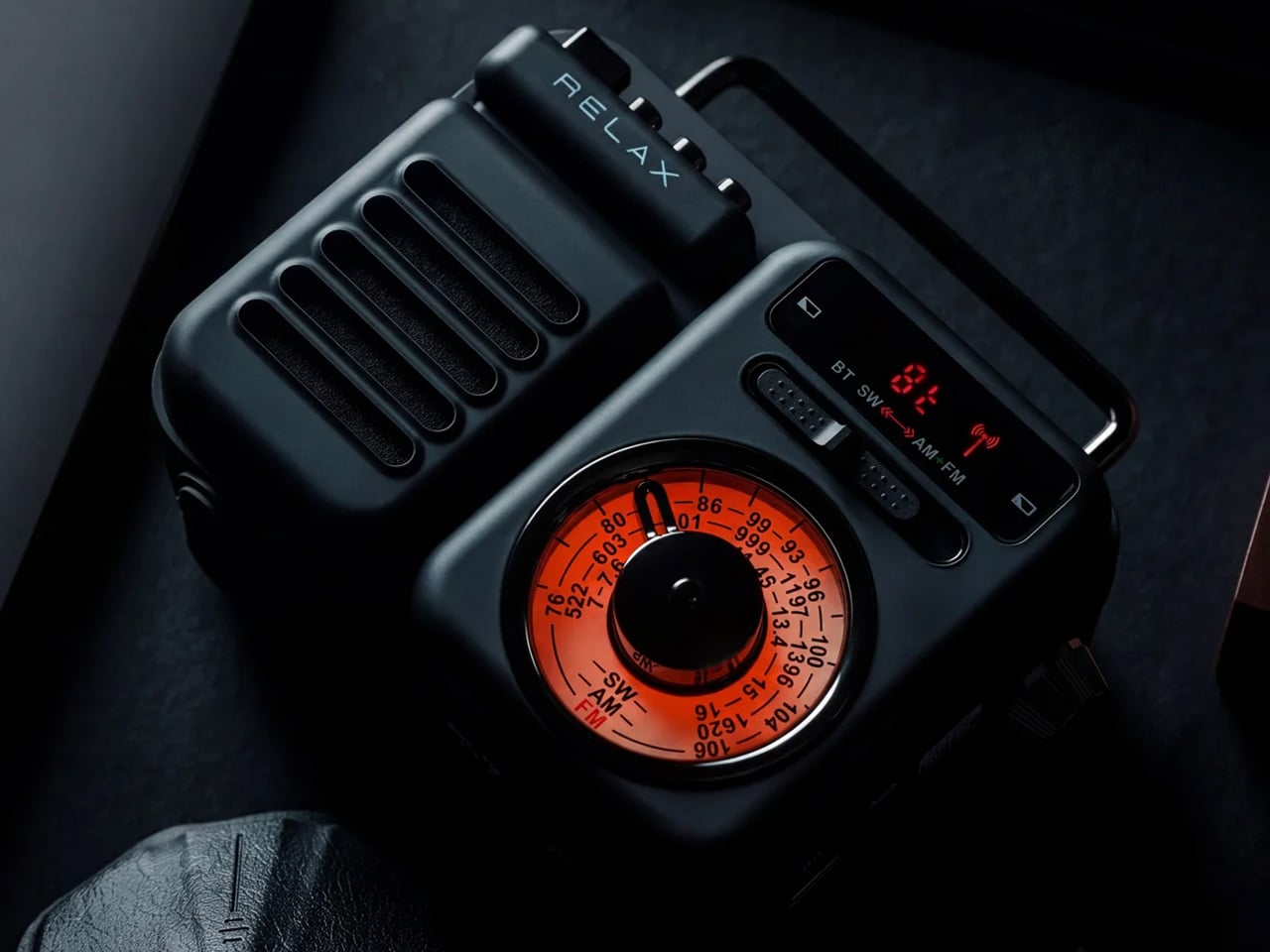
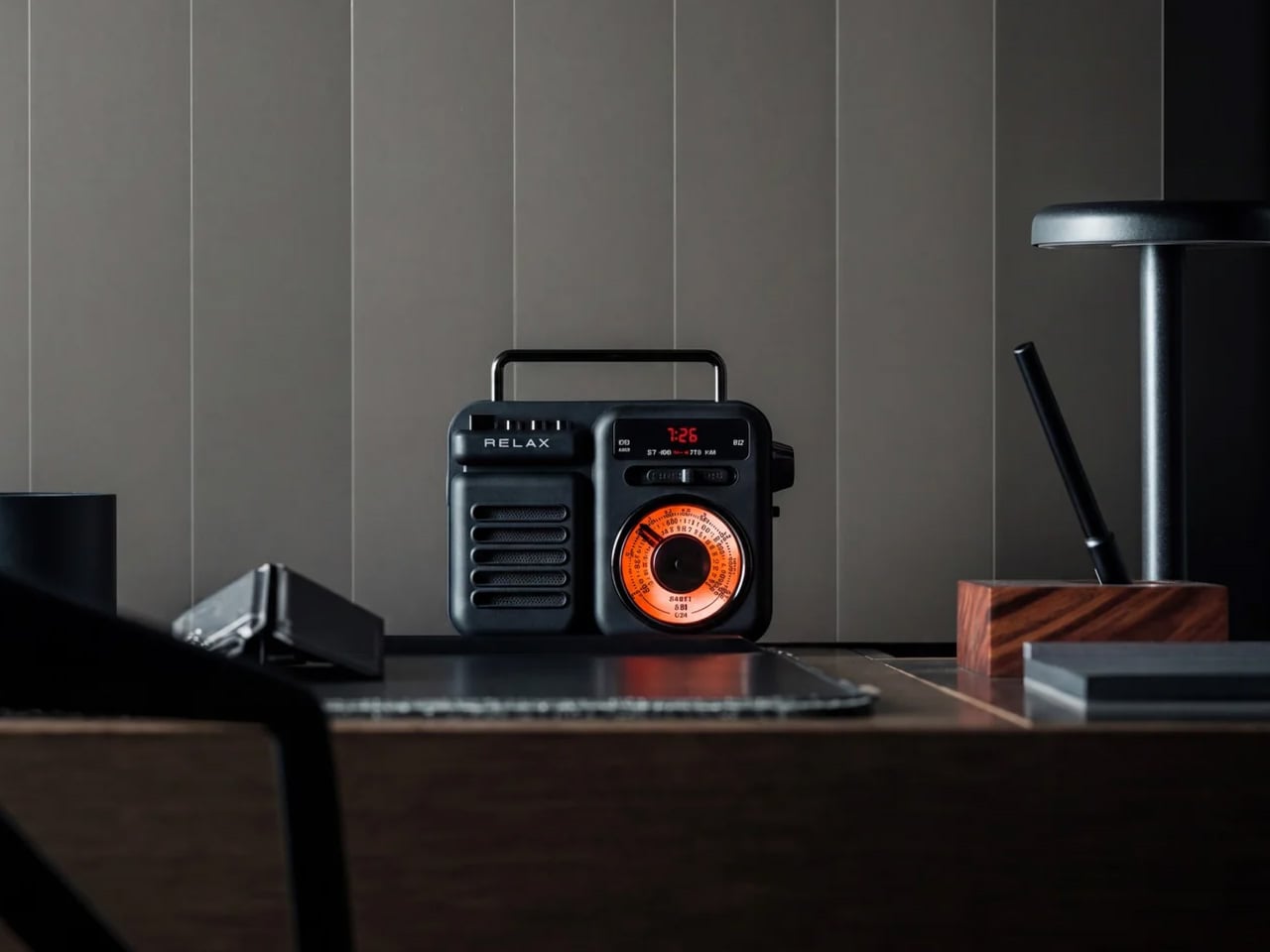
The radio is not a category that gets serious attention from the EDC community, and that gap is precisely what makes the Retrowave worth including. Most portable radios treat themselves as utility boxes, prioritizing function over any consideration of the object that carries the function. The Retrowave approaches the category differently, treating the radio as something worth designing rather than worth tolerating. The proportions, the dial, and the material palette all reference a specific era of portable audio without performing nostalgia at the expense of usability.
Summer carry increasingly includes objects that serve the environment rather than a specific task. A compact radio that delivers audio without requiring a phone connection, a charged battery pack, or an active streaming subscription addresses a real gap in outdoor carry. It works where Bluetooth speakers run dry and cellular signals disappear. The Retrowave’s design language is deliberate without being costume, which is rare in a product category that frequently gets retro aesthetics badly wrong. It is the kind of carry object that earns its place on a camp table, a desk, or the outside pocket of a bag as much for how it looks as what it does.
What we like:
- The design treats the radio as an object worth carrying on its visual merit, which is a standard most portable audio in this category does not come close to reaching
- Audio without phone dependency or streaming subscriptions means it works reliably in the places where a Bluetooth speaker would lose signal or run out of power
What we dislike:
- Radio reception depends on geography, making it less consistent than a Bluetooth alternative in areas where AM or FM coverage is thin or unreliable
- The retro aesthetic is specific enough that it reads as a deliberate lifestyle choice rather than a neutral tool, and that specificity will not suit every carry context
The Best Pocket Tools Don’t Ask for Your Attention — They Just Earn It
The eight tools on this list share a design quality that has nothing to do with feature counts or material prestige. Each one solves a specific problem in the smallest footprint its category allows, using mechanisms built around how things actually get carried and used across a full summer month. That discipline is rare in a market that frequently mistakes added complexity for added value, and it is what puts these particular eight together in July.
The SpinTi leads because it represents the clearest expression of that thinking: passive physics replacing active engineering, a 25-year lifespan replacing a charging cycle, a material doing the work that technology usually overcomplicates. The rest of the list follows the same logic through different categories. Less that fails, more that lasts, every gram justified. That is what EDC design looks like when it is genuinely working.