
Gen Z didn’t just grow up with technology. They grew up suspicious of it, bored by it, and quietly determined to make it feel like something personal again. The gadgets that resonate most with this generation tend to share one quality: they treat the person holding them as someone worth designing for, rather than someone to optimize for engagement. That distinction is small on paper and enormous in practice.
The five products here span a circular phone display, a cassette-shaped Bluetooth speaker, a tactile digicam concept, a pair of headphones built around ritual, and a pocket-sized hacking tool. What connects them has nothing to do with price or category. Each one asks a question that mainstream consumer electronics stopped asking somewhere along the way: what does it feel like to actually use this thing?
1. Oppo Bubble
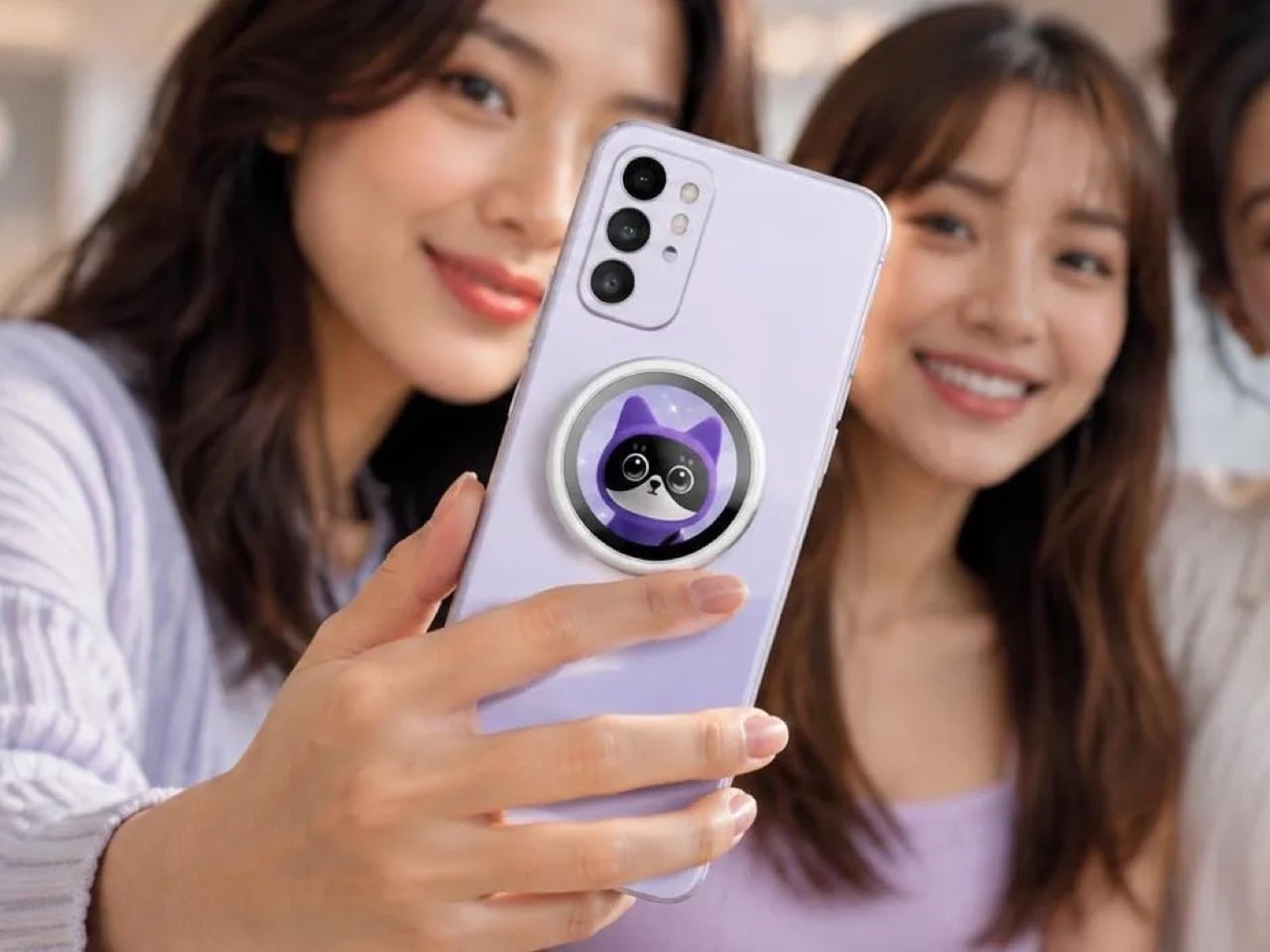

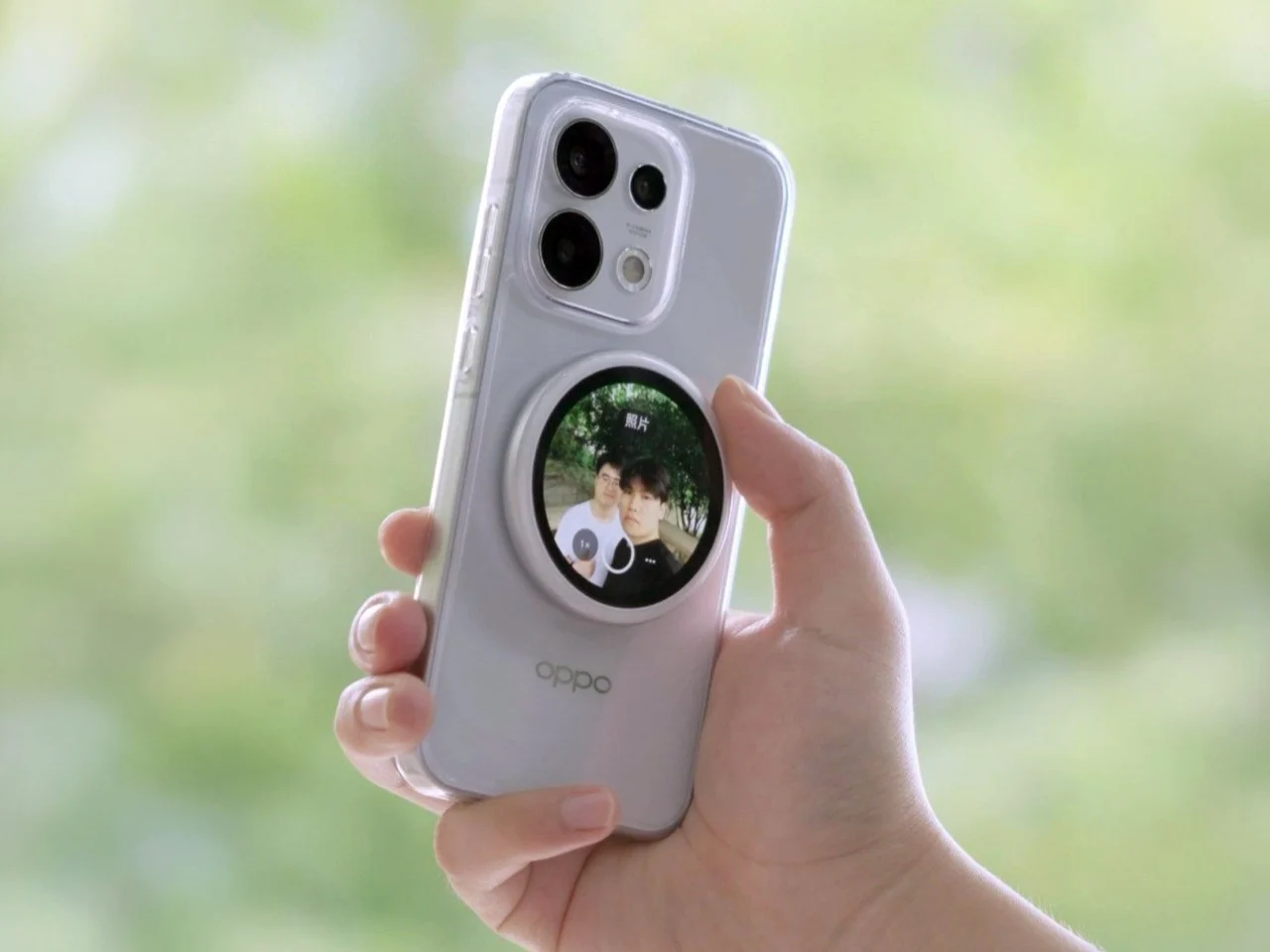
The rear camera has been the better camera for over a decade. Every benchmark confirms it, and yet selfie culture settled for the front lens because seeing what the rear camera captures while it faces away from you was never solved at the hardware level. Oppo’s answer is a circular magnetic display that snaps to the back of the phone and streams the rear camera’s live feed directly to your face. Frame the shot, check your composition, tap to shoot.
Launched in China in May 2026, the Bubble runs on a 550mAh battery and connects wirelessly up to 10 meters away, which repositions it as a remote shooting monitor rather than a narrow selfie tool. The screen is circular AMOLED, which earns its keep on both image quality and visual identity. When the camera is off it displays wallpapers, video, live photos, or a boarding pass. Apple has had the magnetic infrastructure for something like this since 2020. The most ambitious thing they shipped with it was a card holder.
What we like
- The circular AMOLED silhouette reads as tech jewelry rather than a utility panel, which matters for a product that lives on the back of your phone in public.
- Ten meters of wireless range and a built-in shutter trigger make this genuinely useful for tripod work and group photography, well beyond arm-length selfies.
What we dislike
- The live camera preview is gated to select Oppo Reno 16 devices, limiting the headline feature to a short compatibility list at launch.
- There is no confirmed international release date. Most readers outside China cannot buy or test it yet.
2. Side A Cassette Speaker
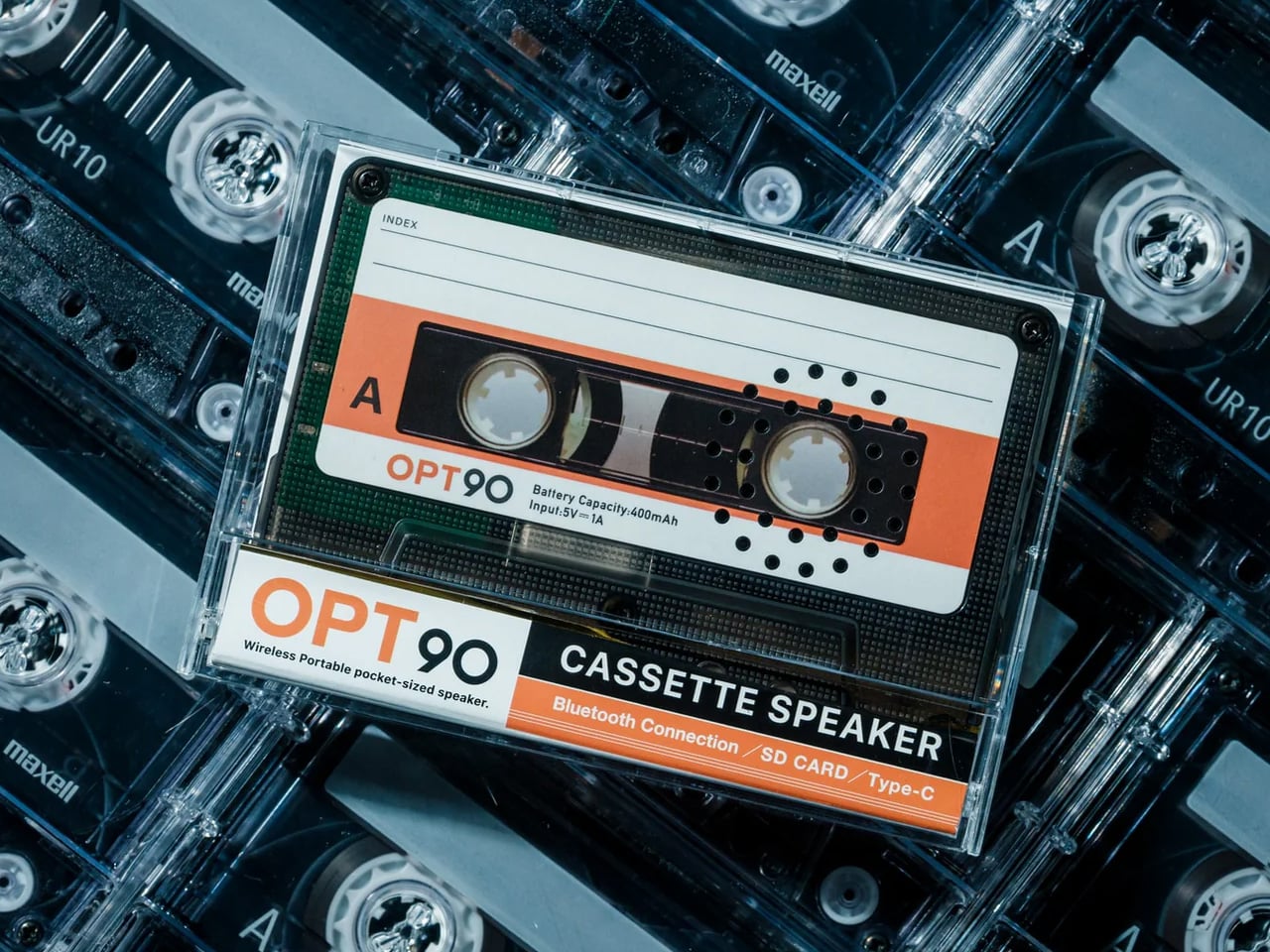

The cassette tape had no right to come back, and yet here we are. The Side A speaker is shaped exactly like a real mixtape — transparent shell, side A label, every visual cue intact — and inside it hides a Bluetooth 5.3 speaker with microSD playback and a sound profile tuned to echo the warm, slightly rounded tone of analog tape. It weighs 80 grams, sits comfortably in a jacket pocket, and costs $49.
The speaker ships with a crystal-clear case that converts into a display stand, giving it a second life as a shelf object between listening sessions. Six hours of playback at full volume and a two-hour full recharge means it cycles through a day and recovers quickly. The microSD slot lets you load a playlist locally and leave the phone in another room entirely. For a generation that grew up streaming everything and then started quietly buying vinyl and thrifting Walkmans, this lands exactly where it should.
What we like
- The clear case converts to a display stand, so the cassette has a presence on a desk or shelf without needing to be plugged in or actively playing anything.
- MicroSD support means the speaker functions entirely offline. No phone, no app, no stream required.
What we dislike
- Six hours of battery is honest for the size but will not last a full day of continuous use without a recharge.
- Sound output is warm and characterful but limited in volume ceiling. It is not a room-filling speaker.
3. Camera (1)
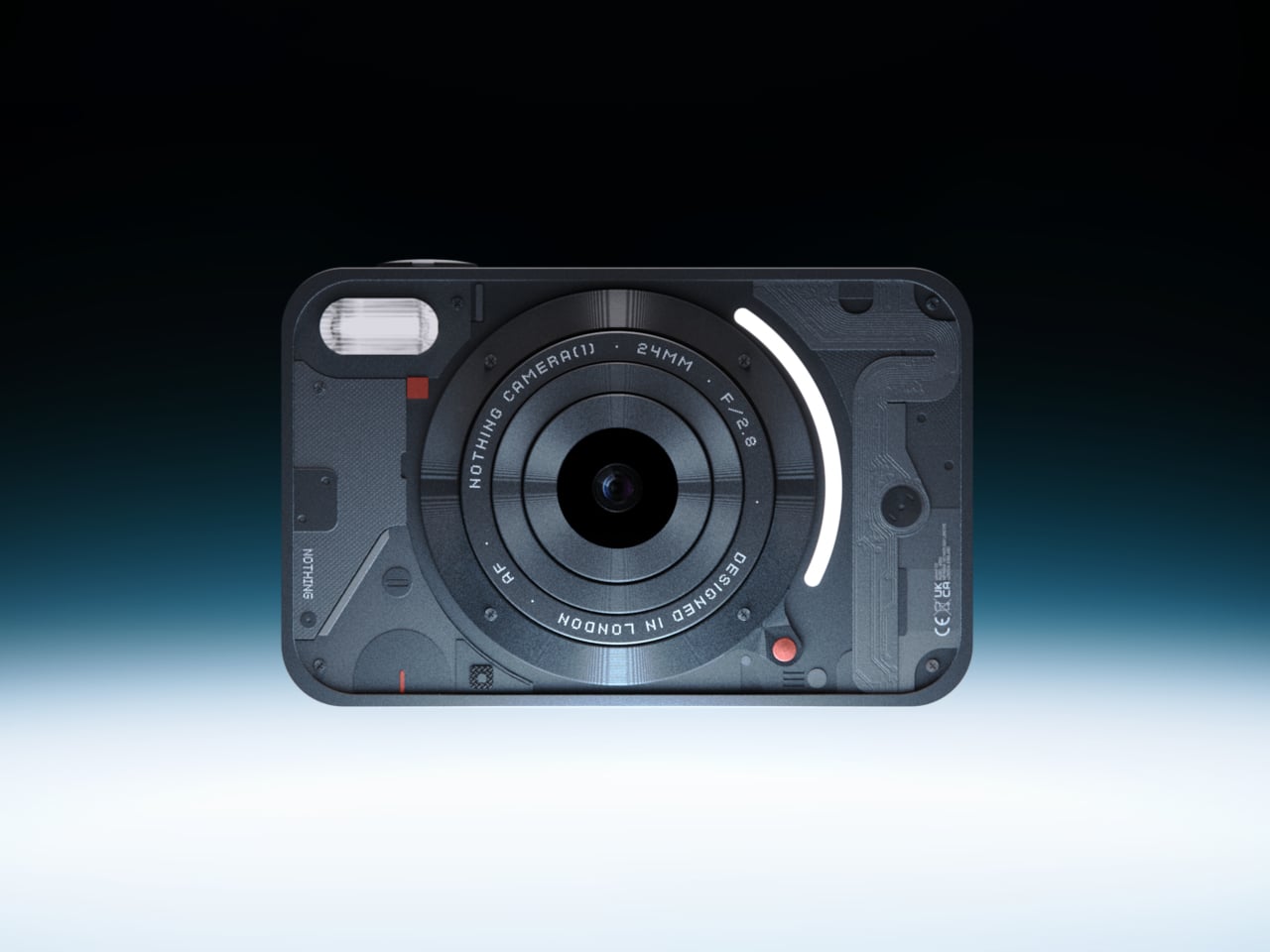
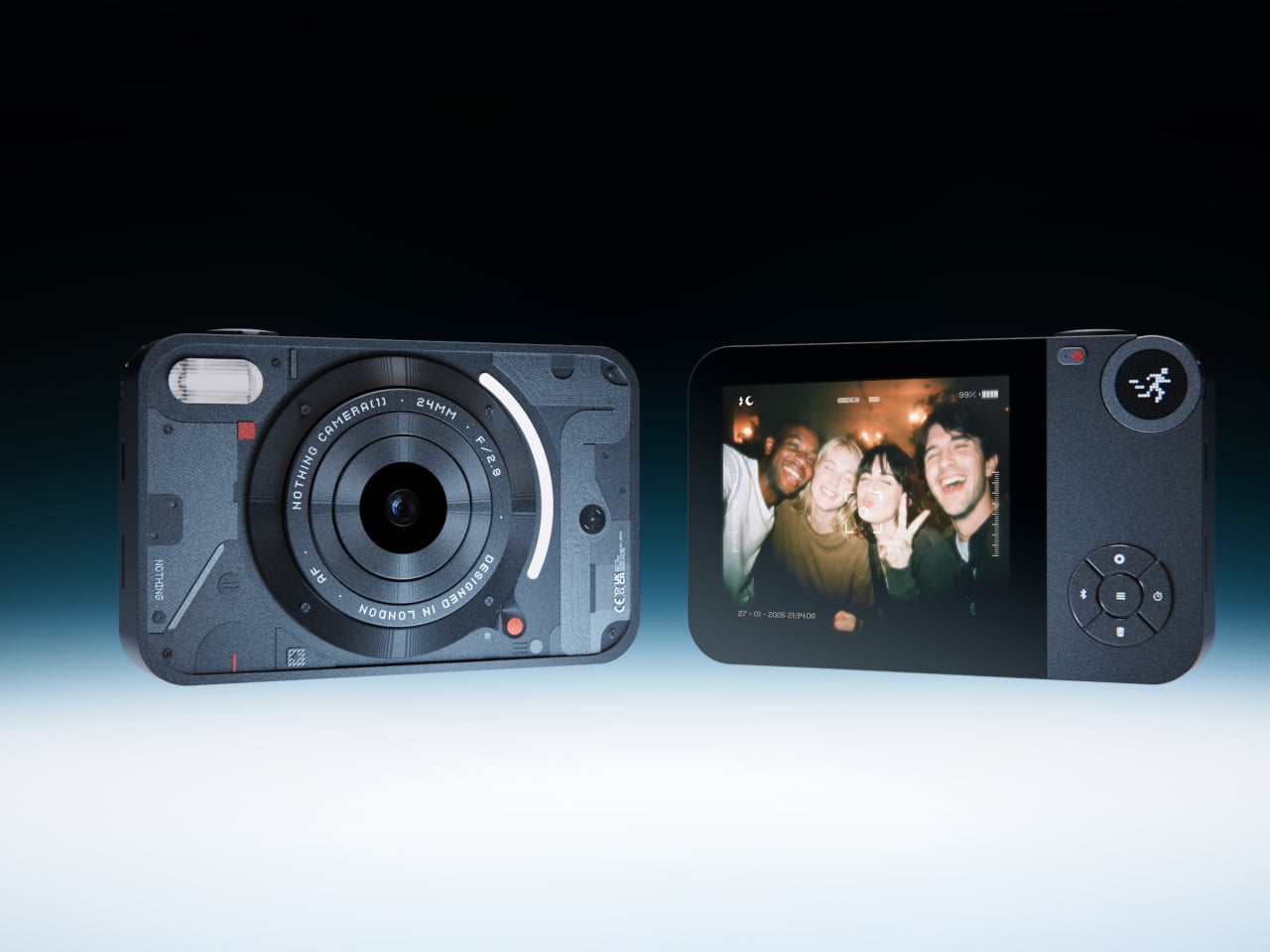
The impulse to pick up a standalone camera again is not about megapixels. It is about separating the act of taking a photograph from the act of being on your phone. Camera (1) is a concept by designer Rishikesh Puthukudy that imagines what a modern compact could feel like if it were built around physical controls rather than touchscreen menus. Metal body, softly rounded corners, every main function reachable without shifting your grip.
A circular mode dial carries a dot-matrix glyph display showing simple icons for stills and video. A light strip around the lens pulses for the self-timer, confirms focus, and signals when recording is live. The engraved lens ring adjusts focal length and aperture through actual resistance under your fingers, making composition a deliberate physical act rather than an absentminded on-screen pinch. The design borrows the transparent, hardware-forward language that Nothing made mainstream. Camera (1) is a concept and is not currently available to buy.
What we like
- All main controls sit within reach of one thumb and index finger, which keeps your eyes on the scene rather than hunting across a menu.
- The light strip communicates camera states through peripheral vision, replacing multi-layer software navigation with immediate, readable feedback.
What we dislike
- Camera (1) is a design concept with no confirmed manufacturer, production timeline, or pricing.
- The visual language is closely referential to Nothing’s aesthetic, which may read as derivative to anyone already familiar with that design direction.
4. StillFrame Headphones
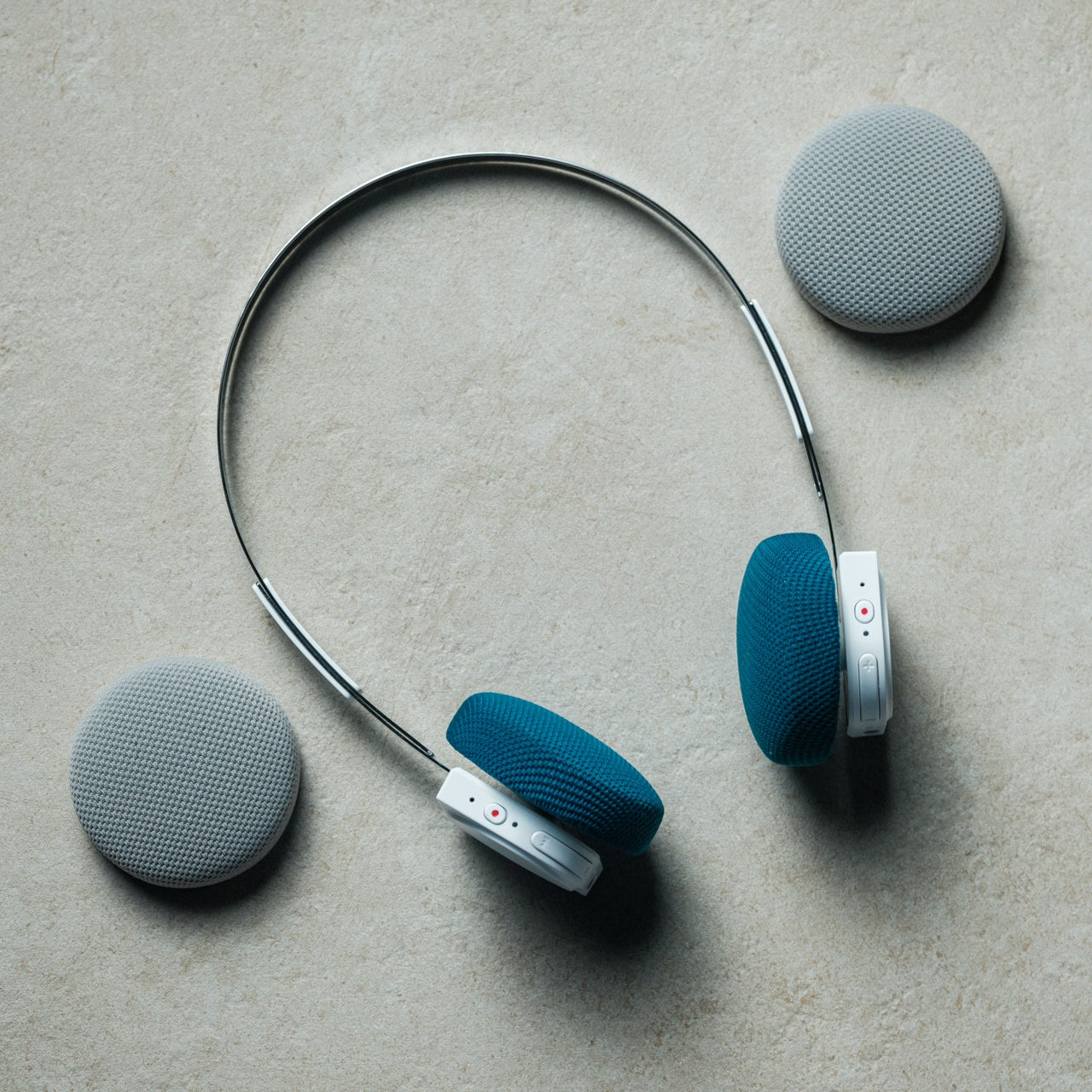
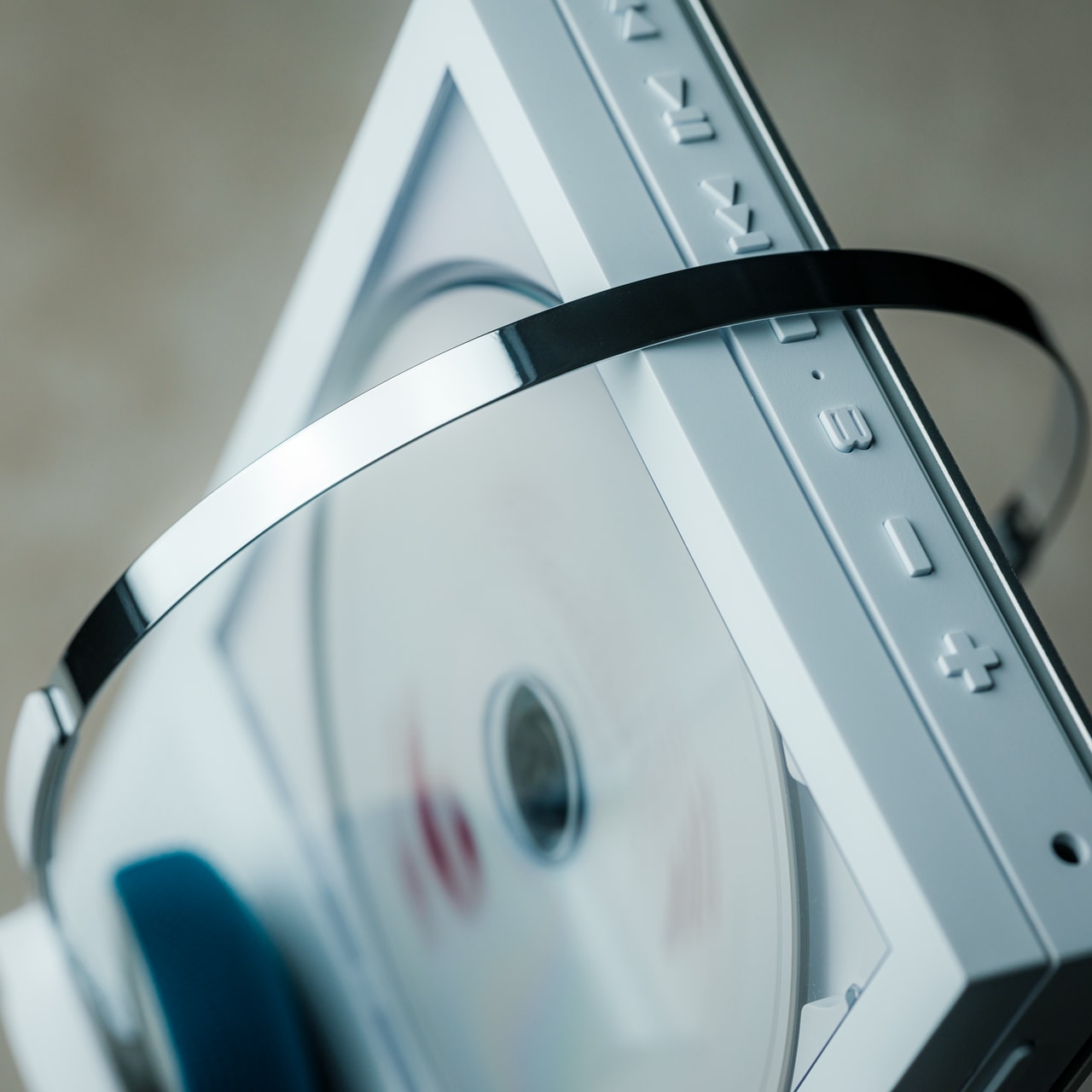
Designed by Tatsufumi Funayama, the StillFrame headphones are part of a series that treats listening as a physical ritual rather than a background task. The form references the geometry of CDs from the 1980s and 1990s, sitting in deliberate conversation with a companion CD player from the same design family. At 103 grams, the headphones rest on-ear without pressure, and the stainless steel headband sits at the exact threshold where strength and lightness stop working against each other.
The 40mm drivers produce a wide, open soundstage that suits melodic and ambient listening more than aggressive bass-forward tuning. Noise cancelling and transparency mode both run off a single tap, switching between solitude and awareness as the room changes around you. Battery life reaches 24 hours. Bluetooth 5.4 handles wireless streaming and a USB-C cable supports high-resolution playback for sessions where latency matters. The fabric ear cushions swap magnetically between Light Gray and Turquoise. The internal circuit board is deliberately exposed, treating the electronics as part of the aesthetic rather than something to be hidden behind housing.
Click Here to Buy Now: $245.00
What we like
- Magnetic ear cushion swaps take seconds and shift the headphones between color variations without tools or friction.
- The exposed circuit board treats the engineering as a design feature, which is a more honest visual decision than a sealed plastic shell.
What we dislike
- On-ear fit at 103 grams stays comfortable across extended sessions but will feel firmer than over-ear alternatives during long listening.
- At $245, the StillFrame sits at the upper end of the on-ear wireless category. The design rationale justifies it, but the price is real.
5. Flipper Zero
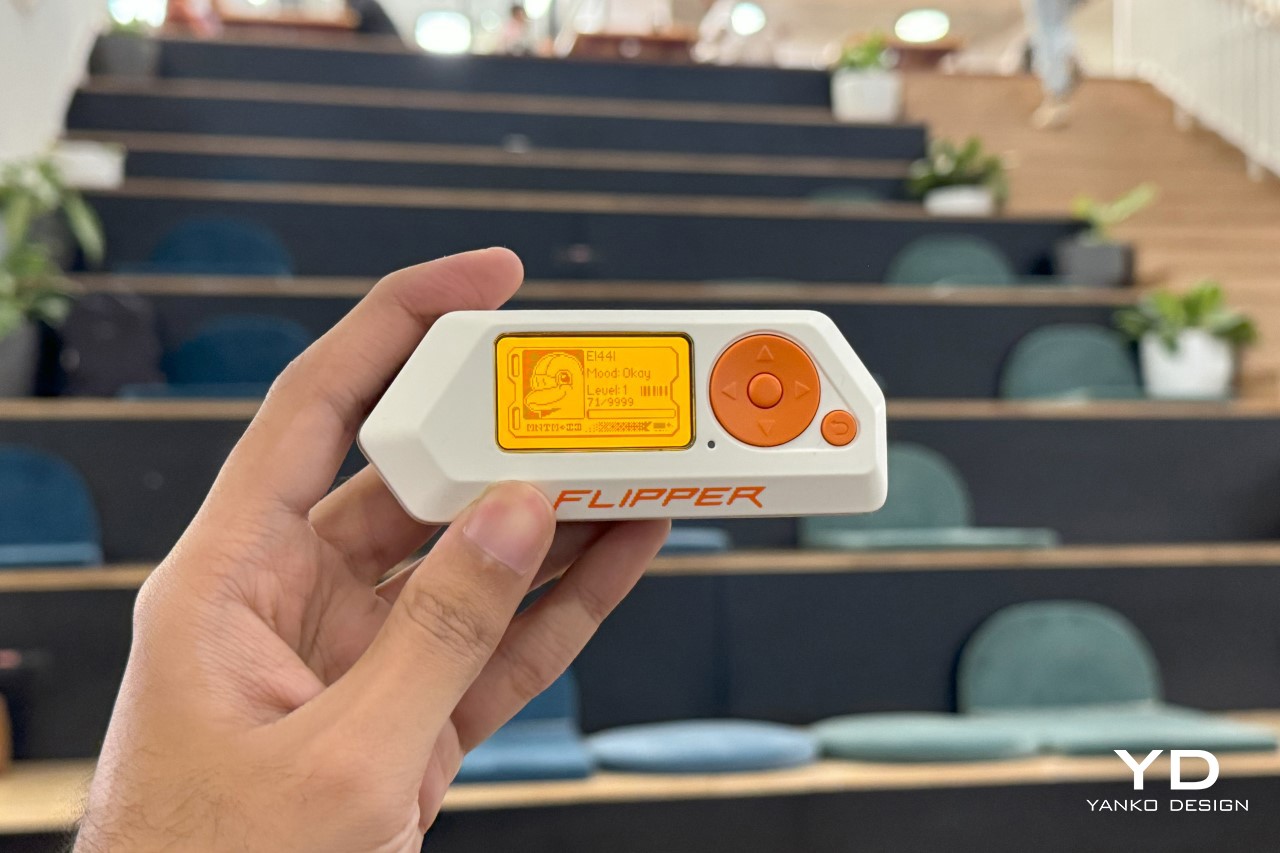
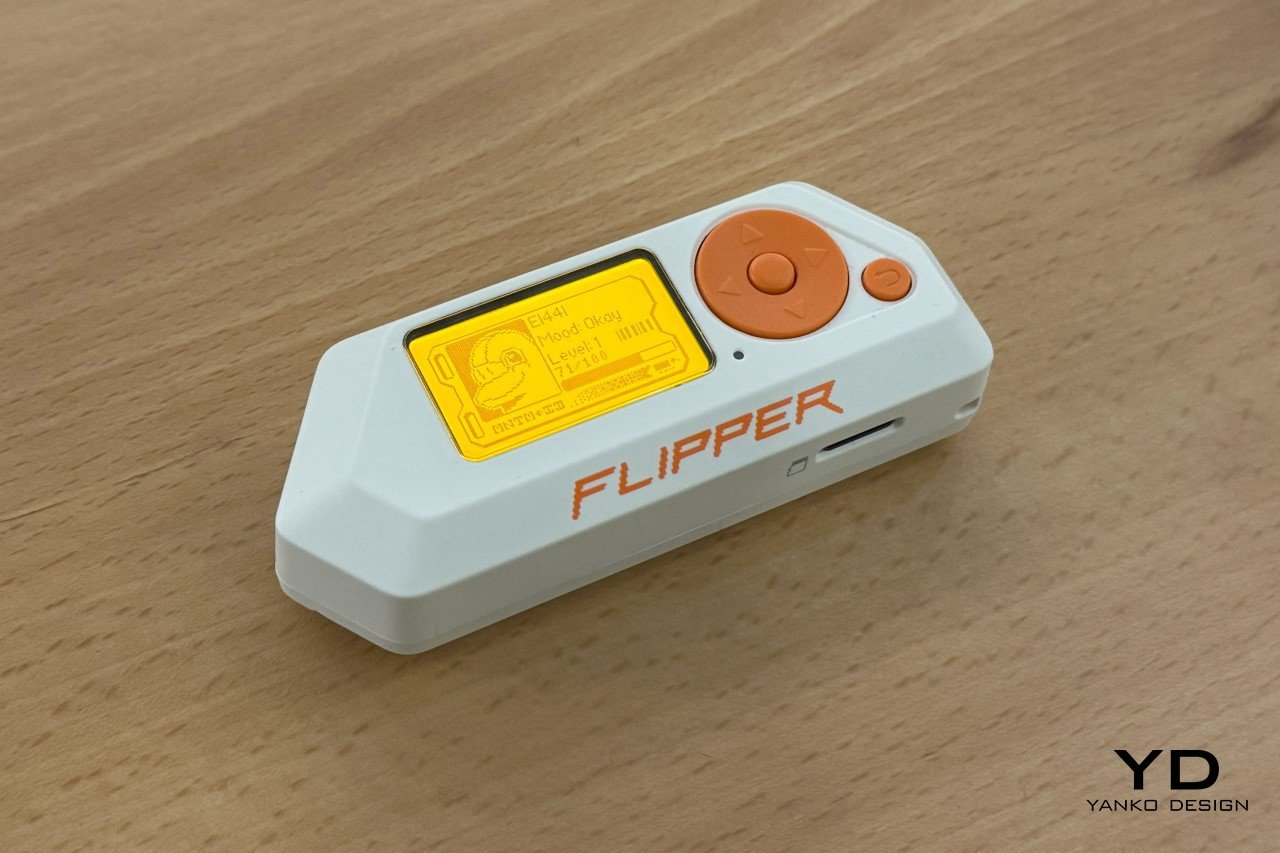
The Flipper Zero became a TikTok phenomenon in 2022 when videos showed it cloning RFID cards, controlling air conditioners, and toggling traffic infrastructure through infrared, and governments immediately panicked. The more accurate reading is that a small pocket device was pointing out how easy it is to interact with the invisible electronic layer of everyday objects, and that turned out to be an uncomfortable thing to demonstrate publicly. The Flipper Zero was built to make that layer visible and approachable to anyone curious enough to try.
Shaped like a Tamagotchi and governed by a cyberpunk dolphin mascot that grows more capable the more you explore it, the Flipper Zero packs a 125kHz antenna, sub-GHz radio, NFC module, Bluetooth Low Energy, infrared transmitter, iButton reader, and a GPIO header for attaching external hardware modules into a device that fits in a pocket. The monochrome orange screen is a deliberate nod to the Siemens C55. The menu navigates like a Nokia phone from 2003. Both of those choices are entirely intentional, and they are a large part of why the device developed a community of over half a million users without a single mainstream marketing campaign.
What we like
- The GPIO header on top means the base device is a starting point. External modules continue to expand what it can do years after the first purchase.
- The dolphin mascot and Tamagotchi structure make something genuinely technical feel approachable without softening what the device actually does.
What we dislike
- The Flipper Zero’s reputation draws attention in airports and public spaces. Carrying it casually requires a willingness to explain it on the spot.
- The software learning curve is real for anyone without a technical background, even with an accessible interface.
The Best Tech Right Now Feels Like It Was Made for You Specifically
The throughline across these five products is not aesthetics or price. It is the sense that each was designed by someone who thought about the relationship between person and object before they thought about the spec sheet. That quality is rare in consumer electronics, and it tends to surface among smaller brands, independent designers, and companies that build for communities rather than quarterly targets.
Gen Z is not chasing the next iPhone upgrade. They are chasing the feeling that a piece of technology was made for them specifically, understands how they actually move through the world, and earns its place in the pocket rather than demanding attention from it. These five products do not all succeed equally on every count, but each one makes a credible case that the feeling is still achievable.