
Every morning, millions of people grab a coffee to go and toss the paper sleeve into the trash without a second thought. It is a tiny object, easy to overlook. But that tiny object is part of a system that produces an estimated 16 billion disposable cups every year, sleeves included, and nearly none of it gets recycled. In the UK alone, cup sleeve recycling sits at roughly 2.8%, which is a polite way of saying almost everything ends up in a landfill.
That number has been sitting in the back of my mind ever since I came across GoBean, a design concept by Aranza V. Sanchez and Song Yeon Lee, two design students from Hochschule für Gestaltung Offenbach in Germany. The project recently earned a nomination for the Green Product Award, and when you look at what they have actually built, you understand why.
Designers: Aranza V. Sanchez & Song Yeon Lee

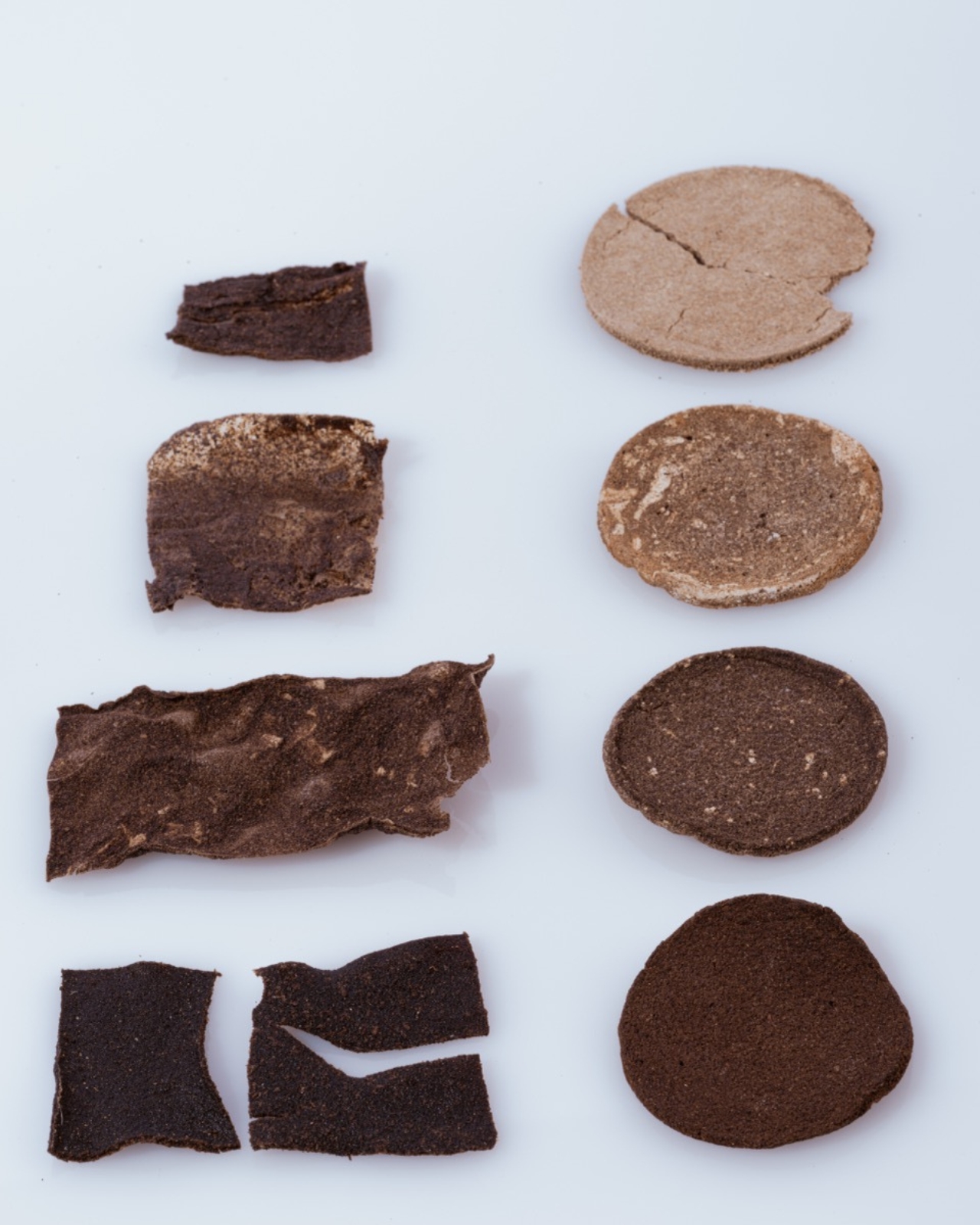
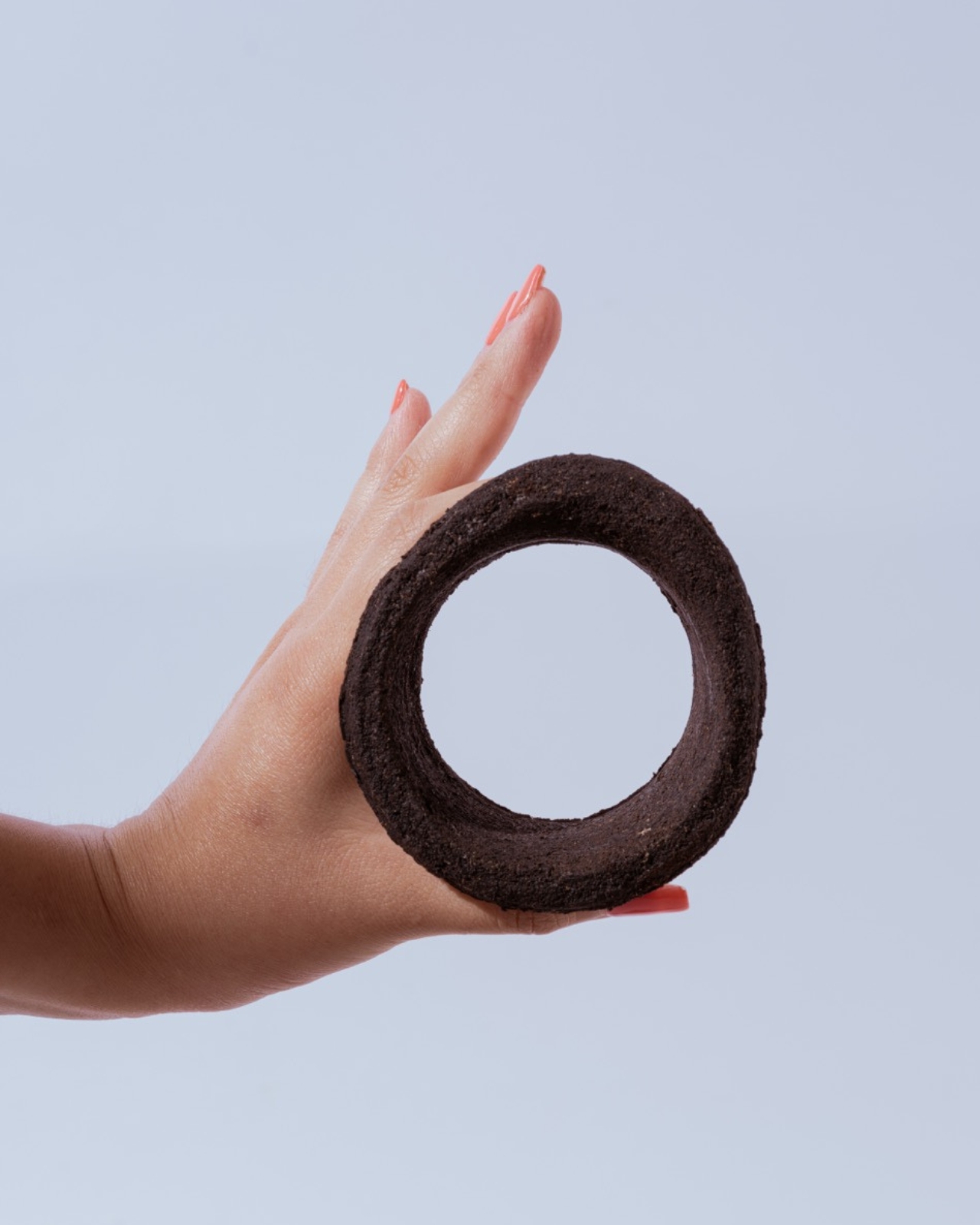
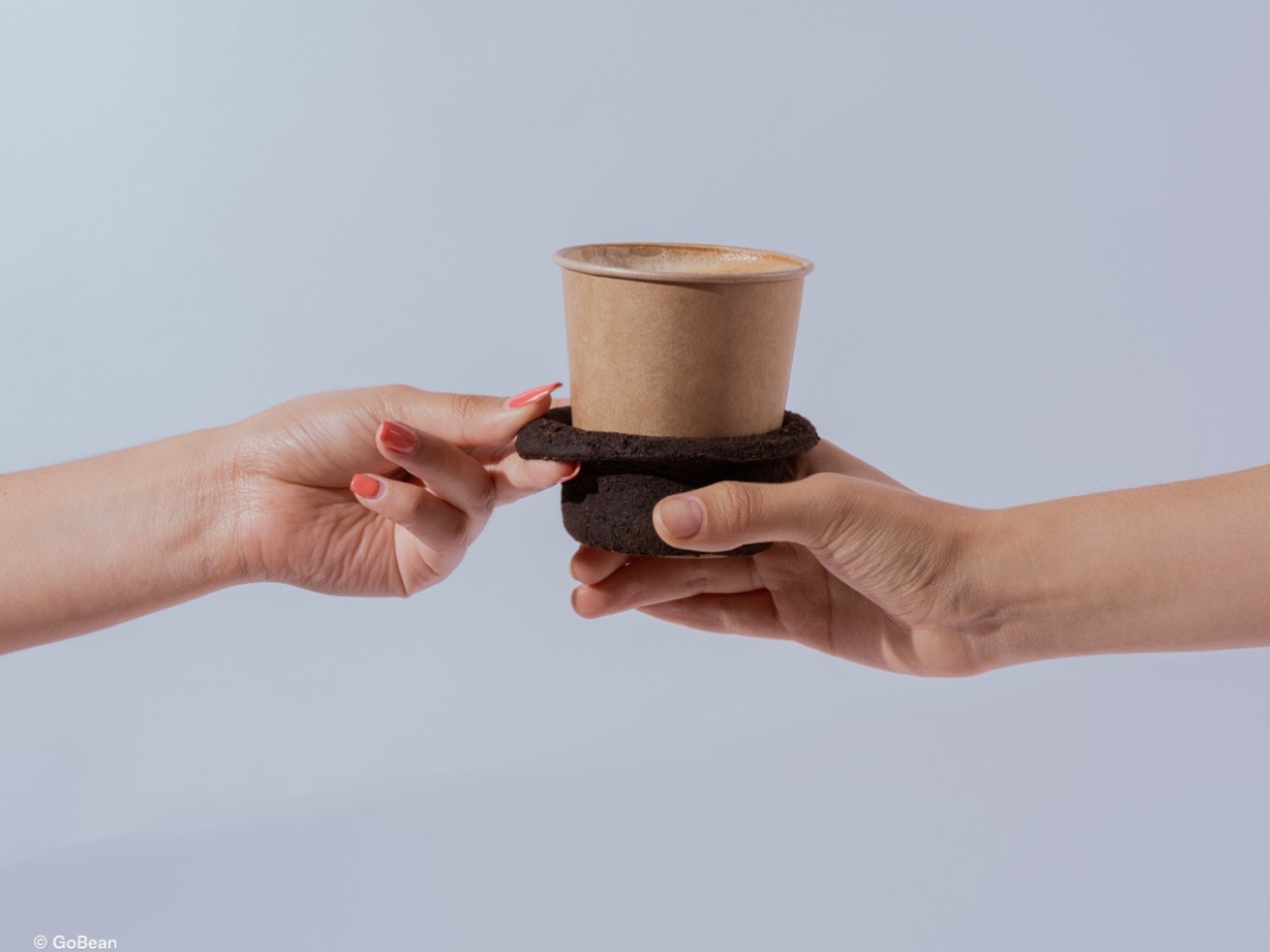
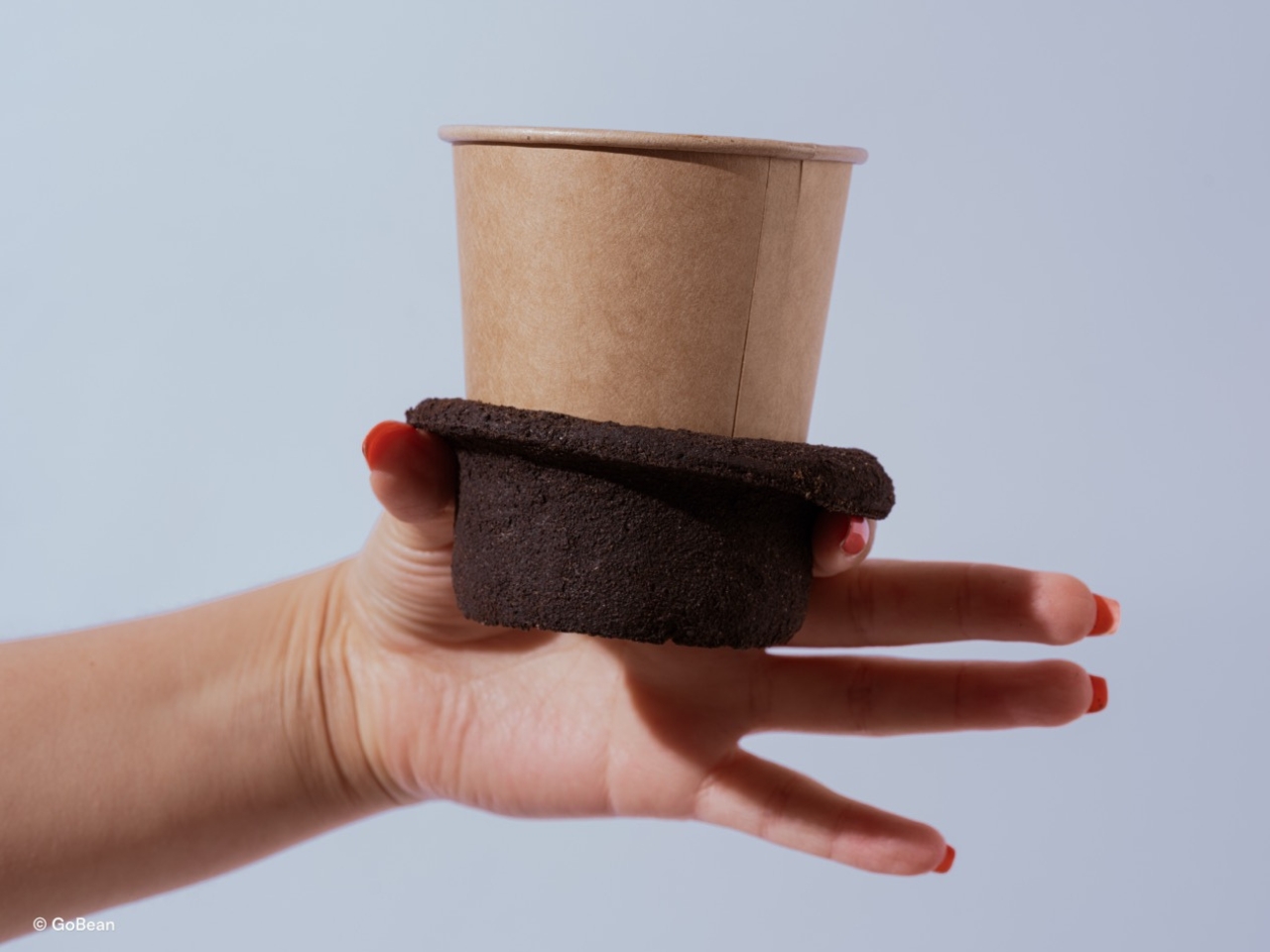
GoBean is a coffee cup sleeve made from coffee grounds. Not coffee-inspired, not coffee-colored. Actually made from the used, spent, leftover grounds that cafés collect and typically throw away. Combined with natural binders, the material becomes water and heat resistant, which matters quite a bit when your job is to wrap around a hot cup. It feels like a design idea so obvious that you wonder why it took this long to exist.
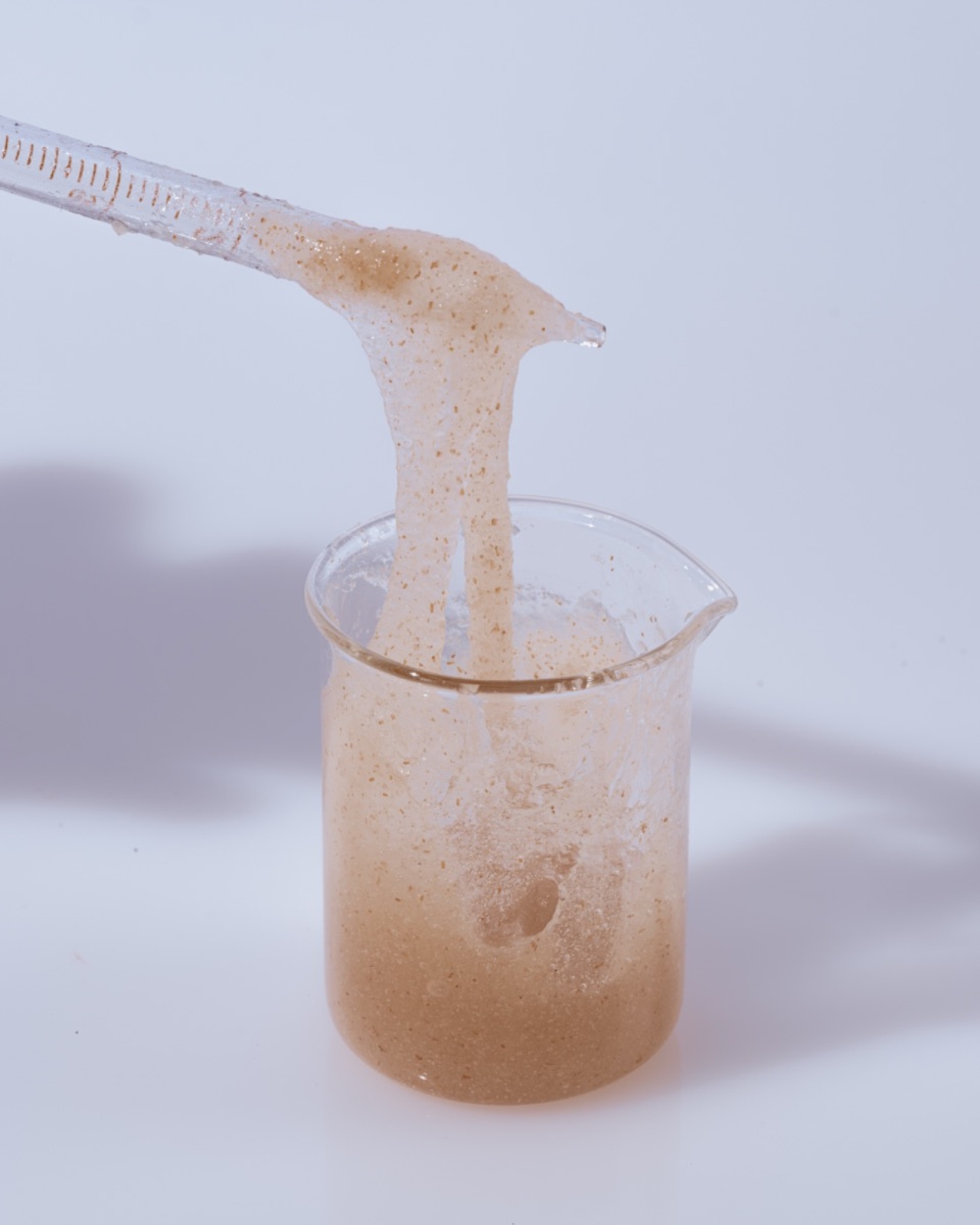

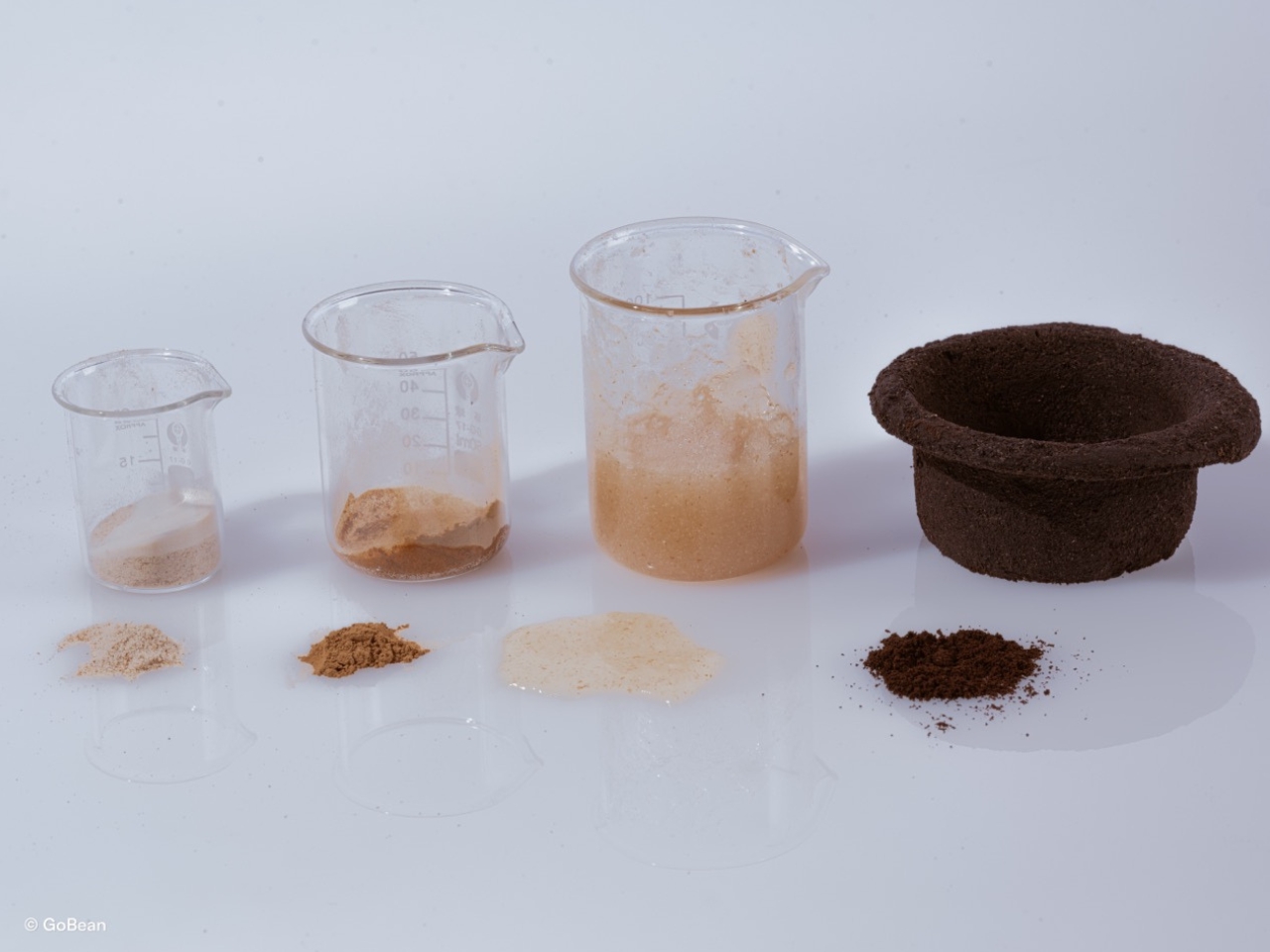
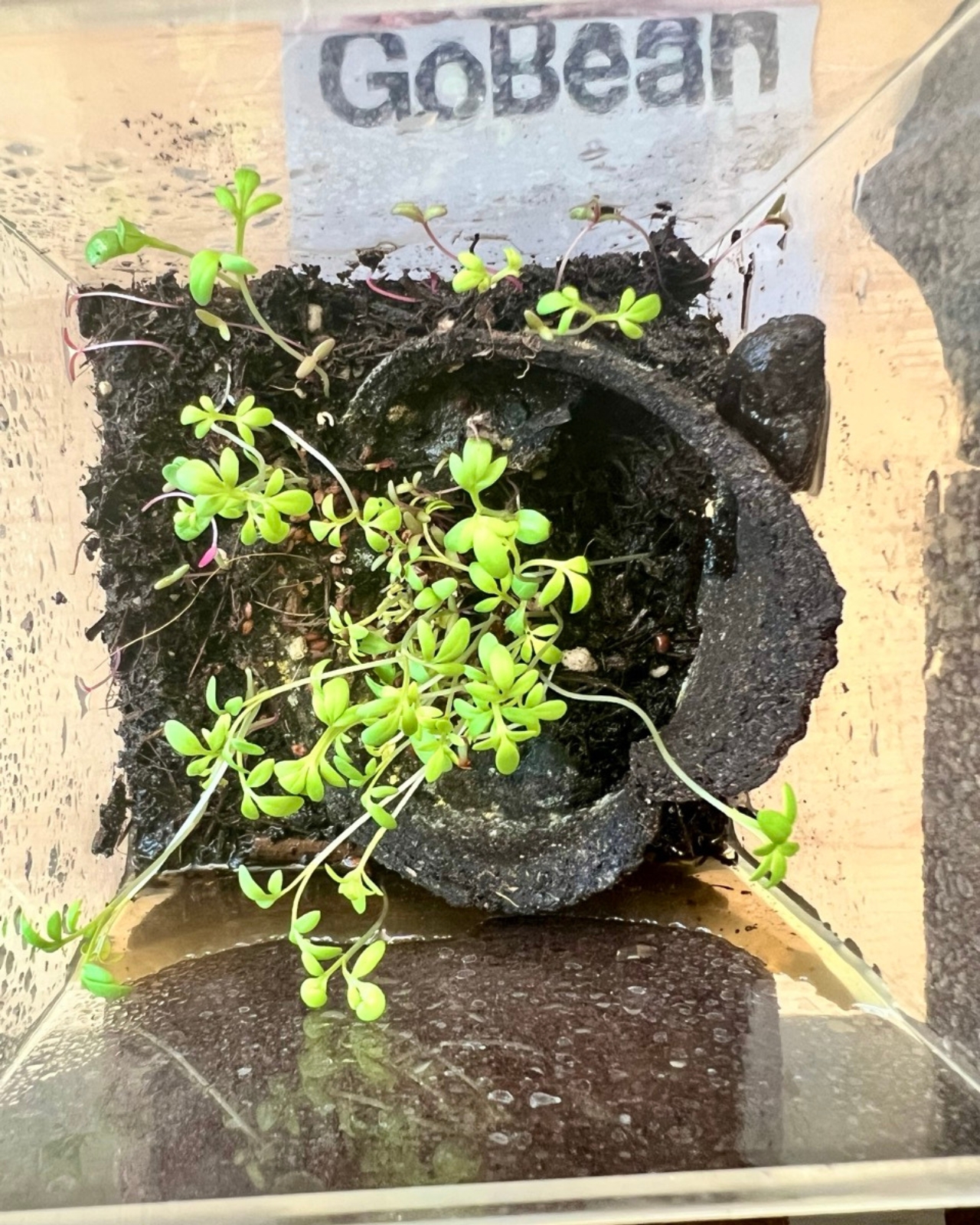
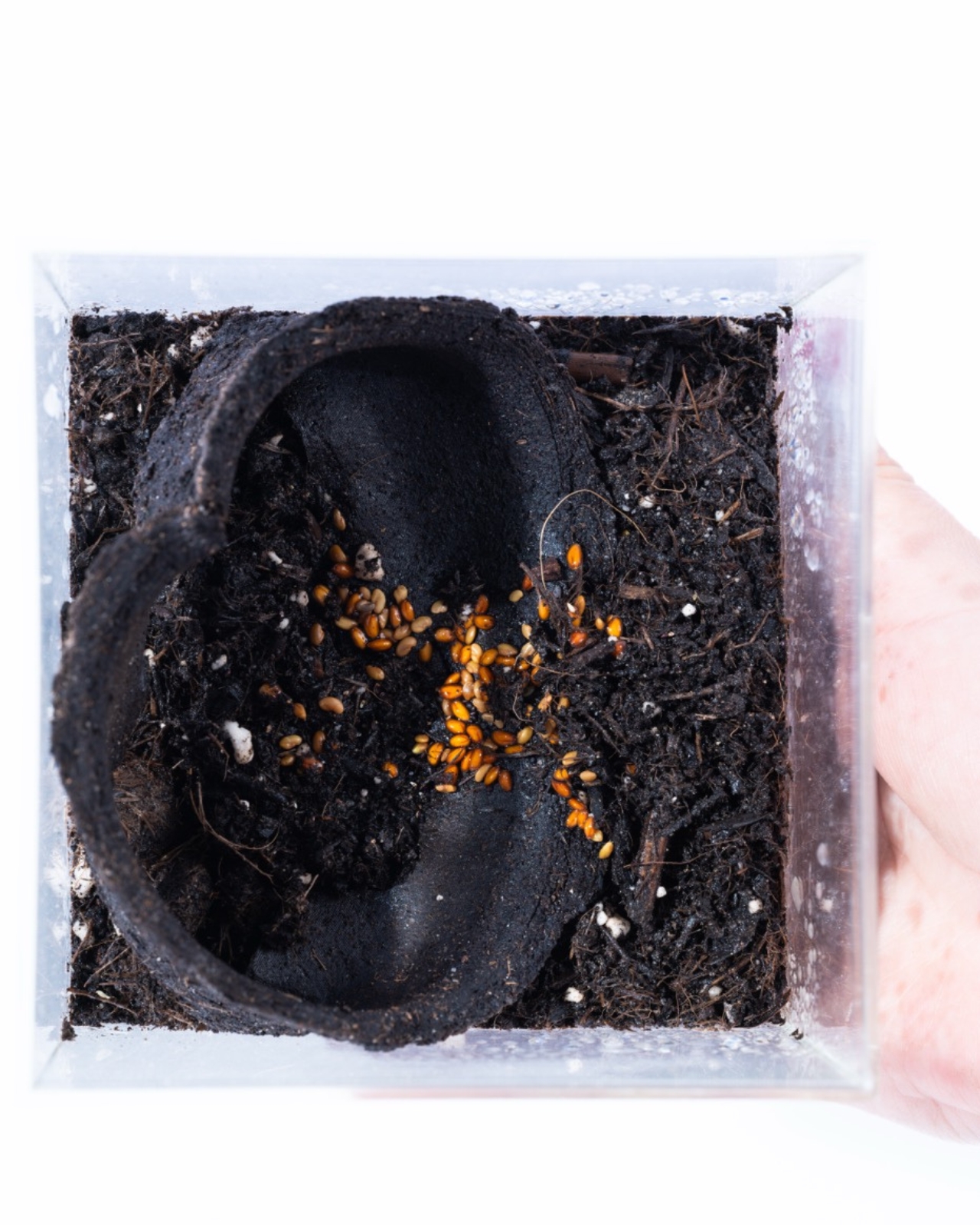
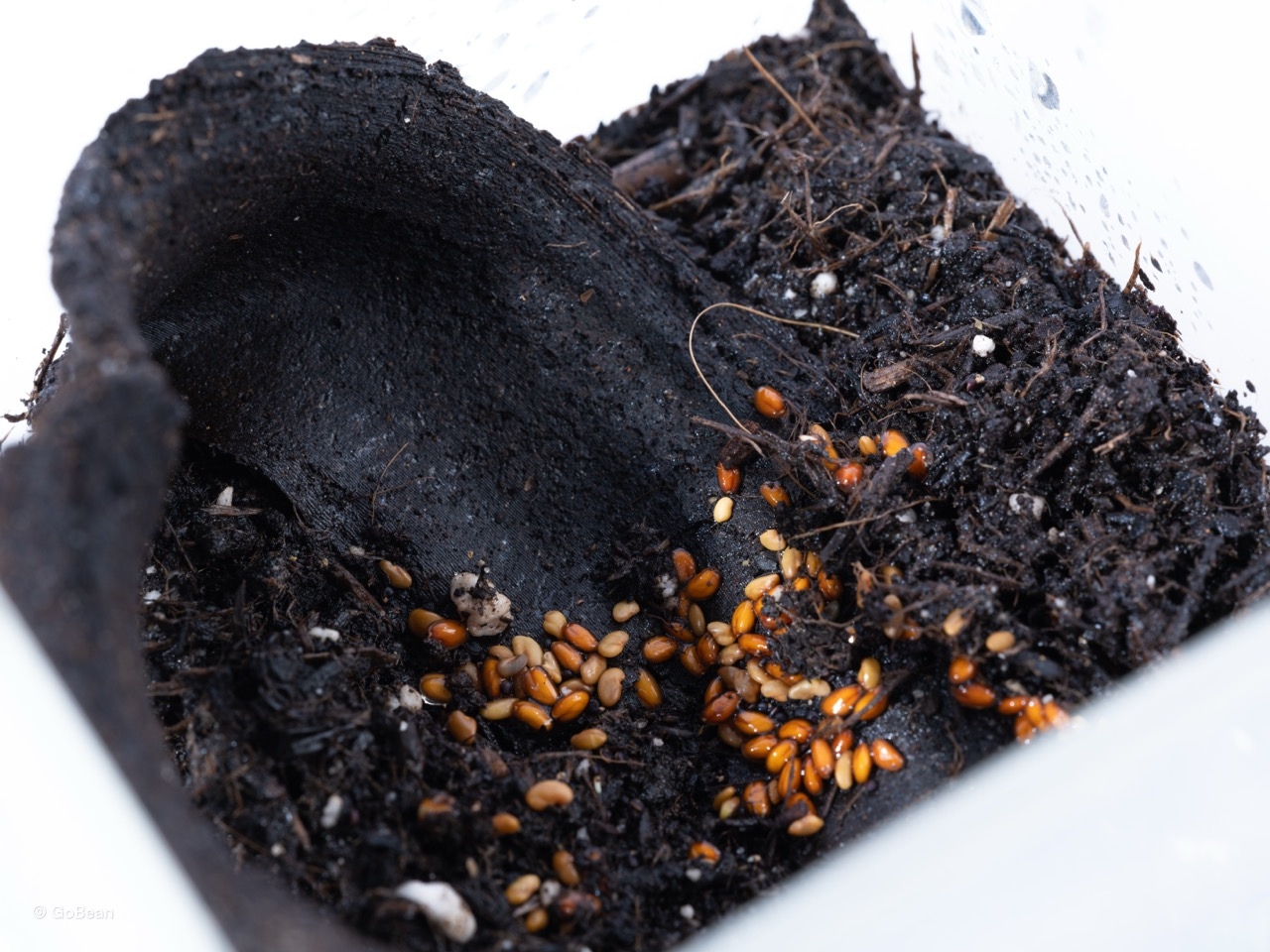
The material is 100% compostable and breaks down completely in about three weeks. If you would rather not compost it, you can plant it directly into soil. The sleeve, the thing that kept your fingers from burning on a Tuesday morning, becomes part of your herb garden by Friday. That circularity is not just a marketing point. It is genuinely elegant design logic.
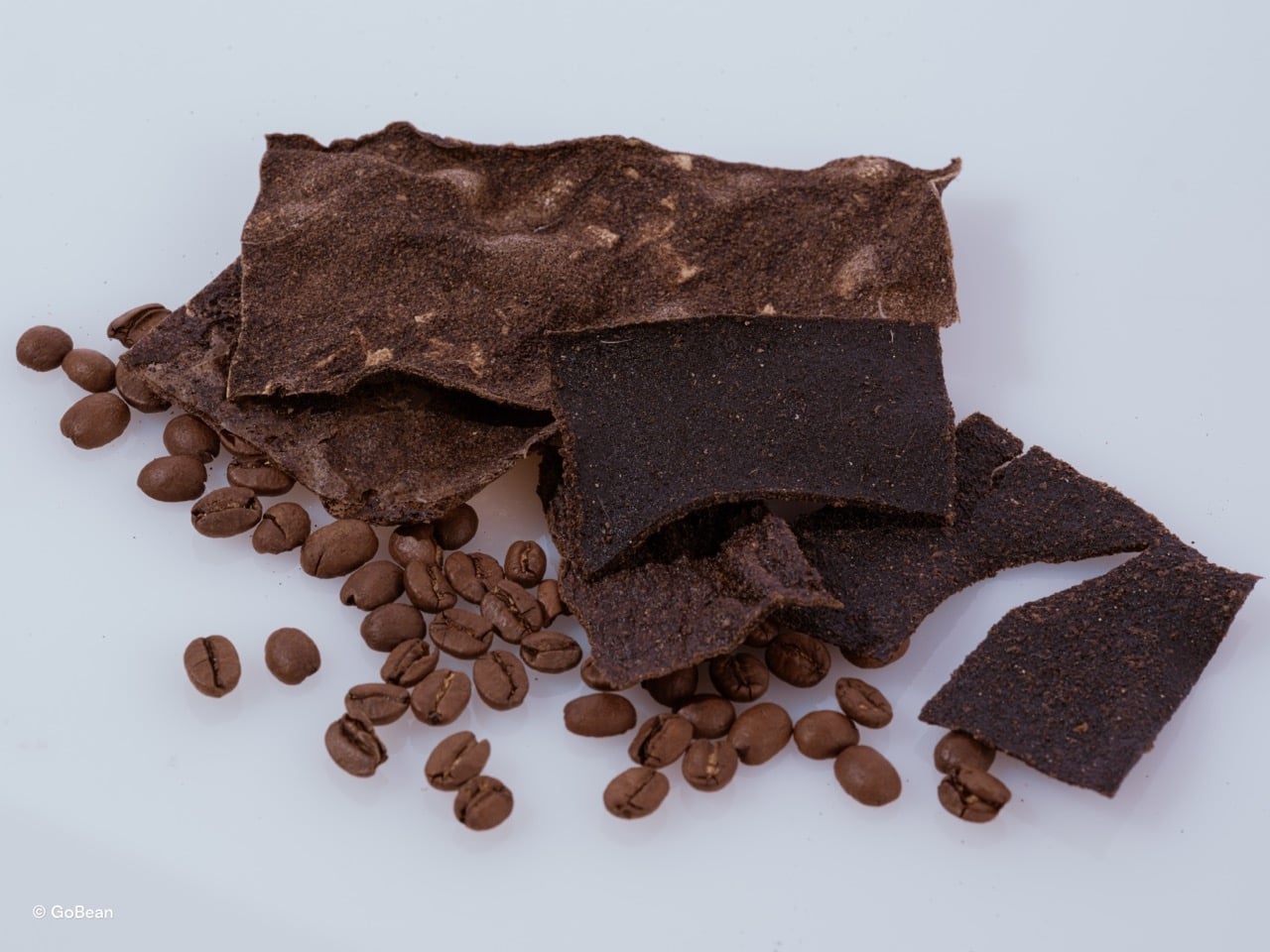
What makes GoBean feel more serious than a typical student concept is the business model built around it. The idea is that cafés supply their own spent coffee grounds as the raw material for production. This turns waste into a resource, gives cafés a reason to participate, and keeps the material loop local. Designers often get credited for solving the object, but solving the system is harder, and Sanchez and Lee are clearly thinking about both.

I will admit, I have a complicated relationship with sustainable packaging projects. A lot of them promise a lot and deliver something that either does not perform as well, costs too much, or requires consumer behavior change that just is not going to happen at scale. GoBean avoids most of those traps by meeting the product exactly where it already exists. The sleeve still looks like a sleeve, fits like a sleeve, works like a sleeve. The only difference is where it comes from and where it goes afterward.
The Green Product Award tends to surface work that is genuinely trying to move the needle on material innovation rather than just putting a green label on something old. A nomination here carries a bit of weight, and GoBean fits the ethos of that kind of recognition.
It is also worth noting that this is a concept still in development, not something you can order from a café supplier today. That distinction matters. Student projects are exactly where this kind of thinking should live, unencumbered by the commercial pressures that usually flatten ideas before they can fully form. Whether GoBean eventually makes it to mass production will depend on all the less exciting stuff: manufacturing cost, supply chain logistics, regulatory approvals. None of which are guaranteed.
But as a vision of what disposable packaging could be, it is hard to argue with. The sleeve you use for ten minutes does not need to exist for a hundred years. That mismatch has always been the problem, and GoBean is one of the more elegant answers I have seen to it. Design does not always save the world, but sometimes it asks the right question. In this case, the question is simple: if your coffee sleeve is made from coffee grounds, has it ever really left the café?