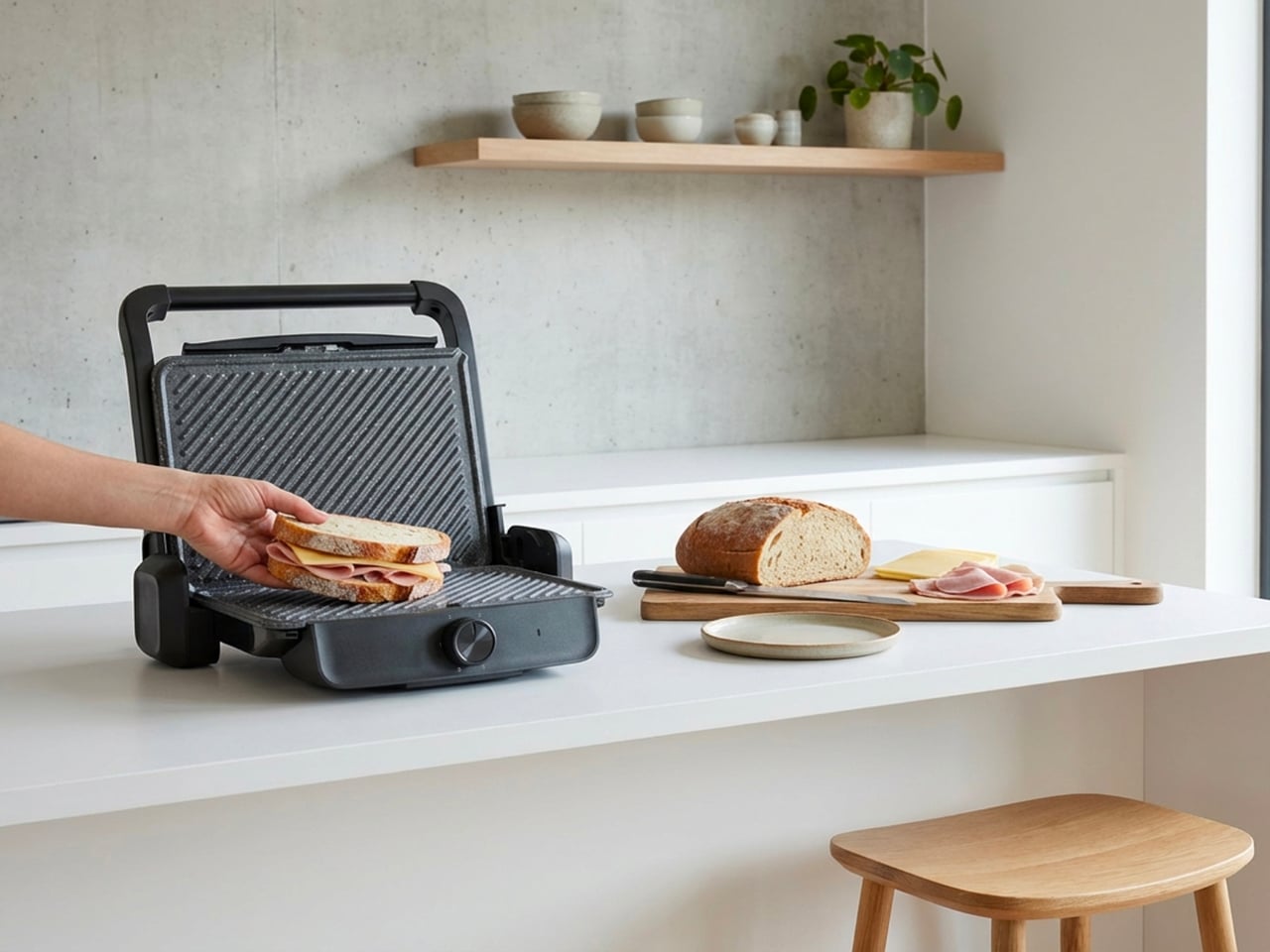
Small appliances are the forgotten middle children of industrial design. We obsess over espresso machines and standing mixers, but the humble sandwich maker? It usually gets whatever plastic shell a product team could push through engineering fast enough to hit a price point. That’s exactly why Dogac Can Sagirosmanoglu’s sandwich maker concept caught my attention, and I suspect it’s catching a lot more than mine.
Sagirosmanoglu is a Lead Industrial Designer based in Istanbul, and he posted this concept project on Behance, where the numbers speak for themselves: over 560,000 views and more than 4,000 appreciations. For a sandwich maker concept. That response says less about novelty and more about something the design community rarely applies to small countertop appliances: genuine intention.
Designer: Dogac Can Sagirosmanoglu
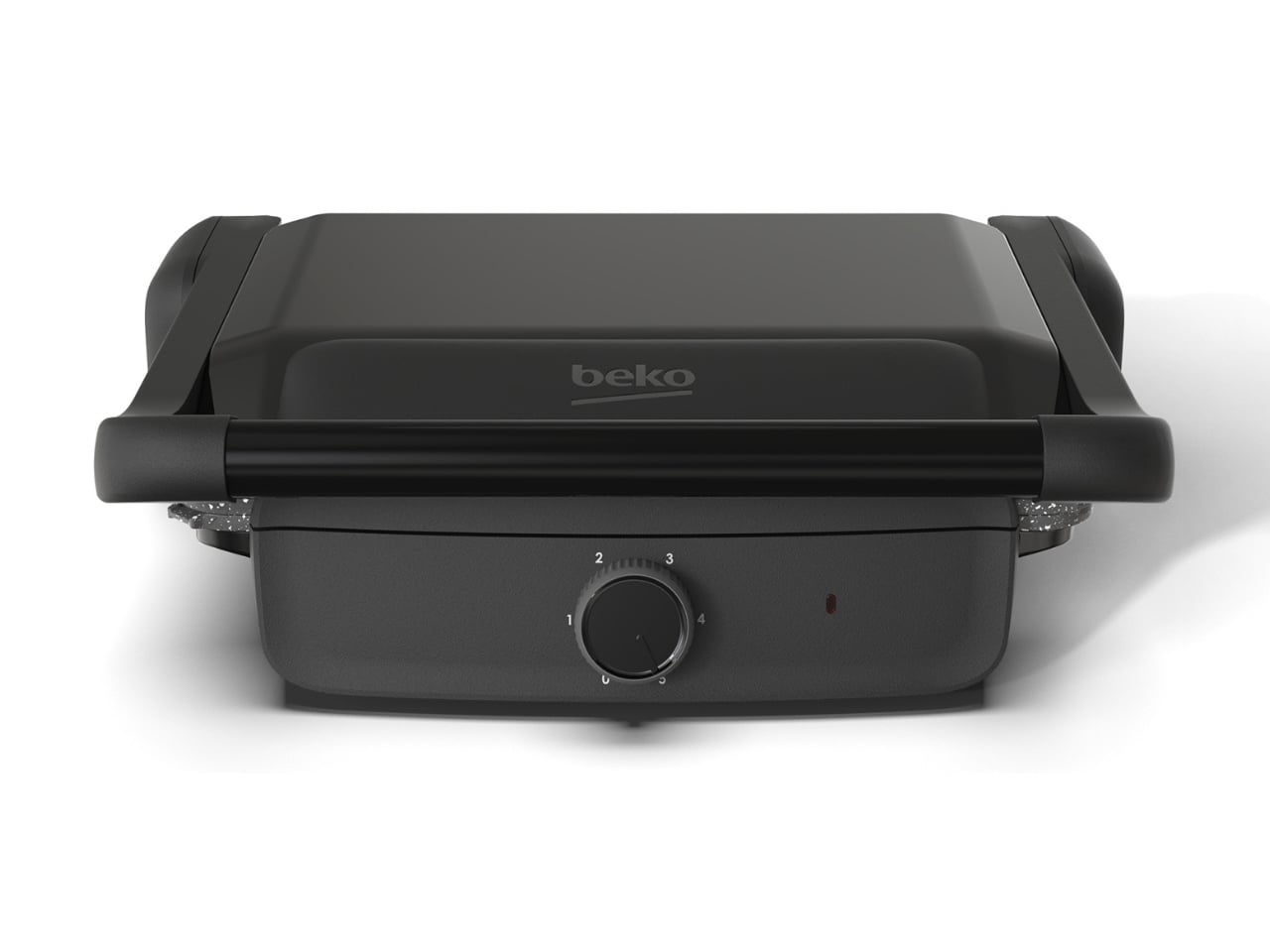
The concept is presented under the Beko name, though it exists as a portfolio project rather than an officially announced product. That distinction matters, but it doesn’t make the design any less compelling. If anything, it makes it more interesting. A designer working within the constraints of a real brand’s visual language, applying that kind of care to a product category that nobody asked him to elevate, is a different kind of creative statement than a fully unconstrained concept. It says something about what he thinks good design actually owes the everyday object.
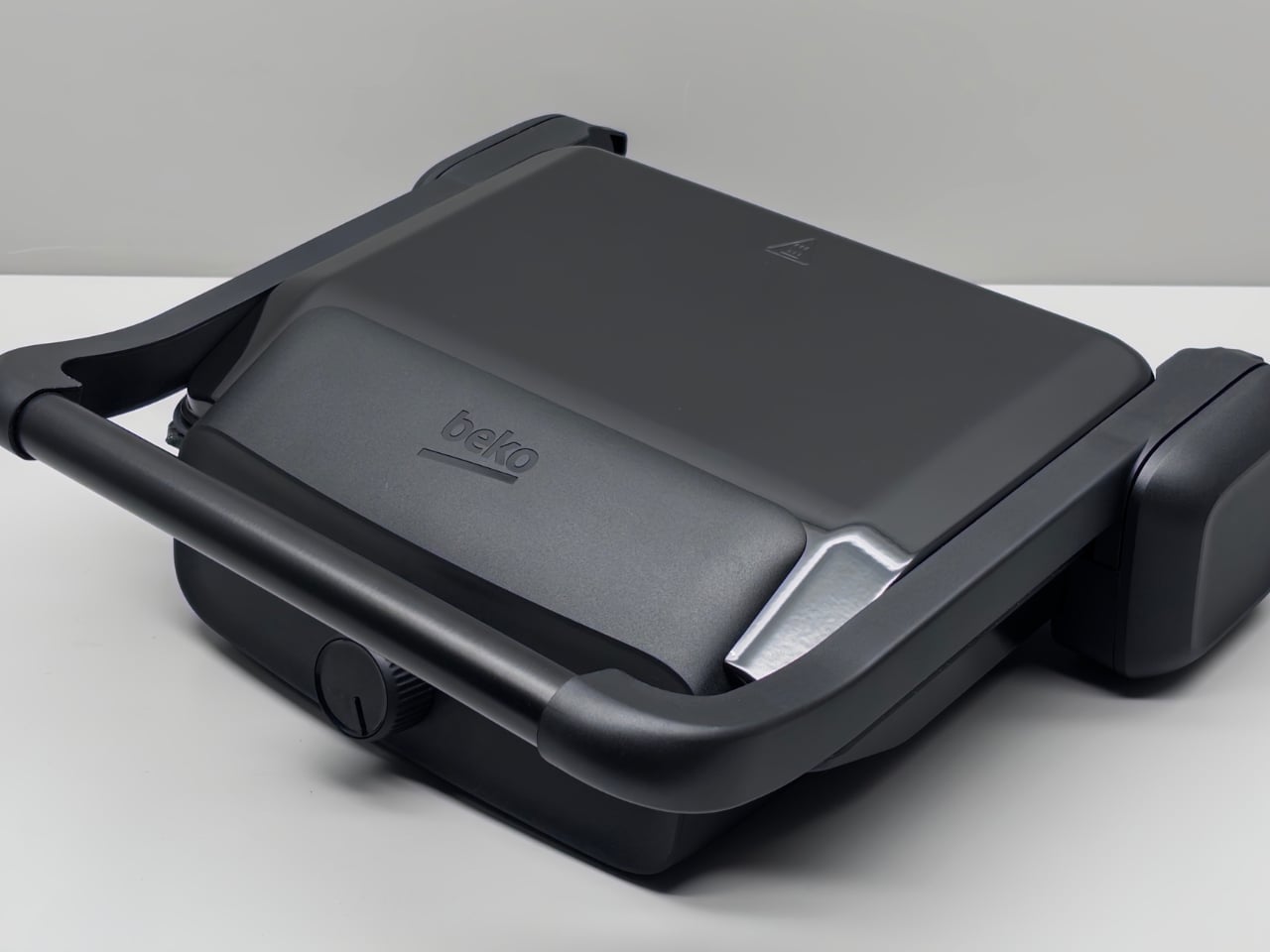

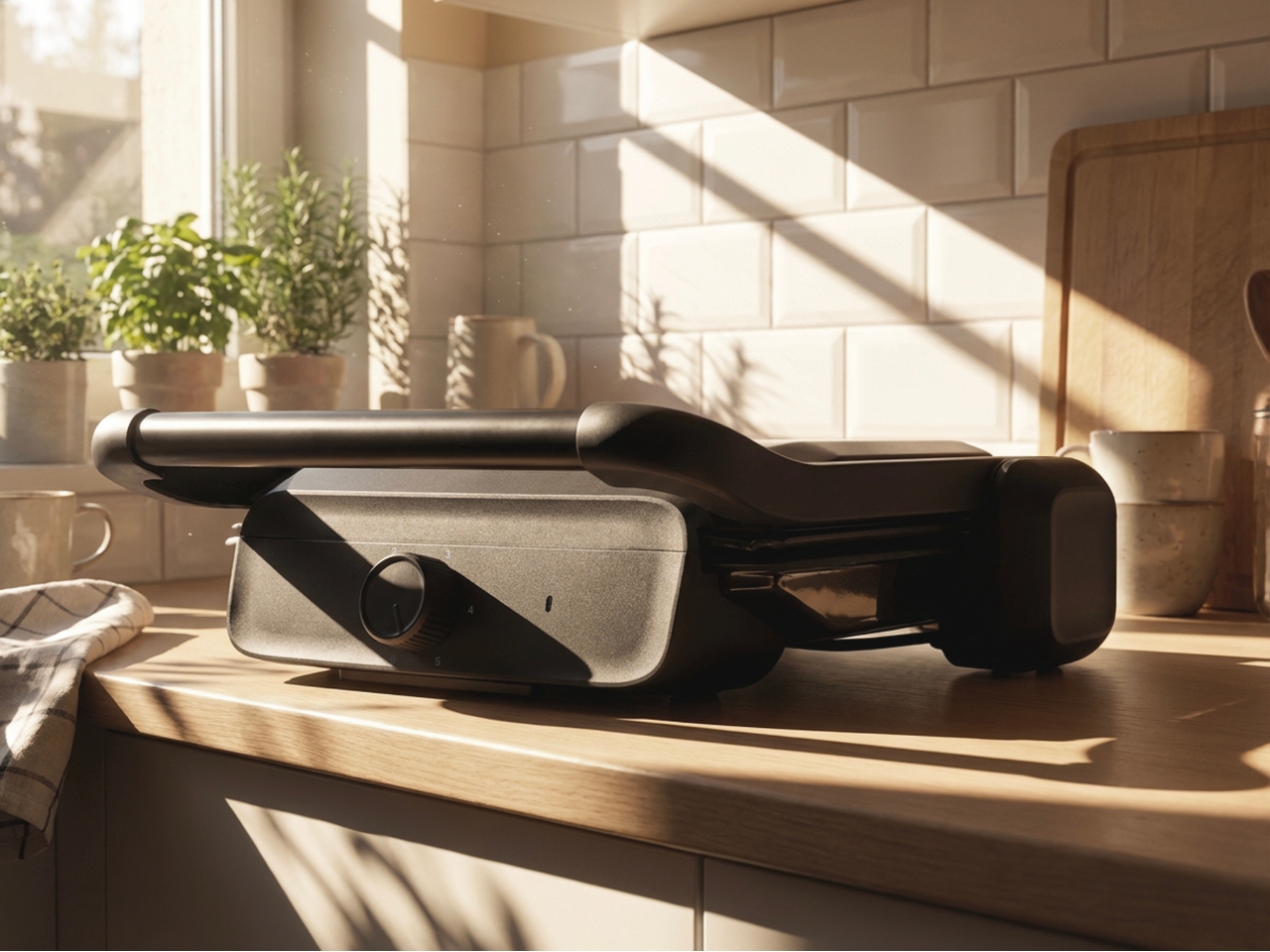
The design itself carries the kind of restraint that only looks effortless after a lot of work. Clean lines, a minimal form language, and a clear understanding that this object will live on someone’s kitchen counter, which means it has to look right whether it’s in use or not. Most sandwich makers are things you hide in a cabinet. This one looks like it was designed to stay out. That shift in thinking, from kitchen tool you tolerate to one you actually want to see, is a more significant design decision than it sounds.
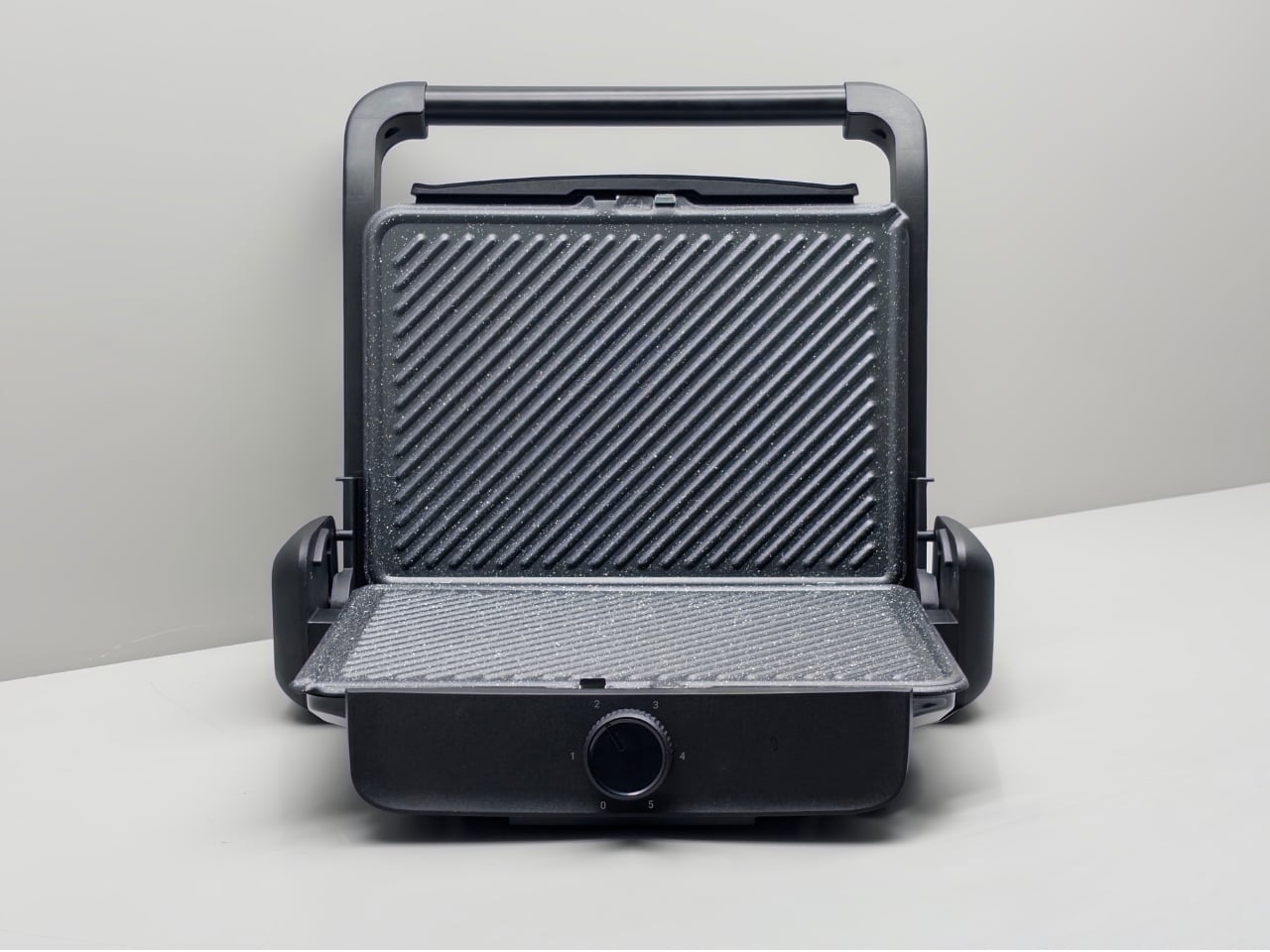
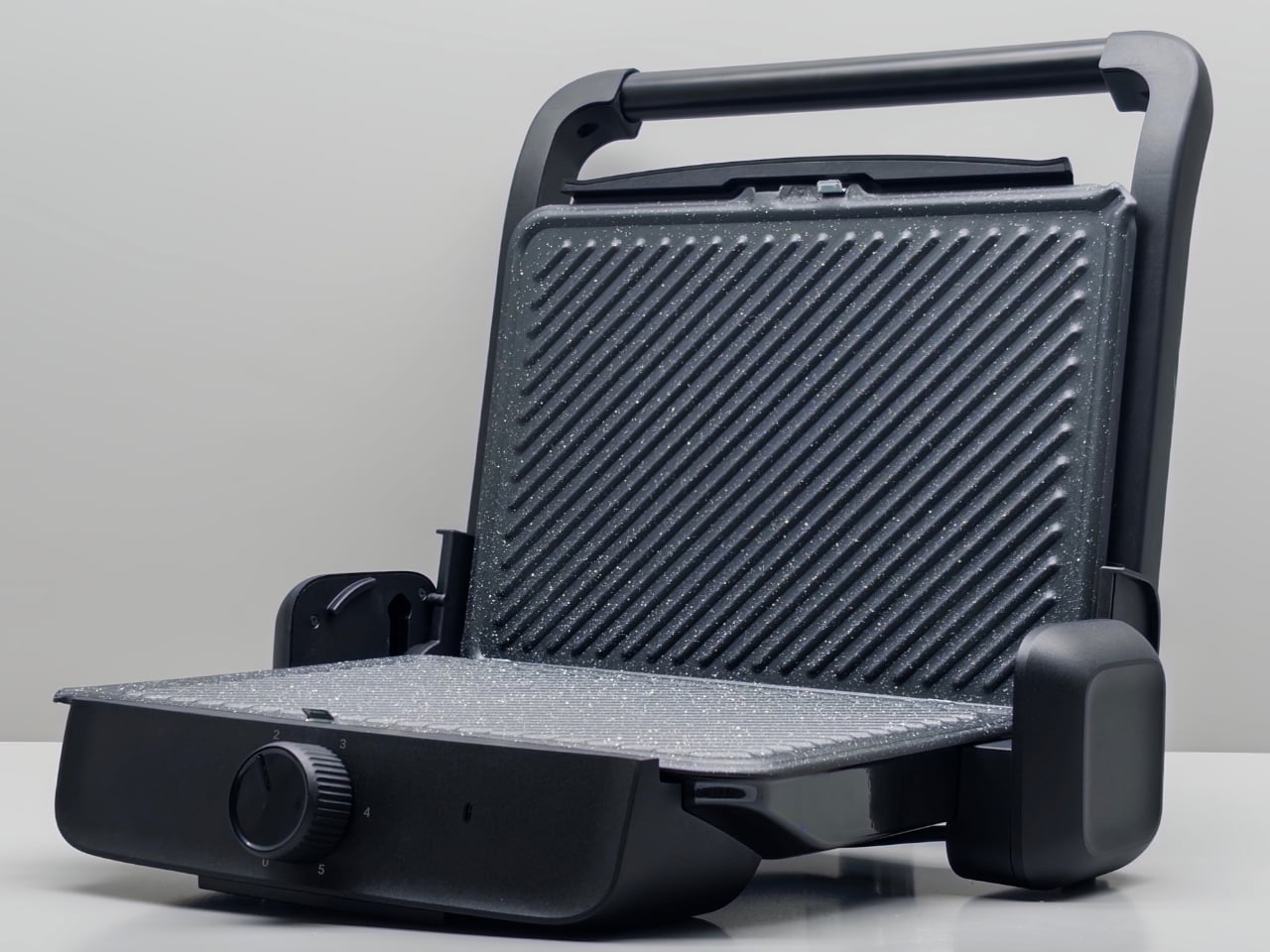
There’s also something honest about the proportions. This isn’t a concept that drifts into fantasy, all floating surfaces and materials that will never survive a production line. It feels buildable. Considered. The kind of design where you can tell the person behind it was asking whether every decision was earning its place, rather than simply asking whether it looked good in a render.
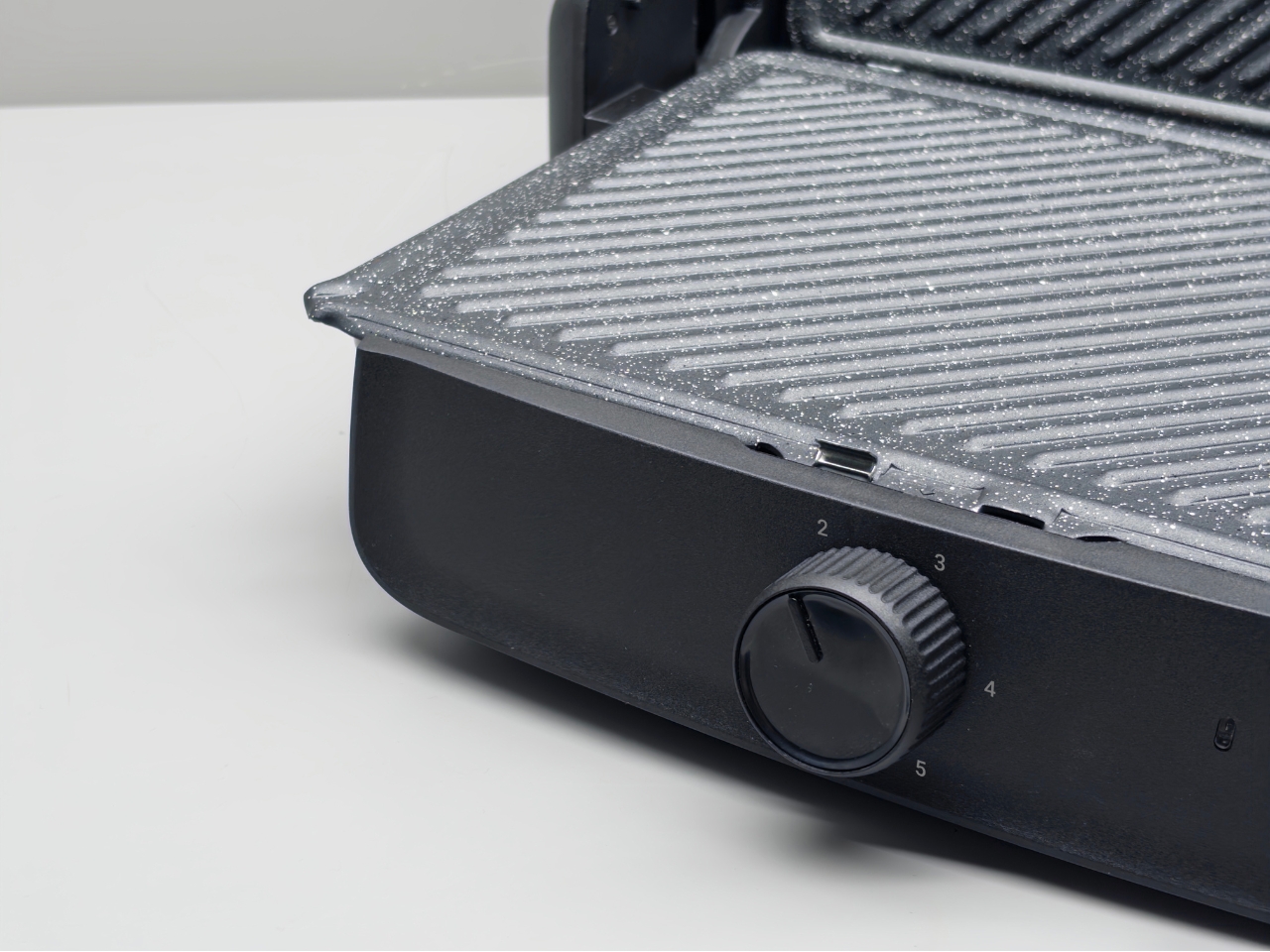
I’ll admit I’m personally drawn to small appliance design right now. We’ve reached a moment where the home, and specifically the kitchen, has become a genuine expression of identity for a lot of people. Social media has made countertops aspirational real estate. The appliances sitting on them aren’t invisible anymore, and the industry is only just beginning to catch up to that shift. Concepts like this one feel like someone who understands that change and is designing accordingly, even before the brief exists to demand it.
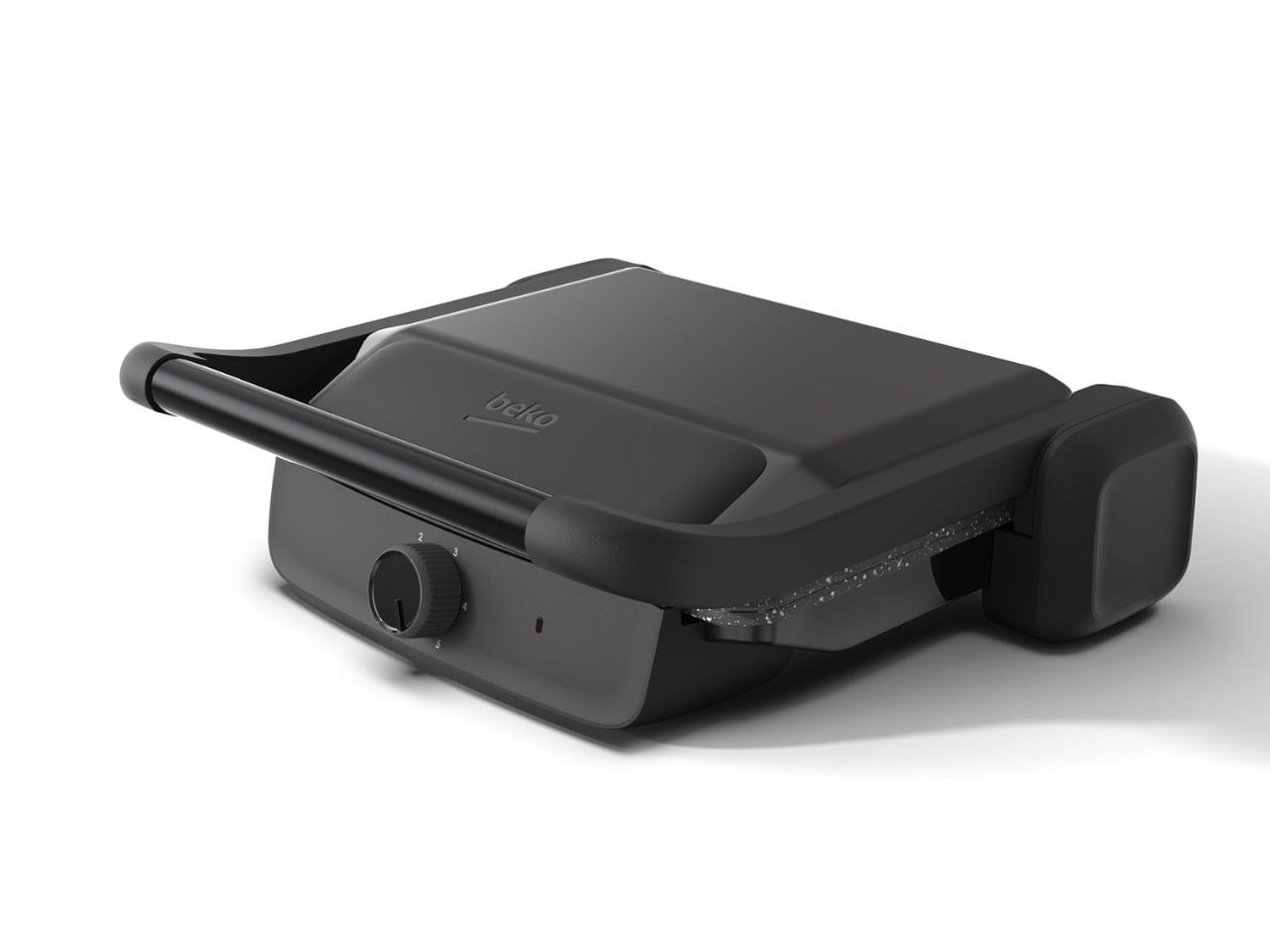
It’s also worth noting that this kind of work, a concept developed with real brand context and real production sensibility, is increasingly how design culture moves forward. The conversation doesn’t only happen at Milan or in the pages of Wallpaper. It happens on Behance, where a designer in Istanbul can rack up half a million views on a sandwich maker concept and start a conversation that ripples through the industry. That’s genuinely exciting, and more democratizing than most design institutions would like to admit.
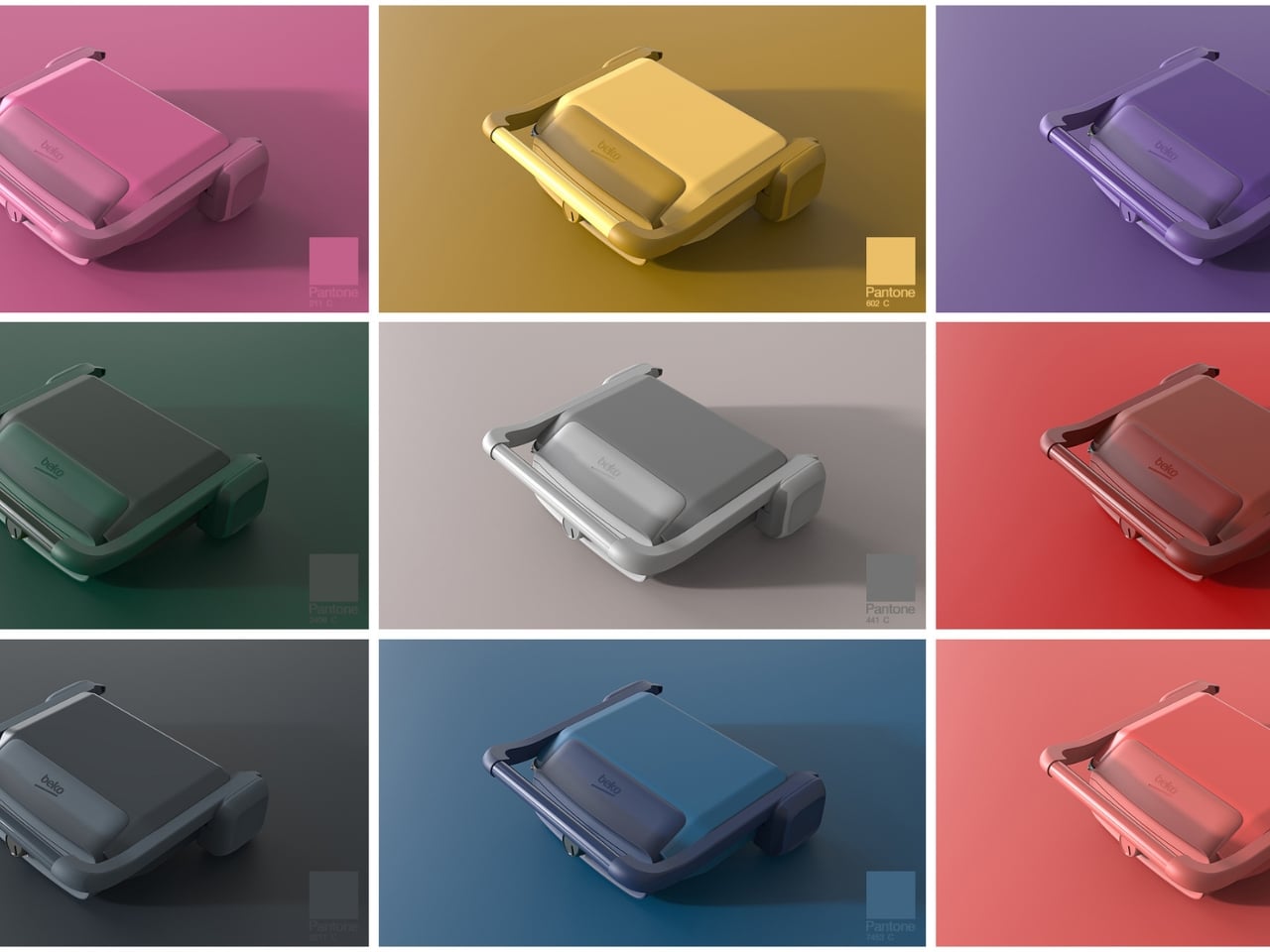
The bigger question this concept raises is why we settled for so long. Kitchen appliances are touched multiple times a day. They shape the experience of a space we spend real, meaningful time in. A sandwich maker that someone put thoughtful effort into isn’t a luxury, it’s just respect for the user. And once you see a design that gets it right, the ones that don’t become very difficult to look at.
Sagirosmanoglu’s sandwich maker concept doesn’t solve every problem with small appliance design. But it makes a compelling argument that someone should be trying. Whether or not it ever gets made, that argument is already winning.