The gabled roof is one of the oldest tricks in architecture’s playbook. Pitched, familiar, and about as dramatic as a grammar school diagram, it’s the shape children draw when they first sketch a house. But Alireza Taghaboni of Tehran-based Next Office has done something rare with it: he made it interesting again.
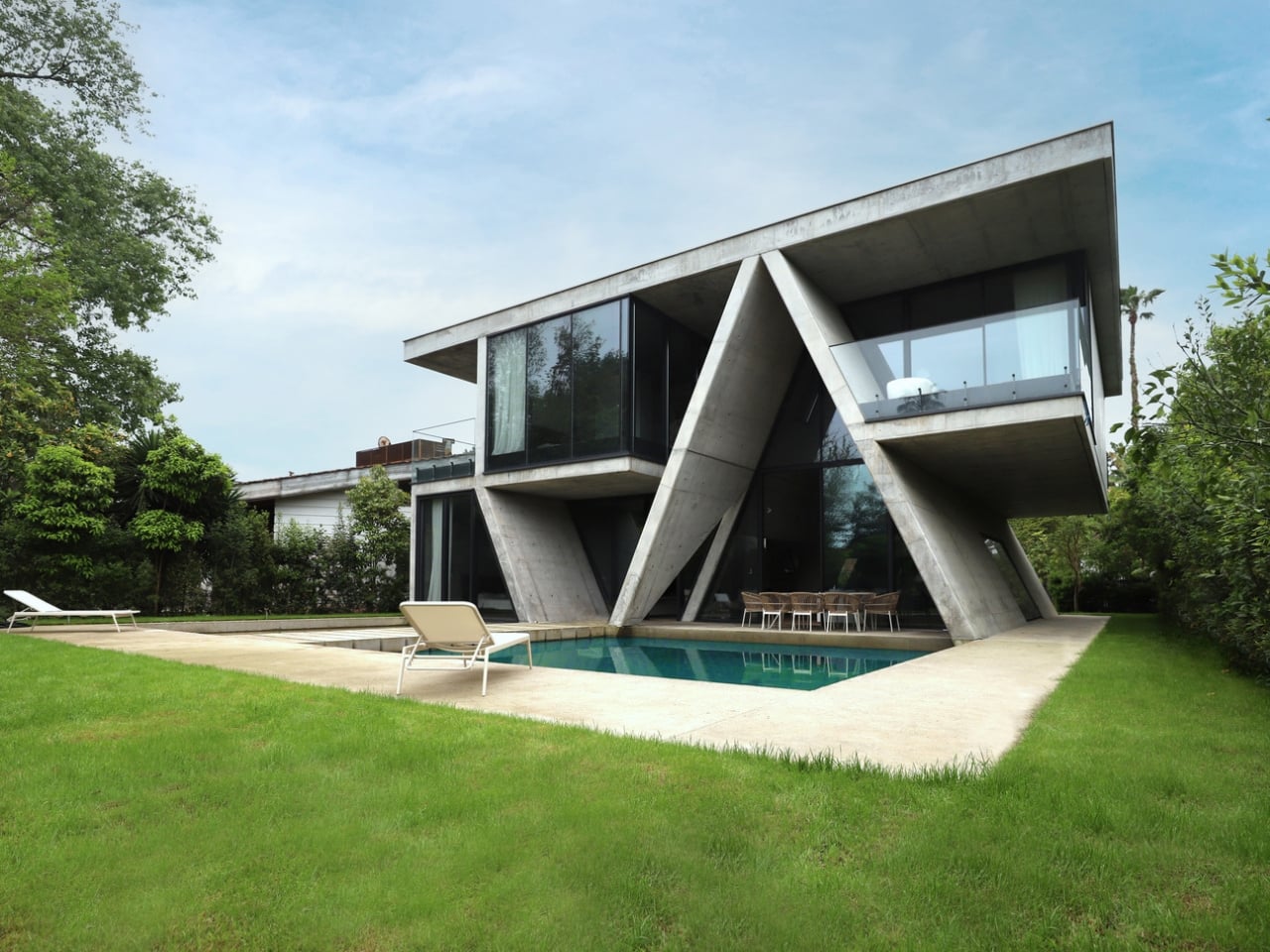
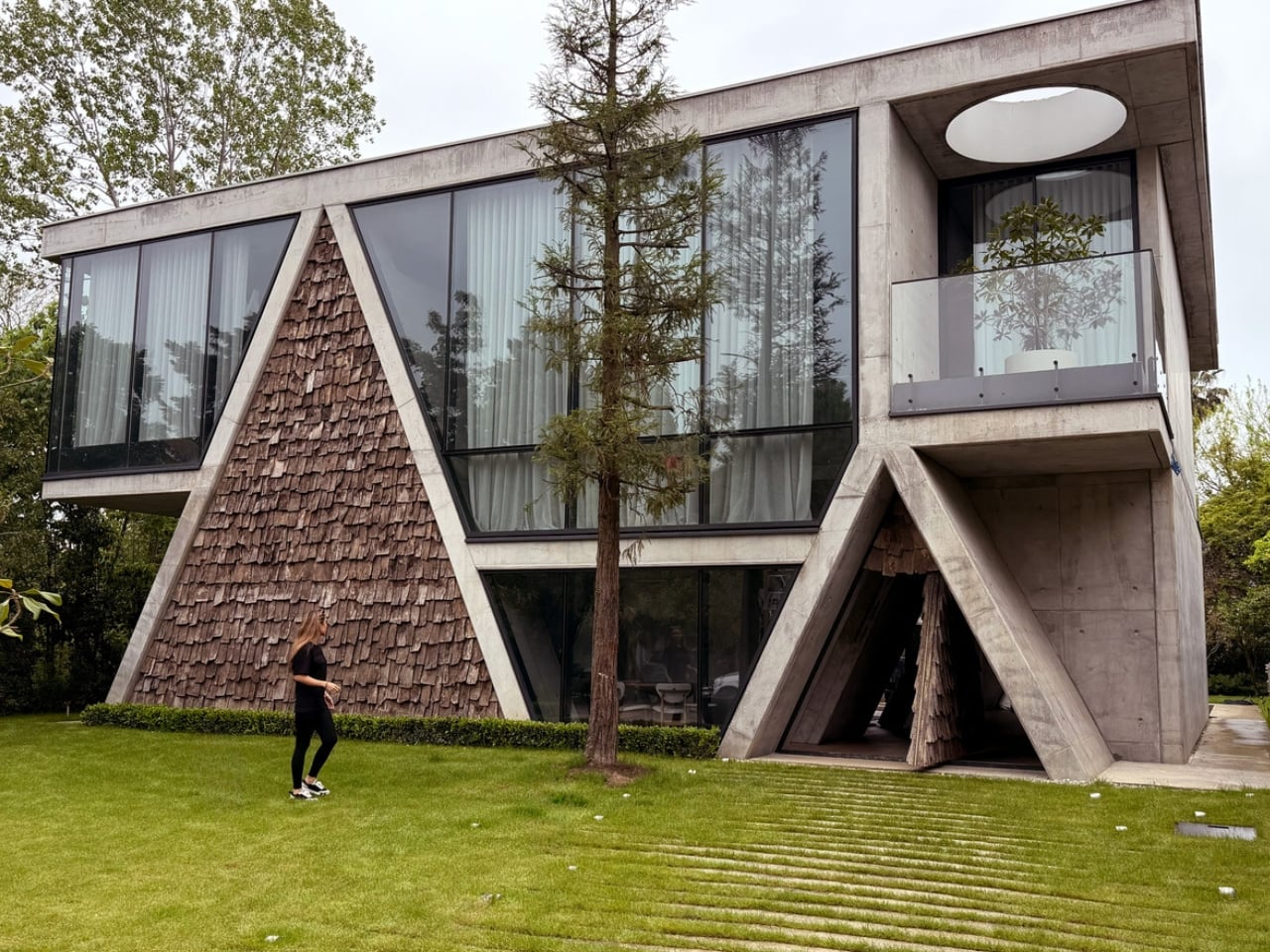
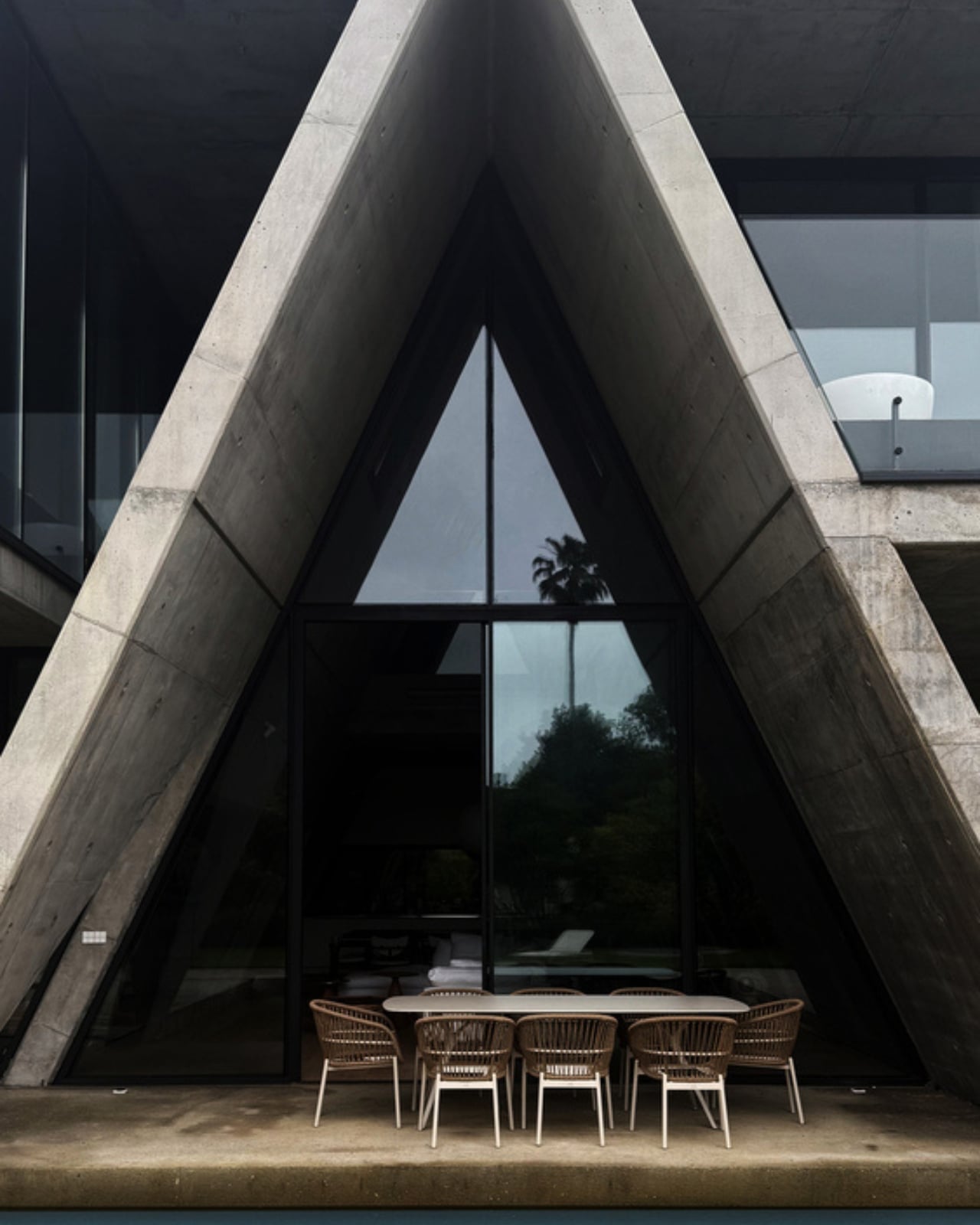
The Gable Villa, completed in 2025 in Royan, a coastal city in northern Iran, is the kind of project that looks obvious at first glance and quietly revelatory the longer you sit with it. Royan sits near the Caspian Sea, and like much of Iran’s northern region, its traditional architecture has always leaned into the pitched roof as a direct response to heavy seasonal rainfall. This isn’t a decorative choice or a nostalgic one. It’s climate-driven, practical, and centuries old. What Taghaboni does is take that deeply familiar slope and push it into conversation with the hard orthogonal language of contemporary architecture, and the result is genuinely compelling.
Designer: Next Office–Alireza Taghaboni (photos by Ehsan Ahani)
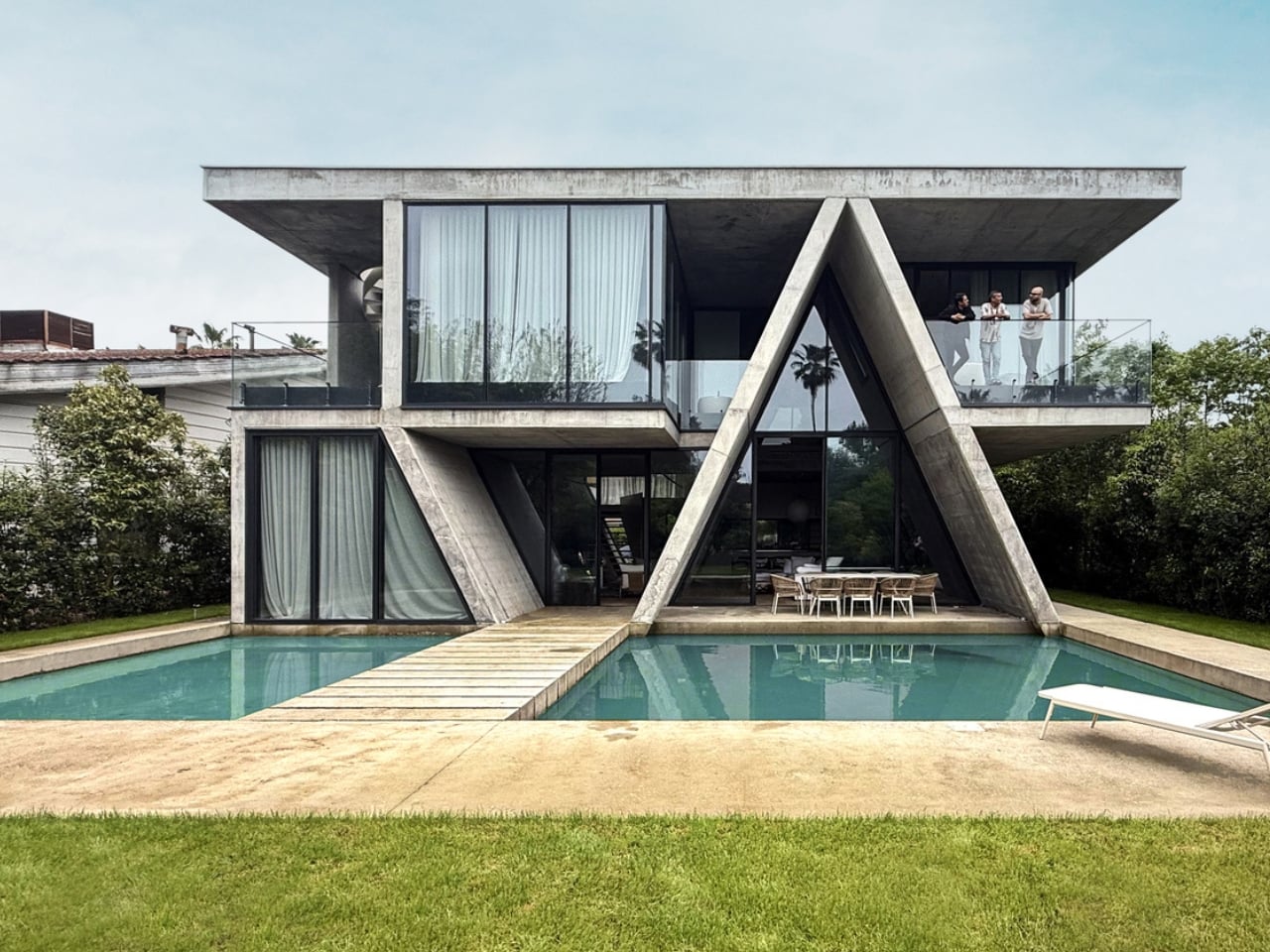
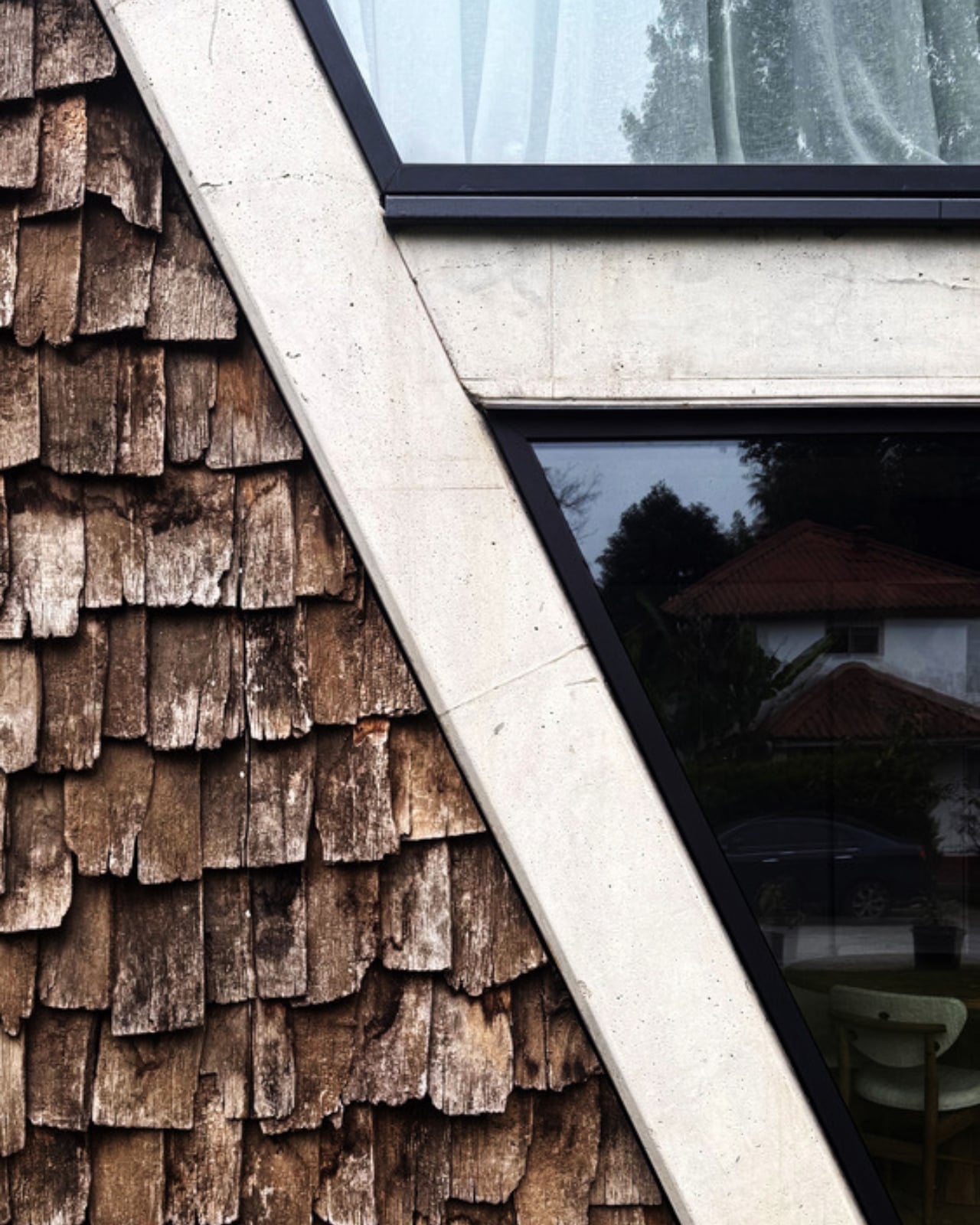
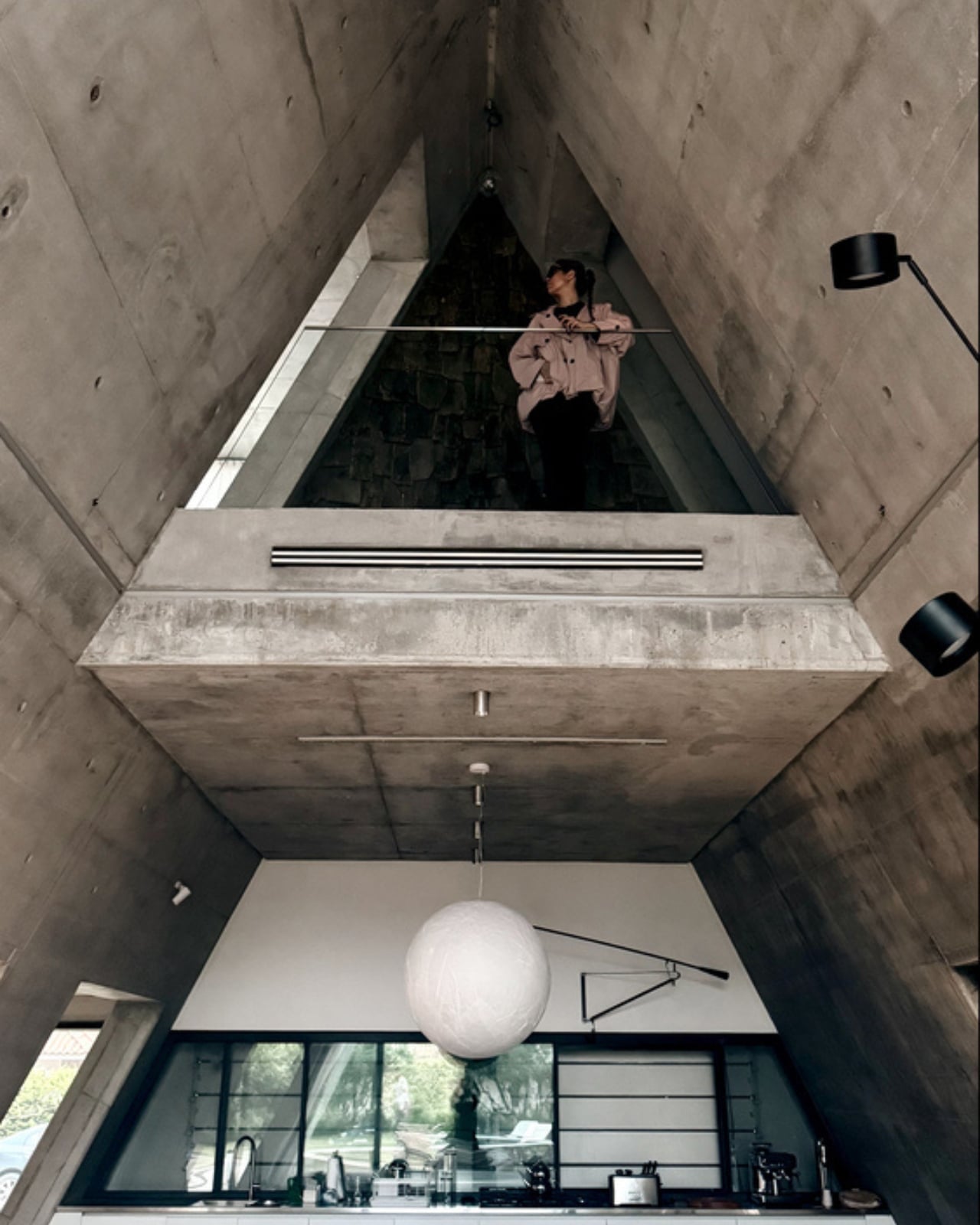
The design concept is built around hybridization: an inclined structure, reminiscent of the region’s vernacular buildings, fused with a right-angled framework. On paper, that might sound like an architectural compromise, the kind of thing that slides into awkward pastiche. It doesn’t. The collision of the two forms creates interior spaces that feel both grounded and unexpected. The inclined volume doesn’t just define the exterior silhouette; it reshapes the interior experience entirely. Rooms feel taller where the ridge runs and more intimate where the slope pulls low, creating a natural hierarchy of space without needing extra walls to do the organizing. The geometry does the emotional heavy lifting.
Next Office, which Taghaboni founded in 2009, has built its reputation on exactly this kind of thinking. The studio’s work consistently returns to one core tension: how do you build something deeply contemporary in a country with one of the most layered architectural traditions on the planet? The Sharifi-ha House, perhaps the firm’s most internationally recognized project, explored flexibility and movement through rotating rooms that could open or close depending on the season. The Gable Villa is quieter than that, less theatrical, but no less considered. It’s a more mature move, one that doesn’t need to show its mechanism to make its point.
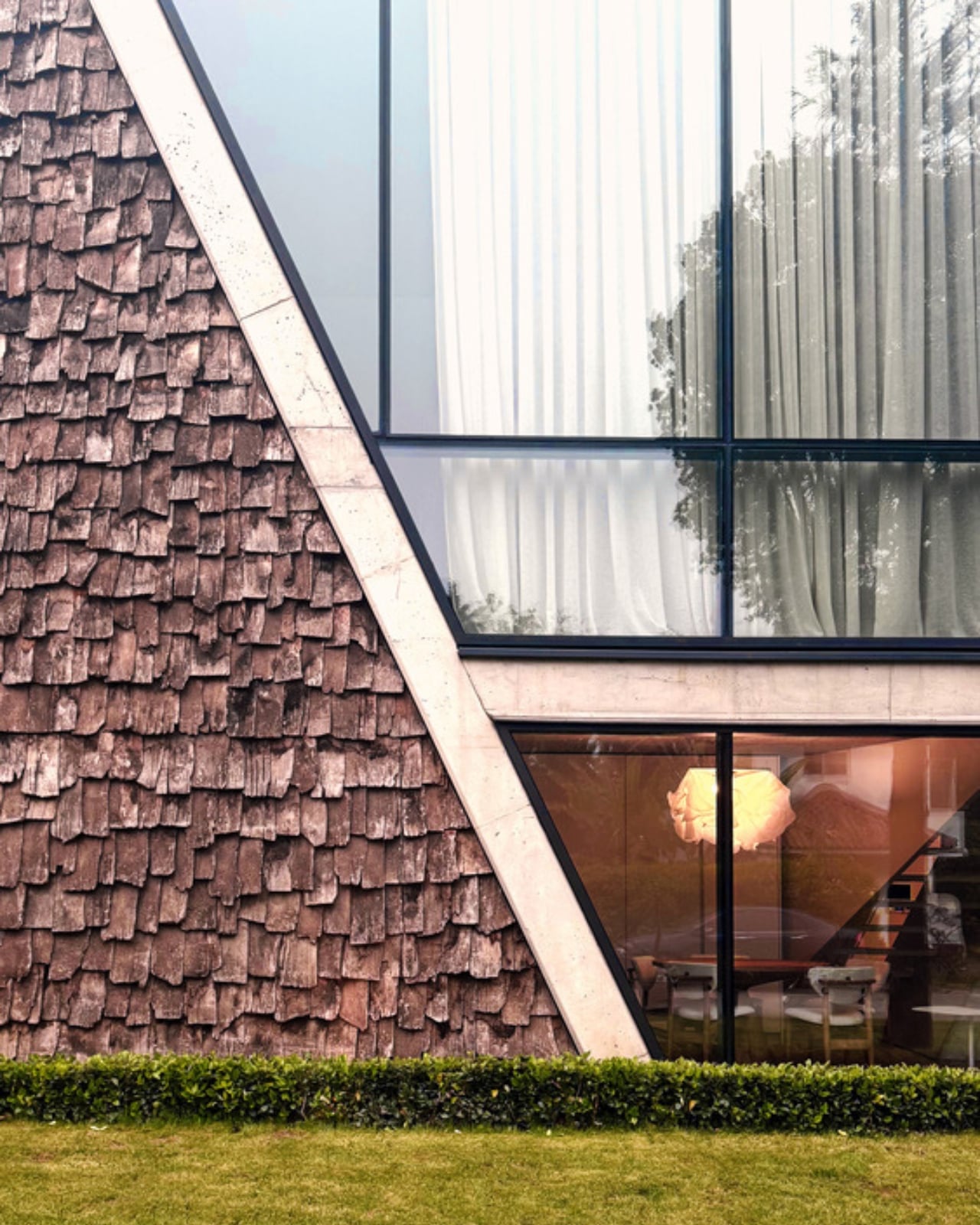
What strikes me about the Gable Villa is how unapologetically local it is. At a time when globalized architecture tends to iron out regional character in favor of a universally recognizable aesthetic, this project leans hard into where it is. Royan’s vernacular DNA isn’t applied as surface decoration; it’s baked into the structural logic of the building itself. That’s a meaningful distinction. Taghaboni isn’t borrowing visual language from tradition, he’s inheriting the reasoning behind it and rewriting it in a contemporary register.
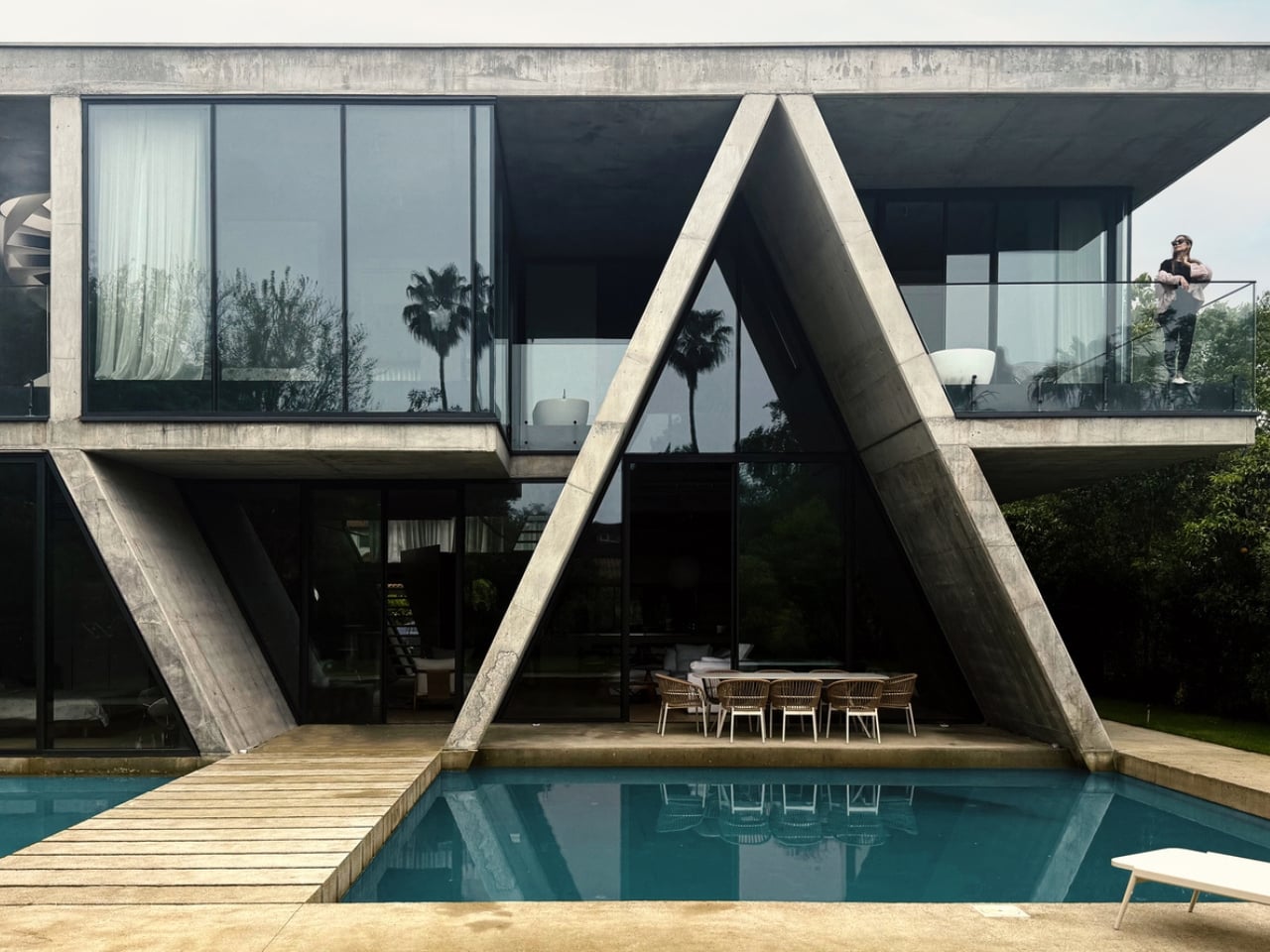
The photography by Ehsan Ahani captures the project with a stillness that suits it. The villa simply isn’t competing for attention. It sits in its landscape with a kind of confidence that comes from knowing exactly what it is and what it’s trying to do. The light plays differently across the gabled form than it would over a flat roof, and you feel that in the images even before you fully process why.
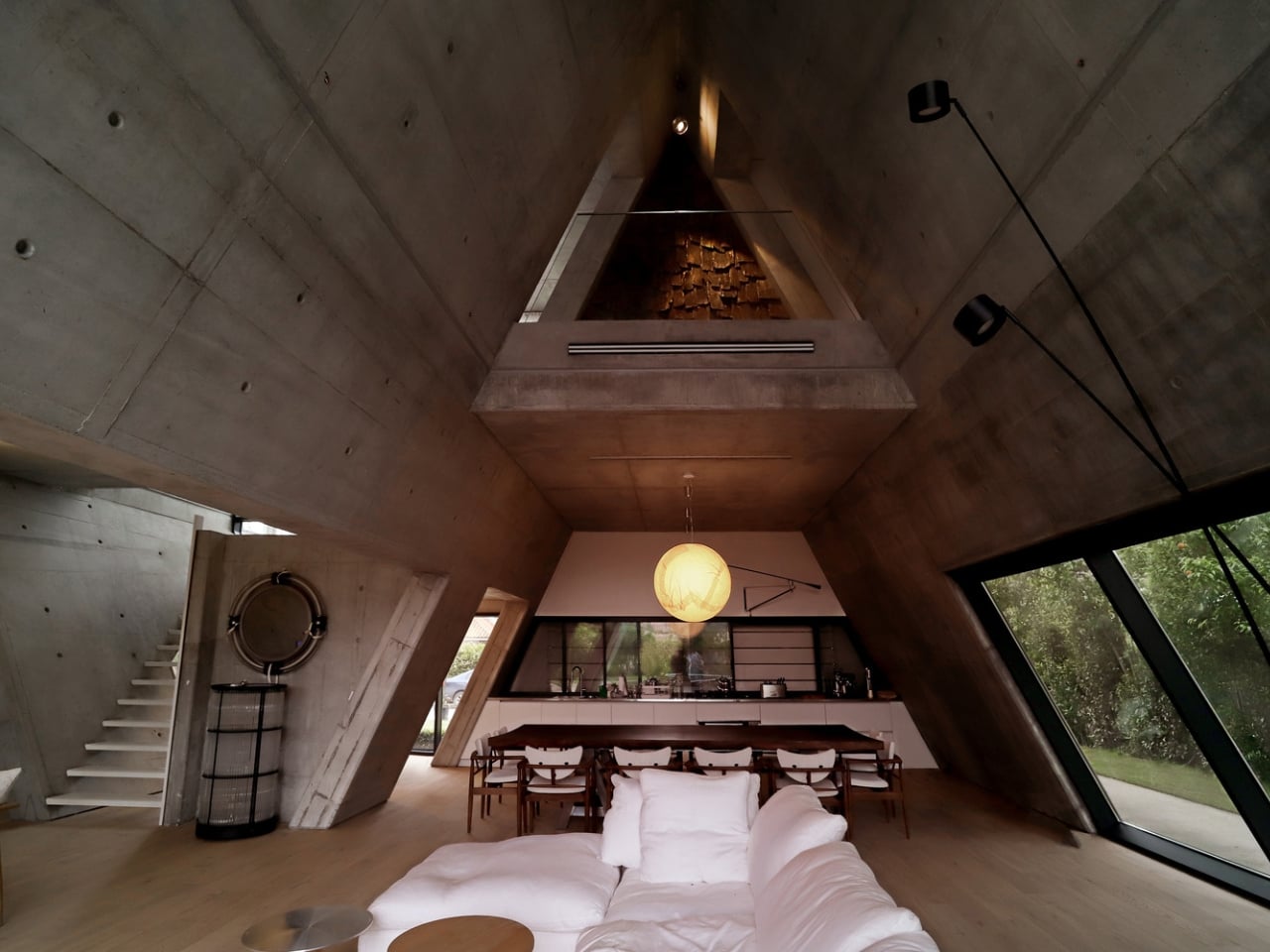
For anyone who follows contemporary architecture, the Gable Villa is a reminder of why regional architecture, done with intelligence and rigor, still carries a weight that purely international work sometimes loses. Architecture has spent decades flattening itself into a single global style, and you can feel the cost of that. It’s also a reminder that the most familiar forms, the gable, the pitched roof, the shape of the house your four-year-old self drew with a crayon, still hold enormous untapped potential in the right hands.
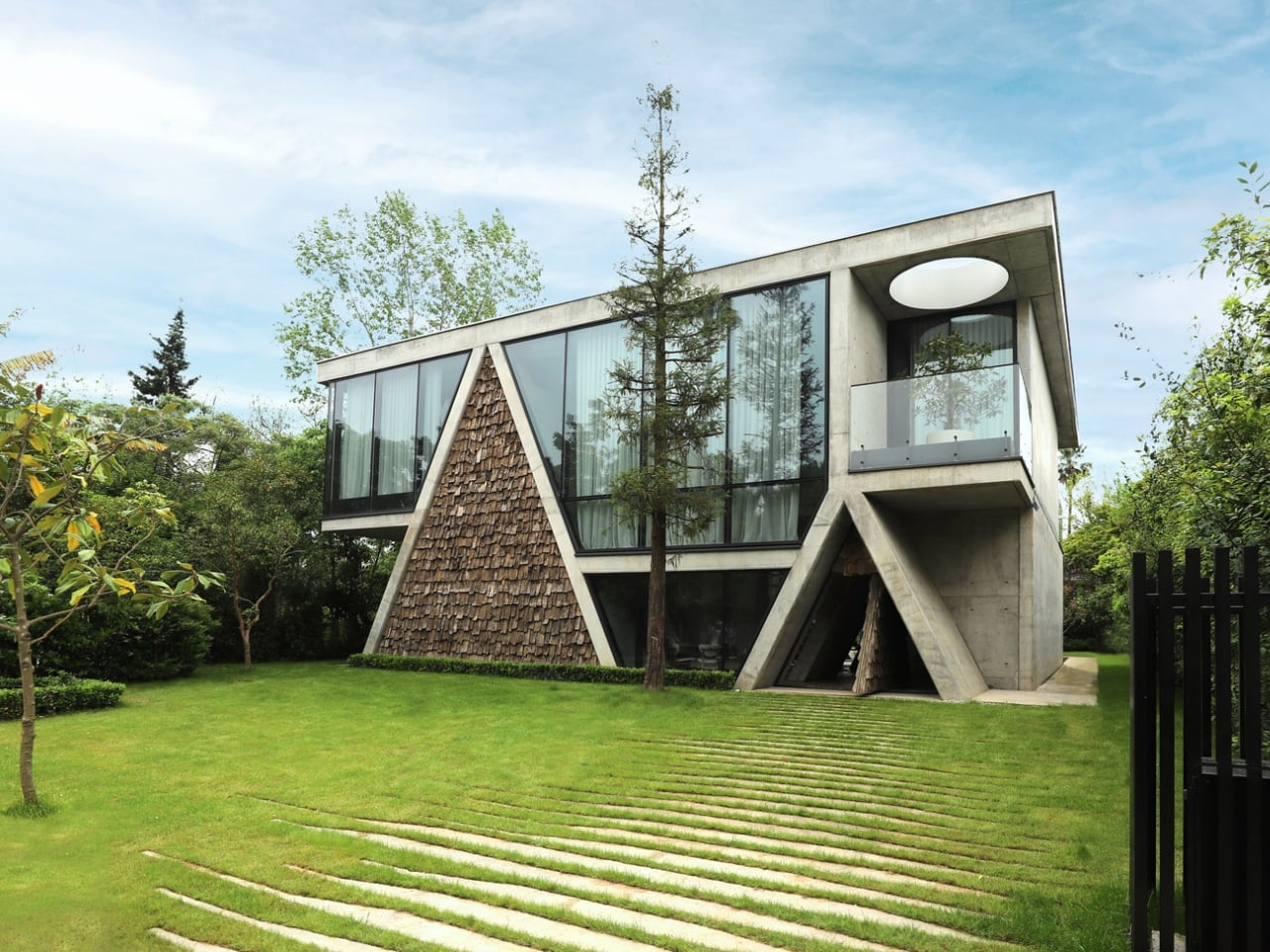
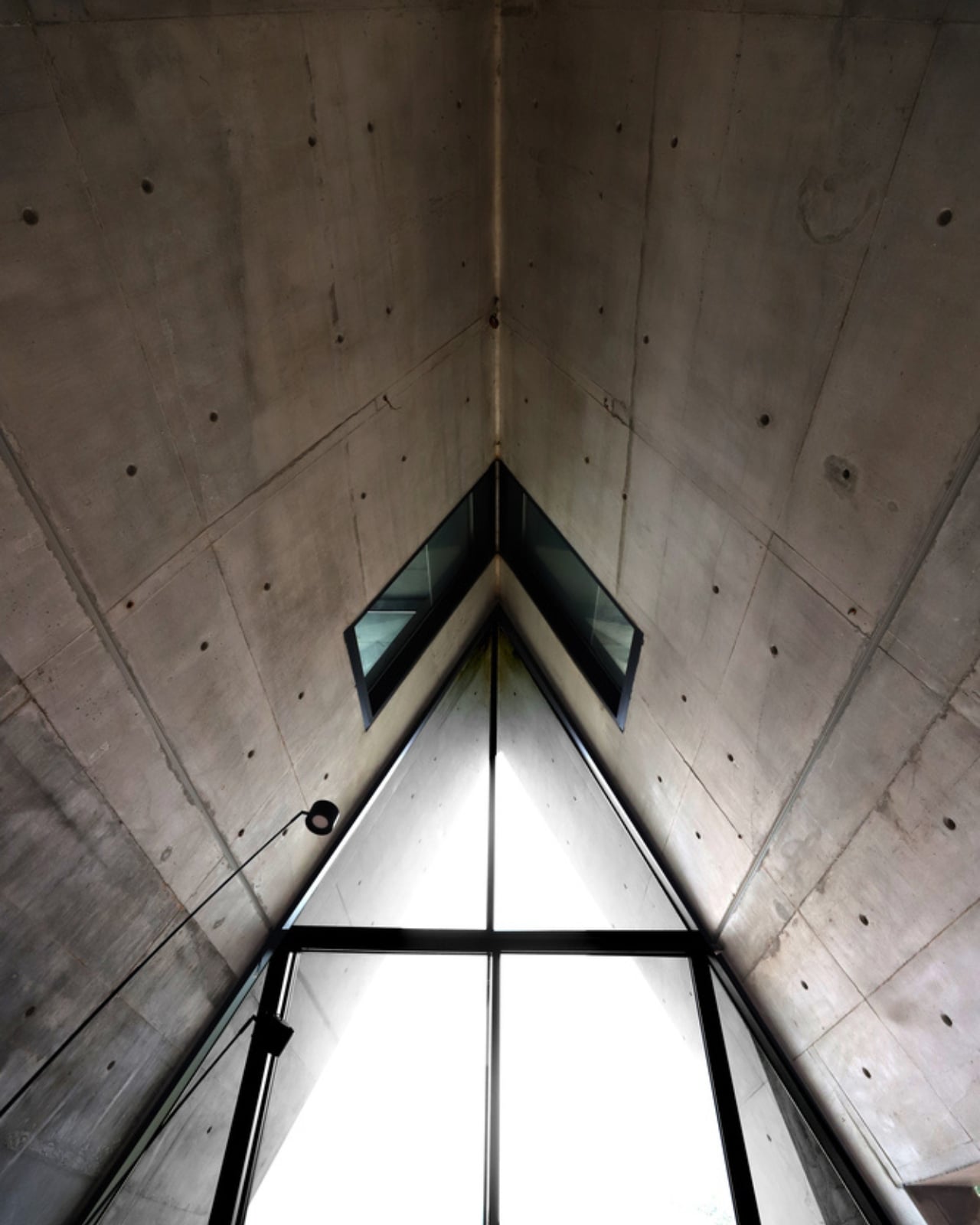
Taghaboni and Next Office are clearly worth watching. Not because they’re doing the loudest work, but because they’re doing work that rewards attention. The Gable Villa is exactly that kind of building: patient, purposeful, and quietly smarter than it looks.