Scroll through any tech community online, and the same frustration keeps surfacing: people are exhausted by their screens. The perpetual brightness, the notification pull, the way a quick phone check somehow turns into forty lost minutes. That collective discomfort has pushed a growing number of people toward e-ink devices, displays that don’t glow in your face and don’t make a habit of demanding your attention.
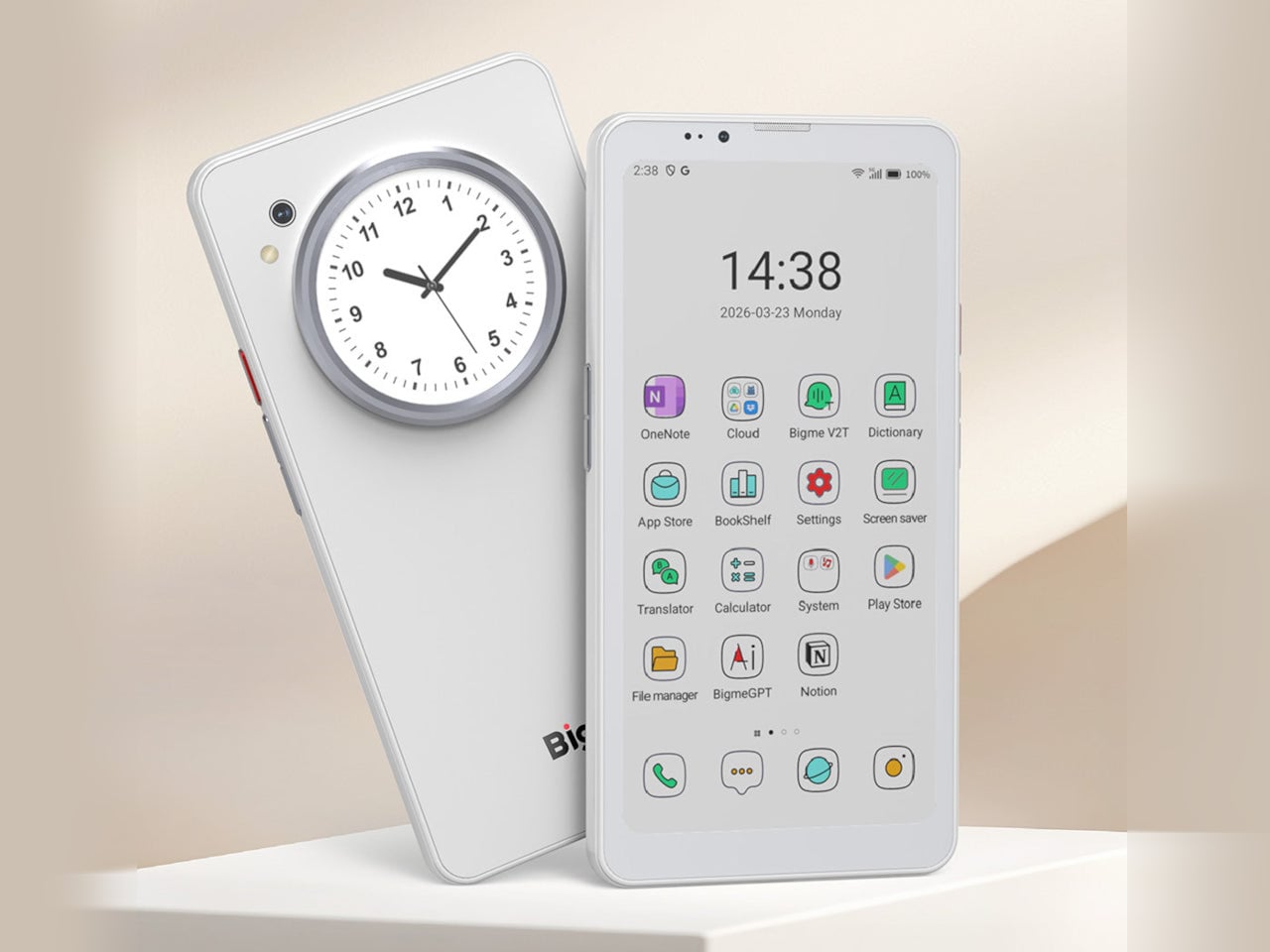
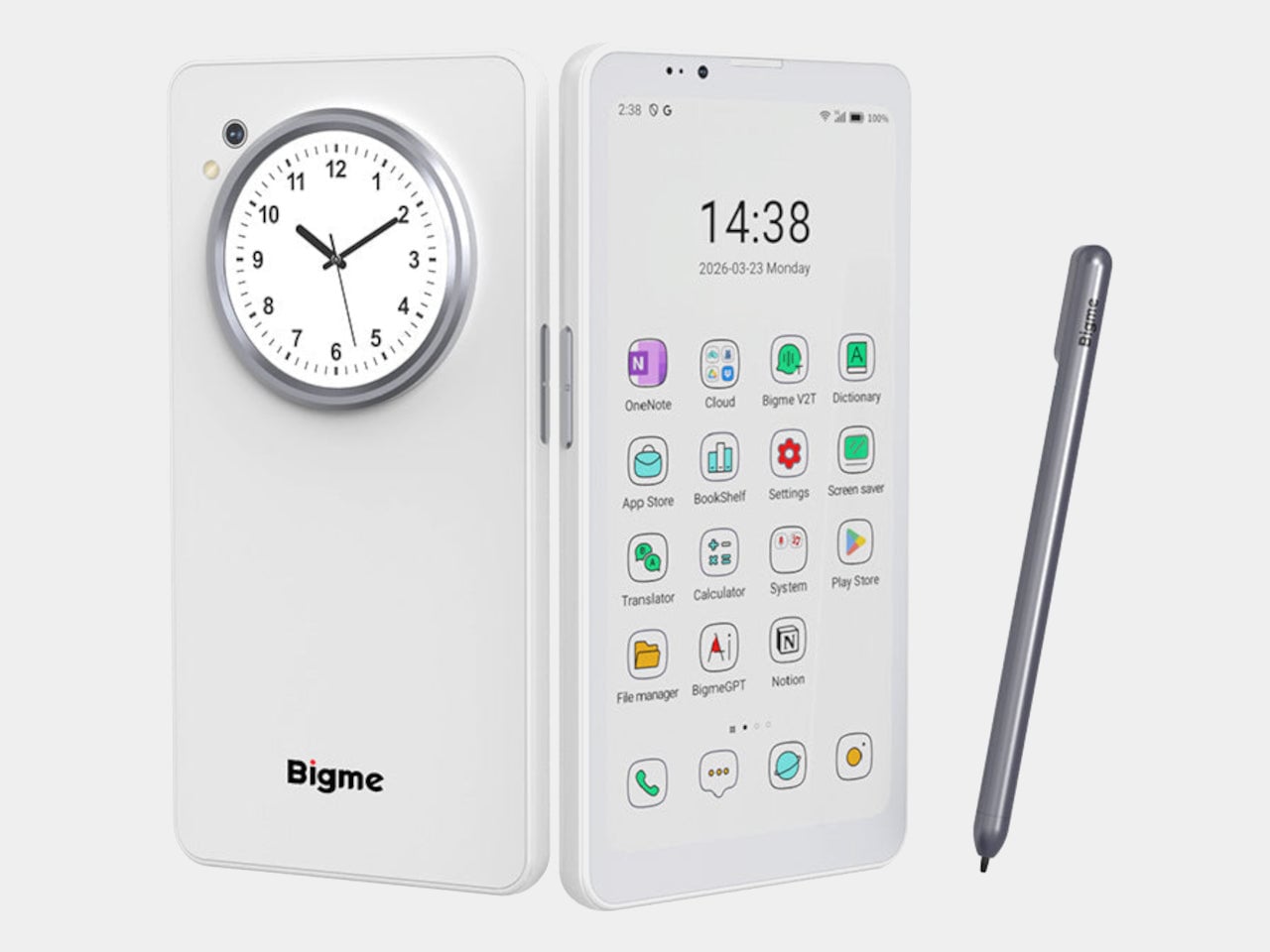
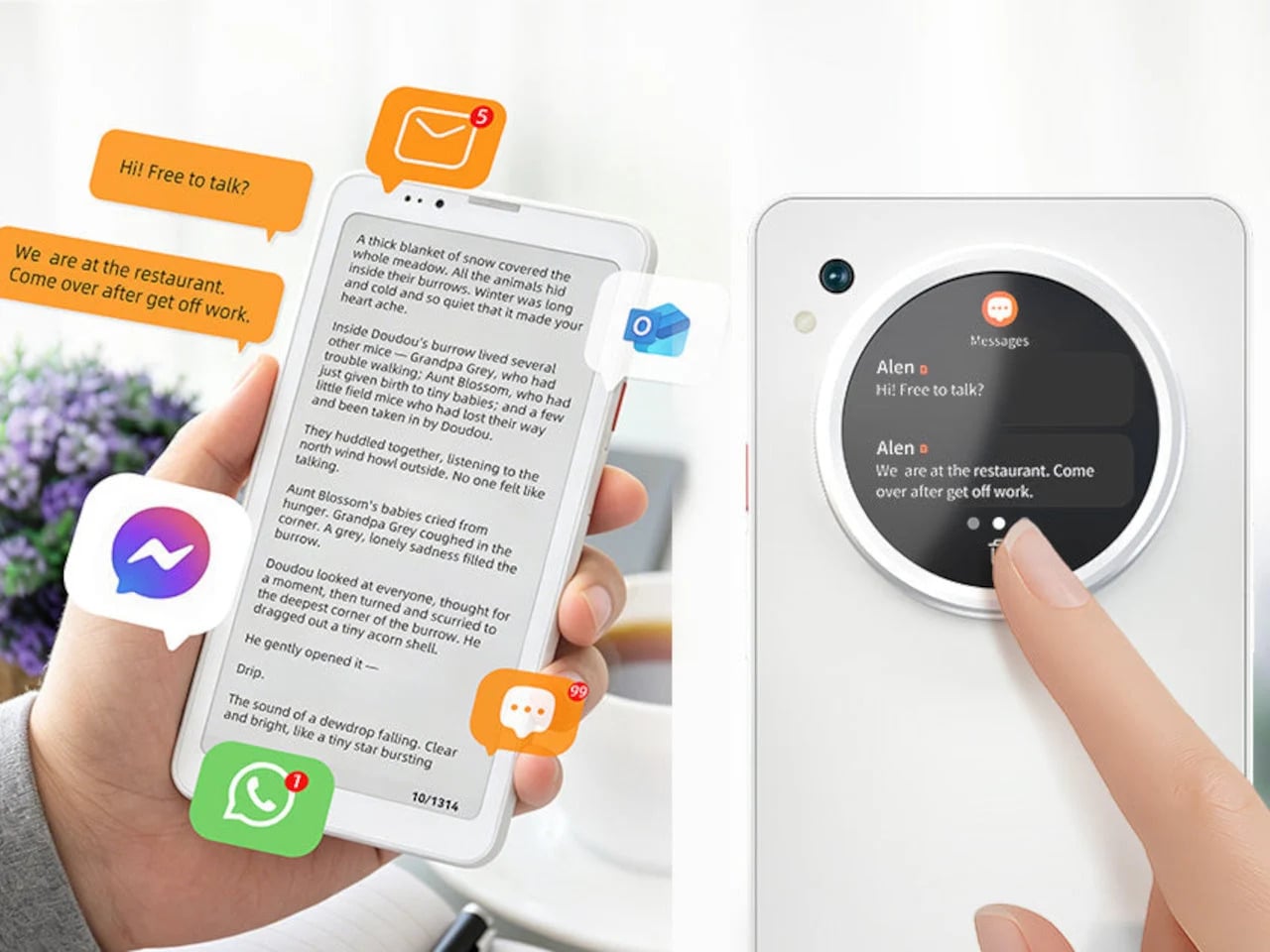
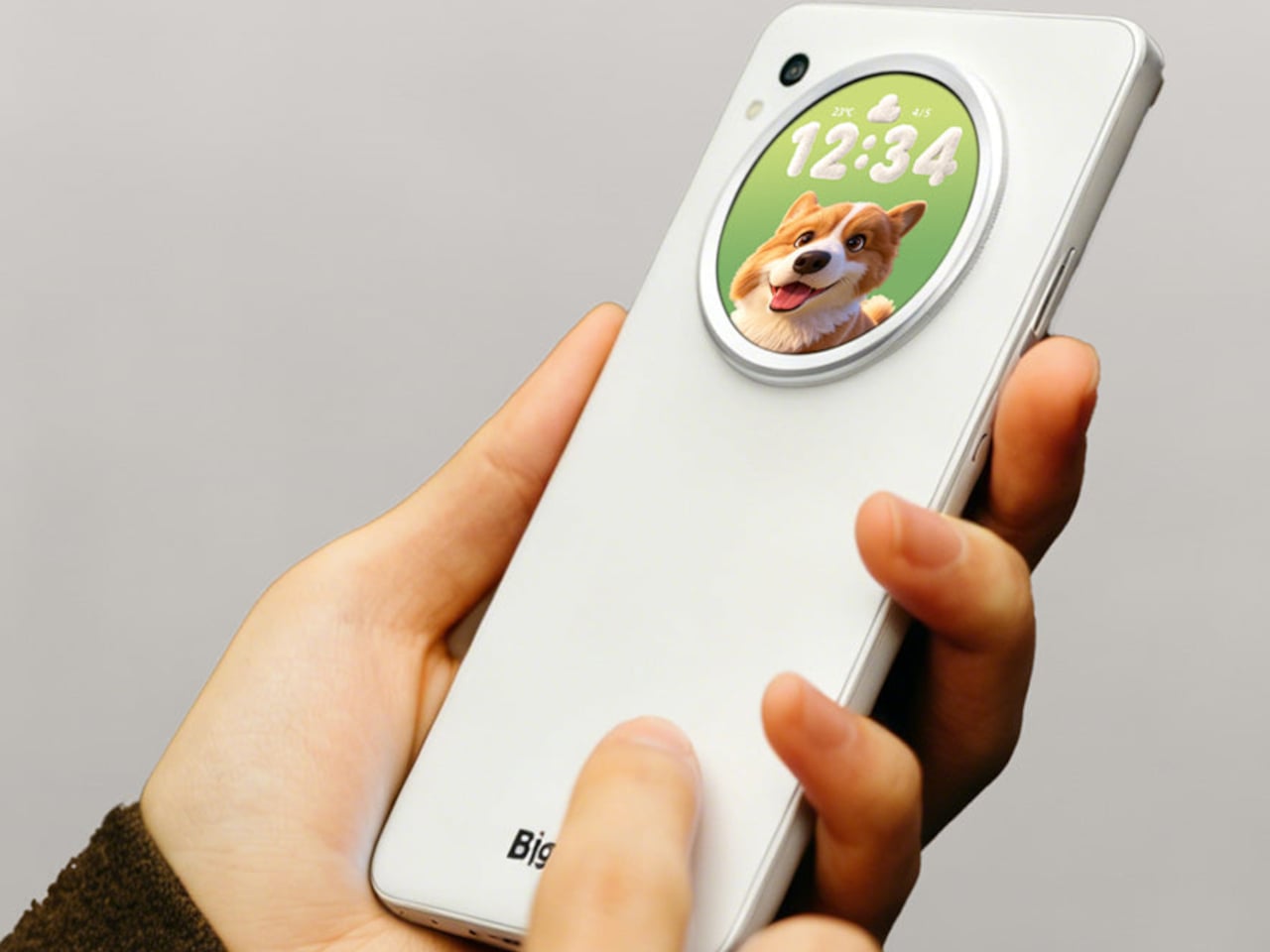
What’s interesting about where the e-ink phone category stands in 2026 is that it’s no longer a one-off experiment. The Bigme HiBreak Dual, announced in mid-April 2026, is one of the more telling entries in this space, not because it perfects anything but because it doesn’t pretend to. A 6.13-inch color e-ink display takes the front, and a small circular LCD sits on the back, each assigned a different job.
Designer: Bigme
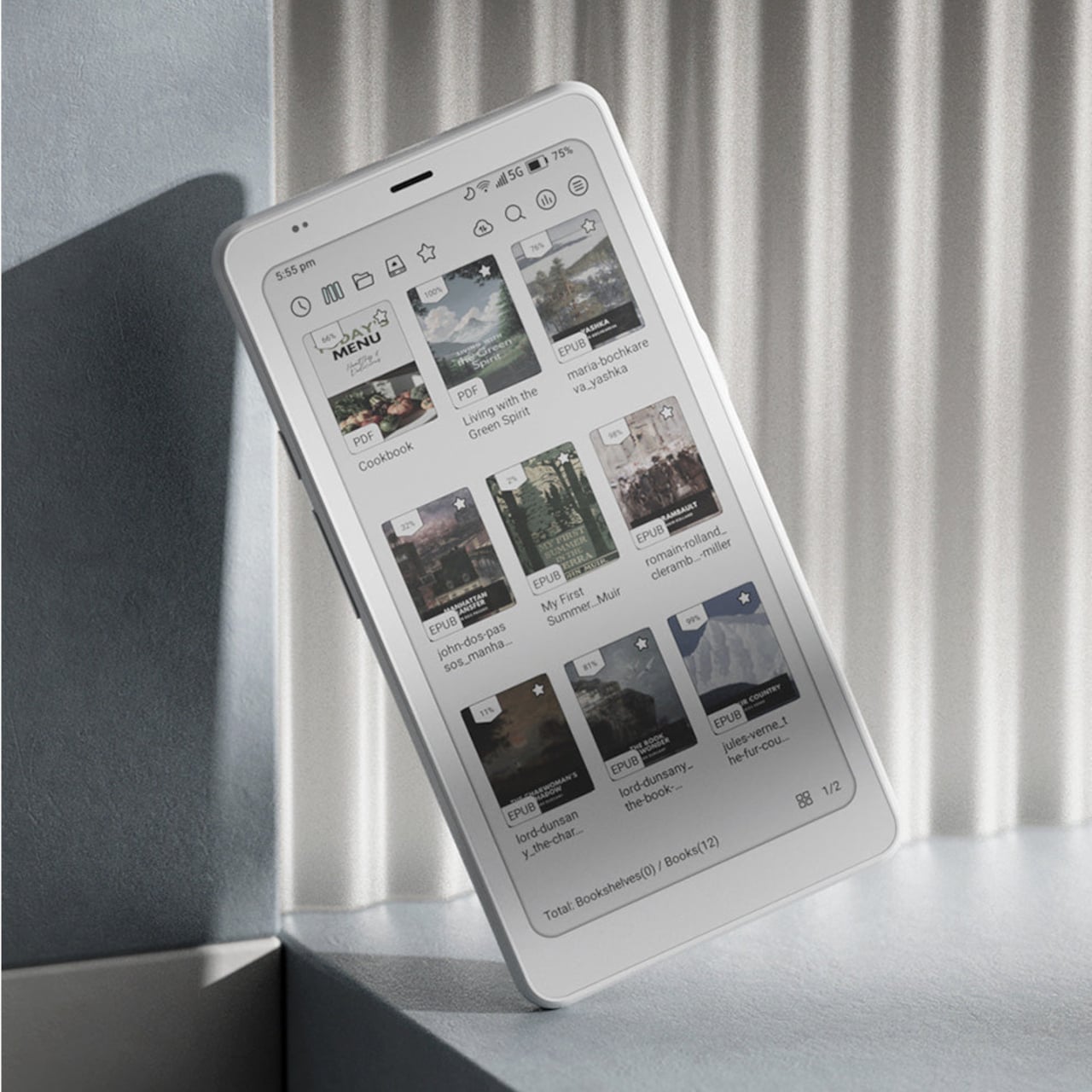
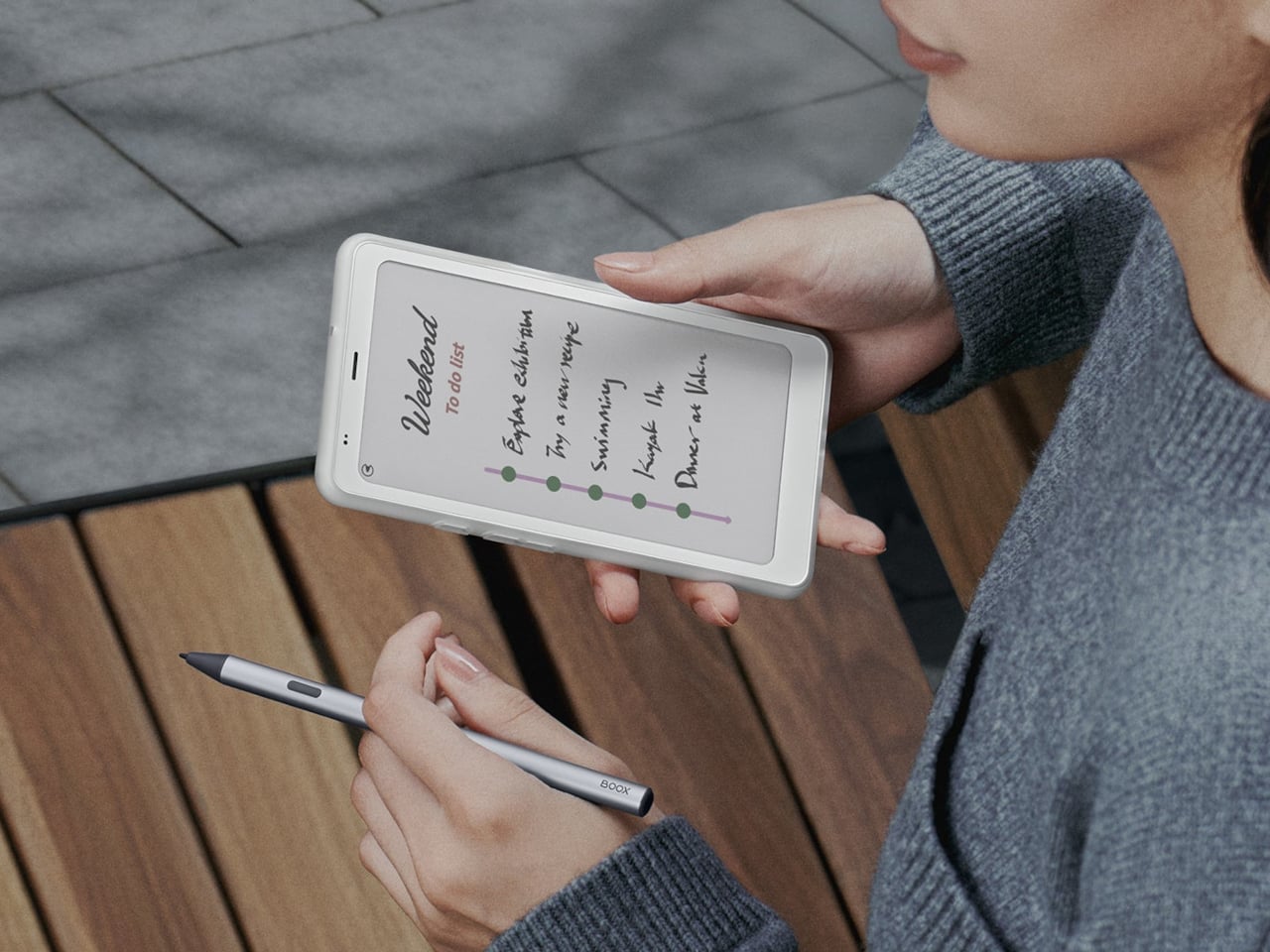
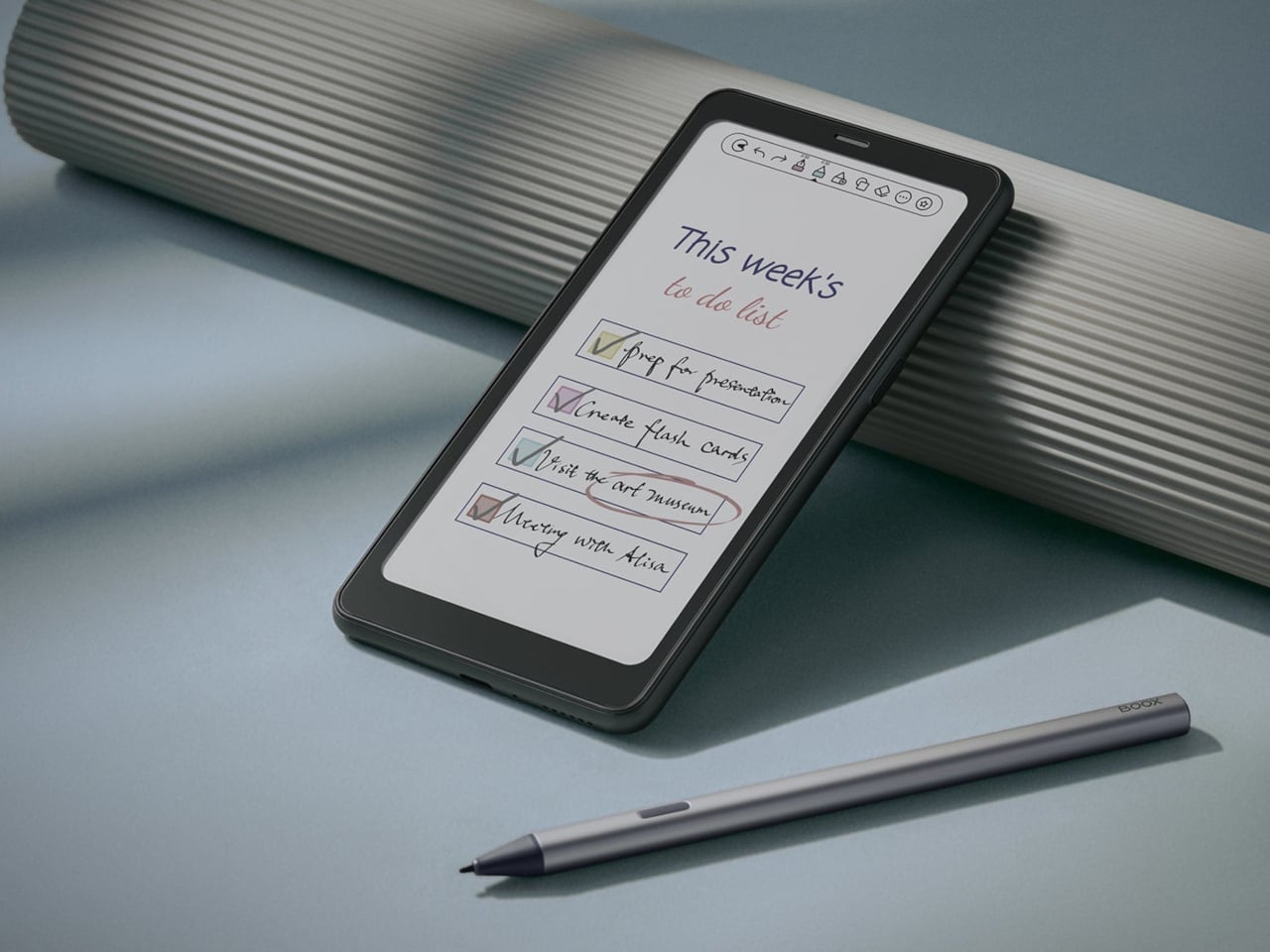
To understand what the HiBreak Dual is responding to, it helps to survey the surrounding territory. The Light Phone III is the deliberate anti-smartphone, built on the belief that fewer features genuinely change how you relate to a device. The Hisense A9 treats e-ink as the primary experience, unapologetically. The Boox Palma 2 Pro sits adjacent to the category, more phone-shaped reader than phone, though it can handle calls when needed.
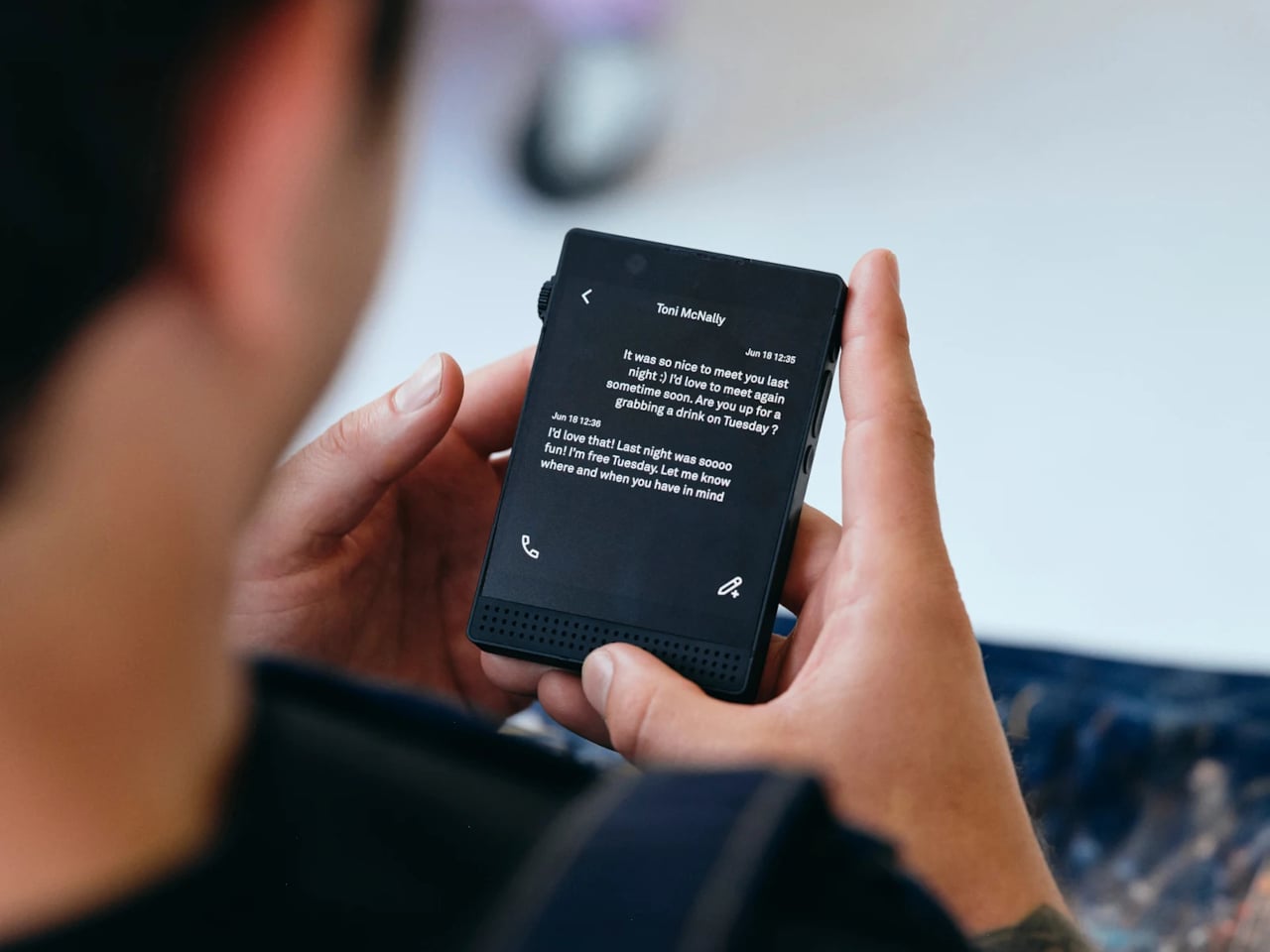
Light Phone III
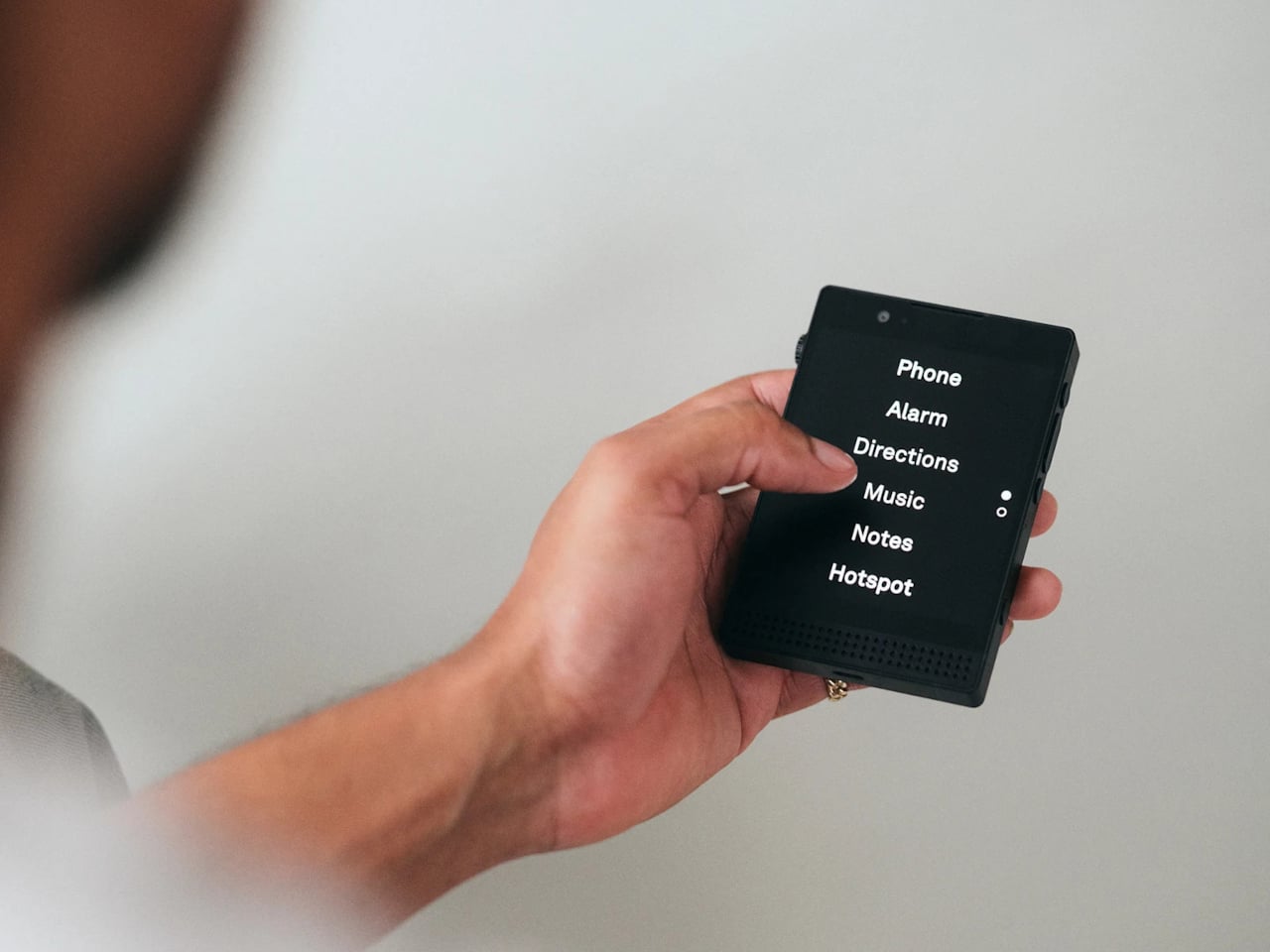
Light Phone III
The HiBreak Dual tries to sit between those poles. The e-ink front handles what e-paper does best: reading long-form content, staying on top of messages, and staying connected without the attention loop that comes with a typical smartphone display.
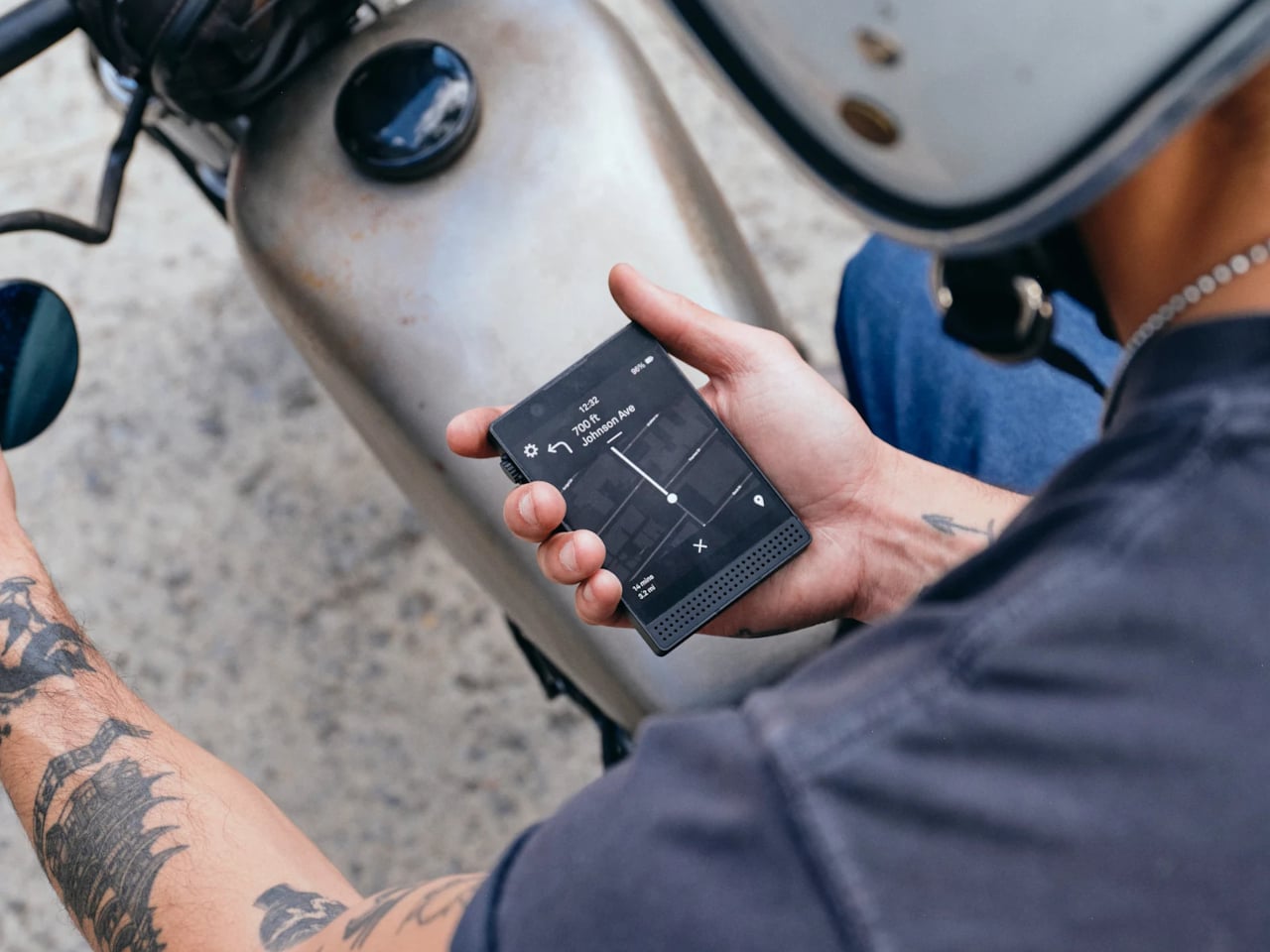
Light Phone III
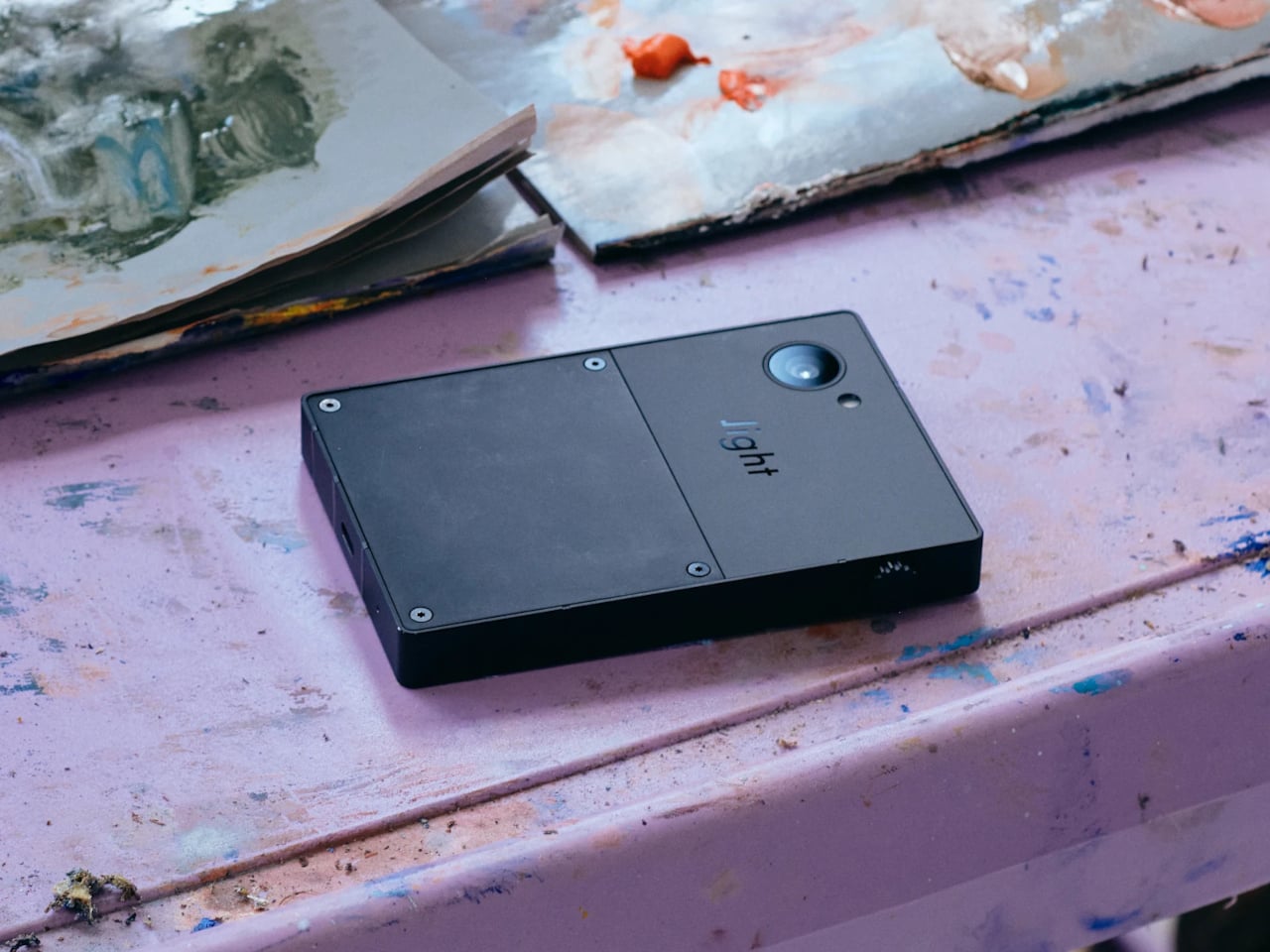
Light Phone III
That decision to lead with e-ink also means accepting its well-known constraints. Try framing a photo with an e-paper preview, and the experience falls apart; the display’s refresh behavior wasn’t built for fast-moving content. Videos, live navigation, or quick-scrolling feeds follow the same logic. Color e-paper has genuinely improved, but it still carries a muted quality that reads as calm in some moments and limiting in others.
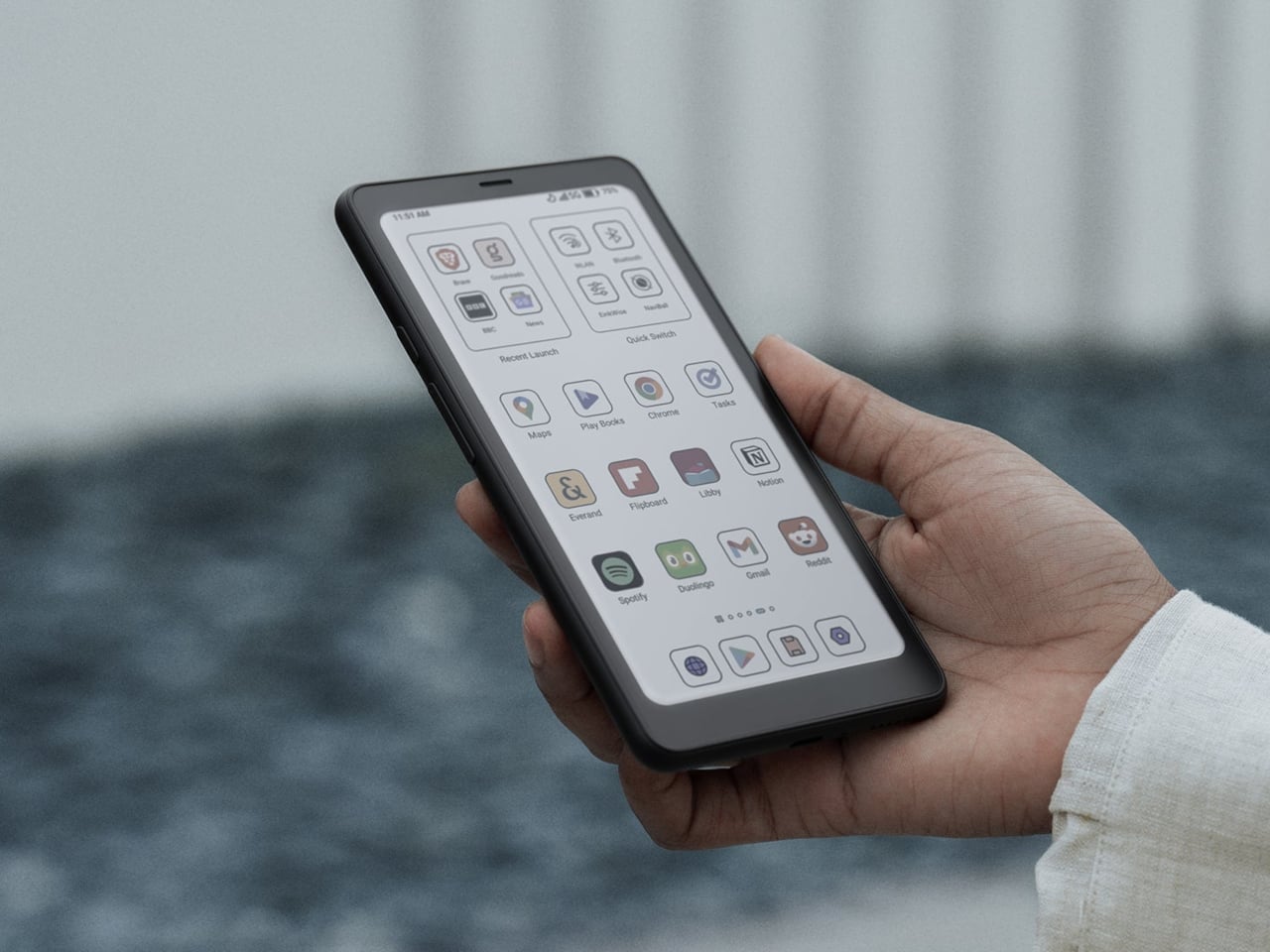
BOOX Palma 2 Pro
BOOX Palma 2 Pro
That’s where the circular LCD on the back becomes the interesting part. Rather than asking the e-ink panel to handle tasks it hasn’t mastered, the HiBreak Dual routes those moments to the secondary screen, situations that call for live camera preview, quick visual checks, or fast-loading feedback. The front absorbs the reading and communication rhythm of a day; the back quietly handles the rest.
BOOX Palma 2 Pro
BOOX Palma 2 Pro
The decision to make that rear display circular rather than rectangular carries a specific design logic. A round screen doesn’t compete with the phone’s primary face; it signals peripheral utility, not a second main event. It reads more like a companion display, keeping the device’s identity anchored in e-ink territory while still allowing it to borrow LCD behavior for moments that need it.
How long the hybrid approach holds up depends on the e-paper panels themselves. Better refresh rates, richer colors, and more responsive camera behavior would gradually reduce the need for a secondary display. Until that gap narrows, the e-ink phone category seems to be diverging in three directions: minimalist phones that accept the trade-offs, phone-shaped readers that sidestep the comparison entirely, and hybrids trying to keep a foot in both camps.
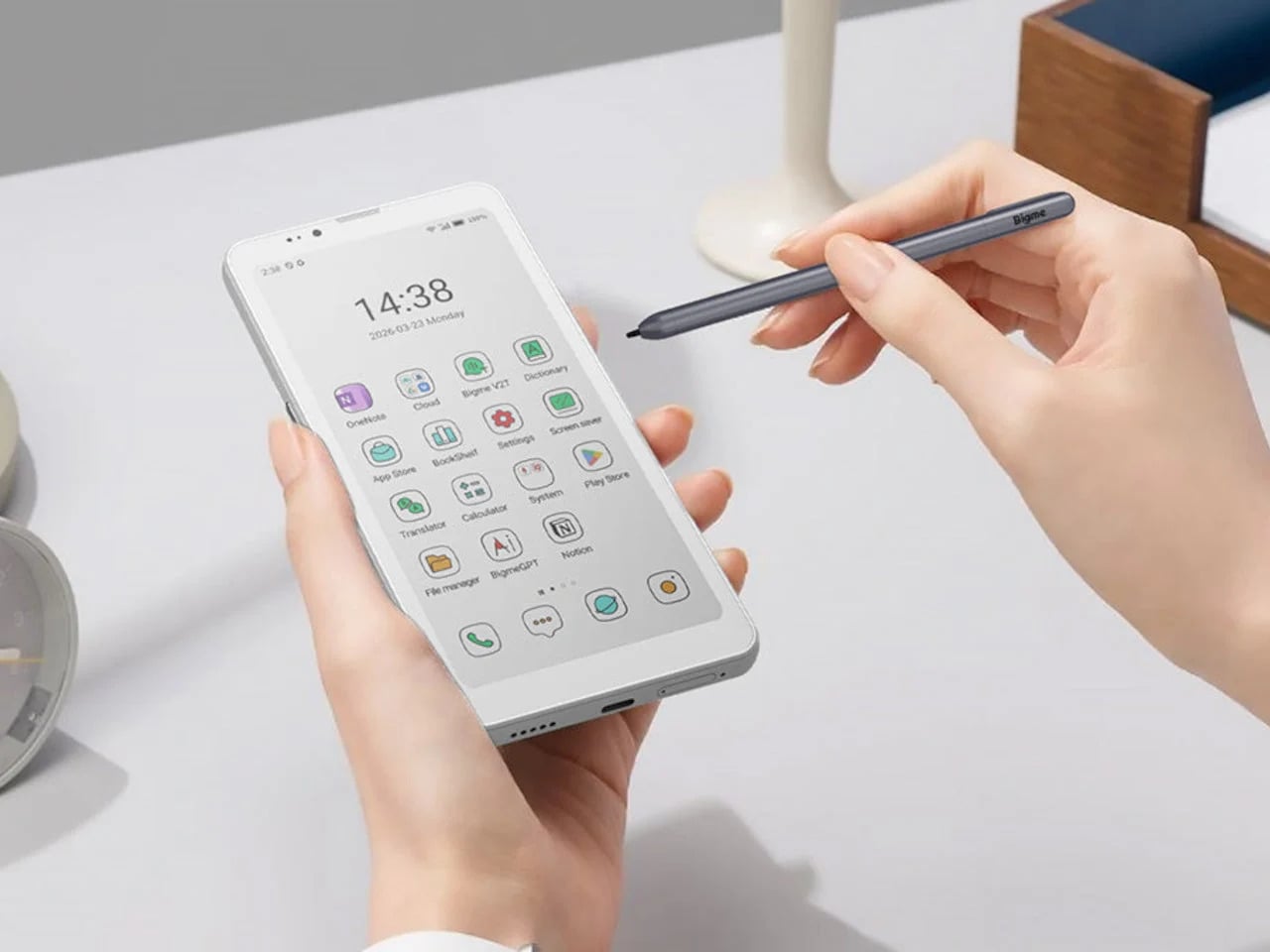
The HiBreak Dual isn’t a perfect phone, and Bigme isn’t trying to pass it off as one. Starting at $359 for the early-bird black-and-white configuration and climbing to around $519 for a color e-ink variant, it lays its compromises out in the open. The rear LCD doesn’t disappear into the design as if it isn’t there. It’s visible, it’s functional, and it’s honest about the gap it’s there to fill.