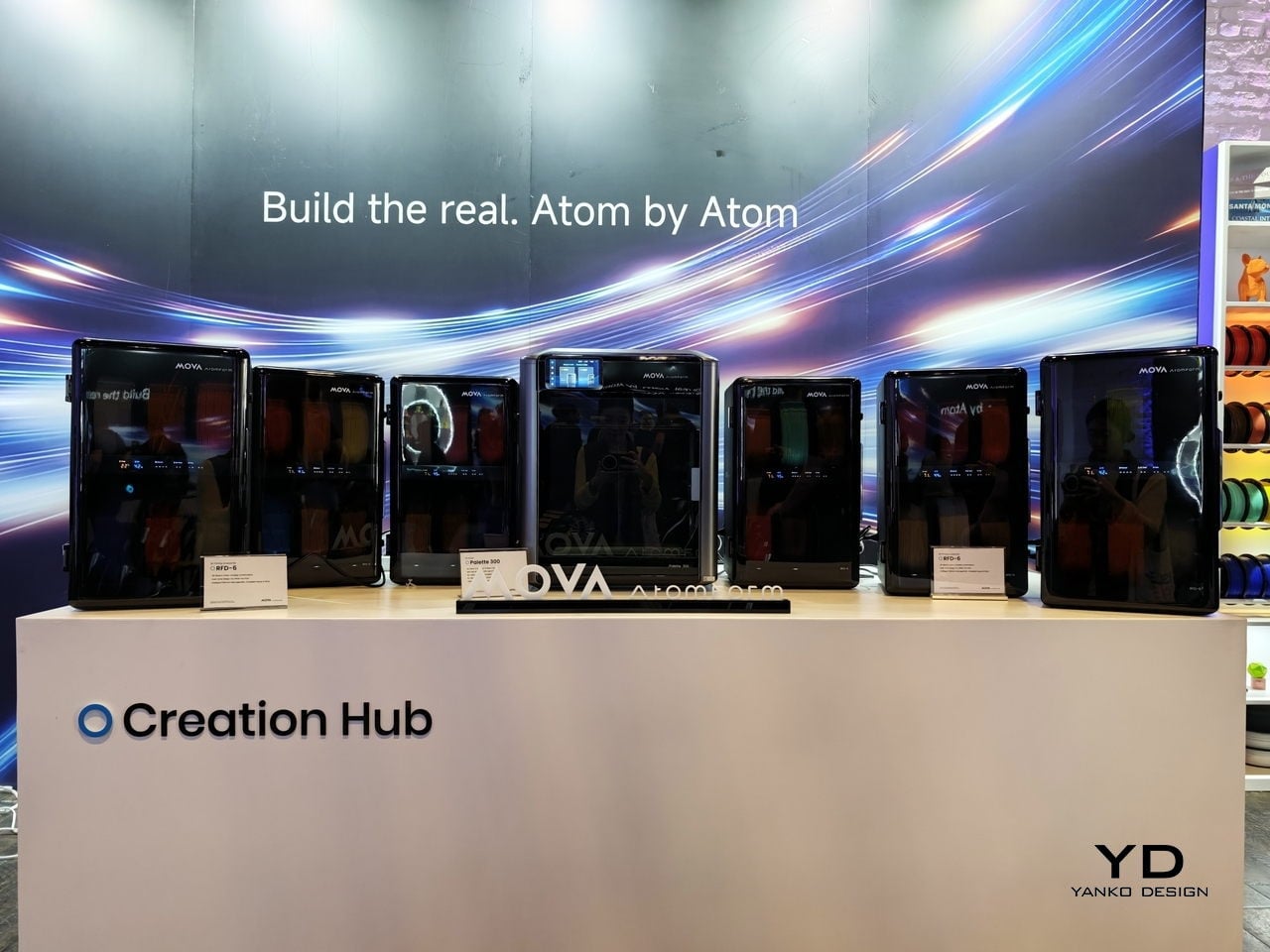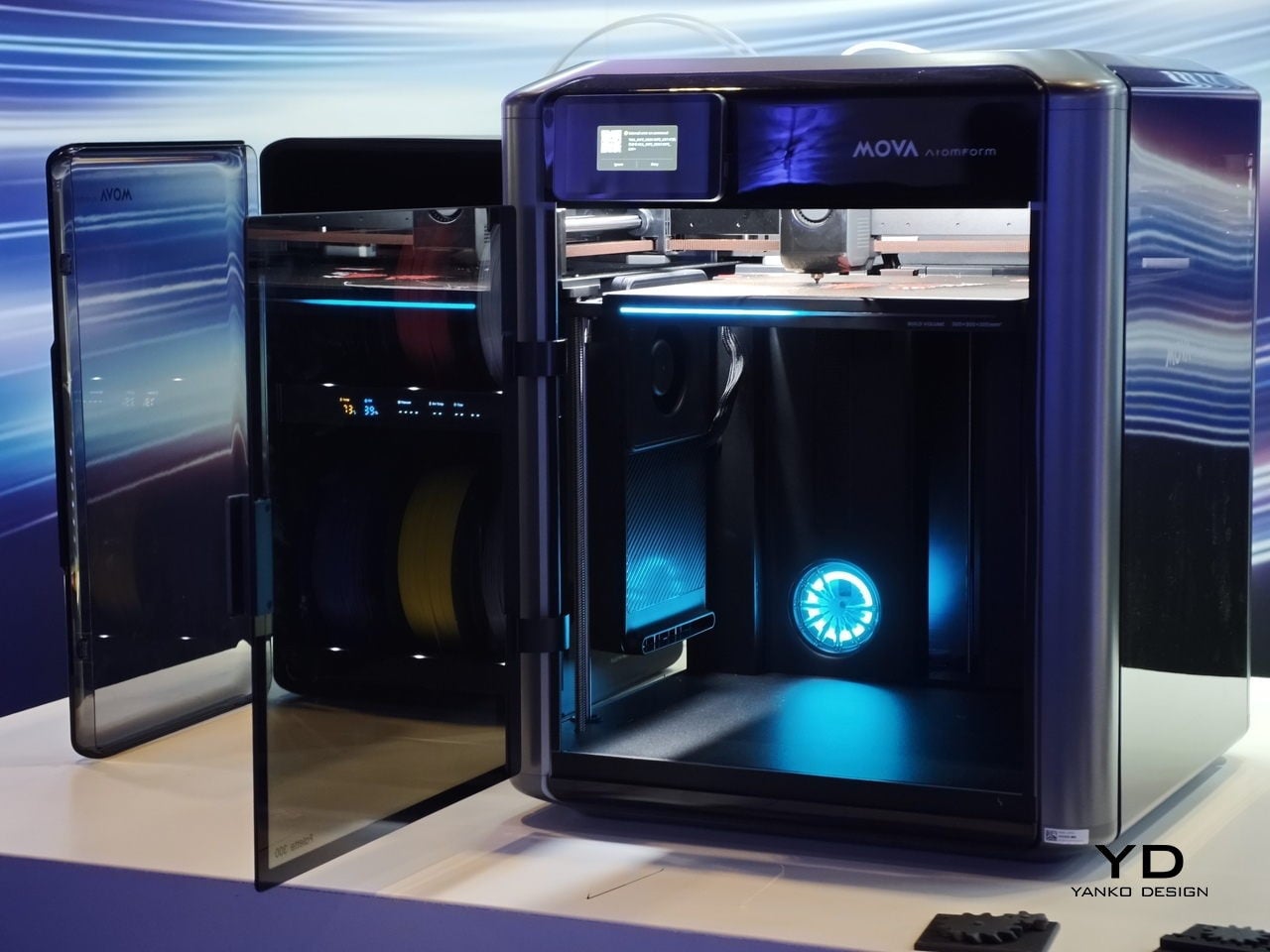
We first saw the Mova AtomForm Palette 300 at CES earlier this year, where its unusual approach to multicolor 3D printing immediately stood out. Seeing it again at AtomForm’s San Jose demo event left an even stronger impression, especially in a category where most launches tend to focus on speed, build volume, or software polish rather than rethinking the workflow itself.
That is what makes the Palette 300 so interesting. Instead of treating multicolor printing as a feature layered onto a conventional FDM machine, Mova seems to have built this printer around one of the biggest frustrations in the category. For anyone who has spent time with multicolor 3D printers, that pain point will feel very familiar.
Designer: MOVA
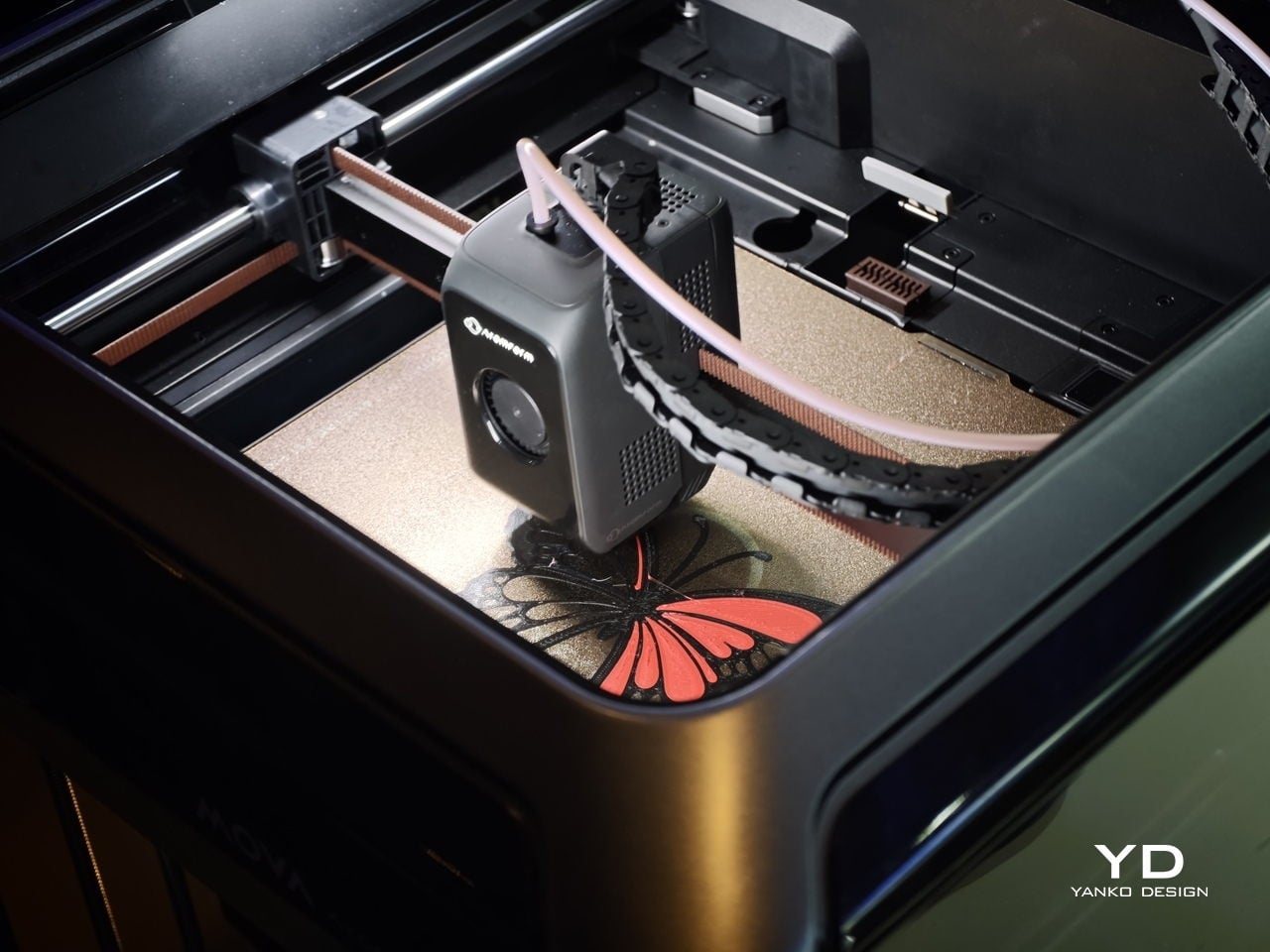
Switching between colors or materials usually means purging filament over and over again before printing can continue. It is messy, wasteful, and often slow, with purge towers piling up next to the final print. The end result can still look impressive, but the process behind it rarely feels elegant.
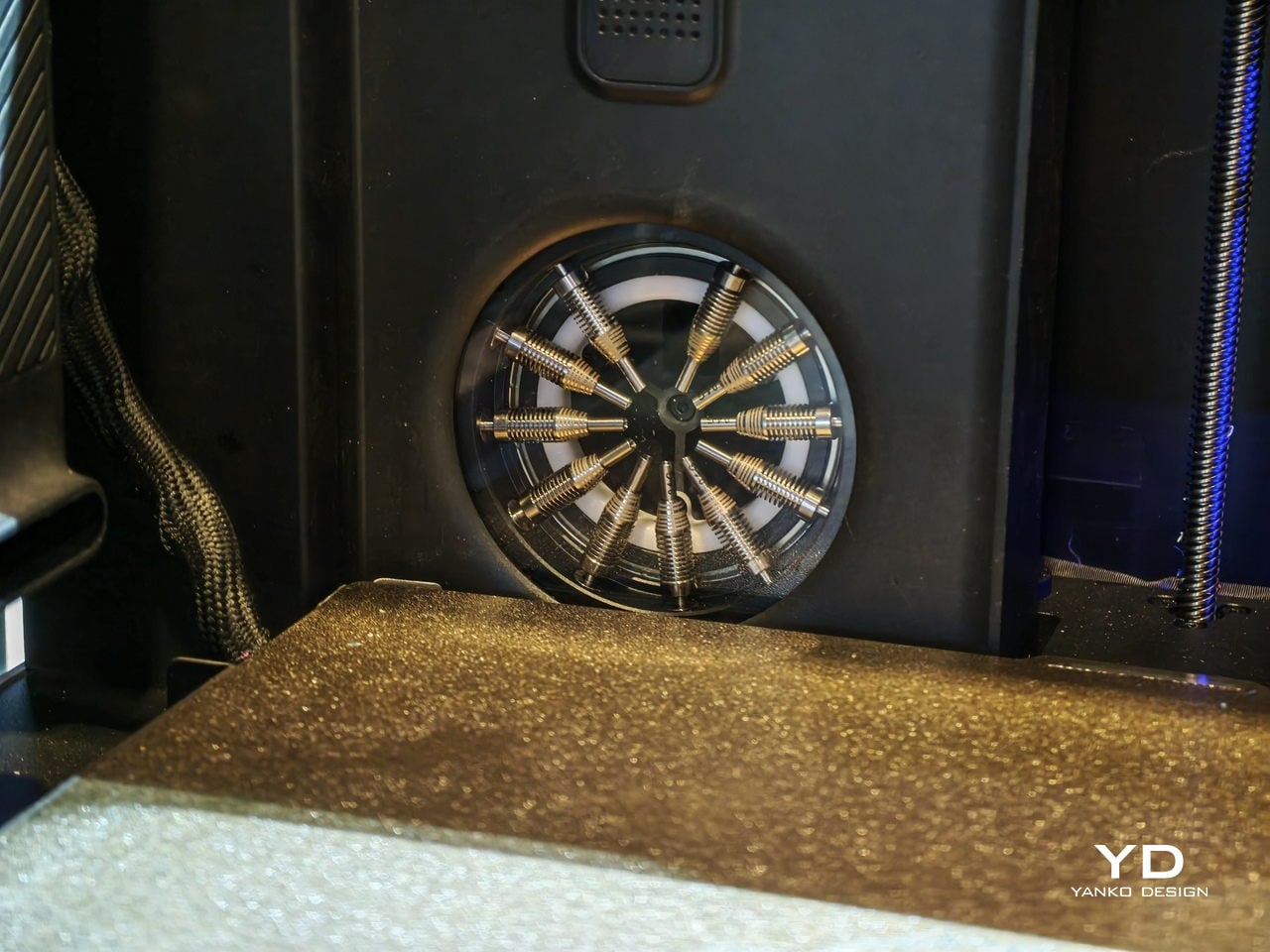
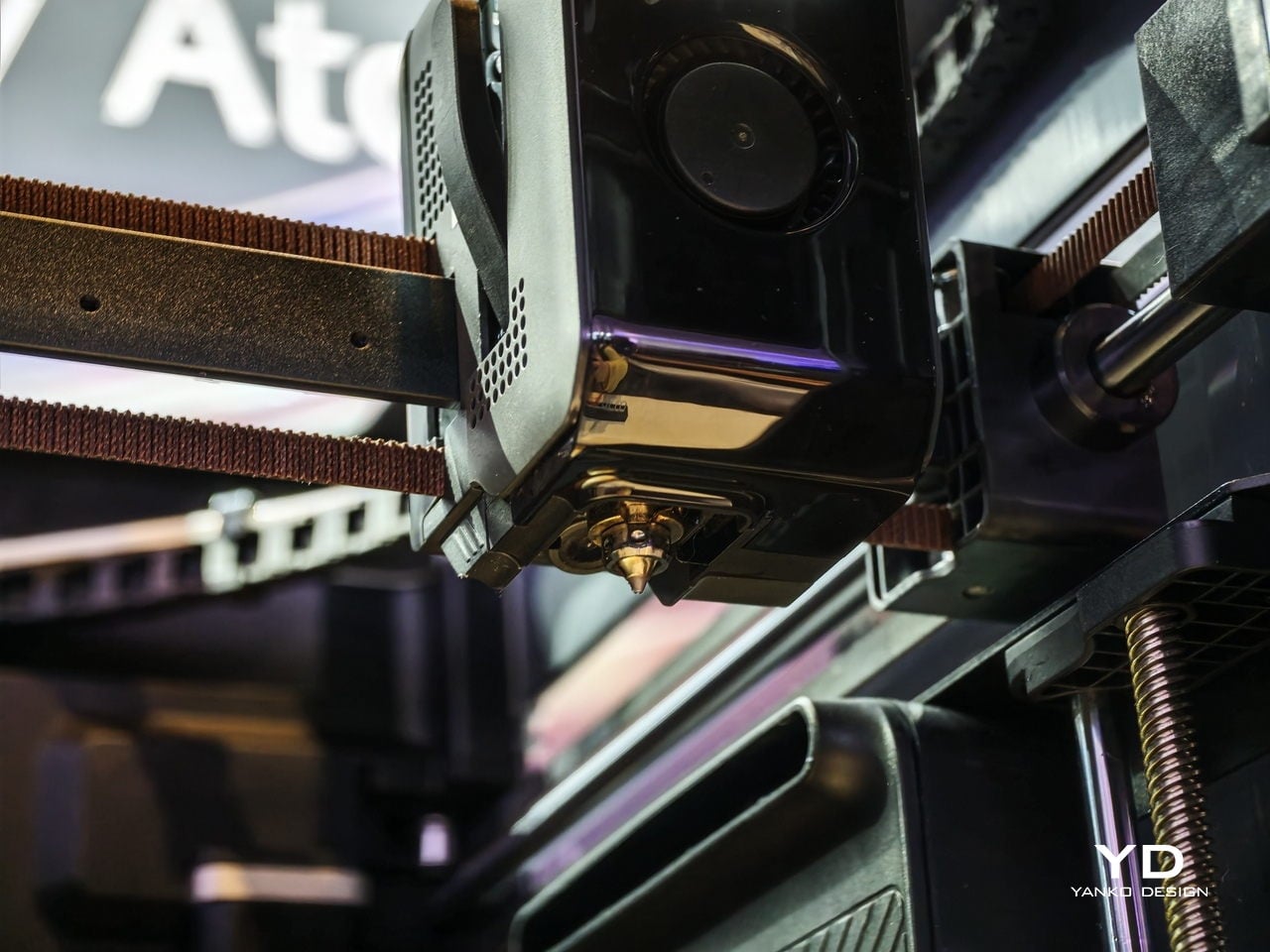
The Palette 300 is designed to tackle that problem in a more inventive way. Its headline feature is what Mova describes as the world’s first automatic 12-nozzle swapping system. Rather than constantly purging filament every time a color or material change is needed, the printer swaps to another nozzle that is already loaded. In theory, that means cleaner transitions, less wasted material, and a much smoother path to complex multicolor prints.
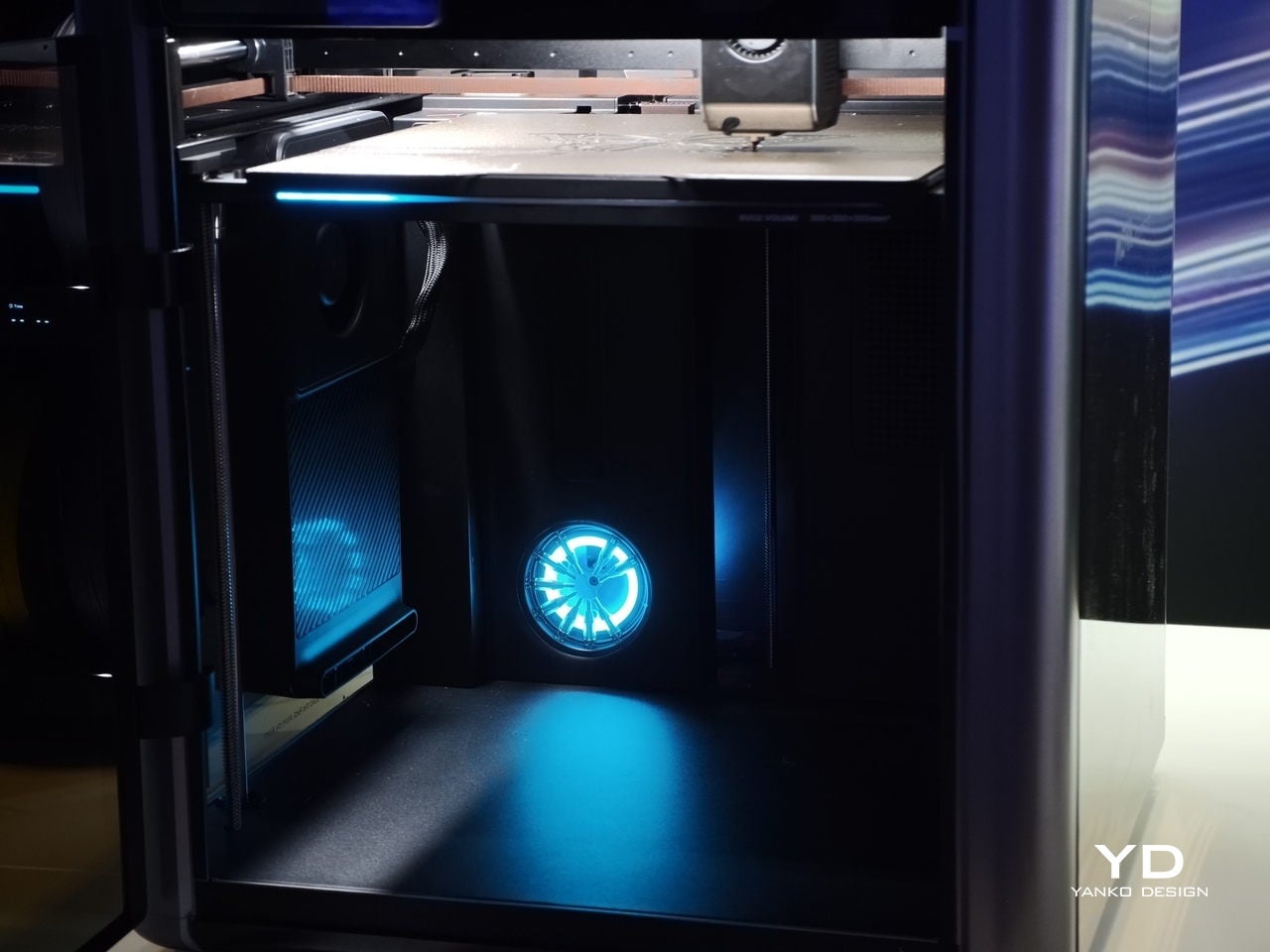
At the San Jose demo, that concept felt like the real story behind the machine. Plenty of 3D printers promise better quality or faster output, but the Palette 300 seems more focused on improving the actual experience of multicolor printing. That gives it a different kind of appeal. It is not just trying to be faster or bigger. It is trying to make a frustrating process feel smarter.
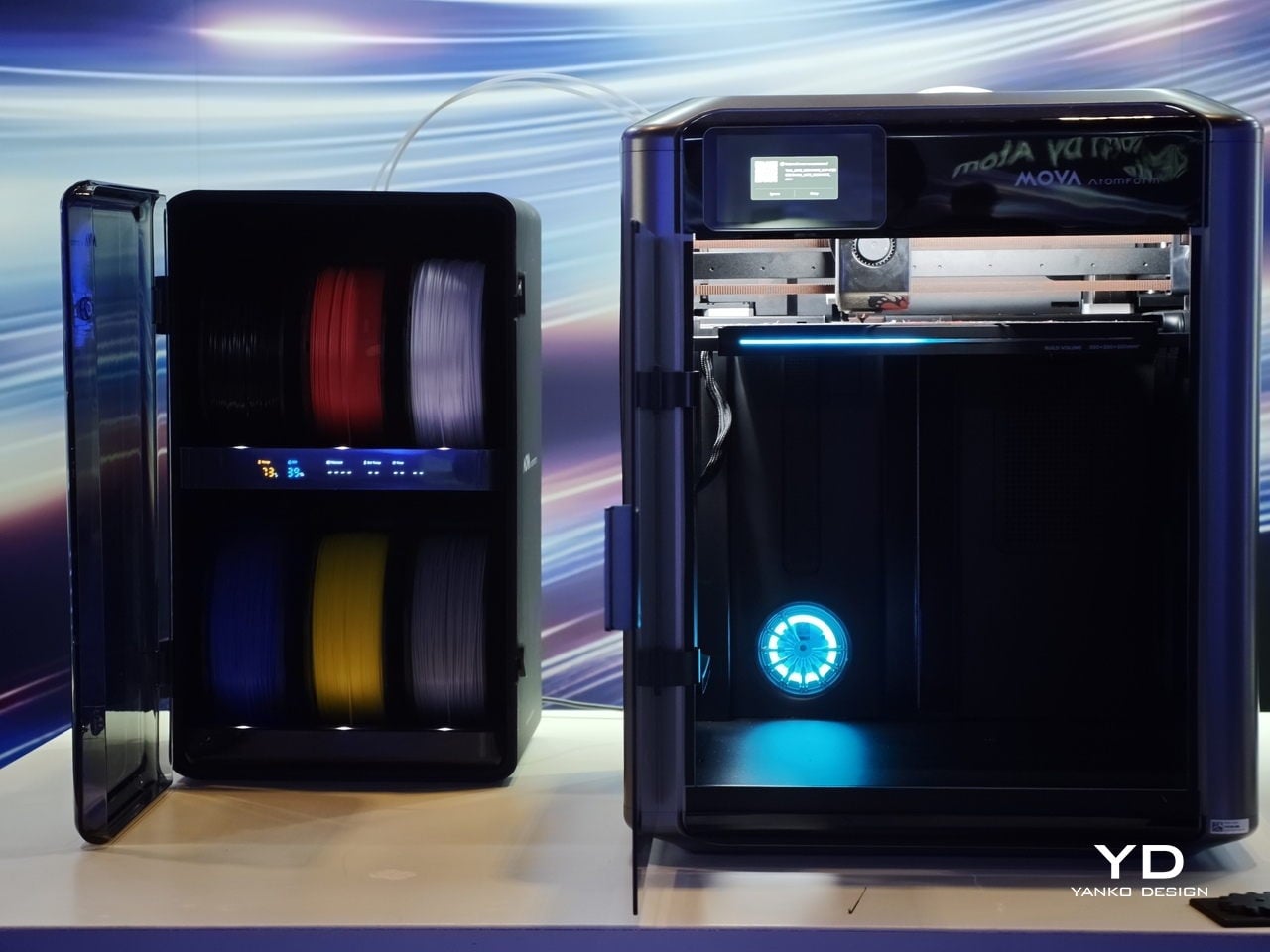
The rest of the hardware helps support that pitch. AtomForm says the system can support up to 12 materials and up to 36 colors in one print setup, which is far beyond what most consumer-level multicolor machines currently offer. The company also says nozzle swaps can be up to 50 percent faster and filament waste can be reduced by up to 90 percent compared with traditional purge-based systems. If those claims hold up in broader real-world use, the Palette 300 could become a very compelling option for makers, designers, and small creative studios that want more ambitious color work without the usual trade-offs.
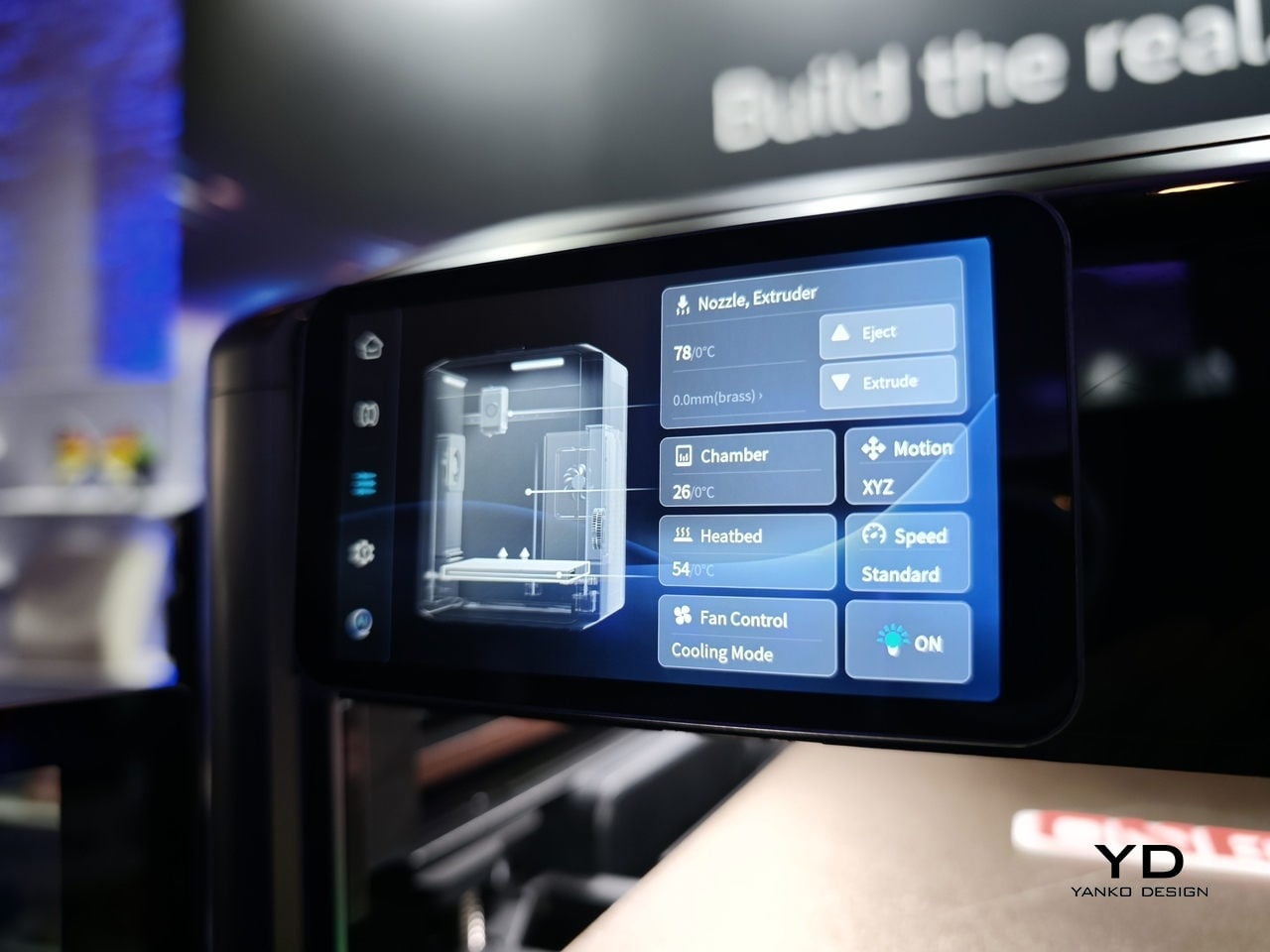
There is also a serious performance story here. The Palette 300 is equipped with FOC step-servo motors and is rated for speeds up to 800 mm/s, with acceleration up to 25,000 mm/s². That puts it firmly in the high-speed conversation, but the machine is not just about raw pace. AtomForm is also emphasizing precision, thanks to a smart positioning system that identifies nozzle attributes and compensates for microscopic alignment variations in milliseconds. On paper, that should help maintain consistency even in more demanding prints.
Another detail that stands out is the RFD-6 filament management system, which combines drying, storage, and feeding in one setup. Its dual-zone design allows one section to dry filament while another feeds material into the printer. That may sound like a smaller feature compared with the nozzle-swapping system, but it speaks to the broader thinking behind the machine. The goal seems to be reducing friction across the entire printing workflow, not just solving one isolated issue.
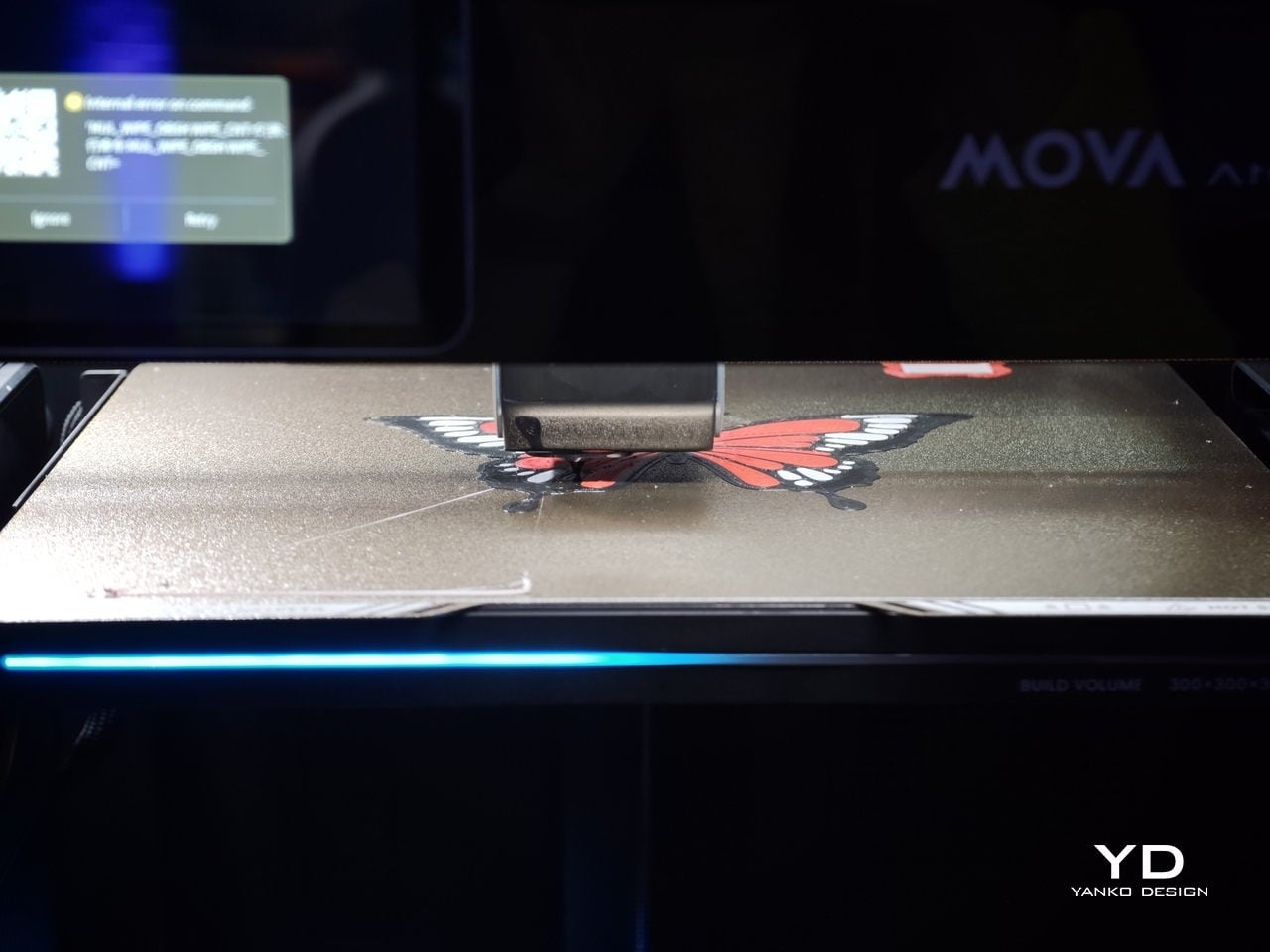
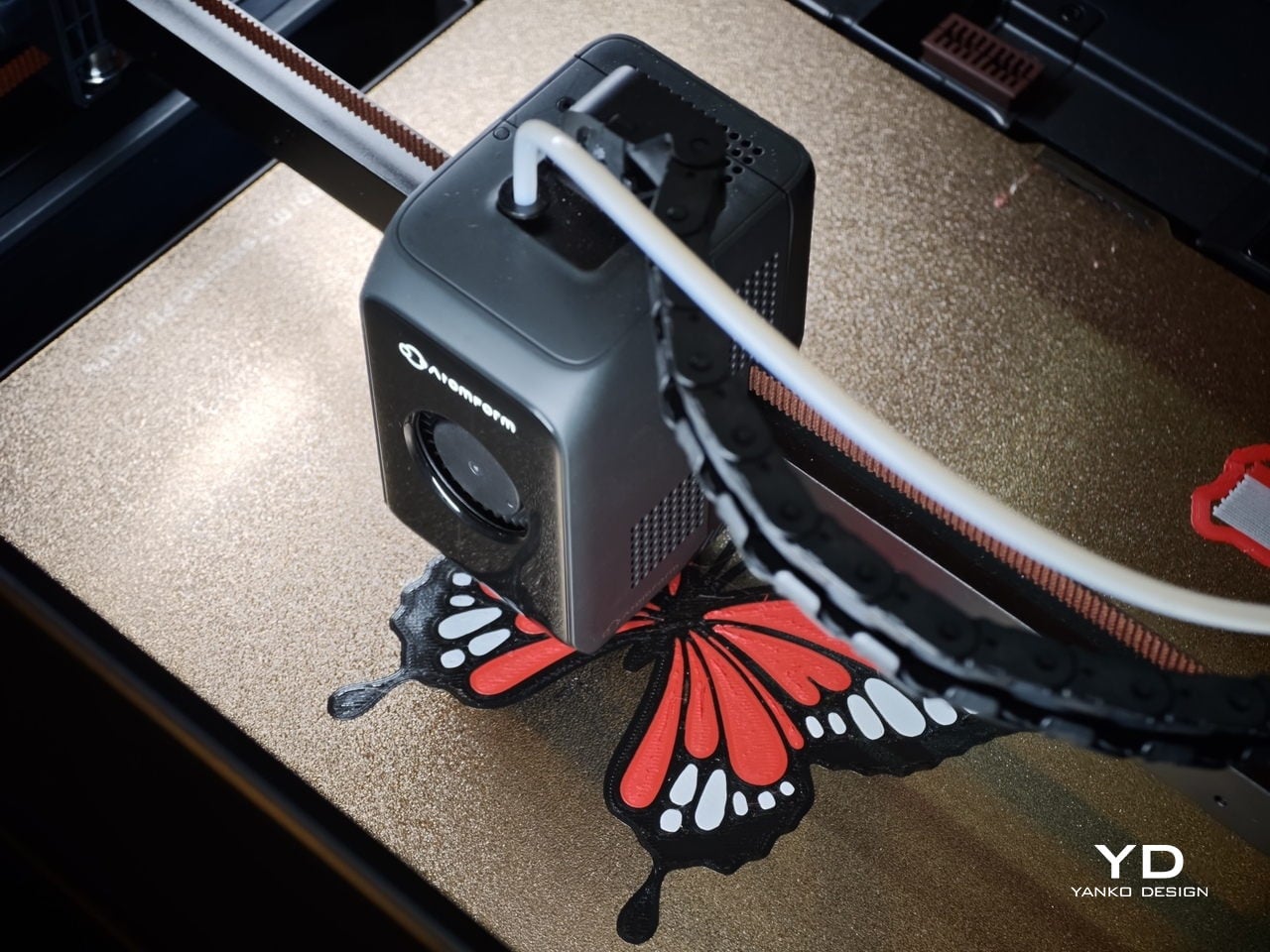
So, is this the best multicolor 3D printer? Right now, it is probably more accurate to say it is one of the most intriguing. The Palette 300 brings a genuinely fresh idea to a space that can often feel iterative, and that alone makes it worth paying attention to. Its approach to nozzle swapping could prove to be a meaningful step forward for multicolor FDM printing, especially if it delivers on waste reduction and speed in everyday use.
After seeing it first at CES and then again in San Jose, my takeaway is that the MOVA AtomForm Palette 300 has the potential to be a standout machine for anyone who cares about multicolor printing. It is ambitious, technically interesting, and clearly designed around a real user pain point. Whether it becomes the best multicolor 3D printer will depend on long-term testing, software reliability, and how well the full system performs outside the demo environment. Even so, it already feels like one of the most promising new entries in the category.