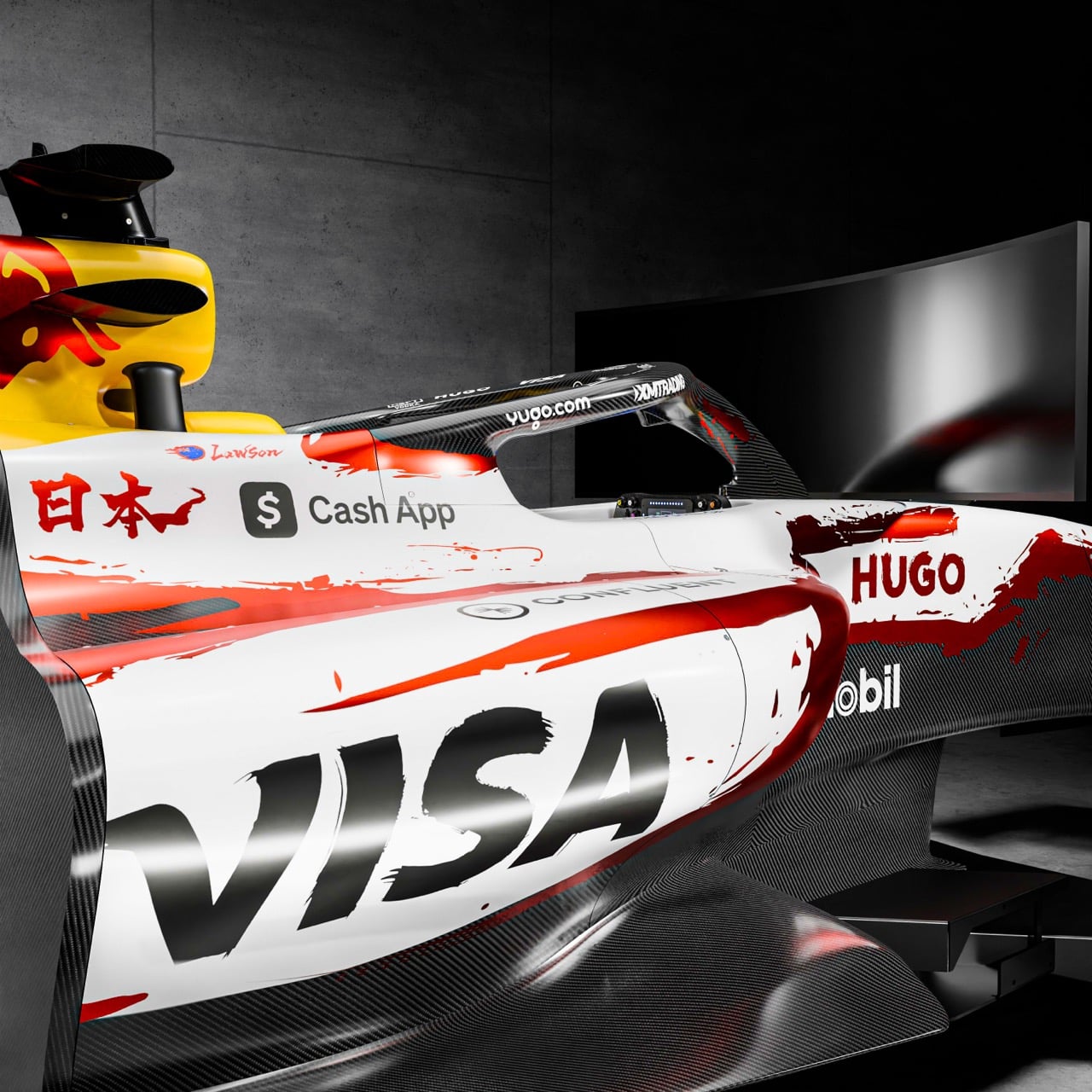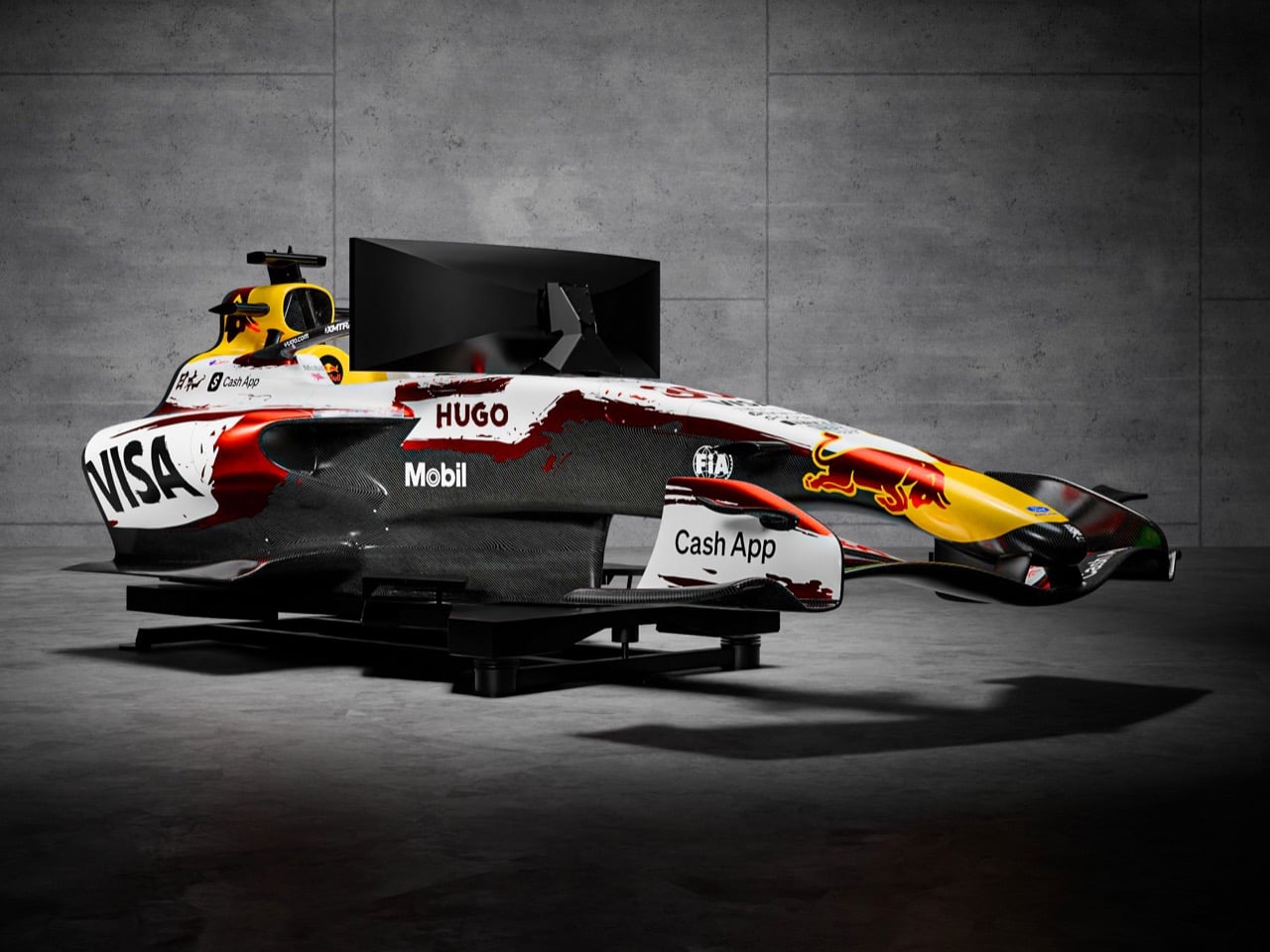
Racing Bulls arrived at the 2026 Japanese Grand Prix wearing a livery that had nothing to do with sponsor placement optimization or brand color refresh cycles, and everything to do with sakura. Designed by Bisen Aoyagi, one of Japan’s most accomplished calligraphers, the Cherry Edition wrapped Lawson and Lindblad’s cars in white, red, and silver calligraphy that treated the F1 car as a medium for cultural expression rather than a rolling billboard. The team introduced it to Tokyo at Red Bull Tokyo Drift in Shibuya before the Suzuka weekend, generating the kind of organic enthusiasm online that no marketing campaign can manufacture, and the cars then backed the visual statement with a double points finish in the race.
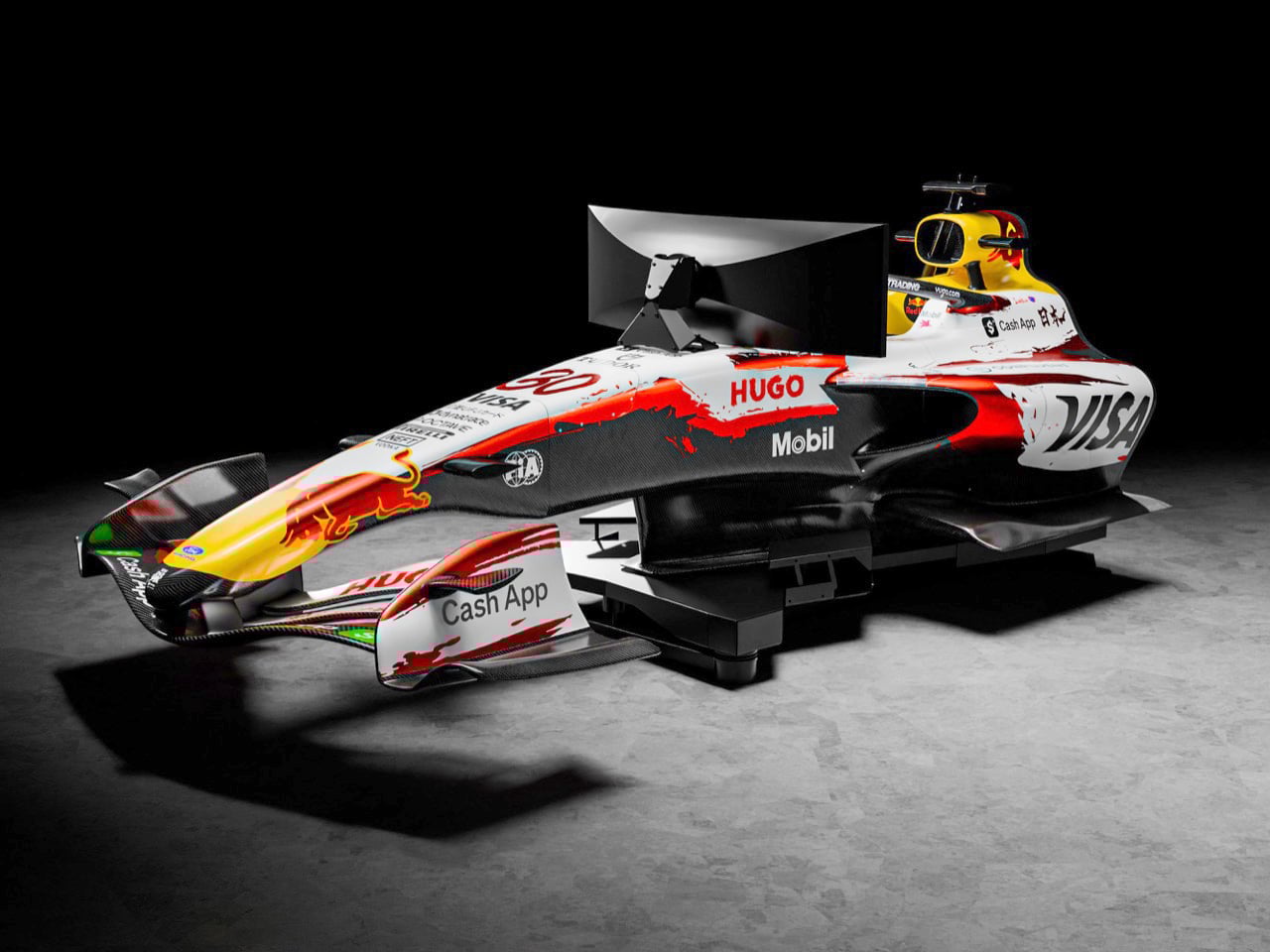
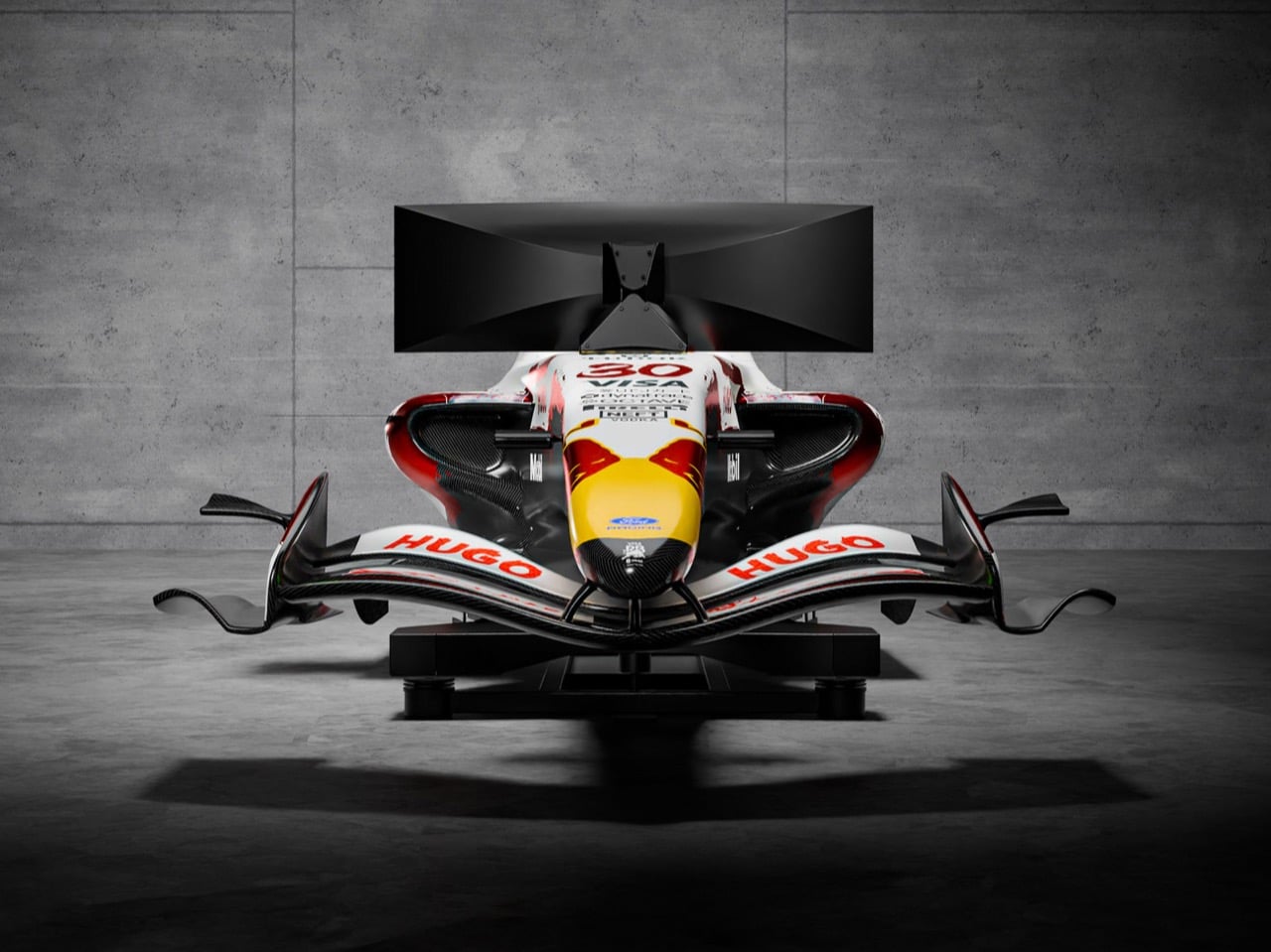
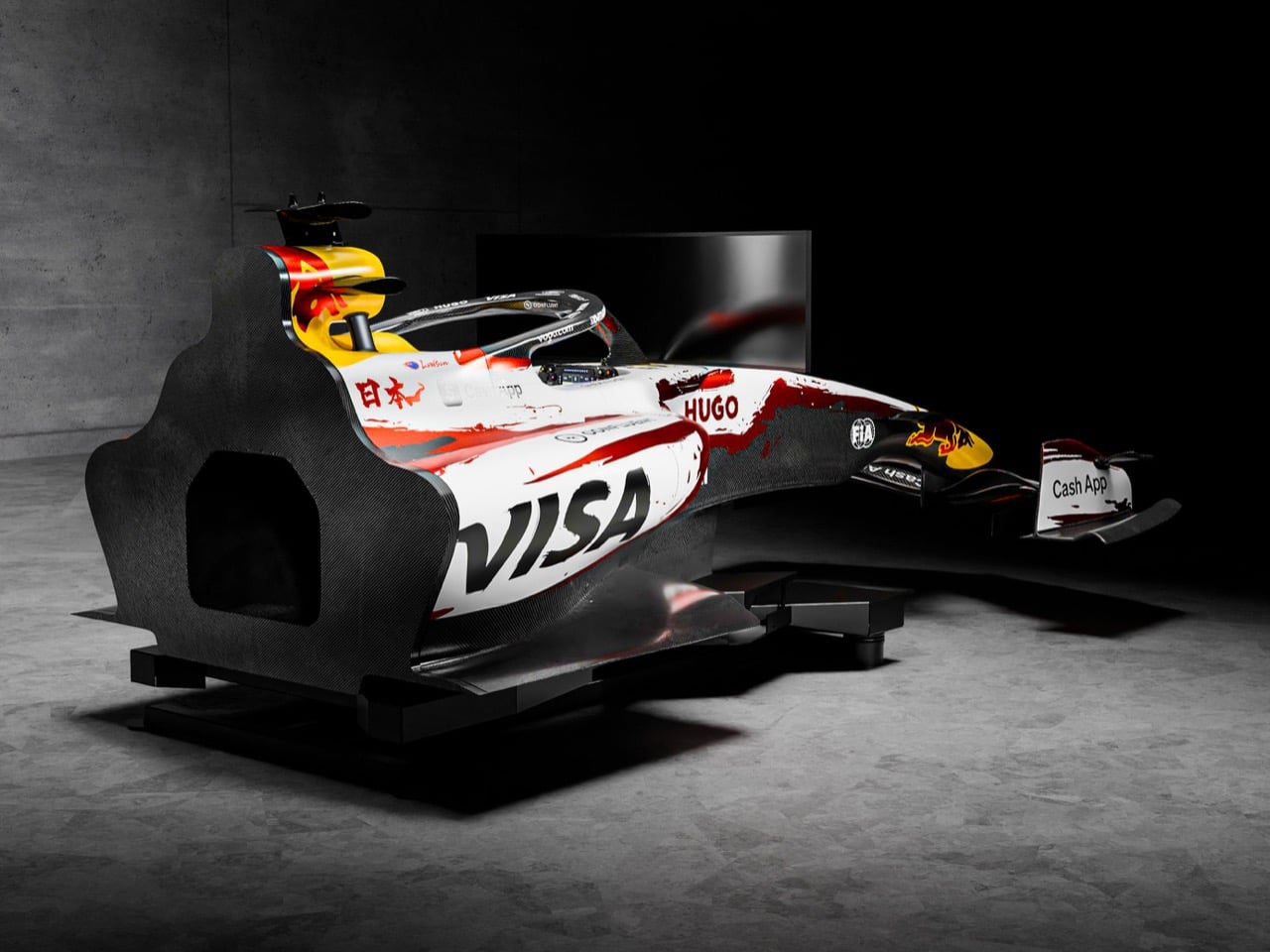
That specific convergence of art, culture, and competitive result is what F1 Authentics and Memento Exclusives have captured in a limited edition motion simulator now available at f1authentics.com. The simulator replicates the Cherry Edition livery from official team data, ensuring the calligraphy and colorwork match what appeared on the actual cars at Suzuka, while haptic actuators, front pivot configuration, and rumble feedback handle the physical side of the experience. Racing Bulls CEO Peter Bayer framed the Cherry Edition as part of a broader commitment to engaging meaningfully with the cultures that host each race, which makes the simulator less a piece of merchandise and more a physical artifact of that philosophy in action.
Designer: Bisen Aoyagi
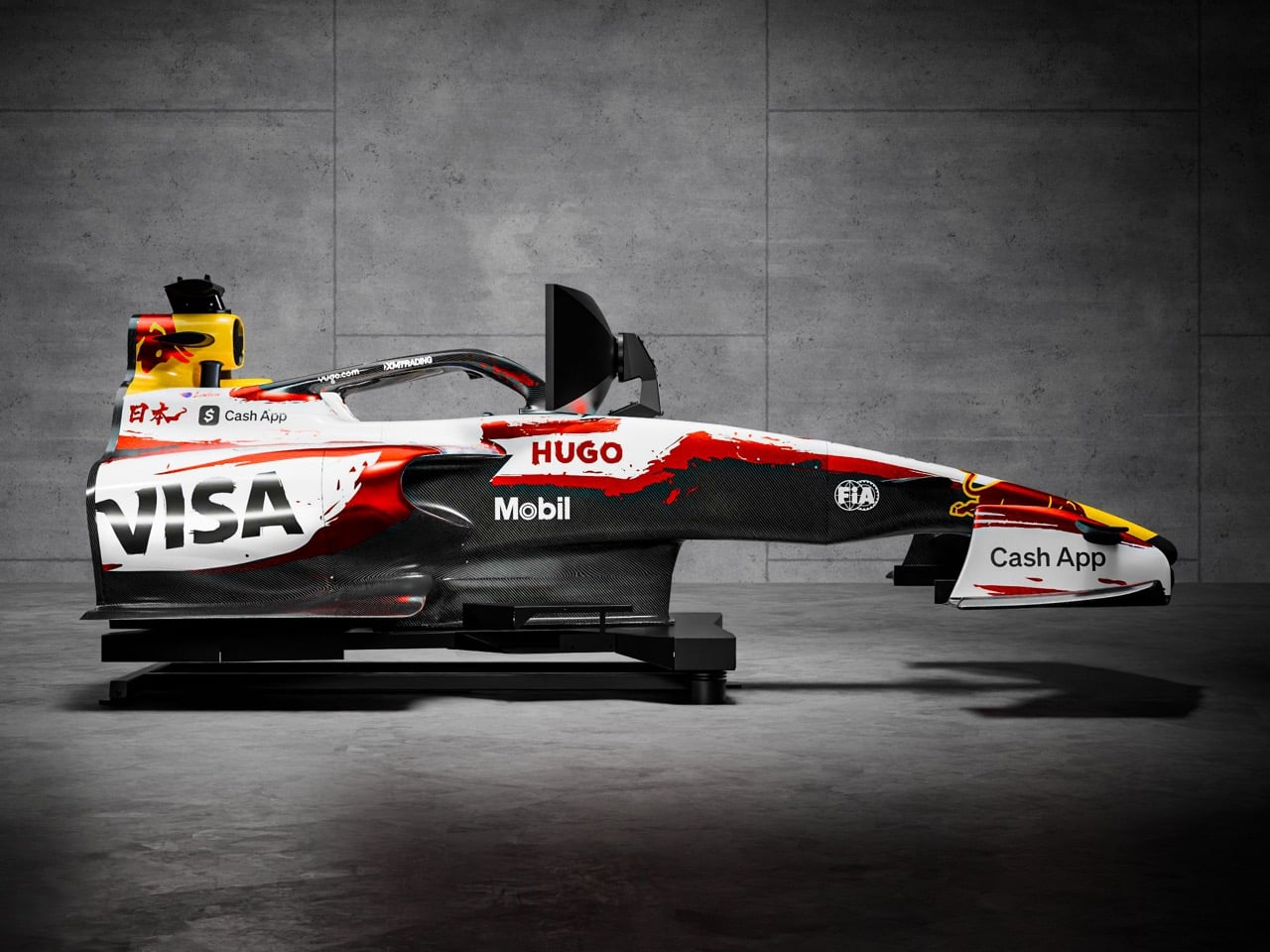
The livery itself deserves more than a passing description. Aoyagi’s calligraphy does something that most F1 livery design cannot, which is carry genuine visual weight at both highway speed and standing still. The white base gives the red and silver calligraphic strokes room to breathe, and the result reads differently depending on your distance from the car. At speed through Suzuka’s Esses, the Cherry Edition reads as a bold, high-contrast graphic. Parked in the Shibuya streets during Tokyo Drift, it operated as something closer to a gallery installation on wheels. That duality, between kinetic graphic and considered artwork, is exactly what makes the livery a strong candidate for the simulator treatment, because you actually want to sit inside it and study the surfaces around you.
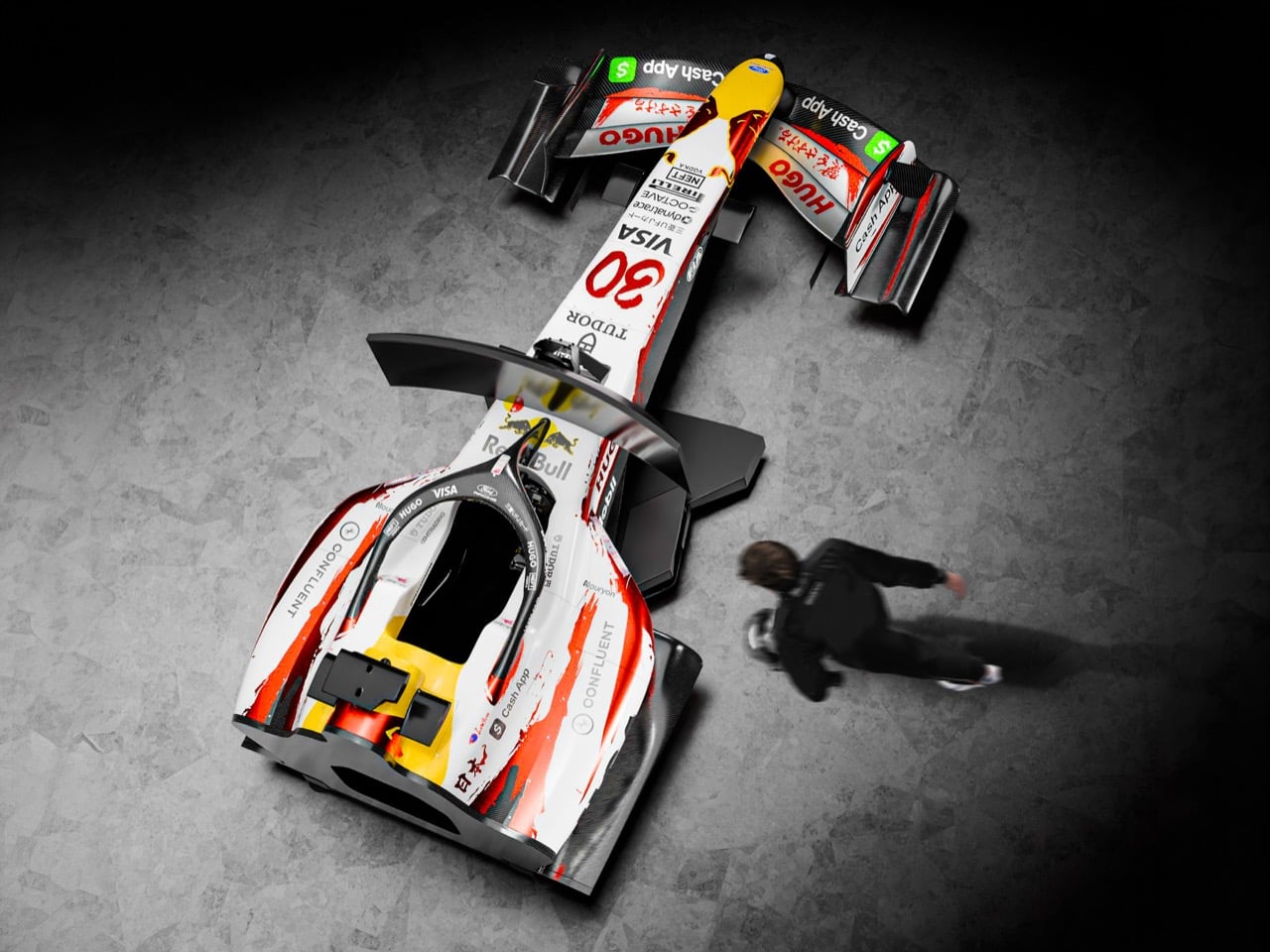
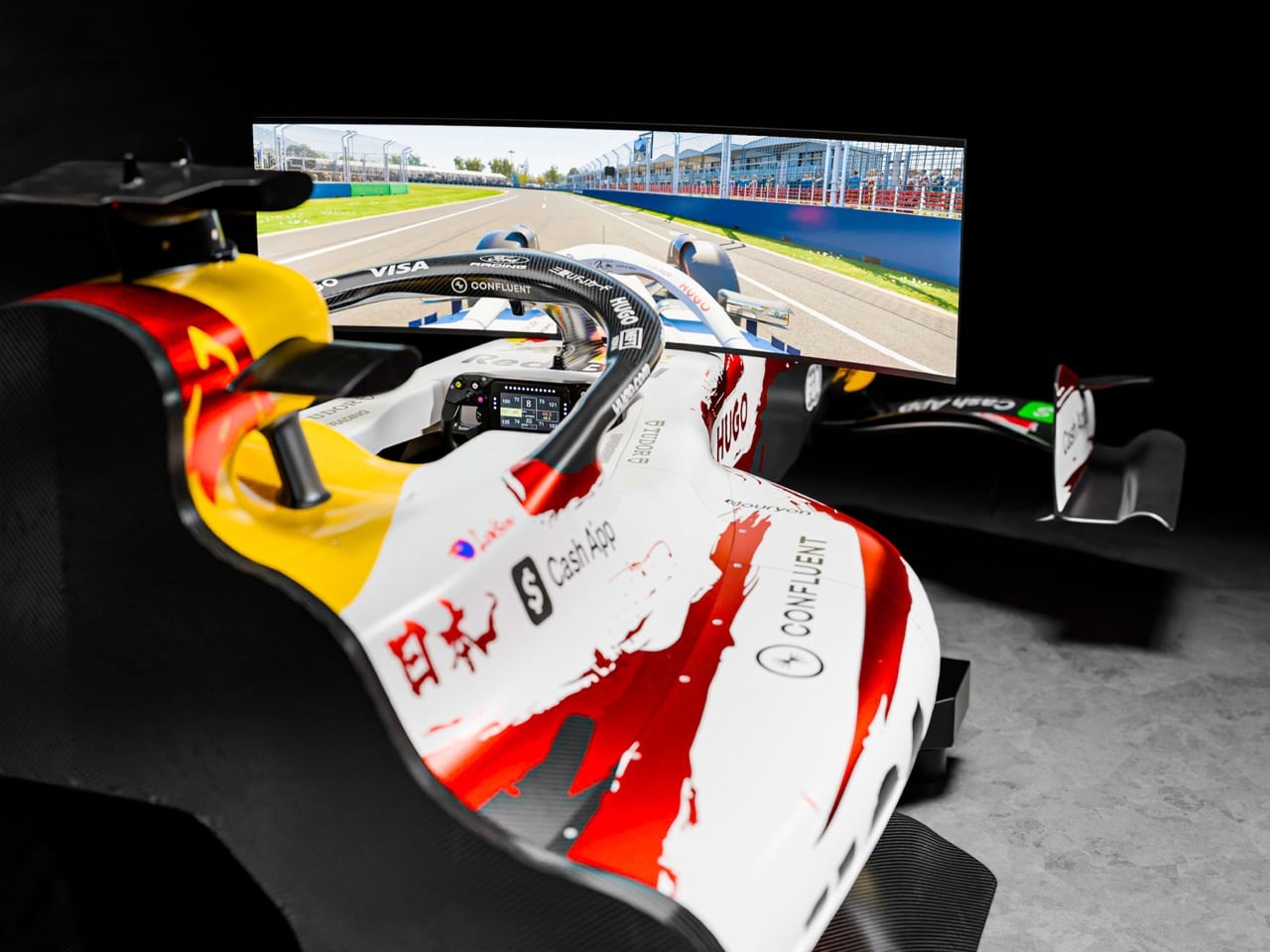
The simulator itself is built by Memento Exclusives’ in-house team of engineers and mechanics, people who have spent decades working in professional motorsport environments and understand the difference between a product that looks like an F1 simulator and one that behaves like one. The haptic actuator system and front pivot configuration work in tandem to replicate the physical signature of cornering forces, while the haptic rumble feedback layer communicates road surface texture and kerb strikes with enough fidelity to make the experience genuinely instructive rather than merely theatrical.
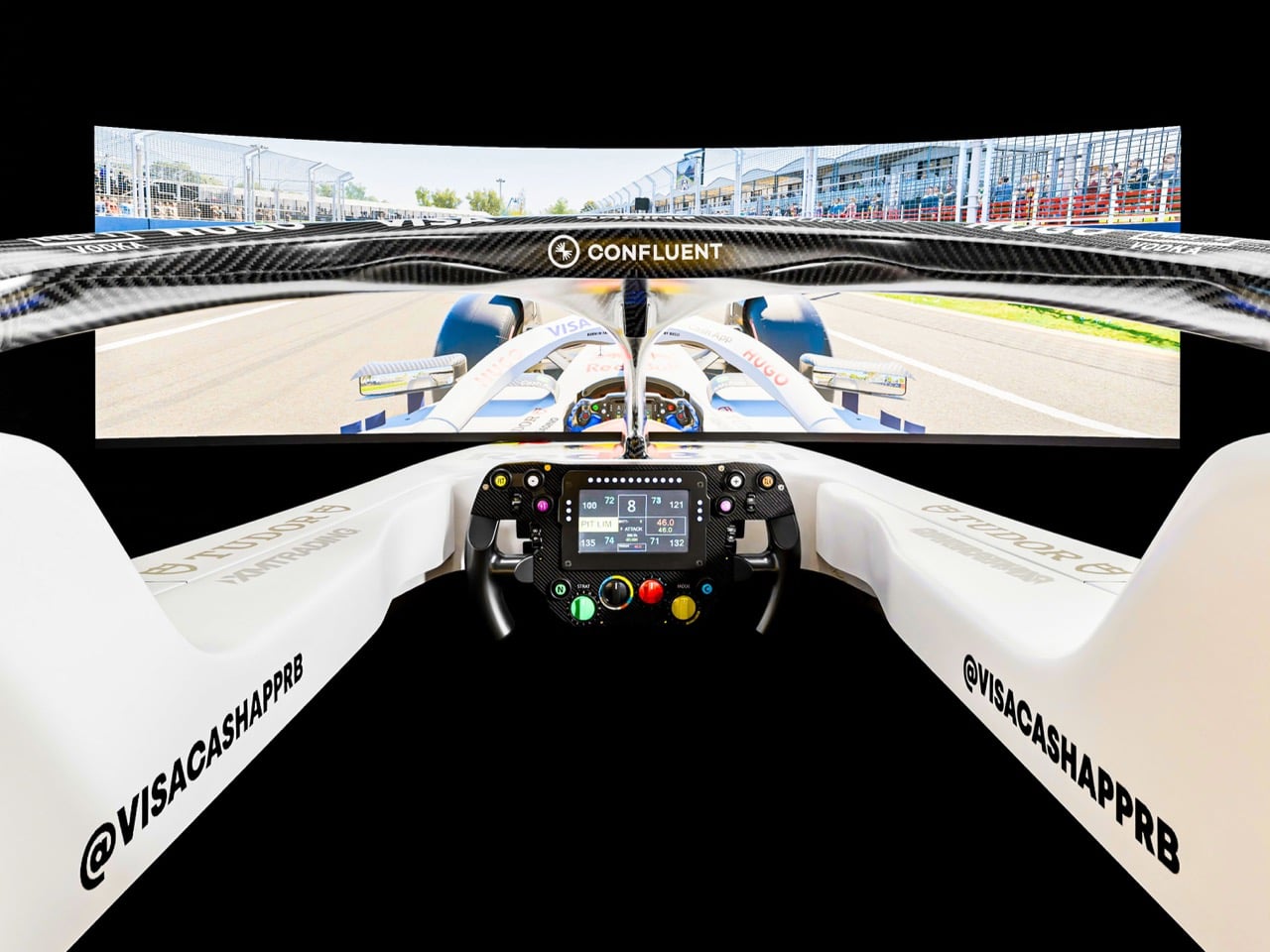
Memento Exclusives has built simulators for other F1 teams through the F1 Authentics platform before, and the Racing Bulls Cherry Edition continues that technical standard while raising the aesthetic bar considerably.
For the sim racing community, which has already made the Cherry Edition one of the most discussed liveries of the early 2026 season across forums and social channels, the simulator represents an opportunity to own the physical version of something they have already been racing virtually. For collectors with a longer view, it represents a documented moment: a calligrapher’s interpretation of Japanese spring, painted onto an F1 car, raced at one of the sport’s most mythologized circuits, and preserved in a numbered, limited run that will not be repeated. Available now at f1authentics.com, and given the trajectory of interest since Suzuka, the window to secure one is likely shorter than a sakura season.