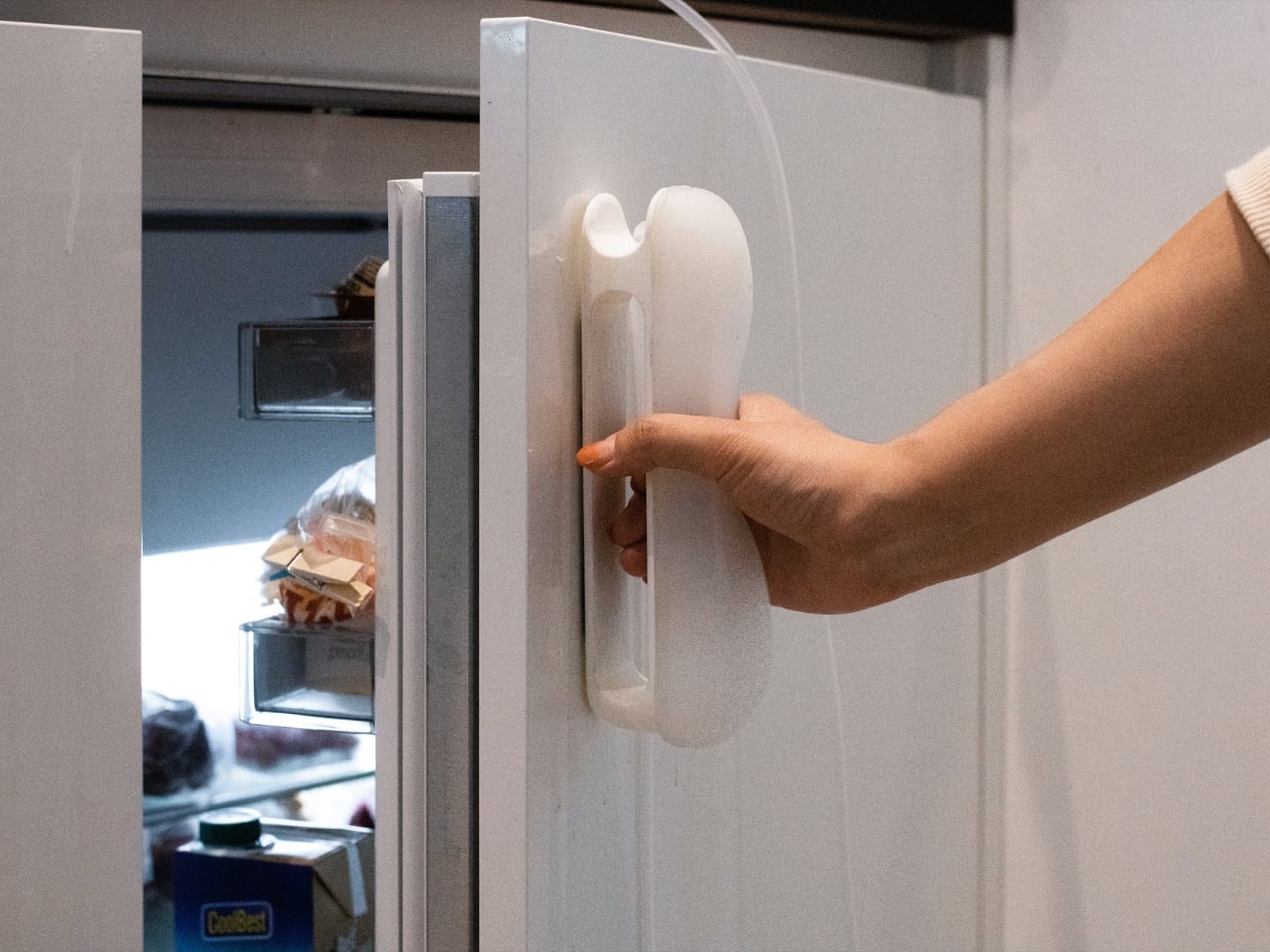
Most kitchen appliances are desperate for your attention. They beep, flash, and send you notifications just to remind you that they exist. Dolce, a conceptual refrigerator handle designed by Zhujun Pang, goes in the opposite direction entirely, and that restraint is exactly what makes it so interesting.
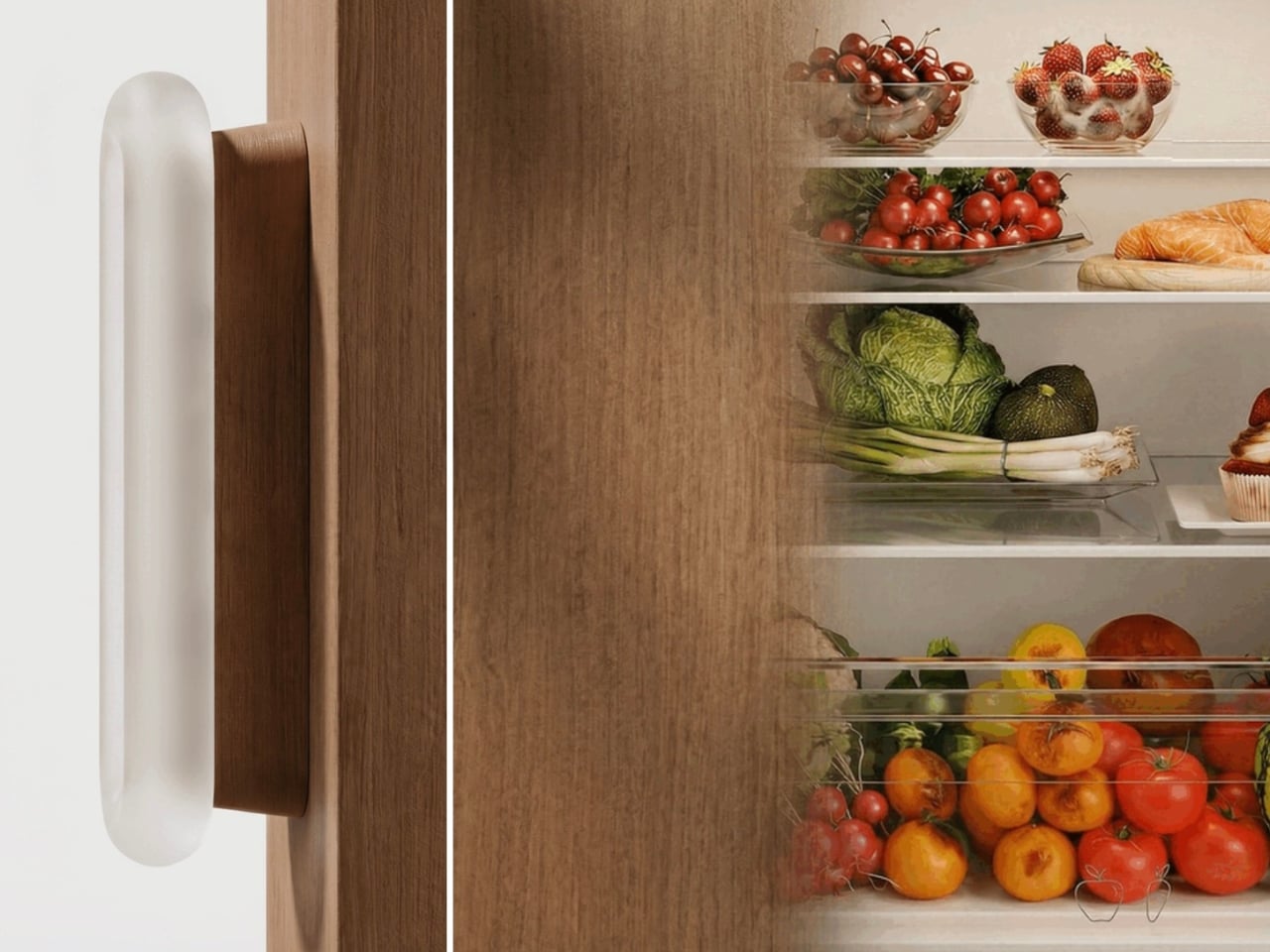
The premise is deceptively simple. The handle, made of frosted silicone with a clean, pill-shaped profile, changes its physical firmness based on the freshness of the food stored inside the refrigerator. When everything’s fine in there, the handle feels firm to the touch. When something is going bad, it softens. No beep. No notification. No app to check. You just reach for the fridge and the handle tells you what you need to know before you’ve even opened the door.
Designer: Zhujun Pang
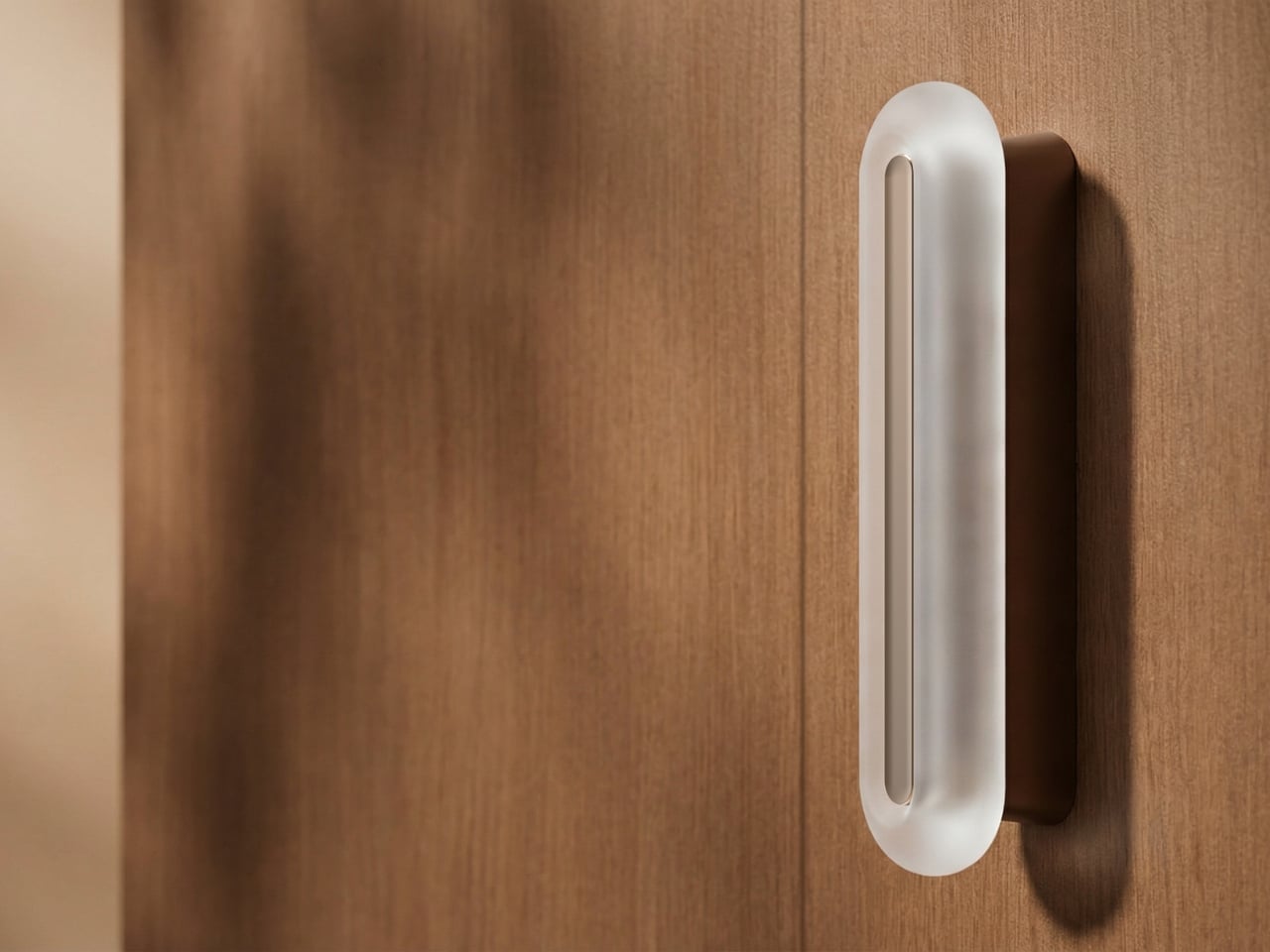
The metaphor doing the heavy lifting here is the banana. Firm when fresh, soft when it’s past its prime. It’s one of those pieces of embodied knowledge so universal it barely registers as knowledge at all. Pang took that intuition and designed around it, which is the kind of thinking that tends to produce the best objects: not inventing a new language for a user to learn, but borrowing one they already speak fluently.


Aesthetically, Dolce is striking in a way that sneaks up on you. The handle has a warmth and softness even in its “firm” state, that frosted translucency sitting beautifully against the warm wood grain of a cabinet door. It looks almost like a piece of cast glass or a studio ceramics piece. It doesn’t scream “smart home gadget,” and that’s a huge point in its favor. A lot of connected objects fail because they look like what they are: gadgets strapped onto otherwise elegant things. Dolce looks like it belongs.
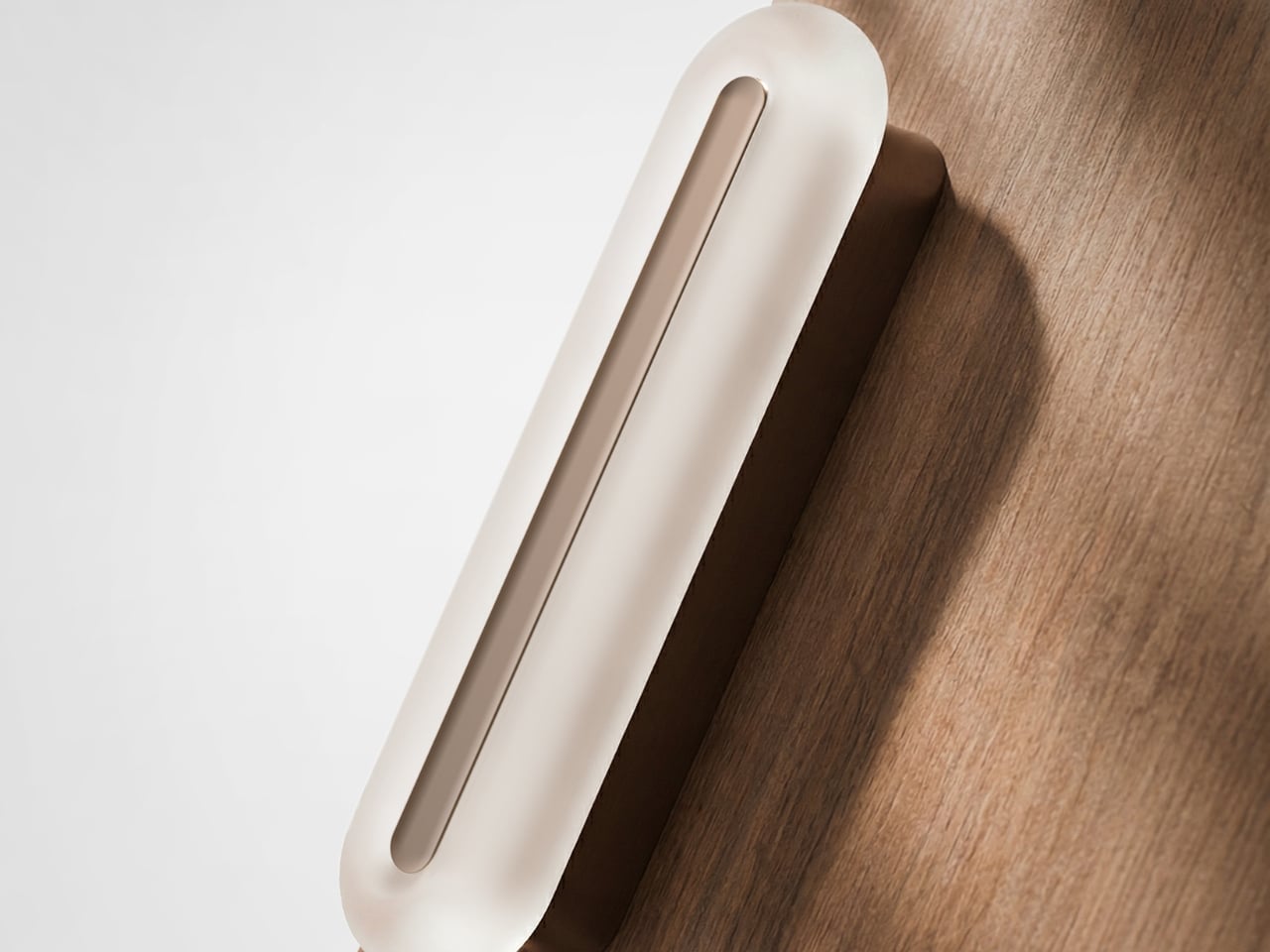
What Pang identified at the core of this problem is quietly profound. The refrigerator is, in a sense, a box that separates us from our food. You can’t smell your leftovers through the door. You can’t see whether that cucumber at the back is starting to go. The fridge solves the preservation problem but creates an information problem in the process. Dolce’s answer isn’t to add a screen or a camera interface or a connected app. It’s to restore something tactile and immediate at the one point of contact you already have with the appliance every single day.
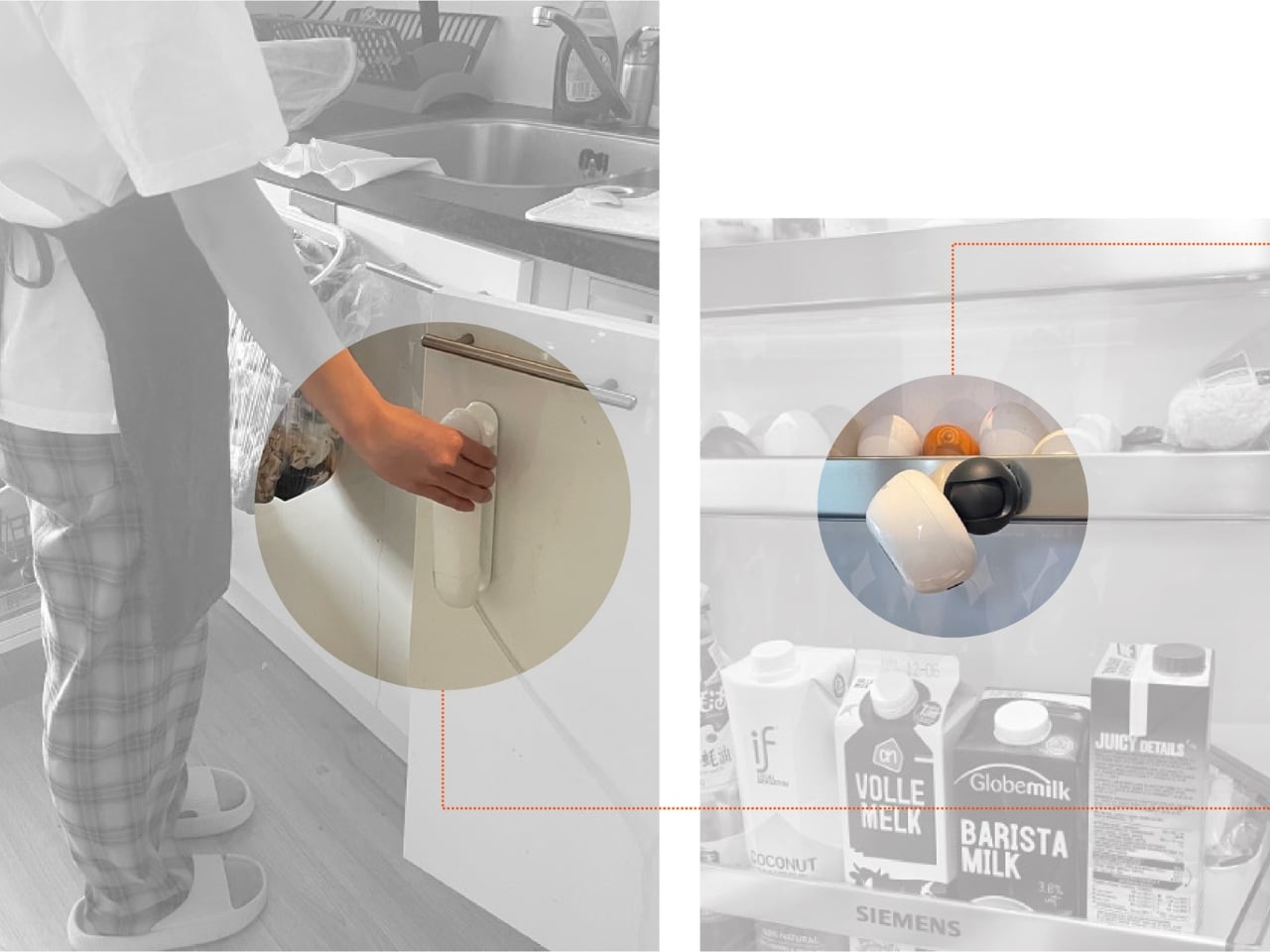
It’s also worth noting that the handle looks exactly like what a modern refrigerator handle should look like right now. That matters more than it might seem. Design that carries function without calling attention to its function has a longer life. Trends come and go, but an object that is quietly beautiful tends to stay relevant. Dolce is the kind of piece that could sit in a design museum or in an IKEA kitchen and feel at home in either setting.
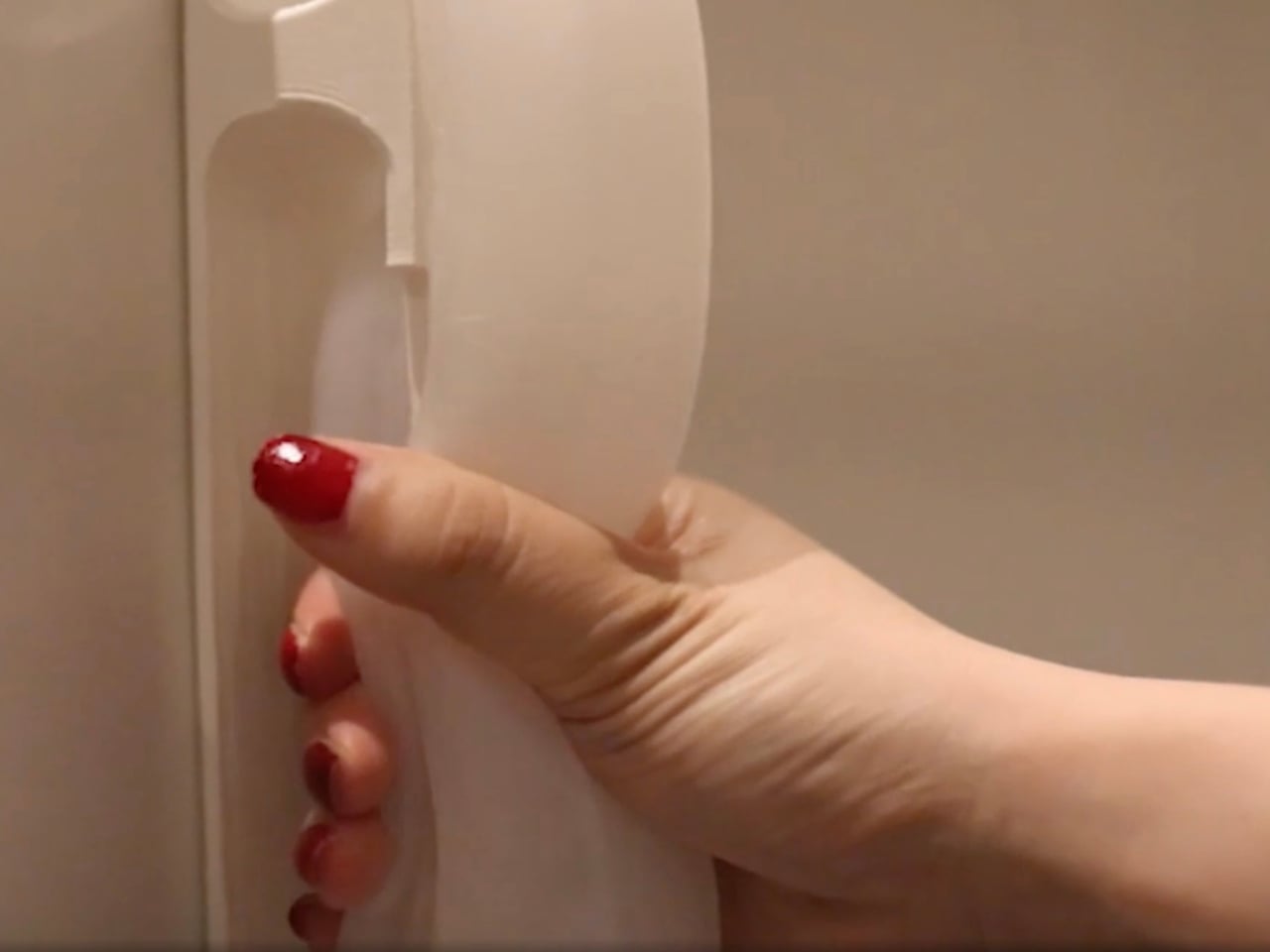
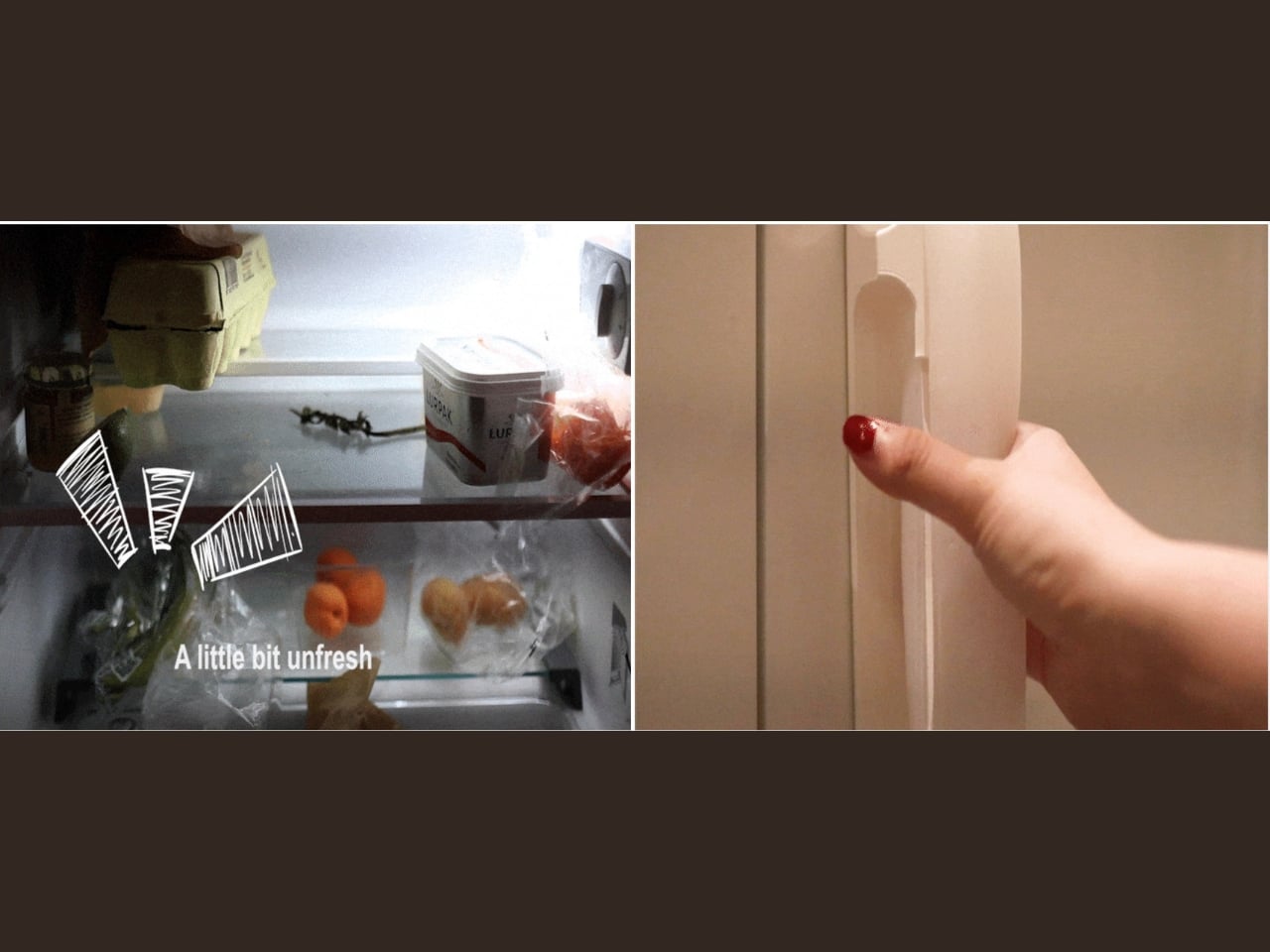
The technology underneath is also worth a moment of appreciation, even if we’re not deep-diving into the engineering. Internal sensors read the fridge’s environment, an onboard microcontroller processes that data, and a small air pump inflates or deflates a silicone bladder inside the handle. The firmness you feel when you grab it is literally driven by air pressure responding to actual conditions inside the fridge. That the end result of all that is just “firm” or “soft” is the whole point. Complex input, simple output. The user carries none of the cognitive load.
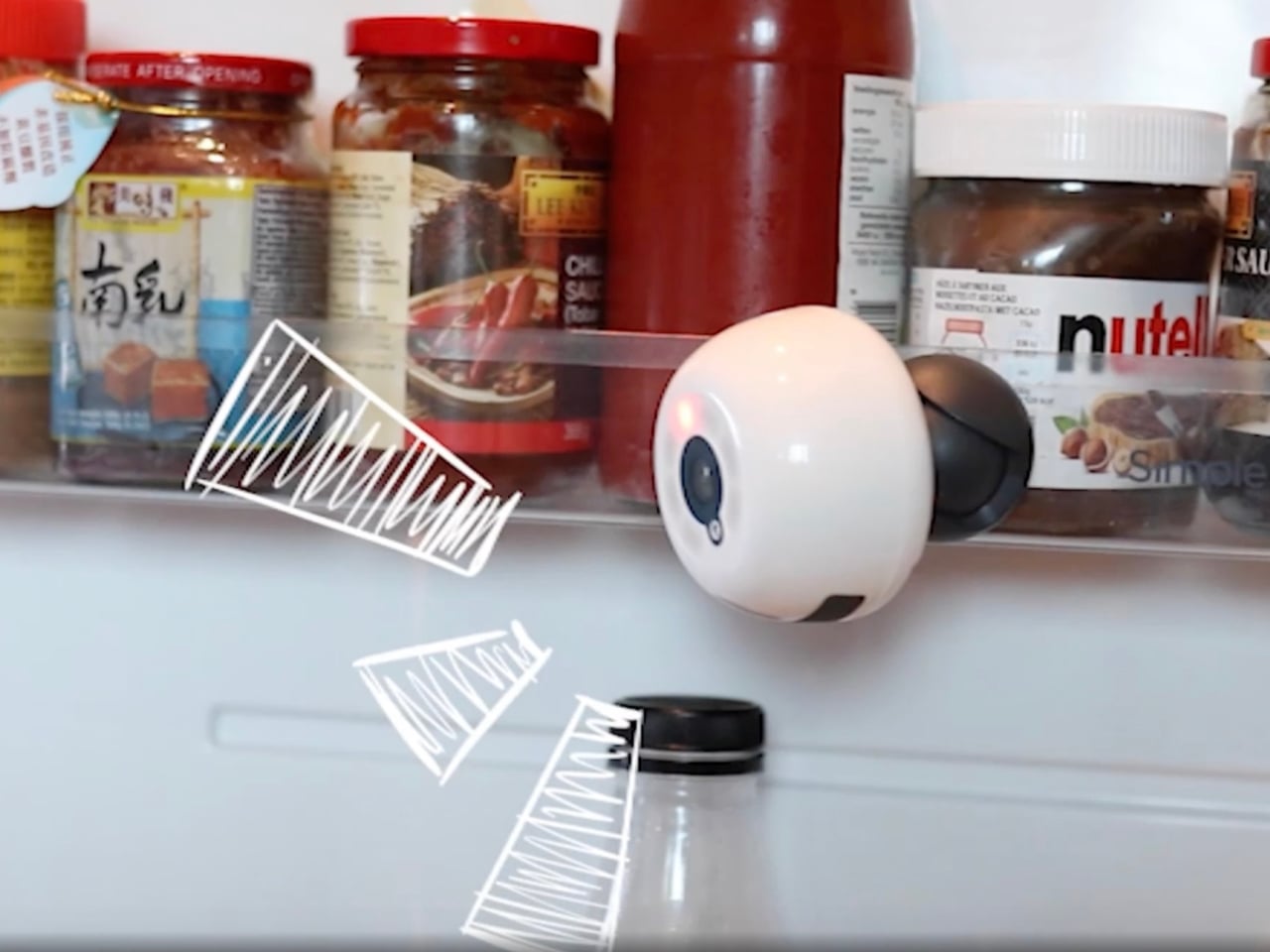
It would be easy to dismiss this as a design concept that will never see production, and maybe it won’t. But the thinking it represents is what the appliance industry desperately needs more of. Most smart home products are still asking us to do more, check more, manage more. Dolce asks us to do less. It removes a small decision from your day and delivers the answer at the precise moment you need it, through the sense that requires the least interpretation of all.