I’ve been staring at these renders for a while now, and I keep coming back to one line from the project page: “A cutting-aid tool designed for the human hand as it actually trembles.” That’s not marketing copy. That’s a design philosophy most product designers never arrive at.
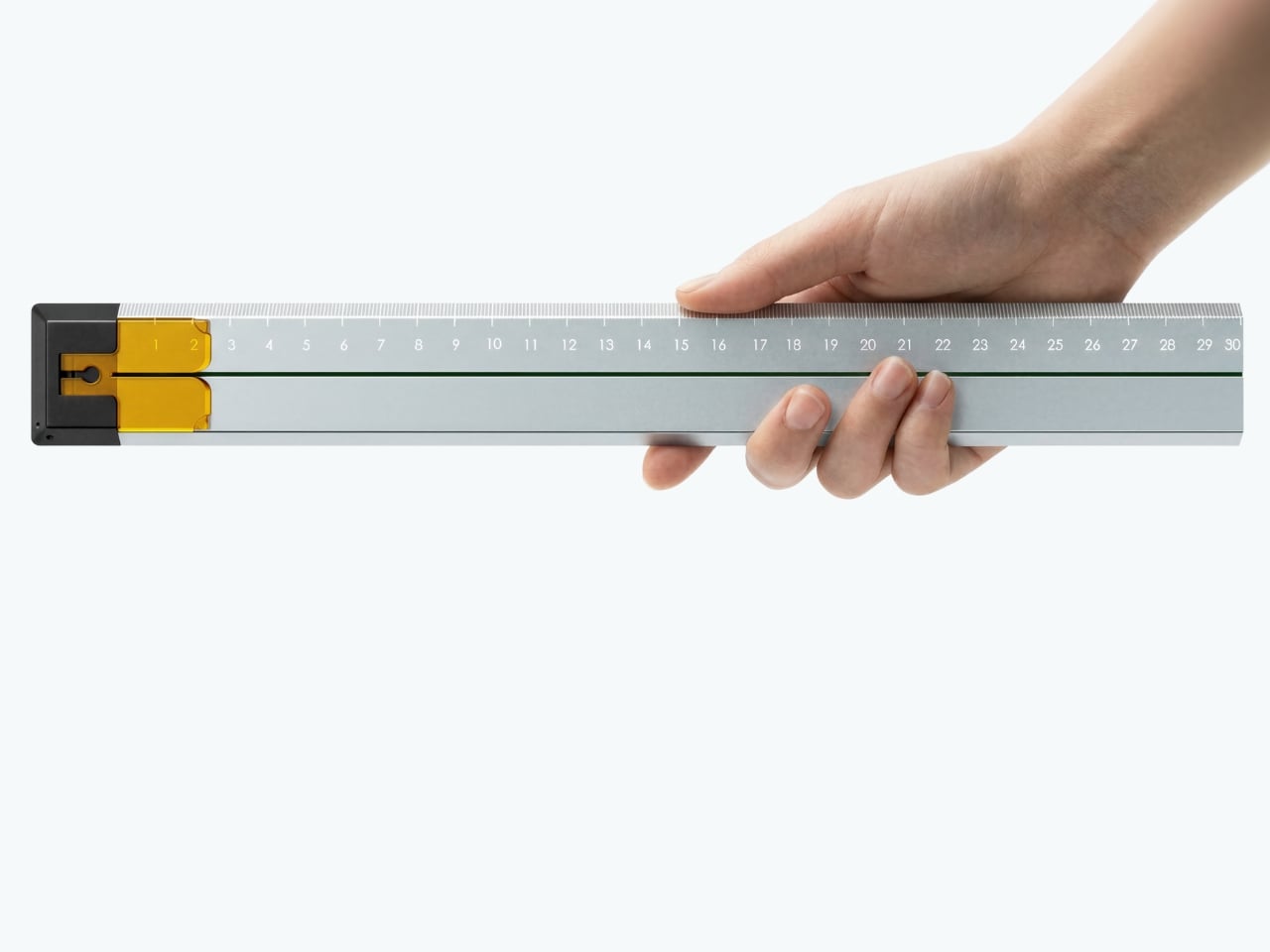
Quiver is a concept by Tunir Maity, a designer based in Noida, India, and it’s one of the most thoughtful pieces of industrial design I’ve come across recently. On the surface, it looks like a premium aluminum ruler with a built-in paper guide and blade channel. Sleek, minimal, the kind of object that would look good on a studio desk. But what makes it interesting isn’t how it looks. It’s what it admits about you.
Designer: Tunir Maity
Most cutting tools are designed as if you’re a surgeon. Steady hands, perfect pressure, ideal lighting, infinite patience. The reality is different. You’re hunched over a desk, eyeballing a line, gripping too hard because you’re afraid of slipping. The paper moves. The blade drifts. You end up with a cut that’s close enough but never quite right. It’s a small failure, the kind you shrug off, but it accumulates into a quiet resentment of a task that should be simple.
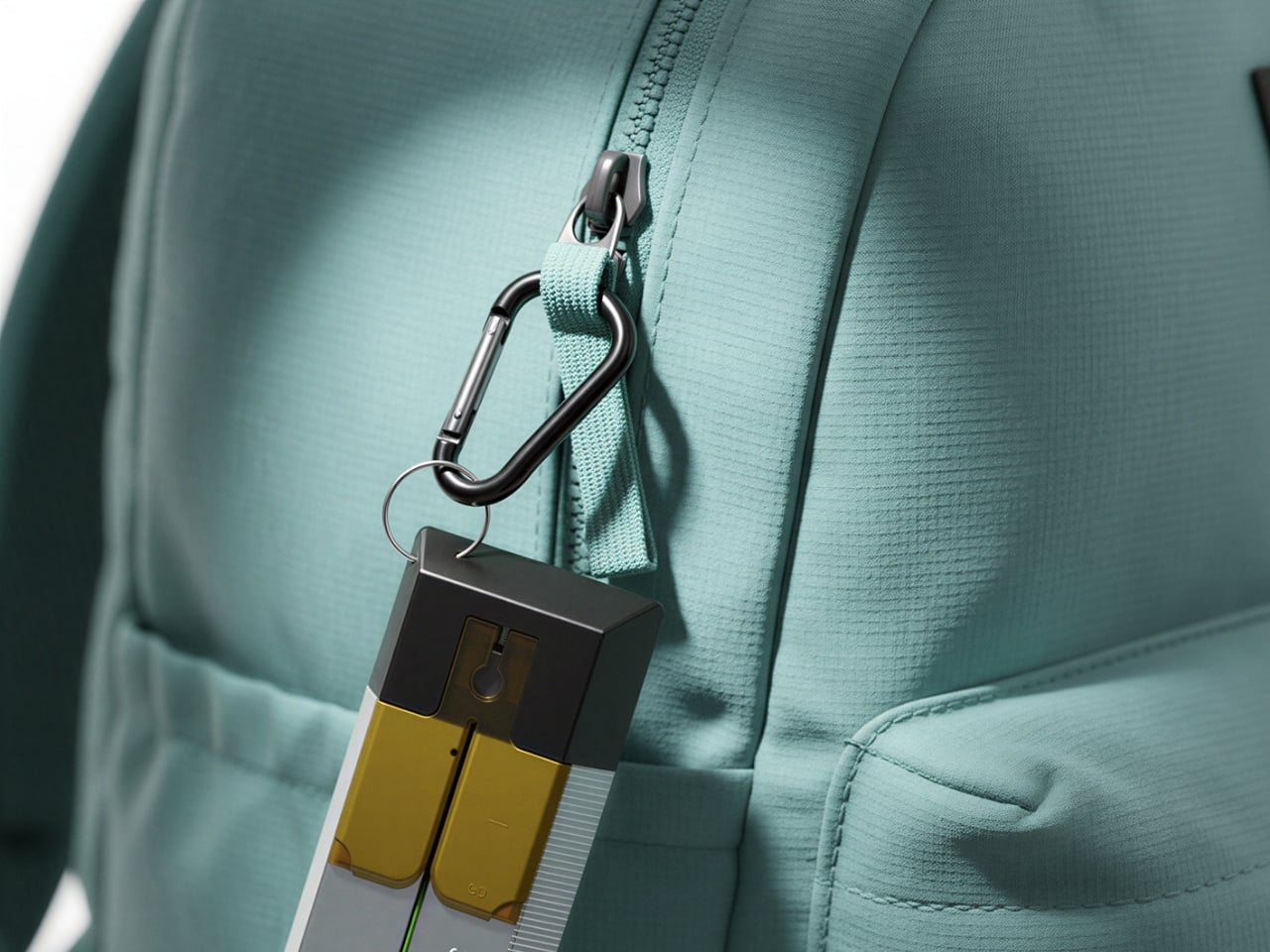
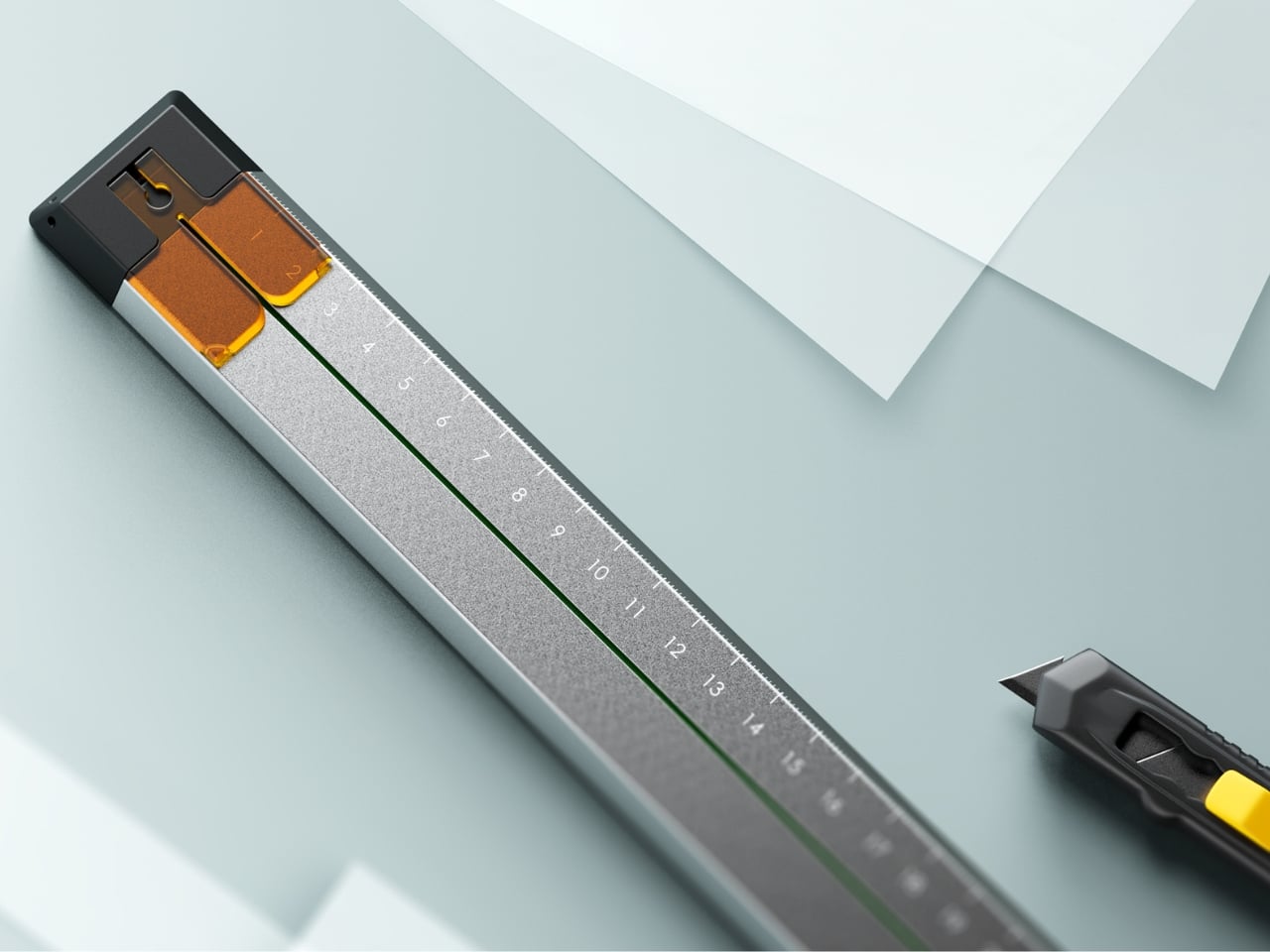
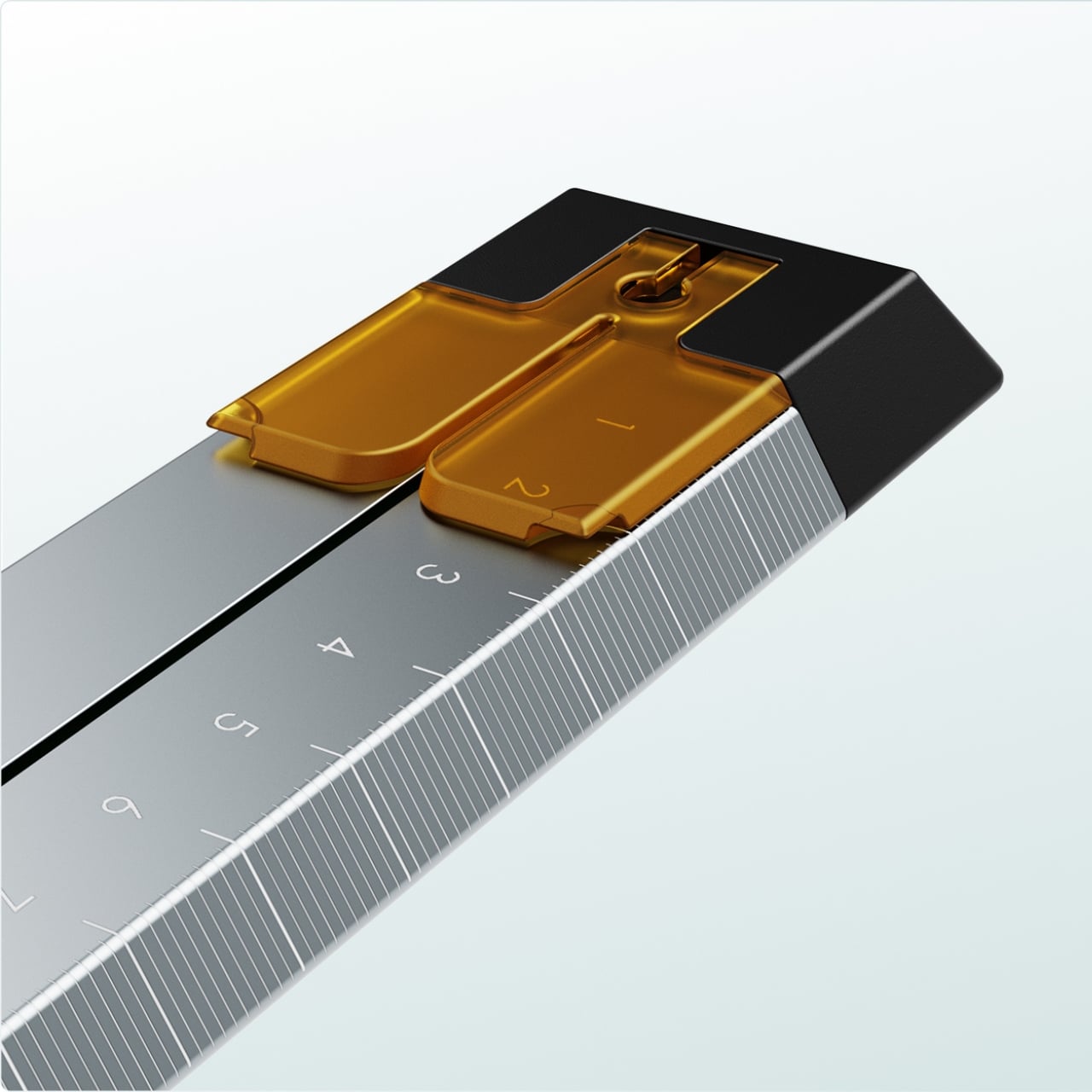
Quiver’s approach is to stop pretending the problem is you. The tool has a clip mechanism that holds paper in place, a slit that guides your blade in a straight line, and a weight distribution that favors the cutting end so you don’t have to press as hard. The whole thing is made from anodized aluminum with recyclable plastic components, designed for over 300 cuts and years of daily use. There’s even a carabiner attachment so you can clip it to a bag, which is a nice touch for anyone who actually uses tools instead of just collecting them.
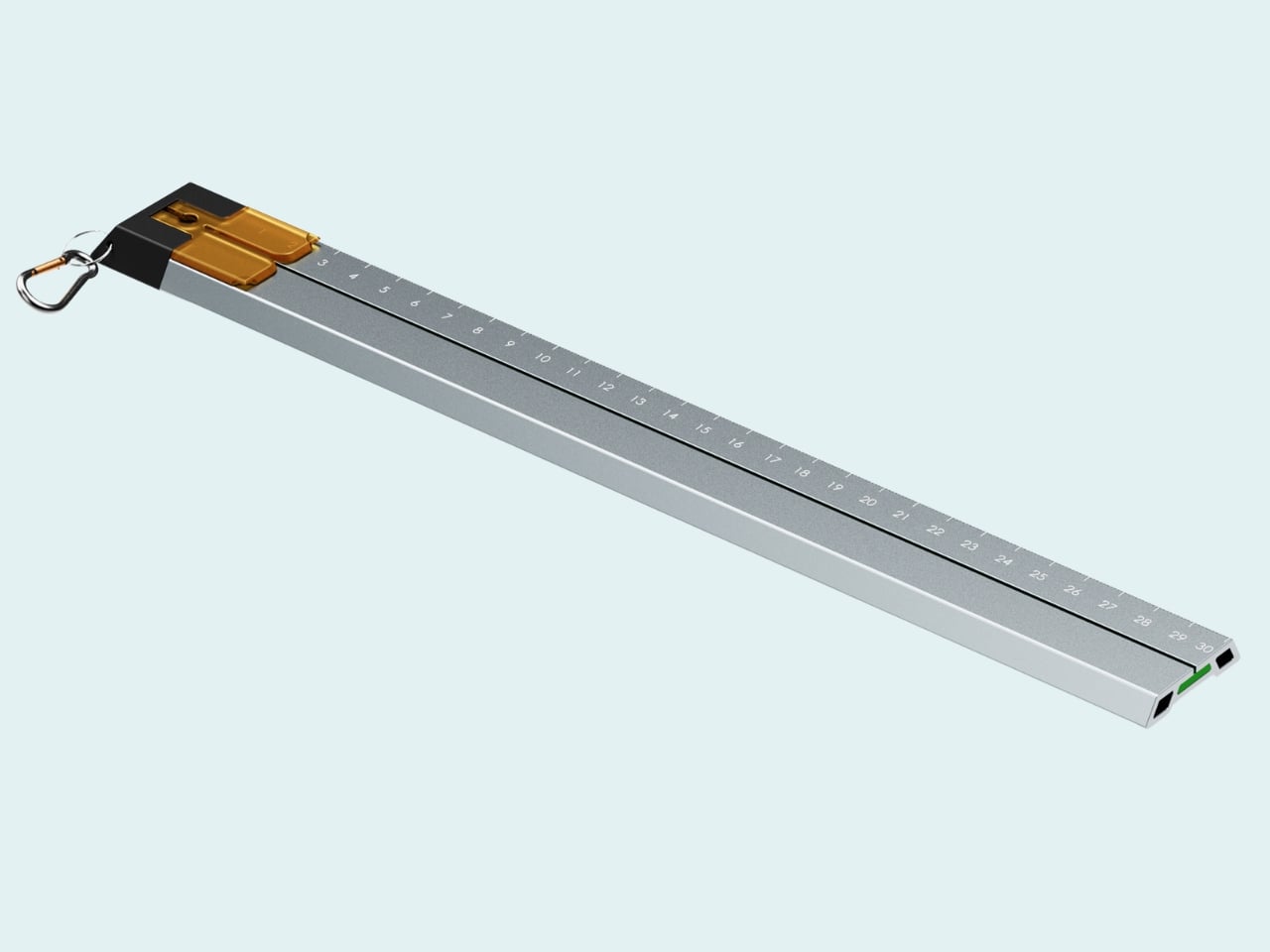
What I find compelling about this project isn’t any single feature. It’s the framing. The name “Quiver” carries a double meaning that I think is genuinely clever without being precious about it. There’s the archery sense, that moment of readiness before you release, and there’s the literal quiver of a human hand. Most designers would pick one meaning and run with it. Maity holds both, and that tension is where the design lives.
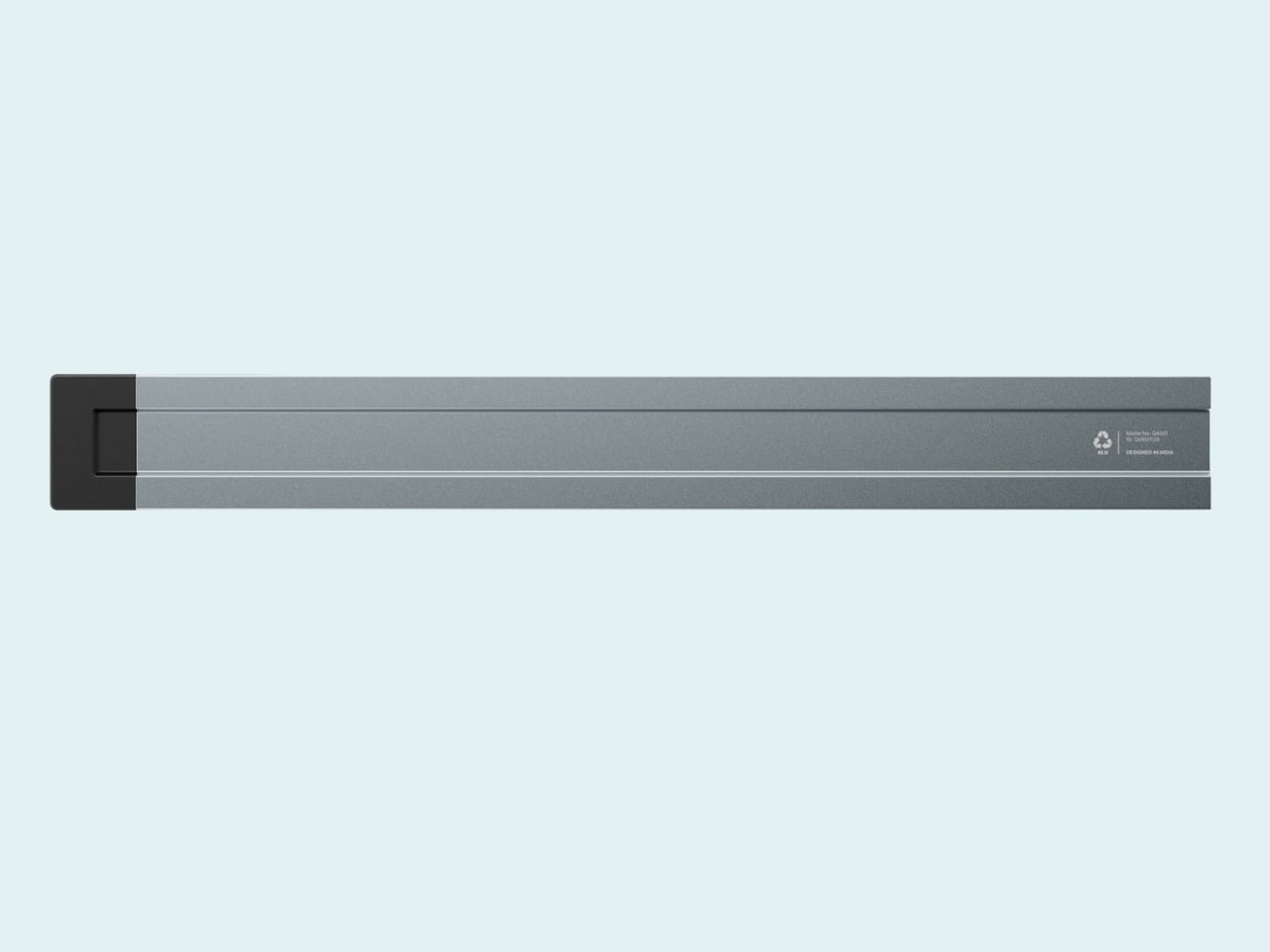
There’s a broader conversation here about inclusive design that I think Quiver speaks to without ever using the term. When you design for trembling hands, you’re not just designing for people with motor difficulties or arthritis. You’re designing for everyone who’s ever been tired, rushed, cold, nervous, or just not that precise. That’s all of us, at different moments. The best accessible design has always worked this way. Curb cuts were designed for wheelchairs and ended up helping everyone with strollers, luggage, or sore knees. OXO Good Grips started as kitchen tools for people with arthritis and became the standard for comfortable design. Quiver fits into that lineage. It’s not a medical device or an accommodation. It’s just a better tool that happens to respect the full range of human capability.
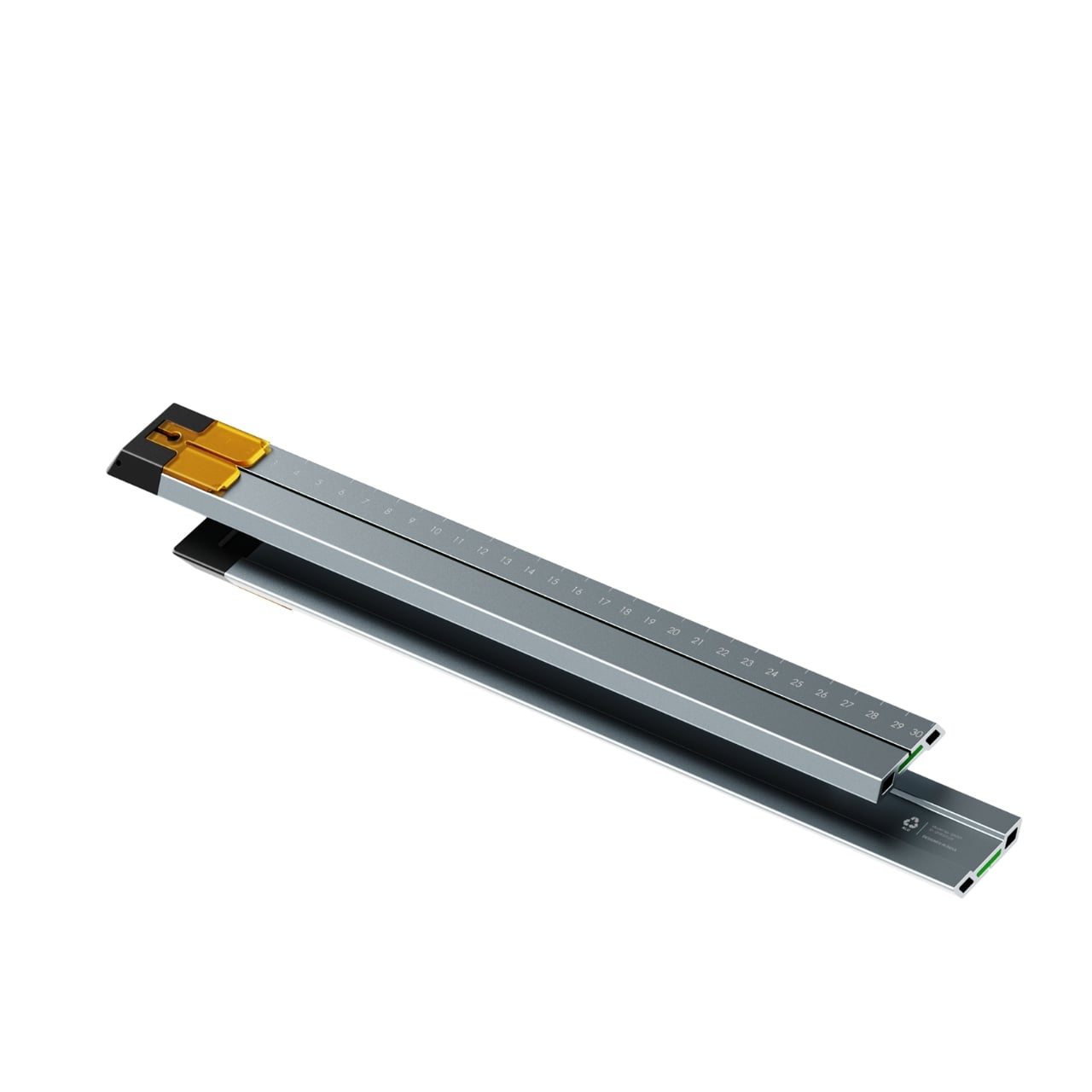
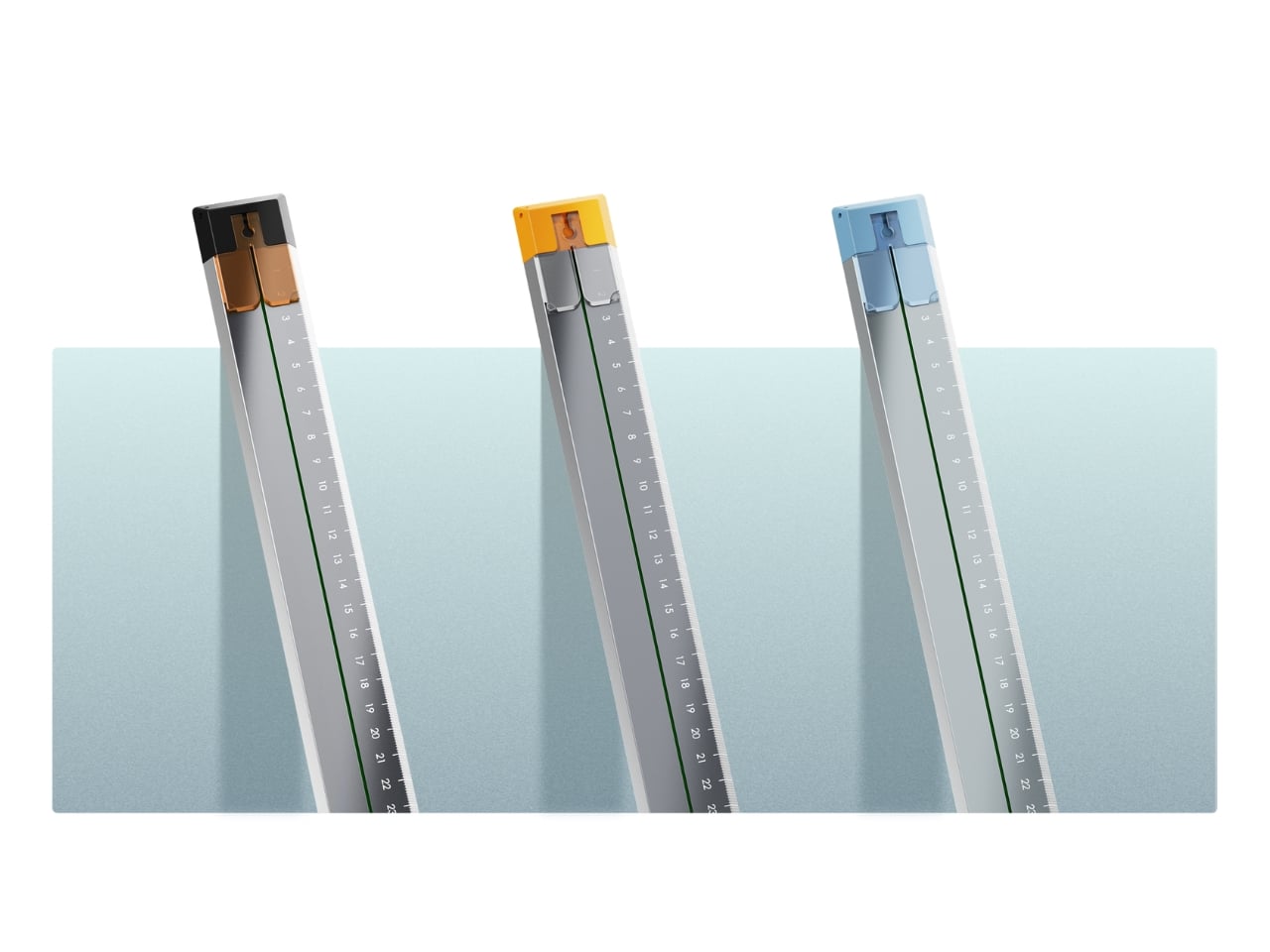
I also appreciate that it comes in multiple colorways. The amber, yellow, and blue clip variants shown in the renders suggest this is meant to be a personal object, not just a utility. That matters. Tools you choose tend to be tools you use.
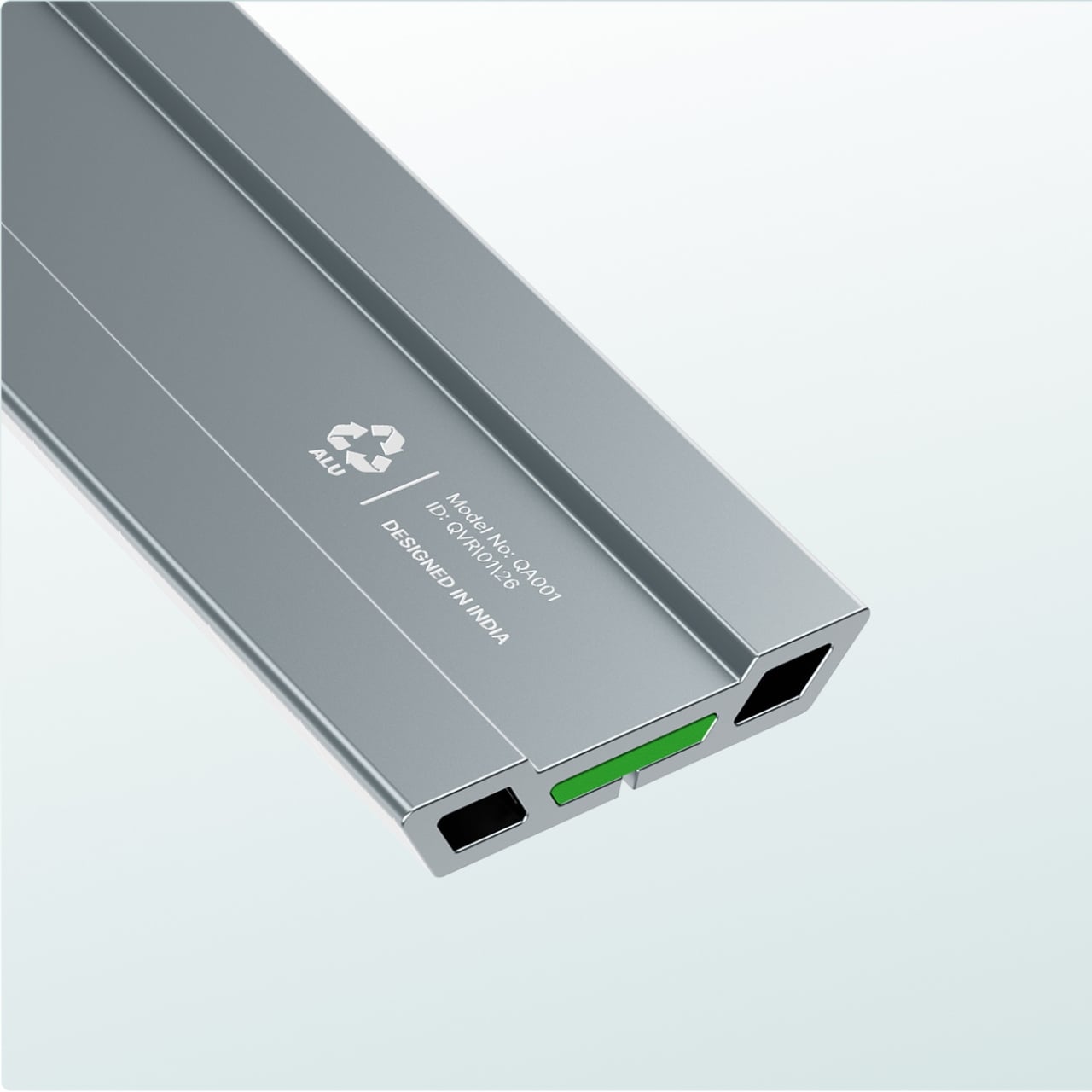
Is it perfect? It’s a concept, so there are open questions. How does the blade channel handle thicker materials? What’s the learning curve for the clip mechanism? Would the weight feel different after an hour of continuous use? These are manufacturing questions, not design ones, and they don’t diminish what Maity has accomplished here at the conceptual level.
What stays with me is the generosity of the premise. So much of product design starts from a place of optimization, making you faster, more efficient, more precise. Quiver starts from a place of acceptance. Your hands shake. That’s fine. Let’s work with that. In a design landscape obsessed with eliminating human imperfection, there’s something quietly radical about a tool that says your imperfection was the brief all along.