Imagine a car weighing nearly 1700 lbs (770kg) landing on your head. Sounds implausible, but it’s something that’s happened a bunch of times in the F1 races. In the 2021 Italian GP, Lewis Hamilton nearly had his head crushed when Max Verstappen’s car launched into the air and landed on his, being deflected only by Hamilton’s helmet and the protective Halo on his car. Later on, Toto Wolff of the Mercedes team told Netflix how much he fought against the addition of the Halo to the F1 car design back in 2017, only to now be thankful for it. This isn’t the first time a Halo has saved a life. Leclerc’s helmet showed the battle scars of Fernando Alonso’s tire from a similar incident in the Belgian GP in 2018.
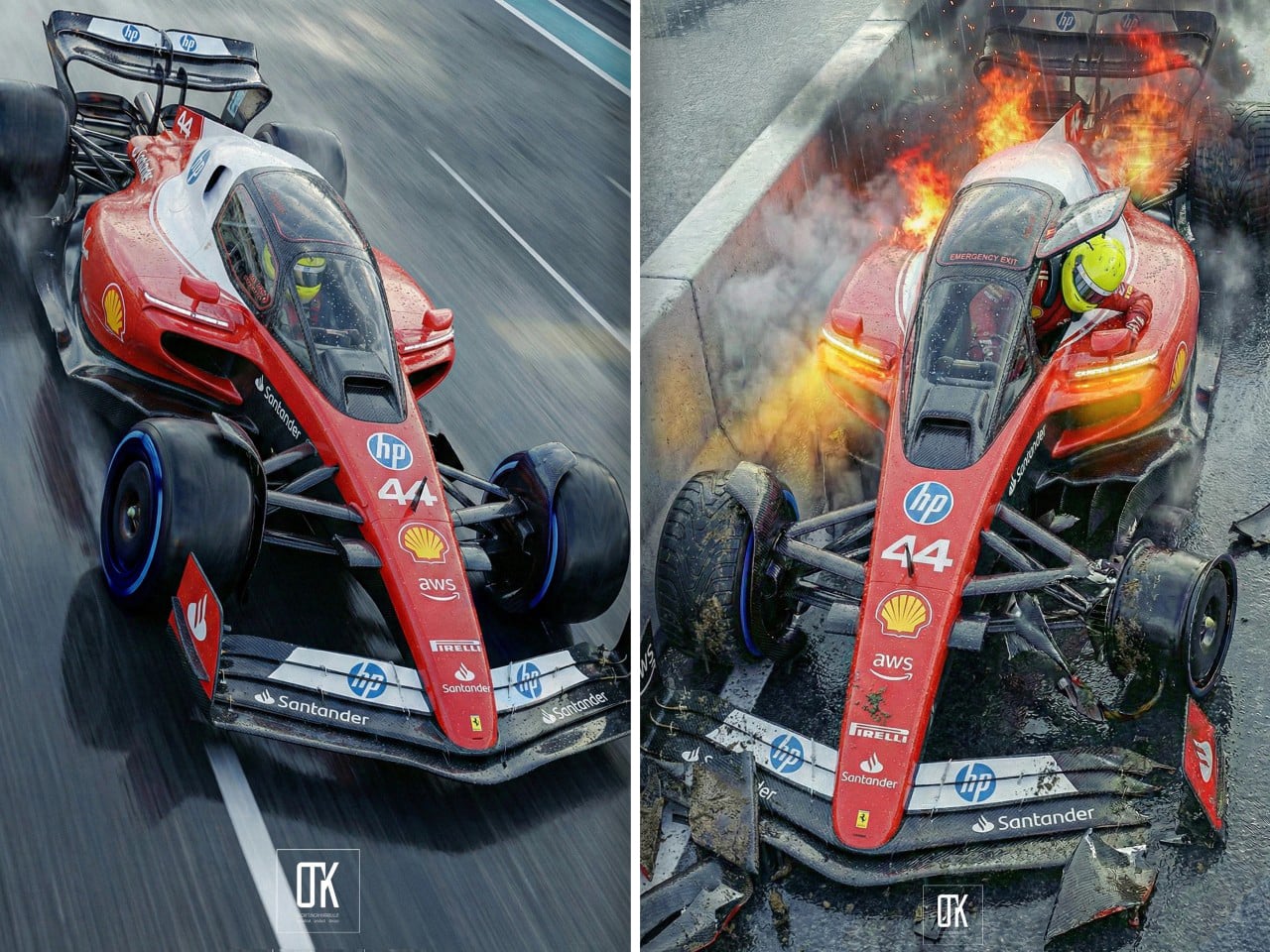
The Halo has played a controversial but incredibly pivotal role in F1. Most teams hated it, but now thank its presence in the face of nearly fatal accidents. The FIA also dabbled with the idea of a closed cockpit for even safer driving, but the ideas were all shot down because a closed cockpit proved to be more harmful in the event of a bad crash. What if the driver couldn’t exit a blazing vehicle? Or get out swiftly after crashing? Designer Olcay Tuncay Karabulut has a clever fix to these questions. Dubbed the ‘Canopy’, this design detail takes the Halo and gives it a set of upgrades… in a way that still makes it safe for drivers to exit vehicles.
Designer: Olcay Tuncay ‘Karabulut’
Most teams who opposed the Halo back in 2016-17, did so for two reasons. First, it was an insult to the F1’s open driving heritage. Second, the Halo’s design obscured the driver’s view. But, as much as the Halo blocks a driver’s vision, it’s also incredibly good at blocking dangerous obstacles from smacking the driver at forces of nearly 10 Gs. There’s no way a helmet could protect against something that powerful. The FIA (the regulating body for the Formula series), however, did test closed cockpit designs before arriving at the Halo. According to the FIA, the advantage a Halo has had over most closed cockpits, is that the two sides make it easy for drivers to enter and exit vehicles. More components, more details, and more safety can often mean more time required to exit a car (the Halo avoids that). Think of the seatbelt on your average car. The seatbelt, as safe as it’s claimed to be, has been responsible for multiple people being trapped in cars longer than they need to be. For the FIA, the closed cockpit has had the exact same set of problems.
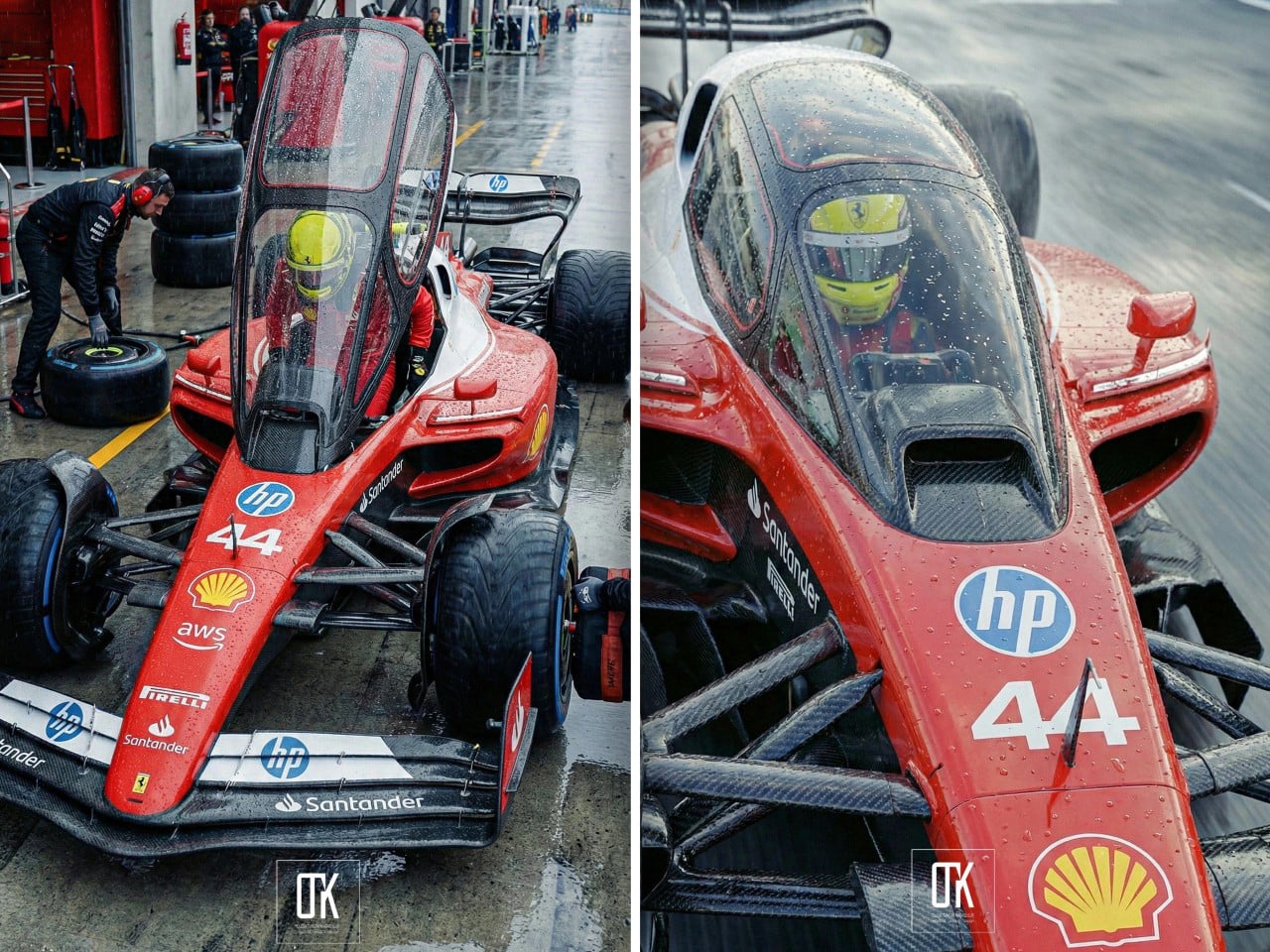
Olcay’s ‘Canopy’ concept addresses this by borrowing from the closed cockpit designs of a jet. The canopy hinges at the front, opening and closing to allow the driver to enter and exit on demand. However, in the case of an emergency, multiple panels in the canopy can be pushed out to provide different points of exit. If the canopy ever breaks or fails, simply punch out any of the glass panels on the top or the sides and the driver can easily exit through the opening, just the way they would through the Halo.
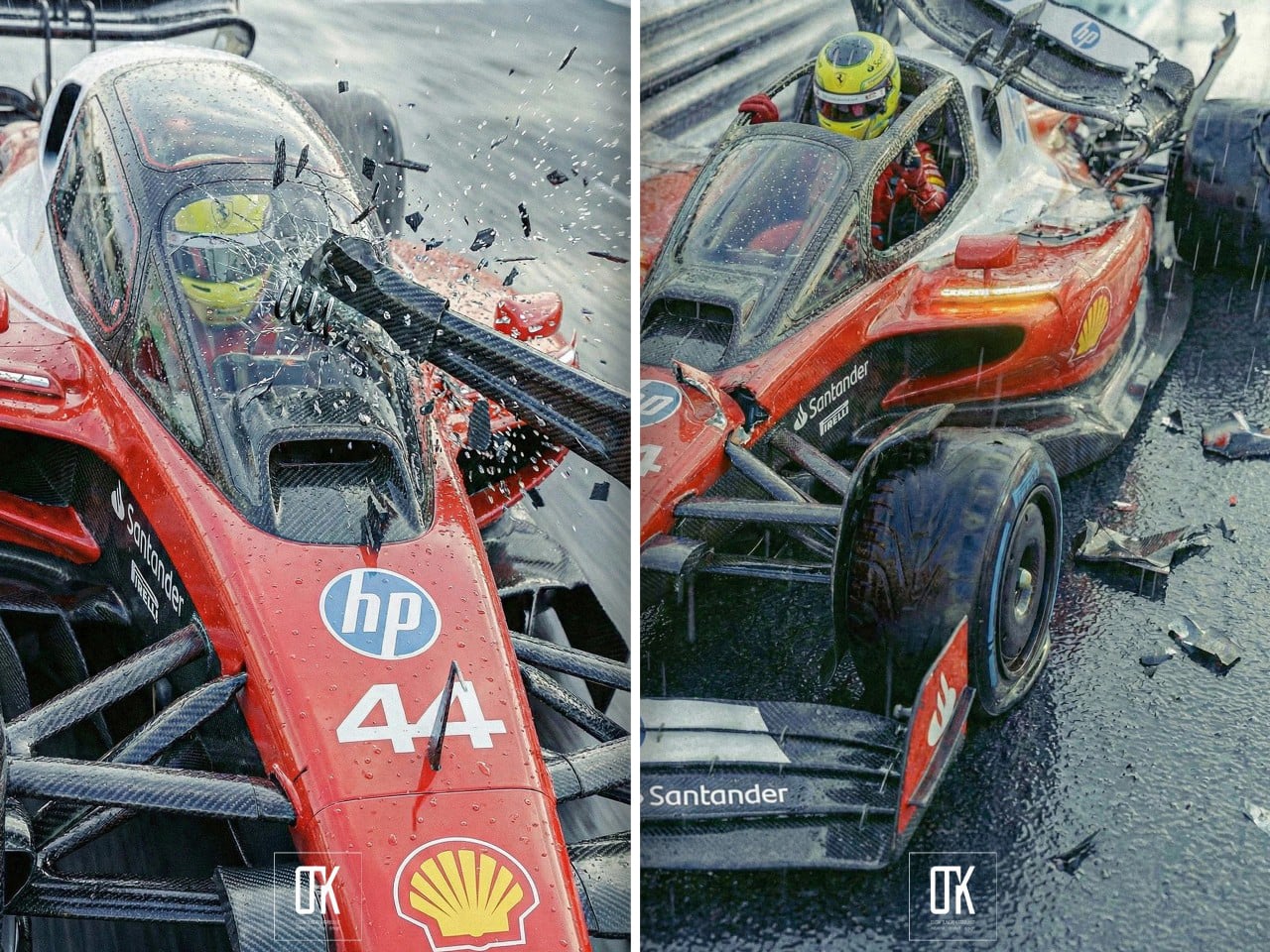
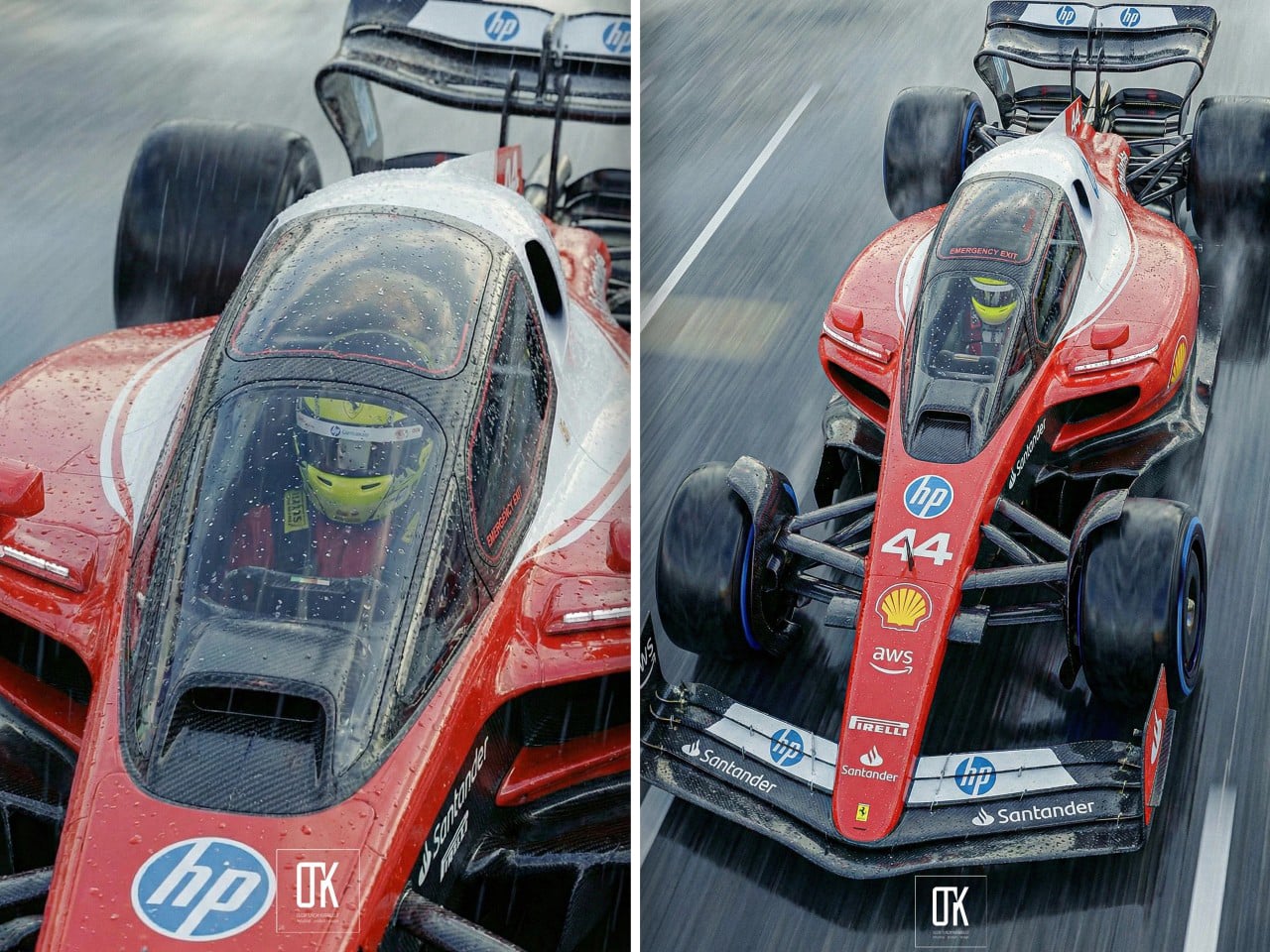
Olcay’s canopy design relies on a robust framework built using Carbon-Ti, a strong carbon-fiber, titanium, and aluminum alloy known for its ability to withstand pretty much any sort of abuse. Unlike the Halo which is Y-shaped, the Canopy is H-shaped, with panels on the front, top, and the sides. The front panel acts as a windshield that provides a clear, unobstructed view, while the top and side panels can be ejected during an emergency exit.
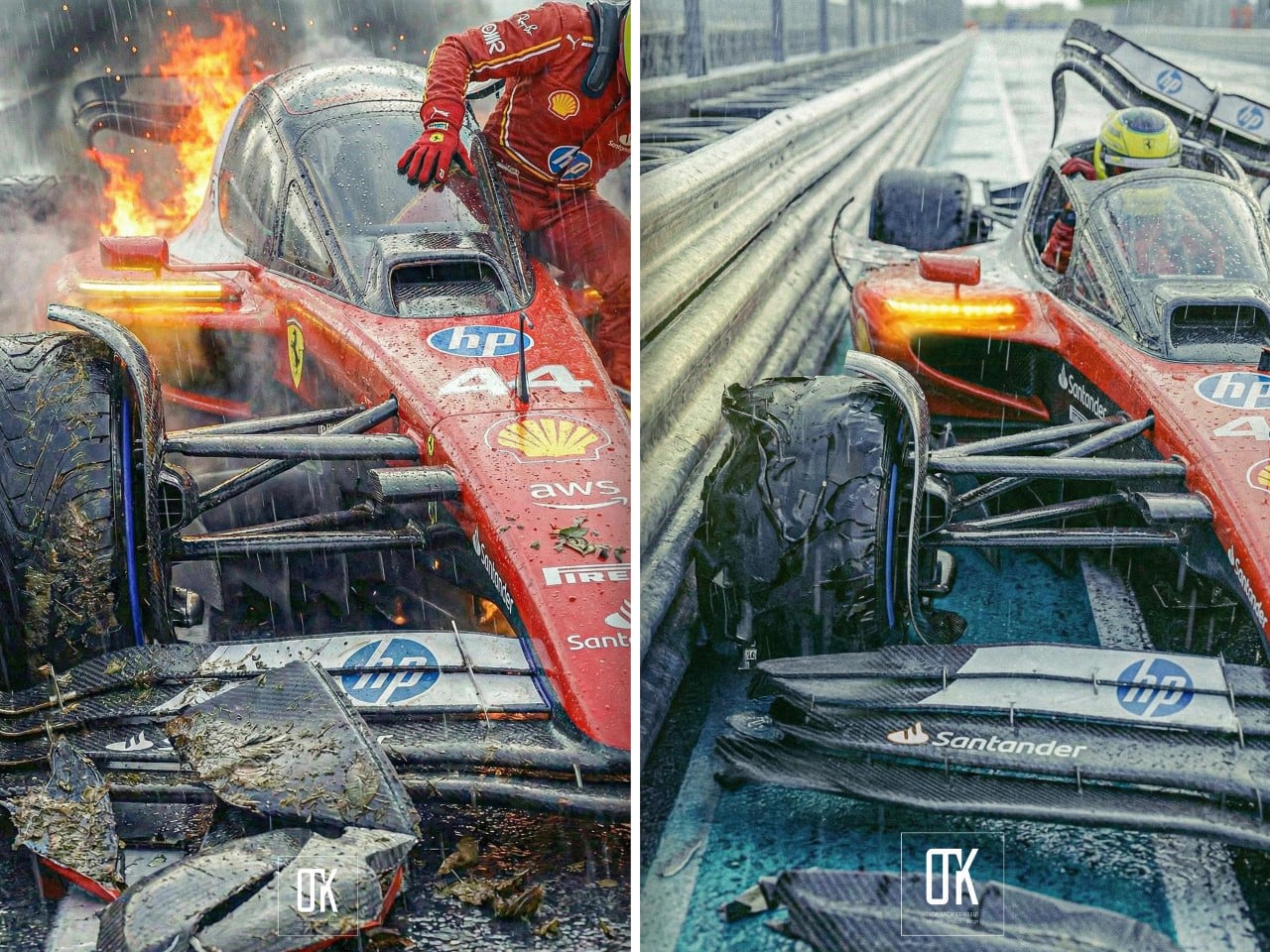
Is the Canopy better than a Halo? Well, yes and no. Sure, a closed cockpit is way more secure than an open one. We all remember Felipe Massa getting struck in the face by a loose spring in the 2009 Brazilian GP. A canopy would absorb that impact, shielding the driver from damage. However, that impact would also crack the glass, obscuring the driver’s vision and probably making them less safe. In the rain or in muddy conditions, drivers keep their vision clean by simply peeling away protective film from their helmet visors whenever it gets dirty. There’s really no way to peel mud or water away from a canopy, so this would be a nightmare in rainy races… unless the sheer force of wind pushes any dirt or debris away from the clear glass. We’re also completely sidestepping the potential worst-case scenario where the Canopy along with its ejectable panels fail to open, trapping the driver in a nightmare situation with really no exit until someone intervenes.
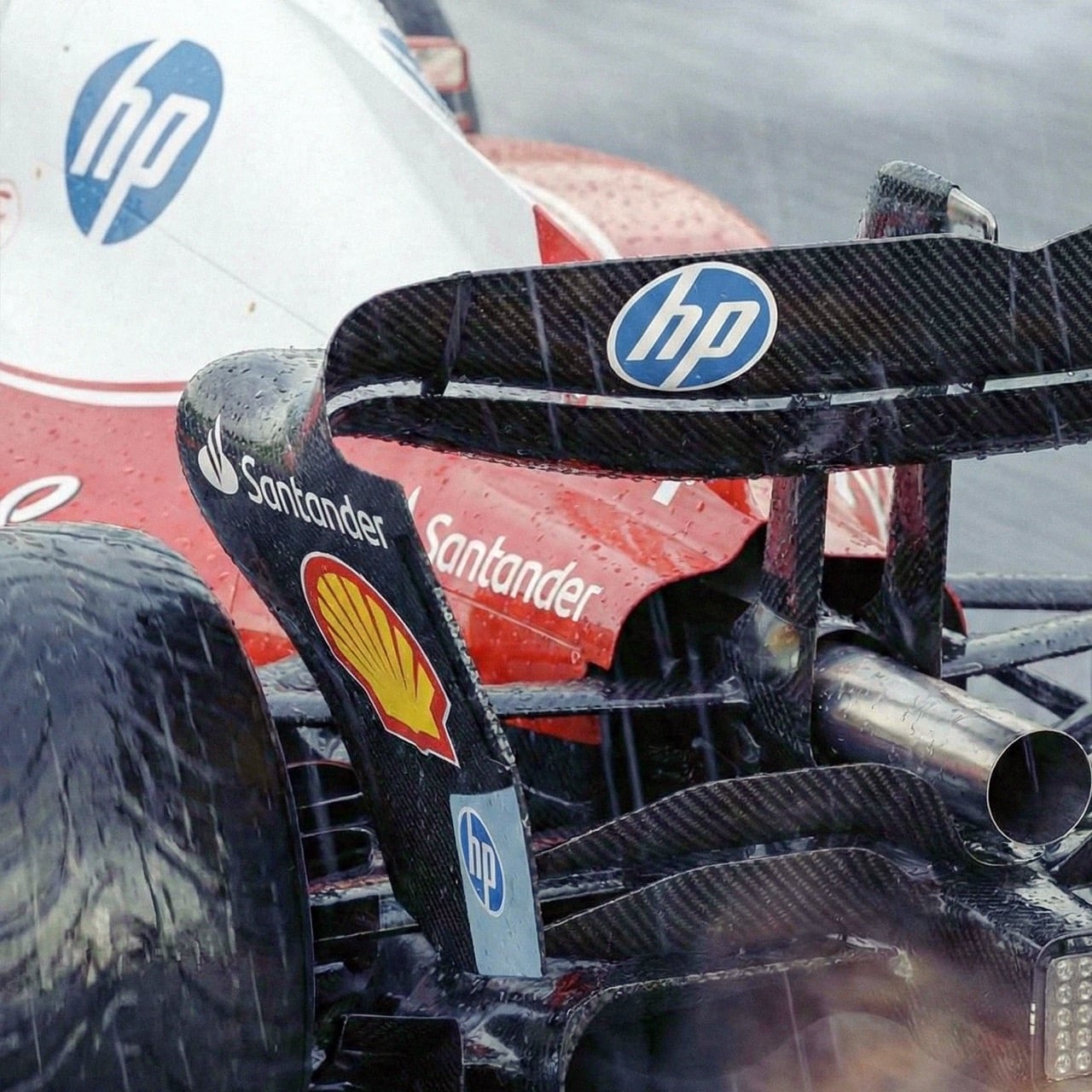
Olcay’s justification for designing the canopy is to protect the driver from any form of tiny debris that the Halo would miss. Sure, the Halo keeps the driver safe the way a car’s roll cage keeps drivers safe in regular vehicles. But the Halo would do nothing to stop shrapnel from the car in front of you flying towards your face or body. The enclosed design of the Canopy provides 360° cover, although yes, it needs to be sufficiently tested.
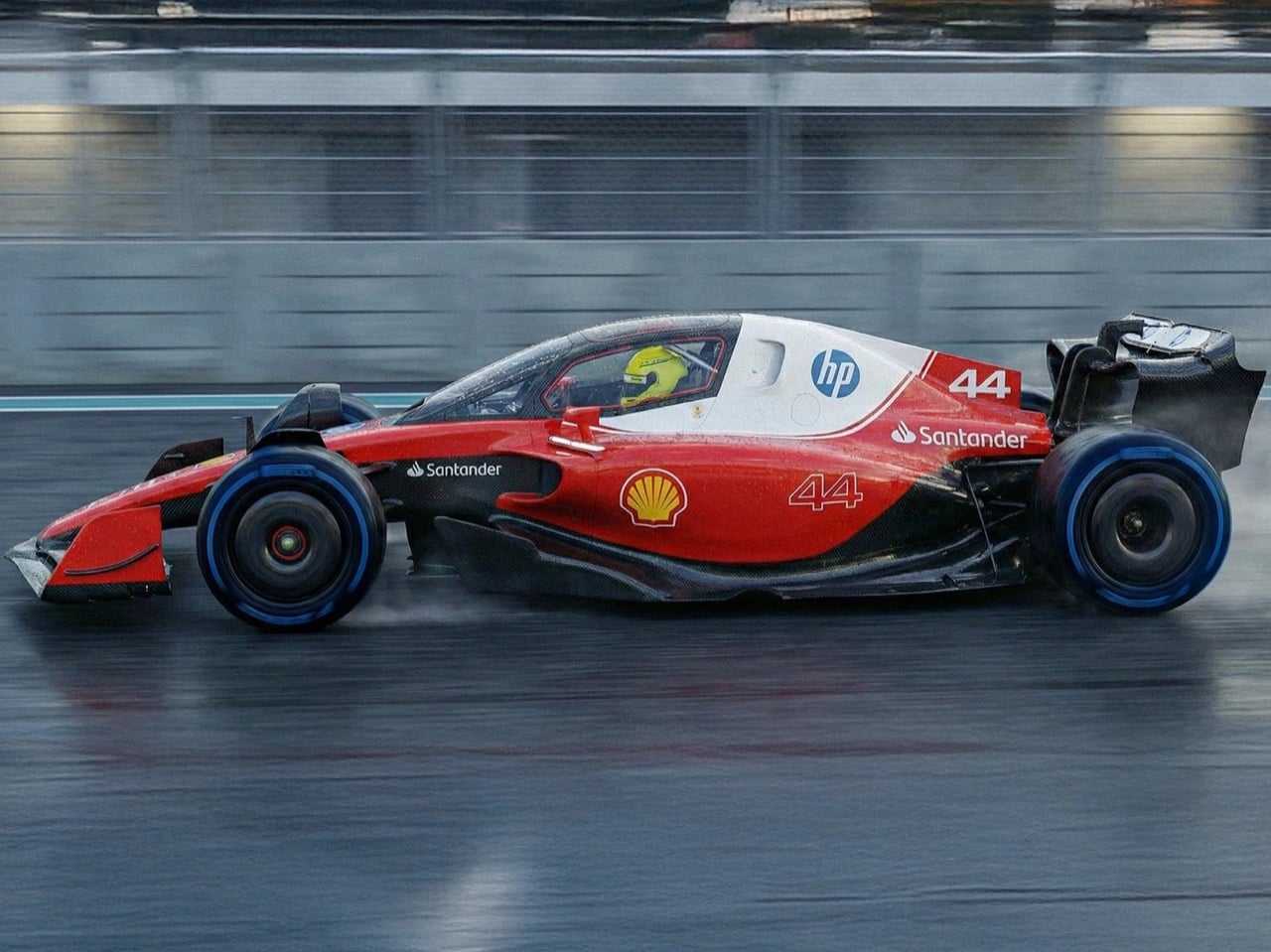
The Canopy tech was conceptualized for the year 2030, with 4 more years to test out the system. Current cars still use the Halo, and F1’s changes more or less revolve around the car’s power-train, moving from mainly fuel-based to an equal use of fuel and electric systems. Will we see something akin to this in future F1 cars? Well, Olcay’s work is entirely conceptual, but it bases itself in a stark reality that F1 still has ways to go when it comes to driver safety. After all, the Halo wouldn’t be able to stop what happened to Felipe Massa in 2009. Only a Canopy would.