Cardboard was once seen as just packaging, but it is now becoming a design hero. As sustainability and cost efficiency drive modern innovation, this humble material is being reimagined for far more than shipping boxes. Lightweight, strong, and easily recyclable, it inspires designers to create accessible, eco-friendly products without compromising on aesthetics or performance.
From furniture to sleek electronic casings, corrugated fiberboard is proving its versatility and value. This shift marks more than a passing trend. It represents a lasting transformation toward renewable, low-impact materials that are redefining how we think about design and environmental responsibility.
1. Sustainable by Nature
Cardboard’s greatest strength lies in its sustainability. Unlike plastics or materials that demand heavy mining and energy use, it’s made mostly from recycled paper and can be recycled repeatedly. Choosing cardboard means supporting a circular economy where resources are reused instead of wasted, a vital step toward protecting the planet’s future.
Its end-of-life journey is equally impressive. Rather than lingering in landfills, cardboard quickly breaks down and returns to the pulp stream within weeks, ready for reuse. This natural, non-toxic cycle makes it an ideal material for brands aiming to cut waste and attract eco-conscious consumers.
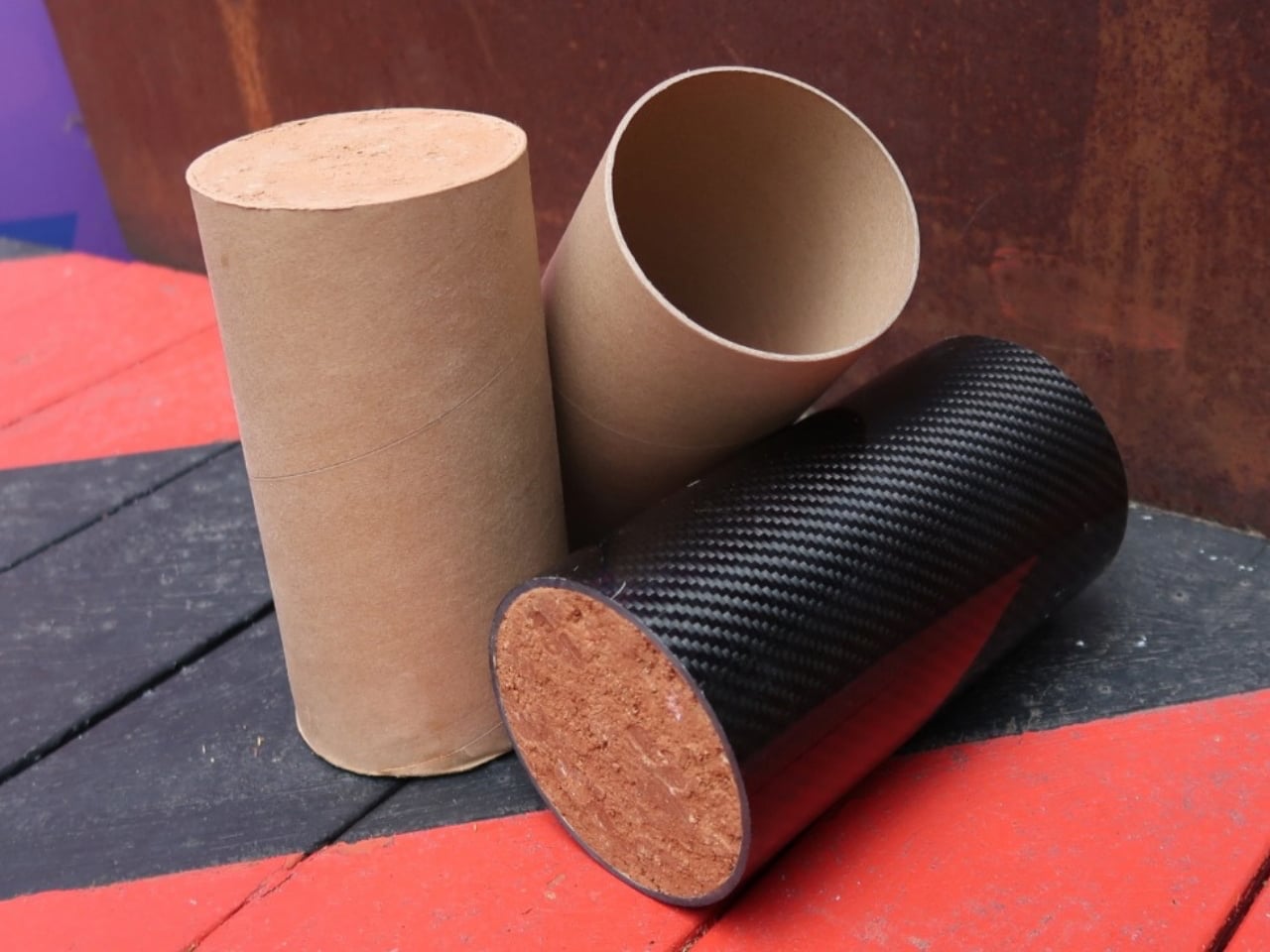
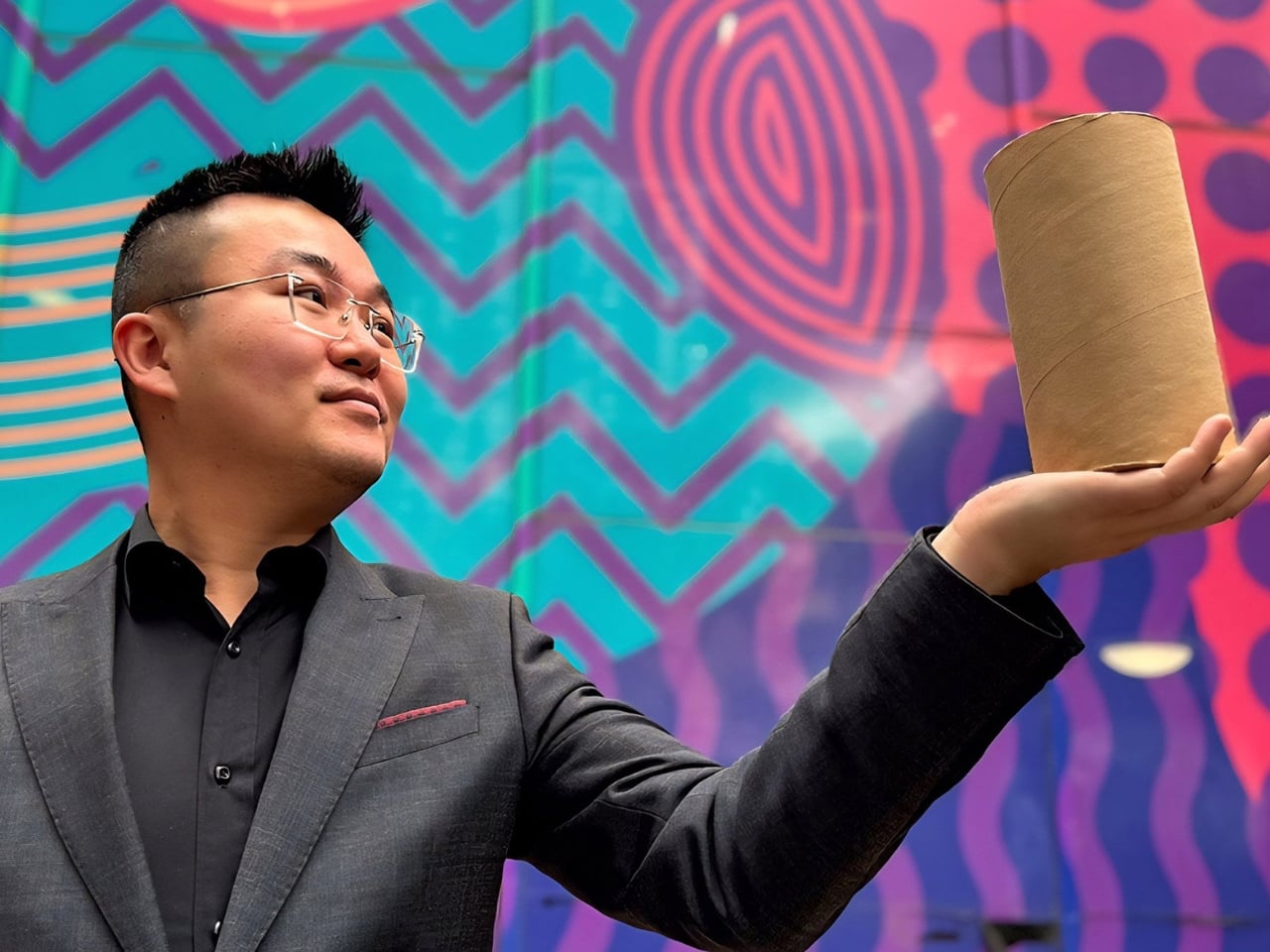
Imagine a sustainable construction material made from just soil, water, and cardboard. Researchers at RMIT University in Australia have turned this simple idea into reality with cardboard-confined rammed earth, or CCRE. By replacing traditional concrete and cement with cardboard tubes as permanent casings, they compact moistened soil inside these tubes to create strong, load-bearing structures. This method drastically reduces the carbon footprint, producing only one quarter of the emissions of conventional concrete while costing less than a third. It also repurposes cardboard waste, addressing both environmental and construction challenges simultaneously.
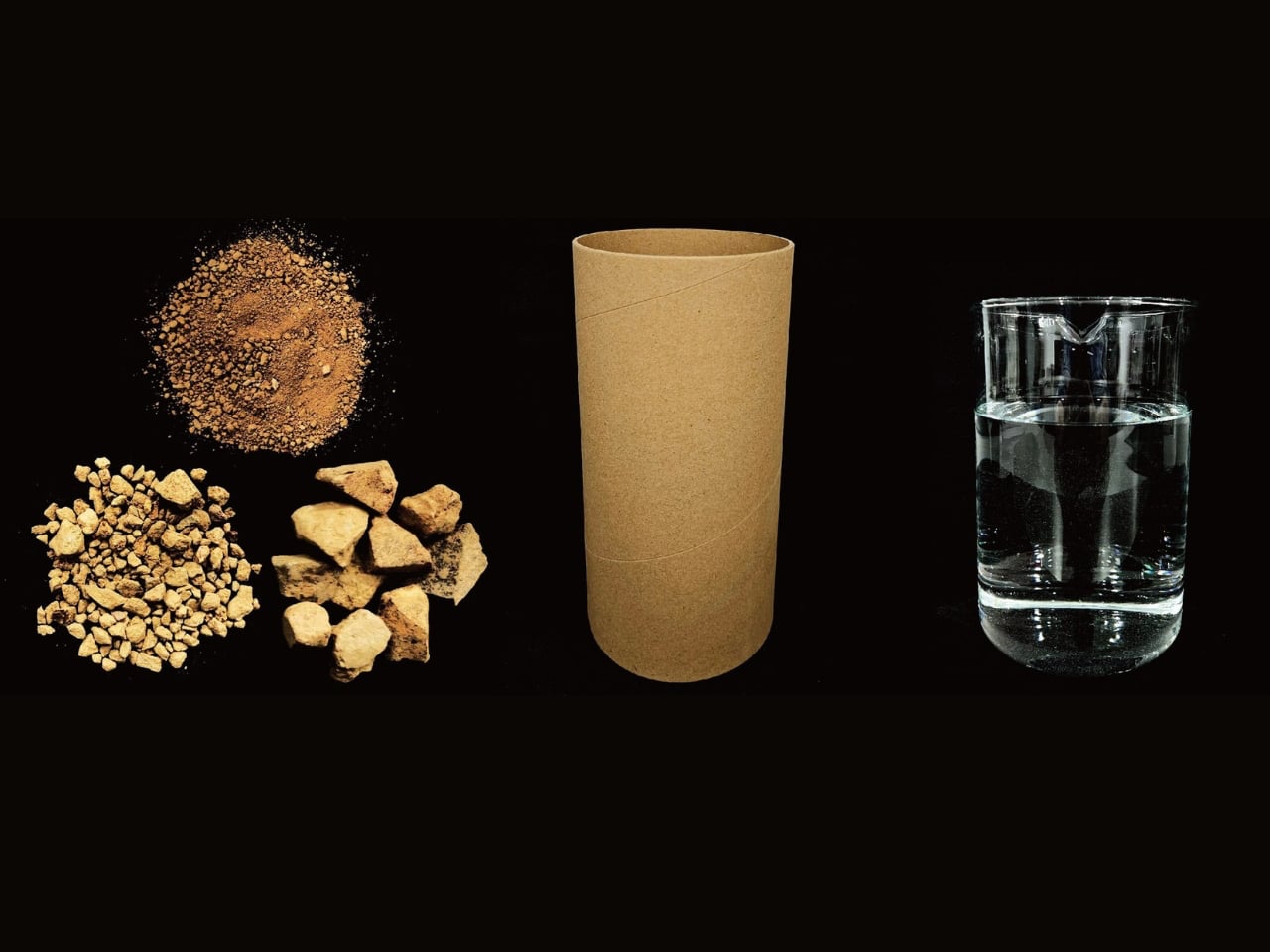
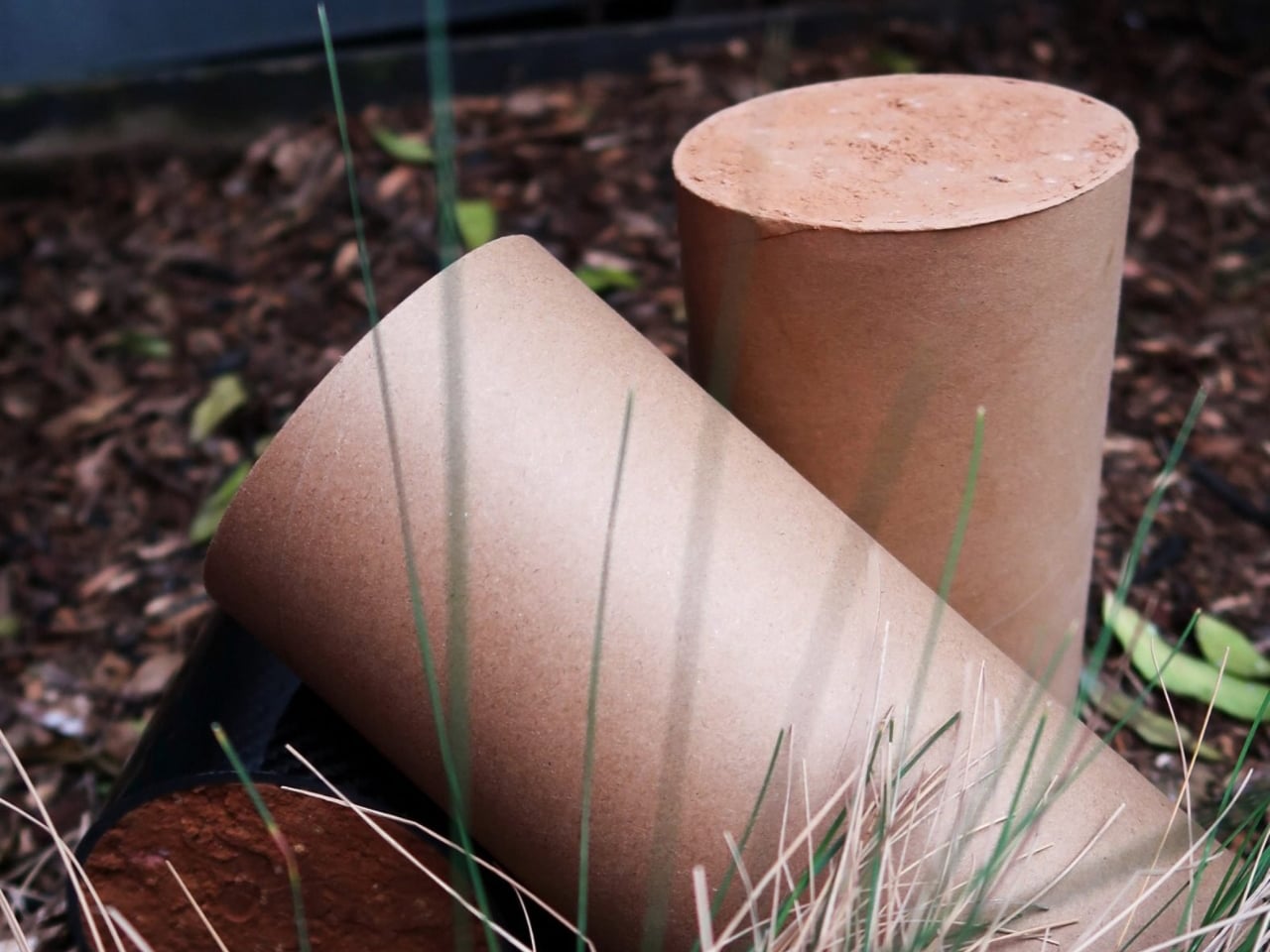
The process is accessible and adaptable, allowing construction teams to work on-site using local soils and lightweight cardboard. CCRE achieves comparable strength to cement-stabilized rammed earth after 28 days of drying, making it suitable for low-rise buildings. Its high thermal mass naturally regulates indoor climate, reducing energy needs.
2. Engineered for Strength
Cardboard’s reputation for weakness is outdated. Modern design has transformed it through advanced corrugation, folding, and layering methods that turn flat sheets into strong, load-bearing structures. By combining principles of origami with structural engineering, designers now produce interlocking components with impressive compressive strength that can rival lightweight wood composites.
This innovation enables the creation of durable, practical items like shelves, exhibition displays, and even temporary shelters. Lightweight and tool-free to assemble, these designs cut shipping costs, reduce fuel use, and store flat for convenience. It’s a perfect example of achieving maximum strength and function with minimal material.
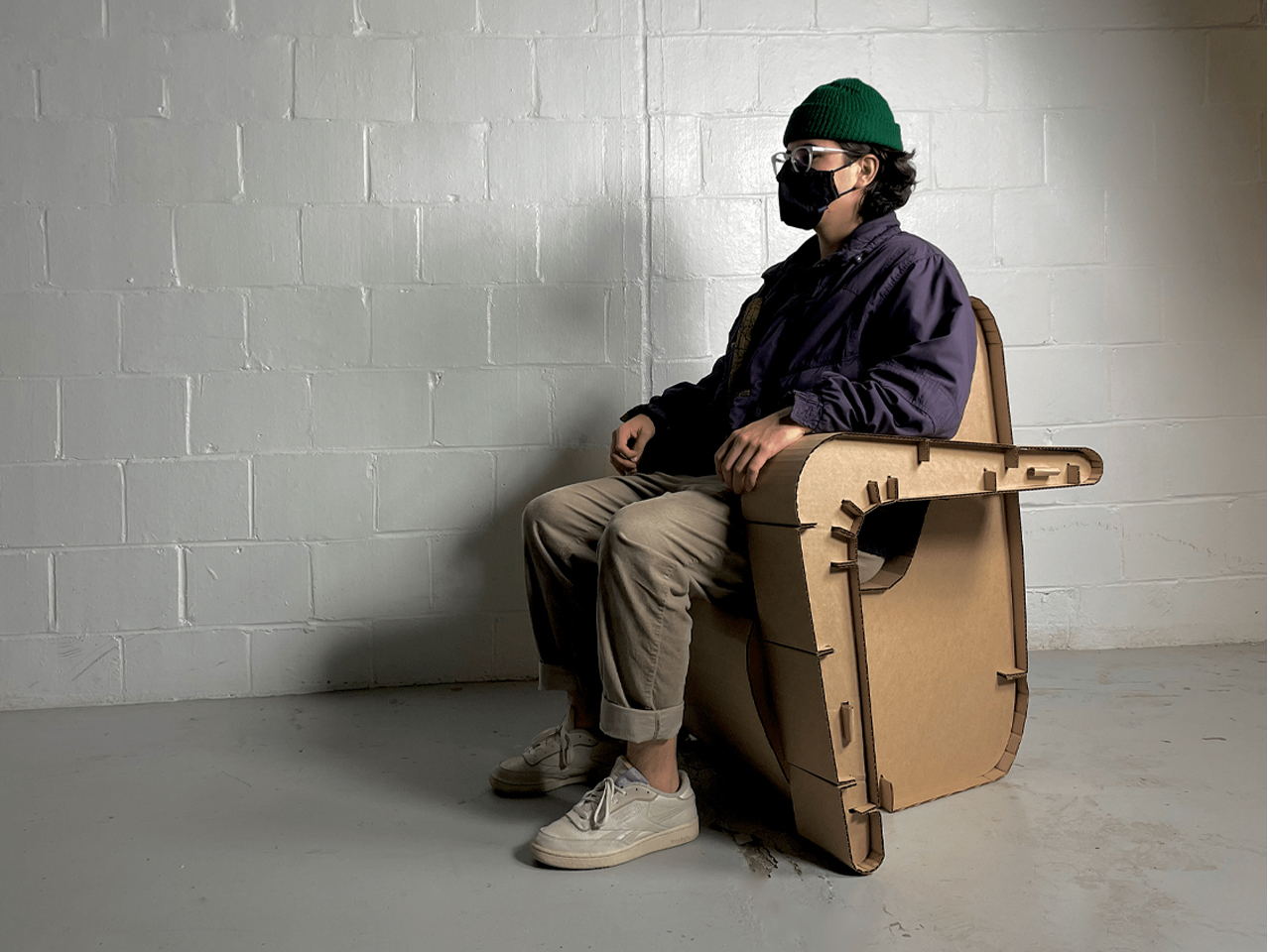
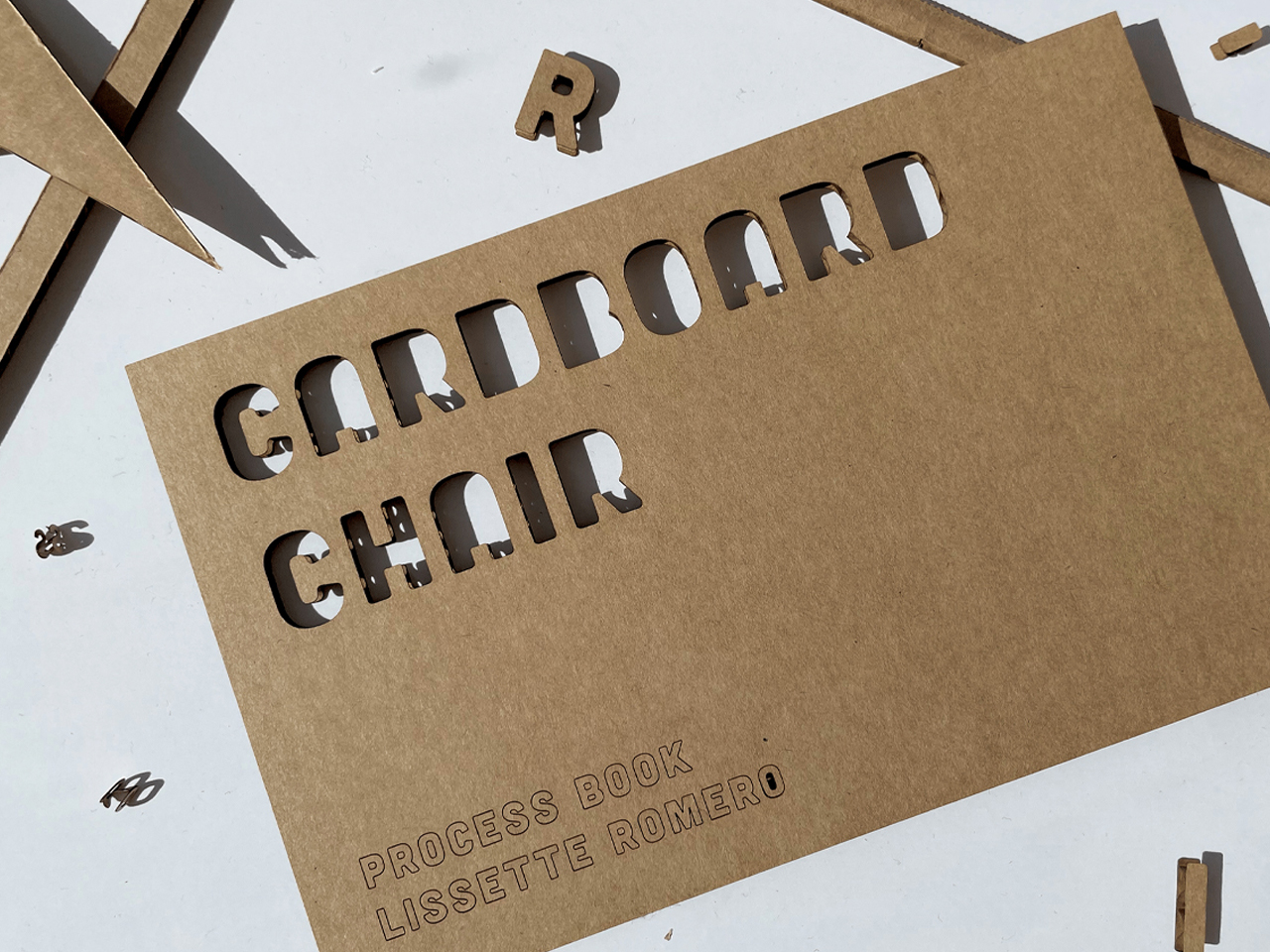
The Cardboard Chair Process Book is a design concept that creates custom cardboard chairs based on client interviews and anthropometric studies. Lissette Romero emphasizes that comfort depends on the chair’s intended use—a lounge chair for watching movies differs greatly from a desk chair for studying or gaming. Her process ensures that each chair is tailored to the sitter’s body, tasks, and personal aesthetic. By considering function, ergonomics, and context, Romero crafts designs that feel both practical and inviting, making comfort a personalized experience rather than a one-size-fits-all solution.
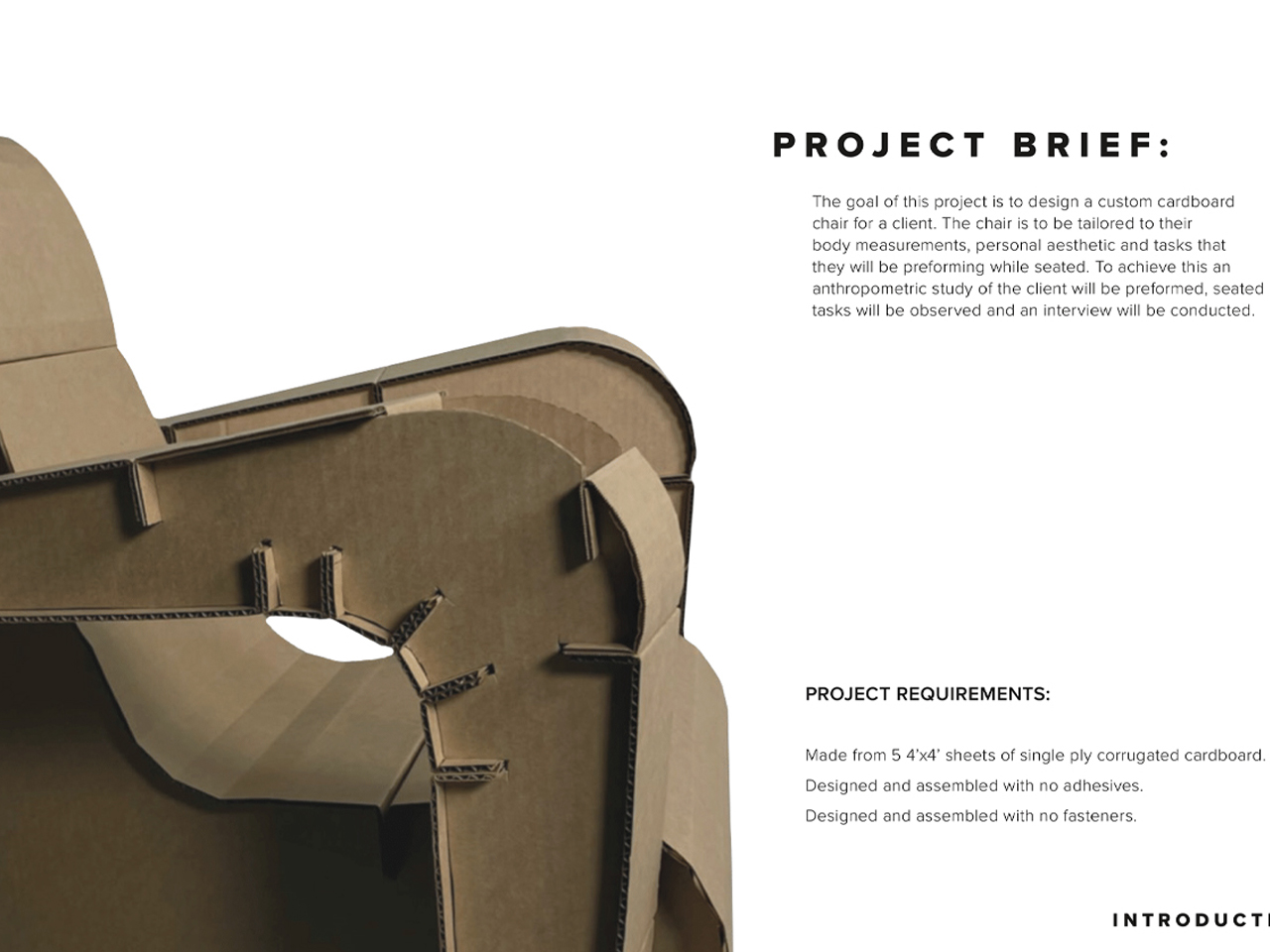
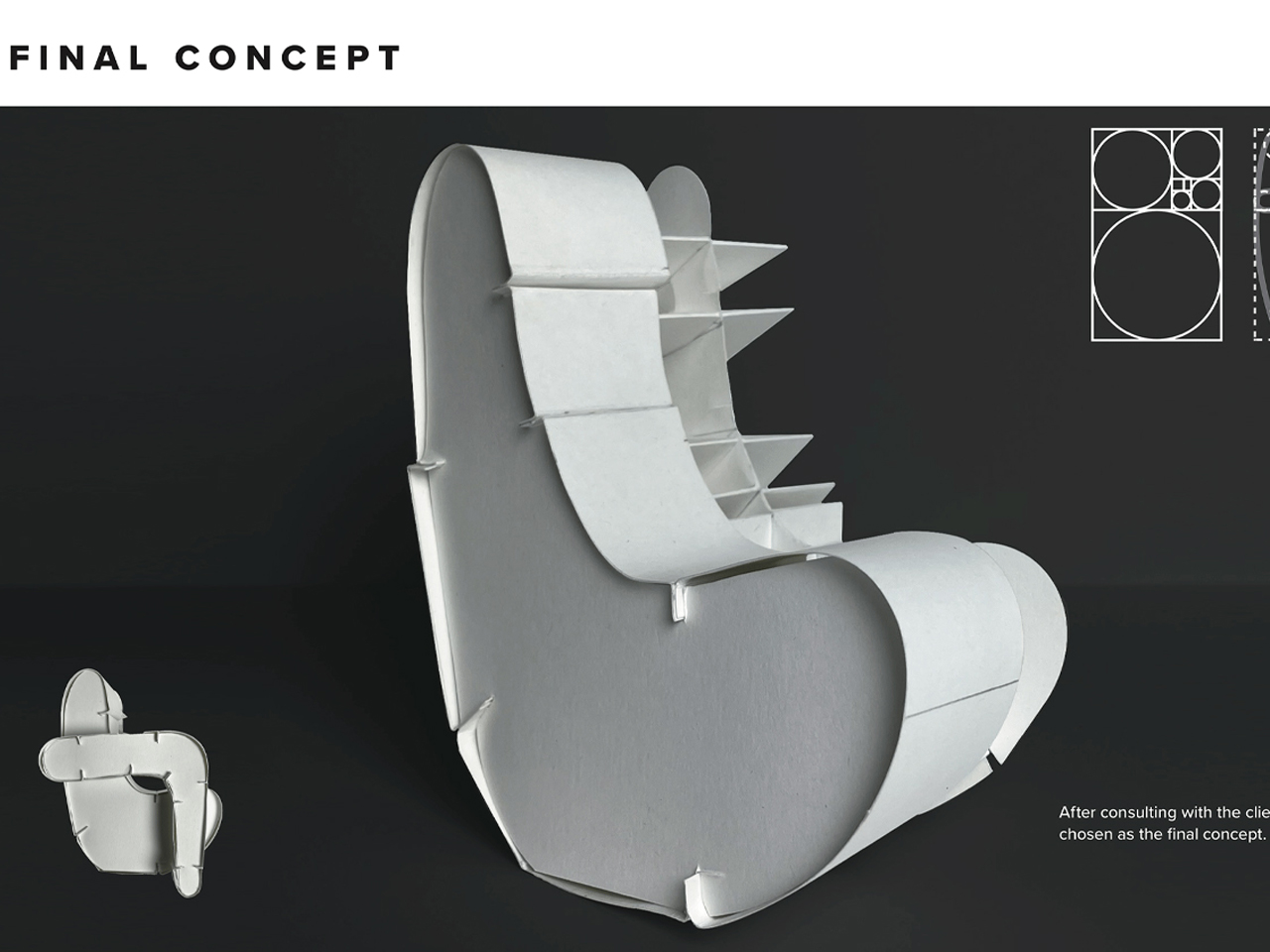
Each chair is constructed from five 4′ x 4’ sheets of single-ply corrugated cardboard and requires no adhesives, fasteners, or hardware. Romero begins by observing seated tasks and conducting detailed interviews, then develops three conceptual prototypes exploring different design languages. This method enables iterative refinement, resulting in chairs that are not only functional and structurally sound but also uniquely tailored to the client’s lifestyle and preferences.
3. Crafted with Character
Cardboard introduces a clean, tactile aesthetic defined by its matte texture and understated appeal. Its natural tones, warm brown or crisp white, reflect honesty and simplicity, resonating with today’s love for raw, authentic materials. Designers are embracing it as a symbol of mindful minimalism, where beauty lies in restraint and function blends seamlessly with form.
Beyond looks, cardboard is highly adaptable. Its surface welcomes printing, laser cutting, and embossing, allowing endless customization. Picture a lamp or storage box embossed with a brand’s logo, elegant yet eco-conscious. This flexibility makes cardboard ideal for small businesses, creative branding, and rapid prototyping.
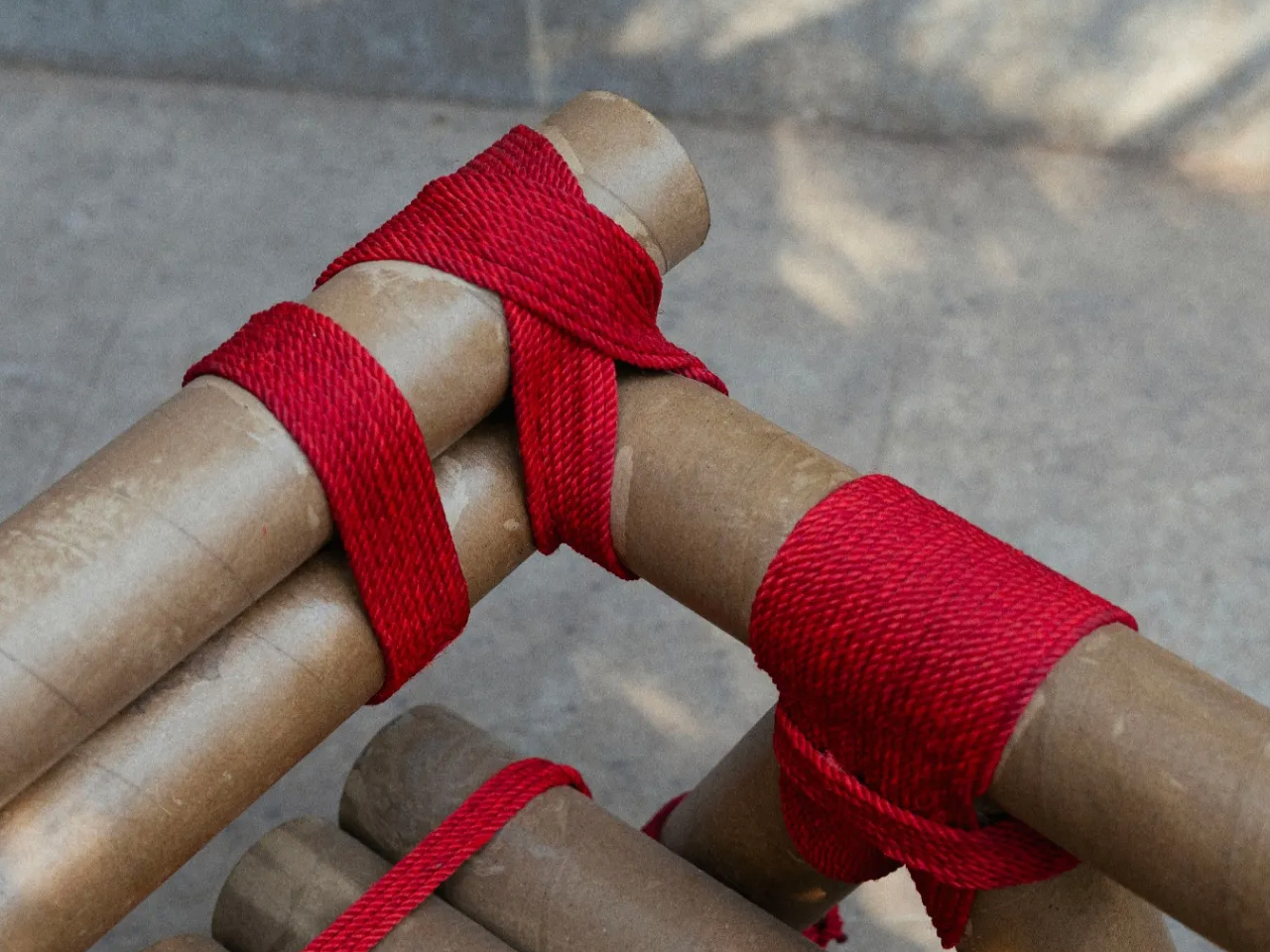
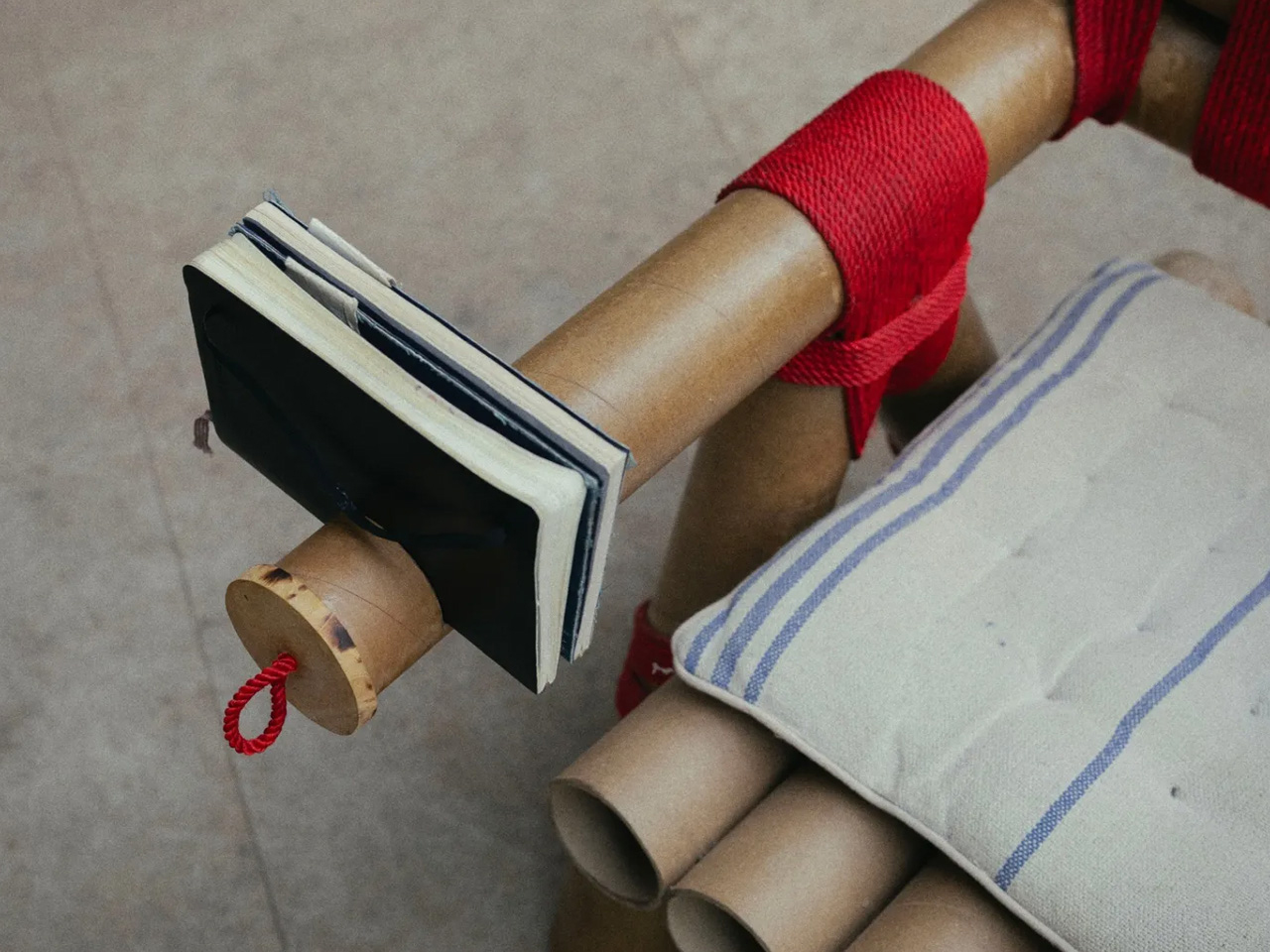
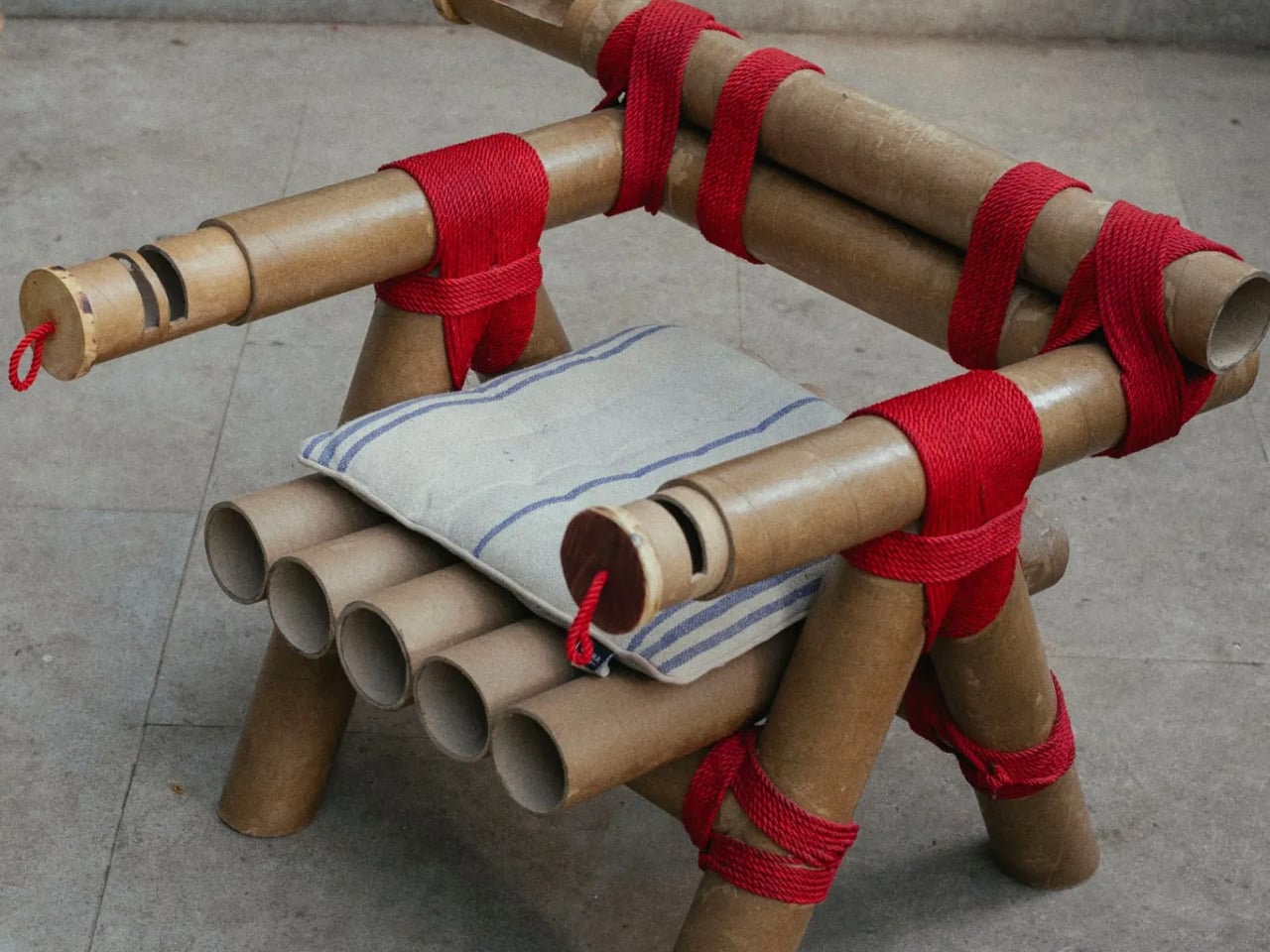
The Paper Tube Chair reframes design as a democratic act rather than a luxury pursuit. Conceived by the Dhammada Collective in Bhopal, founded by Nipun Prabhakar, it echoes Pierre Jeanneret’s library chairs yet replaces teak with discarded cardboard tubes. The studio advocates “joyful frugality”, applying strong design principles using overlooked materials so good furniture need not remain a metropolitan privilege. Cardboard cores from a print shop, destined for landfill due to glue layers that prevent recycling, are intercepted and cut like bamboo. Surplus vermilion rope from weaving workshops binds the tubes in a continuous figure-eight lashing that tightens under load and allows later repair.
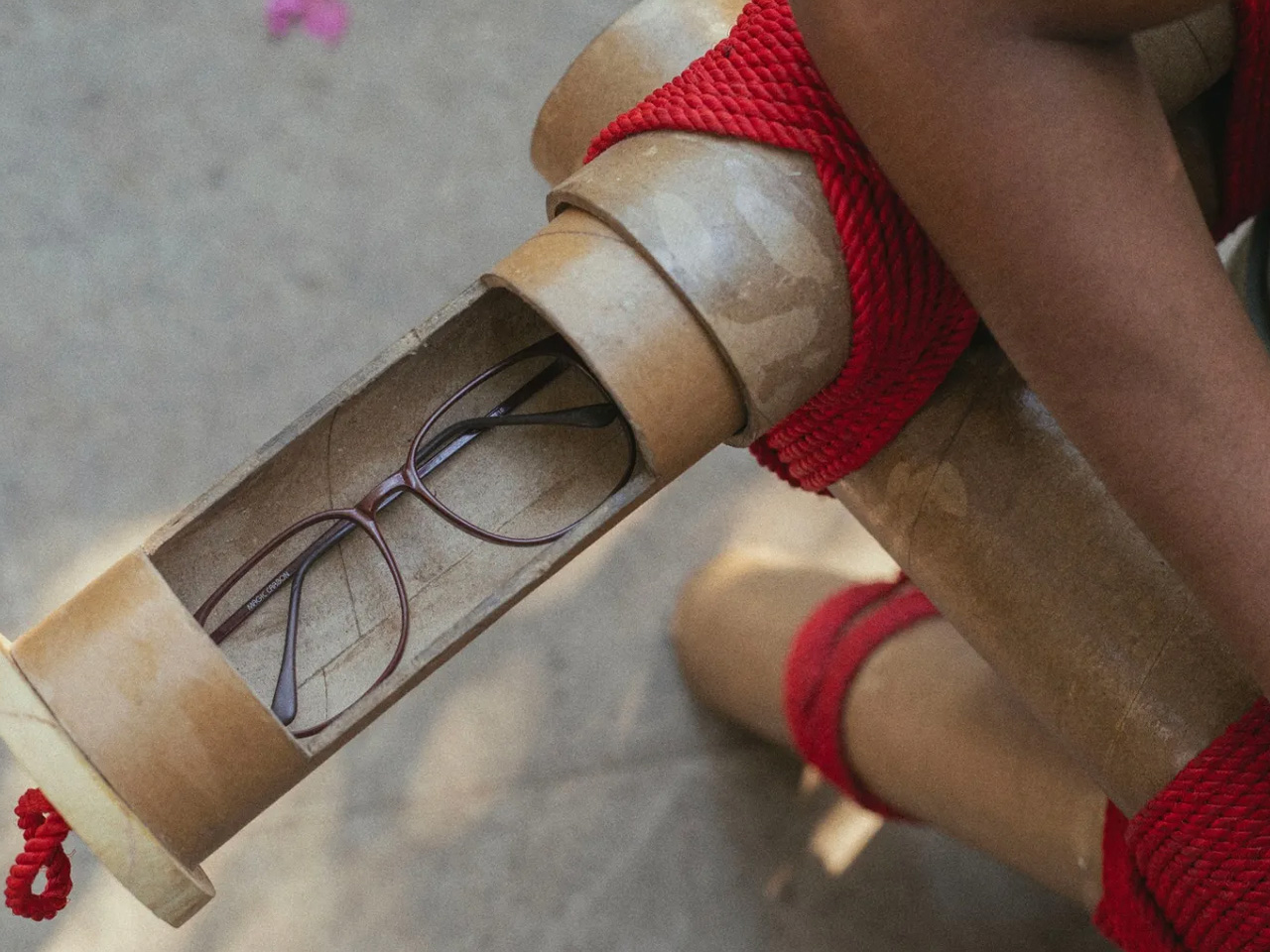

Early collapse of prototypes informed a tension-based system with nested tubes at stress points. A light varnish preserves handling marks as a visible record of origin. The chair assembles and disassembles with simple tools, making replication viable in low-resource contexts. Released as open-source, it invites adaptation using local waste streams. Modernist geometry softened by vernacular craft creates an object that feels both contemporary and culturally rooted.
4. Flat-Pack Advantage
Cardboard is reshaping how products are shipped and stored. Structural designs like flat-pack furniture and packaging inserts can be transported completely flat, reducing shipment volume and cutting costs. This efficient approach lowers carbon emissions and benefits manufacturers and consumers by making logistics more sustainable and affordable.
Designing for disassembly and flat-packing also helps reduce clutter at home. Products become easier to move, store, and recycle once their use is over. This blend of practicality and sustainability highlights cardboard’s brilliance as a material that simplifies life while promoting conscious, eco-friendly living.
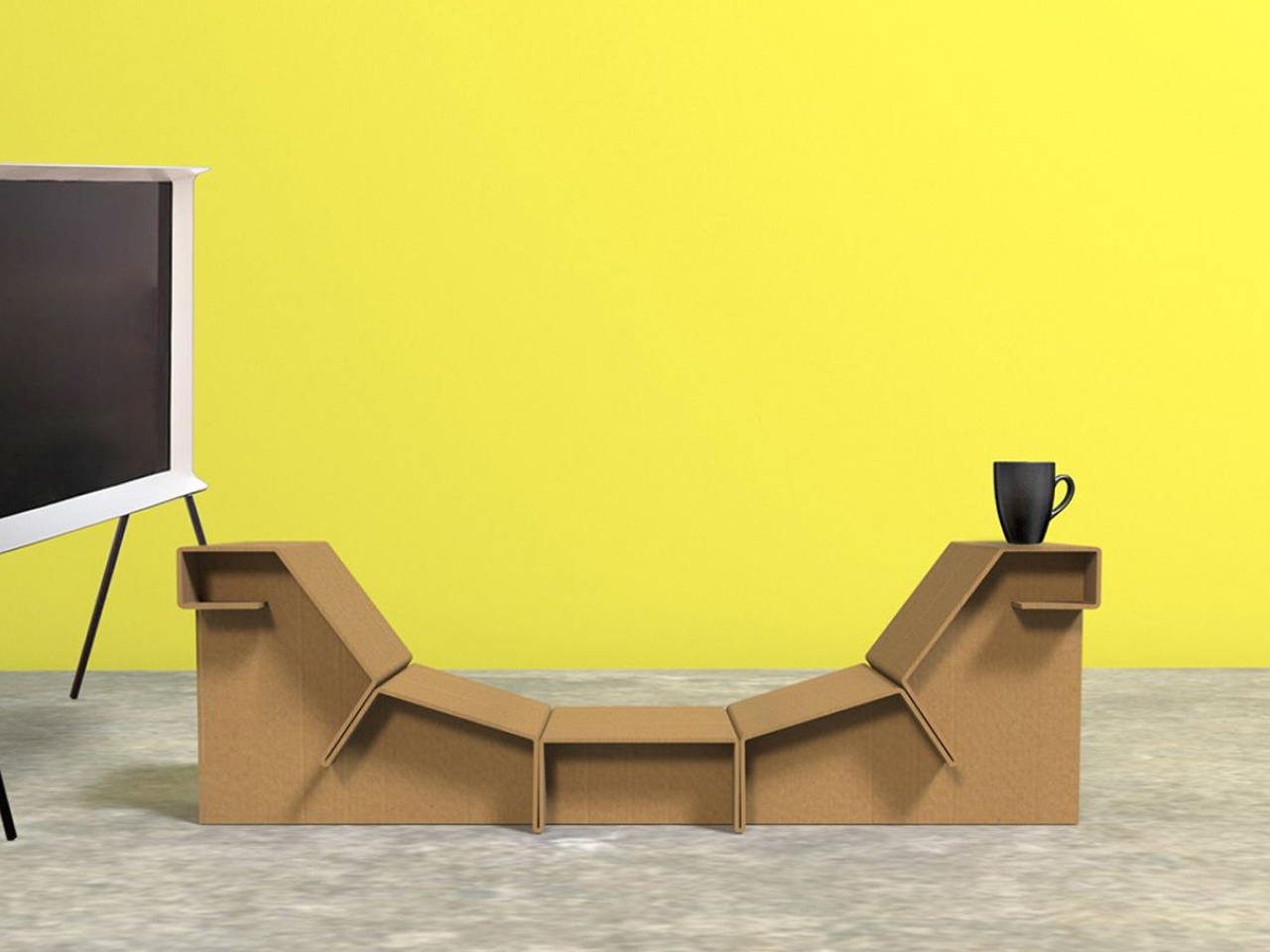
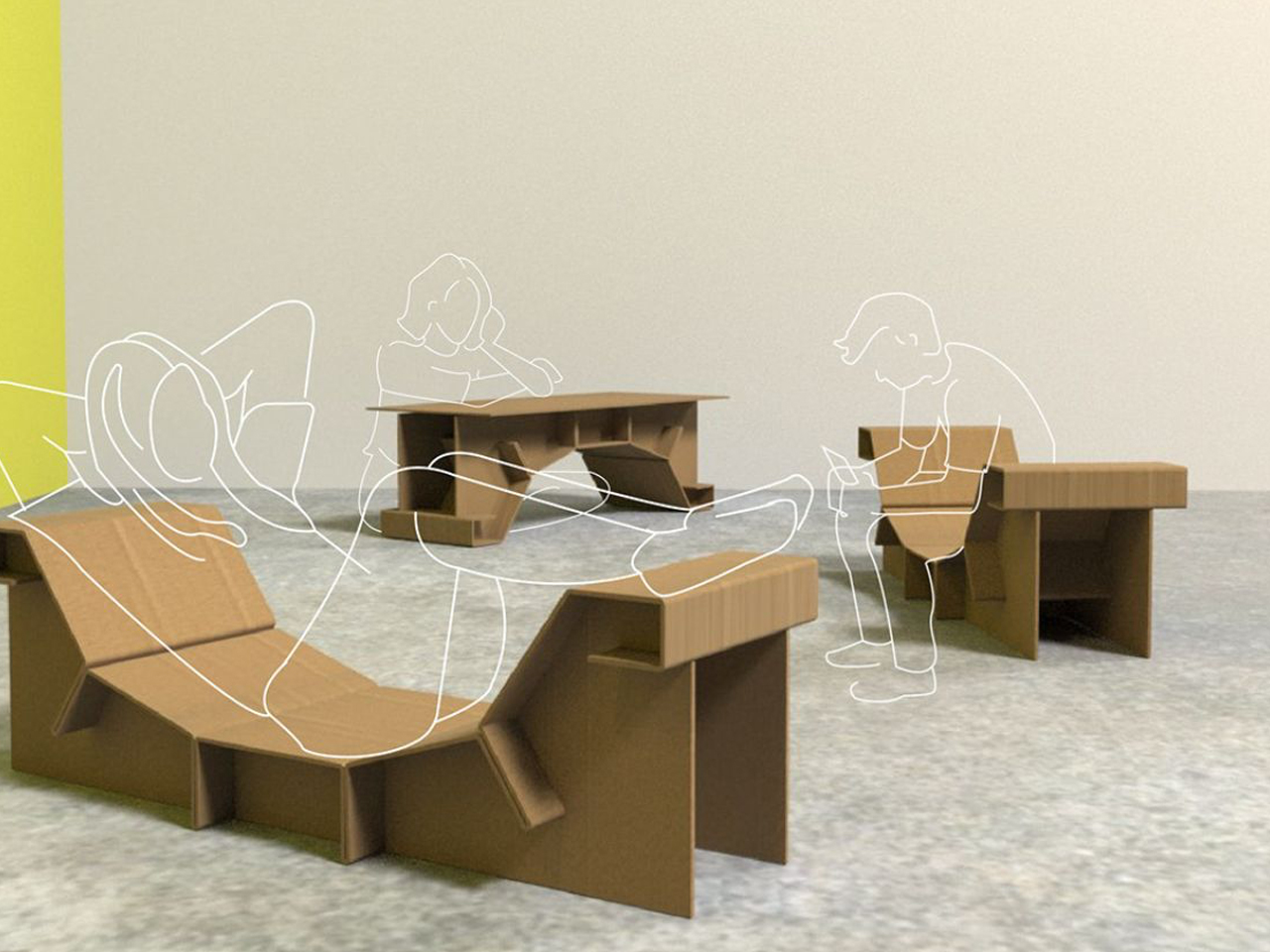
Innovative design often starts with a simple problem, and the Cuna furniture collection is a smart response to one we all recognise, and that is excess cardboard. Designed by Valeria Coello, Cuna turns ordinary packaging material into a functional, eco-friendly bench. Made from just two sheets of sturdy cardboard supported by five interlocking pieces, it requires no screws or glue, relying instead on joinery principles that make it both lightweight and structurally sound. The result is a sustainable piece that proves what is usually discarded can become useful, attractive, and durable.
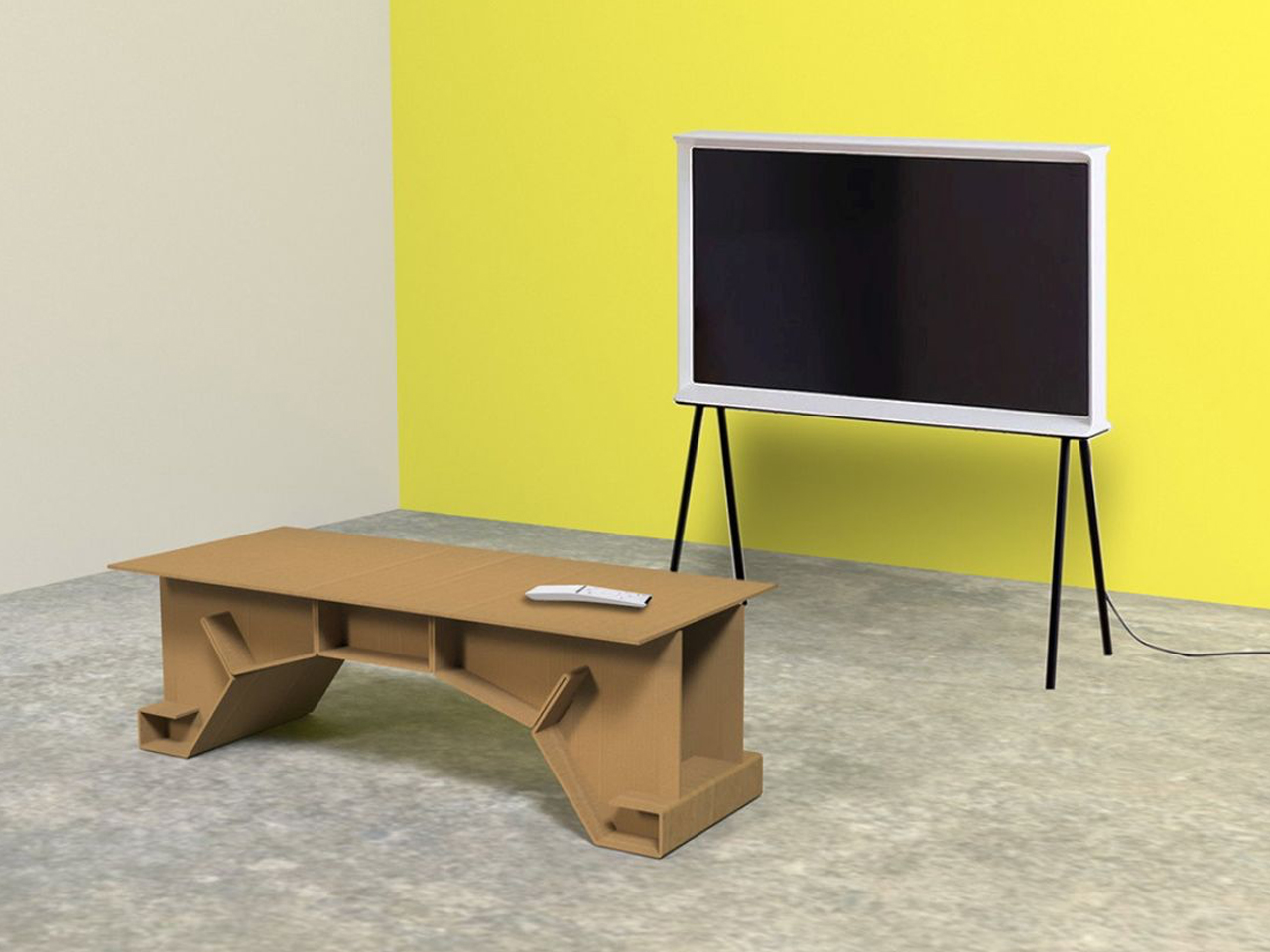
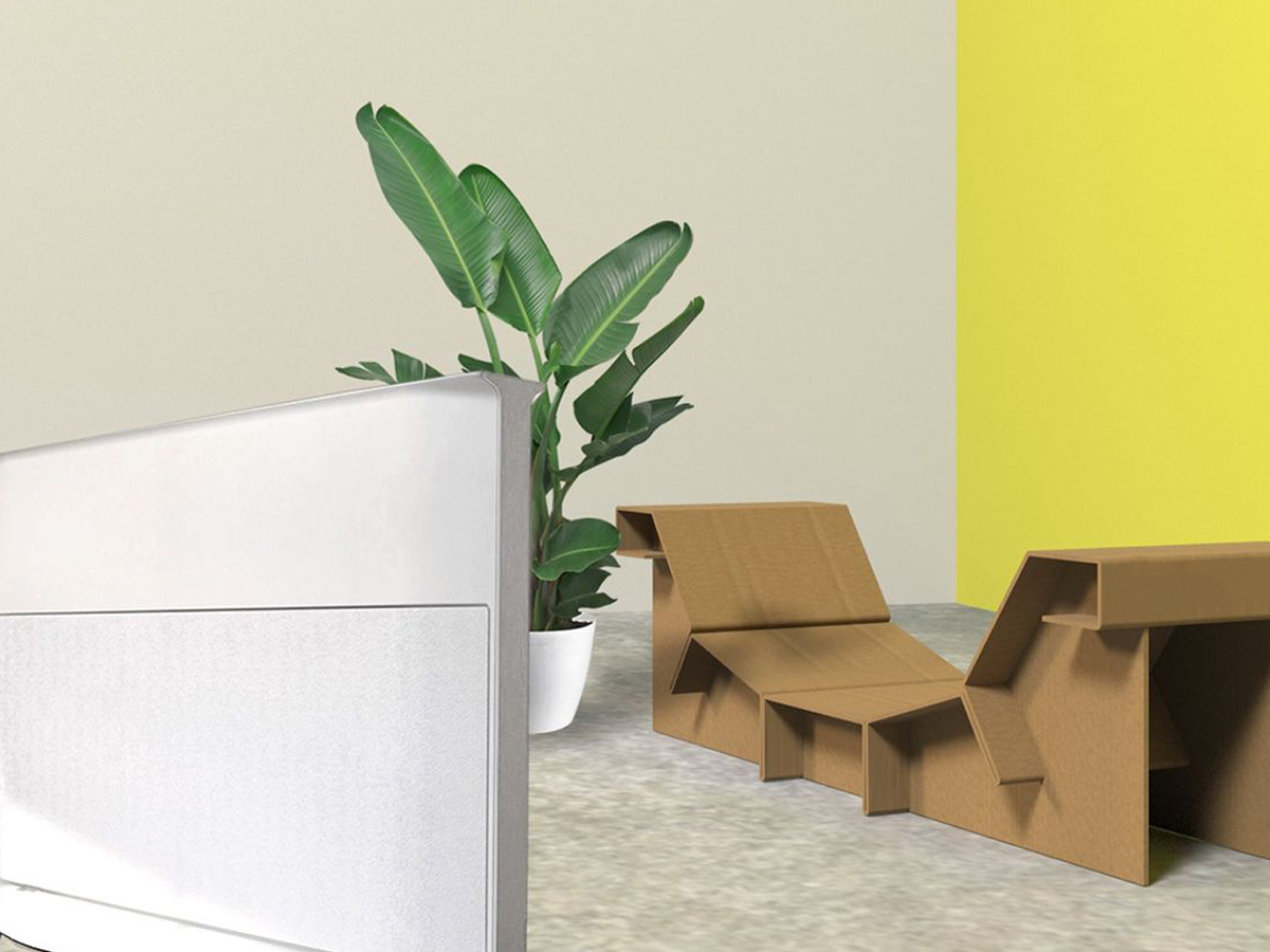
Cuna’s appeal lies in its versatility. When set upright, it offers a curved, single-seat bench with side portions that act as armrests or holding space. Flip it over and it becomes a flat bench or a low table; two units together create a complete seating set. Comfortable, adaptable, and affordable, it is ideal for students, renters, and anyone seeking practical, responsible design.
5. Rapid Prototyping Power
Cardboard’s affordability and flexibility make it a designer’s dream for fast prototyping. With simple tools, complex ideas can be cut, folded, and tested within hours, enabling quick exploration of structure, form, and usability. This hands-on approach encourages creativity without the expense or delay of specialized machinery.
Such rapid iteration dramatically shortens the path from concept to market. Businesses can respond swiftly to shifting trends and consumer needs, while everyday users benefit from faster access to innovative, affordable products. Cardboard has become the quiet driving force behind a more agile, democratic era of design and development.
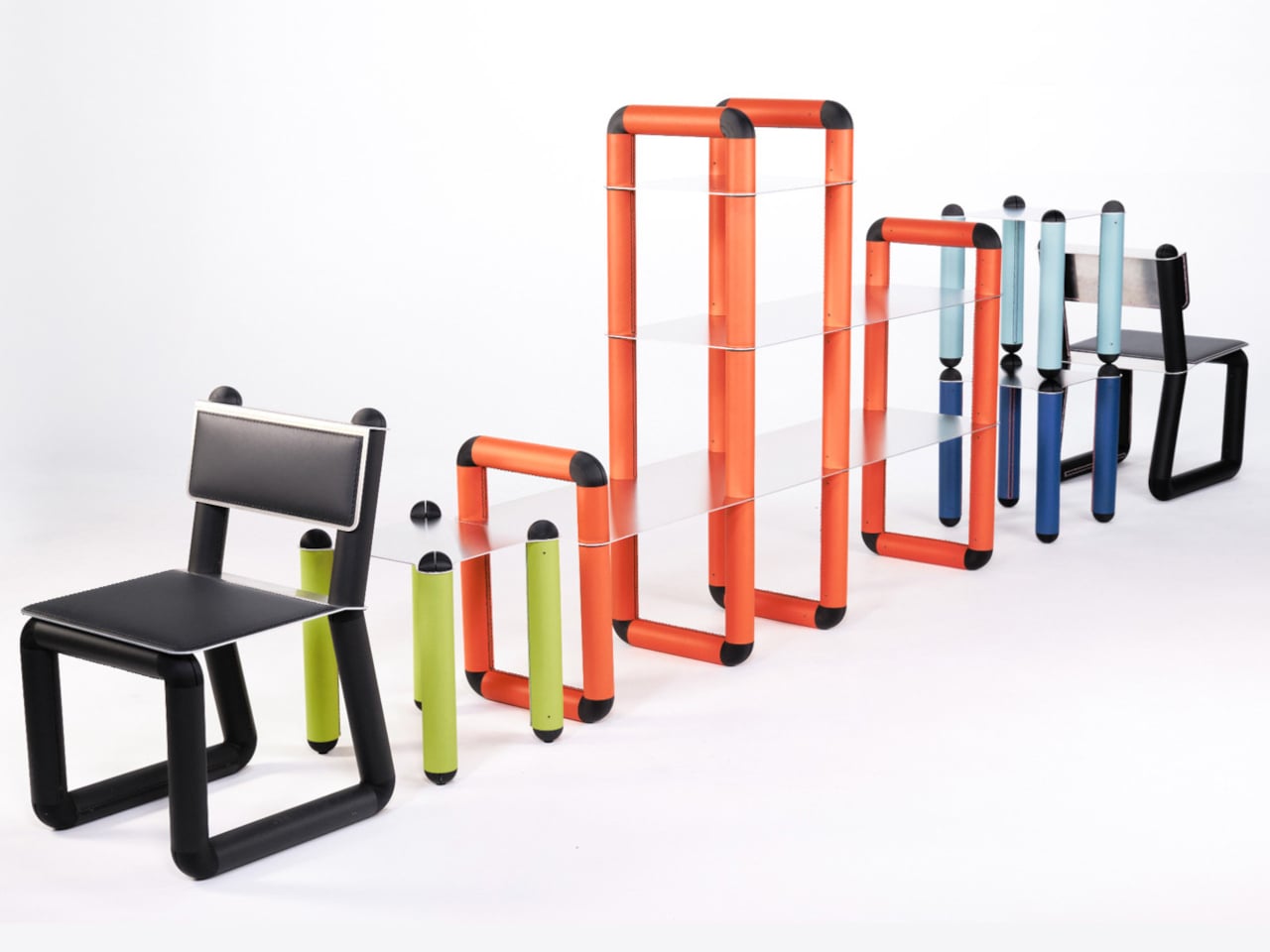
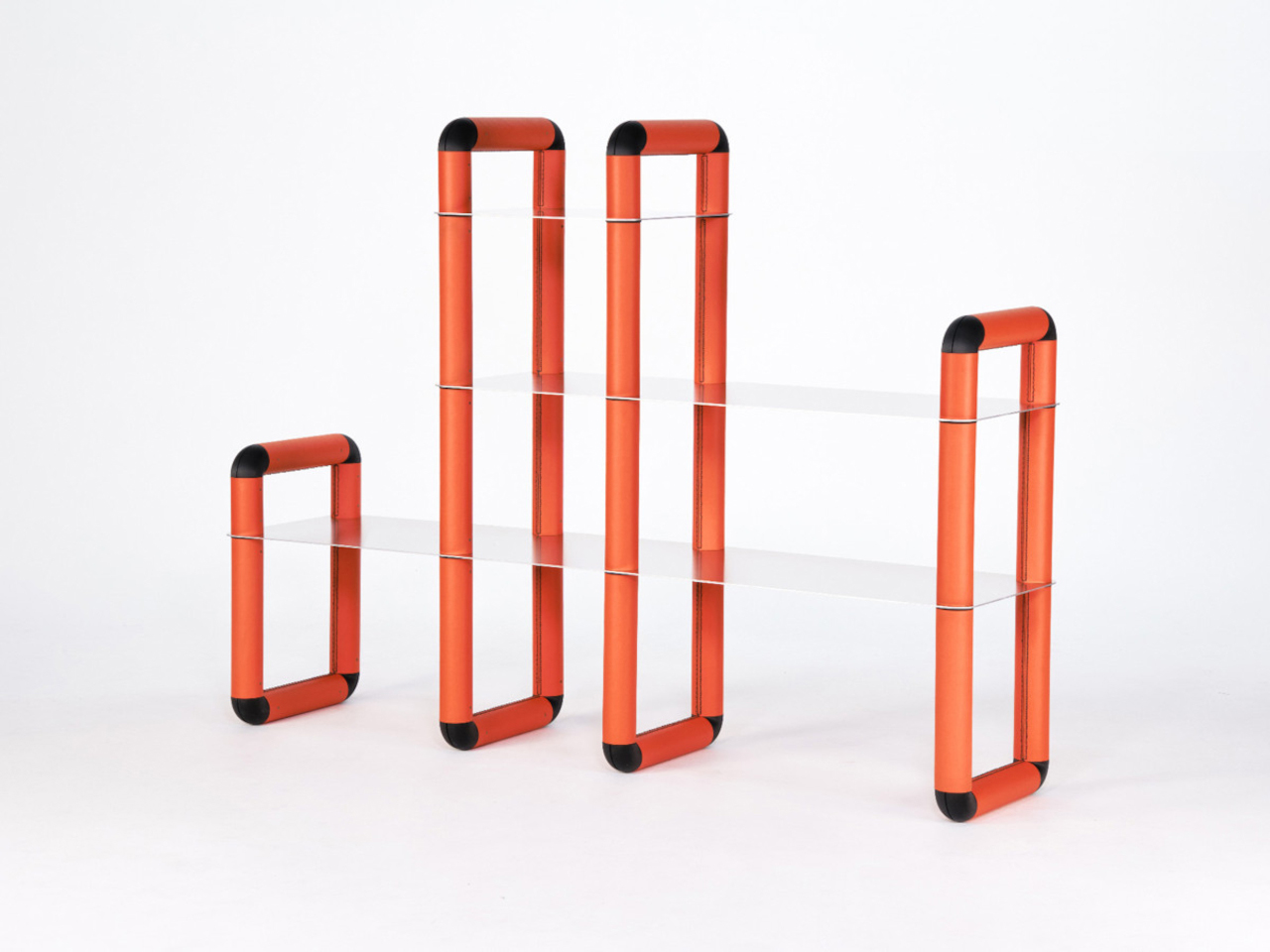
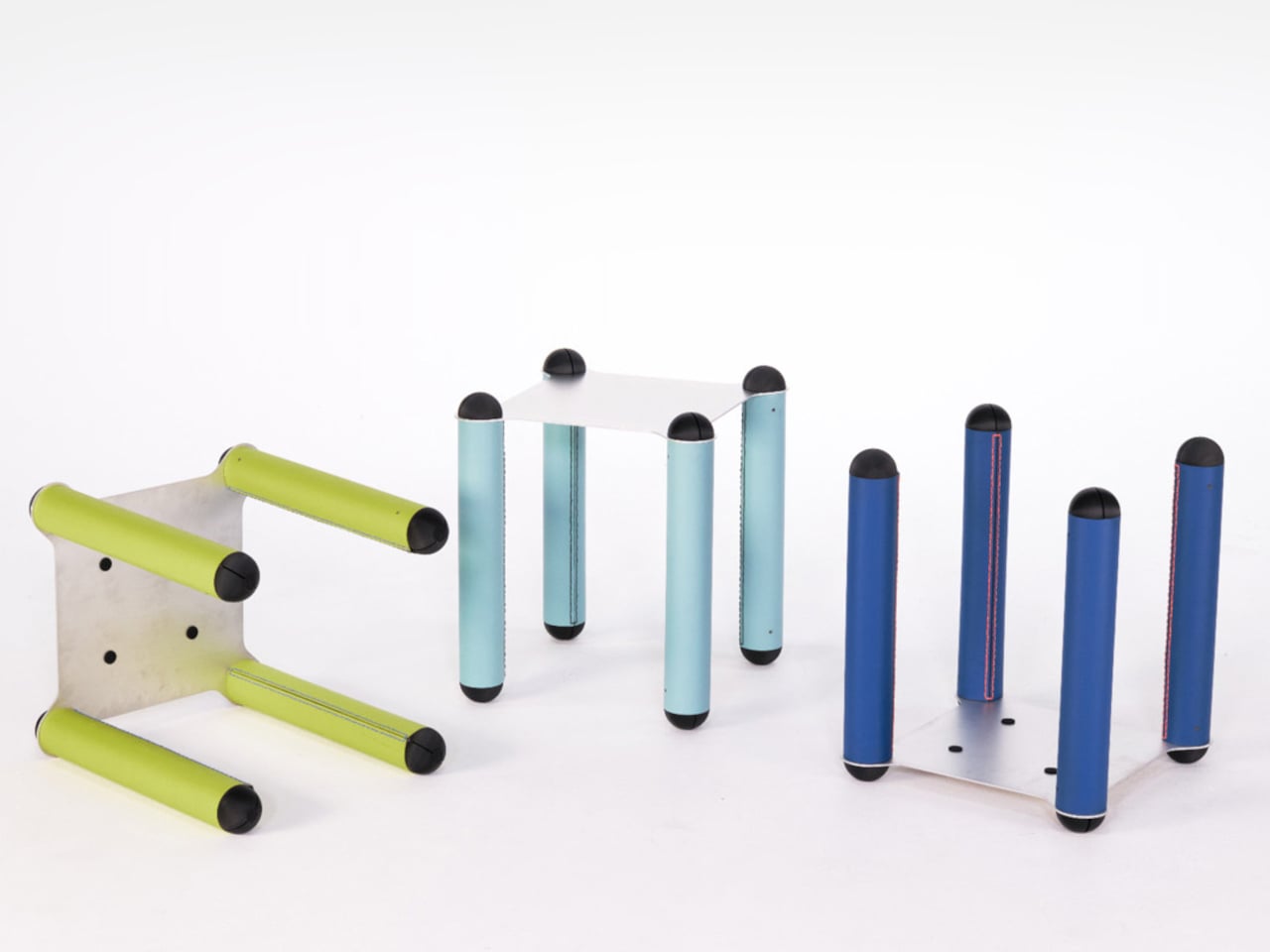
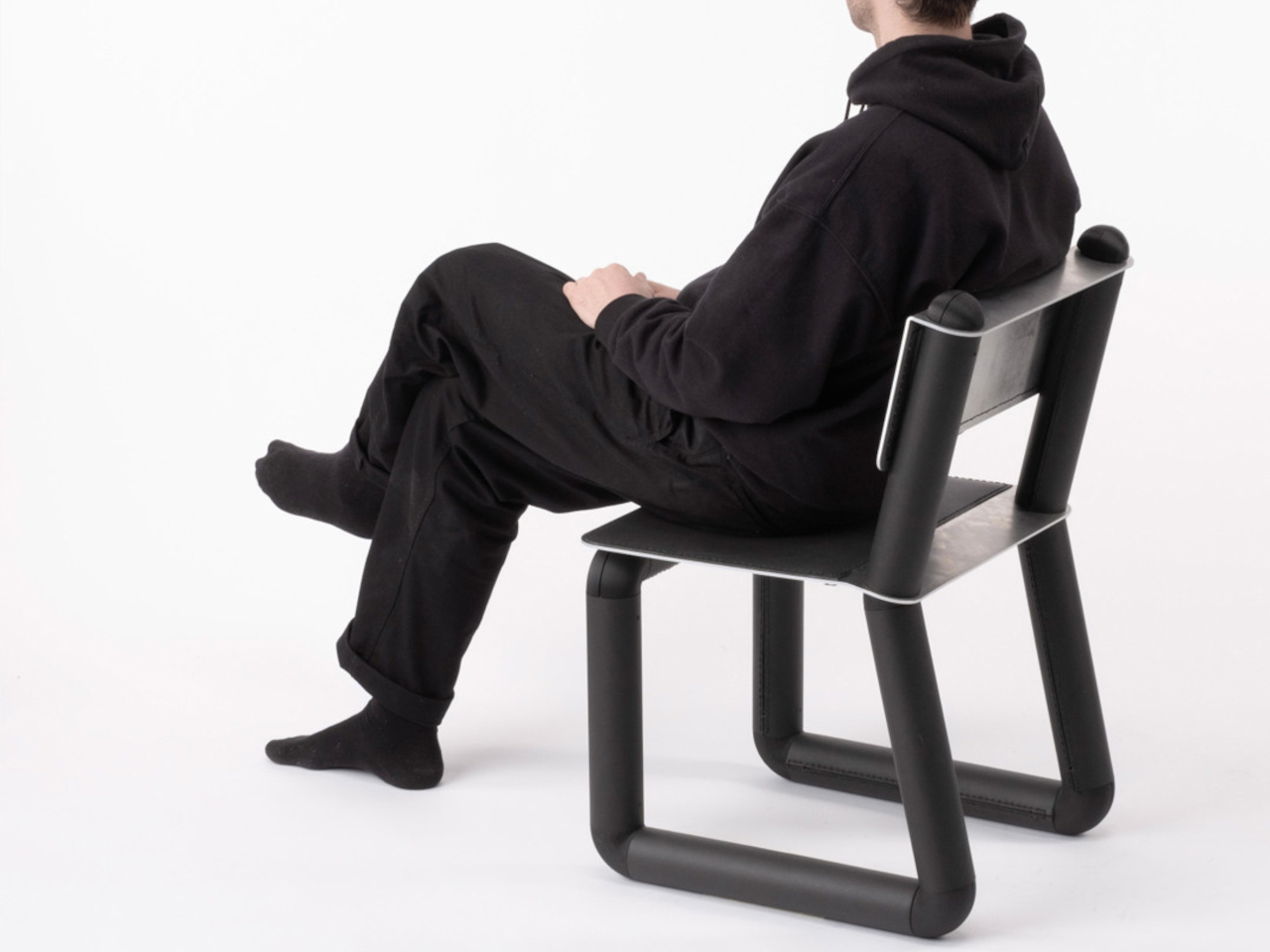
Furniture must work before it pleases the eye; otherwise, it is just a decorative object taking up space. Most pieces today rely on metal, wood, or plastic because these materials are familiar and sturdy, but they are not the only possible choices, and they are not always the most sustainable. With growing waste, reusing discarded materials can be a more responsible path. When designers think beyond convention, even unlikely resources can become viable solutions, as seen in this modular furniture system made from cardboard.
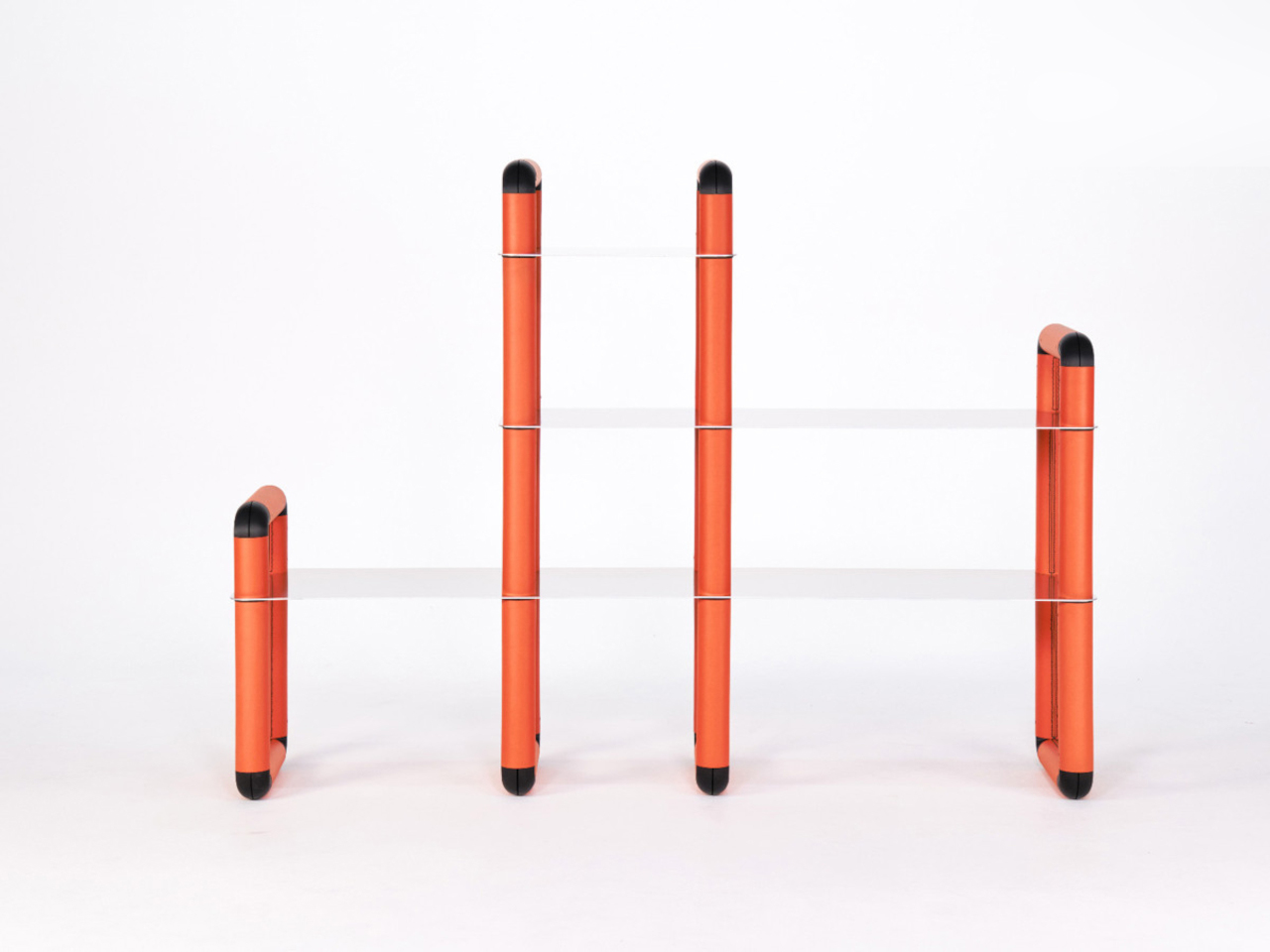
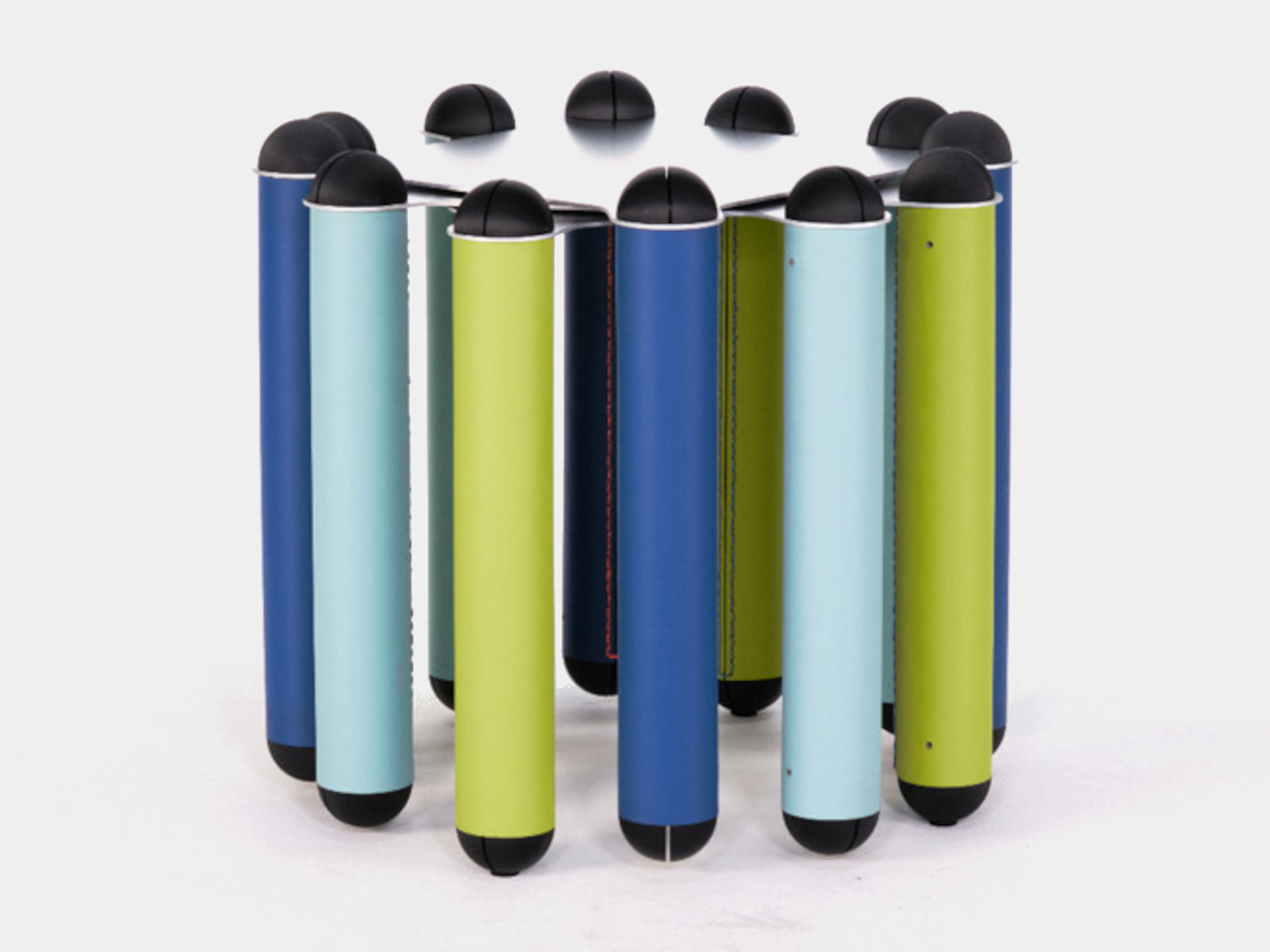
HIDDEN: PAPERS reimagines cardboard, typically discarded after packaging use, as a structural core. Thick tubes form the main frame, wrapped in removable linoleum sheets that are stitched rather than glued, so they can be replaced without damage. Recycled plastic nodes and a simple hex key allow the tubes to be assembled into shelves, side tables, or chairs finished with wood or metal surfaces. The result conceals its humble origins and proves cardboard can anchor refined, durable design.
Cardboard’s evolution from utility to design essential shows how simplicity fuels innovation. With its strength, affordability, recyclability, and natural charm, it empowers creators to craft sustainable, beautiful products that respect both people and the planet. This shift reminds us that true progress lies in simple, conscious design and is a blueprint for a smarter, greener future.