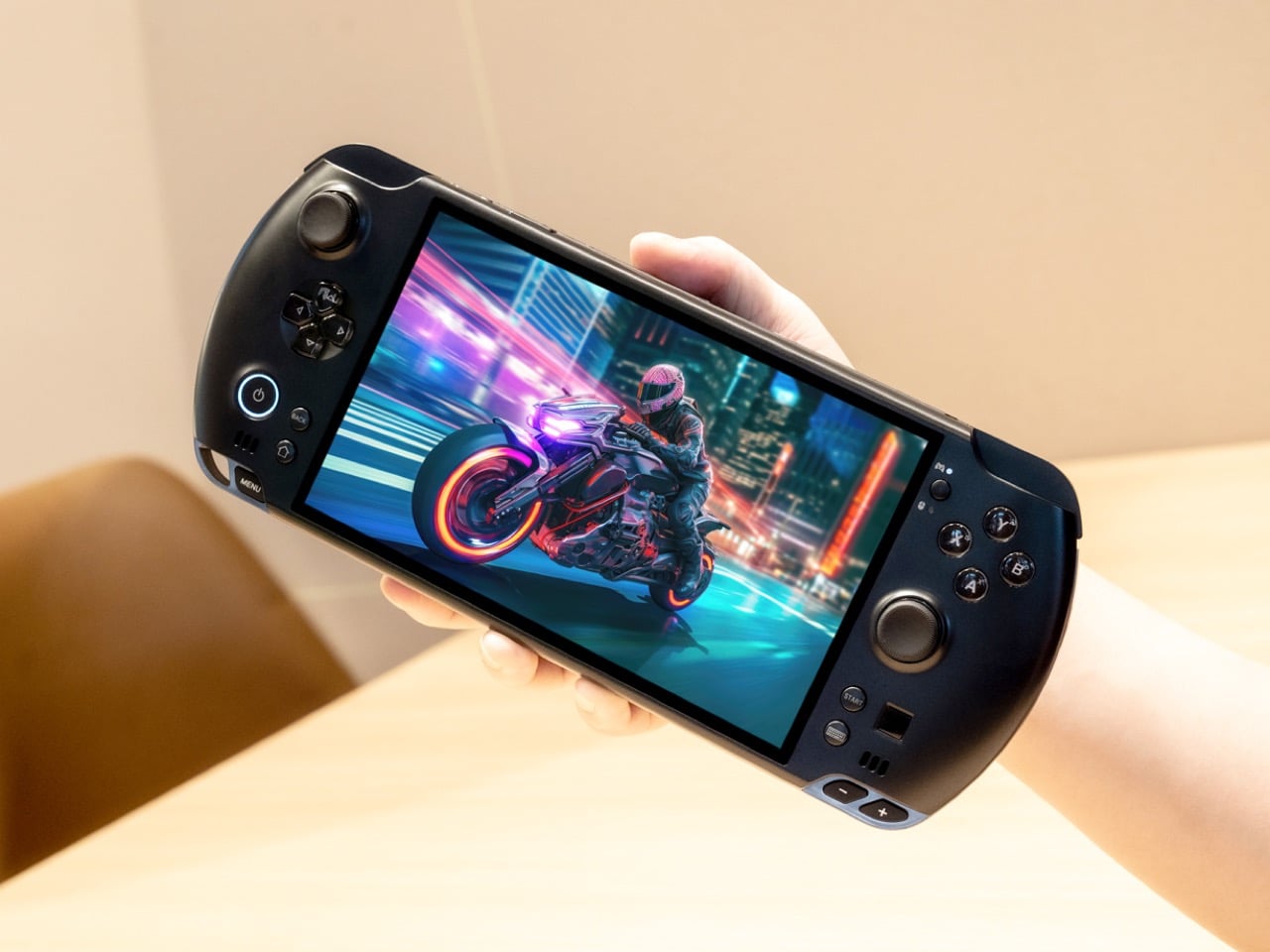
The PSP died, but its body plan lives on like some kind of handheld gaming phylogenetic blueprint. Wide landscape orientation, controls on both sides, screen in the middle. It has been 20 years and we are still building variations on that theme. The GPD Win 5 takes that familiar skeleton and asks a ridiculous question: what if we stuffed desktop level computing power inside it?
The answer involves a detachable 80 Wh battery pack, a quad heat pipe cooling system that sounds like aerospace engineering, and a price tag that makes the Steam Deck feel like an impulse purchase. GPD designed hall effect triggers, capacitive joysticks with zero deadzone, and a proprietary Mini SSD slot that claims speeds far beyond conventional microSD storage. Every innovation exists to solve problems created by the central design decision, which is a refusal to compromise on performance within a handheld form factor. Whether that feels brilliant or stubborn depends entirely on whether you see yourself in the user this was built for.
Designer: GPD
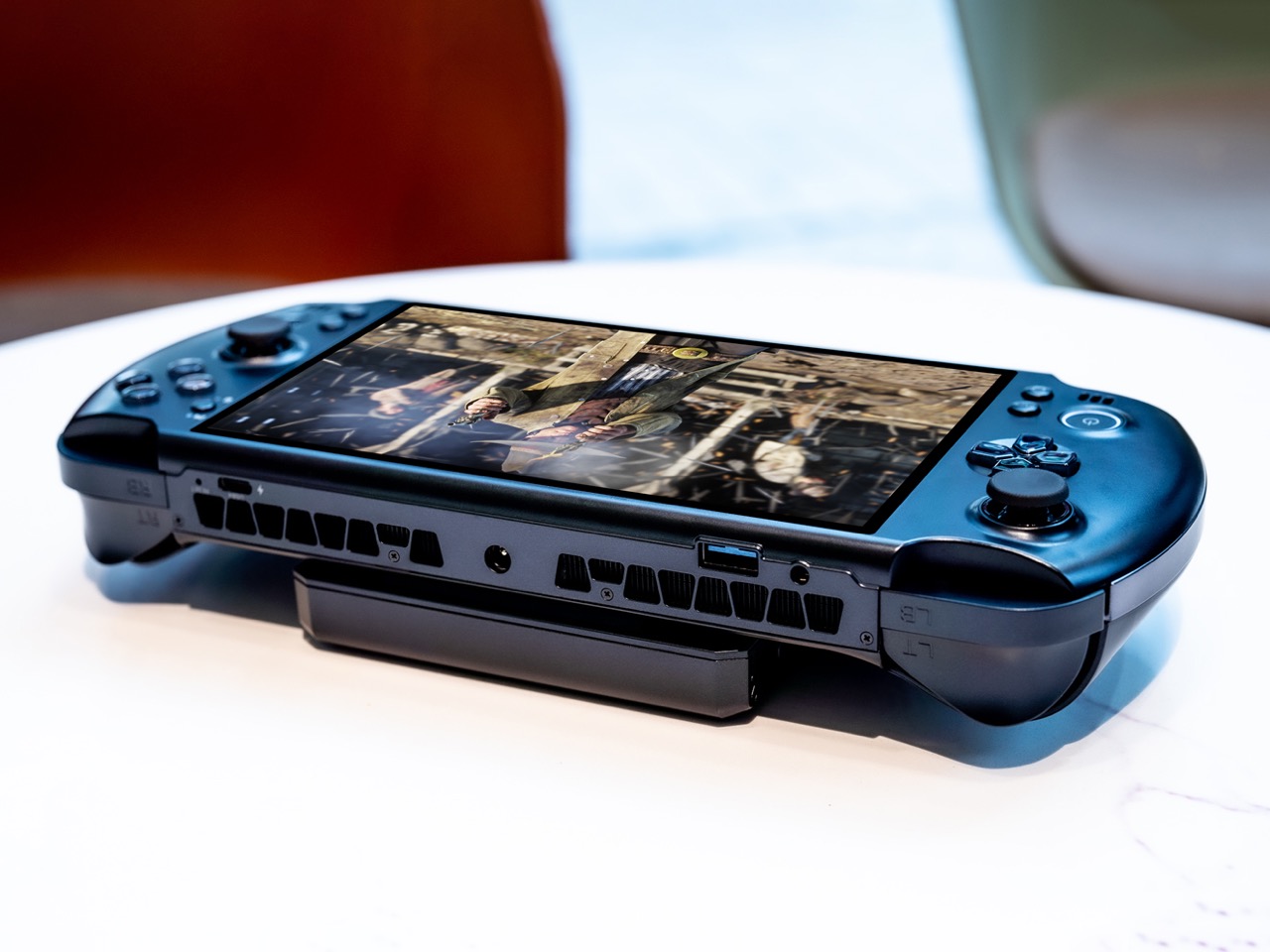
The silhouette comes straight from the PSP school of handheld ergonomics. A 7 inch 16:9 display sits in the center, framed by asymmetrical thumbsticks, a D pad, and face buttons in a layout that feels immediately familiar to anyone who has held a Sony portable. The difference lies in the thickness. The Win 5 looks dense, almost compressed, with aggressive venting along the back and sides that signals its true identity as a compact thermal solution disguised as a gaming console. The top edge bristles with ports and grilles, more reminiscent of a compact gaming laptop than a console you would toss into a sling bag.
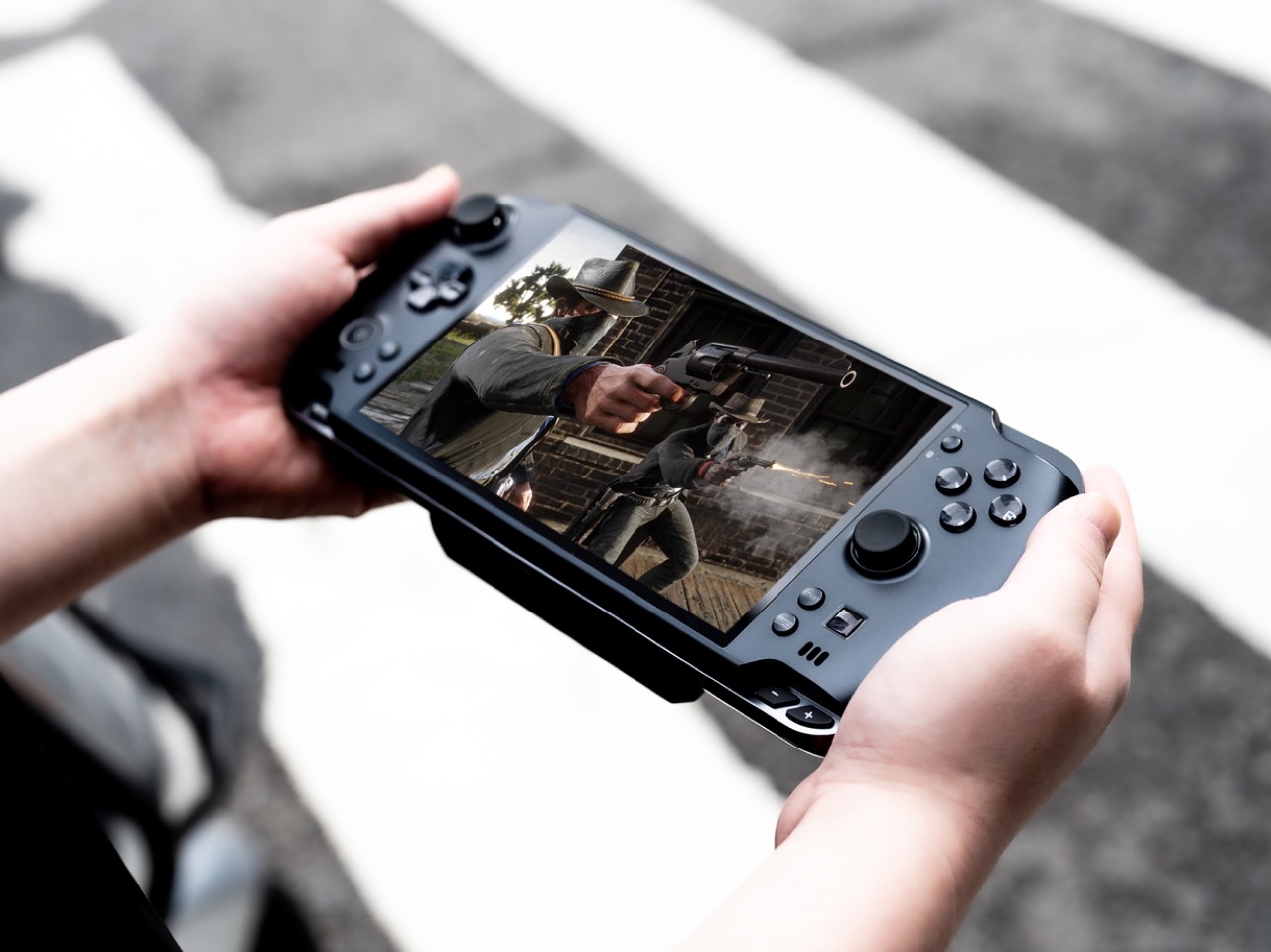
Inside that shell lives AMD’s Ryzen AI Max+ 395, a 16 core, 32 thread processor paired with Radeon 8060S graphics. Current coverage places the Win 5’s pricing at around 1,400 dollars for a 32 GB RAM and 1 TB storage configuration, rising to about 2,100 dollars for a 64 GB and 4 TB flagship model. At those levels you are squarely in premium gaming laptop territory, which is exactly what makes this device interesting from a design standpoint. GPD is not chasing affordability or broad appeal. The Win 5 feels like a hardware manifesto about what happens when you give industrial design and engineering teams a very simple but extreme brief: handheld, Windows, desktop class performance.
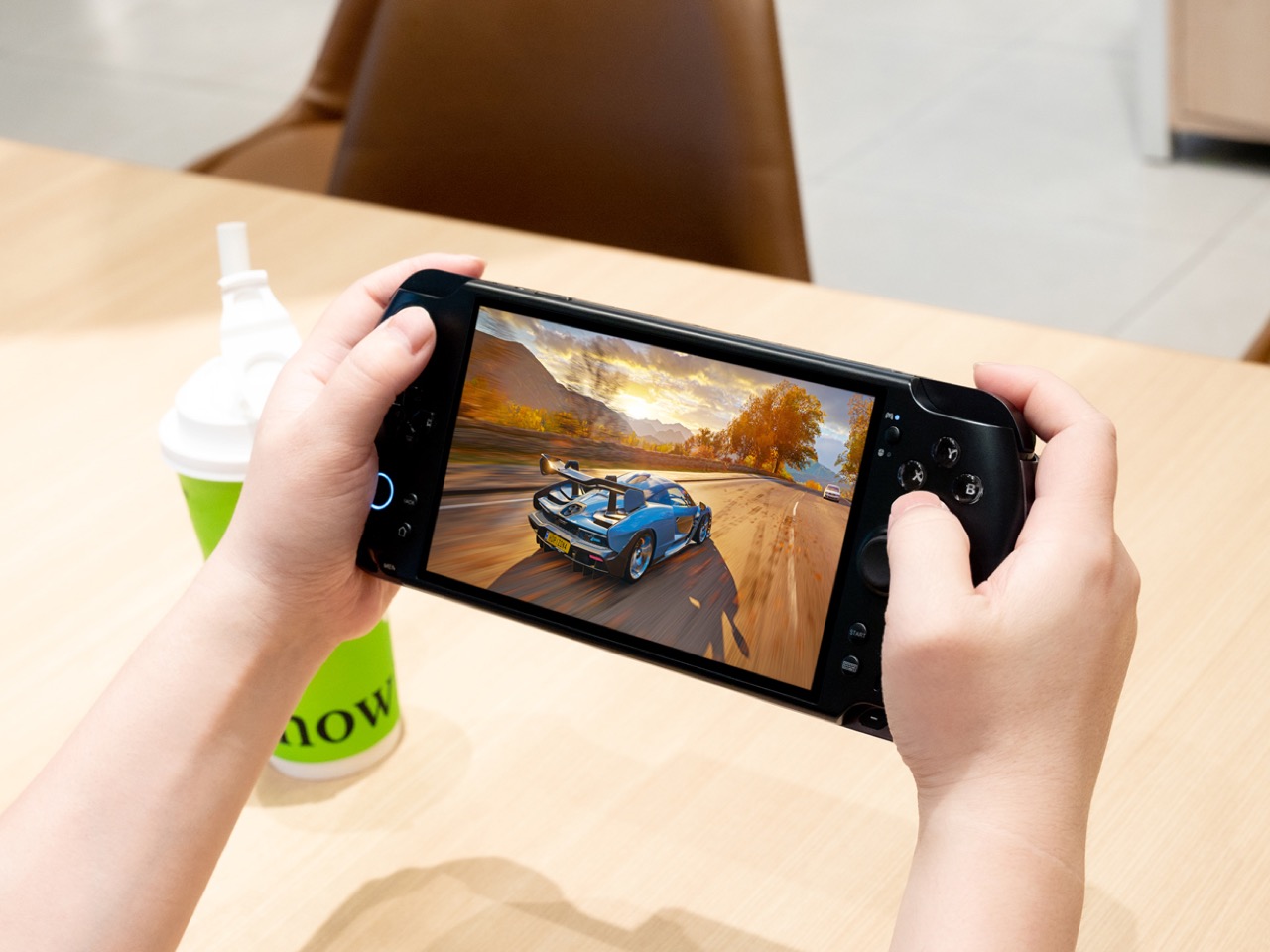
The most telling design decision is the external 80 Wh battery. Instead of burying a huge cell inside the chassis and accepting a brick like profile, GPD splits power delivery into a removable module. It can clip to the back of the unit for a self contained experience, or hang off a cable so the handheld itself stays lighter in the hands. That choice acknowledges a reality that marketing copy rarely does. Sustained high wattage gaming will drain any reasonable internal battery quickly, so GPD leans into modularity and user choice rather than pretending this is an all day couch companion.
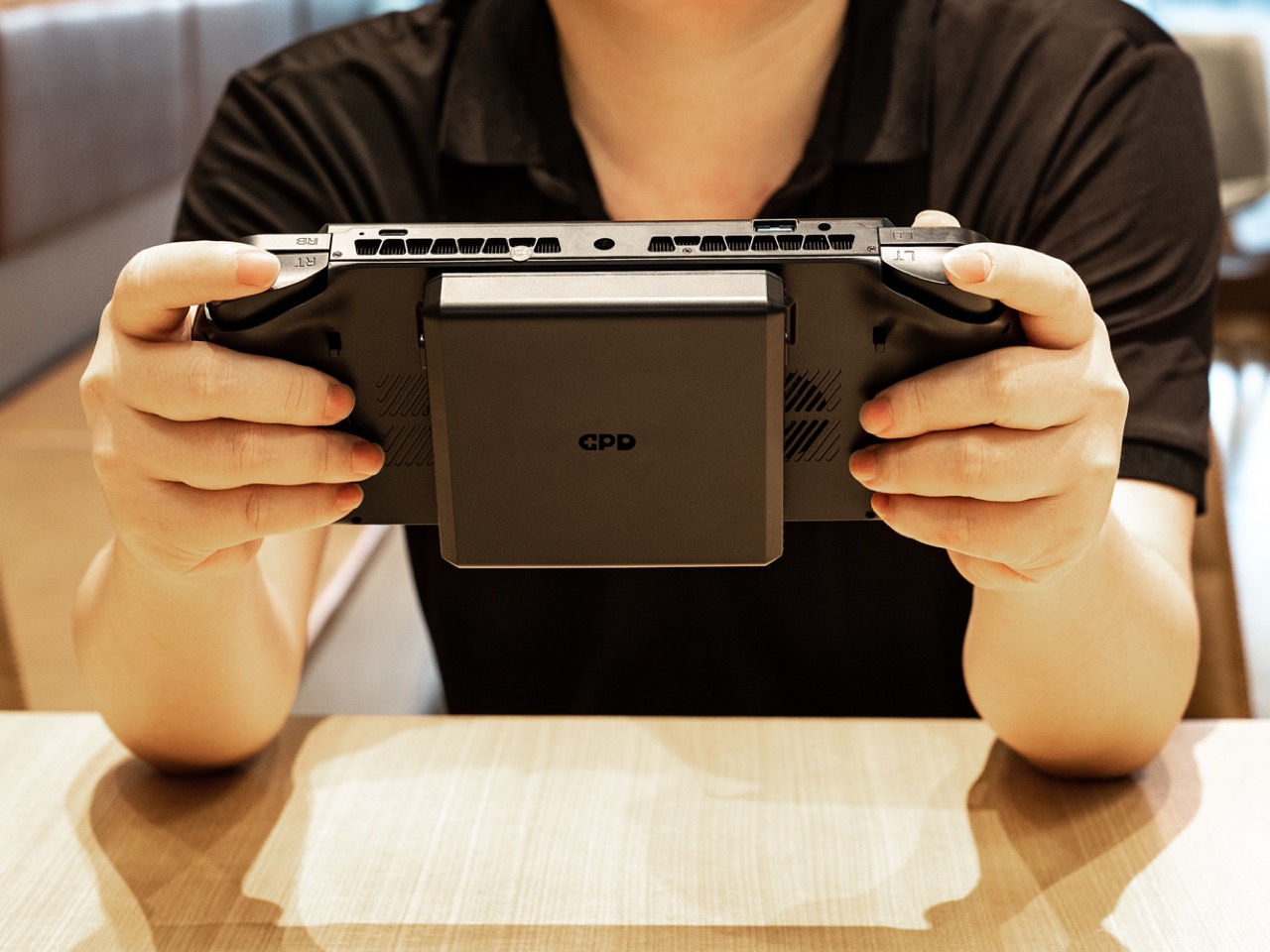
Cooling follows the same philosophy. The marketing material highlights a FrostWind architecture with dual large fans, thick copper heat pipes, and a carefully shaped internal airflow path. You can see the consequences on the exterior. The back of the device becomes a sculpted exhaust surface, with intakes and outlets dictating the geometry as much as hand comfort does. It feels like a reversal of usual priorities. Instead of designing a beautiful shell and figuring out how to cool it, GPD appears to have designed a cooling solution and then wrapped a handheld around it.
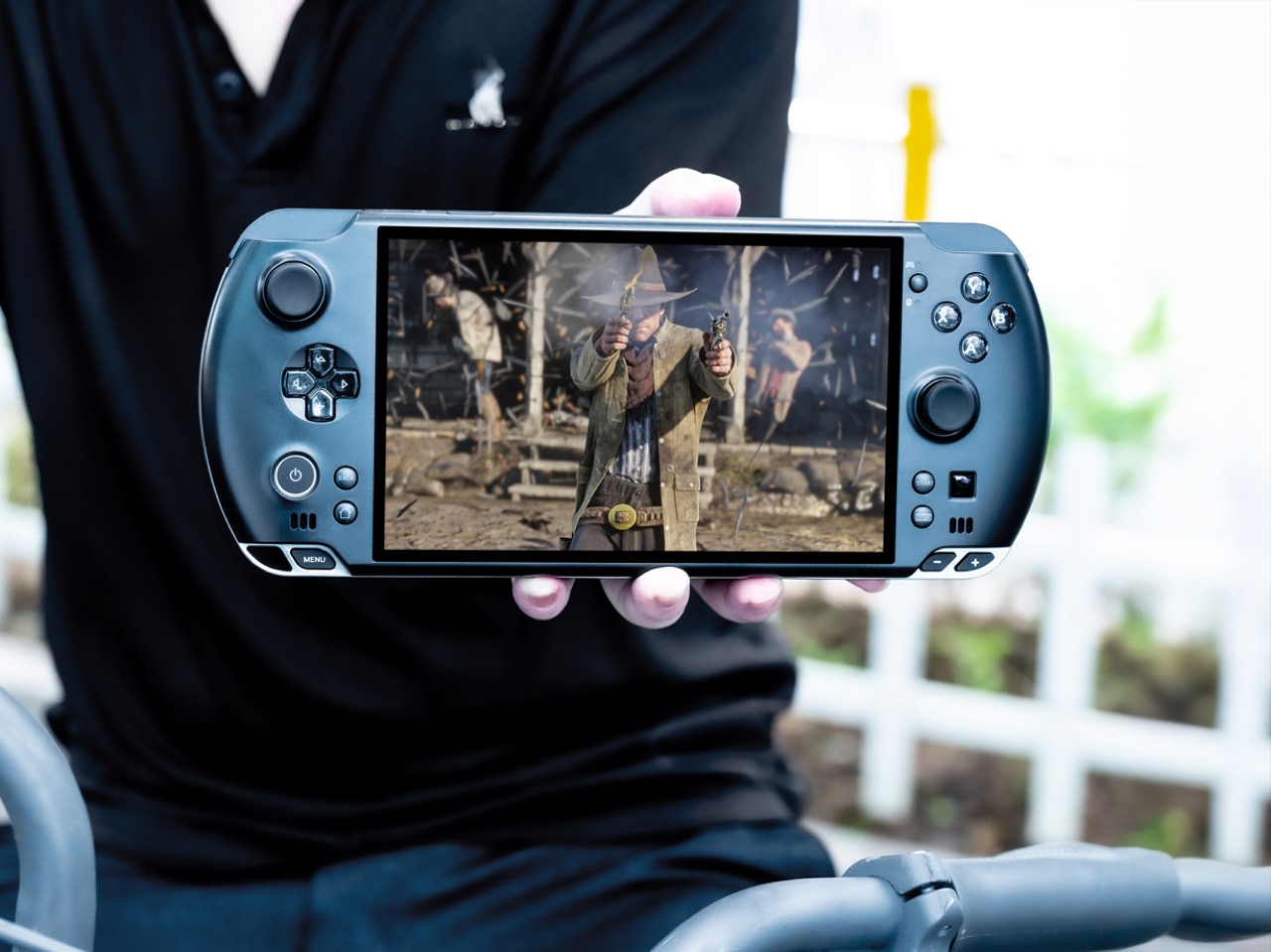
Capacitive joysticks promise zero deadzone and pixel level aiming precision. That approach allows extremely fine analog input without the mechanical hysteresis that can appear in traditional potentiometer based sticks. Hall effect triggers offer contactless sensing for long term reliability and very granular control, a detail that matters for racing and shooting games where tiny pressure changes translate to meaningful in game responses. These are the kinds of components that typically appear in enthusiast controllers, transplanted into a portable PC.
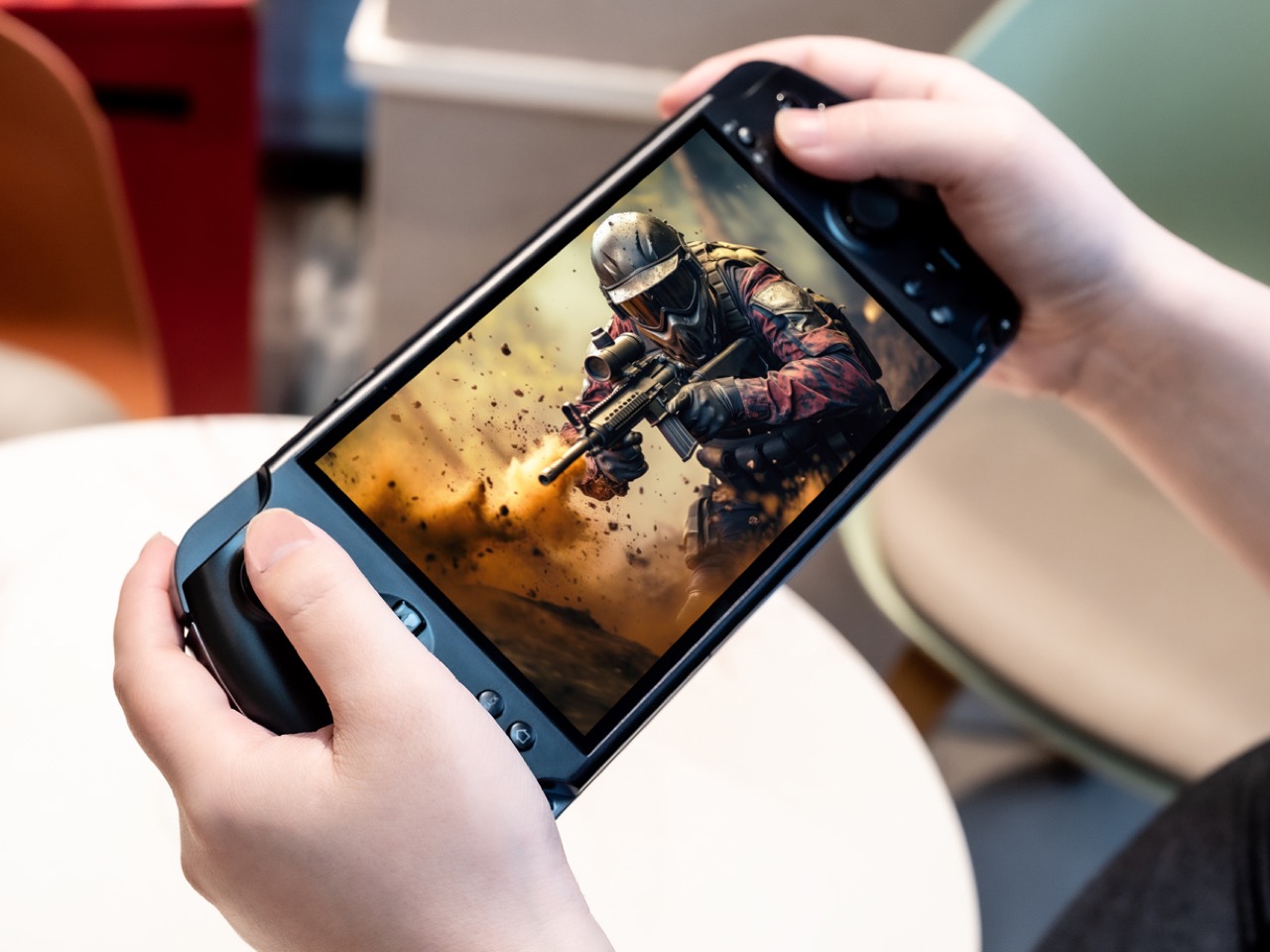
The primary drive uses a standard M.2 2280 SSD, which aligns with desktop and laptop conventions. Alongside that, GPD introduces a miniature proprietary SSD card that occupies roughly half the footprint of a microSD card while offering significantly higher throughput. The message is clear. This device expects users who juggle large game libraries, maybe multiple operating system images, and even local AI workloads, and who notice the difference between 100 MB per second and gigabyte class transfers.
That last point is important. The Win 5 is positioned as a gaming handheld, but its specification sheet reads like a compact workstation. The unified memory options reach up to 128 GB in some configurations, a level that caters directly to users running large language models and other memory hungry tasks locally. The dock supports external GPUs over USB4, allowing the handheld to transition into a desktop style setup when connected to a monitor. In that mode the PSP inspired form factor becomes an integrated controller and display for a full Windows machine rather than a self contained console.
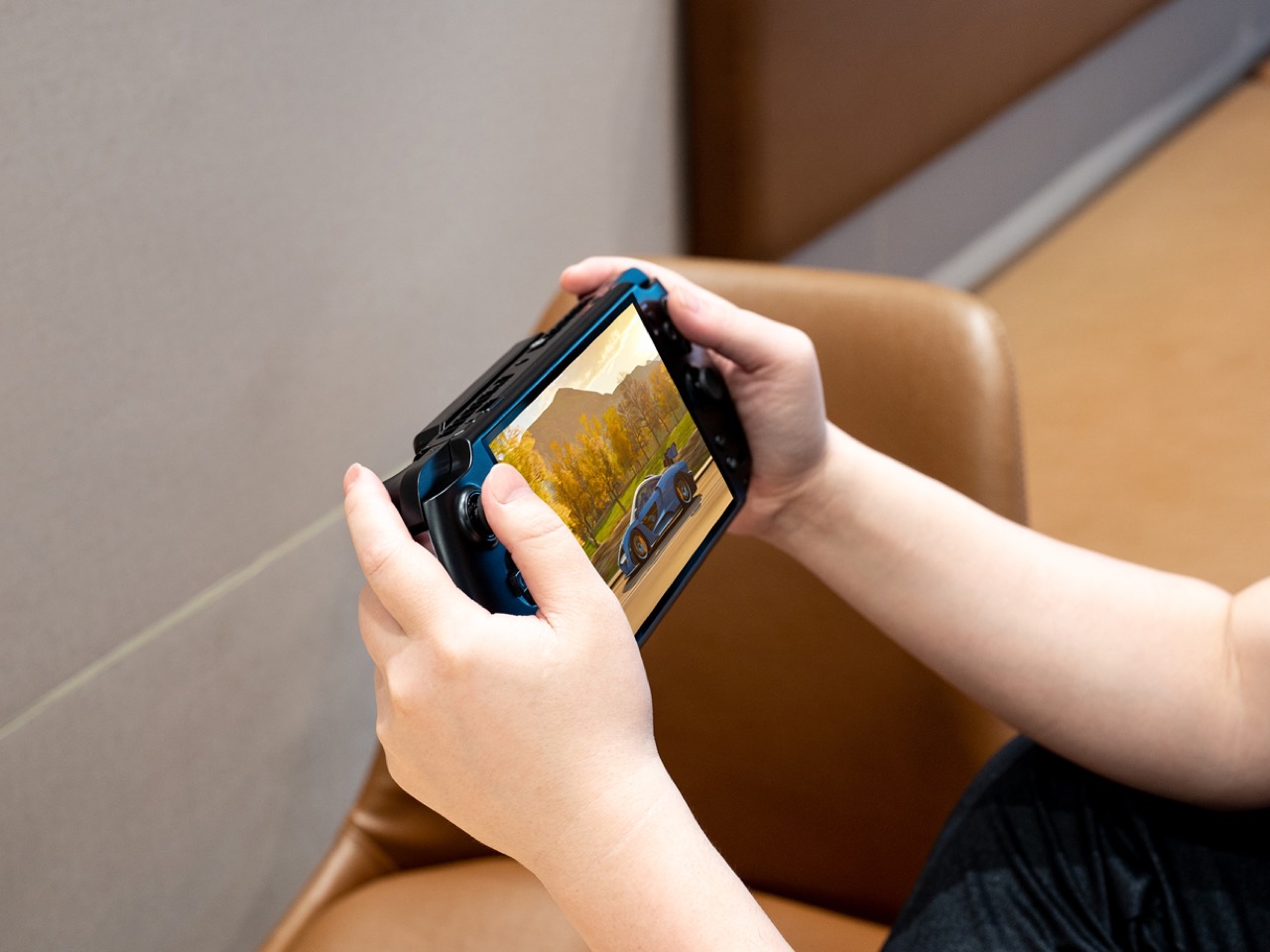
Current reporting places the GPD Win 5 at around 1,400 dollars for a configuration with a Ryzen AI Max 385 processor, 32 GB of RAM, and a 1 TB SSD, and around 1,600 dollars for the Ryzen AI Max+ 395 with 32 GB and 2 TB. Higher tier models reach roughly 2,100 dollars for 64 GB of RAM and 4 TB of storage. These numbers sit squarely in premium gaming laptop territory and far above mainstream handhelds such as the Steam Deck. The comparison highlights the central design question. GPD is asking users to value this specific blend of form factor, controls, and modular power over a larger display and traditional keyboard.
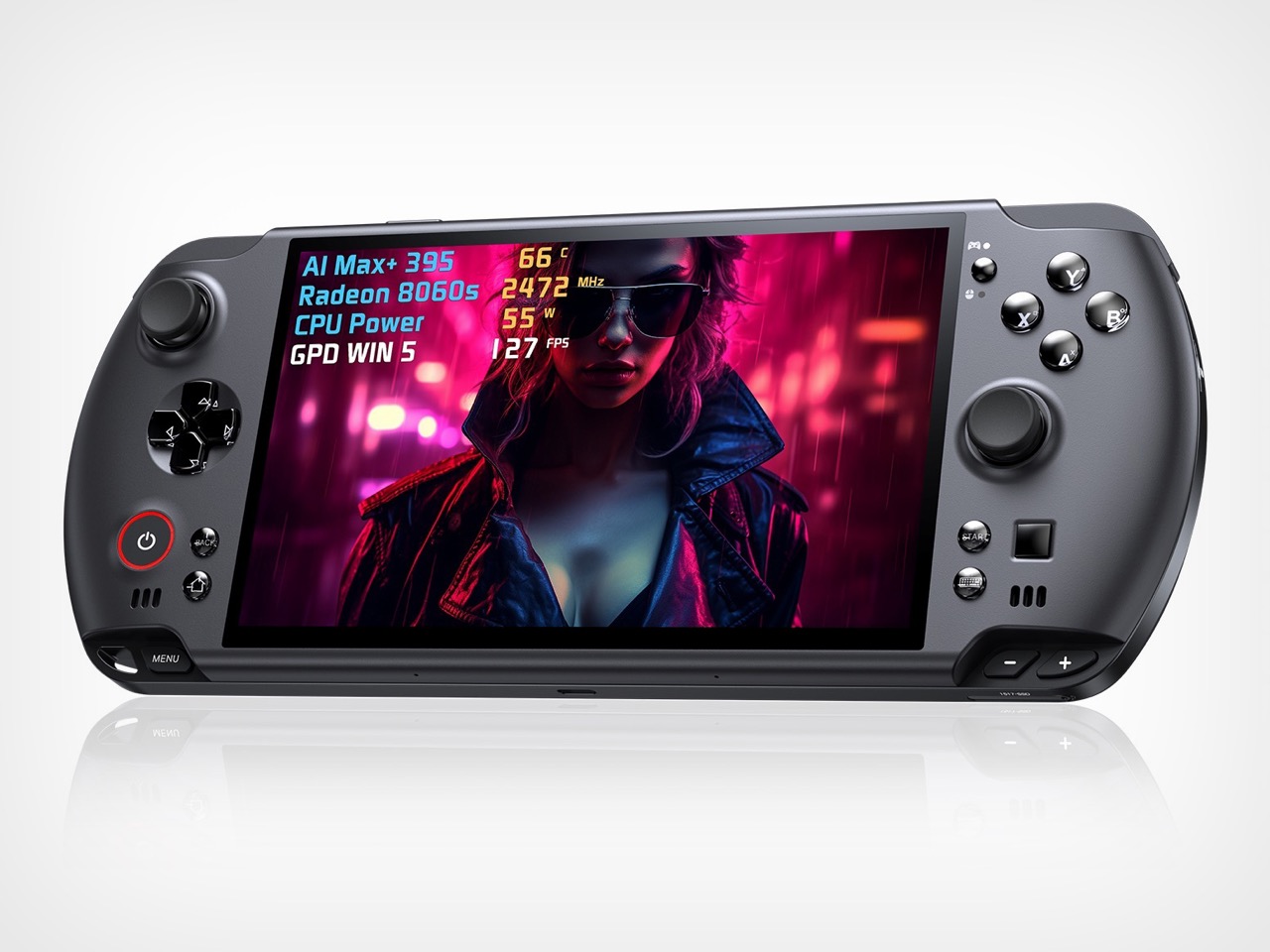
That being said, the Win 5 isn’t perfect by any stretch of the imagination. There are tradeoffs everywhere – weight climbs once the external 80 Wh battery is attached, bringing the total system toward the kilogram class according to early coverage. The price invites direct comparison with full size gaming laptops that deliver larger screens and more conventional ergonomics. Thermals will always be a careful balancing act with this class of hardware, even with dual fans and multi pipe cooling. Those compromises do not feel accidental. They feel accepted in service of a particular vision of computing that treats performance, portability, and physical tactility as equal priorities rather than a hierarchy.
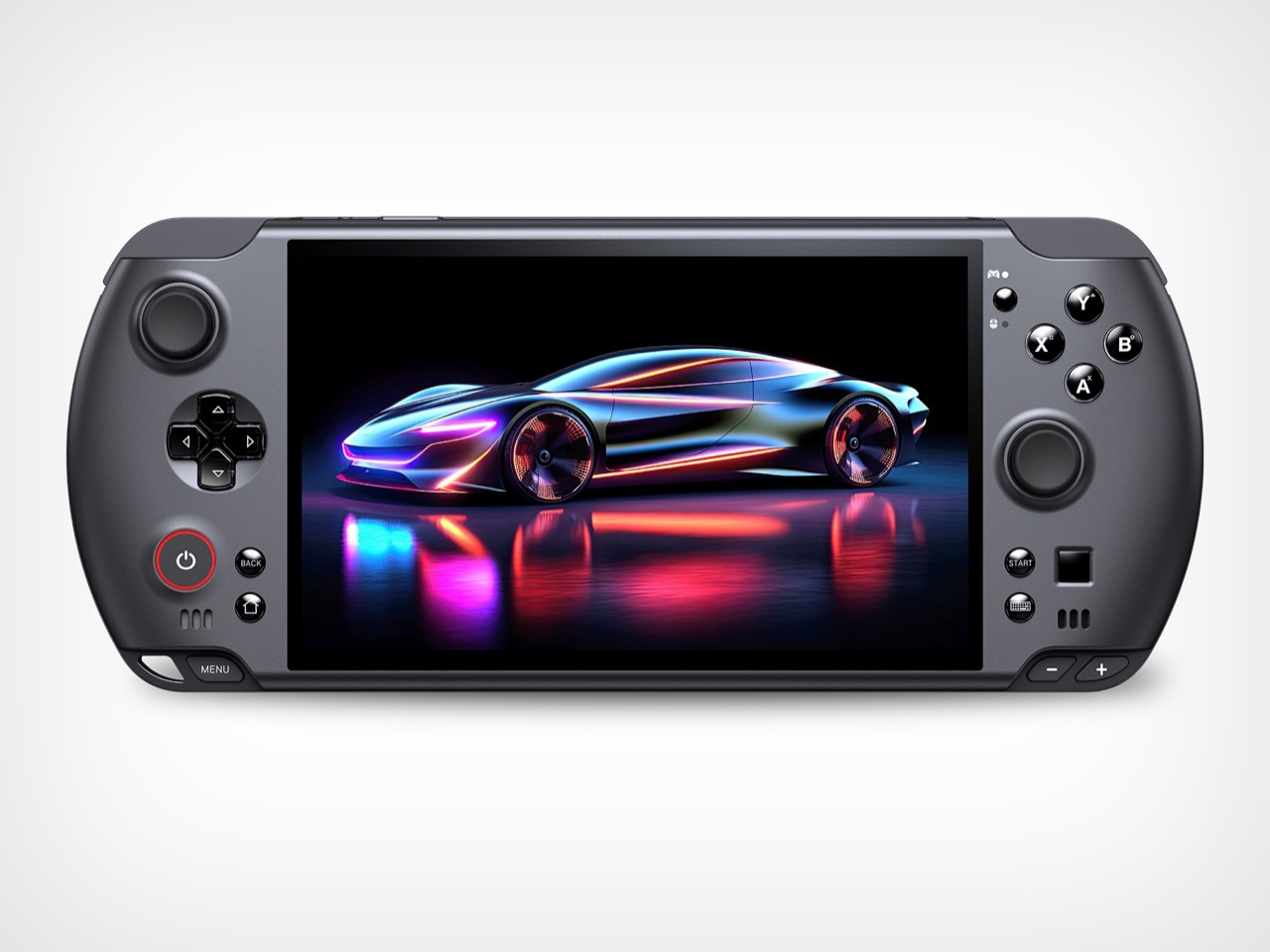
So, the Win 5 isn’t trying to be the next Steam Deck. It’s not a safe, mass market product. It’s a statement. The familiar PSP shape pulls you in with nostalgia, and then the spec sheet hits you over the head with its wild, workstation grade numbers. That’s the whole story right there, the contrast between the old school body and the brand new, ridiculously powerful guts. It’s a fascinating, maybe even reckless, look at what happens when a company decides that classic handheld shape still has some fight left in it, and can be pushed to some truly new extremes.