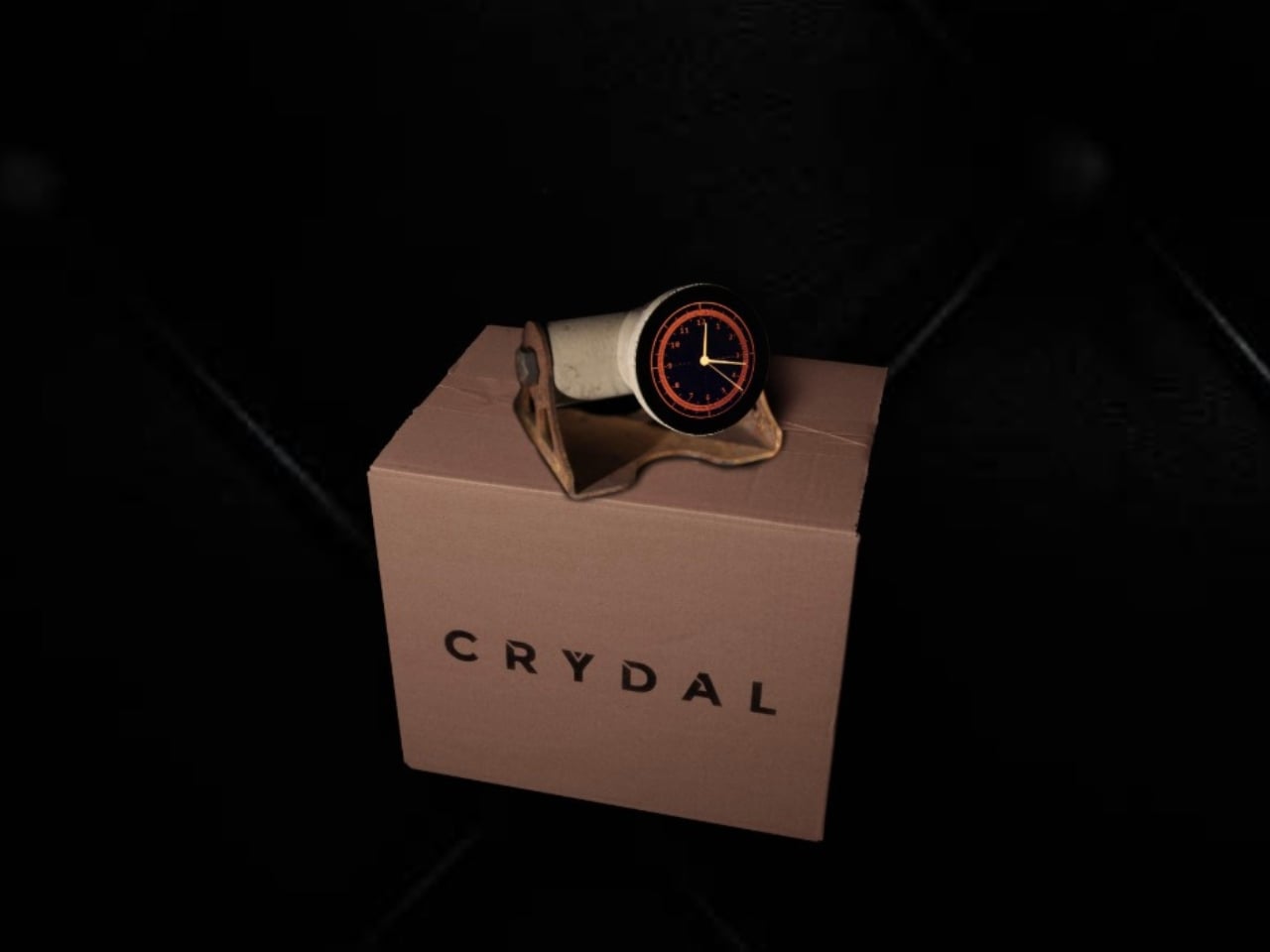
There’s a particular kind of design intelligence that knows when to slow down. The Crydal Phantom Clock, designed by Daniel van der Liet, is one of those rare objects that rejects the frantic pace of modern consumer tech in favor of something more deliberate. It’s a desk clock, yes, but calling it just a clock misses the point entirely.
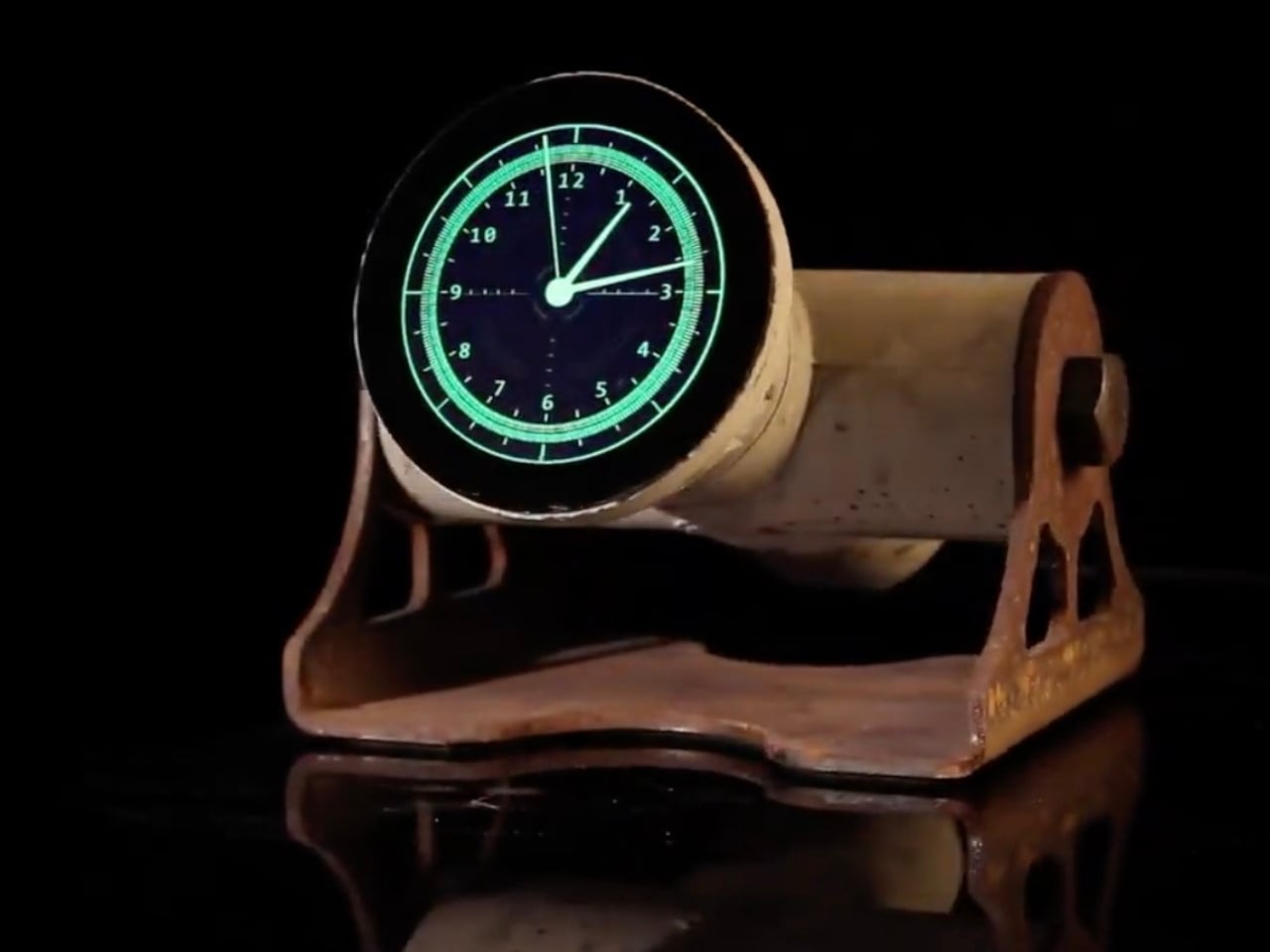
The Phantom reinterprets the visual language of cathode-ray tube displays from early computing. Not in a nostalgic way, but as a translation exercise. Van der Liet took the geometry, the mass, and the physical presence of those old CRT monitors and rebuilt them using cast concrete and raw steel. The result is something that feels both familiar and completely new, a dense, tactile object that sits on your desk with real weight and intention.
Designer: Daniel van der Liet
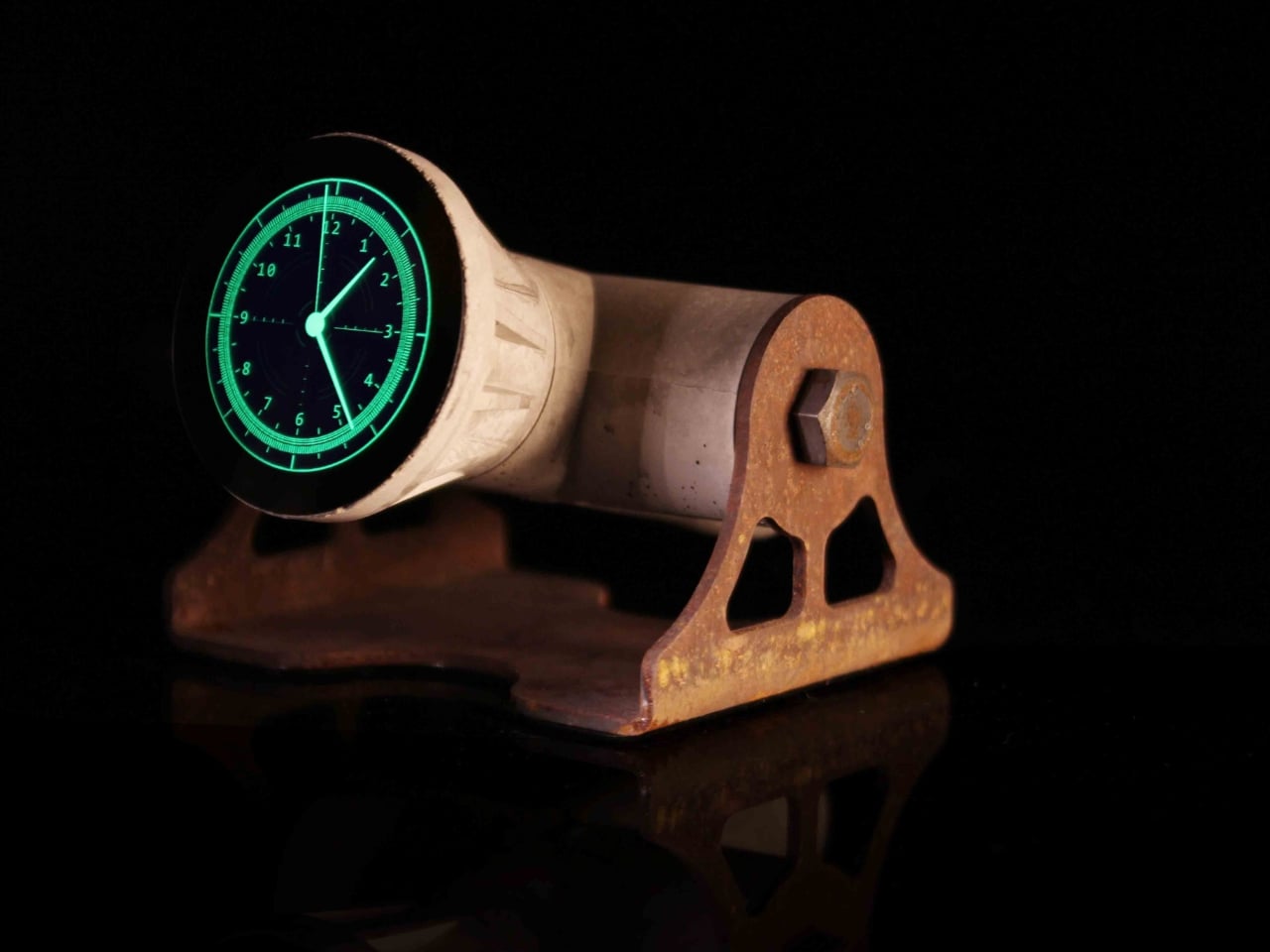
The form itself is immediately recognizable if you grew up around boxy computer monitors or chunky television sets. That characteristic curved screen, the cylindrical body, the industrial mounting stand. But instead of plastic housing and glass tubes, you get solid concrete and raw steel. The materials transform the reference from tech artifact into something closer to sculpture. This isn’t a replica or a throwback design. It’s a contemporary object that happens to speak the formal language of vintage electronics.
What makes the Phantom genuinely interesting is how it handles the intersection of analog and digital. The clock displays time through a traditional analog dial, the kind with actual hour and minute hands moving around a circular face. But here’s where it gets clever: that dial appears on a round capacitive display integrated flush with the concrete surface. You can switch between three chromatic modes, green, orange, or red, each one shifting the character of the clock without altering its physical form. It’s like having three different moods available depending on your space or preference.
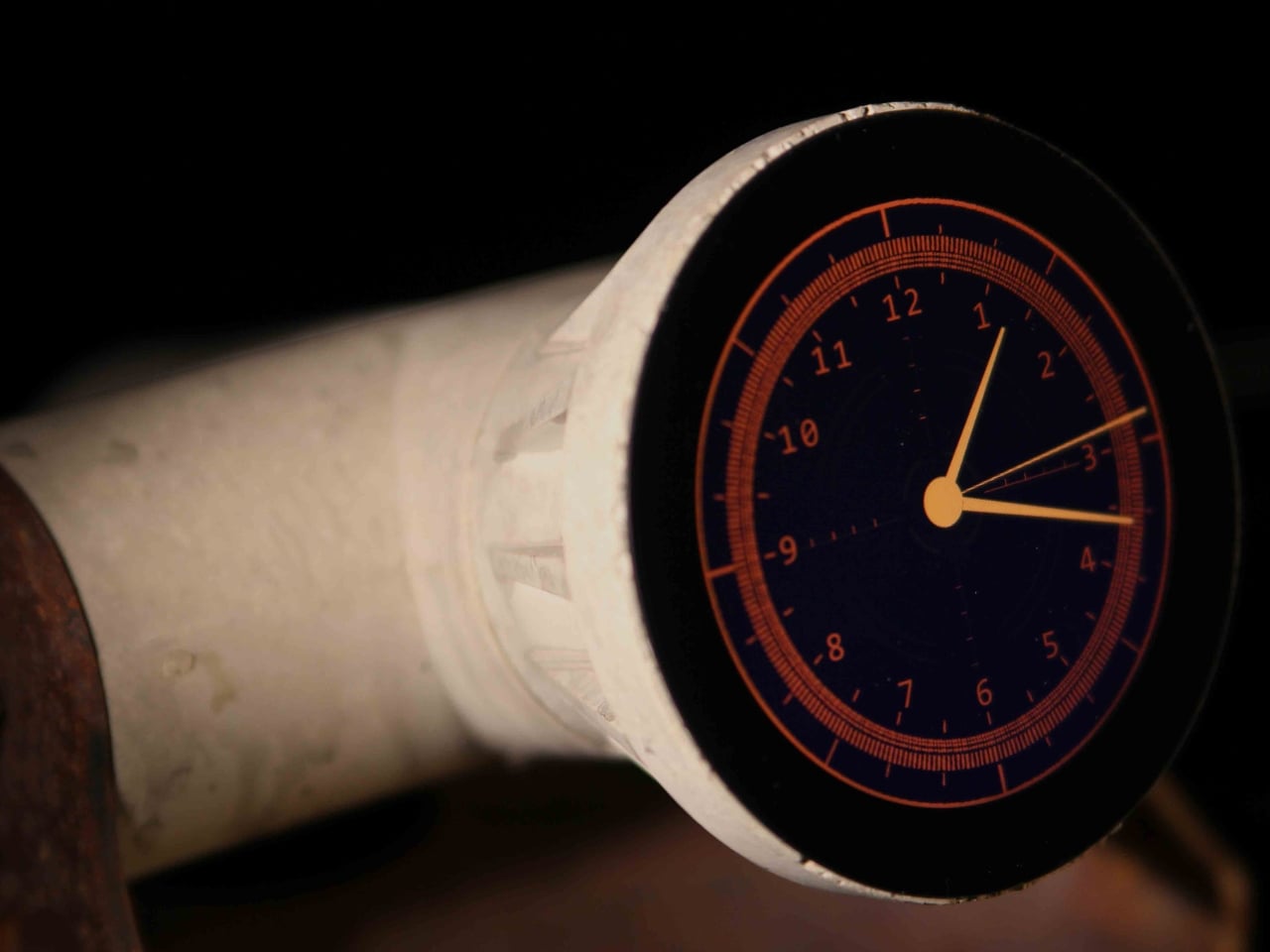
The interface is handled entirely through that circular touchscreen. You adjust the time, you control the color mode, you modify the brightness. No buttons interrupt the surface, no dials break the material integrity. When you’re not actively using it, the clock just sits there, visually calm and minimal. It doesn’t demand attention or try to become the focal point of your desk. It exists quietly, doing its single job with focus and restraint.
This is explicitly not a smart device. The Phantom won’t sync with your phone, won’t display notifications, won’t connect to your calendar or remind you about meetings. It plugs in via USB-C for power and that’s the extent of its connectivity. In an era when every object wants to be a node in your personal network, this kind of focused simplicity feels almost defiant. The clock tells time. That’s what it does. That’s all it does.
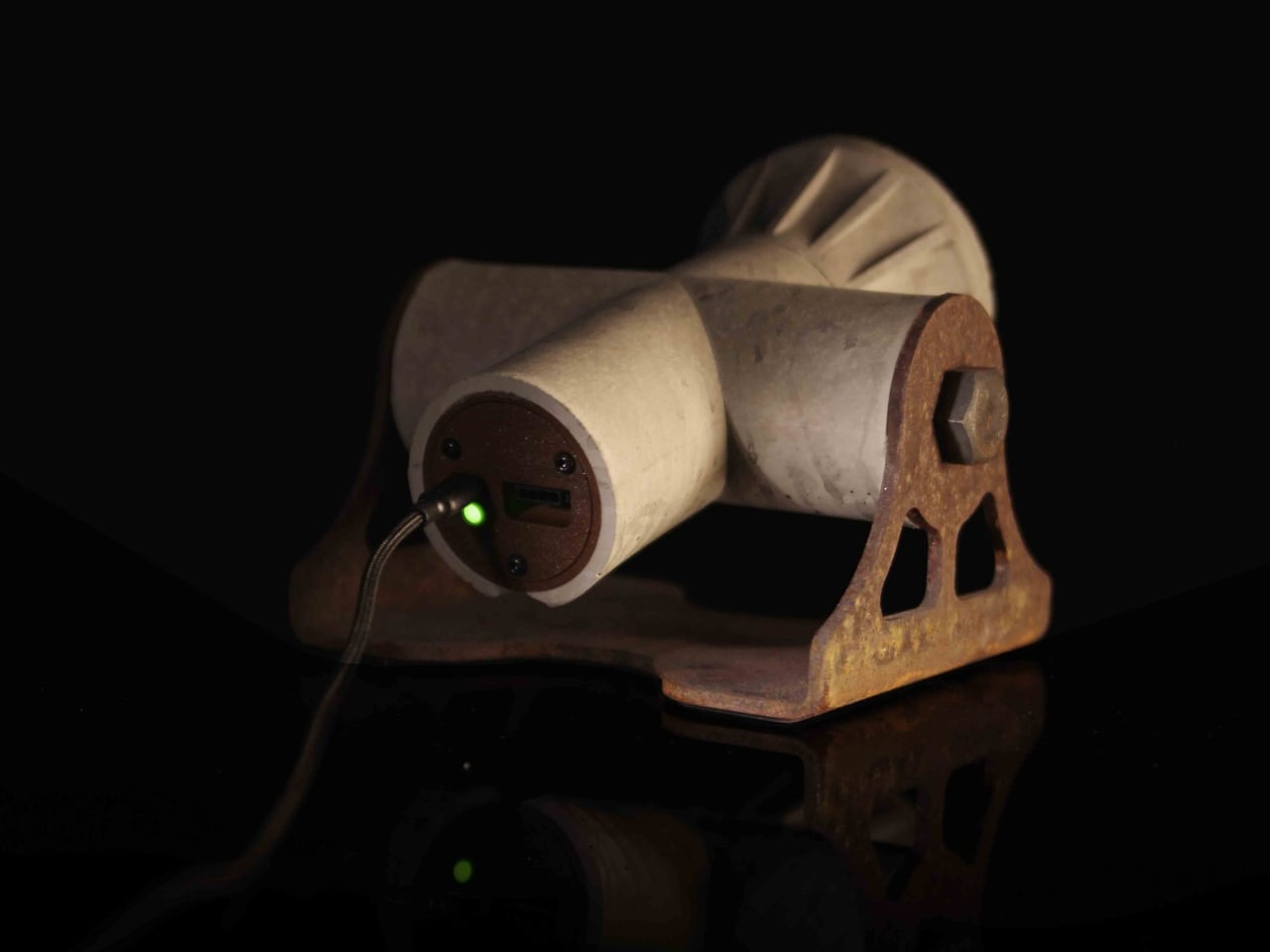
Each Phantom is handcrafted in limited quantities, and the production process ensures that no two are exactly identical. Concrete doesn’t cast uniformly. Steel doesn’t patina predictably. These natural variations aren’t flaws to be corrected but characteristics that make each piece unique. Your clock will have its own texture, its own finish, its own subtle imperfections that come from being made by hand rather than stamped out on an assembly line.

The limited edition nature matters because it positions the Phantom somewhere between functional object and collectible. You could absolutely use this as your primary desk clock. But you could just as easily display it on a shelf in your studio or living space as a sculptural object that happens to tell time. Both approaches are valid. The design supports either use case without compromising. What appeals most about the Phantom is its refusal to be categorized easily. It’s not retro tech, though it references old technology. It’s not pure art, though it has sculptural qualities. It’s not a gadget, though it uses modern display technology. It exists in this productive tension between categories, which is exactly where the most interesting design tends to live.
We live in a market saturated with objects that prioritize convenience and connectivity above all else but the Phantom Clock offers something different. It’s heavy where things are light, analog where things are digital, focused where things are multifunctional. It’s a time instrument designed to exist quietly in your space, asking nothing from you except the occasional glance to check the hour. Sometimes that’s exactly what you need.