Loneliness quietly settles into homes where older adults live alone, where families are spread across cities, and where evenings can stretch out with no one to talk to. Technology has tried to fill that gap with video calls and smart speakers, but those tools are still built around tasks and commands, around asking for something rather than simply being there when someone needs company or a gentle reminder that they are not forgotten.
An’An is a robot less interested in showing off and more interested in listening, remembering, and responding gently over months and years. It is a panda-shaped companion designed from the fur inward to offer long-term, stigma-free emotional support for people who might never ask for help directly, treating emotional care as something that can happen quietly through touch, voice, and the kind of daily rituals that build trust without demanding much in return.
Designer: Mind With Heart Robotics
A Panda Built for Feelings, Not Tricks

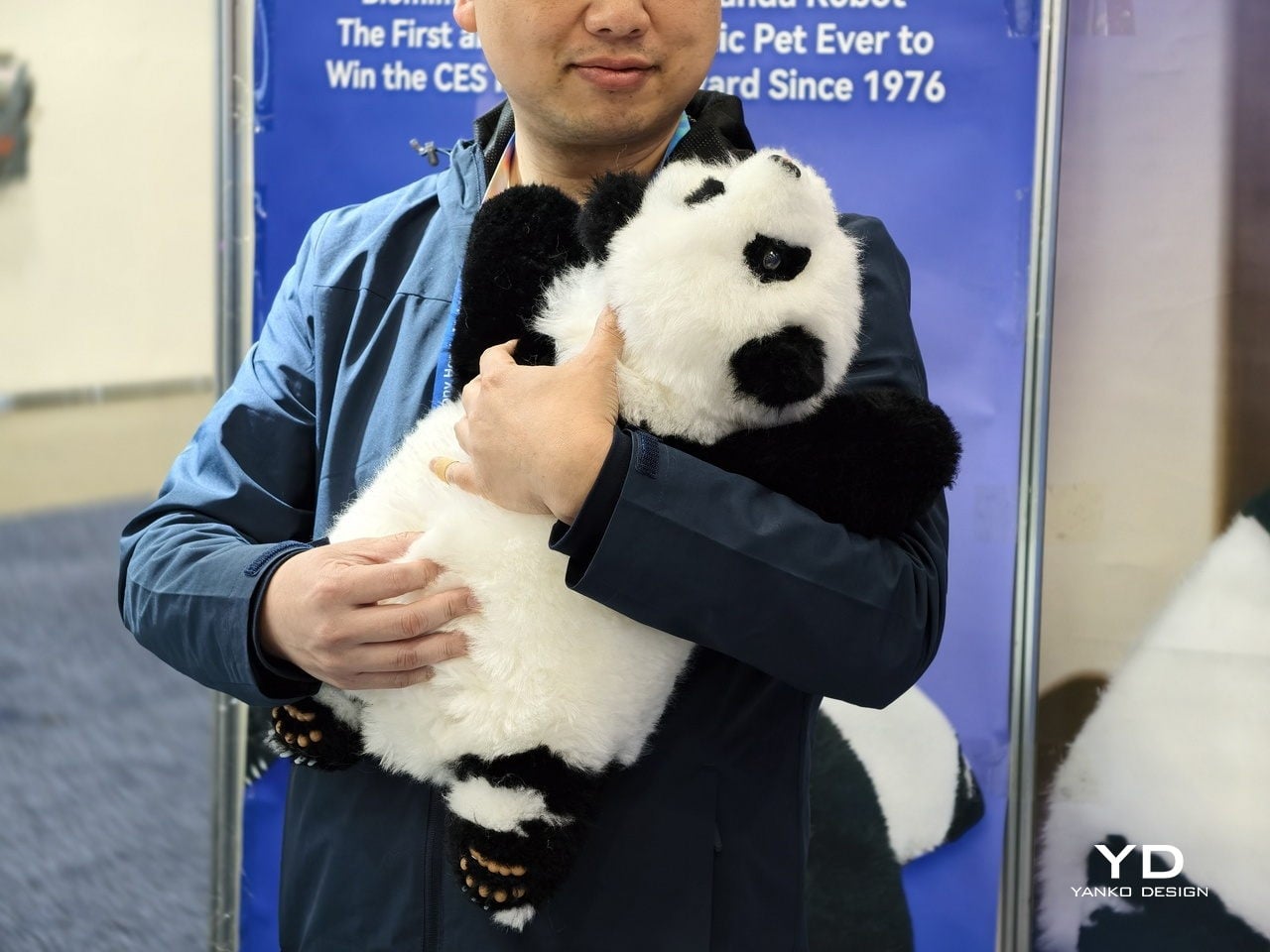
An’An is a biomimetic panda cub companion built around the simple idea that people relax more easily around animals than around machines. Its body is handcrafted from Australian wool and sheepskin for natural tactile comfort, inviting stroking, hugging, and lap-holding in a way that cold plastic or silicone never could. The form factor is intentionally soft and low-key, closer to a plush toy than a science fiction robot.
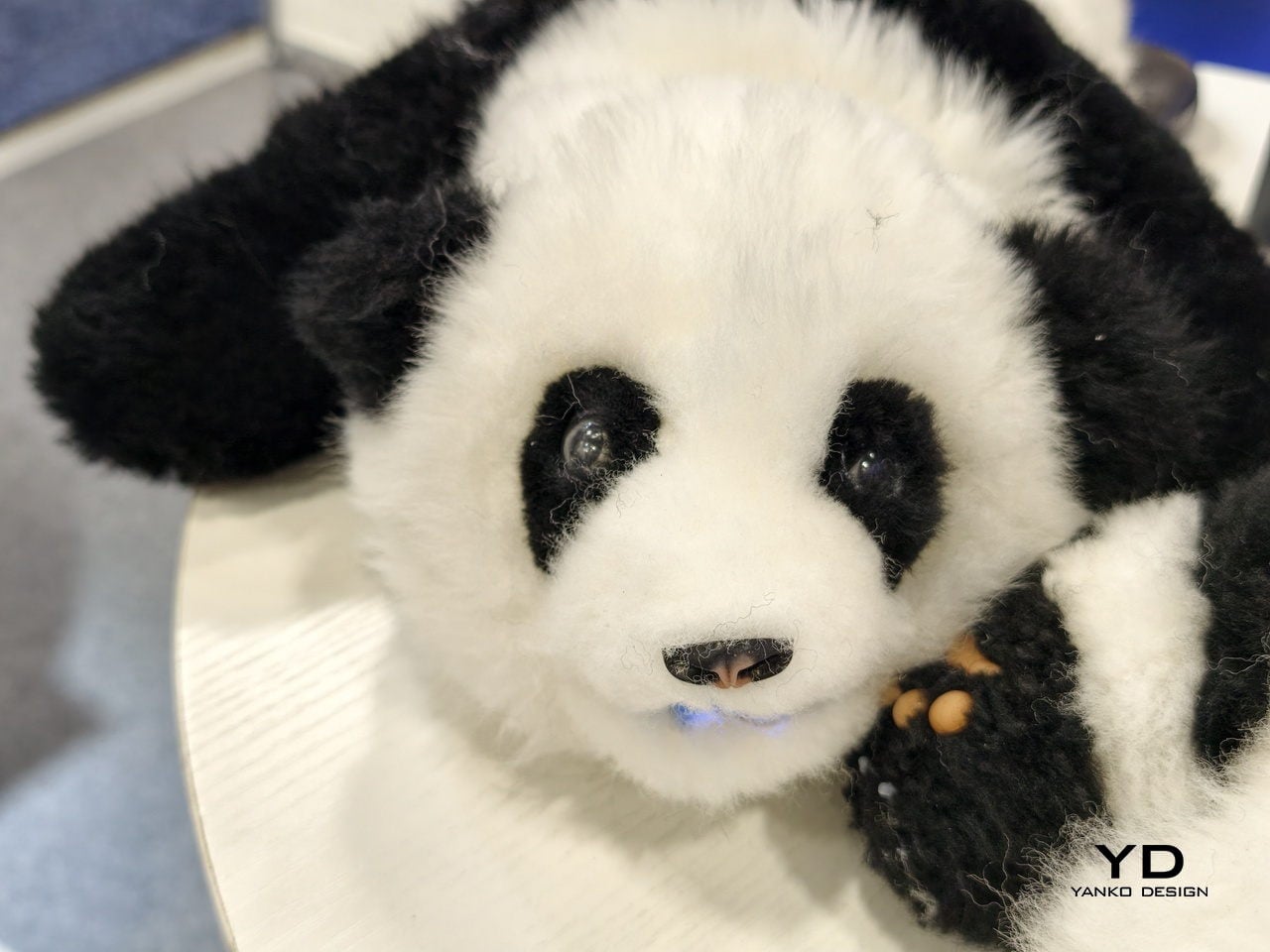
An’An is not designed to juggle, dance, or navigate obstacle courses. Its job is to be present, to respond to touch with gentle, lifelike behavior, and to make it feel safe to express emotion without judgment. The panda shape, the weight, and the way it settles into a lap are all tuned to trigger nurturing instincts, especially for older adults who may miss the feeling of holding a pet or a grandchild who has moved to another state.
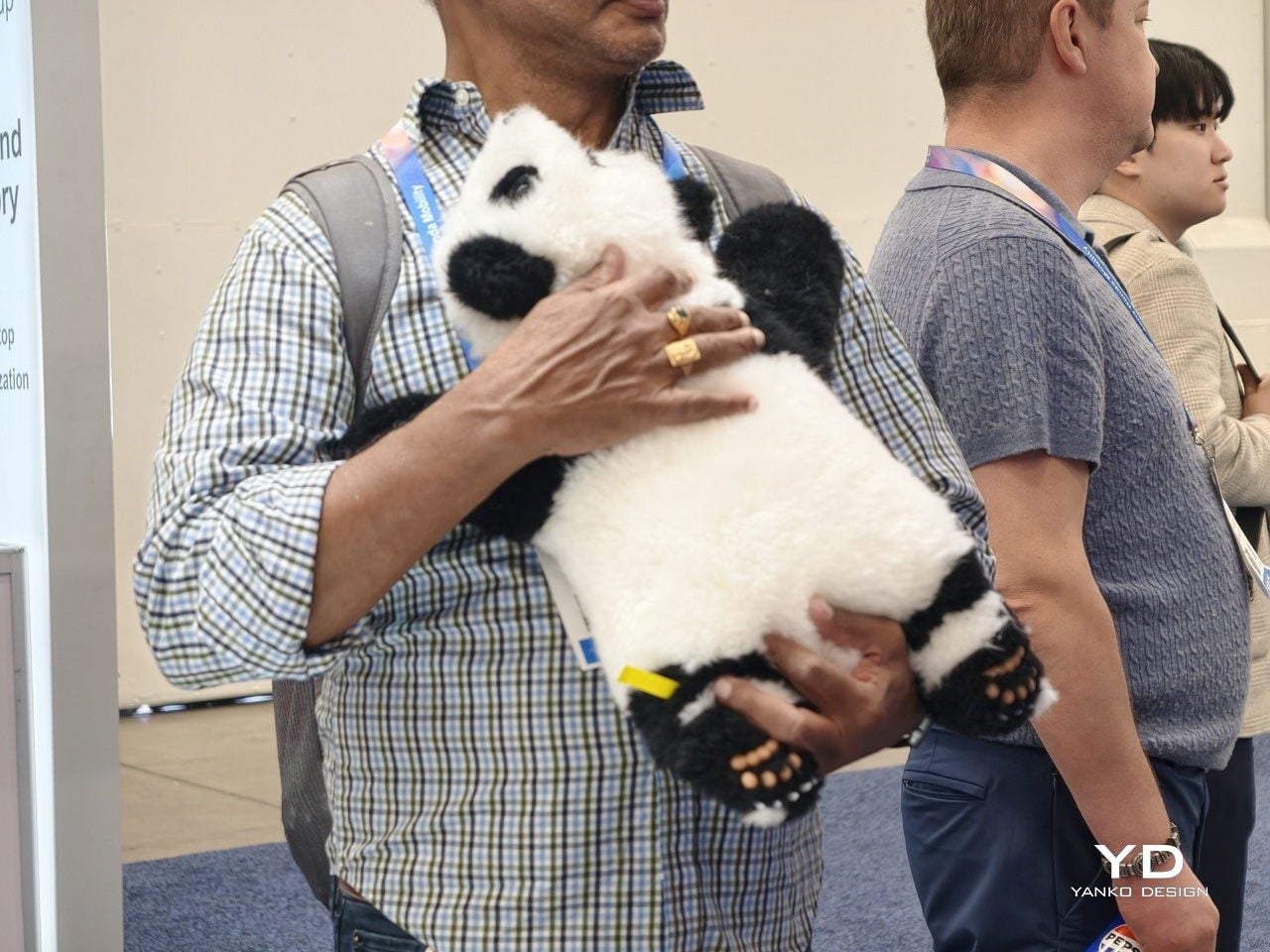
This focus on emotional comfort extends to how An’An fits into a home. It can rest on a sofa, bed, or desk without looking like medical equipment, which matters when someone is already sensitive about needing support. The goal is to make companionship feel natural and dignified, not clinical, so people will actually reach for the robot when they feel low rather than hiding it in a drawer or treating it like another gadget they were supposed to use but never really warmed to.
Emotional Intelligence Under the Fur
Under the fur, An’An is a dense network of sensors and affective AI. A full-body tactile sensing system with more than 10 sensor suites recognizes how and where it is being touched, distinguishing between a gentle stroke, a firm squeeze, or being picked up. That information feeds into an emotional AI engine that also listens to voice patterns and tracks interaction habits over time, building a model of who you are and how you prefer to communicate.
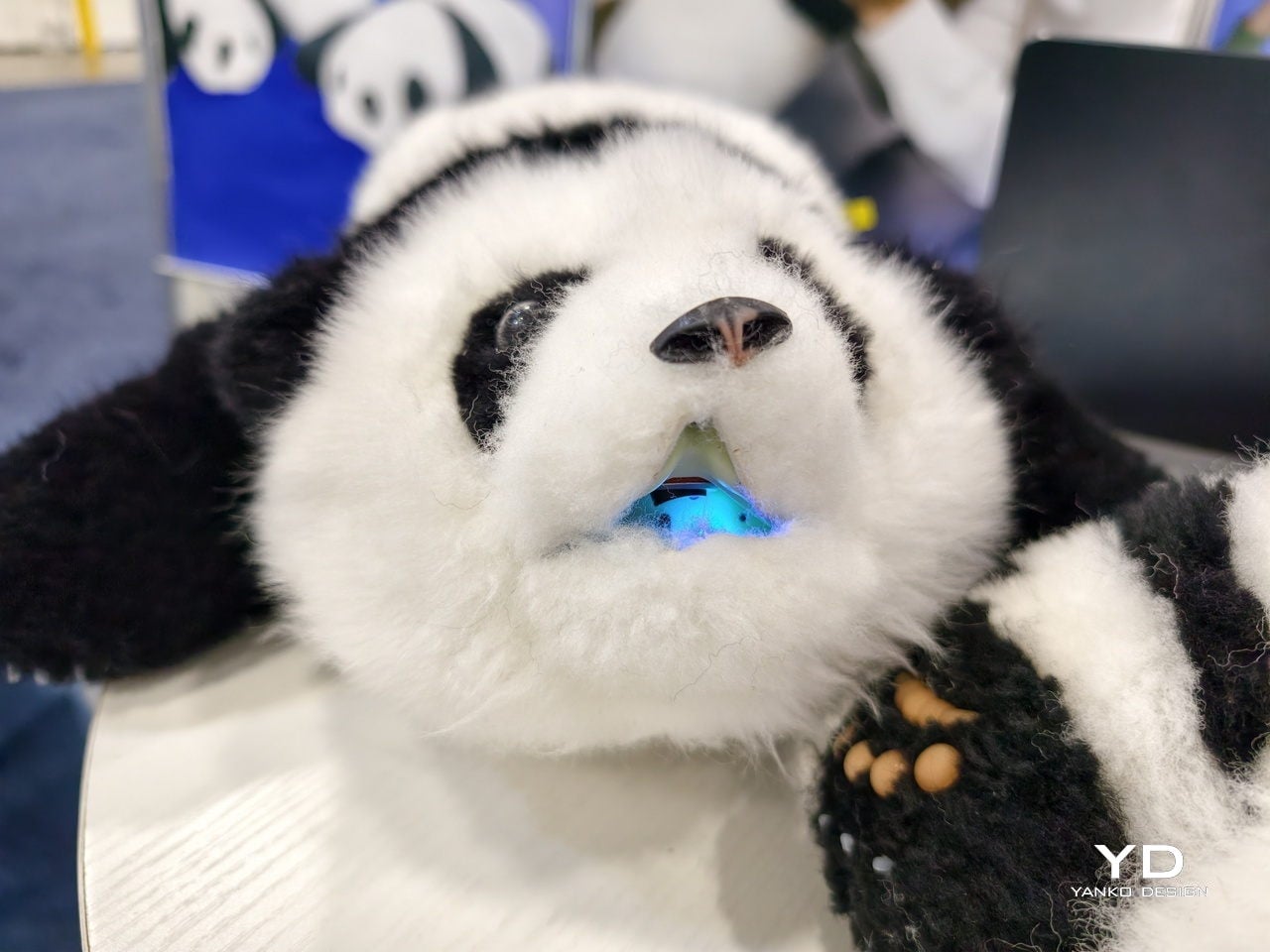
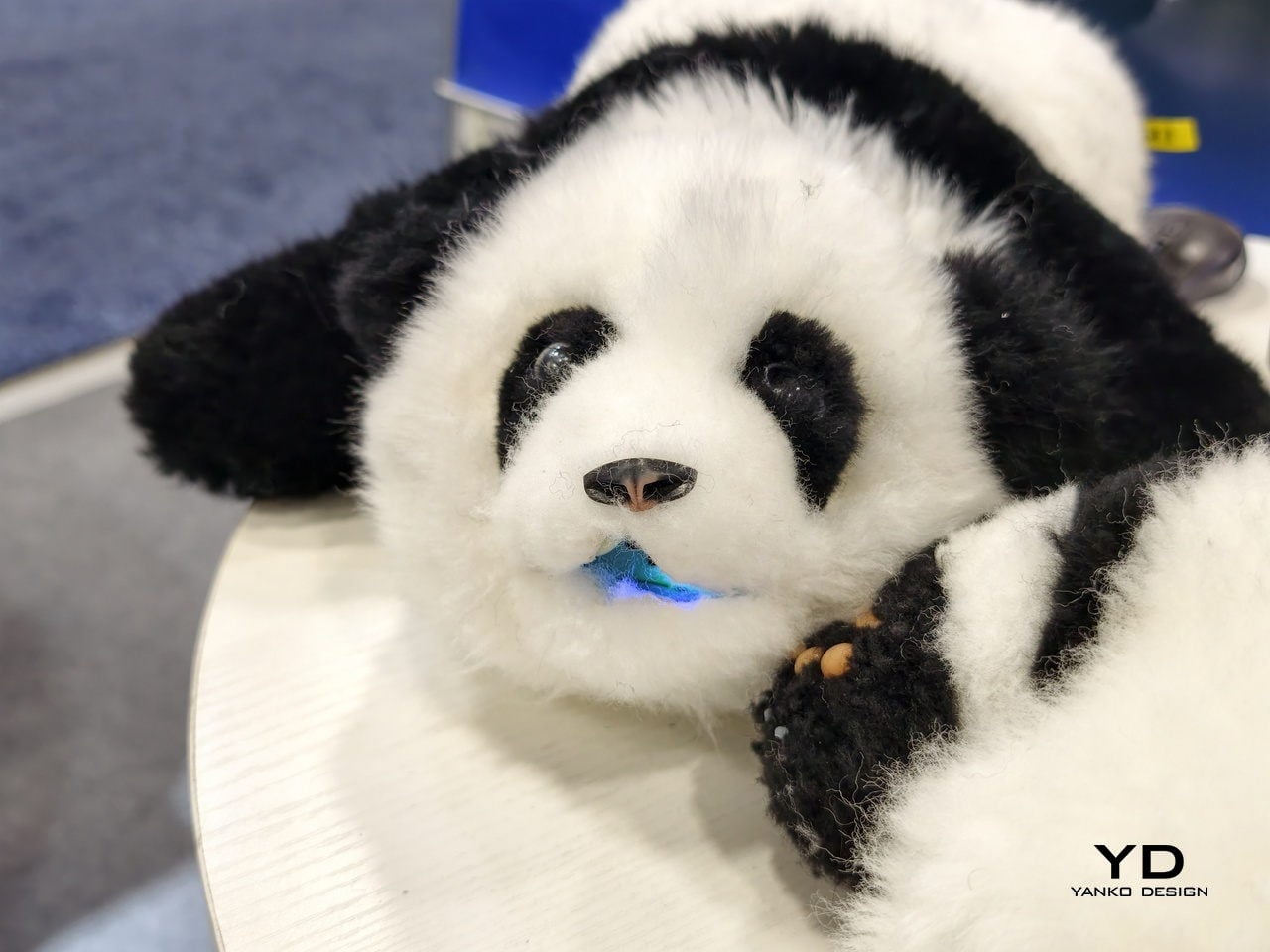
An’An’s long-term memory allows it to personalize responses as it learns. Over weeks and months, it can adapt to a user’s routines, noticing when someone tends to be quiet, when they like to talk, and what kinds of interactions seem to lift their mood. The hybrid offline-online architecture, with four to five hours of continuous battery life and USB-C charging, keeps core functions running even when connectivity is limited or when someone prefers not to share everything with the cloud.
This combination of multimodal sensing and memory means An’An can move beyond scripted novelty. Instead of repeating the same phrases, it can vary its behavior, initiate interaction during long periods of inactivity, and gradually build a relationship that feels more like a familiar presence than a toy. Preliminary studies suggest that this sustained, personalized engagement can measurably improve mood, which is the metric that matters most when the goal is helping someone feel less alone.
From Living Rooms to Care Facilities
In a private home, An’An can simply be a companion that is always available. It can offer gentle conversation, respond to touch, and provide a sense of being seen and heard without the stigma some people feel around therapy or medication. For older adults who may not want to bother their families with every worry, having something that listens without judgment can make a surprising difference to how a day feels, especially during the long stretches between calls or visits.
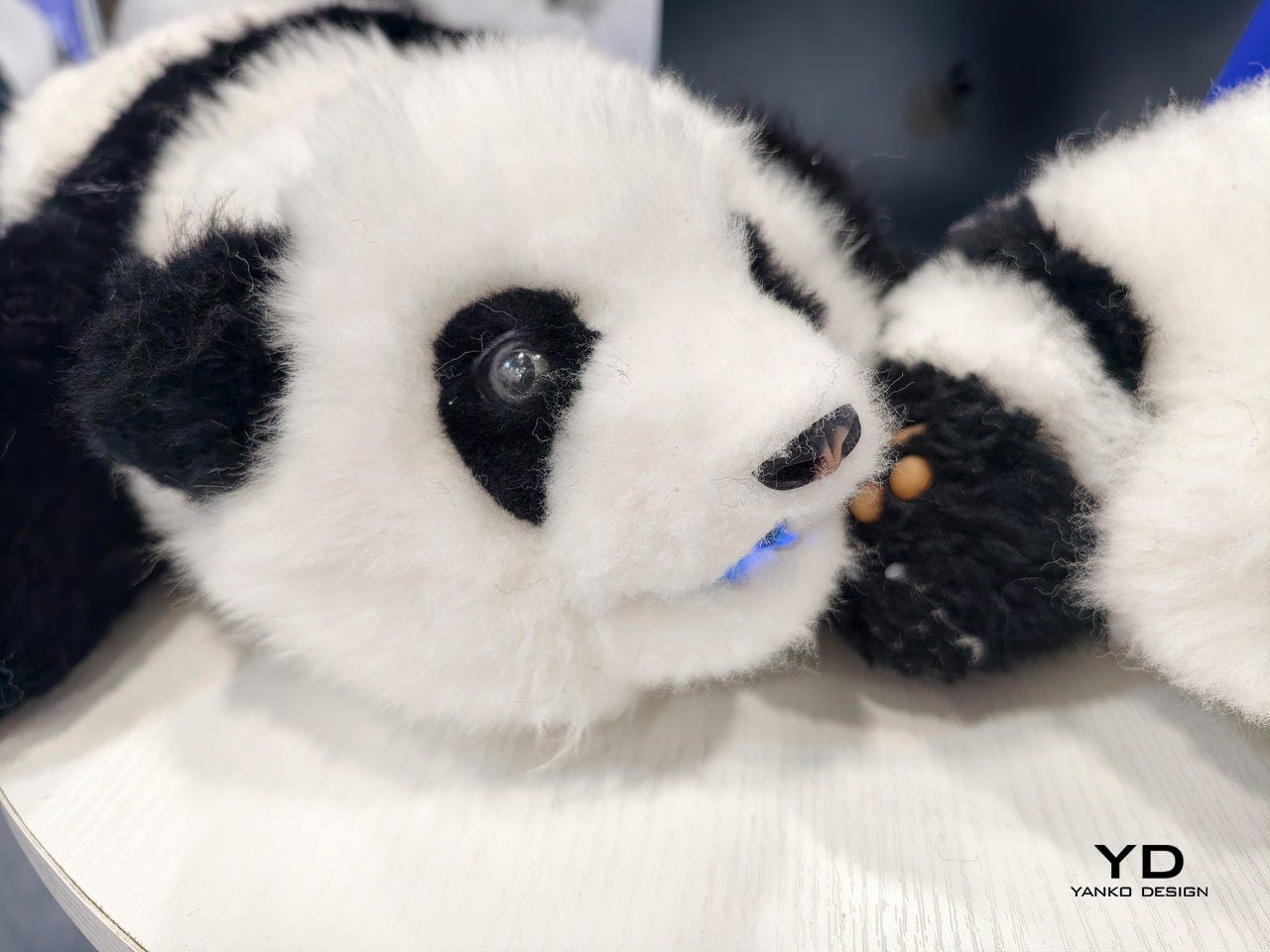
In eldercare settings, An’An takes on an additional role. A clinical version can capture objective interaction data, such as touch patterns, conversation cues, and changes in engagement, and surface those trends to authorized clinicians through secure dashboards. That gives caregivers another lens on cognitive and emotional status, helping them notice when someone is withdrawing, agitated, or unusually quiet without relying solely on brief check-ins or self-reported surveys that people might downplay.
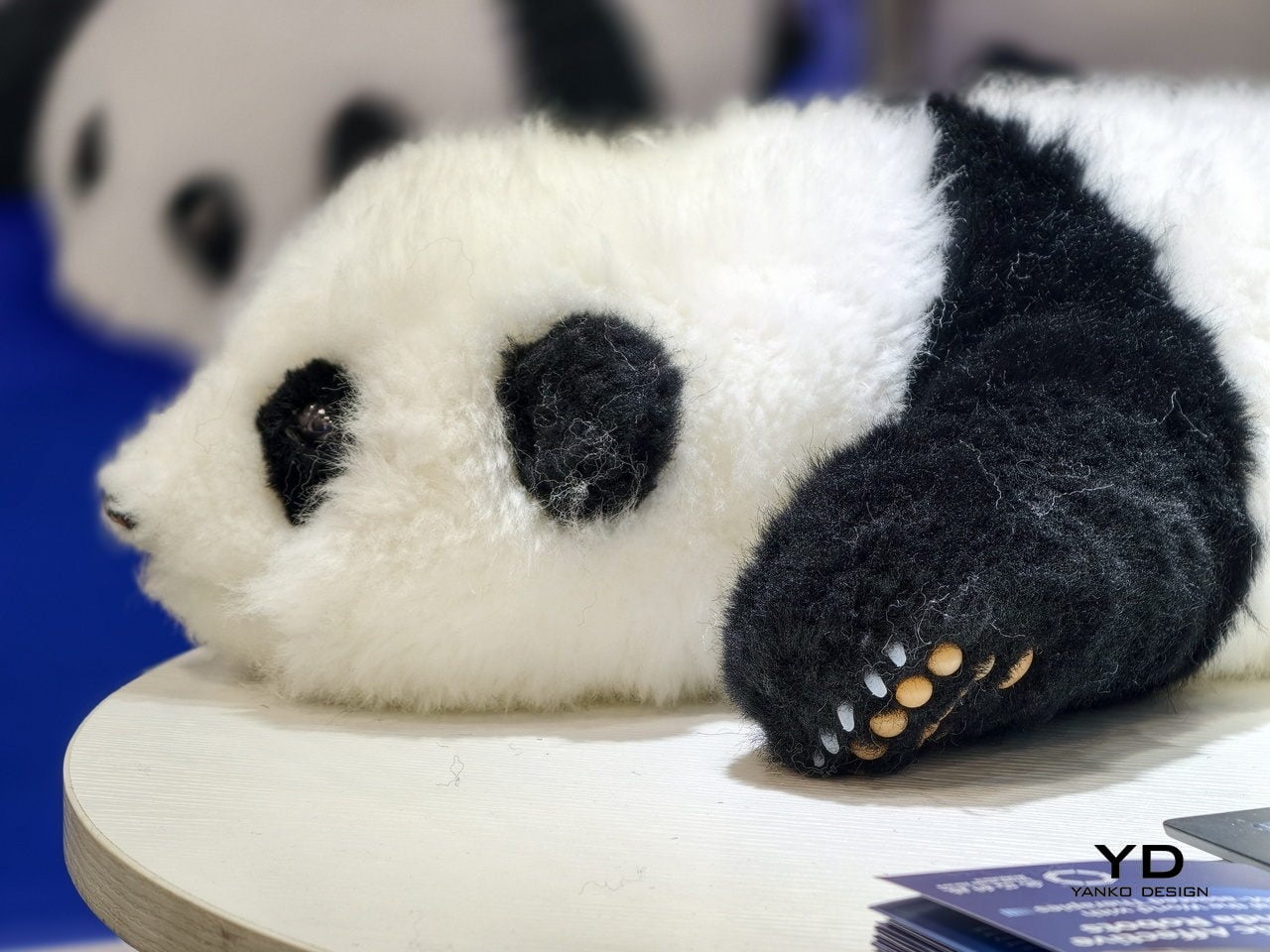
Because An’An delivers clinical-grade capabilities at roughly one-fifth the cost of traditional therapeutic robots, it becomes more realistic for care homes and institutions to deploy multiple units rather than a single shared device. The unified affective AI platform, backed by more than 30 patent filings and 18 granted patents, is designed to scale across different environments while keeping the core promise the same: emotionally meaningful companionship over time.
A Different Kind of Robot
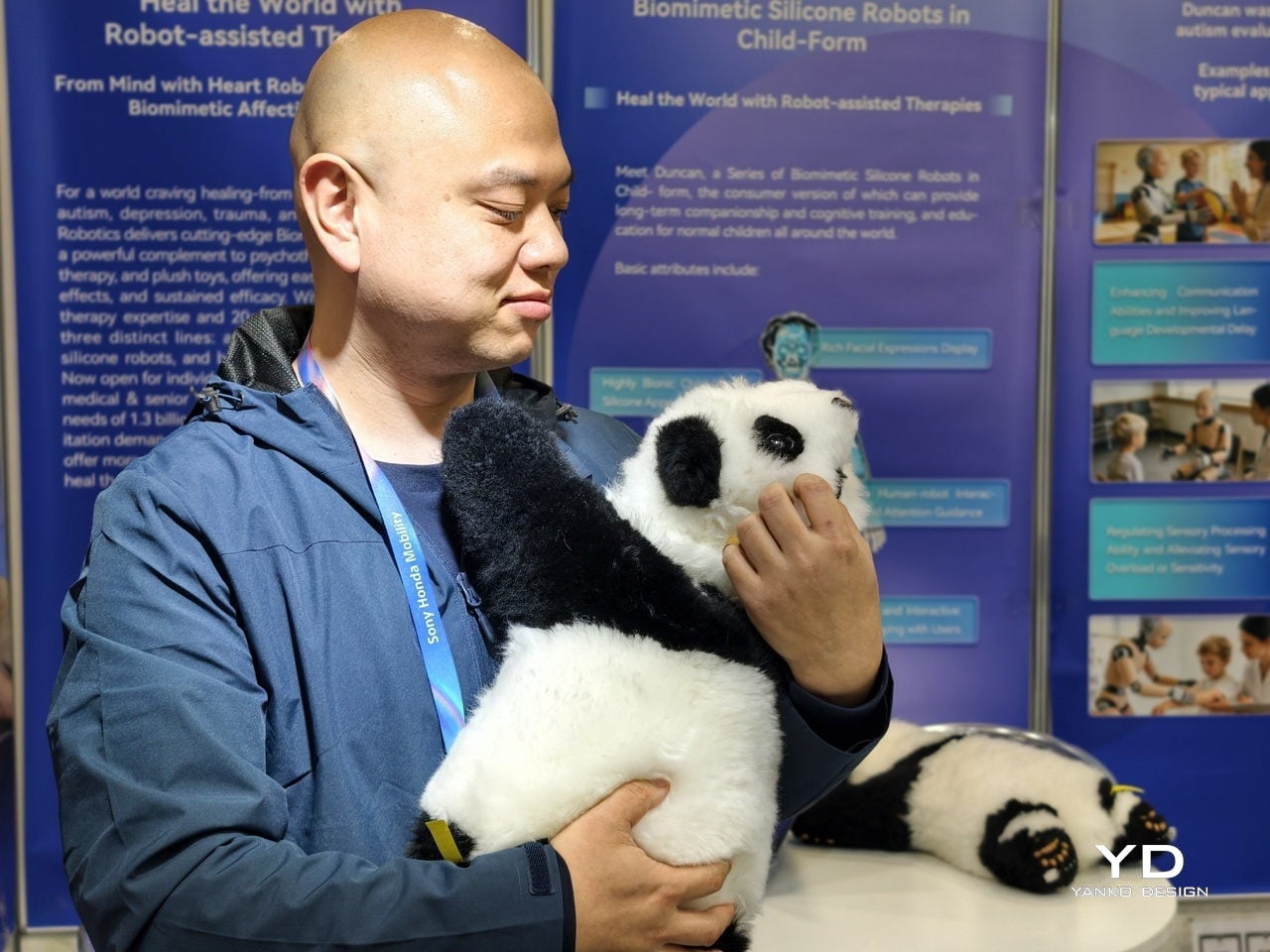
When it appears at CES 2026 as an Innovation Awards Honoree in the Artificial Intelligence category, An’An represents a quiet shift in what people expect from robots. Instead of another on-stage demonstration of agility or speed, it offers a case study in emotionally intelligent, human-centered design, showing how biomimetic form, tactile materials, and affective AI can come together to support people who need comfort more than spectacle, and companionship more than commands, at a scale and cost that makes it a viable part of everyday care rather than a research curiosity.