South Korea’s national parks removed trash bins to protect ecosystems and pushed a carry-in, carry-out policy. The unintended side effect is that visitors hide trash in rock crevices or behind trees because they lack an easy way to deal with it. Over five years, 5,180 tons of waste were collected from parks, roughly 200 fully loaded 25-ton trucks, underlining the scale of the problem when good intentions meet poor infrastructure.
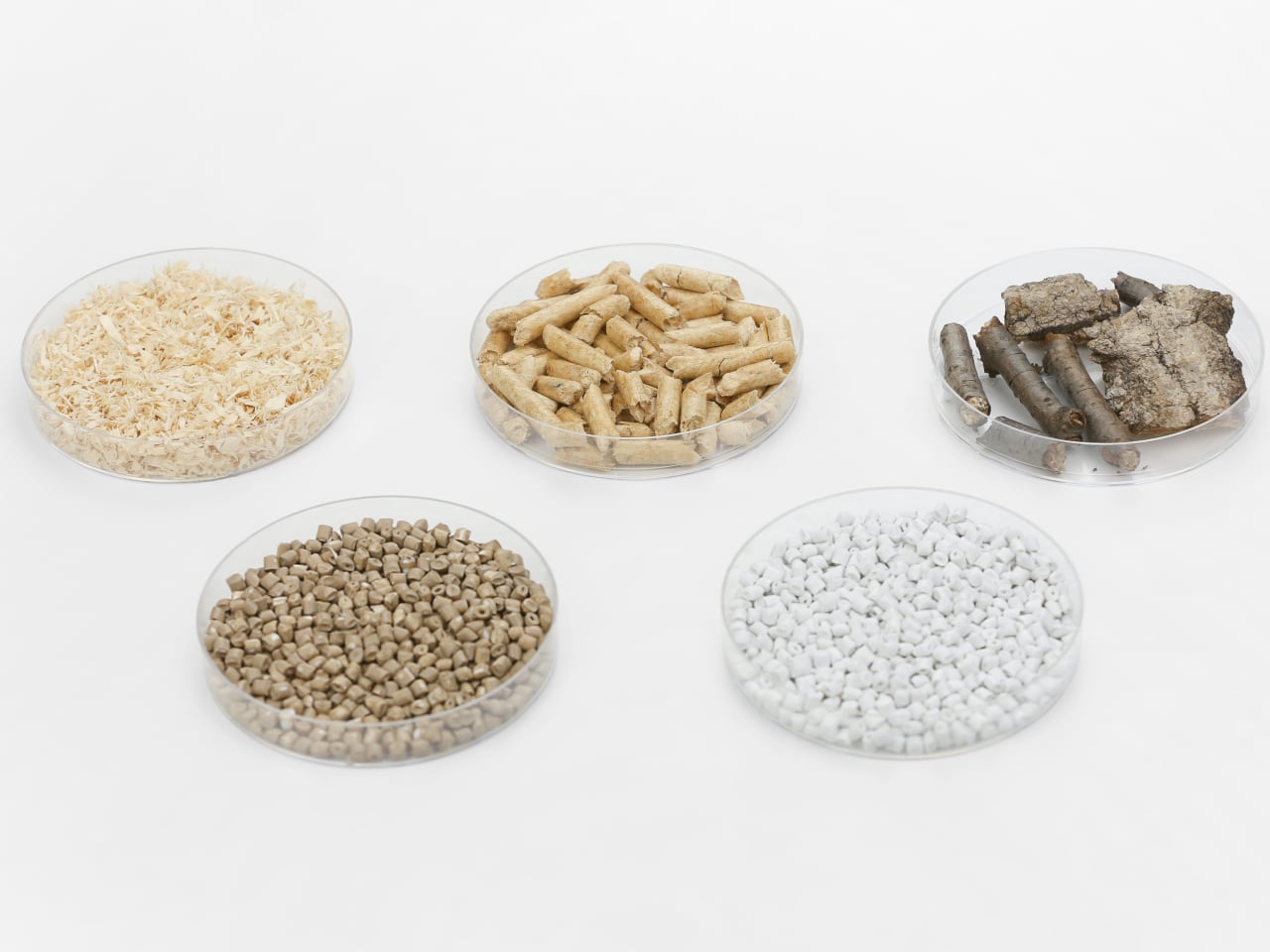
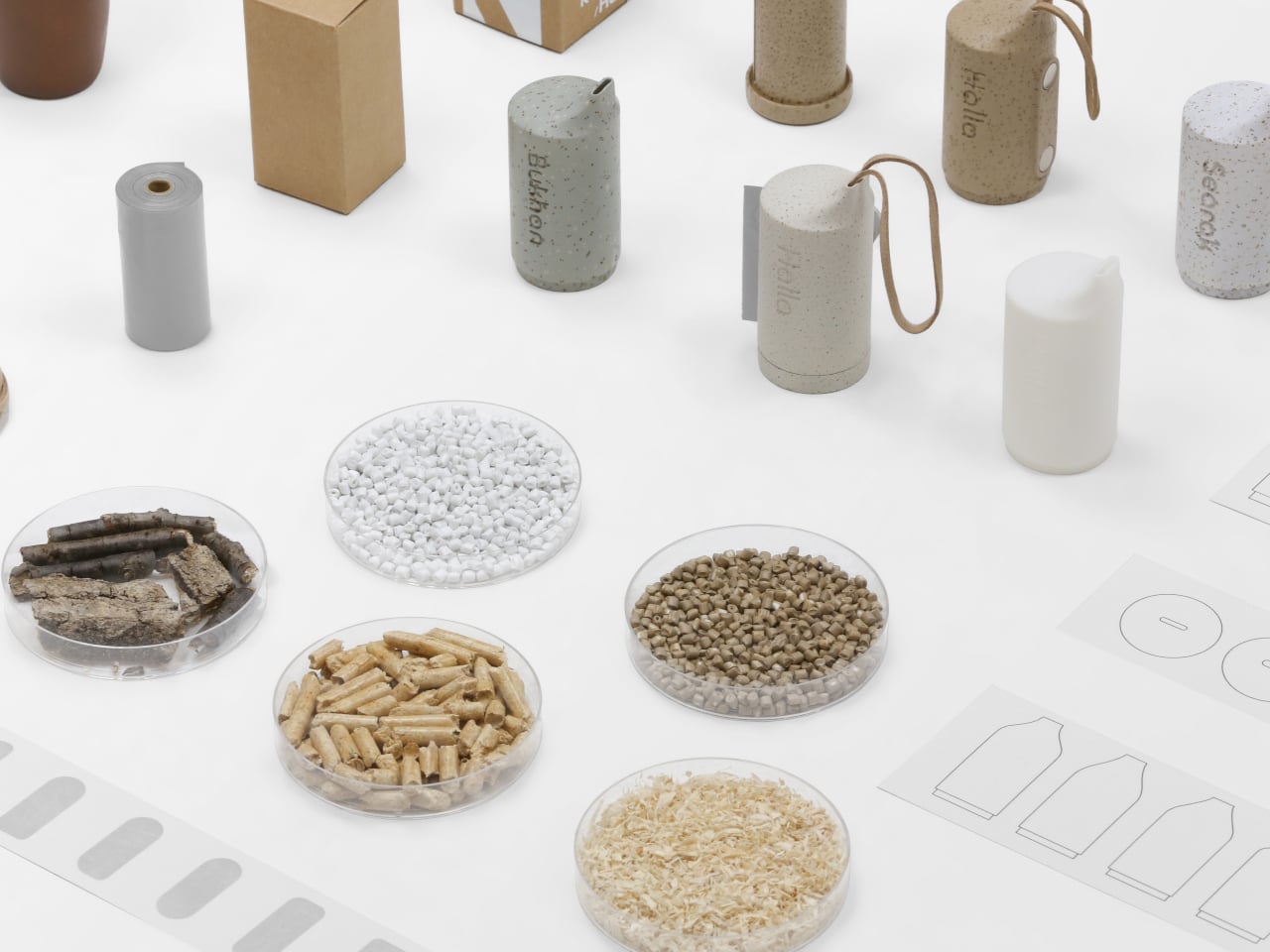
Peak Pouch is part of a National Park Upcycling Project, a portable waste-bag dispenser and bag holder made from waste wood decks and plastics collected directly from the parks. The designers argue that visitors are not short on environmental awareness; they are short on tools and motivation. Peak Pouch turns the abstract idea of conservation into something you can hold and use on every hike, making the right behavior easier than hiding trash.
Designer: Hyunbin Kim
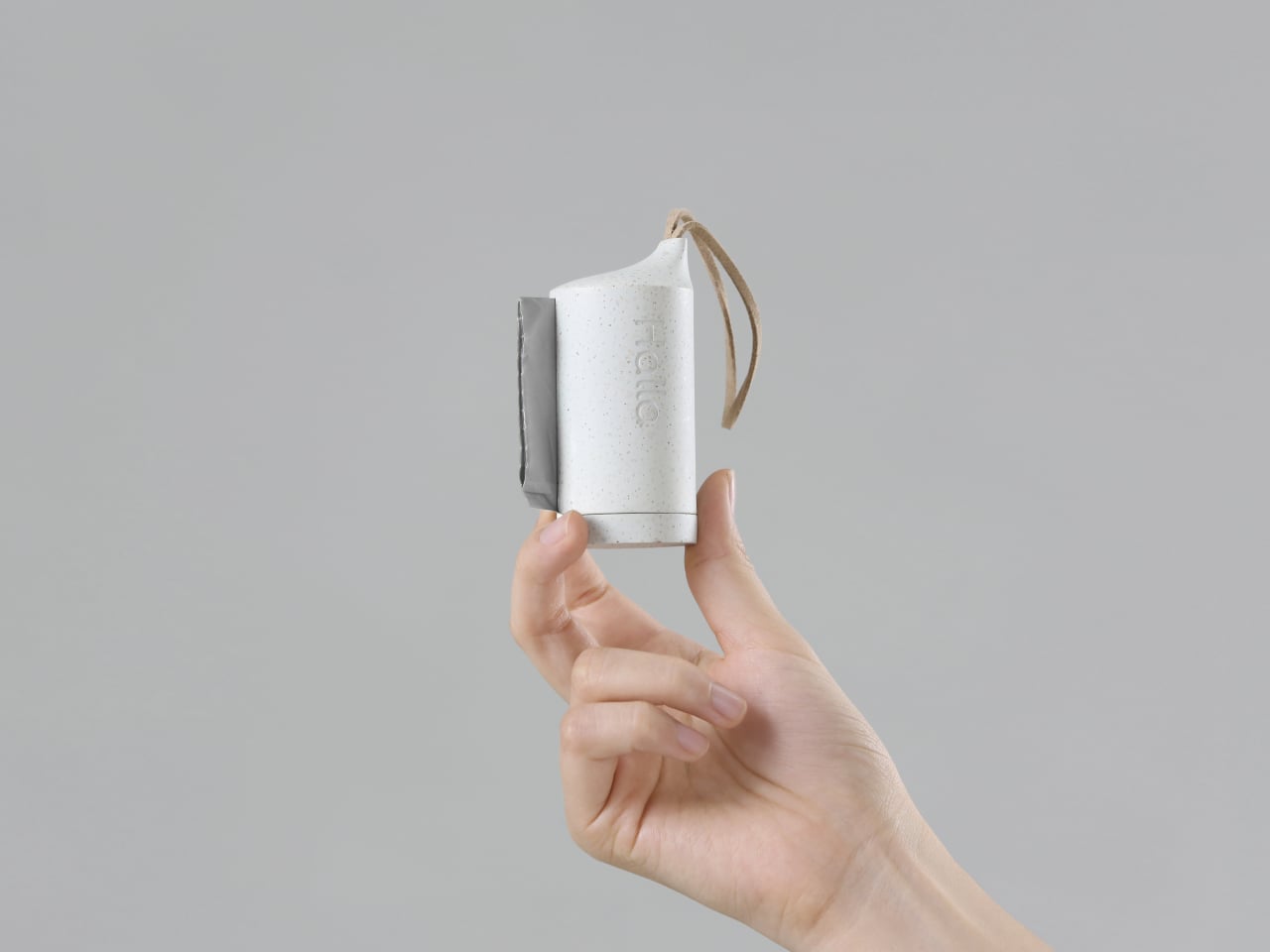
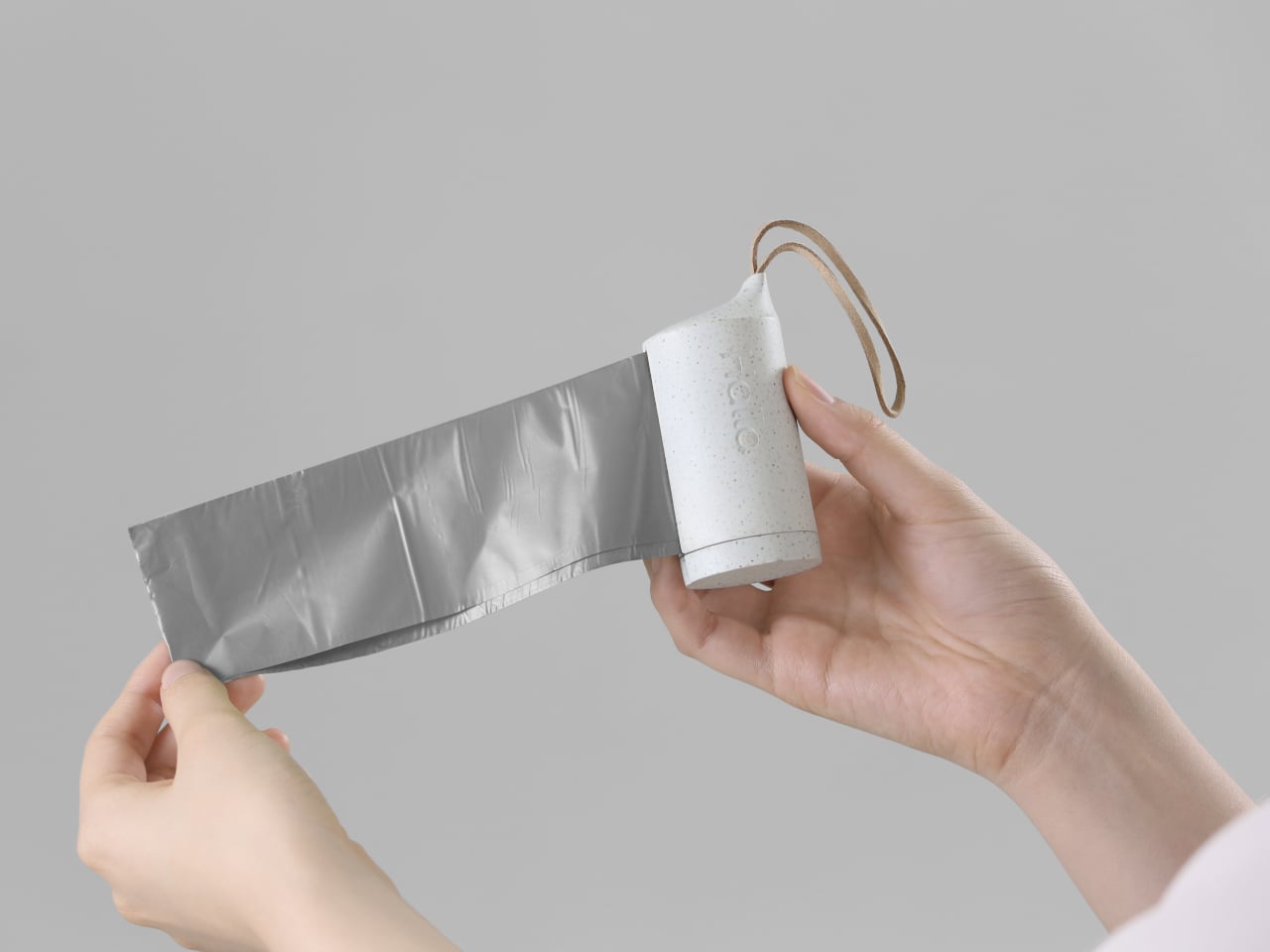
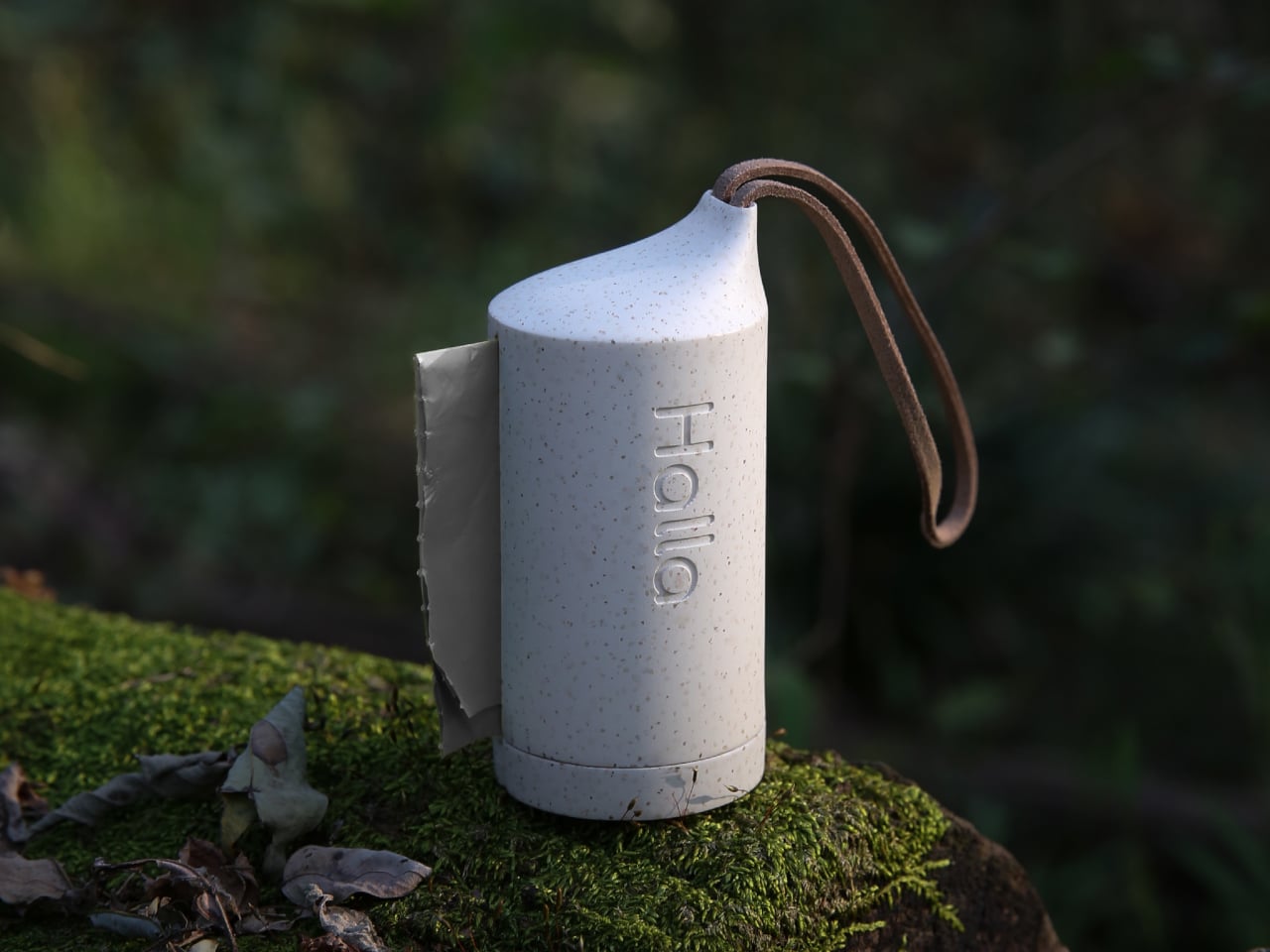
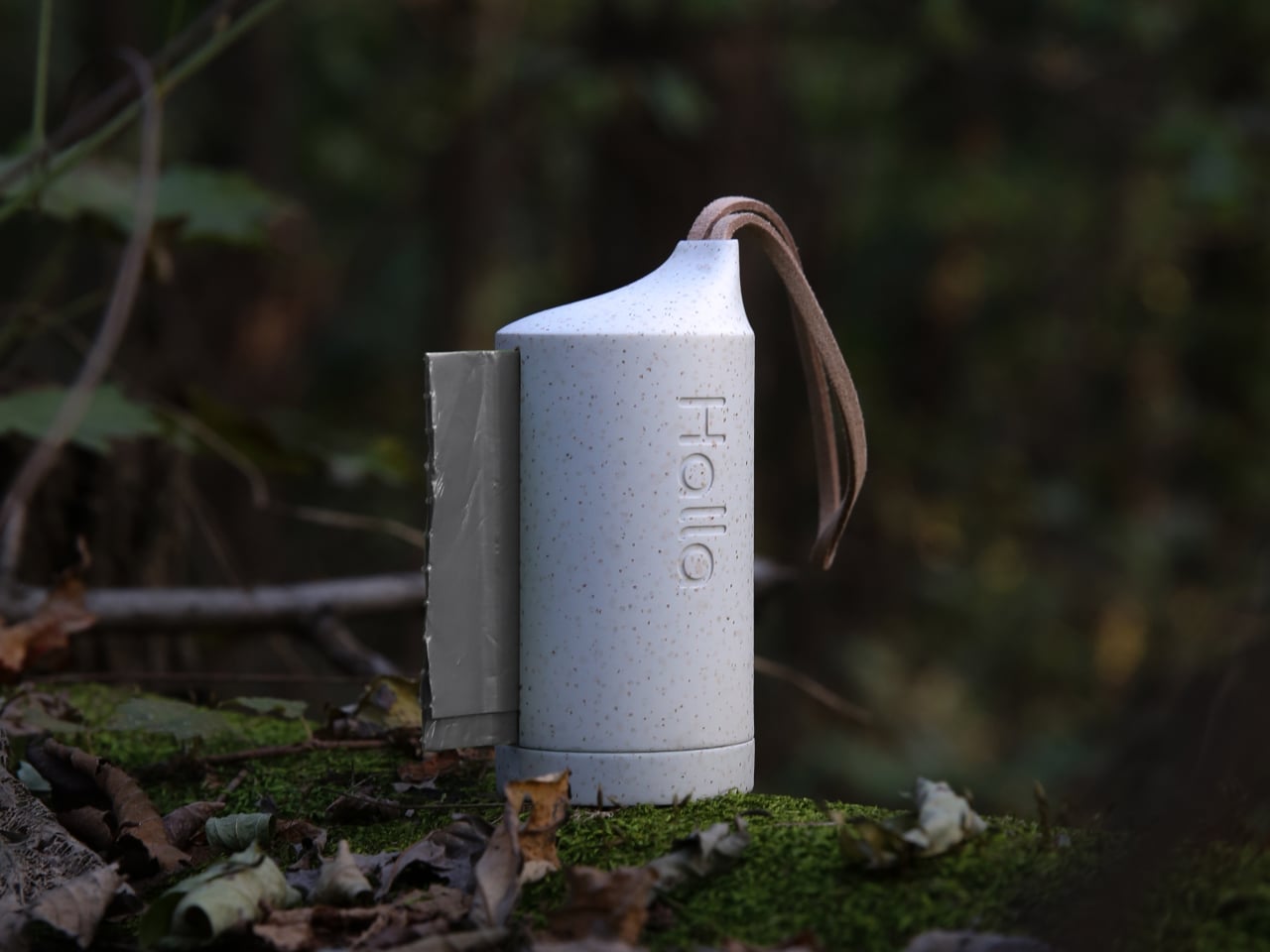
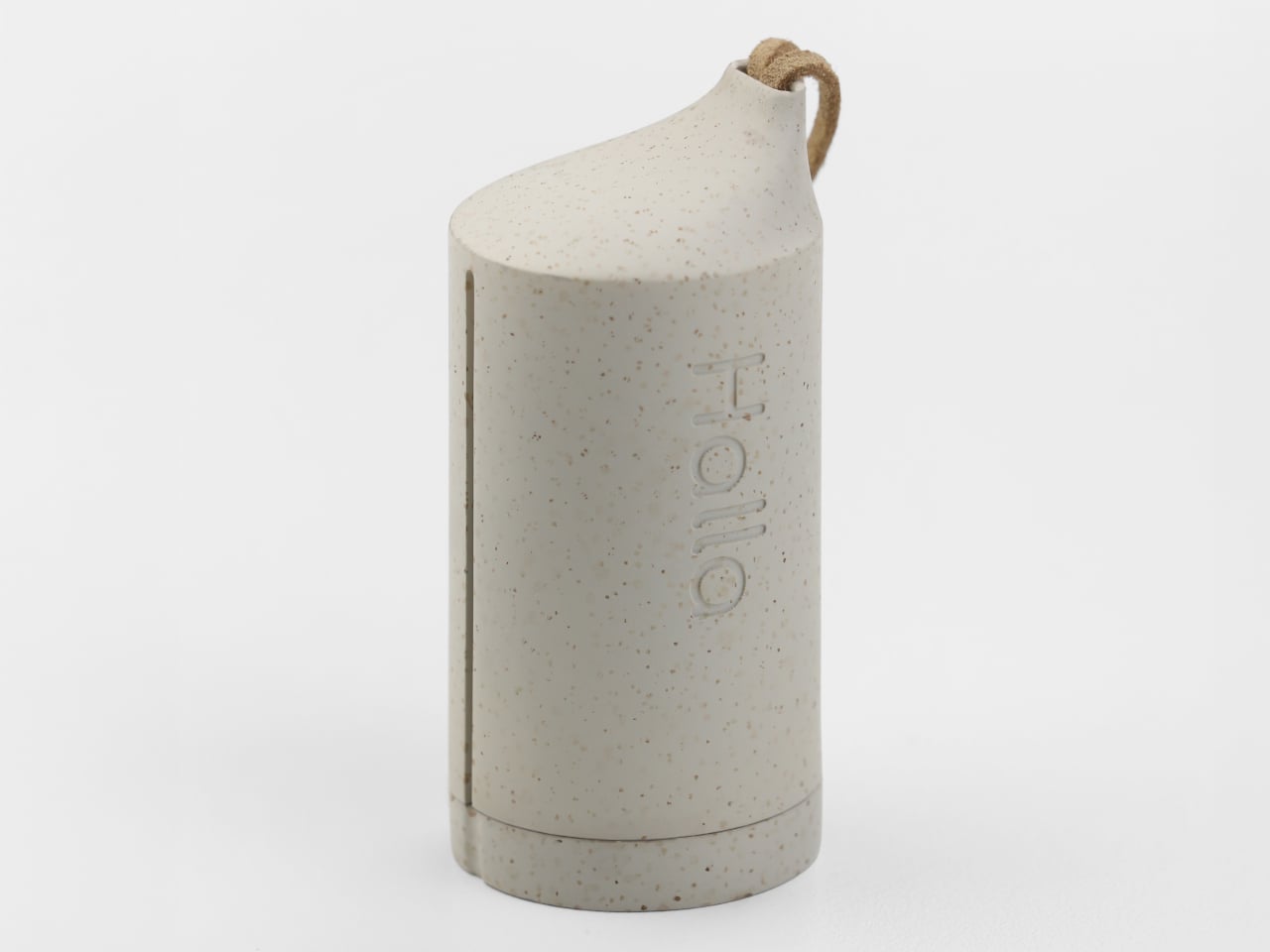
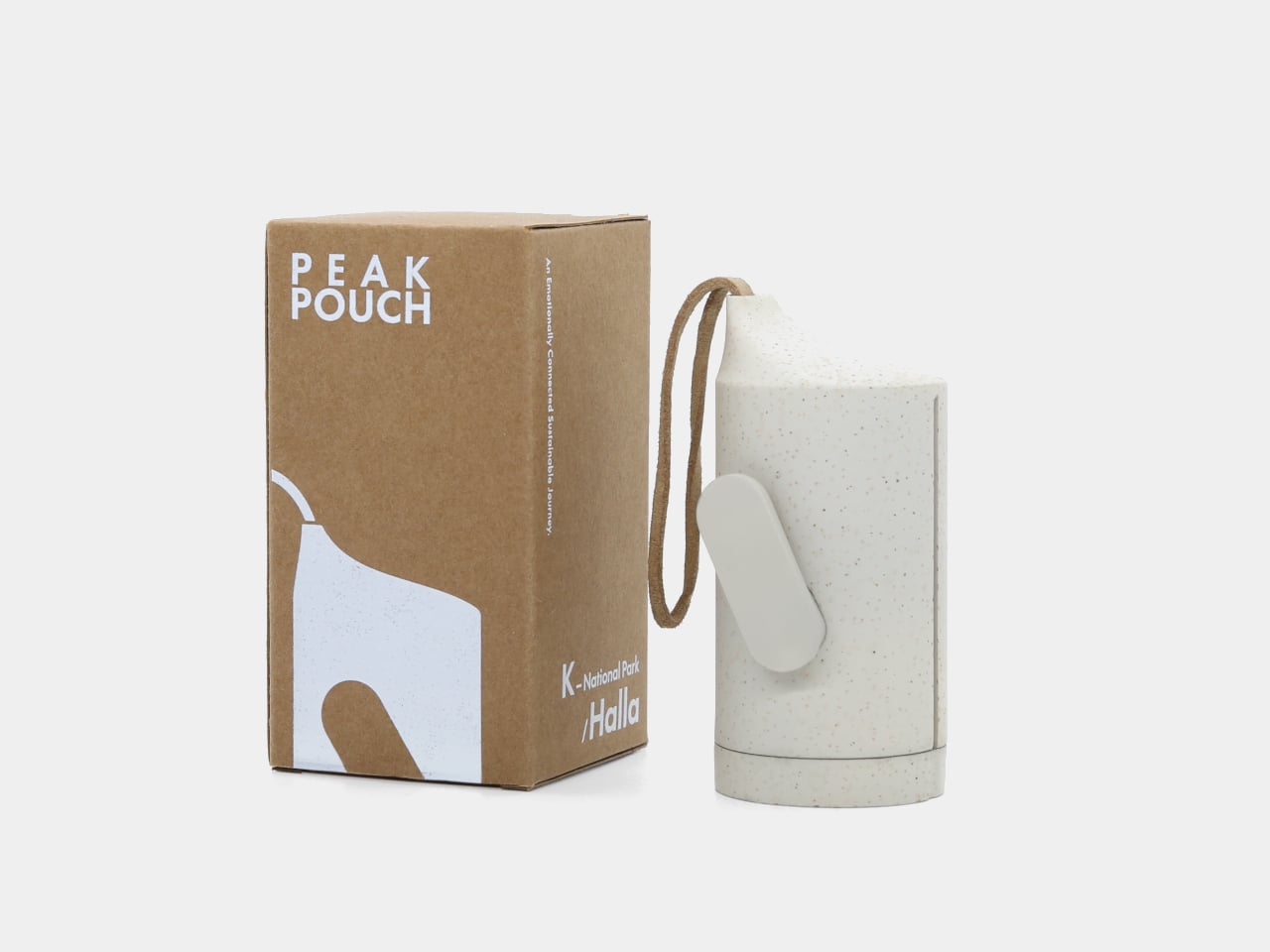
Peak Pouch is a small, organic cylinder inspired by the curves of Baengnokdam crater in Hallasan National Park. The body is a blend of upcycled wood and plastic, with irregular speckles and a rough but warm texture that the designers leave visible. It feels closer to a small stone or piece of bark than a gadget, helping it sit naturally in a hiking context and build an emotional link to the landscape it came from.
The product is built from just three parts for intuitive use. It uses biodegradable roll bags to keep the system sustainable, and the bottom slot uses a simple twist-lock mechanism for refilling. You twist off the base, drop in a new roll, twist it back on, and you are done. The simplicity reduces friction, so carrying and refilling bags does not feel like a chore.
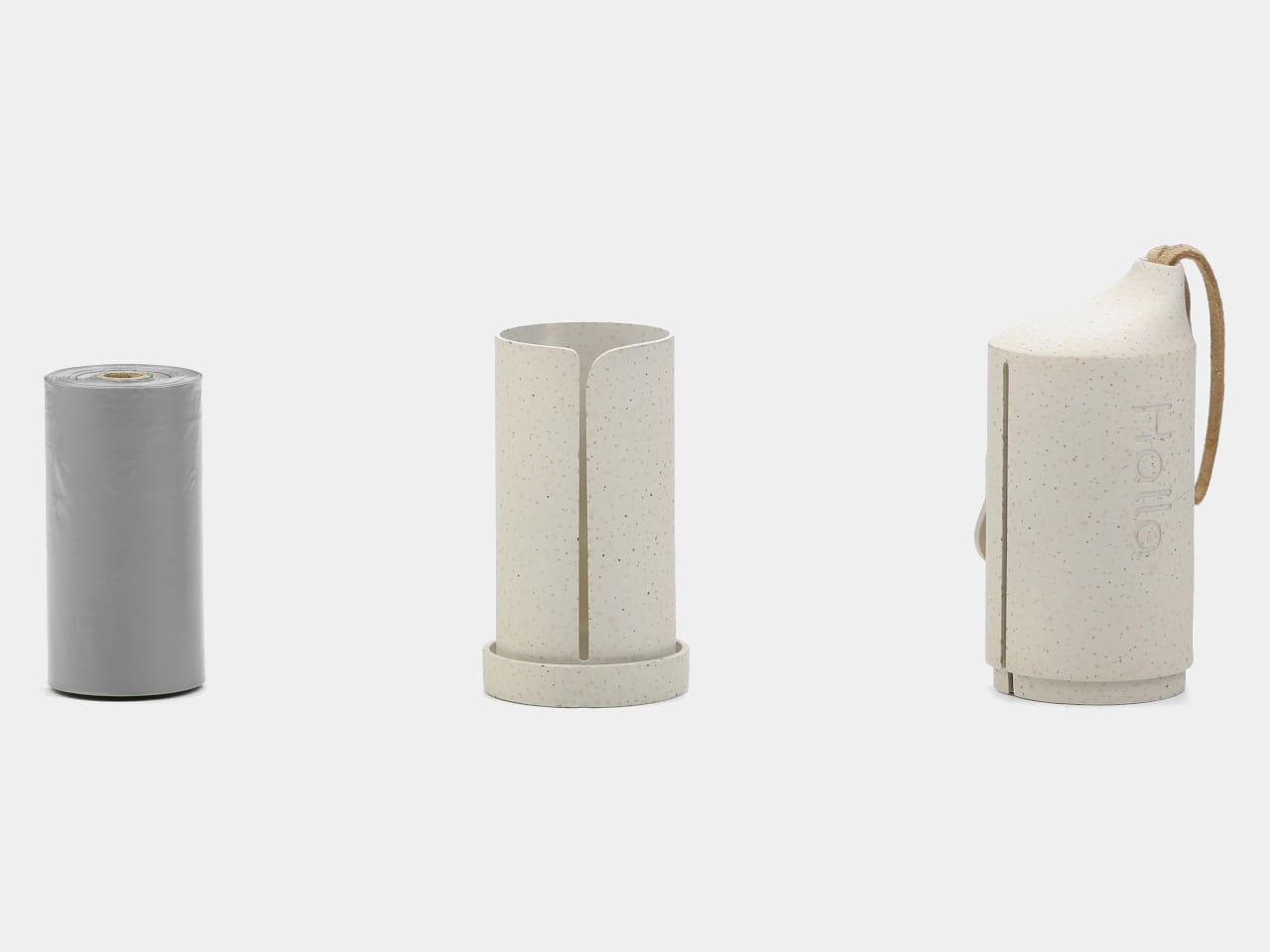
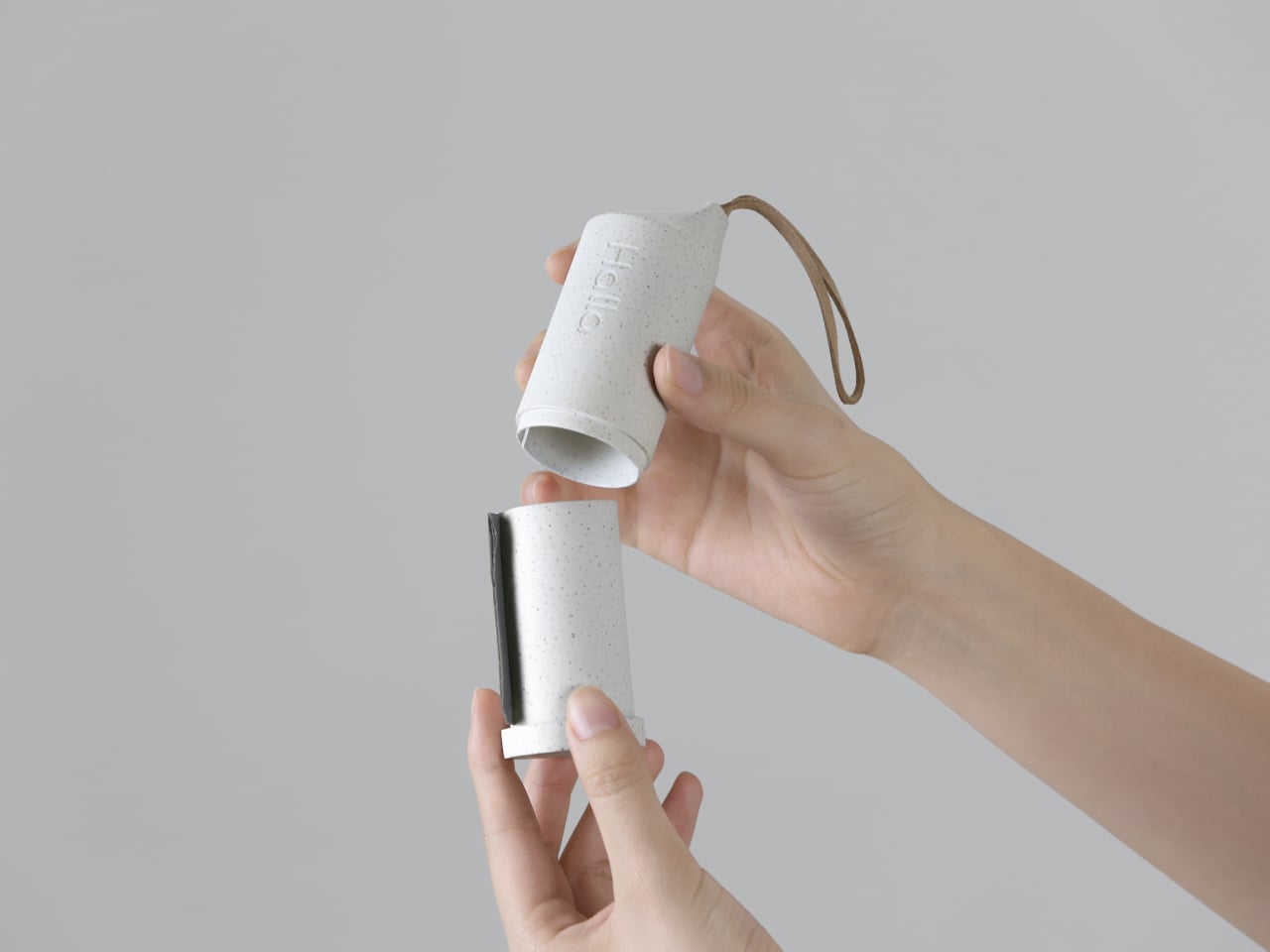
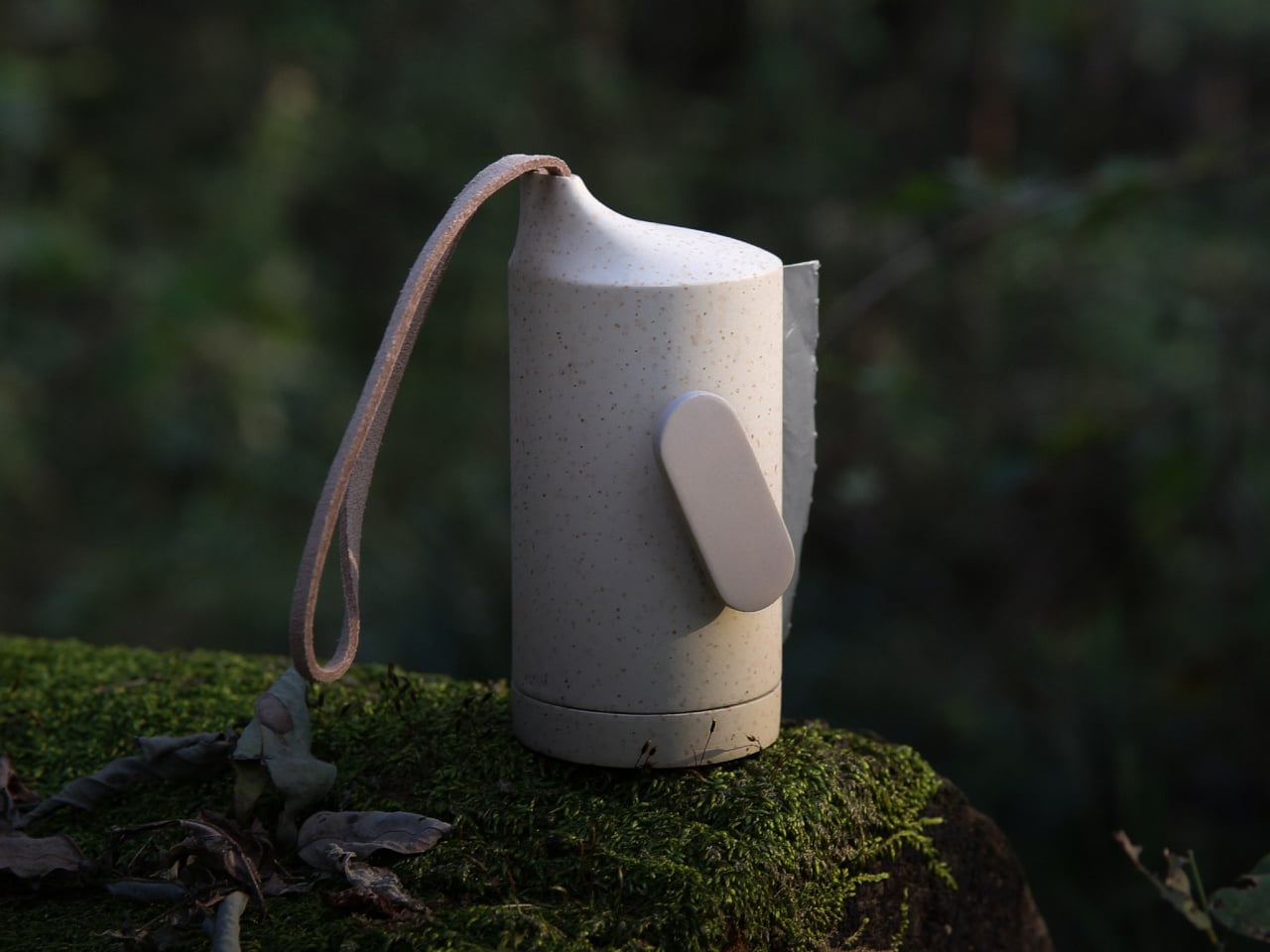
Peak Pouch is designed for immediate access during hikes. A side slit lets you pull and tear bags one-handed while walking, so you do not have to stop and unpack. A sturdy top strap clips to a backpack or belt loop, keeping the dispenser visible and within reach. The idea is to make grabbing a bag when you need one the path of least resistance.
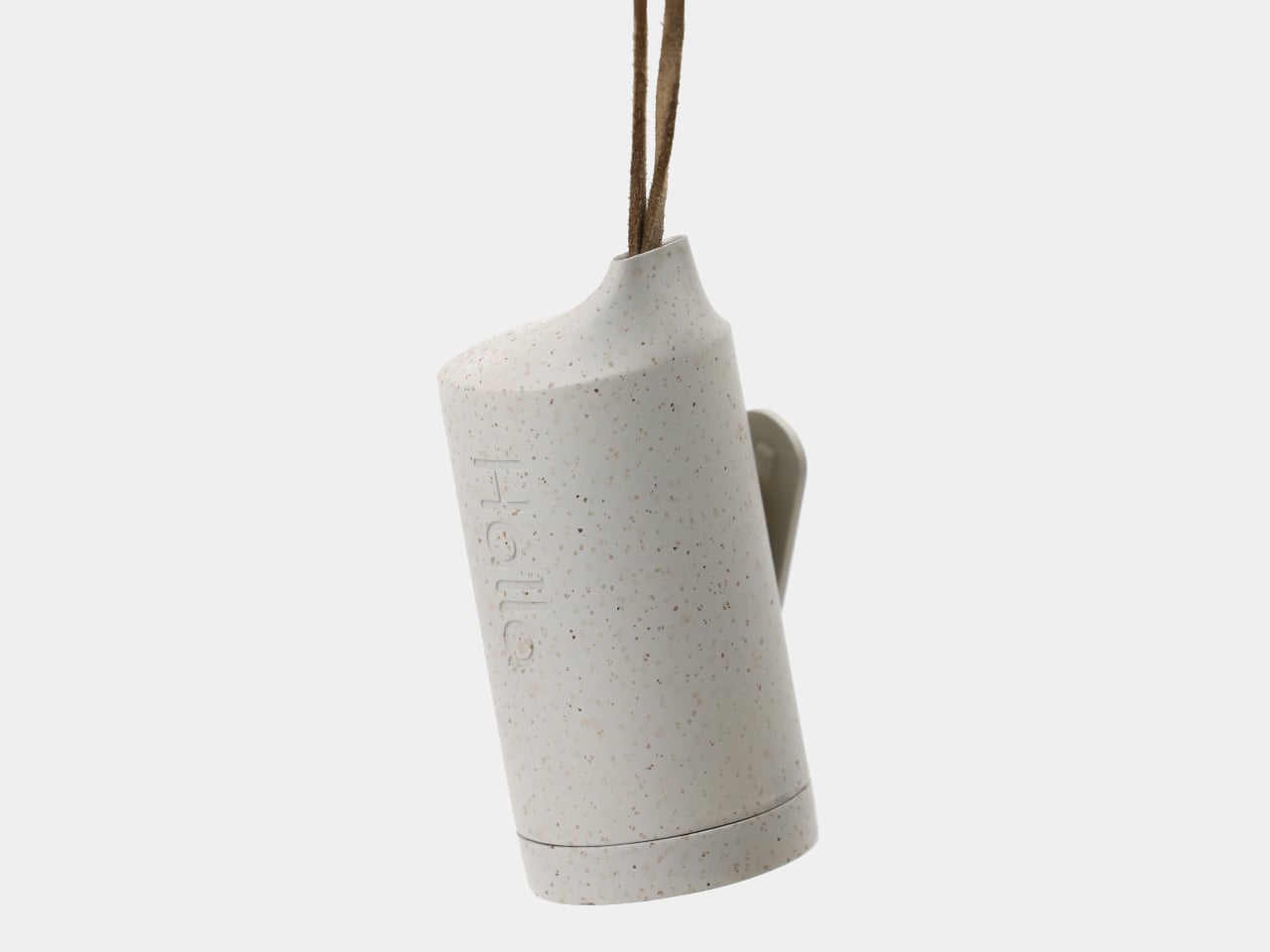
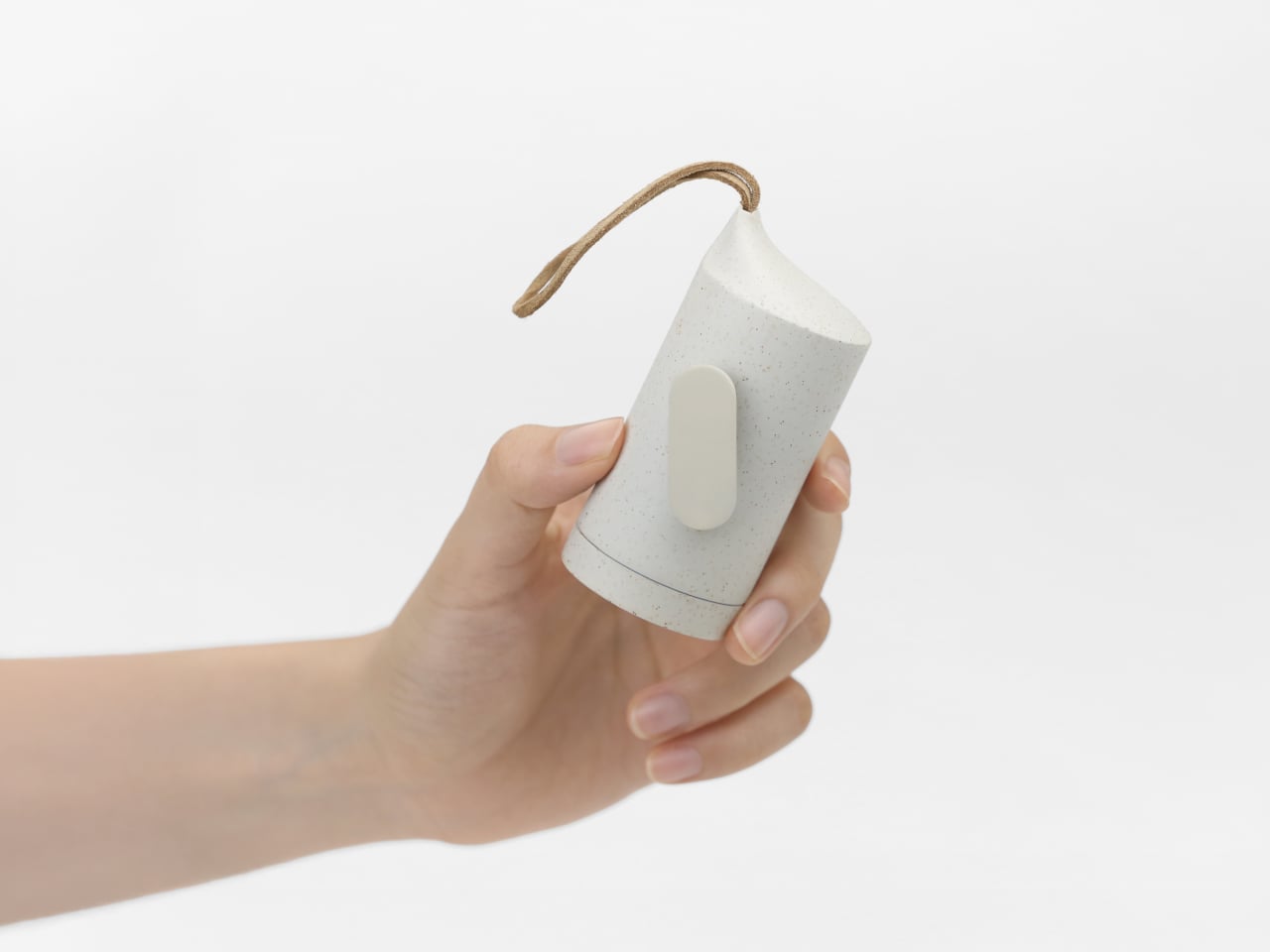
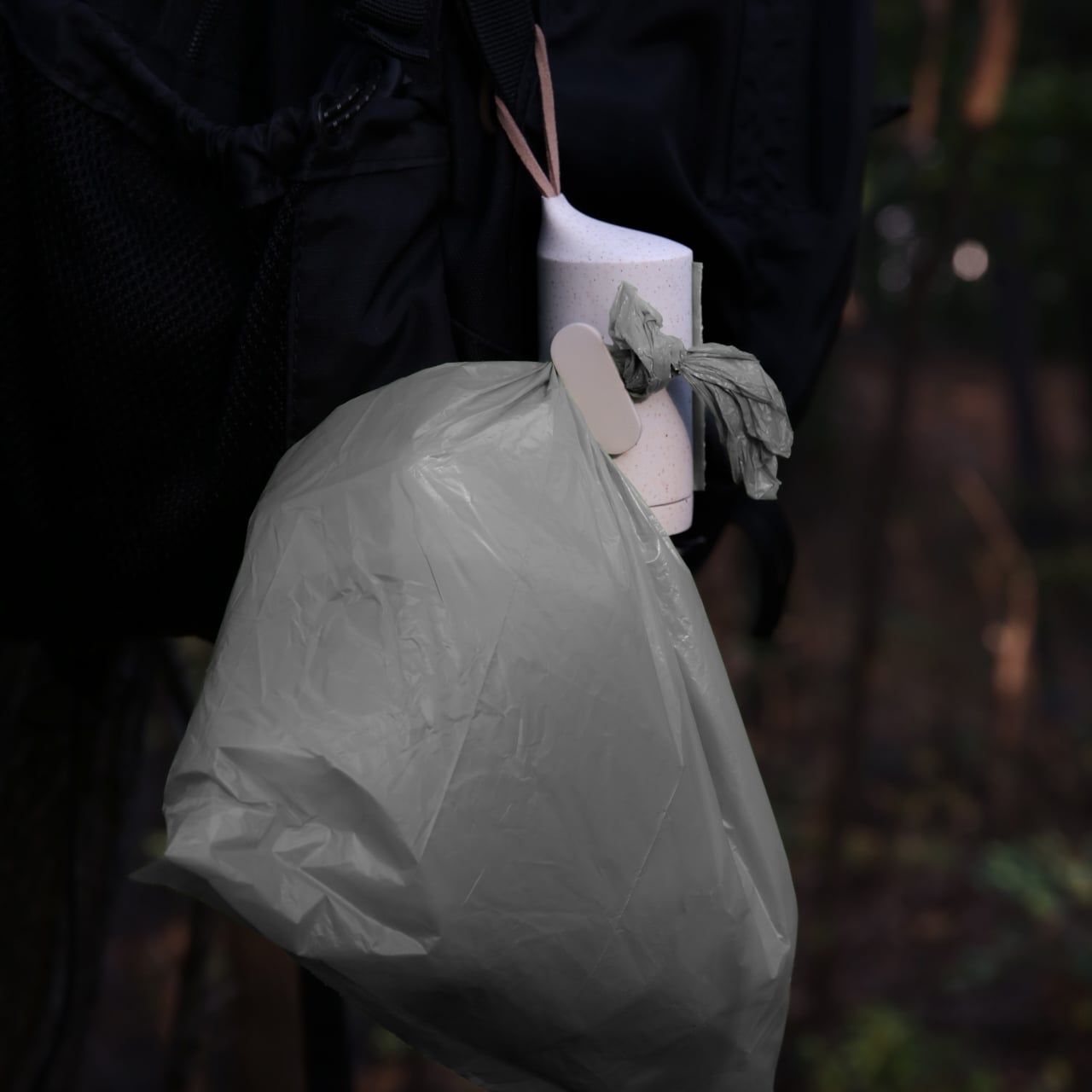
After you have filled a bag, a dedicated holder on the side lets you tie it off and attach it securely, so you do not have to carry it in your hand on the way down. That matters on steep or uneven trails, where having both hands free makes the descent safer and more comfortable. It turns carrying out waste from an awkward burden into something that feels planned for.
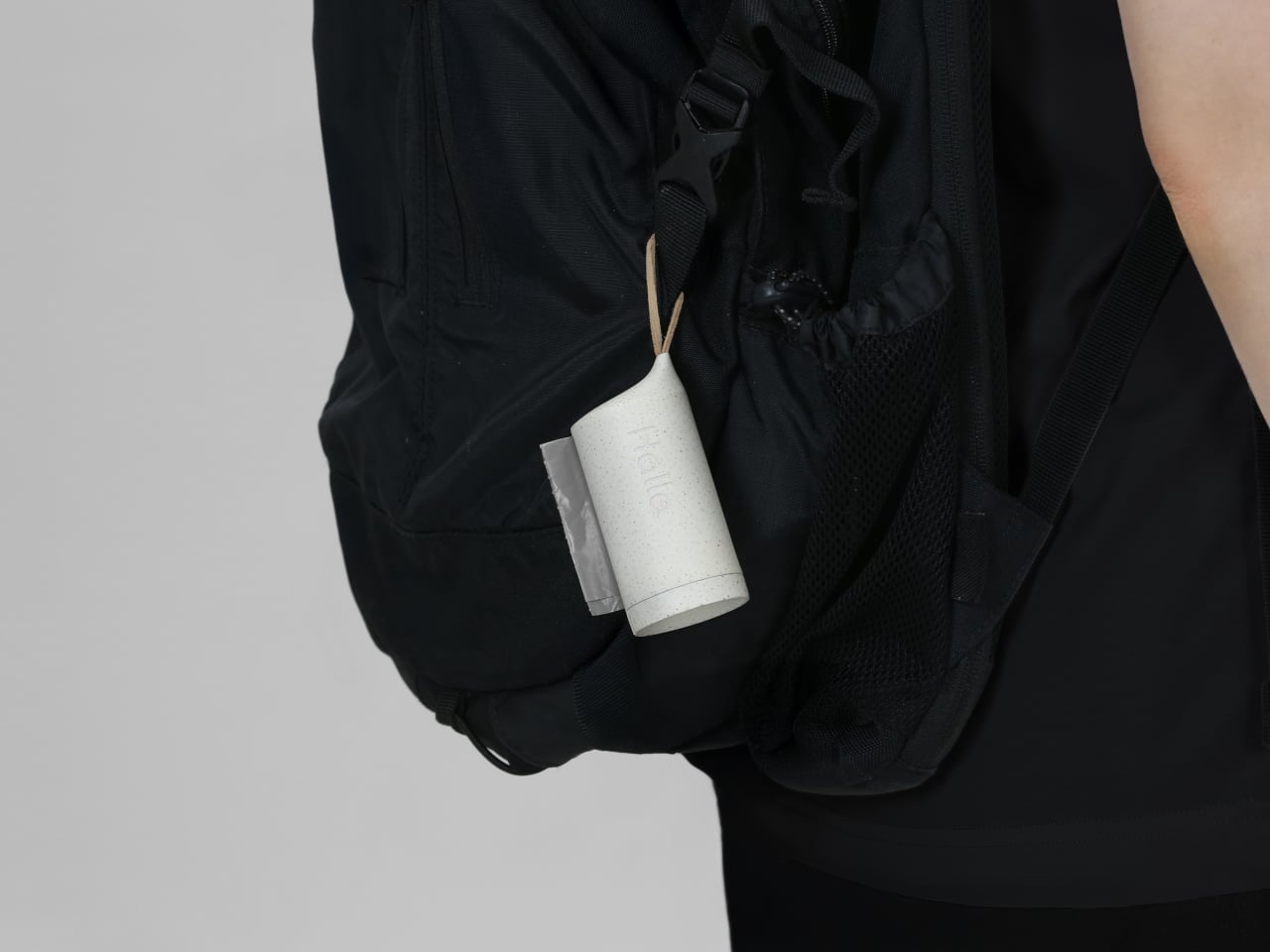
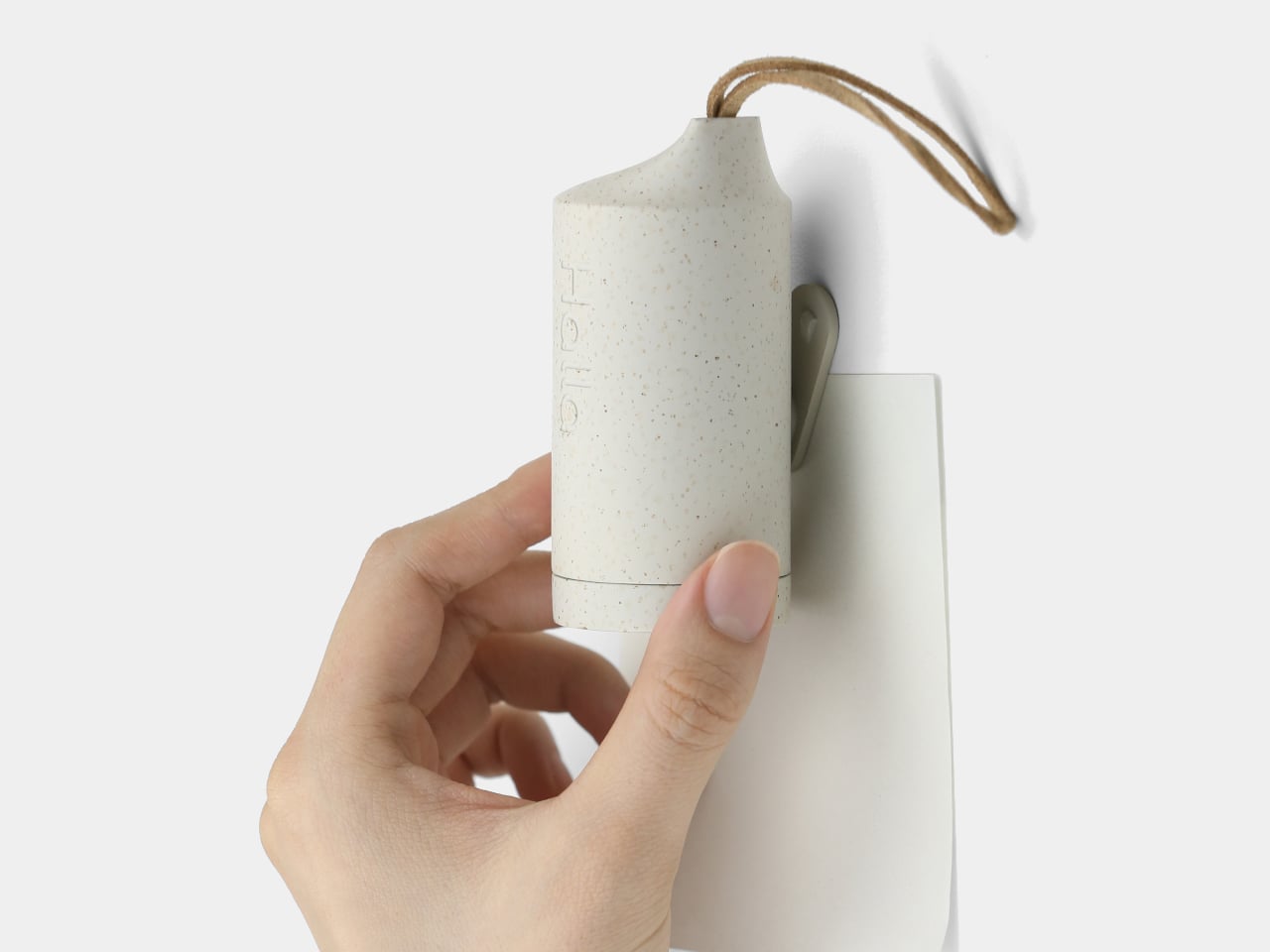
Peak Pouch comes in signature colors derived from the landscapes of major Korean national parks like Halla, Seorak, and Bukhansan, with each park’s name embossed on the body. After the hike, the bag holder’s built-in magnet lets it live on a refrigerator or metal furniture as a memo or photo clip, quietly reminding you of the trail and your role in keeping it clean.
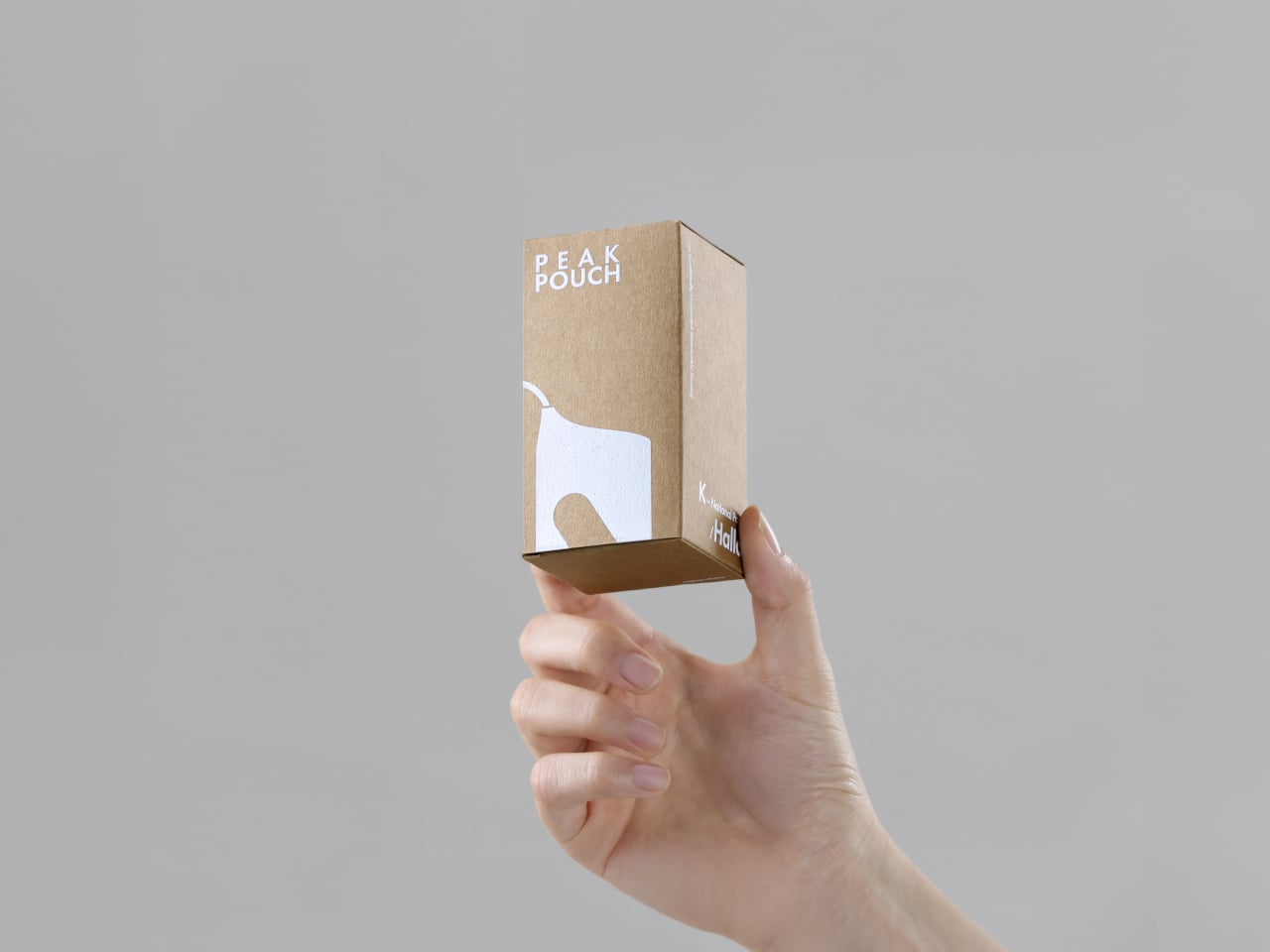
Peak Pouch reframes the park souvenir. Instead of a passive trinket, it is a piece of the park’s own waste turned into a tool that helps you leave less behind. By living on your pack during hikes and on your fridge between them, it nudges you from passive awareness to active practice, one pulled bag and carried-out wrapper at a time, making zero-waste hiking feel like something you choose rather than something you dread.