Dan Wheeler spent ten years sleeping in tents on his riverfront property before building anything permanent. The software engineer bought the land along Washington’s Wenatchee River in 2010, drawn by years of rafting trips with friends through the area’s rushing waters. Every camping trip reinforced what he already knew: this spot needed something, but only when the time felt right. Those years weren’t wasted time but rather an extended conversation with the landscape, understanding how light moved through the trees, where water pooled during spring runoff, and which views mattered most when morning broke over the mountains.
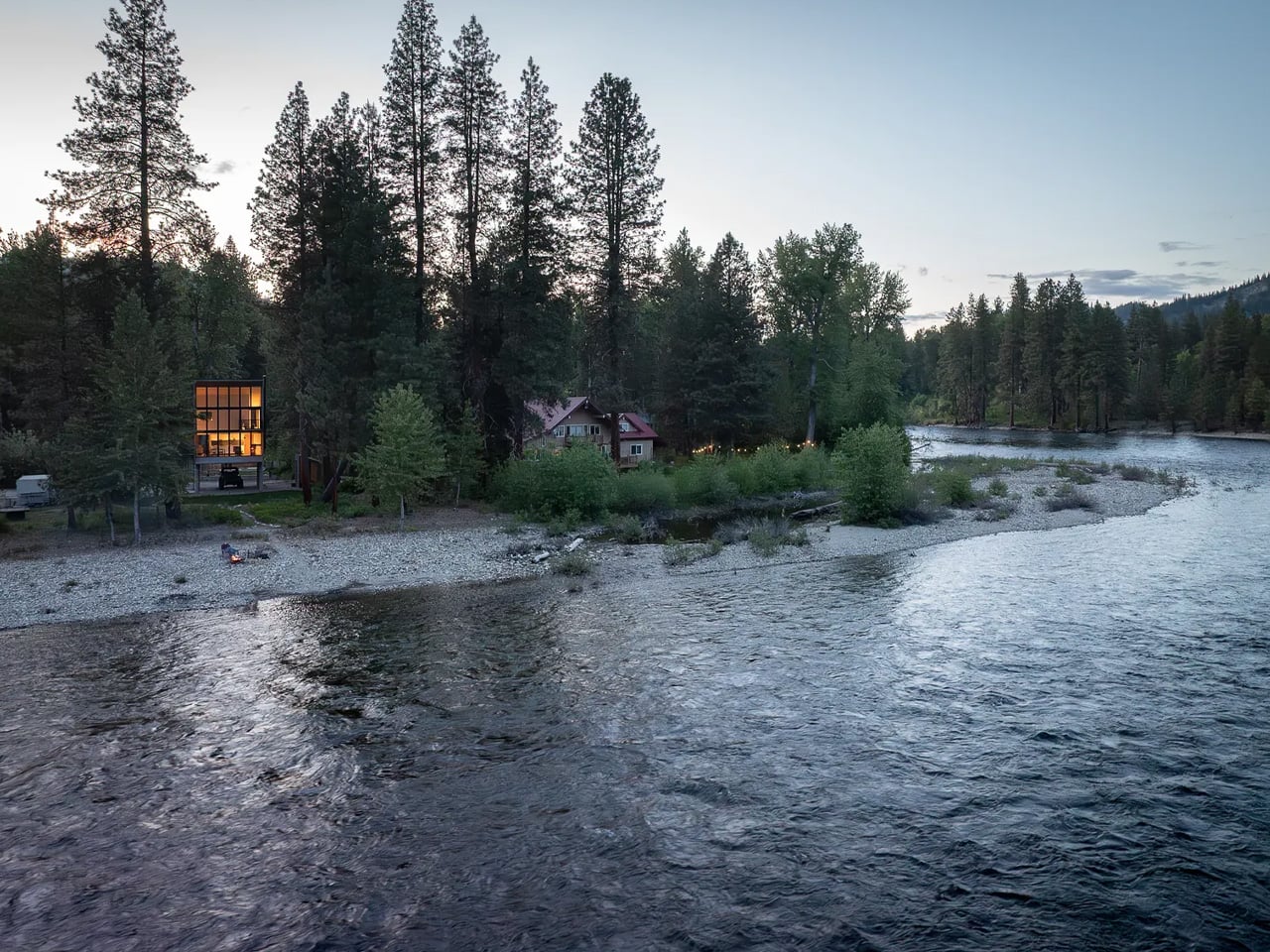
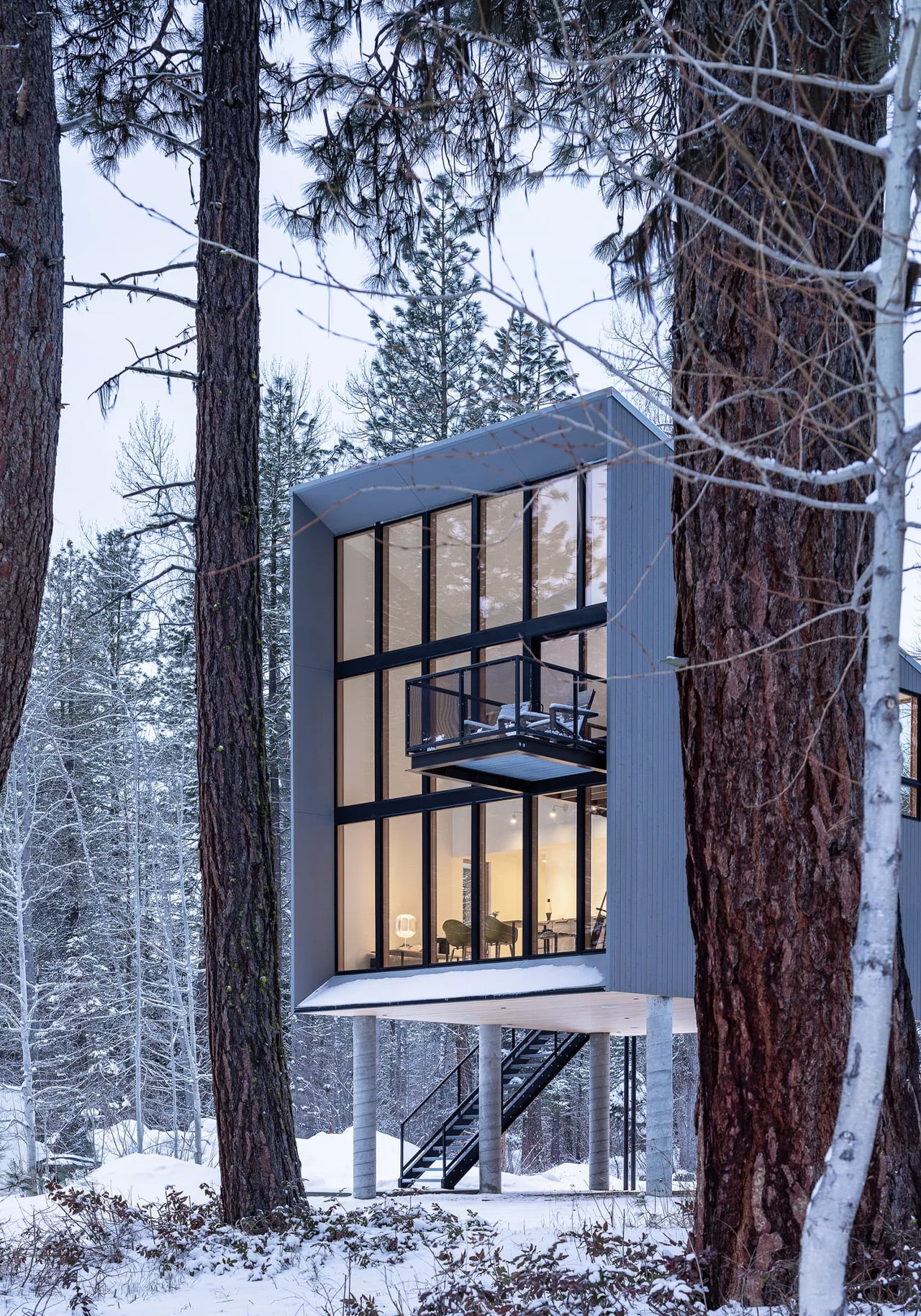
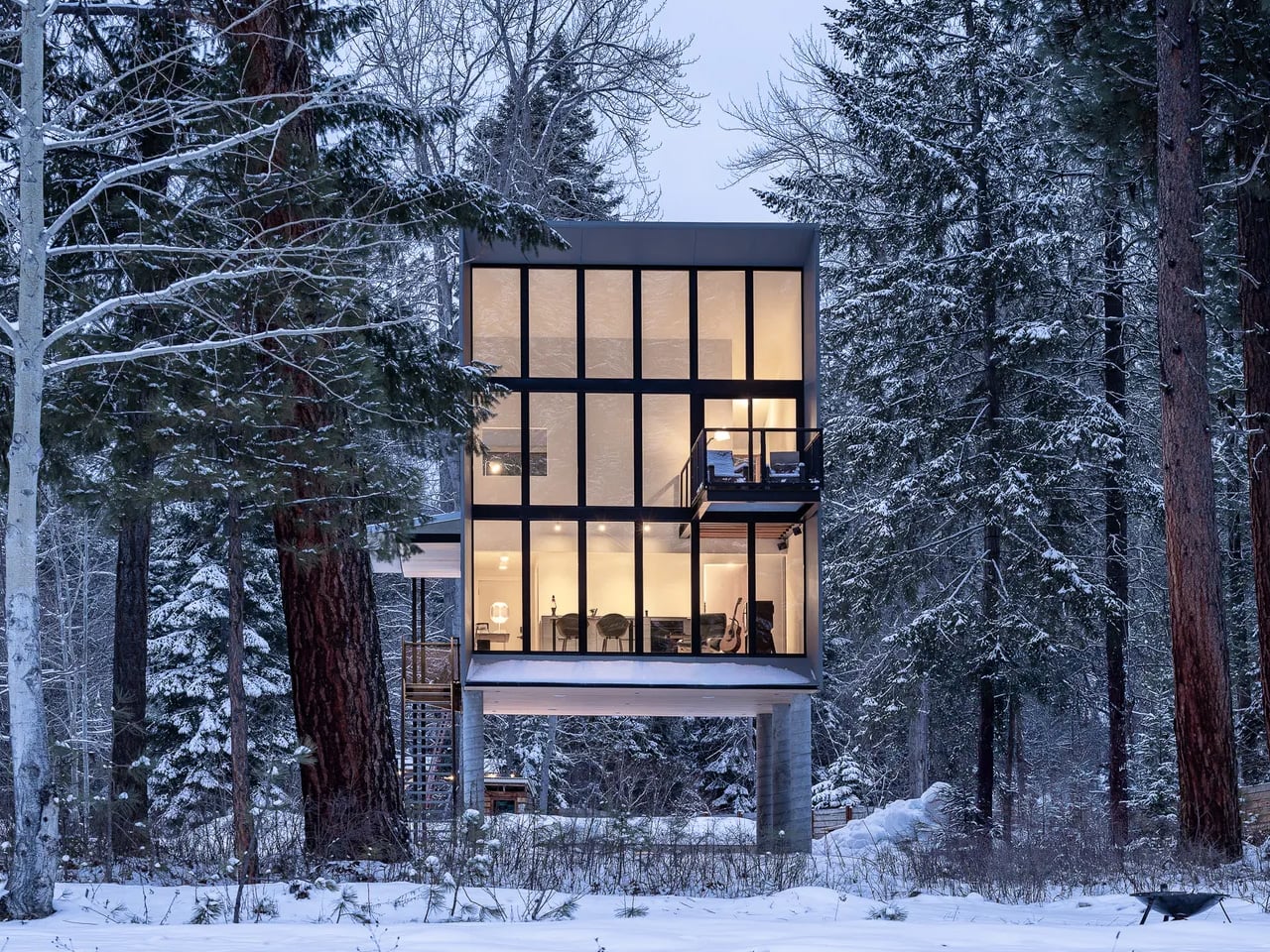
When Wheeler finally decided to build, he approached Seattle-based Wittman Estes with a clear vision. He wanted something modern and sculptural, a structure that would honor the decade he’d spent living simply on the land. What emerged is a 747-square-foot, two-story cabin elevated ten feet above the ground on concrete columns. The metal-clad wedge faces directly toward the river, its form shaped by the surrounding Okanogan Wenatchee National Forest. The angular design creates a striking profile against the forest backdrop while maintaining a compact footprint that respects the wilderness setting.
Designer: Wittman Estes
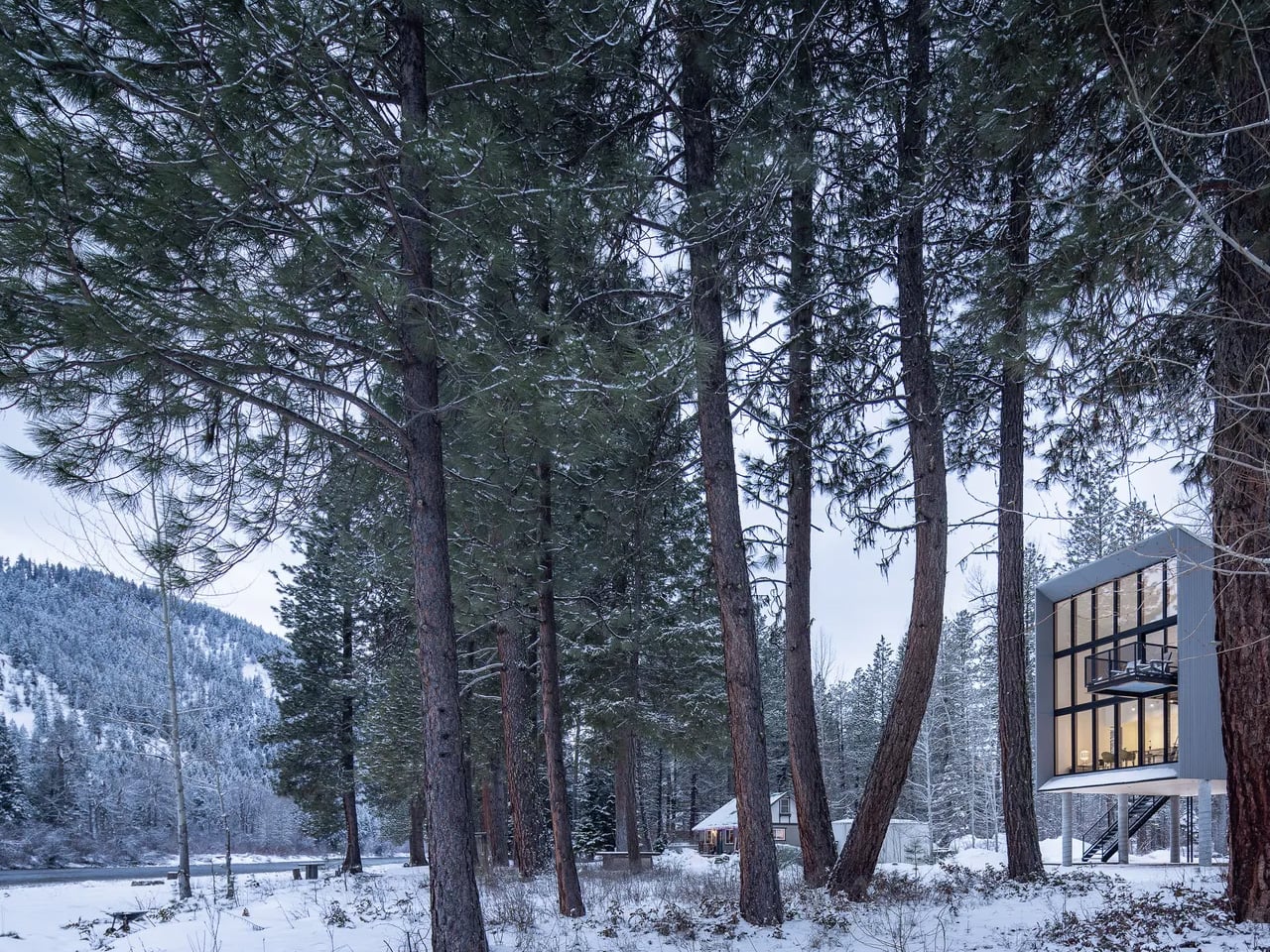
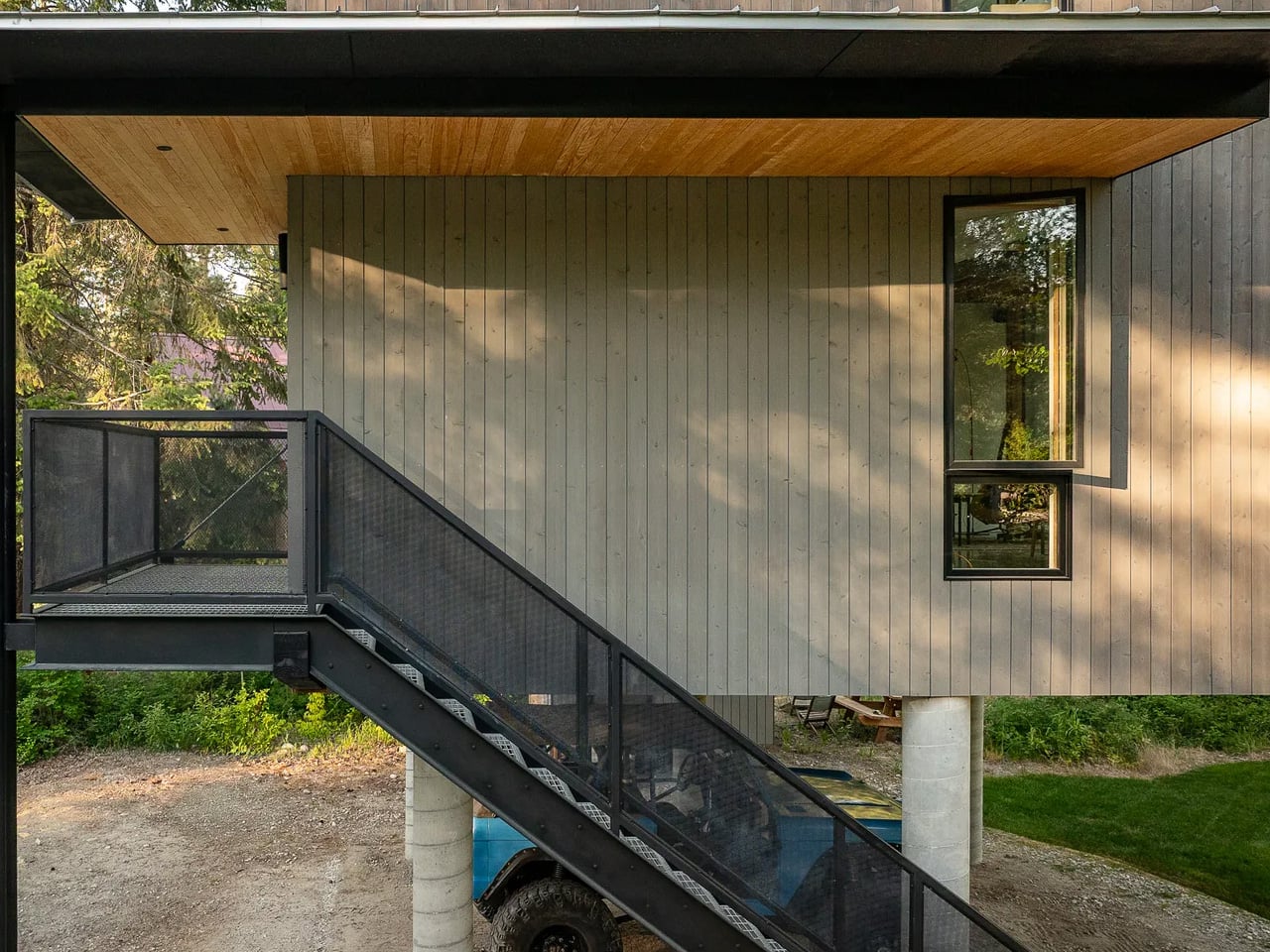
Architects Matt Wittman and Julia Frost designed the one-bedroom retreat to create what they call “a harmonious relationship between shelter and nature,” seeking interdependence between the ecosystem and the architecture itself. The elevated design serves multiple purposes beyond aesthetics. Lifting the cabin protects it from flooding and snow accumulation while minimizing the footprint on the forest floor. The positioning allows Wheeler to maintain the connection to the landscape he cultivated during those camping years, where cooking happened outdoors and shelter remained temporary.
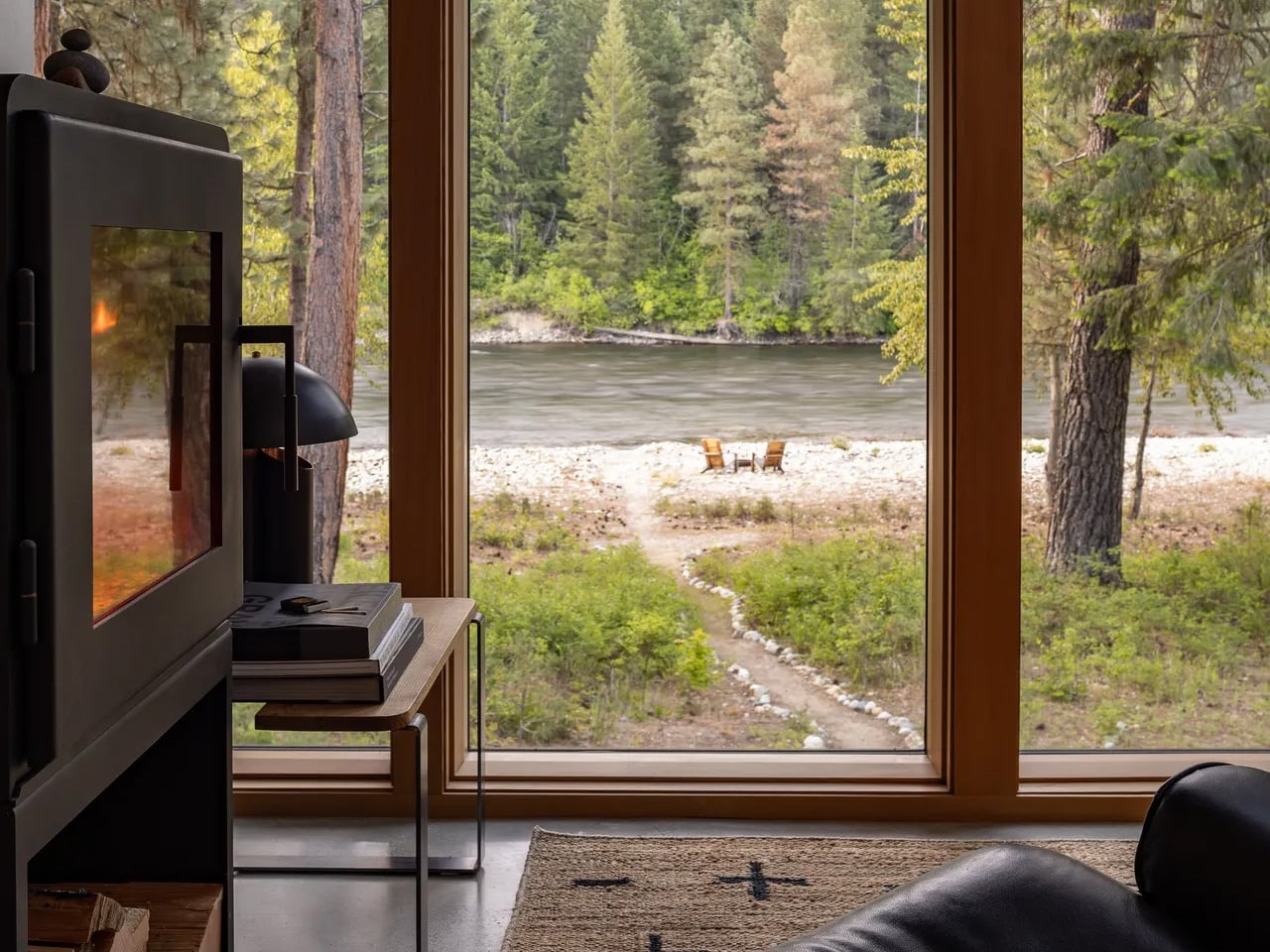
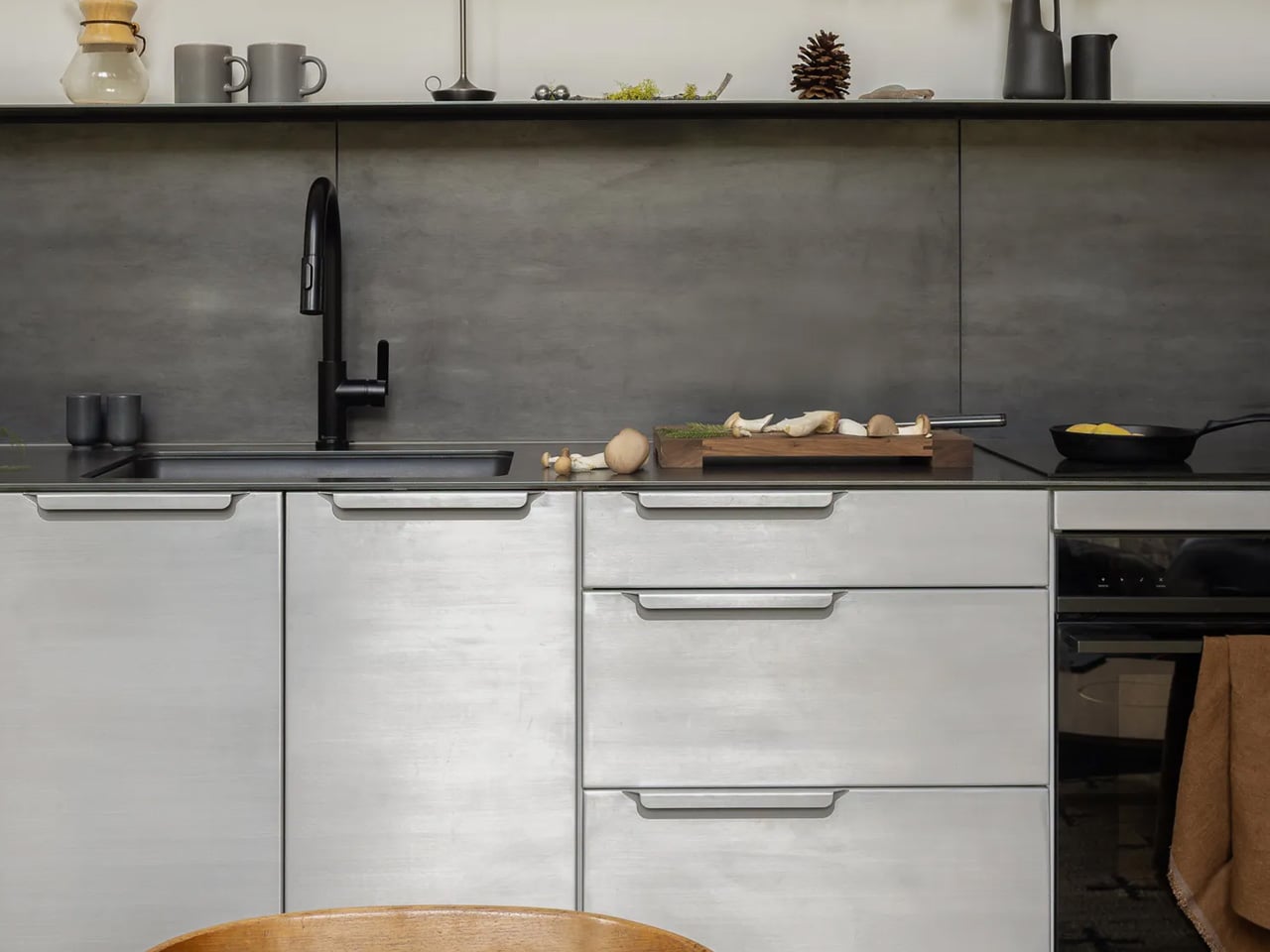
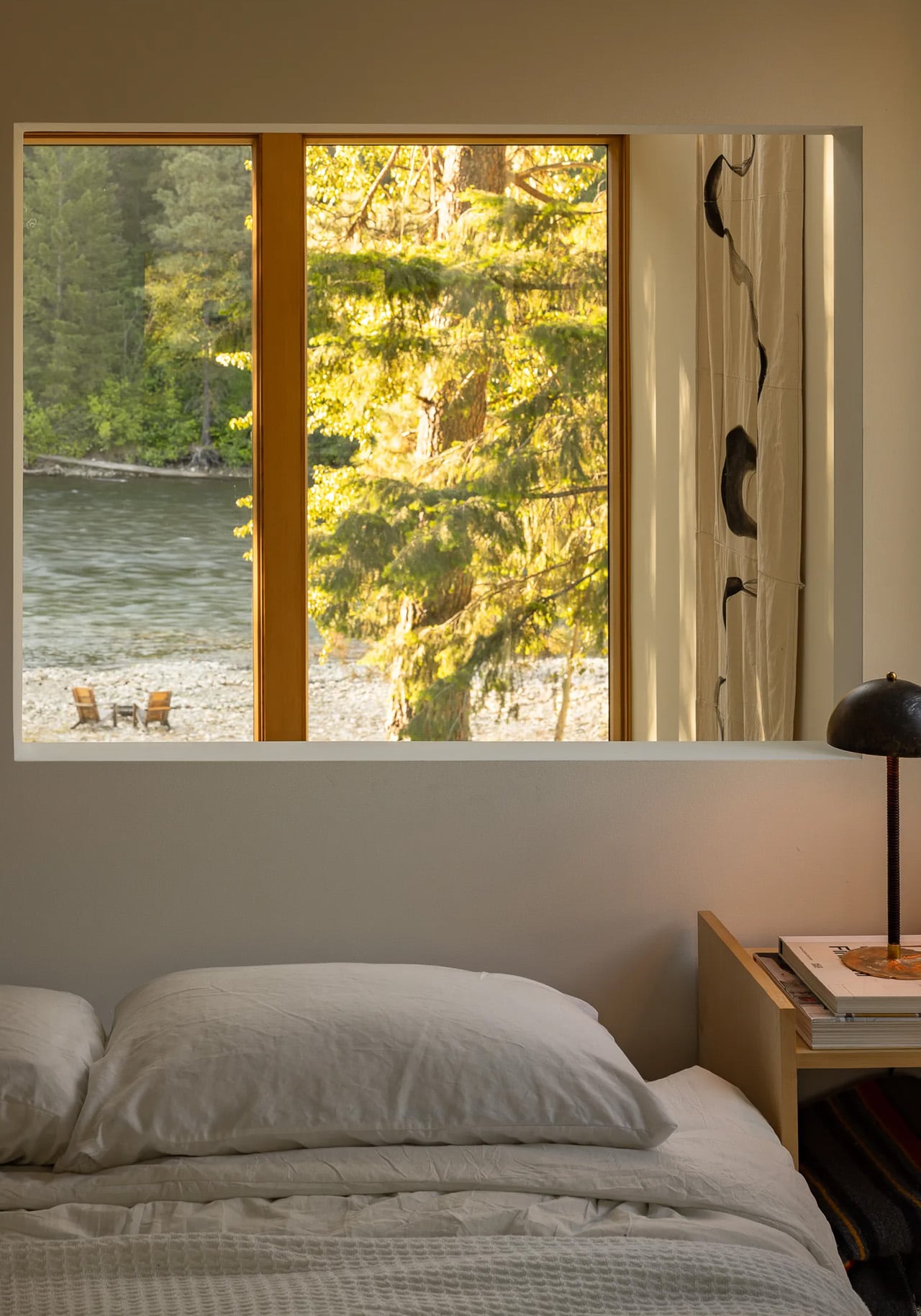
Inside, the compact footprint forces intentionality. At just over 700 square feet, there’s no room for excess. The design reflects Wheeler’s desire to live with “less stuff,” embracing the simplicity he discovered through a decade of tent living before walls and windows entered the equation. The scale might seem small by contemporary standards, but the visual connection to the river and forest expands the perceived space dramatically. Floor-to-ceiling windows blur the boundary between interior and exterior, making the surrounding wilderness feel like additional living area.

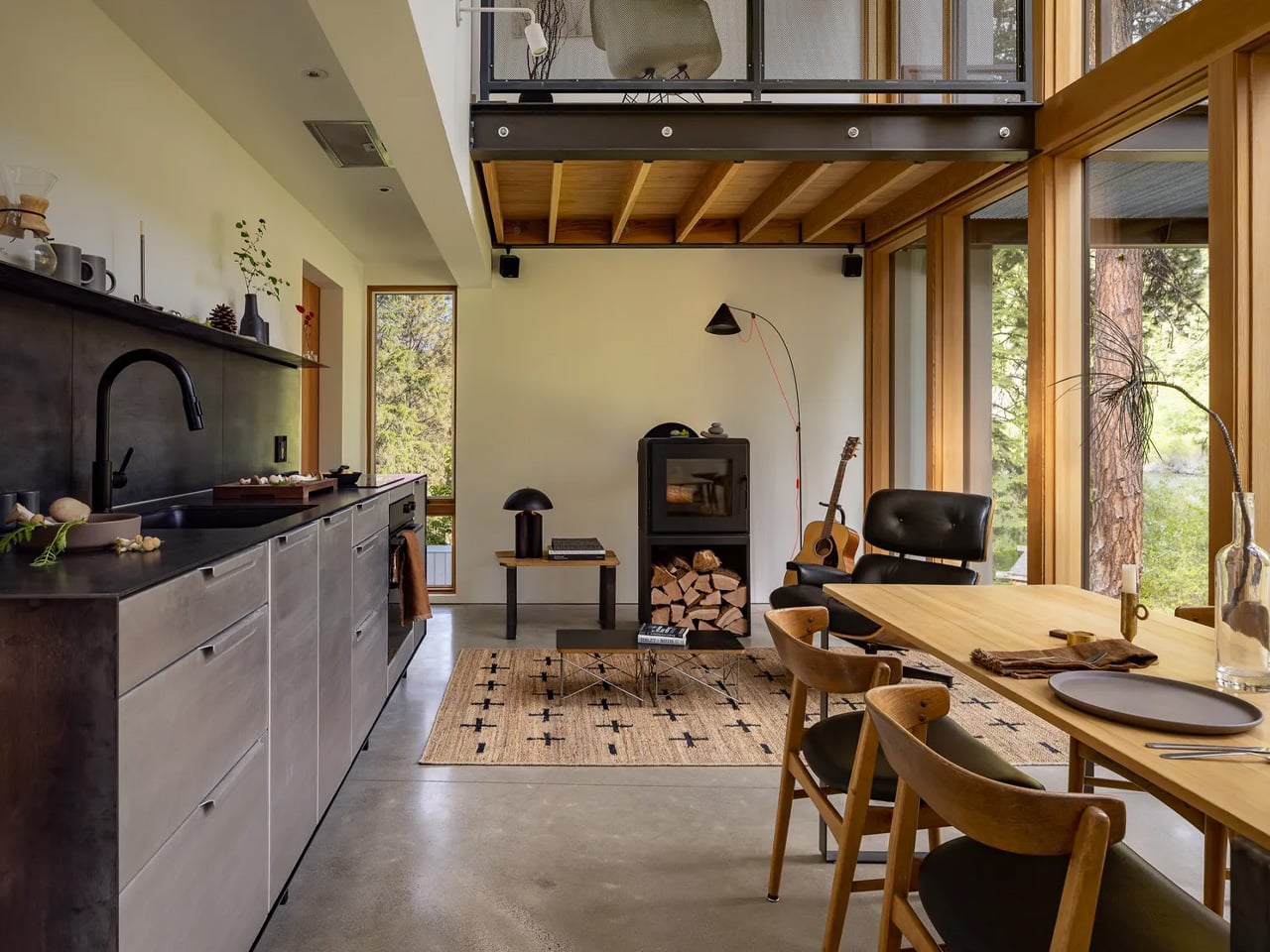
What started as a weekend escape transformed into something unexpected. Wheeler now lives in the cabin full time, proving that downsizing doesn’t mean sacrificing quality of life. The transition from occasional retreat to permanent home happened gradually, much like the decade-long deliberation that preceded construction. The move represents a fundamental shift in how Wheeler defines comfort and necessity, stripping away the accumulated possessions that filled his previous life.
The Wenatchee River Cabin stands as proof that restraint can produce better results than expansion. By waiting, observing, and understanding the land first, Wheeler and Wittman Estes created something that feels inevitable rather than imposed. The cabin doesn’t fight its environment or demand attention. It simply exists where it should, elevated above the forest floor, facing the river that made Wheeler fall in love with the place fifteen years ago. The project demonstrates that the best architecture sometimes requires patience, letting years of experience inform design decisions rather than rushing to build.