July 2025 felt different. While most months bring the usual parade of incremental updates and committee-approved designs, this July delivered automotive moments that truly surprised me. These aren’t your typical concept car reveals or minor model refreshes—they’re bold and unique statements from designers who clearly stopped caring about playing it safe.
The common thread running through all five designs is this refreshing fearlessness. Each design tackles a completely different problem, but they all do it with solutions that feel both obvious and impossible at the same time. From student concepts that rival professional work to million-dollar customs that redefine craftsmanship, July showed us what happens when automotive creativity gets unleashed.
1. Electrom
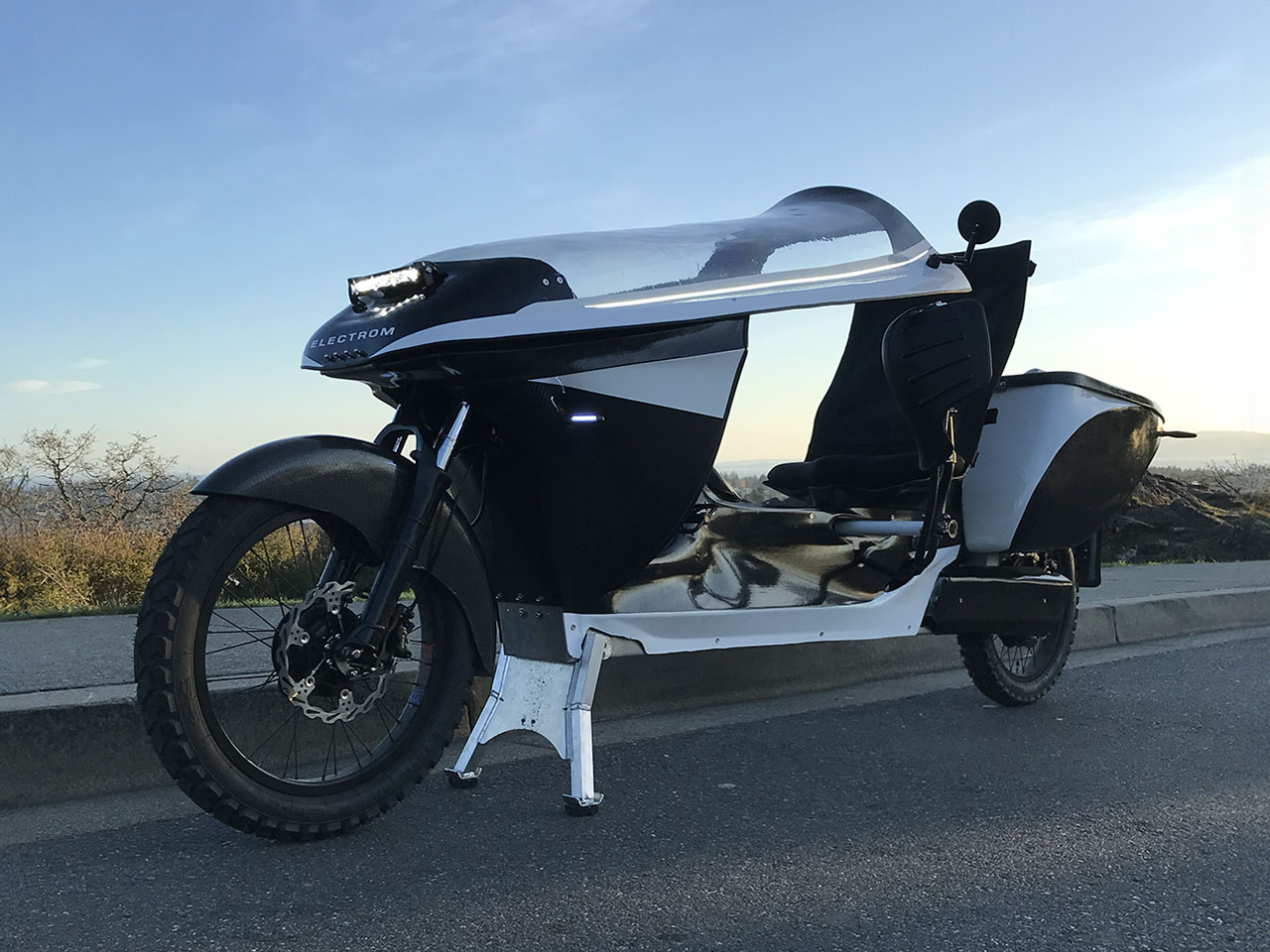
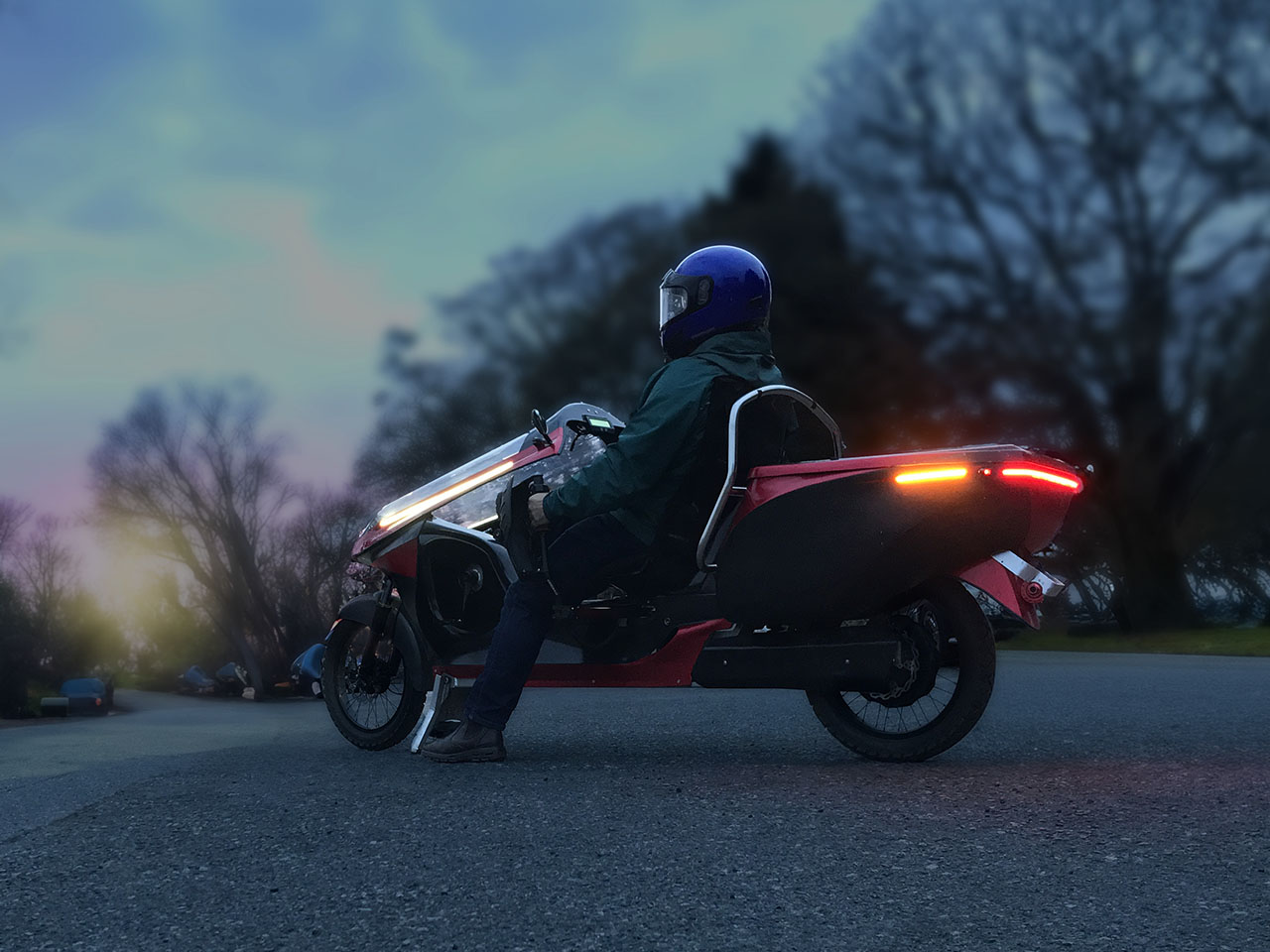
This all-weather e-bike tackles the problem that keeps most of us indoors when the weather turns nasty. The polycarbonate cowling isn’t just for show—it provides genuine protection from rain, wind, and cold without turning your bike into some bulky scooter monstrosity. When conditions get really brutal, a full-body tarpaulin creates what’s basically a weatherproof cocoon on wheels.
The body cover lifts and lowers to protect your legs while improving aerodynamics, actually extending your range when deployed. Getting in and out is handled by a swing-away front fairing that makes the whole system feel natural rather than claustrophobic. The riding experience strips away all the complexity that intimidates new riders—no gear changes, just throttle and brakes. The generator chain drive system kicks in when you need pedaling assistance, creating this hybrid approach that works for people who want transportation without the mechanical learning curve.
What we like
- Weather protection that works in real-world conditions.
- Simplified controls make it accessible to anyone.
What we dislike
- Enclosed feeling might not suit riders who love the open-air experience.
- Storage space takes a hit compared to traditional motorcycles.
2. Peralta S
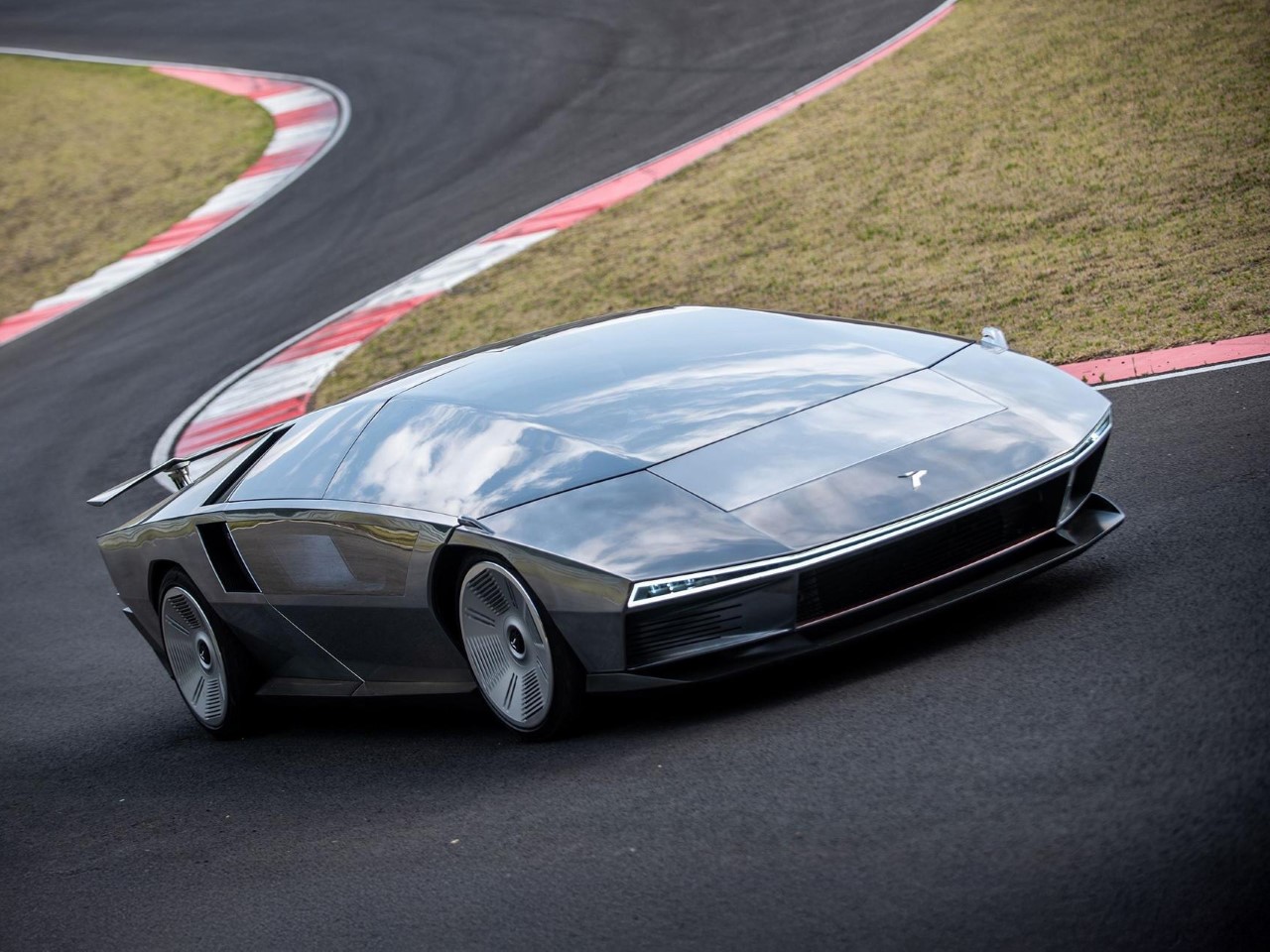
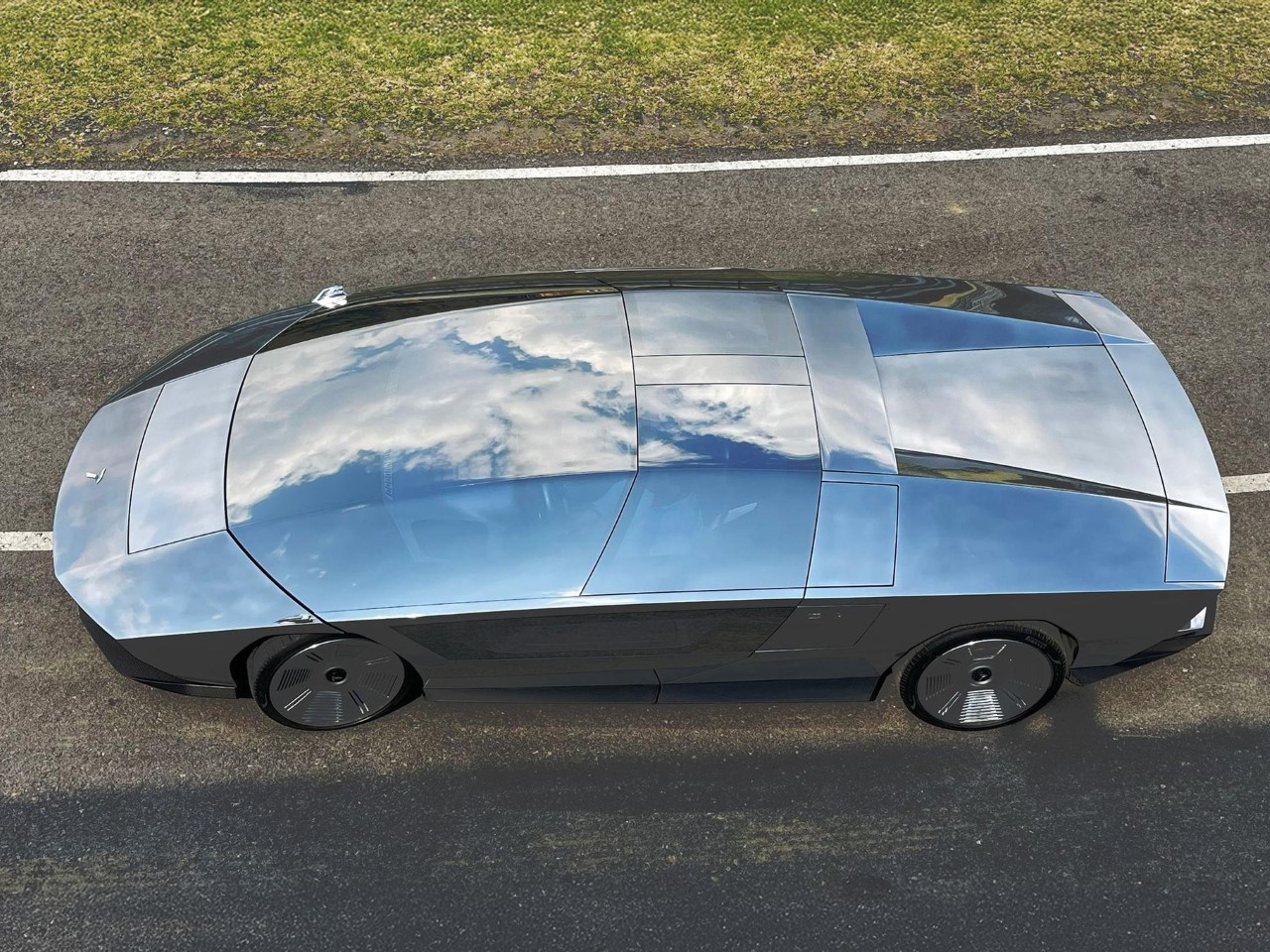
The Peralta S proves that sometimes less really is more. Built on MC20 bones, this wedge-shaped custom achieves something impressive: it strips away visual noise while somehow amplifying dramatic impact. Those hand-formed aluminum and carbon fiber surfaces look so clean they seem computer-generated, but underneath sits the real deal: a 3.0-liter twin-turbo V6 cranking out 621 horsepower.
This isn’t one of those all-show, no-go customs. That Nettuno engine will rocket this thing to 60 mph in 2.9 seconds and push past 200 mph if you can find the road space. The eight-speed dual-clutch transmission feels telepathic, channeling all that power to the rear wheels with surgical precision. What impresses me most is how the design borrows from technology aesthetics rather than traditional automotive playbooks. Like Apple’s MacBook Air, it achieves maximum impact through reduction, not addition.
What we like
- The minimalist approach stands out in a market obsessed with visual complexity.
- Backs up the striking looks with genuine supercar performance.
What we dislike
- Custom nature means you can’t just walk into a dealer and buy one.
- Bold design choices might not age as gracefully as more conservative approaches.
3. Porsche 99x Concept
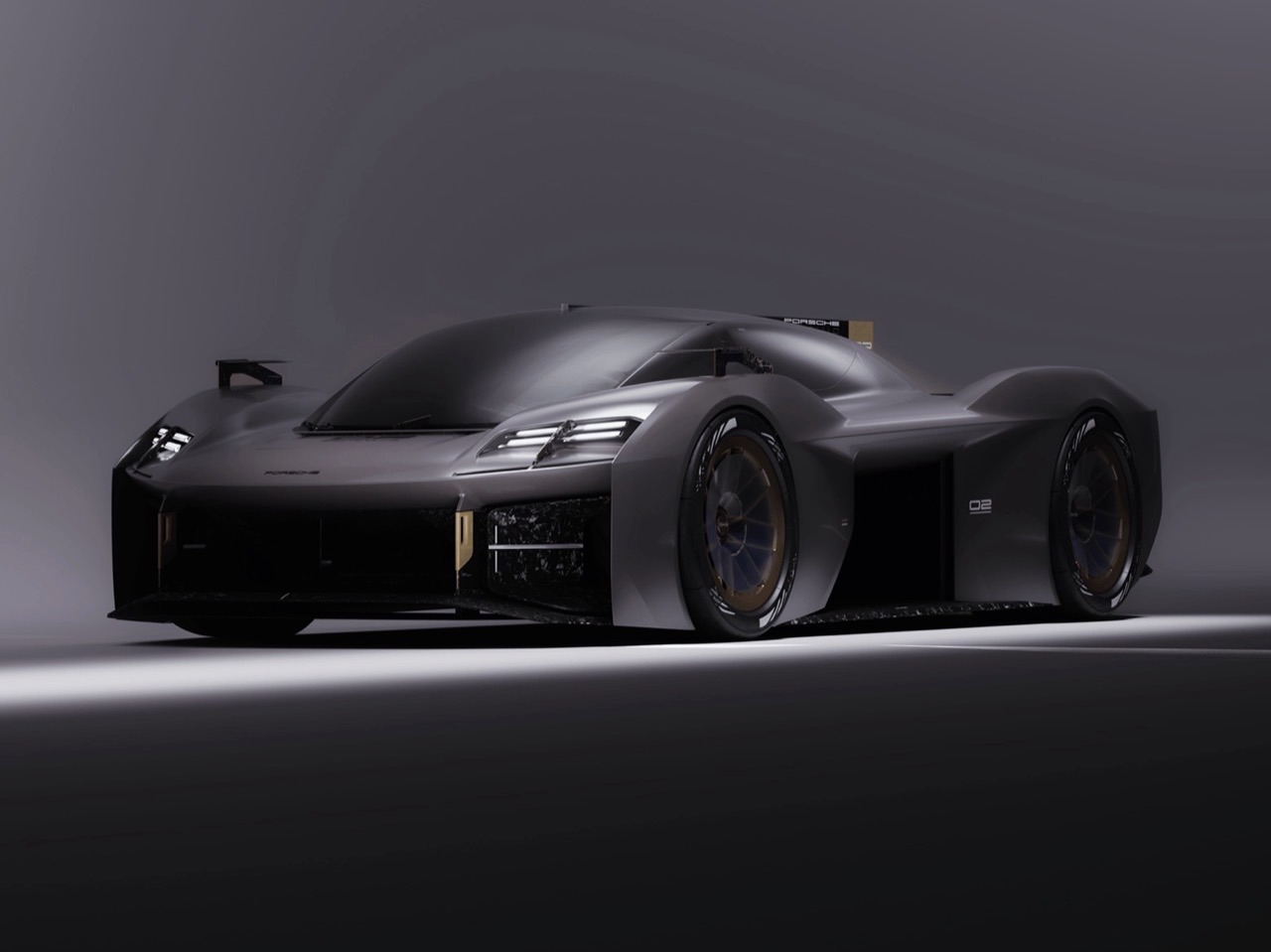
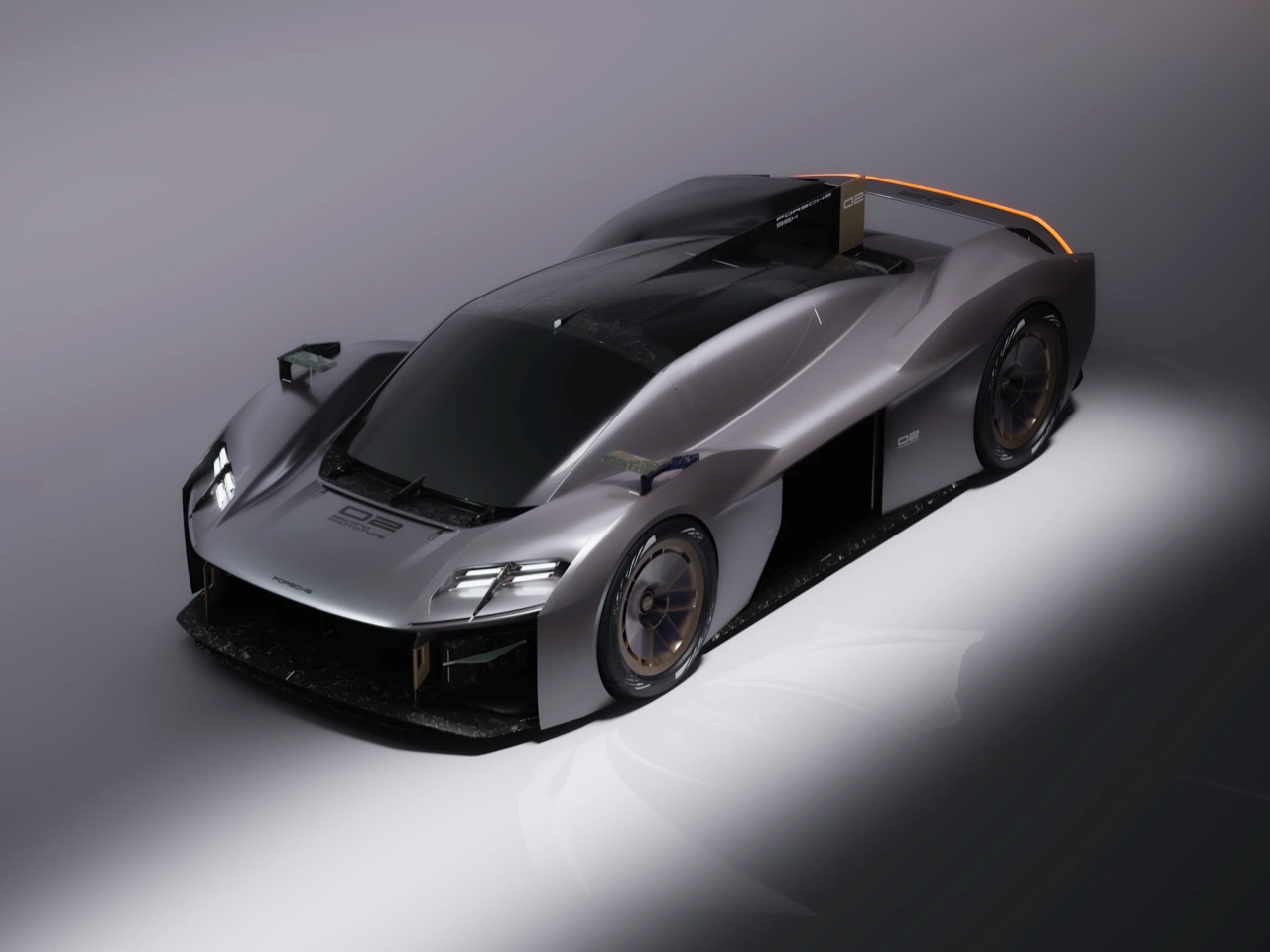
The Porsche 99x concept feels like someone grabbed Le Mans aesthetics from 2040 and dropped them into today’s design conversation. Created by independent designer “R a d u .”, this unofficial concept asks what would happen if Porsche’s motorsport division got complete creative freedom with zero regulatory constraints. The answer looks like this: a low-slung, impossibly aggressive track weapon that somehow feels both familiar and alien.
This hypercar concept shows how you can stretch familiar brand elements into completely new territory while keeping that unmistakable Porsche DNA. The bodywork combines endurance racing functionality with hypercar theatrics in ways that make you reconsider what Porsche could become as we move toward electrification and digital design processes. It exists in that fascinating space between something you could build and pure fantasy, which makes it compelling as both eye candy and serious design study.
What we like
- Pushes Porsche design language into unexplored territory without losing brand identity.
- Shows how motorsport heritage can evolve rather than just repeat the past.
What we dislike
- Concept-only status means we can’t test whether the design works.
- Extreme proportions might not translate to anything you could drive daily.
4. Koenigsegg Variera Concept
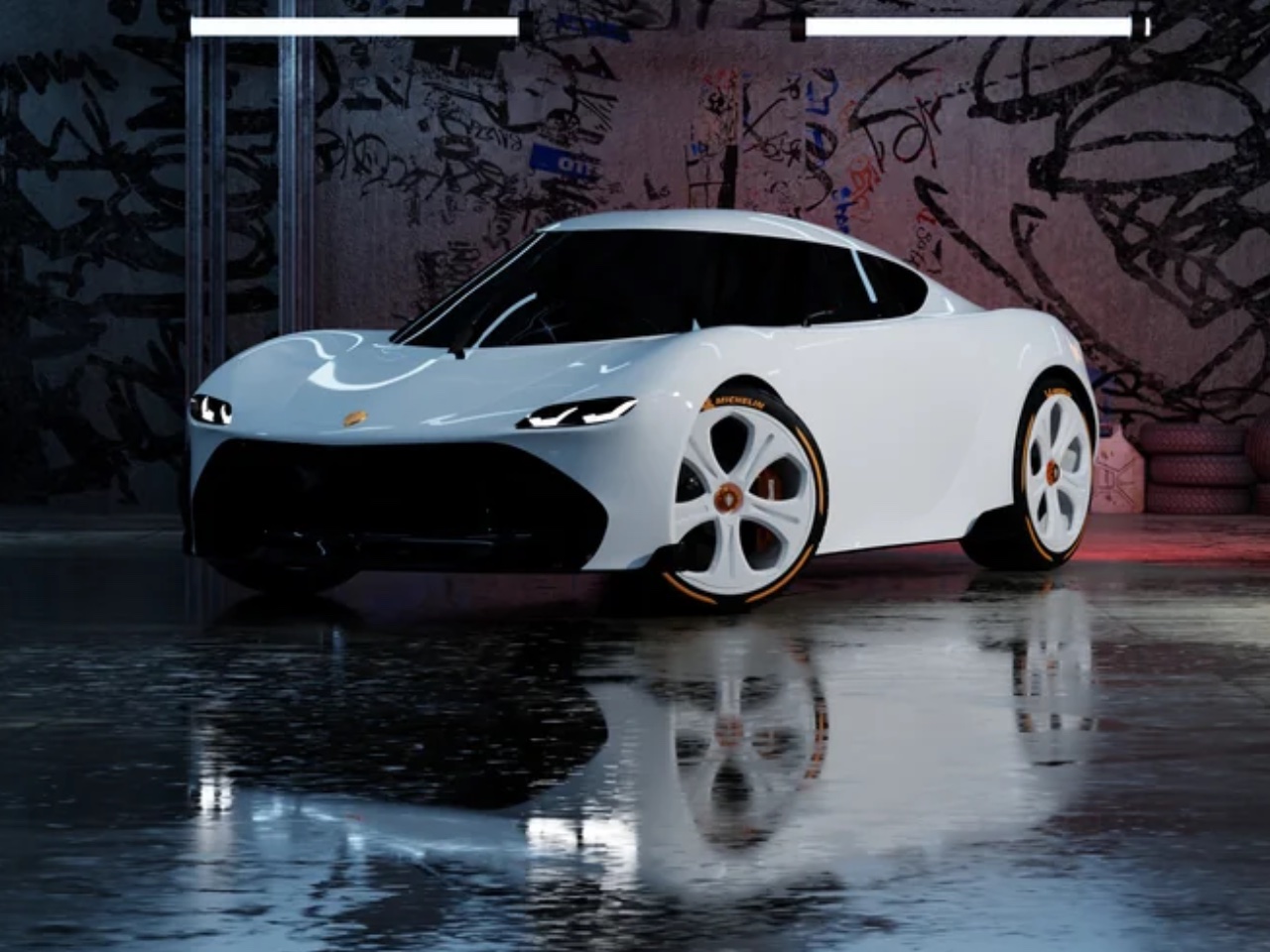
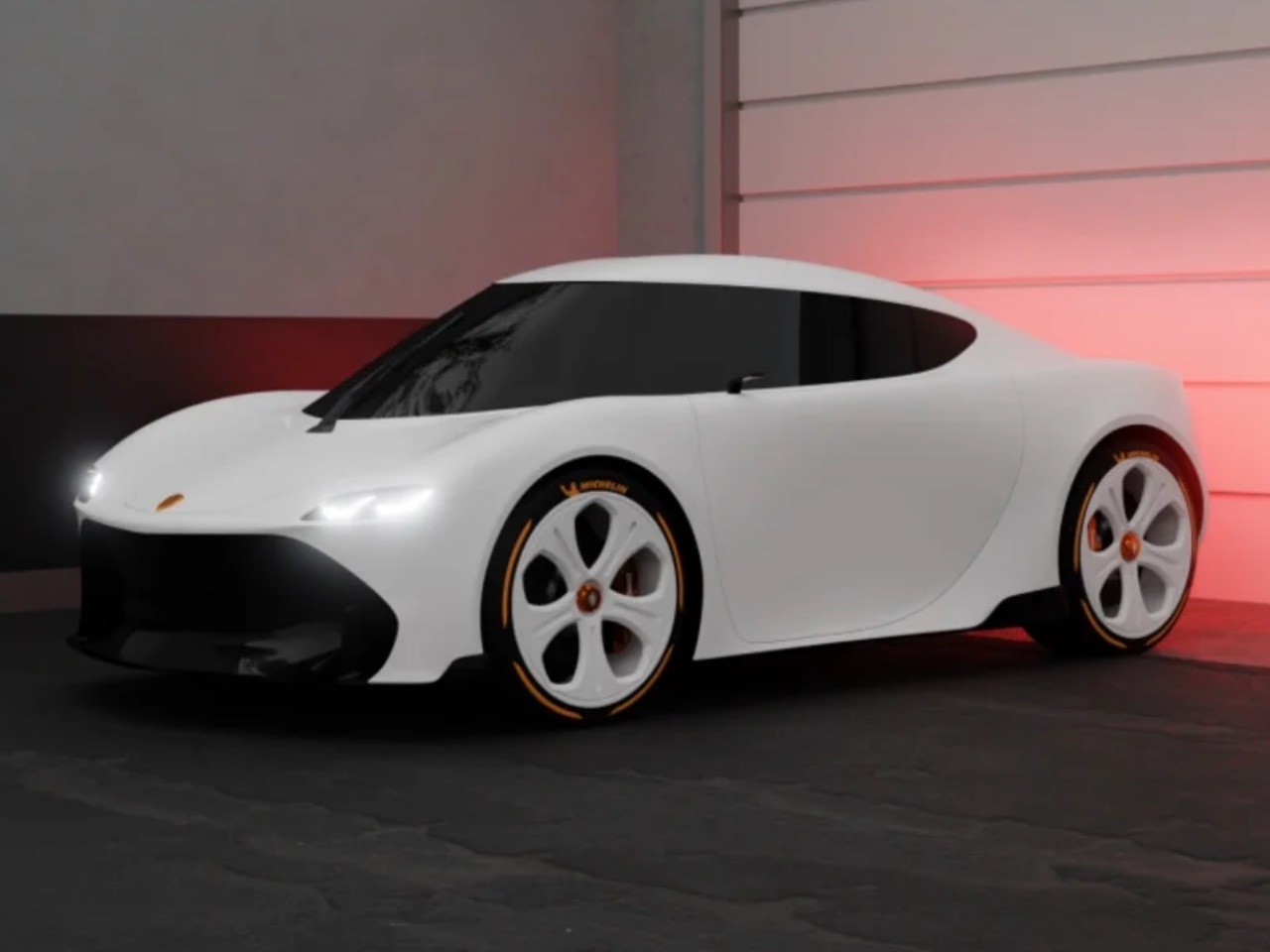
Maximilian Tyrot’s Koenigsegg Variera concept tackles one of the toughest challenges in automotive design: can hypercar DNA work in a city car? Working directly with Koenigsegg’s actual design team, this Lund University student created something that looks unmistakably like the Swedish brand while being completely different from anything they’ve ever built.
The electric city car maintains Koenigsegg’s athletic stance and aggressive air intake design while working for urban mobility. Those front fascia elements scale the brand’s signature look appropriately for city use, while the distinctive headlight shapes create instant recognition despite dramatically different proportions. The premium automotive DNA translates across completely different vehicle categories without losing essential character. It opens up brand expansion possibilities that seemed impossible before electric platforms started democratizing performance.
What we like
- Successfully translates hypercar brand identity into an accessible city car format.
- Electric platform enables premium performance in a compact package.
What we dislike
- Student project status means an uncertain path to actual production.
- Raises questions about whether Koenigsegg would want to enter the mass market.
5. Ducati 821
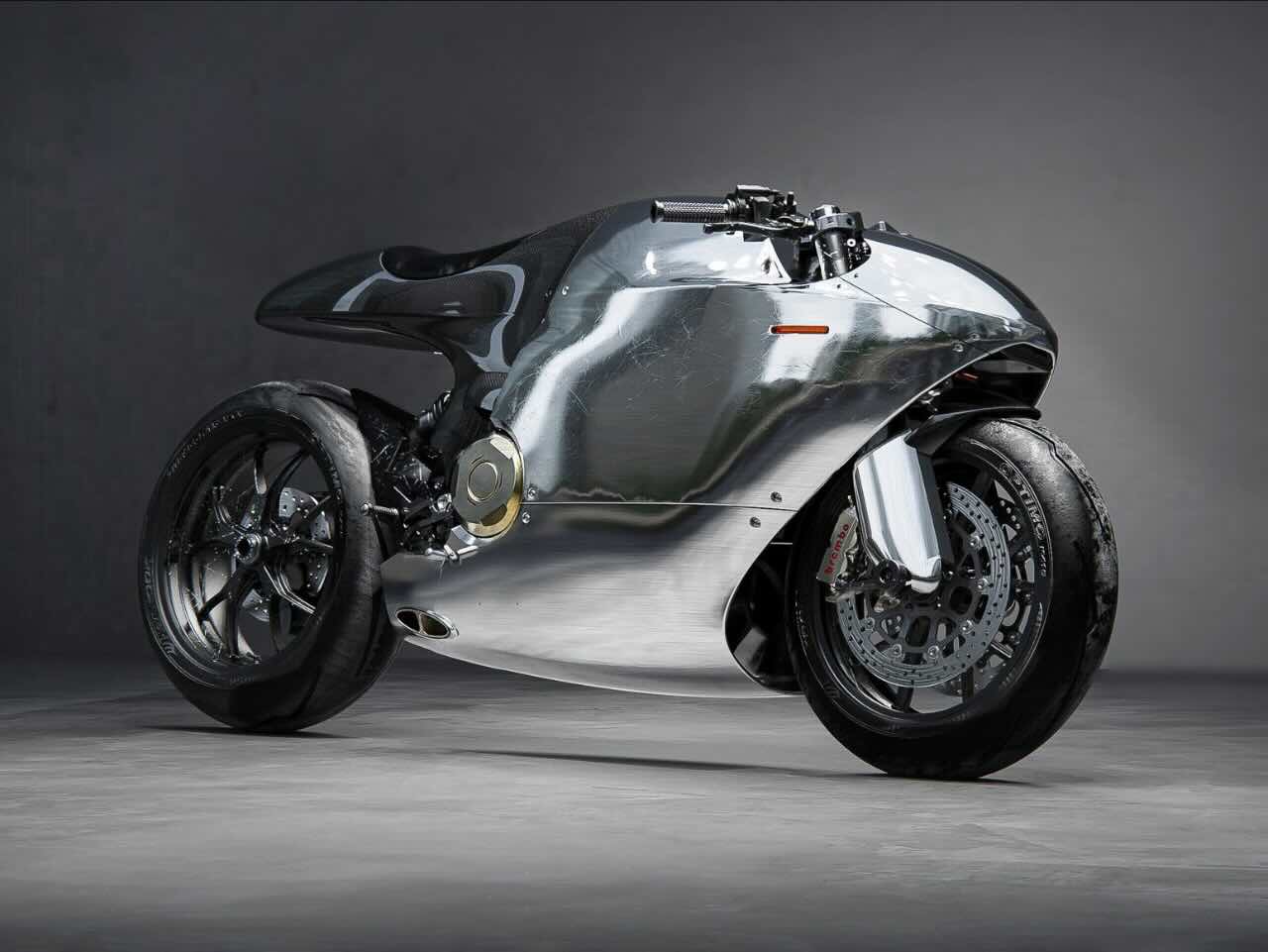
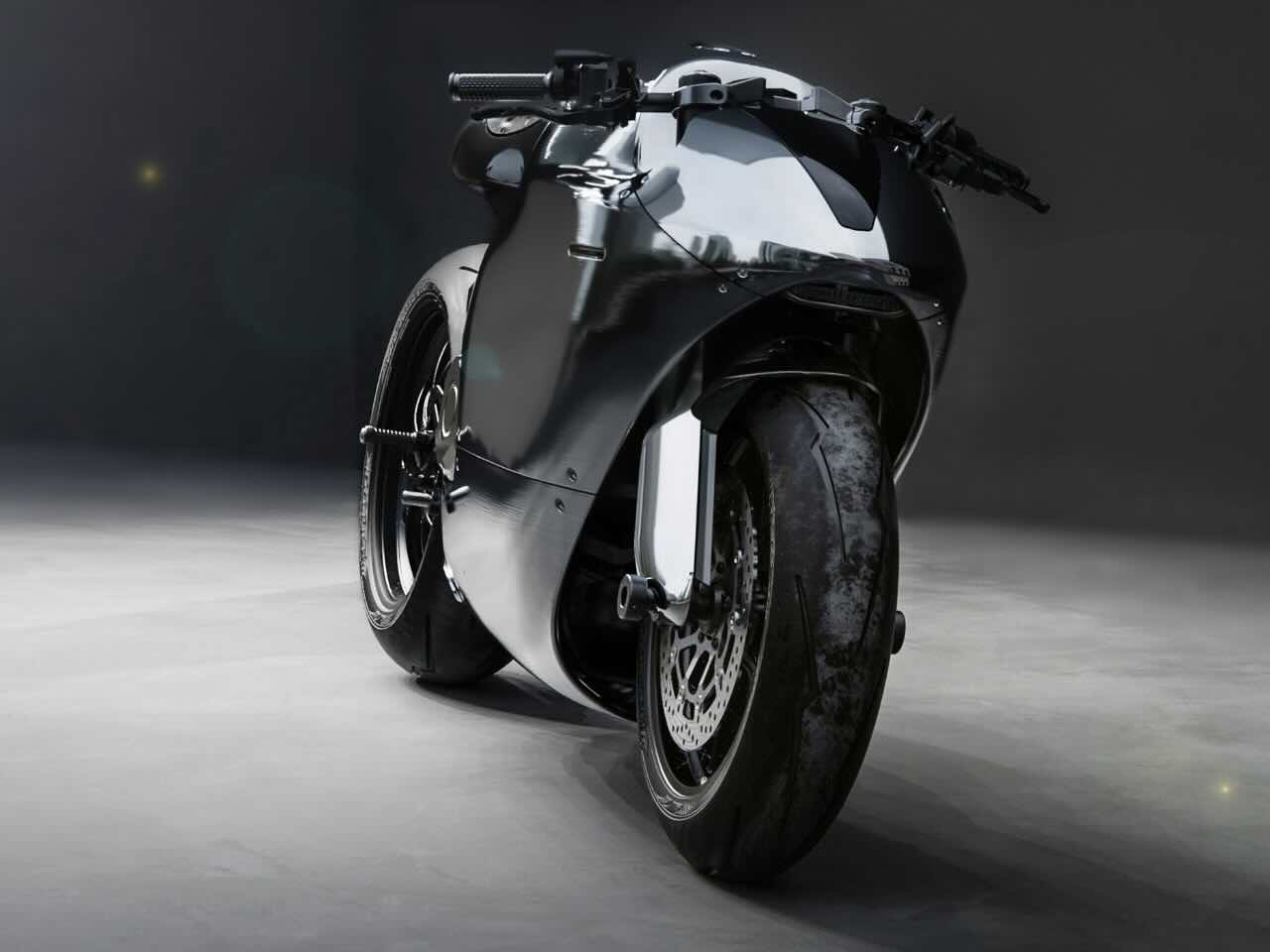
Bandit9’s custom Ducati Monster 821 represents what happens when obsessive craftsmanship meets unlimited vision. This isn’t motorcycle modification, it’s complete reimagination. Every single component was hand-fabricated from scratch to achieve what they call “unity,” turning disparate motorcycle parts into a flowing form that looks carved from a single block of metal.
The liquid metal philosophy creates something closer to Apple’s Liquid Glass interface, rendered in physical form, rather than traditional bike customization. Originally commissioned as a one-off (now expanded to nine units at $44,900 each), this machine makes conventional panel gaps and mounting points look primitive. The polished aluminum transitions seamlessly into MotoGP-grade carbon fiber, creating visual continuity that feels more like sculpture than transportation.
What we like
- Hand-fabricated construction creates aesthetics impossible through mass production.
- Liquid metal design philosophy pushes motorcycle customization into art territory.
What we dislike
- Extreme pricing puts it beyond reach for most motorcycle enthusiasts.
- Custom nature means parts availability and service could be challenging.
Automotive Design Has Found Its Edge Again
These five designs show that automotive creativity is having a moment. Each tackles completely different problems, but they all arrive at solutions that feel both obvious and impossible once you see them—which is usually the hallmark of really great design. The range here is incredible: practical weather protection sitting alongside pure aesthetic experiments. This is what happens when designers decide to stop worrying about committee approval.
Each design is great on its own, but watching how they’re collectively nudging the whole industry in new directions. That all-weather e-bike is completely rethinking what protection and accessibility mean. The Peralta S shows that stripping things down can make a supercar more dramatic, not less. The Porsche 99x takes decades of racing heritage and launches it into territory we’ve never seen before. The Koenigsegg city car proves brand DNA is way more flexible than anyone thought. And that Bandit9 Ducati? It basically turned motorcycle customization into fine art.
SHARE