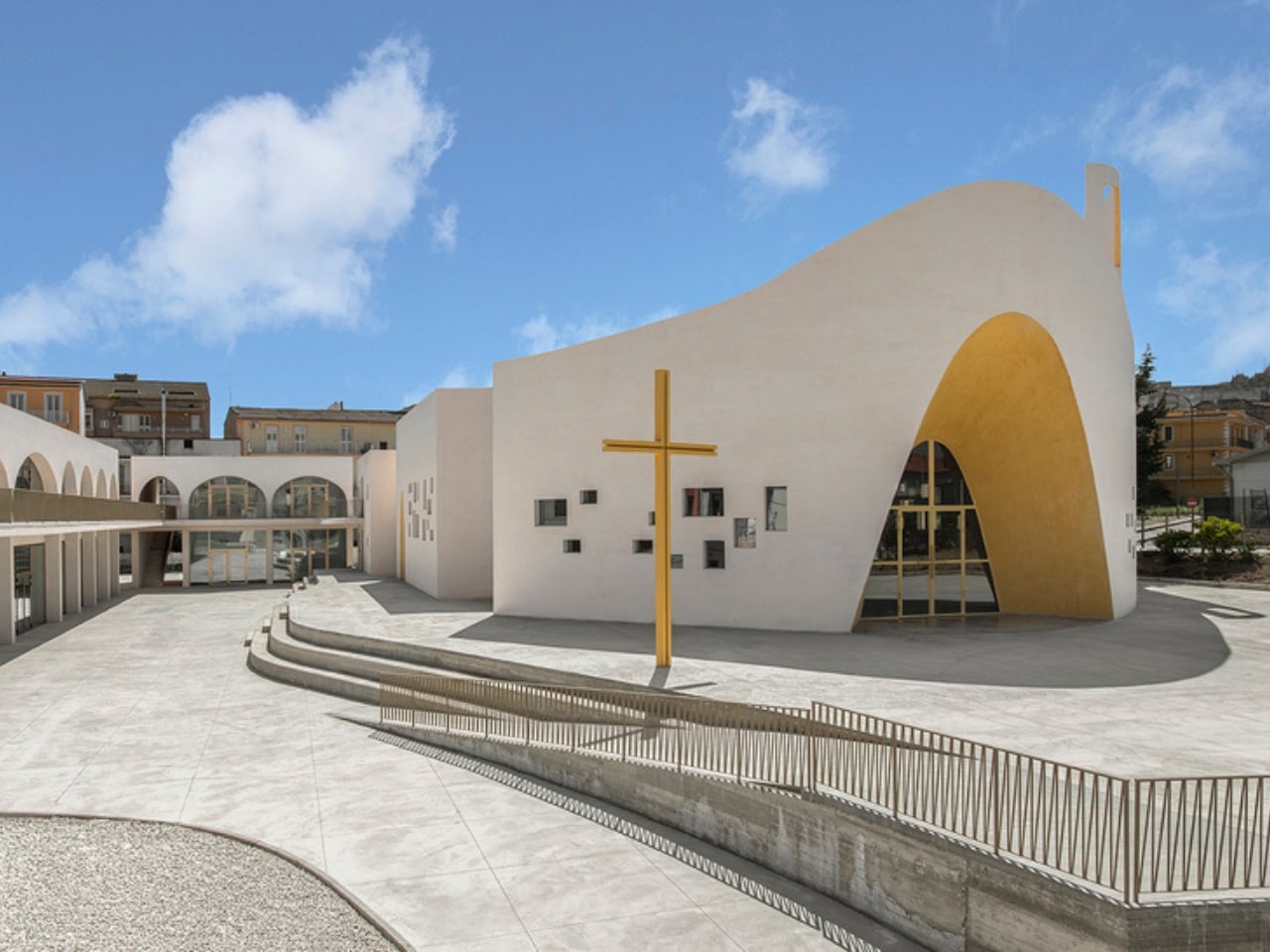
When you think of a church in Sicily, your mind probably goes somewhere ancient. Mosaic floors, Byzantine domes, the kind of gold that took centuries to accumulate. So when I came across the new Santa Barbara Parish Complex in Licata, a small coastal city in the island’s southern province of Agrigento, it stopped me completely.
The complex was designed by architects Francesco Lipari, Lillo Giglia, and Giuseppe Conti, the team behind OFL Architecture, and it is one of the most compelling pieces of sacred architecture I’ve seen in years. It won a two-stage invited competition promoted by the Archdiocese of Agrigento and the Santa Barbara Parish, with funding from the Italian Episcopal Conference through the ‘8xmille’ program, and what came out of it is genuinely unlike anything you’d expect from a church commission.
Designers: Francesco Lipari, Lillo Giglia, and Giuseppe Conti
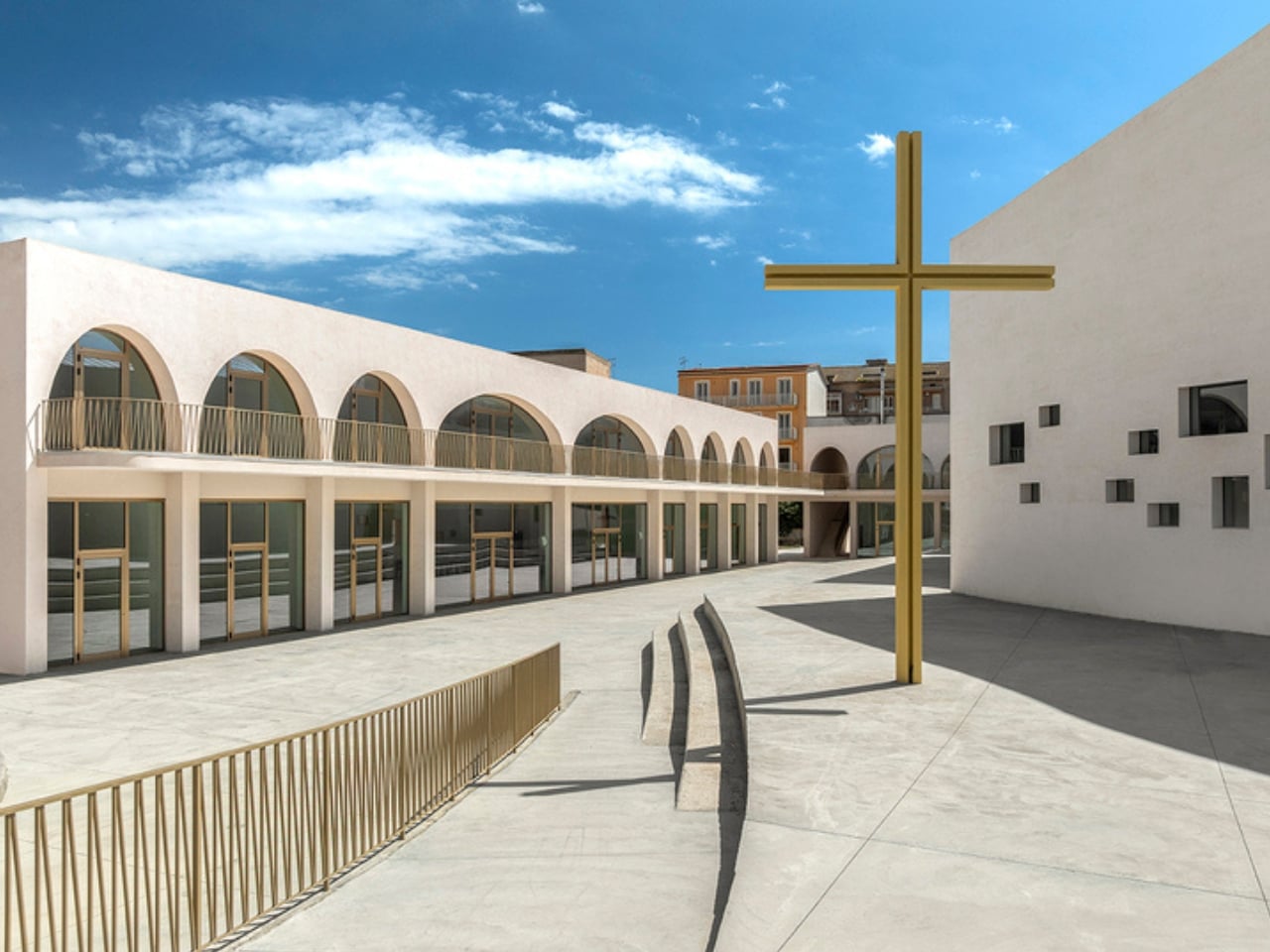
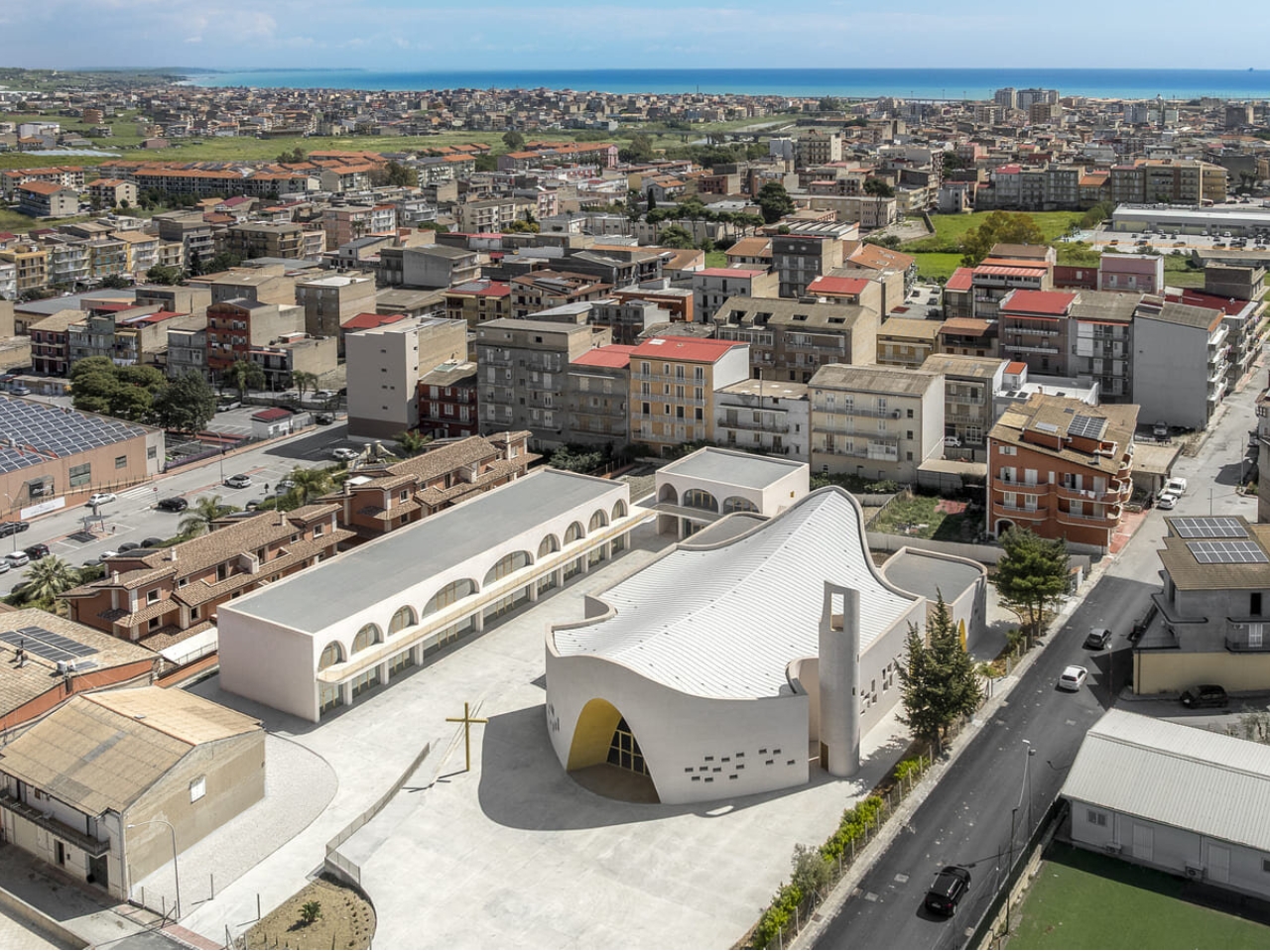
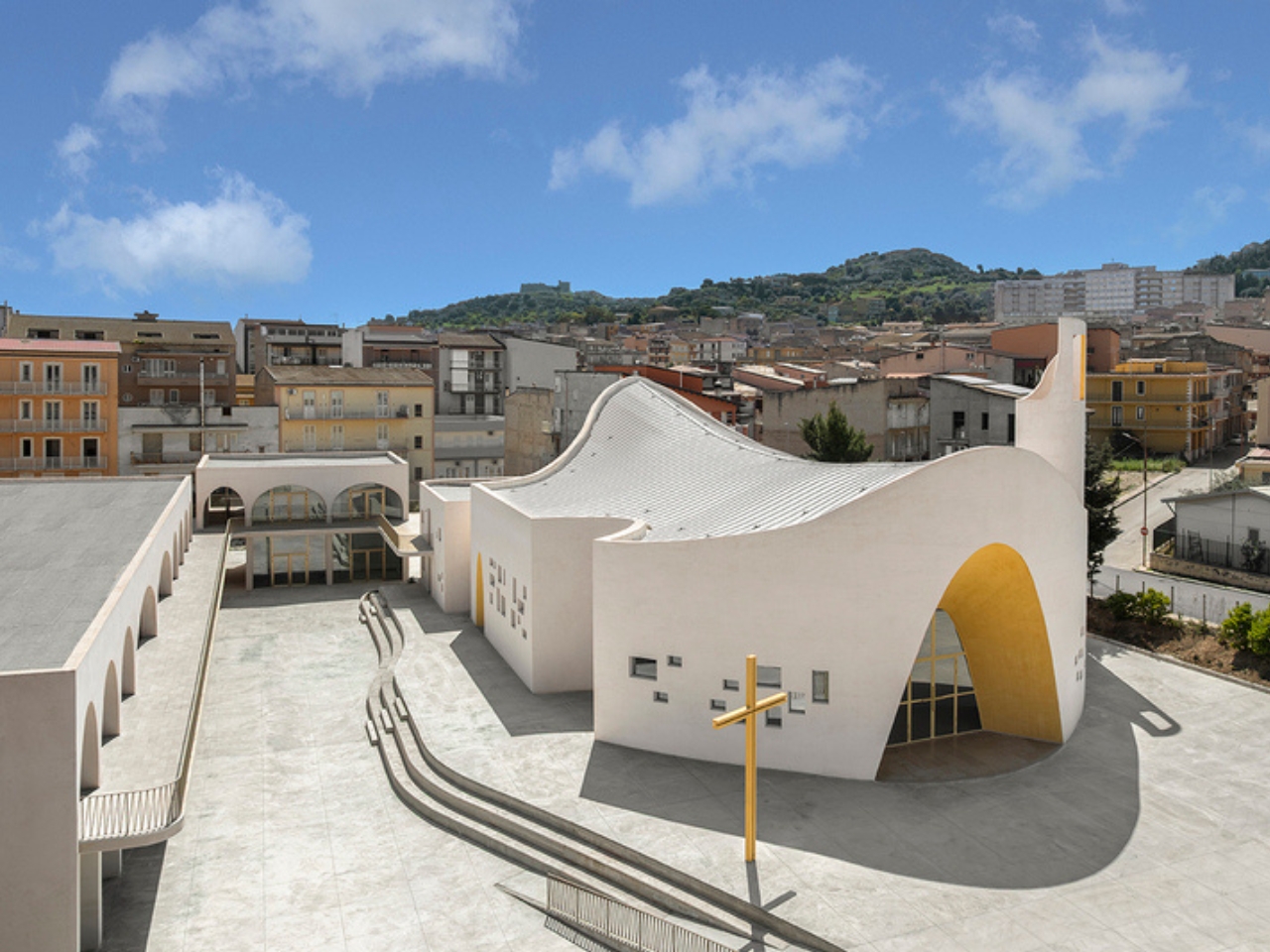
The concept is described as a “campus of faith,” and that framing tells you everything. Rather than positioning the church as a monument to be looked at from the outside, the architects designed it as a permeable, walkable space where the building and its surroundings flow into each other. The churchyard functions as an open civic square, directly connecting the complex to the city around it. On the western edge of Licata, a city that doesn’t get nearly enough architectural attention, this project becomes a new kind of civic landmark, the kind that earns its place in a neighborhood rather than simply occupying it.
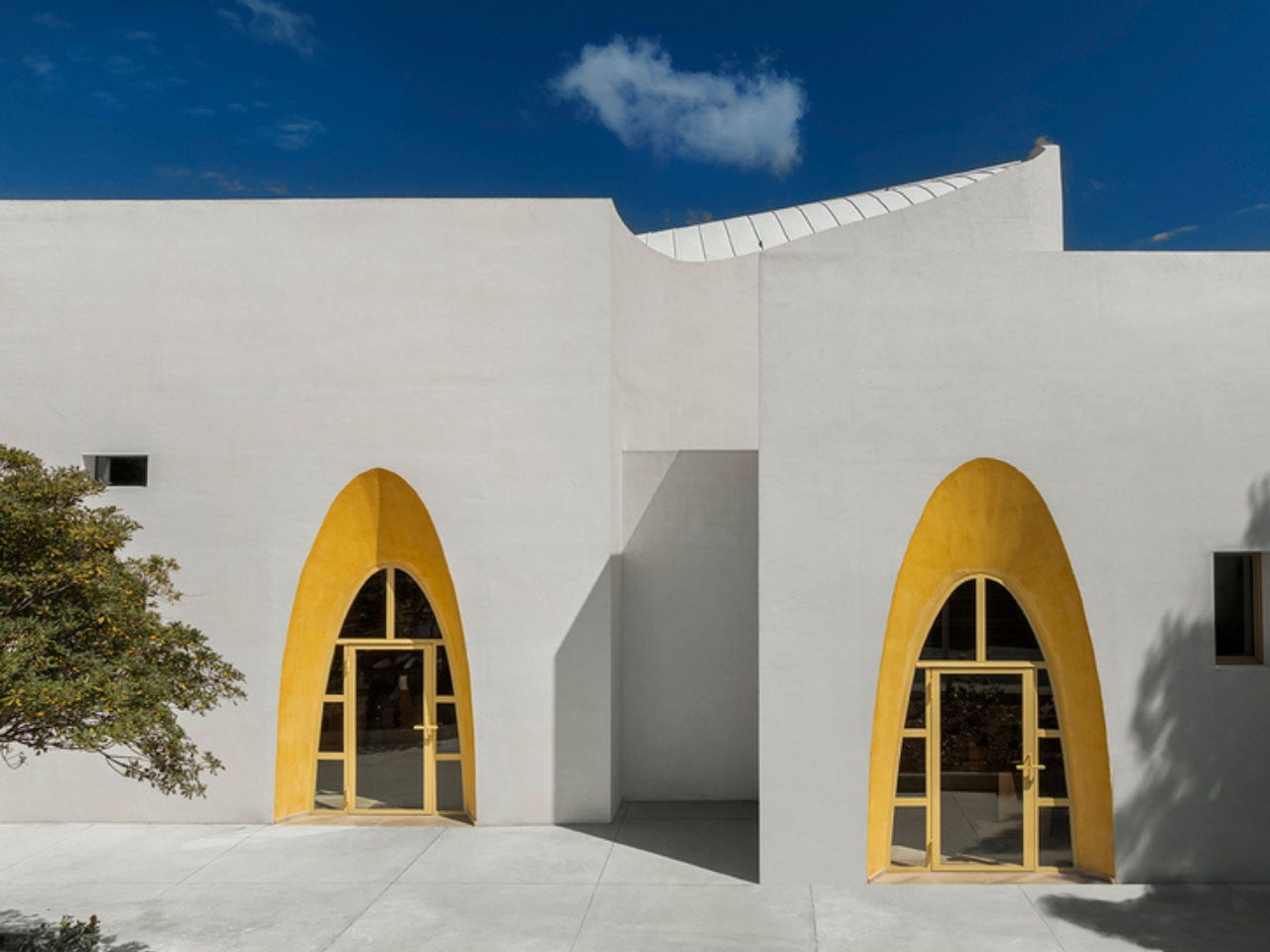
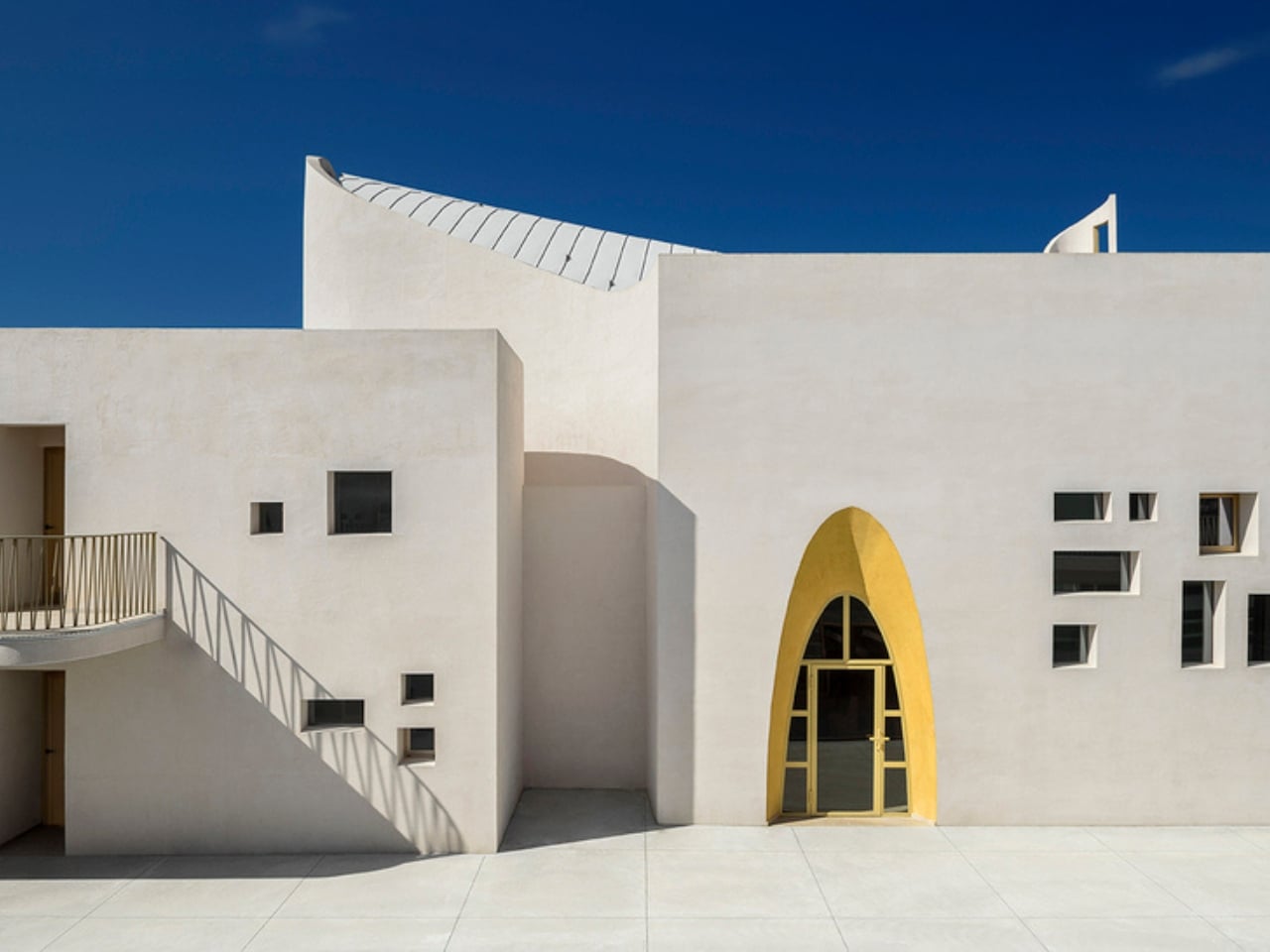
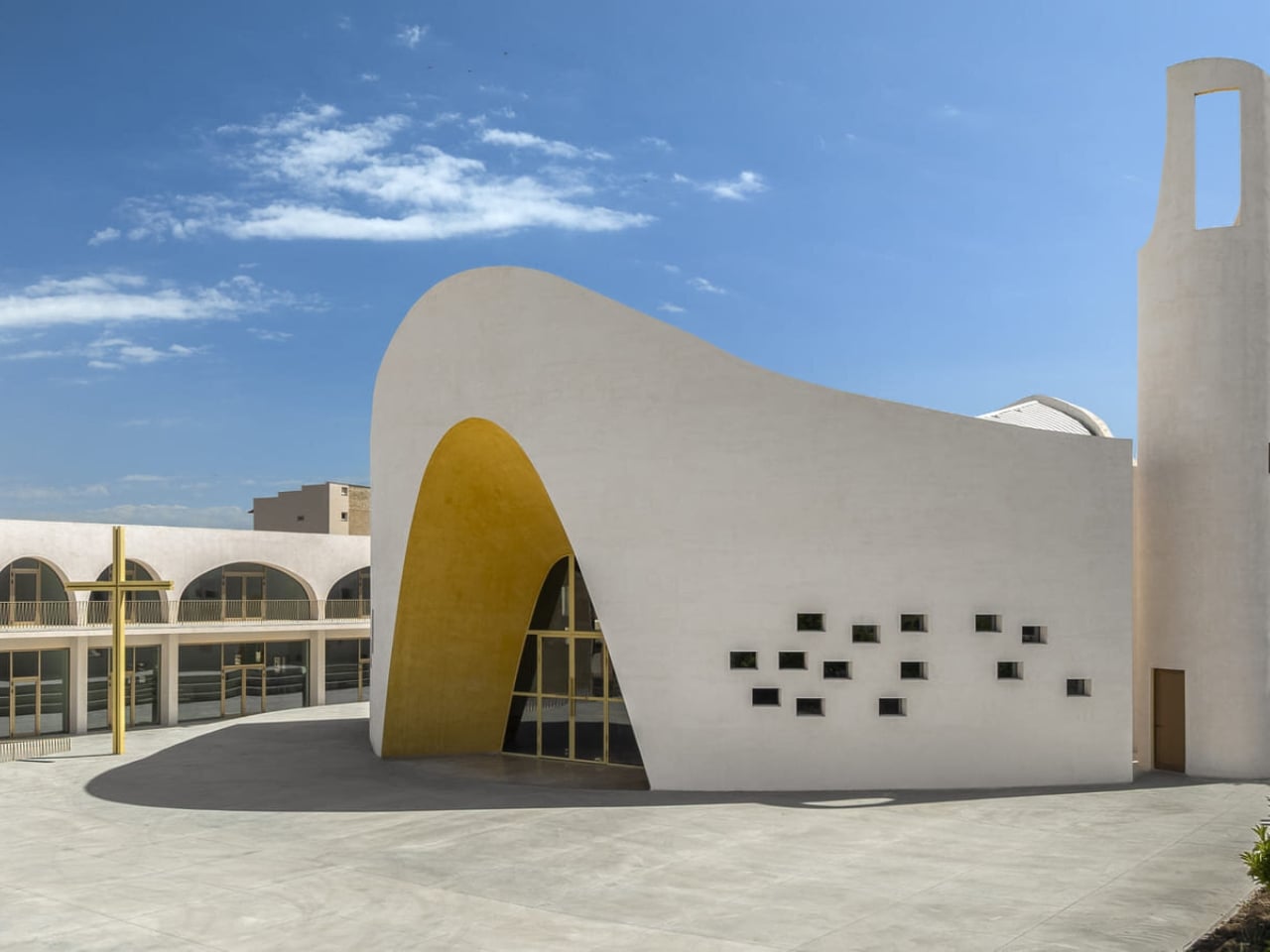
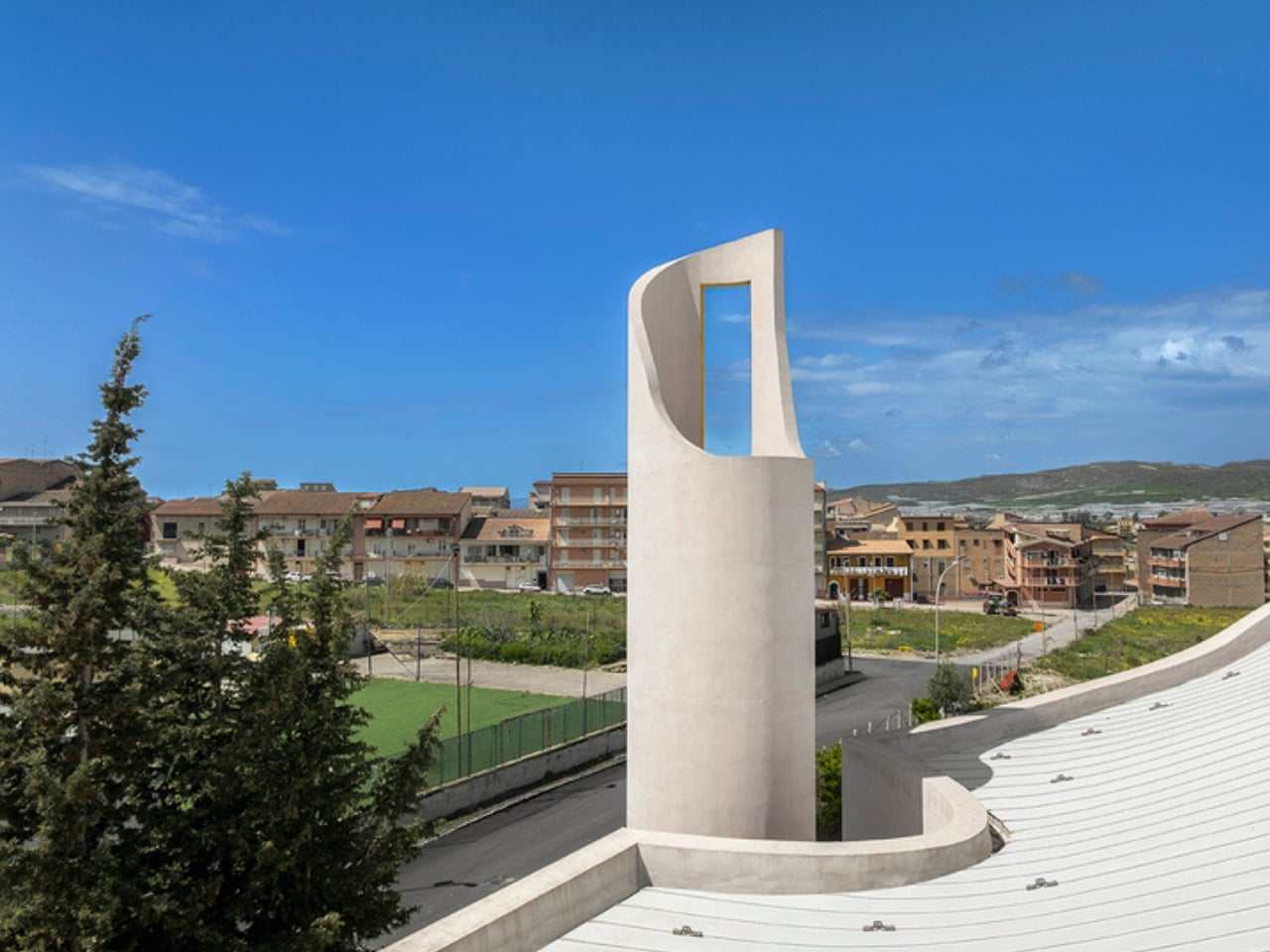
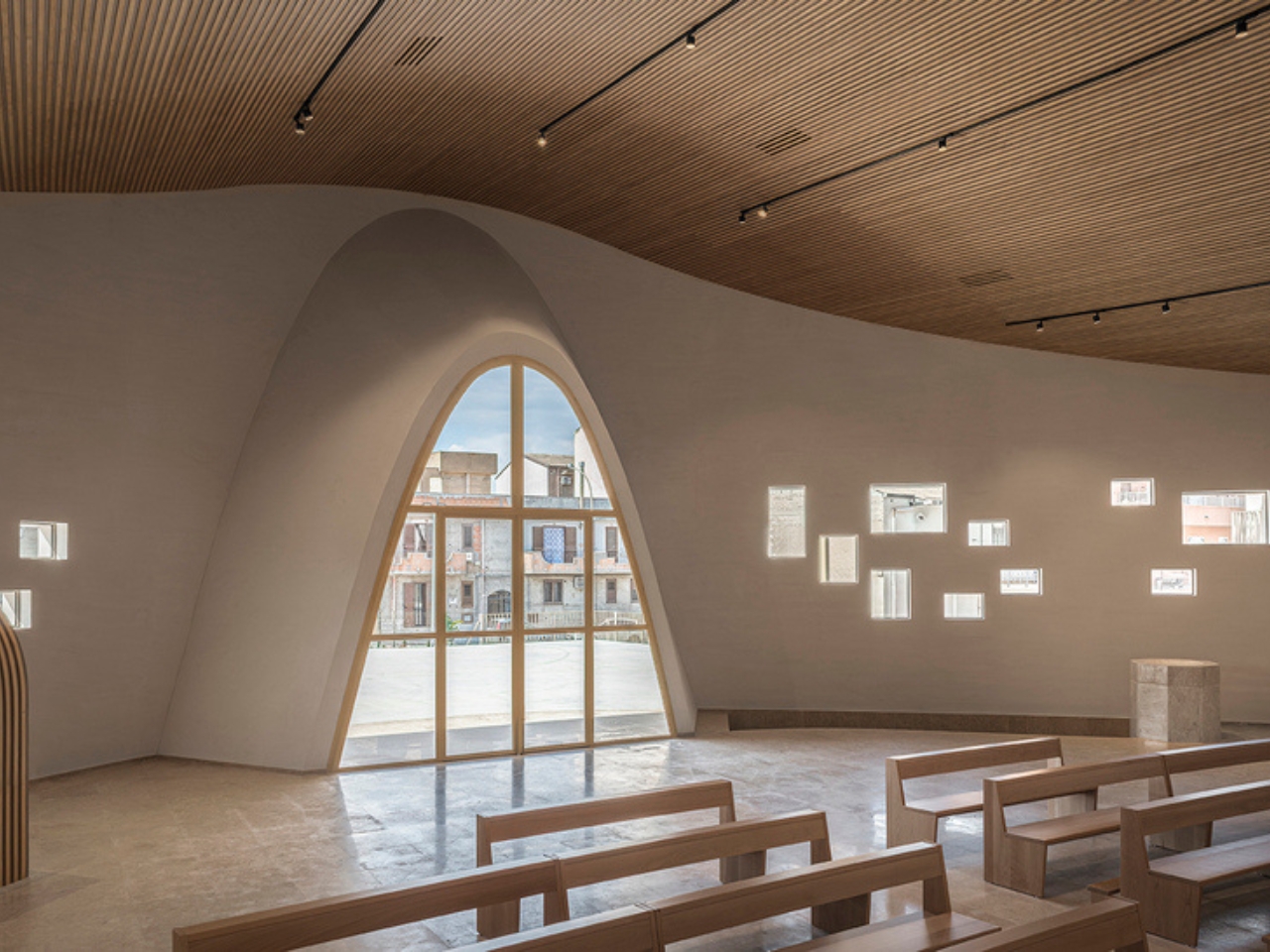
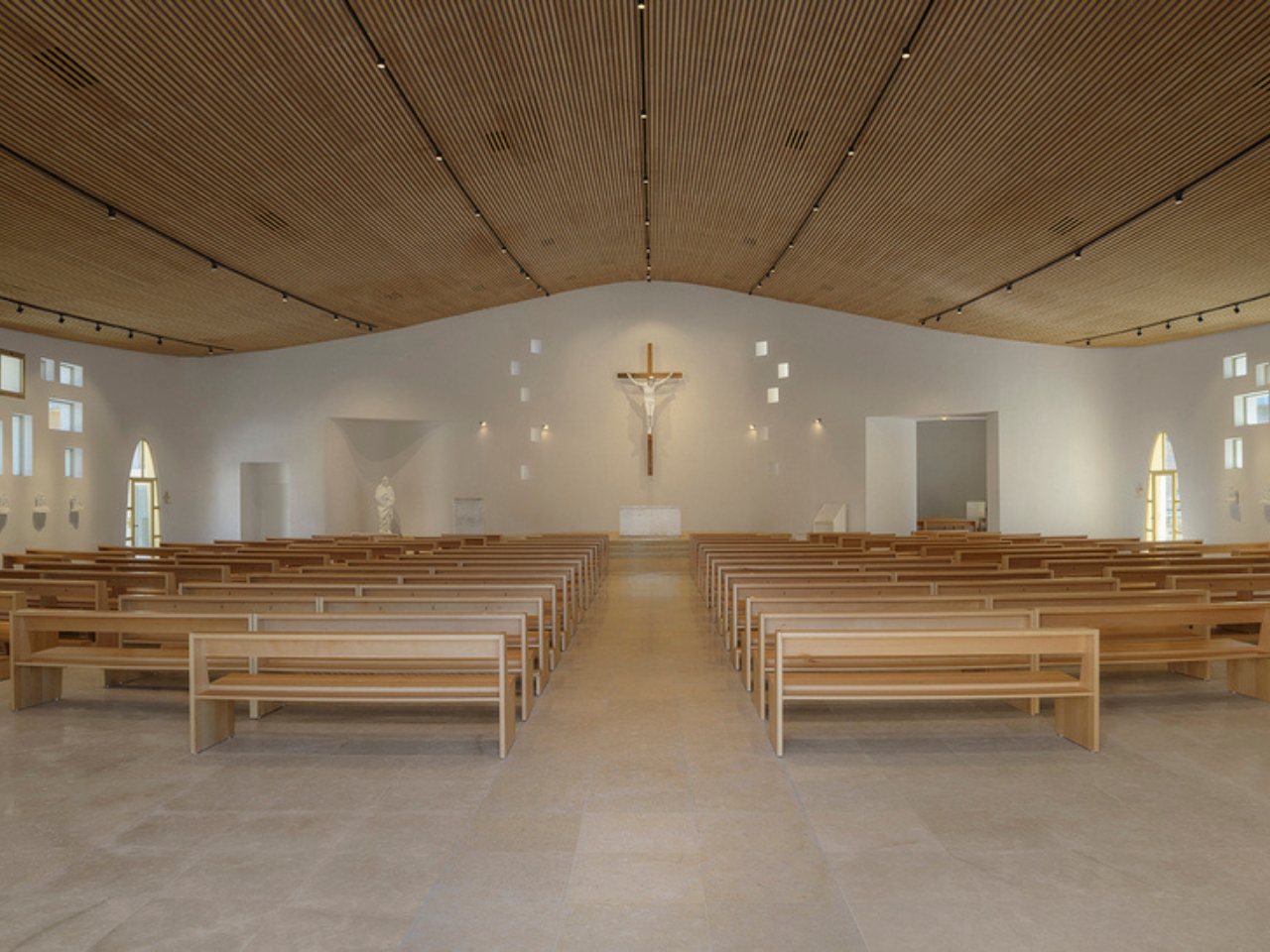
Visually, the building is striking in a way that feels earned. Curved white surfaces define the liturgical hall, punctuated by small square openings and anchored by a golden portal that works as both entrance and visual statement. The flowing roof is where the design gets genuinely poetic, its sinuous edge framing the sky in a way that feels both deliberate and effortless. Inside, a suspended timber ceiling mirrors the curvature of the roof above it, creating a quiet continuity between form and material that’s hard to achieve and even harder to fake. Concrete here is not the heavy, utilitarian material we’re used to seeing in brutalist structures. It’s fluid, almost organic, moving in ways that concrete isn’t really supposed to move.
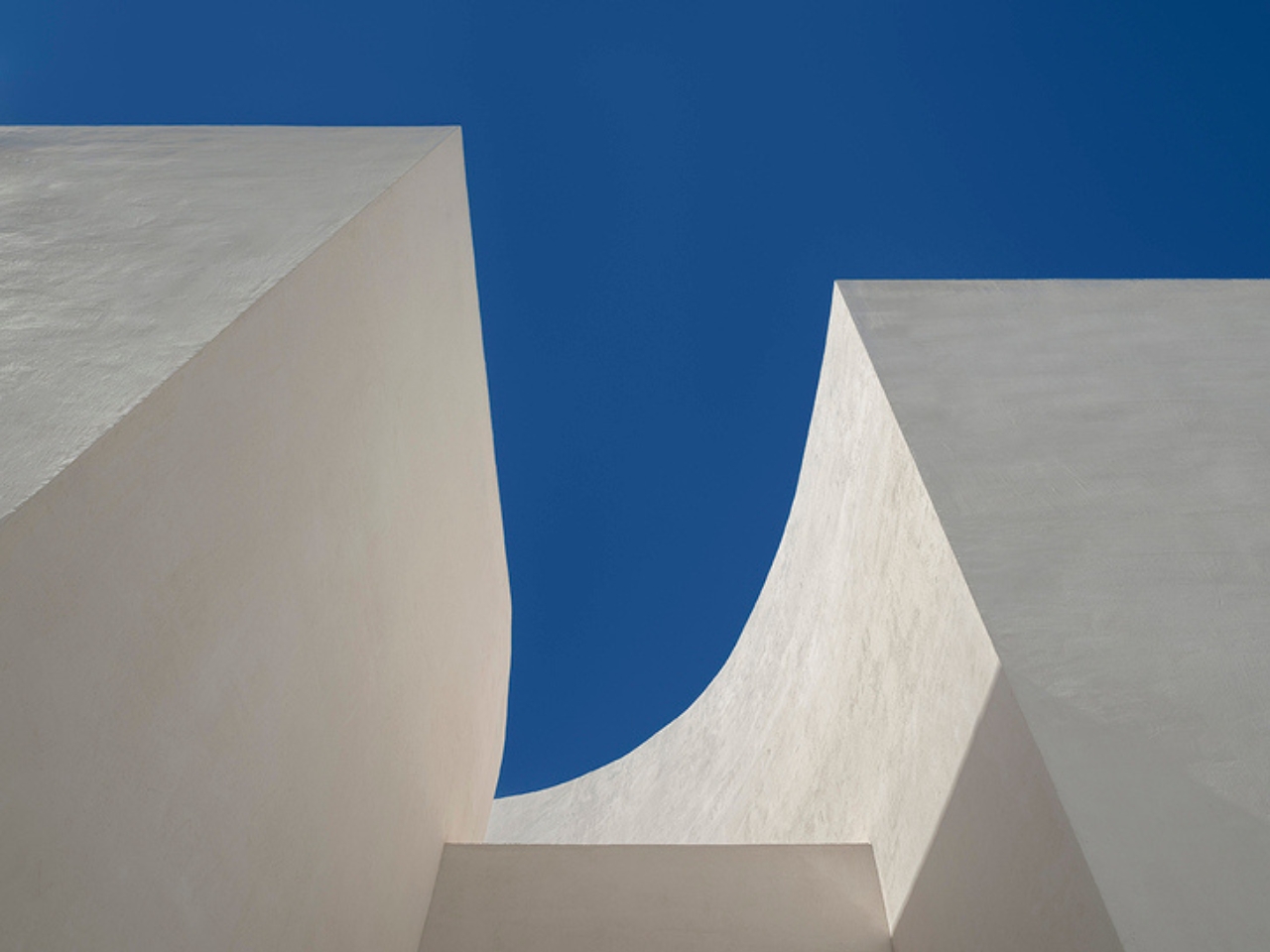
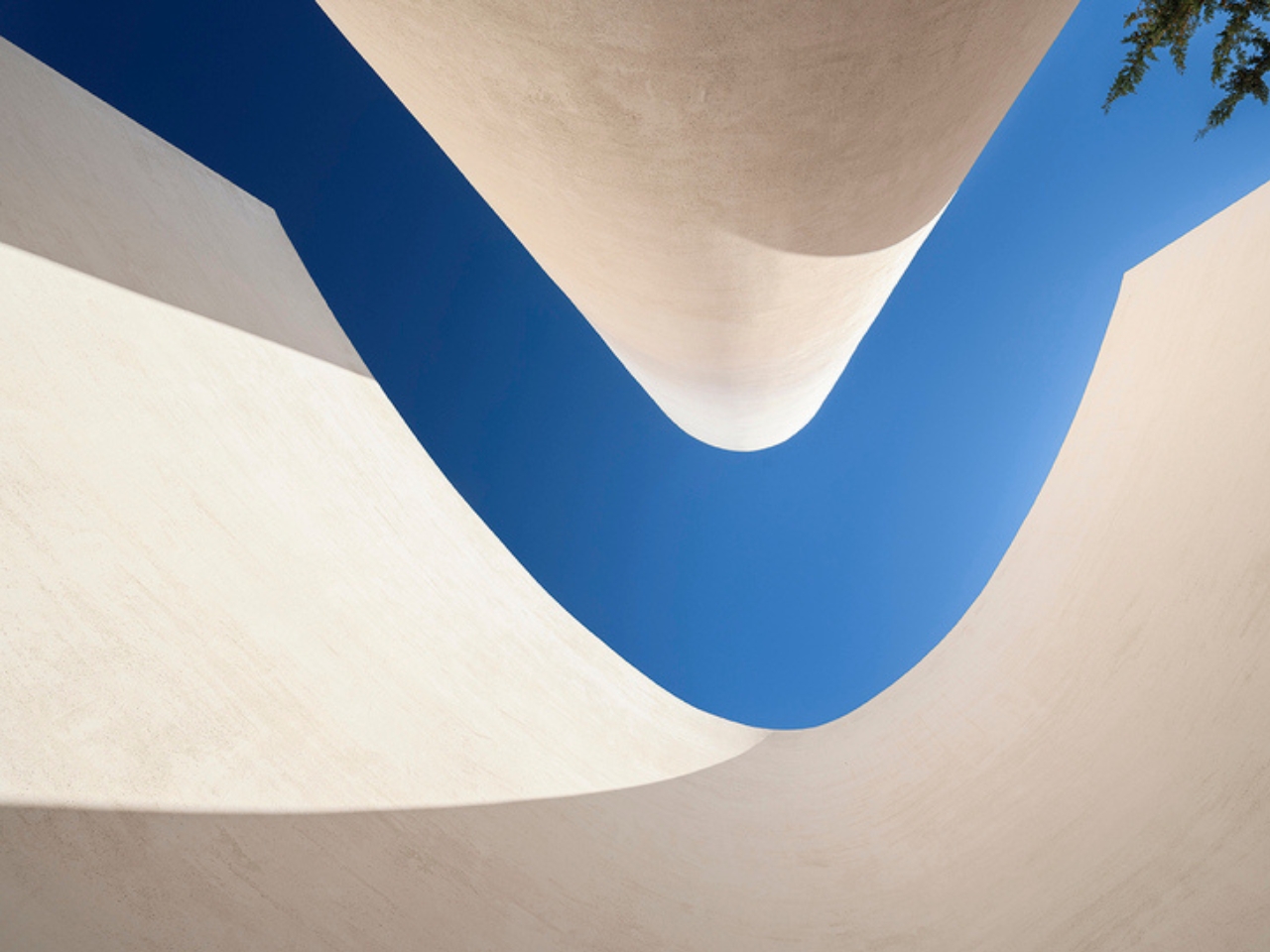
The cylindrical bell tower stands separately as a vertical landmark, a classical reference rendered through an entirely contemporary lens. It’s the kind of design decision that could easily feel gratuitous but doesn’t, because the rest of the complex earns it. The whole project has a consistency of thinking that’s rare, where no single element feels like it wandered in from a different brief.
Beyond its striking form, this project says something meaningful about the role of sacred architecture today. Churches are not the cultural anchors they once were in many parts of the world, and commissions like this come with real pressure to be relevant without being gimmicky. Lipari, Giglia, and Conti seem to have understood that the best way to honor that tension is to make a building that genuinely belongs to its community, not just spiritually but physically and socially. A church that also functions as a civic square, a campus that connects education, worship, and daily life, is an architectural idea that feels more urgent now than it probably did when the project began in 2016.
It took years to get here. The project period ran from 2016 to 2022 and the complex has since been making its way to completion, a timeline that speaks to the scale and structural complexity involved. The free-form reinforced concrete geometry required state-of-the-art structural engineering, and the result is a building whose ambition is matched by its technical rigor.
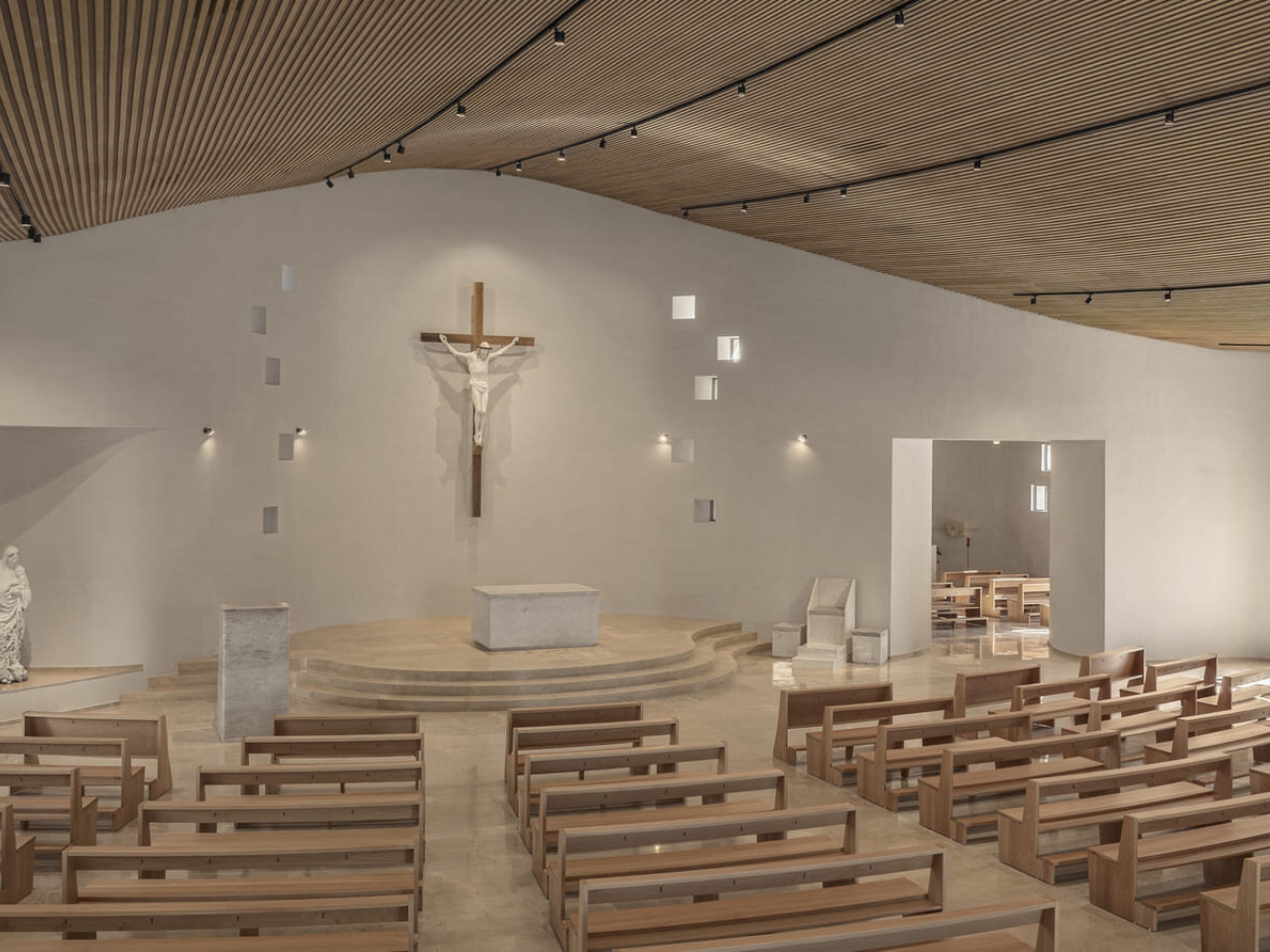
Sacred architecture has always had to carry more weight than almost any other building type. It has to mean something beyond its walls. The Santa Barbara Parish Complex makes a compelling case that meaning doesn’t have to come from tradition alone. Sometimes it arrives through fluid concrete, warm timber, and an open square that anyone can walk through.