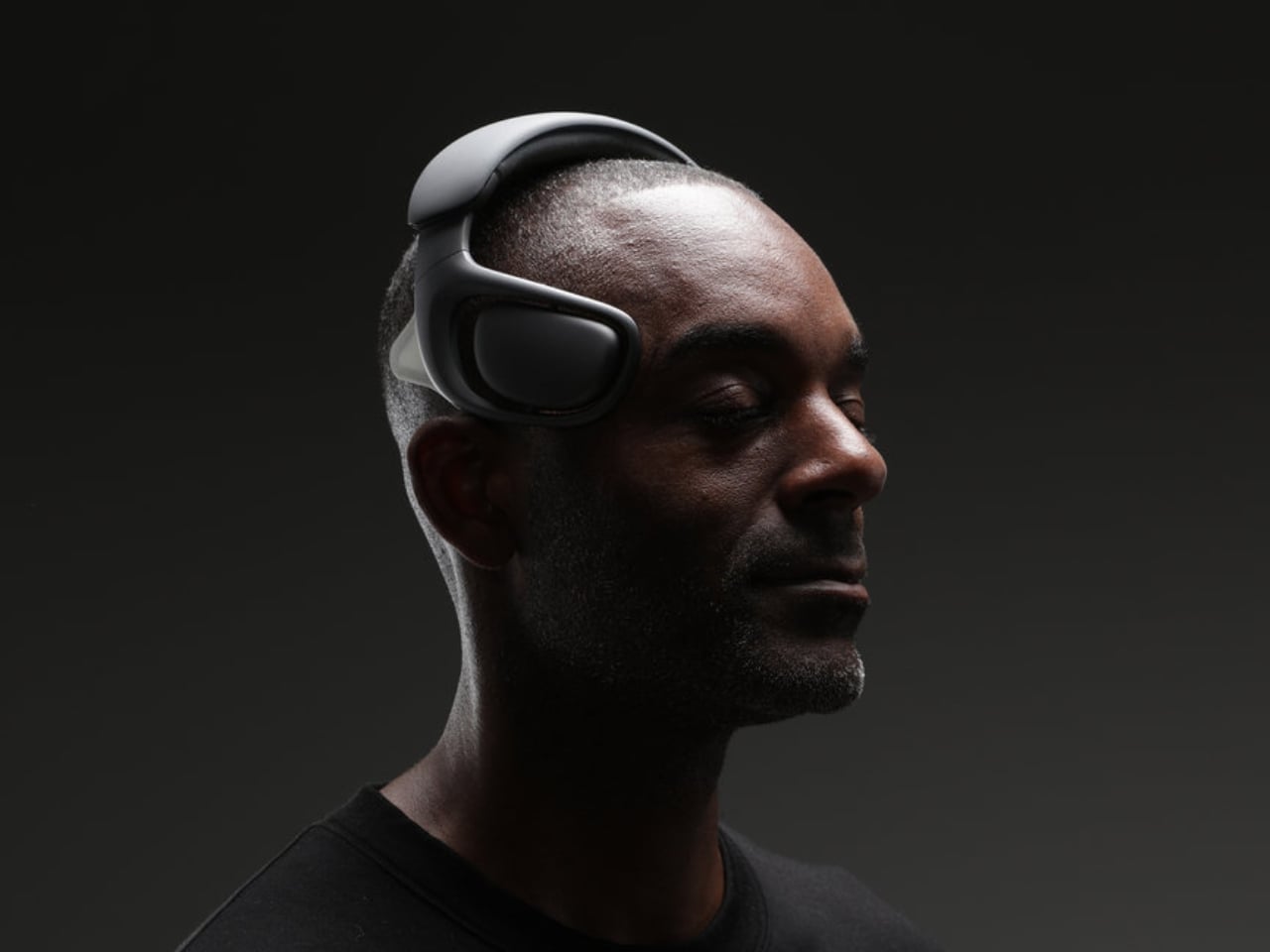
We’ve gotten pretty comfortable letting technology tell us how to sleep, how many steps to take, and when to breathe. The next frontier, apparently, is letting it tell our brain how to feel, and somehow, a headset called Nudge makes that sound less dystopian than you’d expect.
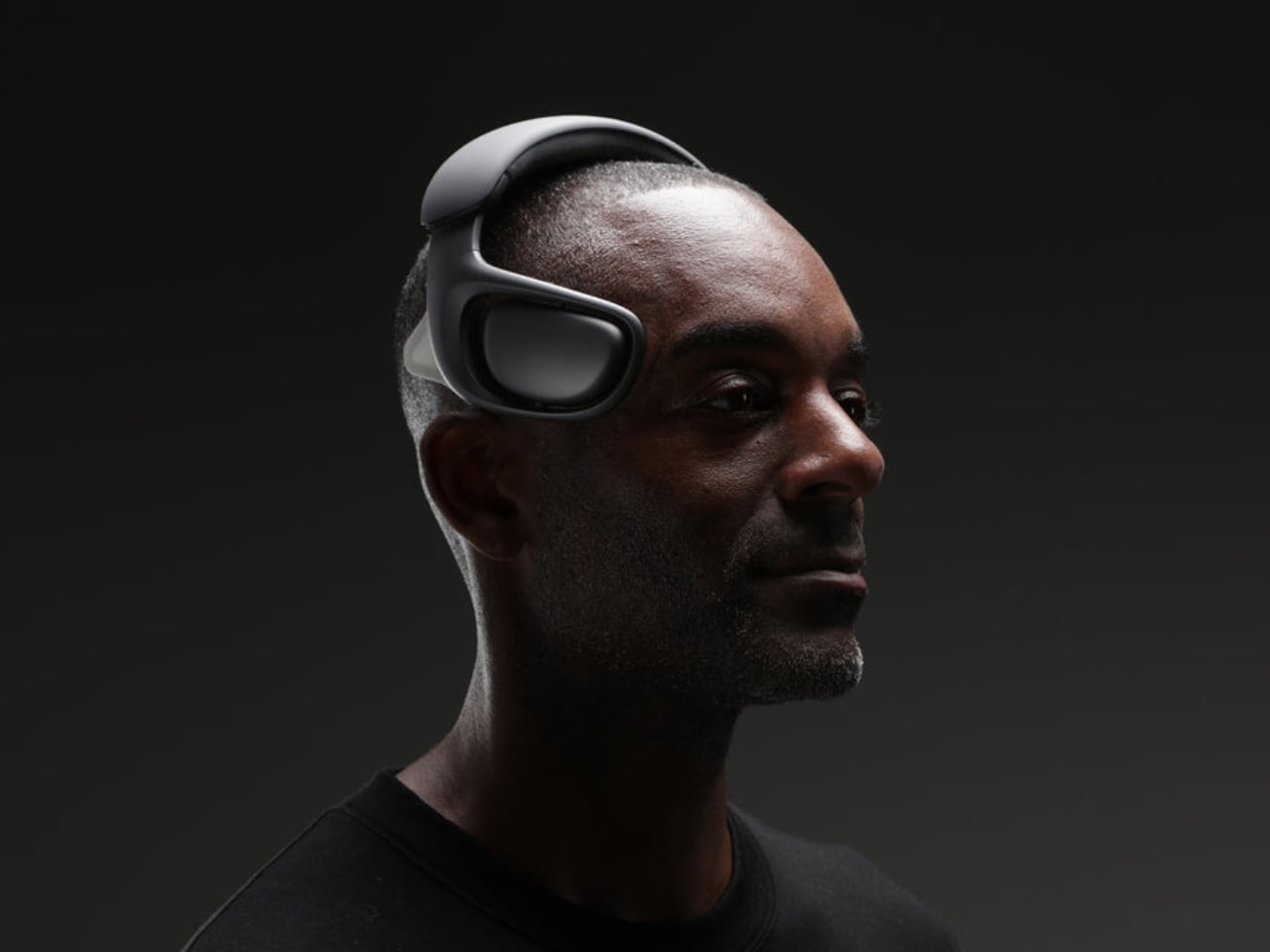
Designed by San Francisco-based studio Card79, the Nudge Wearable is a high-fidelity speculative prototype that imagines a near future where non-invasive neurotechnology becomes as ordinary as slipping on a pair of headphones. The concept is built around low-frequency ultrasound, an emerging method for modulating brain activity without surgery or implants, and proposes a simple, if mind-bending, proposition: the ability to intentionally shift between mental states like focus, calm, and rest, on demand.
Designer: Card79
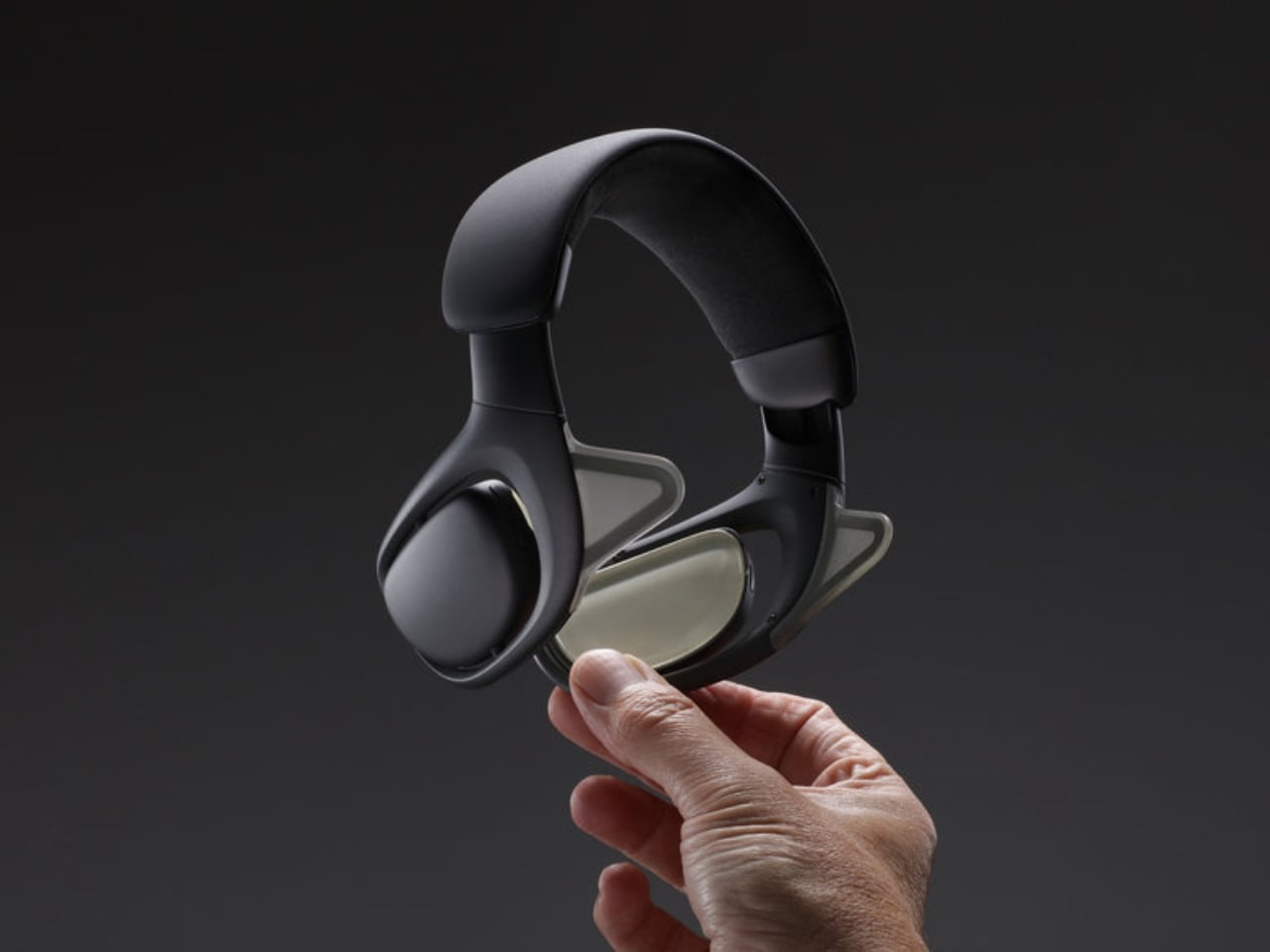
Let that sink in for a second. The idea of tuning your cognitive state the way you’d tune a playlist isn’t new in science fiction, but Card79 is asking a different question: what would this actually look like if it existed today? Not as a clinical device buried in a research lab, but as something sitting on your bathroom counter, ready to go like your electric toothbrush. The answer they arrived at is surprisingly elegant.
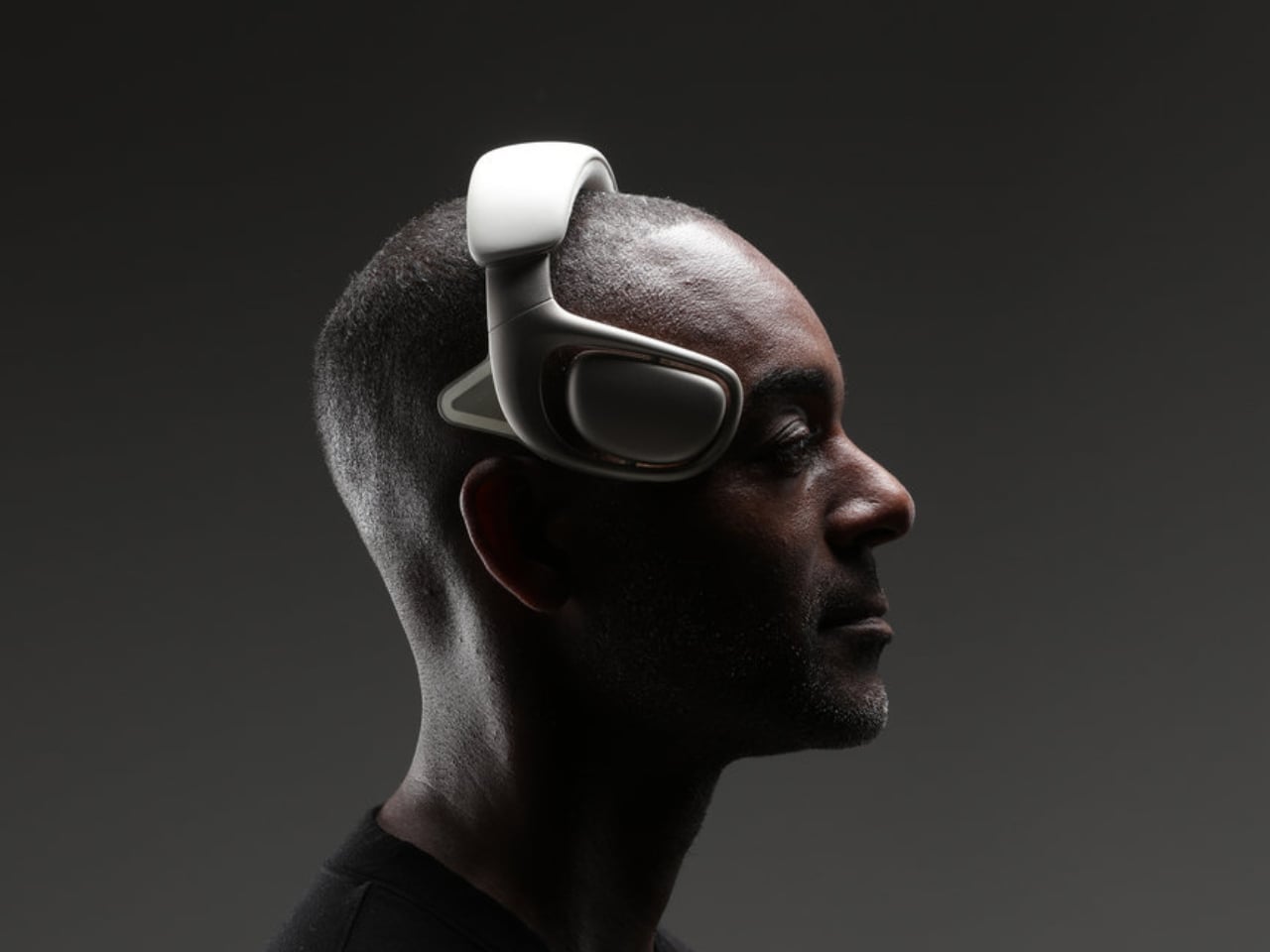
The headset itself doesn’t look like a medical instrument. It doesn’t carry that cold, utilitarian aesthetic that usually comes with anything brain-adjacent. Instead, it reads as a refined consumer wearable, structured, minimal, and deliberately designed to feel like it belongs in daily life. Card79 put serious thought into the form: ultrasound emitters need precise, consistent alignment with specific regions of the brain, particularly around the temples, to be effective, so the design had to be both technically accurate and comfortable enough for extended wear. That’s a harder balance to strike than it sounds, and the fact that they pulled it off is worth noting.
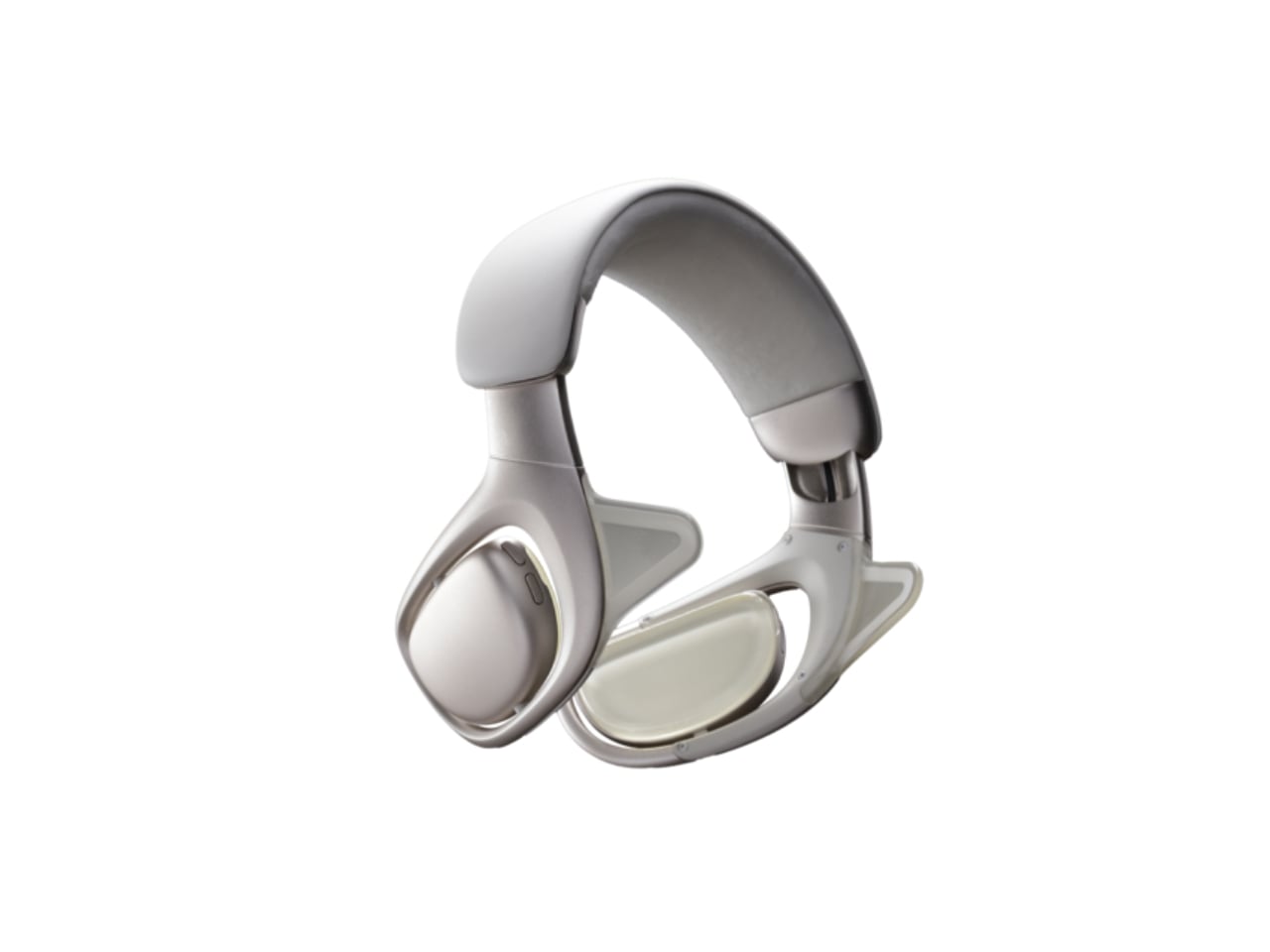
The visual language here matters. By steering away from the look of medical equipment, the Nudge prototype quietly argues that neurotechnology doesn’t have to feel scary or clinical to be credible. It can be personal. It can be wearable. It can fit into the rhythm of a regular morning without demanding that you become a biohacker to use it.
Of course, the moment you accept that premise, the harder questions start surfacing. Card79 isn’t trying to sidestep them. The project openly invites conversation around agency, consent, and what it actually means to normalize tools that influence how we think and feel. If you can dial up focus before a big meeting or wind down on command before bed, who draws the line between self-optimization and something more complicated? Employers? Insurance companies? Yourself? These aren’t rhetorical questions, and Nudge doesn’t pretend to answer them. The prototype exists precisely to make abstract neuroscience feel tangible enough to talk about, which is exactly what good speculative design is supposed to do. It’s not a product manual for the future. It’s a provocation with really good industrial design.
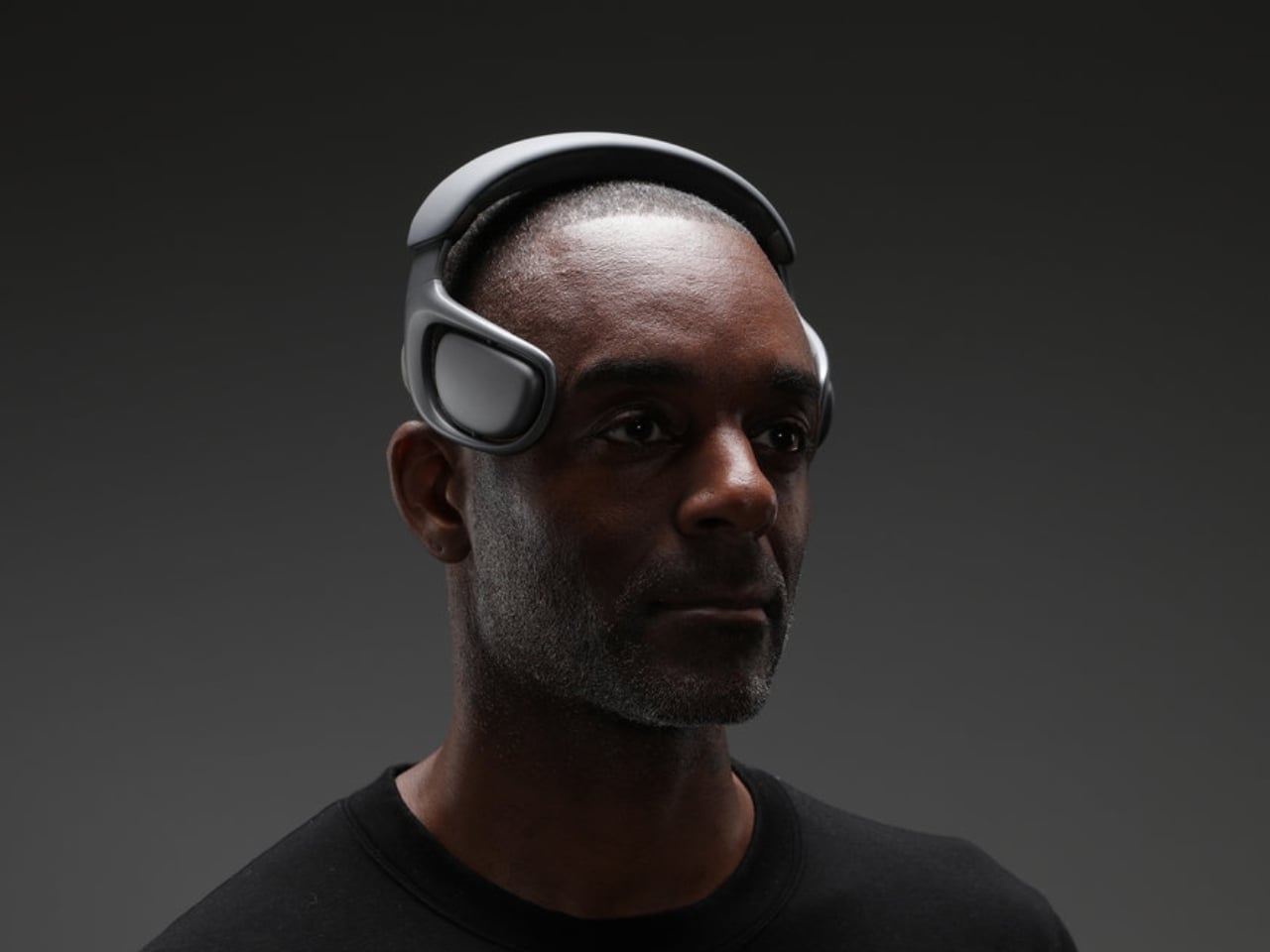
Card79 has form here. The San Francisco studio has previously worked on projects for Neuralink and other neurotechnology ventures, so this isn’t an academic exercise from the outside looking in. They understand the technical constraints, which makes the Nudge prototype feel grounded rather than purely conceptual. The fact that it earned recognition in both the Speculative Design and Wearable Design categories at major design awards this year suggests the wider design community is taking the conversation seriously too.
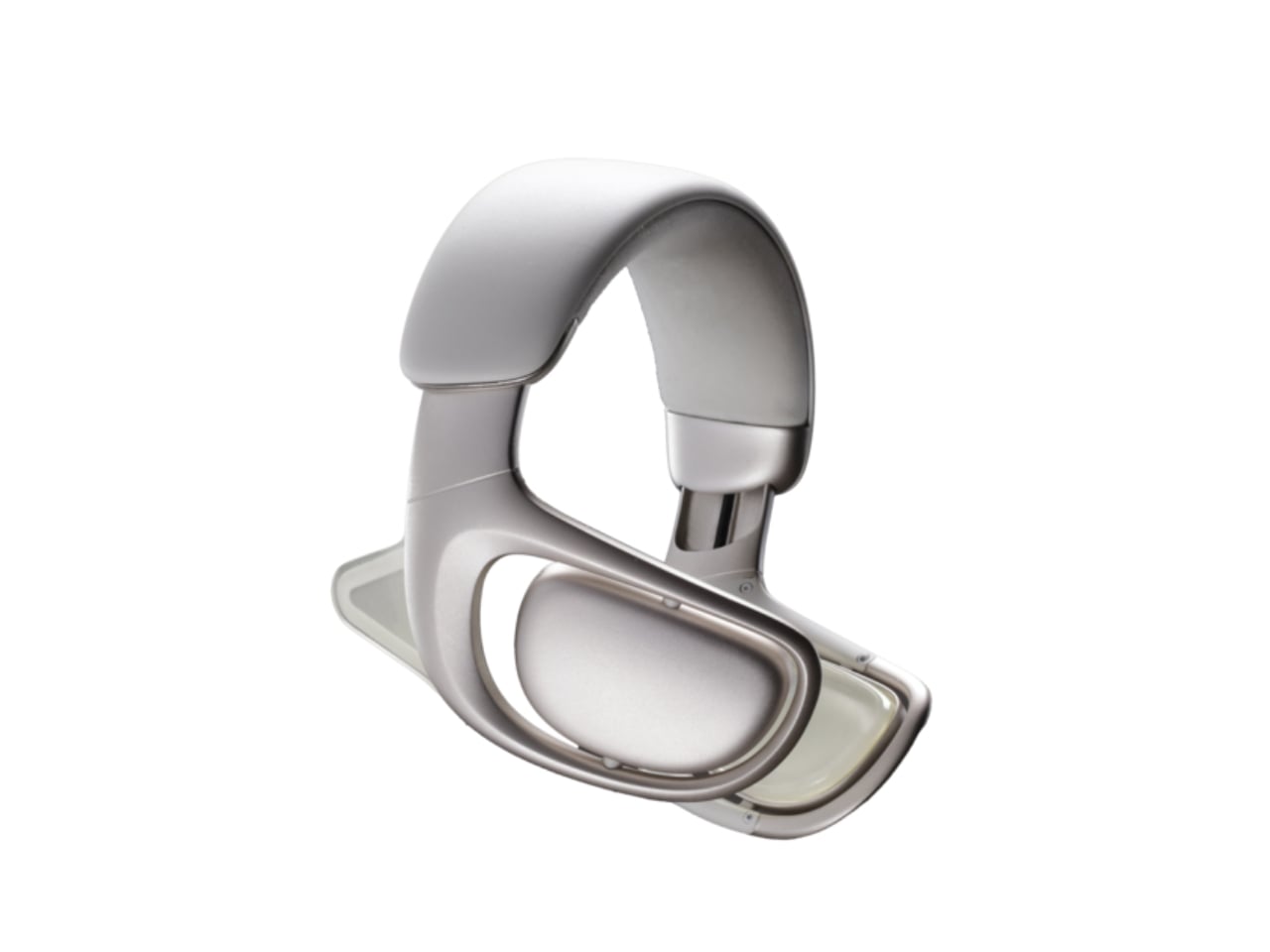
What makes Nudge linger is not just the form or the technology behind it. It’s the cultural moment it’s arrived in. We’re already deeply invested in optimizing our physical health through wearables. The logical next step, optimizing our mental states through the same kind of everyday device, feels less like science fiction and more like an inevitable Tuesday morning. Whether that’s exciting or unnerving probably says more about you than about the technology itself. But the fact that a headset can make that conversation feel approachable, even desirable? That’s the real design achievement here.