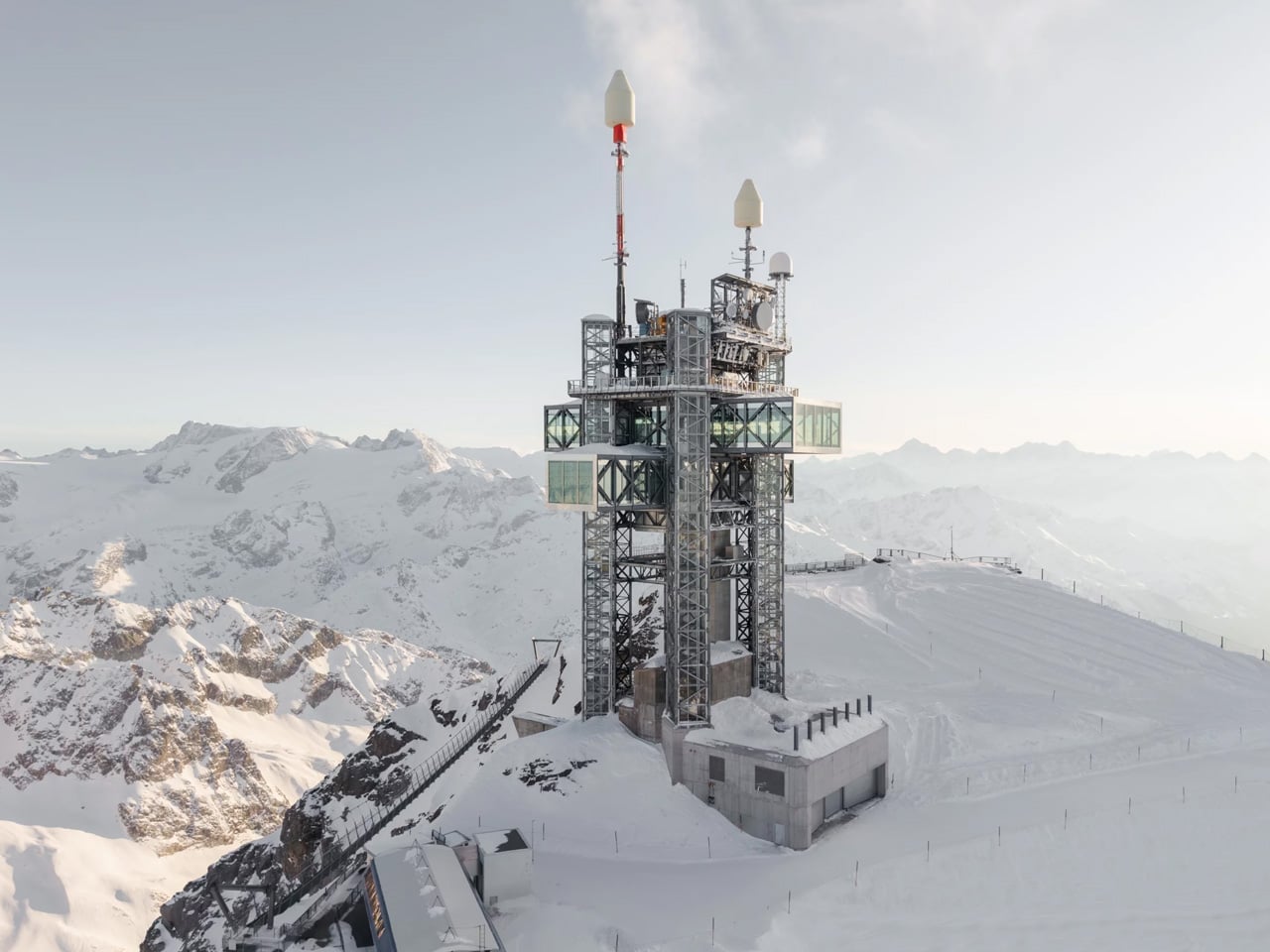
The Titlis Tower was never meant to be beautiful. That’s what makes what Herzog & de Meuron have done with it so compelling — a project that says more with restraint than most buildings say at full volume. The 56-meter-high antenna tower was built in the mid-1980s by the Swiss postal service, originally serving as a functional node in the country’s telecom network.
It sat largely ignored above the resort town of Engelberg, visible but inaccessible, a steel remnant of an analog era. Mount Titlis, the peak it crowns, draws approximately 1.1 million visitors per year — yet the tower itself offered nothing to any of them. That tension between presence and uselessness is what the commission set out to resolve.
Designer: Herzog & de Meuron
In 2017, Herzog & de Meuron was brought in to renew the mountain station and transform the tower into part of the tourist offering — a brief that sat within a broader masterplan for the entire summit, including a redesigned cable car station. Co-founder Pierre de Meuron framed the approach around “resource-conscious development of the existing infrastructure,” which in practice meant keeping what was already there and building only what was necessary. No demolition. No tabula rasa. Just a sharp architectural gesture inserted into a structure that already belonged to the mountain.
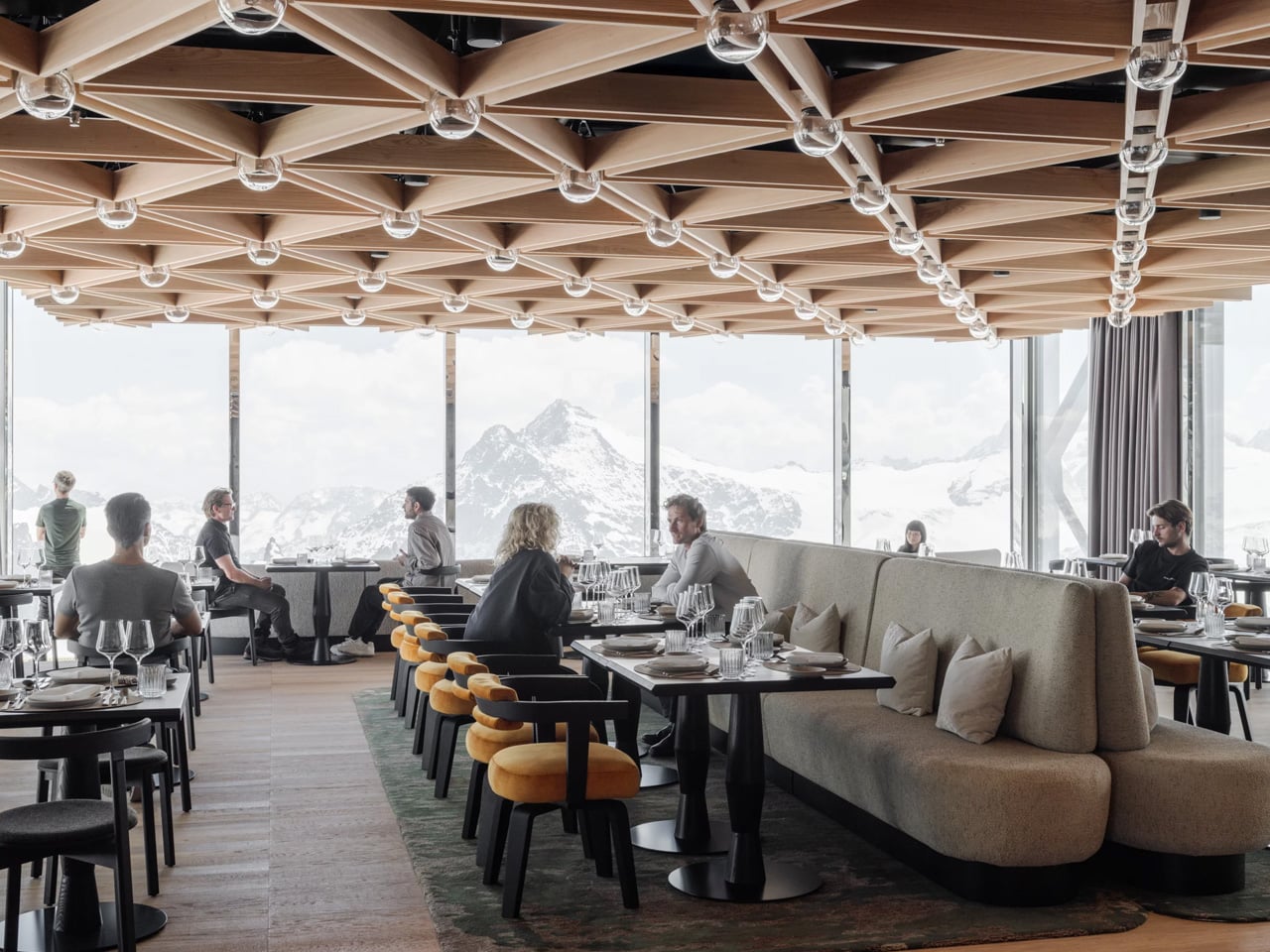
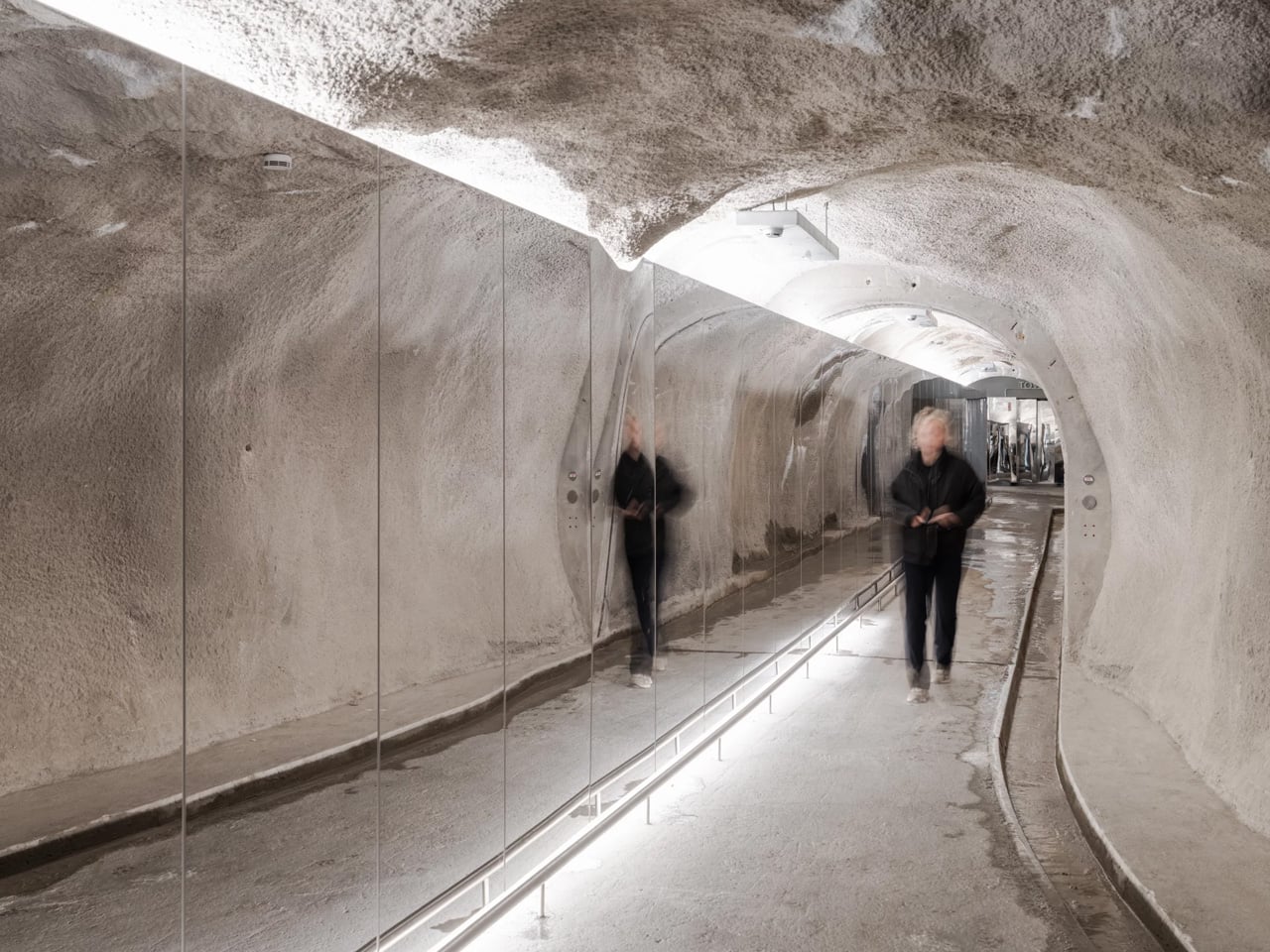
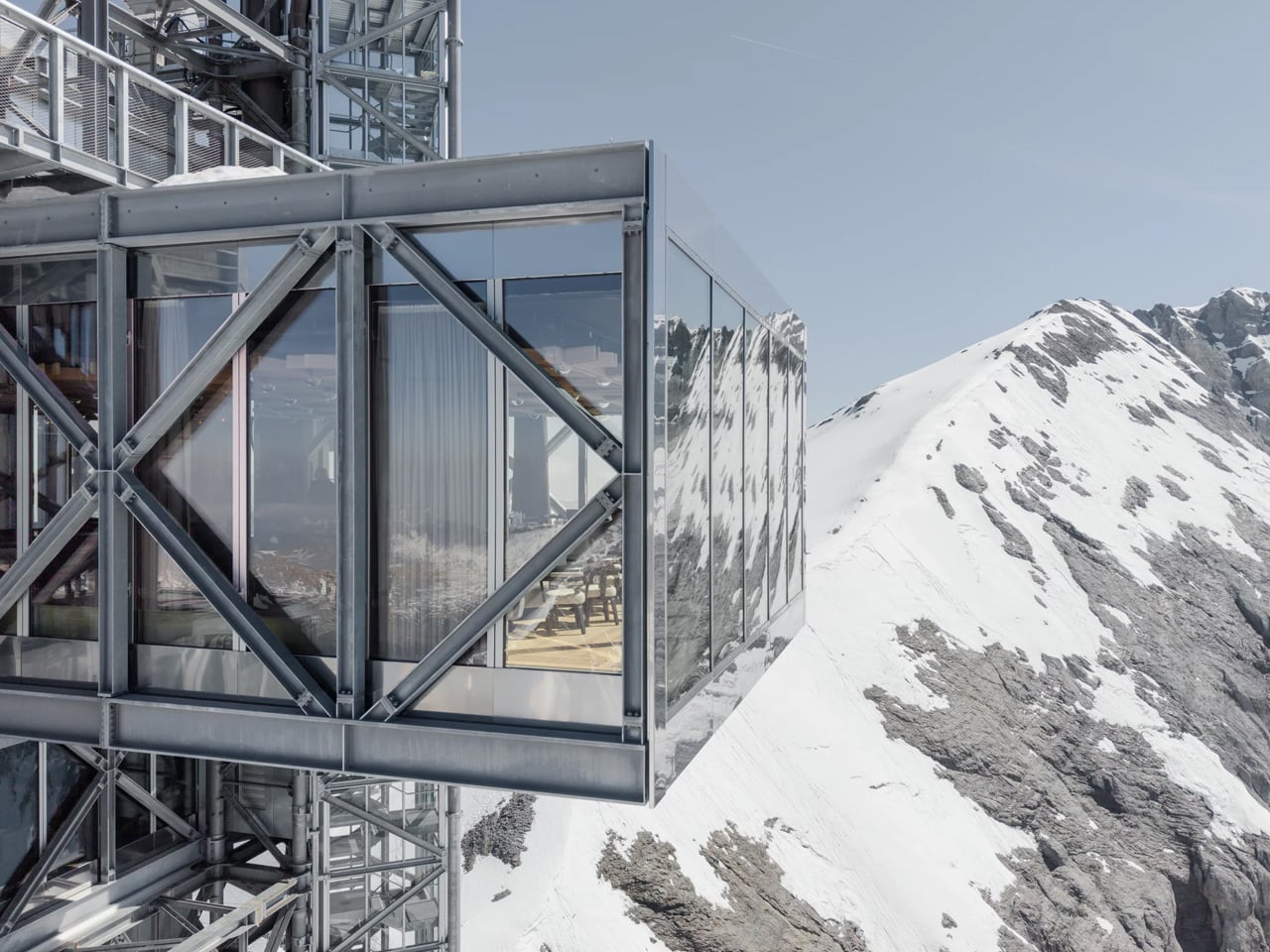
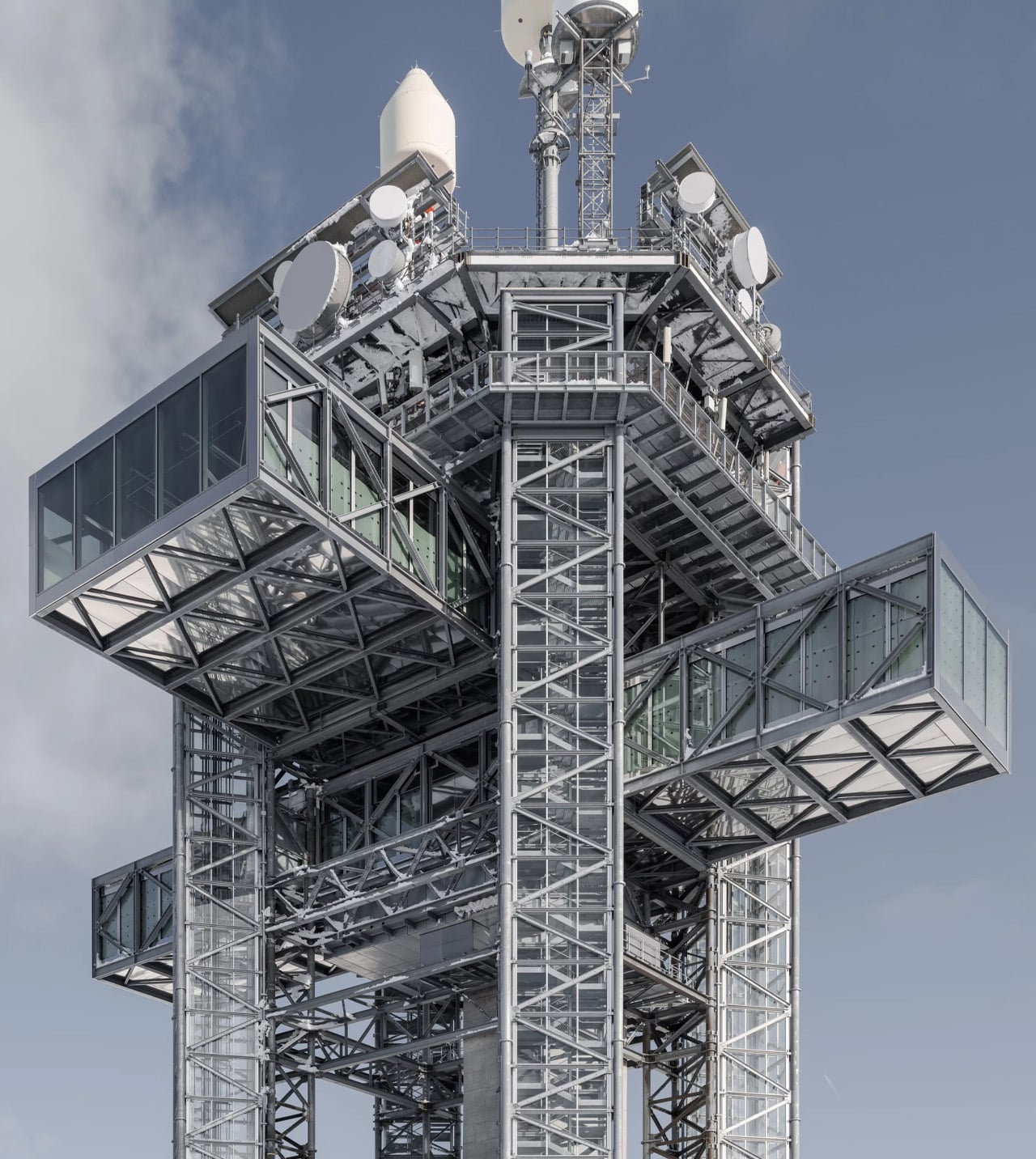
The transformation sees two cantilevered glass-and-steel volumes inserted crosswise into the existing antenna mast, creating the tower’s now-iconic cross-shaped silhouette. Four vertical circulation volumes handle movement through the structure. The result is a form that feels both ancient and entirely new — a cross, yes, but also a compass, a landmark, a thing that seems to orient itself against the horizon. Inside, the two horizontal bodies house a restaurant, a bar, and exhibition space, all of it delivered at over 3,000 meters above sea level, with glacier views on every axis.
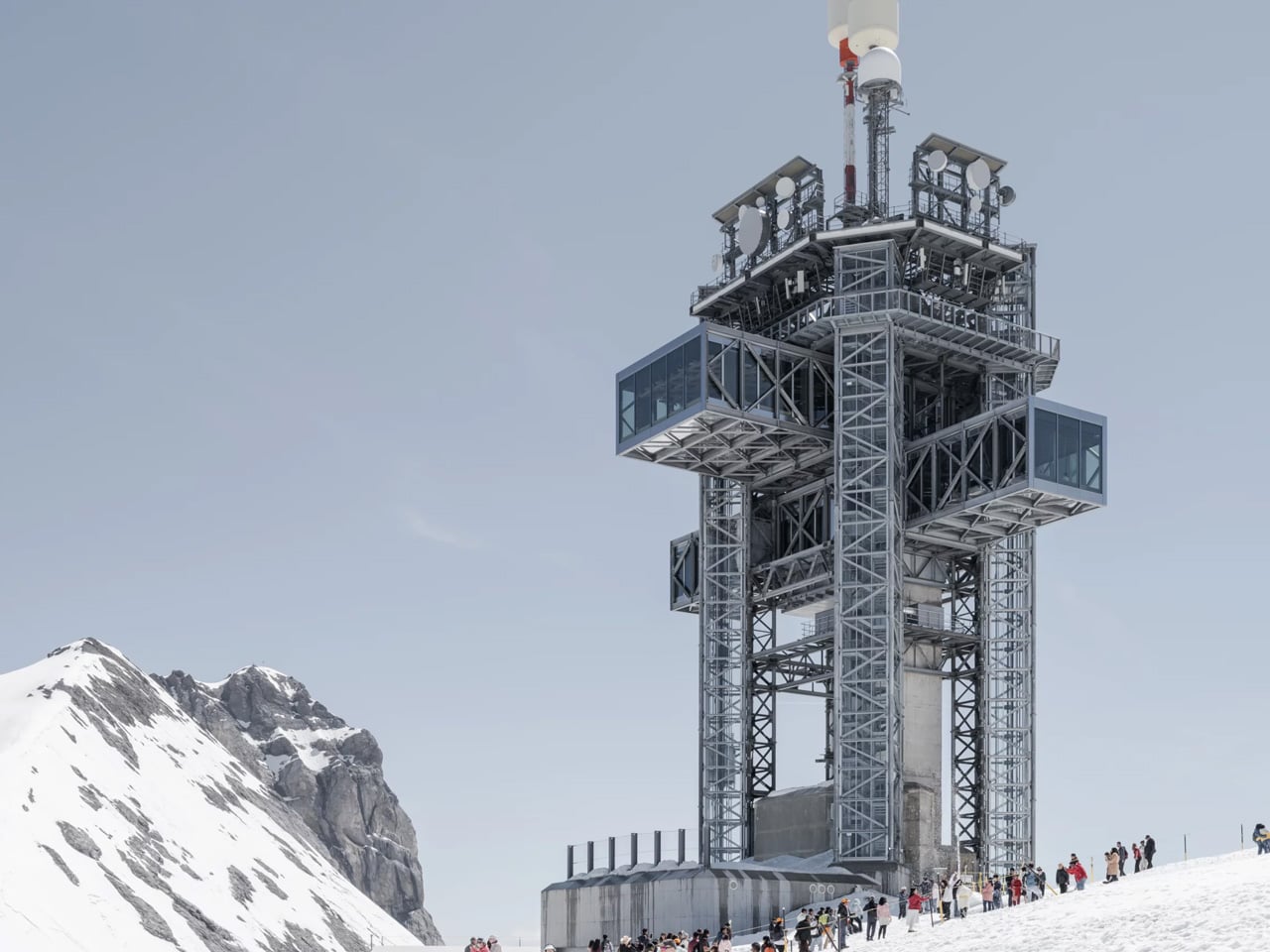
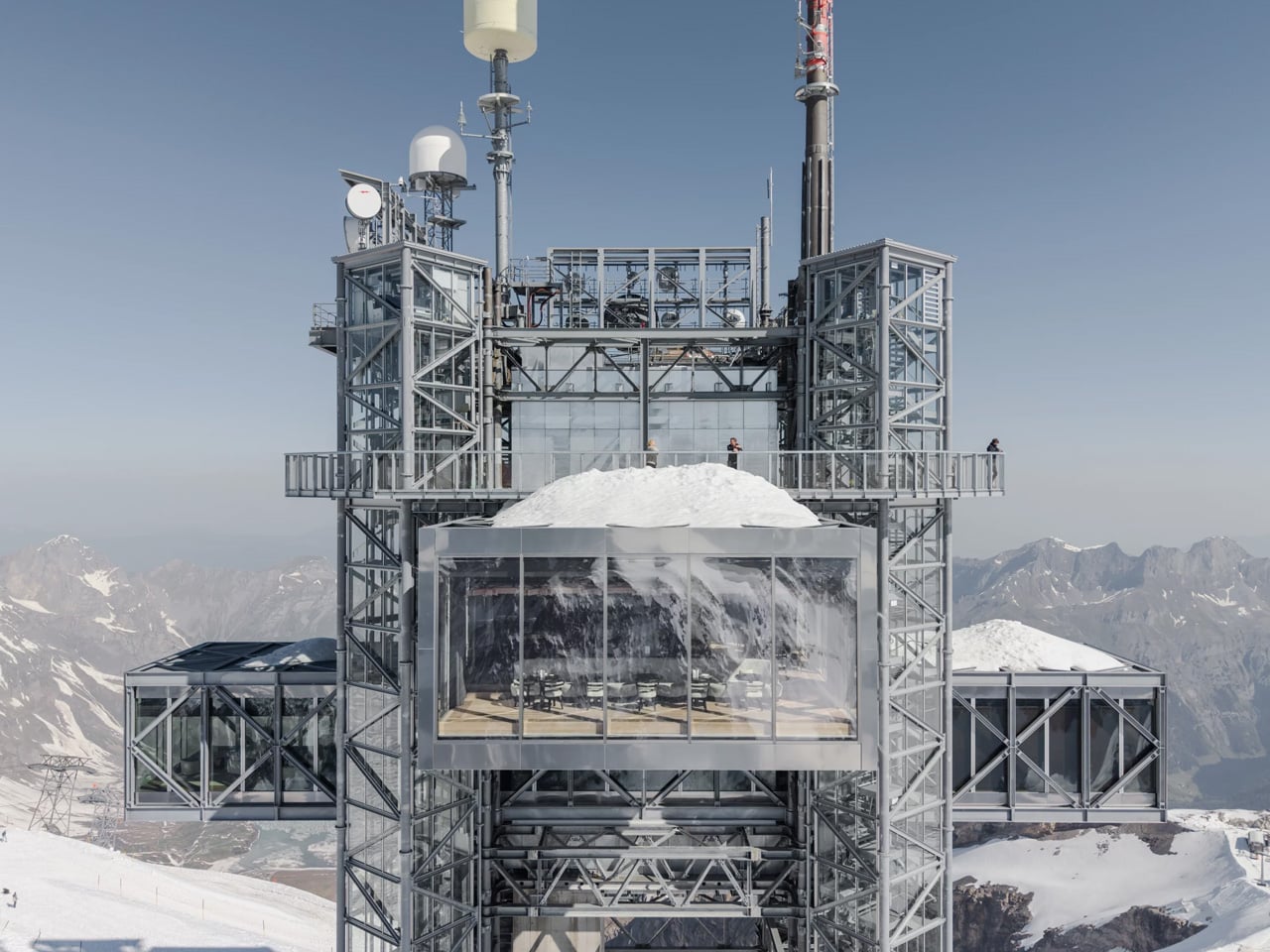
Completed in 2026, the tower is the first element of the wider TITLIS Project to be realized, and it sets a high bar for everything that follows. What makes it land is the discipline behind the concept. Herzog & de Meuron didn’t try to compete with the Alps — they let the existing structure carry the weight and introduced just enough to make it habitable, legible, and genuinely spectacular. The tower was already a landmark. Now it finally knows it.