Most travel gear exists in one of two categories. It either works beautifully and looks like it was designed for a logistics warehouse, or it looks great sitting on a shelf and becomes a liability the moment you actually need it. The list below doesn’t belong to either. These are products built around a deceptively simple idea: that good design should travel as well as you do, and that the objects you carry should earn their place in your bag every single time.
We pulled this list together with one criterion in mind beyond the obvious. Each product had to make the experience of traveling feel more deliberate, more considered, and genuinely more enjoyable — not just less inconvenient. Plenty of things solve a problem. Very few solve it in a way that makes you reach for them every time you leave the house. These eight do.
1. Oppo and Vivo Gimbal Cameras
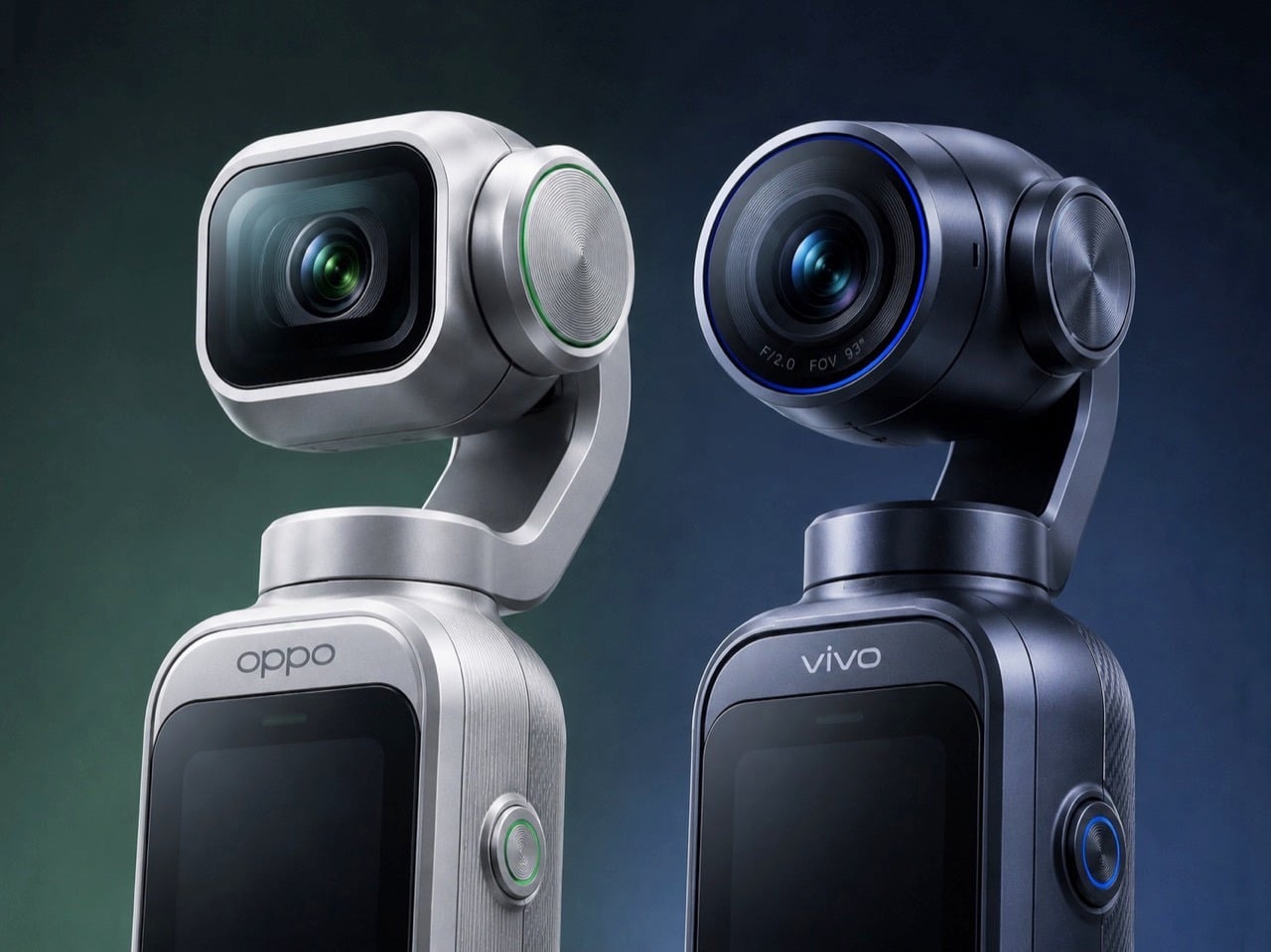
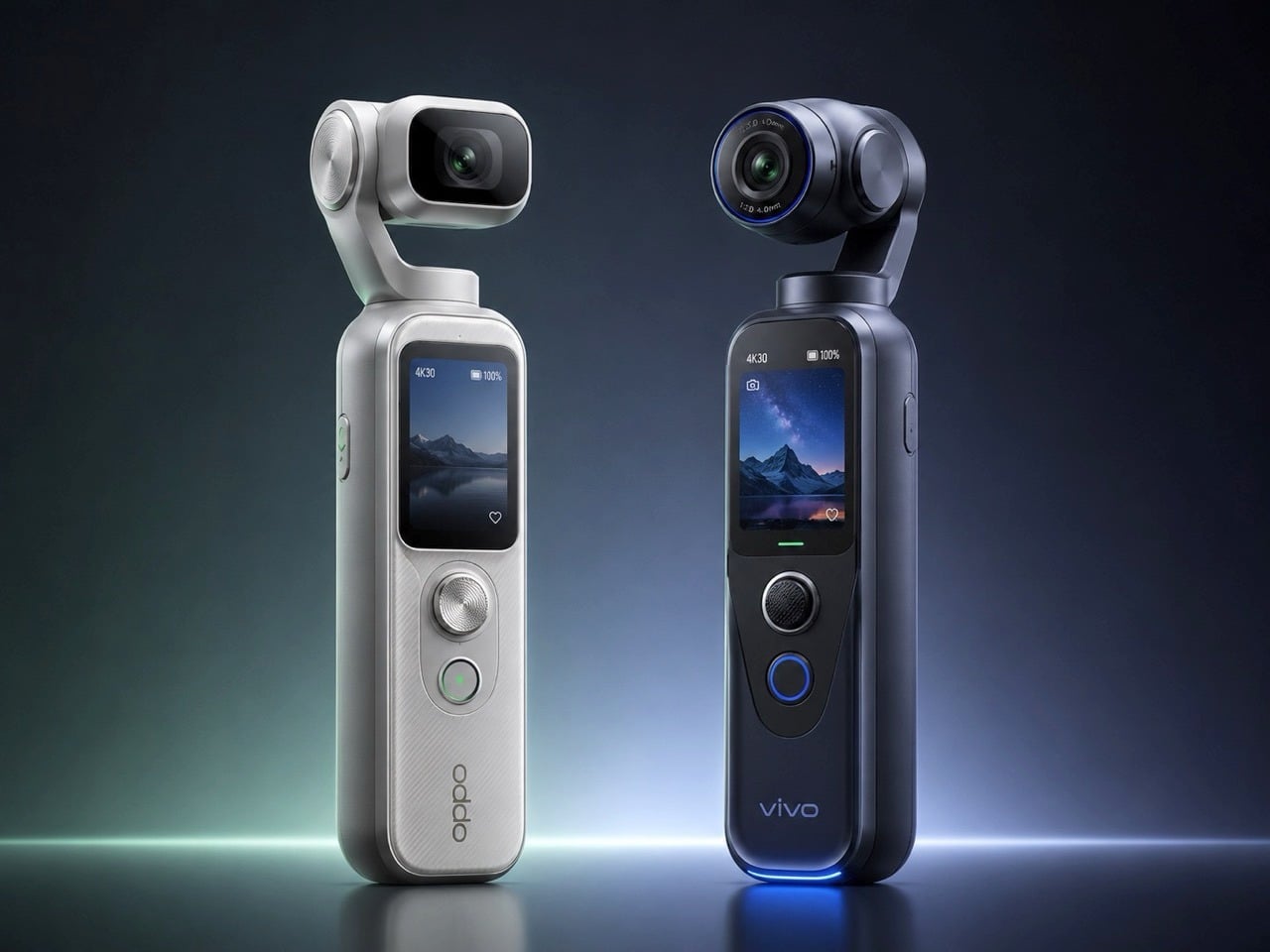
The smartphone camera arms race has been running for years, but both Oppo and Vivo have now made a move that changes the conversation entirely. Rather than competing purely on sensor size or software processing, both brands are building dedicated gimbal cameras designed to take on DJI’s Osmo Pocket series directly. The proposition is a compact, stabilized camera device that draws on each brand’s decade of computational photography experience, now applied to a device that exists solely to capture great video and stills without the phone attached.
What makes this worth paying attention to from a design standpoint is the form factor decision. Dedicated cameras have largely defaulted to either the bulky end or the toy end, with very little in between that feels genuinely pocketable without compromise. The Osmo Pocket carved out that middle ground almost by accident. Oppo and Vivo entering this space with the full weight of their camera research behind them means this category is about to get far more competitive. If you shoot travel content and find your phone getting in the way of how you actually want to move, this is the category to watch before your next trip.
What we like:
- Two major smartphone camera brands entering the dedicated gimbal space means the Osmo Pocket’s design monopoly on this category is finally under real pressure
- The crossover between smartphone computational photography and dedicated hardware suggests these will handle low light and stabilization in ways previous pocket gimbals have only approximated
What we dislike:
- Both cameras are still in the announcement phase, meaning there is no confirmed release date or pricing to plan around right now
- The category still requires carrying an additional device, which is the exact friction point a better smartphone camera was supposed to eliminate
2. Stillframe Headphones
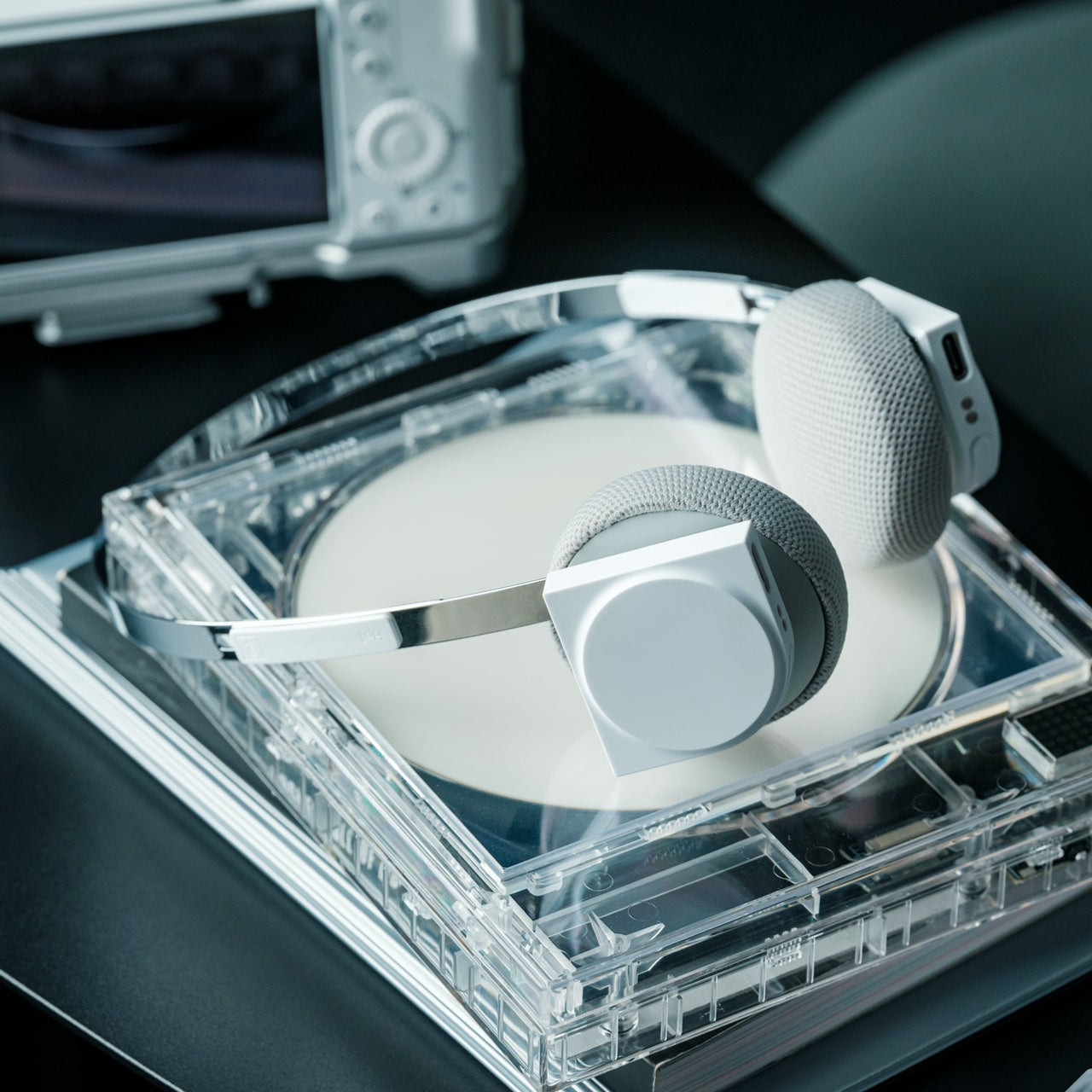
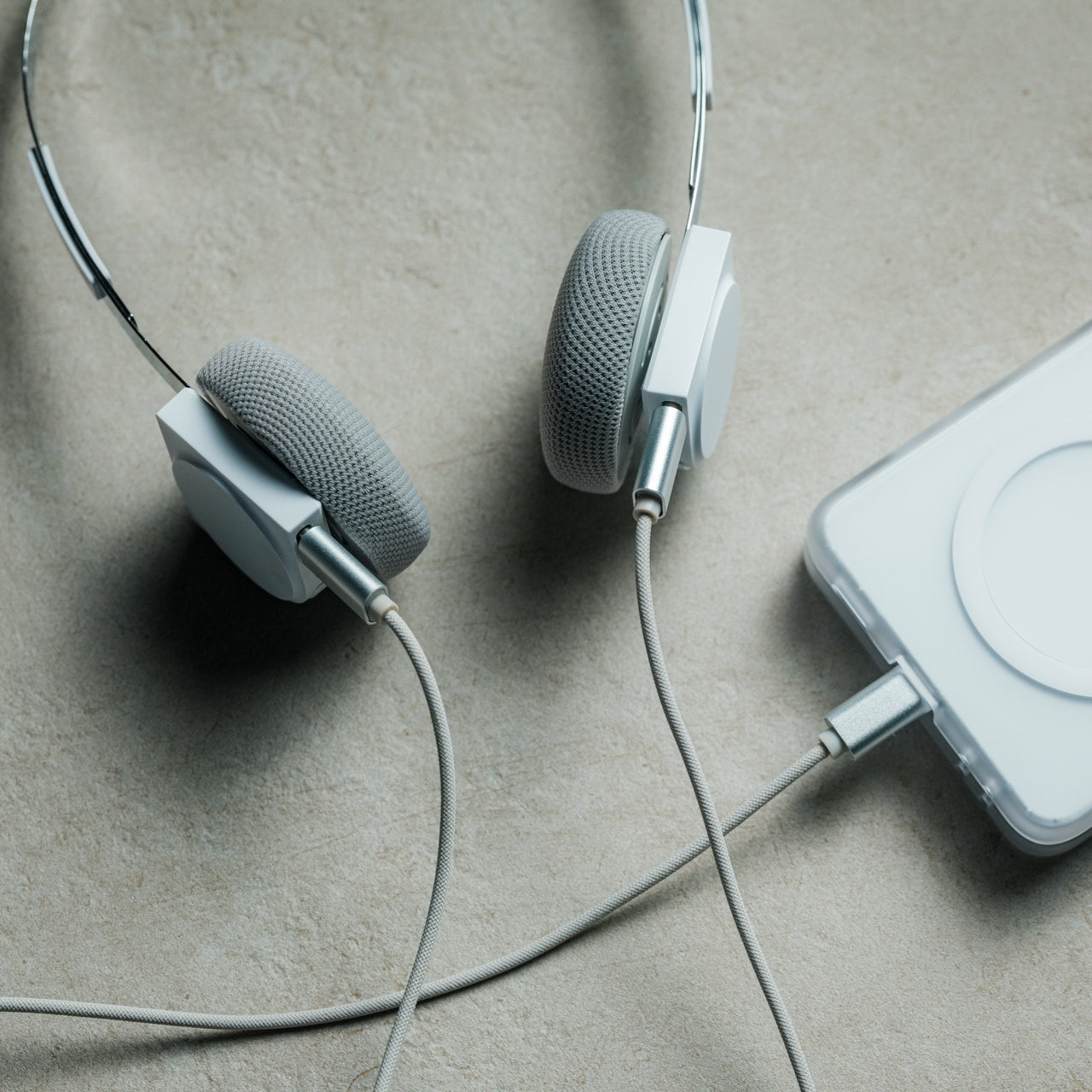
There is a category of travel headphones that exists somewhere between the clinical noise-cancelling slabs most airlines push on you and the fashion pieces that fall apart the first time you stuff them into a bag. The design language reads as functional first — the kind of headphones you would wear through a six-hour flight without adjusting every twenty minutes, and still feel like putting on when you land and need to think.
For travel specifically, the value of a pair of headphones you actually want to wear compounds across every leg of a journey. The airport gate, the connection, the hotel room where you are trying to reset before a meeting the next morning — audio quality matters at all of those moments, but so does how the object feels in your hands and on your head. The Stillframe headphones are designed with that sustained-wear reality in mind, which makes them a different kind of travel companion from the options that optimize for a single use case and assume everything else works itself out.
Click Here to Buy Now: $245.00
What we like:
- The design aesthetic lands outside the clinical or fashion-forward extremes that dominate the travel headphones market, which is a rarer quality than it sounds
What we dislike:
- Without a full published spec sheet, audio performance is still something you would want to verify against your own listening habits before committing
3. Carl Friedrik 72-Hour Backpack
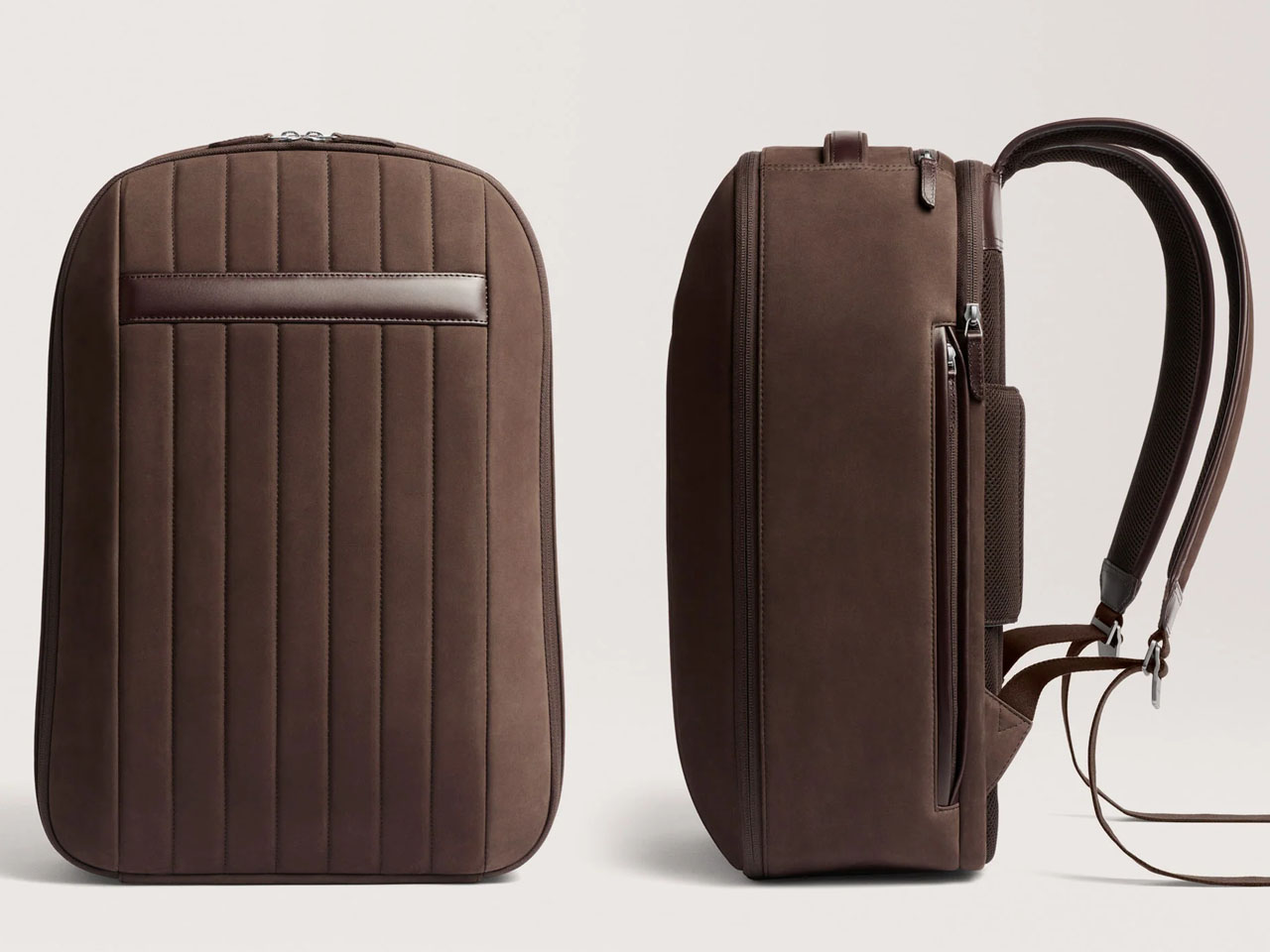
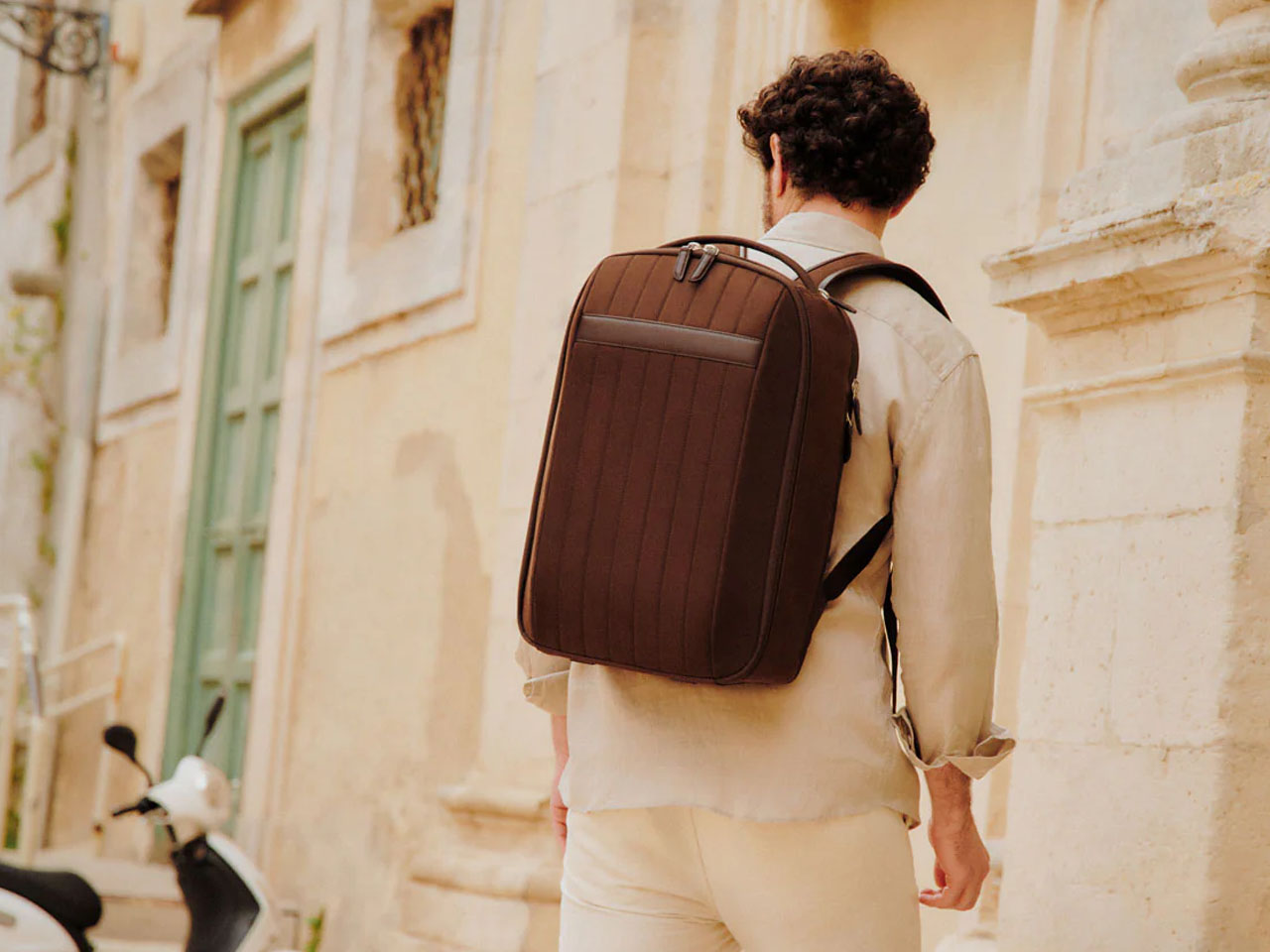
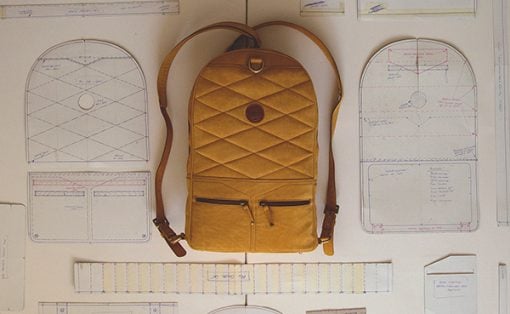
Carl Friedrik has been making the case for premium materials in everyday carry for years, and the 72-Hour Backpack is the clearest articulation of what that means in practice. The design skips the traditional top-load configuration in favor of a clamshell opening, which sounds like a small decision until you have stood at airport security with a laptop in hand, trying to repack a top-load bag while the line behind you moves. The clamshell opens flat, keeps everything visible at once, and closes back up without requiring any particular thought or repacking ritual.
The 72-hour designation is specific because it is honest. This is not a weekend bag pretending to be a carry-on, and it is not a carry-on pretending it can do more than it should. It holds what you need for three days of real travel — laptop, change of clothes, chargers, documents — without expanding into a shape that defeats the purpose of traveling light in the first place. The material quality is the kind that ages well rather than looking worse after six months of regular use, which is the long-term argument for spending more on a travel bag than instinct usually says you should.
What we like:
- The clamshell opening is a genuinely useful design decision that solves a real airport friction point rather than being a feature added for a spec sheet
- Carl Friedrik’s material standards produce a bag that improves with use rather than deteriorating under the accumulated wear of frequent travel
What we dislike:
- The premium positioning comes with a premium price, which makes it a travel investment rather than a travel purchase for most people
- The 72-hour sweet spot means it deliberately undershoots for longer trips, so you would need a separate solution for anything beyond a long weekend
4. Tetra
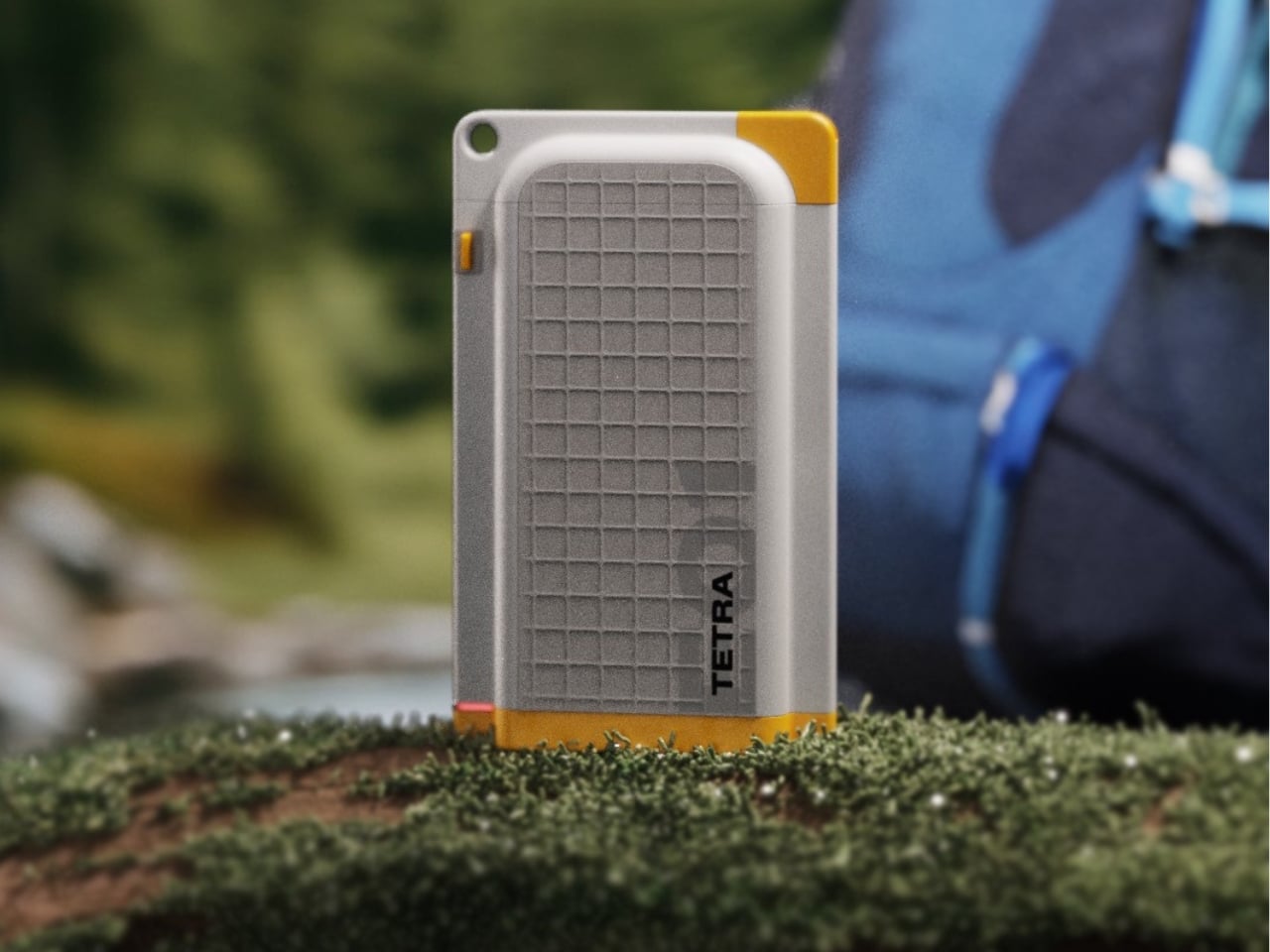
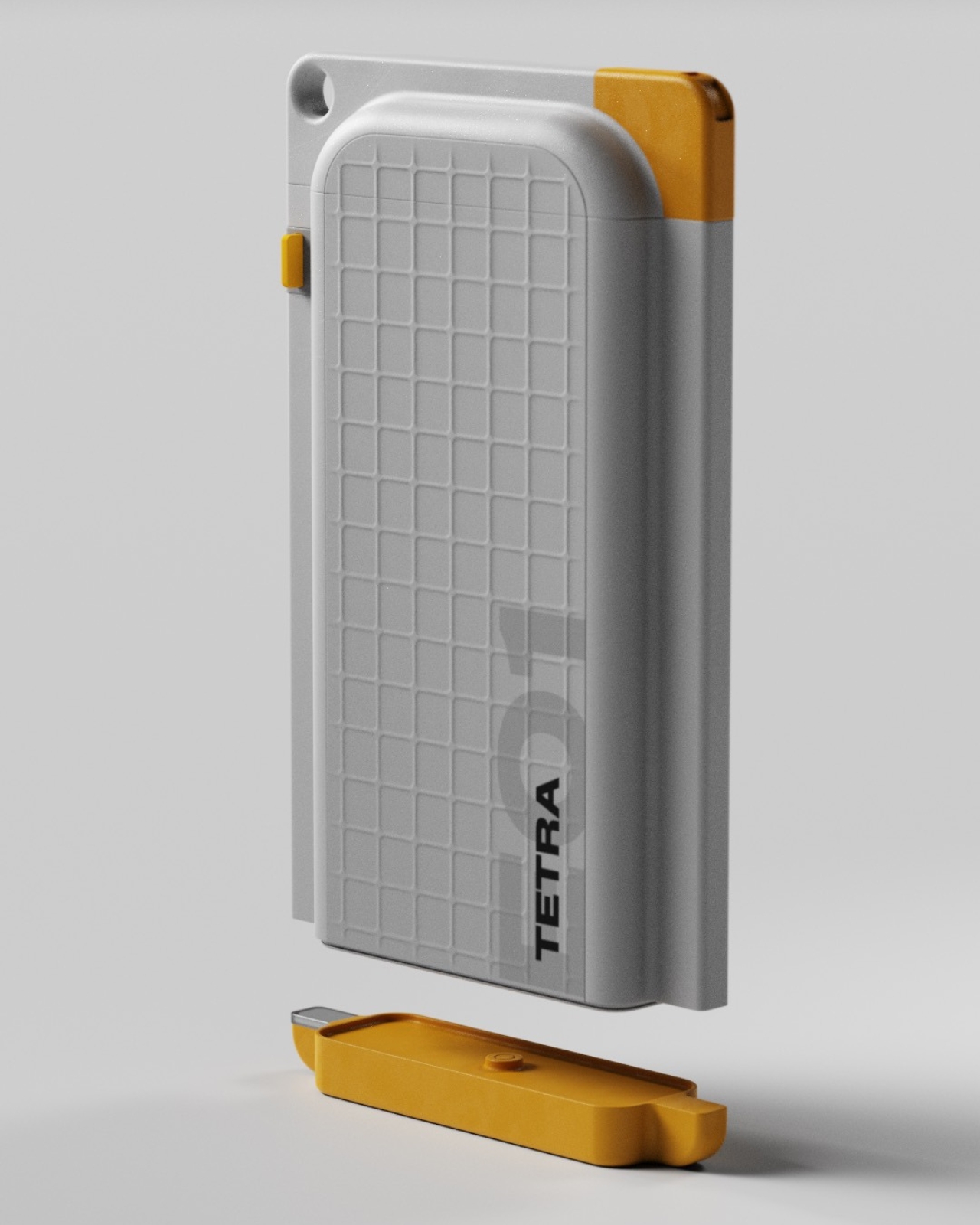
The flat bottle that becomes a kettle solves a problem you might not know you have until you have spent a week in hotels where the in-room kettle is either missing or something you would rather not look at too closely. At its flattest, this bottle sits at roughly A5 notebook size — the kind of footprint that genuinely fits in the outer pocket of whatever bag you are already carrying, not in the way that manufacturers describe as fitting but that actually requires rearranging everything else. When you need it, it expands into a functional travel kettle, handling the one hot-drink moment that hotel rooms handle poorly and camping trips require consistently.
What makes this worth noting as a design object rather than just a useful product is the honesty of its form. It does not try to look like a conventional bottle at its compact size. It looks like what it is — a flat, engineered thing that knows exactly what it is doing. That kind of specificity in product design is rarer than it should be. For travel specifically, the ability to make your own tea or coffee in a hotel room without relying on the in-room setup is a small quality-of-life detail that becomes a non-negotiable habit once you have experienced it even once.
What we like:
- The A5 flat profile is a genuinely honest claim about packability, not a marketing approximation for a product that still takes up a third of your bag
- Dual functionality as both bottle and kettle without the usual performance compromise at either end of the use case
What we dislike:
- The expanding mechanism is the most interesting part of the design, which also makes it the part most likely to show wear under heavy, frequent use
5. AirPods / AirPods Pro Neck Strap
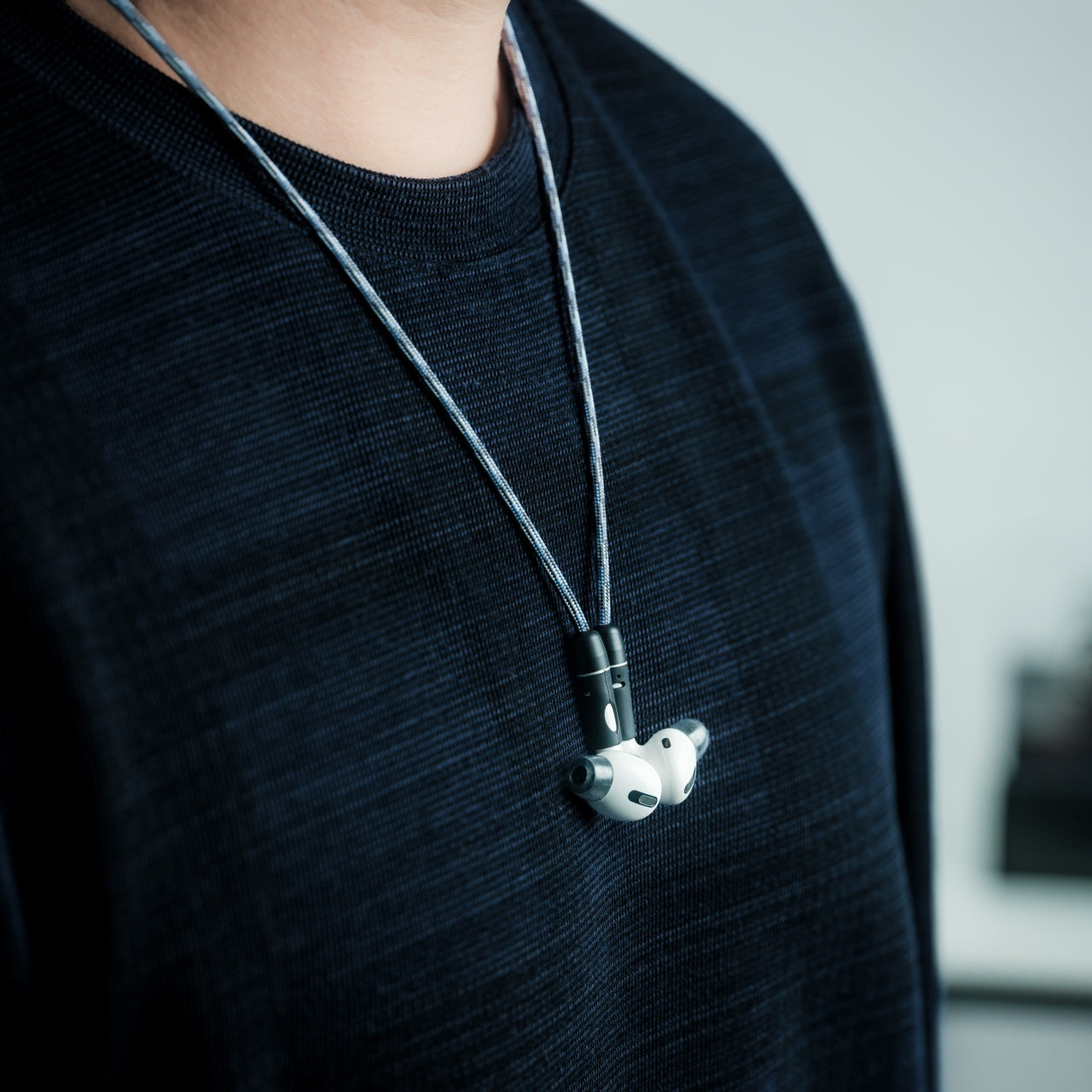
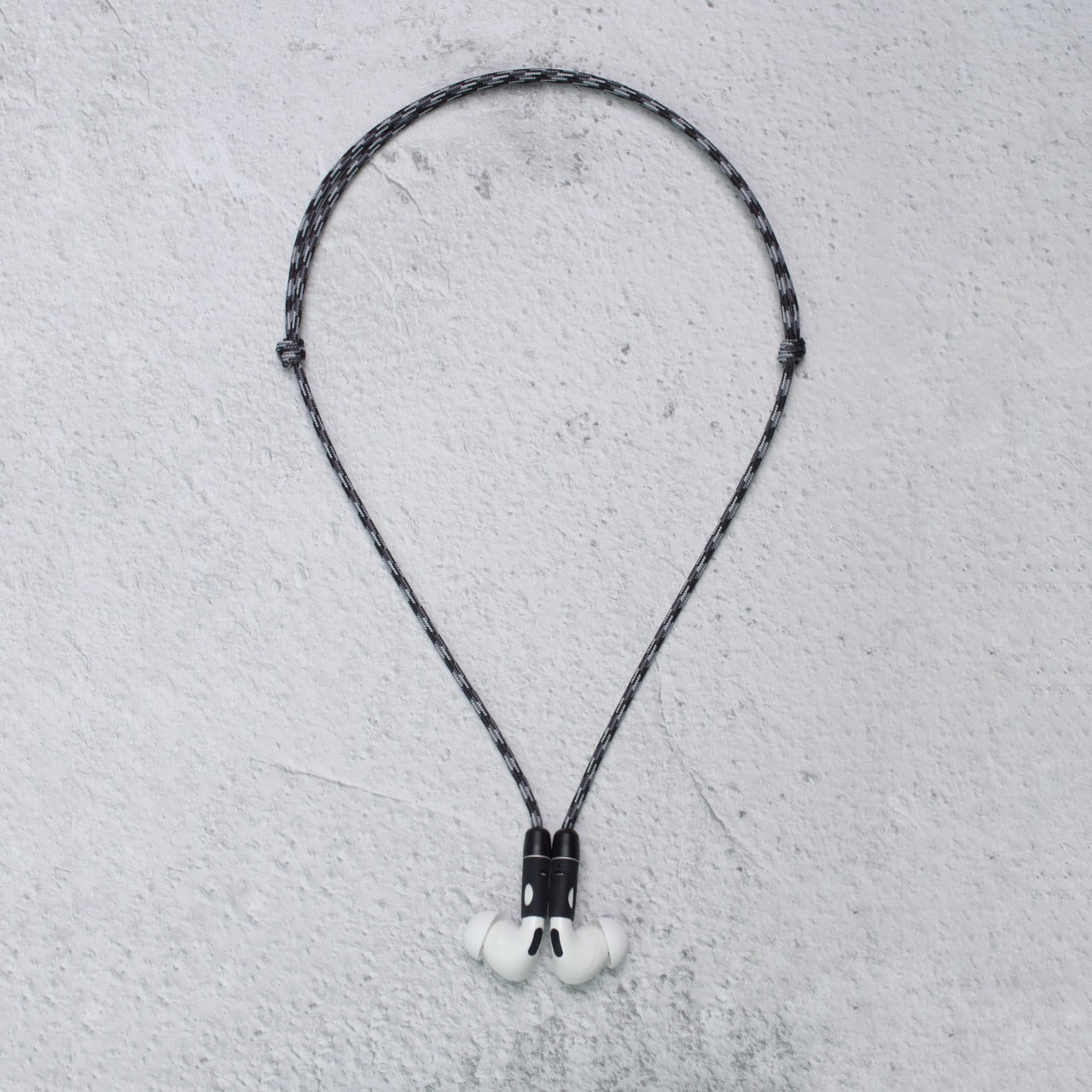
The AirPods case is arguably the most dropped object in modern travel. It lives in pockets, gets pulled out alongside boarding passes and coffee, and ends up on the floor of more transit systems than anyone is tracking. A neck strap solves this with a directness that feels almost embarrassing in hindsight — the case stays on your body, accessible without rummaging, and the cord becomes a visual anchor that tells you at a glance exactly where your earbuds are. It is a small solution to a problem that compounds in proportion to how busy your travel day actually gets.
The design choice here is about reducing the cognitive tax of managing small objects across long days. You do not notice how much attention you spend keeping track of your earbuds until you stop spending it. The neck strap converts the AirPods case from something you lose to something you wear, and that shift in relationship to the object changes how you interact with your audio for the rest of the day. It works with both standard AirPods and AirPods Pro cases, making it a clean pick regardless of which generation you are traveling with.
What we like:
- Converts a frequently misplaced item into something worn, which is the simplest possible solution to a genuinely irritating travel friction point
- Compatible across both AirPods and AirPods Pro generations, so it survives an upgrade without becoming redundant
What we dislike:
- The neck strap format is not for everyone — wearing your AirPods case as a visible accessory requires a certain confidence in the aesthetic choice
6. RedMagic Deuterium Power Bank
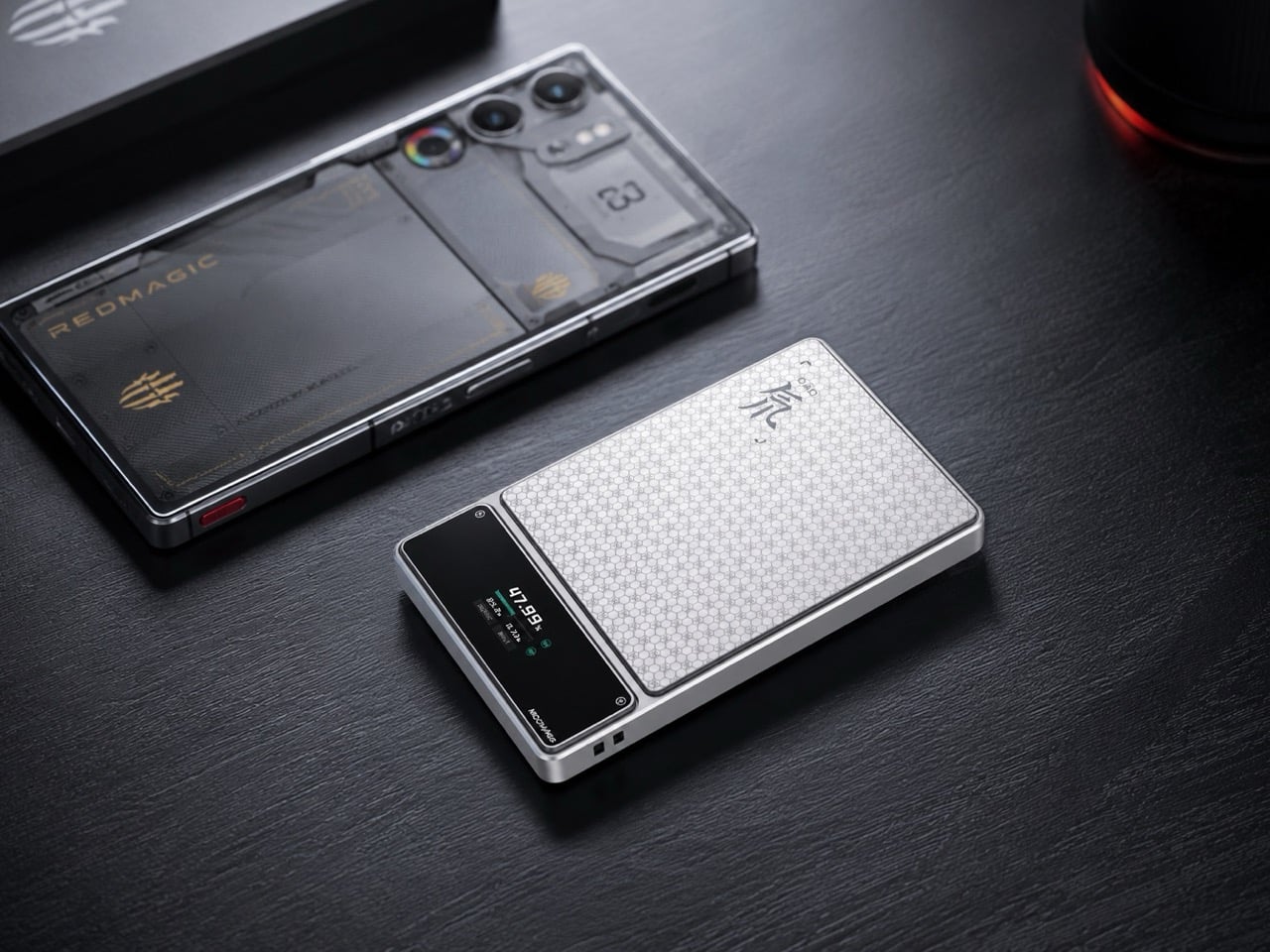
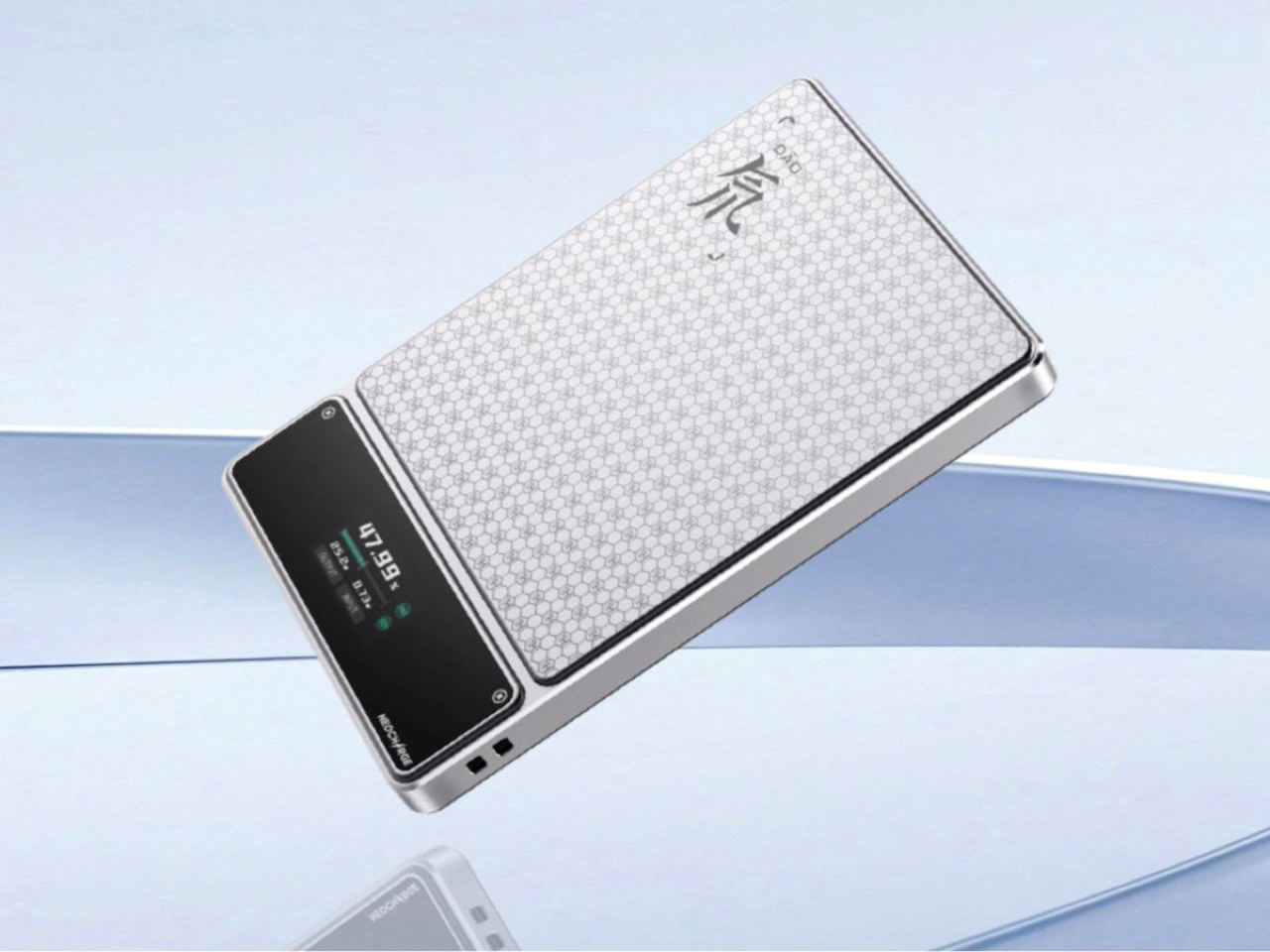
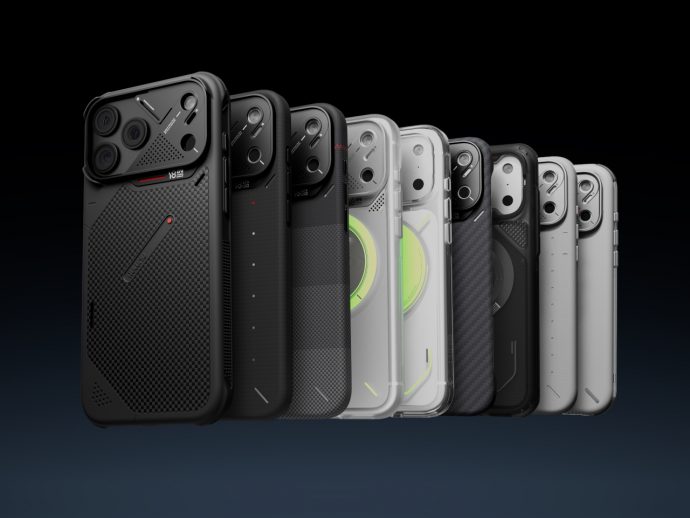
RedMagic built its reputation in gaming hardware, which means its approach to a power bank looks and feels different from the utilitarian brick that most people travel with out of resignation. The Deuterium Power Bank carries the brand’s design sensibility into a category that largely stopped trying to look interesting, and the result is a device that charges your gear just as efficiently as anything else in its class while looking like something you would keep visible on a café table rather than buried at the bottom of your bag next to a receipt from three trips ago.
The travel case for carrying a power bank this summer is straightforward: the Stillframe headphones, the AirPods neck strap, the gimbal camera, and the phone itself all have batteries that need managing across a full day. A power bank you do not mind carrying is one you are more likely to have with you when you actually need it, which is the underrated functional argument for design quality in a category where most people default to whatever is cheapest. RedMagic’s gaming background also suggests the Deuterium is built for high-draw output rather than the slow trickle that most compact power banks deliver when you are in a hurry.
What we like:
- RedMagic’s gaming hardware background produces a design approach that stands out in a category that stopped caring about aesthetics several product generations ago
- Built for high-draw output scenarios, which matches the multi-device charging reality of a full travel day rather than optimizing for a single slow charge overnight
What we dislike:
- The gaming aesthetic does not read as neutral for every traveler — the design language is confident in a way that will not suit every travel kit or personal style
- RedMagic’s primary market is gaming, which can mean after-sales support is less straightforward for buyers outside that specific ecosystem
7. Shark ChillPill
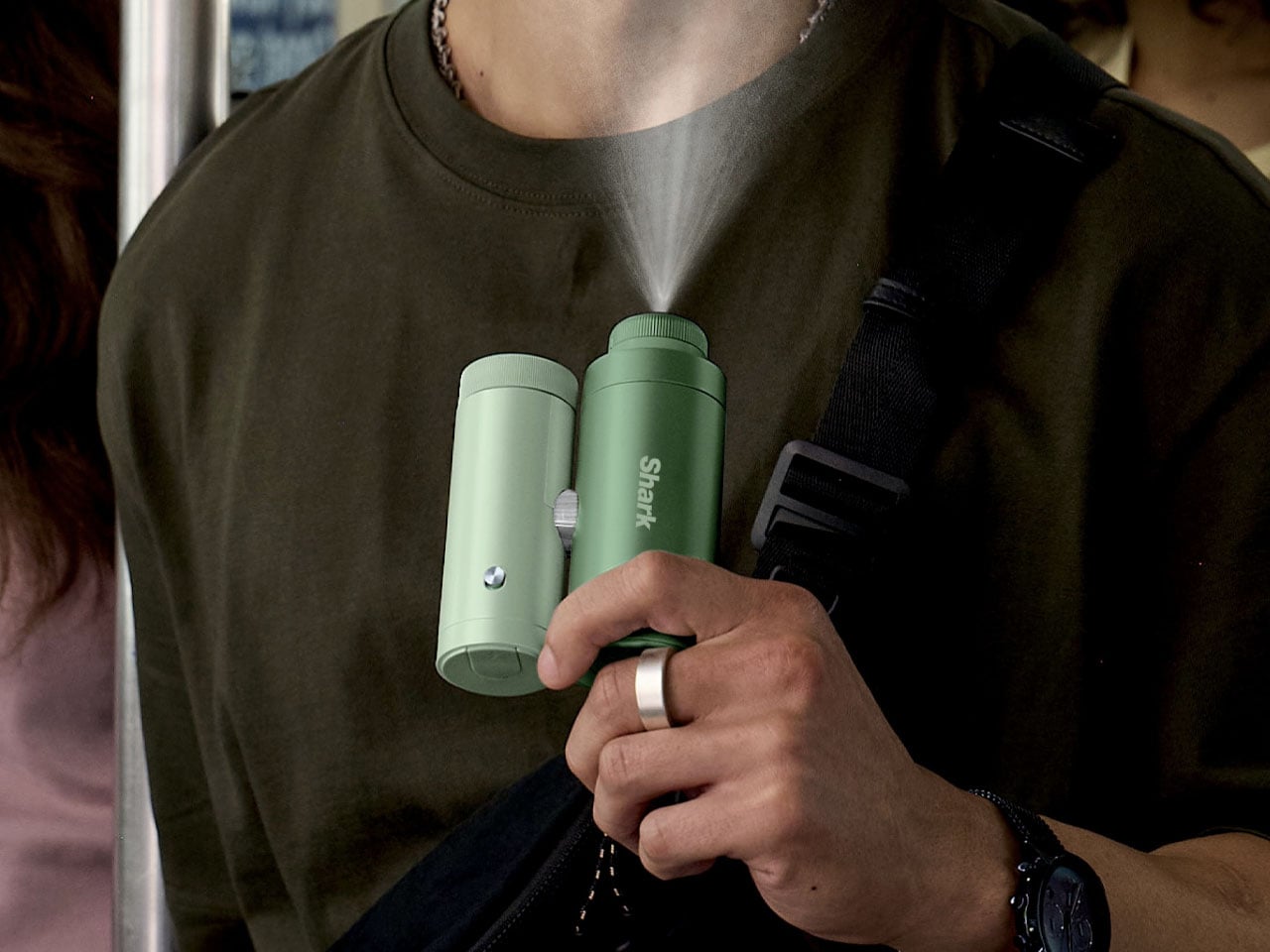
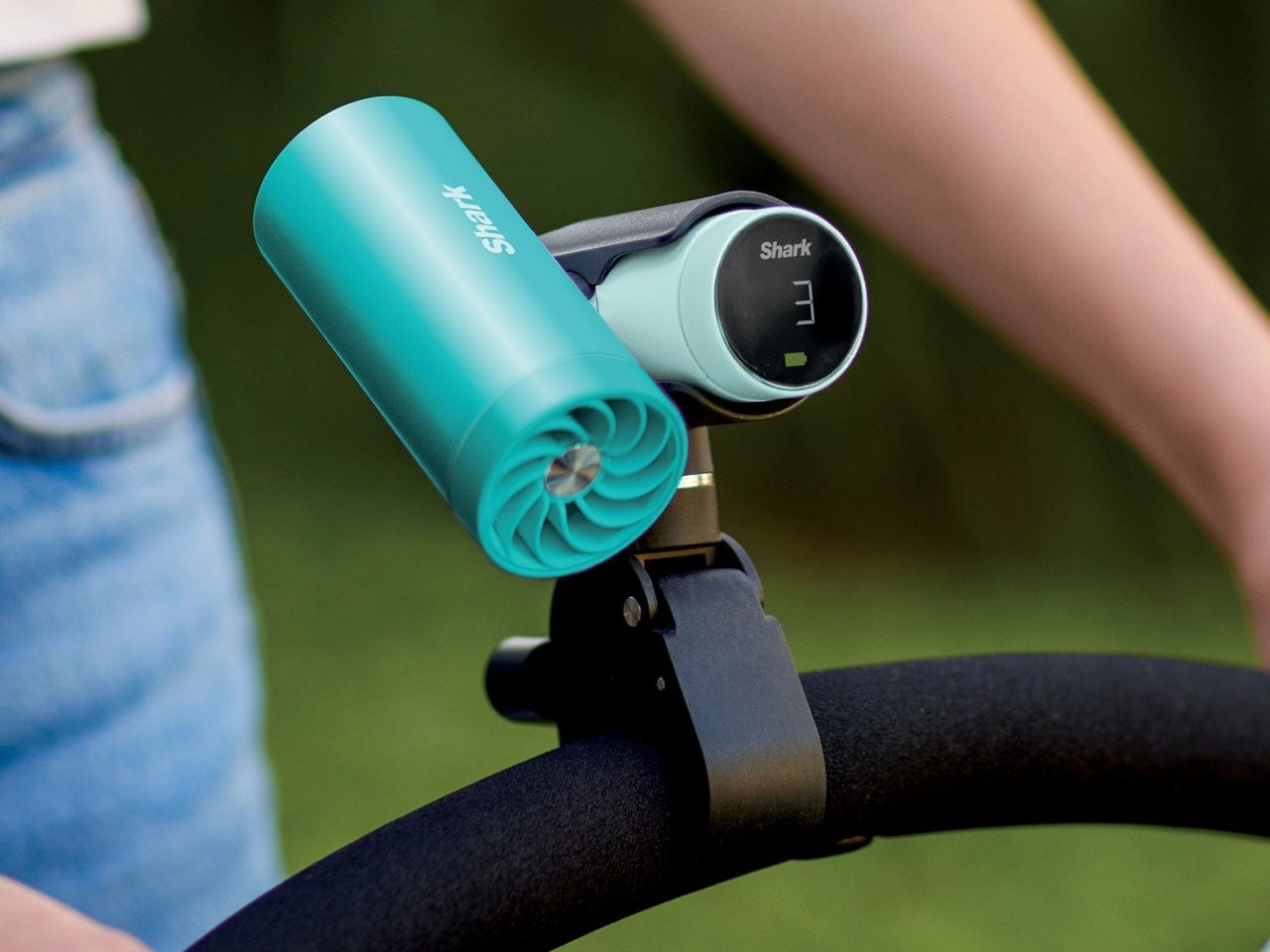
The Shark ChillPill is the only product on this list that exists specifically because of the season, and that specificity is entirely the point. At $149.99 and available in seven colorways including Glacier, Matcha, and Rose Gold, this is a personal cooling device built for the particular discomfort of summer travel — the airport with broken air conditioning, the overnight train running two hours late, the hotel room that is either stifling or freezing with nothing in between. It is designed to sit on a desk, a bedside table, or next to you on public transport and make a meaningful difference to your immediate environment without requiring installation or setup.
Shark as a brand has earned a level of trust in the home appliance space that most travel gadget companies have not, which matters here because a personal cooling device is only as useful as your confidence that it will actually perform when you need it most. The ChillPill’s design is compact enough to pack without negotiation. The colorway range — particularly Glacier and Matcha — suggests Shark designed it to be seen rather than hidden, which puts it in the same category as every other product on this list: objects worth choosing, not just owning.
What we like:
- Shark’s established appliance reputation gives this more credibility at the point of purchase than a startup cooling device at the same price point would reasonably carry
- The colorway range reflects genuine design attention — options that are worth choosing between rather than a default black with a single token alternative
What we dislike:
- At $149.99 for a single-season use case, the value calculation is more personal than it is for the other products on this list
- Personal cooling devices perform best in contained spaces — open-air situations and outdoor travel significantly reduce how much work they can actually do
8. Auger PrecisionMaster Grooming Set
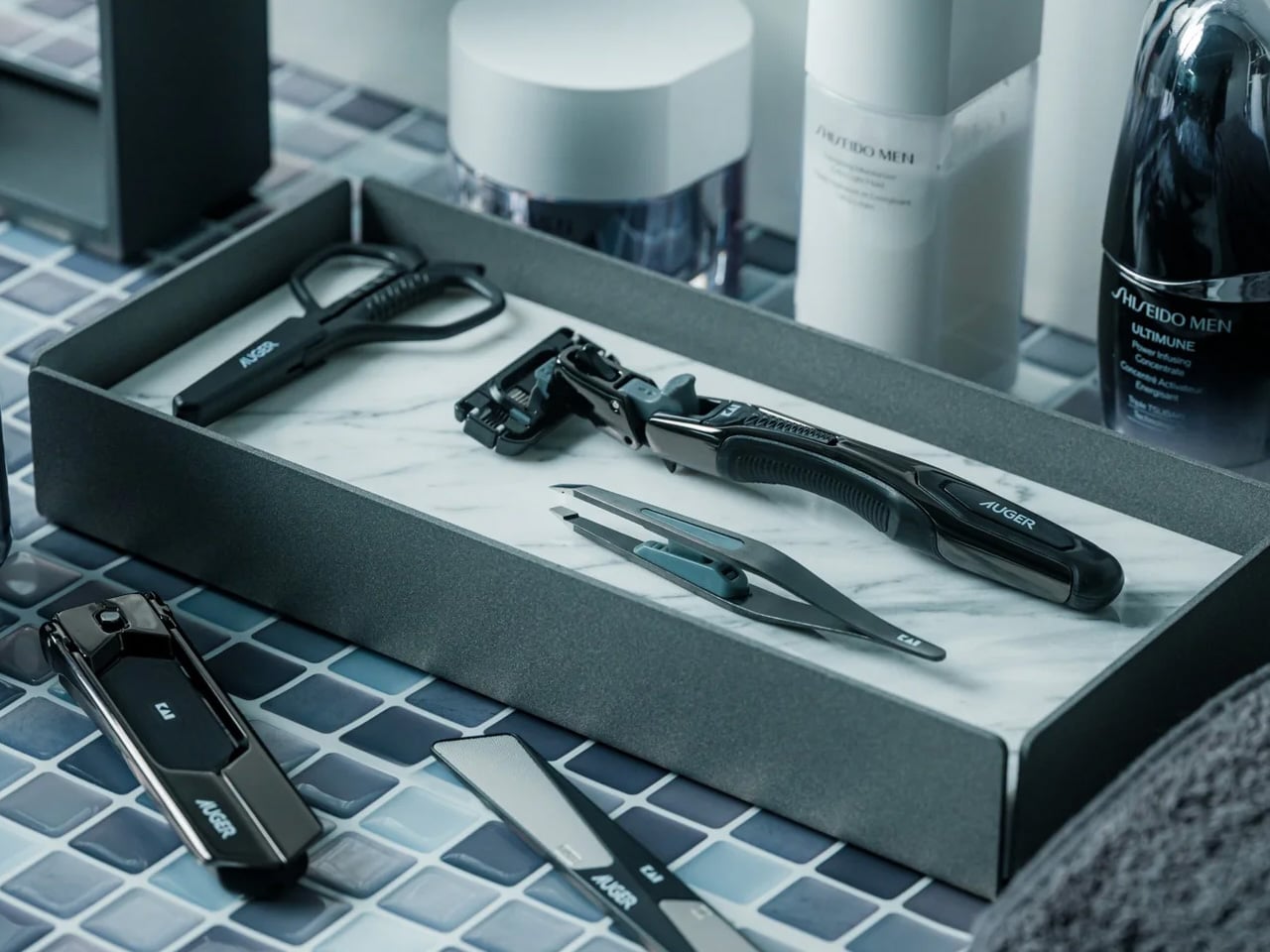
A grooming kit earns its place in a travel bag by doing two things simultaneously: packing small and performing well. Most travel grooming sets do one or the other. The ones that pack small feel like toy versions of proper tools, and the ones that perform well require a checked bag or a dedicated hard case that adds more weight than it saves.
For anyone who travels frequently enough that personal grooming across multiple time zones and hotel mirrors is a real logistical consideration, having a set that travels with you rather than forcing you to adapt to whatever the hotel provides is a meaningful quality-of-life upgrade. The PrecisionMaster format suggests a complete set built around specificity — the right tools for the tasks you actually need, rather than a catch-all kit that handles everything at a mediocre level. That philosophy, applied to travel, is exactly the kind of considered product design that makes a long trip feel controlled rather than improvised.
Click Here to Buy Now: $149.00
What we like:
- Built around precision and completeness rather than the travel-size-everything compromise that makes most portable grooming kits feel like a step backwards
What we dislike:
- Grooming kits are personal in ways that cut lists cannot fully account for — a curated set always carries the risk of leaving out something specific to your own routine
Final Word
Summer travel is the stress test for every product category. The heat, the packed transit, the improvised schedules — they all expose the difference between gear designed for how travel actually works and gear designed for how brands wish it worked. Everything on this list was chosen because it holds up under that pressure, not just because it looks good in a photograph or reads well on a spec sheet.
The best version of a travel kit is the one you stop thinking about entirely — because every item does its job quietly enough that your attention goes to the trip itself rather than the logistics of getting through it. These eight products get close to that standard in different ways. Some are about capture, some about comfort, some about the small rituals that make a long day in transit feel less like transit. Taken together, they make a compelling case for packing with more intention and arriving with less regret.
SHARE