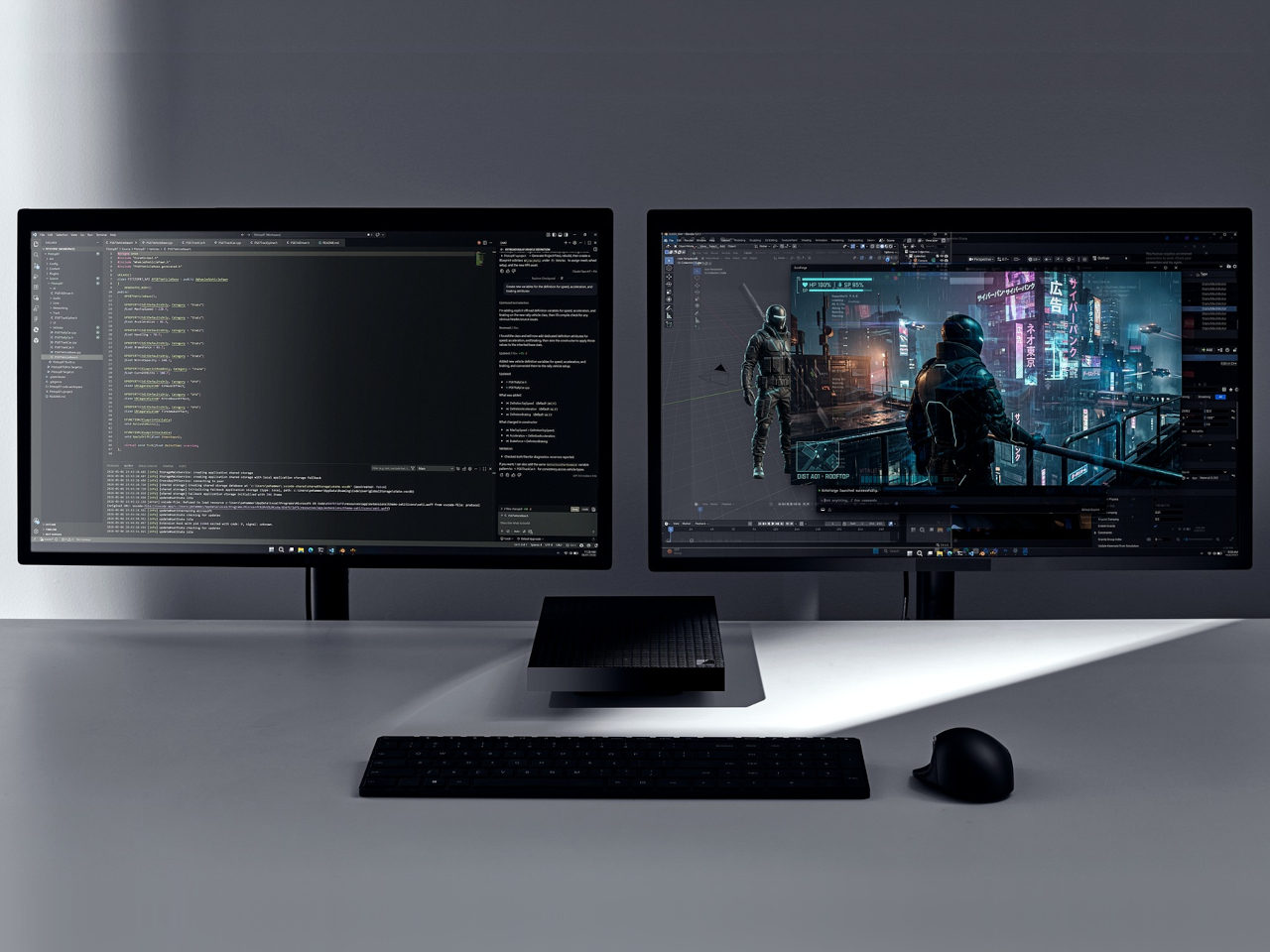
The economics of AI development have been quietly changing how developers think about their hardware. Cloud GPU bills compound fast when you’re iterating through a model dozens of times a day, and every fine-tuning run or inference loop on a remote server adds to a cost that has no natural ceiling. The push toward local AI compute isn’t just about performance. It’s about moving from a metered relationship with infrastructure to one you own outright and sit in front of.
Microsoft announced the Surface RTX Spark Dev Box at Build 2026 as its answer to that shift. It’s a compact mini PC powered by the NVIDIA RTX Spark superchip, the same ARM-based silicon debuting in the Surface Laptop Ultra, and it arrives on a developer’s desk already configured and ready to run serious AI workloads without touching a cloud endpoint.
Designer: Microsoft
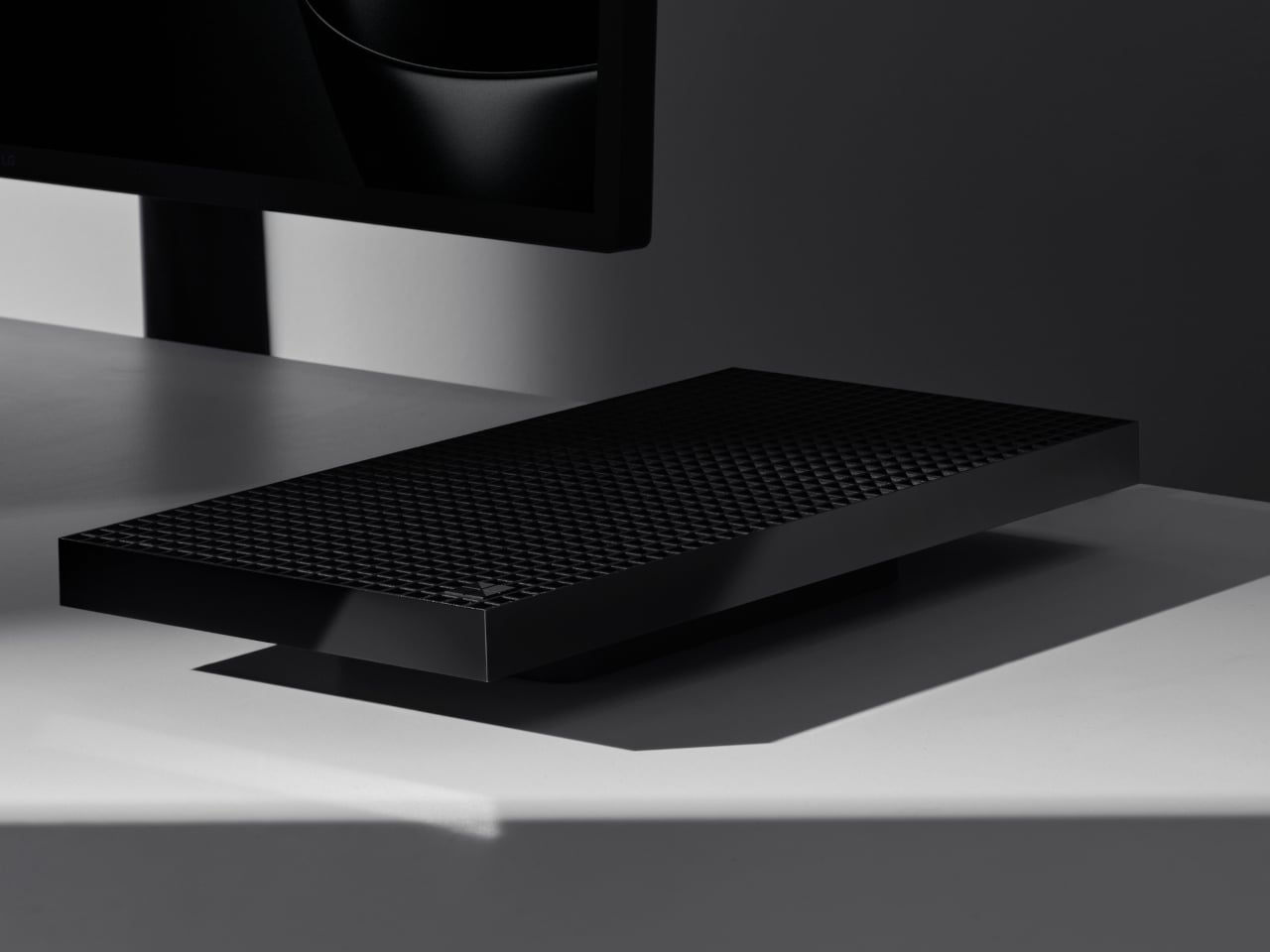
The device’s most distinctive quality isn’t anything in the spec sheet. It’s the body itself, a 3D-printed anodized aluminum chassis perforated with exactly 1,000 vents arranged across its surface in a precise grid. Those vents are functional, the aluminum chassis doubles as the passive heatsink, managing a 100W sustained thermal envelope without a traditional cooling tower. They’re also a deliberate reference: 1,000 vents for 1,000 teraflops, or 1 petaflop, of AI compute. It’s a design that’s equally a statement and an engineering solution, and nothing else on a desk looks remotely like it.
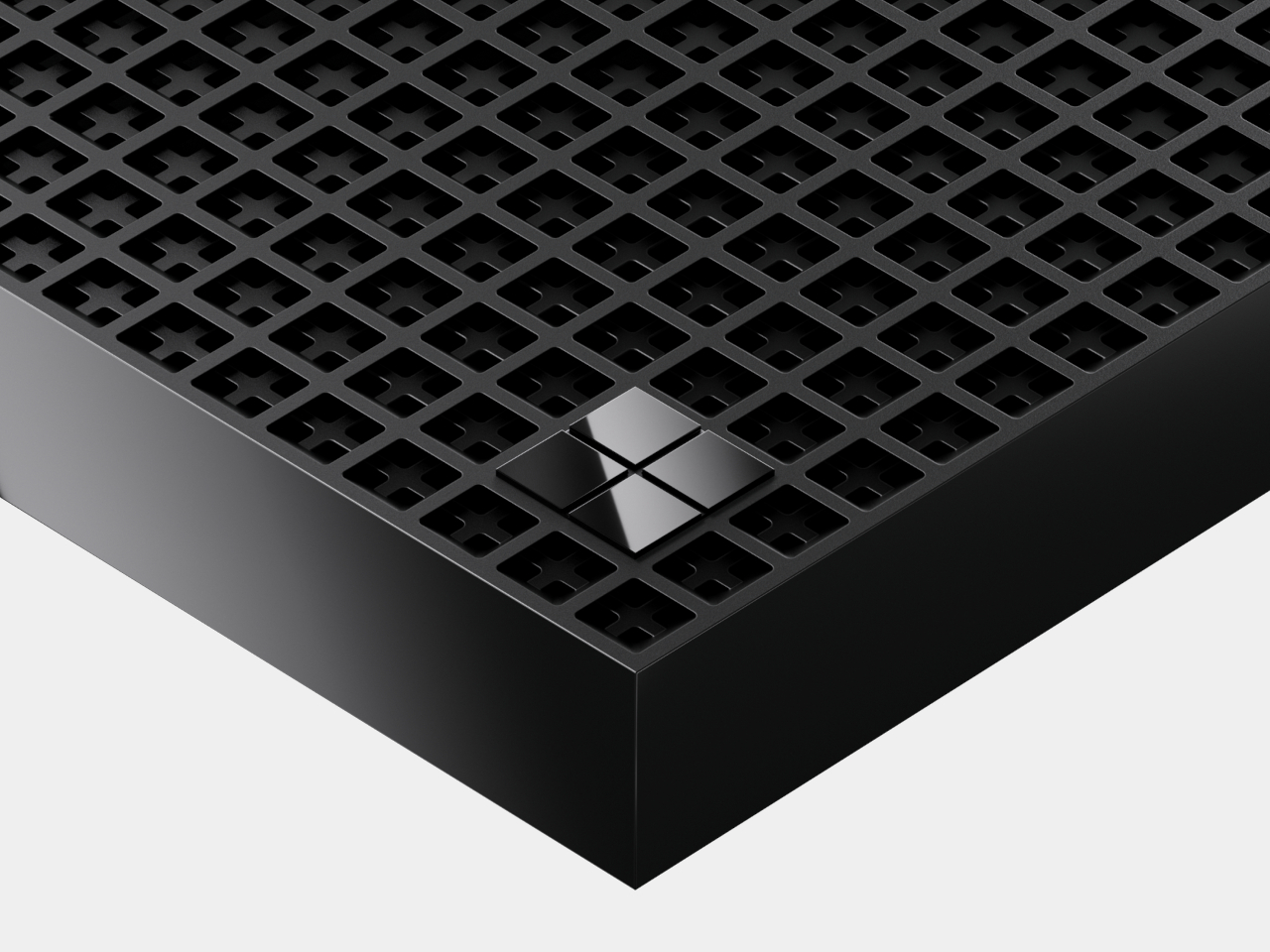
That petaflop is delivered by NVIDIA’s RTX Spark, which combines a 20-core Grace CPU with a Blackwell RTX GPU carrying 6,144 CUDA cores, connected via NVLink-C2C. The 128GB of unified memory shared dynamically between the processor and GPU is what separates this from a high-end gaming box. That memory ceiling is what makes loading a 120-billion-parameter model possible without partitioning it or shunting inference work to the cloud.
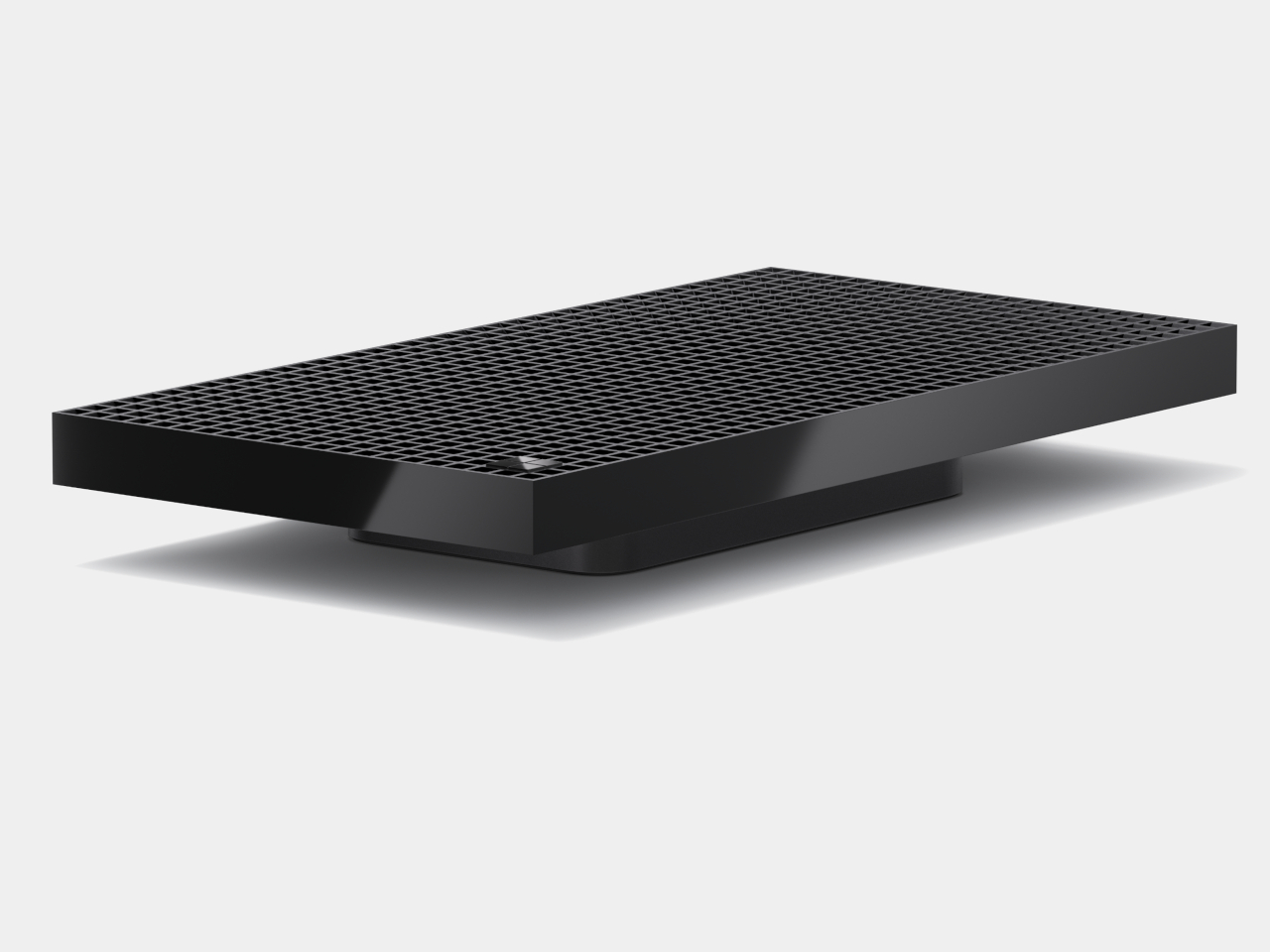
The software side ships pre-configured and aimed precisely at the developer who doesn’t want to spend time on setup. WSL2 with native GPU passthrough and full CUDA support comes pre-installed and ready to use, alongside Visual Studio Code, GitHub Copilot, and PowerShell 7. Windows settings are tuned specifically for development work rather than general consumer use, a small but meaningful distinction when your machine runs long overnight training jobs and needs stability rather than a live tiles grid.
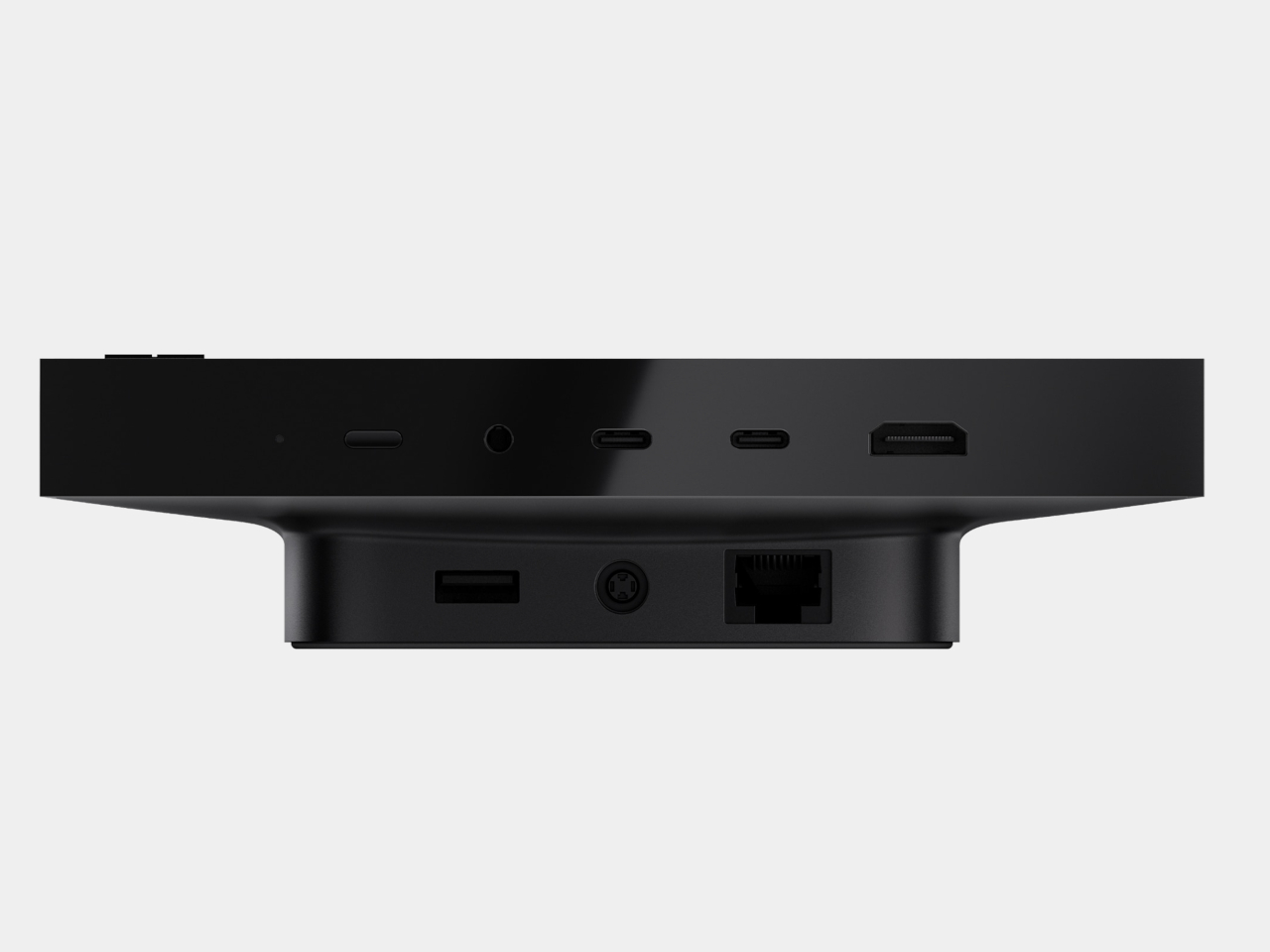
Connectivity covers HDMI, Ethernet, USB-C, USB-A, and a headphone jack, nothing exotic, but a port set that covers what a desk-based development machine actually uses. The machine runs under 100W during intensive workloads, which means it can sustain training jobs and agentic pipelines without the kind of thermal throttling that eventually frustrates sustained use.
For a machine announced without a price, the Surface RTX Spark Dev Box is already doing a specific kind of work. It positions local AI inference as a fixed cost rather than a running expense, and it makes that argument in a chassis that doesn’t look like any other mini PC on the market. A 3D-printed aluminum grid covered in a thousand deliberate holes is an odd form for a developer tool, but it makes the machine’s purpose unmistakably legible from across the room. Availability is expected later in 2026 in the US through Microsoft’s online store.