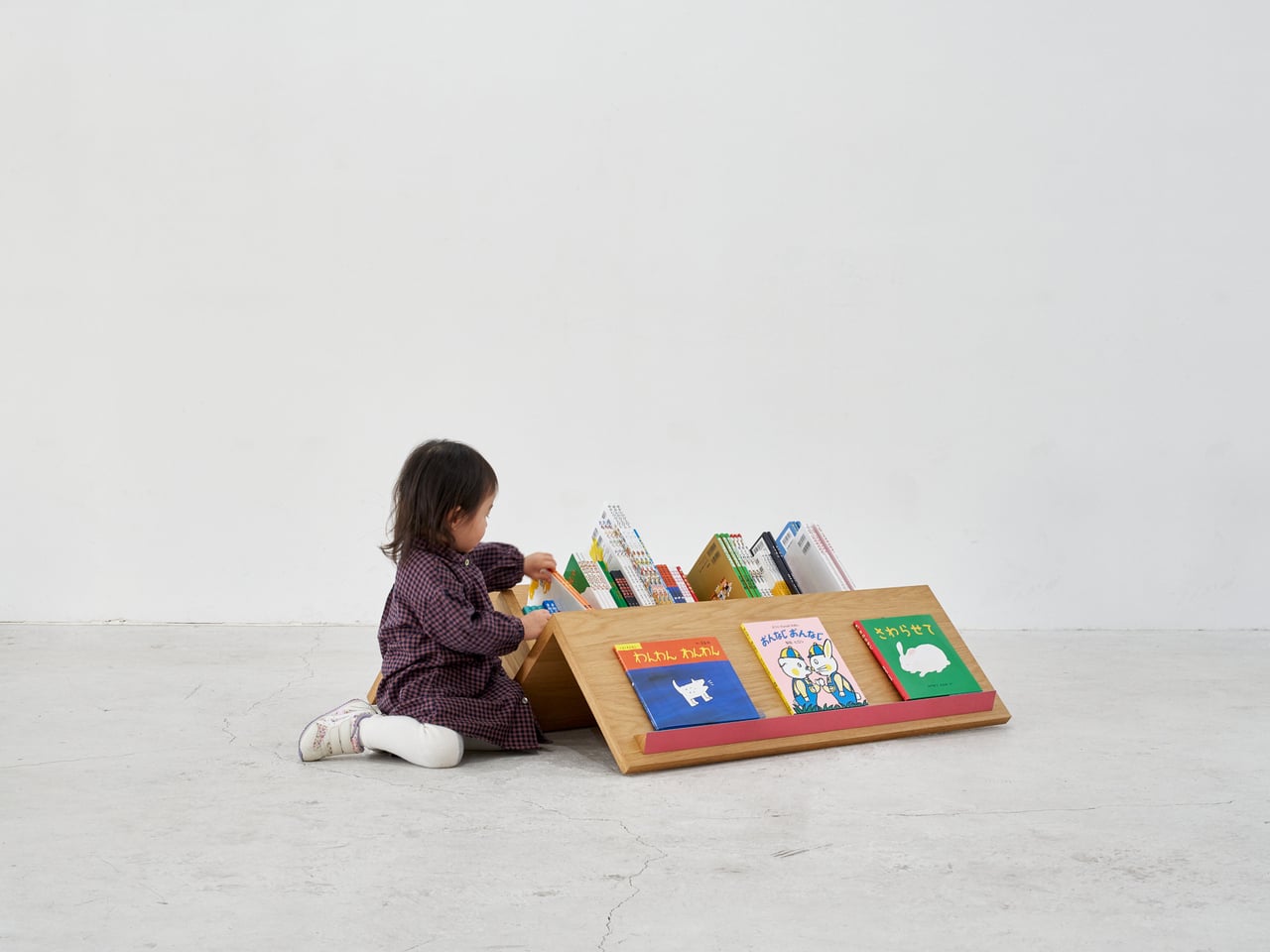
Most bookshelves are designed around adult convenience. The tallest shelves hold the most books, and the titles at a grown-up’s eye level are the ones that get noticed first. For a small child, this setup turns browsing into a guessing game, with the best finds often too high to reach. Standard shelving quietly tells children that picking out a book on their own isn’t quite something they can manage yet.
That’s the problem that Tsuranari, a mobile bookshelf by Border Design Architects, directly addresses. Designed for GoGo Marchen House, a Japanese traveling children’s bookstore that brings picture books to schools, parks, and community spaces, it goes a completely different direction from the standard upright shelf format. The whole browsing experience happens low on the ground, where every book sits at an equally reachable distance for everyone gathered around it.
Designer: Nobutaka Torii (Border Design Architects)
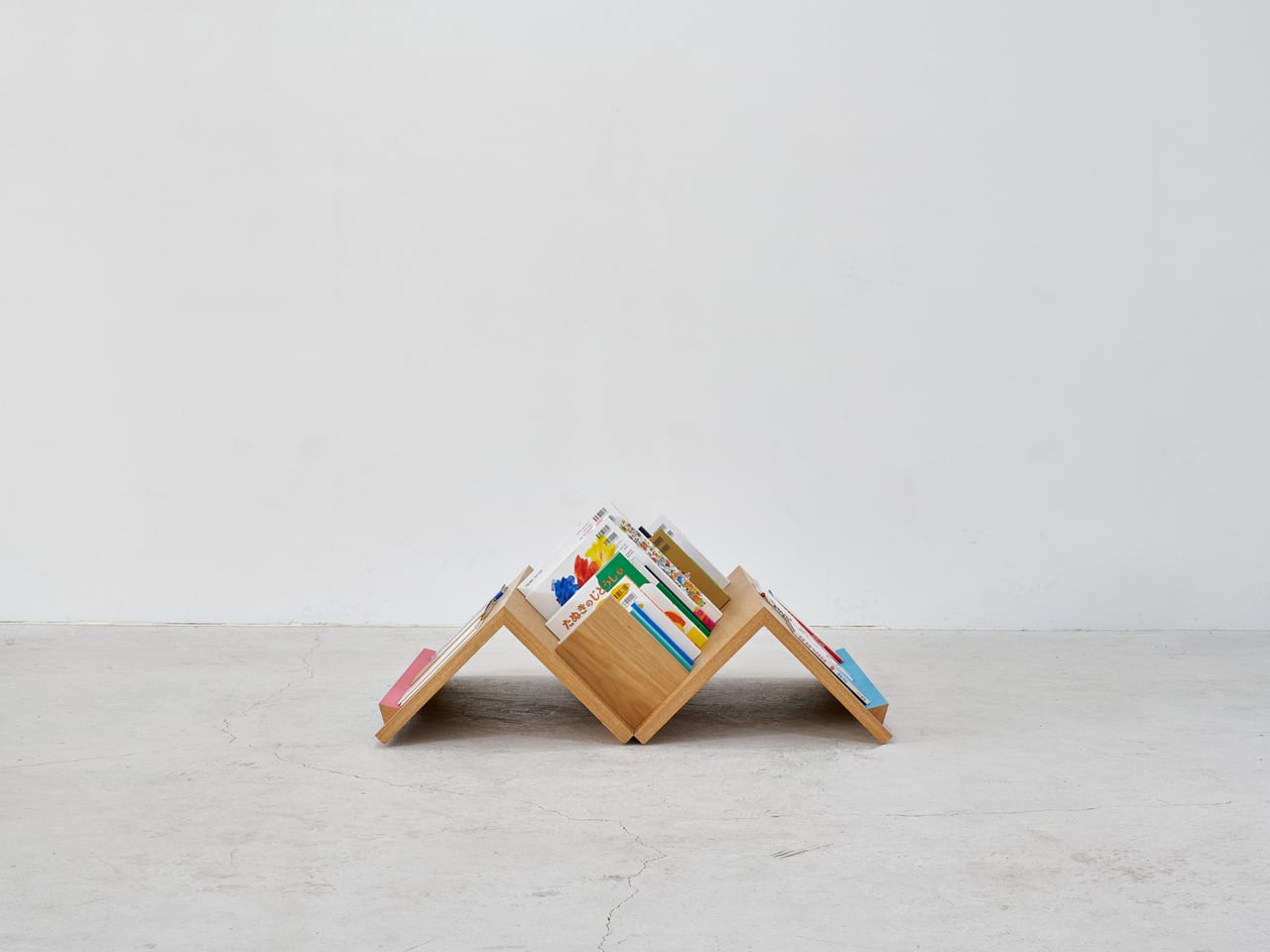
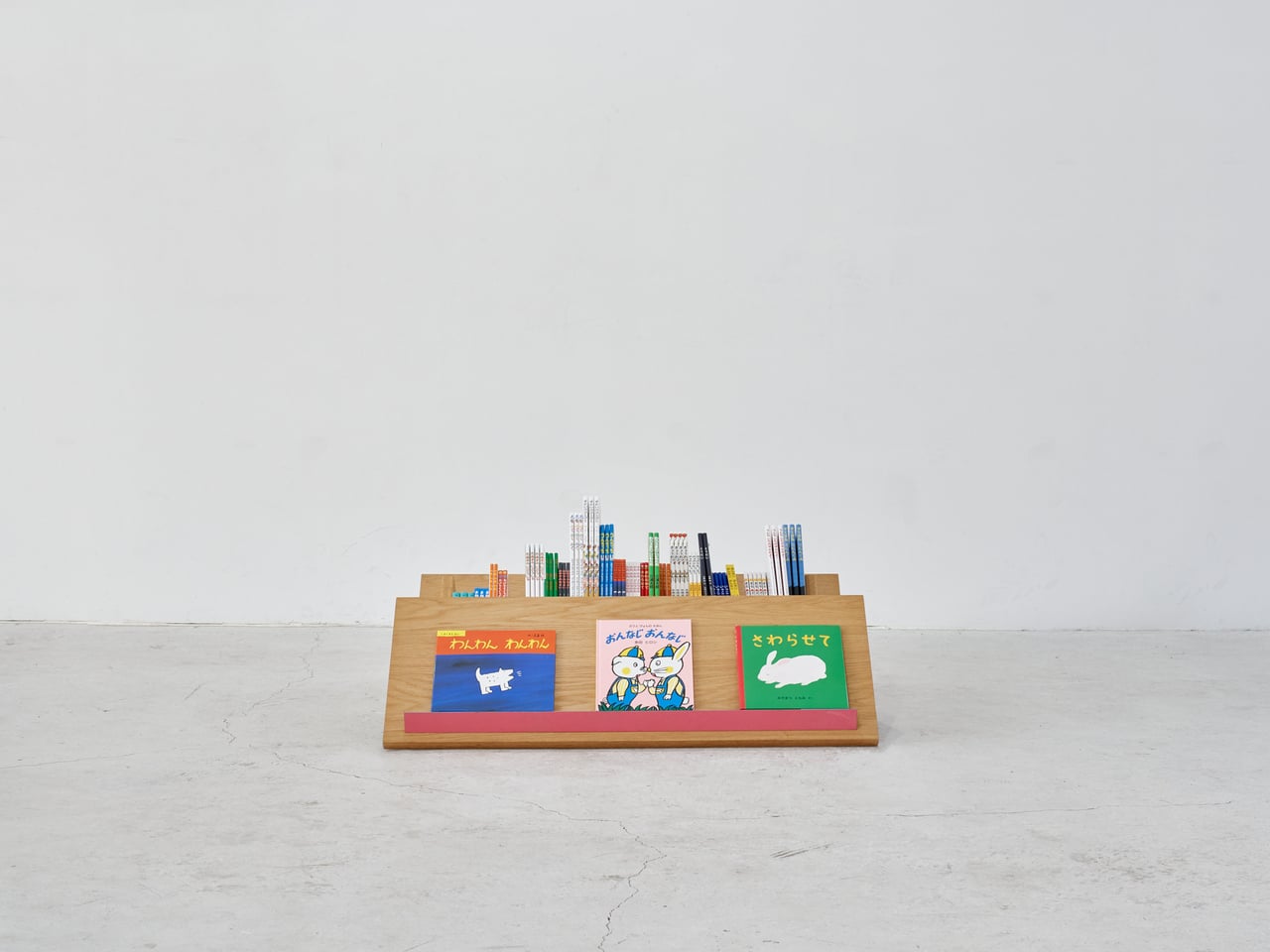
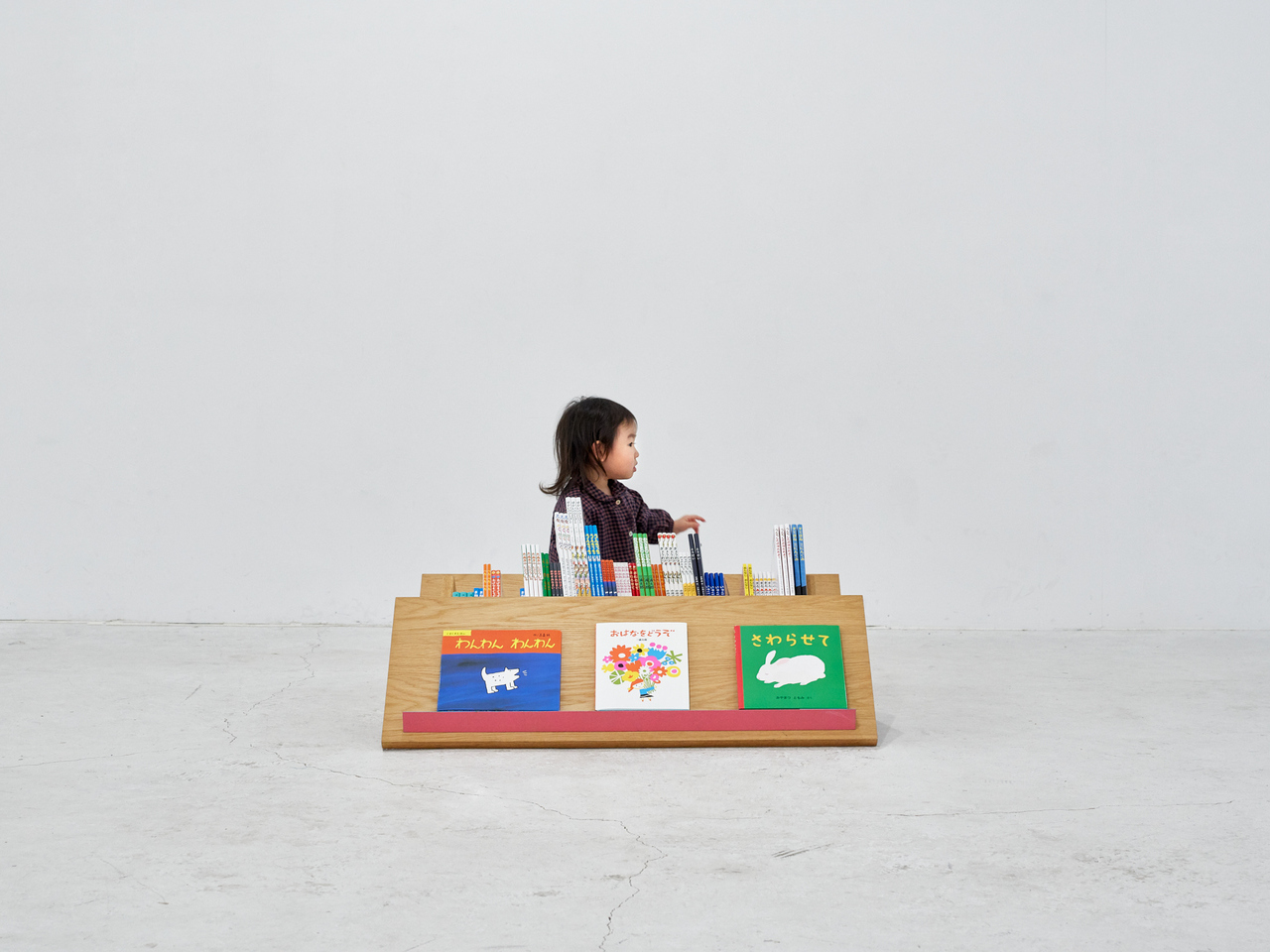
The structure is made up of mountain-shaped wooden modules that link side by side, creating a continuous zigzag profile sitting low on the ground. You’re never looking up at a bookshelf; you’re looking across it from the same level as everyone else. The design accommodates two browsing modes: books tucked spine-out into the V-shaped channels between peaks, and titles displayed face-out on the wider sloped sections.
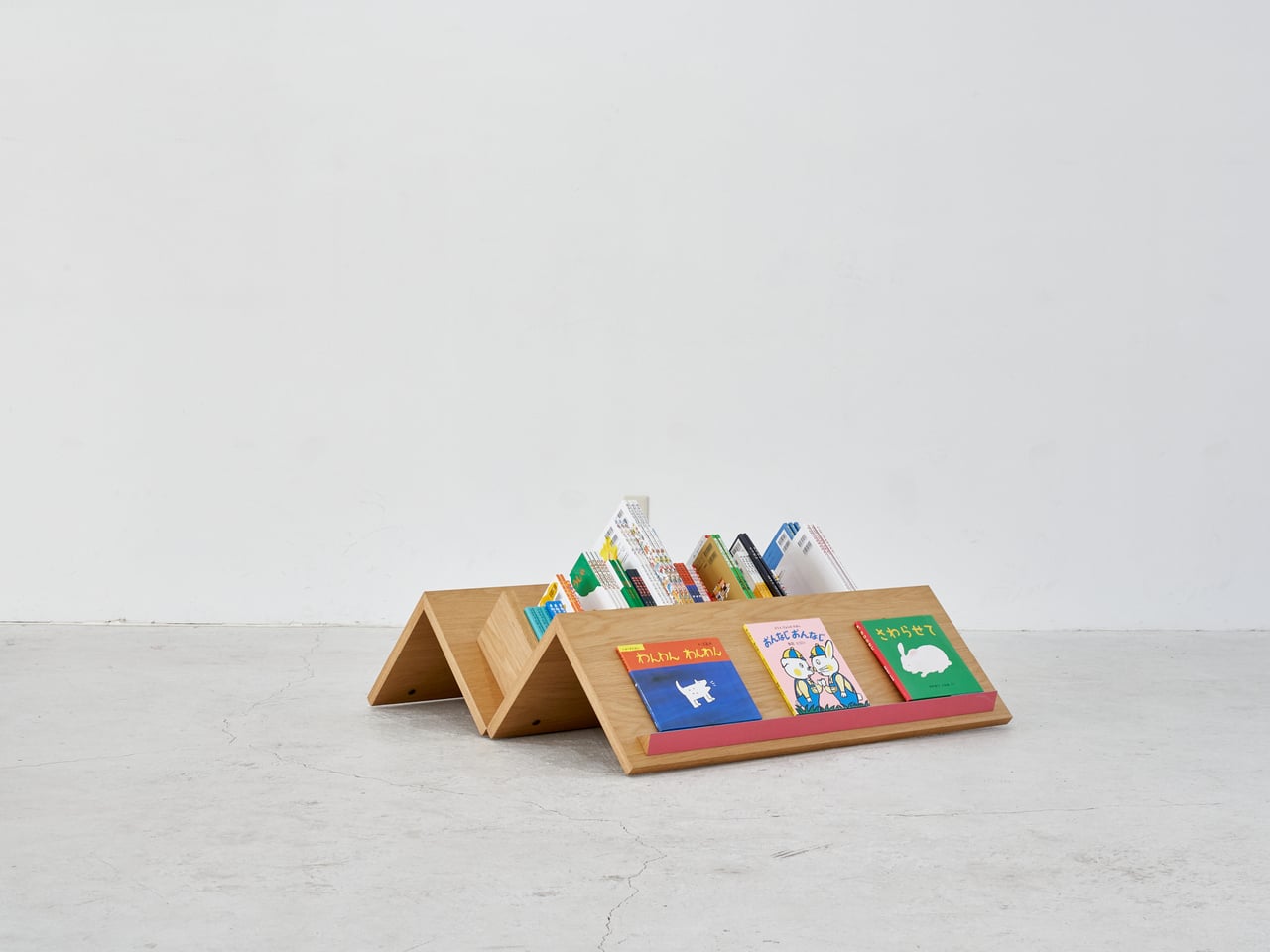
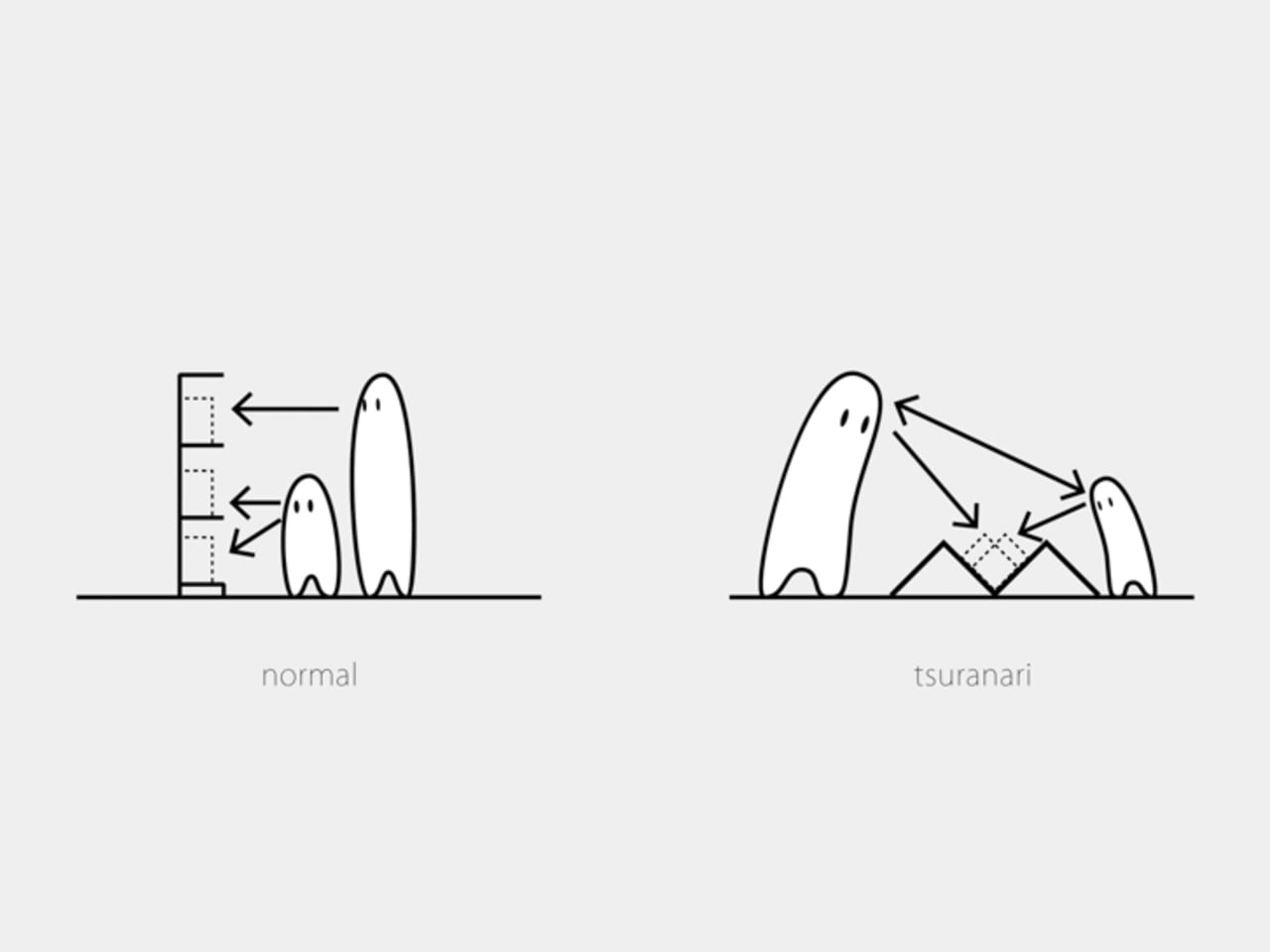
What Tsuranari’s angle actually changes is the body language of browsing. On a regular shelf, a child cranes upward while an adult leans down, and neither has a great view. Here, both stoop and reach at the same incline, heads at roughly the same height. A toddler can run a hand along the wood and pull out a picture book entirely on her own, without waiting for someone taller.
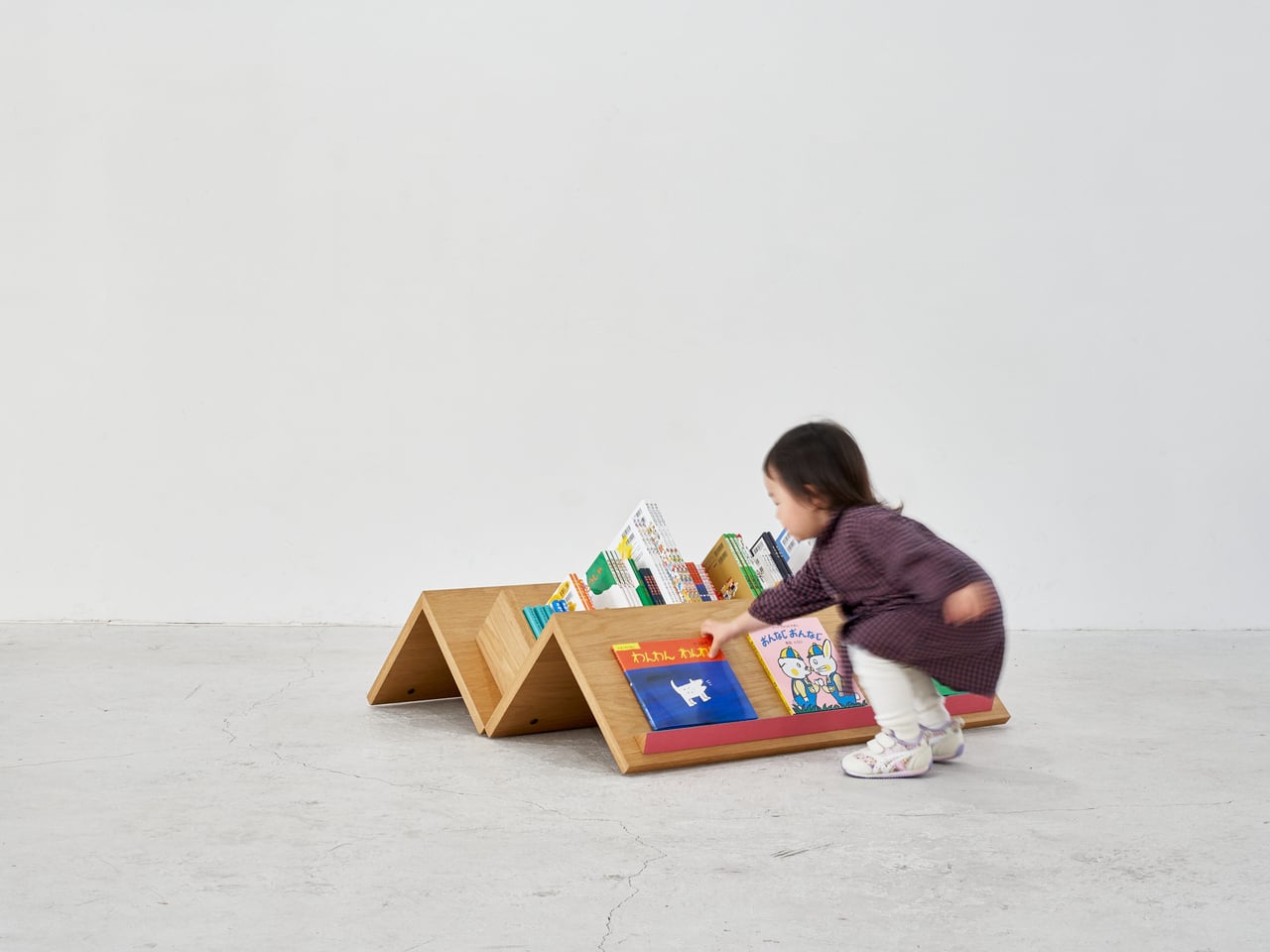
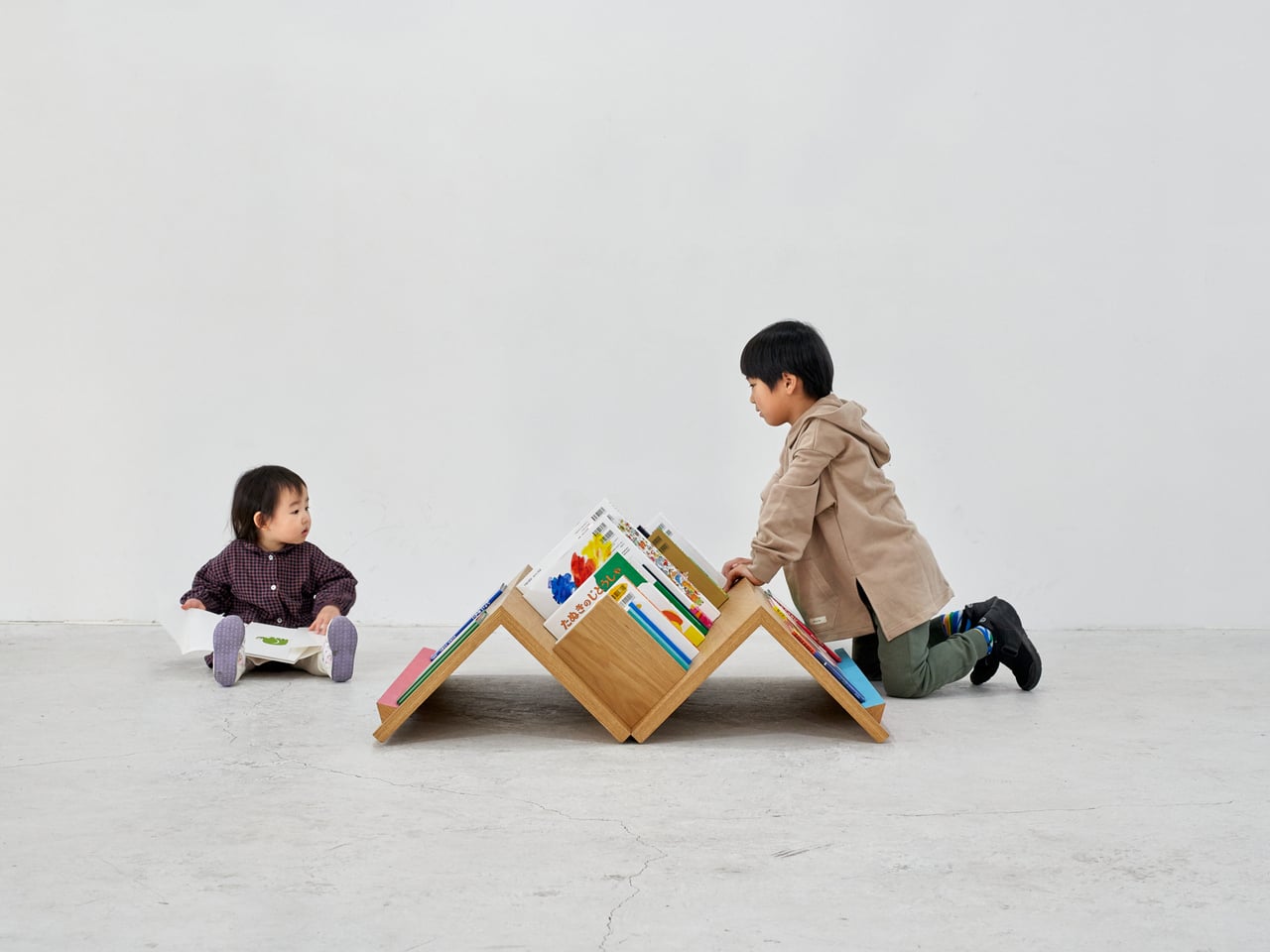
It also helps that Tsuranari can be browsed from every side. Kids browsing from opposite ends end up facing each other without even trying, and adults and young children find themselves side by side at the same slope. It turns a normally solitary task into something more communal, not through any explicit design intention but simply because the form makes it hard to avoid.
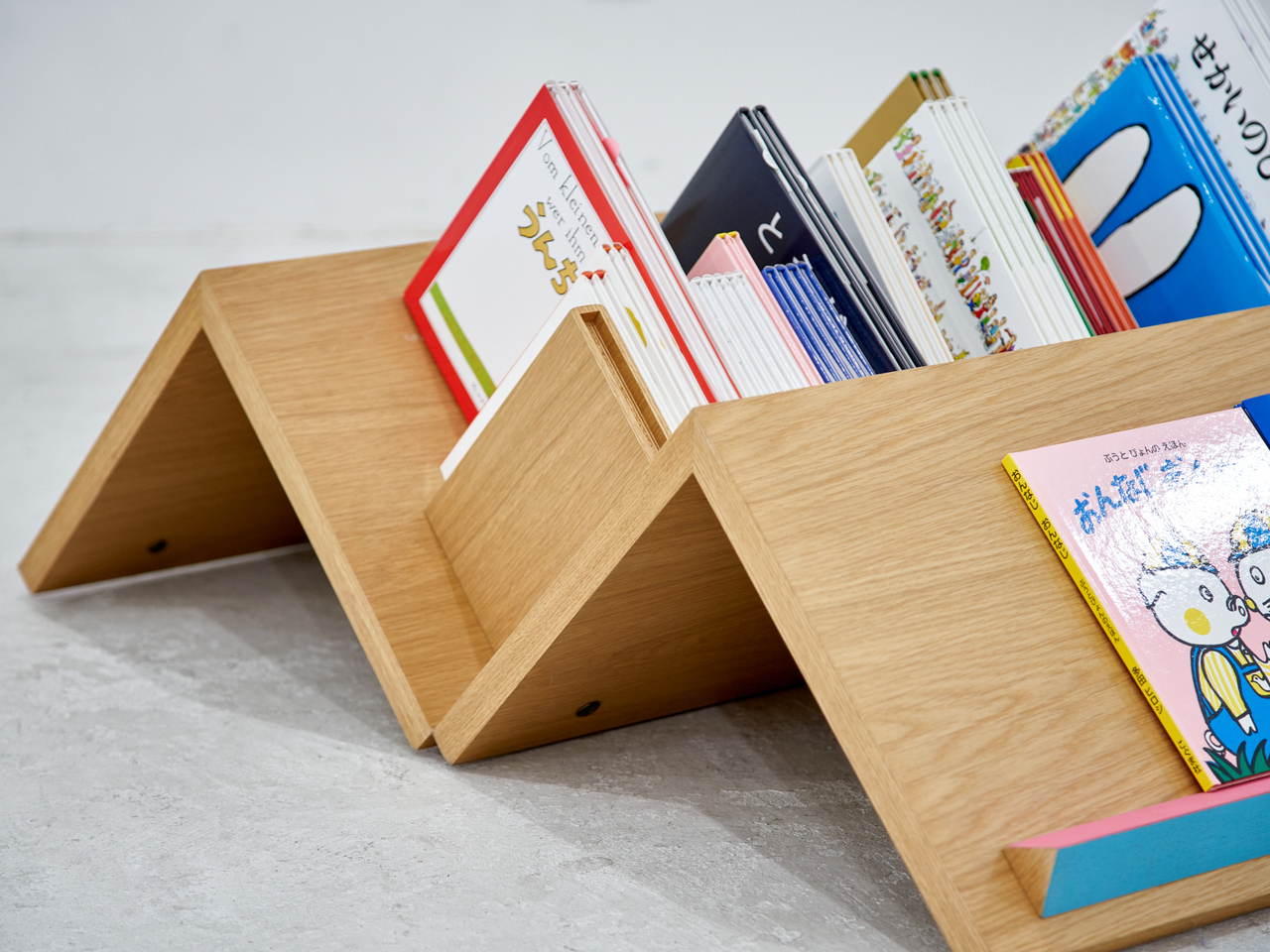
For a traveling bookstore, portability matters just as much as the design concept. Tsuranari is built from solid wood and fastened with bolts, making it quick to set up and break down on location. The modules load efficiently into the bookstore’s vehicle, so the same shelf that’s standing at a school festival in the morning can be on its way to a neighborhood park by afternoon.
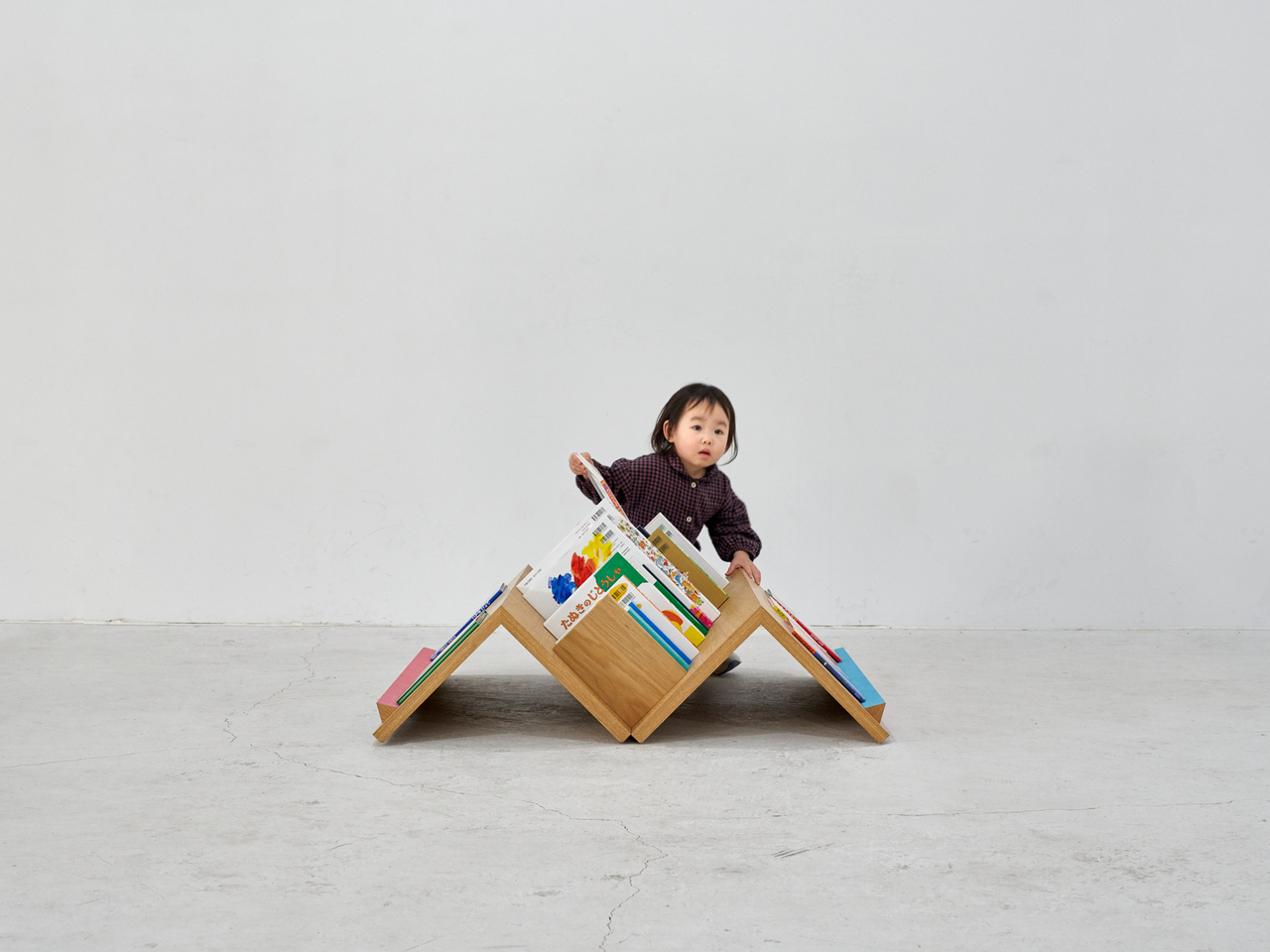
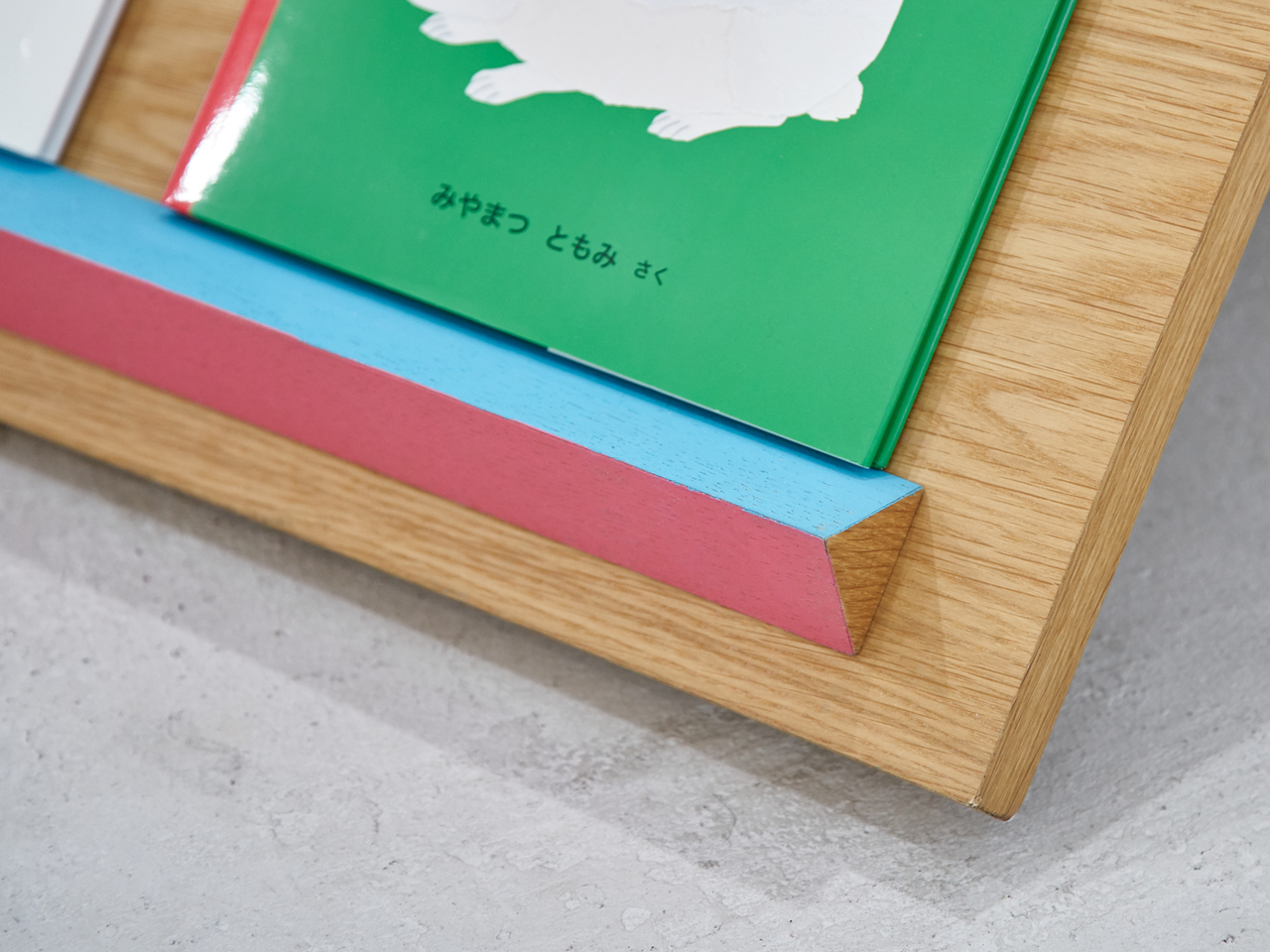
Solid wood has a practicality that goes well beyond how it looks. The material handles the kind of grabbing, leaning, and rough treatment that children bring to anything they enjoy, and it’ll only develop more character with wear. Small painted ledges in pink and light blue run along the face-out display sections, adding the only deliberate color to an otherwise warm, natural wood surface.
The name Tsuranari translates roughly to “a continuous series” in Japanese, which describes the zigzag form, literally. It also captures what the bookshelf is really after: a chain of small encounters between children and books, and between the children themselves. A shelf that stays low and stays open makes those encounters much more likely, turning a visit to the bookstore into something a child walks away from excited.
SHARE