Concrete’s default mode in product design is heavy, rectilinear, and a little confrontational. It shows up in candles, bookends, and lamp bases that lean into the brutalist reference, as if rawness is the whole point. That aesthetic works in the right context, but it rarely feels calm or considered at desk scale, where the goal is usually a surface that helps you focus rather than one that announces itself at every angle.
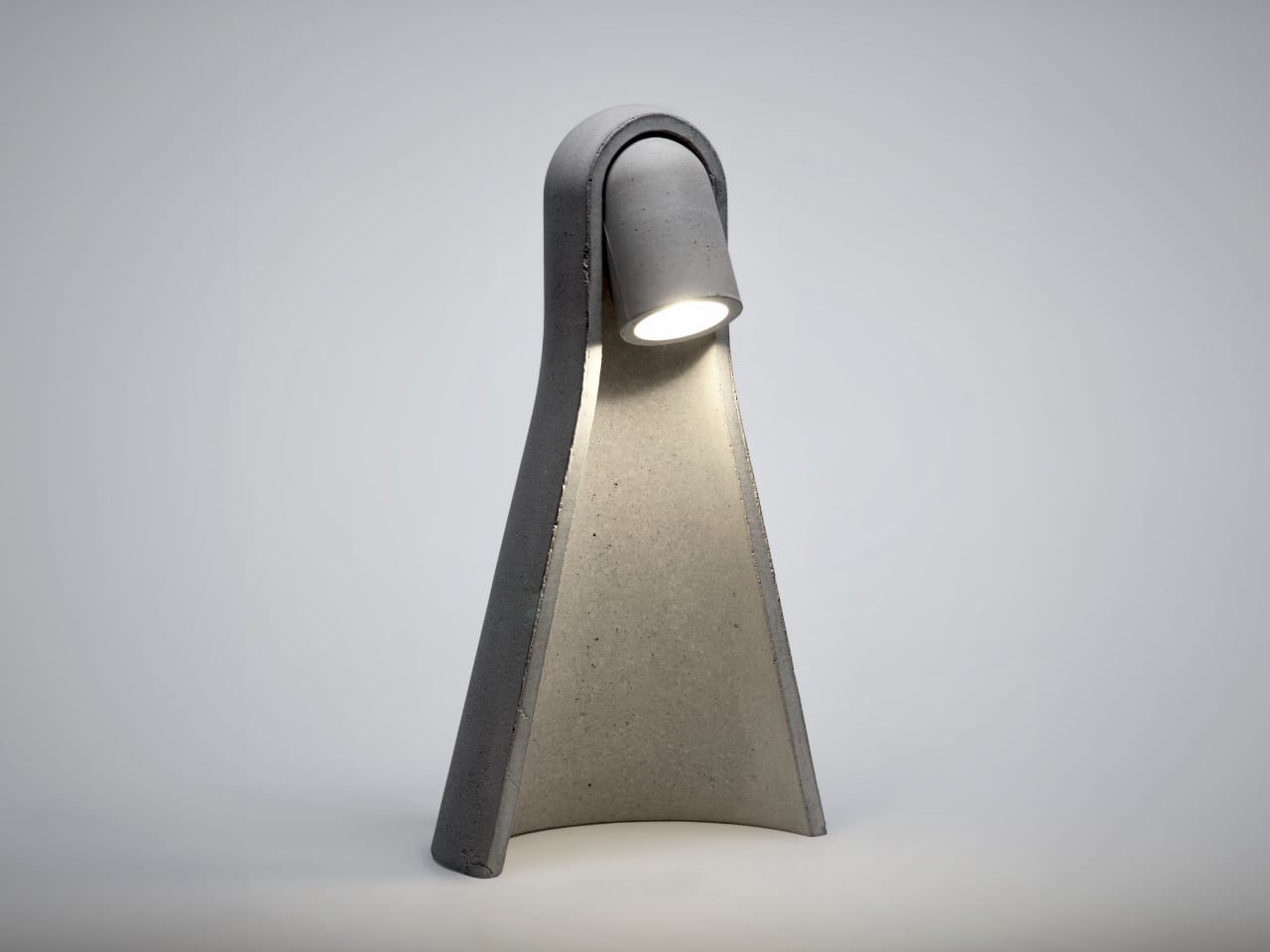
Mikka started as a question: what if cast concrete could feel light? The answer was a desk lamp with softened edges, carefully balanced volumes, and a silhouette that reads as calm rather than rigid. The intent wasn’t to disguise the material or pretend it’s something else, but to present concrete in a way that feels contemporary and approachable without stripping away what makes it honest.
Designer: Leon Bora
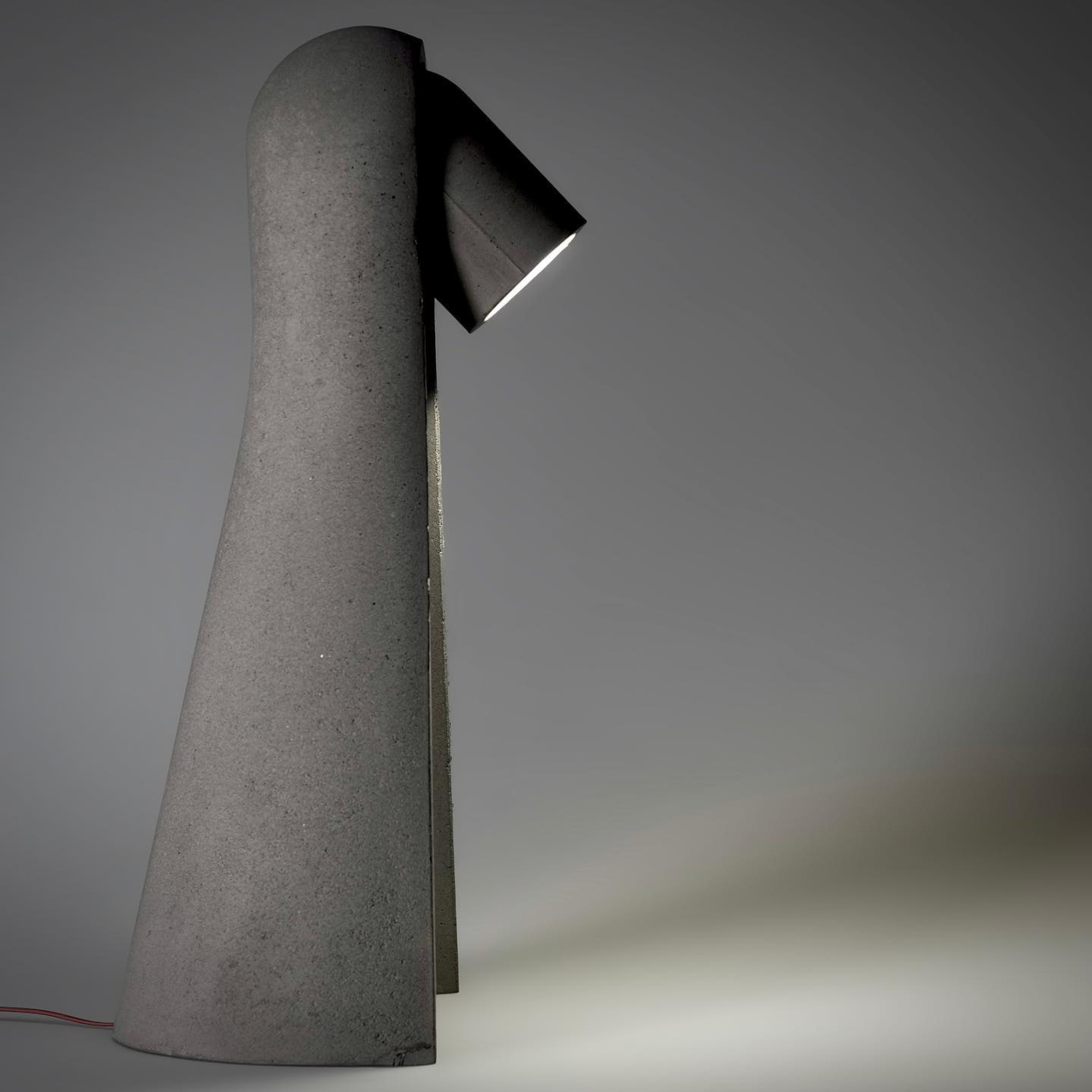
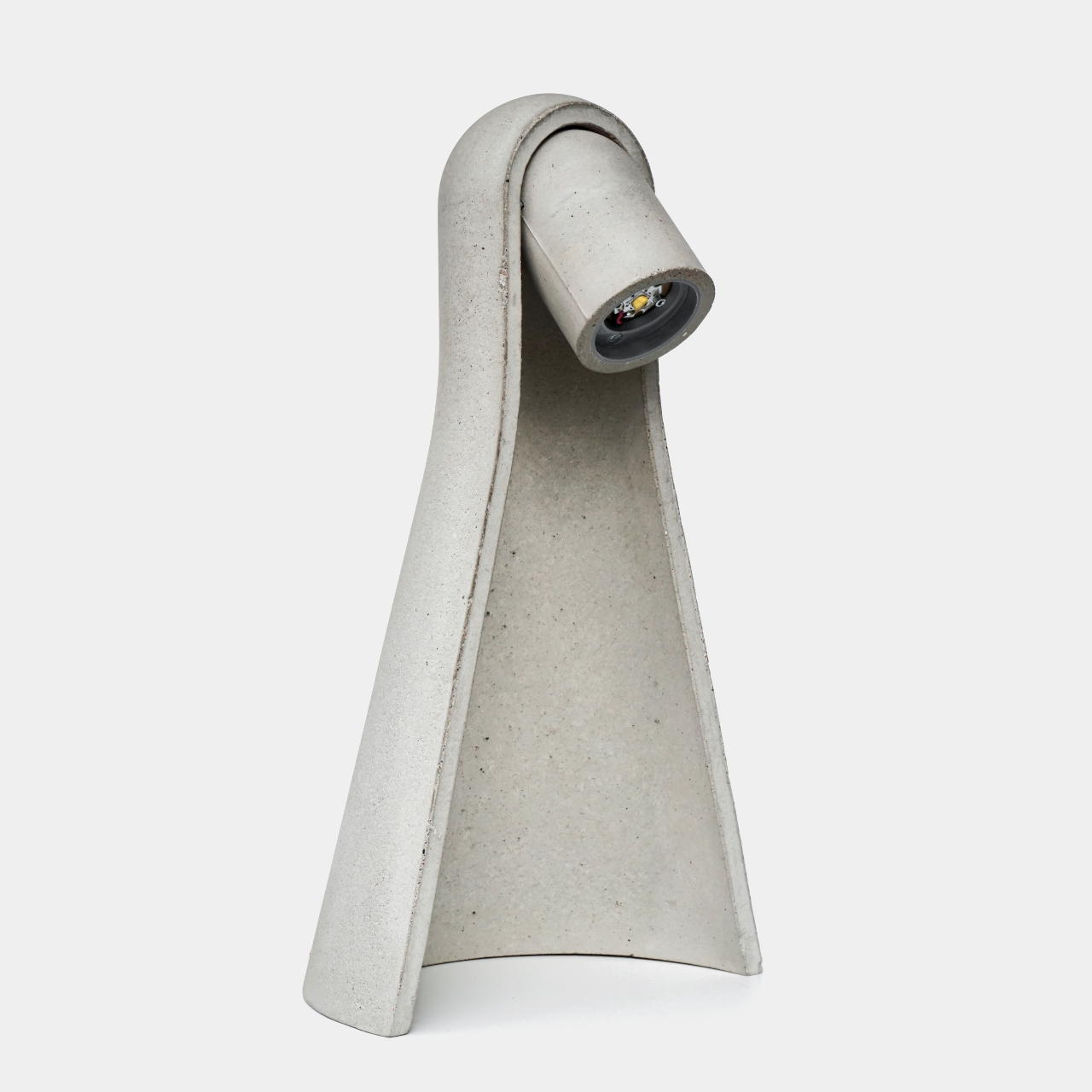
The form does most of the work. Surface transitions are controlled and gradual, edges are rounded rather than chamfered, and the overall proportions avoid the solid block feel that makes most concrete objects look like they belong on a construction site. The negative space inside the body carves away visual mass, helping the lamp feel lighter than any concrete object has a right to feel when you know how dense the material actually is.
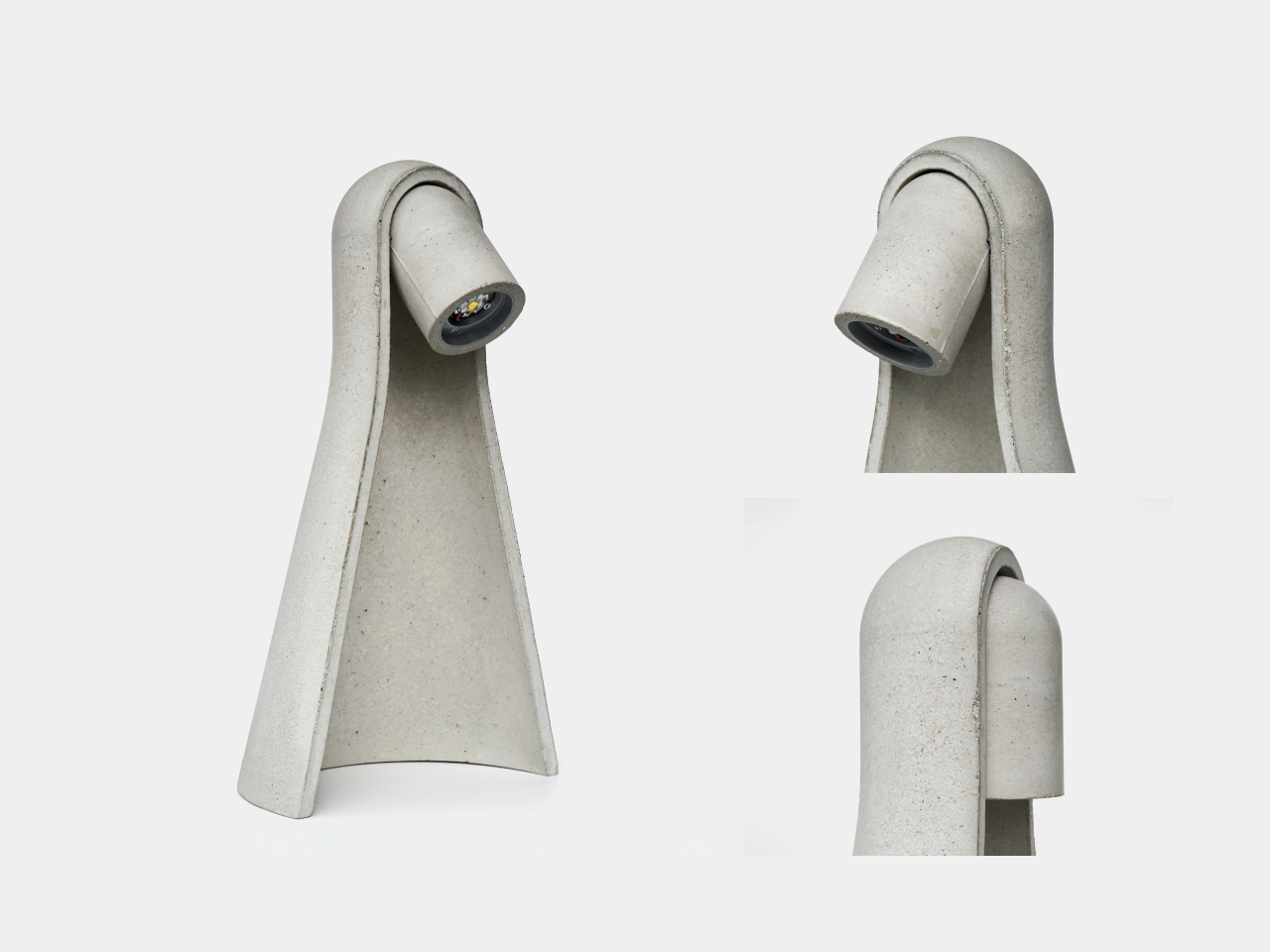
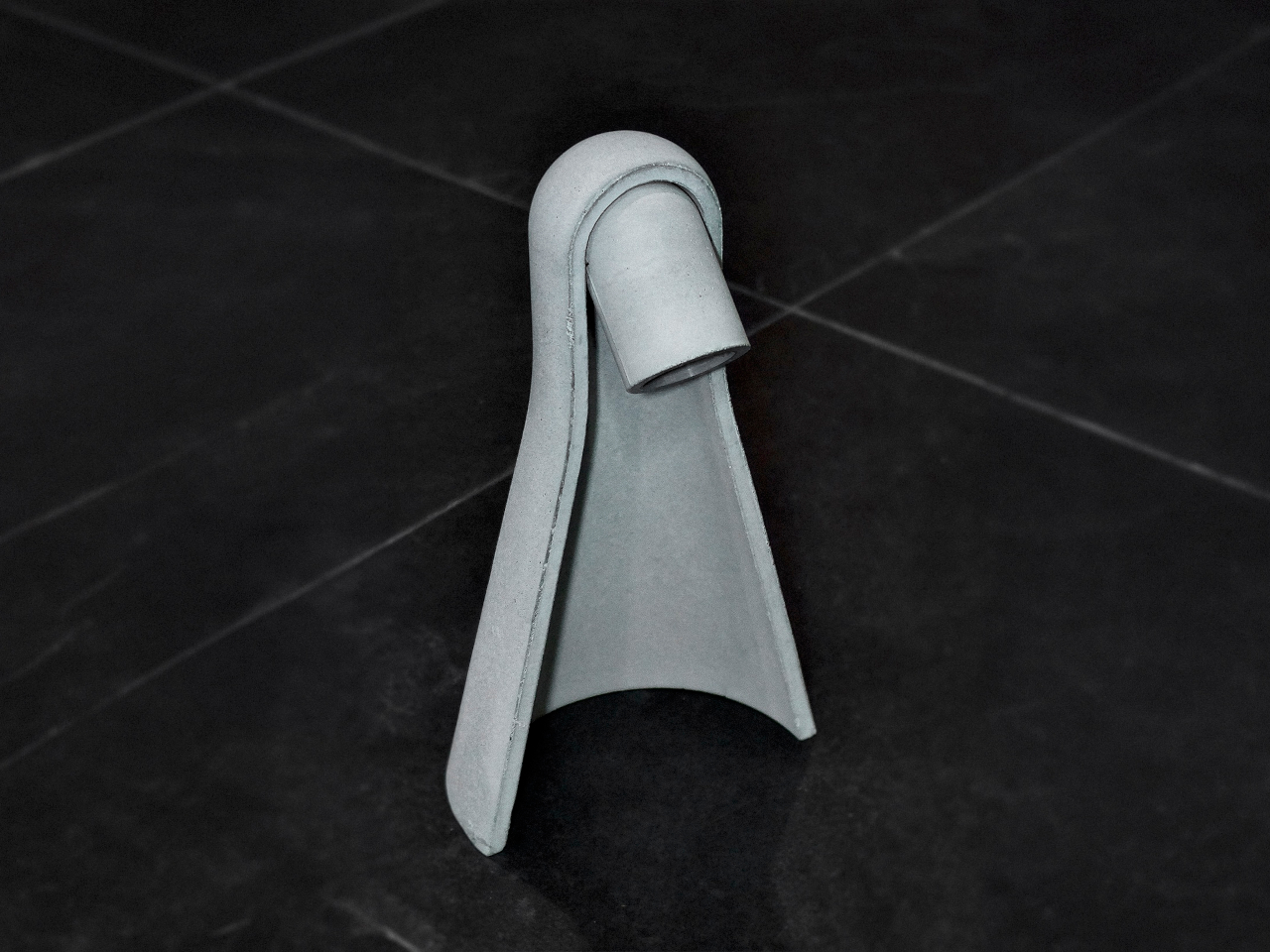
Manufacturing played a central role in making that geometry possible. The housing was cast using a precisely engineered 3D-printed mold, which enabled tight radii, consistent wall conditions, and a refined surface finish that would be difficult to achieve with conventional mold making. This is a hybrid workflow, additive manufacturing used as tooling for traditional casting, and it’s what allows the lamp to have the controlled, nuanced form language it’s going for rather than the rougher profile that hand-built molds often produce.
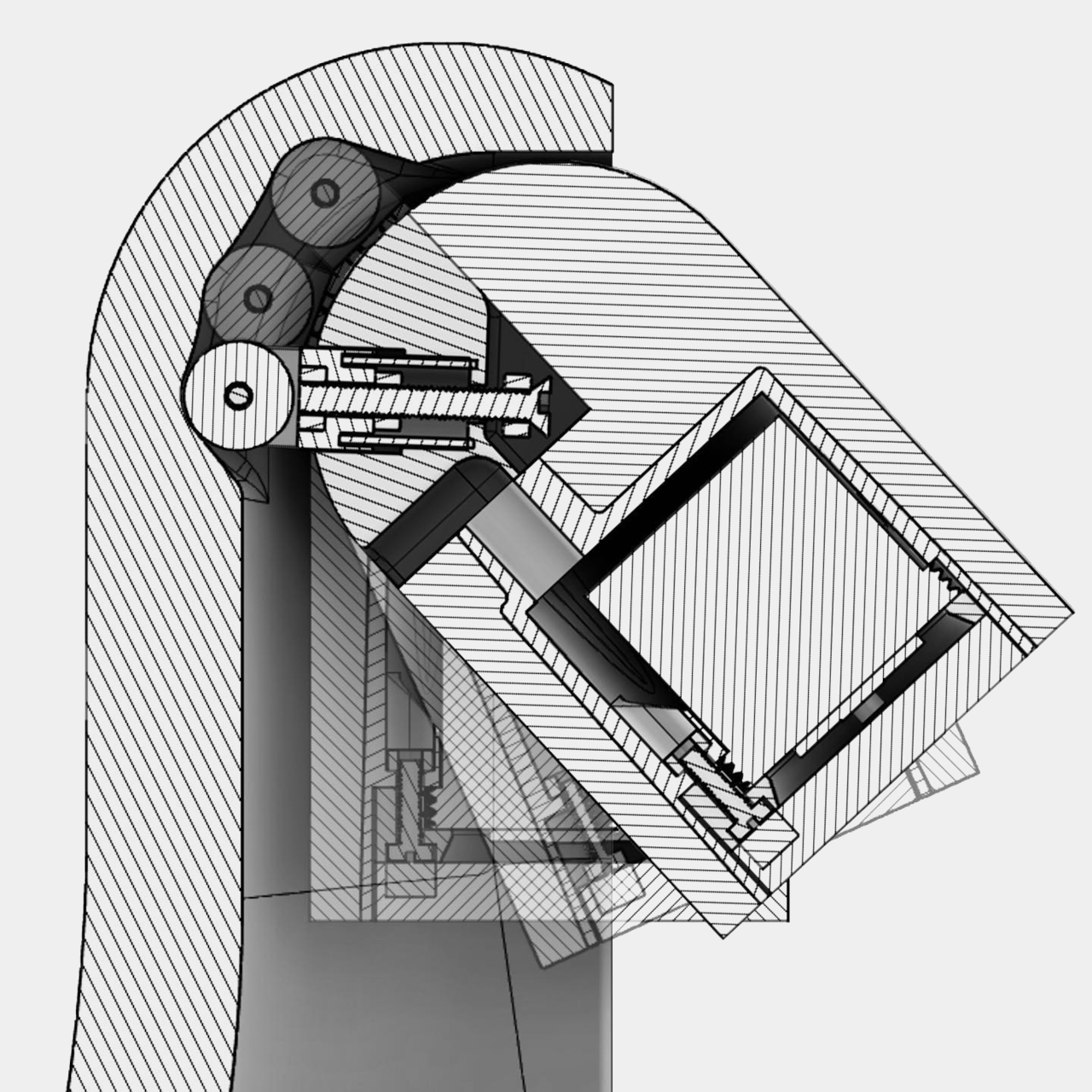
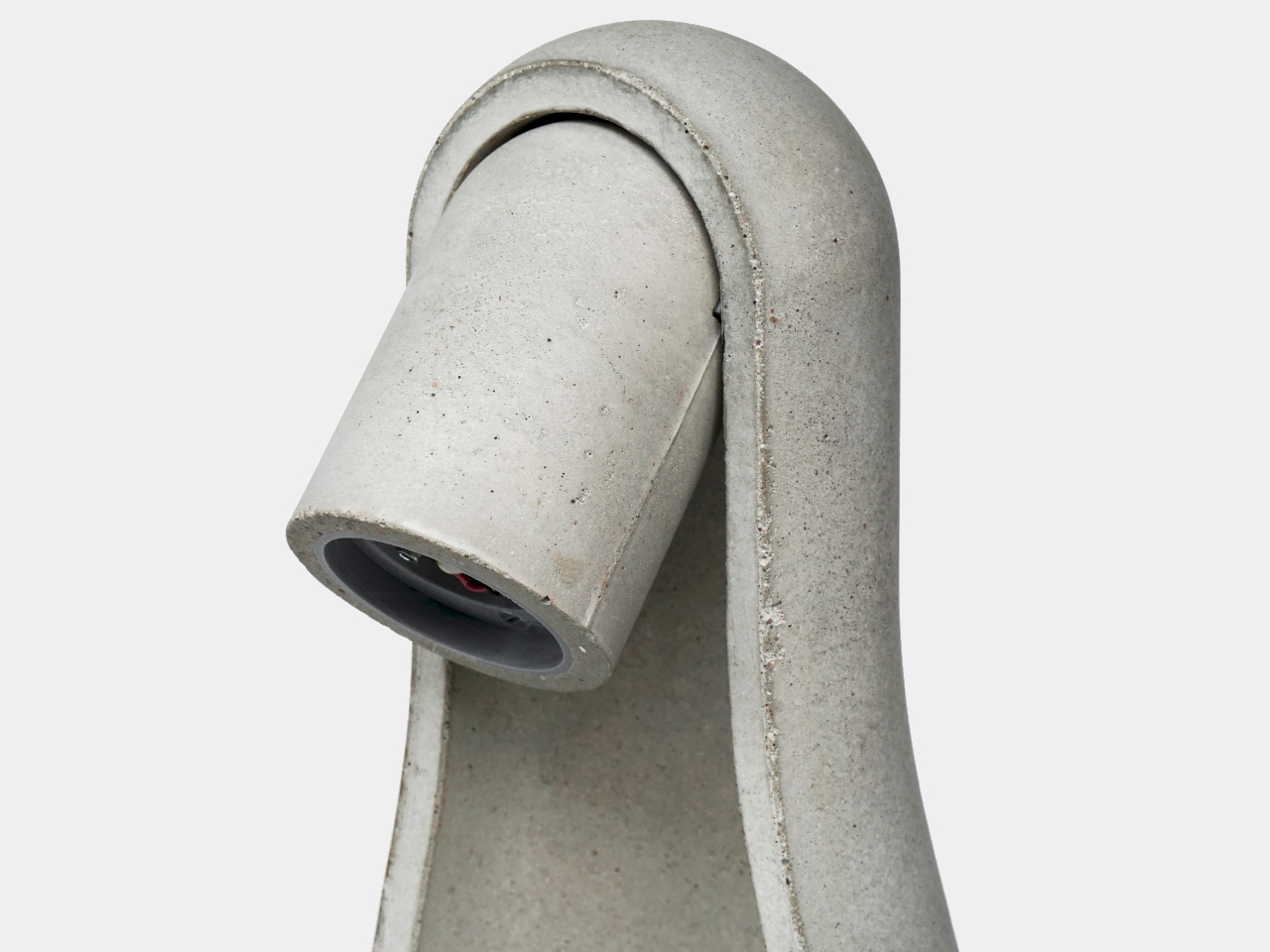
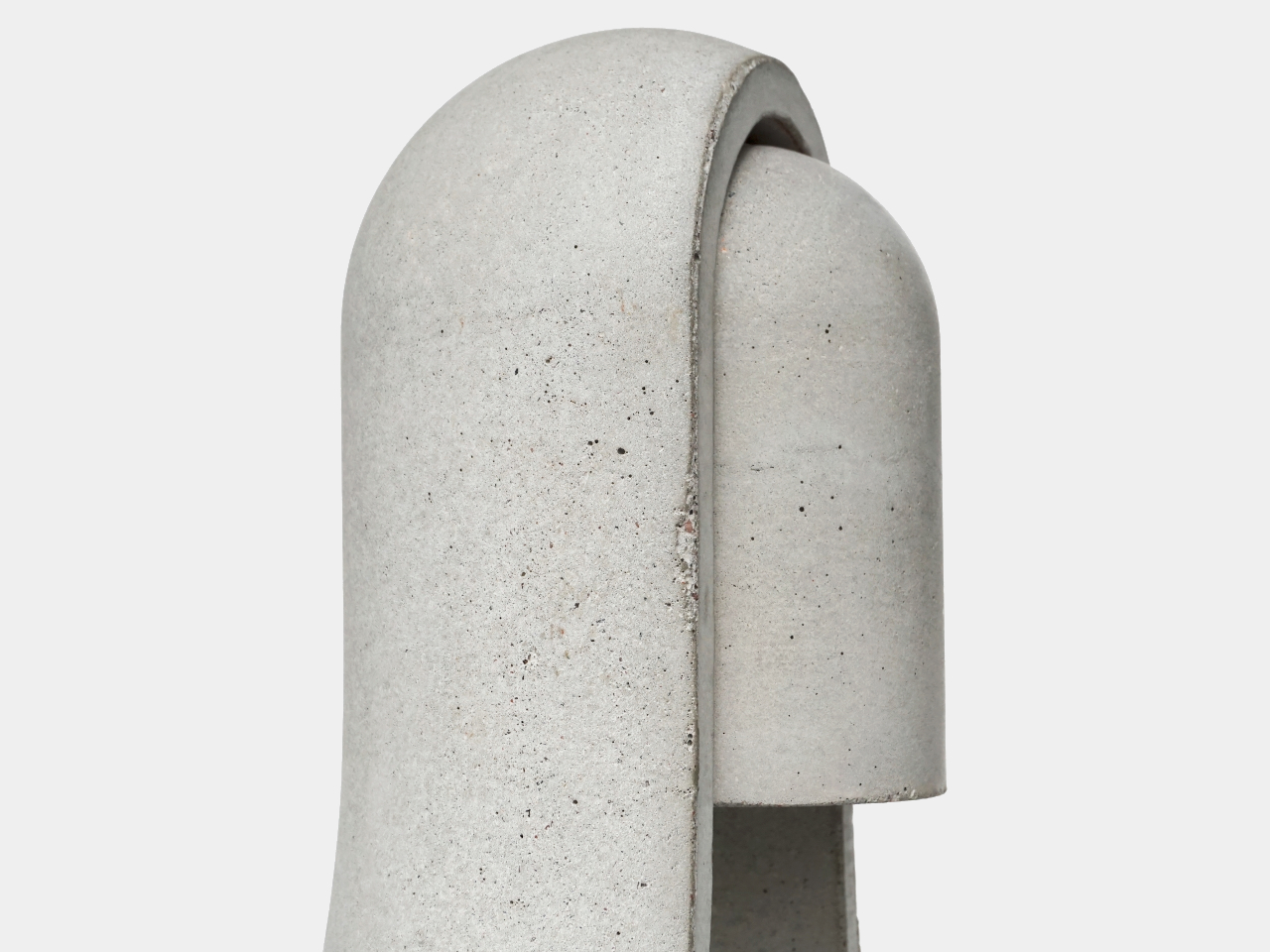
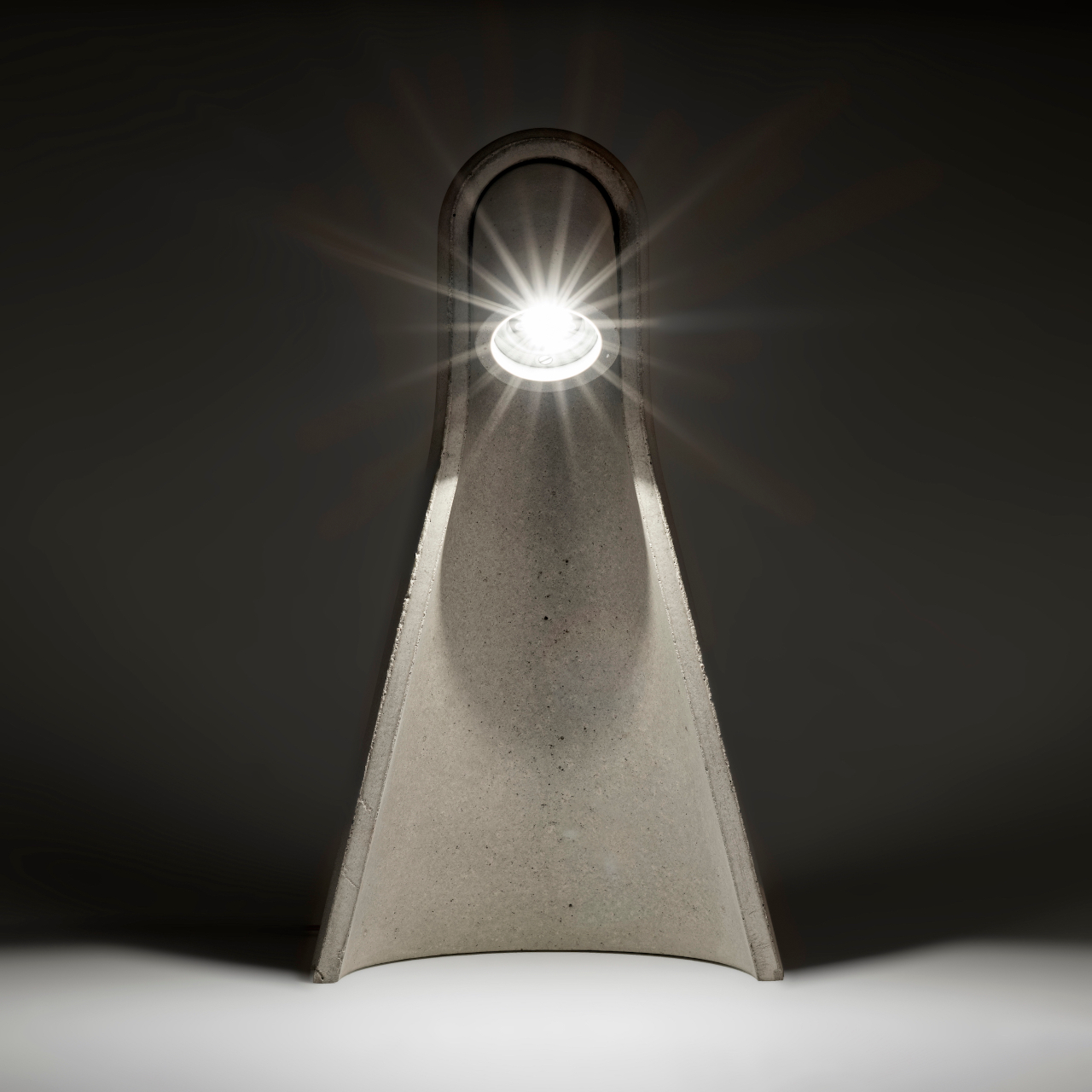
The pivot mechanism is where Mikka asks for interaction. Angle the head downward, and the beam grazes across the concrete surface, revealing subtle texture variations and the natural imperfections from the casting process. The lamp becomes almost self-referential in that mode, drawing attention to the material qualities that define it. Angle it outward, and it becomes a practical reading or work light, focused and direct. One gesture shifts the whole character of the object.
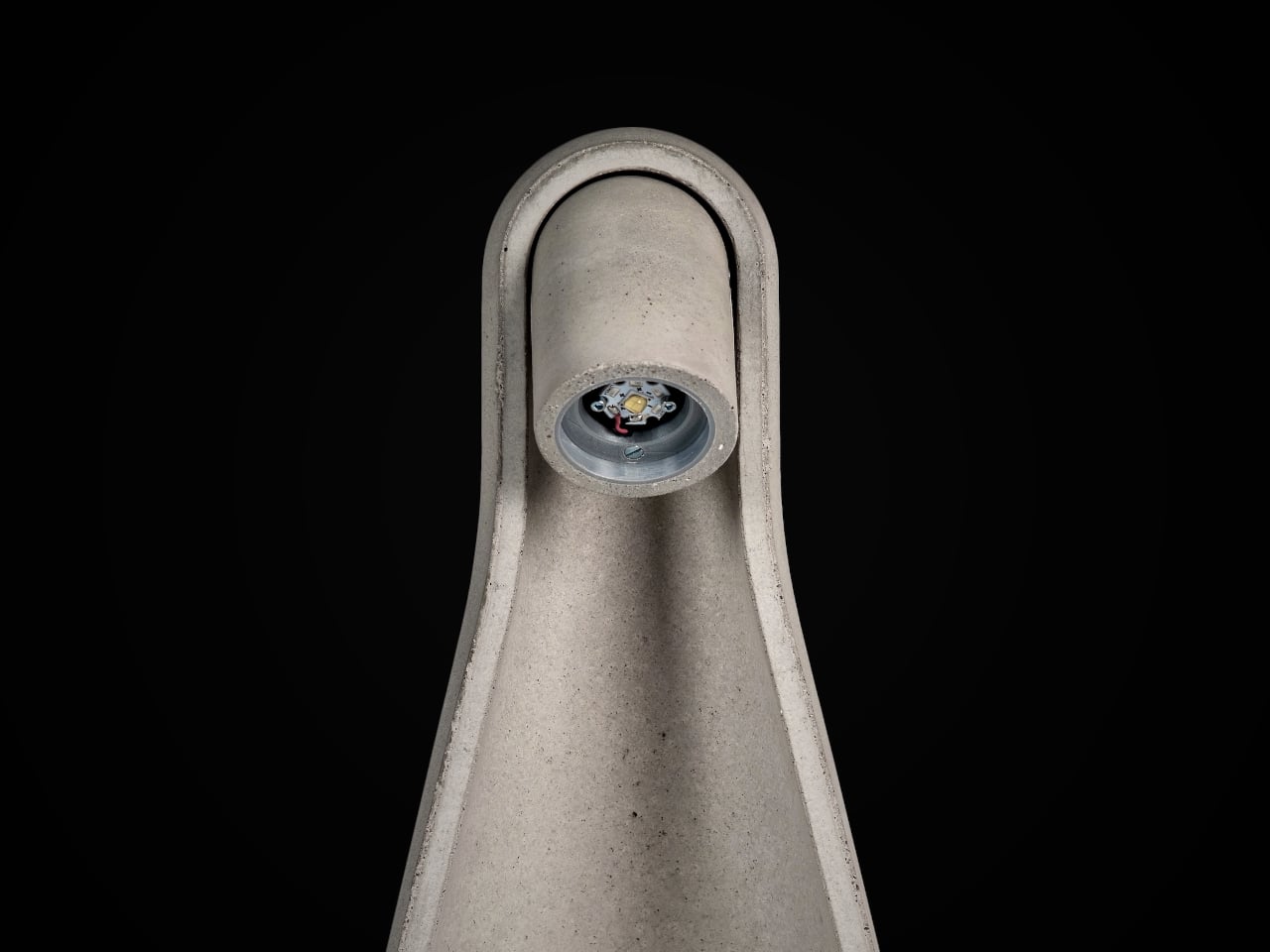
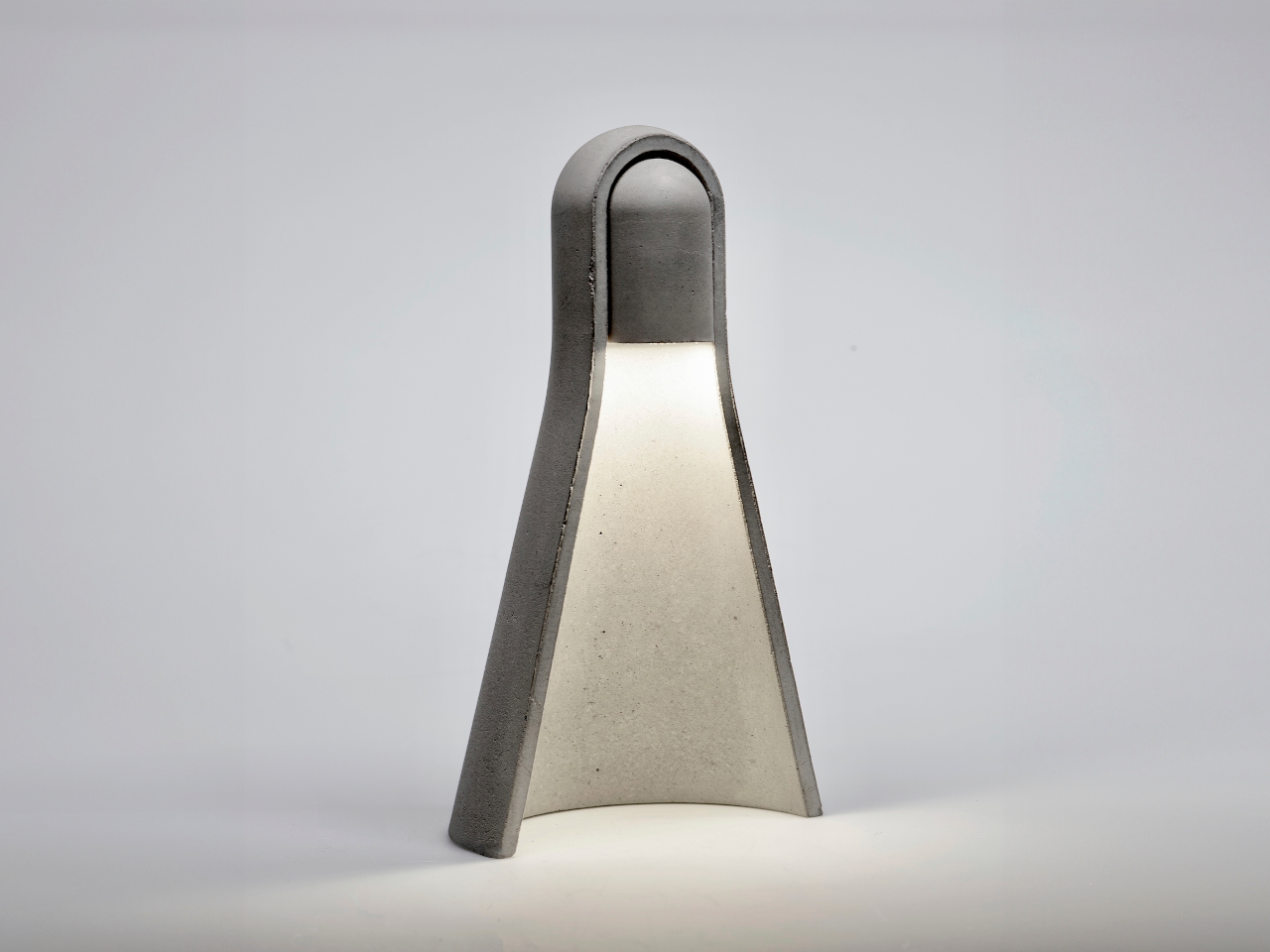
That duality is what keeps it interesting on a desk rather than just on a shelf. Late at night, angled inward, it’s a quiet ambient presence. During the day, aimed at a book or screen, it’s functional and unfussy. It doesn’t ask you to commit to one mode, which is a useful quality in a lamp that has to share space with other objects.
Mikka suggests that concrete at product scale doesn’t have to default to weight and aggression. When the form is thoughtful, and the mold is controlled, the material can carry a different kind of presence, one that fits on a desk at home without demanding to be the only thing you notice in the room.