The Switch 2 barely celebrated its first birthday and yet here we are already whispering about what comes next. That’s the “Nintendo Effect”, really. The company trains us to speculate obsessively, and honestly, the rumor mill right now is giving us plenty of material to work with. So let’s lean into it: is a Switch 2 Pro or some kind of premium hardware revision actually on the horizon sooner than expected? The signs are quietly pointing toward yes, and it’s worth getting excited about.
The most tantalizing breadcrumb dropped just last month. A sharp-eyed Bluesky user going by the handle Dootsky.re dug through Nintendo’s Account Portal and found an unused hardware model code labeled “OSM.” For reference, the Switch 2’s own model code is “BEE,” and the original Switch used “HAC,” with “HAD” reserved for its later battery-upgraded variants. The fact that “OSM” already exists in Nintendo’s backend infrastructure, and that requesting it actually returns an image of a Switch 2, is the kind of detail that quietly screams “something is cooking.” Nintendo doesn’t register model codes for fun.
Designer: Nintendo
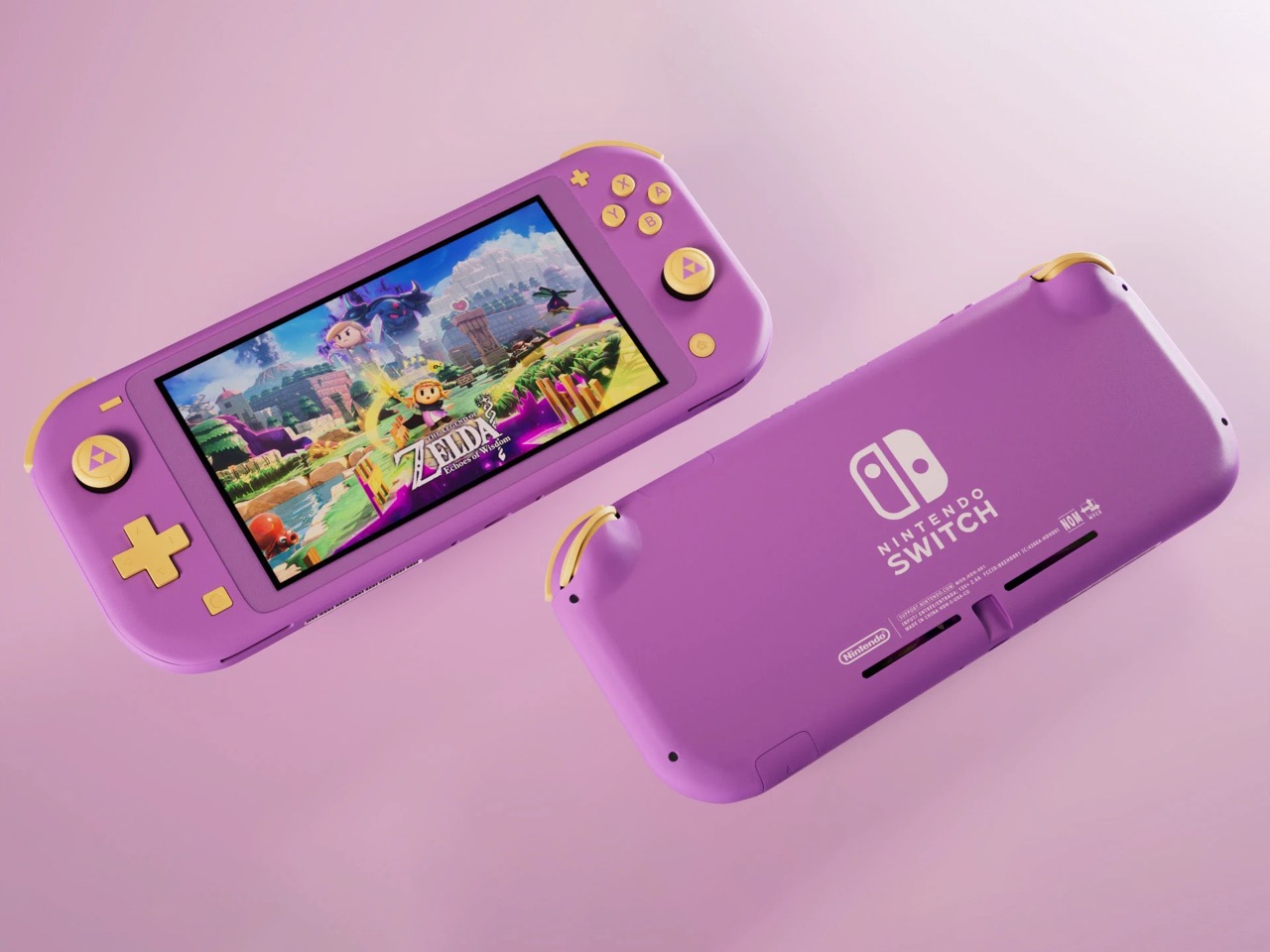
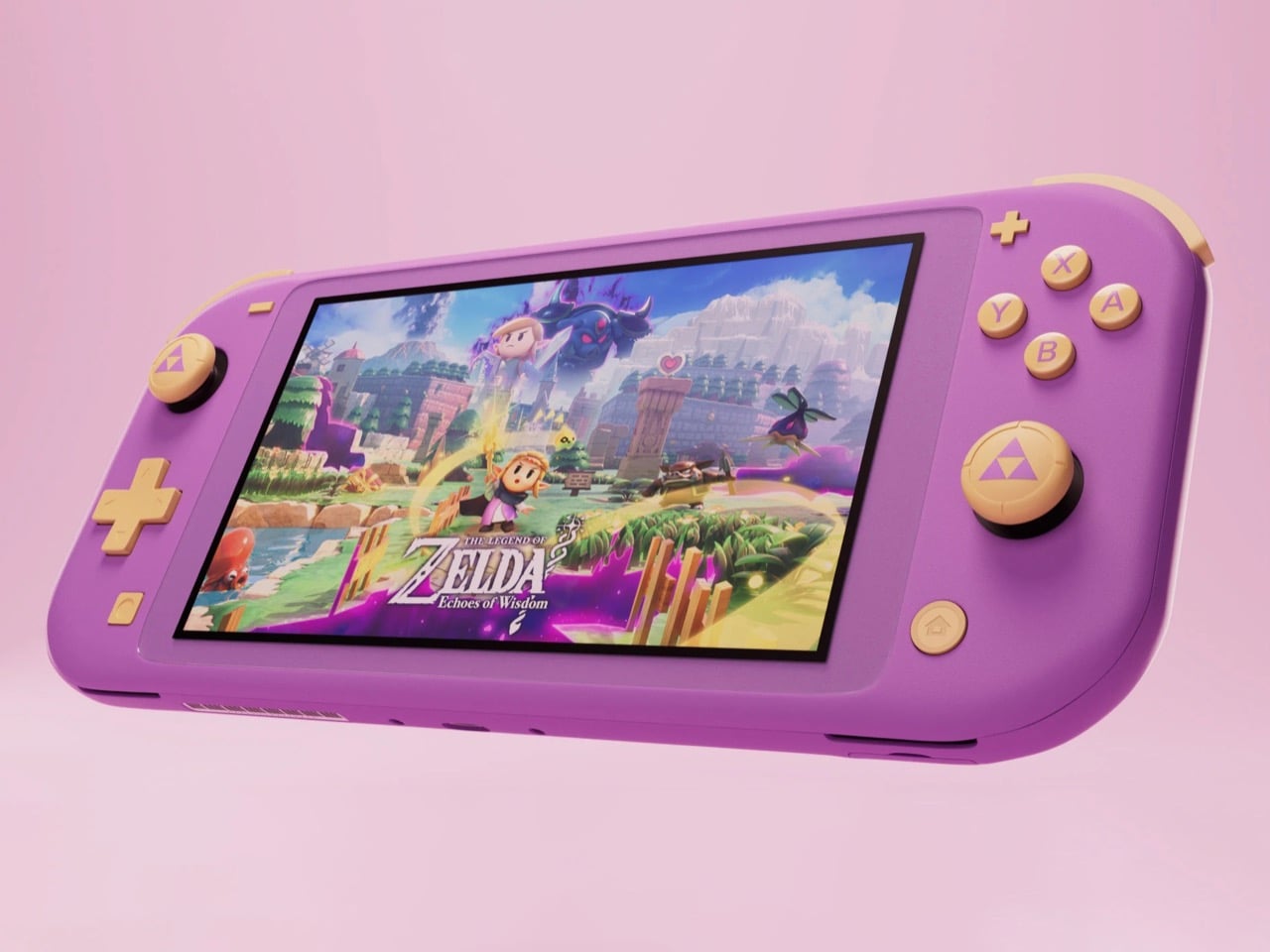
What could OSM stand for? Speculation has been predictably wild. One theory floating around Reddit suggests it means “Ounce Small Model,” pointing toward a Switch 2 Lite with a reduced footprint and lower price point. That theory makes a lot of sense given the Switch 2’s $450 launch price, which stung more than a few buyers and left a sizeable chunk of Nintendo’s potential audience watching from the sidelines. A leaner, cheaper variant that strips out the dock functionality but keeps the core gaming experience intact would be a very Nintendo move, and it would open up the platform to an entirely new demographic.
But another theory carries just as much electricity. Some observers are reading “OSM” as a pointer toward an OLED model, a Switch 2 that finally gives the people what the Switch 2’s launch arguably should have delivered from day one: a proper OLED display. The current Switch 2 runs a 7.9-inch LCD, which is perfectly fine but feels like a missed opportunity when you consider that the original Switch OLED was basically the definitive version of that console. An OLED-equipped Switch 2 with a refined chip process could genuinely be the “Switch 2 Pro” that players have been quietly hoping for, one that offers a noticeably upgraded portable experience without requiring an entirely new software library.
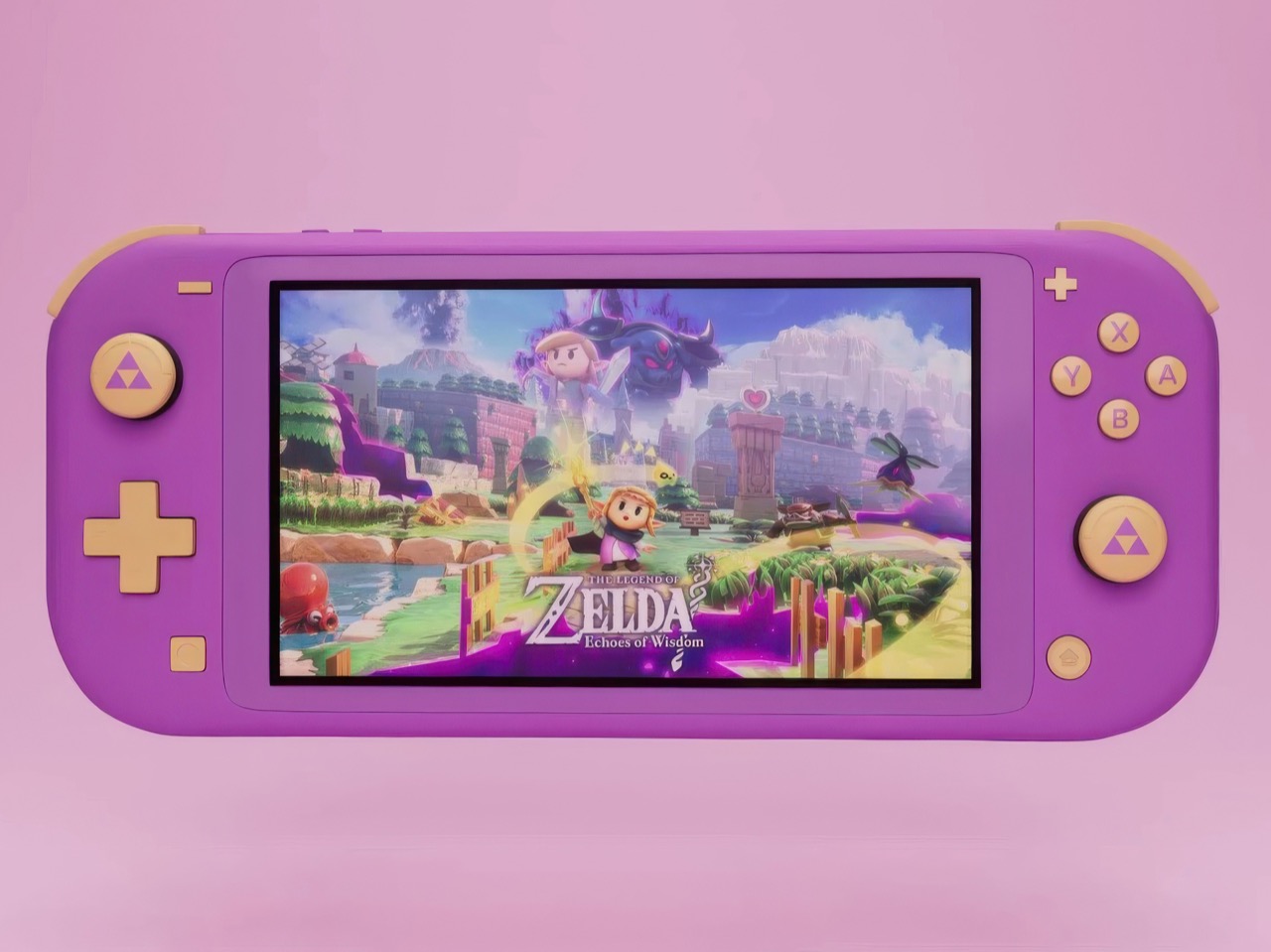
And that’s the thing: a hardware revision in the Switch family has always been more of a premium upgrade than a generational leap. Nintendo’s historical cadence backs this up beautifully. The original Switch launched in 2017. The Lite arrived in 2019. The OLED landed in 2021. Apply that roughly two-year rhythm to the Switch 2 timeline, and a revised model somewhere in 2027 sits right on schedule. But here’s where it gets interesting: the “OSM” code is already sitting in Nintendo’s systems, which suggests development is well underway. Hardware doesn’t appear in account portals by accident. If Nintendo is already assigning codes, the pipeline for a new variant is real, active, and potentially closer to announcement than anyone expected.
Meanwhile, the Switch 2’s software trajectory is also telling. Nintendo is loading up 2026 with big titles to keep the current hardware thriving, with Fire Emblem: Fortune’s Weave, Splatoon Raiders, Tomodachi Life: Living the Dream, Rhythm Heaven Groove, and a rumored new 3D Mario all either confirmed or heavily anticipated for this year. That’s a lineup designed to sustain momentum, not wrap things up. And a premium hardware revision landing in late 2027 alongside whatever monster franchise entry Nintendo saves for that window? That’s a product launch that practically writes itself.
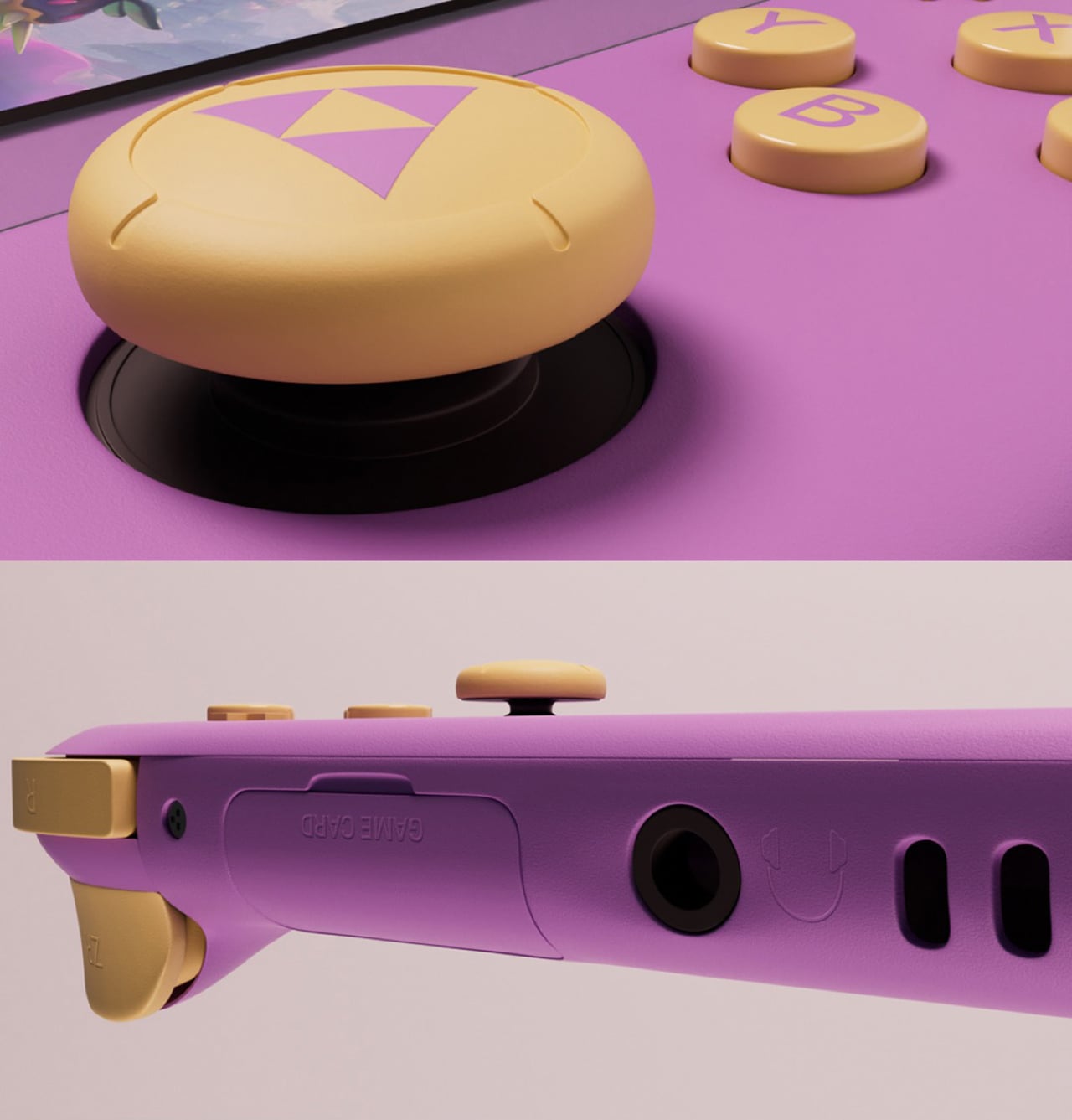
A Switch 3, for comparison, feels genuinely far away. Nintendo doesn’t abandon a platform that’s selling at record pace, and the Switch 2 already smashed records to become the fastest-selling console of all time globally. You don’t walk away from that kind of commercial velocity. A generational successor needs years of runway, a clear technological leap, and a reason for consumers to start over. None of those conditions exist right now, and the software library is too young and too rich to justify anything close to a hardware retirement.
So what’s the realistic picture heading into 2027 and beyond? A Switch 2 Lite targeting the budget end sometime in late 2027 feels very probable, with an OLED or performance-focused “Pro” variant following close behind, potentially the crown jewel that finally gives the Switch 2 the premium screen it deserved at launch. The “OSM” code is just the first breadcrumb, but if Nintendo’s history has taught us anything, those breadcrumbs tend to lead somewhere worth following.