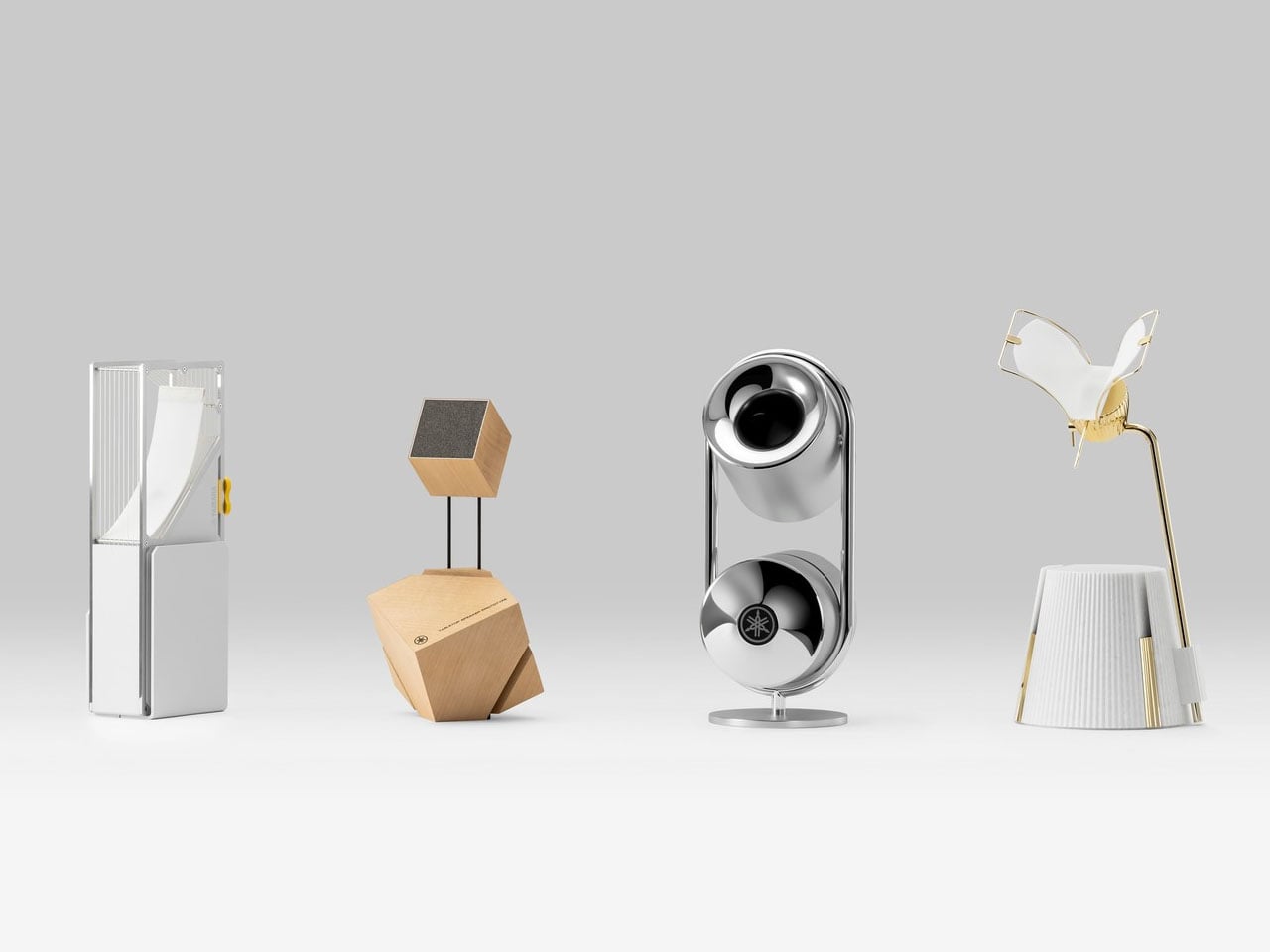
Few brands move as fluidly between precision engineering and artistic expression as Yamaha. From concert grand pianos to motorcycles and professional audio systems, the company has long treated sound as both science and sculpture. Its latest speculative speaker concepts continue that philosophy, challenging the conventional box-shaped loudspeaker with forms that are lighter, more interactive, and visually dynamic. Rather than refining the familiar rectangular enclosure, Yamaha’s design team rethinks how sound radiates into space and how users physically engage with it.
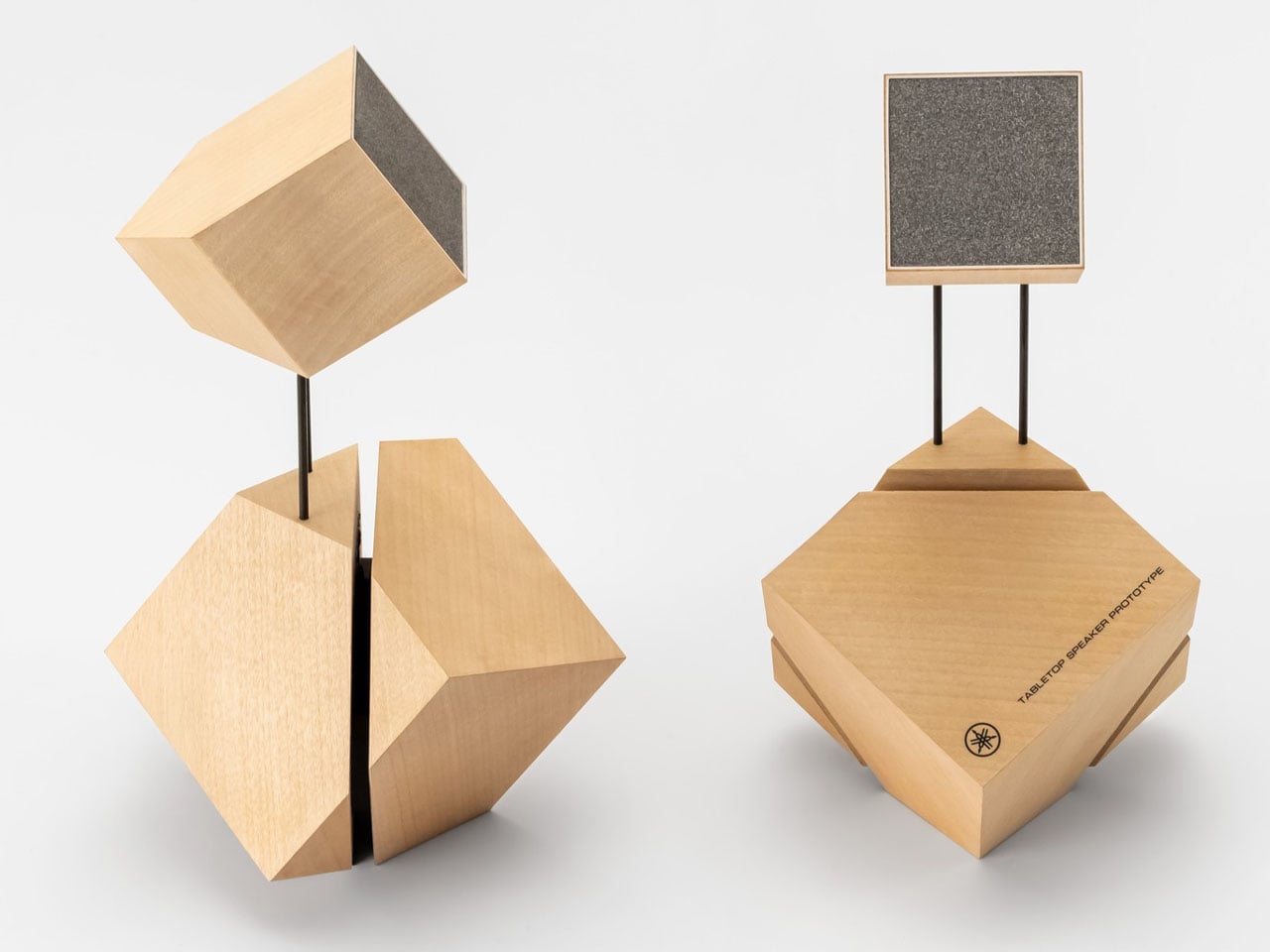
Developed by Yamaha Design Laboratory in Japan, the collection addresses a common but often overlooked issue in home audio: unwanted reflections from nearby surfaces such as tabletops. These reflections can color the sound and reduce clarity. By altering the geometry and projection of the speaker units, the designers aim to direct audio more intentionally into the listening environment while reducing interference from surrounding surfaces. The result is a series of experimental prototypes that treat sound dispersion as a spatial experience rather than a fixed output.
Designer: Yamaha Design Lab
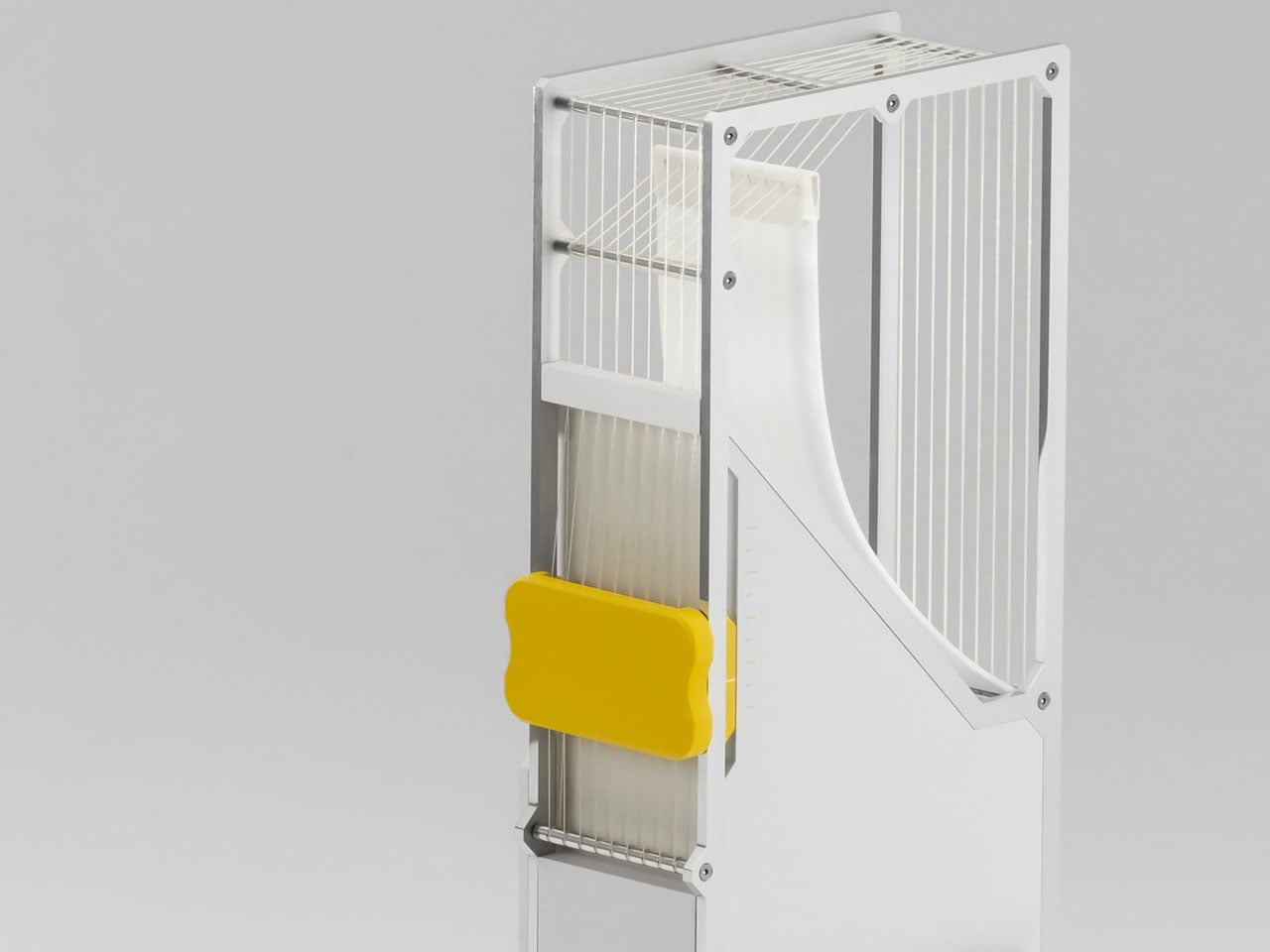
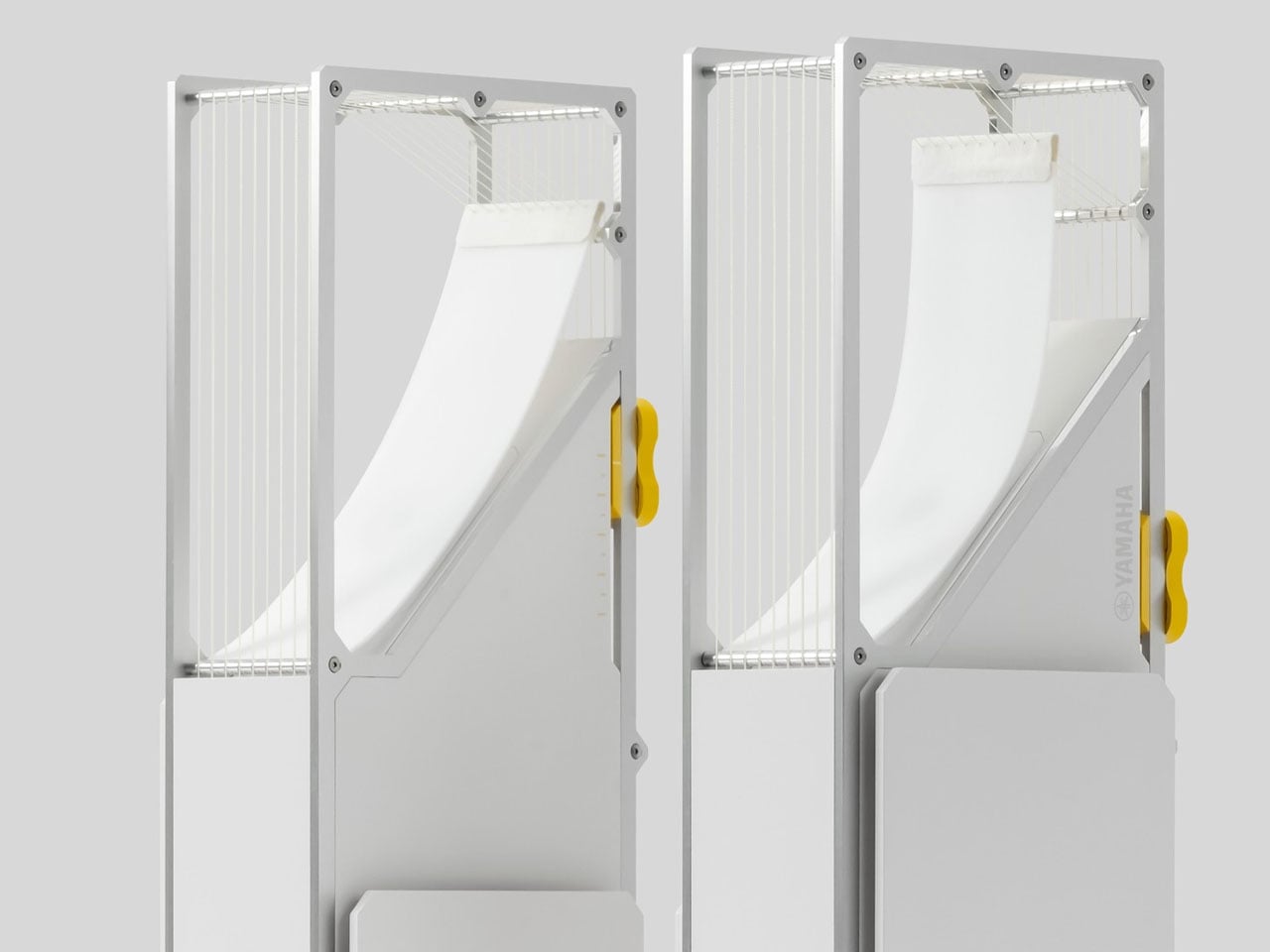
One of the most distinctive ideas is the Sail Concept. The defining feature here is a diaphragm suspended like a sail between tensioned strings, creating a structure that feels more architectural than electronic. The diaphragm is made from ROHACELL, a lightweight closed-cell foam known for its rigidity, heat resistance, and ability to be thermoformed. These qualities allow it to remain structurally stable while vibrating efficiently, supporting clearer sound reproduction. What sets this speaker apart is interactivity: users can physically adjust the tension and positioning of the sail-like element, subtly influencing how sound is projected into the room. The act of tuning becomes tactile, making the listening experience more participatory.
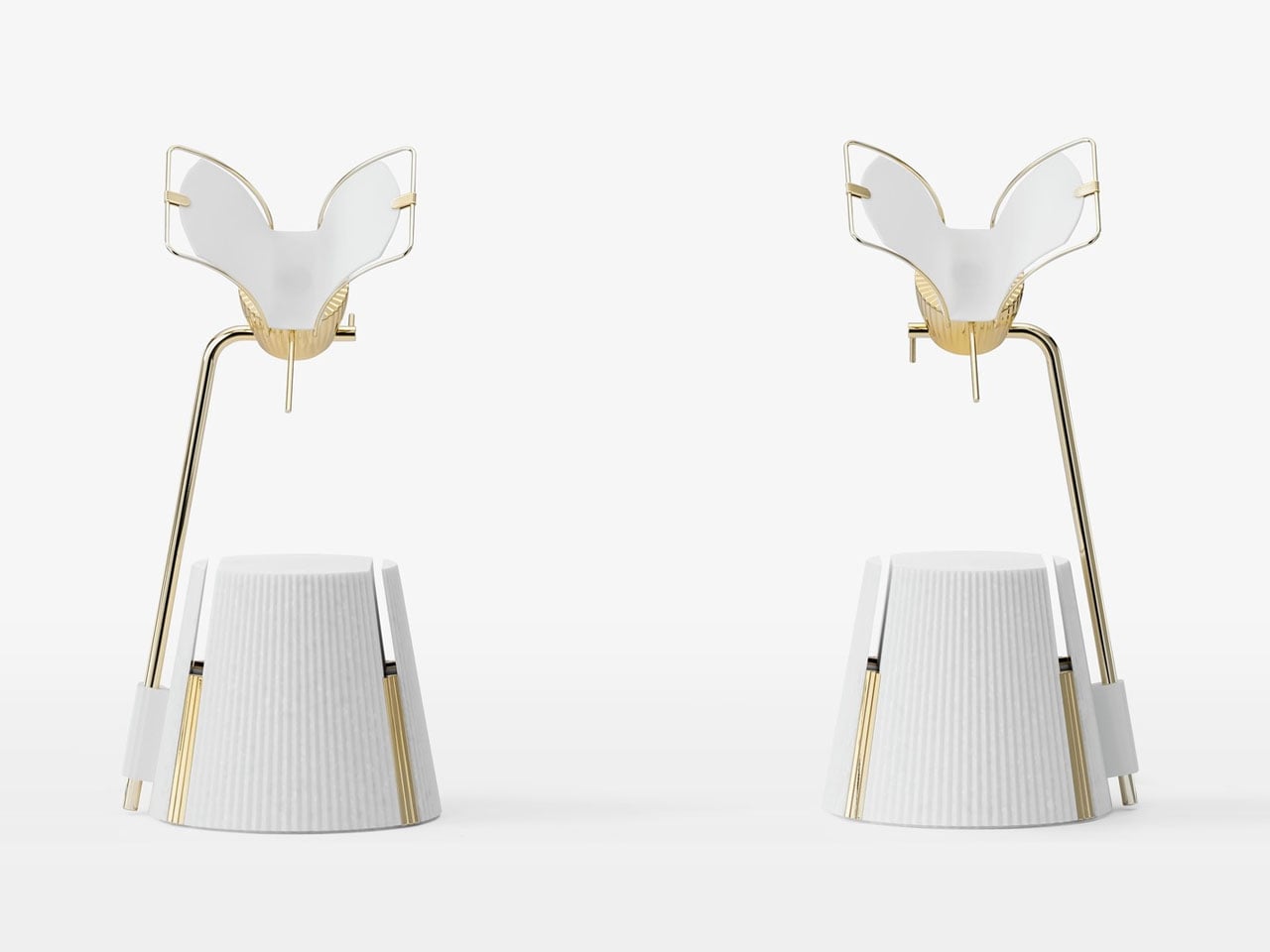
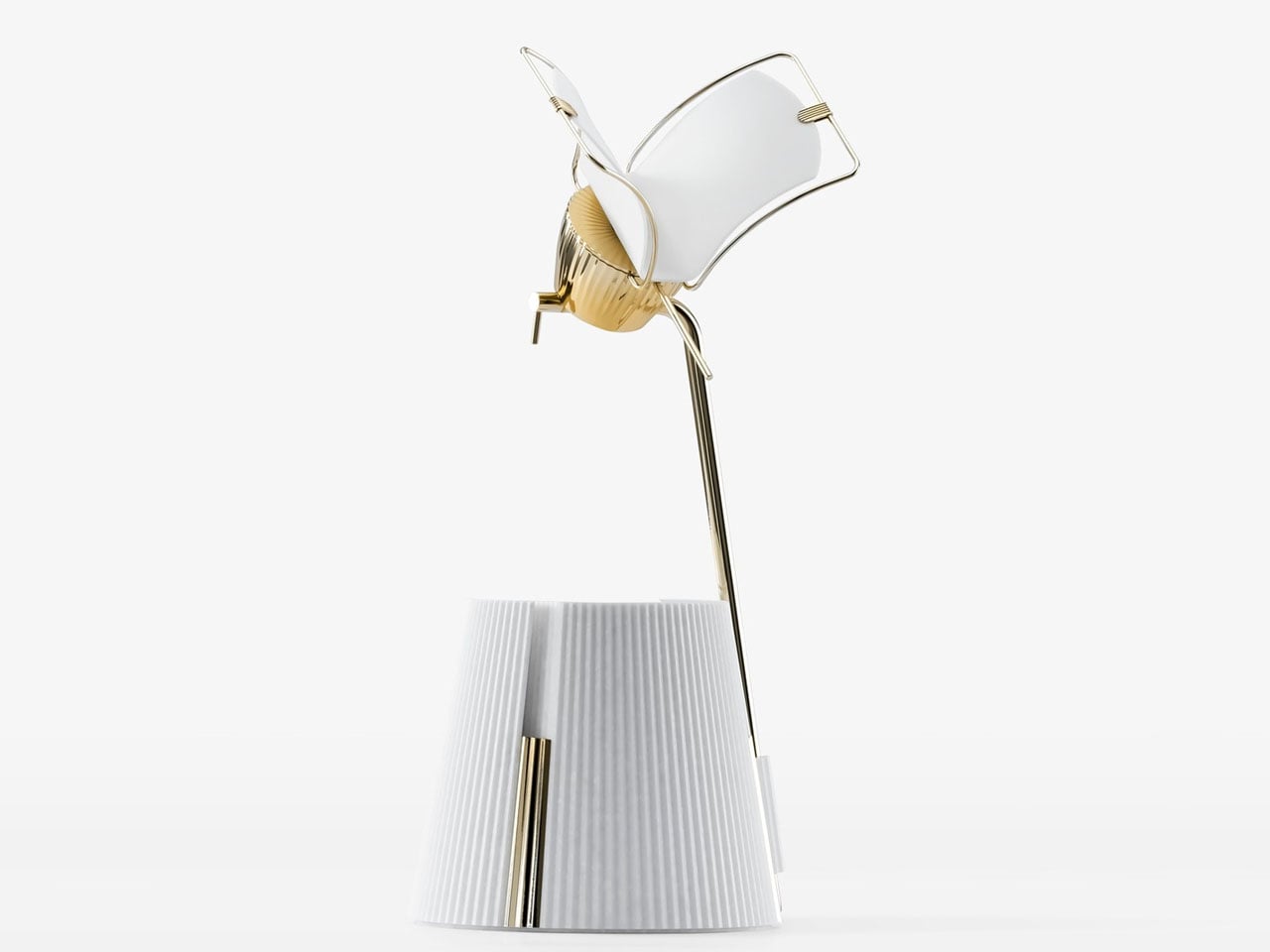
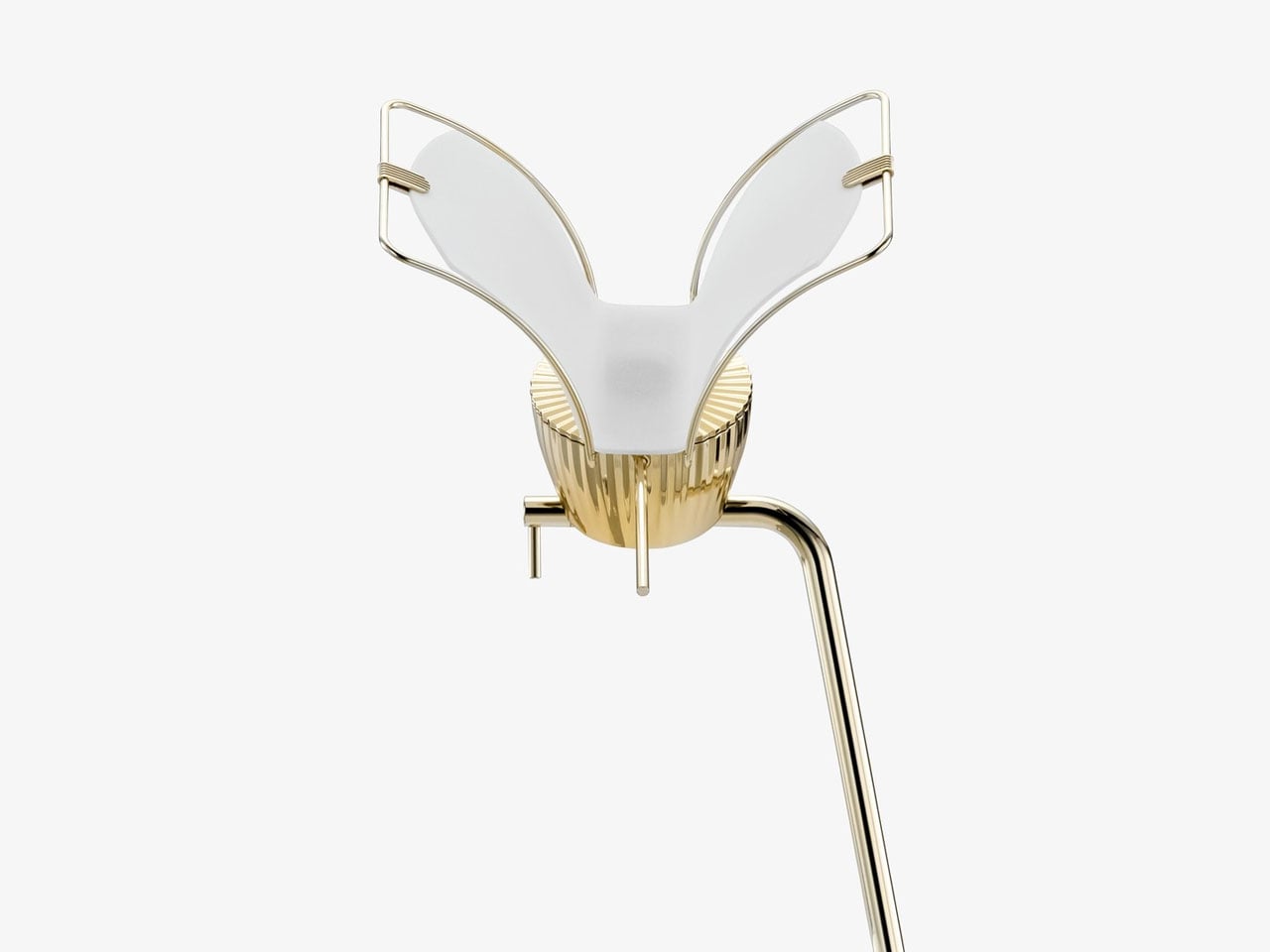
The Butterfly Concept explores a different approach. Inspired by organic symmetry, it positions its driver units back-to-back with a reflective surface between them, leaving the top portion open. This configuration reduces the impact of surface reflections and allows sound to disperse more freely. By adjusting the volume relationship between the internal and external chambers, listeners can influence the spatial character of the audio output. Instead of locking sound into a forward-facing direction, the design encourages a more immersive and diffused listening field that adapts to the surrounding space.
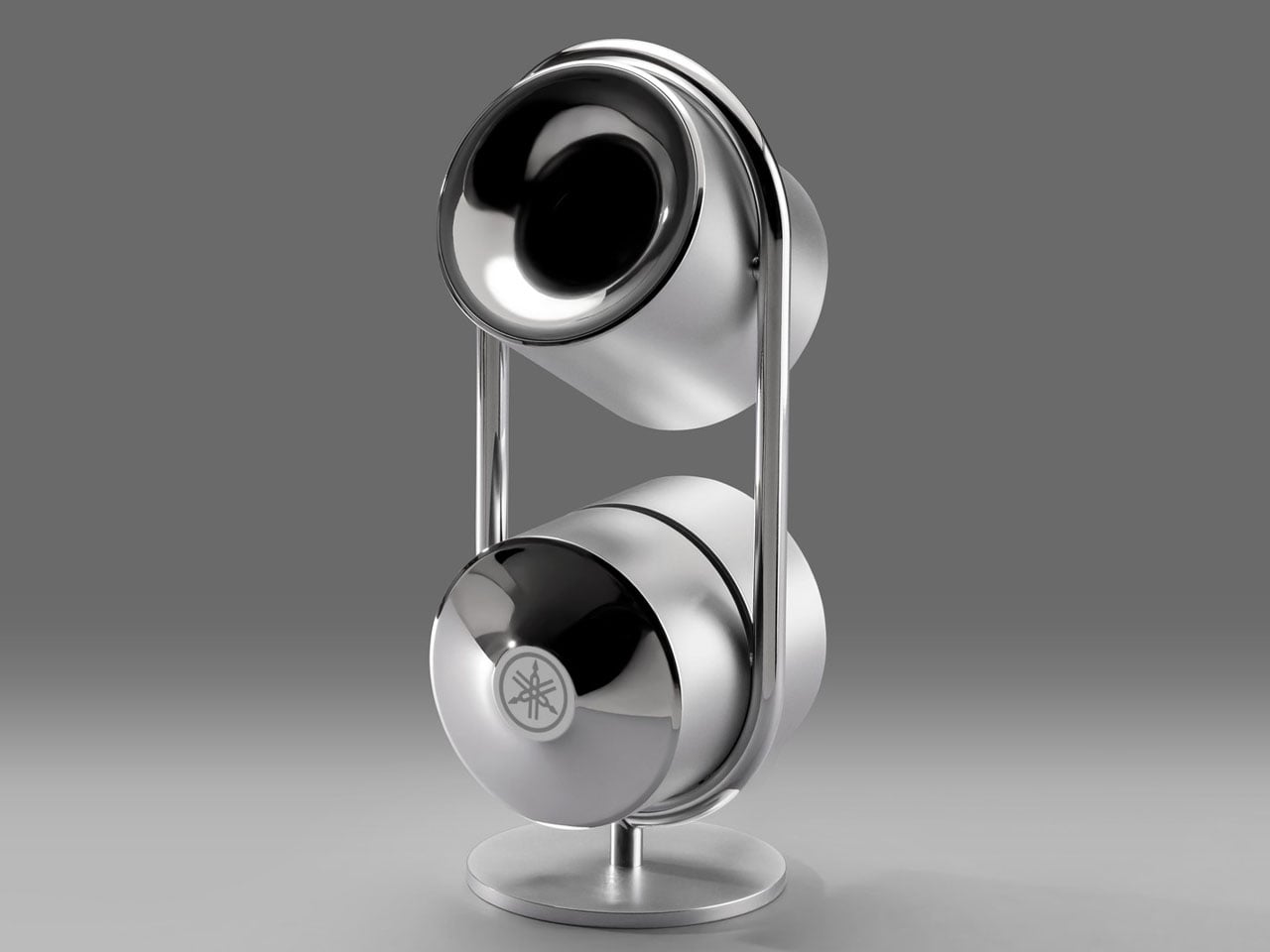
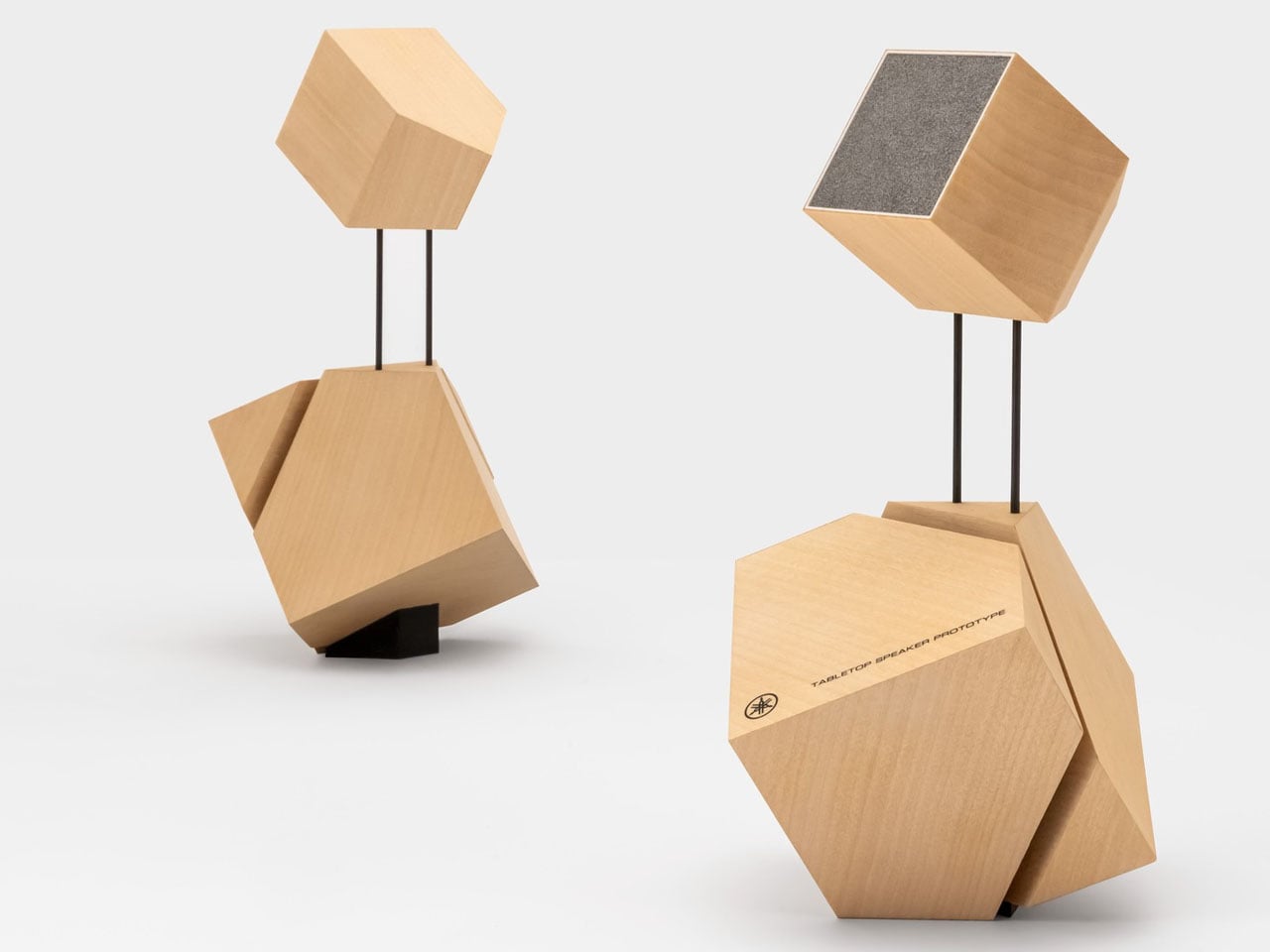
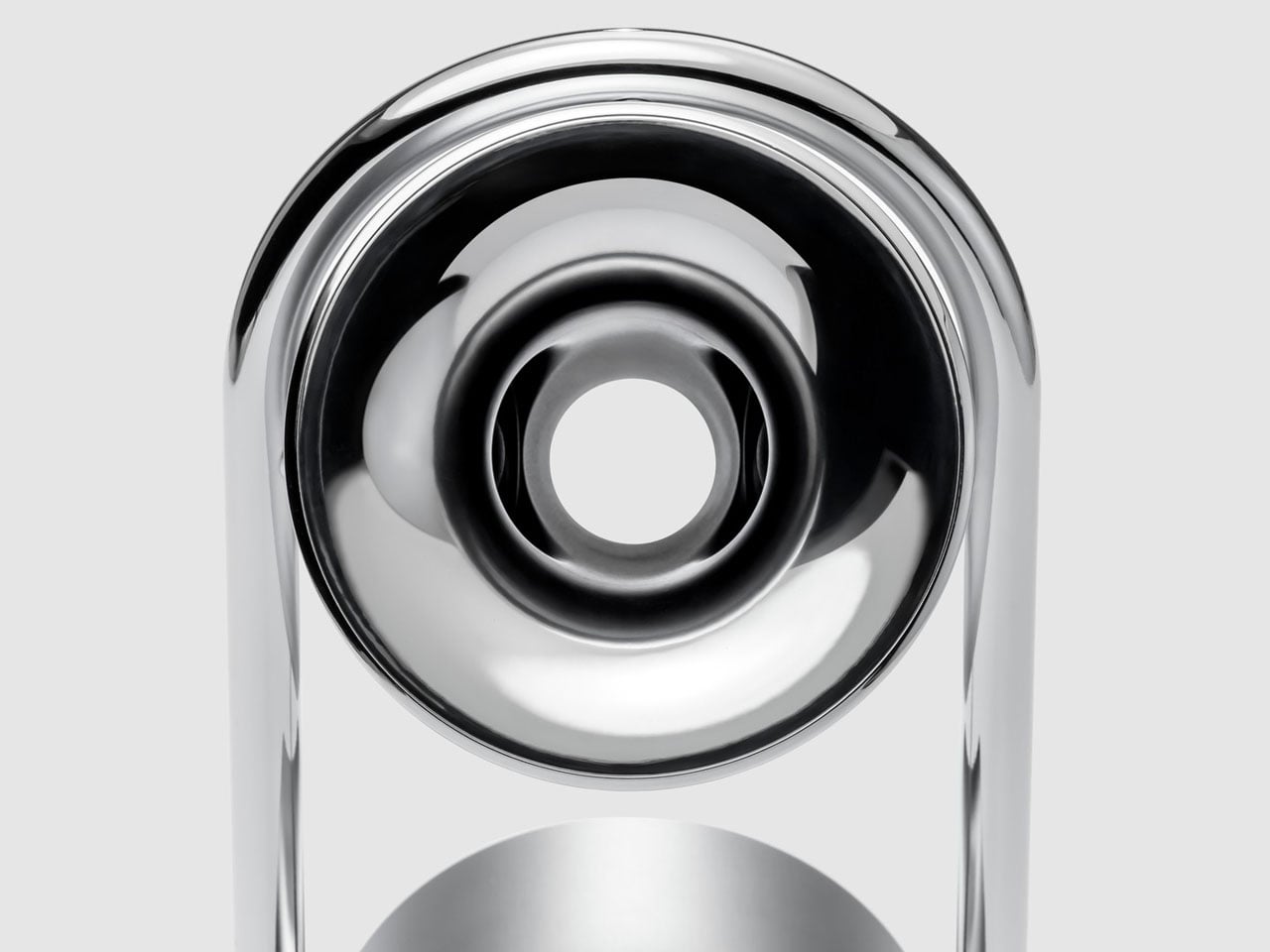
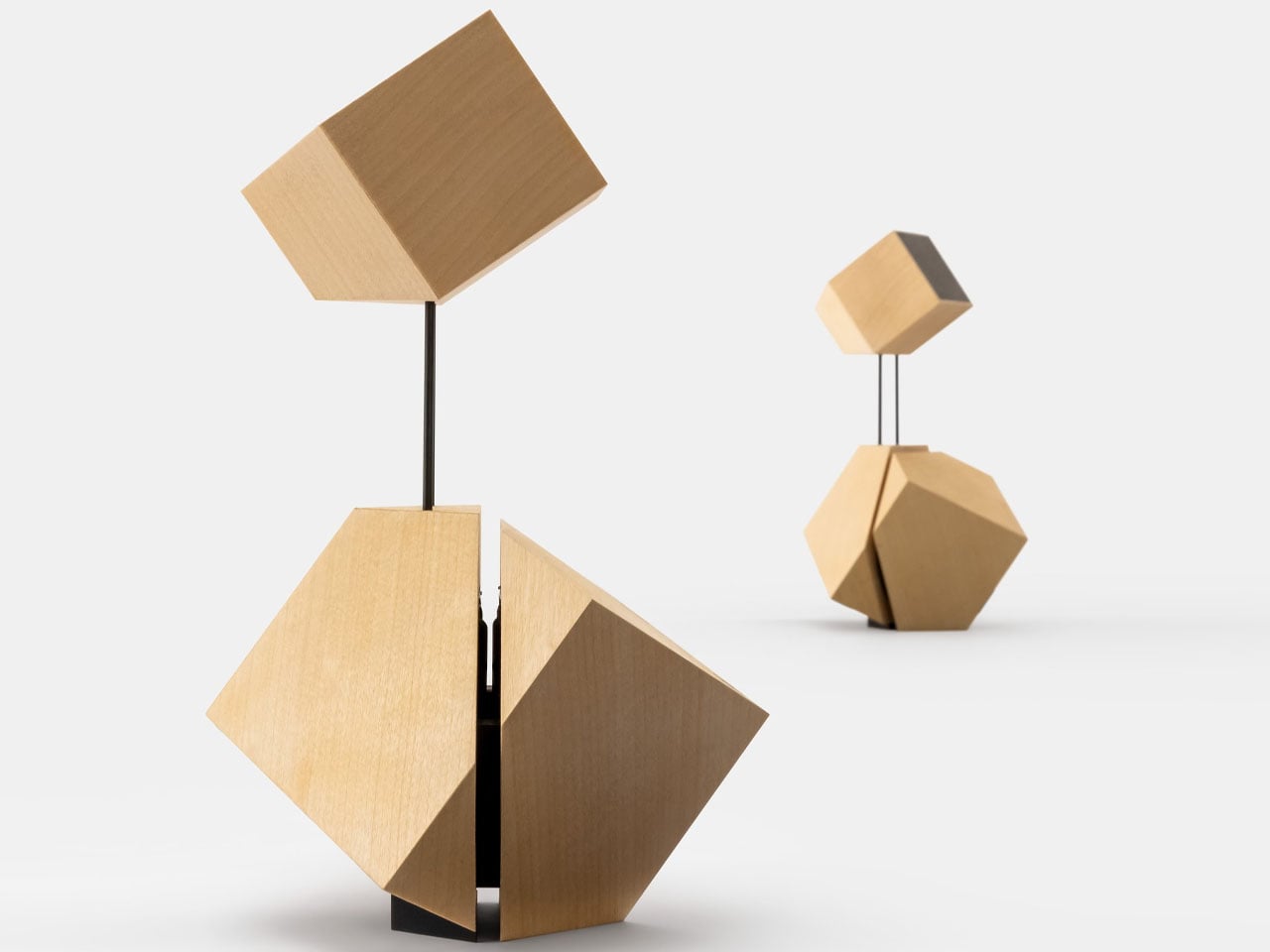
Two additional prototypes expand the exploration. The Horn Concept references the acoustic behavior of wind instruments, placing the driver partway along a horn-shaped structure. This form shapes how sound travels and radiates, at times creating the illusion that audio emerges from open air rather than a visible source. The Cristal Concept, by contrast, emphasizes minimal geometry and sculptural presence. With opposing speaker units left open at the top, it manages reflections while presenting a form reminiscent of a perched bird or a crystalline object. Both concepts suggest that acoustic performance can be enhanced not only by internal components but also by the physical pathway sound takes outward.
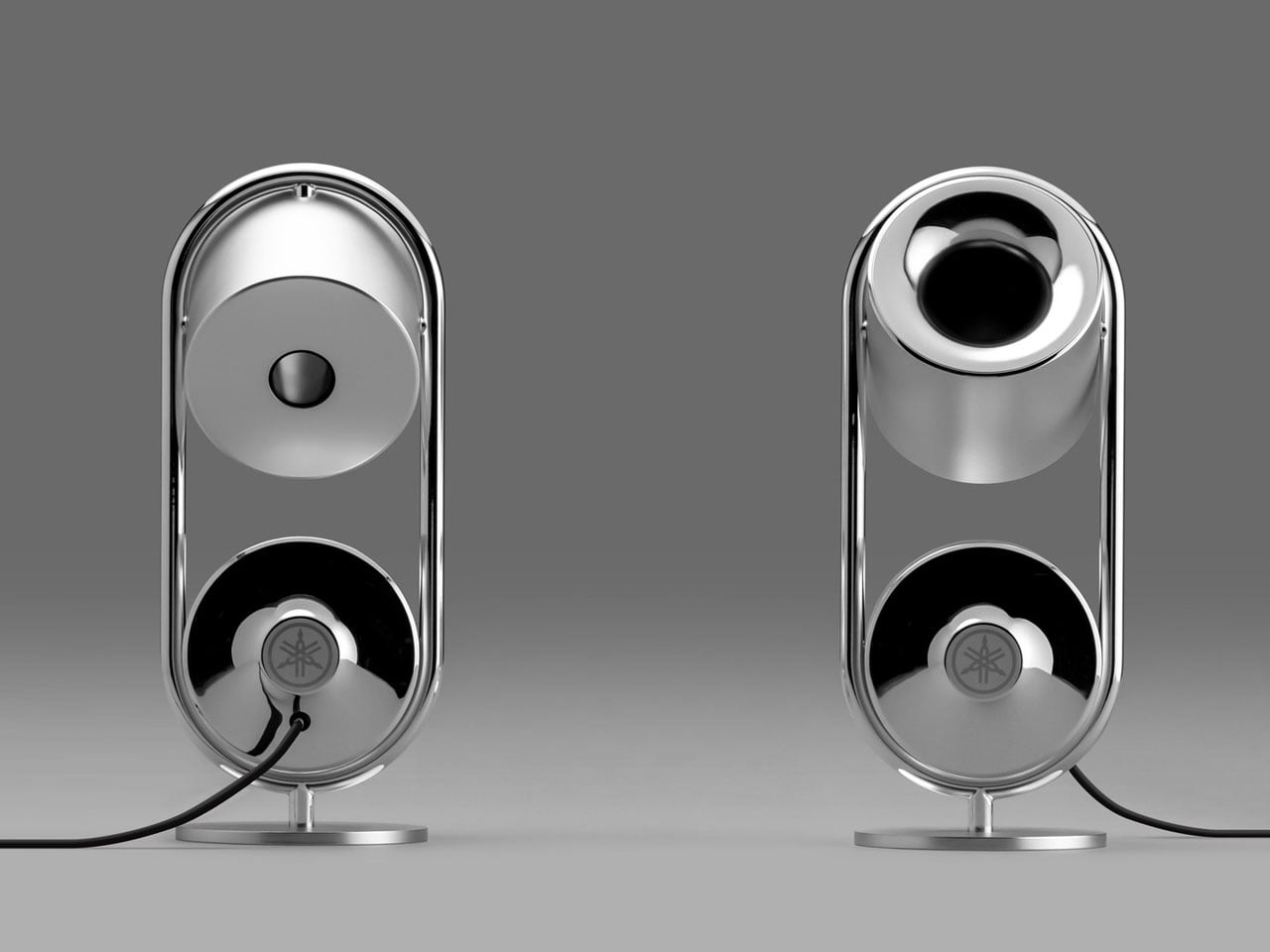
By integrating material innovation, spatial acoustics, and physical interaction, Yamaha demonstrates that speakers need not be static black boxes. Instead, they can become expressive objects that shape both sound and space, hinting at a future where listening is as much about engagement as it is about fidelity.