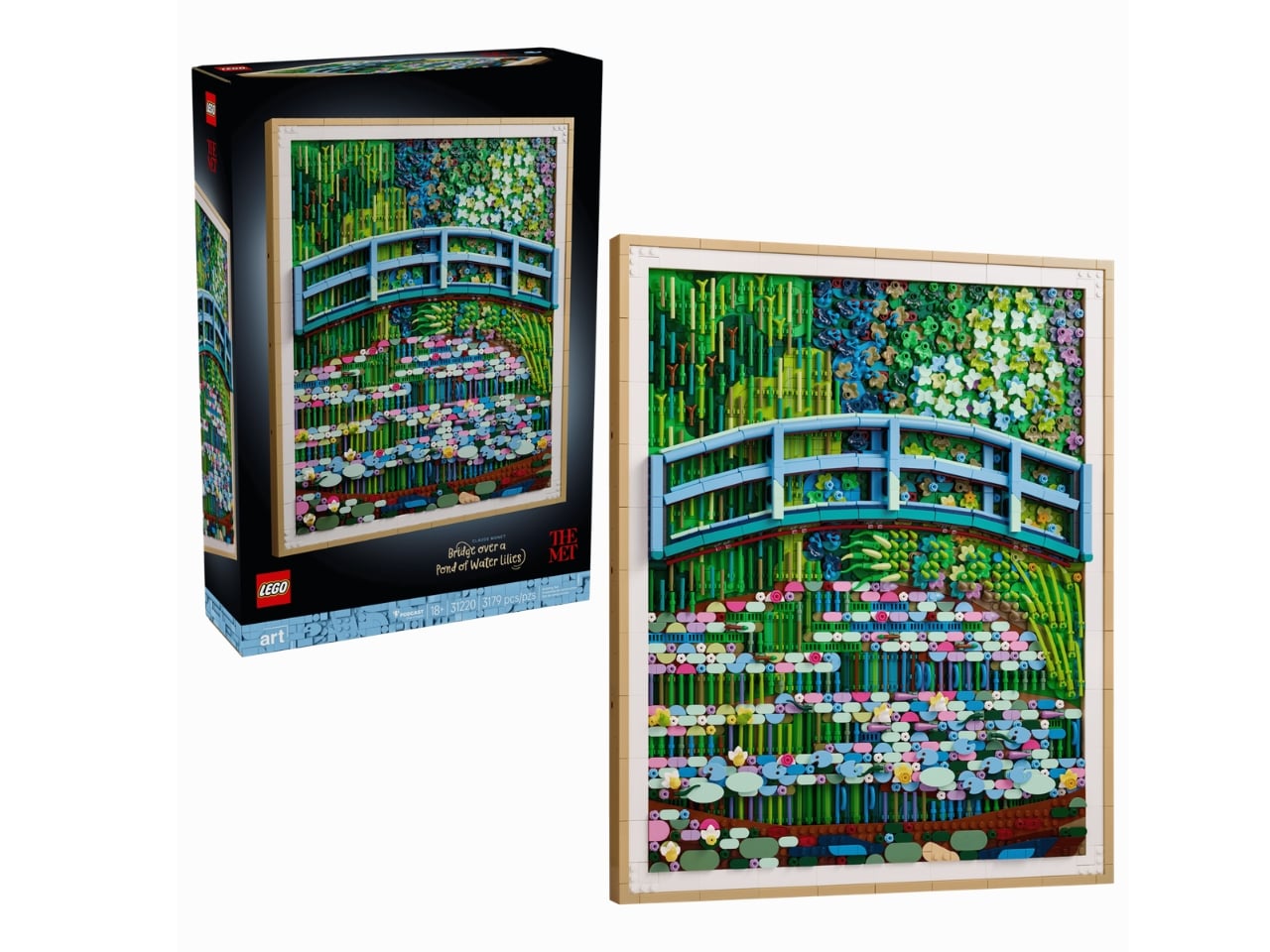
LEGO has done something wild with Claude Monet’s 1899 painting “Bridge Over a Pond of Water Lilies.” The Danish toy company, working alongside The Metropolitan Museum of Art, just released a 3,179-piece set that transforms one of art history’s most serene moments into a brick-built experience. It’s available for $249.99 starting March 1st for LEGO Insiders, with general release on March 4th.
What makes this set stand out isn’t just that someone decided to turn a beloved Impressionist painting into blocks. It’s how they did it. The design team actually visited The Met to study the original canvas, not some digital reproduction. They needed to see how Monet’s brushstrokes caught light, how the colors shifted depending on where you stood. Then Met staffers flew to Denmark to review different versions before settling on the final design. That back-and-forth took over a year.
Designer: LEGO
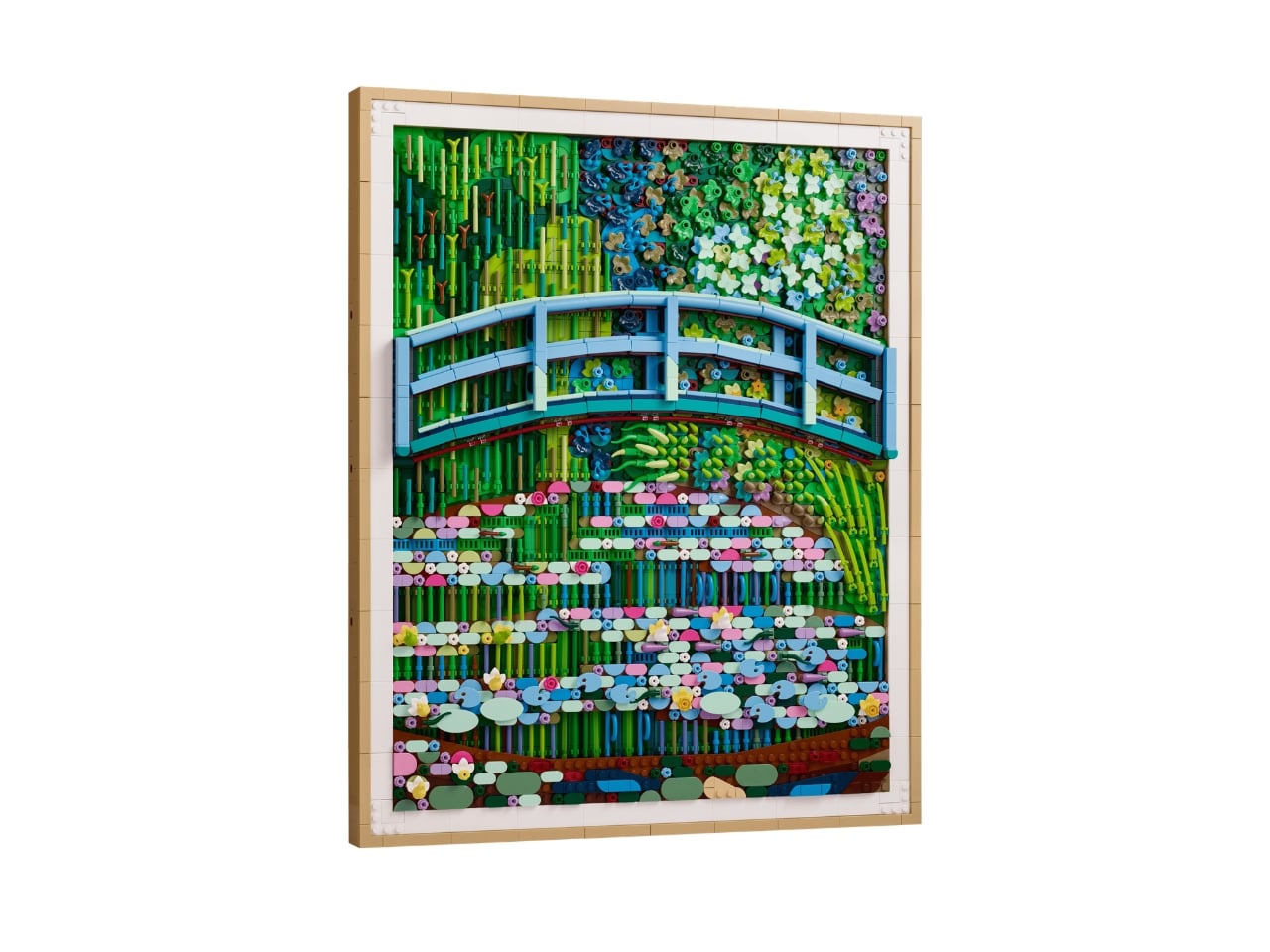
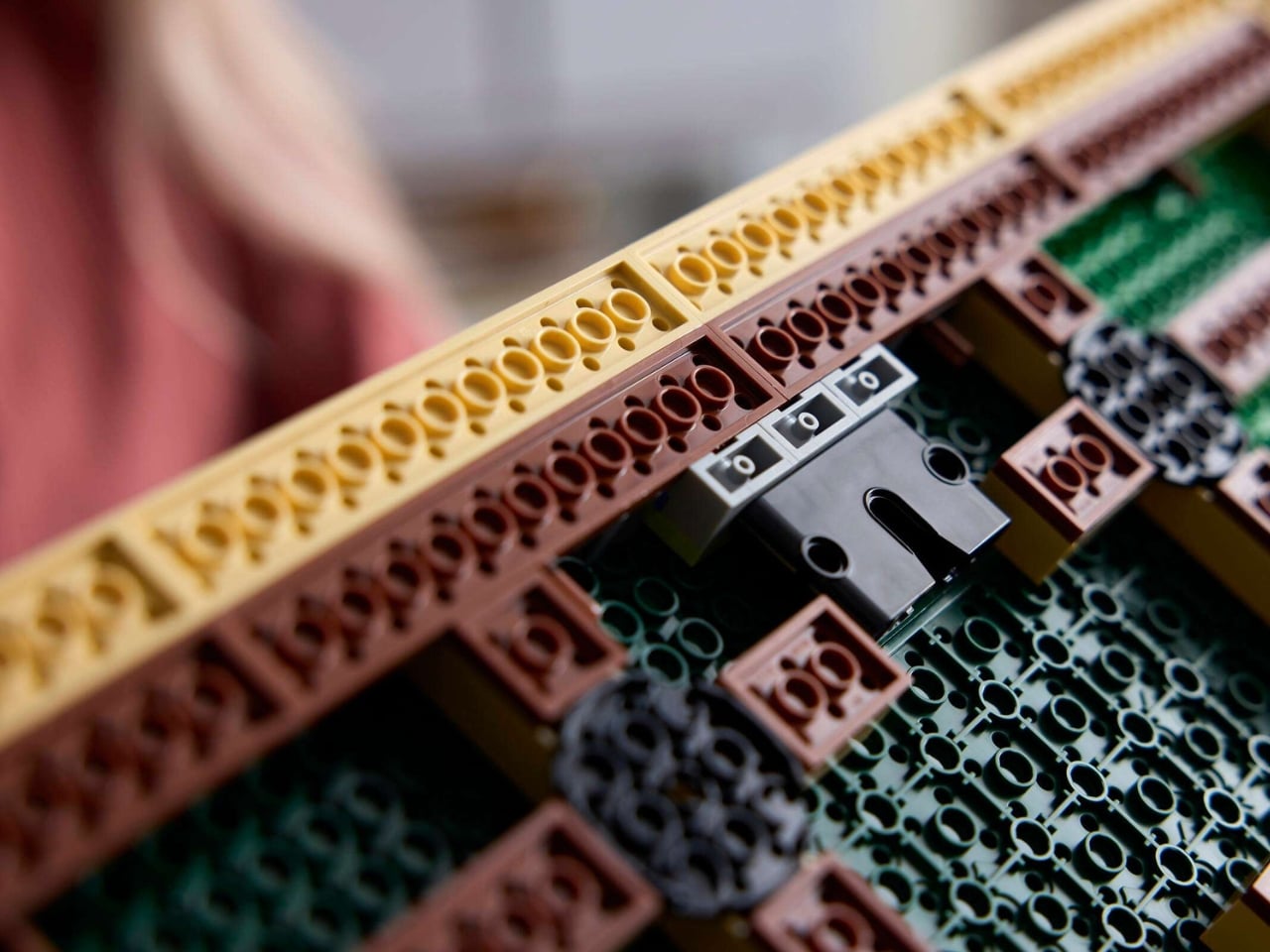
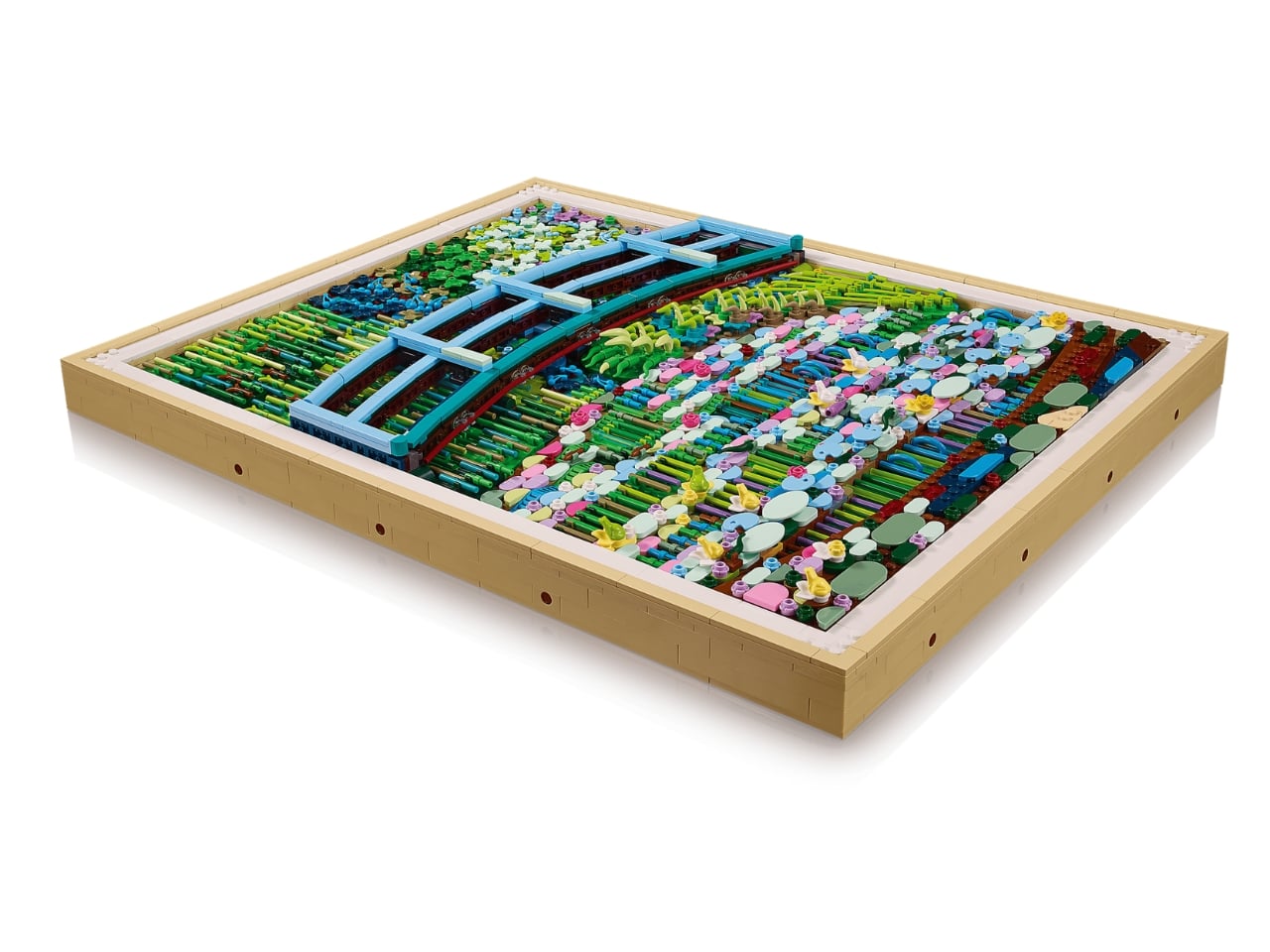
The result plays with perspective in ways that feel faithful to Monet’s intentions. LEGO designer Stijn Oom explained that the team layered tiles and plates both vertically and horizontally to mimic actual brushwork. When you look at the finished piece up close, you see individual bricks, specific colors, the mechanics of construction. Step back, and those details dissolve into water lilies floating on a pond, a Japanese bridge arching overhead, trees drooping with verdant weight.
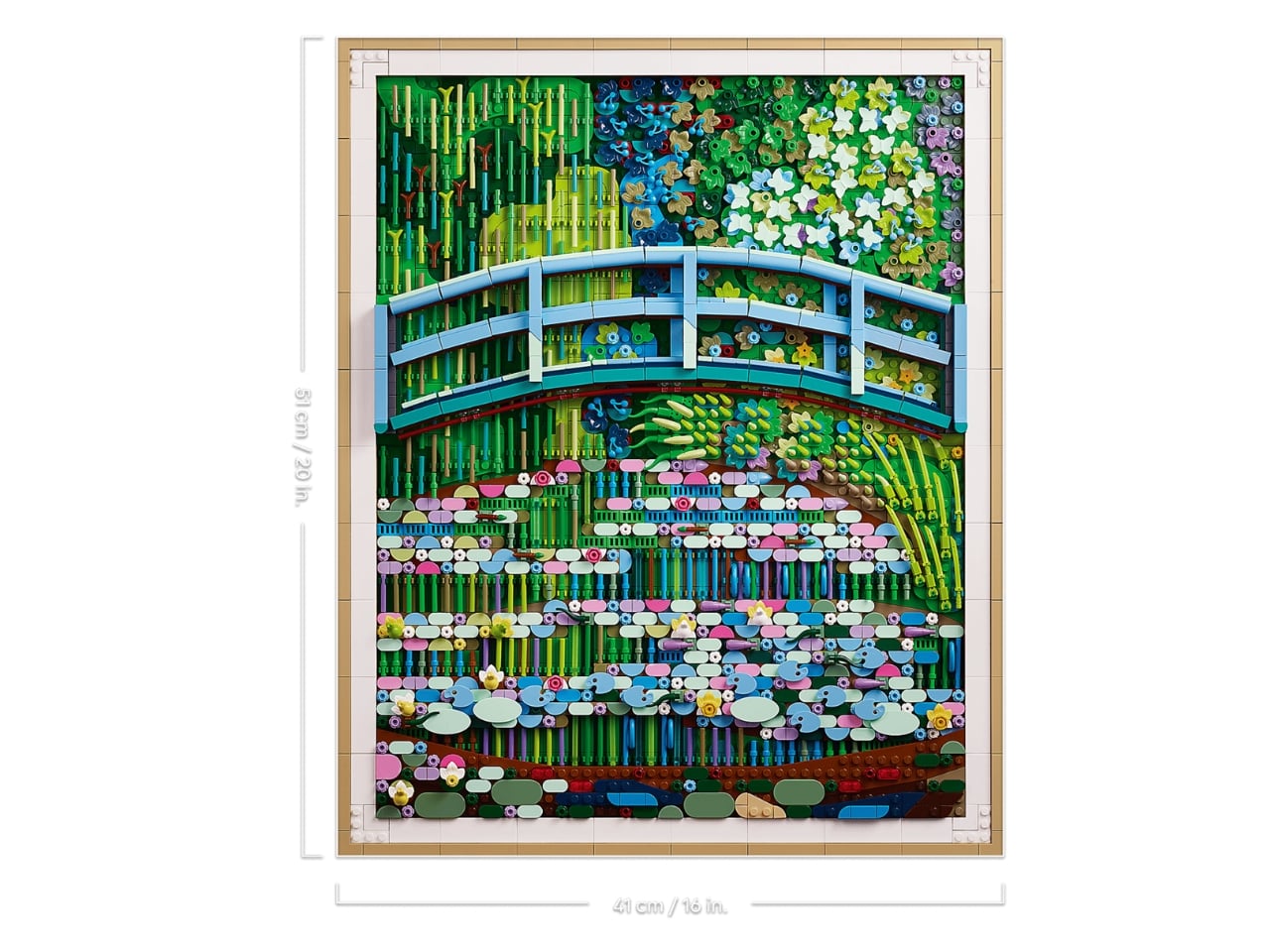
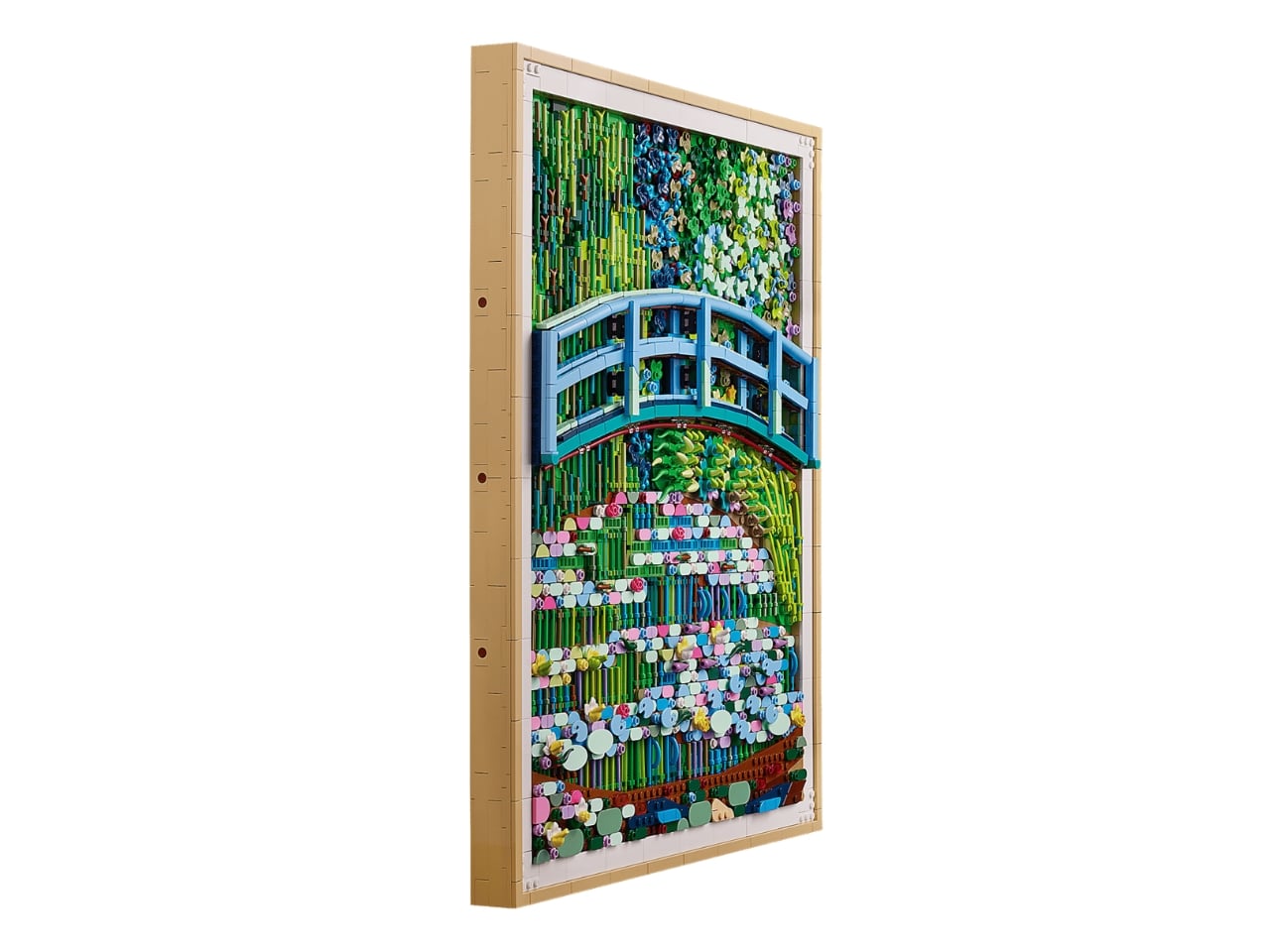
It’s the same optical shift that happens with Impressionist paintings. Monet wanted viewers to experience his garden in Giverny as atmosphere and light, not as precise botanical documentation. The LEGO version captures that same tension between detail and impression, between what’s actually there and what your brain constructs from the pieces.
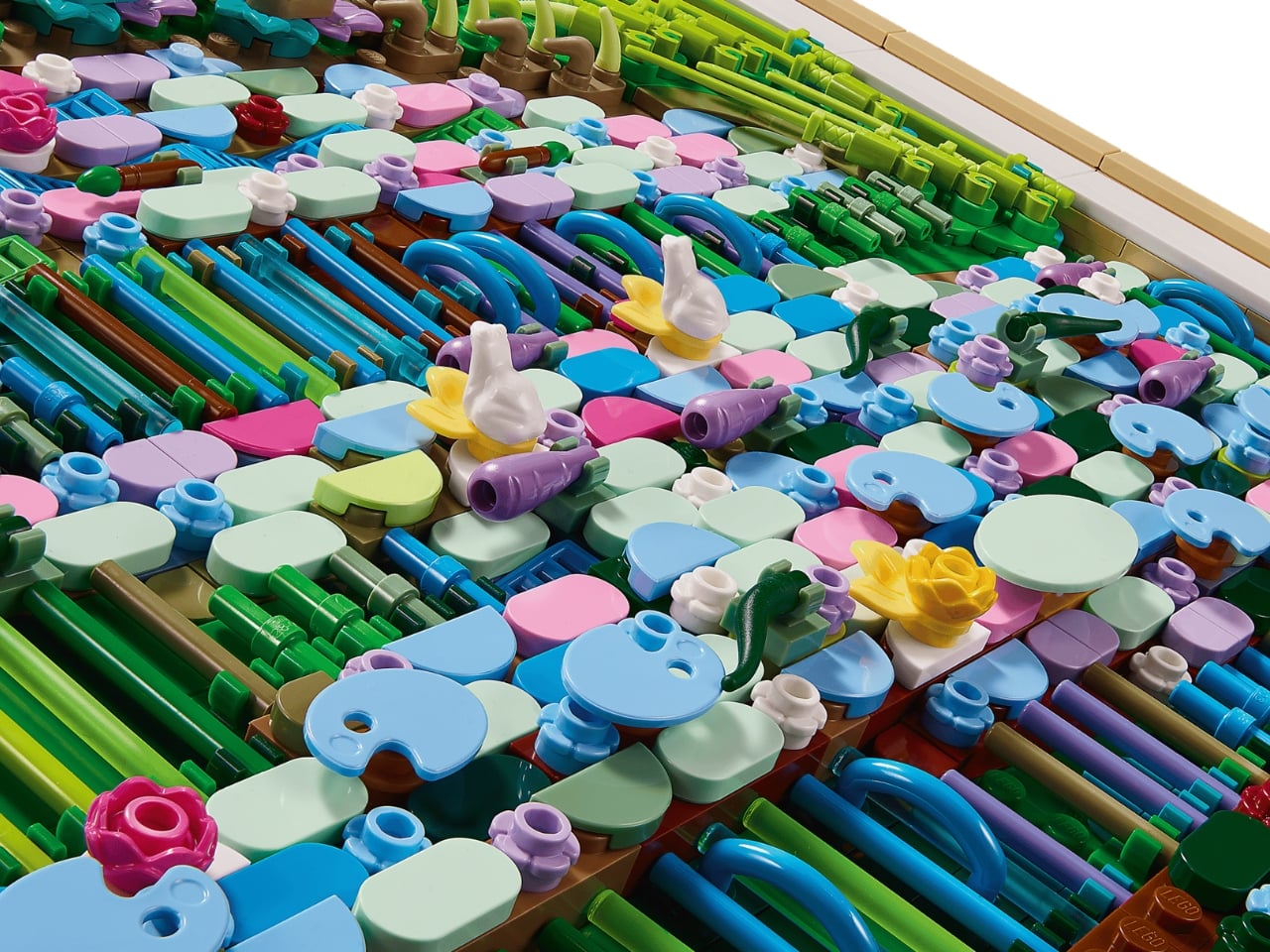
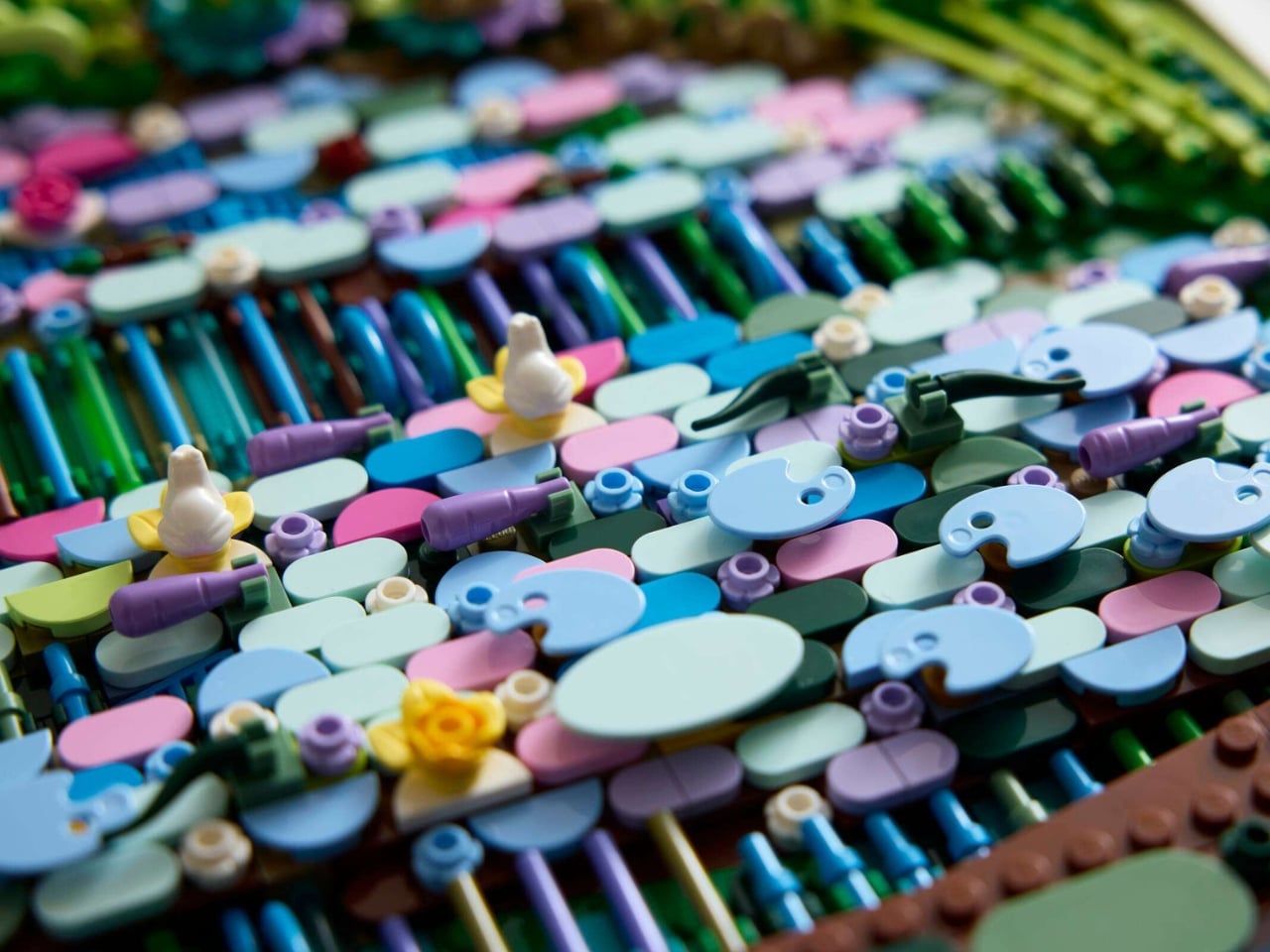
The set uses an unexpected range of elements to pull off the effect. There are butterflies scattered throughout, along with flowers and fruit pieces that add dimension. The bridge itself appears in light blue rectangular bricks, while the water incorporates different shades that shift the overall tone. A diagonal band of lighter elements cuts from top right to bottom left, recreating that streak of light that structures Monet’s original composition.
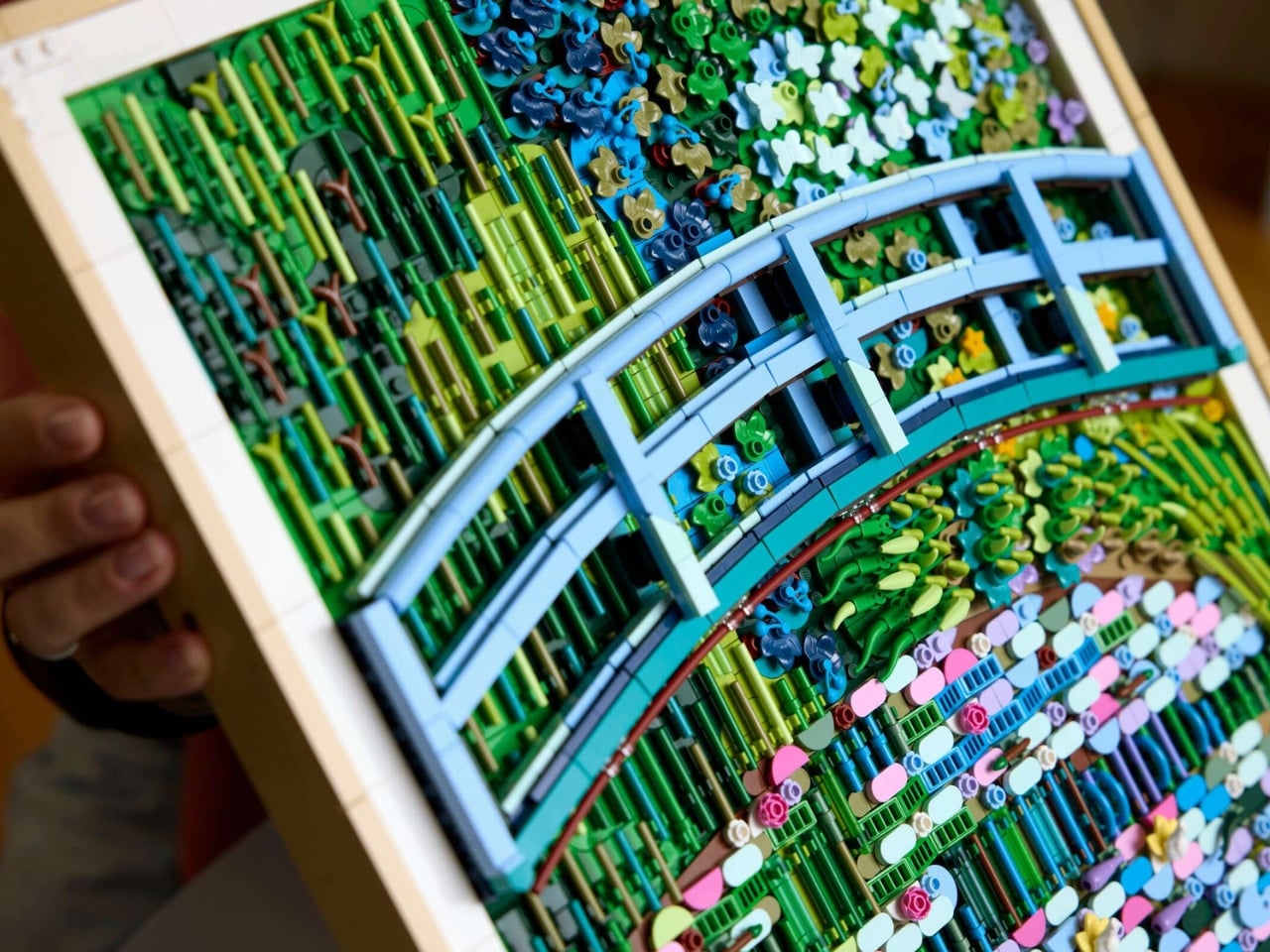
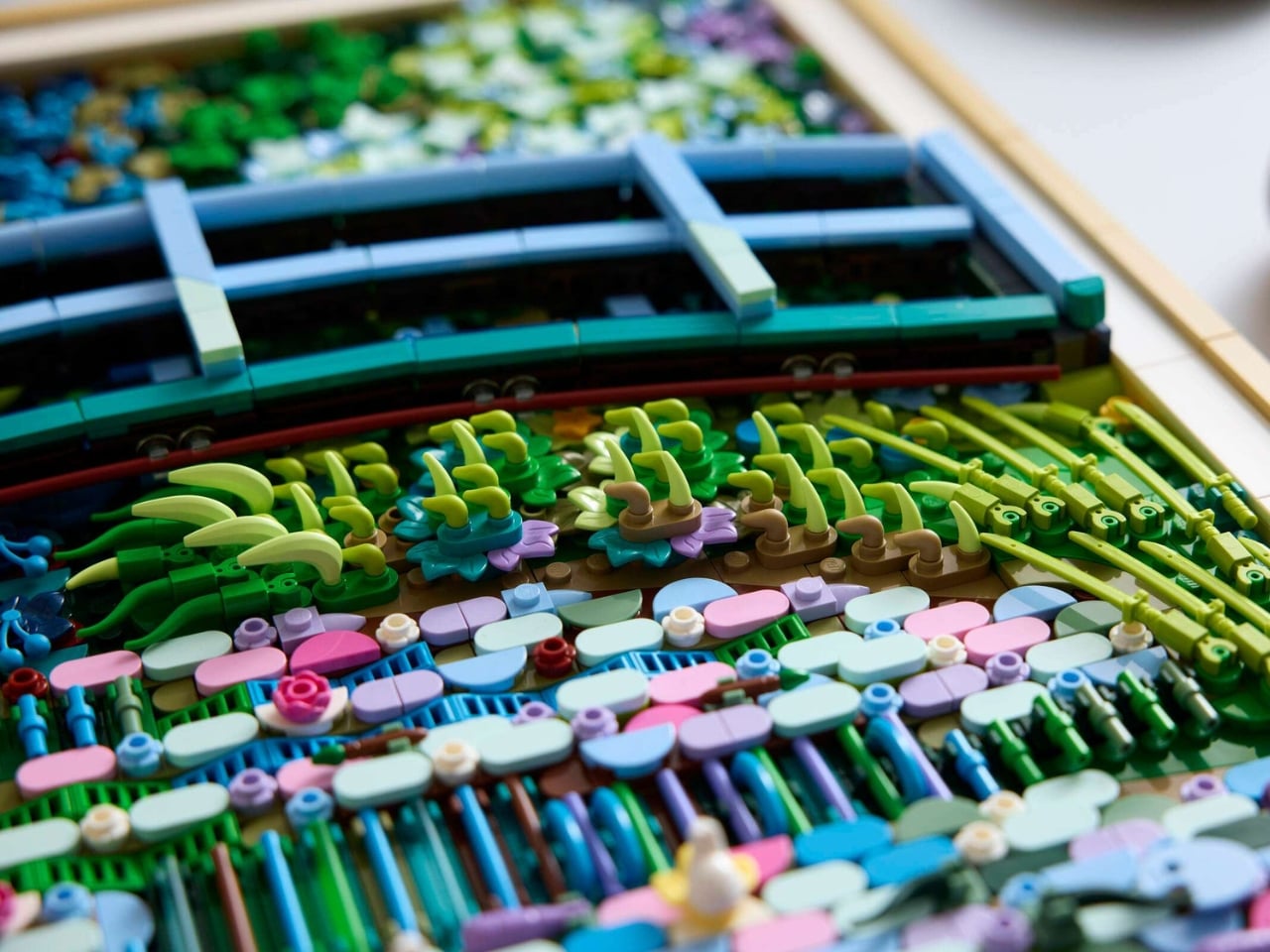
Monet painted this particular scene in 1899, during a period when he was obsessed with his water garden. He’d designed the whole thing himself, importing water lilies and building that iconic bridge inspired by Japanese prints. He’d paint the same view over and over, at different times of day, in different seasons, trying to capture how light changed everything. This painting lives at The Met now, and if you visit starting March 1st, you’ll be able to see the original canvas next to LEGO’s interpretation.
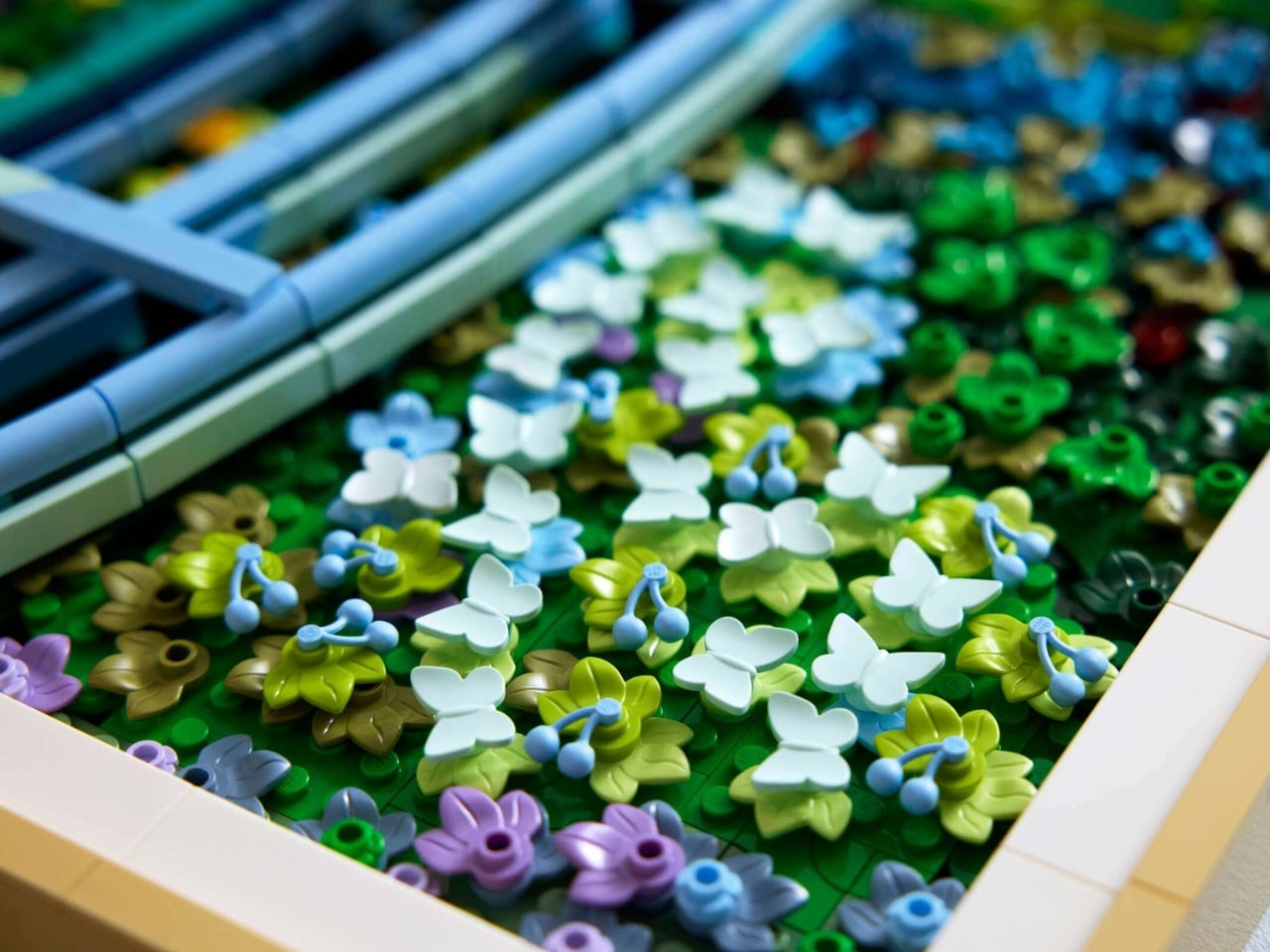
The museum is taking the collaboration further. They’re installing a larger-than-life LEGO reproduction of the painting in The Met Store, complete with a photo opportunity where you can pose behind the bridge. There’s also a podcast launching with Met curator Alison Hokanson, presumably diving into Monet’s techniques and the Impressionist movement.
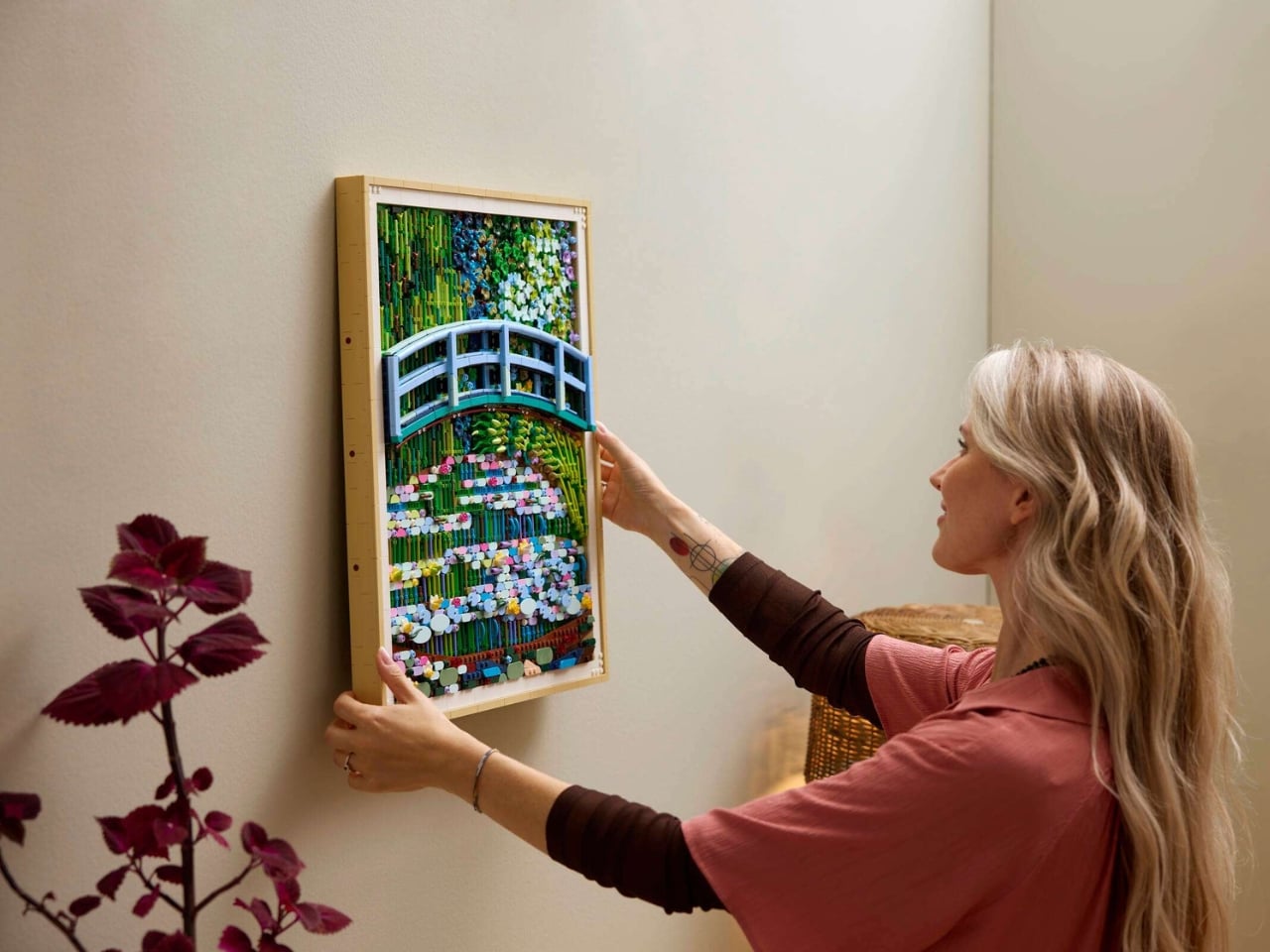
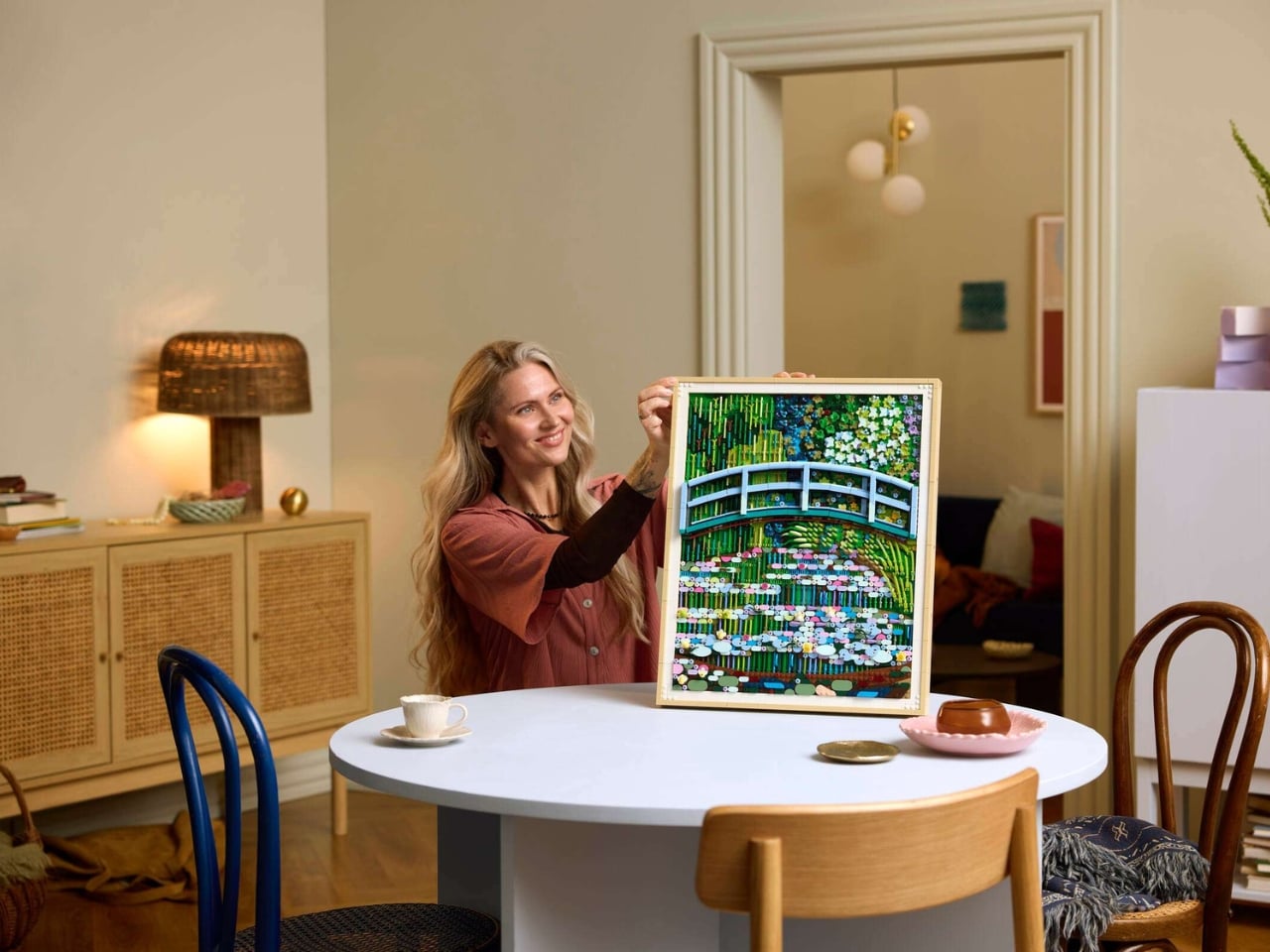
This isn’t LEGO’s first time turning famous art into buildable sets. The LEGO Art line has tackled everything from Andy Warhol’s pop art to Japanese landscape aesthetics. But translating Impressionism presents specific challenges. The whole point of that artistic movement was to capture fleeting sensory experiences, the shimmer of light on water, the blur of a garden in motion. How do you replicate that with rigid plastic pieces?
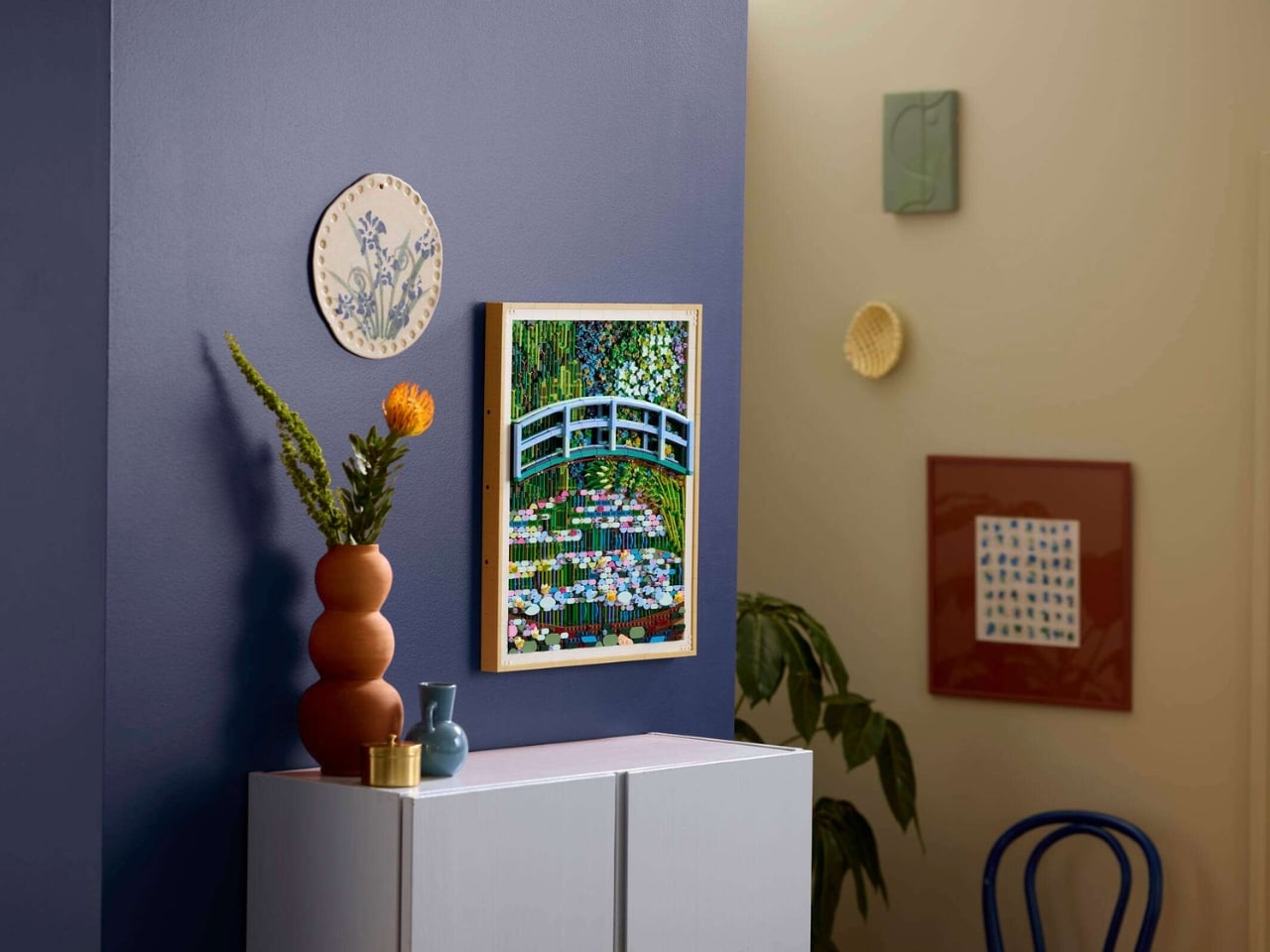
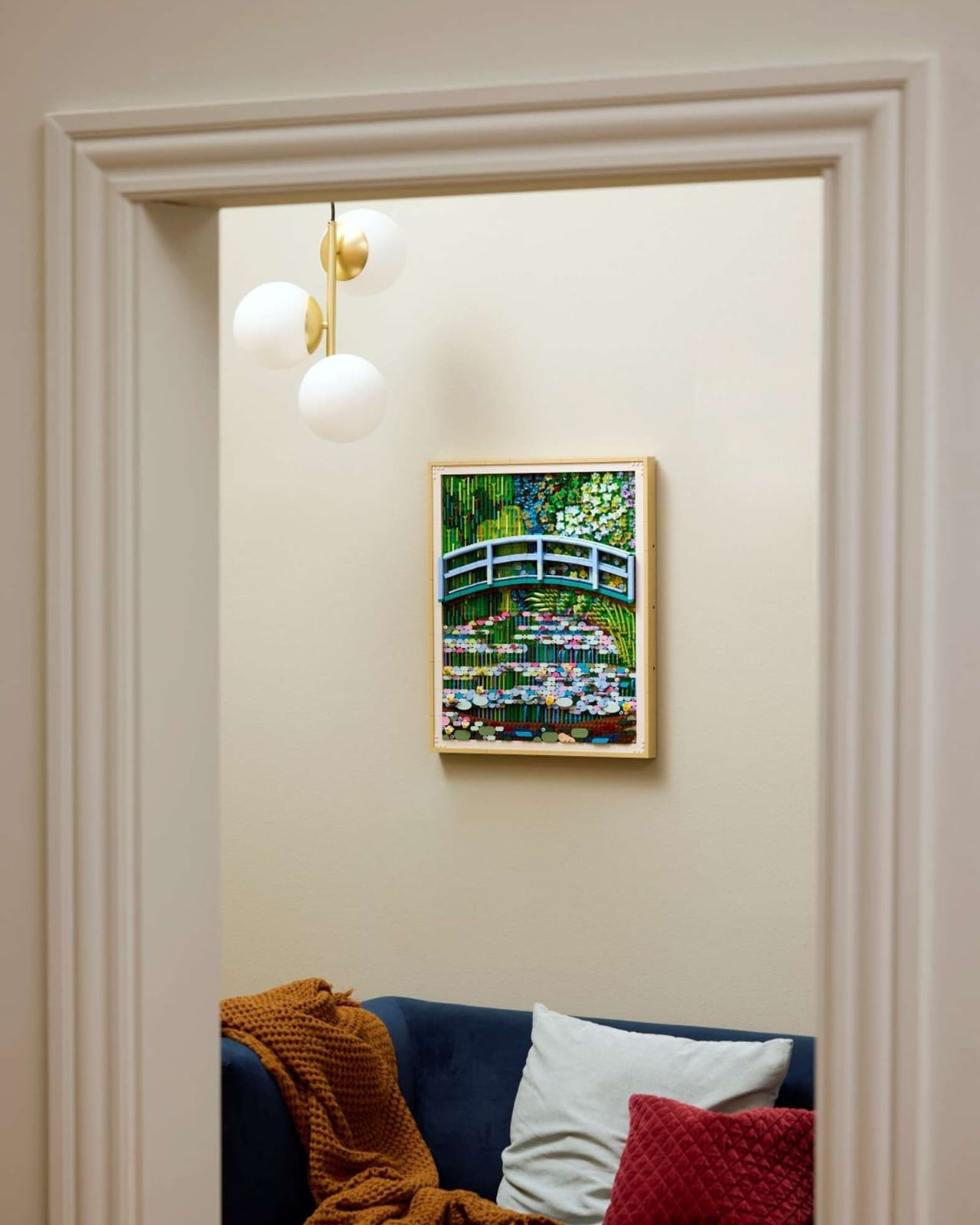
Oom and his team decided to embrace the contradiction. The Monet set doesn’t try to smooth over its brick-ness. Instead, it uses the geometry of LEGO to create texture that reads as organic from a distance. Those precise edges and defined shapes accumulate into something soft and atmospheric. It’s a translation rather than a reproduction, which feels more honest to Monet’s experimental spirit than a slavish recreation would be.
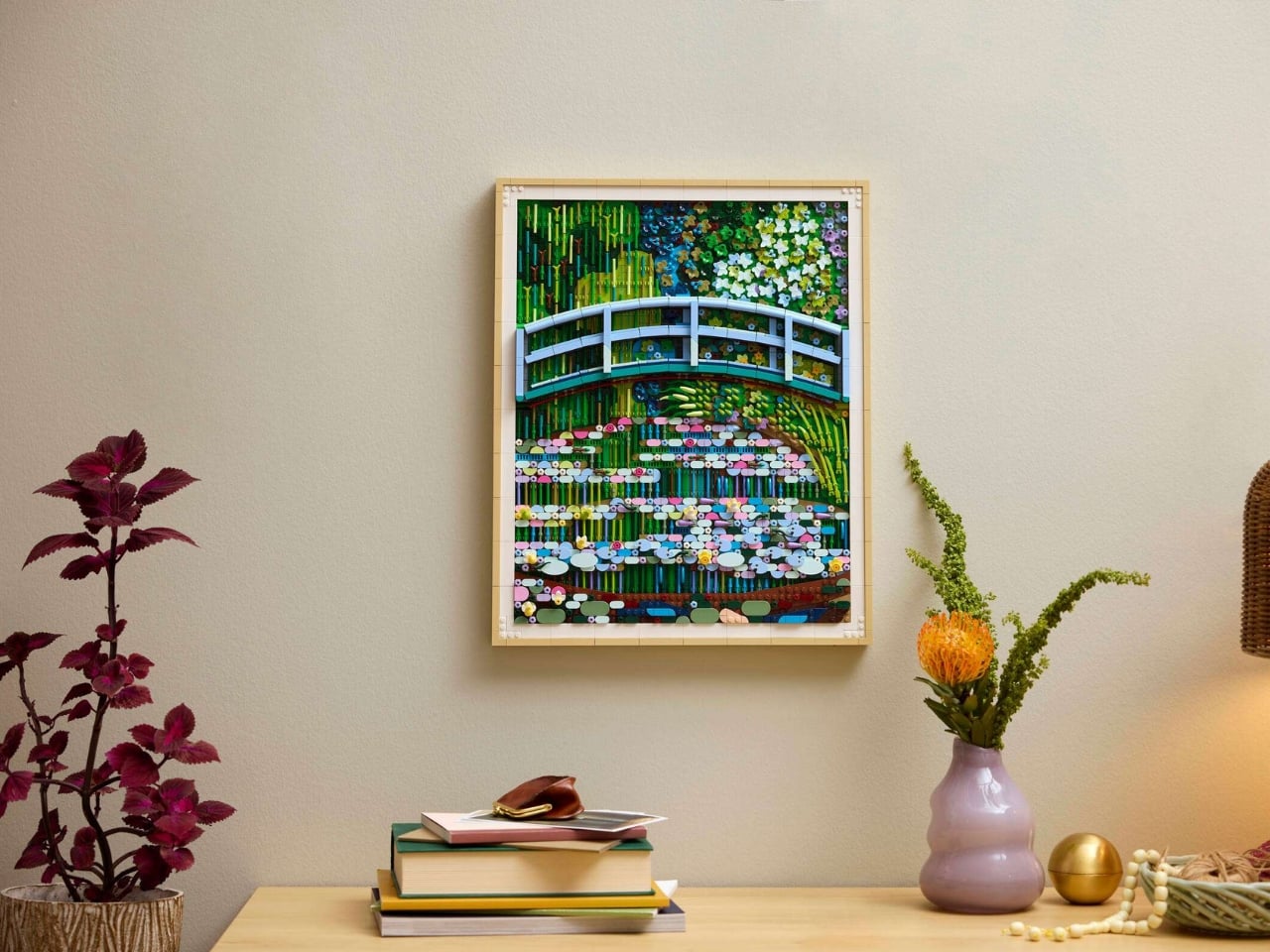
The set comes with a wall hanger so you can display it like actual art. At just over 3,000 pieces and a price point around $250, it’s aimed squarely at adult builders who want something meditative and museum-worthy for their walls. The build process itself becomes a way to slow down and pay attention to color relationships, spatial composition, the way small decisions accumulate into a complete vision.