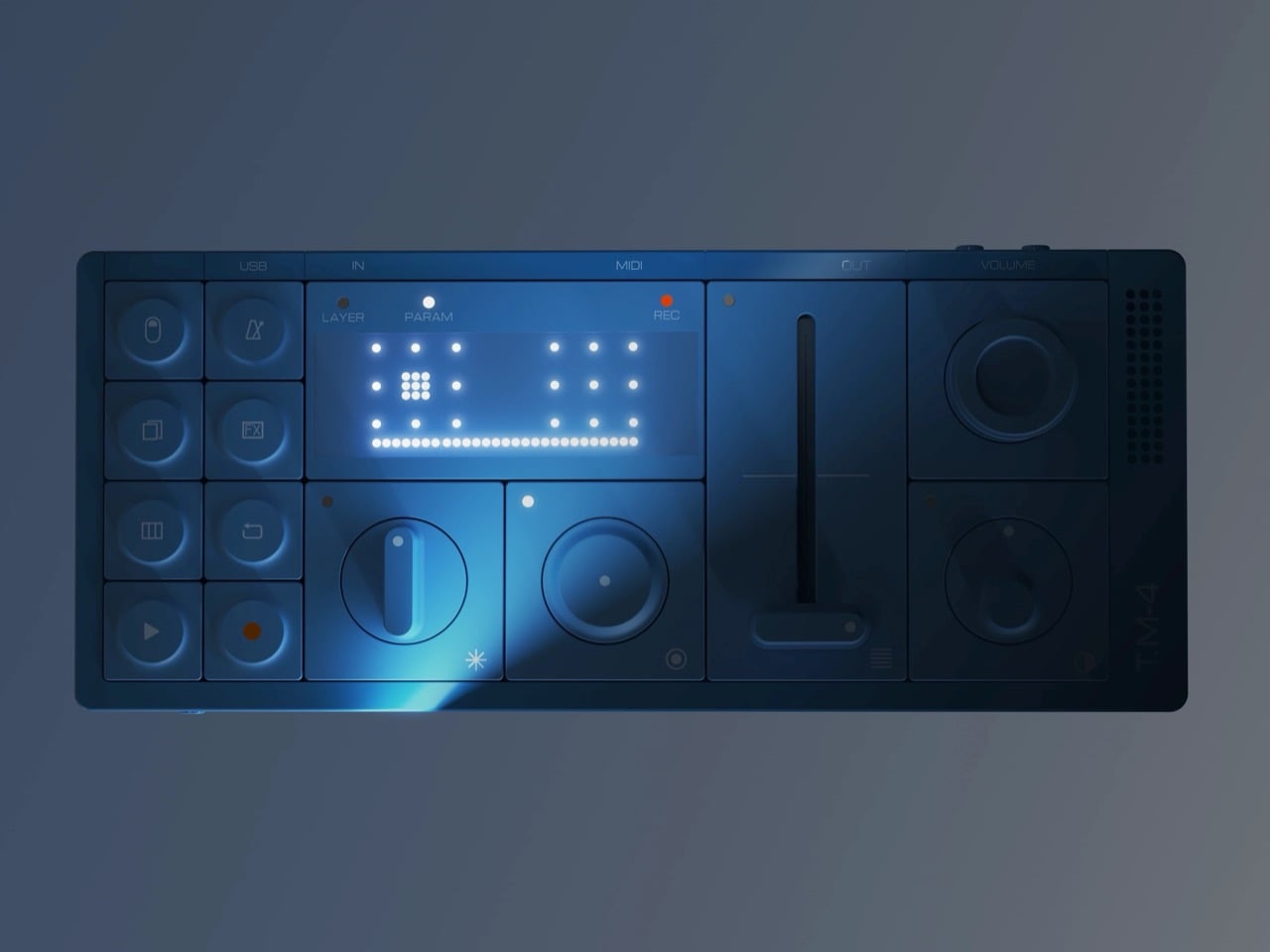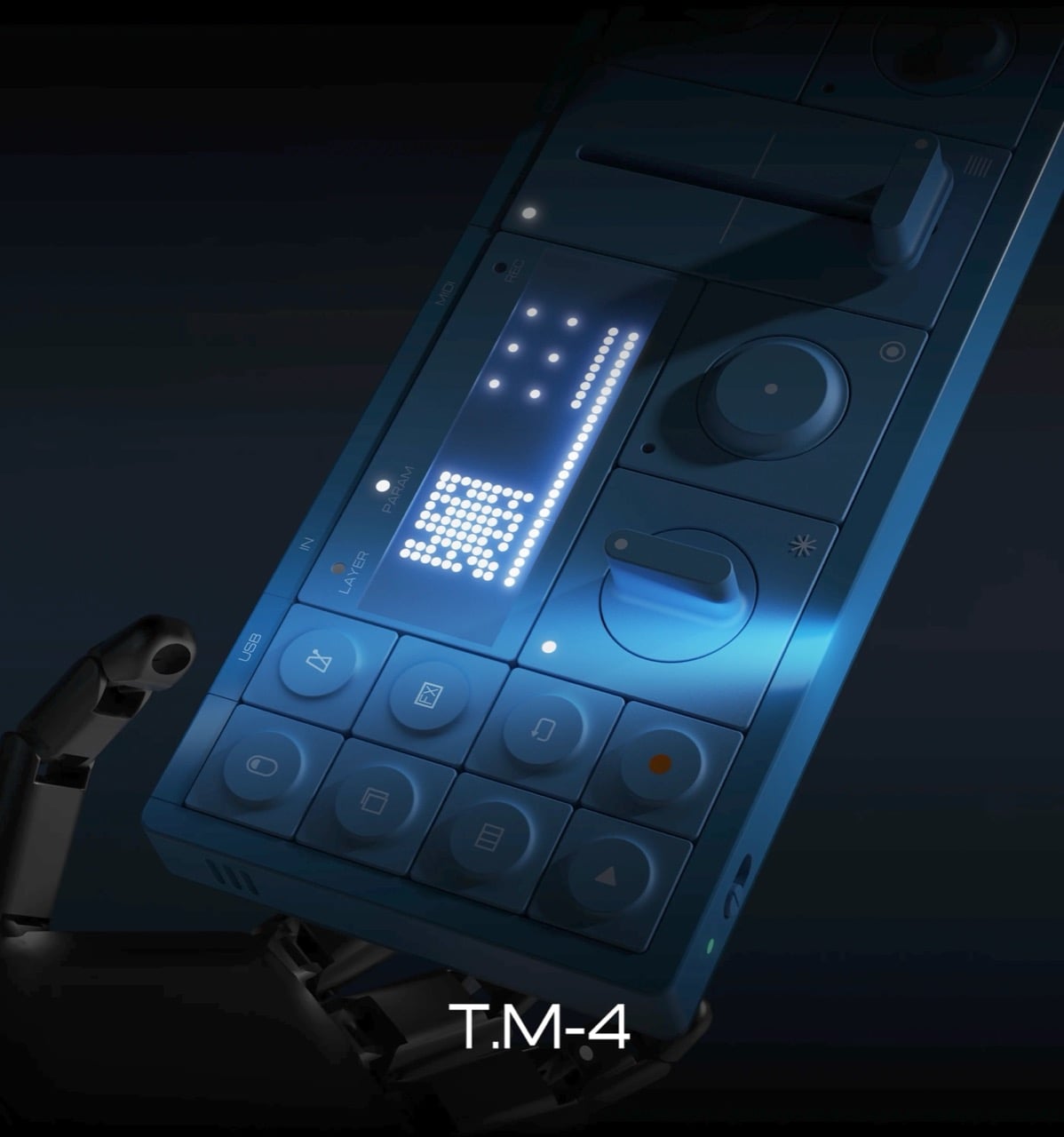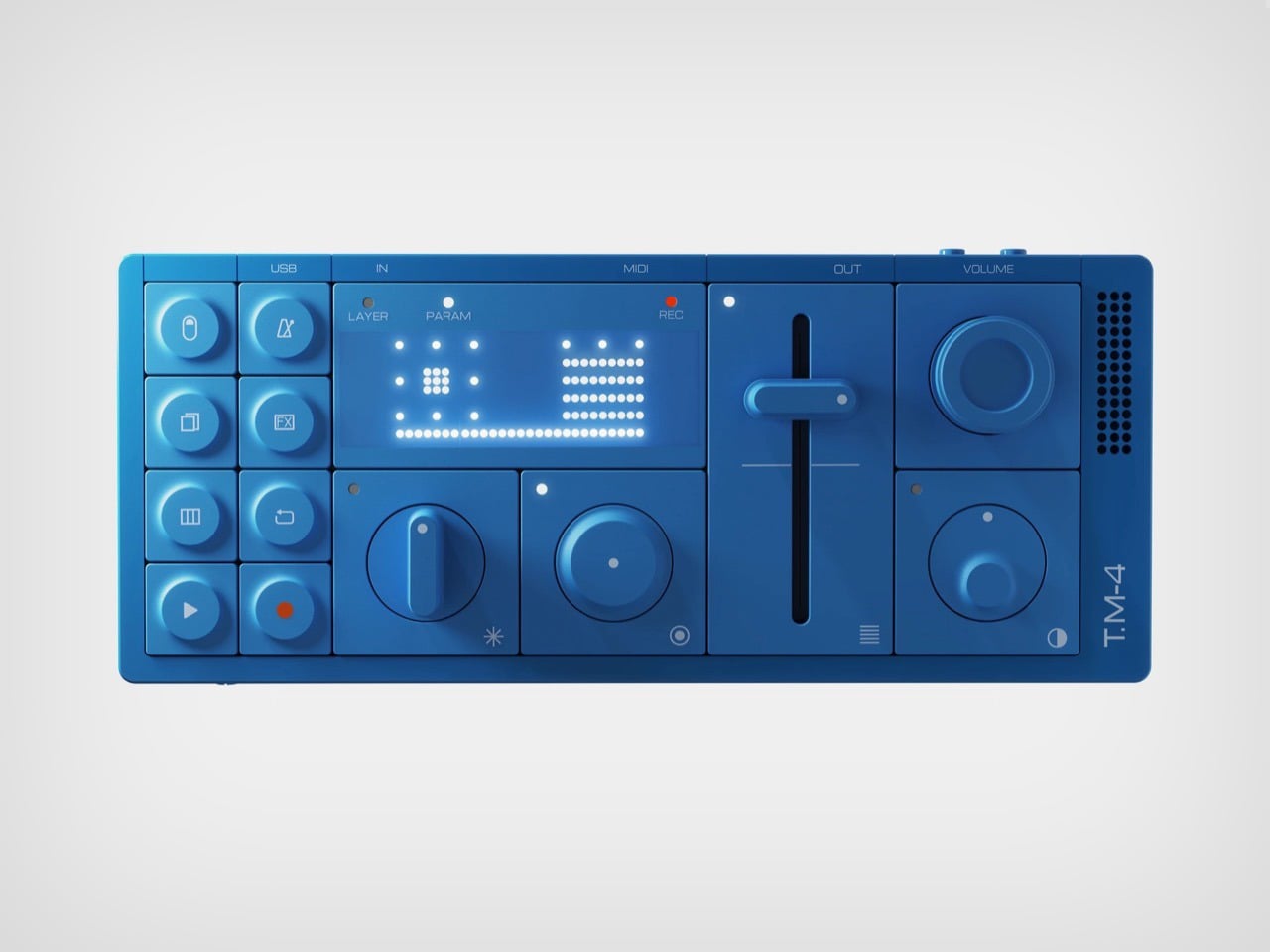
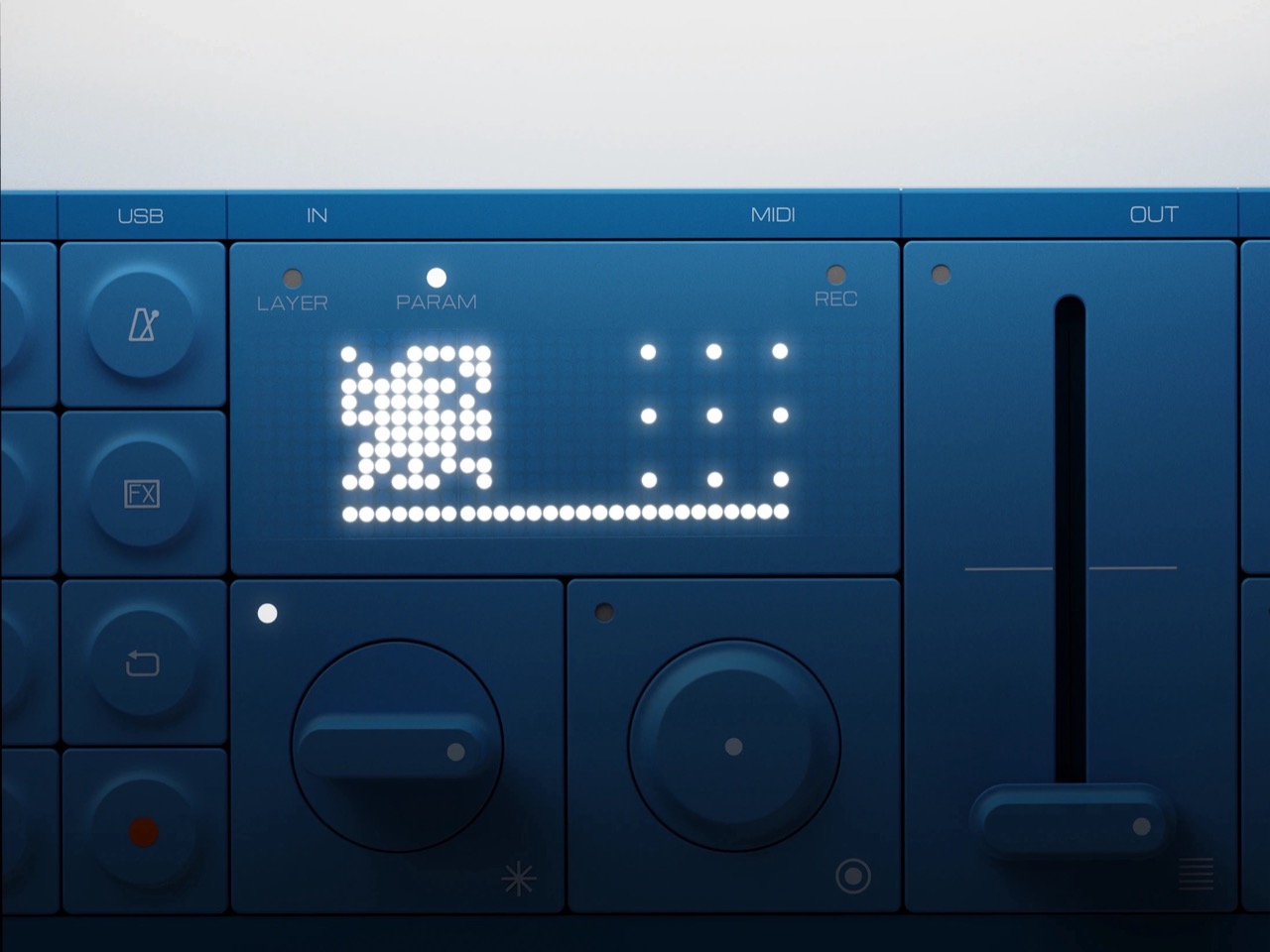
The T.M-4 looks like it escaped from Teenage Engineering’s design studio with a specific mission: teach beginners how to make music using AI without making them feel stupid, or without creating slop. Junho Park’s graduation concept borrows all the right cues from TE’s playbook, that modular control layout, the single bold color, the mix of knobs and buttons that practically beg to be touched, but redirects them toward a gap in the market. Where Teenage Engineering designs for people who already understand synthesis and sampling, the T.M-4 targets people who have ideas but no vocabulary to express them. The device handles the technical translation automatically, separating audio into layers and letting you manipulate them through physical controls. It feels like someone took the OP-1’s attitude and wired it straight into an AI stem separator.
The homage succeeds because Park absorbed what makes Teenage Engineering products special beyond their appearance. TE hardware feels different because it removes friction between intention and result, making complex technology feel approachable through thoughtful interface design and immediate tactile feedback. The T.M-4 brings that same thinking to AI music generation. You’re manipulating machine learning model parameters when you adjust texture, energy, complexity, and brightness, but the physical controls make it feel like direct manipulation of sound rather than abstract technical adjustment. An SD card system lets you swap AI personalities like you would game CDs from a gaming console – something very hardware, very tactile, very TE. Instead of drowning in model settings, you collect cards that give the AI different characters, making experimentation feel natural rather than intimidating.
Designer: Junho Park
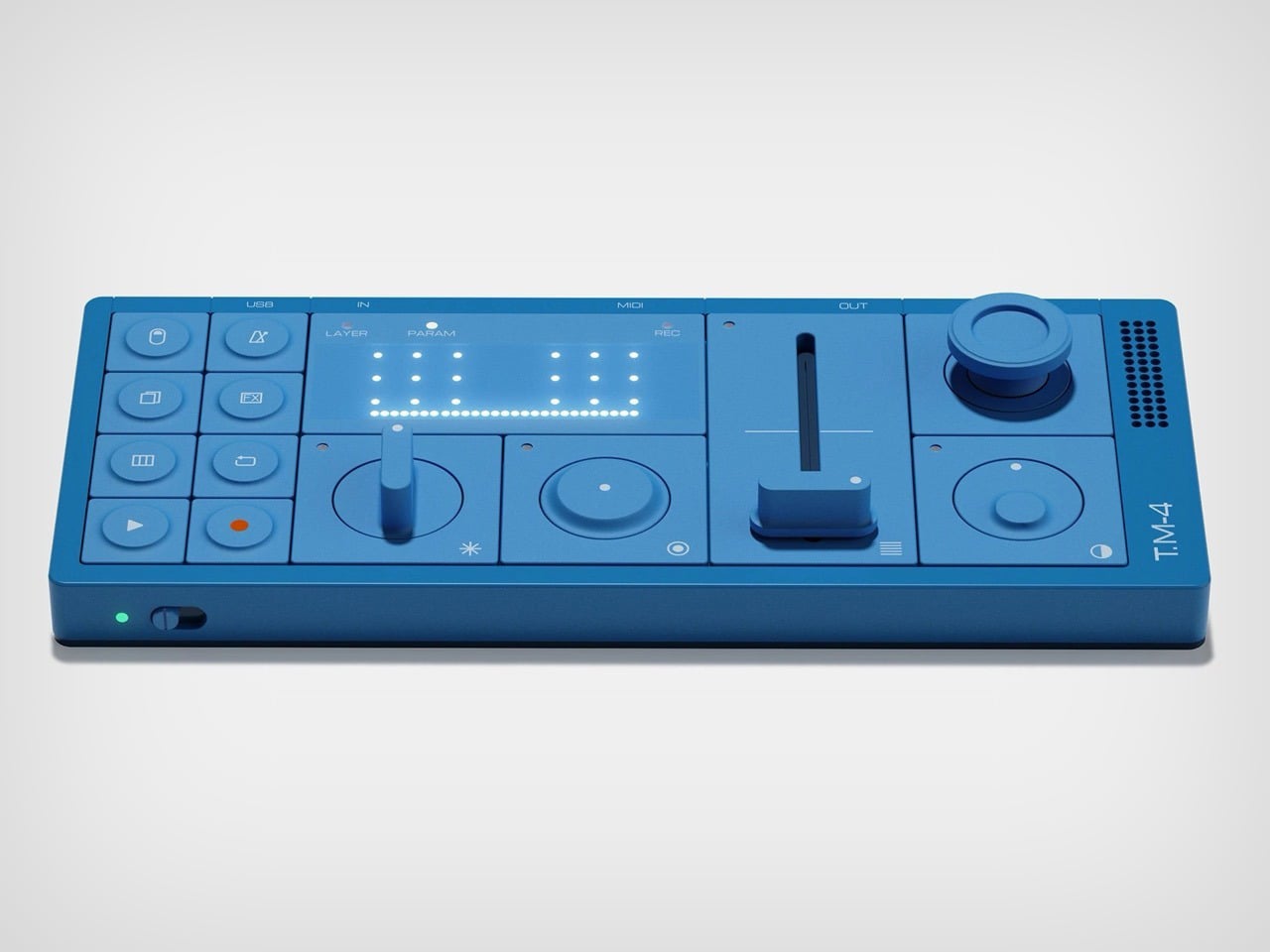
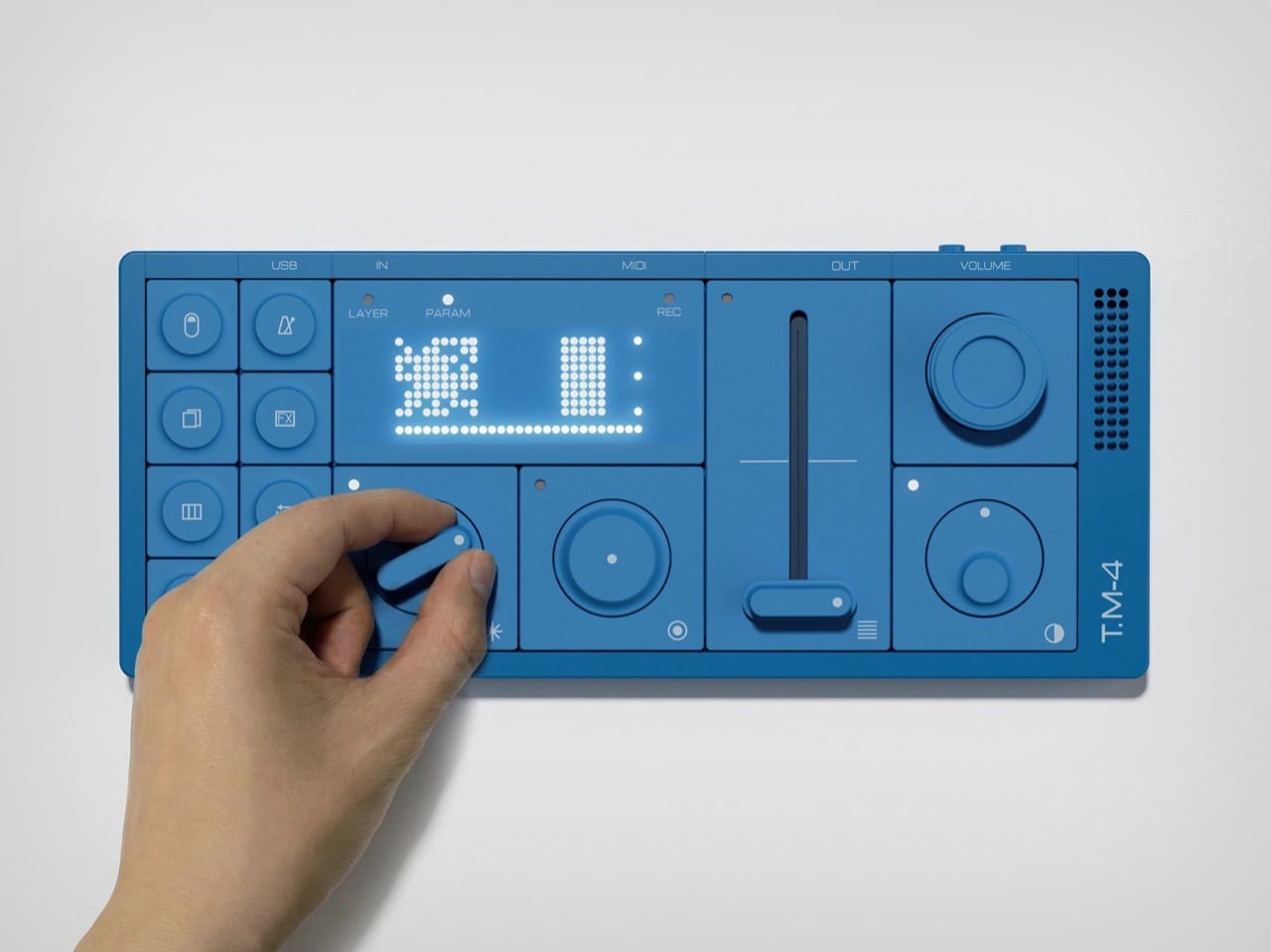
What makes this cool is how it attacks the exact point where most beginners give up. Think about the first time you tried to remix a track and realized you had no clean drums, no isolated vocals, nothing you could really move around without wrecking the whole thing. Here, you feed audio in through USB-C, a mic, AUX, or MIDI, and the system just splits it into drum, bass, melody, and FX layers for you. No plugins, no routing, no YouTube rabbit hole about spectral editing. Suddenly you are not wrestling with the file, you are deciding what you want the bass to do while the rest of the track keeps breathing.

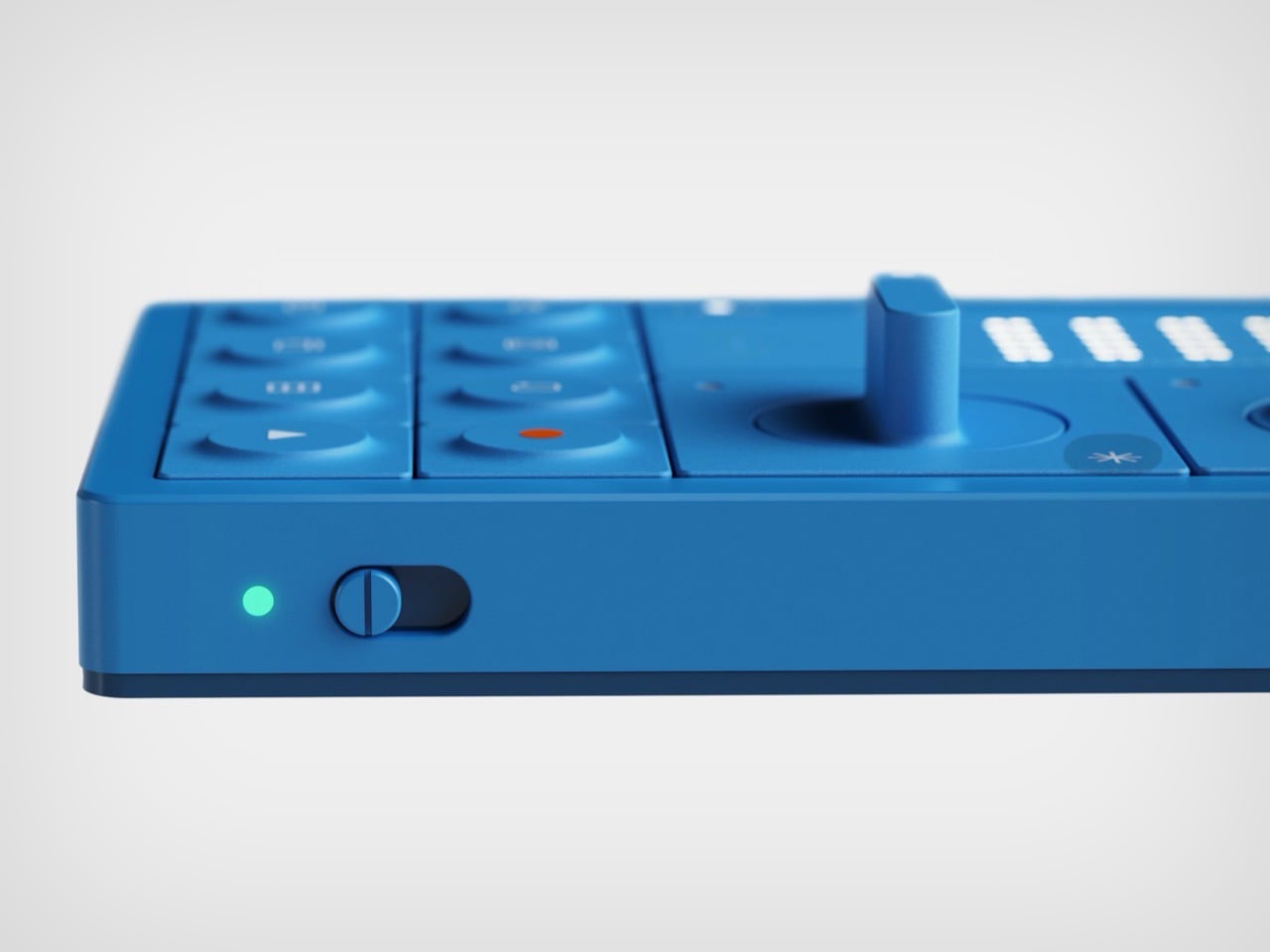
The joystick and grid display combo help simplify what would otherwise be a fairly daunting piece of gear. Instead of staring at a dense DAW timeline, you get a grid of dots that represent sections and layers, and you move through them like you are playing with a handheld console. That mental reframe matters. It turns editing into navigation, which is far less intimidating than “production.” Tie that to four core parameters, texture, energy, complexity, brightness, and you get a system that quietly teaches beginners how sound behaves without ever calling it a lesson. You hear the track get busier as you push complexity, you feel the mood shift when you drag energy down, and your brain starts building a map.
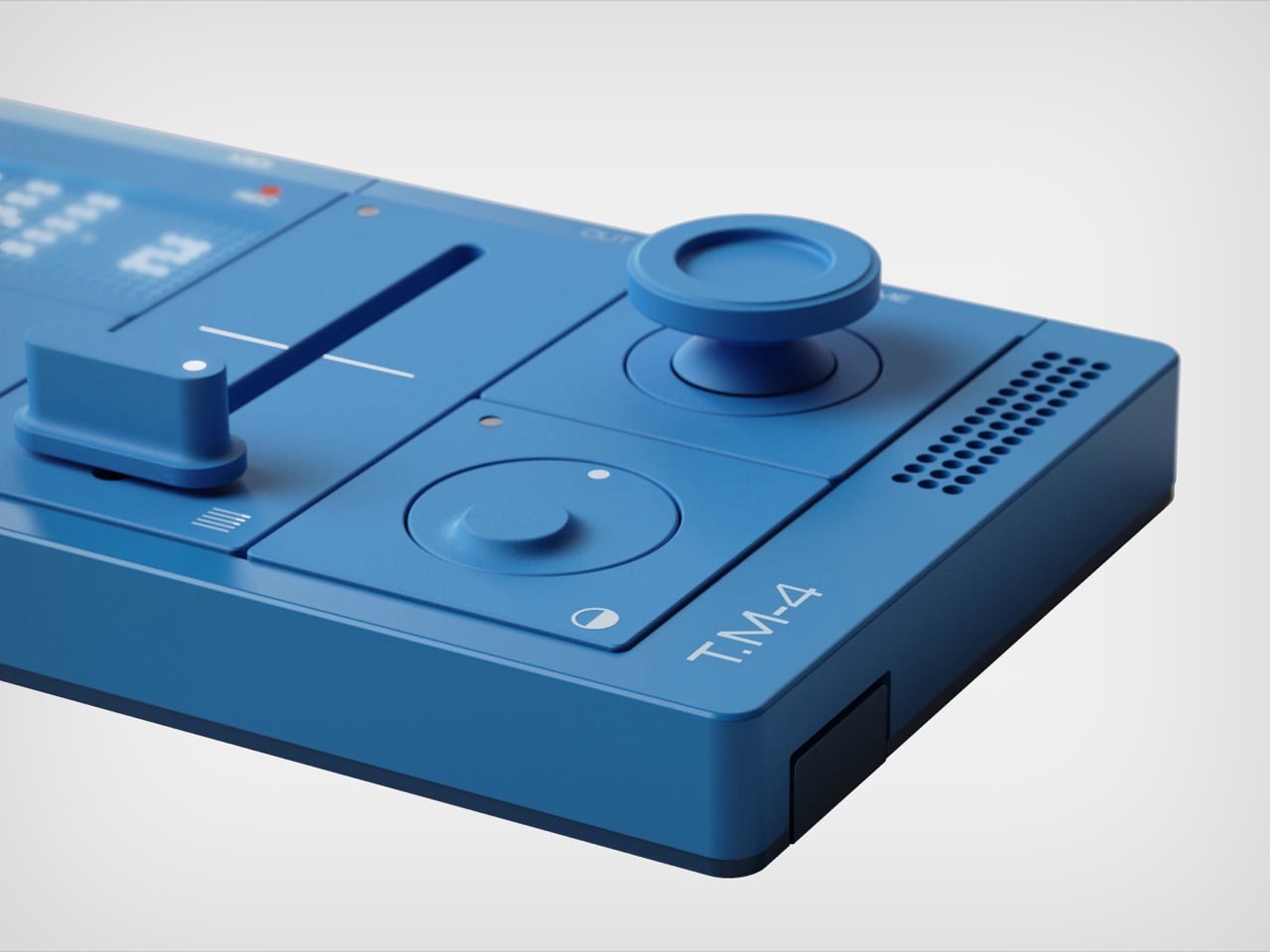
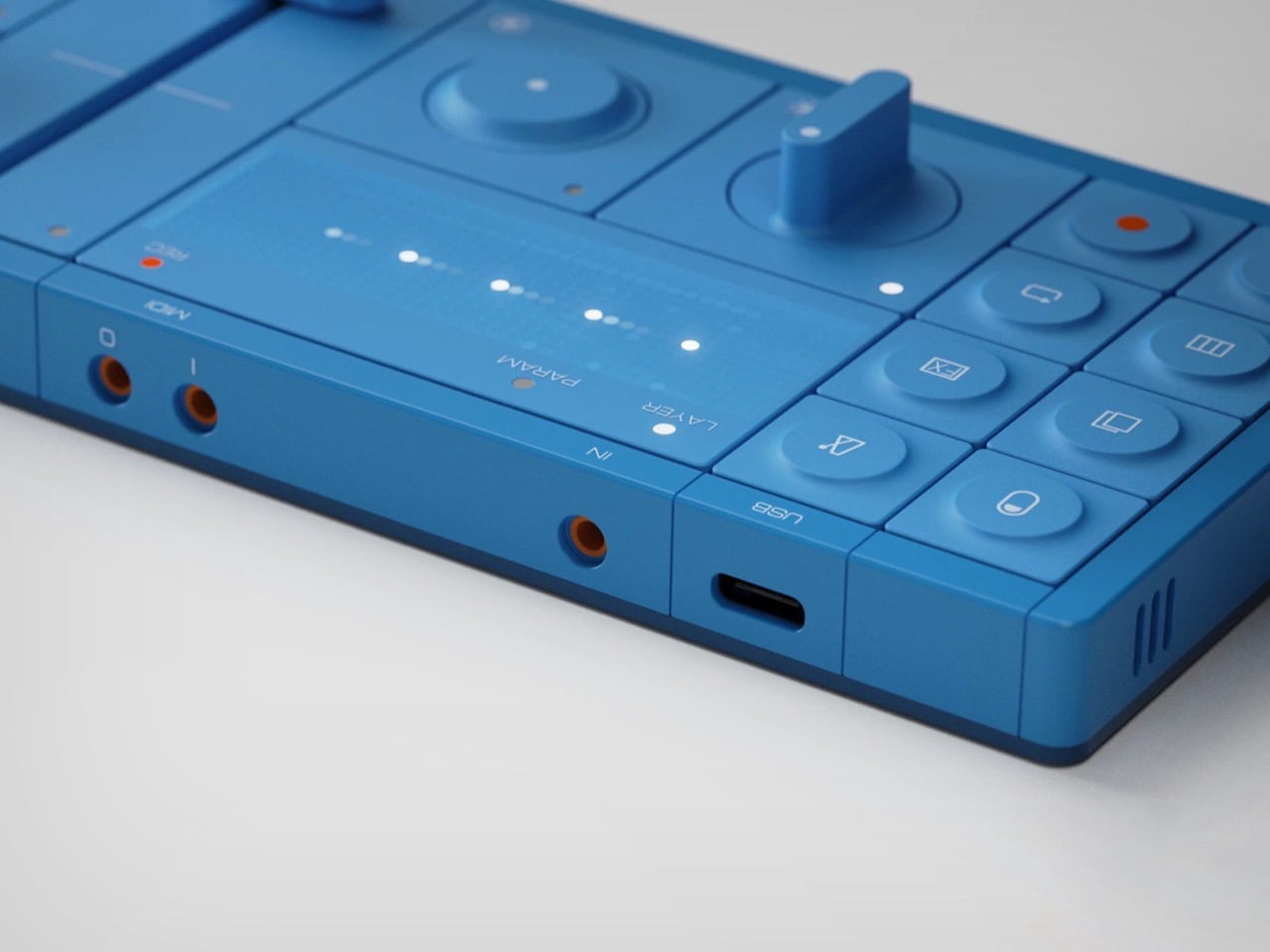
Picture it sitting next to a laptop and a cheap MIDI keyboard, acting as a hardware front end for whatever AI engine lives on the computer. You sample from your phone, your synth, a YouTube rip, whatever, then sculpt the layers on the T.M-4 before dumping them into a DAW. It becomes a sort of AI sketchpad, a place where ideas get roughed out physically before you fine tune them digitally. That hybrid workflow is where a lot of music tech is quietly drifting anyway, and this concept leans straight into it.
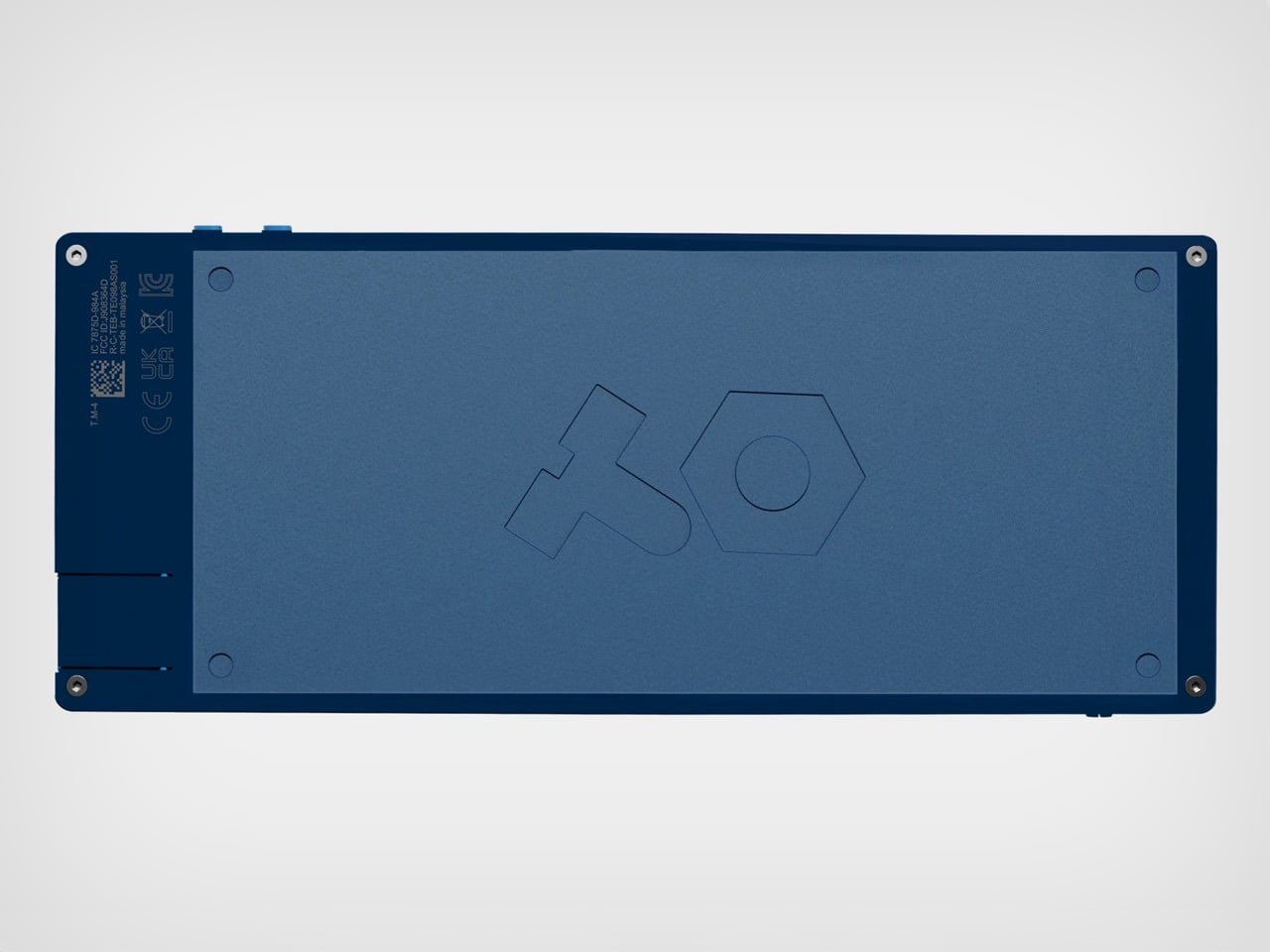
Of course, as a student project, it dodges the questions about latency, model size, and whether this thing would melt without an external GPU. But as a piece of design thinking, it lands. It treats AI as an invisible assistant, not the star of the show, and gives the spotlight back to the interface and the person poking at it. If someone like Teenage Engineering, or honestly any brave mid-tier hardware company, picked up this idea and pushed it into production, you would suddenly have a very different kind of beginner tool on the market. Less “click here to generate a track,” more “here, touch this, hear what happens, keep going.”