Representational Image
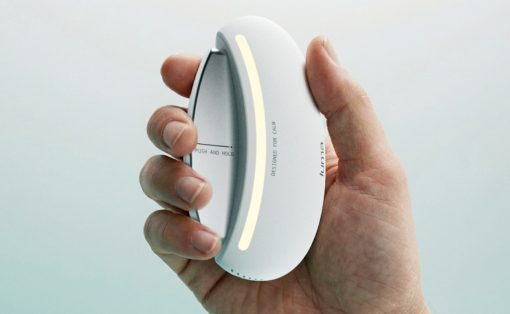
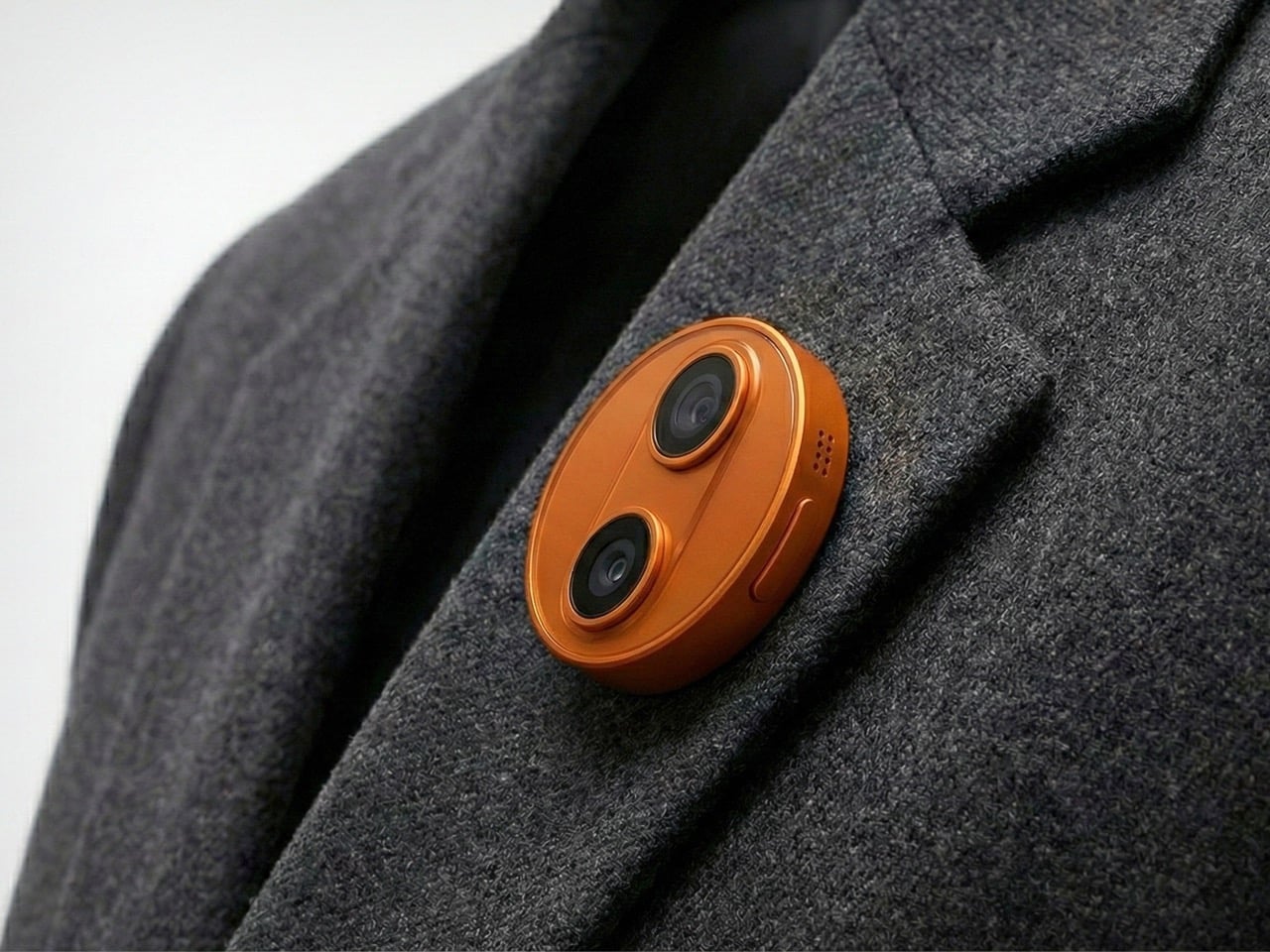
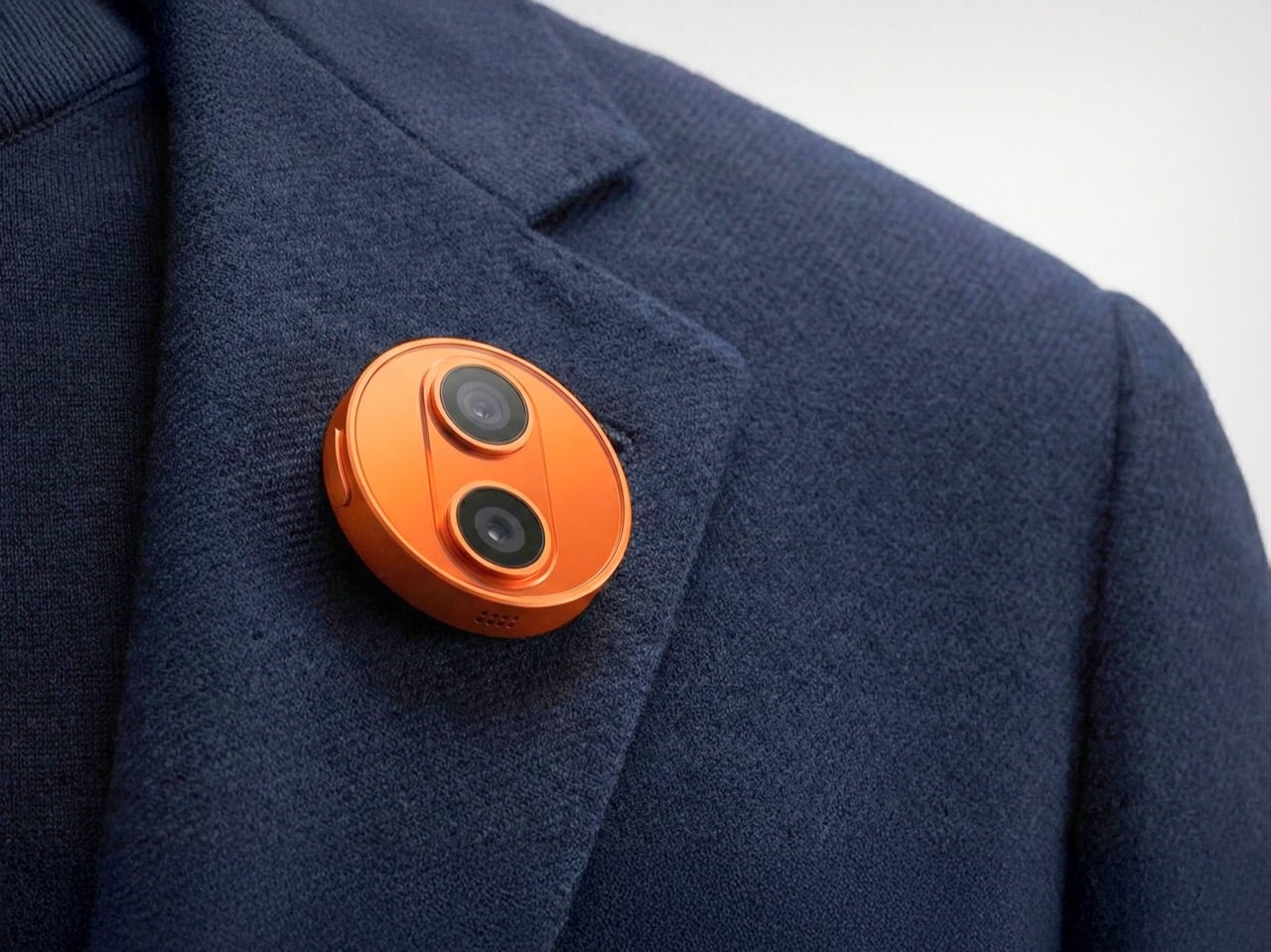
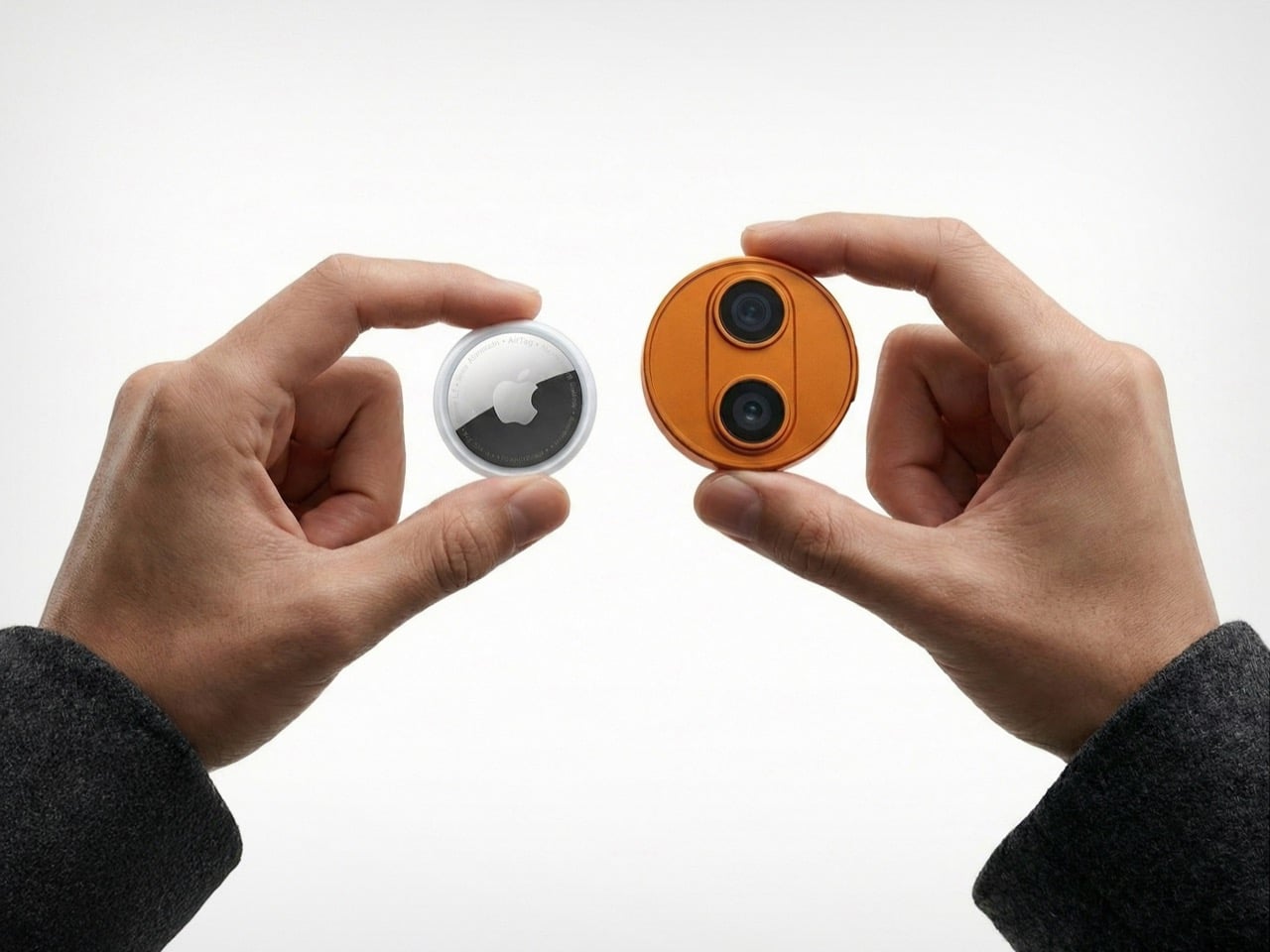
Apple’s wearable future might not be strapped to your wrist at all. According to new reports, the company is developing an AI-powered pin about the size of an AirTag, complete with dual cameras, microphones, and a speaker. The device would clip onto clothing or bags, marking a deliberate shift away from the smartwatch form factor that has dominated wearable tech for the past decade.
If the rumors prove accurate, this circular aluminum-and-glass device could launch as early as 2027, running Apple’s upcoming Siri chatbot and leveraging Google’s Gemini AI models. The company appears to be betting that consumers want ambient AI assistance without constantly pulling out their phones or glancing at their watches. Whether this gamble pays off remains to be seen, especially given the struggles of similar devices like Humane’s now-defunct AI Pin.
Designer: Apple
Representational Image
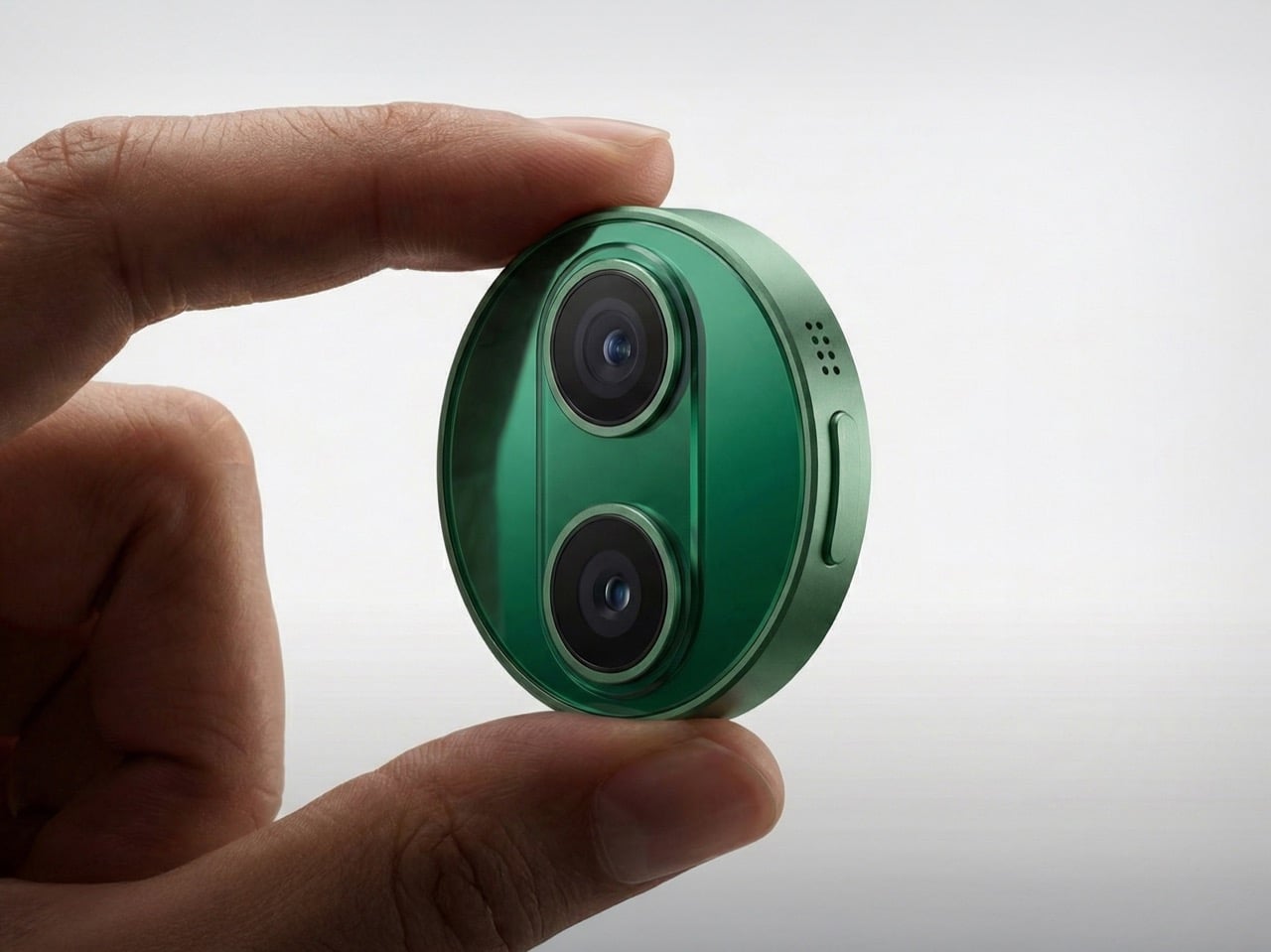
The hardware specs sound modest on paper but reveal something about Apple’s thinking. Two cameras sit on the front: one standard lens, one wide-angle. Three microphones line the edge for spatial audio pickup. A speaker handles output. Physical button for tactile control. Magnetic inductive charging on the back, identical to the Apple Watch system. The whole thing supposedly stays thinner than you’d expect from something packing this much capability. What strikes me most is the screenless design, which tells you Apple learned something from watching Humane crash and burn trying to replace phones with projectors and awkward gesture controls.
Representational Image
Because here’s the thing about AI wearables so far: they’ve all suffered from identity crisis. The Humane AI Pin wanted to be your phone replacement but couldn’t handle basic tasks without overheating or dying within hours. Motorola showed off something similar at CES 2026, and demonstrated a level of agentic control that was still in its beta stages but was impressive nevertheless. Apple seems to be taking notes from both the failure of the former as well as the potential success of the latter. A screenless pin that relies entirely on voice, environmental awareness, and audio feedback has clear limitations, which paradoxically might be its greatest strength.
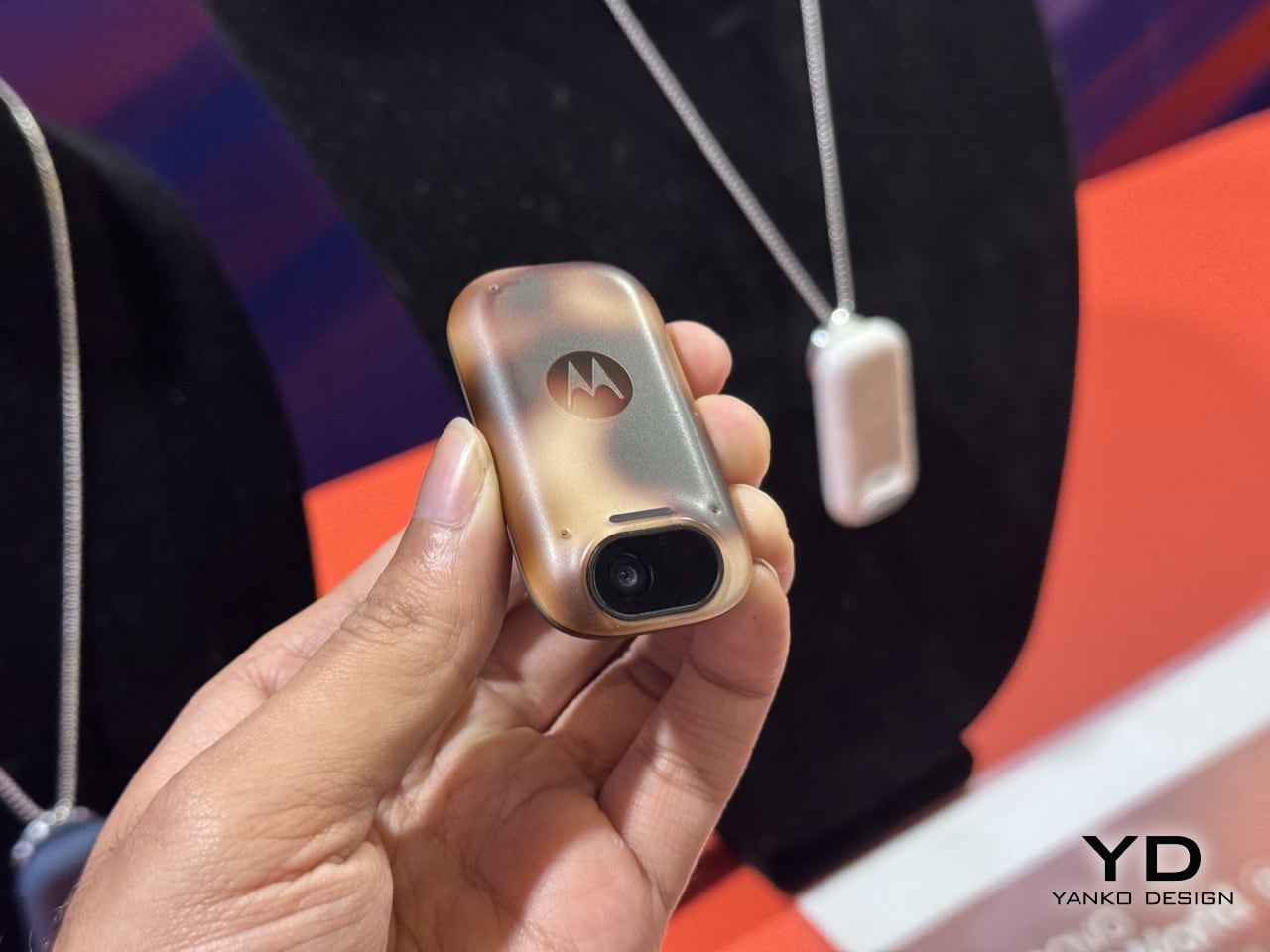
Motorola’s AI Pendant at CES 2026
The timing lines up with Apple’s Siri overhaul coming in iOS 27. They’re rebuilding the assistant from scratch as a proper conversational AI, and they’ve partnered with Google to tap into Gemini models for the heavy lifting. Smart move, actually. Apple’s in-house AI efforts have been mediocre at best, and licensing Google’s tech lets them skip years of expensive catch-up work. This pin becomes the physical embodiment of that strategy: a purpose-built device for ambient AI that doesn’t pretend to be anything else. You clip it on, it listens and watches, you talk to it, it responds. Simple interaction model.
But I keep circling back to the same question: who actually wants this? Your iPhone already has cameras, microphones, and Siri access. Your Apple Watch gives you wrist-based notifications and quick voice commands. AirPods put computational audio directly in your ears. Apple’s ecosystem already covers every conceivable wearable surface area. Adding a clip-on camera pin feels like solving a problem nobody has, or worse, creating a new product category just because the technology allows it. The 38.5-gram weight of competing devices like Rokid’s AI glasses shows manufacturers obsess over comfort, but comfort alone doesn’t justify purchase.
Representational Image
The 2027 timeline is far enough out that Apple can quietly kill this project without anyone noticing, exactly like they did with the Apple Car. They’ve got a pattern of floating ambitious ideas internally, letting engineers explore possibilities, then axing things that don’t meet their standards or market conditions. Sometimes that discipline saves them from embarrassing product launches. Sometimes it means we never get to see genuinely interesting experiments. This AI pin could go either way, and frankly, Apple probably hasn’t decided yet either. They’re watching how the market responds to early AI wearables, gauging whether spatial computing takes off with Vision Pro, and waiting to see if their Siri rebuild with Google’s Gemini actually works before committing manufacturing resources.