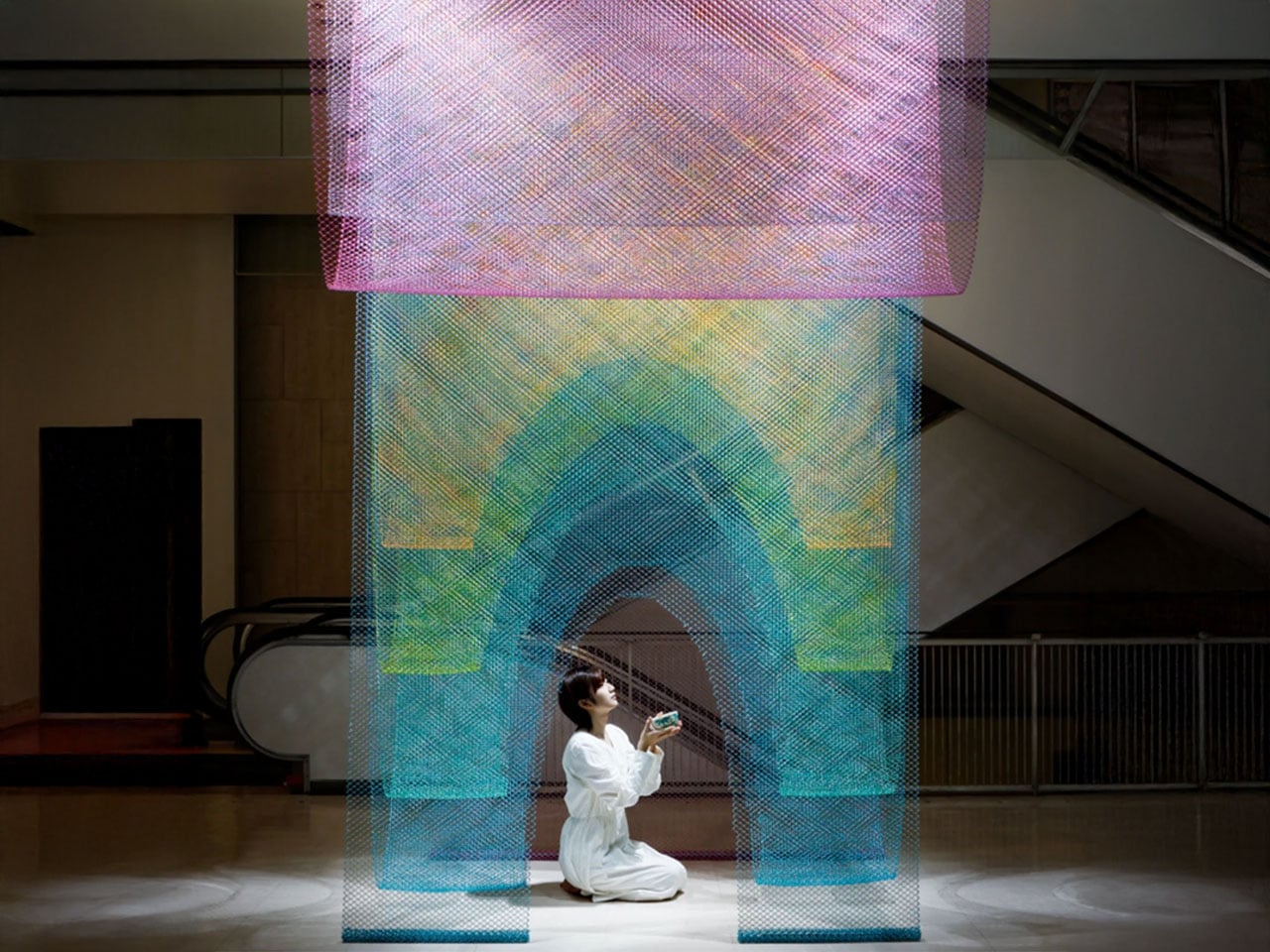
There’s something deeply poetic about watching light pass through layers of colored wire mesh, each one adding a new dimension of color and shadow until you’re not quite sure where the walls end and the air begins. That’s exactly what Japanese architect Moriyuki Ochiai wants you to experience with his latest installation, a tea ceremony house that reimagines one of Japan’s most sacred cultural traditions through an unexpectedly industrial material.
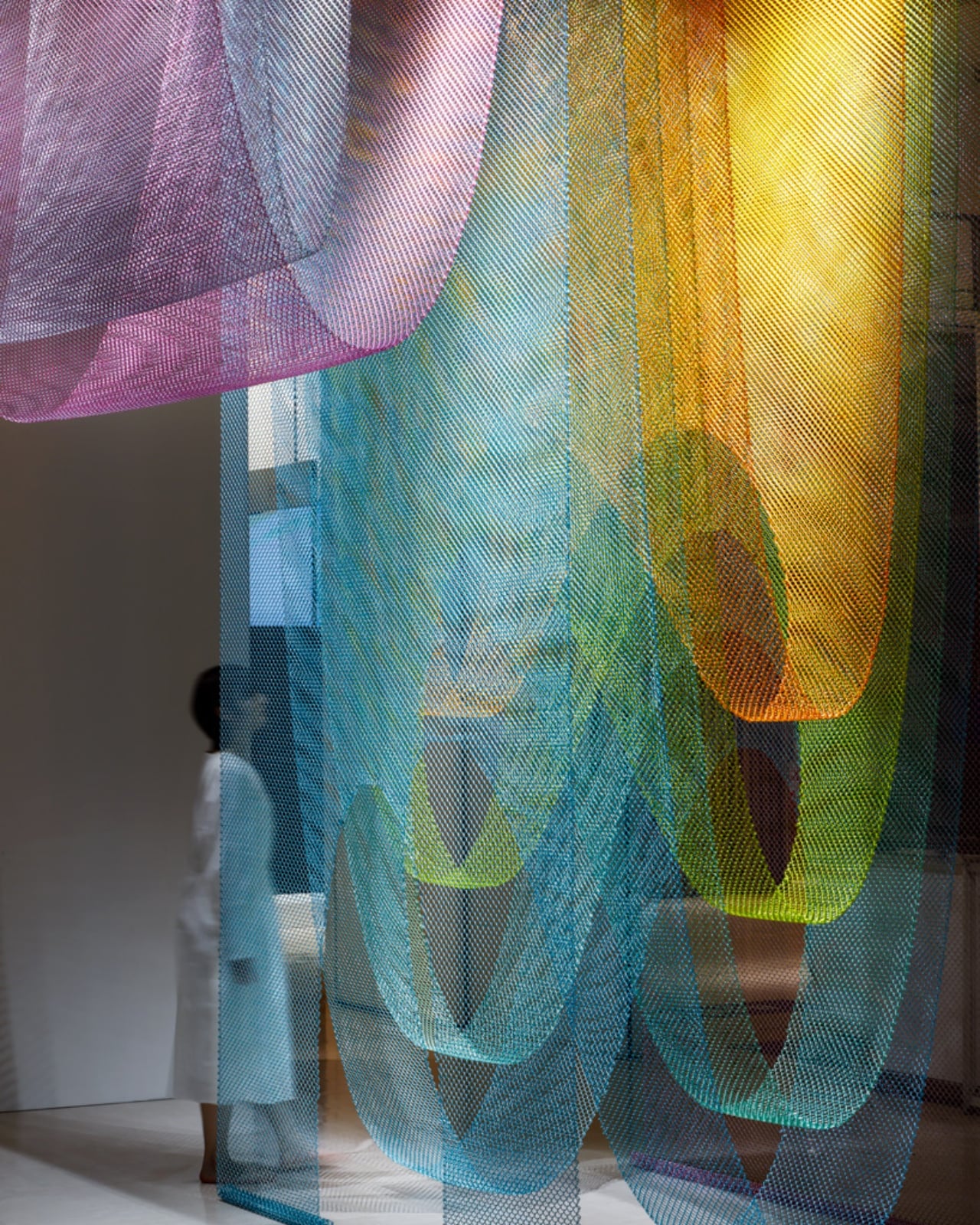
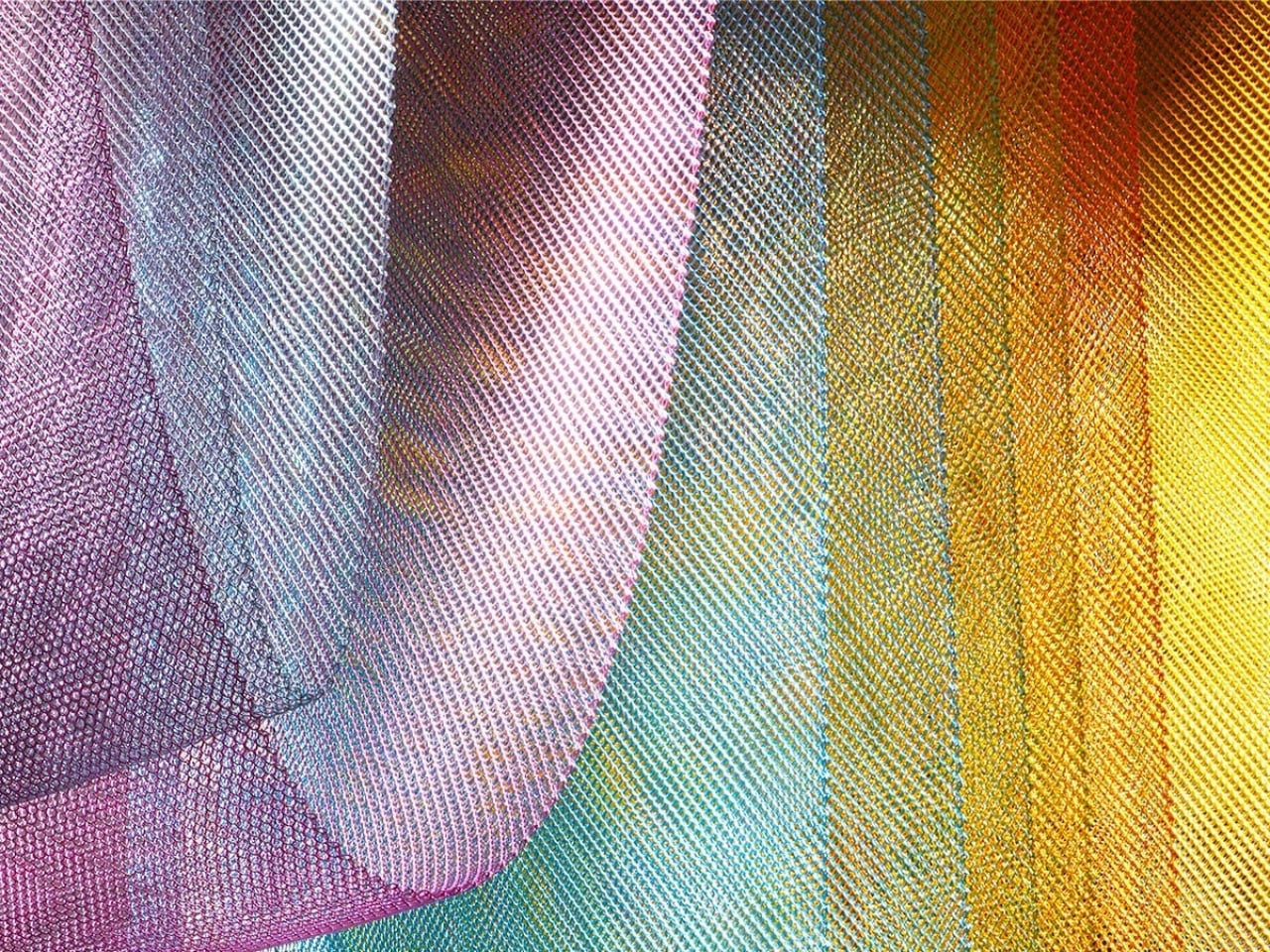
Instead of the typical wooden walls and paper screens you’d expect in a traditional tea house, Ochiai wrapped his structure in layers of diamond-shaped wire mesh, each one a different color. It’s the kind of material you’d normally see around construction sites or industrial facilities, not places of quiet contemplation and ritual. But that contrast is precisely what makes this installation so striking.
Designer: Moriyuki Ochiai (photos by Daisuke Shima)
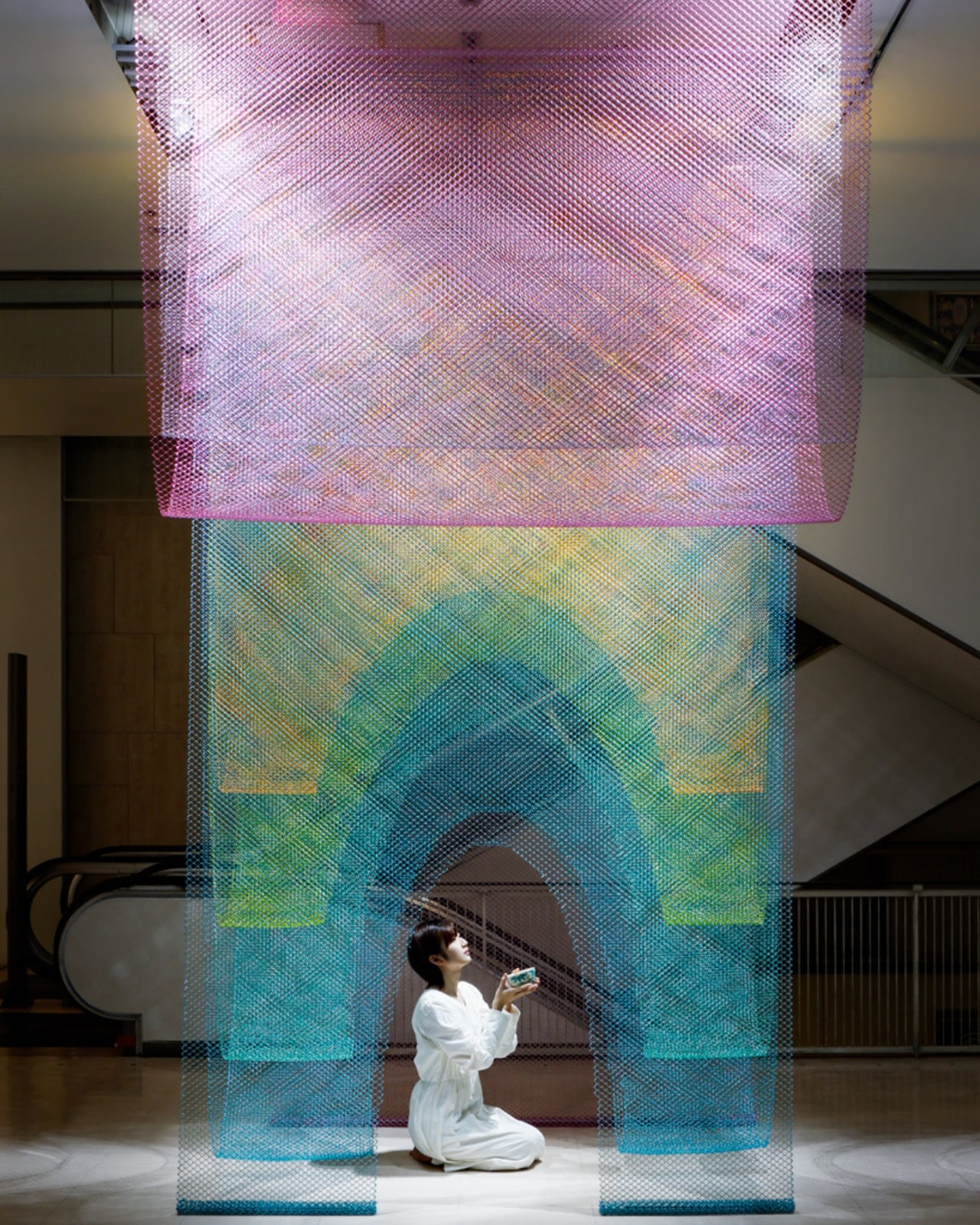
The traditional tea house has always been about creating a contained microcosm, a small world where every detail is carefully considered to heighten your awareness and bring you into the present moment. Ochiai respects that fundamental principle but completely reframes how it works. Rather than using solid boundaries to create enclosure, he uses layered transparency. The result is something that feels simultaneously open and intimate, grounded and ethereal.
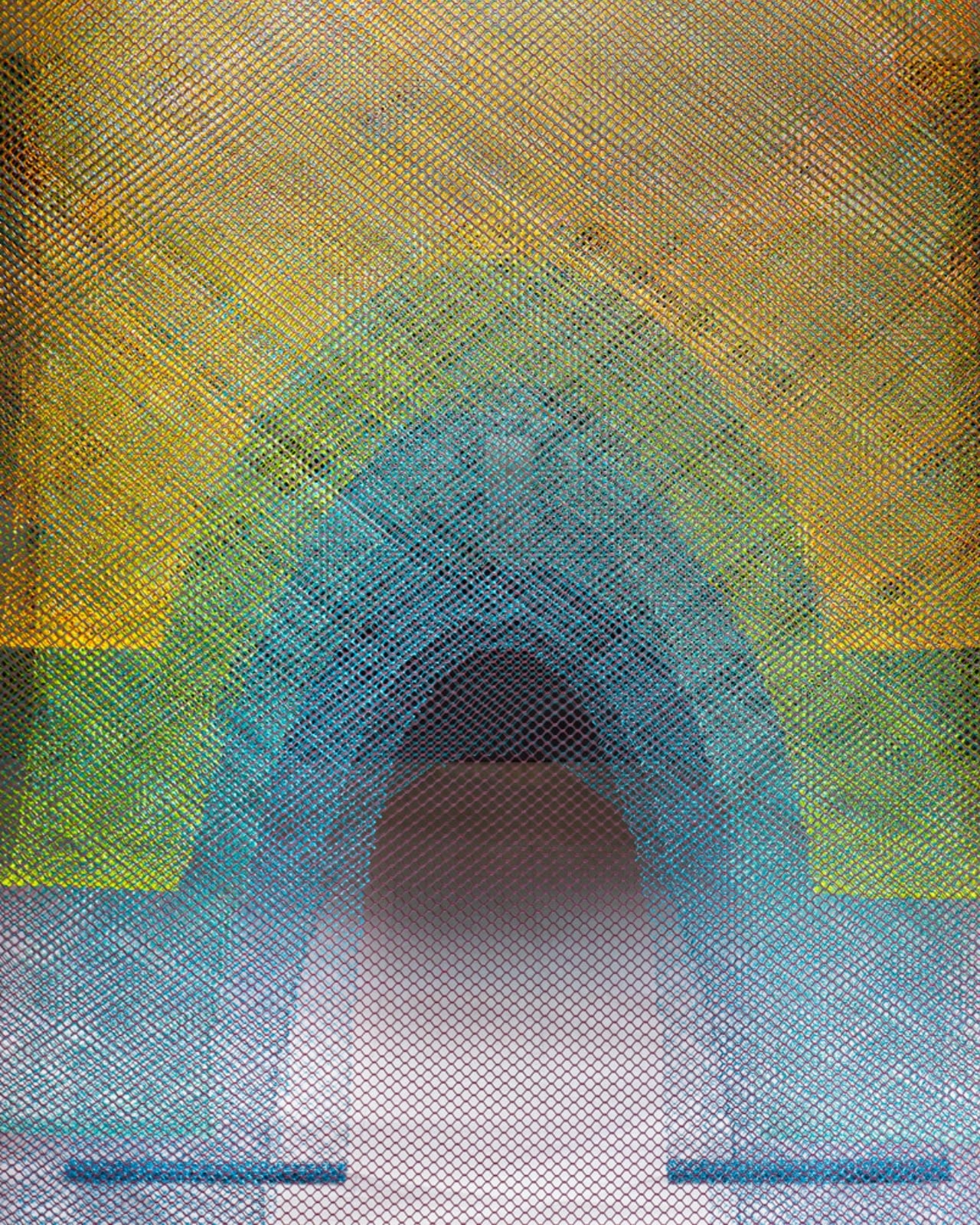
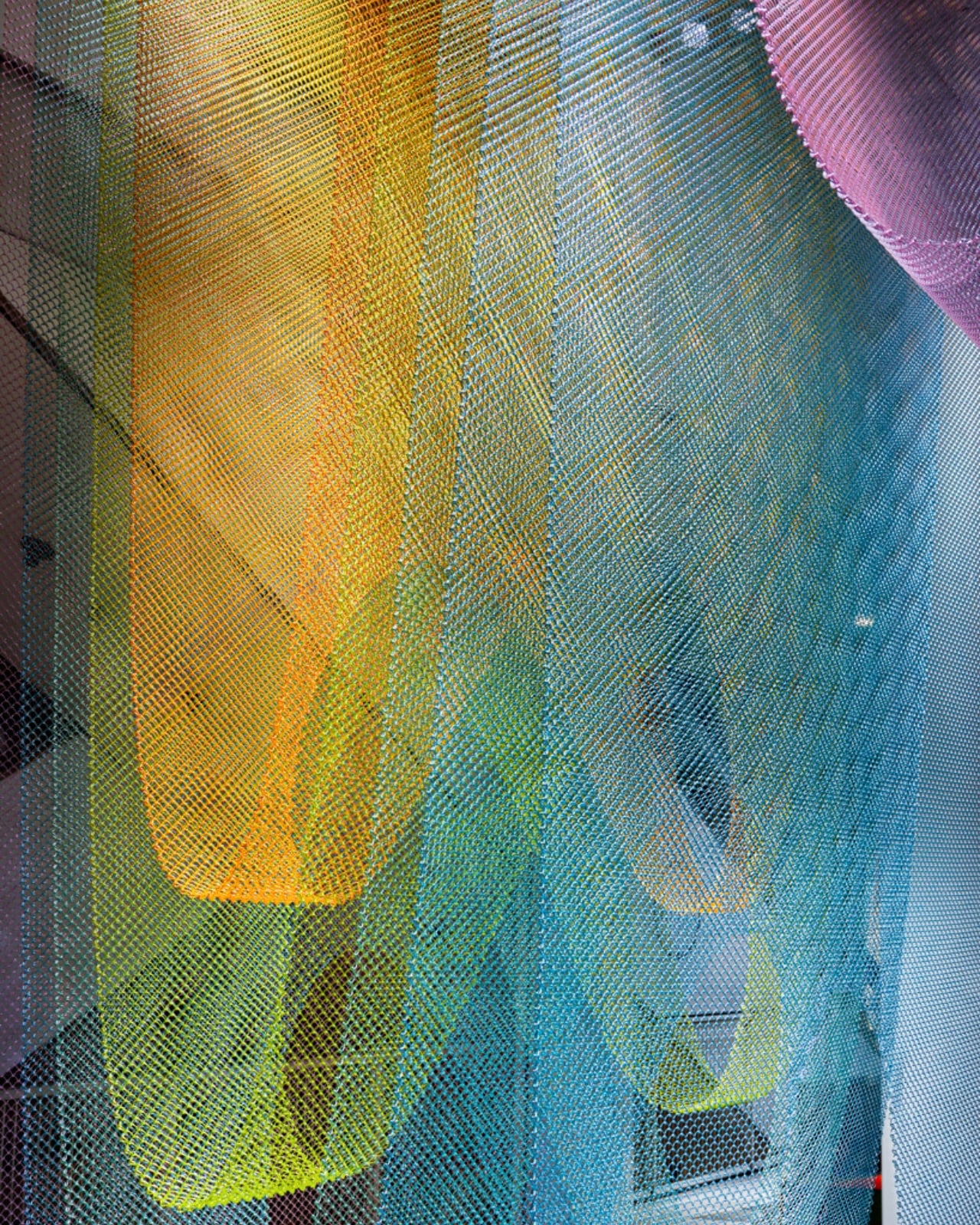
What happens when you layer multiple sheets of colored wire mesh is honestly kind of magical. Light doesn’t just pass through, it gets transmitted, reflected, and diffused across the interior in constantly shifting patterns. As you move through the space, the mesh layers create changing optical depth and spatial ambiguity. Stand in one spot and you see one configuration of color and light. Take a few steps and everything transforms. The installation responds continuously to your movement and viewpoint, making you an active participant in the experience rather than just an observer.
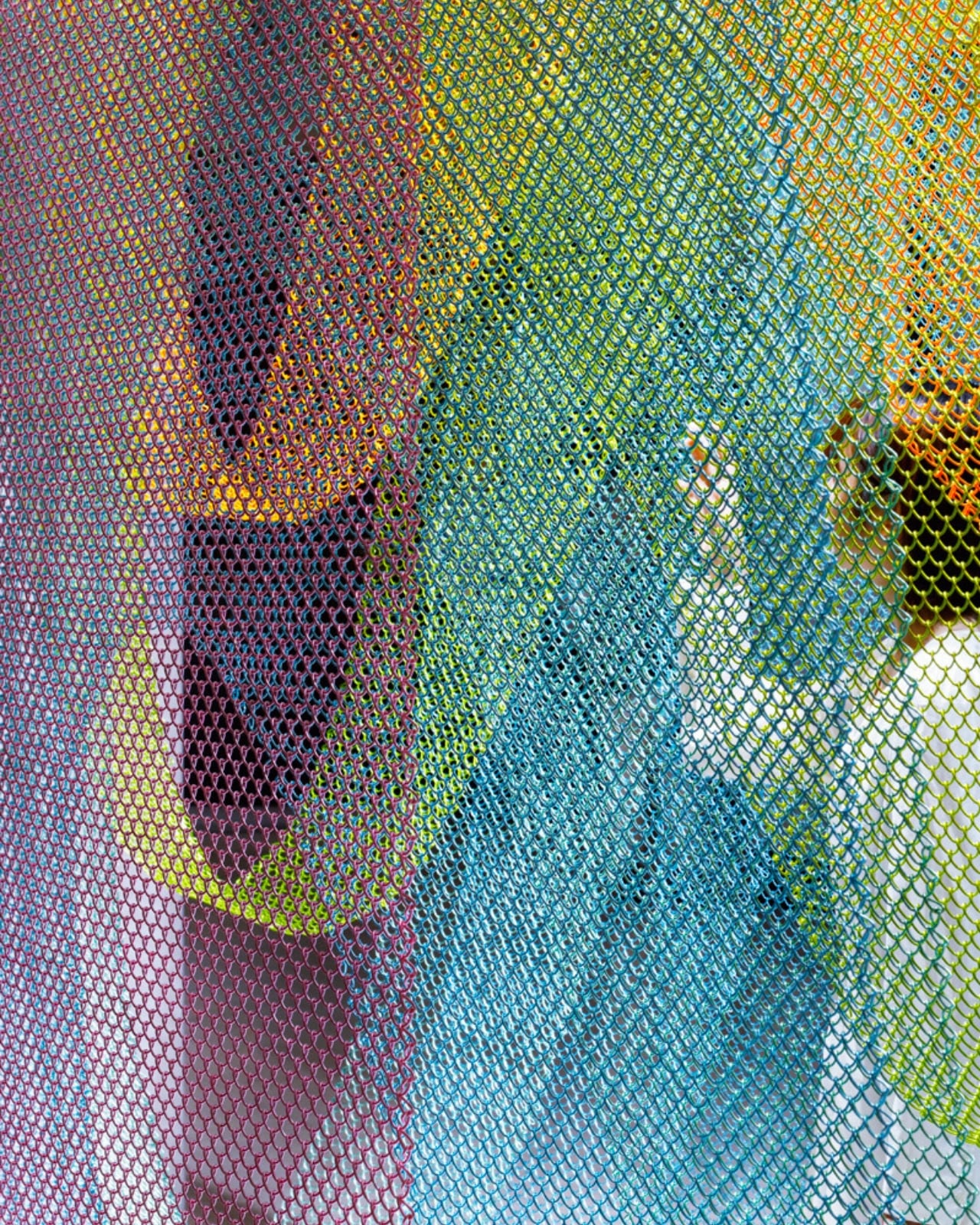
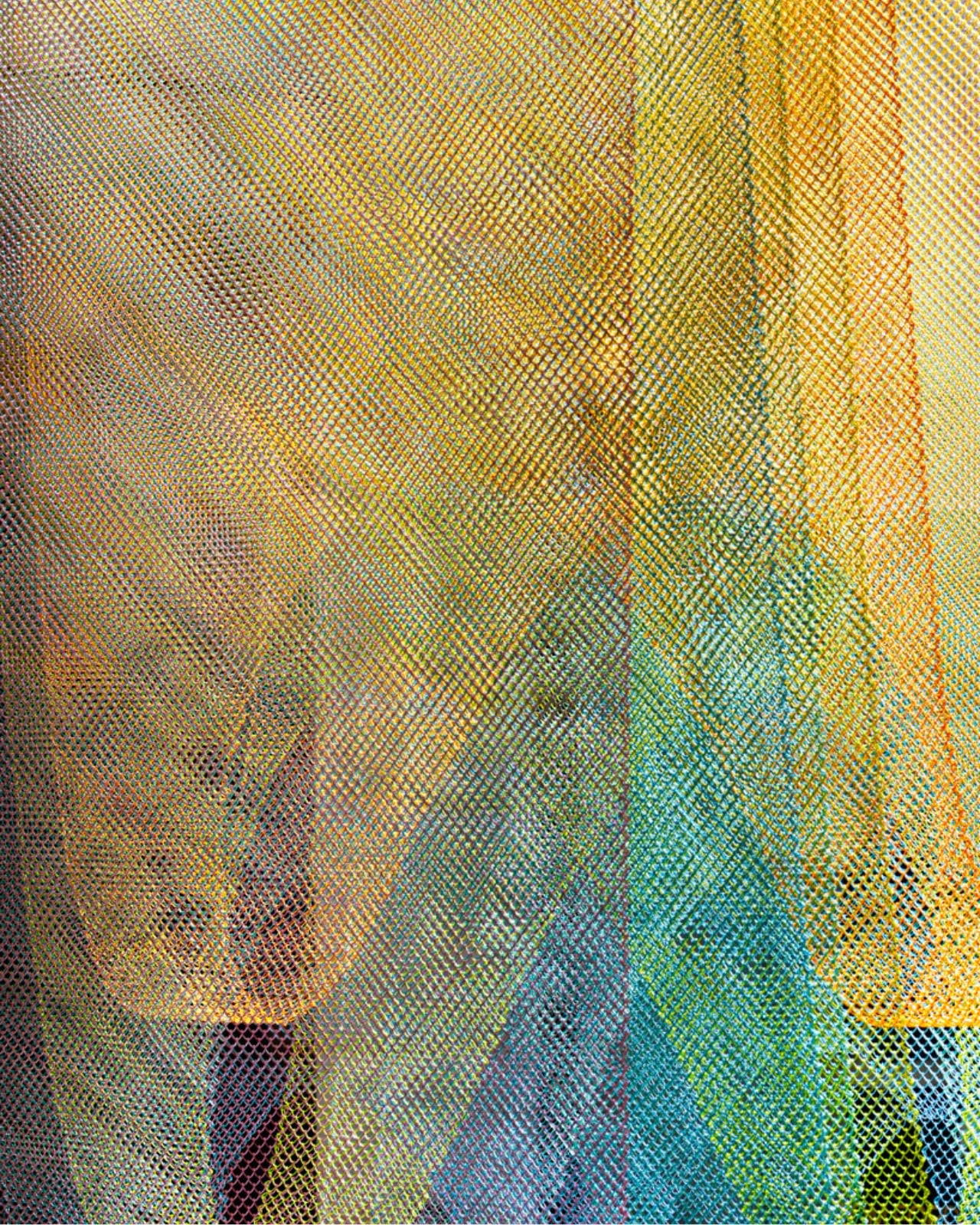
This isn’t Ochiai’s first experiment with unconventional tea house designs. He’s previously created installations like the “Constellation of Stargazing Tea Ceremony House,” showing a continued interest in how traditional Japanese cultural spaces can be reinterpreted for contemporary contexts.
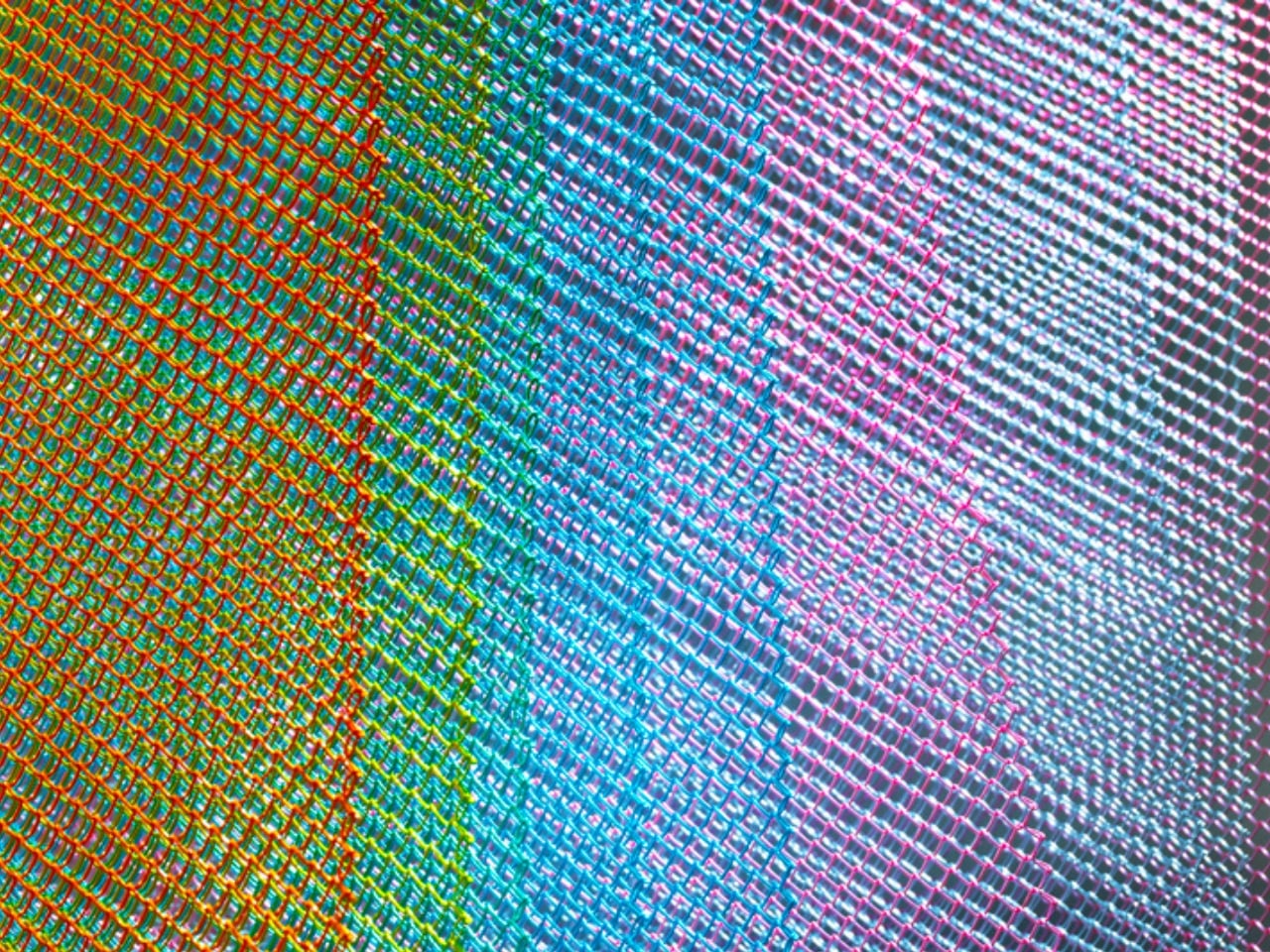
What makes this wire mesh installation particularly relevant right now is how it speaks to broader conversations happening in design and architecture about materiality, transparency, and the relationship between interior and exterior spaces. We’re seeing more designers question the conventional boundaries between inside and outside, public and private, solid and void. Ochiai’s tea house takes those questions and filters them through a specifically Japanese cultural lens.
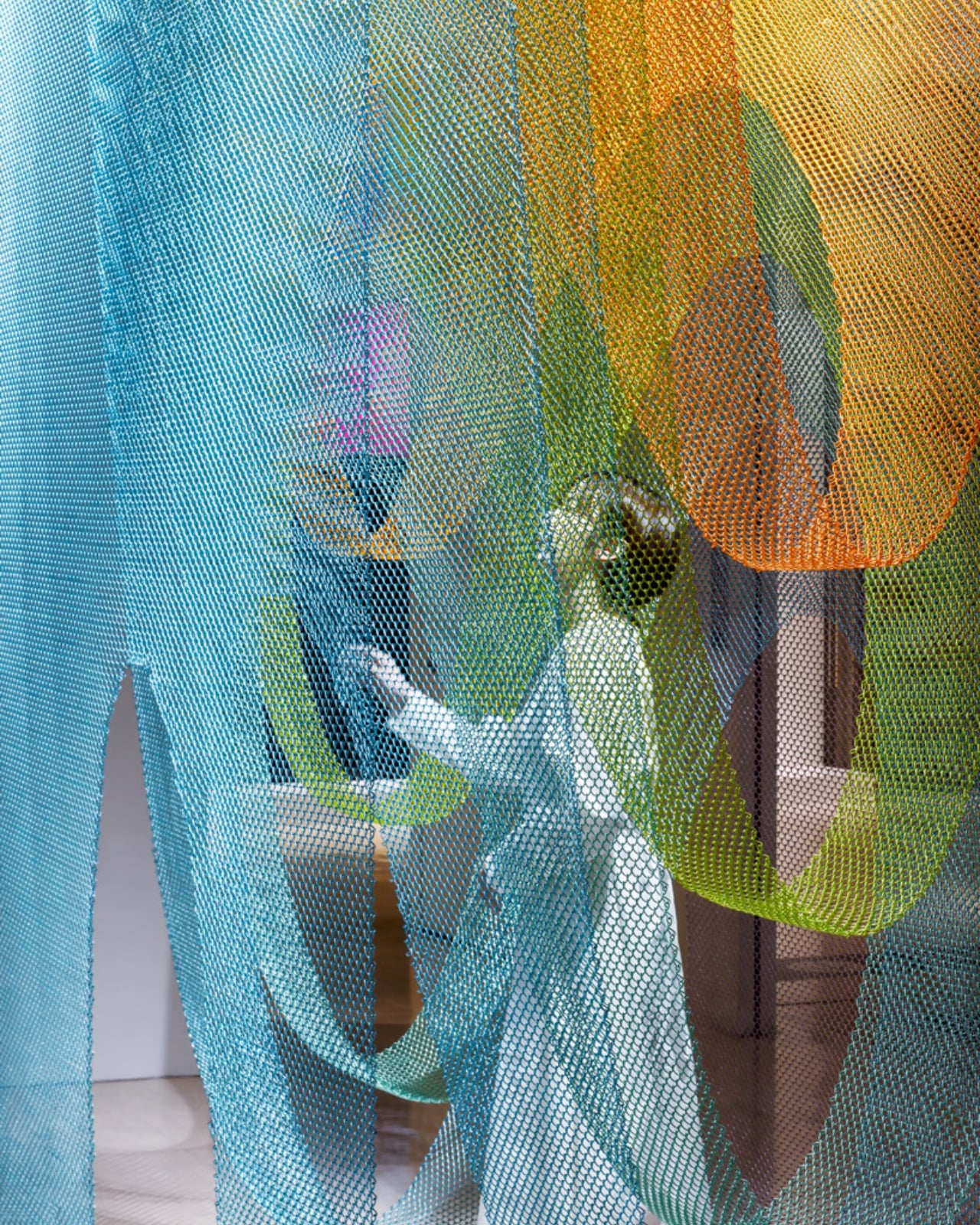
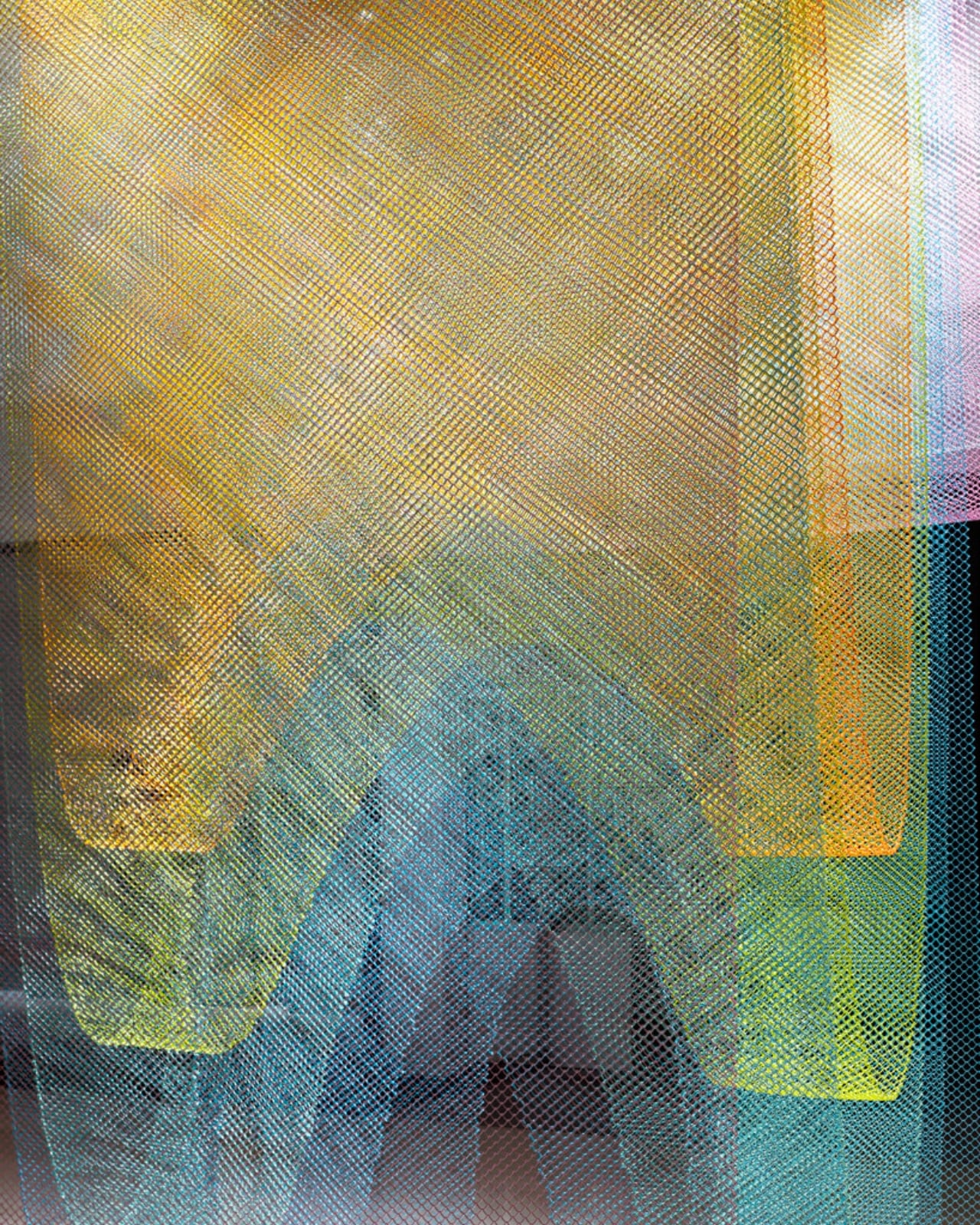
There’s also something to be said about the choice to use such an industrial, utilitarian material for such a refined, spiritual purpose. In Japanese aesthetics, there’s a long tradition of finding beauty in unexpected places and everyday objects. The tea ceremony itself was developed partly as a way to appreciate simple, rustic materials and unadorned beauty. By wrapping a tea house in construction-grade wire mesh, Ochiai is working within that tradition while also pushing it forward.
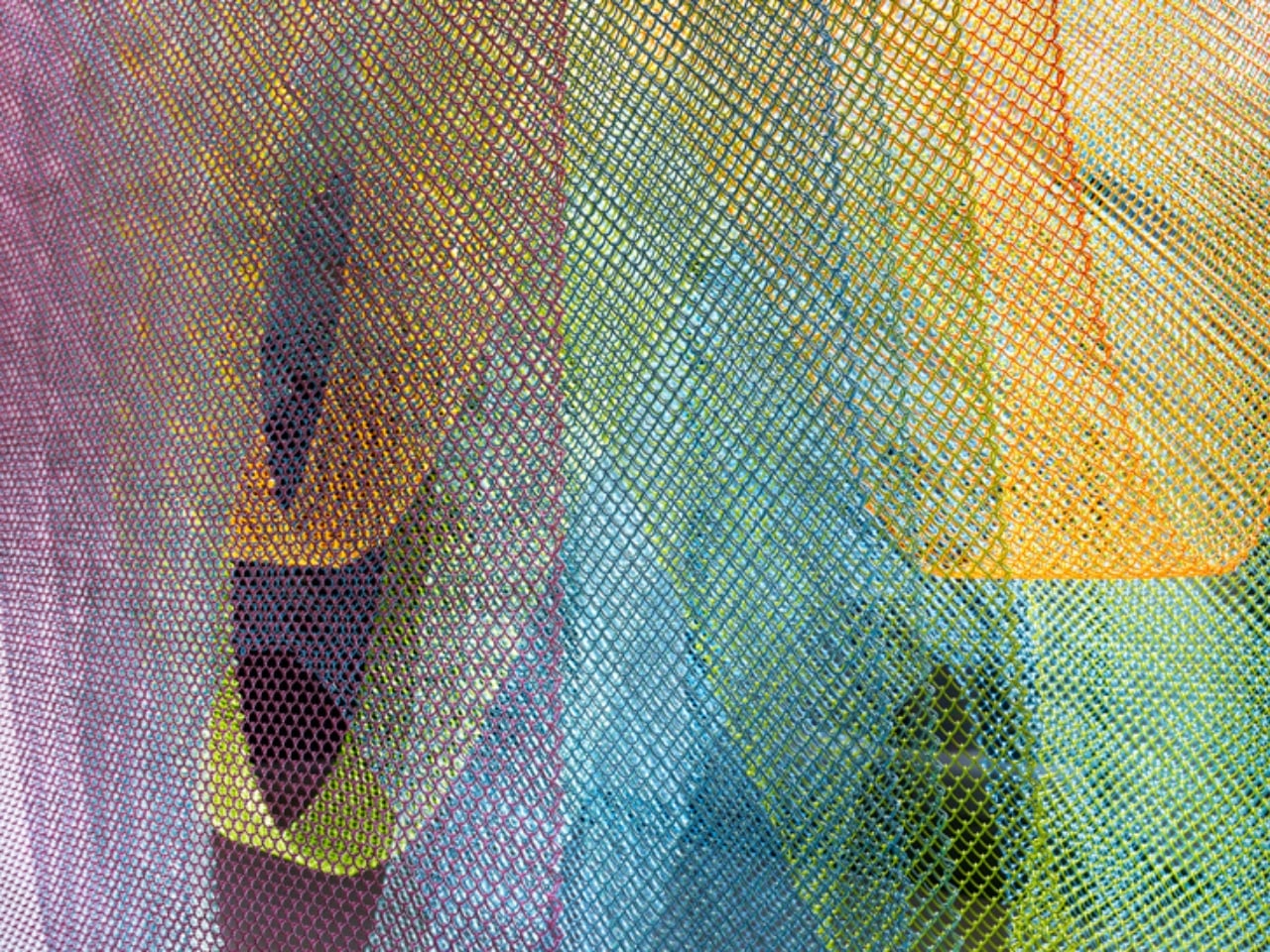
The semi-transparent environment he creates challenges our expectations about what a contemplative space should look like. Most meditation rooms and spiritual spaces emphasize solid, quiet boundaries that shut out the world. Ochiai’s installation does the opposite. It filters the world, refracts it, transforms it, but never fully blocks it out. You remain aware of your surroundings even as they become abstracted through layers of colored mesh.
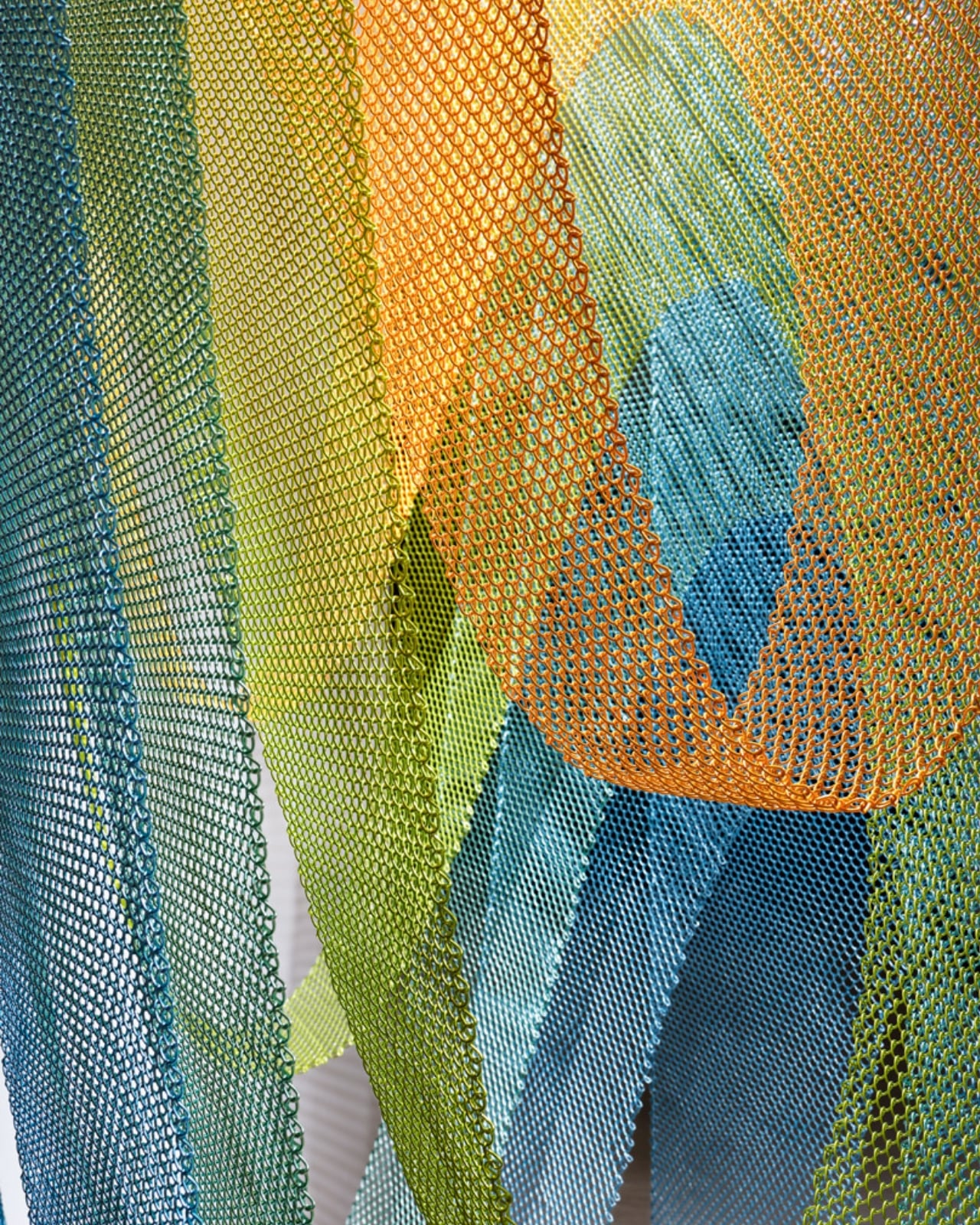
Photographed by Daisuke Shima, the installation becomes a study in how light and material can work together to create atmospheric effects that shift between architectural intervention and art installation. It’s the kind of project that makes you reconsider what you thought you knew about traditional cultural forms and how they might evolve without losing their essential character.
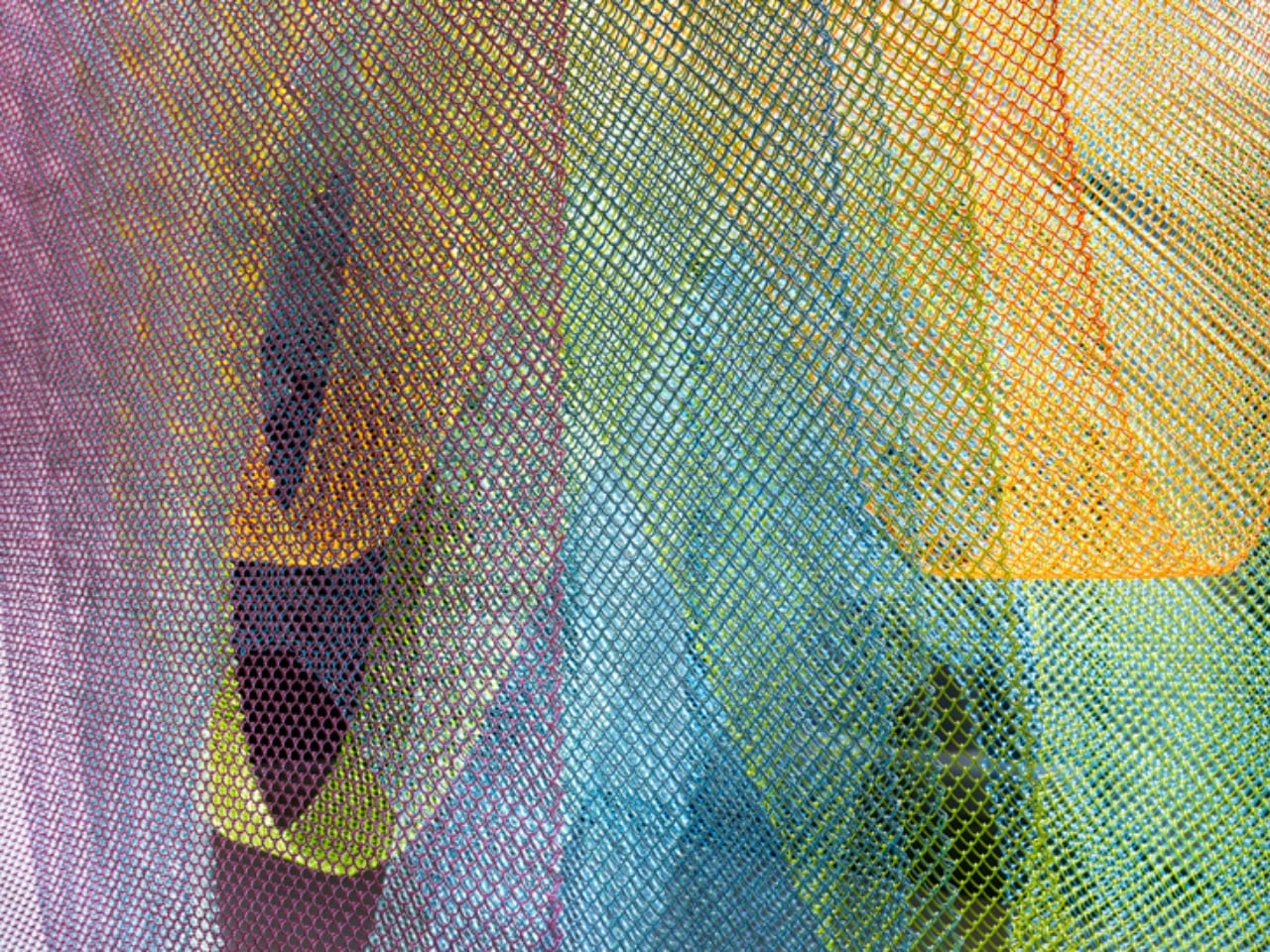
In an era when so much of design feels like either nostalgic reproduction of the past or aggressive rejection of it, Ochiai’s wire mesh tea house offers a different path: respectful innovation. He’s not trying to preserve the tea house in amber, nor is he discarding its principles. Instead, he’s asking what those principles might look like when expressed through contemporary materials and sensibilities. The answer, rendered in layers of colored industrial mesh, is surprisingly beautiful.