We have come a long way from the computers the size of entire rooms to the sleek personal computers that sit comfortably on our desks. The evolution of computing has consistently pushed toward smaller form factors and greater efficiency. The Mac mini, for example, illustrates how compact modern PCs have become. Yet the question persists: how miniature can a powerful computing device truly be? A recent Guinness World Records certification offers a striking answer.
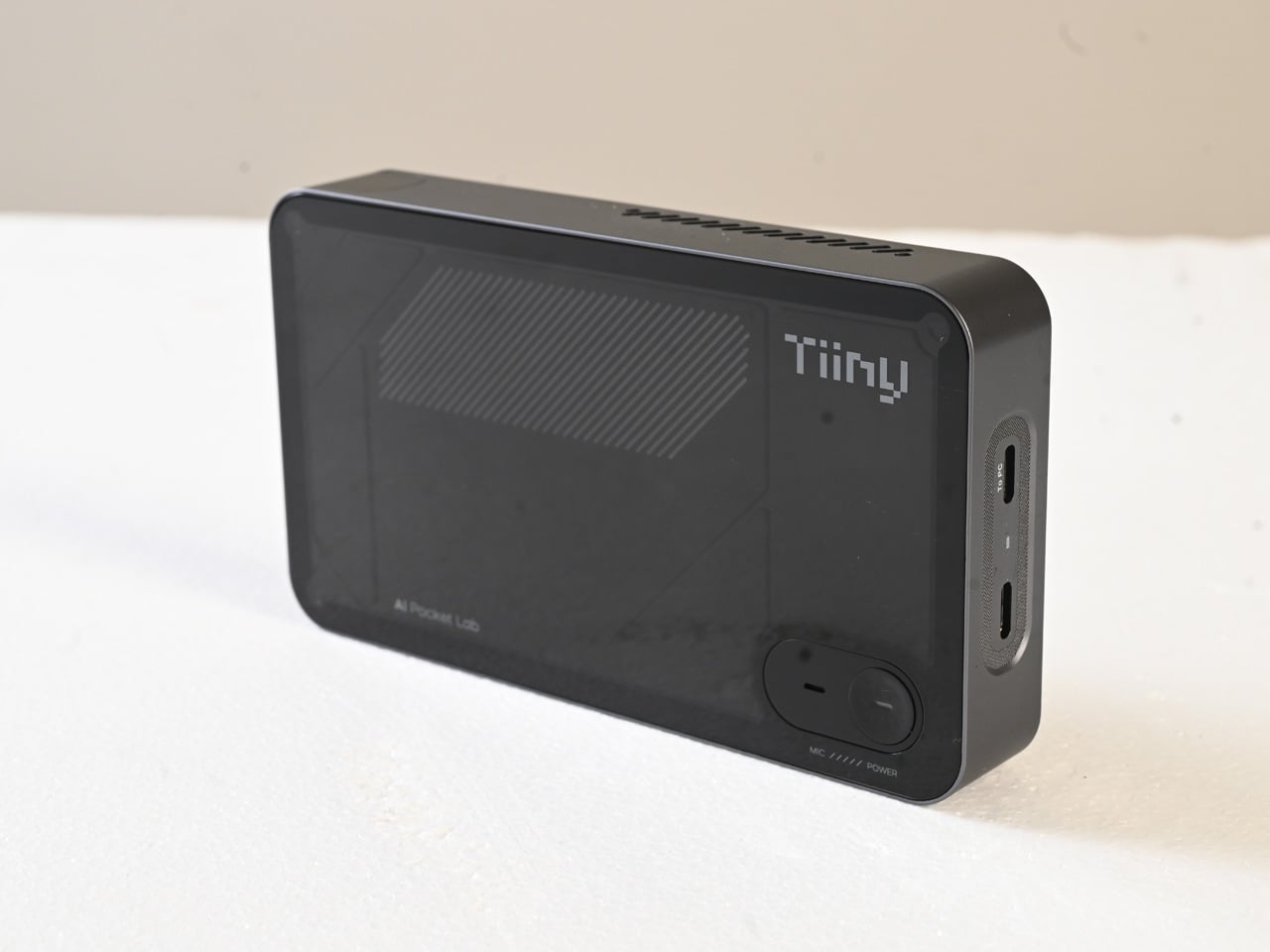
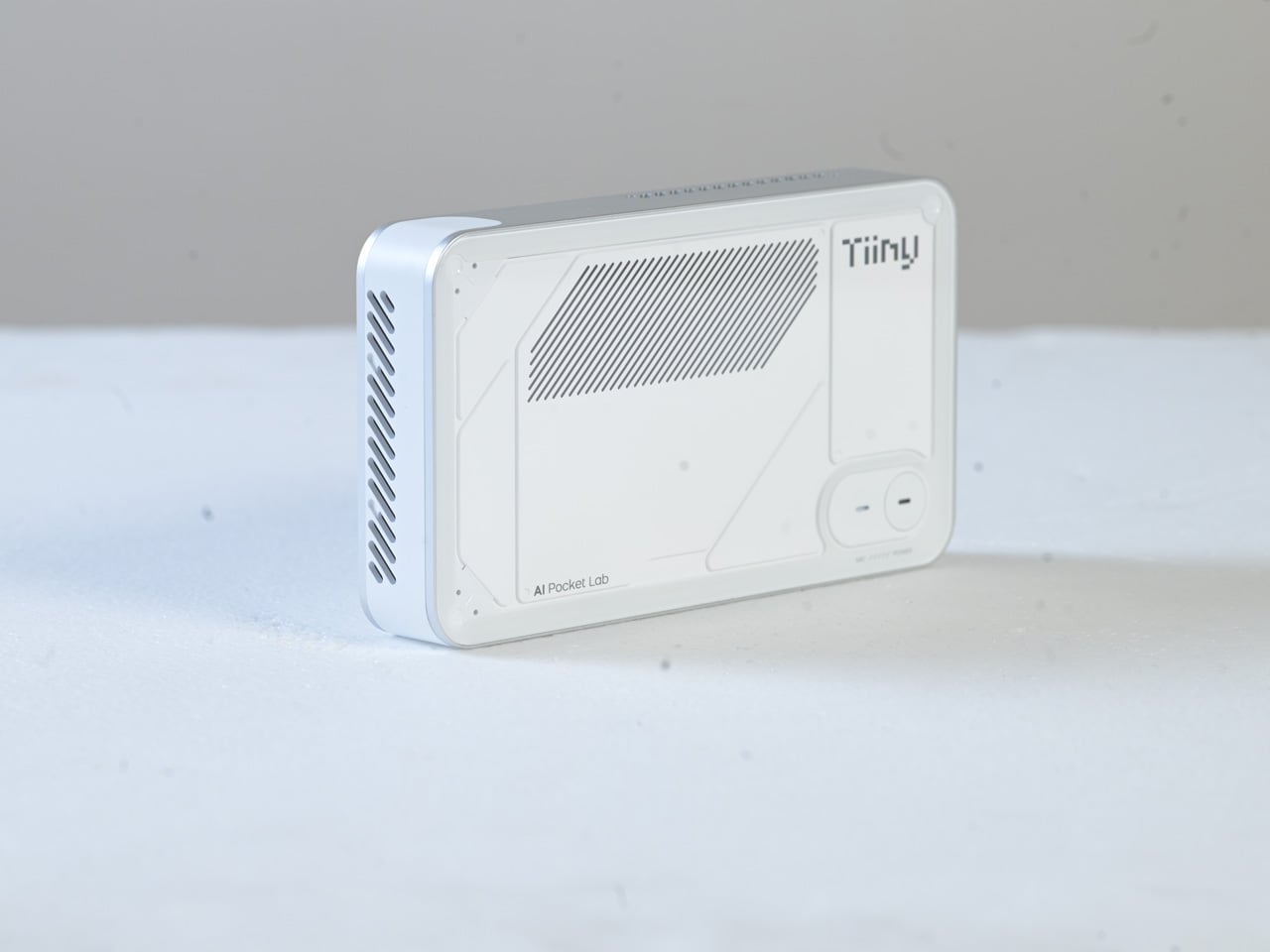
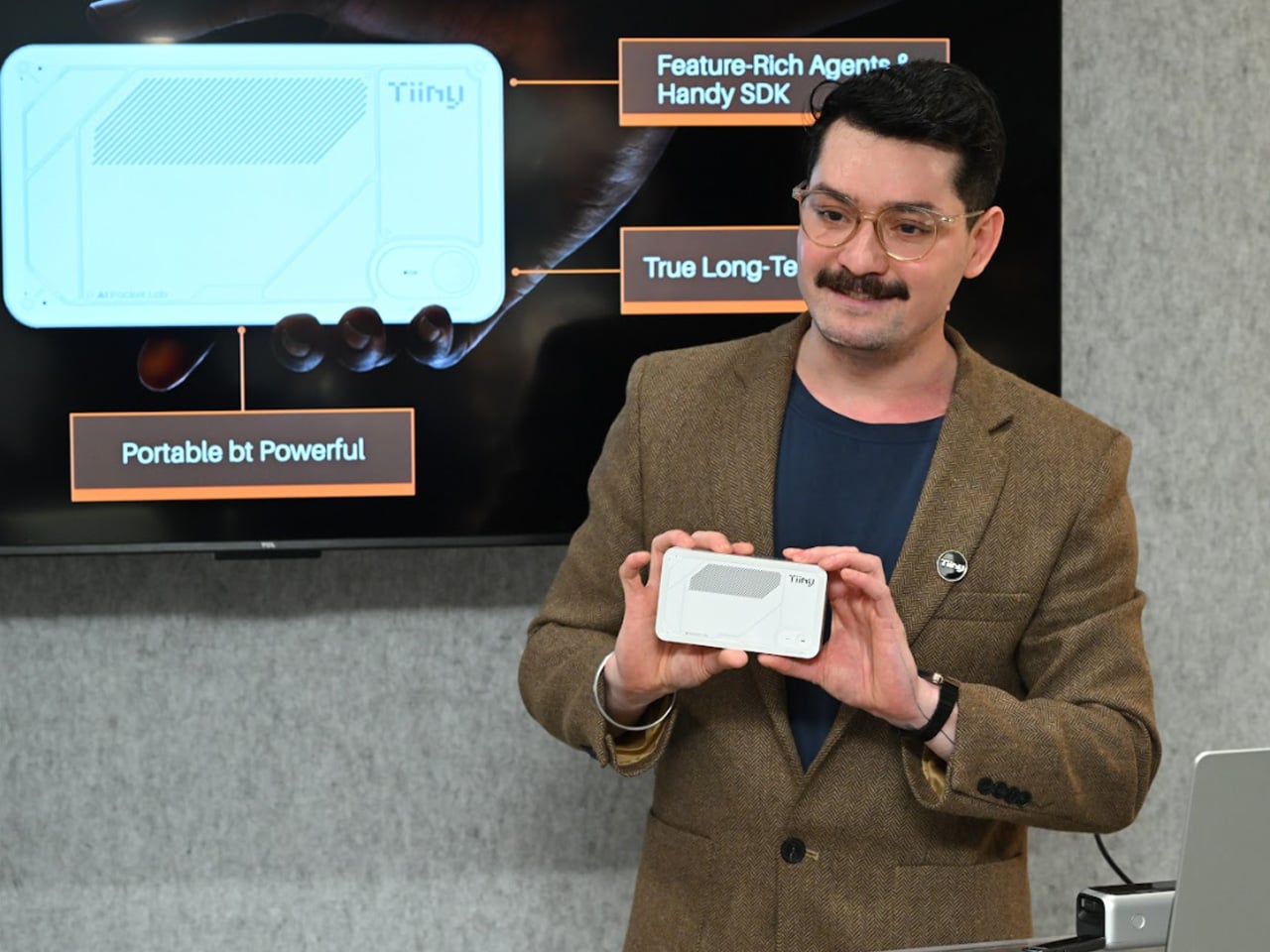
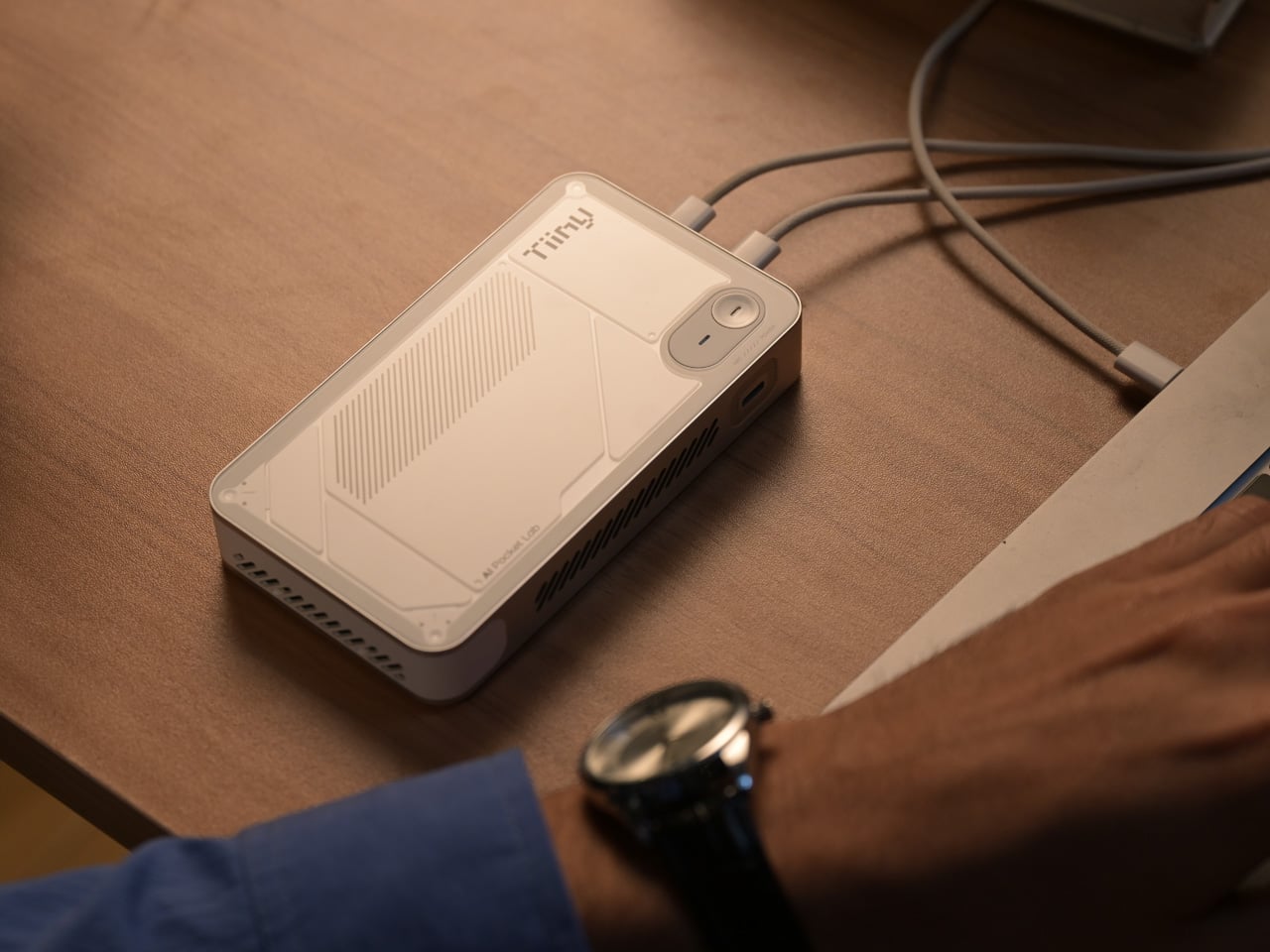
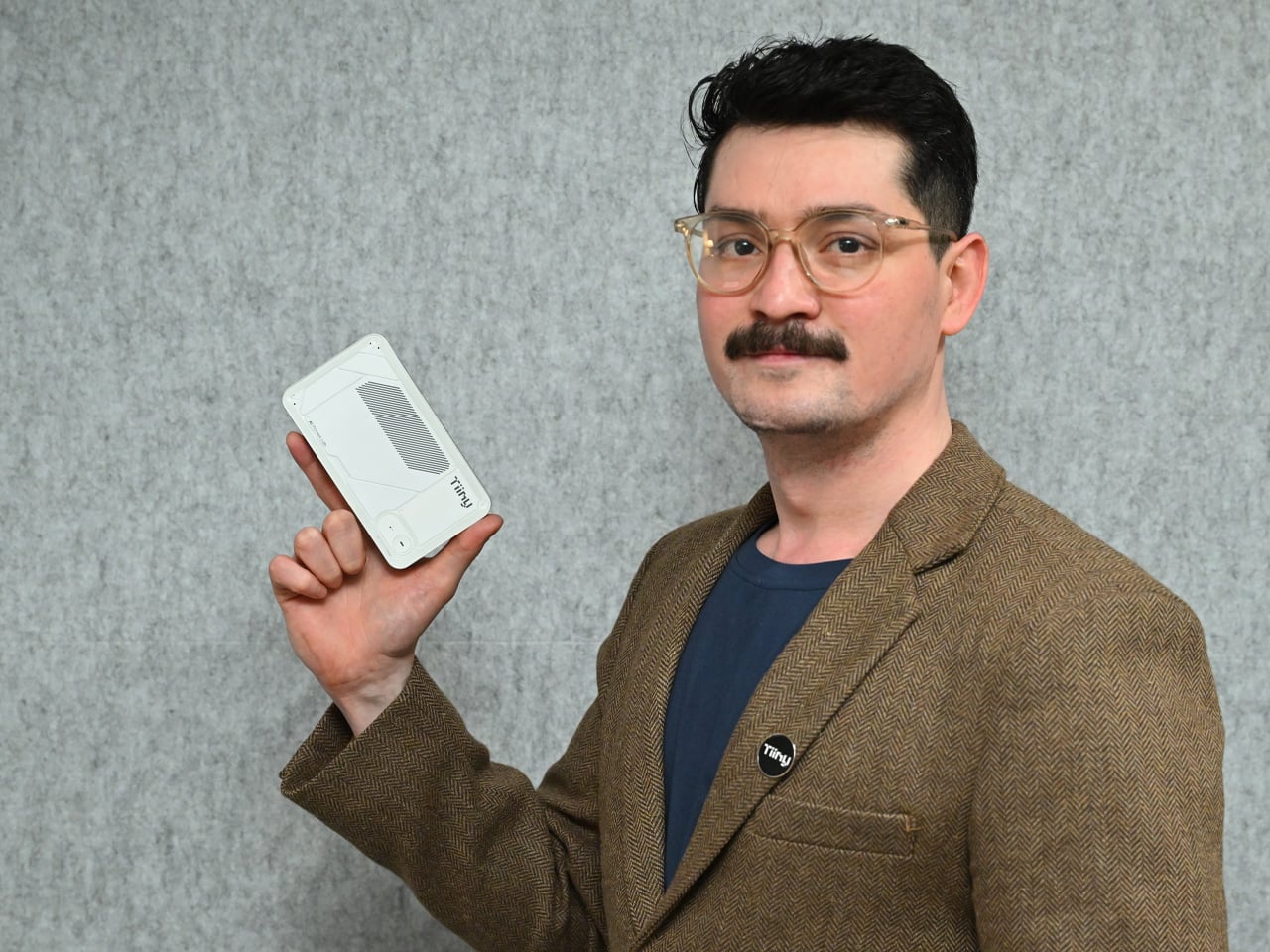
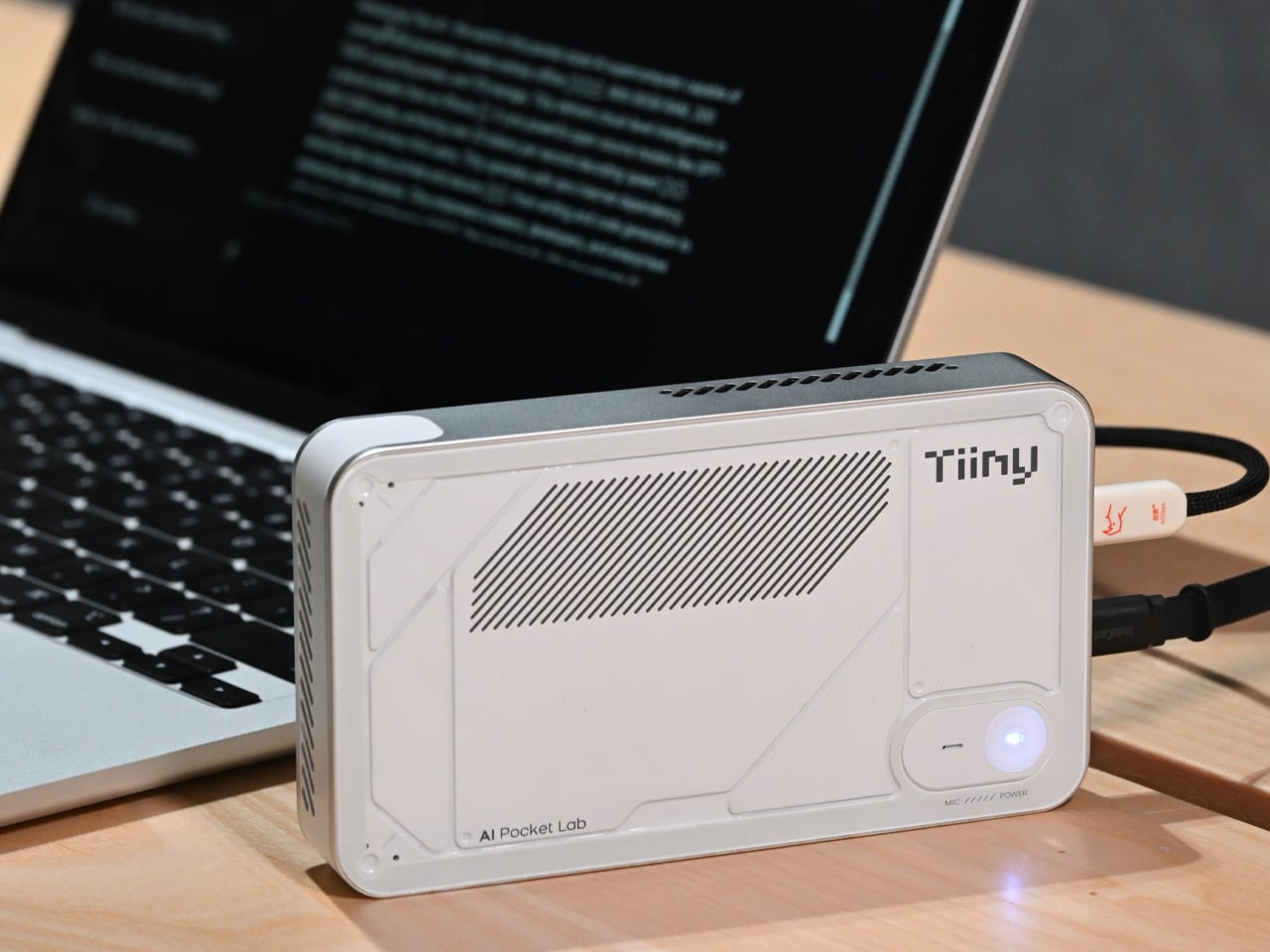
Tiiny AI, a US-based deep-tech startup, has unveiled the Pocket Lab, officially verified as the “world’s smallest personal AI supercomputer.” This palm-sized device, no larger than a typical power bank, is capable of running large language models (LLMs) with up to 120 billion parameters entirely on-device, without relying on cloud servers or external GPUs.
Designer: Tiiny AI
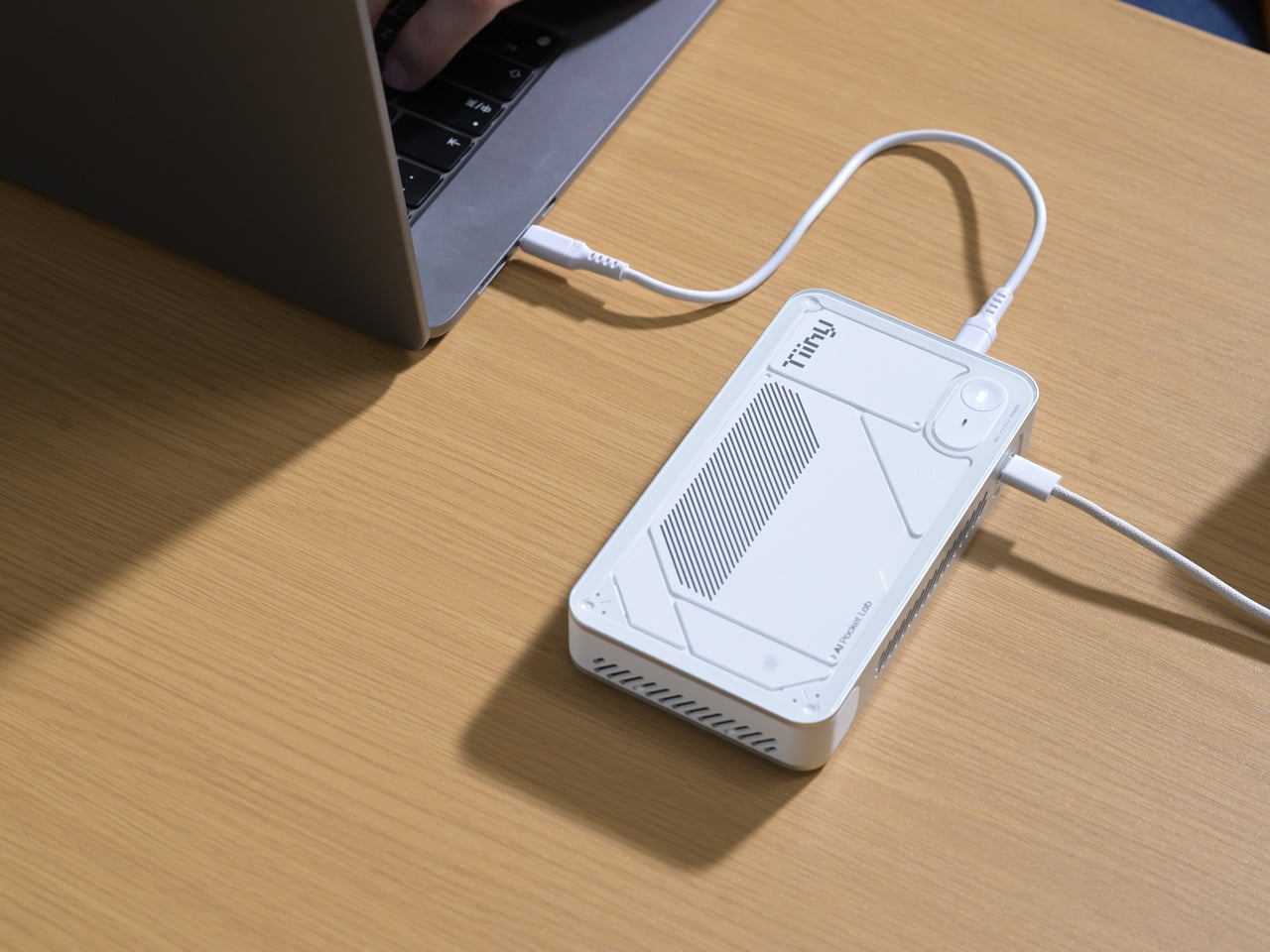
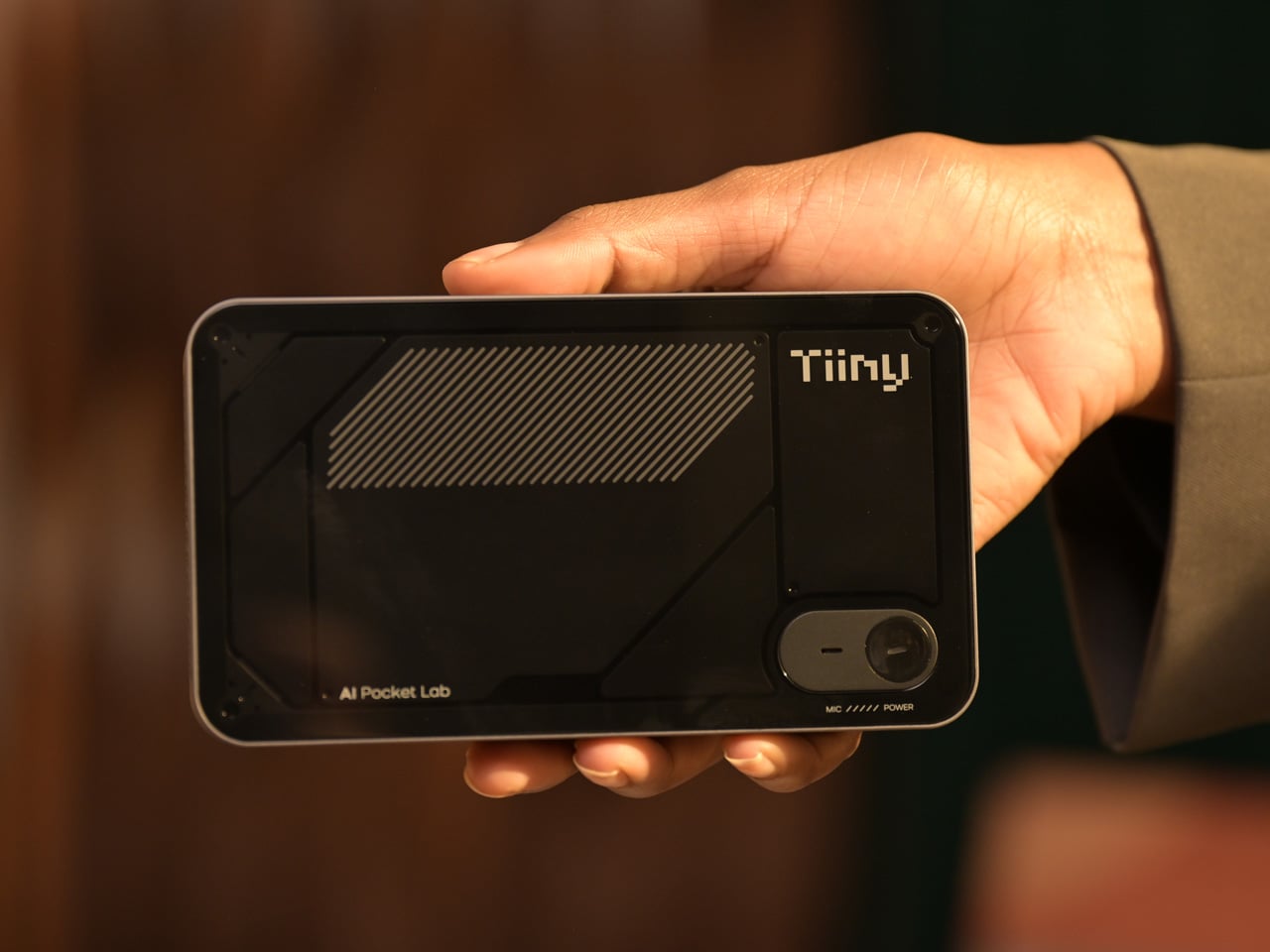
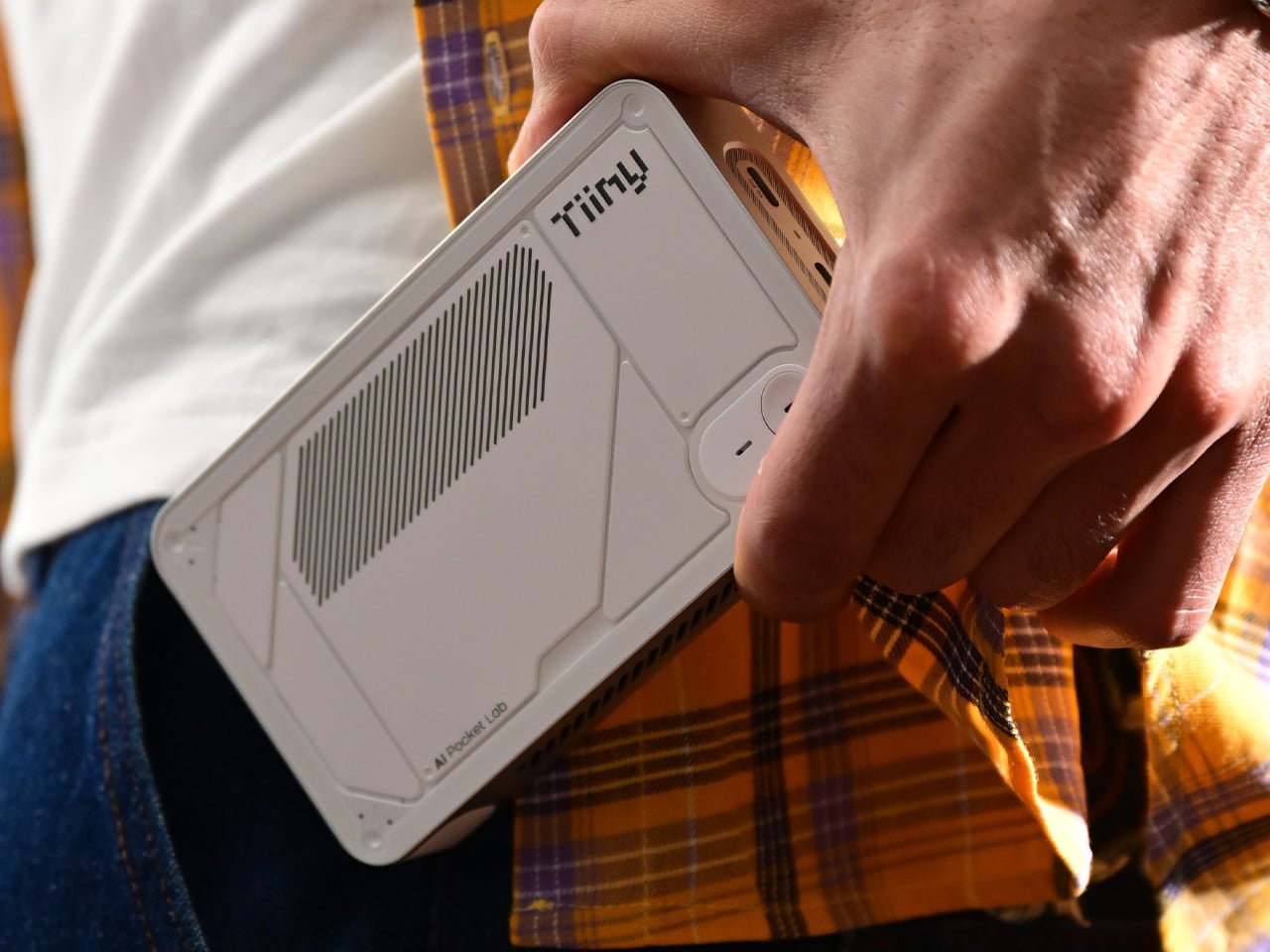
At its core, the Pocket Lab aims to make advanced artificial intelligence both personal and private. Traditional AI systems often depend on cloud infrastructure, which can raise concerns around data privacy, latency, and carbon emissions associated with large server farms. The Pocket Lab addresses these issues by enabling fully offline AI computation. All processing, data storage, and inference happen locally on the device, reducing dependence on internet connectivity or cloud resources.
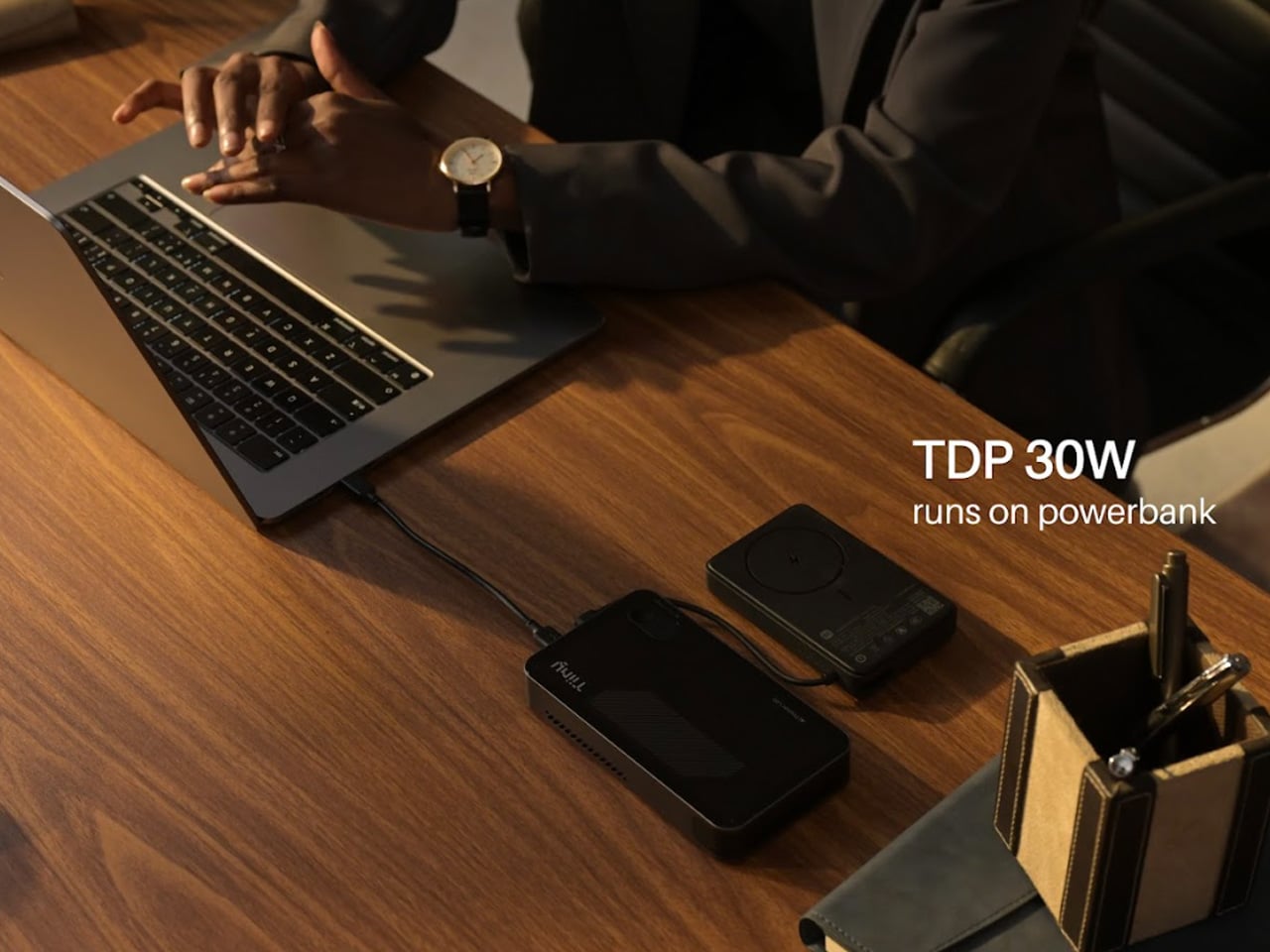
Despite its compact size, measuring 14.2 × 8 × 2.53 centimeters and weighing roughly 300 grams, this mini supercomputer delivers noteworthy computing power. The system operates within a typical 65-watt energy envelope, comparable to a conventional desktop PC, yet manages to support extensive AI workloads. The hardware architecture combines a 12-core ARMv9.2 CPU with a custom heterogeneous module that includes a dedicated Neural Processing Unit (NPU), together achieving approximately 190 TOPS (tera-operations per second) of AI compute performance. This configuration is backed by 80 GB of LPDDR5X memory and a 1 TB solid-state drive, allowing large AI models to run efficiently without external accelerators.
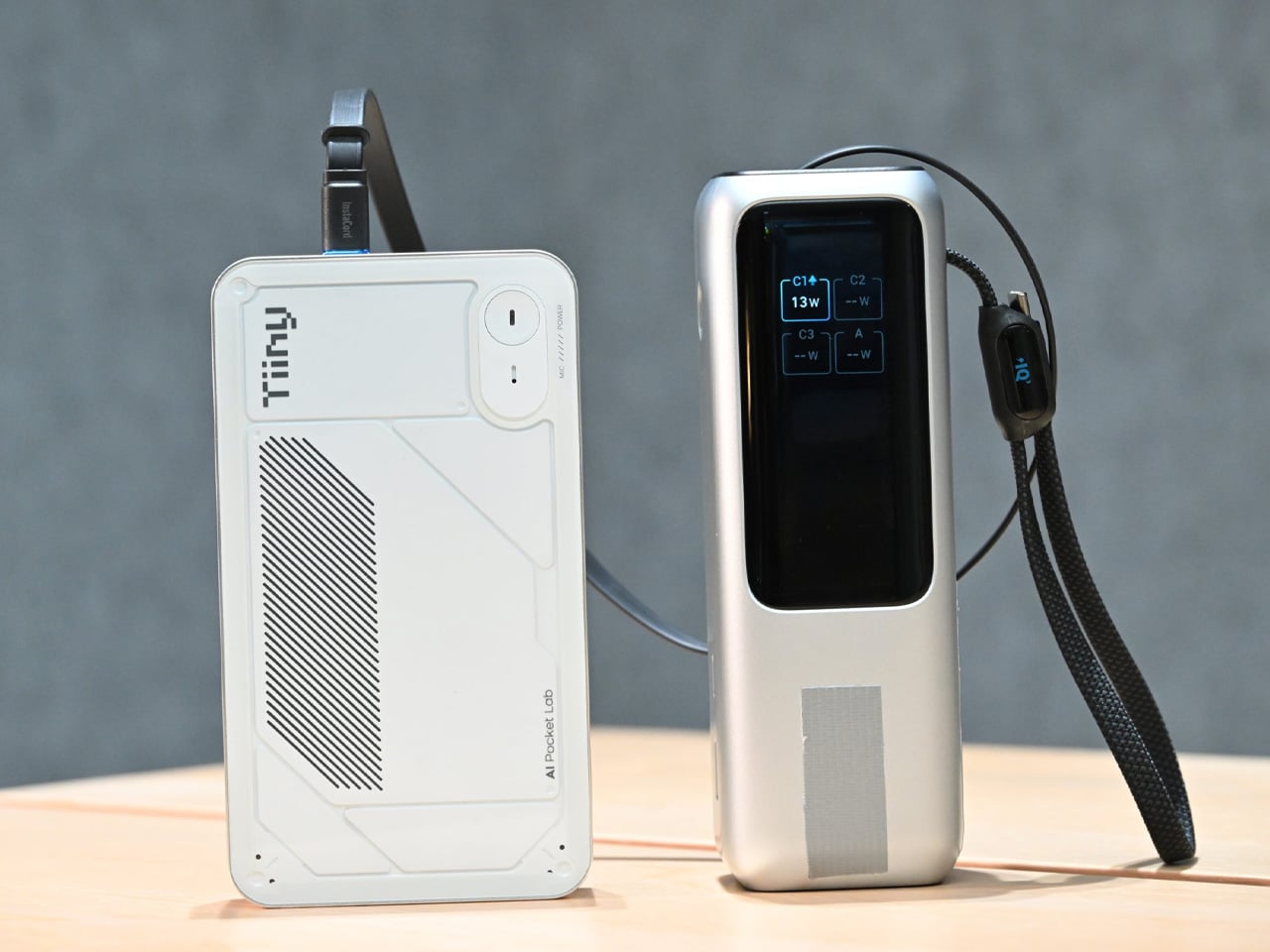
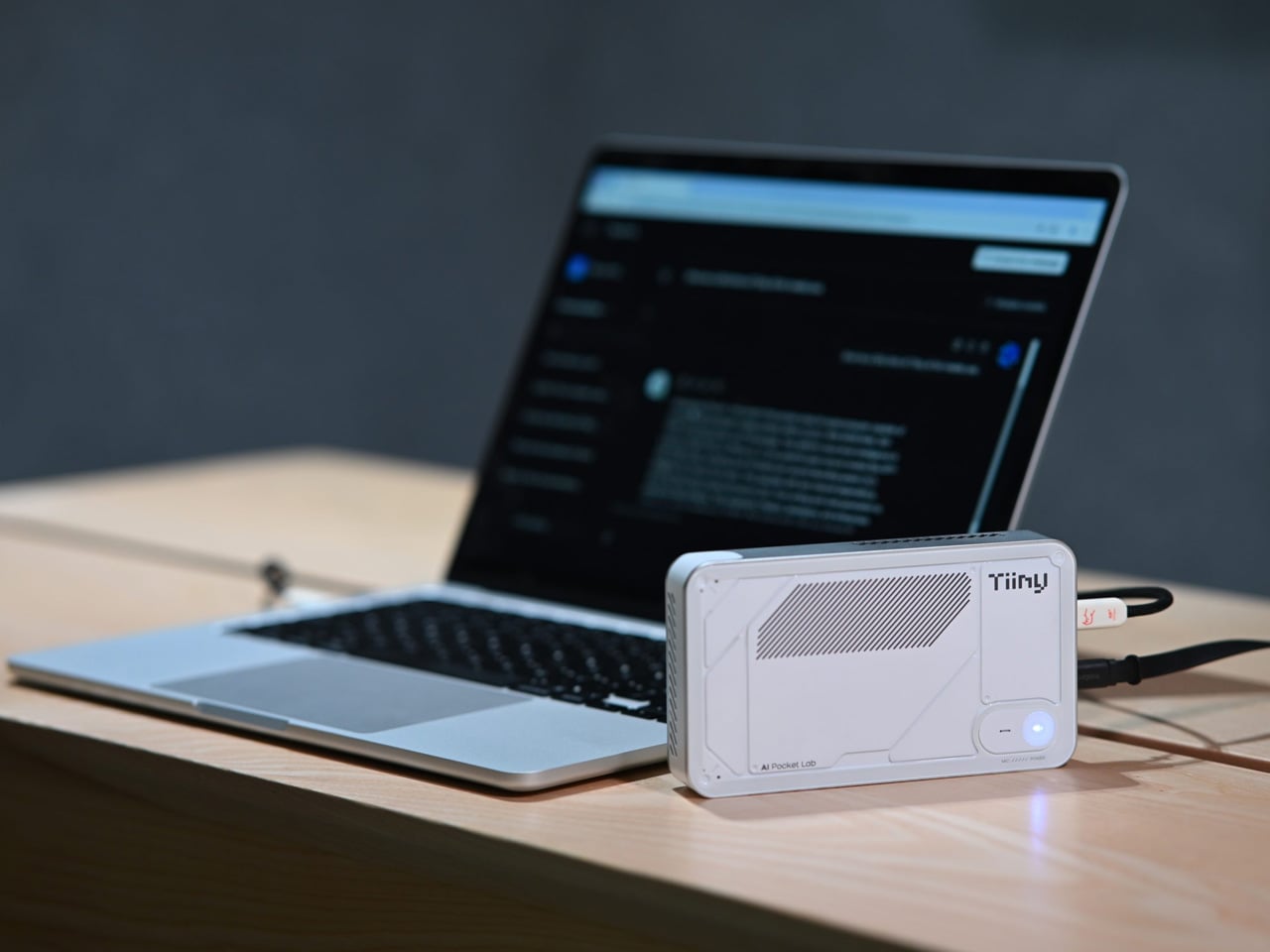
Two key technologies underpin the Pocket Lab’s ability to run large models so efficiently in such a small package. TurboSparse improves inference efficiency through neuron-level sparse activation, reducing computational overhead while preserving model intelligence. PowerInfer, an open-source heterogeneous inference engine with a significant developer following, dynamically distributes workloads across the CPU and NPU, delivering server-grade performance at far lower power and cost than traditional GPU-based solutions.
In practical terms, the Pocket Lab supports a wide ecosystem of open-source AI models and tools. Users can deploy popular LLMs such as GPT-OSS, Llama, Qwen, DeepSeek, Mistral, and Phi, alongside agent frameworks and automation tools, all with one-click installation. This broad software compatibility extends the device’s usefulness beyond enthusiasts and hobbyists to developers, researchers, professionals, and students.
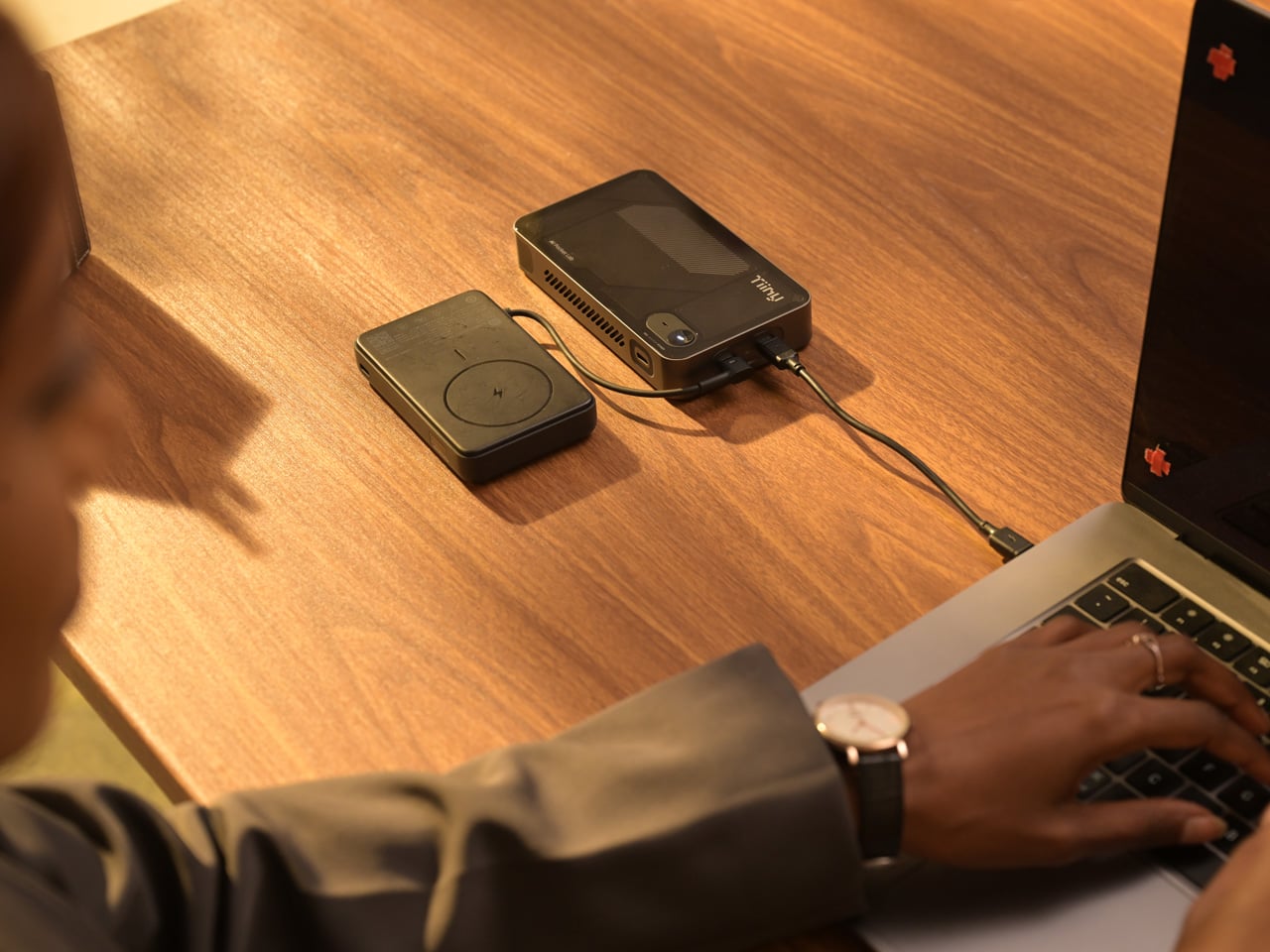
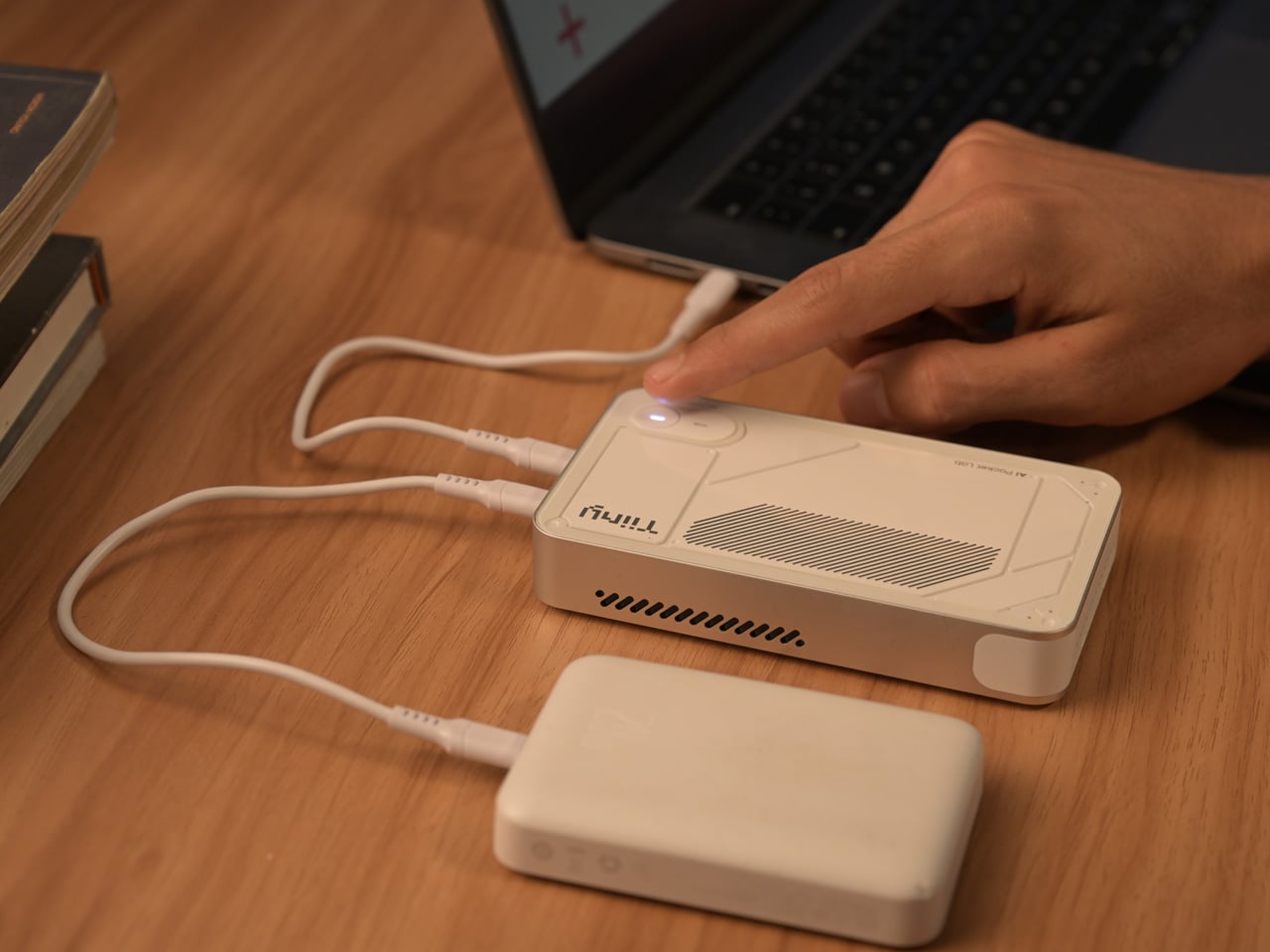
By storing all user data and interactions locally with bank-level encryption, the Pocket Lab also emphasizes privacy and long-term personal memory. This feature contrasts with many cloud-based AI services that retain data on remote servers. Tiiny AI plans to showcase the Pocket Lab at CES 2026, but has not yet disclosed full details on pricing or release dates.