
A home office can end up looking like a room your employer forgot to furnish. There’s the monitor, the keyboard, the cup of pens, and very little that explains who actually sits there. Making it more personal doesn’t require replacing the desk or buying another productivity system. Sometimes it’s a lamp with an improbable shape, a living object beside the screen, or something you can pick up and play with.
These eight home office accessories make room for that less dutiful side of working from home. Some help with ordinary tasks, while others simply give you something enjoyable to look at between them. The selection moves from digital characters and miniature architecture to paper, plants, and a surprisingly considered trash bin. Choose the one that suits your habits, rather than treating the whole collection as another mandatory desktop shopping checklist.
1. Sony ELF-MN1
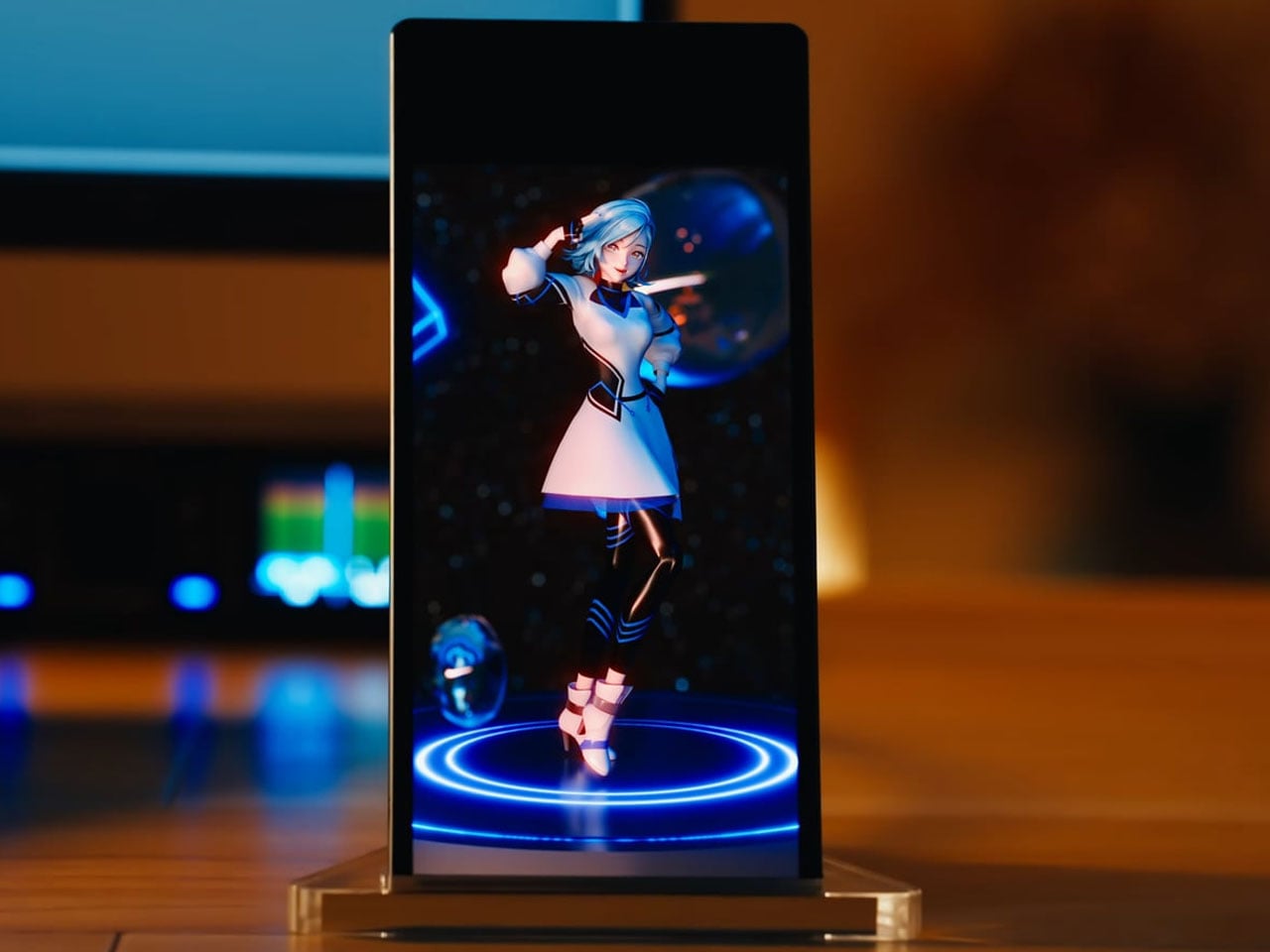
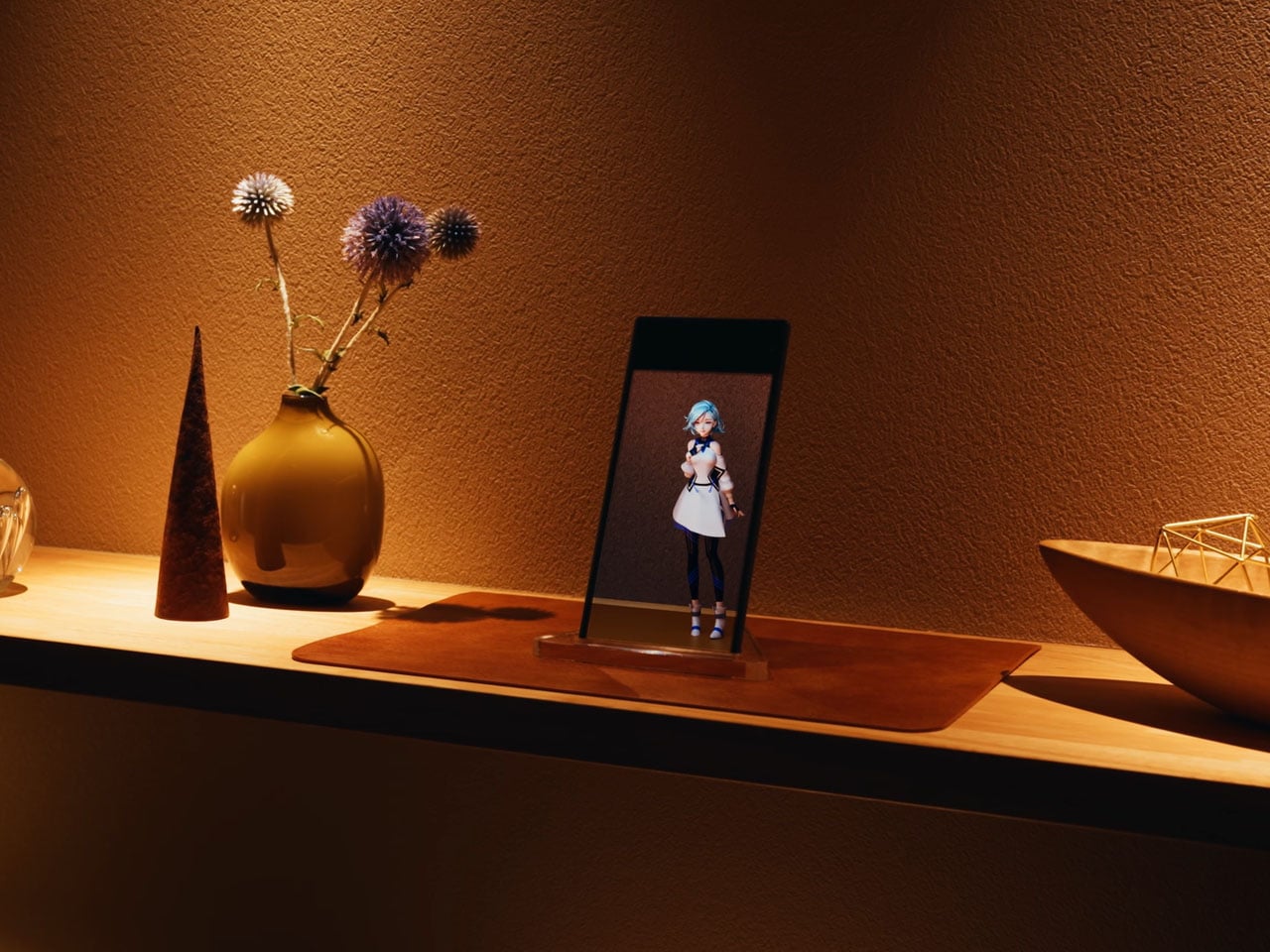
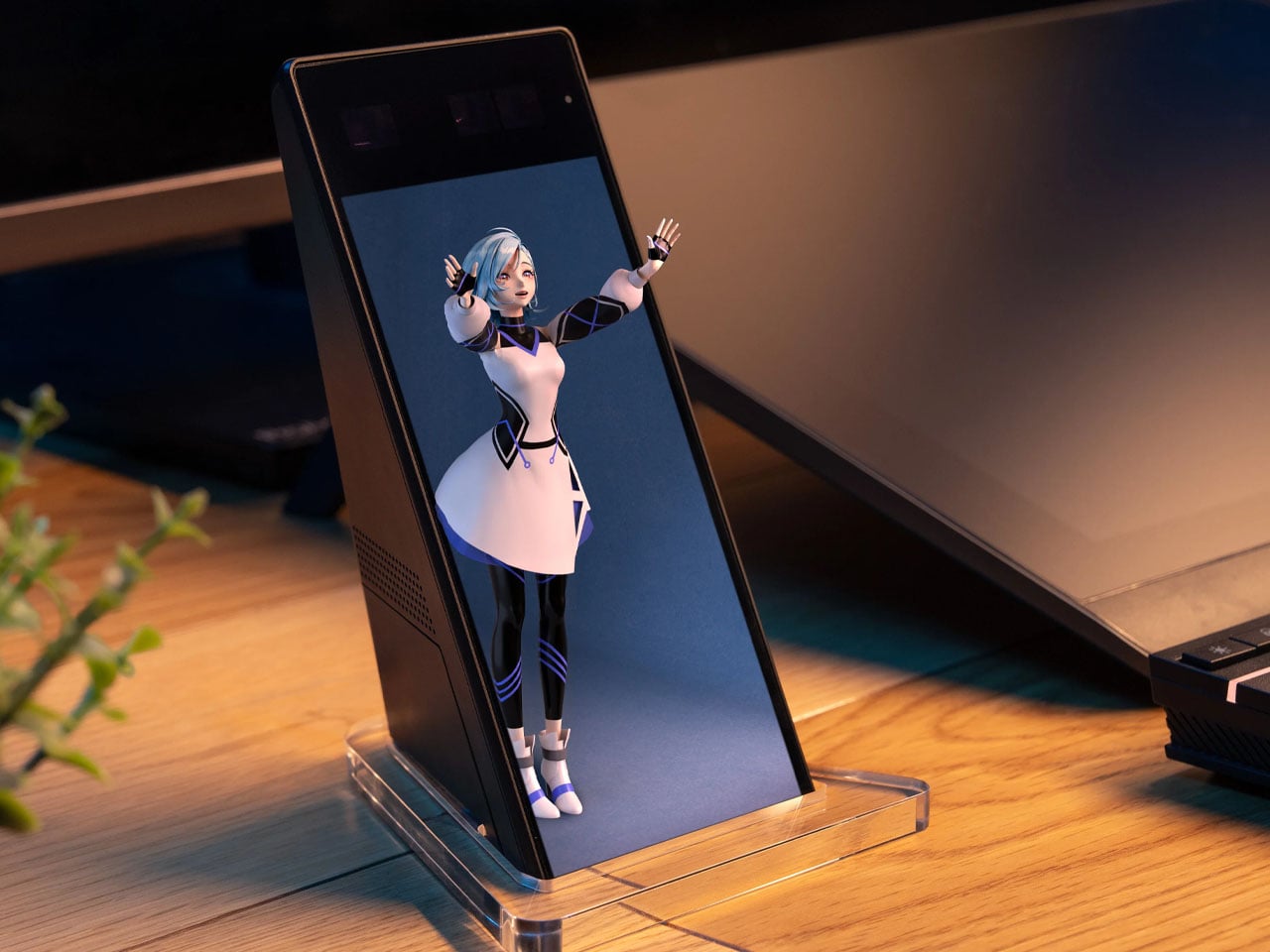
Sony’s ELF-MN1 is an announced six-inch Spatial Reality Display intended to put compatible digital figures and other detailed 3D content beside your keyboard. It uses eye tracking and tiny lenses over an LCD to direct different views toward each eye, creating depth without glasses or a headset. Sony schedules its Japanese release for December 11, 2026. The appeal is wonderfully specific: a favorite character gets a place in your workspace without becoming another physical figurine to dust or rearrange regularly.
The important distinction is that this is a display, not a hologram floating freely above the desk. It needs a compatible smartphone or PC and suitable content, so the experience depends on more than the object itself. Sony specifies viewing for one person, which suits a personal workspace better than a shared spectacle. For an anime enthusiast or digital collector, that private little stage is the point. It brings a hobby into the room without pretending to organize your afternoon.
What We Like
- Glasses-free depth gives digital collectibles a desktop presence.
- Eye tracking adjusts the view as you move.
What We Dislike
- Requires compatible hardware and content.
- The 3D effect is designed for one viewer at a time.
2. Stair Table Lamp
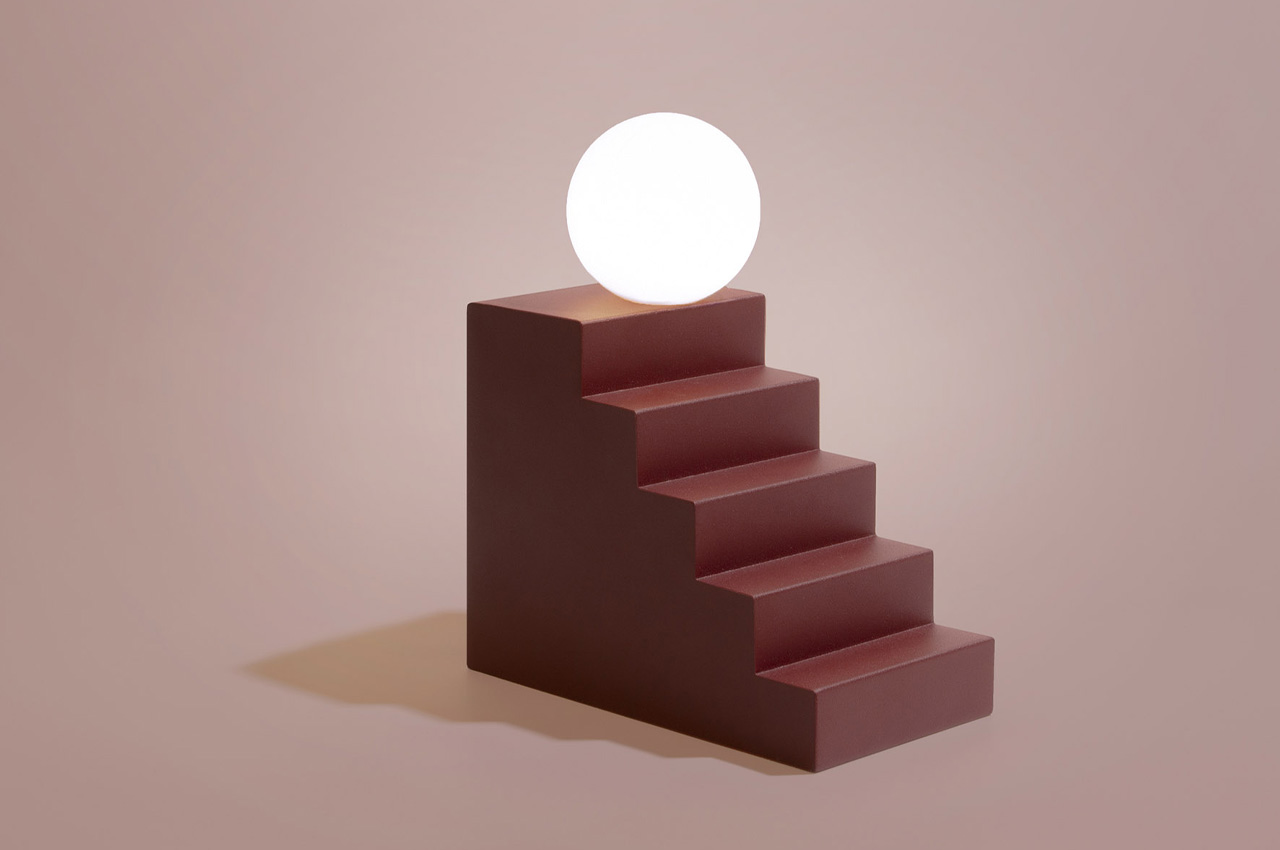

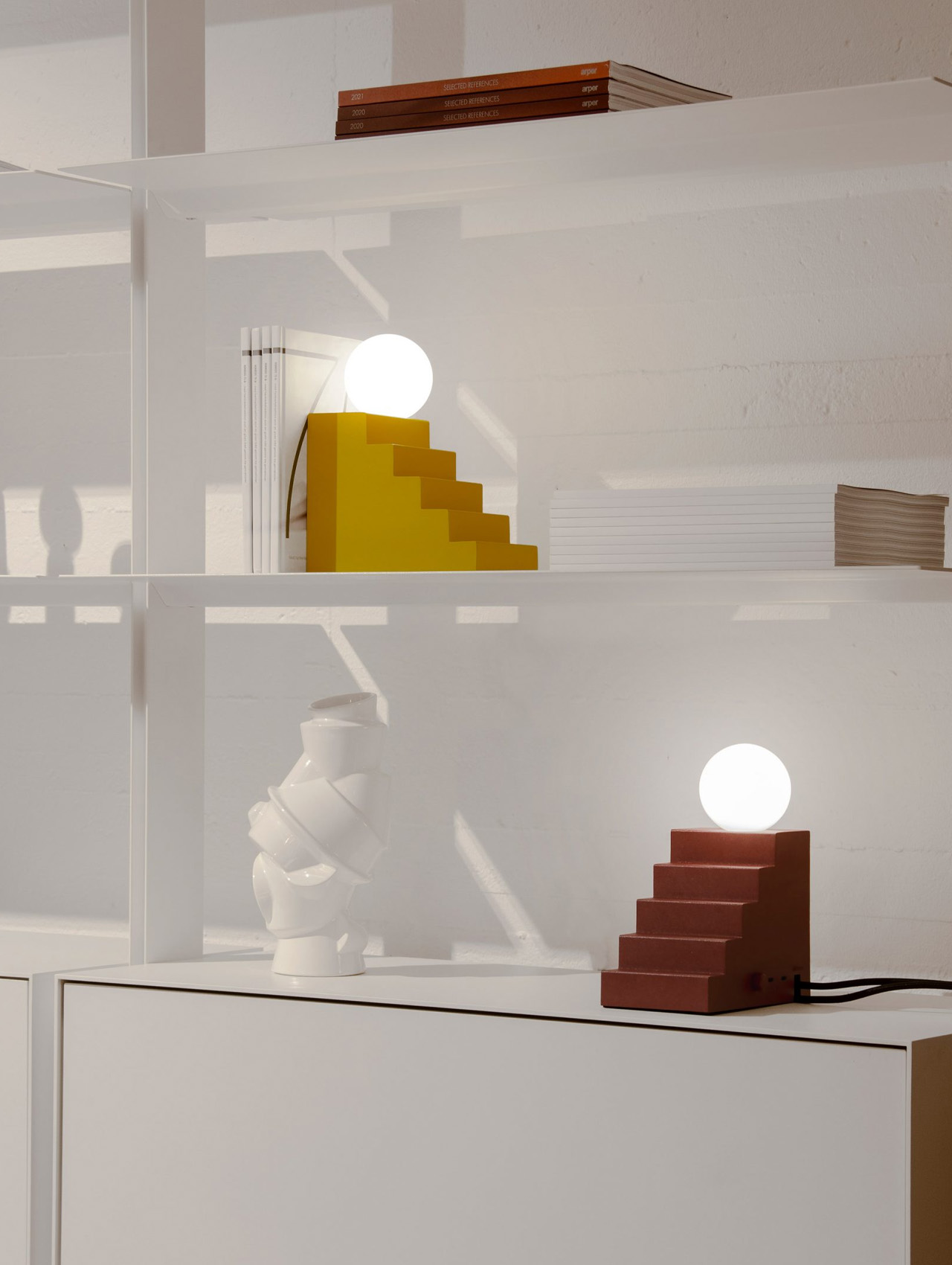

A glowing globe appears to pause at the edge of a tiny staircase. Designed by Notchi Architects for Oblure, the Stair Table Lamp turns basic architectural geometry into something closer to a desktop prop from a playful animated film. The stepped block gives the light a visual story even before you switch it on. Beyond that expressive shape, it also incorporates two USB-C charging ports and a power outlet, putting useful connections inside its sculptural base beside your everyday equipment.
For a home office, the attraction is having a lamp you might choose for the living room rather than accept from an equipment catalog. Its stepped form can serve as a bookend, giving it a second reason to sit beside your reading material. Check electrical compatibility before ordering:
What We Like
- The architectural form stays interesting with the light switched off.
- Integrated charging connections give the sculptural base a practical role.
What We Dislike
- The listed electrical version isn’t suited to standard US outlets.
- A power cord keeps it tied to an outlet.
3. Tevaplanter


Tevaplanter puts the interesting part of growing a plant on the outside. Its porous ceramic body holds water inside, allowing moisture to pass through to roots attached to the textured exterior. There’s no potting soil concealing the process, so the vessel becomes a support for a changing patchwork of growth. Beside a monitor, that makes a useful visual contrast: one object updates in pixels, while the other changes through roots, leaves, and the occasionally unpredictable business of keeping something alive.
This belongs in a home office with room for a small growing project, rather than someone seeking greenery to ignore. The maker recommends suitable plants such as orchids and ferns, but individual species still need appropriate care. You’ll need to refill the reservoir and choose a position that meets your plant’s lighting needs. Think of it as a living desktop display with responsibilities attached. Watching that surface change is the pleasure; removing soil does not remove the work of gardening.
What We Like
- Exposed growth makes the growing process part of its appeal.
- Soil-free cultivation avoids keeping potting mix on the desk.
What We Dislike
- Plant choice and growing conditions still need attention.
- Reservoir refills remain part of the routine.
4. TriAngular Calendar 2027
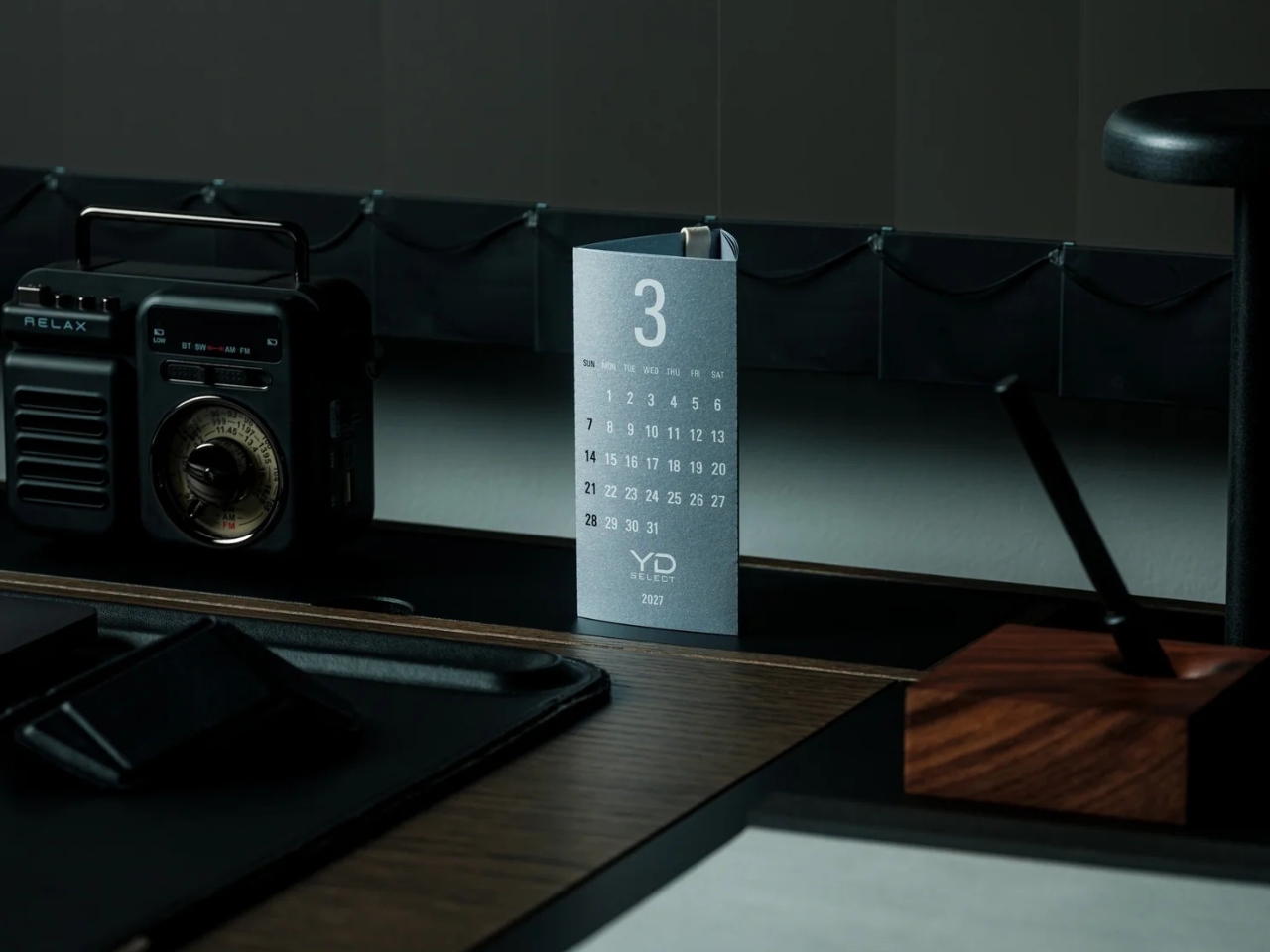
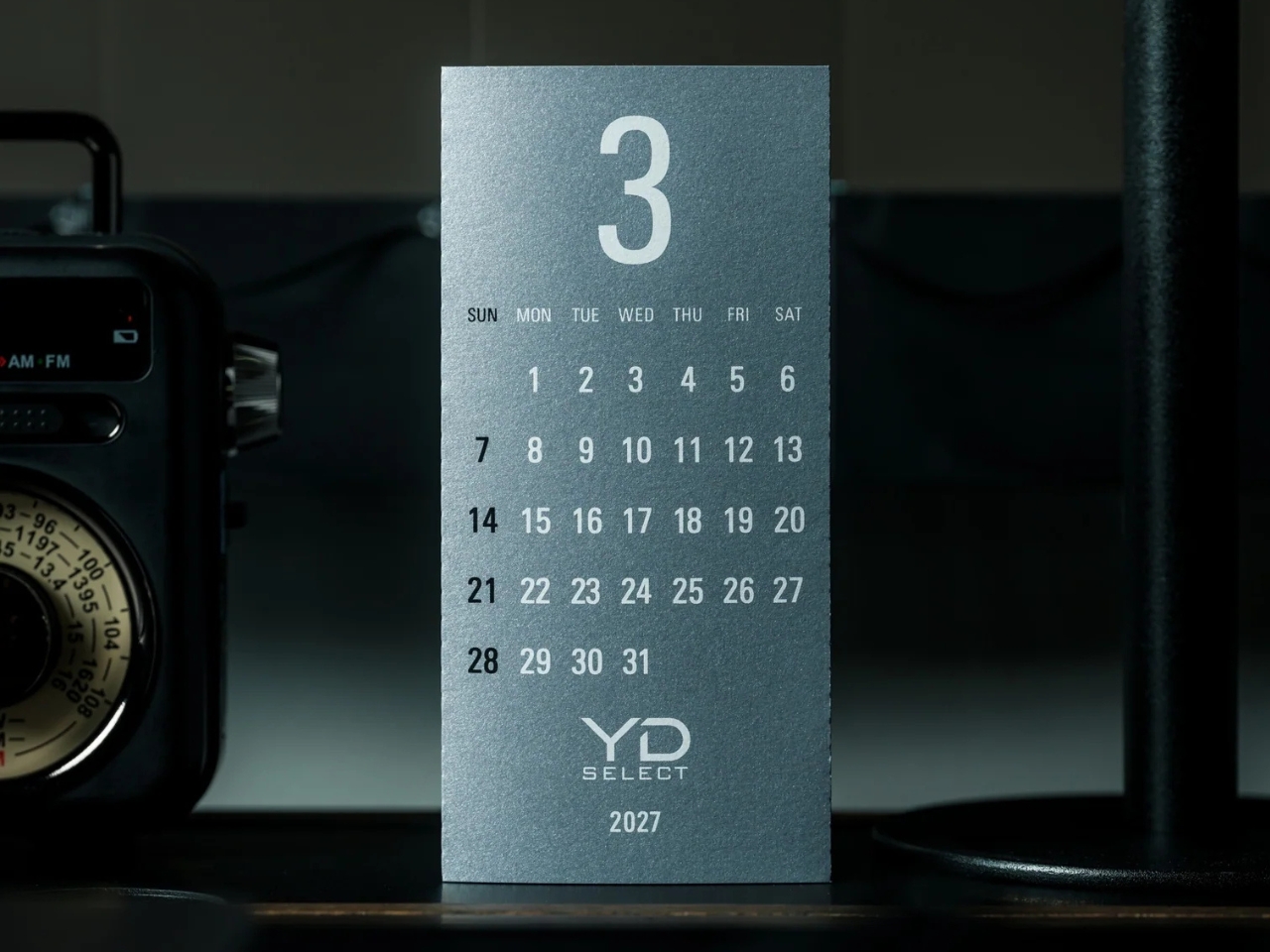
The TriAngular Calendar 2027 makes checking a date a small physical action instead of another reason to unlock your phone. Three months wrap around its triangular paper structure, so you rotate the calendar to see another month. There’s no separate stand underneath: the folded paper supports itself, secured with a paper clip rather than metal hardware. Silver specialty paper and white printing give this ordinary desk necessity a more deliberate presence, without adding electronics or asking you to charge anything.
Made in Japan, each sheet is silkscreen printed by hand, with white ink applied twice to the silver paper. Individual months are perforated for removal, and January and February 2028 are included beyond the main year. At 60 millimeters wide and 53 millimeters deep, its footprint is modest enough for a crowded desk. The limitation is deliberate simplicity: there are no national public holidays printed. It works best as a quick date reference, leaving detailed scheduling to your existing planner.
What We Like
- Three months accessible by rotating the form.
- Paper construction needs no separate stand.
What We Dislike
- No national holidays are marked.
- Dated pages aren’t reusable in later years.
5. Divoom Astrotoo
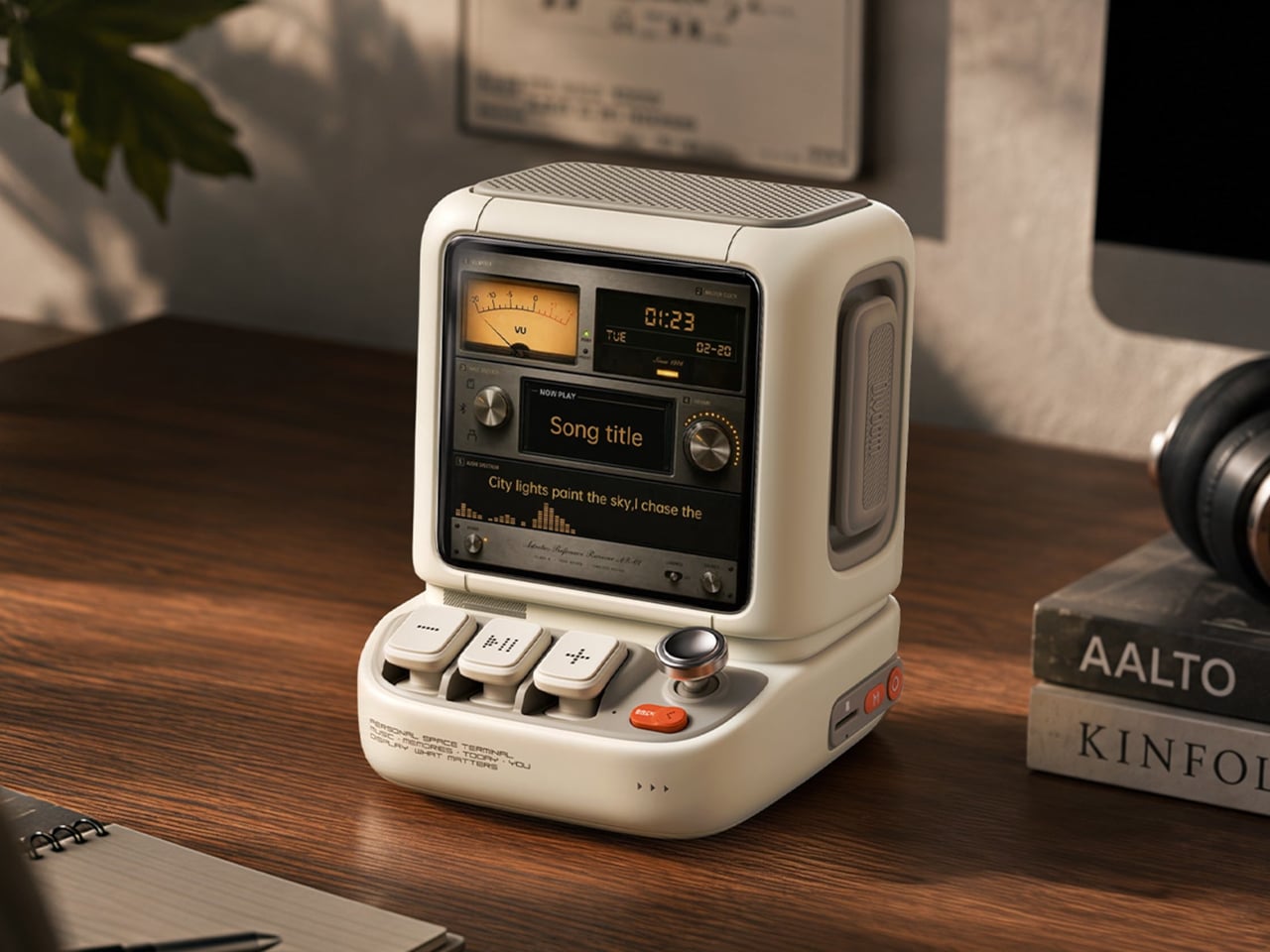
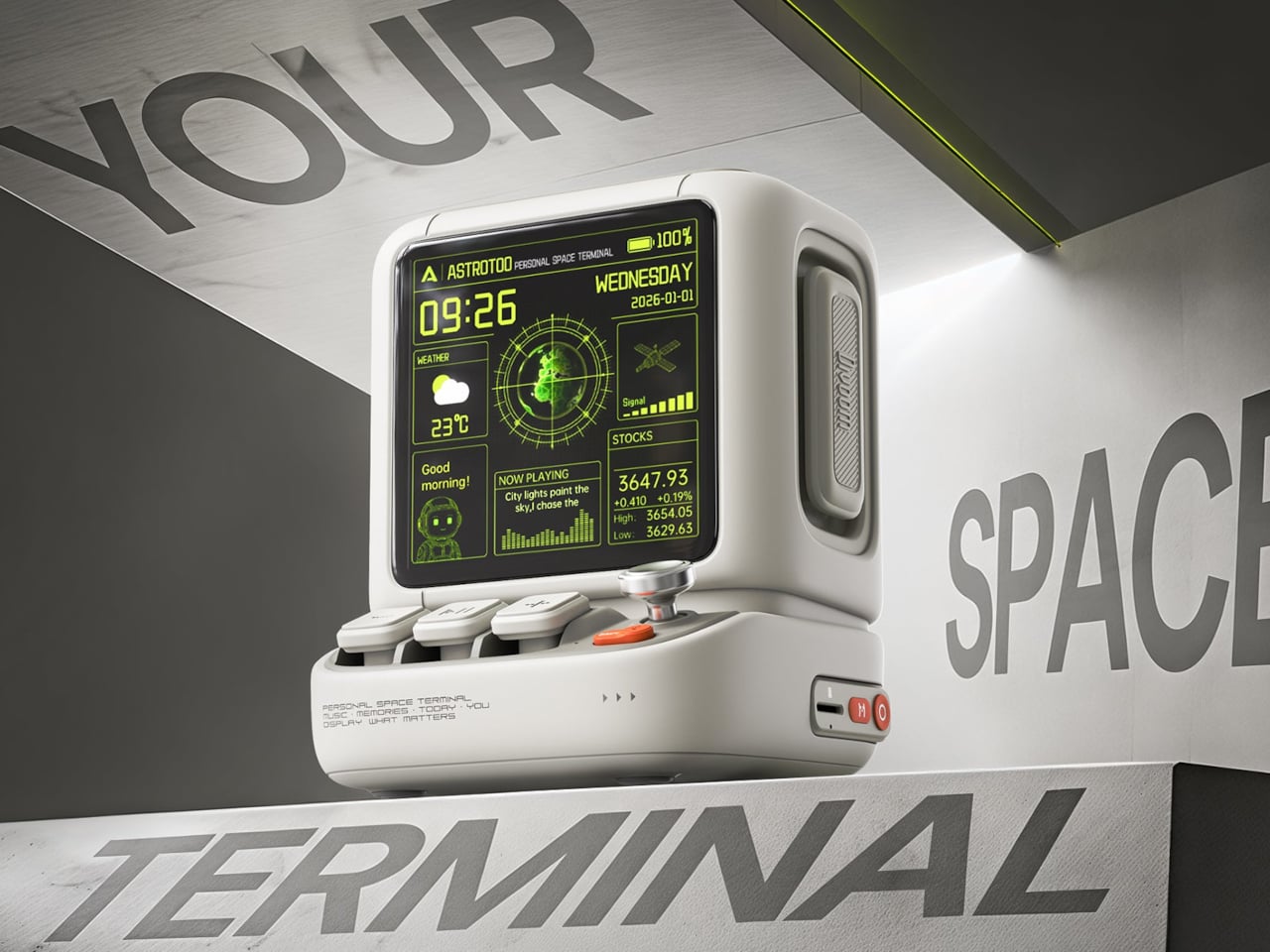
Divoom’s Astrotoo looks like a miniature computer that has escaped the obligation to run spreadsheets. It is a desktop speaker with a 3.95-inch display, physical keys, and a joystick, packaged as a chunky little terminal. The screen can show photos, pixel art, clock faces, and music visualizations instead of staying dark between songs. That combination gives it a role beside Sony’s display: a music accessory with controls that invite a reach across the desk instead of another app.
Customization runs through the Divoom app, so the playful hardware doesn’t remove your phone from the process entirely. Still, choosing a favorite photo or animation gives the object a personal purpose beyond playing audio. Its base measures 106 by 108 millimeters, which is manageable but deserves consideration on a small desk already carrying several gadgets. The real buying question is whether you want a speaker with a visual personality. Sound quality needs listening, and an animated display cannot answer that.
What We Like
- Physical keys and a joystick provide alternatives to touchscreen controls.
- Personal photos and artwork give the display a purpose between songs.
What We Dislike
- Visual customization still involves the app.
- Another animated screen could compete for your attention.
6. iA Vanishing Line Notebook
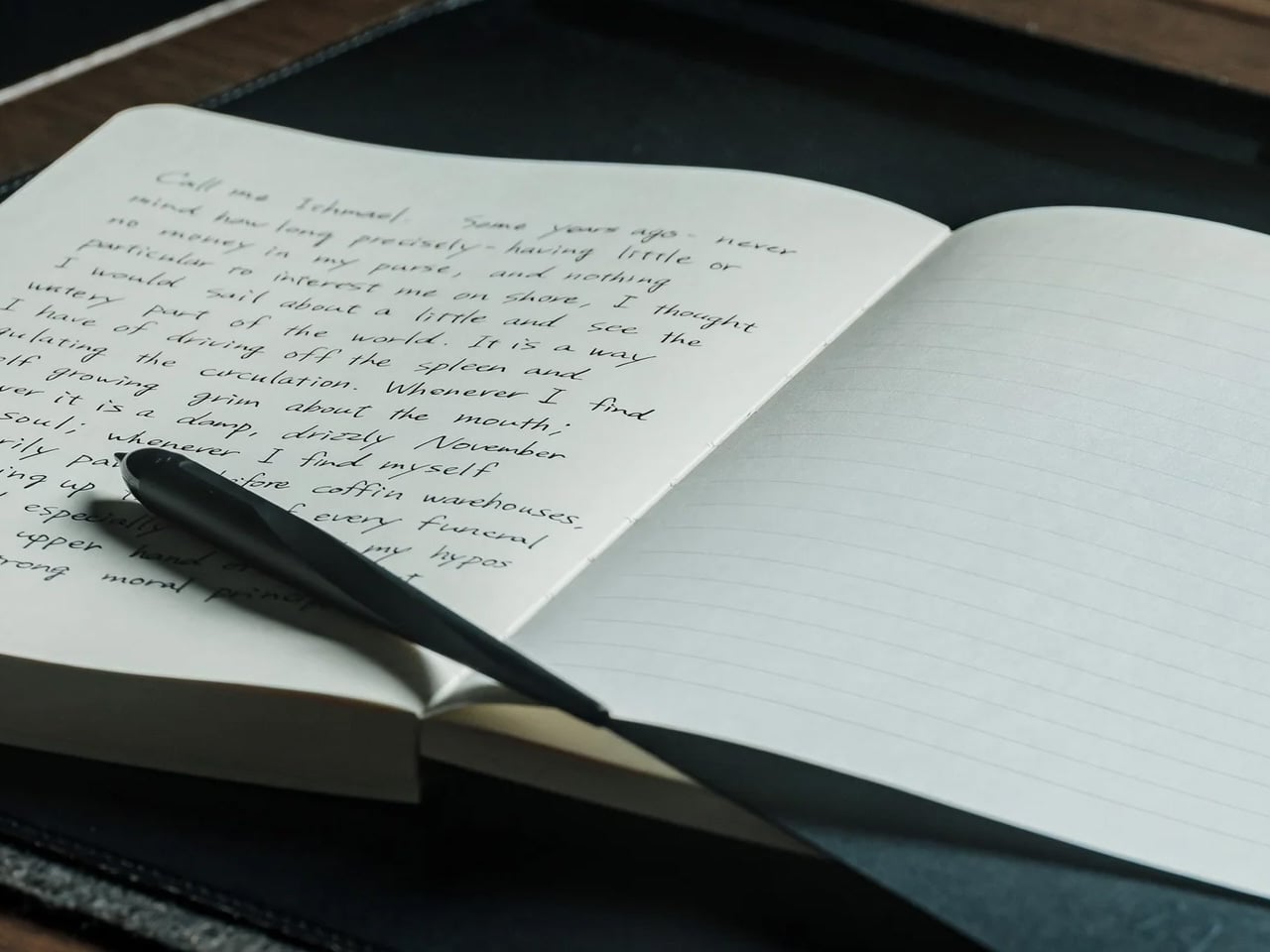
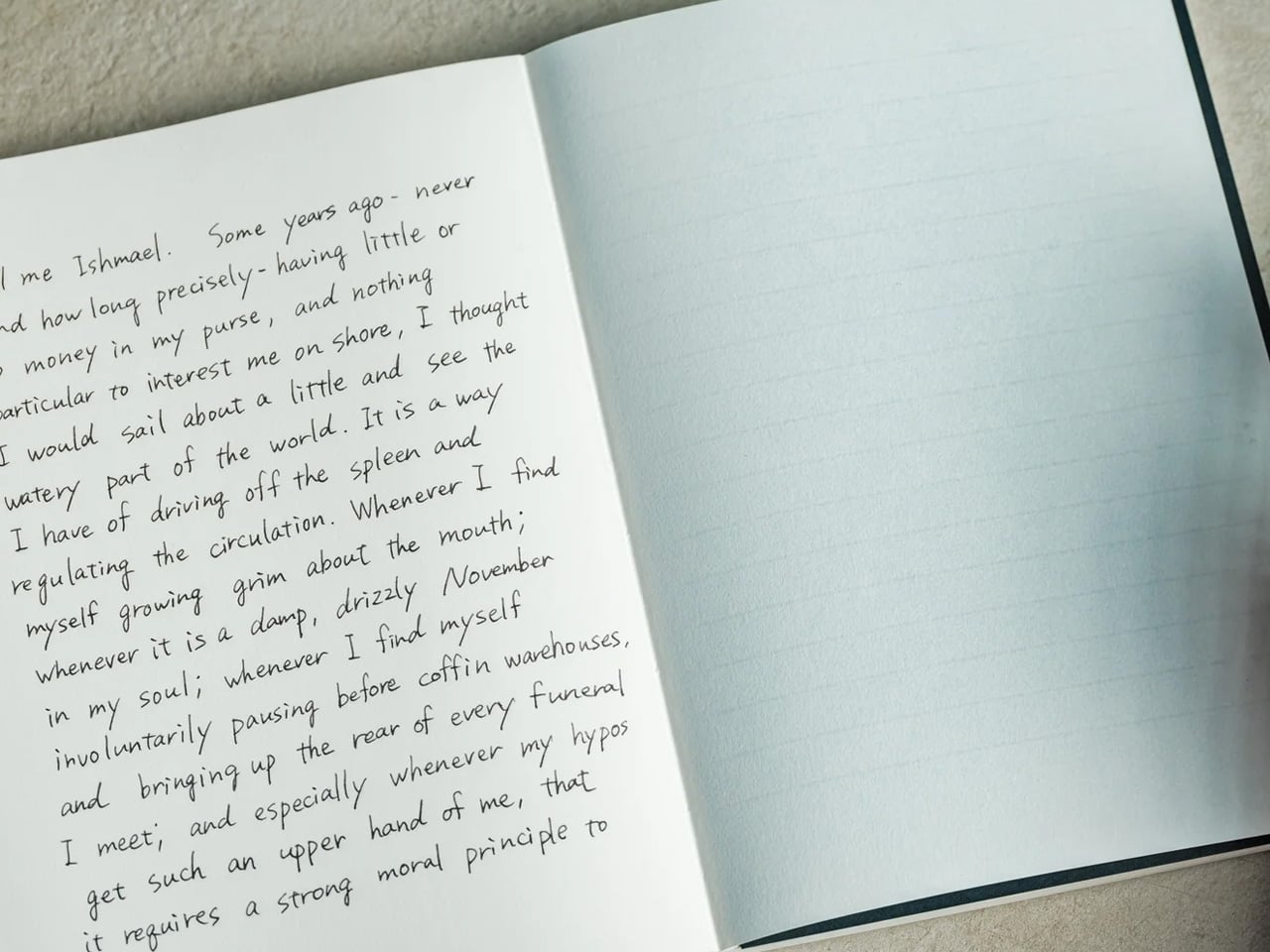
The iA Vanishing Line Notebook makes its most interesting feature less visible as you use it. Instead of conventional printed ruling, it uses watermark guidelines that appear on an empty page and become less noticeable beside darker handwriting. The lines don’t physically disappear, and there’s no special ink involved. It’s an optical contrast effect, designed to leave your words more prominent when you return to read them. That is a thoughtful adjustment to something most notebooks simply take for granted.
The A5 hardcover contains 288 pages of Japanese Araveal White paper and uses thread-sewn binding that lets it open flat. Beside a laptop, it offers space for rough ideas without another window or notification. The 10-millimeter ruling is worth noting if you prefer closely spaced handwriting, and the notebook’s approximately 470-gram weight makes it substantial for daily carrying.
What We Like
- Watermarks guide writing without conventional printed lines.
- Sewn binding lets the book lie flat.
What We Dislike
- At $80, it’s a premium stationery purchase.
- Faint guides can be difficult to see in some lighting.
7. MezmoCoin

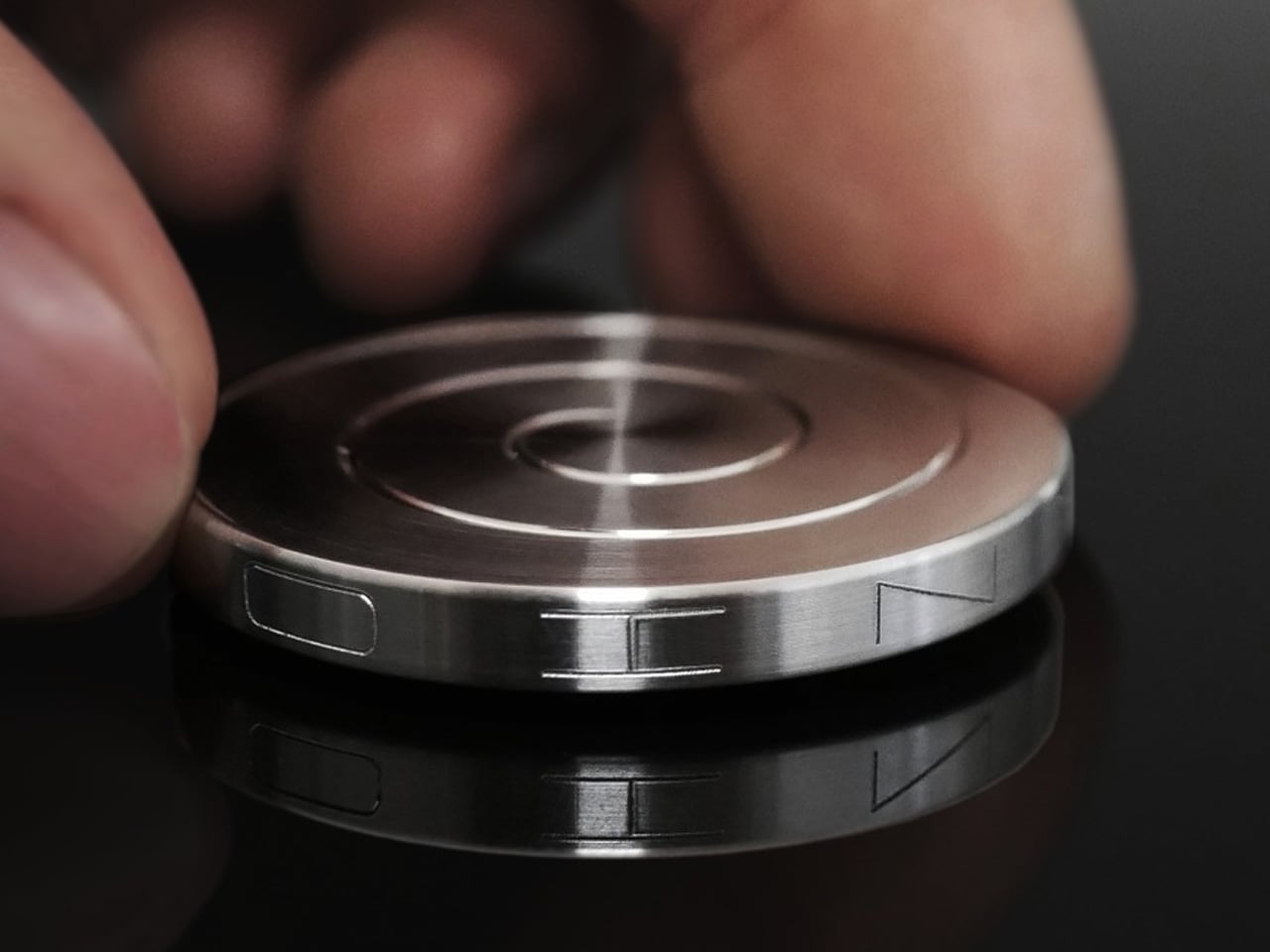
Some desk accessories are allowed to be toys. Designed by Kristoph Krisjans, the original MezmoCoin is a small metal spinner whose surface pattern produces the illusion of a flowing spiral as it rotates. Its flat, coinlike form keeps the object simple, with the movement doing the entertaining.
The appeal here is a break that doesn’t begin by opening another screen. Give the coin a spin, watch the pattern move, and let the action be enough without turning it into a focus exercise. Technique and surface matter: the maker recommends smooth glass for longer rotations and practice to achieve a controlled launch. A clear patch of desk is essential, especially while learning. It gives your hands and eyes something to follow without adding another electronic device to maintain.
What We Like
- A compact optical illusion with no batteries or app.
- Its simple form puts the emphasis on movement.
What We Dislike
- Surface choice and spinning technique affect performance.
- Current availability of the original coin remains unconfirmed.
8. ExtLine Trash Bin
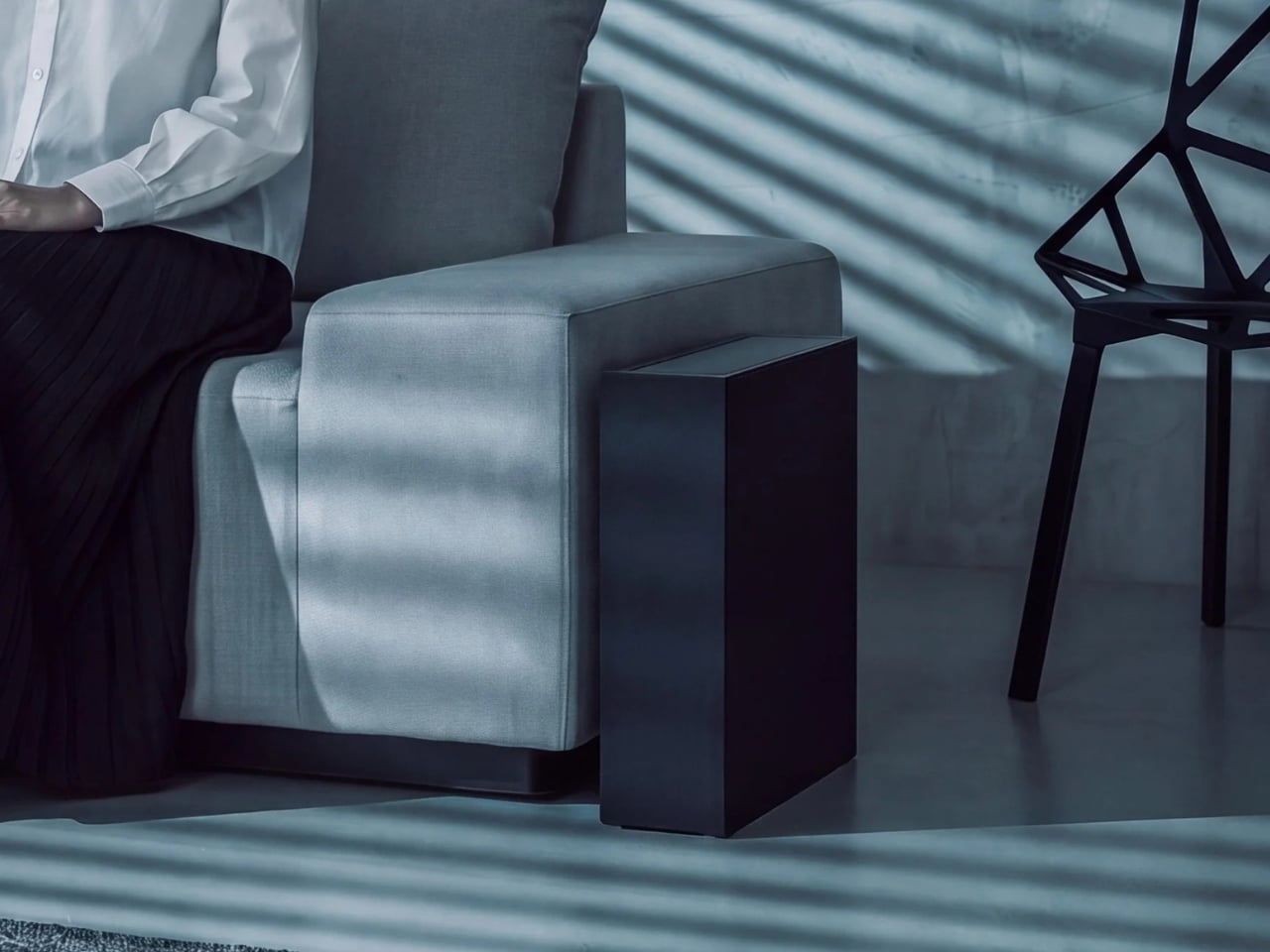
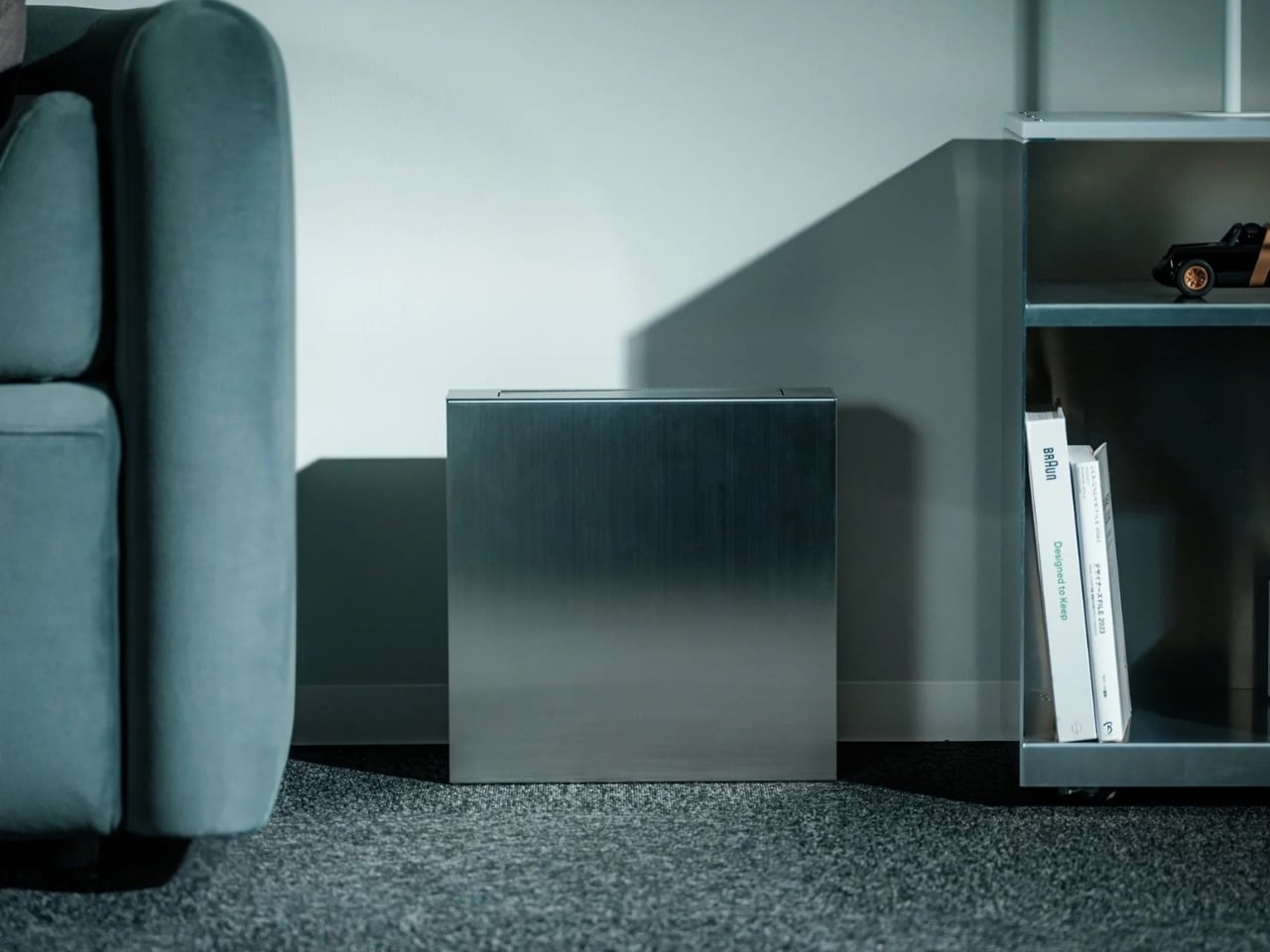
The ExtLine Trash Bin deals with the least photogenic part of a home office by changing its outline. Designed by Yuji Tsukamoto and manufactured by Gendai Kogyo in Japan, the stainless steel bin has a straight body only 110 millimeters wide. It can sit flush against a wall without the familiar flared outline of a typical open wastebasket. A lid rotating around a central pivot conceals the liner and contents when closed, keeping the object from visually dominating its surroundings.
The sharp edges come from a grooving and bending process the shop identifies as Shikaru bending, used to achieve crisper corners than conventional sheet metal folds. That precision matters on an object with very little else to look at. Its capacity is 10.5 liters, making it a modest office bin rather than a household workhorse.
Click Here to Buy Now: $490.00
What We Like
- Slim body fits along a wall.
- Closed lid conceals waste and liner.
What We Dislike
- $490 is a substantial price for a bin.
- Capacity is limited to approximately 10.5 liters.
Leave Some Room for Yourself
The most useful starting point is the part of your workspace that currently feels borrowed from somebody else. If the lighting is purely functional, choose a lamp you enjoy looking at. If everything happens through a screen, make room for paper or something living. There’s no need to make every object playful. A few deliberate choices are enough to give the room a character that feels recognizably like your own.
Keep the practical limits visible, too. A display may need another device, a plant needs care, and a beautiful bin still needs emptying. Those requirements matter more than how convincing the setup looks in a photograph. The goal is a place where you can work without feeling surrounded by work equipment. Leave enough surface to use the desk, then let the objects you keep there express something beyond your job.