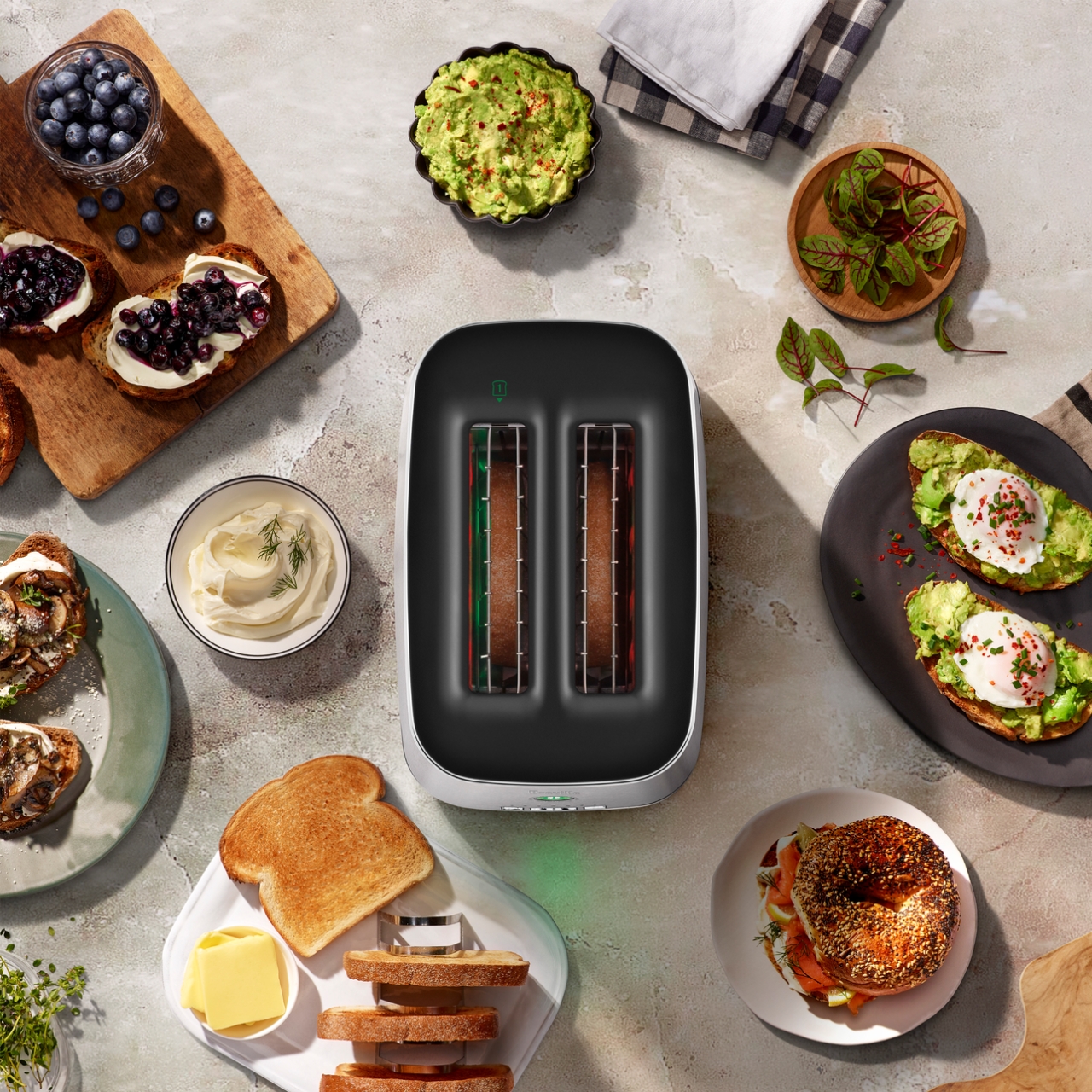

A toaster’s dial can stay on the same number while breakfast comes out a different shade. The slice from the freezer needs more time than the one from the bread box. Sourdough brings a different challenge: keeping the crust from scorching while the center browns. Getting it right often involves checking, canceling, and sending a pale slice back down for another round.
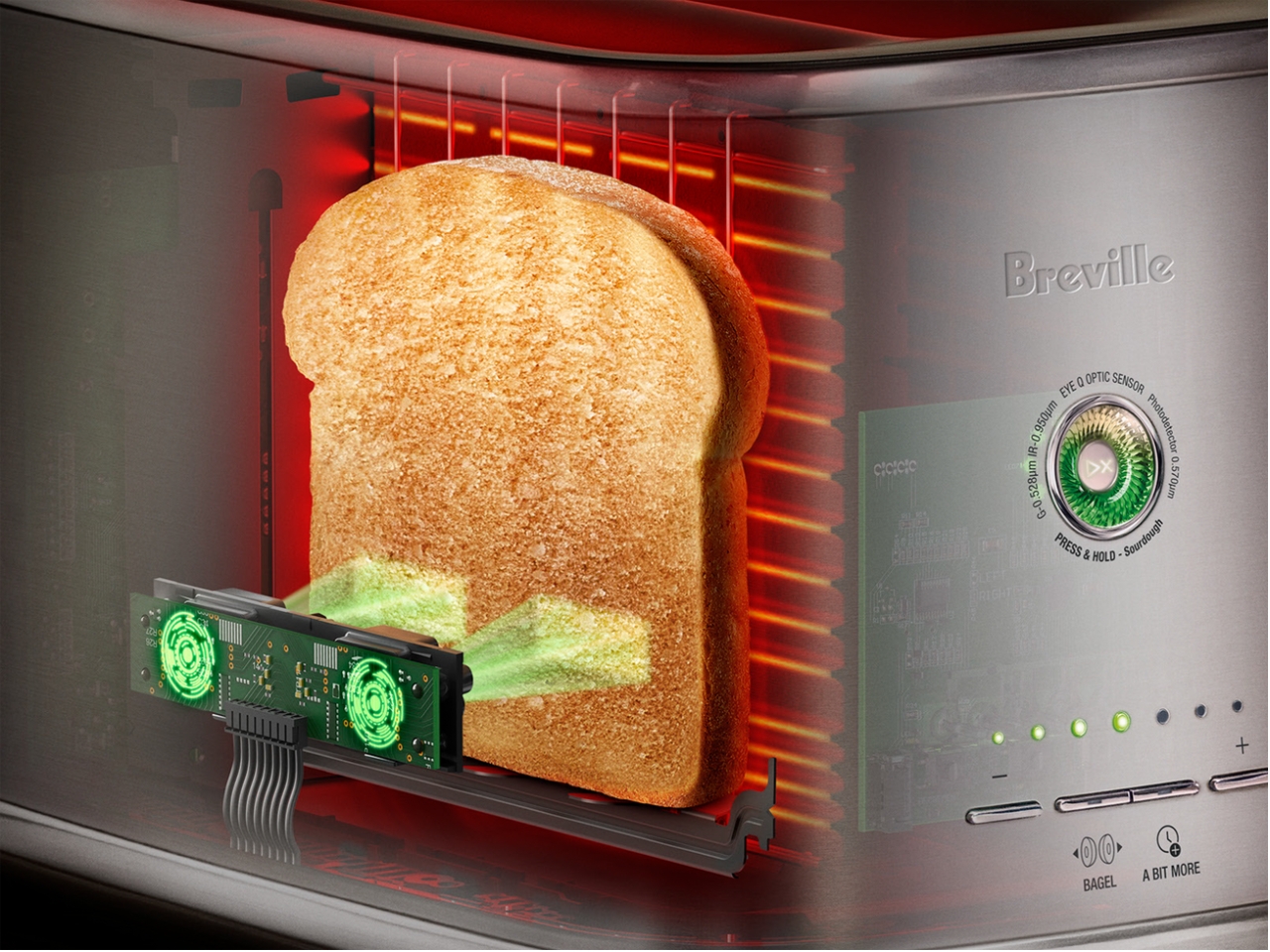
Breville’s Eye Q 850 Auto 2 Slice approaches that problem by watching what happens to the bread. The $299.95 toaster uses optical sensors that, according to Breville, measure color changes 10 times a second. You choose one of seven browning levels, and the machine ends the cycle when it detects the selected shade. It’s an appealing change in responsibility. You decide what breakfast should look like; the appliance handles the timing.
Designer: Breville
That distinction matters more than the number of settings. A browning selector is familiar, but having the machine monitor progress toward that result gives the selection a different meaning. Breville calls the underlying system Sensability technology. The name is less interesting to me than the premise: a kitchen appliance measuring the thing you’re trying to achieve rather than asking you to estimate how long it takes.
Frozen bread provides the clearest everyday example. Breville says there’s no need to select a separate defrost function. The sensors follow the color change, using the same basic process as fresh bread. If you keep a sliced loaf in the freezer, that could mean one less adjustment each morning. It doesn’t establish that breakfast happens faster, but fewer decisions can still be a worthwhile improvement.
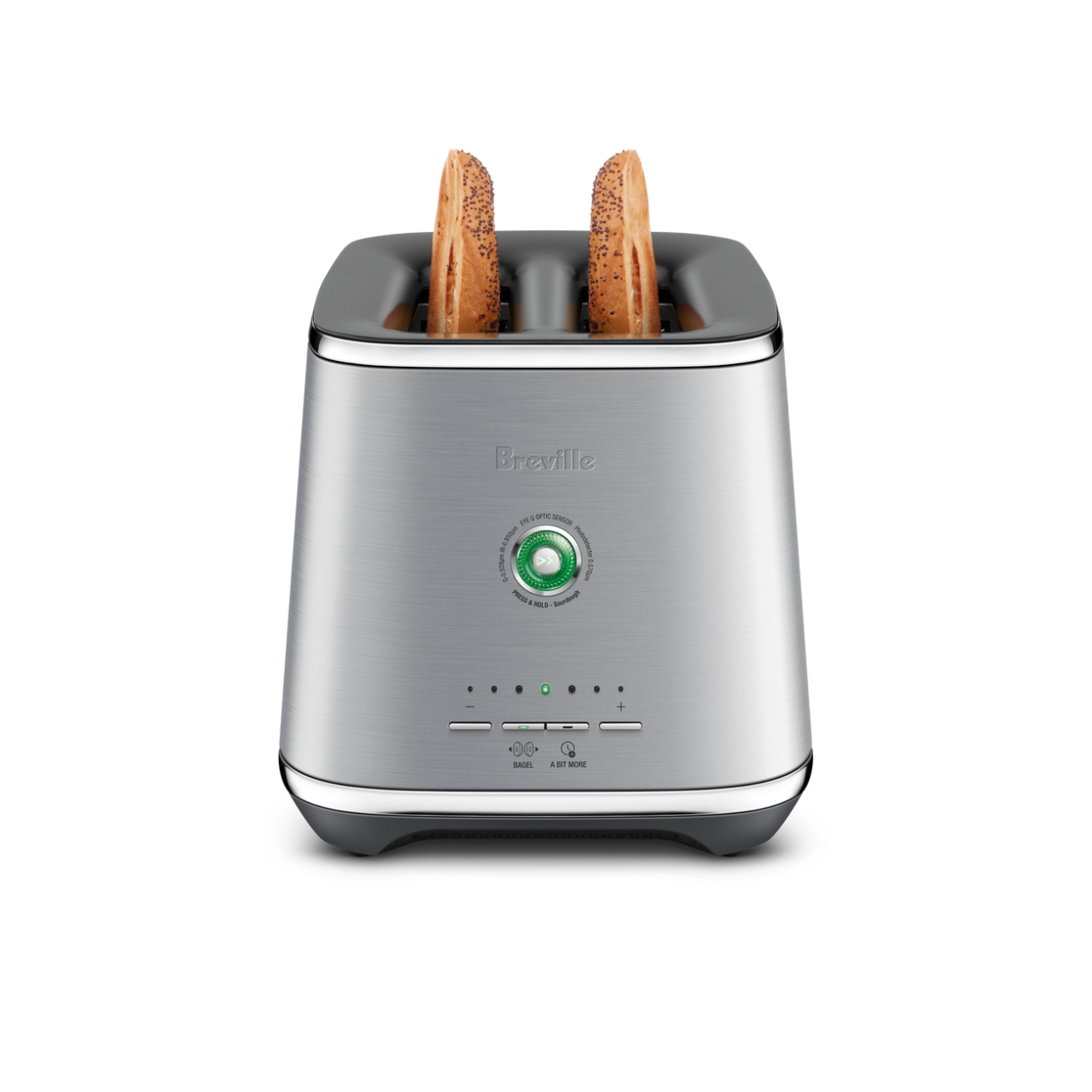

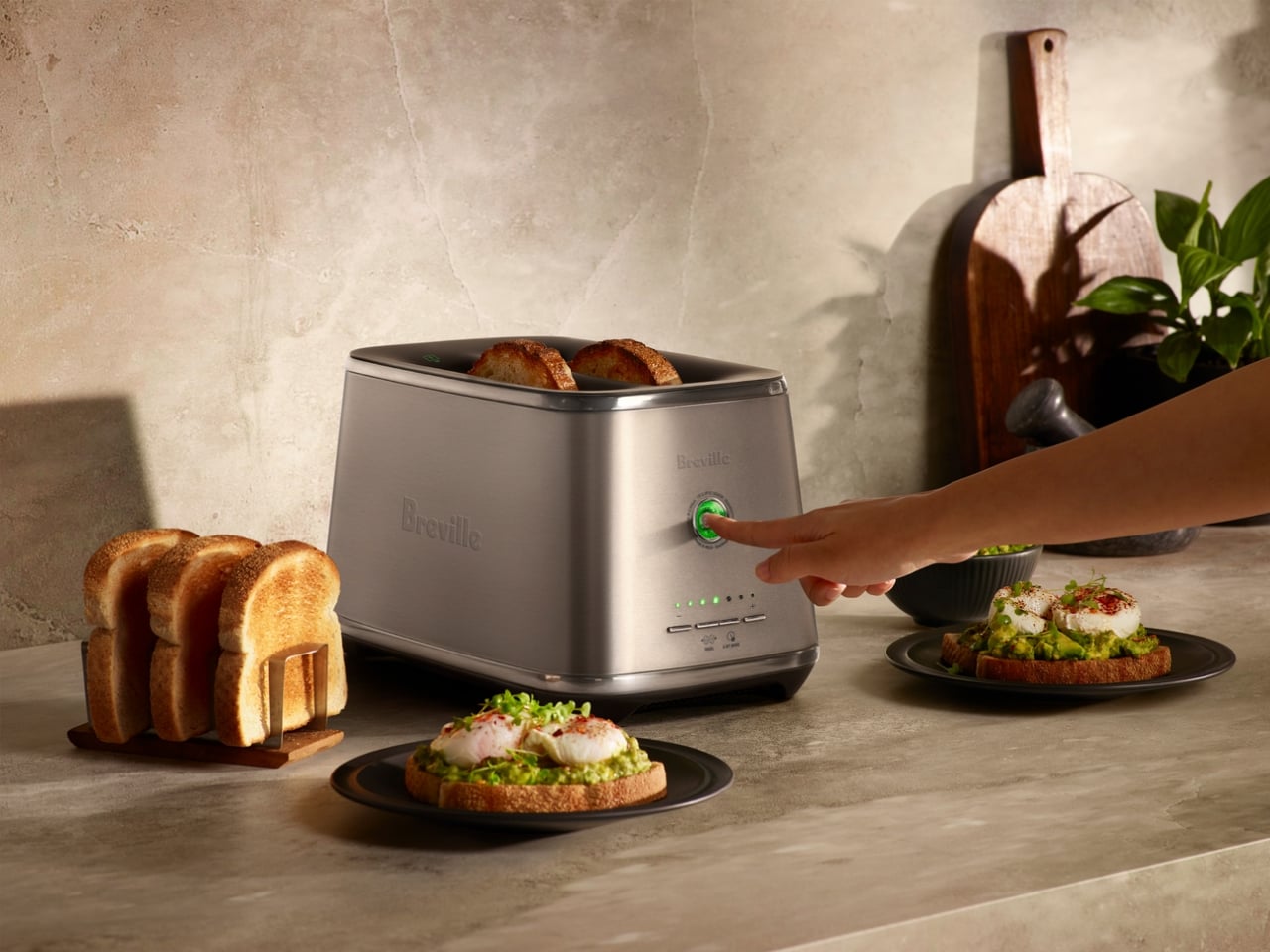
The physical interaction stays straightforward. A button starts the cycle, a motorized carriage lowers the bread, and the toast rises automatically when the cycle finishes. Plus and minus controls adjust the selected shade, with LEDs providing feedback. The steel housing and dark ceramic-coated top give it a restrained countertop presence. I appreciate that the technology hasn’t arrived with a huge screen attached. Toast shouldn’t require a dashboard.
Some of that simplicity depends on learning the controls, though. Pressing Start normally activates standard sensor toasting, holding it selects Sourdough mode, and double-pressing switches to Timer mode. Green, blue, and red lighting distinguish those modes. That keeps the front uncluttered, but remembering gestures isn’t necessarily easier than reading separate labels. It’s a reasonable tradeoff, provided you’re willing to read the manual before breakfast.
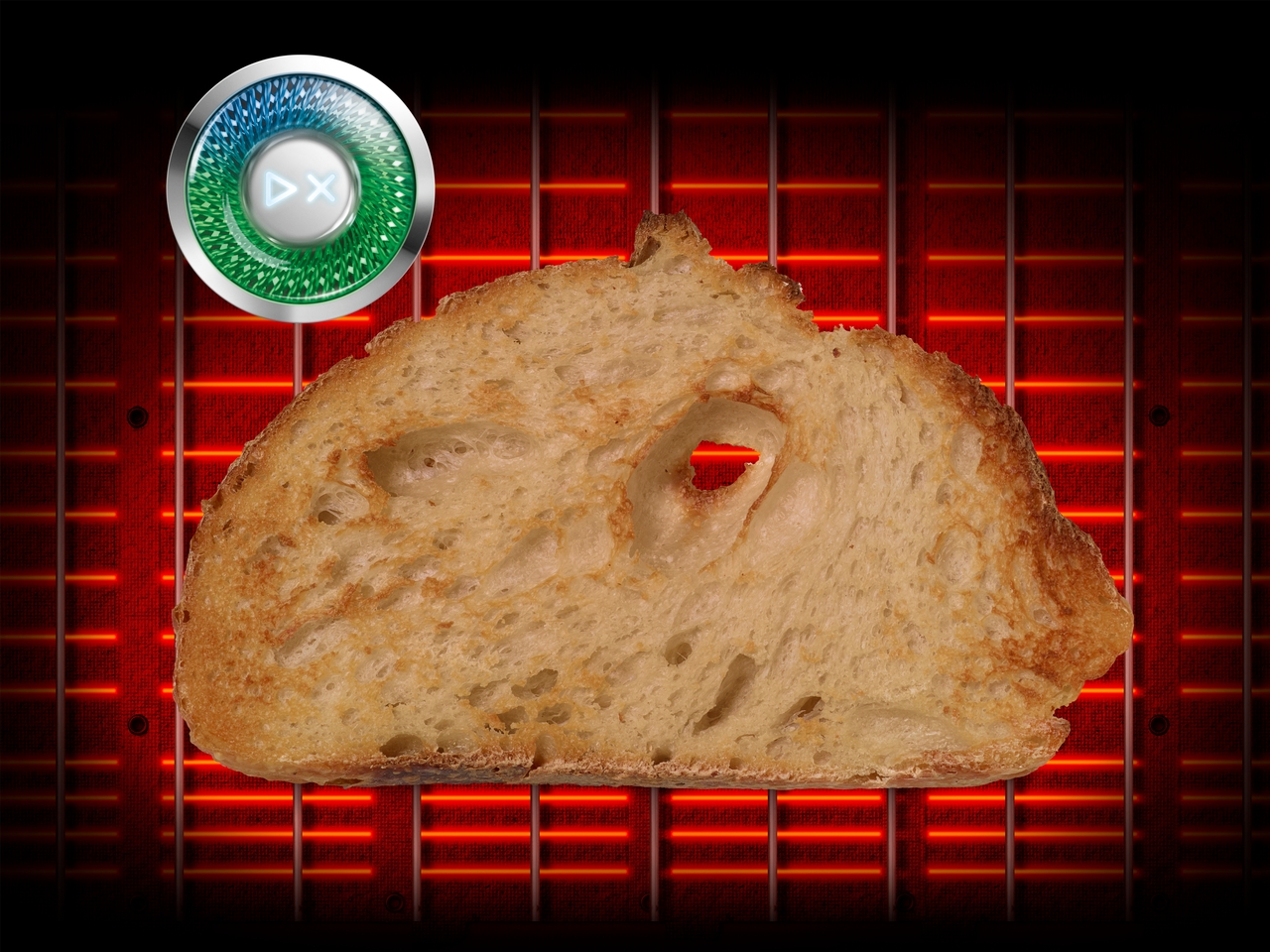
Sourdough mode is more specific than its name suggests. Breville’s manual says the modified algorithm stops toasting a little earlier to reduce the chance of burnt crusts on sourdough and other artisanal breads. That’s a useful acknowledgment that a slice isn’t one uniform material. It also sets an appropriate expectation: reducing scorched edges, rather than magically making every hole-filled, unevenly cut slice toast identically.
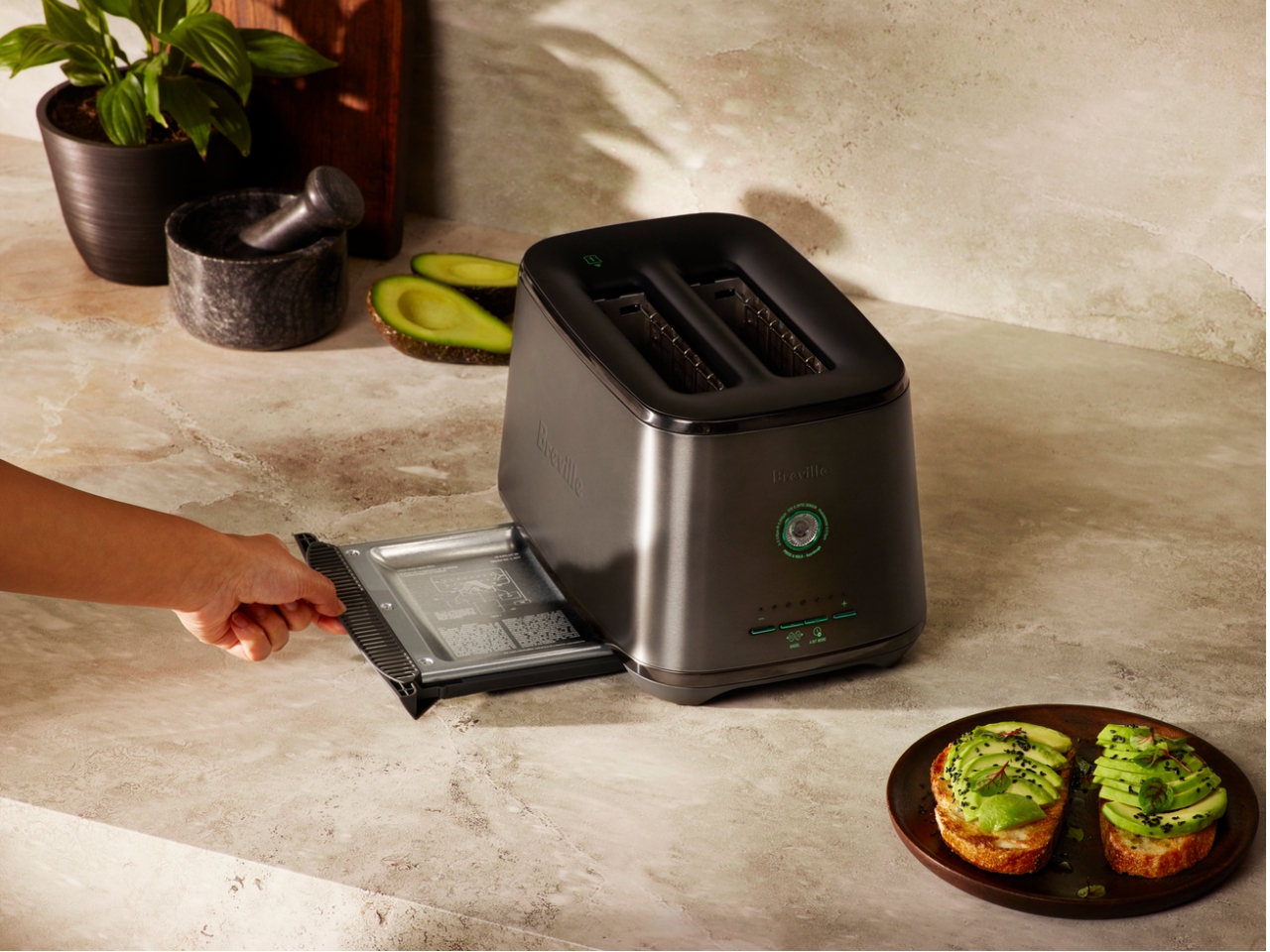
Cleaning gets equally practical attention. The ceramic-coated top is intended to wipe clean easily, while the internal Clearway cavity directs crumbs toward a removable tray. Those details might seem secondary beside optical sensing, but they address the less photogenic side of ownership. I’d give easier access to accumulated crumbs real weight in a purchase decision. The tray still needs regular emptying and cannot go in the dishwasher.
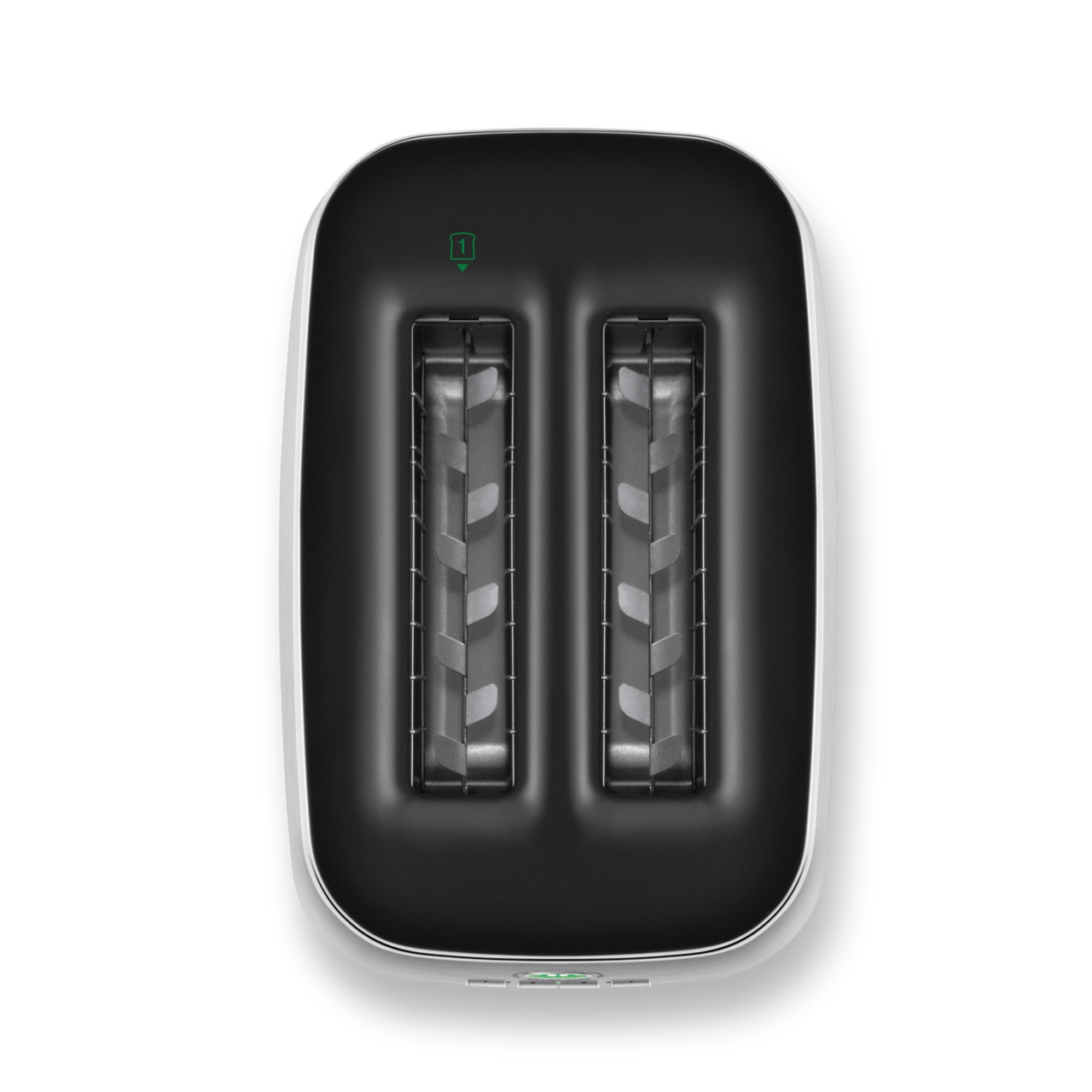
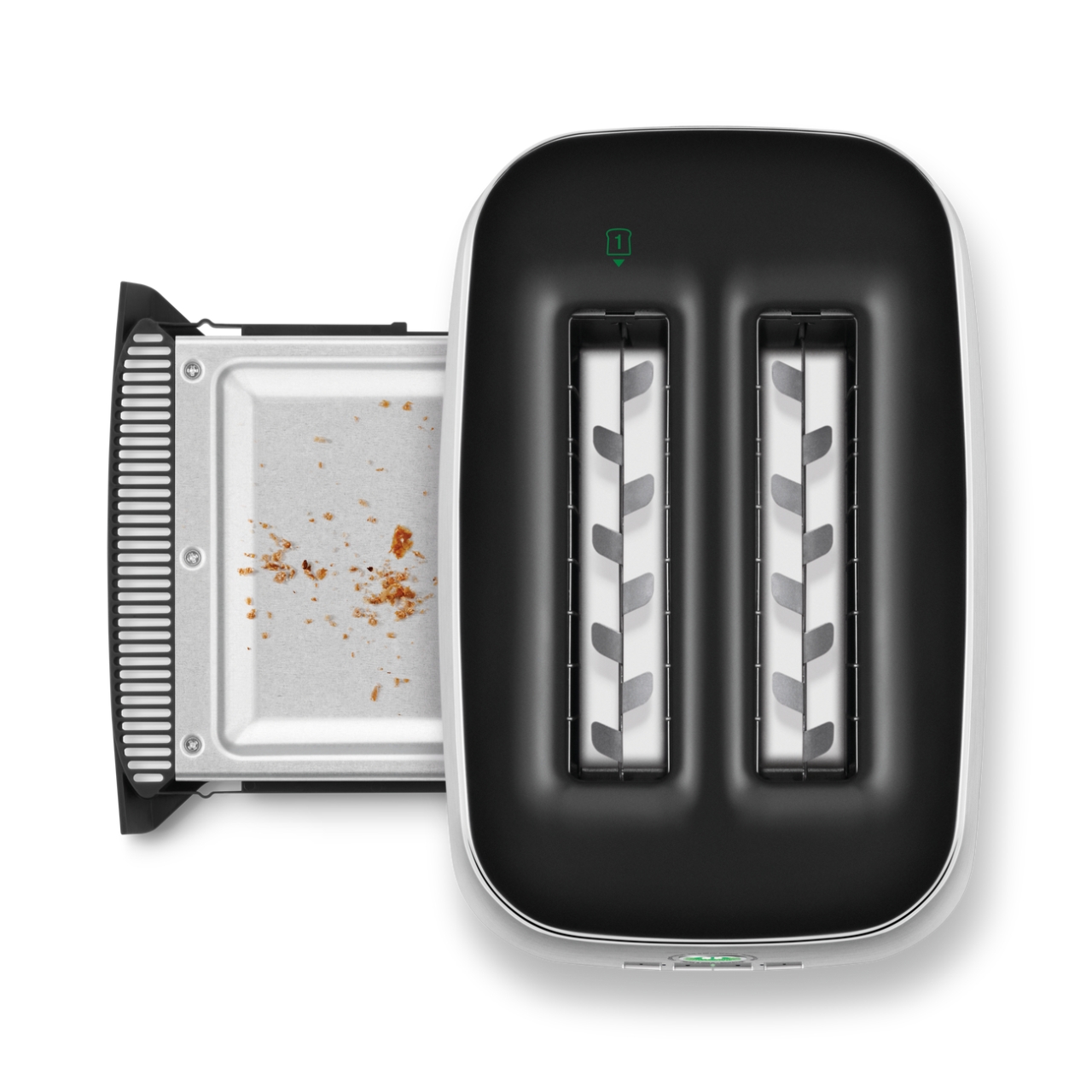
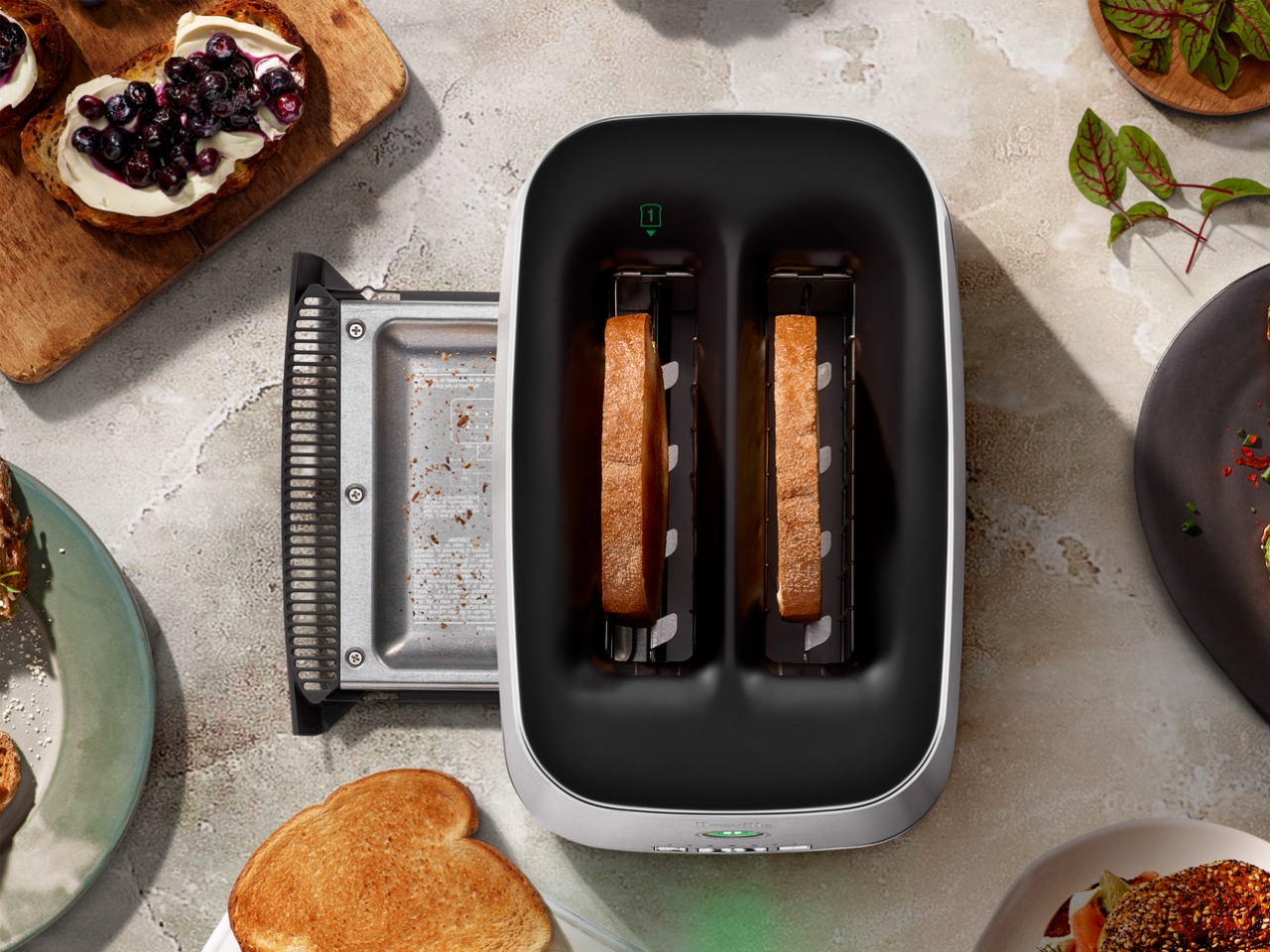
The sensors have limits, too. A single slice must sit in the designated sensing slot. Timer mode remains available for waffles or pastries that require particular cooking times or don’t reliably change color. And surface shade cannot tell you everything about internal warmth or crispness. I haven’t tested the Eye Q, so consistent texture and even browning across both slots remain questions, not conclusions.
At roughly $300 for two slices, repeatability is the standard I’d want it to meet. Breville also says it must not be left unattended, so the promise is less adjustment, not supervision-free cooking. For a daily toast eater, reliable browning could justify a premium. For an occasional slice, that price buys a sophisticated answer to a problem you may rarely notice.