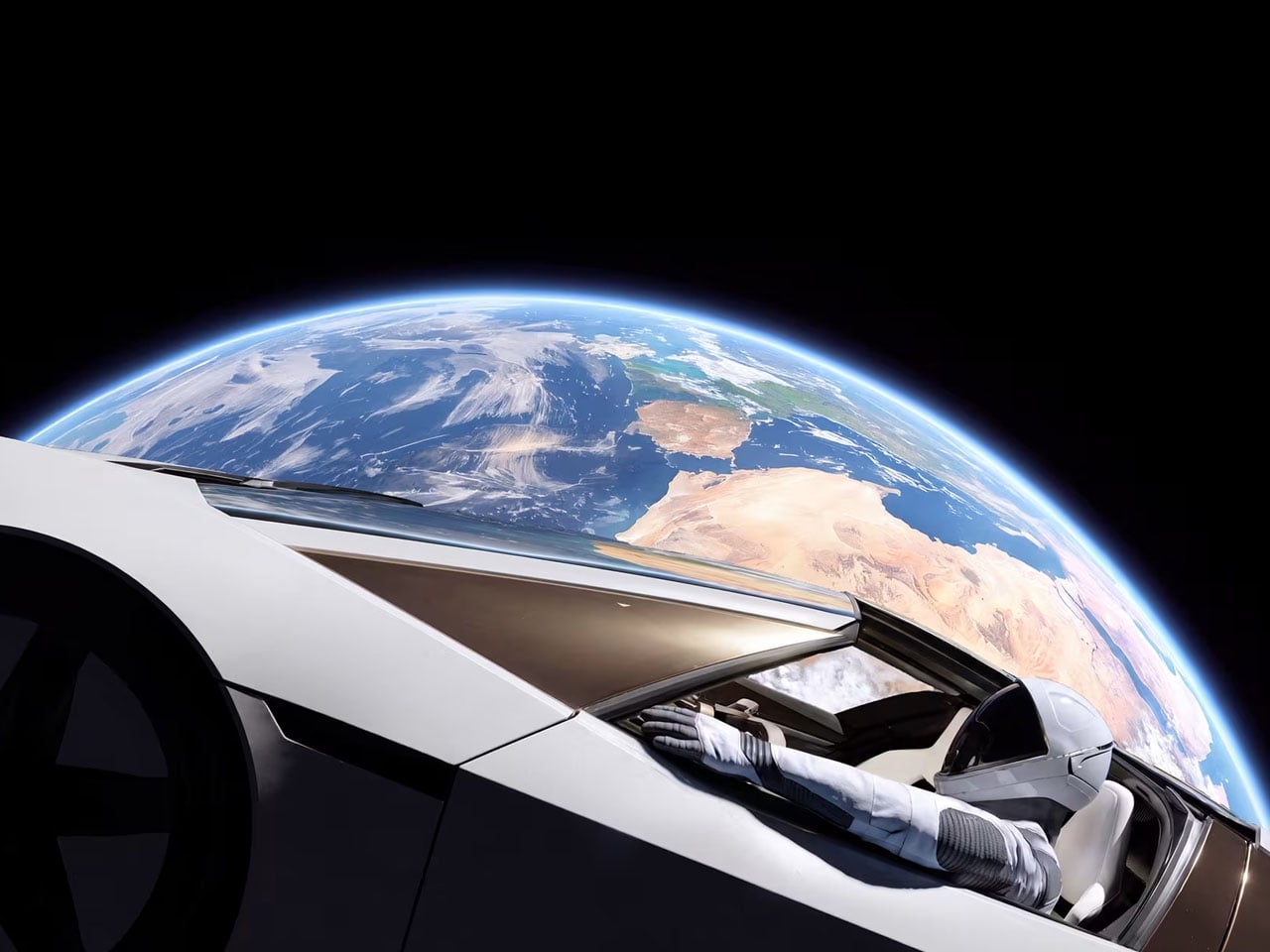
Tesla’s second-generation Roadster is taking the idea of a performance car in an unexpected direction. At a demonstration held at a SpaceX test facility in McGregor, Texas, on October 15, the electric coupe was shown performing midair rotations, clearing other cars, and driving upside down on a specially designed ramp. The stunts rely on technology developed with SpaceX, giving the Roadster capabilities that go well beyond those of a conventional electric sports car.
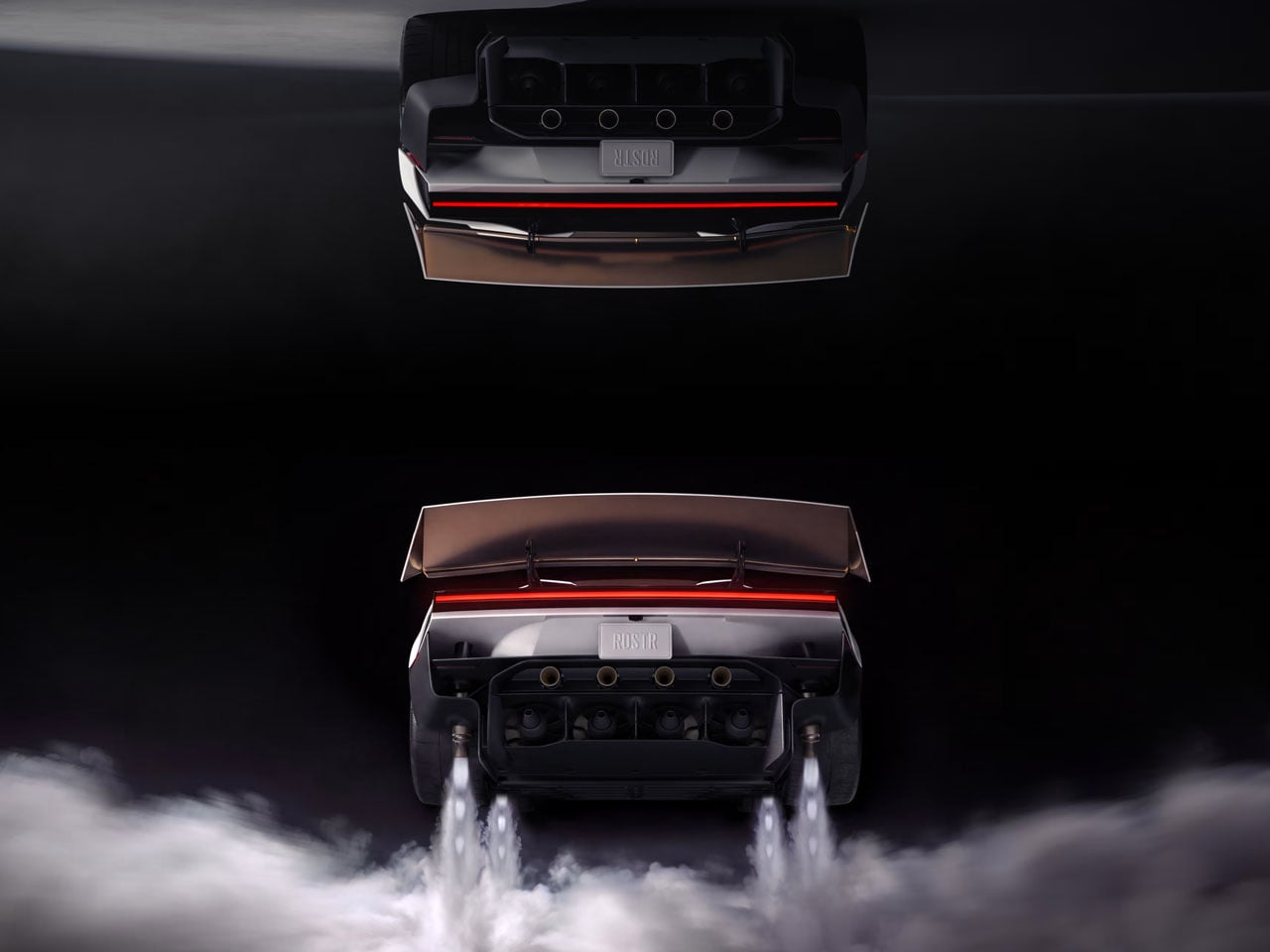
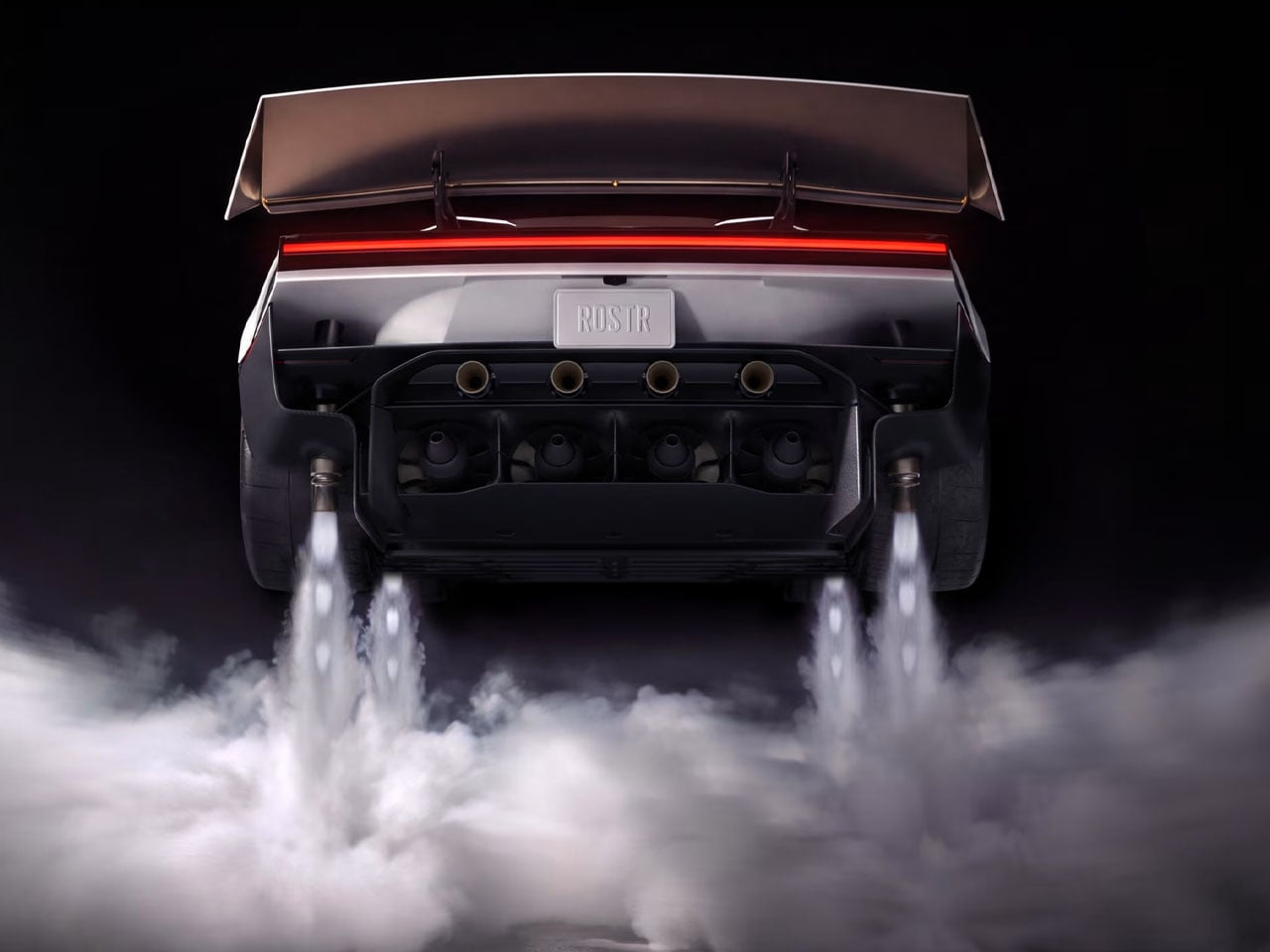
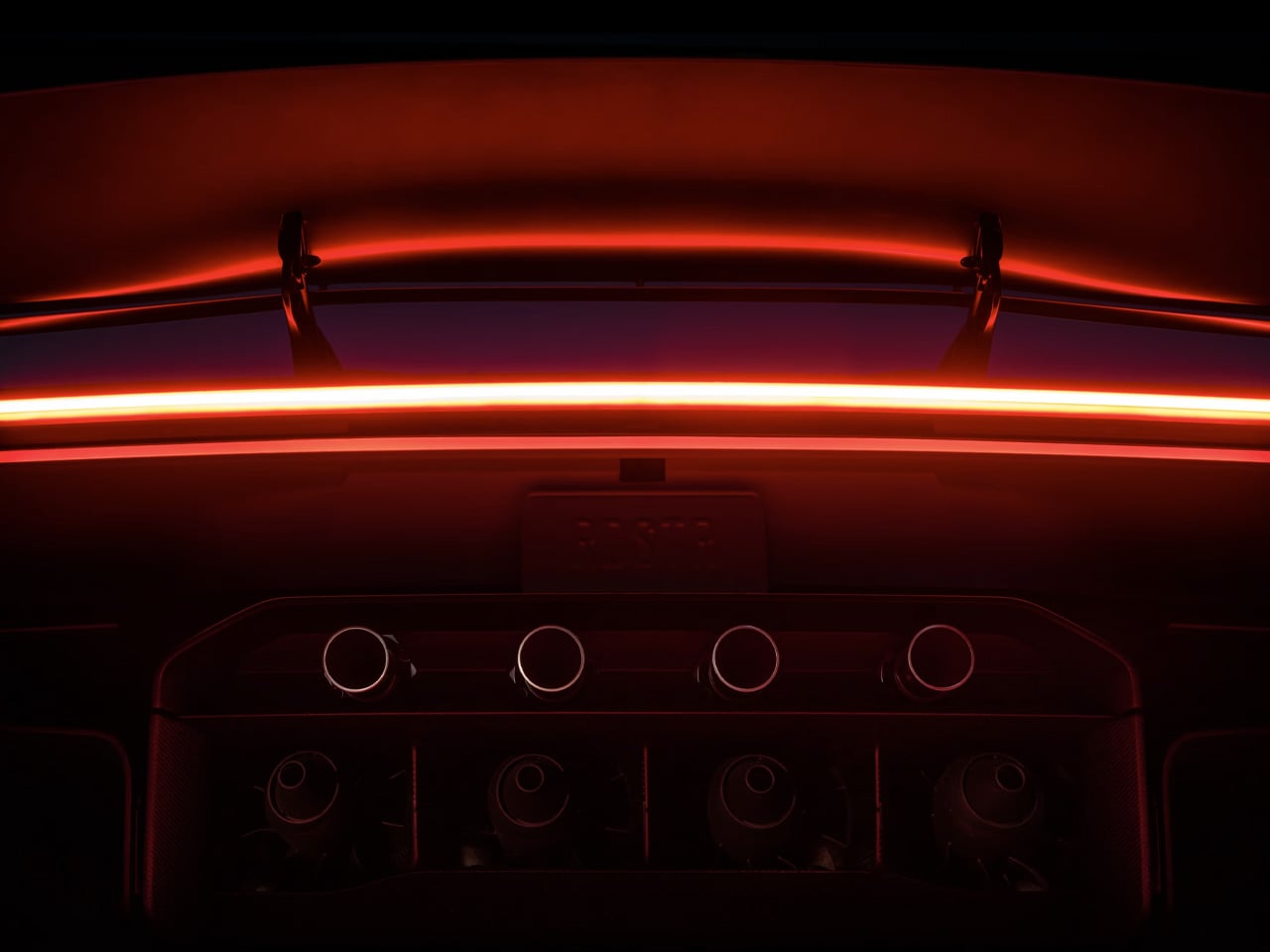
The airborne manoeuvres are made possible by compressed-air thrusters mounted around the vehicle. Instead of using wings or rotors, the system releases pressurised gas through strategically positioned nozzles to generate short bursts of thrust. These help lift the car, control its orientation in the air, and assist with forward acceleration. Tesla has described the system as capable of producing 80 kilonewtons of thrust, although the company has yet to publish a complete set of production specifications.
Designer: Tesla
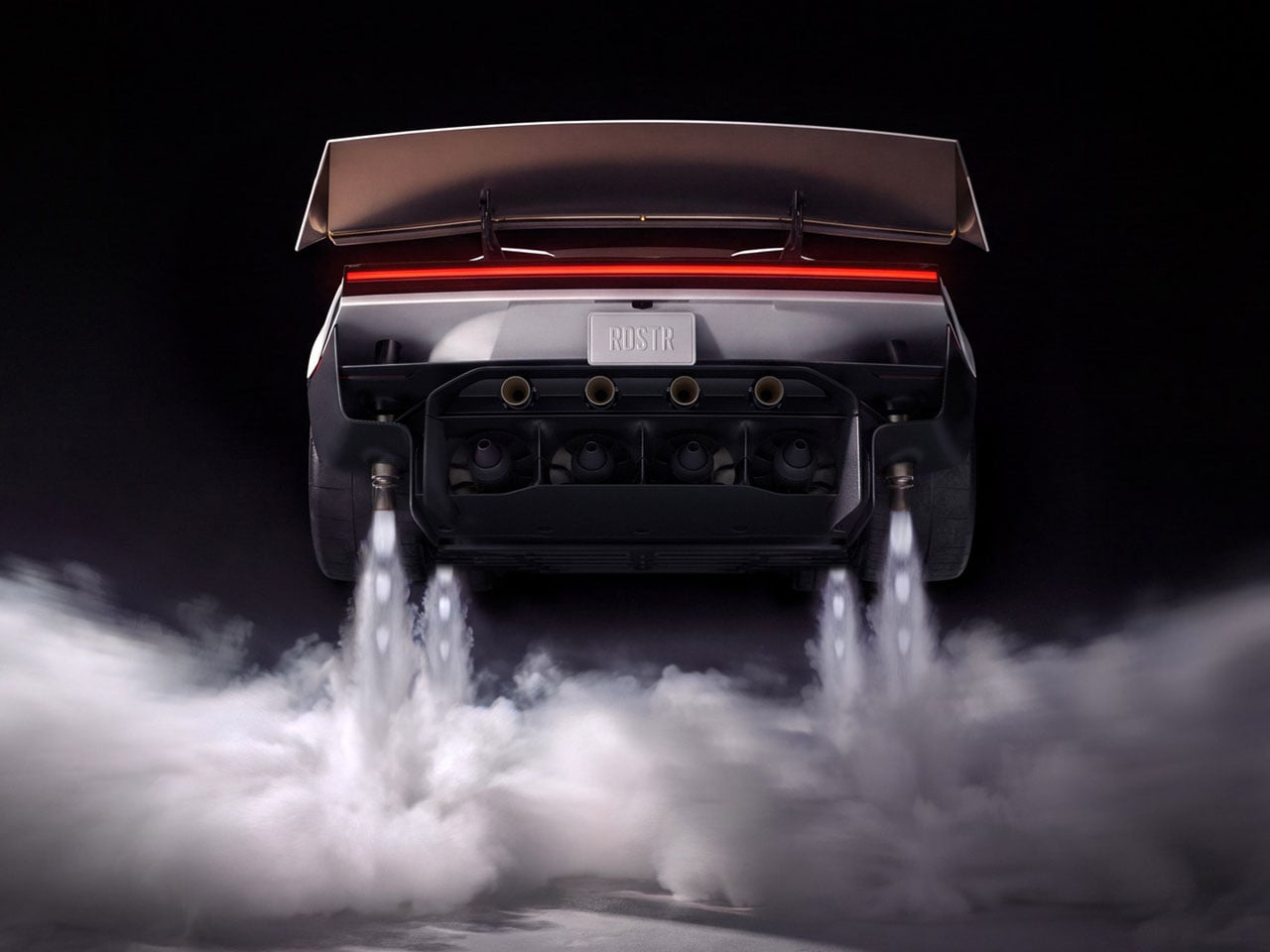

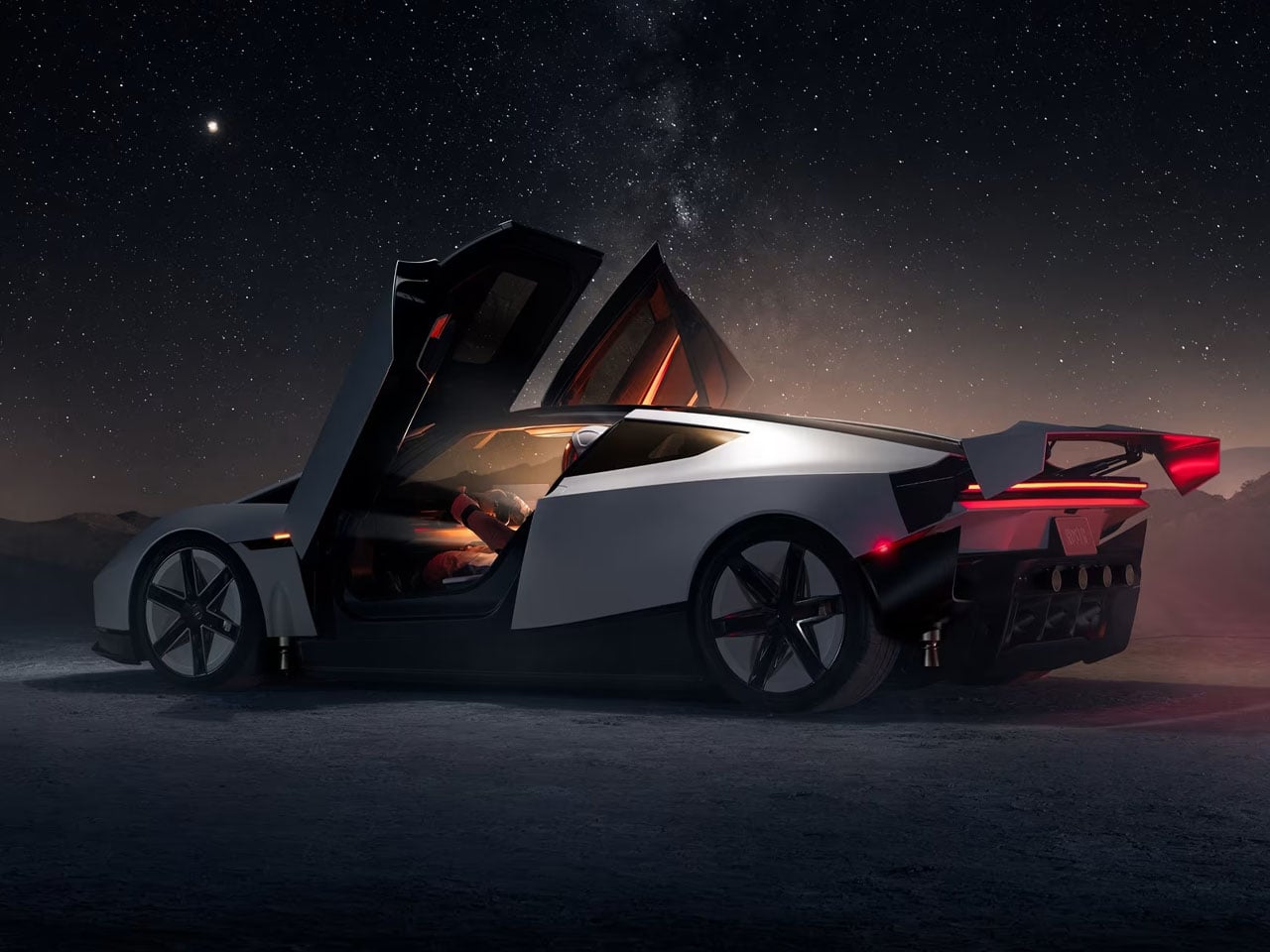
The demonstration included a corkscrew-like rotation before the Roadster returned to the ground. While the footage gives an idea of what the system can do, it does not establish that the car can sustain flight. The current concept is closer to a road-going vehicle with limited airborne capability than a flying car in the usual sense. The compressed-air tanks also need to be replenished, adding another practical consideration to the system.
Another unusual feature is the car’s ability to travel upside down along a purpose-built ramp. An active suction system beneath the chassis pulls the vehicle towards the surface, helping it maintain contact where conventional aerodynamic downforce would be insufficient. Elon Musk has claimed that the system can deliver more than 2 Gs of cornering grip. Its effectiveness on ordinary roads, however, remains unproven.
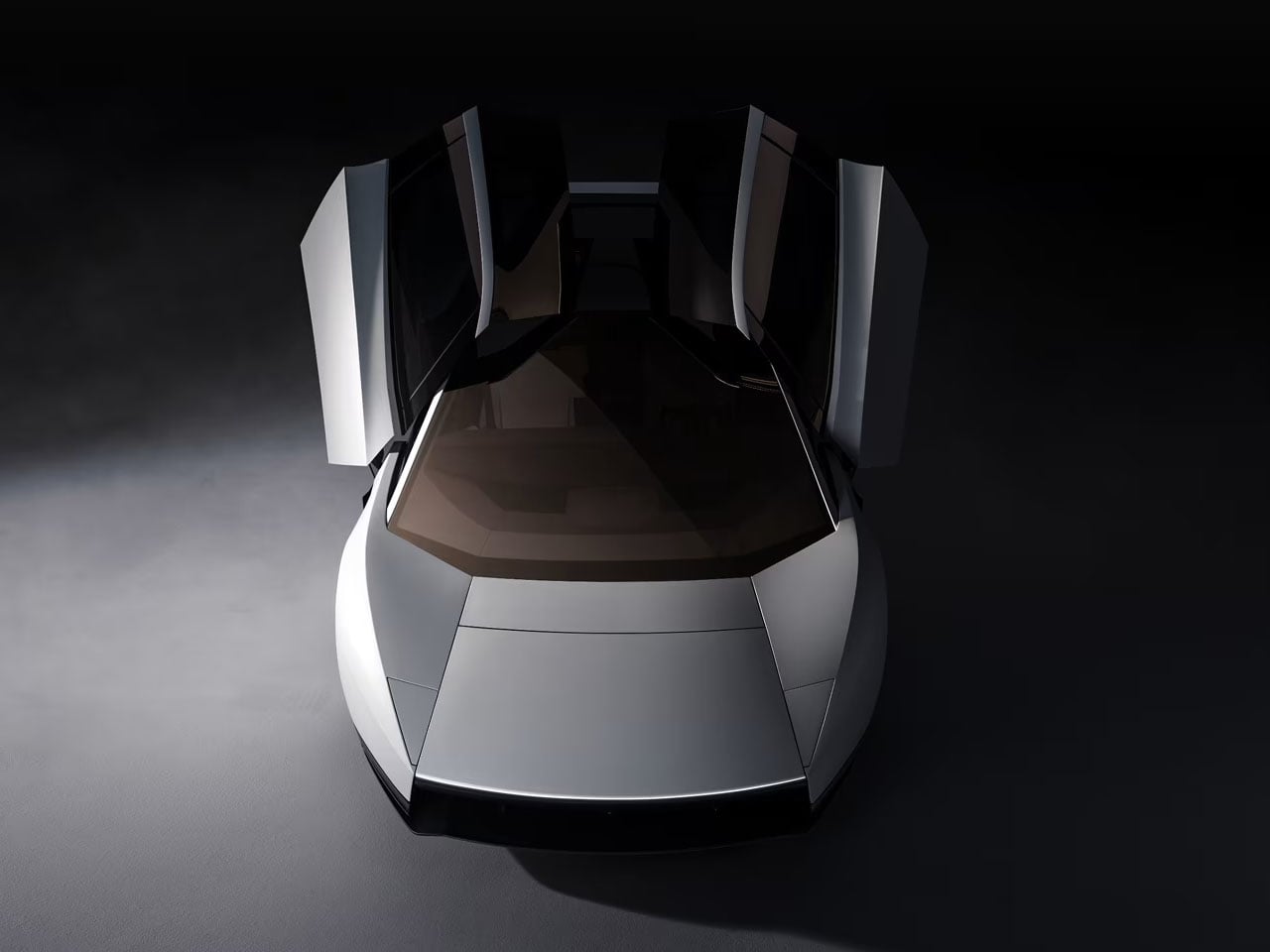
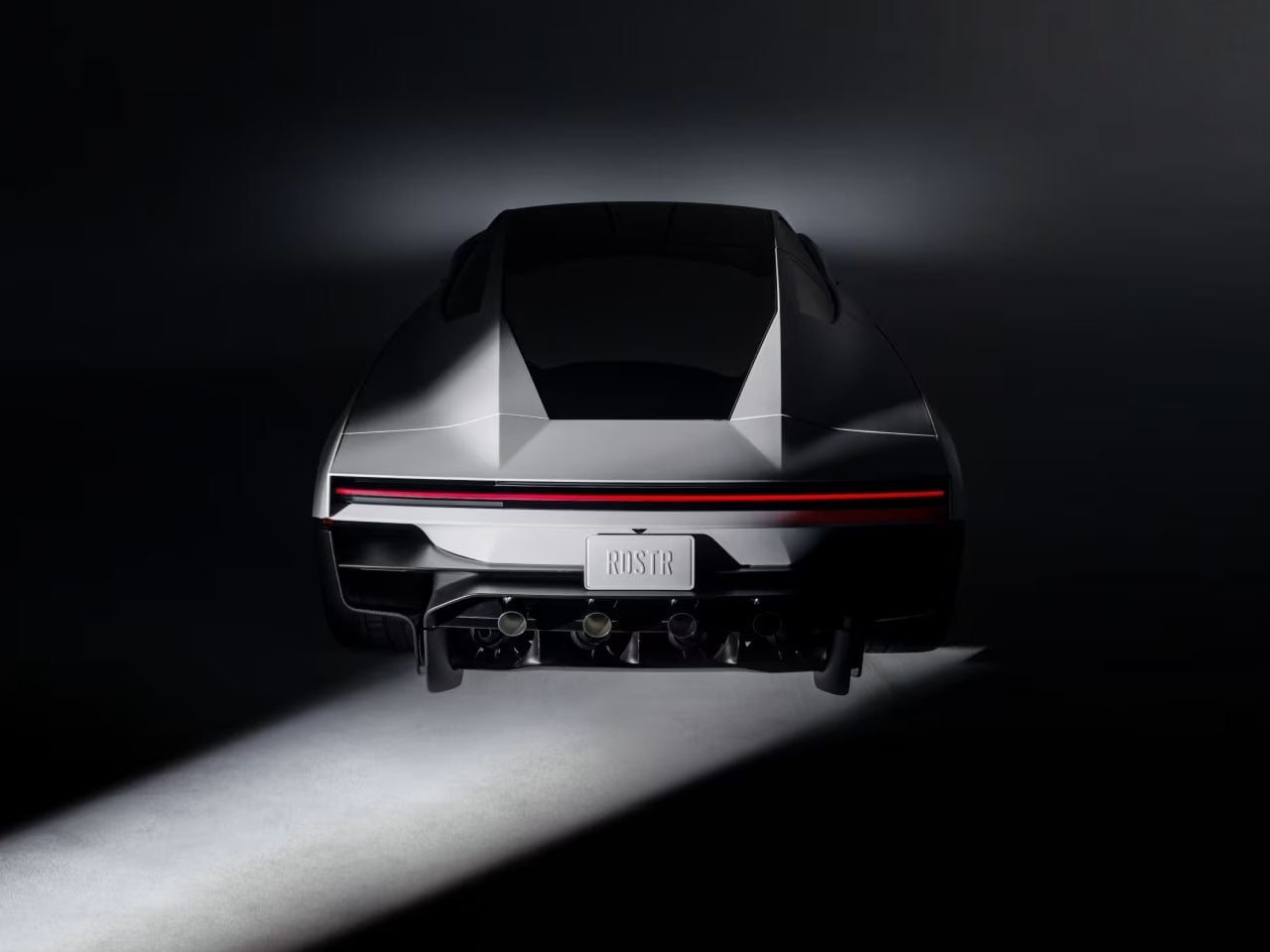
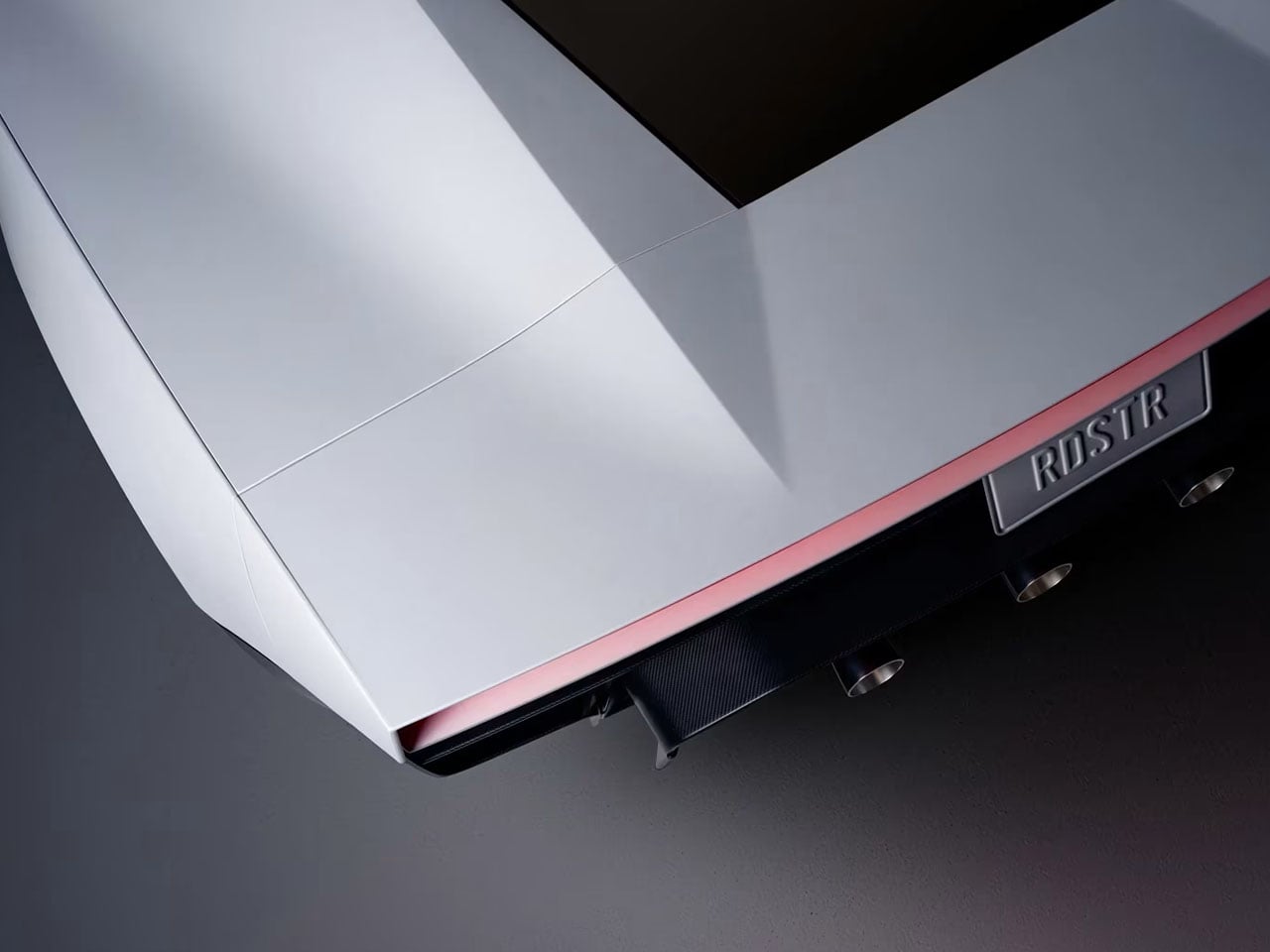
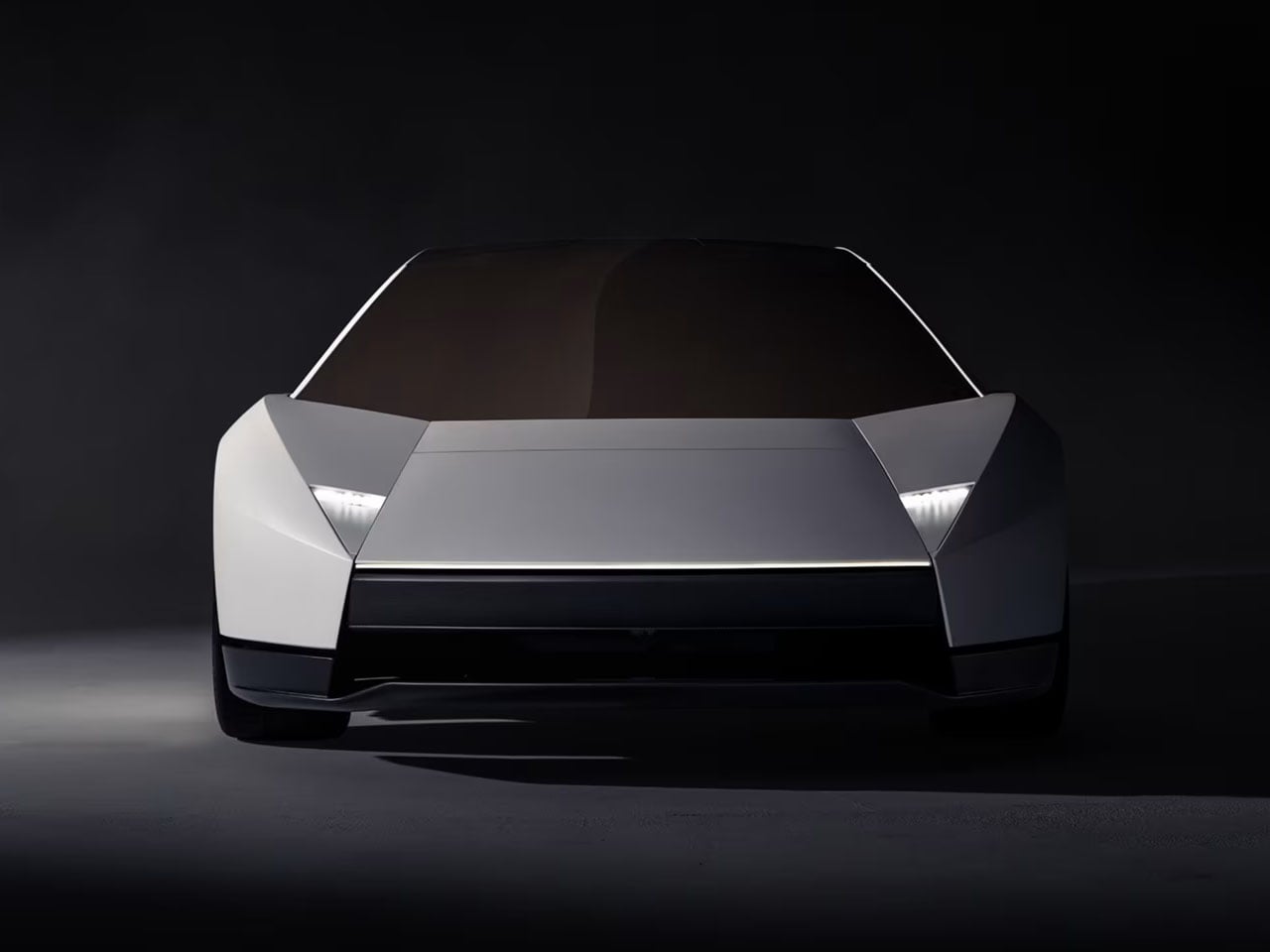
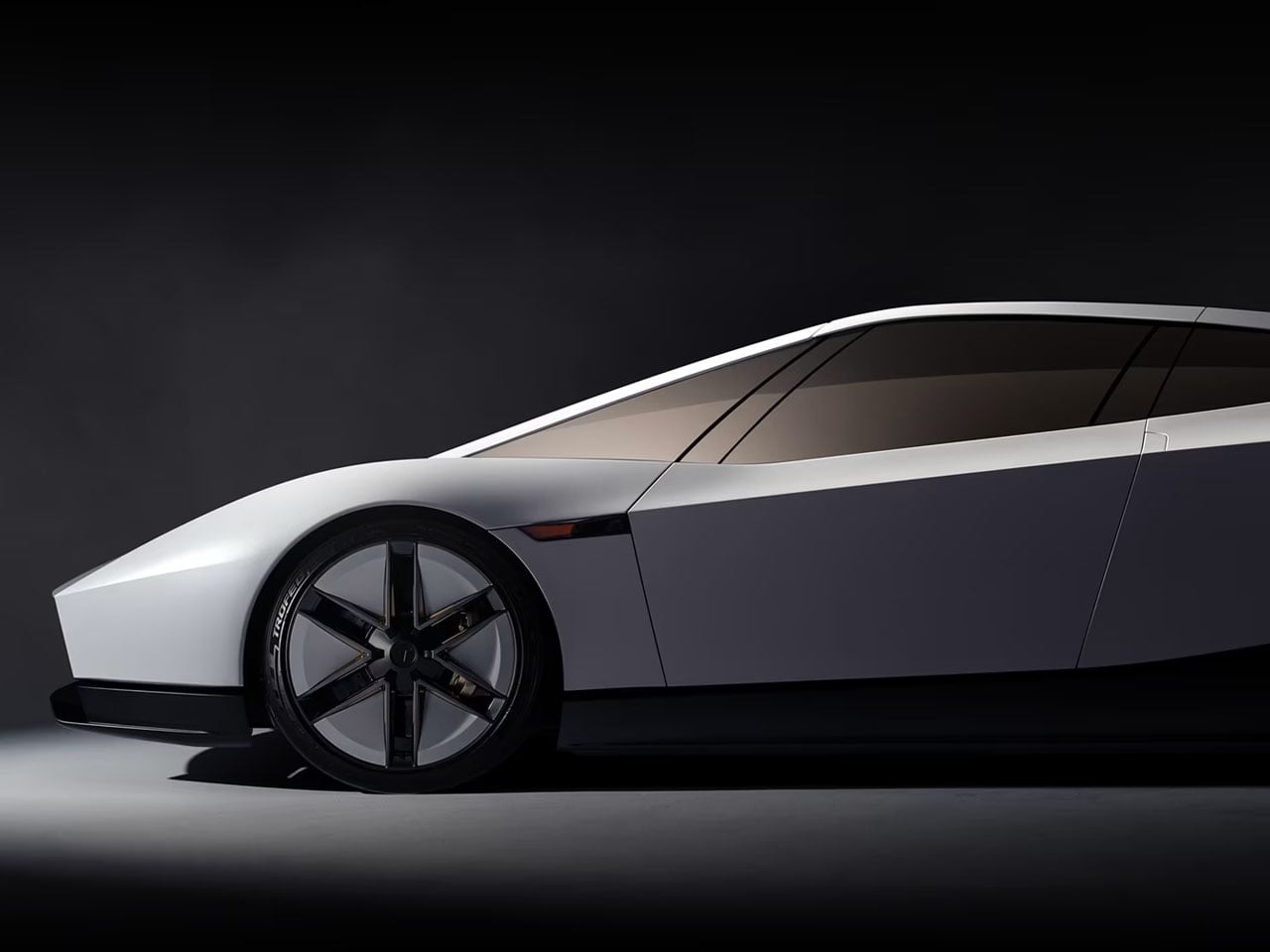
The Roadster’s exterior still follows the proportions of a low-slung sports coupe, with angular bodywork, upward-opening doors, and a deployable rear spoiler. The design has to accommodate more than batteries and electric motors, though. Compressed-air tanks, thrusters, and the associated control systems introduce packaging challenges, while the suction hardware adds another layer of mechanical complexity.
Tesla has also claimed a 0–60 mph time of 0.81 seconds when using the thruster-assisted setup. That figure has not been independently verified as a production-car performance result. The company has outlined Performance, Thrust, and Rocket configurations, with the most extreme version expected to include additional thrusters for vertical movement. Final specifications, pricing, and the precise capabilities of each version remain unconfirmed.
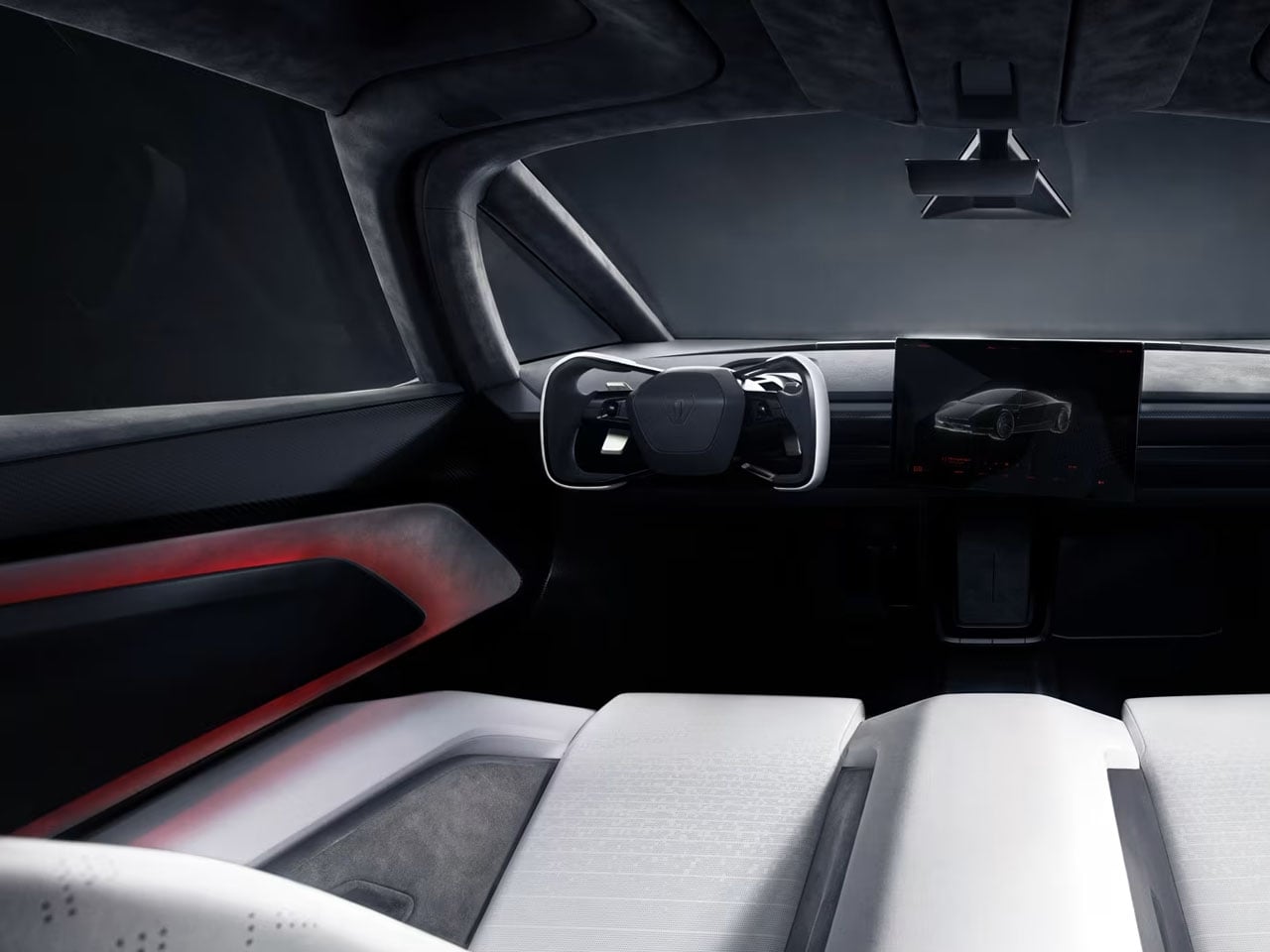
There are practical questions that the demonstration cannot answer. Powerful gas discharges, the demands of controlling the car in midair, and the consequences of a failed manoeuvre would all require careful engineering and testing. Any airborne function would also face regulatory hurdles before it could be used outside a controlled facility.
Tesla is targeting production in 2028, but the Roadster’s final form is still uncertain. The thruster system is an intriguing engineering experiment, though fitting it into a usable, road-legal car will be a different challenge from demonstrating what it can do on a closed test course.