
Bent wood is one of the most fascinating materials in design history, where engineering meets artistry. By using steam, heat, or pressure, straight wood is transformed into smooth curves without cutting its fibers. This process preserves the natural strength of the material while unlocking fluid, organic forms that feel almost sculptural.
Let’s understand why bent wood is valued not just for its beauty but for its ability to remain strong, flexible, and sustainable across generations of design innovation.
1. Structural Integrity Through Continuous Fibers
Bent wood retains its strength because the wood fibers remain continuous during the bending process. Unlike carved or joined components, there are no weak points created by cuts or adhesives. This allows the material to distribute stress evenly across its curved form. As a result, bent wood can support significant loads while maintaining a lightweight structure.
Designers appreciate this because it combines efficiency with durability. The uninterrupted grain also reduces the risk of cracking, making it ideal for furniture that must withstand daily use while maintaining its refined appearance over time.
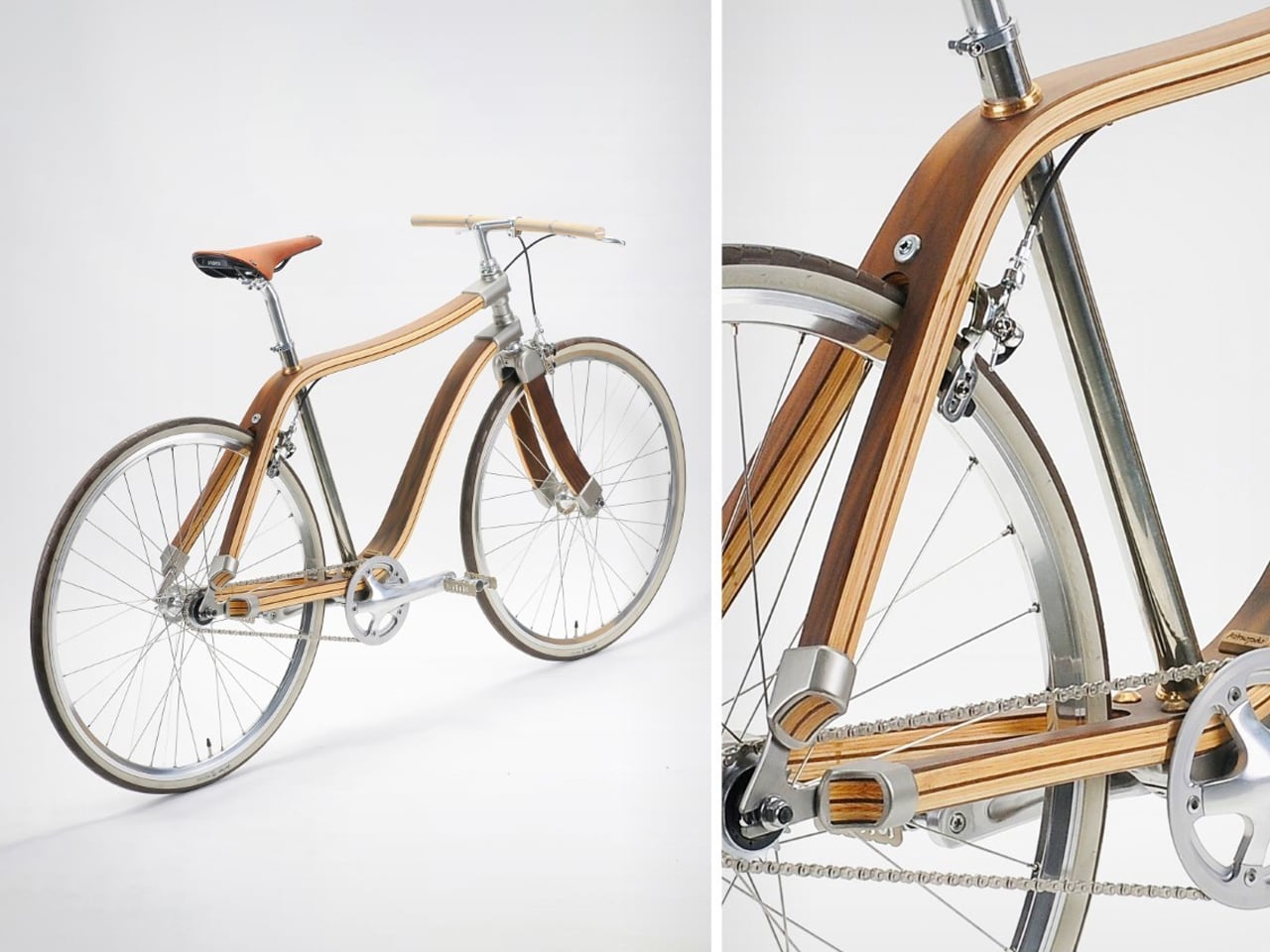
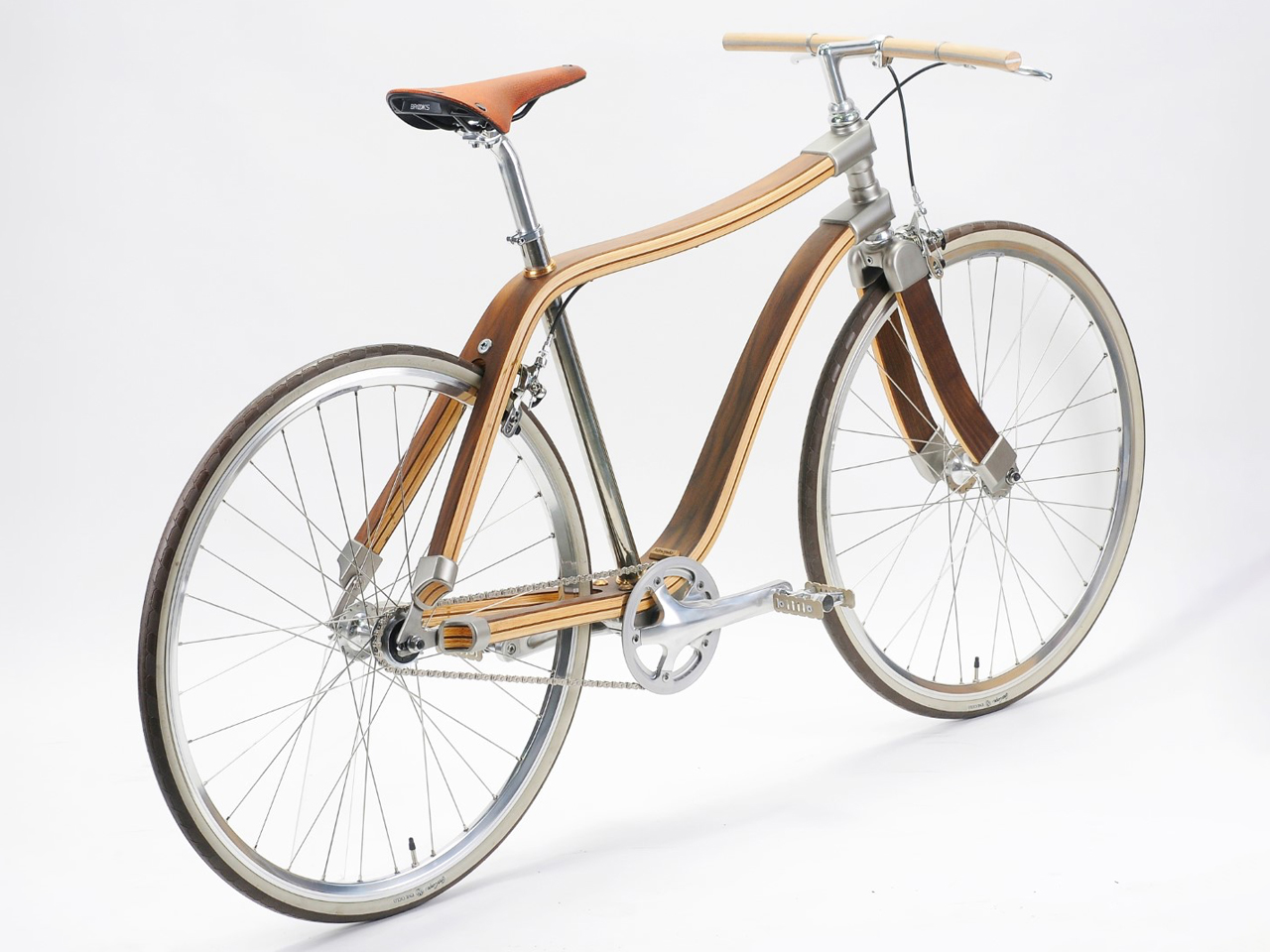
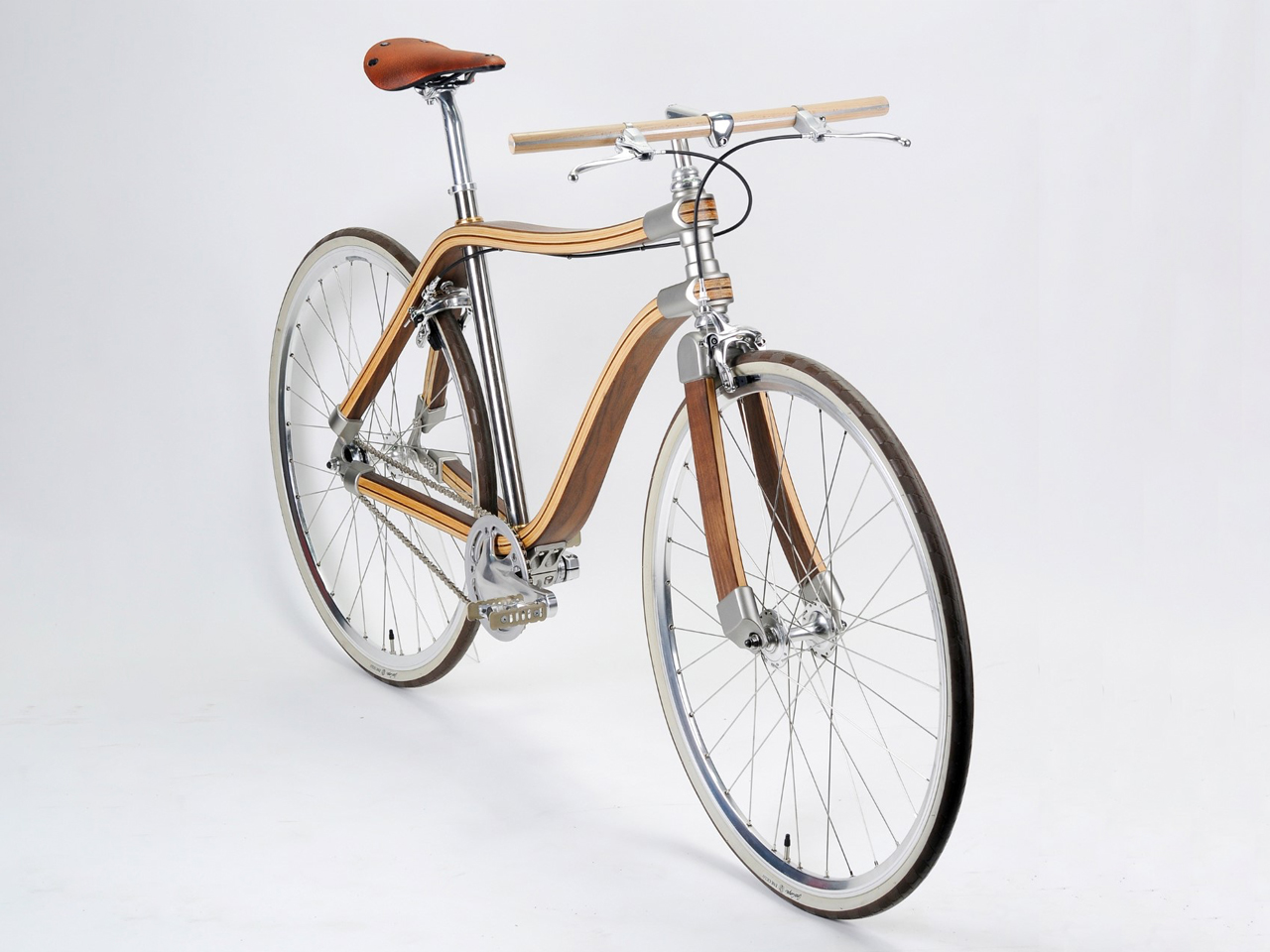
The Moccle is a wooden bicycle designed by Masateru Yasuda that redefines cycling through the natural flexibility of bent plywood. Inspired by traditional Japanese architecture, where wood is used for its vibration-absorbing and earthquake-resistant properties, the design explores how the same material behavior can improve ride comfort. Yasuda’s idea was simple: if wood can support buildings and furniture, it can also support a human-powered vehicle. The result is a bicycle built around a curved wooden frame that naturally flexes under pressure, creating a smooth and responsive riding experience.
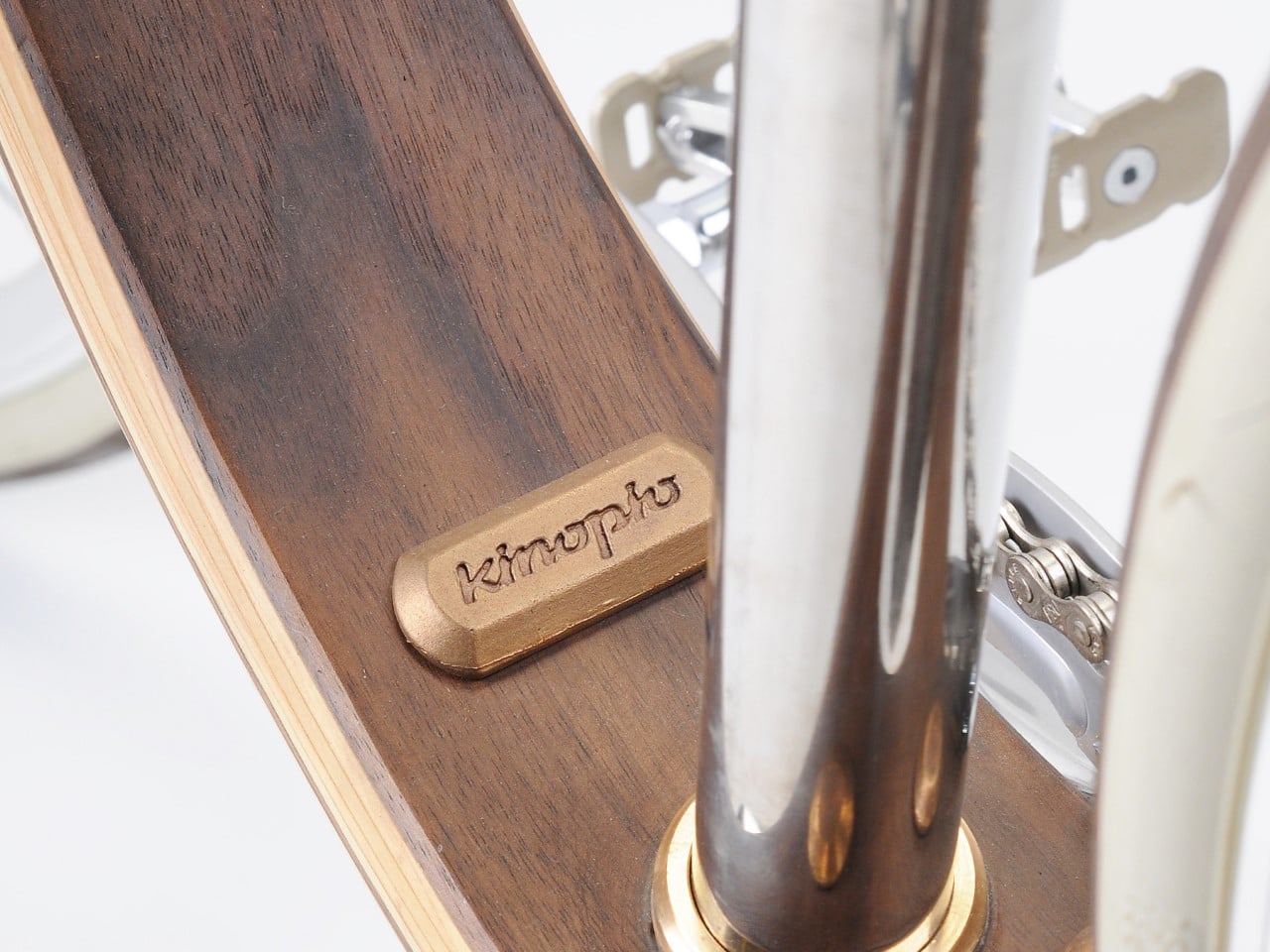
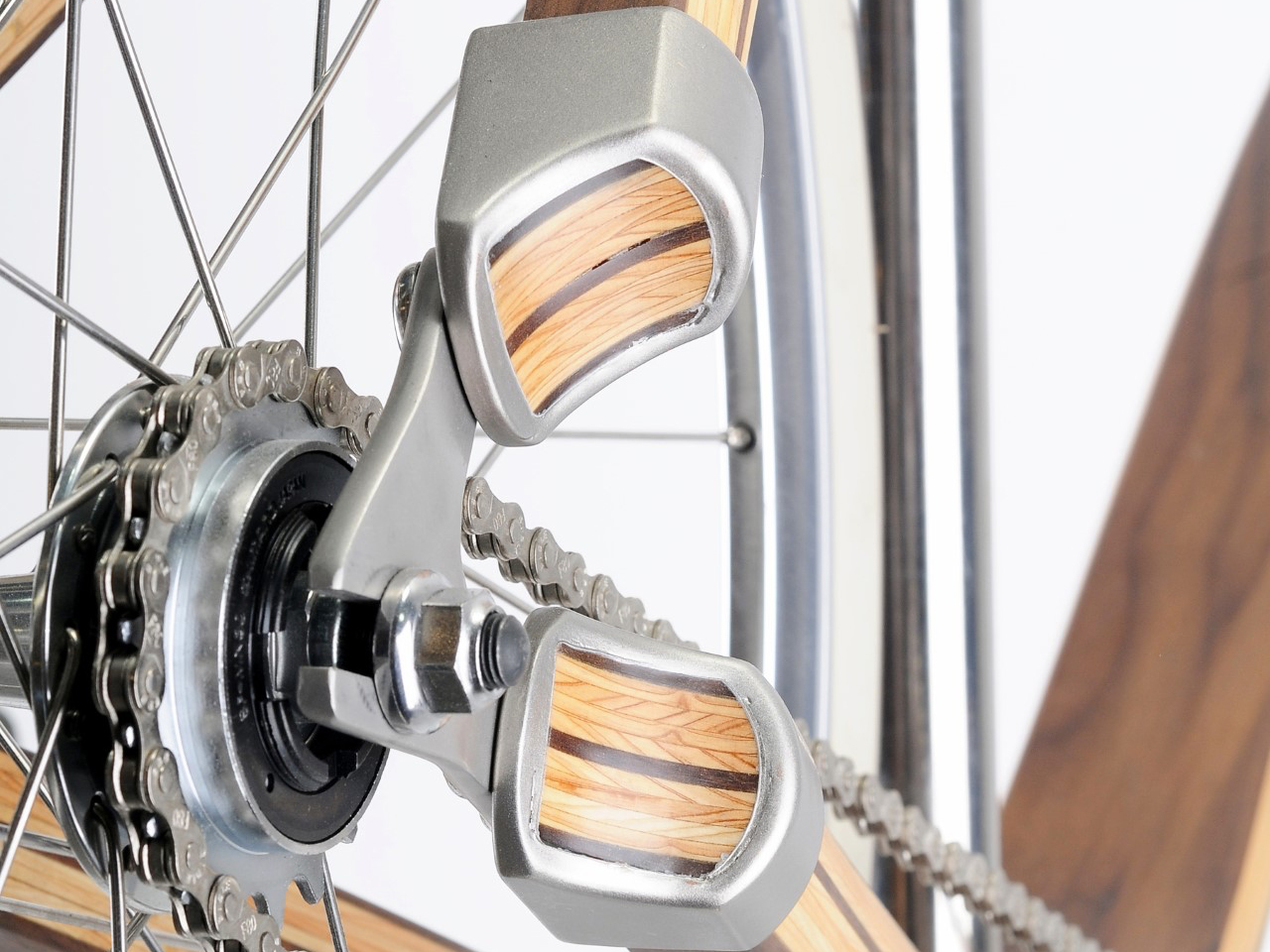
The Moccle is intentionally minimal, focusing on ease and enjoyment instead of technical complexity. It has no gears, no dashboard, and no shock absorbers, relying instead on the bent plywood frame to absorb impact from uneven surfaces. The structure is secured with metal fixtures, allowing controlled flexibility without losing strength. Reinforced with layered materials for durability, the frame is designed to resist cracking while maintaining its organic movement. First developed in 1999 and refined through later models, the Moccle stands as a recreational bicycle meant for relaxed riding, casual clothing, and an uncomplicated connection between rider and material.
2. The Aesthetic Power of Organic Curves
One of the defining qualities of bent wood is its soft, flowing geometry. These natural curves bring a sense of movement and warmth that straight lines often lack. The visual language of bent wood feels human-centered, almost ergonomic in its expression. It allows designers to create furniture that appears sculpted rather than assembled.
This aesthetic softness does not compromise strength; instead, it enhances emotional appeal. Whether used in chairs, lighting, or interior elements, bent wood introduces a sense of calm, sophistication, and organic rhythm into any space.
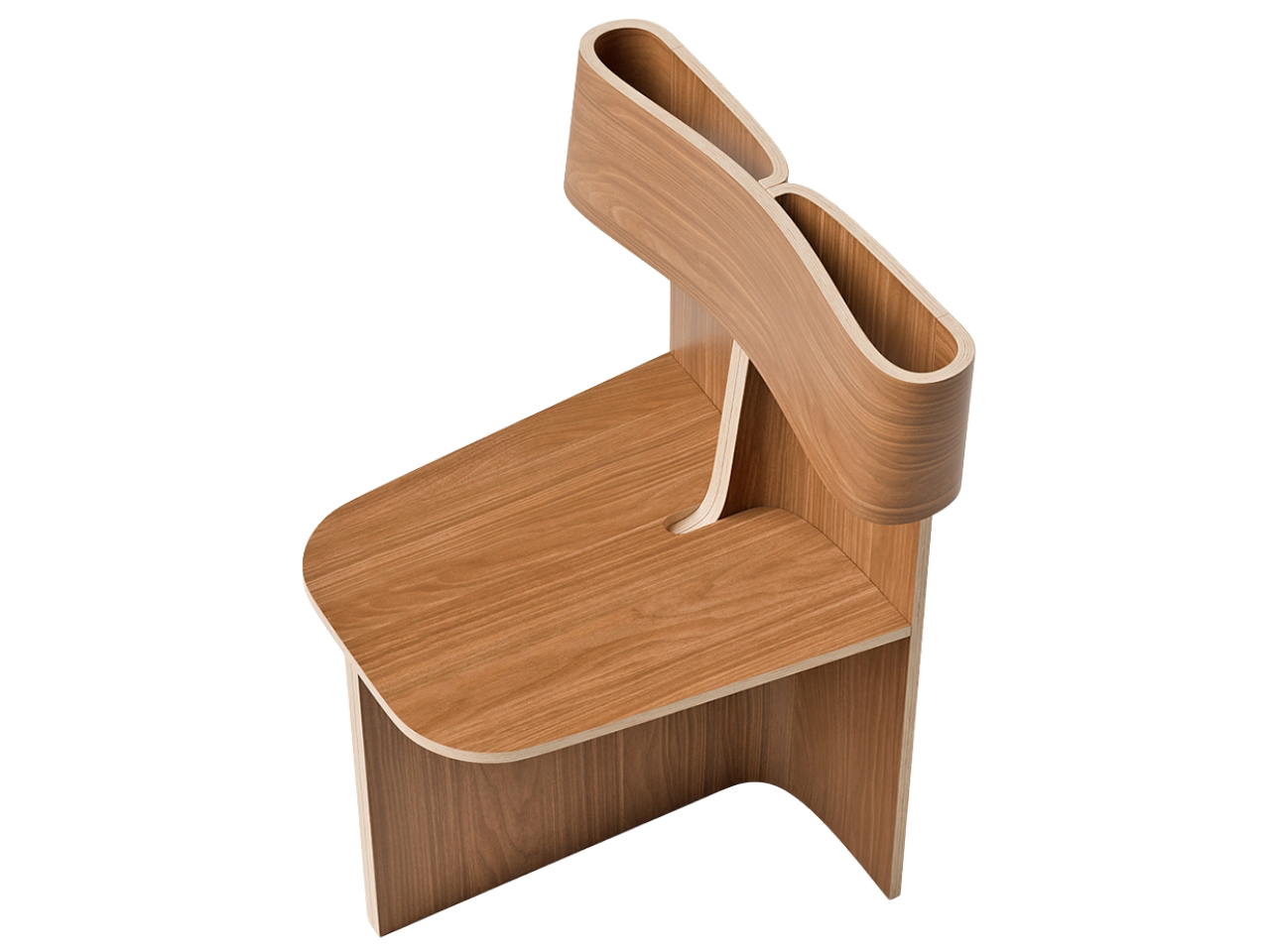
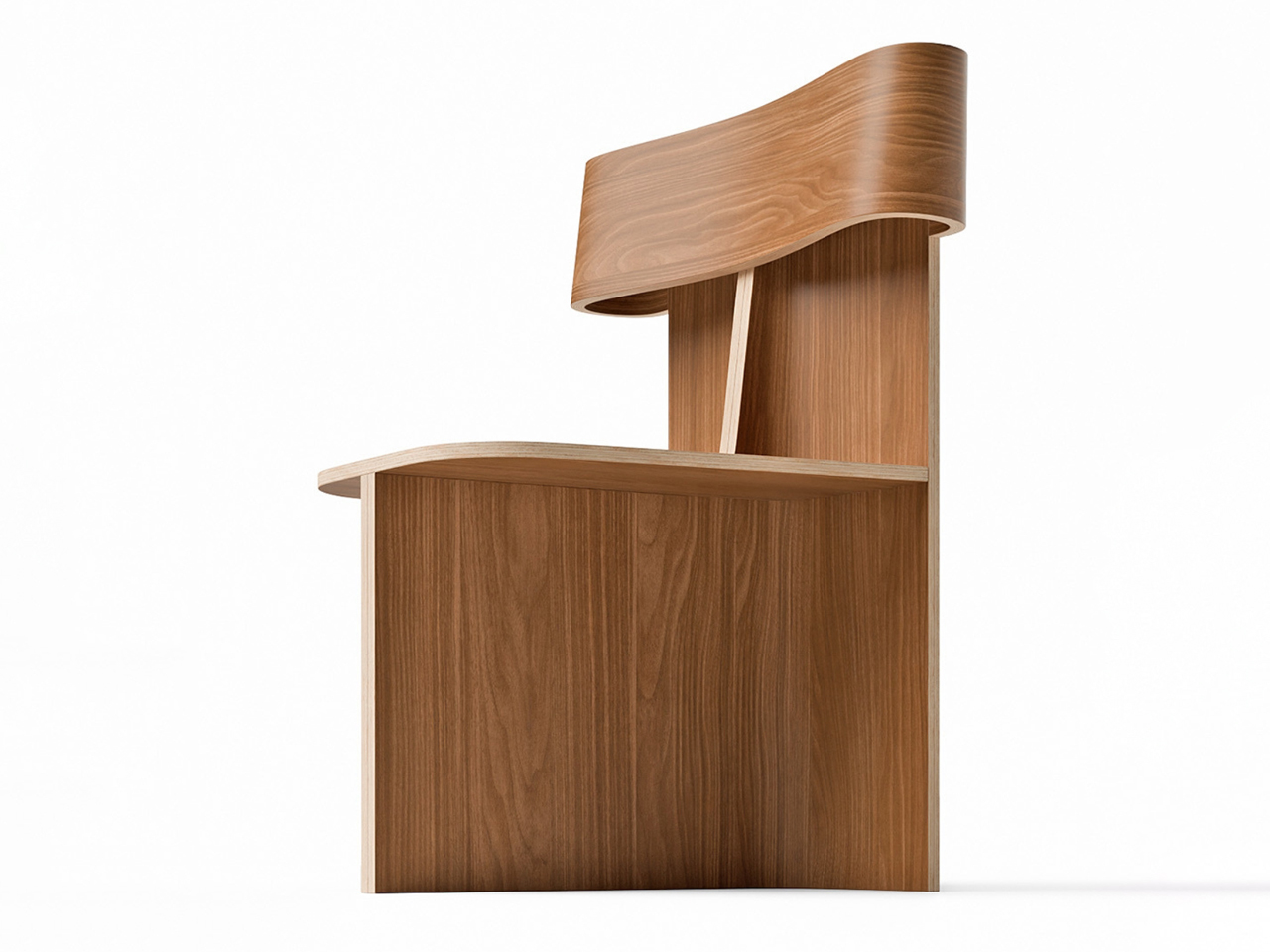
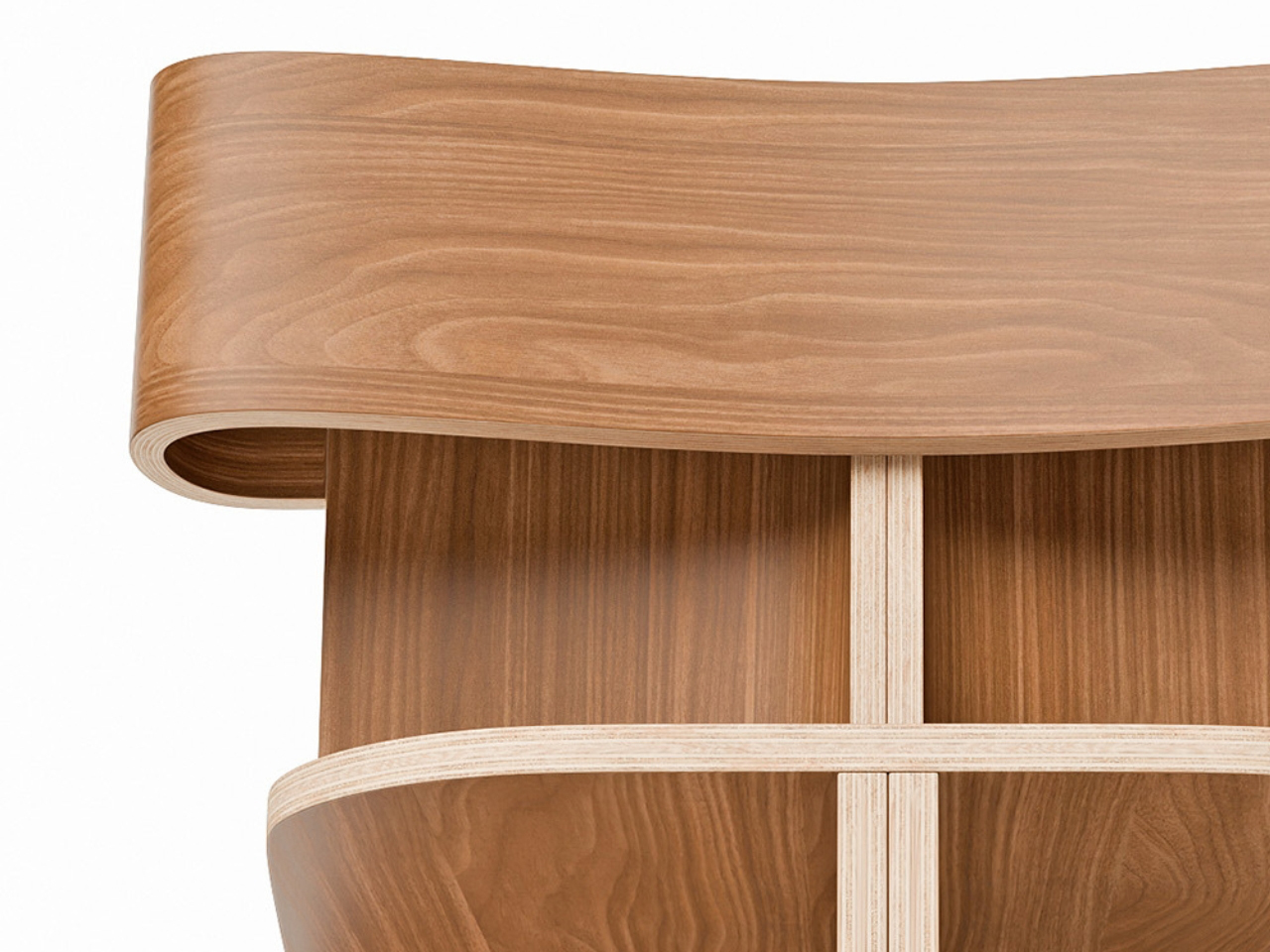
The Sori Chair by Teixeira Design Studio is a refined exploration of bent wood craftsmanship and contemporary furniture design. Defined by its sculptural silhouette, the chair features a continuous loop of bent plywood that rises from the seat to form an open, double-layered backrest. This flowing gesture gives the piece a sense of movement while maintaining a strong visual identity. The curved upper section contrasts beautifully with the chair’s geometric base, creating a balanced composition that feels both elegant and architectural.
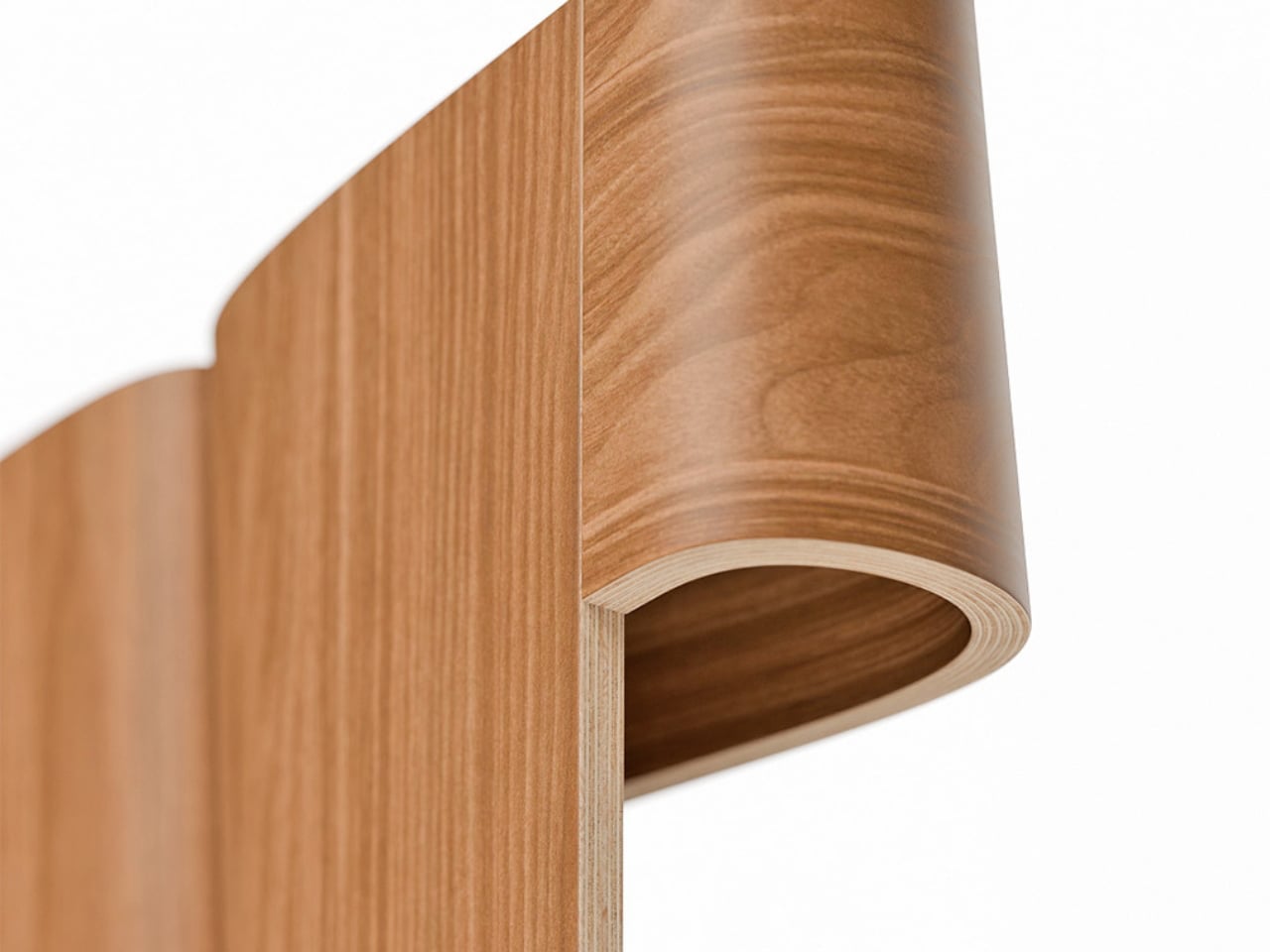
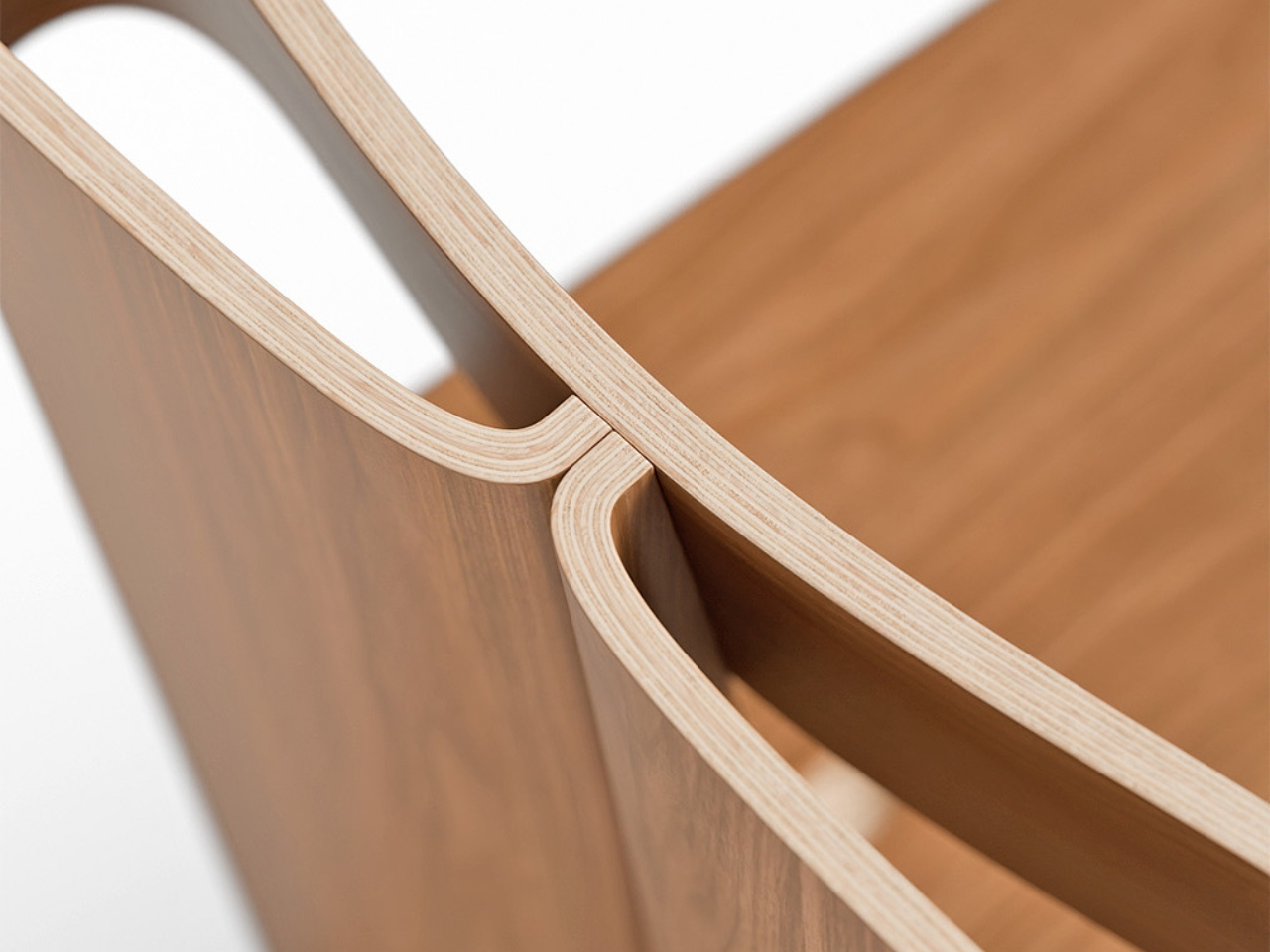
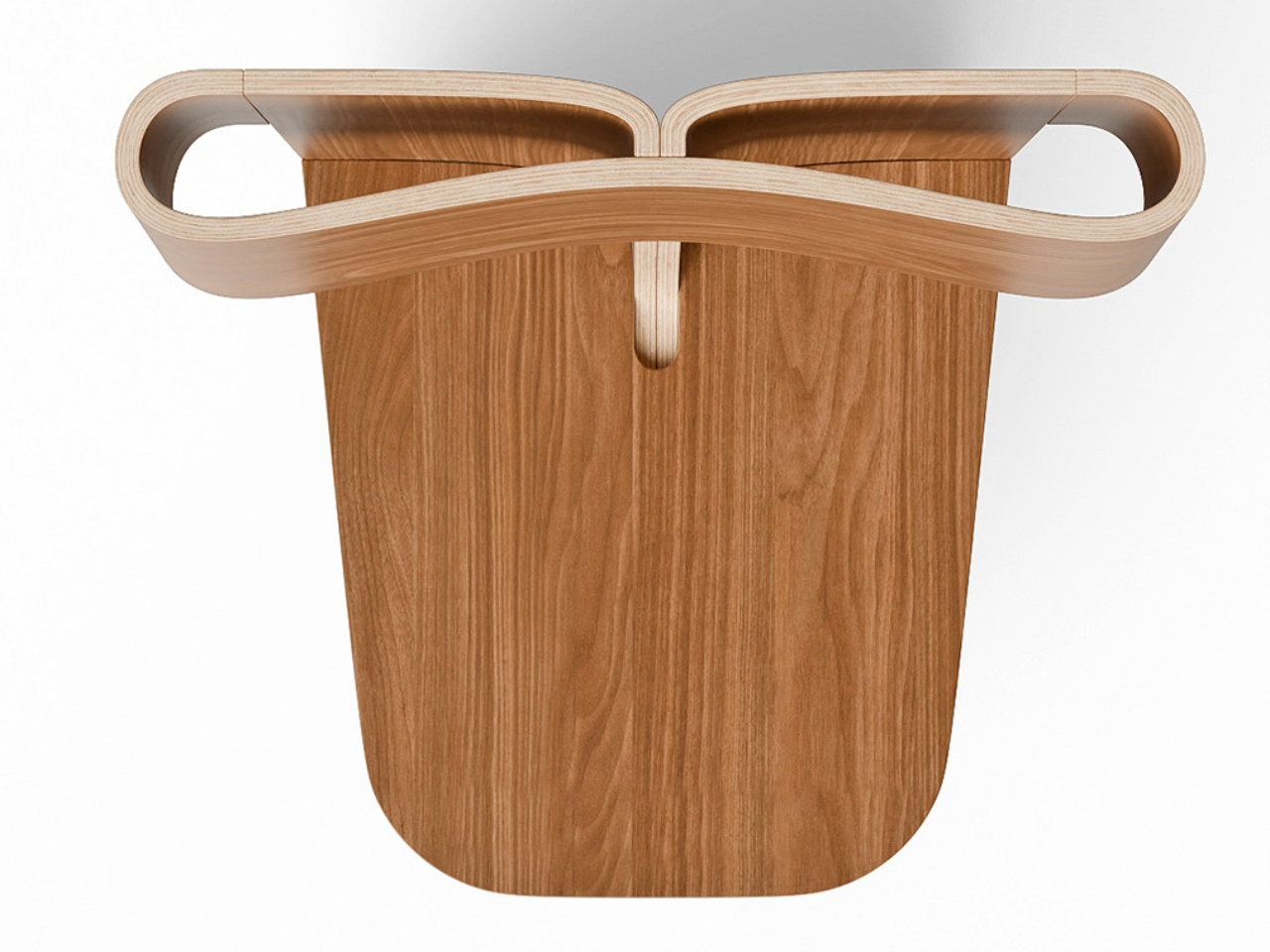
What makes the Sori Chair compelling is its honest expression of material and construction. The exposed plywood layers highlight the natural beauty of the wood, while the precisely crafted joinery shows exceptional attention to detail. Instead of hiding the manufacturing process, the design celebrates it, allowing every curve and edge to showcase the material’s character.
3. Efficiency in Material and Production
Bent wood is also efficient in how it uses raw material. Since it relies on shaping rather than carving, it minimizes waste and preserves more of the original timber. This makes it economically and environmentally advantageous. The process also allows mass production once molds are created, making elegant designs more accessible.
Historically, this innovation revolutionized furniture manufacturing by reducing complexity while maintaining high design value. Today, it continues to support sustainable design practices by optimizing material use without sacrificing structural or aesthetic quality.
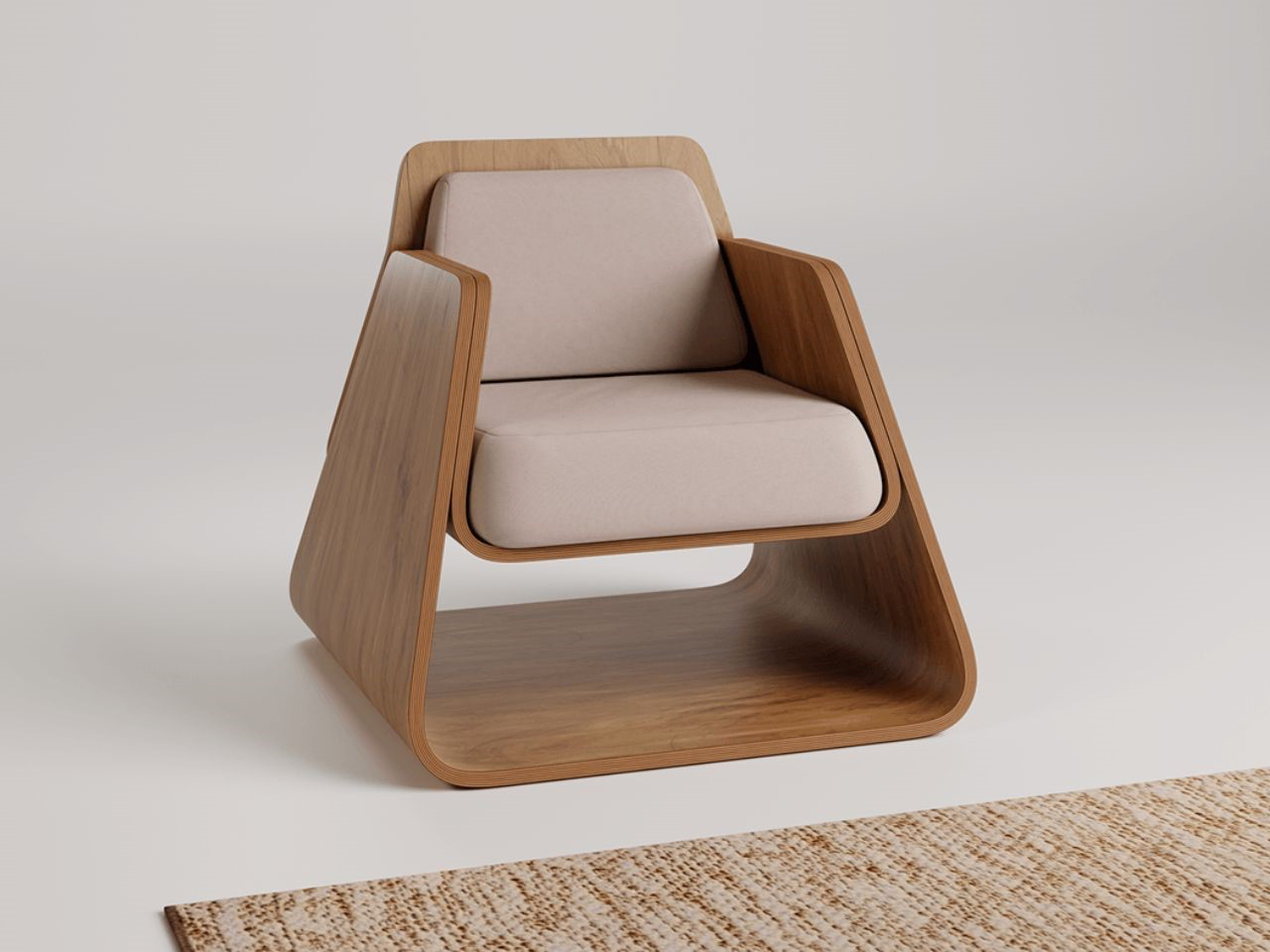
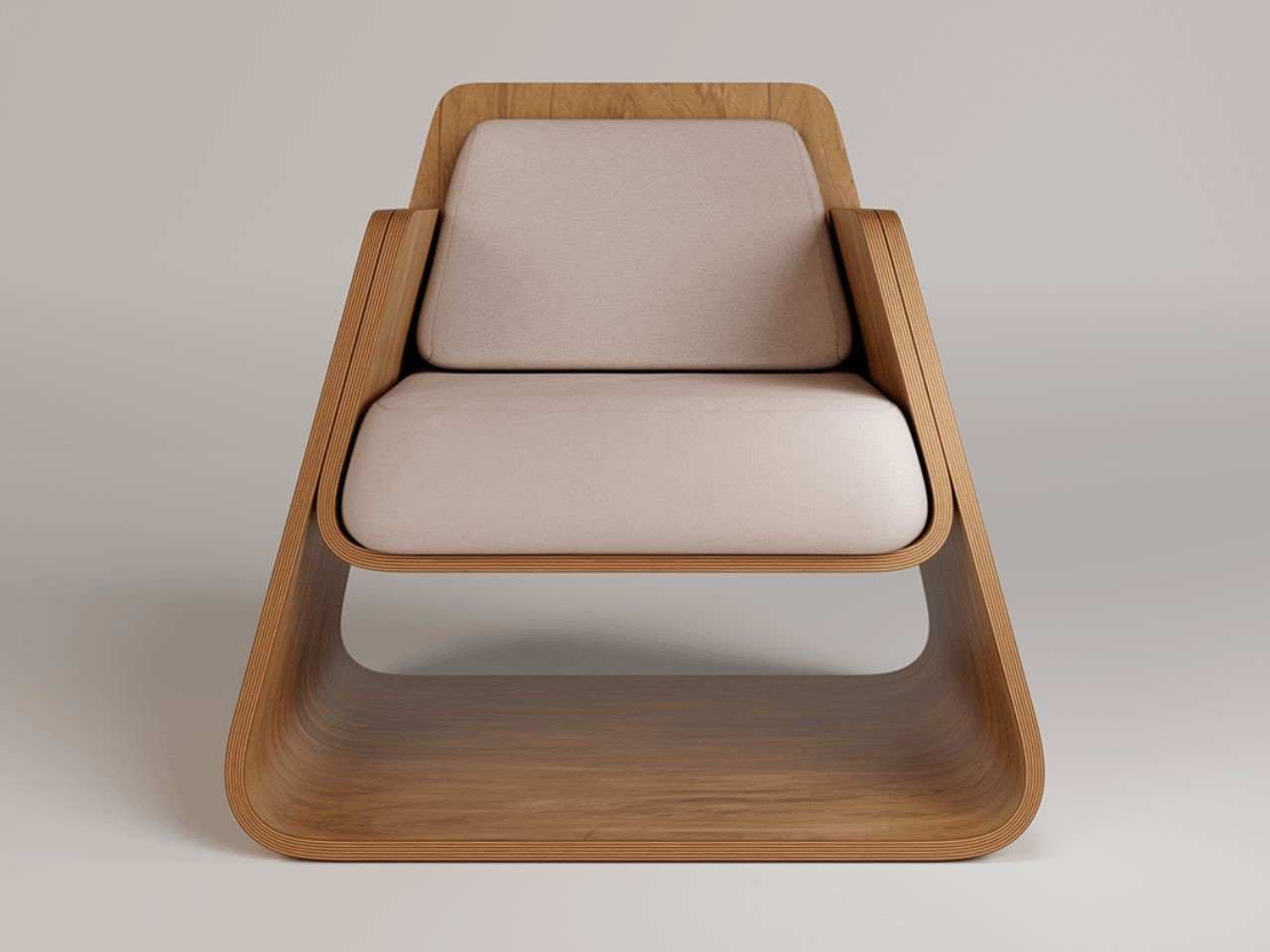
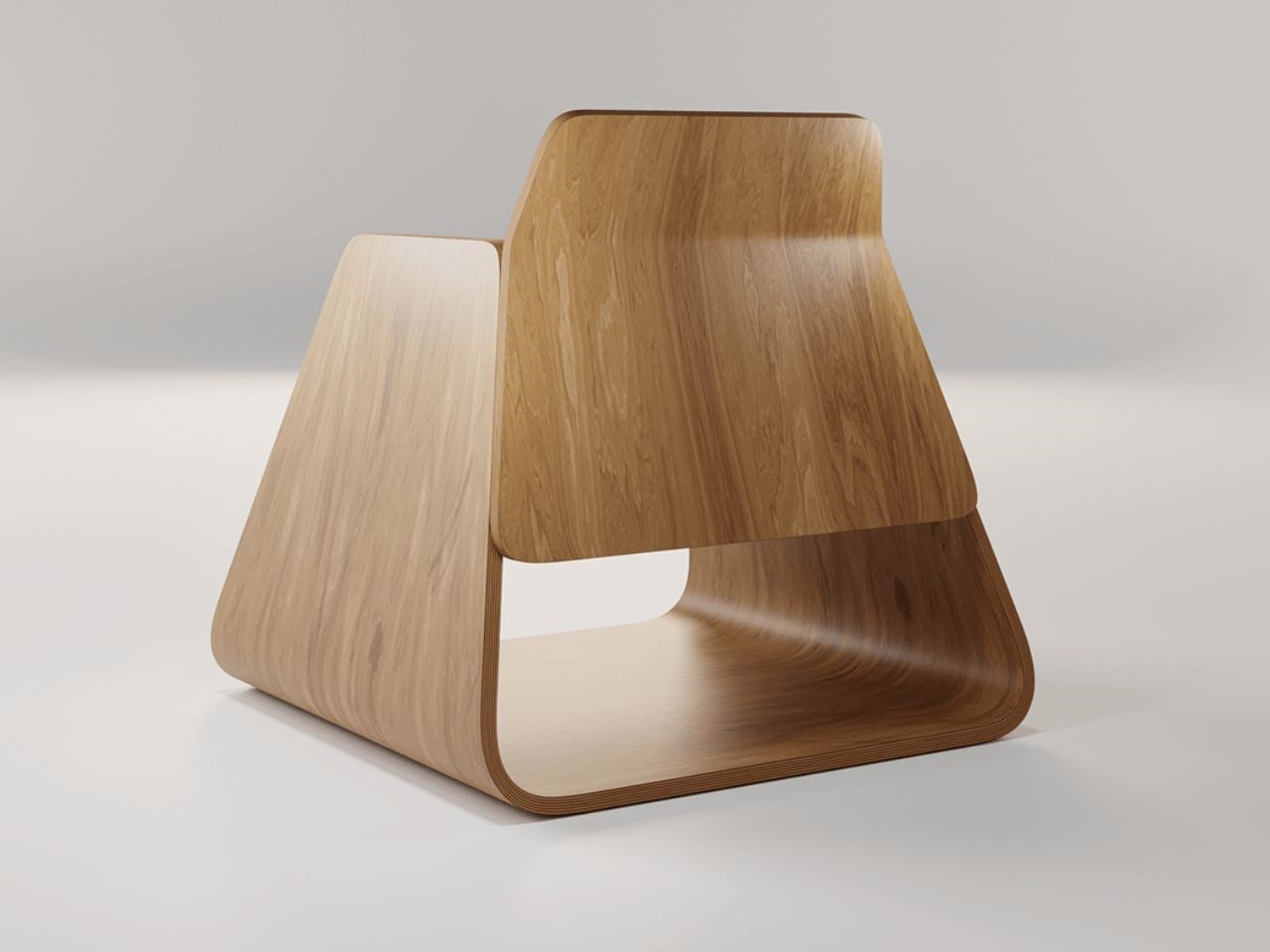
The Dopio lounge chair embraces a refined approach to furniture design, proving that simplicity can be just as impactful as bold expression. Crafted from only three plywood panels and two cushions, the chair reduces its form to the essentials while maintaining a warm and inviting presence. Its clean lines, soft curves, and balanced proportions create a timeless aesthetic that feels effortless and understated. Rather than dominating a room, Dopio integrates naturally into its surroundings, making it a versatile seating solution for a wide range of interiors.
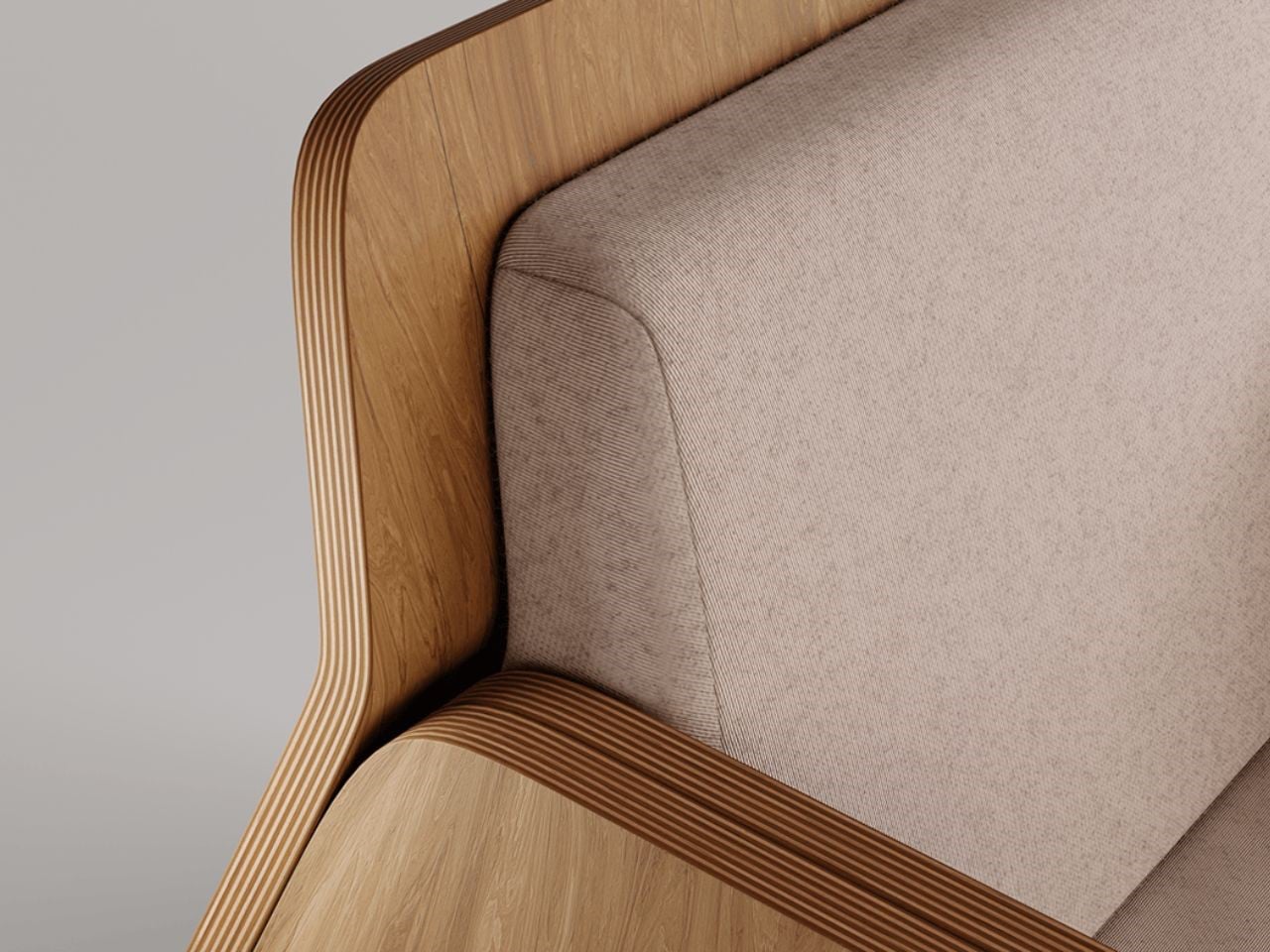
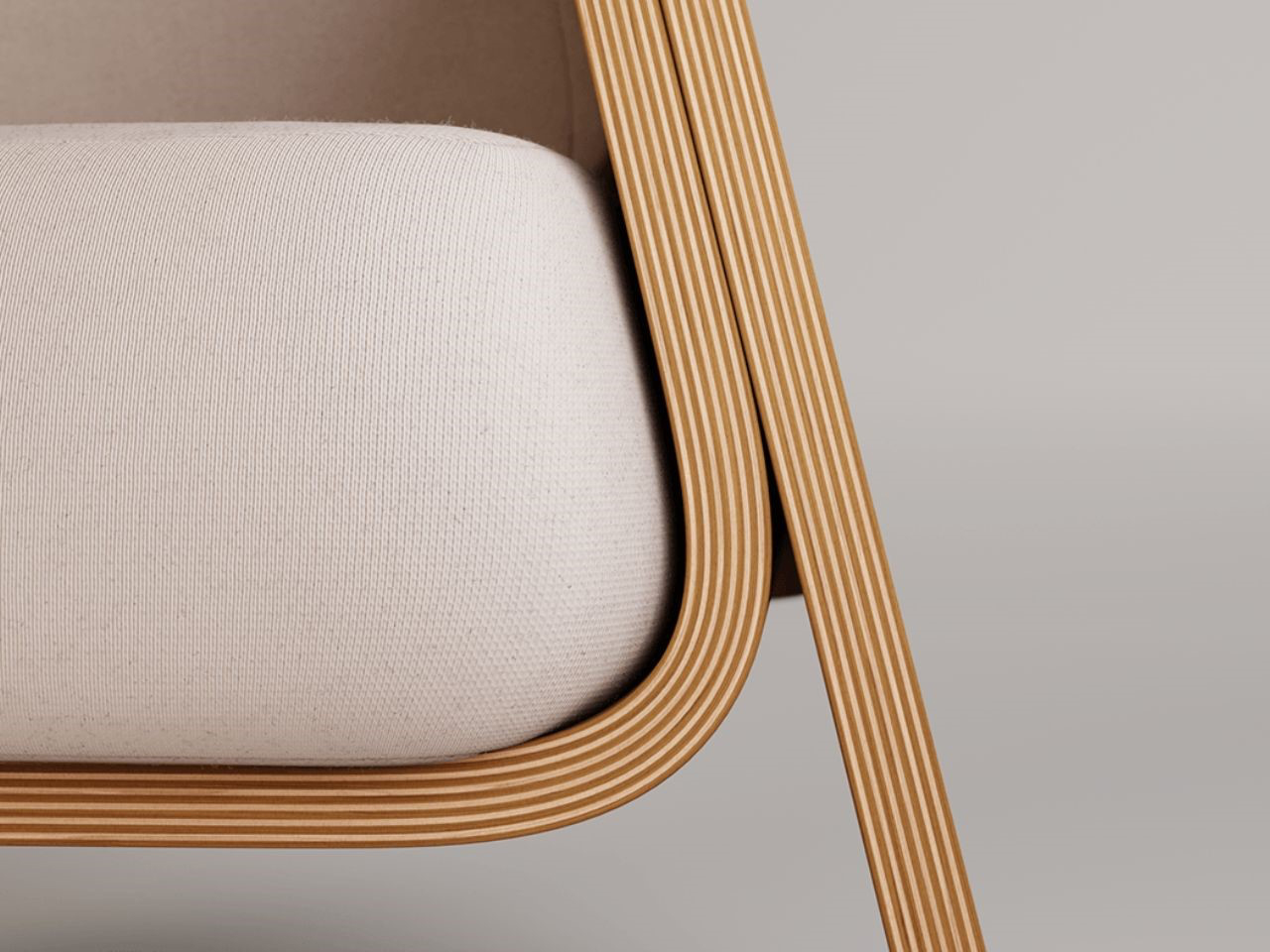
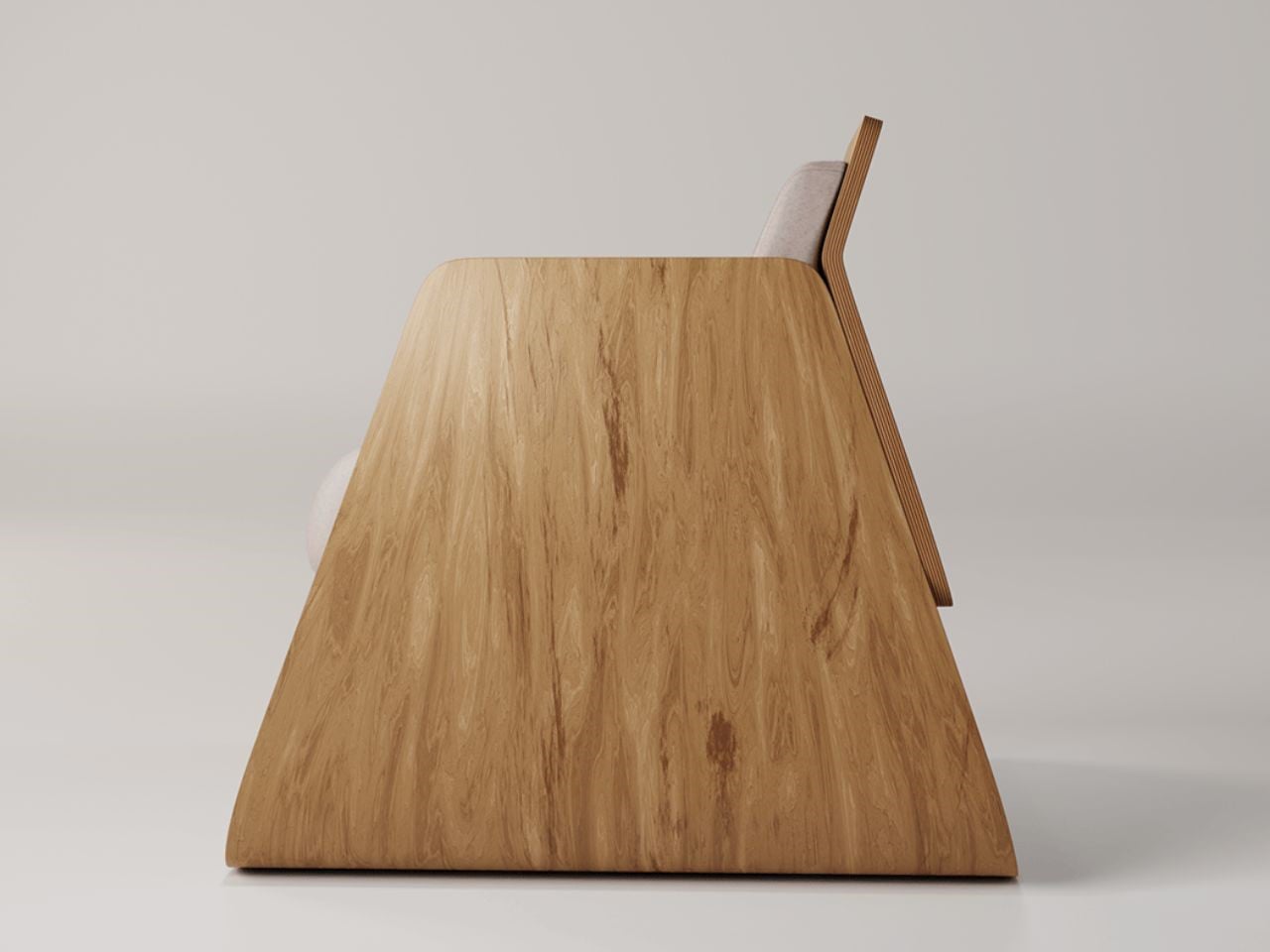
Beyond its minimalist appearance, the Dopio lounge chair is designed with comfort and functionality in mind. The combination of molded plywood and plush cushions provides a relaxed seating experience, while its lightweight visual profile keeps spaces feeling open and uncluttered. A distinctive open cavity beneath the seat adds character to the design and doubles as a cozy retreat for pets.
4. Ergonomics and Human Comfort
The curved nature of bent wood naturally aligns with the human body. Chairs and seating designed with bent wood often provide better posture support because they follow organic body contours. This ergonomic advantage makes it ideal for long-term comfort without additional padding or reinforcement. Designers use this quality to create pieces that feel intuitive and supportive.
The smooth transitions in shape reduce pressure points and enhance usability. As a result, bent wood is not just visually appealing but also deeply functional in everyday human interaction.
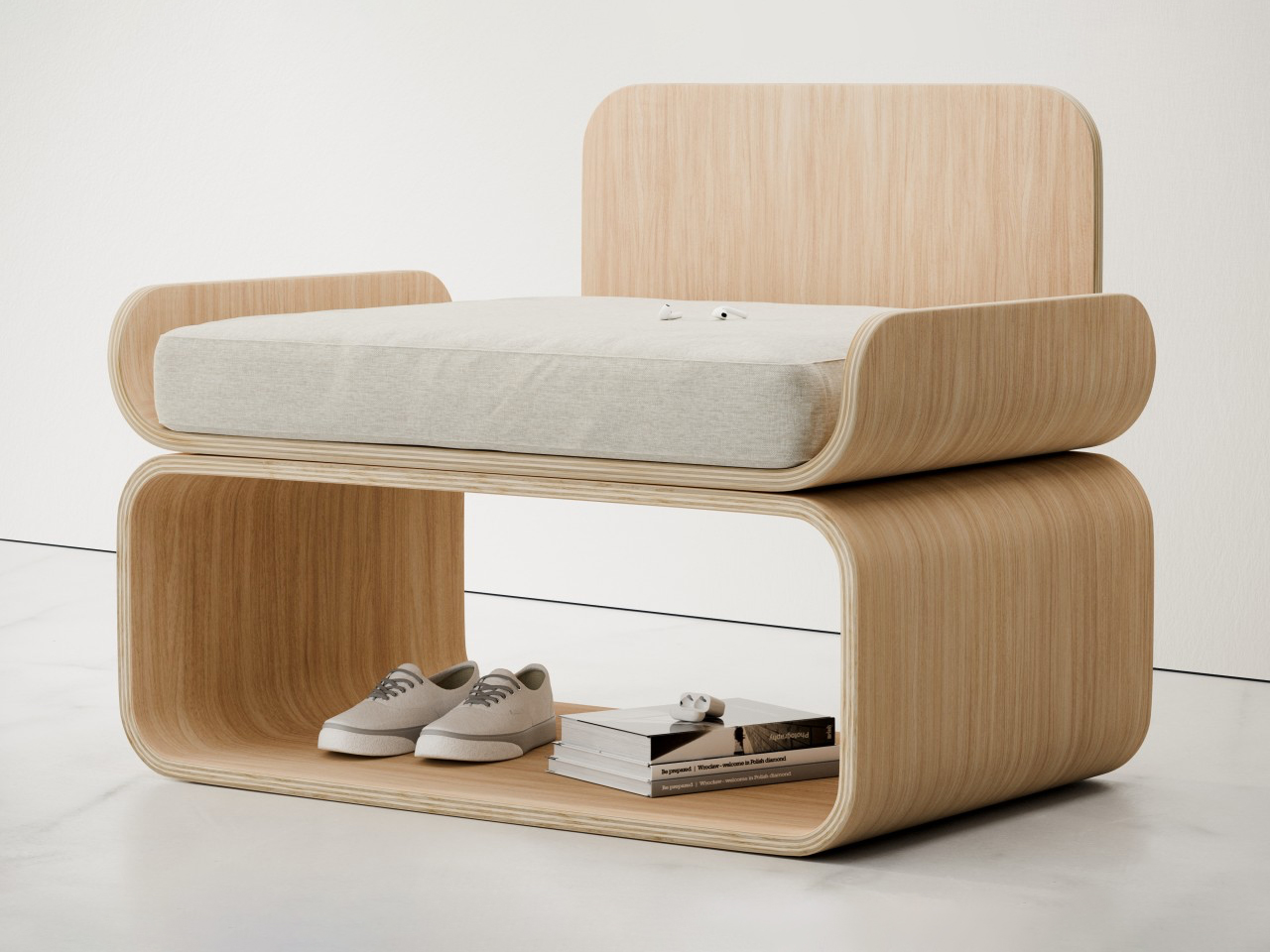
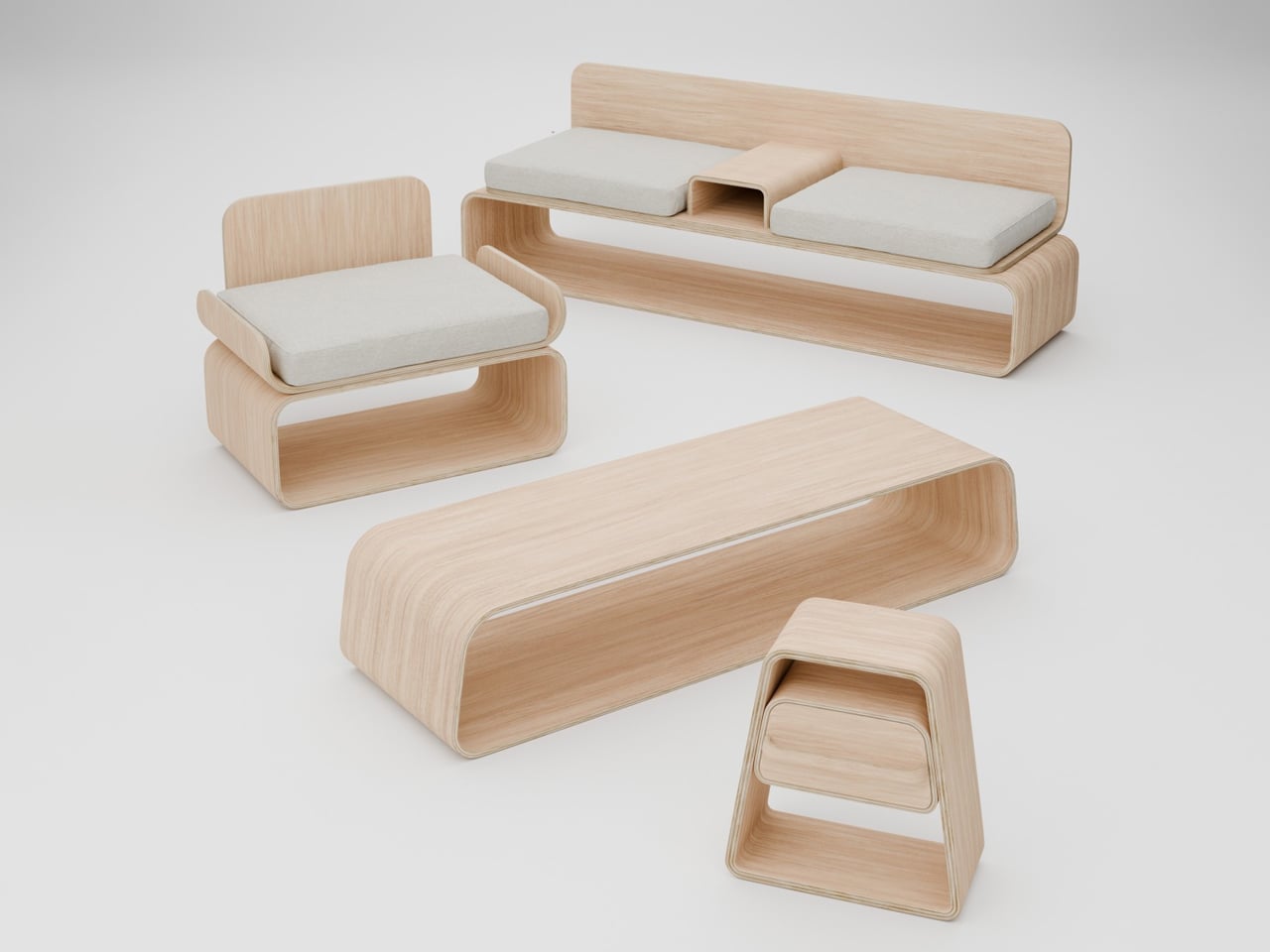
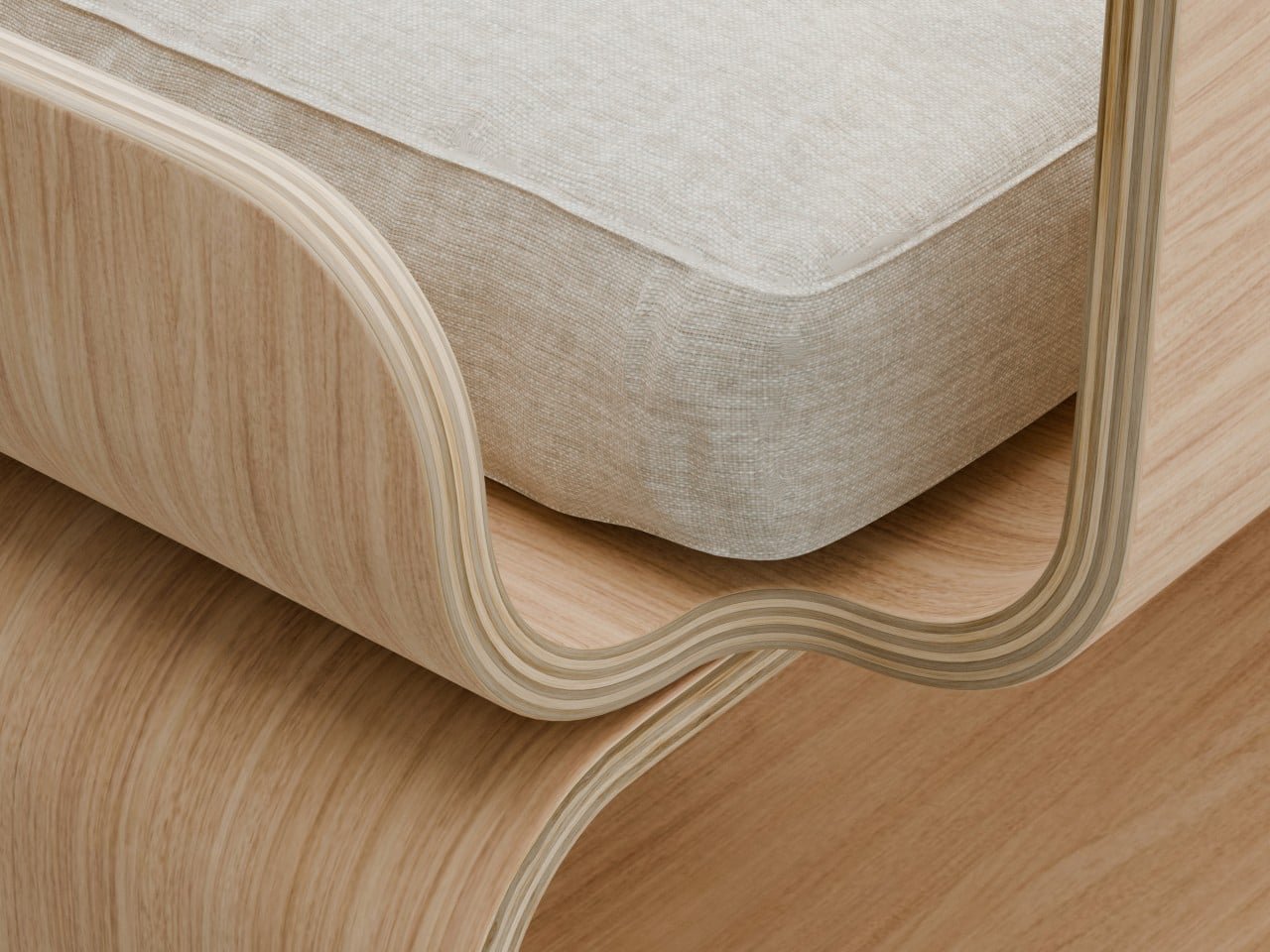
The KURVE furniture collection redefines everyday furniture by combining seating, surfaces, and storage into sculptural forms crafted from curved plywood. Defined by clean lines and flowing silhouettes, each piece uses bent layers of wood to create hollow spaces that double as integrated storage compartments.
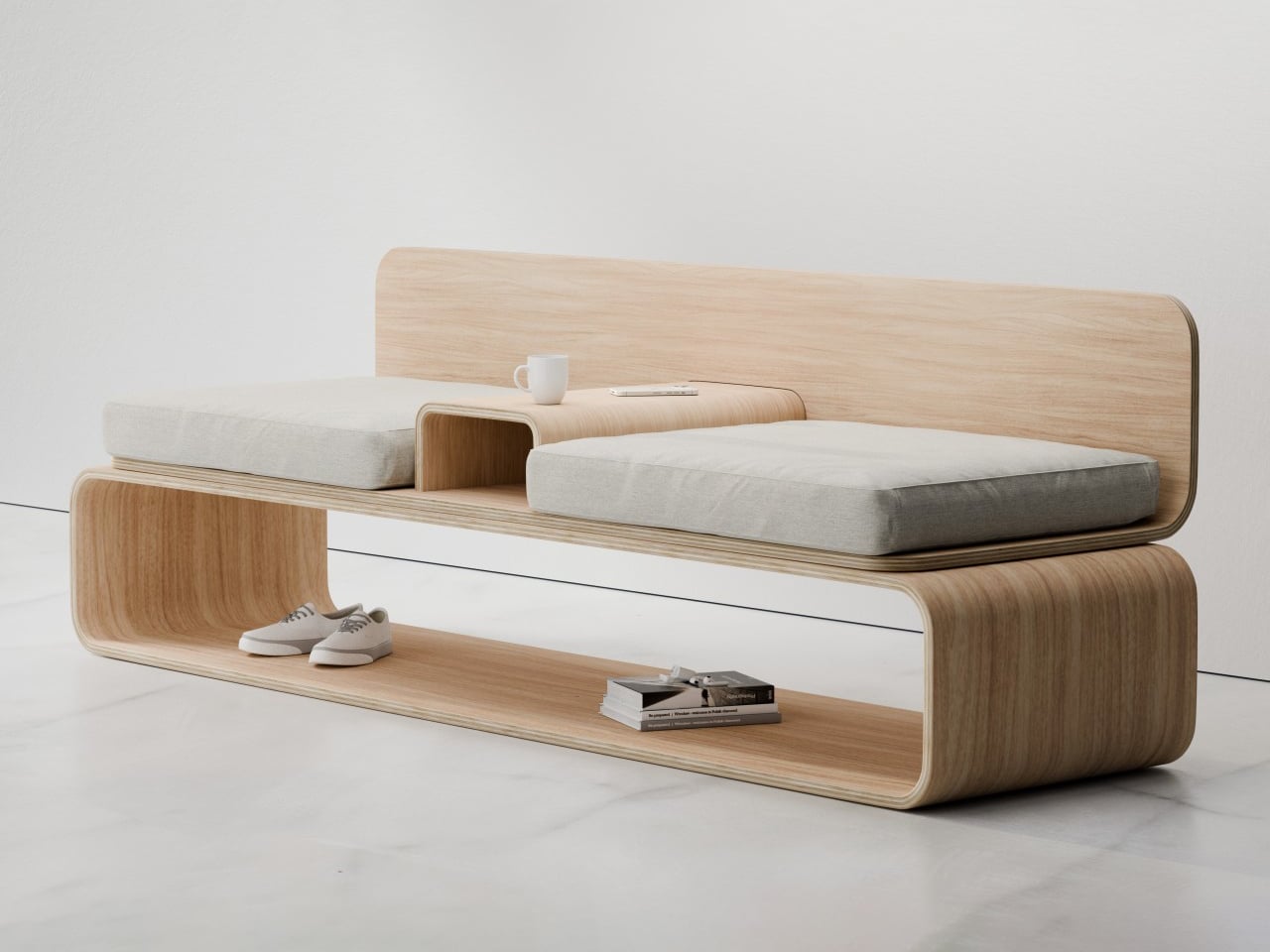
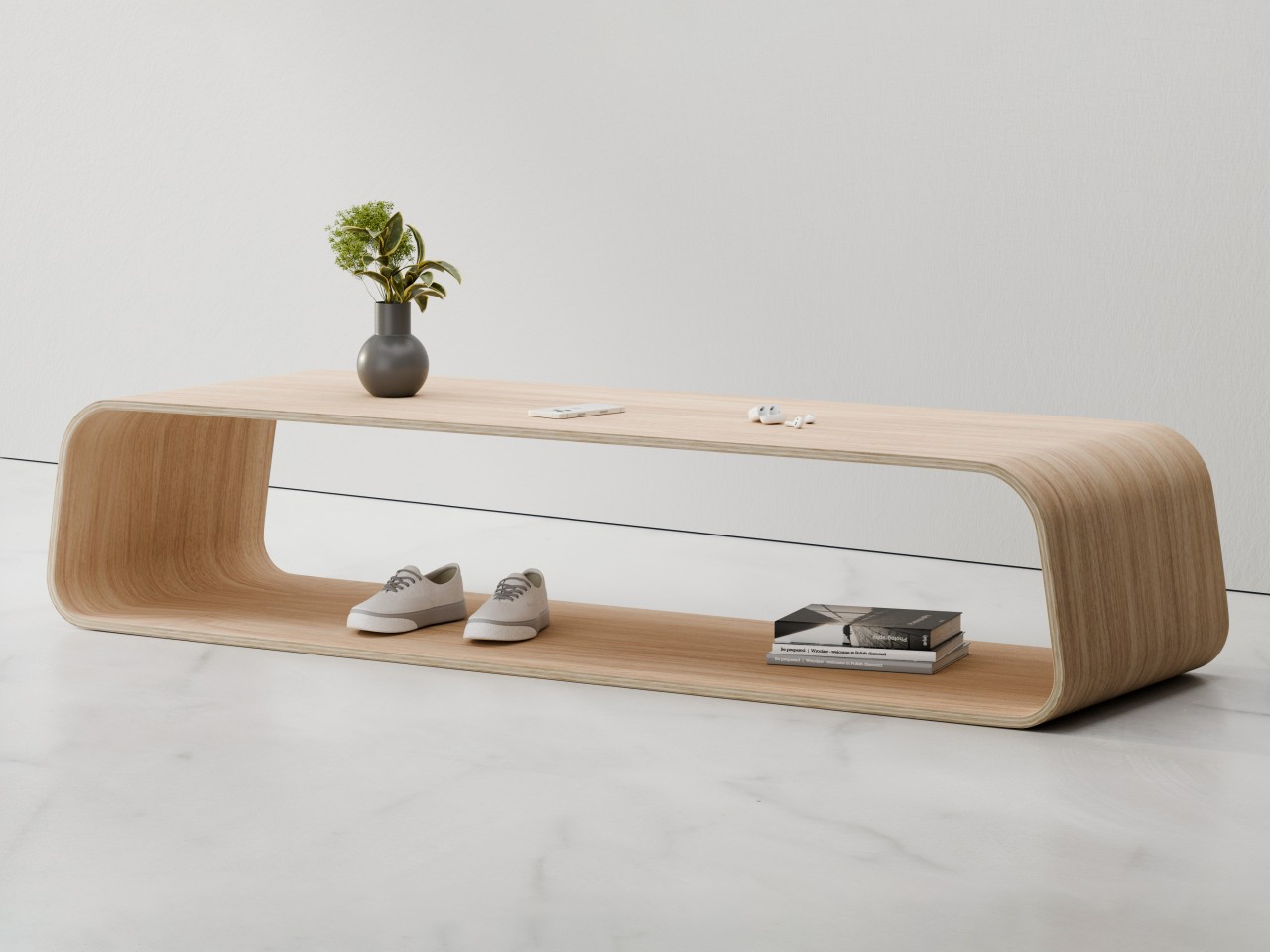
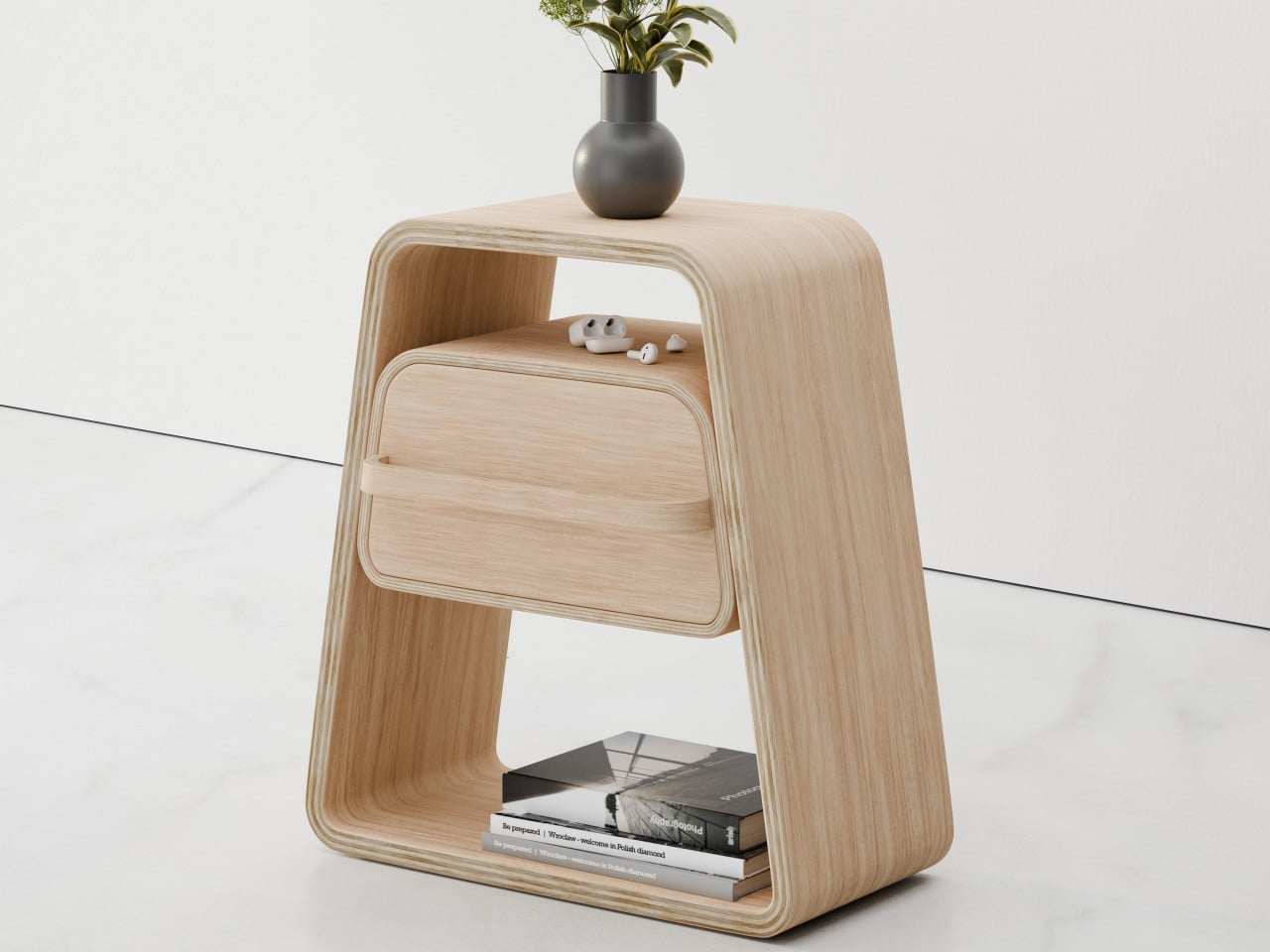
The standout KURVE Chair features a continuous sheet of layered plywood that forms the seat, backrest, and armrests, while its curved lower structure creates a spacious storage nook beneath. The KURVE Couch expands on the same concept with seating for two, incorporating a central console and concealed storage areas for everyday essentials. Complementing these pieces are the KURVE Table and Night Stand, both designed with open compartments that maximize utility without adding visual clutter. By transforming unused furniture volume into practical storage, the KURVE collection offers a smart and elegant solution for modern living spaces where functionality and simplicity are equally important.
5. Timeless Versatility in Design
Bent wood has remained relevant across centuries because of its adaptability. It fits seamlessly into traditional craftsmanship and contemporary minimalism. The material can be stained, polished, or left natural, allowing designers to tailor its expression to different styles. This versatility ensures it never feels outdated.
Instead, it evolves with design trends while maintaining its core identity of strength and elegance, making it a permanent fixture in the language of furniture design.
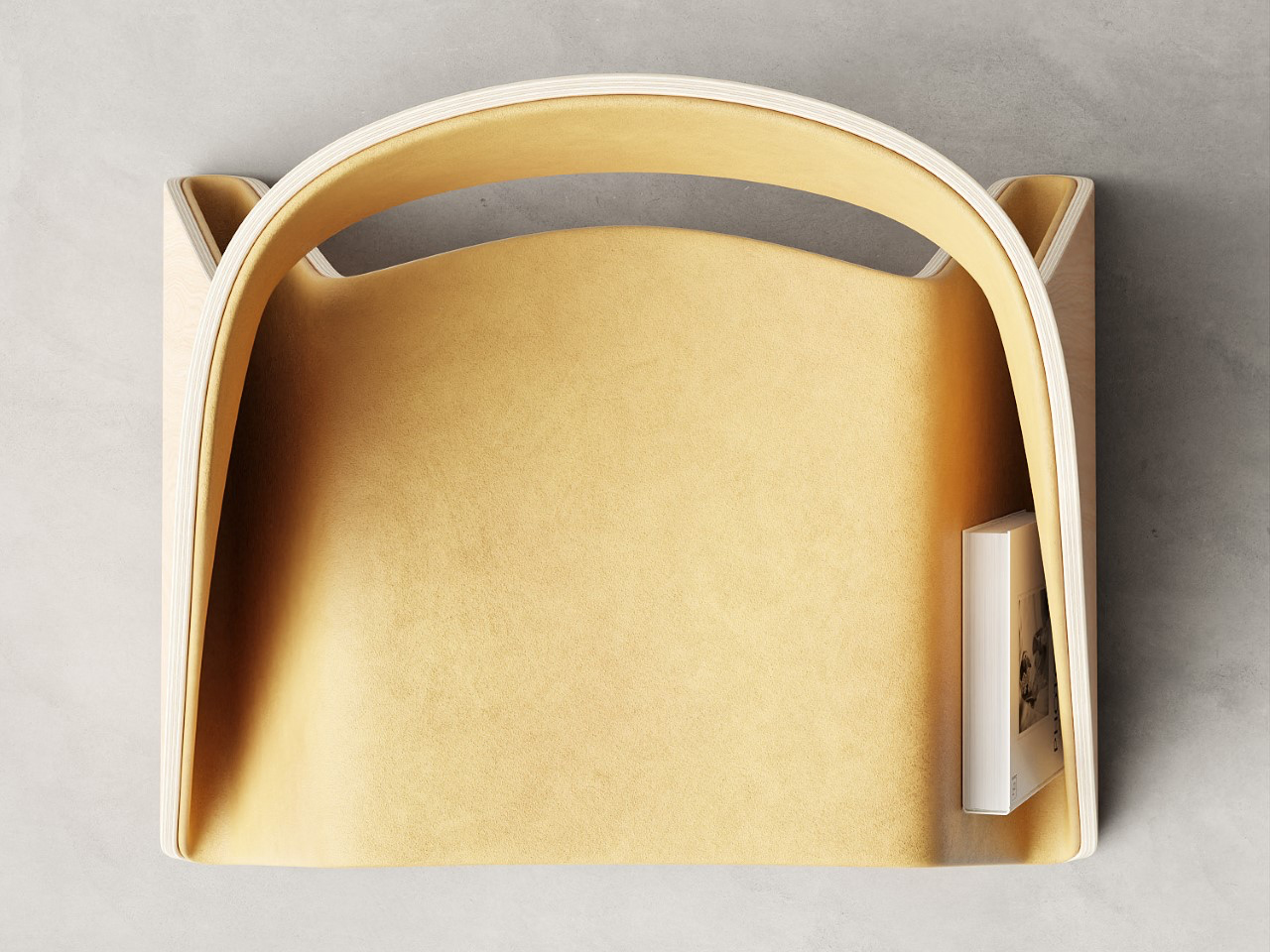
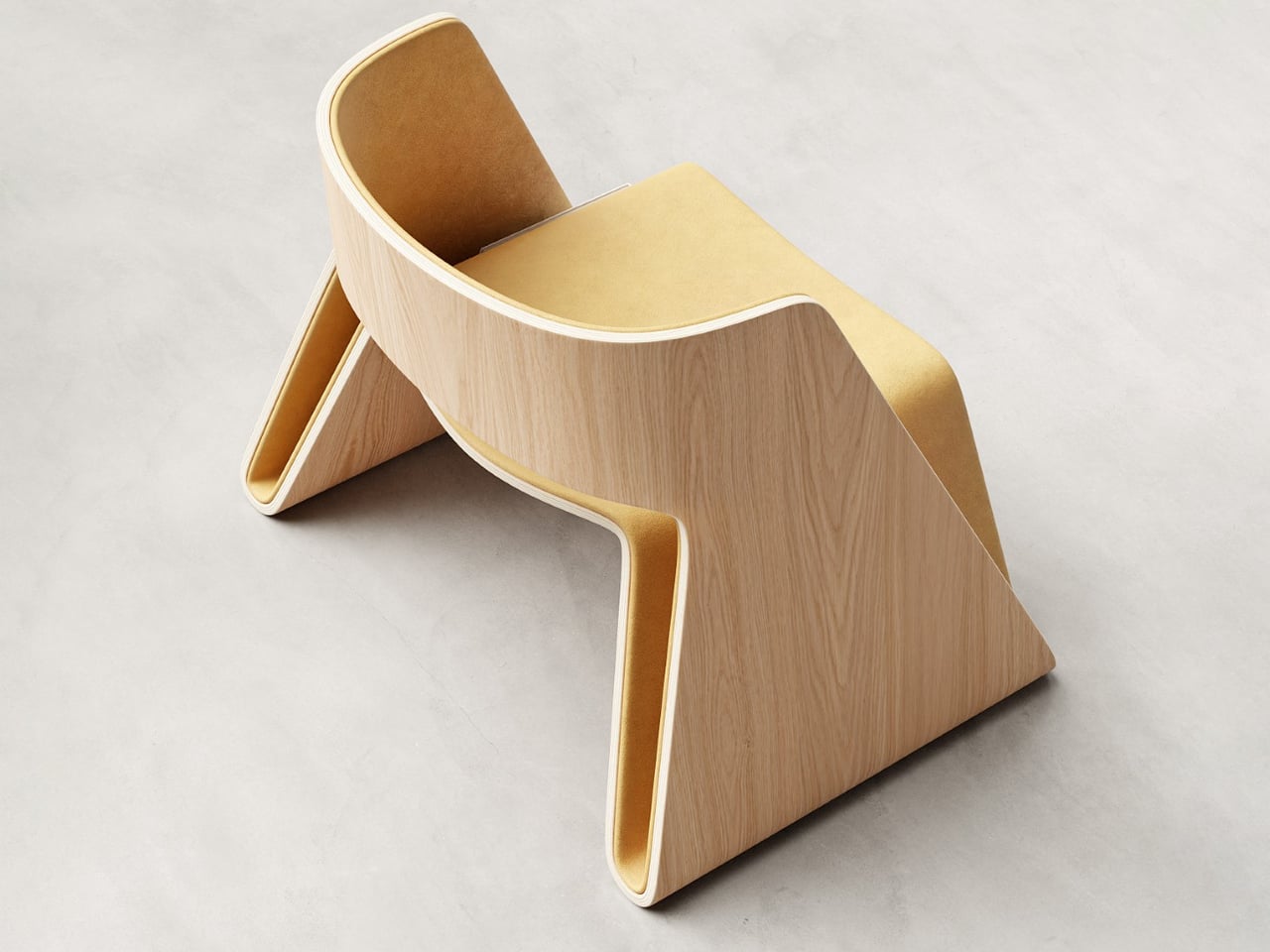
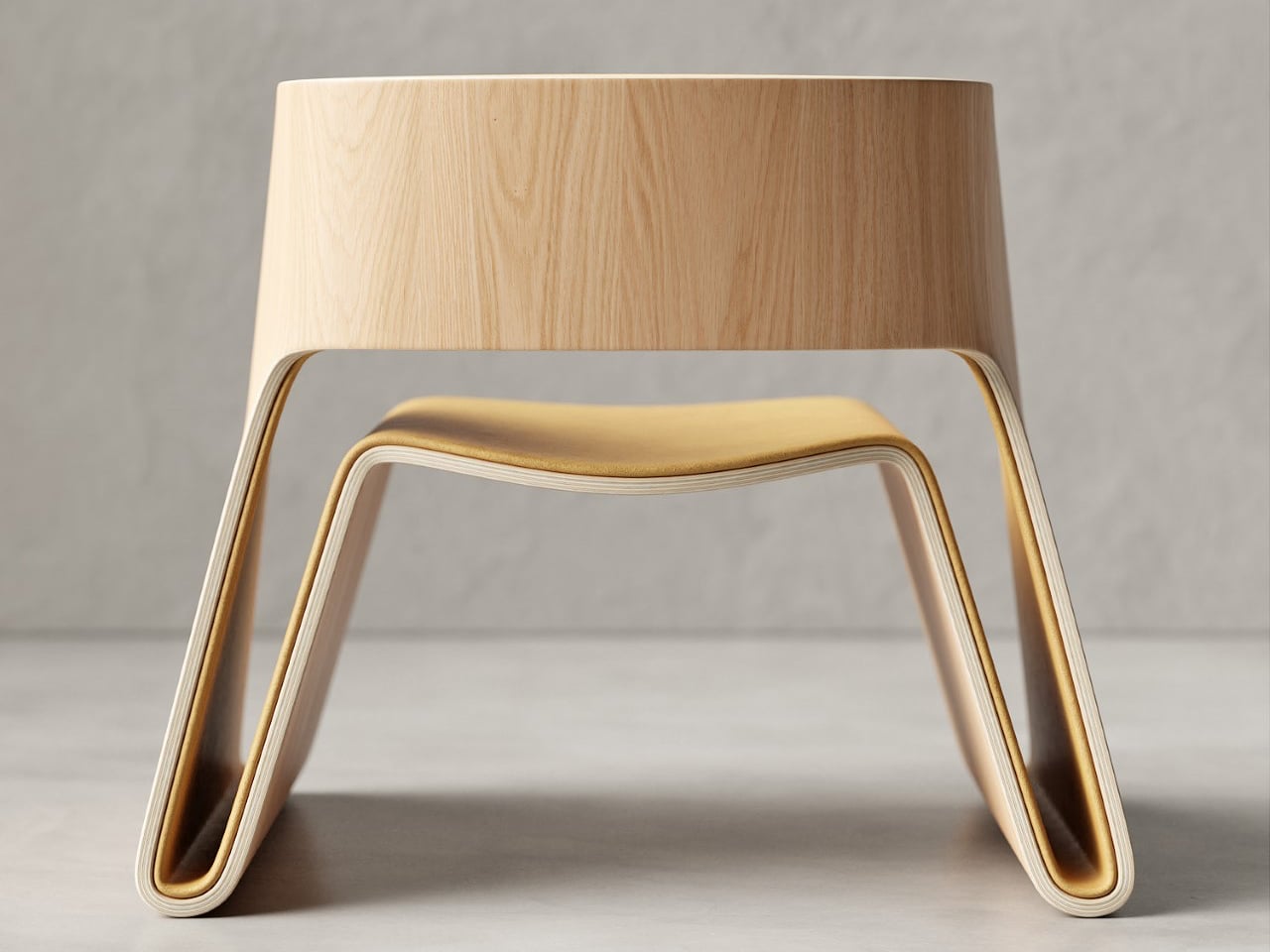
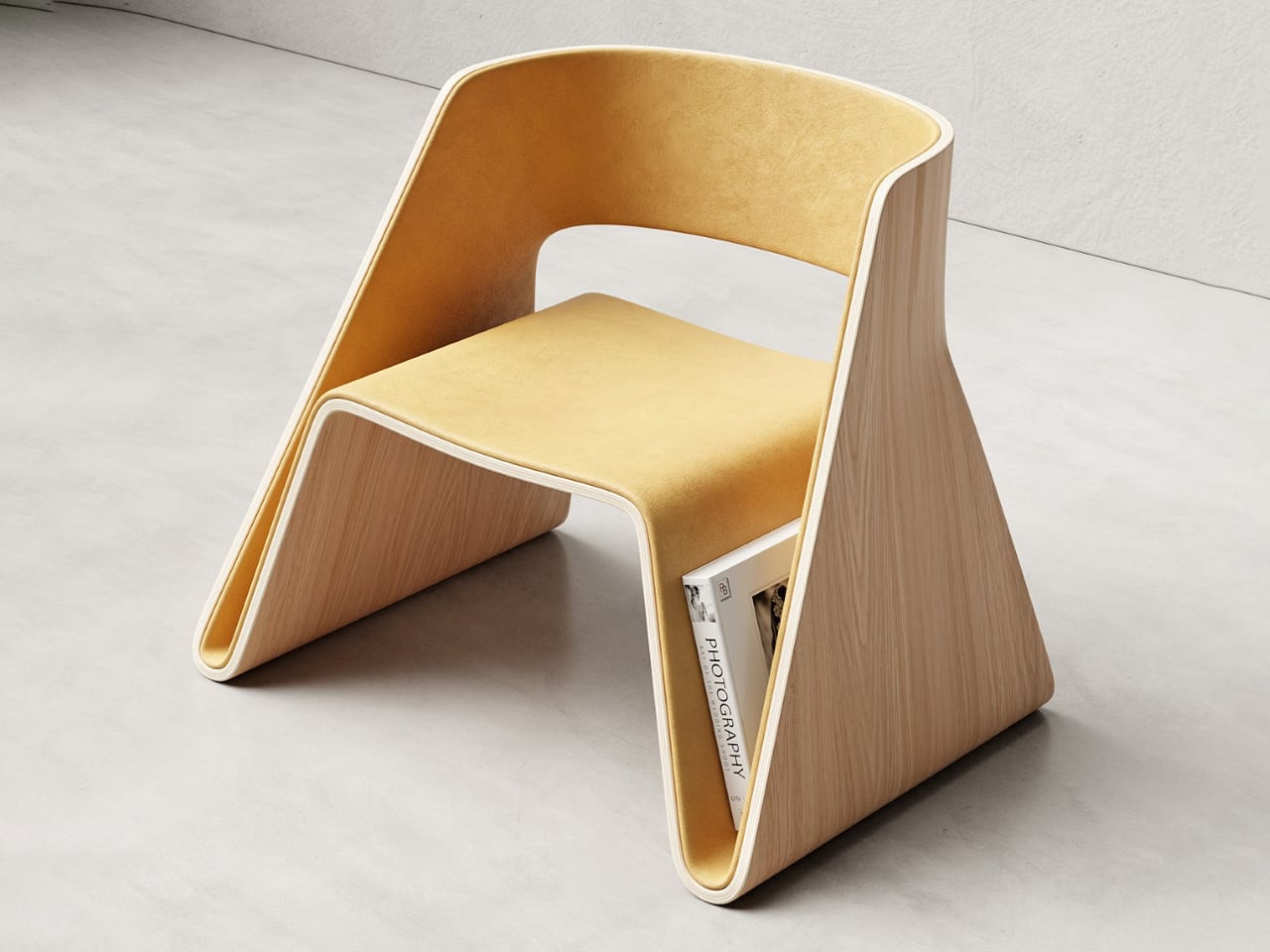
The Void Lounge Chair by João Teixeira of Teixeira Design Studio is a striking example of how a single sheet of plywood can be transformed into a functional and sculptural piece of furniture. Crafted from one continuous piece of bent plywood, the chair seamlessly forms its seat, legs, and backrest without the need for complex assemblies. Its flowing silhouette highlights the versatility of bent wood construction, creating a lightweight yet visually impactful design that balances simplicity with craftsmanship.
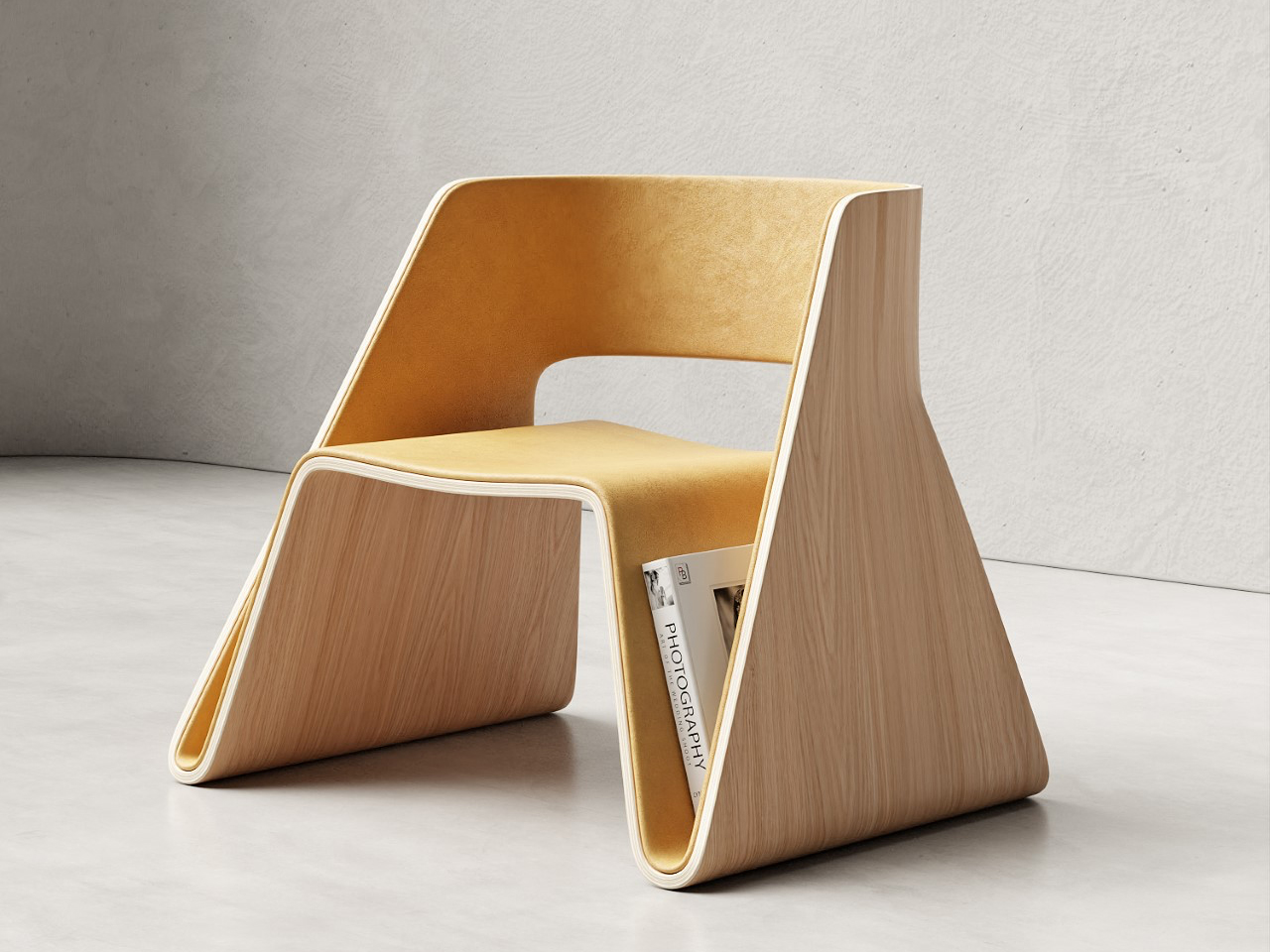
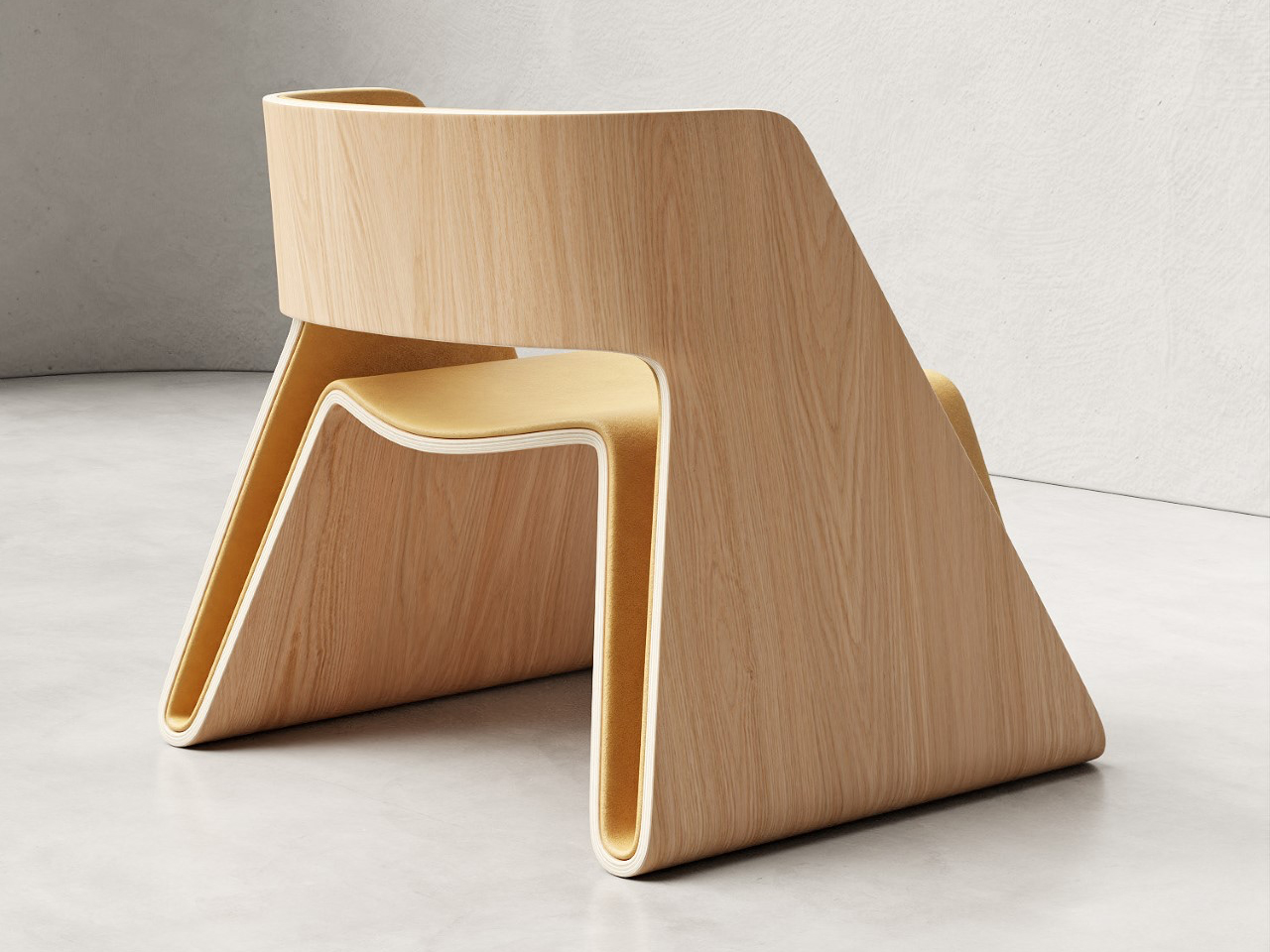
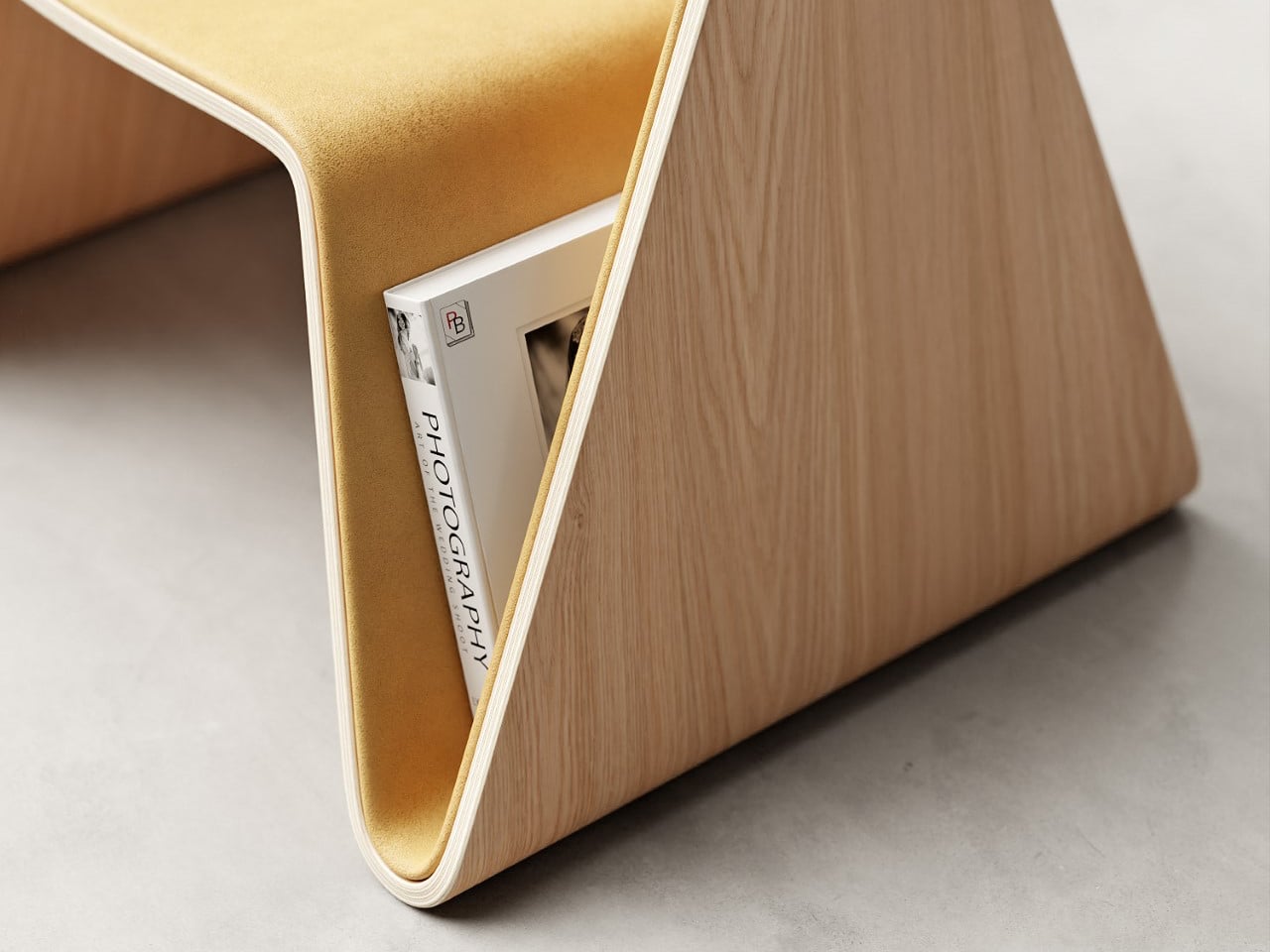
What sets the Void Lounge Chair apart is its integrated storage feature. The bending process creates two hollow compartments within the chair’s structure, which serve as convenient holders for books, magazines, newspapers, or vinyl records. Upholstered cushioning extends across the seat and backrest, adding comfort while maintaining the chair’s clean and uninterrupted form. The result is a lounge chair that elegantly combines seating and storage, offering both practicality and aesthetic appeal.
Bent wood represents a rare union of structural intelligence and visual grace. Its ability to remain strong while forming fluid, elegant shapes makes it a cornerstone of timeless design. As design continues to evolve toward more organic and human-centered approaches, bent wood stands out as a material that naturally bridges engineering and artistry.