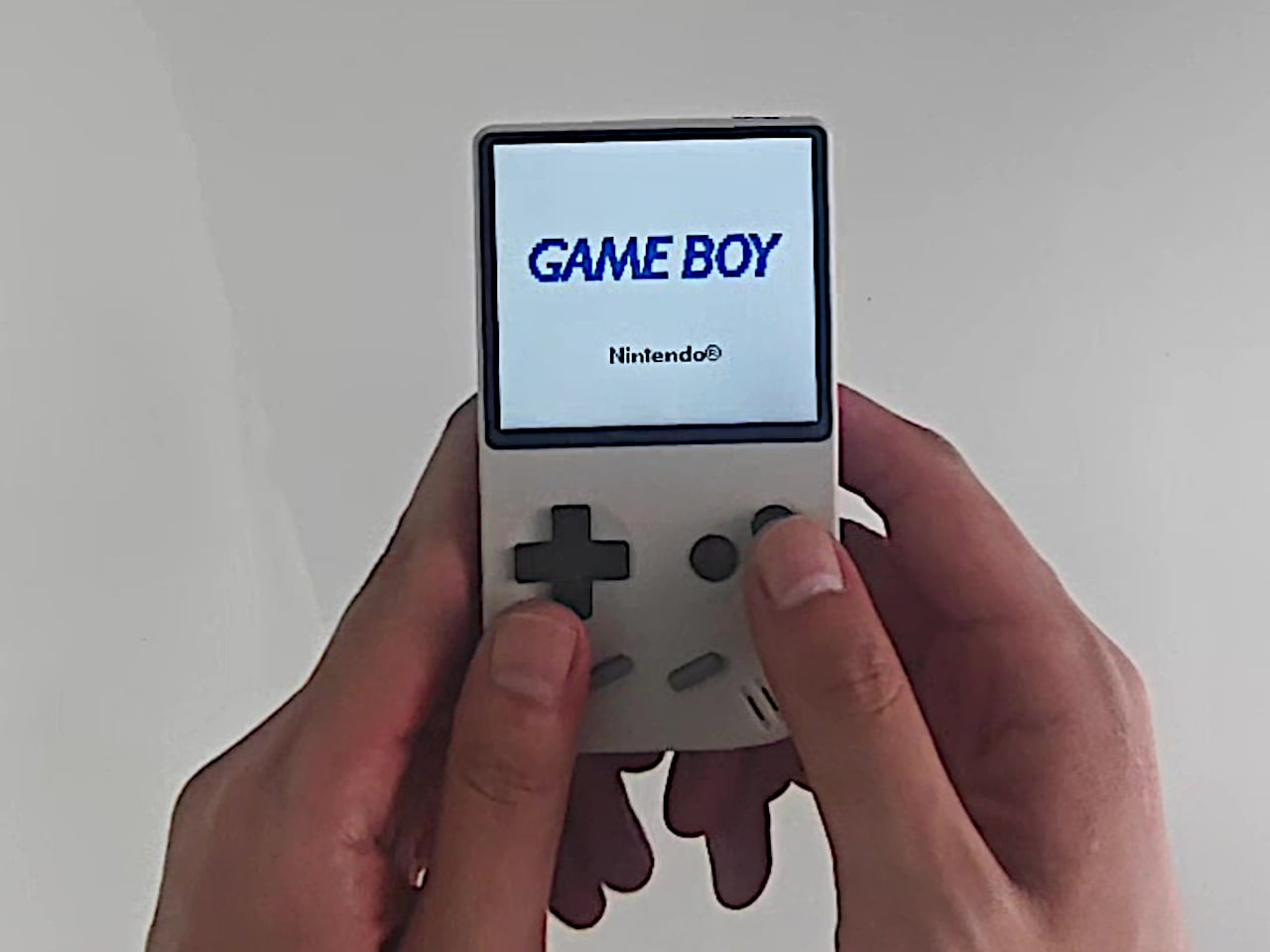

A Game Boy cartridge used to feel small in your palm, a flat plastic rectangle dwarfed by the console it slotted into. The FPGB Mini flips that relationship entirely. This new handheld measures barely wider than one of those cartridges, turning decades of shrinking electronics into an actual party trick rather than a marketing phrase. It plays original Game Boy and Game Boy Color cartridges directly, no adapters, no compromises on how the games behave.
That accuracy comes from field-programmable gate array technology or FPGA, the same approach used in pricier hardware like the Analogue Pocket. Instead of software emulation approximating old hardware, the FPGA chip recreates the original circuitry’s behavior directly, which is why colors, timing, and quirks specific to Game Boy games show up exactly as they did decades ago. The tradeoff is narrower cartridge support, limited here to Game Boy and Game Boy Color only.
Designer: FunnyPlaying (via Retro Dodo)
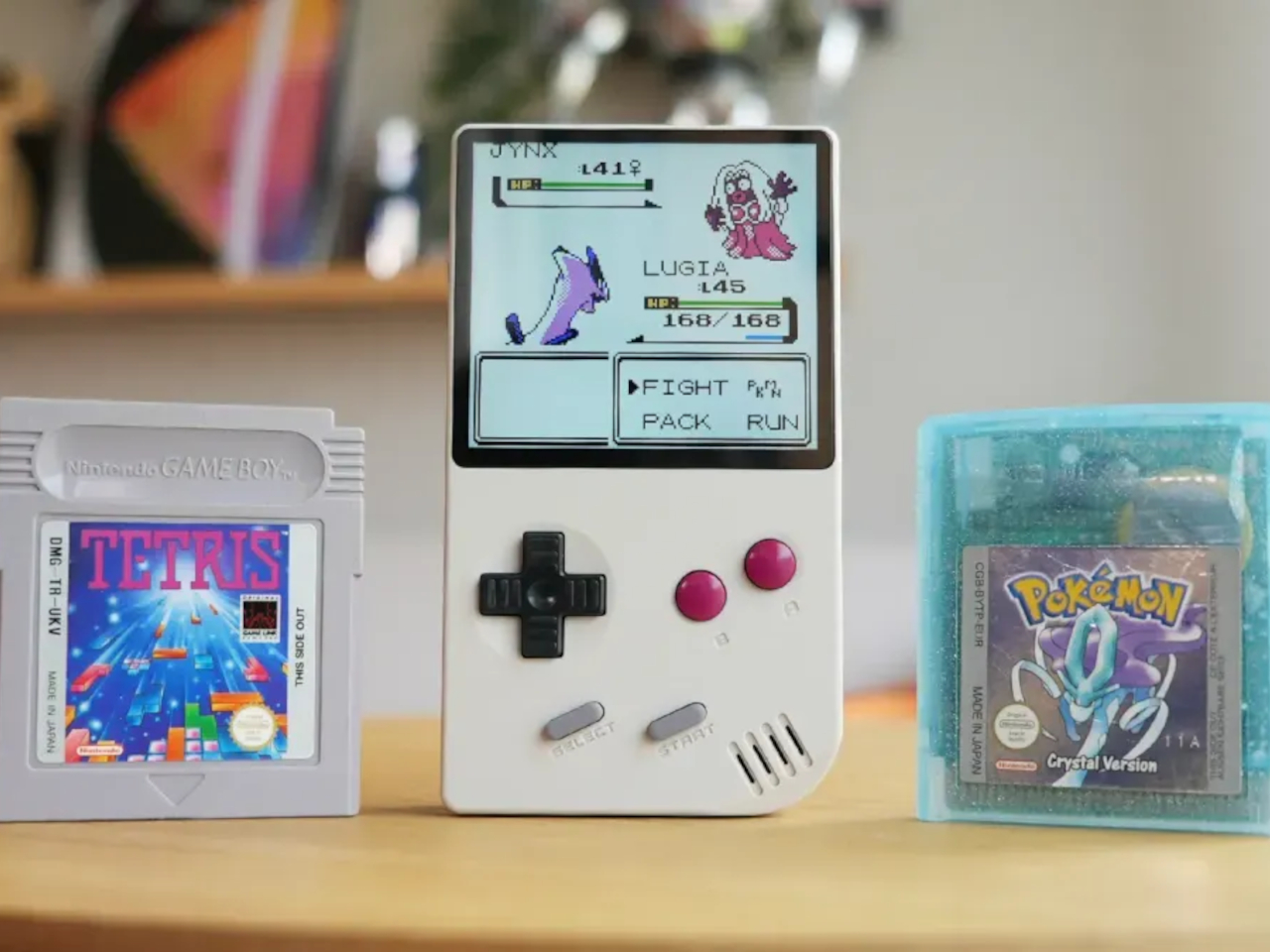
Slide a cartridge into the back, and the 2.98-inch IPS screen renders everything at 800 by 720 pixels, a resolution chosen specifically because it scales the original Game Boy display by a clean five times. That kind of deliberate math means pixel art looks crisp rather than blurred or unevenly stretched, a detail that matters enormously to anyone who has stared at a mushy upscaled screen on a cheaper handheld clone.
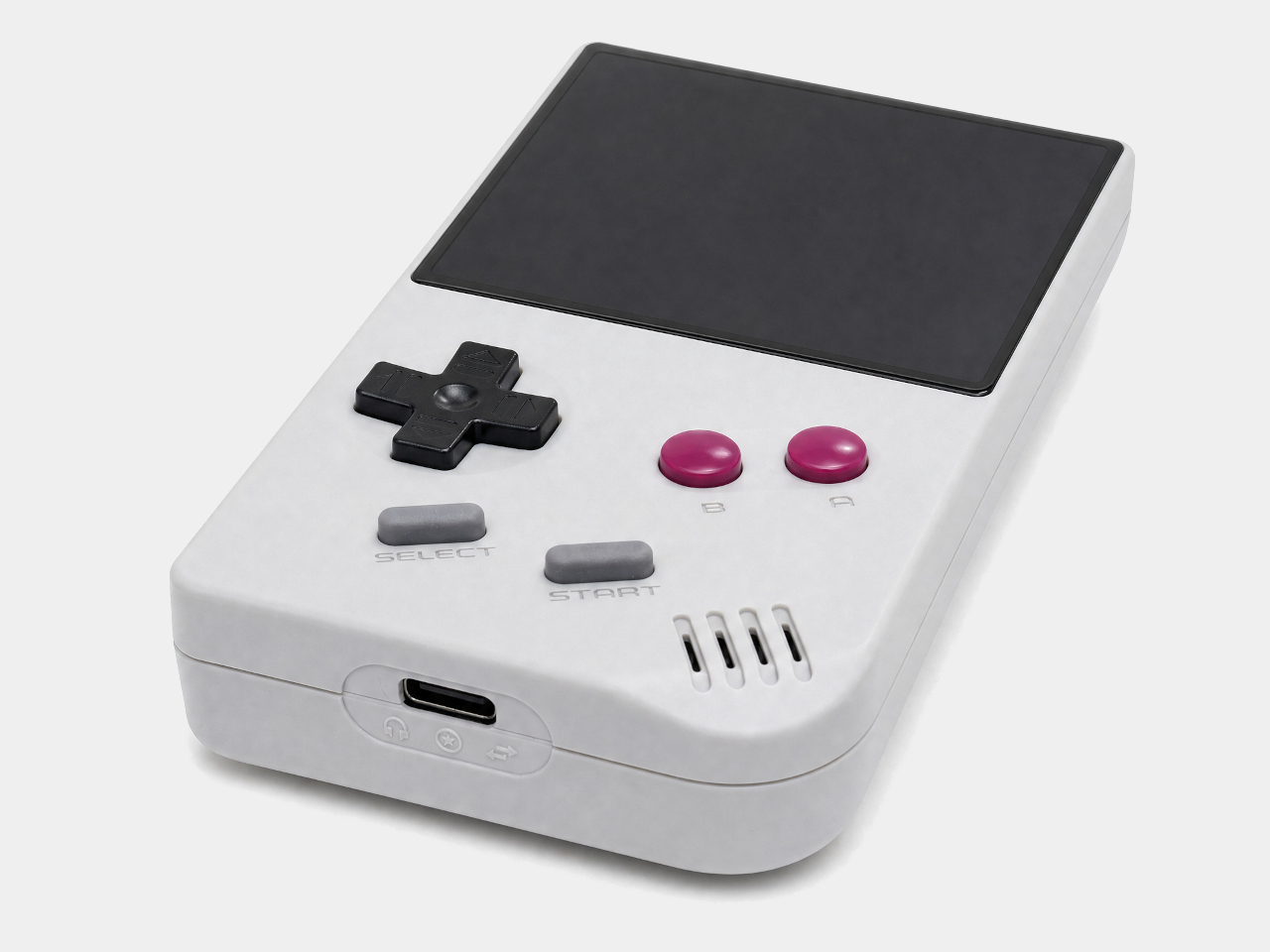
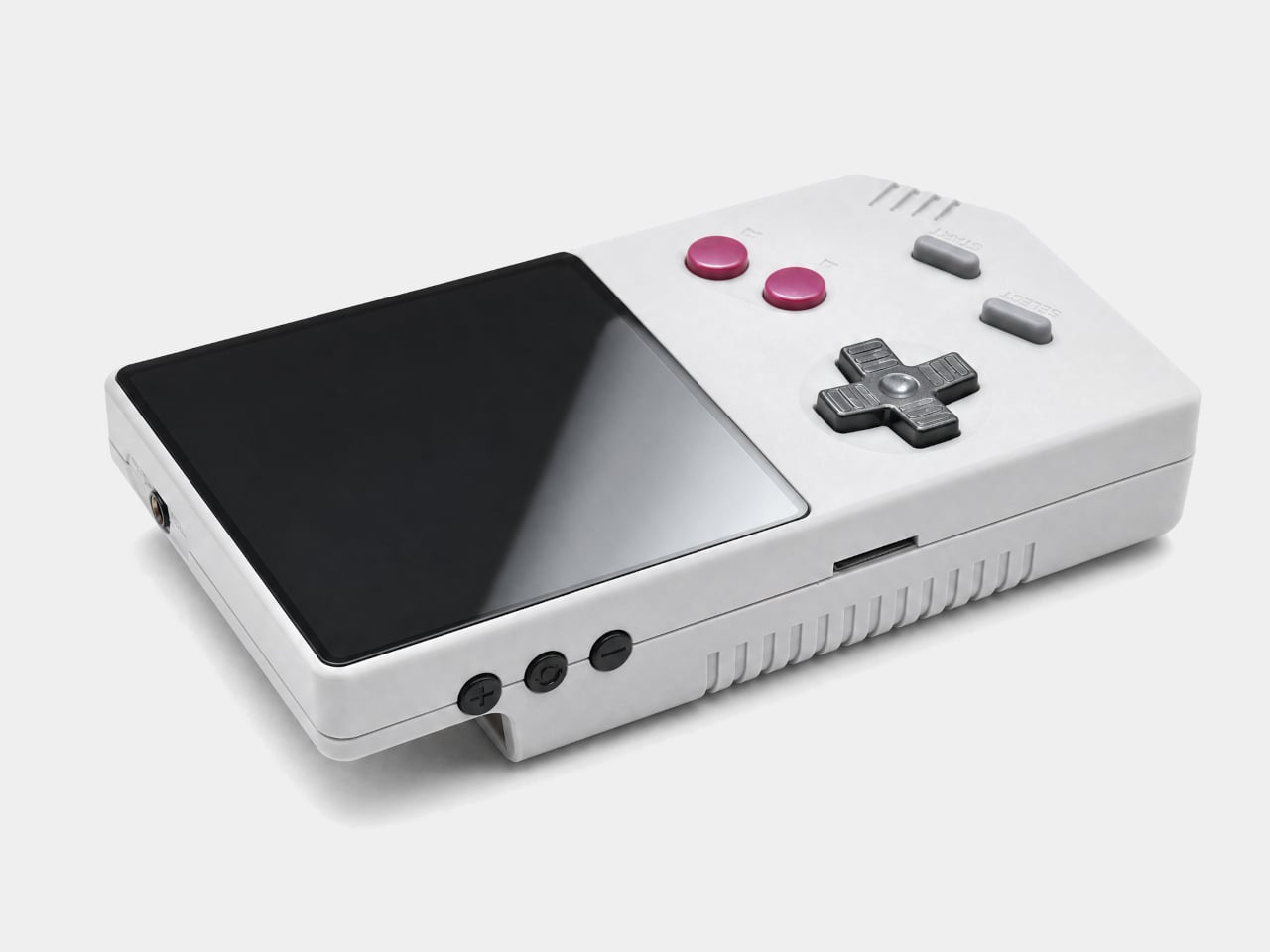
Pull two of these out during a road trip, and the link cable becomes the actual point. FunnyPlaying included a dedicated wired connection for multiplayer battles and trading, mirroring what the original Game Boy Link Cable did for a generation of kids swapping Pokémon in parking lots and school hallways. It’s a small inclusion that says the design team understood which memories actually mattered here.
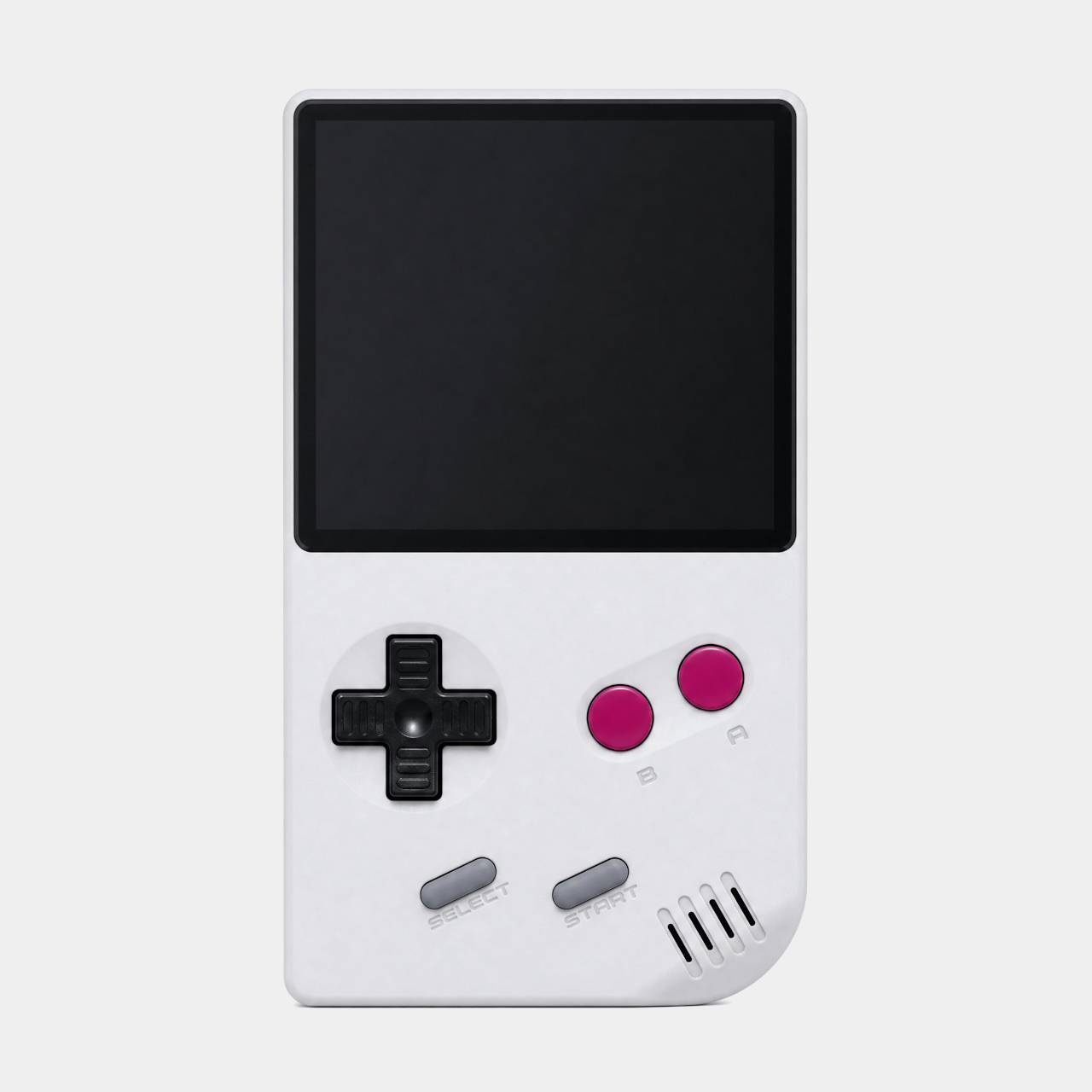

A built-in real-time clock keeps the momentum going even after the cartridge comes out. Games like Pokémon Gold and Silver relied on that internal clock for day-night cycles and timed events, a feature plenty of modern clones quietly drop. Its presence here suggests the engineering priority sat with preserving how games actually played, not just how the console looked sitting on a shelf.
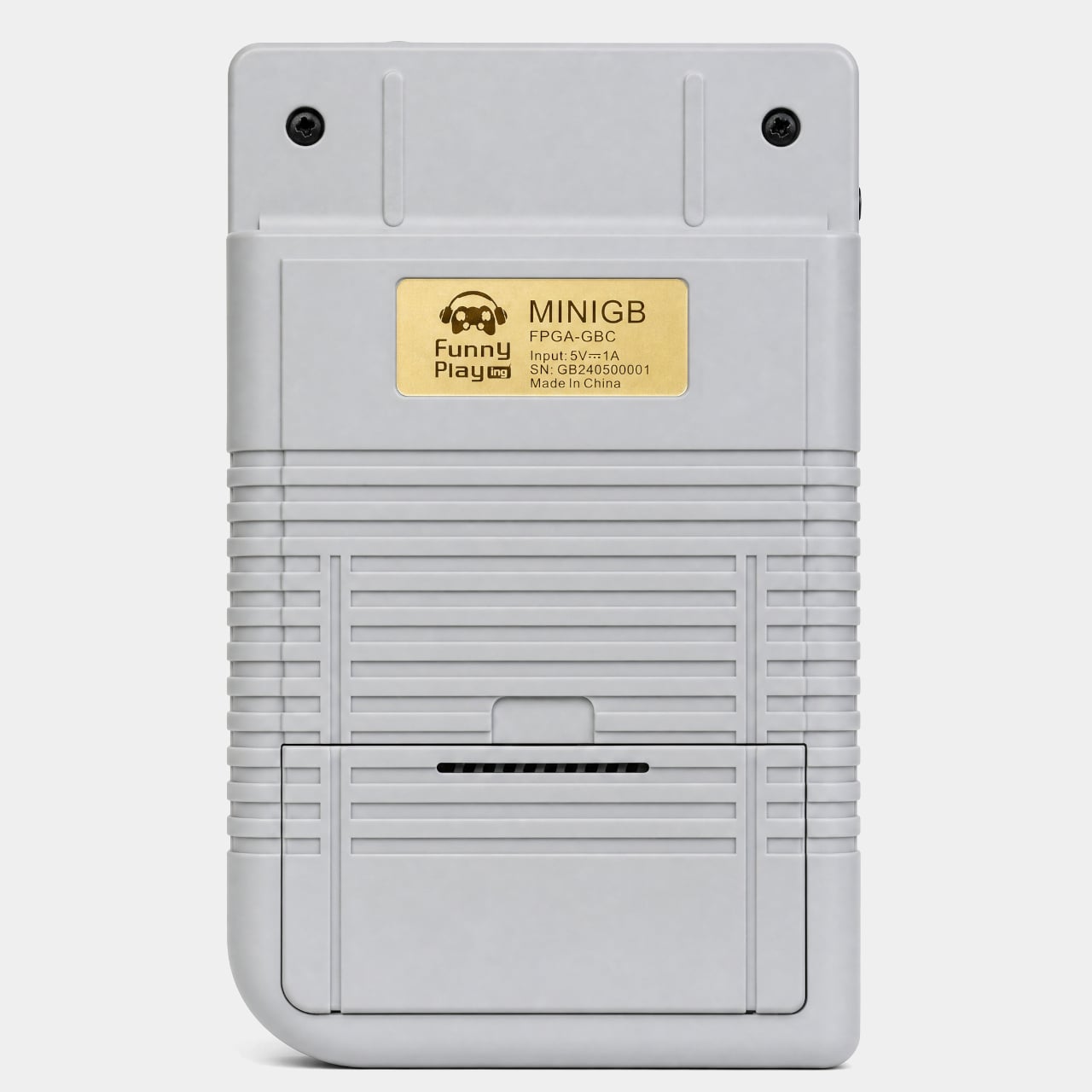
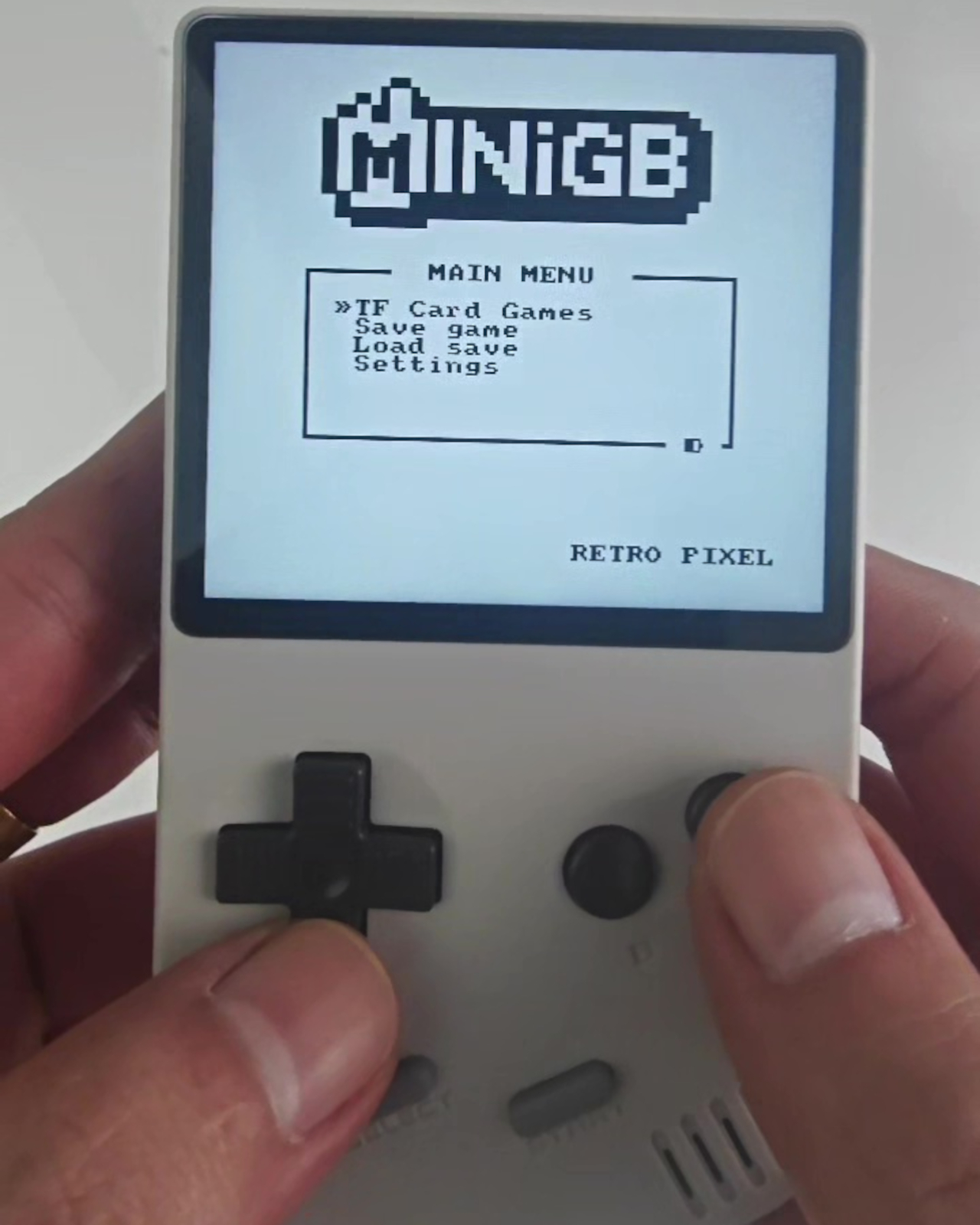
A microSD slot rounds out the modern side of the hardware, storing save files, screenshots, or ROM files that can run through a built-in emulator when no cartridge is inserted. That flexibility turns the FPGB Mini into two devices depending on the moment: a hardware-accurate cartridge reader when authenticity matters, and a pocket emulator when convenience wins out instead.

Color reproduction gets a boost too, with support for 16.7 million colors and an RGB565 pipeline that keeps Game Boy Color titles looking properly saturated rather than washed out. It’s a detail easy to overlook next to the flashier link-cable and FPGA talking points, yet it shapes the actual daily experience of loading up a cartridge more than either of those features do.
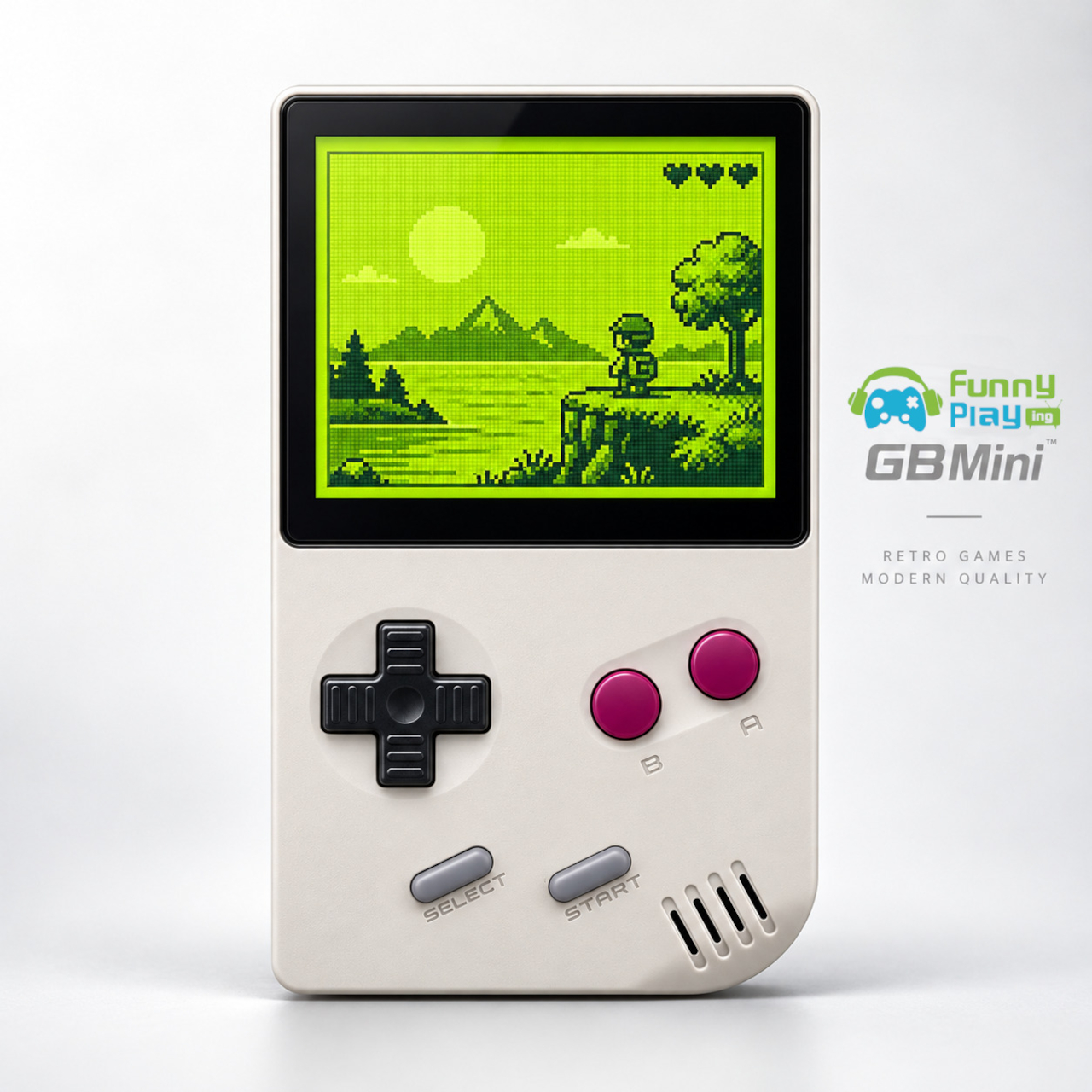
At 113mm x 64mm x 22m and roughly 135g, the whole unit disappears into a jacket pocket in a way no console with a cartridge slot has any right to. An 1,800mAh removable battery pack handles the power side, charging over USB-C in roughly two to three hours and running for several hours of play per charge, numbers respectable for hardware this compact. A carrying case ships in the box, treating portability as a finished thought rather than an afterthought bought separately.

