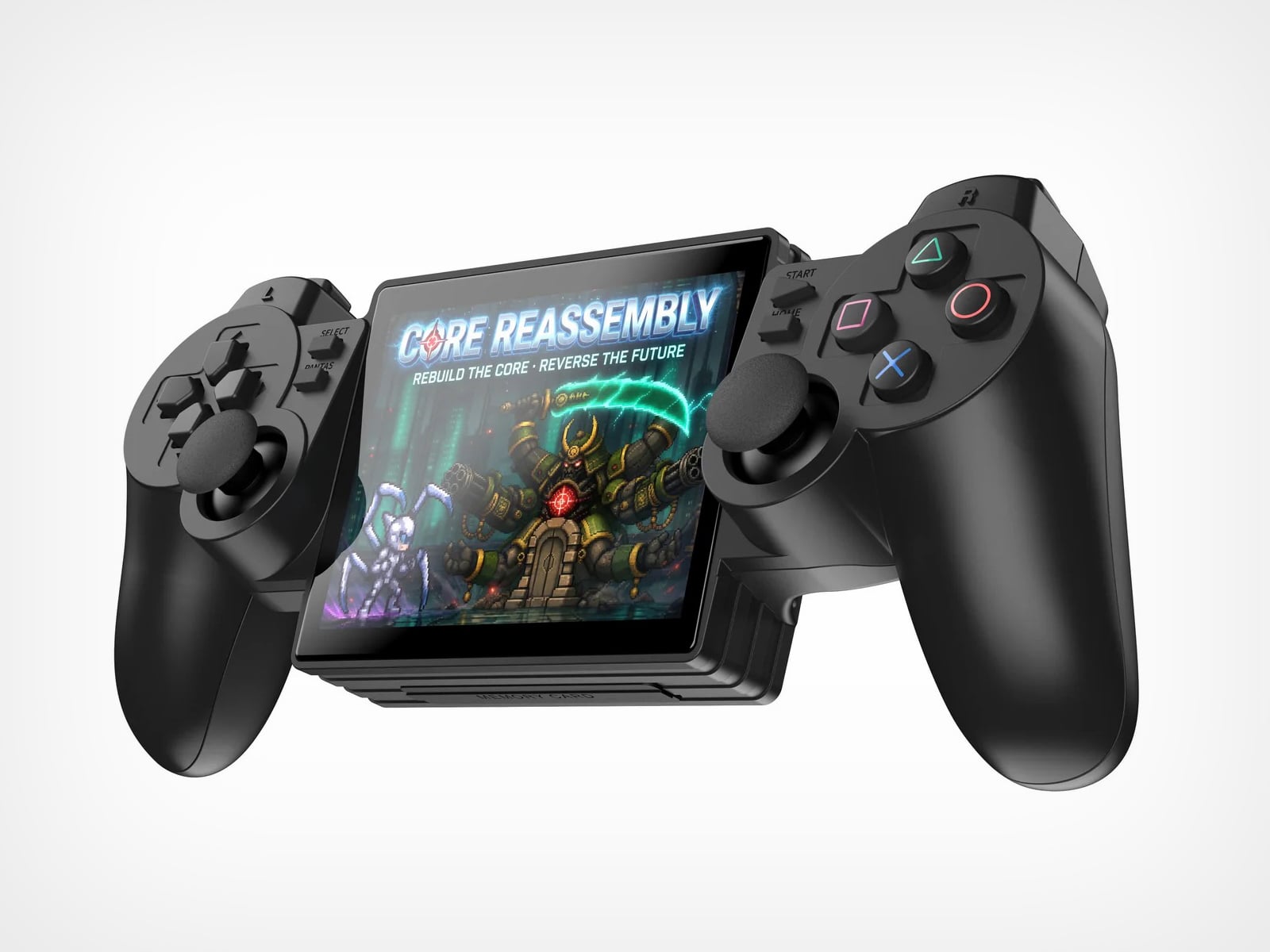

Every great gadget eventually gets a knockoff cousin. The iPod had thousands of them, those chunky no-name MP3 players with a click wheel that clicked nothing and a brand name you forgot by lunch. They were a little rough around the edges, mostly forgettable, and they played your music just fine for a fraction of the price. The PlayStation Portal just got its own version of that cousin. It’s called the Yoniq Portal, it comes from a company almost nobody had heard of before Gamescom 2026, and it costs $199.
Yoniq took the shape of Sony’s DualShock 2 controller, split it down the middle, and wedged a reportedly 4.5-inch screen between the two halves. The triangle, circle, cross, and square all made the trip along with it, which is a bold move for a brand this new. Sony’s official PlayStation Portal now costs $249.99 and streams games from a PS5 or the PlayStation cloud, meaning it needs a console to do anything at all. Yoniq’s version is designed to play games locally, and a Gamescom demo running Winning Eleven 8, the Japanese cousin of Pro Evolution Soccer 4, points squarely at PS2-era emulation.
Designer: Yoniq
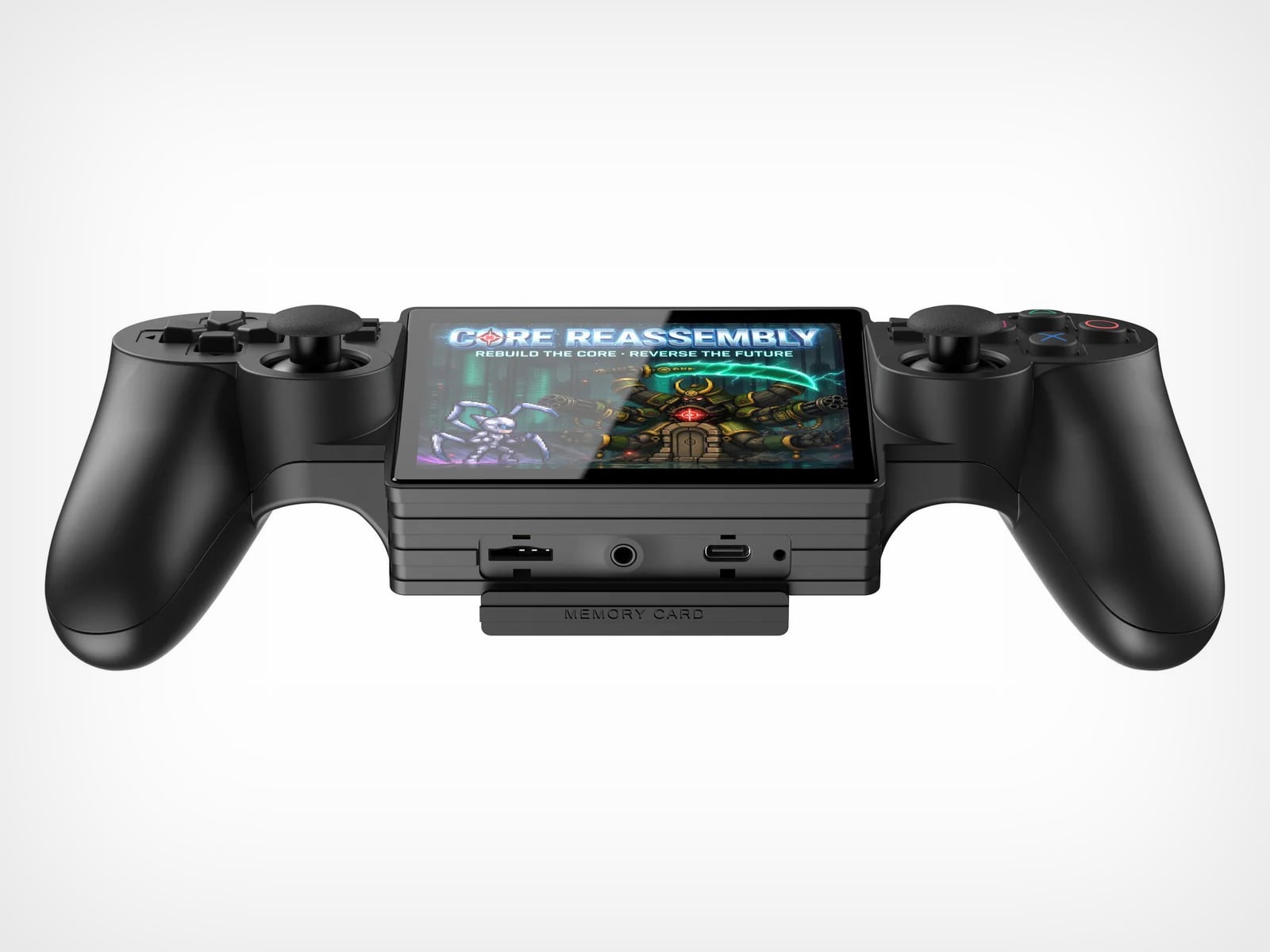
It costs less than Sony’s PS Portal, and it does not ask you to own a $649.99 PS5 first. But calling it the smarter buy skips over how little we actually know. Yoniq has not shared a chipset, RAM, storage, or a release date, and its own product page currently describes a completely different item, the company’s $12.99 stick-on phone controller. Retro Dodo, the outlet that got hands-on time at the booth, initially assumed Yoniq’s AI-generated marketing images meant the whole thing was fake. The prototypes turned out to be real. The pricing page did not.
Here is the part that actually bugs me a little. Photos of the Portal show a screen section that looks thick, almost like one of those quad-fold phone concepts that stack four panels of hardware behind the display. If the whole goal was cramming a phone-sized screen between two controller grips, a slim off-the-shelf smartphone chassis would have gotten there with way less bulk and probably a nicer panel too. Instead Yoniq built a chunky proprietary slab and bolted DualShock arms onto it, which reads more like an engineering default than a considered choice. The Frankenstein energy is real, and it did not have to be.
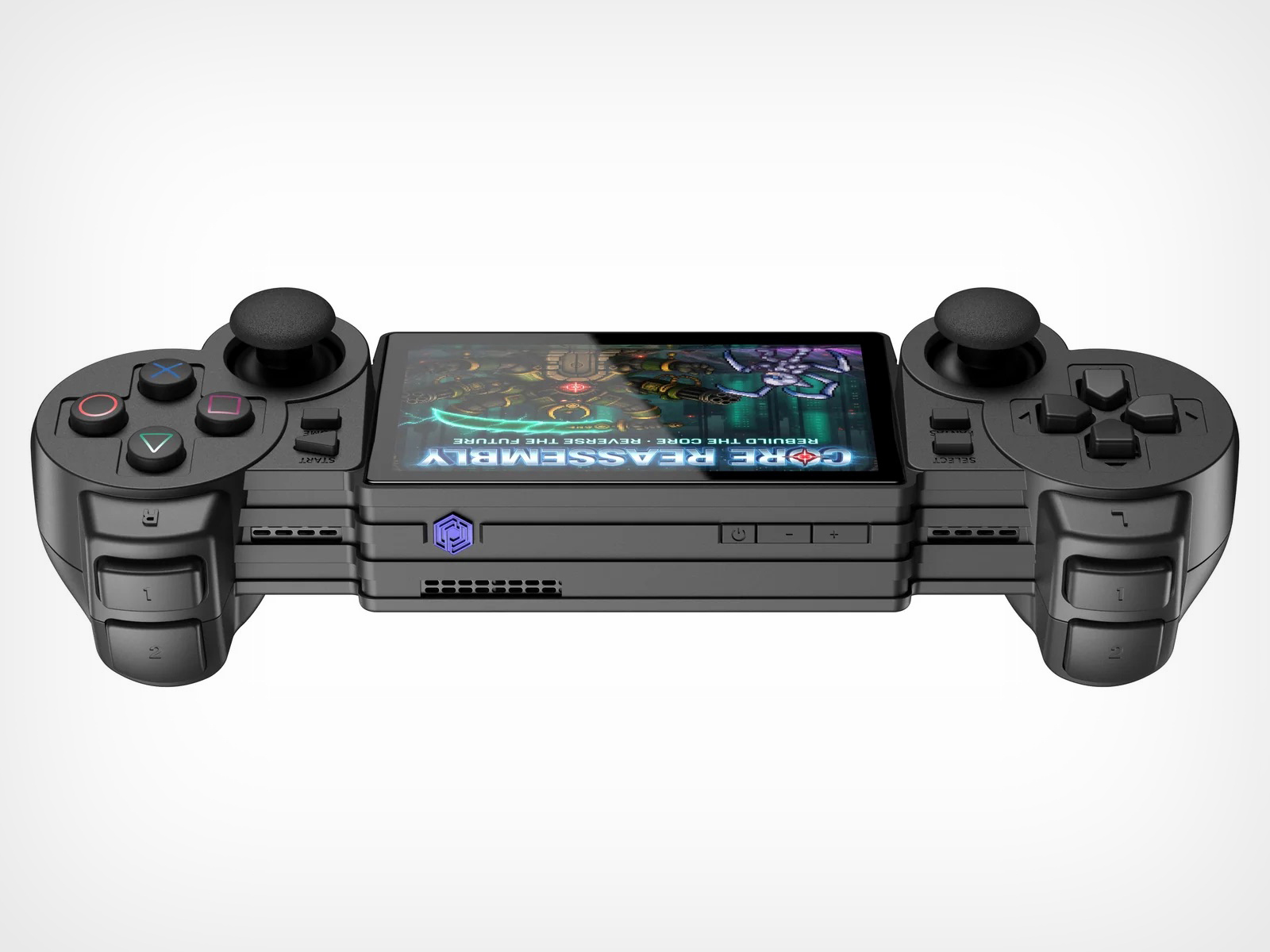
Sony designer Teiyu Goto had to fight his own management to give the original PlayStation controller its handles back in the early 90s, arguing that a flat pad belonged to a two dimensional world. Three decades later, a startup nobody tracked is borrowing that exact silhouette and gluing a thick screen into the middle of it, which is either a tribute or a very efficient shortcut, depending on how generous you are feeling. The DualShock 2 itself barely changed the shape at all when it launched in 2000. Its whole redesign lived on the inside, in buttons that could sense 256 levels of pressure. Whether Yoniq’s version kept anything like that is a real open question, not a minor one.
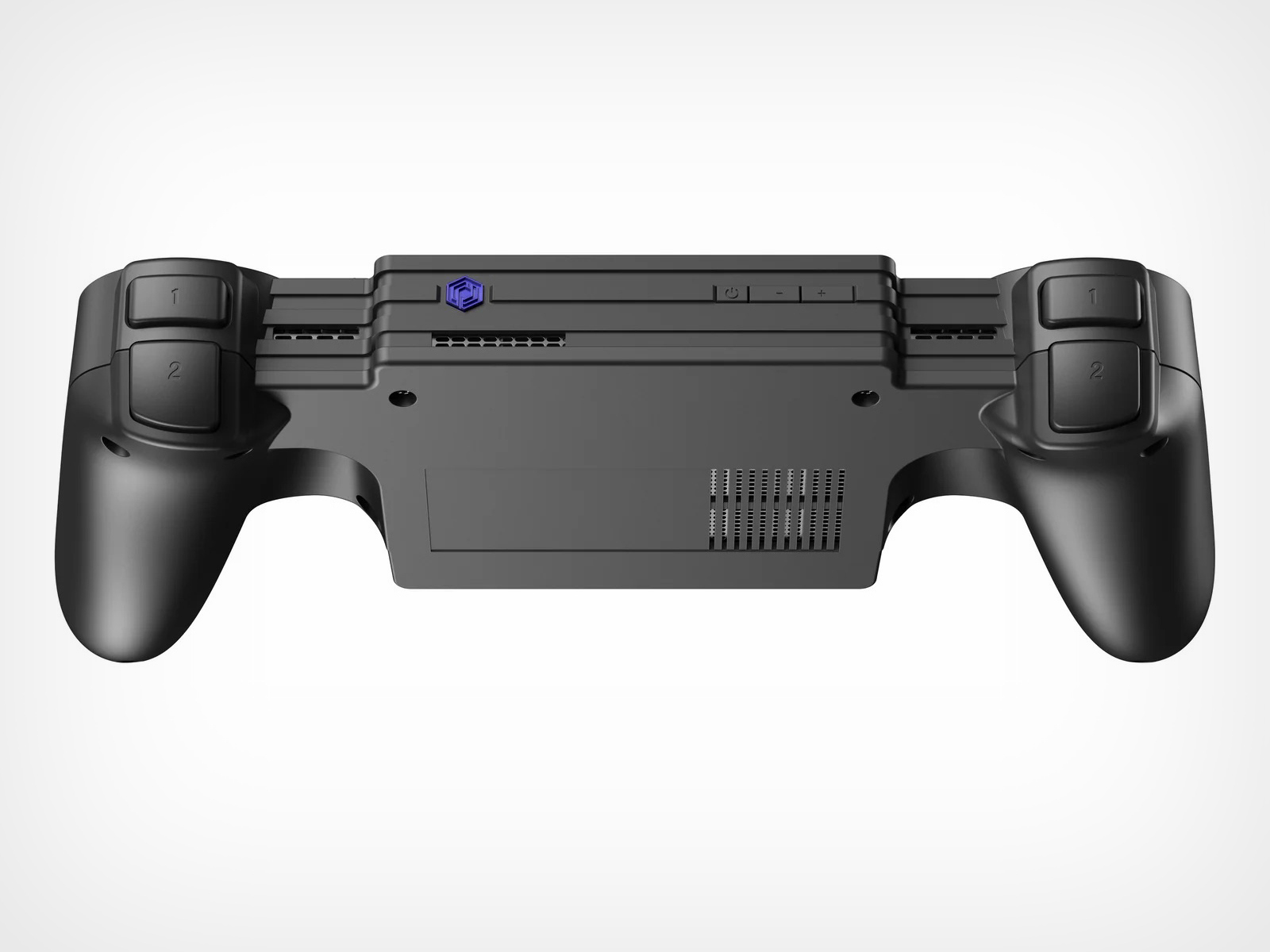
So no, this is not automatically the better PlayStation Portal. It is a cheaper, standalone bet from a company that is still figuring out its own website, wrapped in a controller shape that has quietly outlived three console generations. That combination can age into something genuinely good, or it can age into a $199 lesson. Right now, with a specs sheet this empty, it is simply too early to tell which one we are getting.

