
Most clocks either sweep hands around a dial or flash numbers on a screen, and neither option feels particularly satisfying to watch. OVODYO skips both approaches entirely, telling time with two rolling, dice-like balls that physically tumble into position every few minutes. It’s a clock built around a small mechanical performance rather than a passive glance at the wall.
Each ball is shaped like an icosahedron, a 12-sided solid closer to a fat die than a sphere, with one ball dedicated to hours and the other to minutes. The hours ball carries all 12 hour marks across its faces, while the minutes ball splits into 5-minute intervals, so together the two objects can display any time of day using nothing but which face happens to be sitting on top at that moment.
Designer: ekaggrat singh kalsi
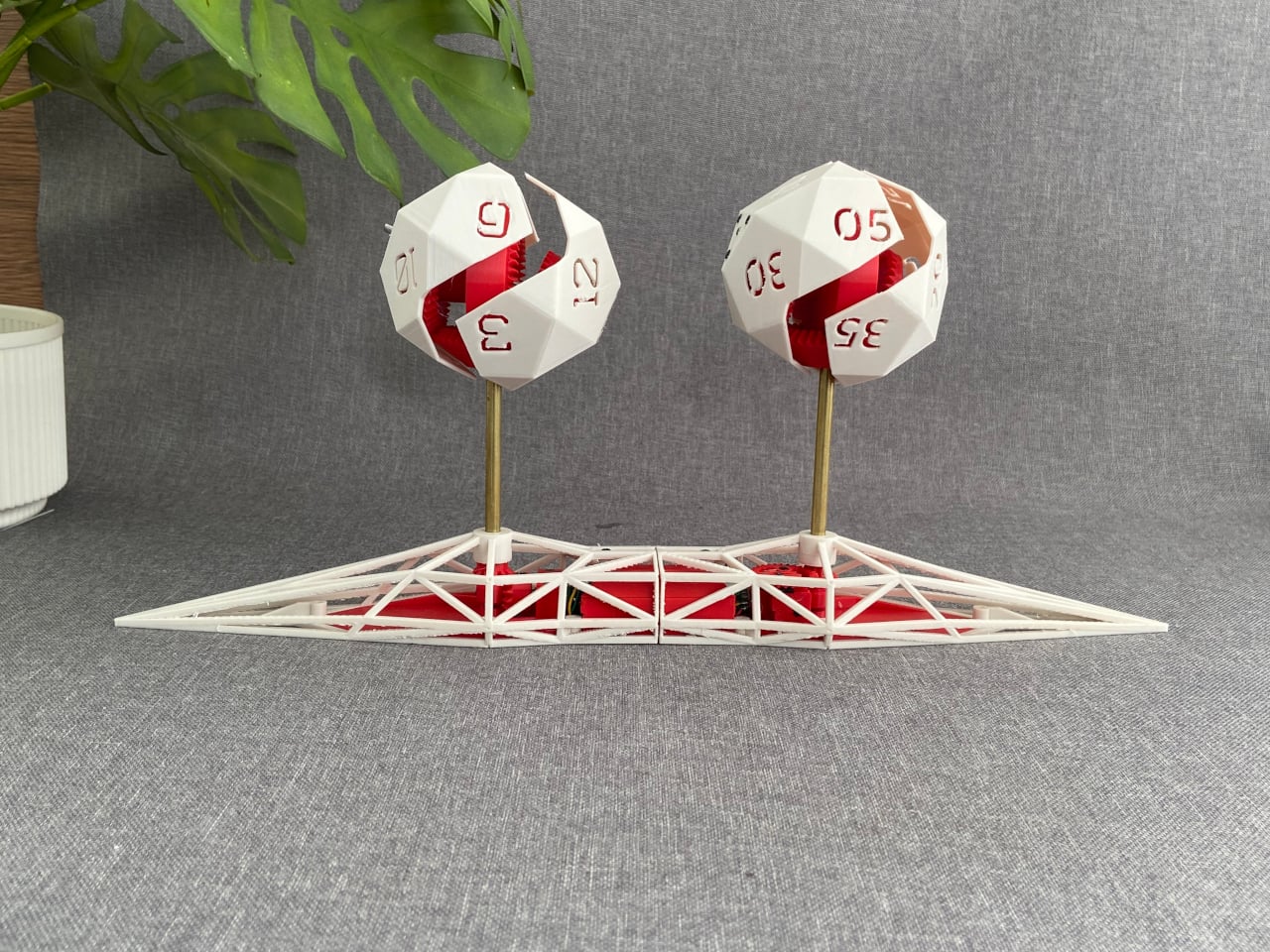

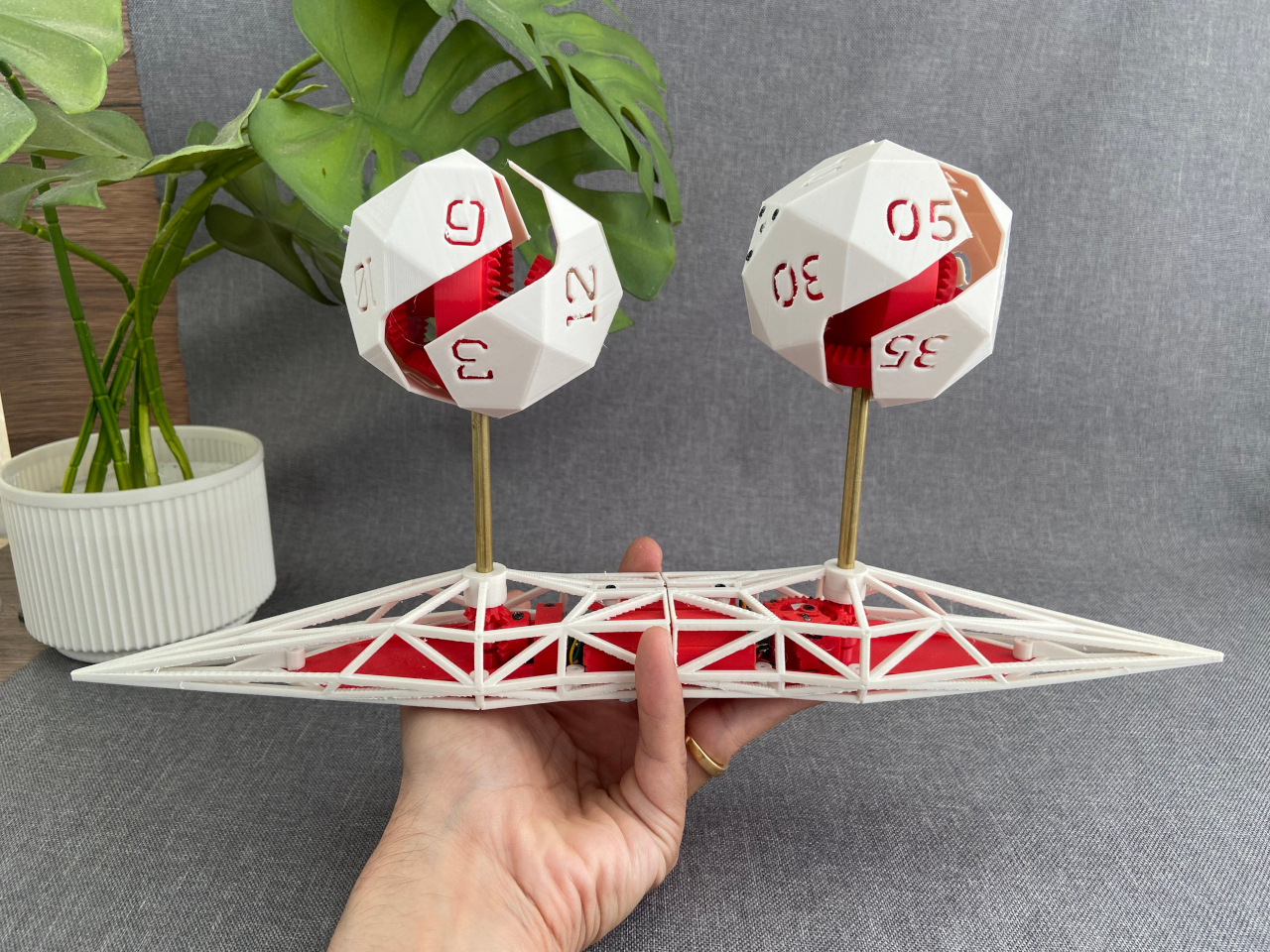
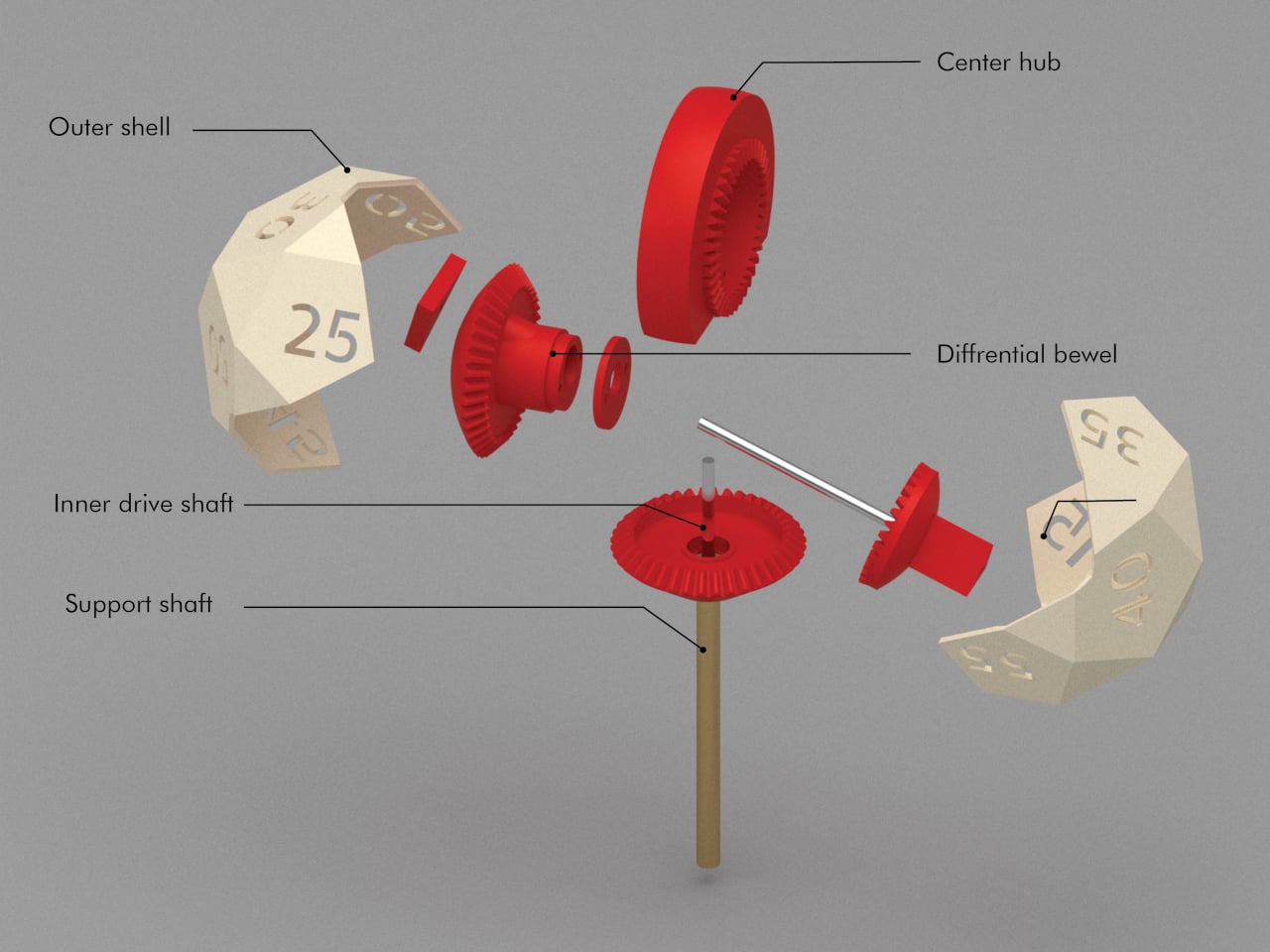
Getting those faces to land correctly took real mechanical problem-solving rather than a simple motor and a timer. A differential mechanism drives each ball forward in fixed increments, tumbling it forward until the correct face rotates into view, then holding it steady until the next update is due. Watching a rigid geometric shape tumble like a die and settle on the exact right face reads more like a magic trick than a timekeeping mechanism.
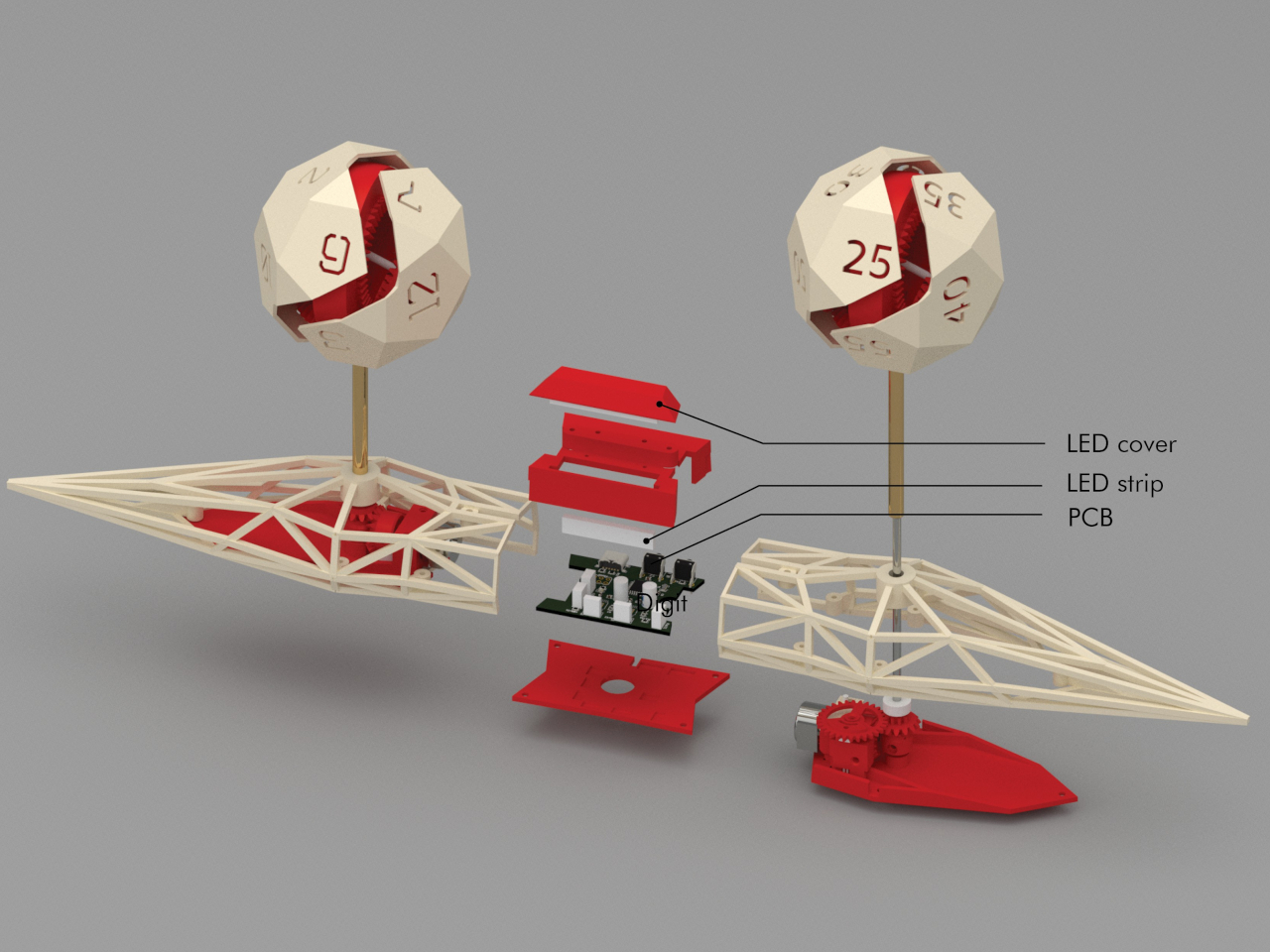
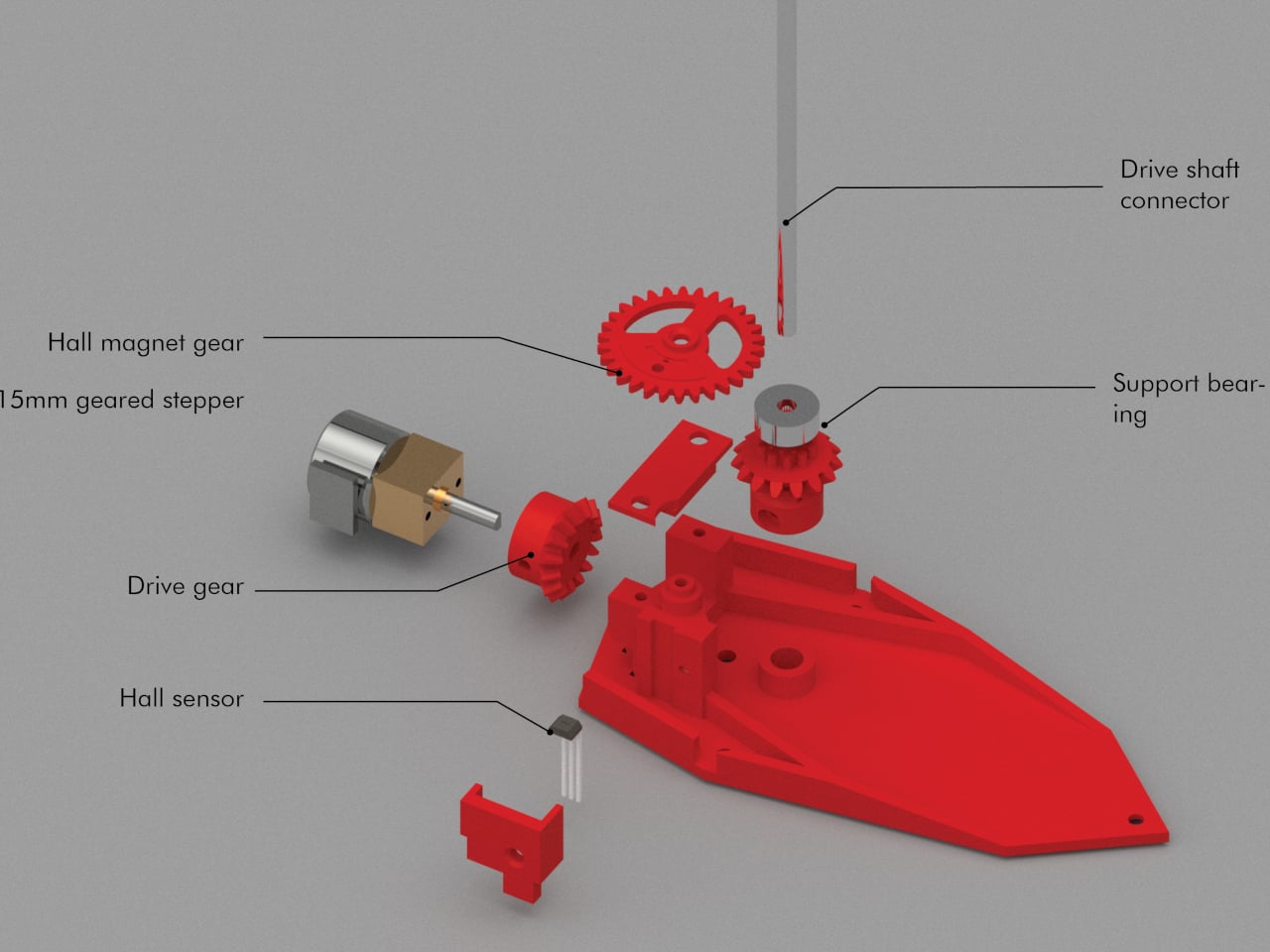
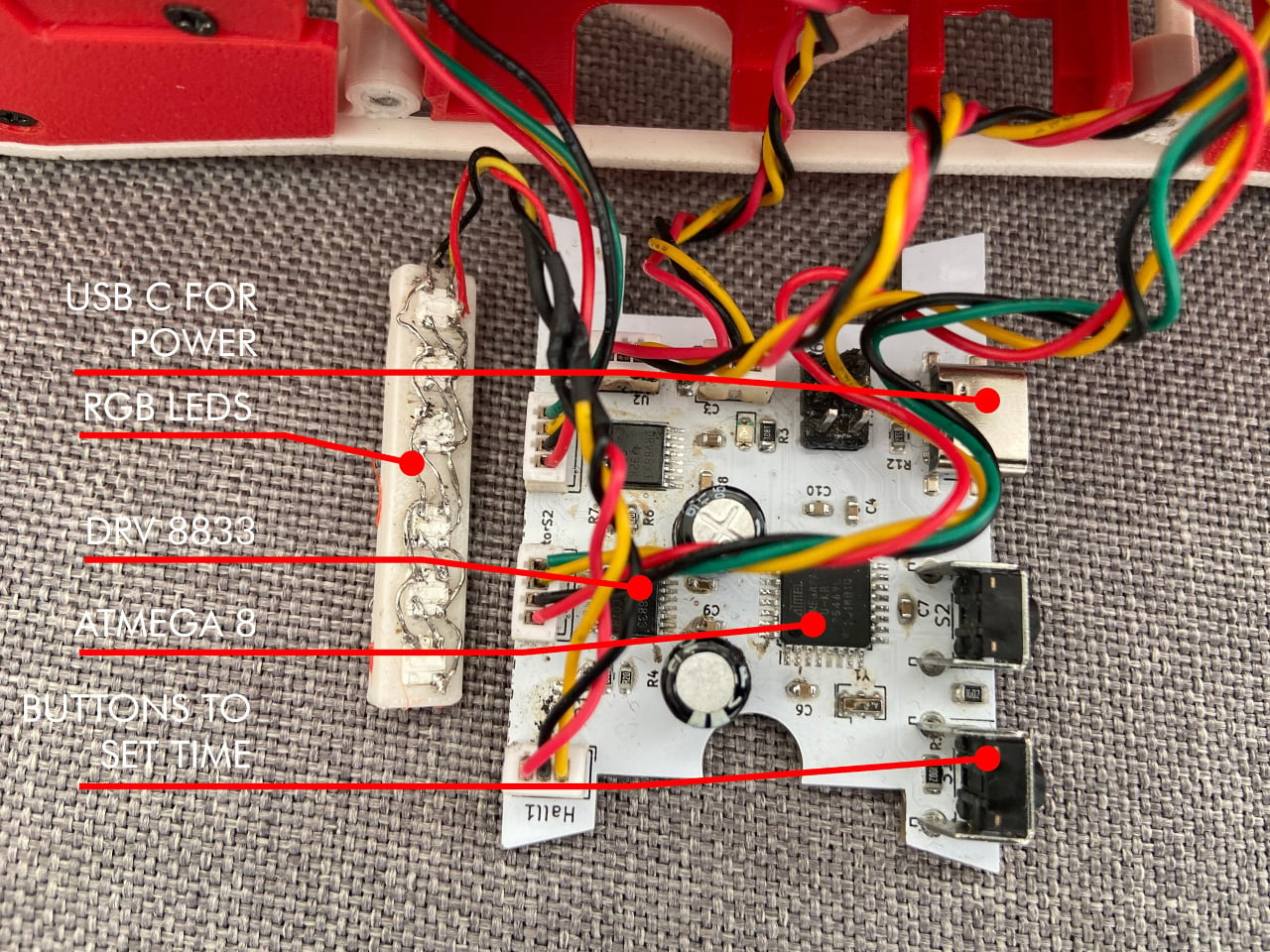
Behind that motion sits a fairly modest set of electronics for what the mechanism achieves. An ATmega8 chip runs the control logic, paired with a pair of DRV8833 driver boards handling the stepper motors that push each ball forward. Three Hall effect sensors track motor position in real time, giving the system enough feedback to know exactly when a face has rotated into the correct spot and stop turning at precisely the right instant.
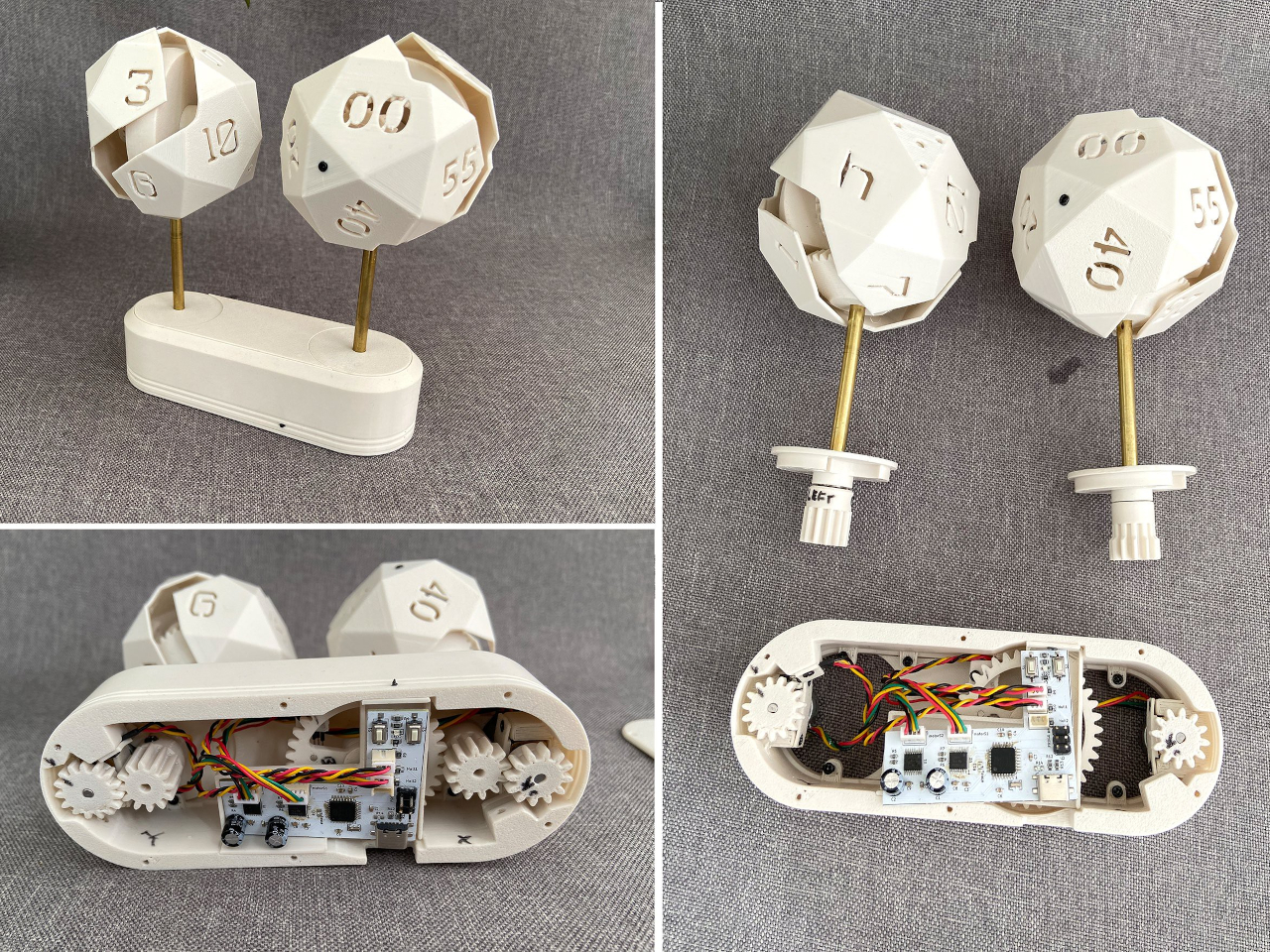
It definitely wasn’t a walk in the park to get that precision. An early prototype of the mechanism suffered from rough printed surfaces and enough friction that the small motors struggled to turn the balls at all. Adding bearings to both shafts solved that problem, smoothing out the rotation enough for modest motors to reliably drive a solid printed ball without stalling partway through a cycle.
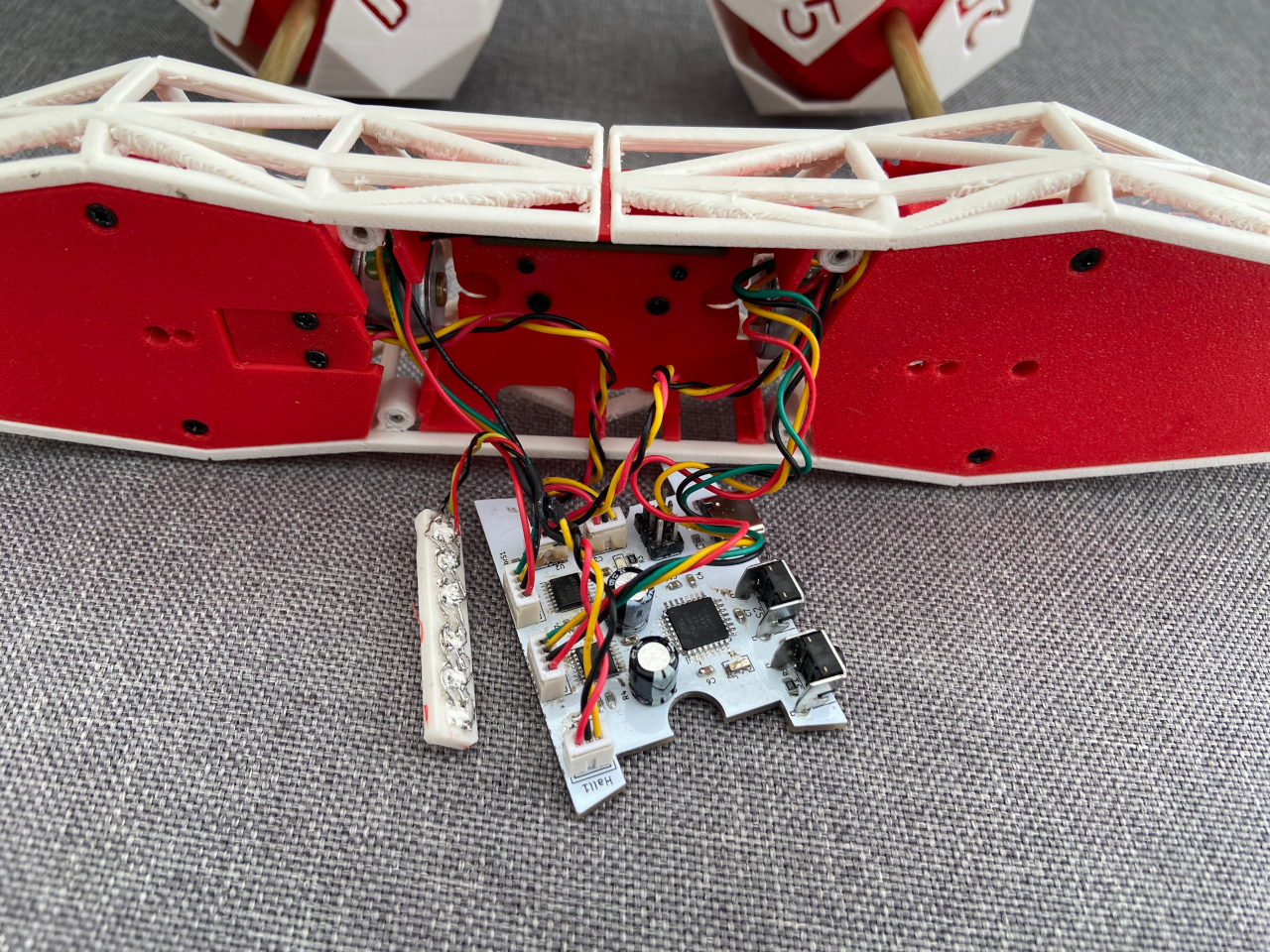
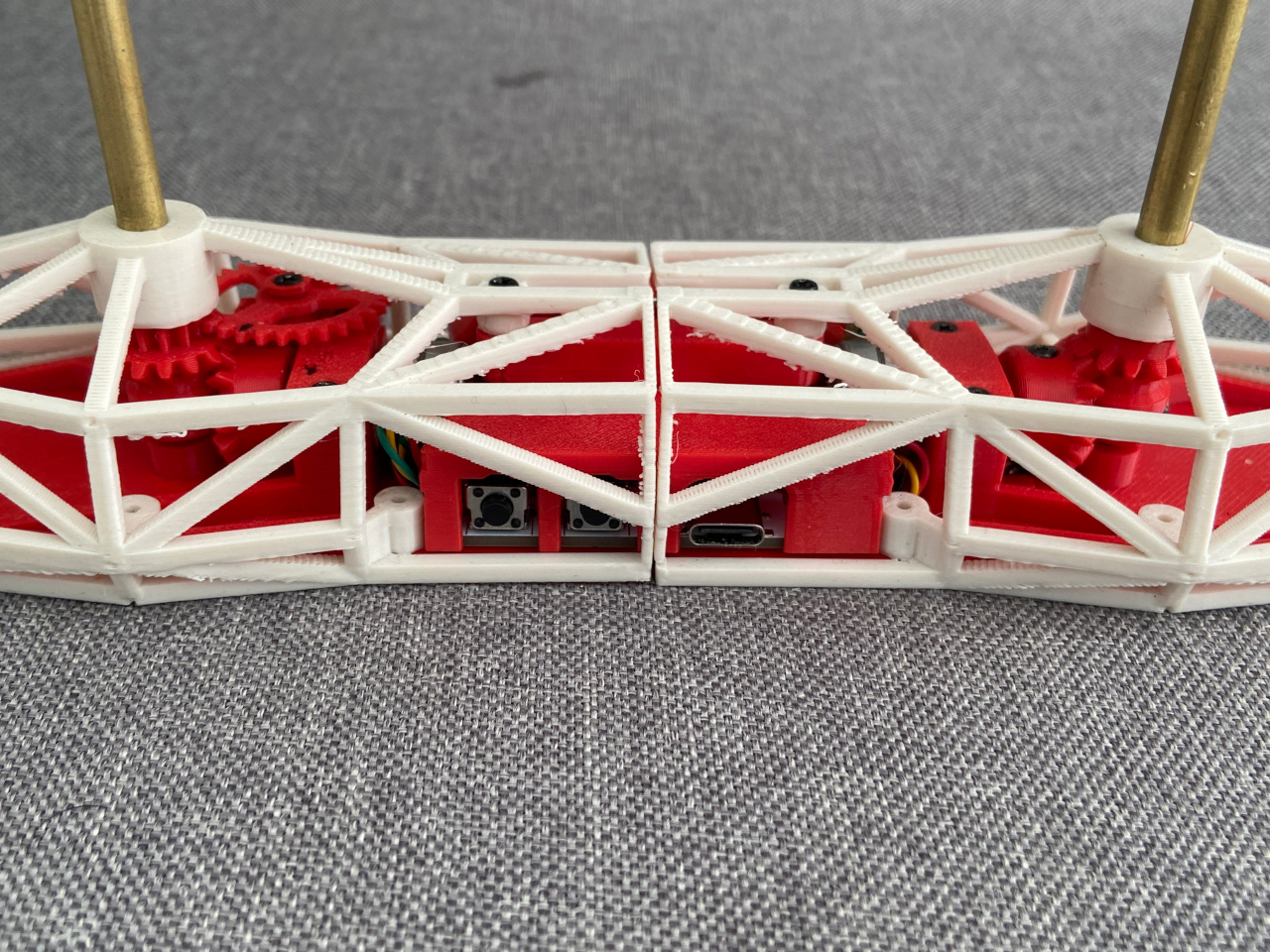
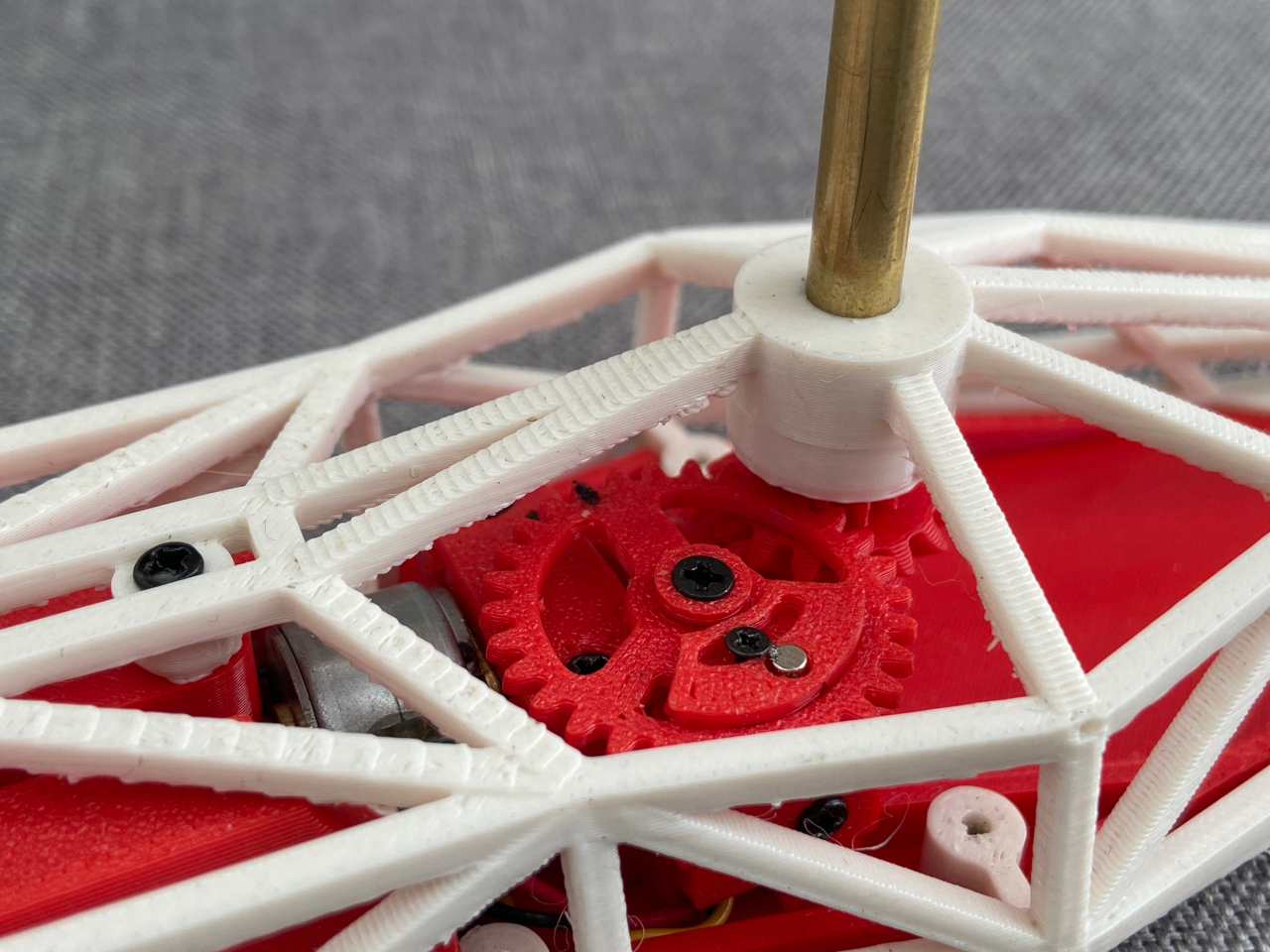
Solving the mechanism turned out to be the easier half of the project. A later prototype had both balls fully working inside a plain, solid base built purely to test function, and it looked the part of a lab bench rig rather than an actual object worth keeping in a living room. That gap between working and looking finished pushed a redesign of the base itself, treating the enclosure as its own separate design problem once the moving parts finally behaved.
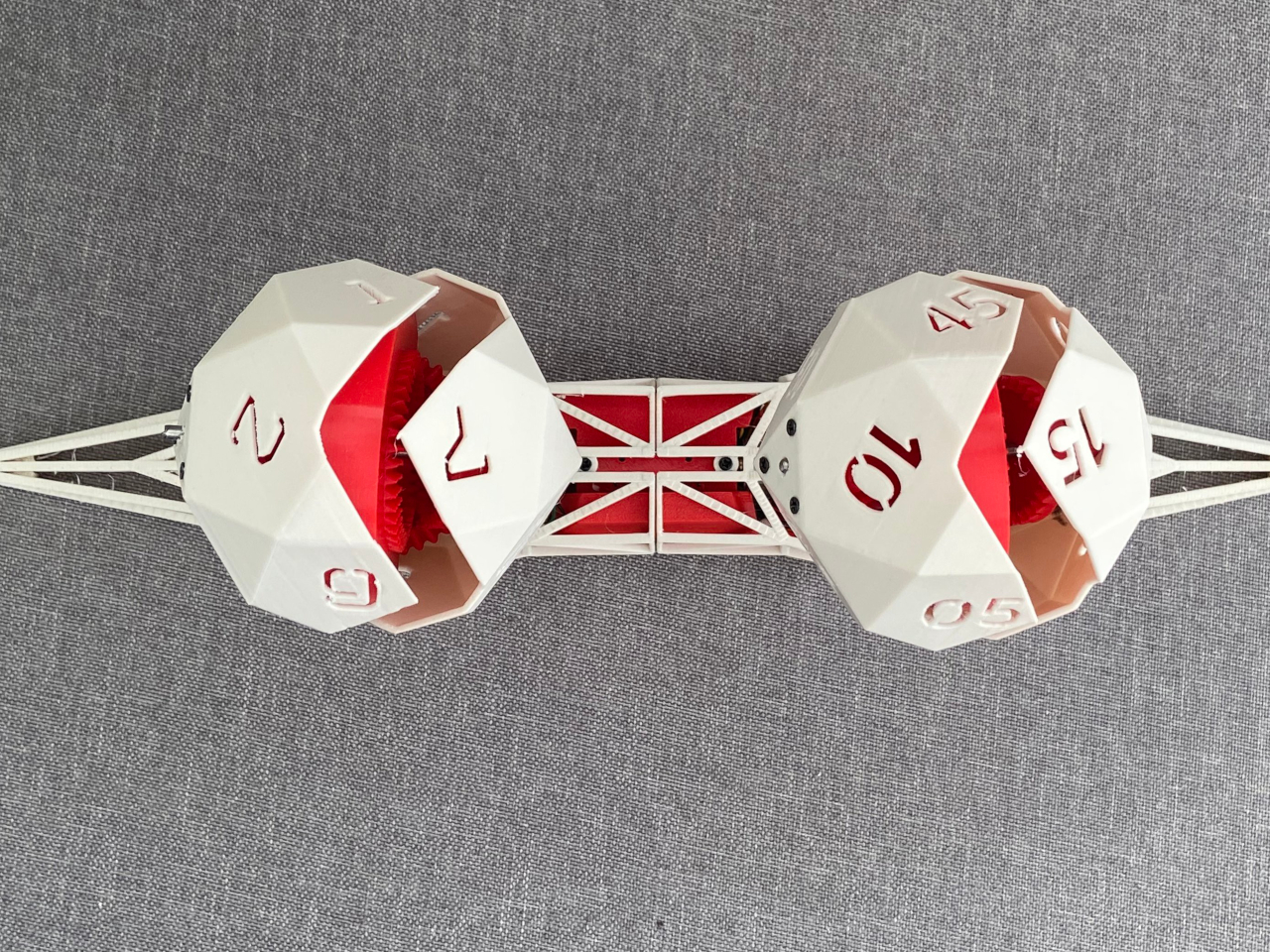
That order of operations tells you something about what makes a project like this hold together. The mechanism has to work before anyone can judge whether the object looks any good sitting out in a room, and OVODYO nails the harder half first. A desk clock built on two tumbling dice sounds like a novelty right up until you watch it settle on the correct hour with mechanical certainty, at which point it just looks like the obvious way a clock should have worked all along.

